
Strasbourg: Europe's capital between two cultures
Passed multiple times between France and Germany over the centuries, Strasbourg hosts the European Parliament precisely because of its disputed past.
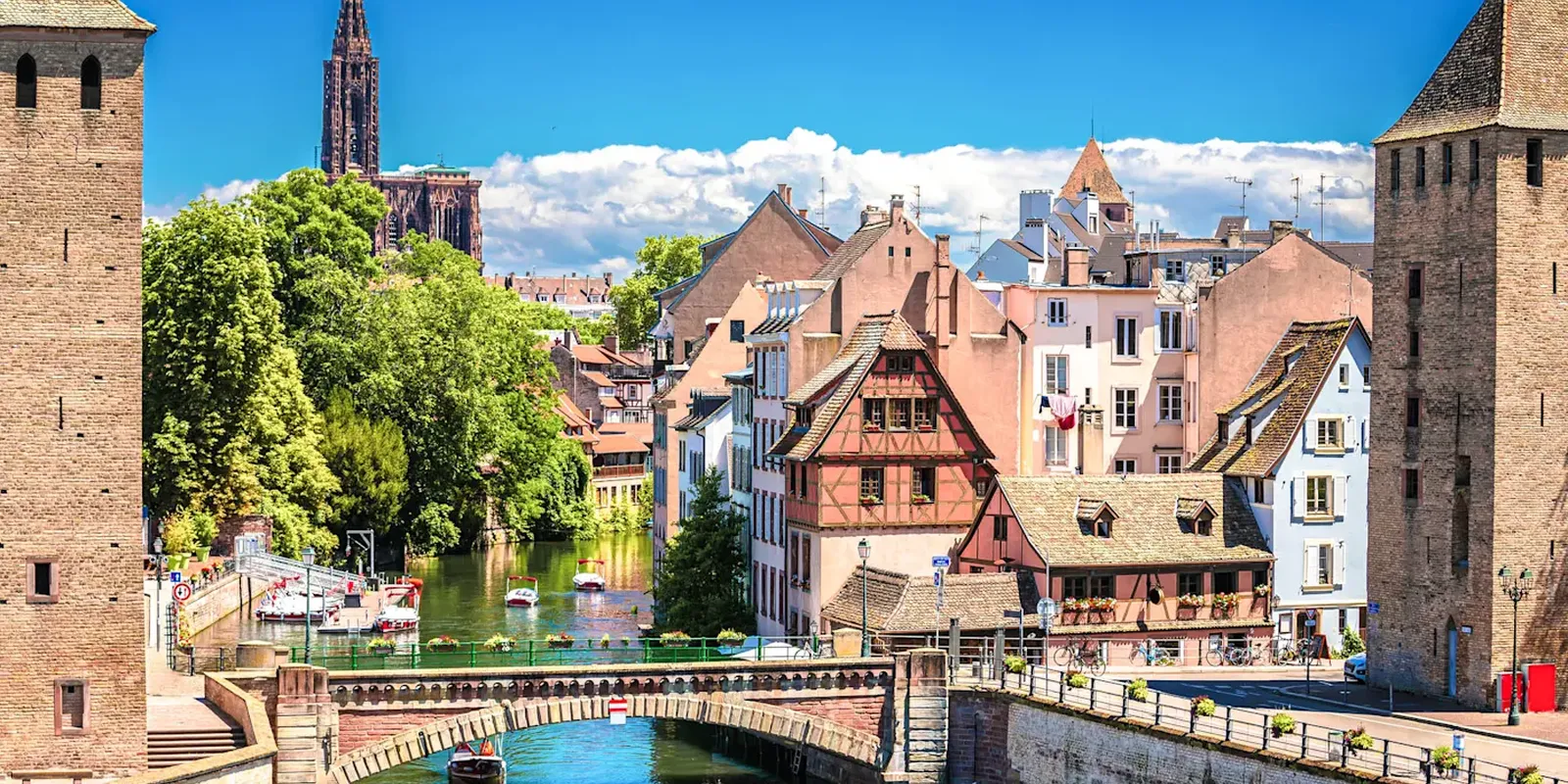
The historic center, Petite France, is comfortably explored on foot.
The Cathedral of Strasbourg, in pink sandstone, was for centuries the tallest building in the Christian world and houses an astronomical clock that comes alive every day at solar noon.
Descending to the river, you walk through the Petite France, a neighborhood of half-timbered houses once inhabited by tanners, millers, and fishermen, now among the most photographed in the city.
Continuing on, you reach the Covered Bridges, medieval towers connected by wooden walkways along the channels of the Ill.
Towards evening, the European district, with the European Parliament and the Council of Europe, reminds of the city's symbolic role as a place of Franco-German reconciliation.
The cathedral's astronomical clock, whose current version dates to the nineteenth century, stages a daily mechanical procession of apostles before Christ, drawing crowds of visitors at noon.
Strasbourg was chosen as a seat of European institutions precisely because, having changed hands between France and Germany four times in a century, it better embodied than any other city the idea of continental reconciliation.
Guided tours and experiences in Strasbourg


Related articles


You might also like...
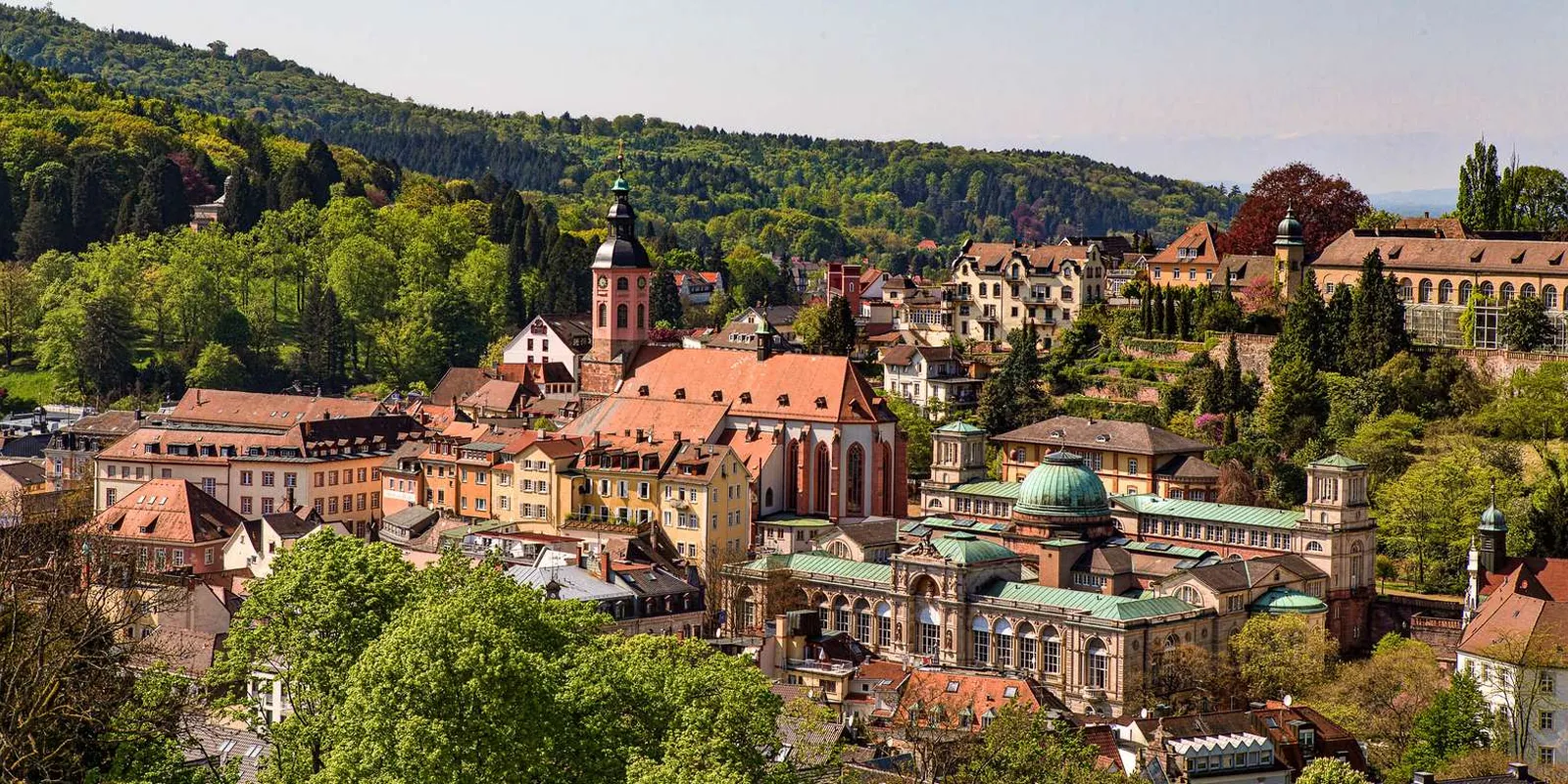
Baden-Baden: the spa town of European high society
Saarbrücken: where France and Germany blend together

Flyone: Routes, Fleet and What to Know After the Bucharest Cuts

Japan Airlines: A Guide to the Airline Reborn After Its 2010 Bankruptcy

Marina Di Campo Airport: where to stay, areas and recommended hotels
