Airport body scanners: everything you need to know
Body scanners in use in European airports today work with millimetre waves, not X-rays: the old backscatter X-ray machines have been withdrawn from circulation due to health safety concerns.
How it works and what the operator sees
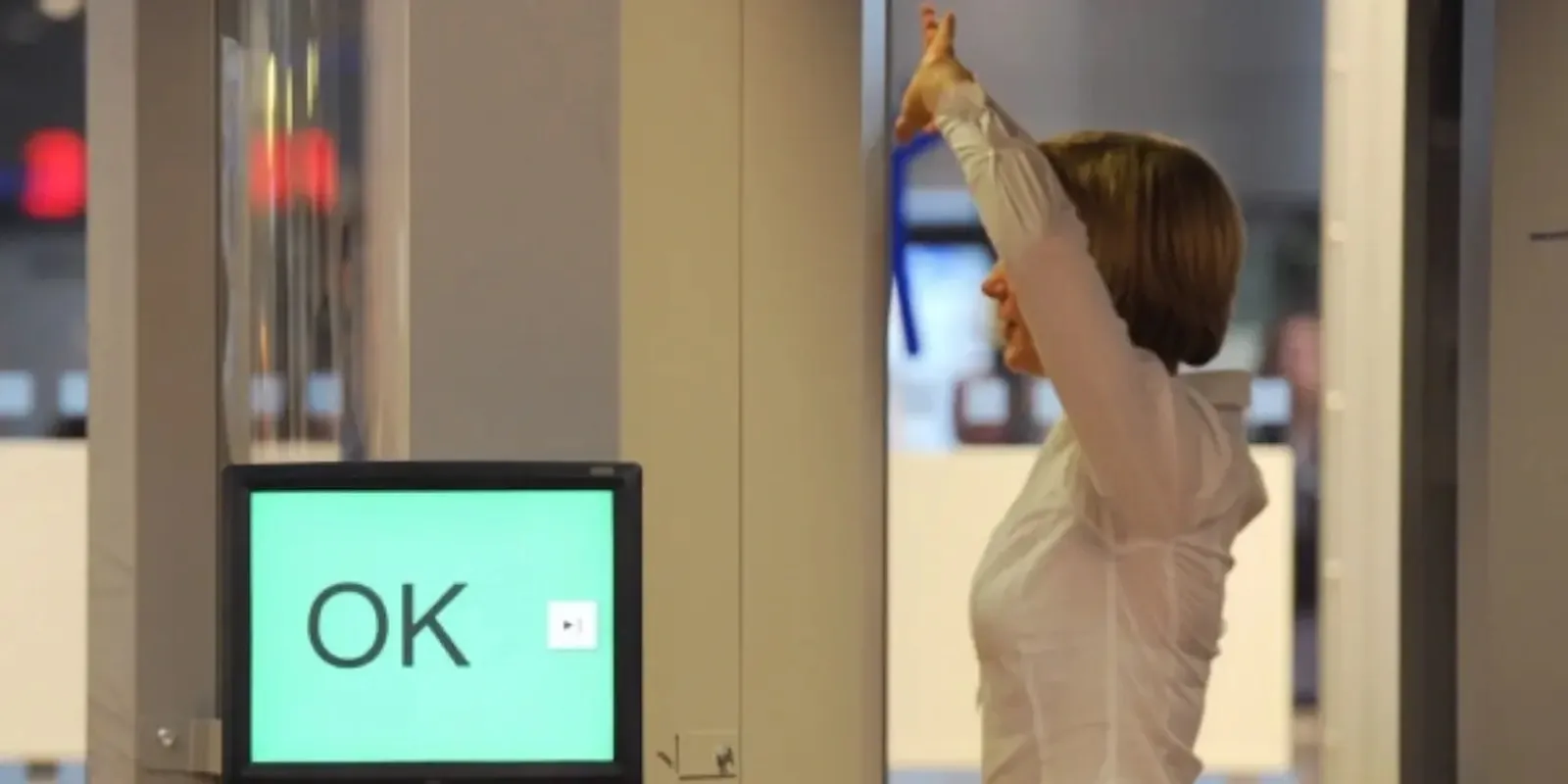
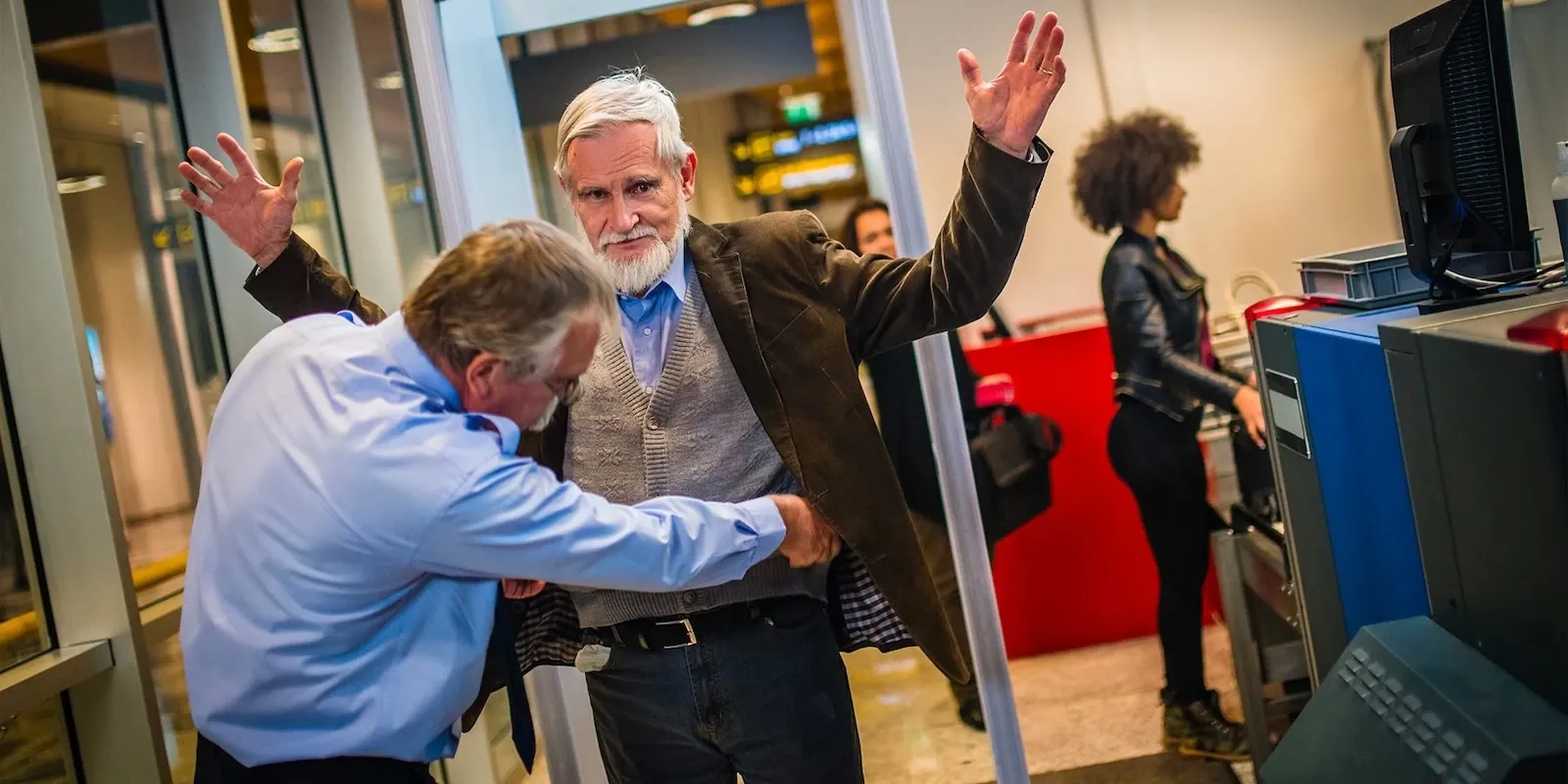
The millimetre wave scanner generates a generic, stylised image of the body — a uniform silhouette, not a realistic photograph — that only signals the position of any foreign objects under clothing. The scan takes only a few seconds, with your arms raised and feet slightly apart in the position indicated by the officer.
Health and privacy: what the rules provide
Millimetre waves are not ionising: exposure is comparable, according to aviation authority assessments, to that of a mobile phone. The images generated are not stored or linked to passenger identity. You also always have the right to request, as an alternative to the scanner, a manual search: the option to choose an alternative check is provided by the European regulatory framework for these devices.
How to avoid an additional check
The most common false alarms come from items forgotten in pockets: coins, tissues, hairclips, belts with metal buckles. Emptying pockets completely before entering the cabin almost always reduces the need for a second scan or manual verification of the flagged area.
Those who wear a pacemaker, prosthesis or other medical device can mention it before the scan and request manual search directly, avoiding any doubts about the scanner result.
You might also like...

Niš Airport: where to stay, areas and recommended hotels
Airport security: how to handle random checks
TransNusa: From the Comac C909 to International Routes, the Transformation of a Regional Airline

Hagfors Airport: where to stay, areas and recommended hotels
What really happens during airport security checks