Carry-on baggage 2026: the new rules to know before flying
Carry-on baggage rules change from airport to airport, and each airline applies its own measurements, weight limits and liquid policies: leaving without verifying them 48 hours before your flight remains one of the most costly mistakes you can make at the gate.
Dimensions and "personal item": what changes between airlines
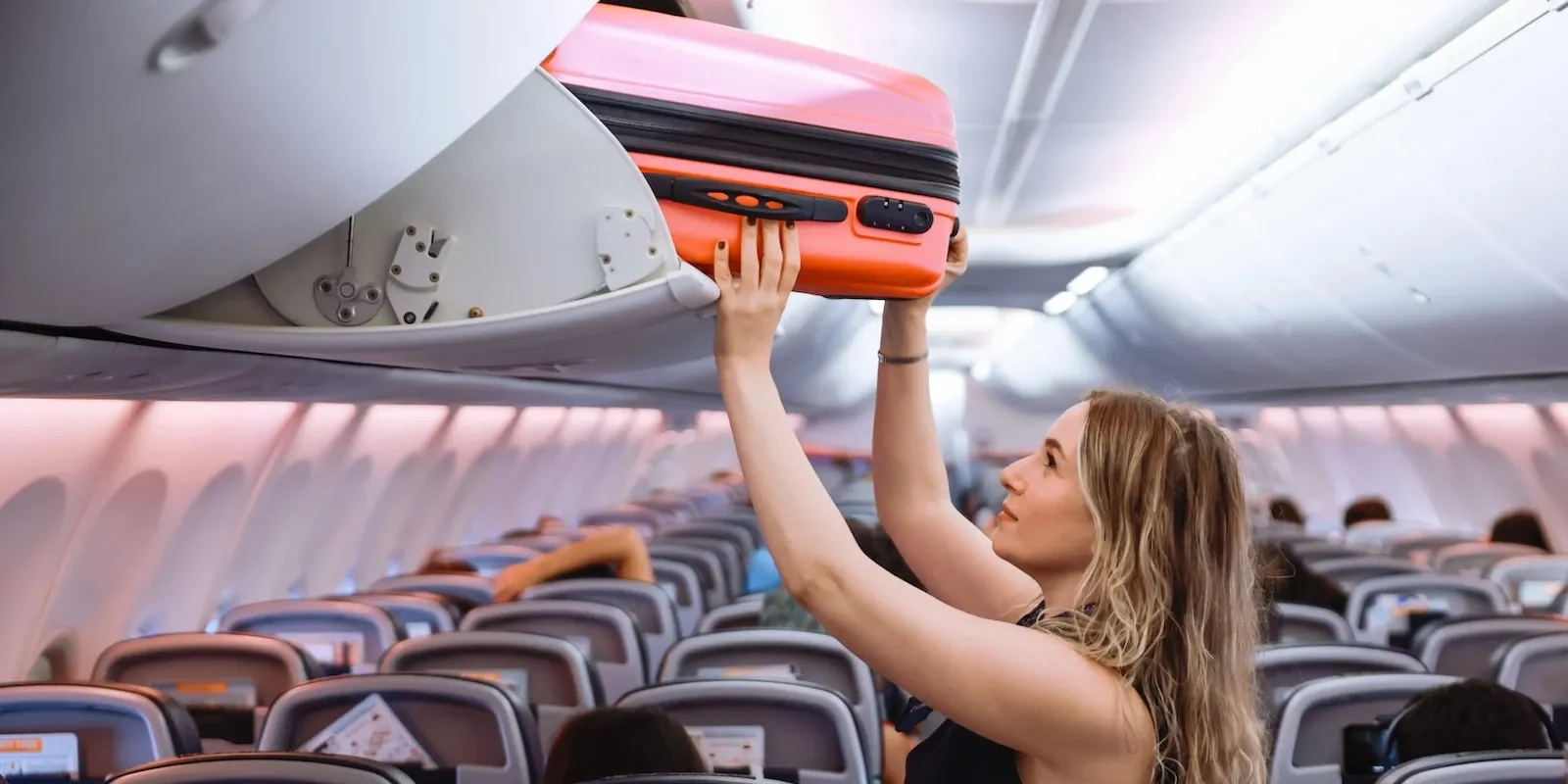
The most widespread reference measurement for carry-on baggage remains around 55x40x20 cm, but low-cost carriers almost always apply lower thresholds for free baggage included in the base fare. Ryanair includes for free only a small bag of 40x20x25 cm to be stowed under the seat, while the larger trolley of 55x40x20 cm requires the paid Priority fare; easyJet applies similar logic, with a small free baggage under the seat of 45x36x20 cm and maximum 15 kg. Confusing your ticket with that of your travel companion who purchased a different fare is the most common mistake at the metal baggage sizer at the gate: whoever fails the test pays the supplement right there, almost always more expensive than what can be purchased online in advance.
Liquids: the 100 ml limit persists, but not everywhere
The rule of 100 ml containers in a transparent bag remains the default standard at most European airports, but airports that have already installed the new generation CT scanners (computed tomography) allow carrying liquids in containers up to 2 liters without having to extract them from the baggage. In Italy it already applies at Fiumicino, Malpensa and Linate; in the United Kingdom at Heathrow, Birmingham, Edinburgh and Dublin. Adoption remains partial: many medium and regional airports have not yet completed installation, so the 100 ml rule should be considered valid by default at your departure airport, unless you have checked in advance on the specific airport's website.
Before closing your suitcase, verify two separate things: the exact measurements of the baggage included in your fare (not the generic one of the airline) and whether your departure airport has already installed CT scanners for liquids, as already happens at Fiumicino and Malpensa.
You might also like...
Checked luggage: what to know before you leave
Corendon Dutch Airlines: The Charter Flights That Take You to the Sun
Checked luggage: tricks to avoid it getting lost

St. John's International Airport: where to stay, areas and recommended hotels

Chicago O'Hare International Airport: where to stay, areas and recommended hotels