Australia: main airports
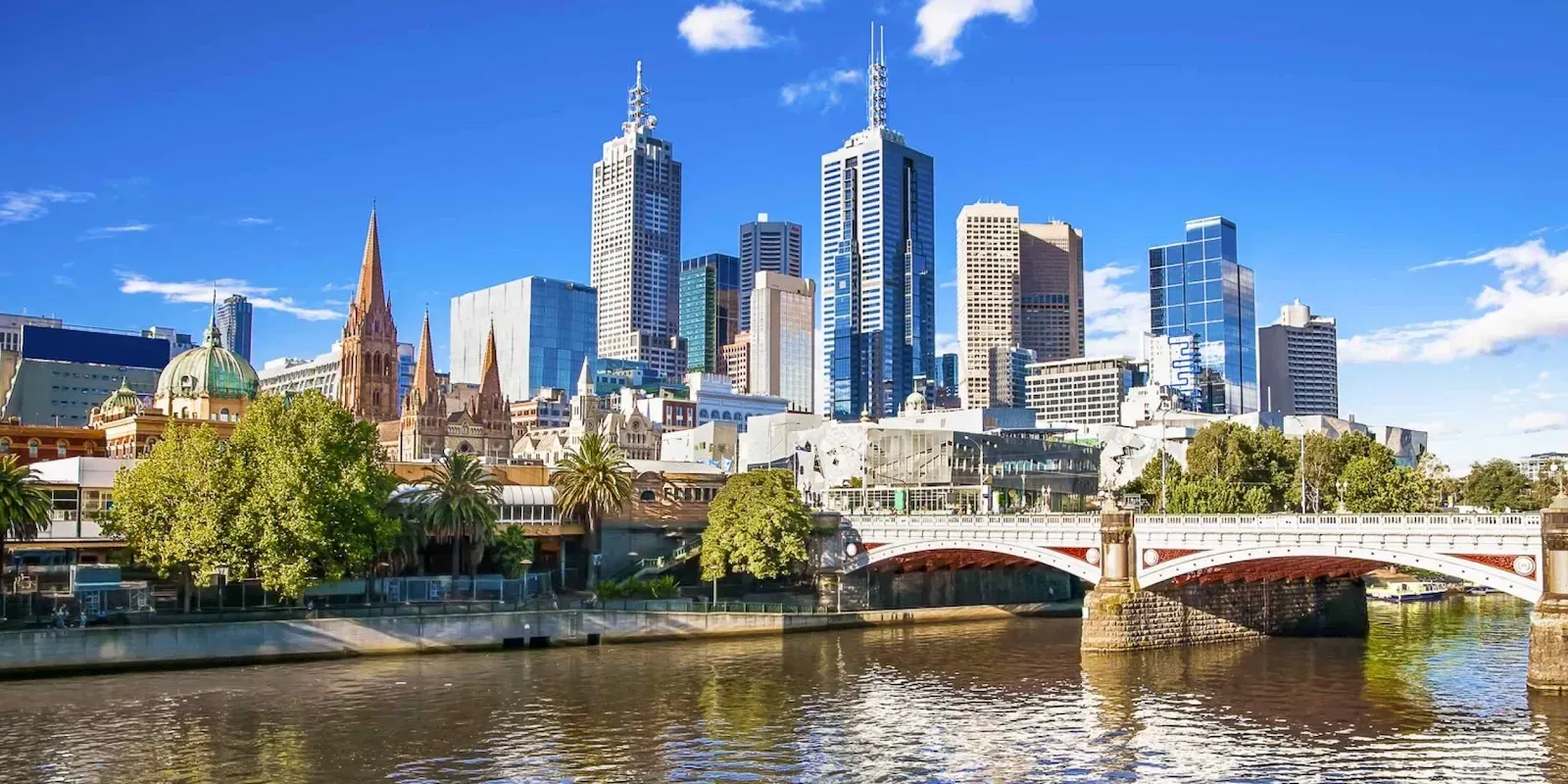
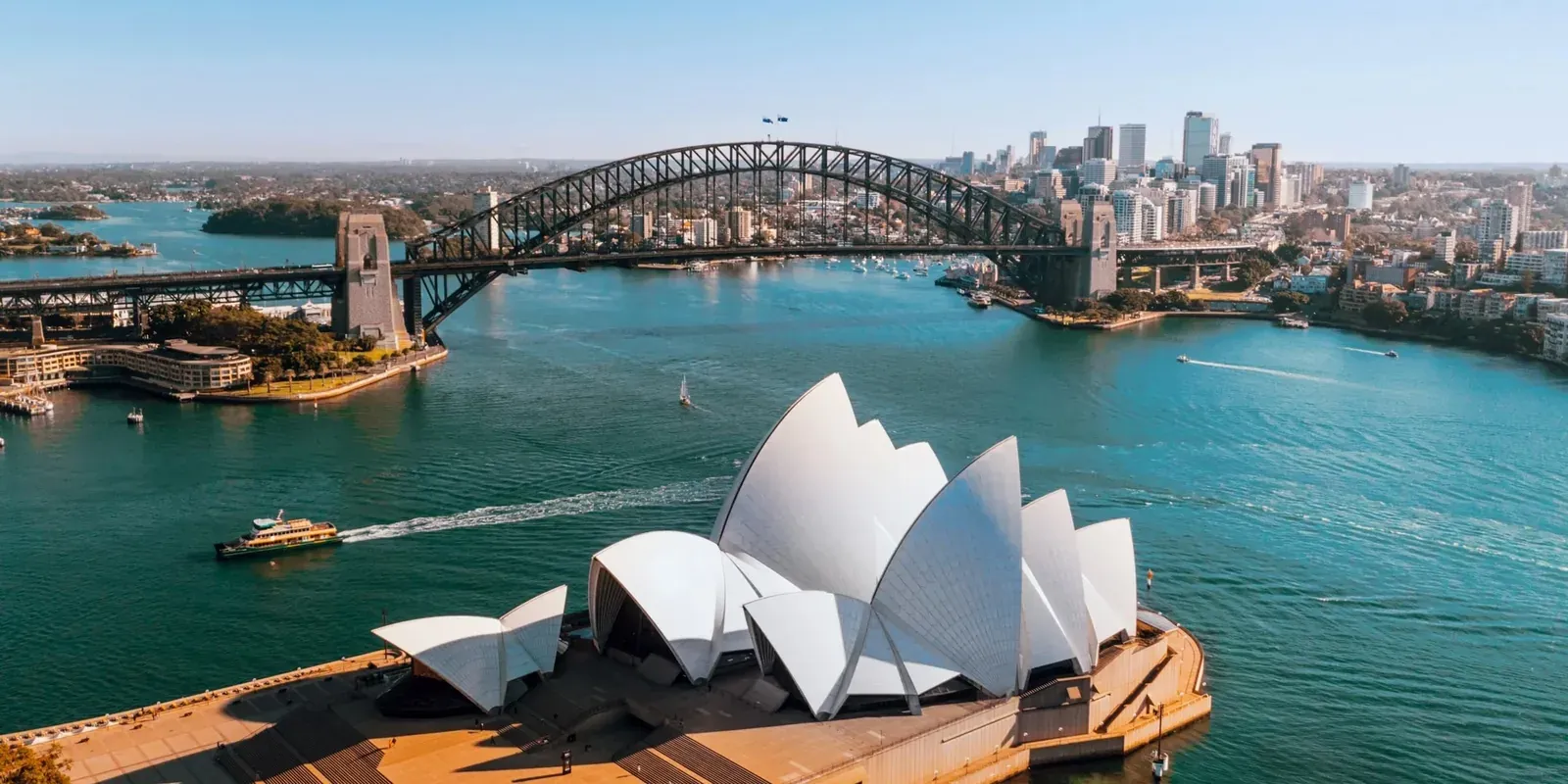
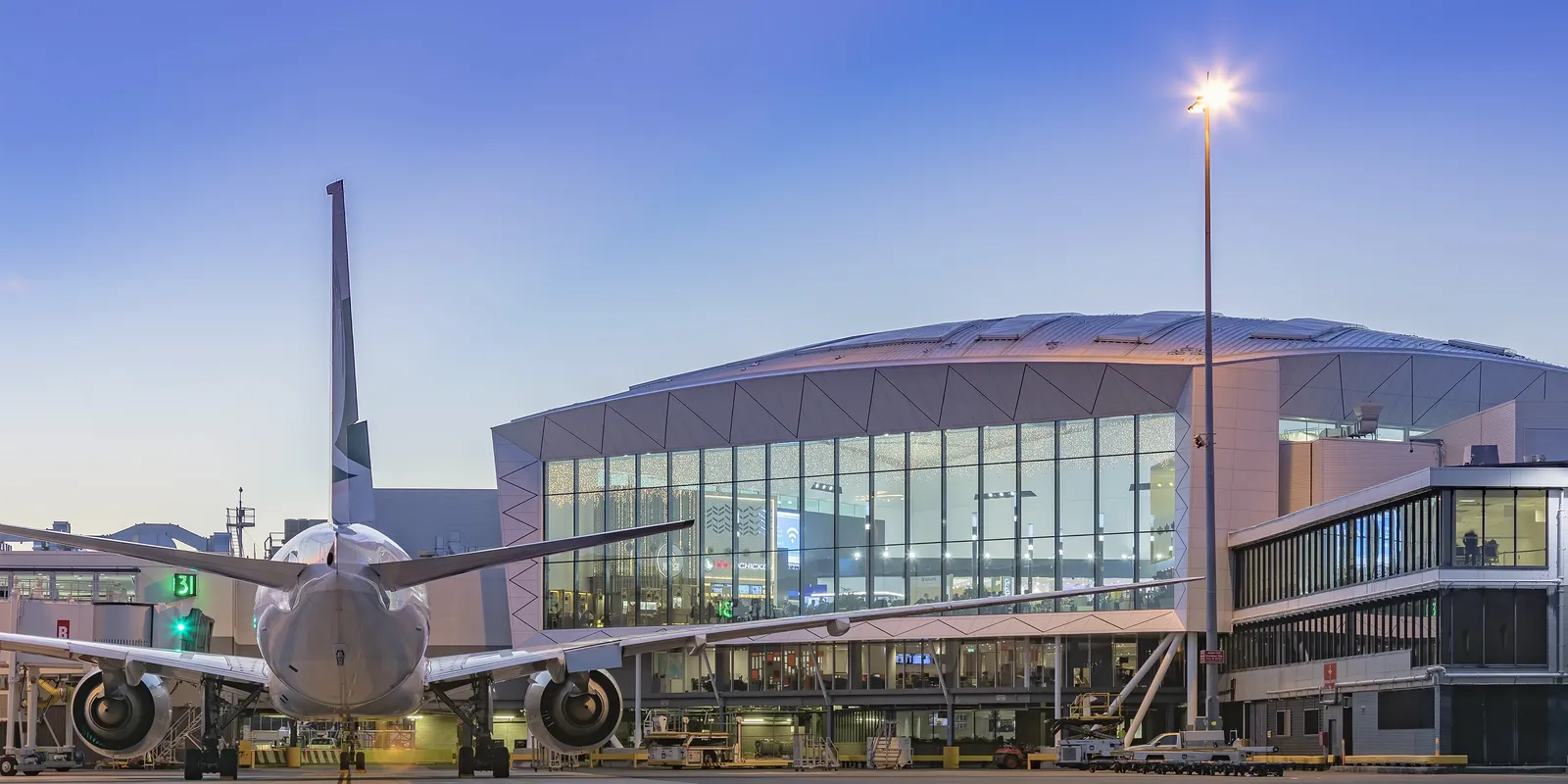
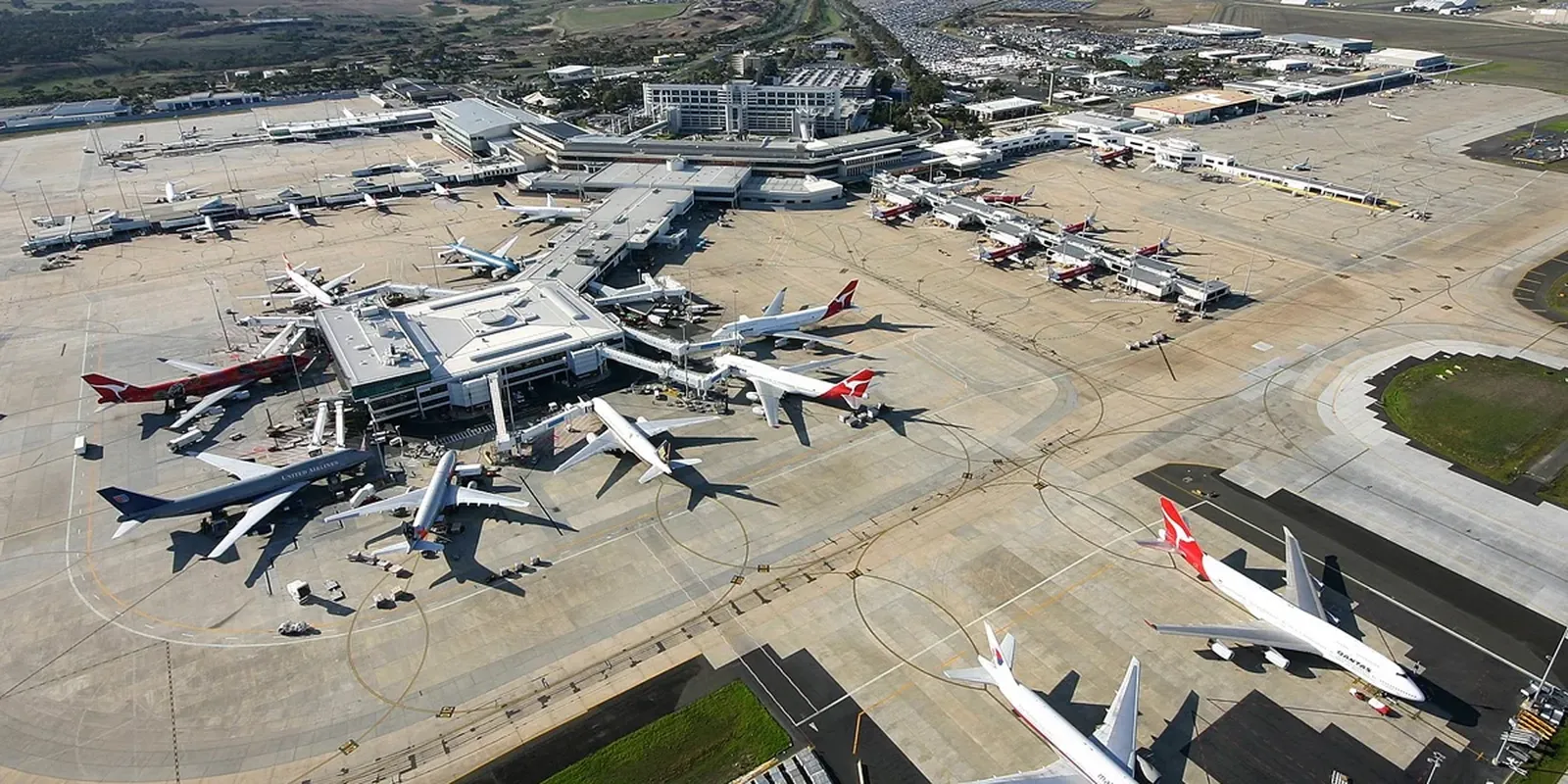
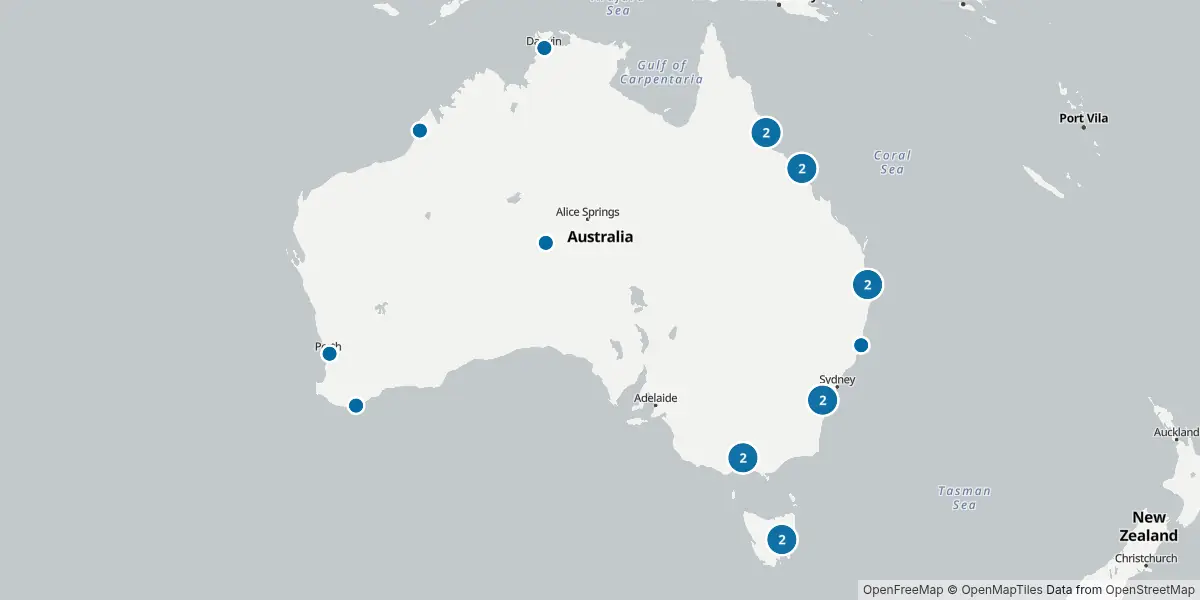
Australia, almost an entire continent, has eighteen airports with regular connections, spread over enormous distances from each other. The two main hubs are Sydney Airport, the busiest in the country just a few kilometres from the Opera House and the famous natural harbour, and Melbourne Airport, gateway to Australia's cultural capital (with the low-cost alternative of nearby Avalon Airport).
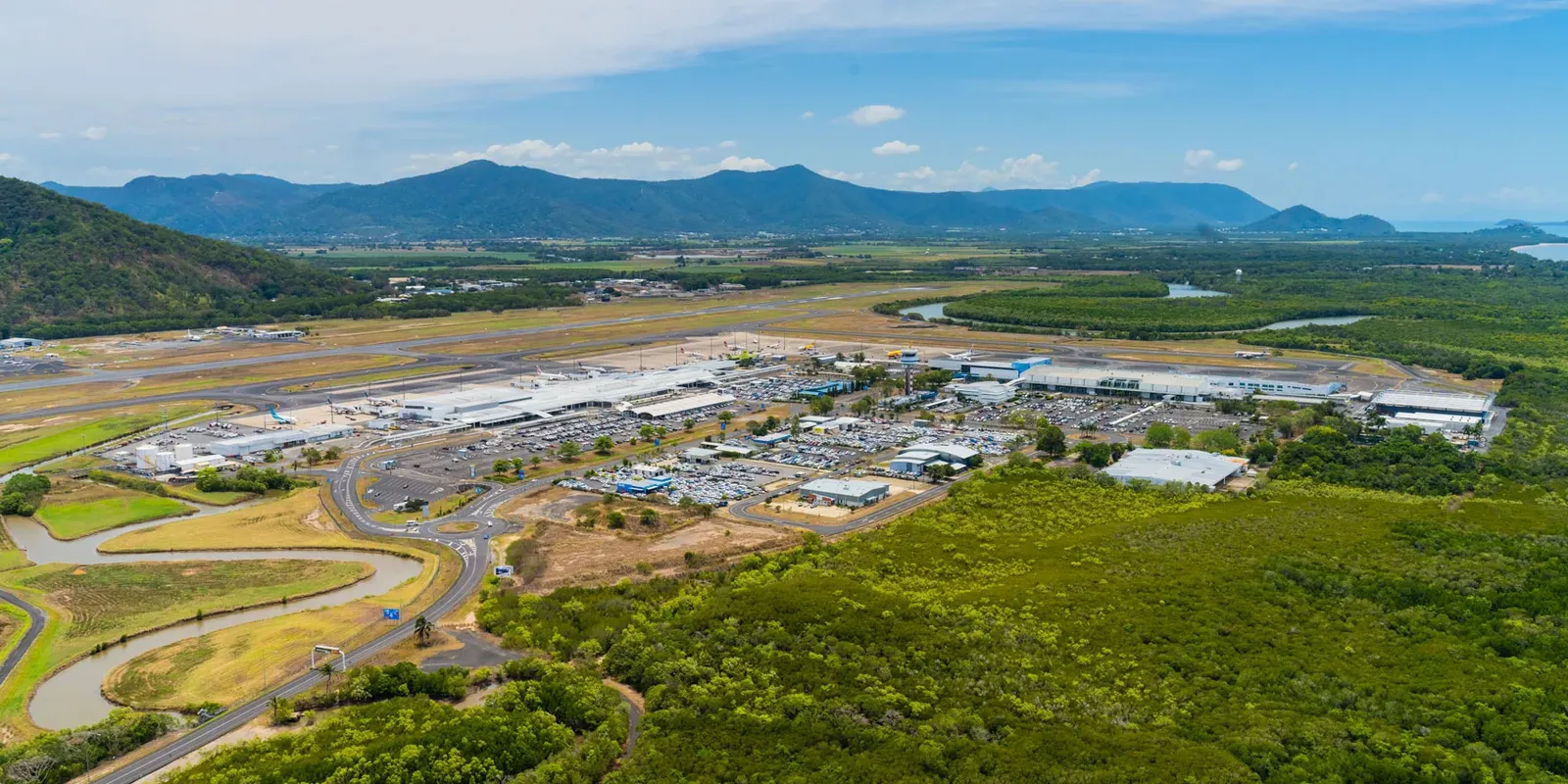
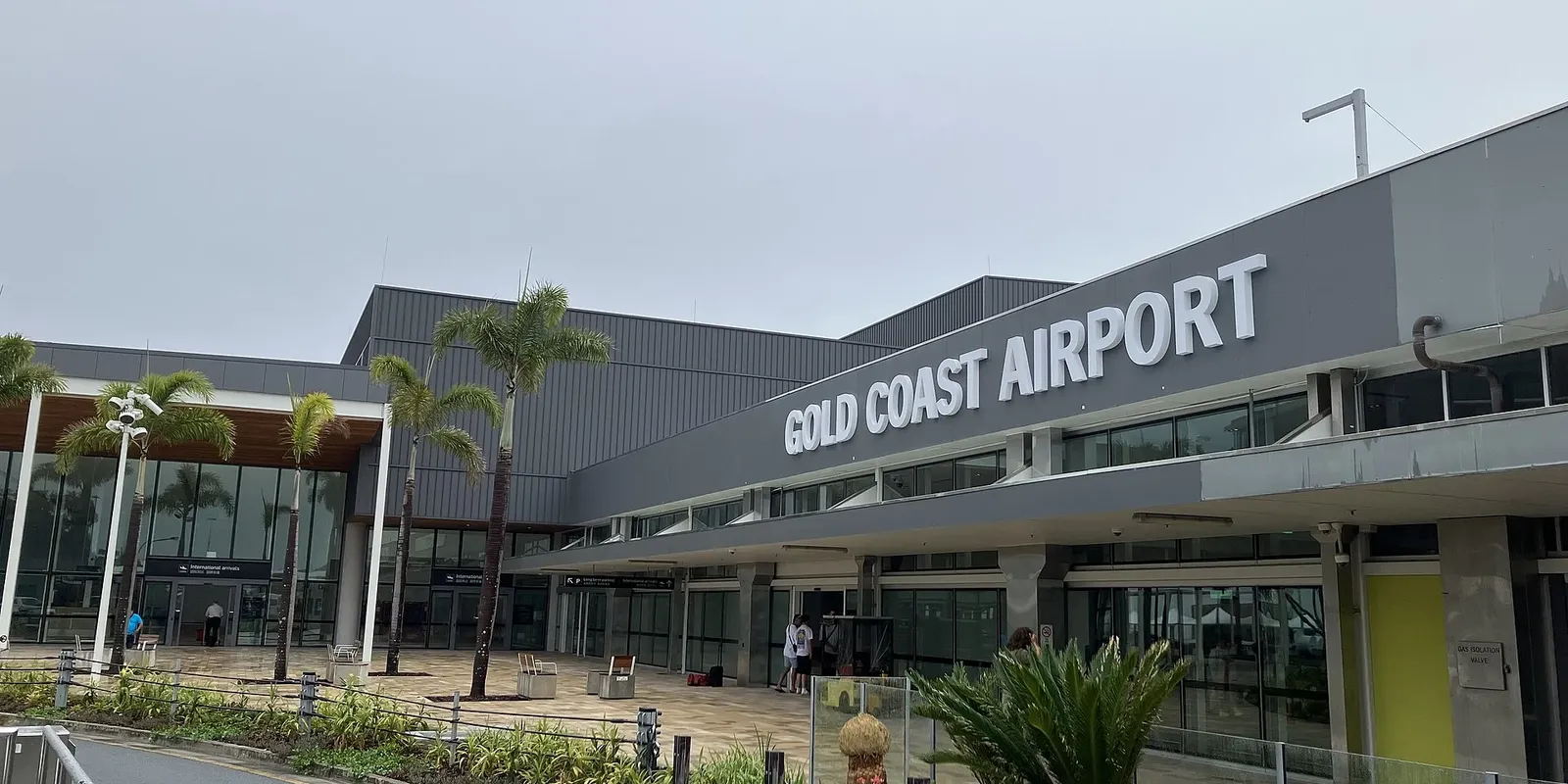
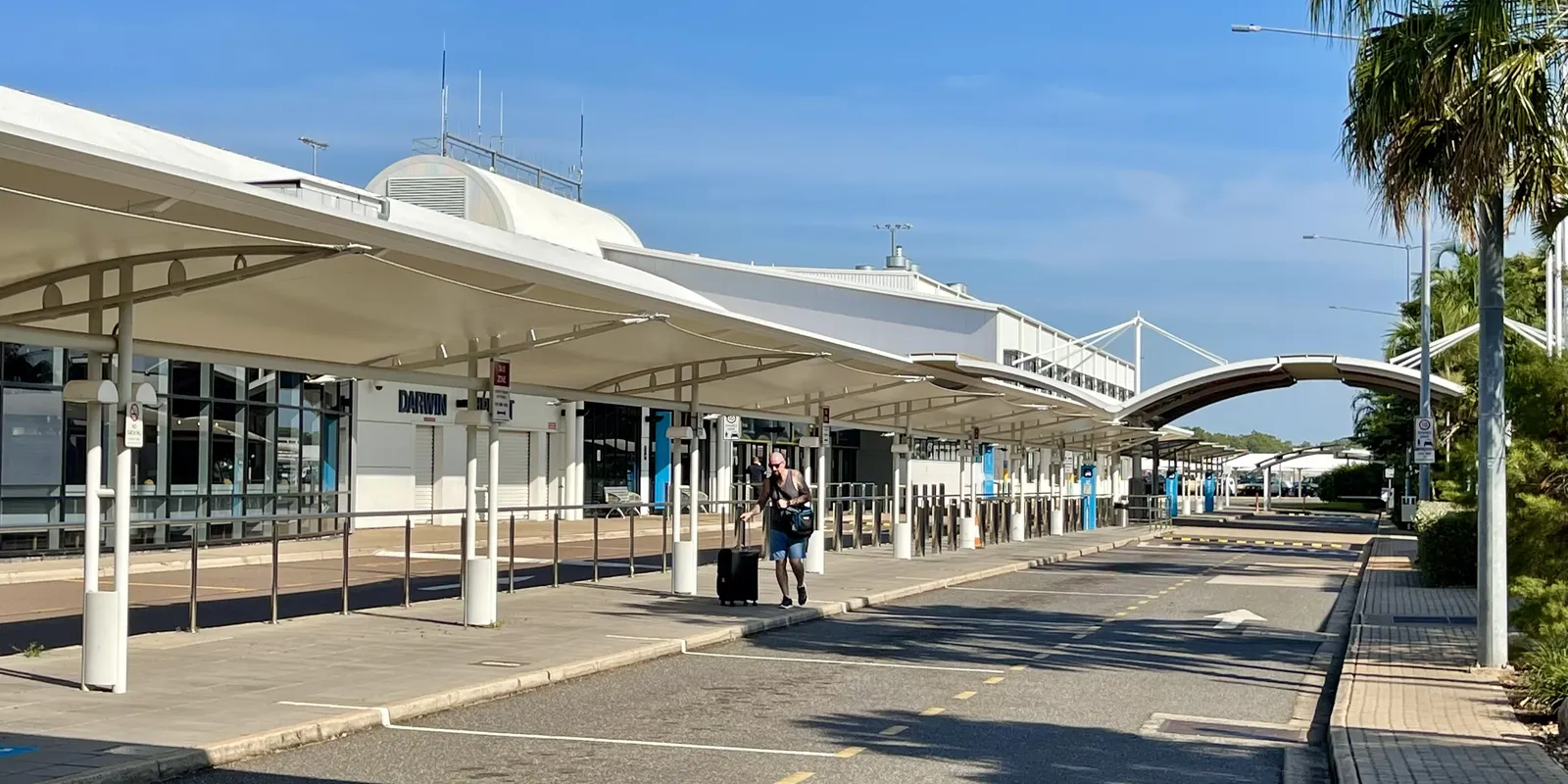
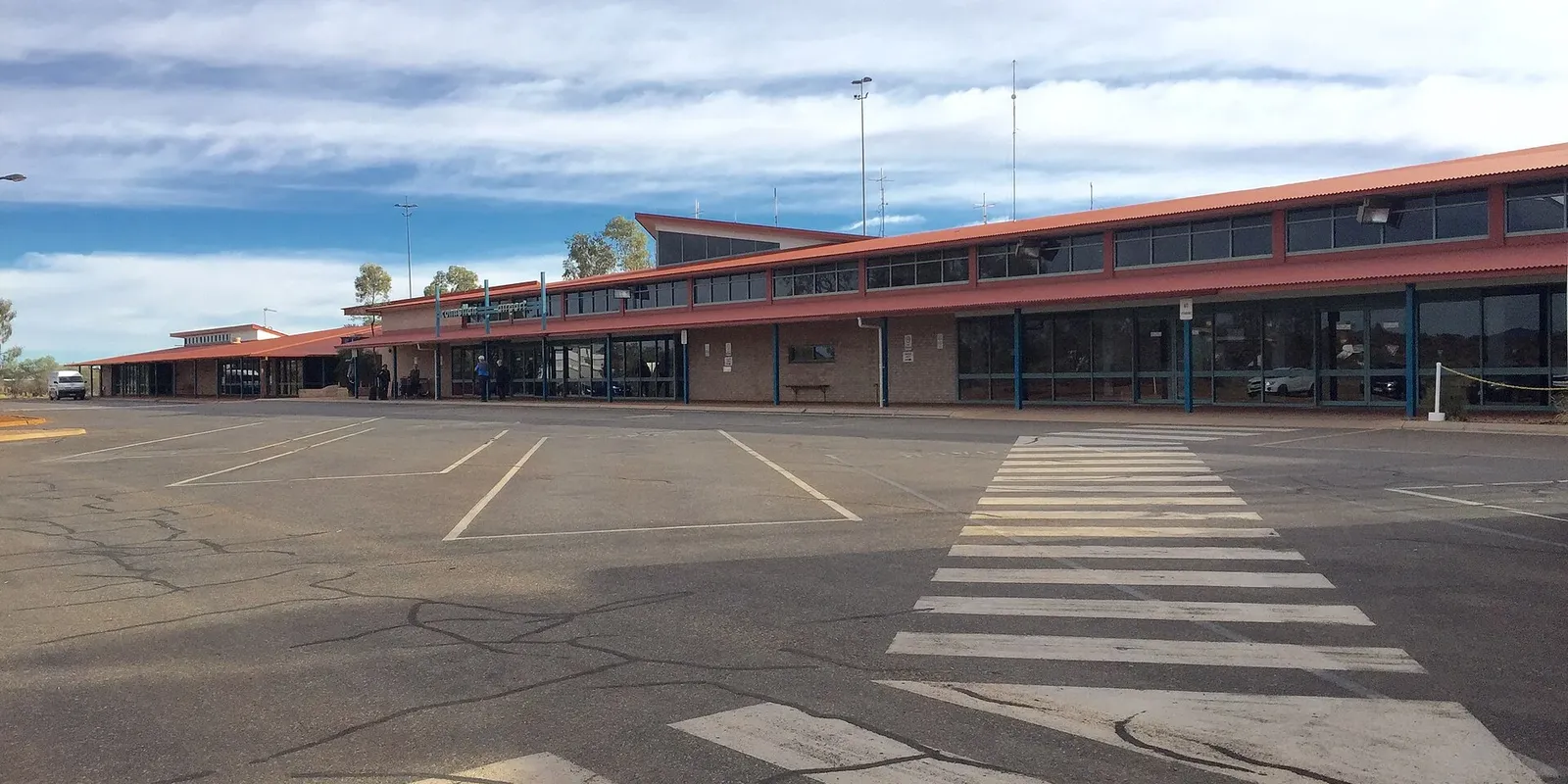
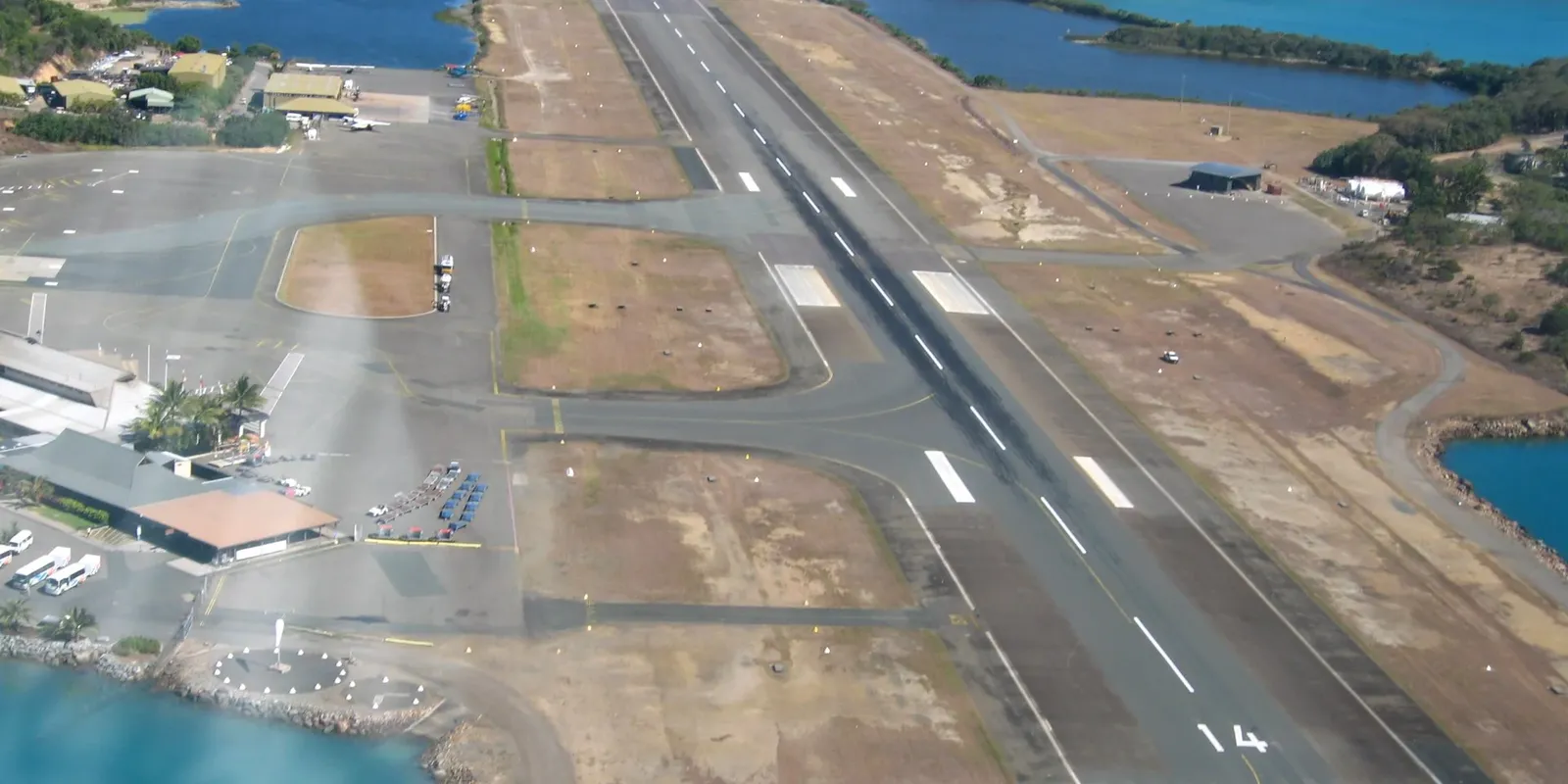
For those focused on major natural attractions, the key airports are Cairns Airport for the Great Barrier Reef, Ayers Rock Airport for Uluru in the heart of the red desert, and Darwin Airport in the Northern Territory, gateway to Kakadu National Park. Queensland's east coast adds Gold Coast Airport, a surf and theme park destination, and the airports of Proserpine and Hamilton Island for the Whitsunday Islands.
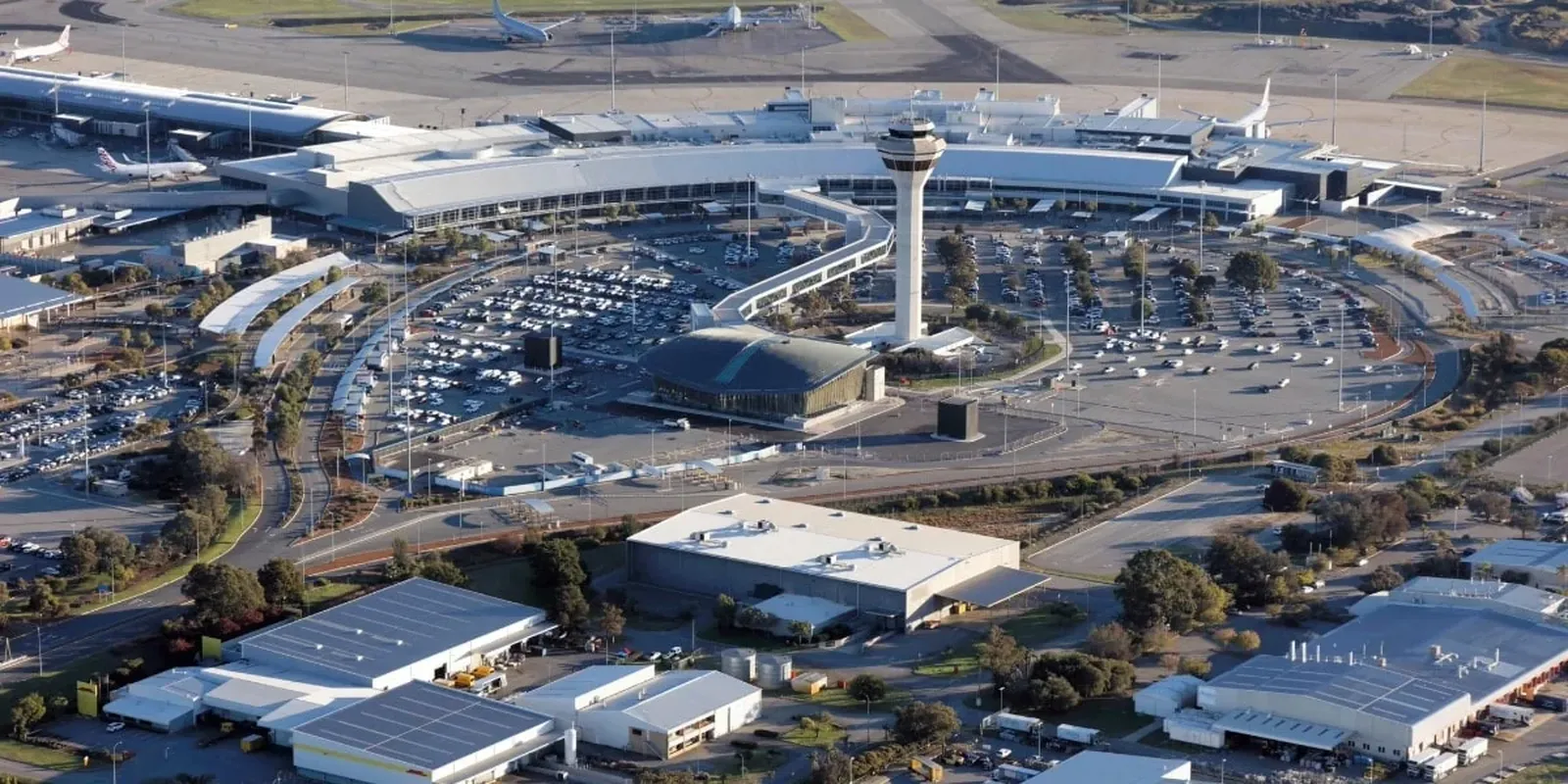
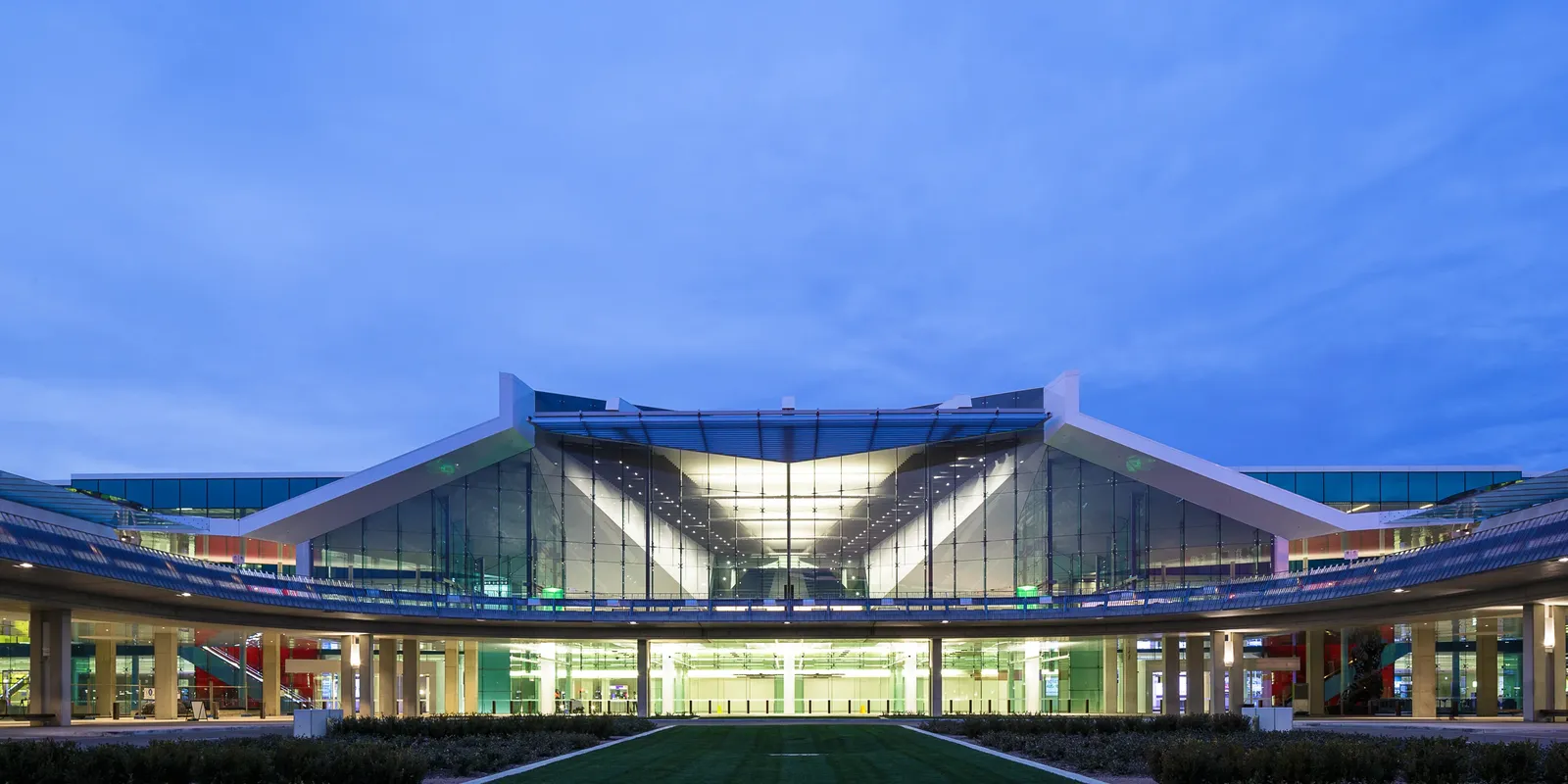
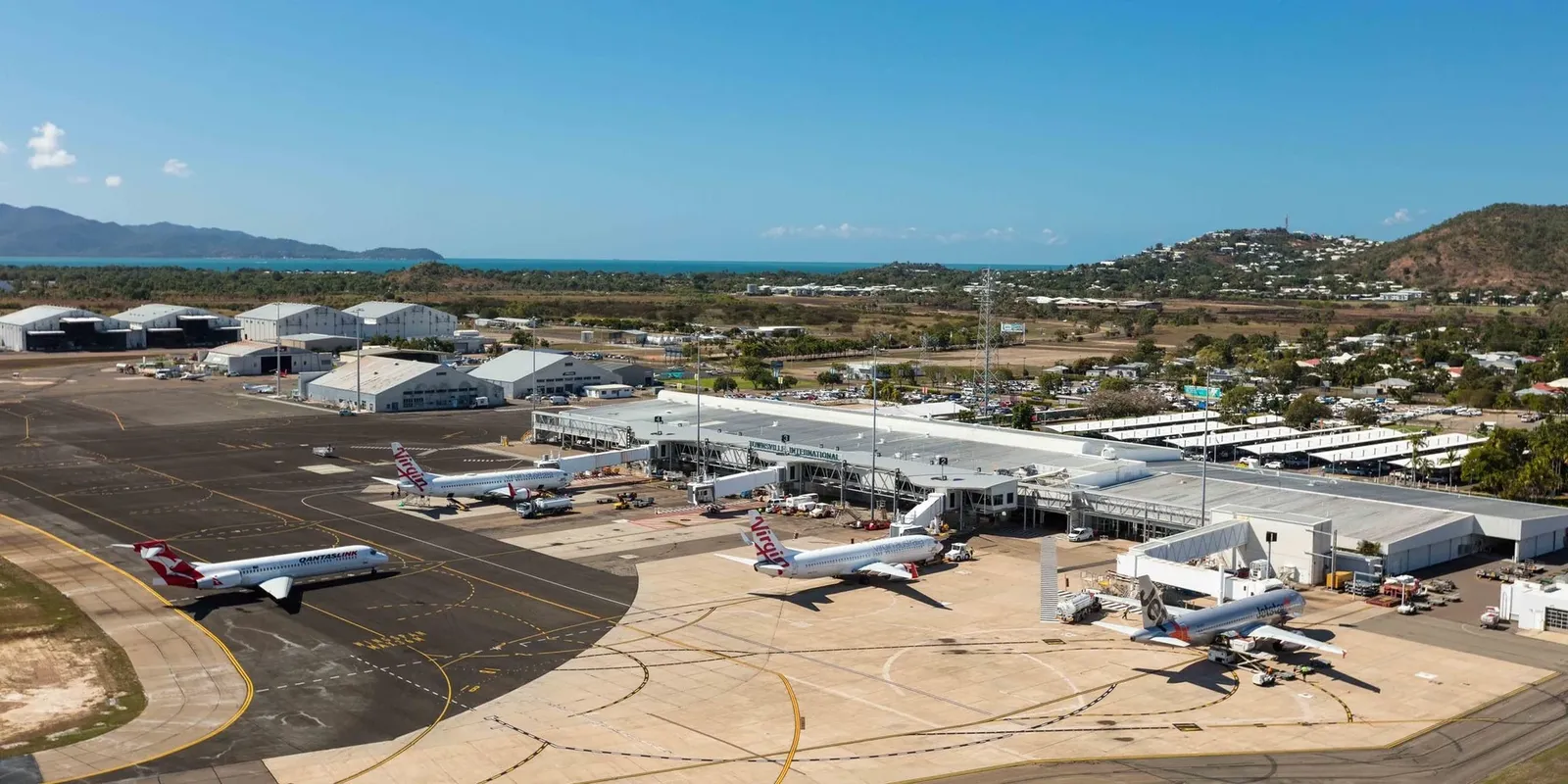
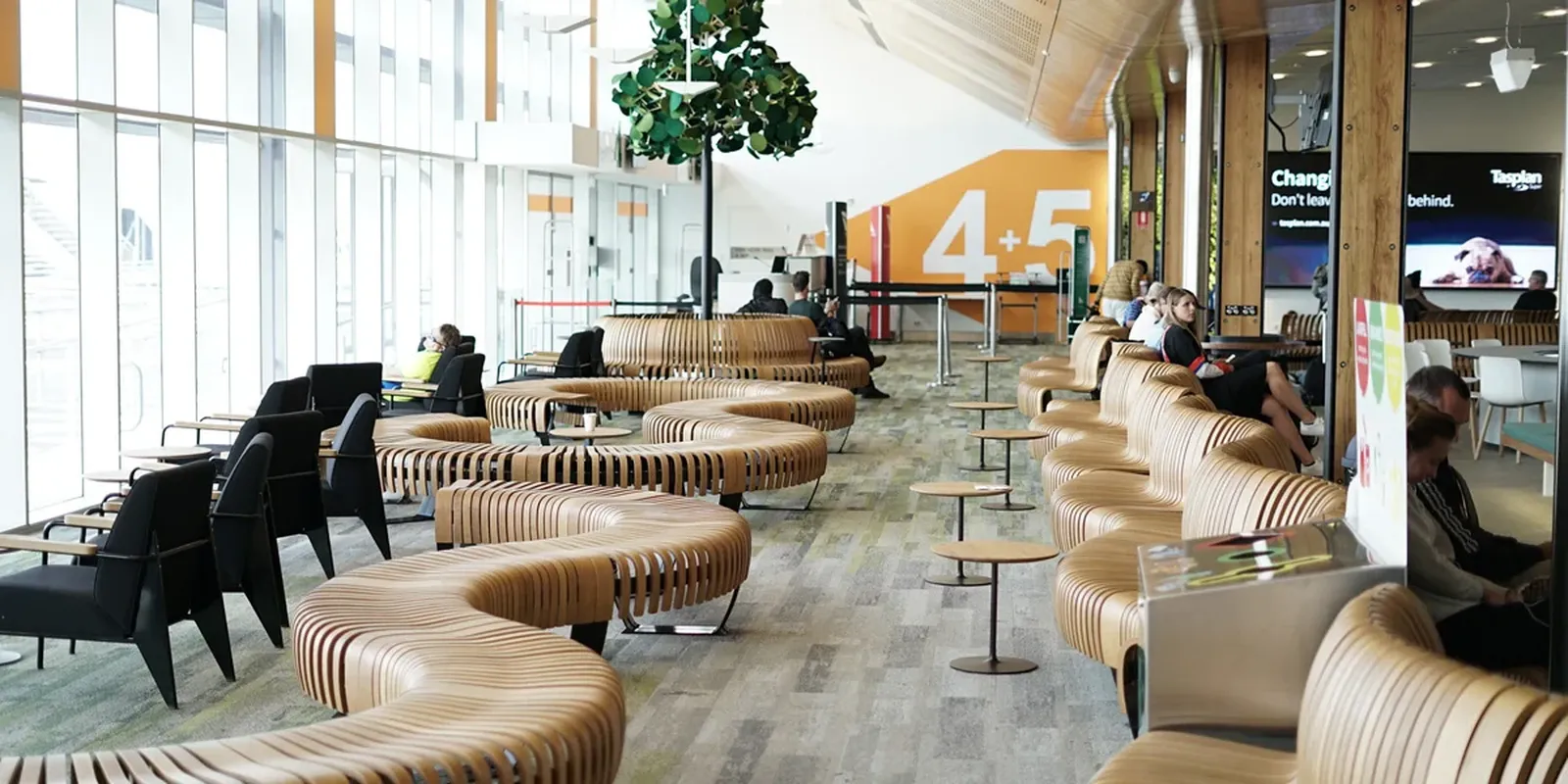
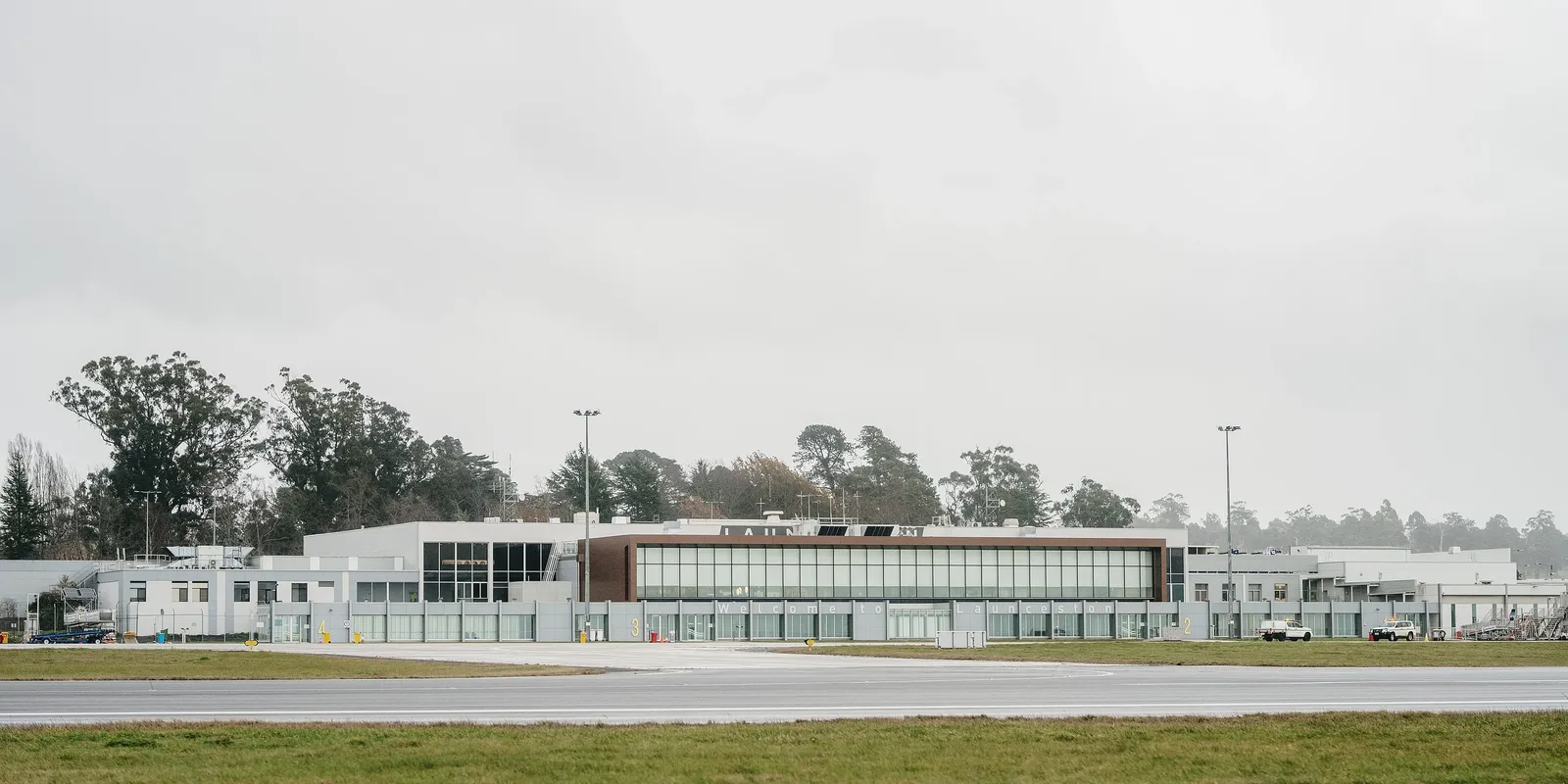
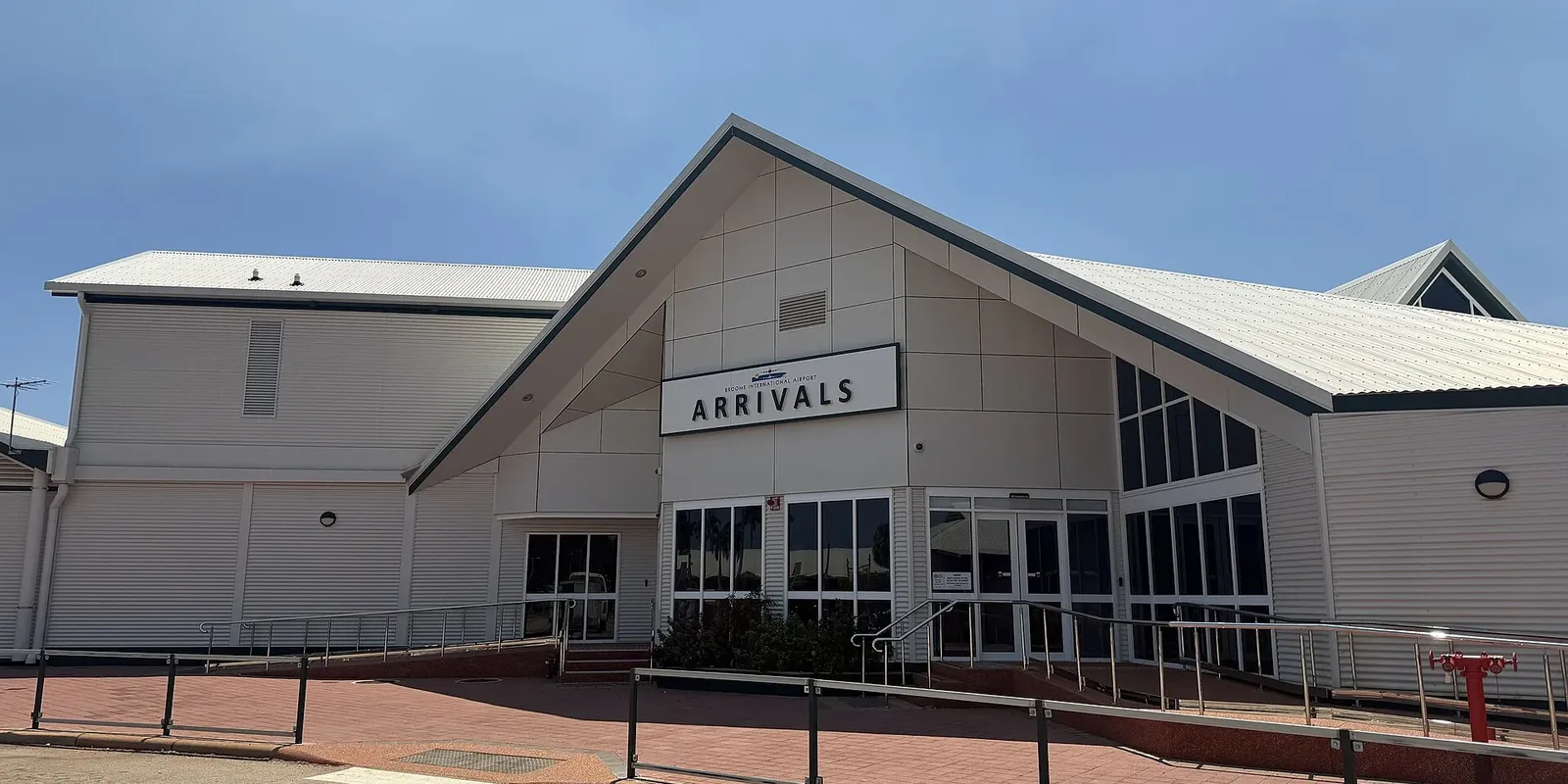
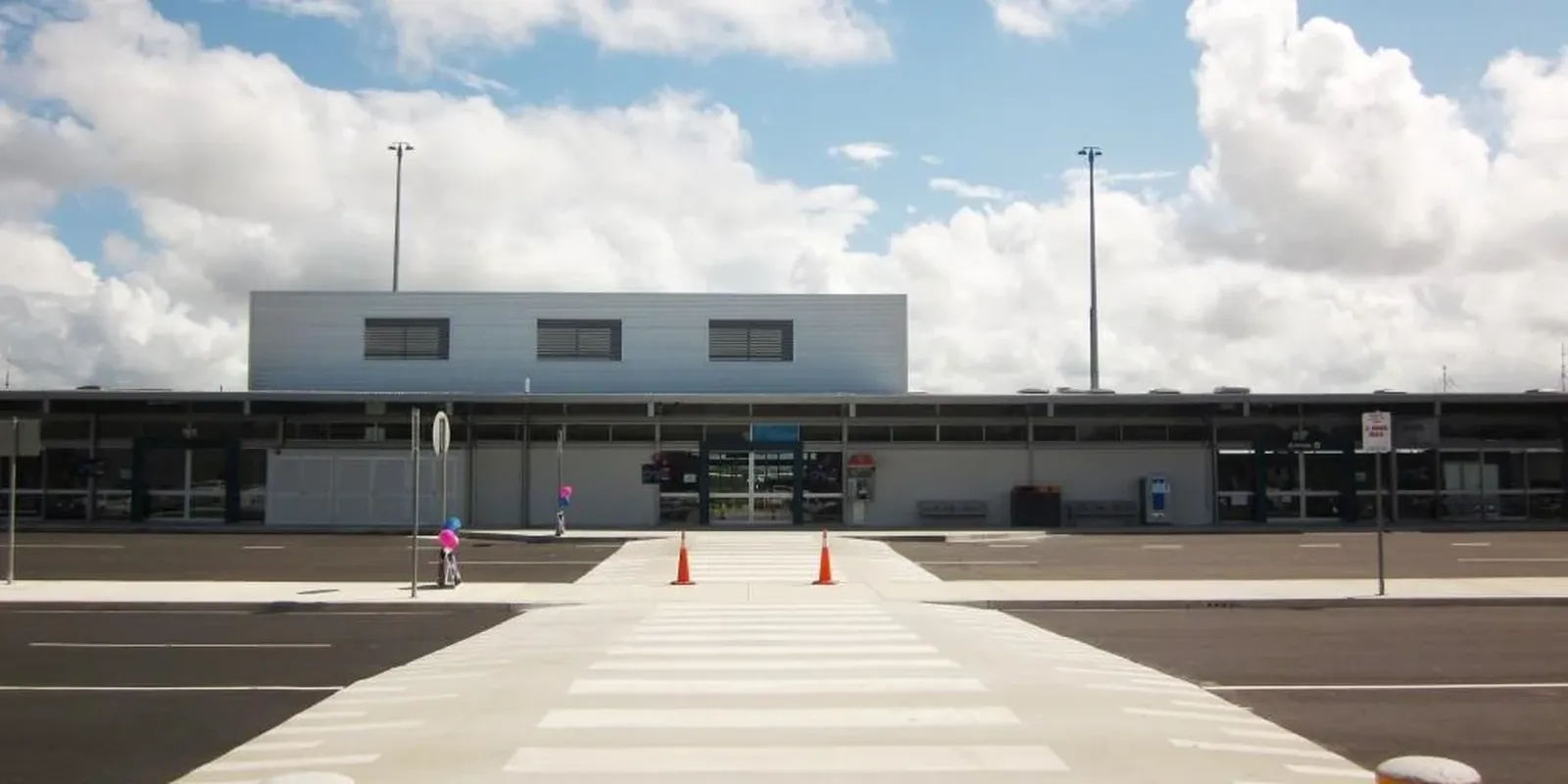
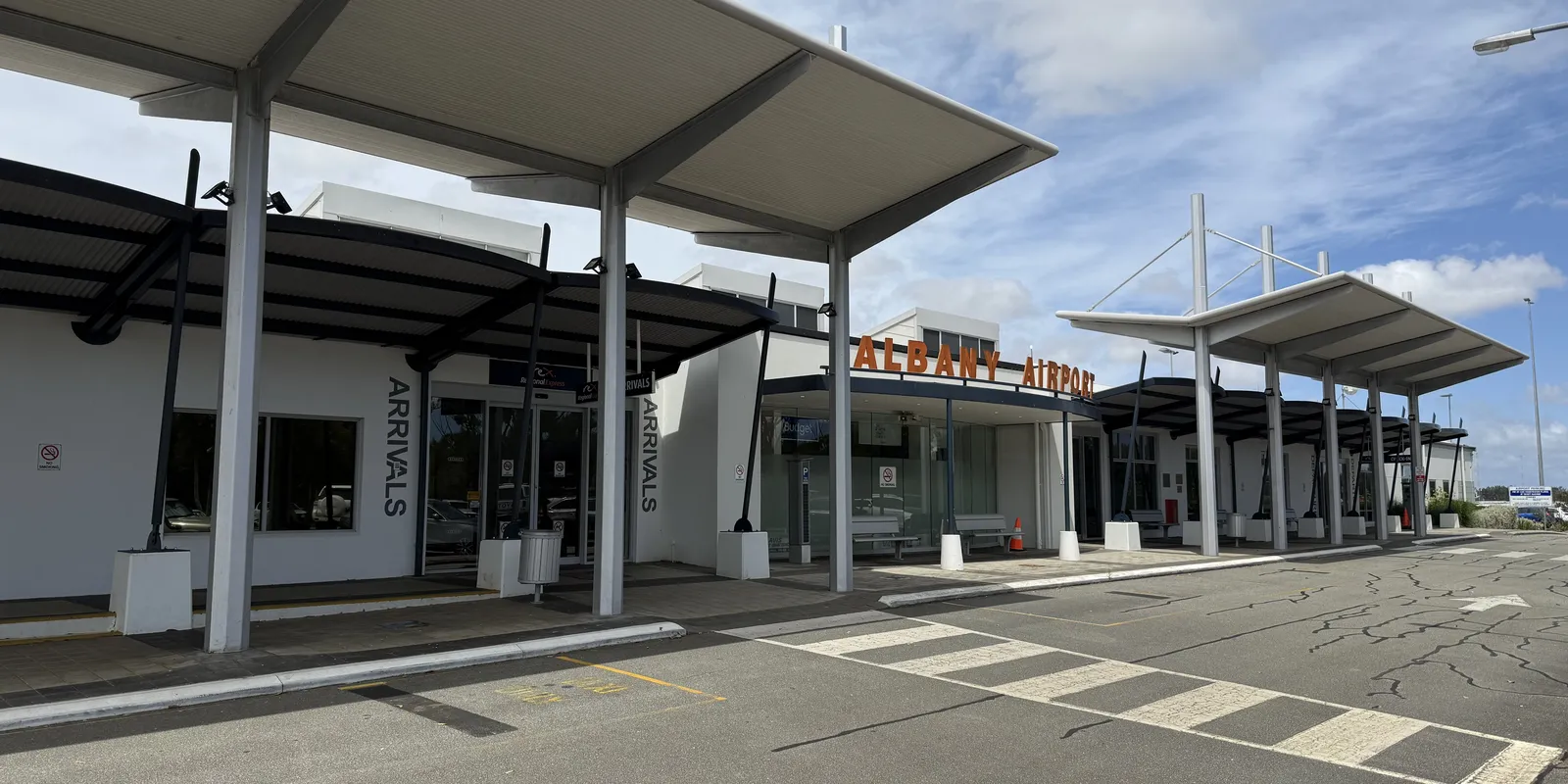
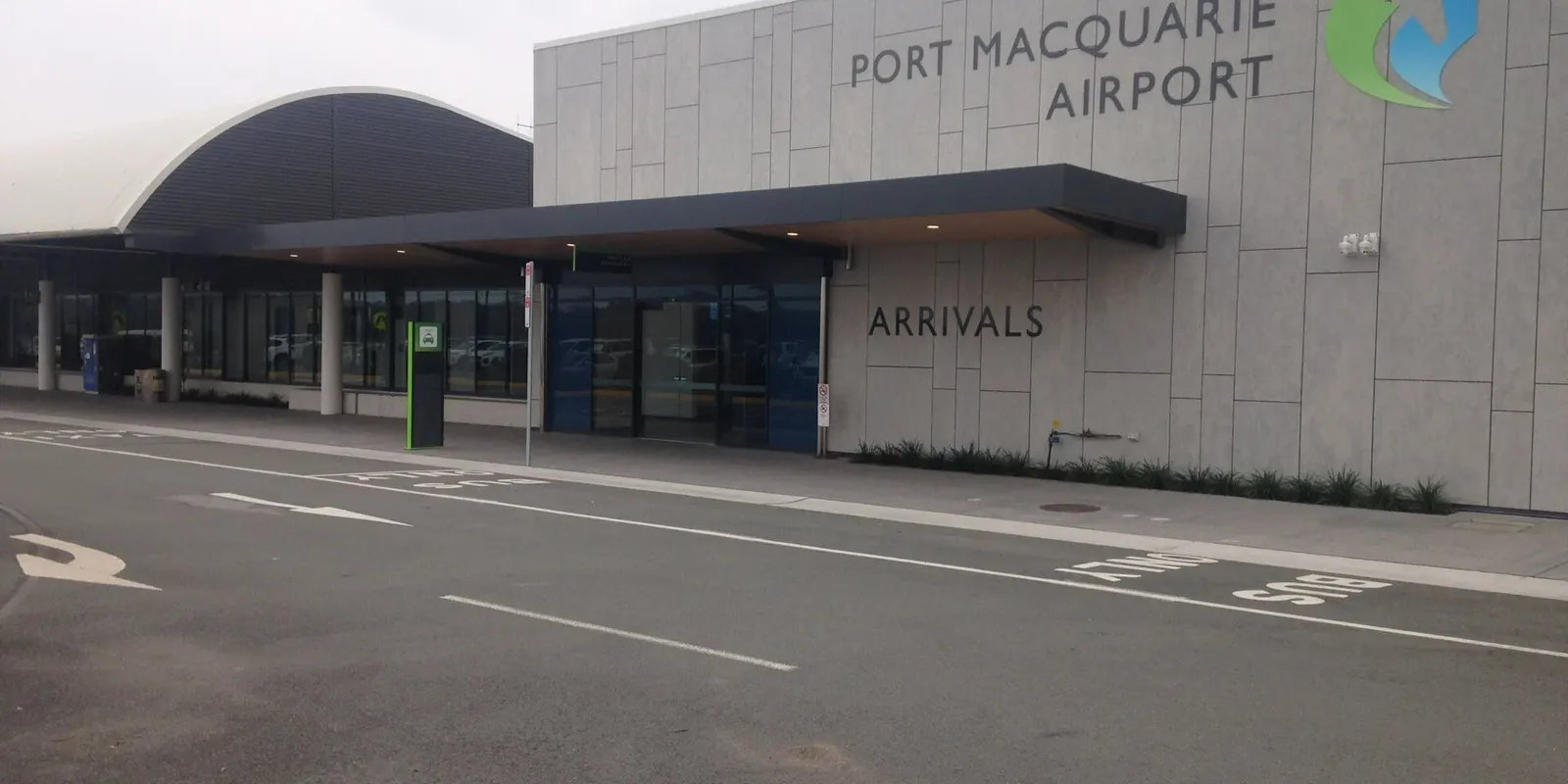
In the south-west is Perth Airport, the most isolated major-city airport in the world, while Tasmania is served by Hobart and Launceston. Completing the picture are the capital, Canberra, and several smaller regional airports: Albany, Broome, Port Macquarie and Townsville.

Australia: recommended activities
Australia: visa and entry requirements
Unlike many other tourist destinations, Australia always requires authorisation even for short tourist stays: citizens of most countries, including the European Union, must apply online for the eVisitor (or an equivalent ETA depending on nationality), generally free of charge, before departure. A passport alone is not enough, unlike in other non-EU countries.
Australia: safety
Australia is generally a very safe country in terms of crime. The main risks for tourists are related to nature: strong sun exposure, wildlife (including some of the most venomous animals in the world), dangerous rip currents at some beaches, and bushfire risk in the hot season.
Australia: health situation
The overall health risk in Australia is very low, with a high-standard hospital system and safe tap water everywhere. Sun exposure, however, requires real attention: the UV index is among the highest in the world, and sunscreen and a hat are practical, not just formal, recommendations.
In the tropical regions of the north there are localised risks linked to marine wildlife (jellyfish, including the dangerous box jellyfish in tropical Queensland waters) and the presence of crocodiles in some rivers and estuaries: local warning signs should always be respected. No mandatory vaccinations are generally required for entry, but treatment for non-residents is not free: checking your own health coverage before departure is advisable, especially given the distance from the rest of the world in the event of a serious emergency.
Australia: currency, payments and connectivity
The currency is the Australian dollar. Cards, including contactless, are accepted almost everywhere: many businesses now operate cash-free.
Uber, DiDi and Ola are all widespread in Australia's main cities, often preferred to traditional taxis.
For local connectivity, the main operators (Telstra, Optus, Vodafone) sell prepaid SIM cards in their shops; many airports, including Sydney and Melbourne, have tourist SIM vending machines in the arrivals area.
For driving and car rental: English-language licences are generally accepted for visitors (exact rules vary slightly from state to state); for licences in other languages, an International Driving Permit (IDP) or an official translation is generally also required. The minimum age for rental is generally 21, with a 'young driver' surcharge under 25.
Australia: travel guides
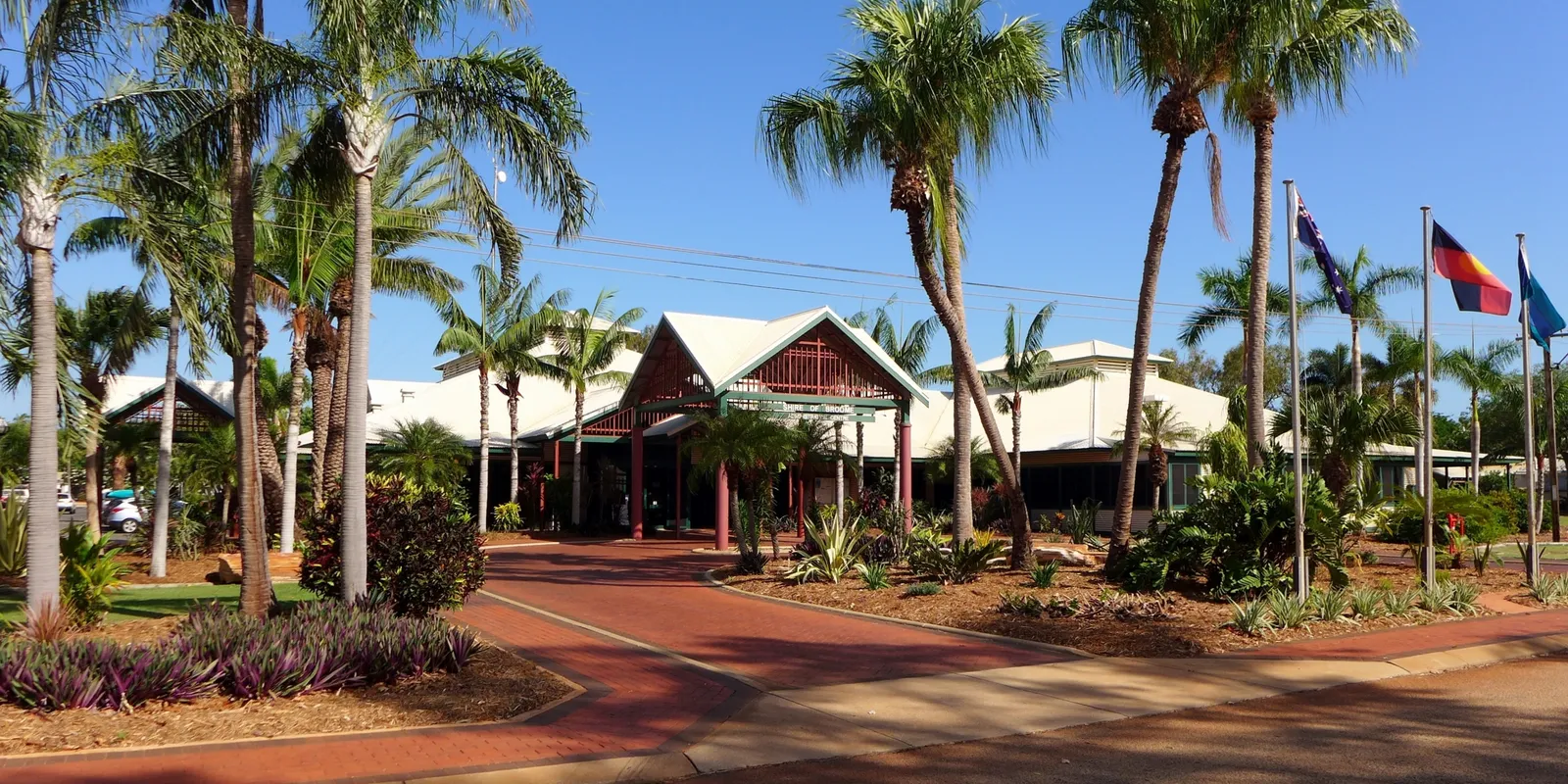
Broome: pearls and camels on Cable Beach
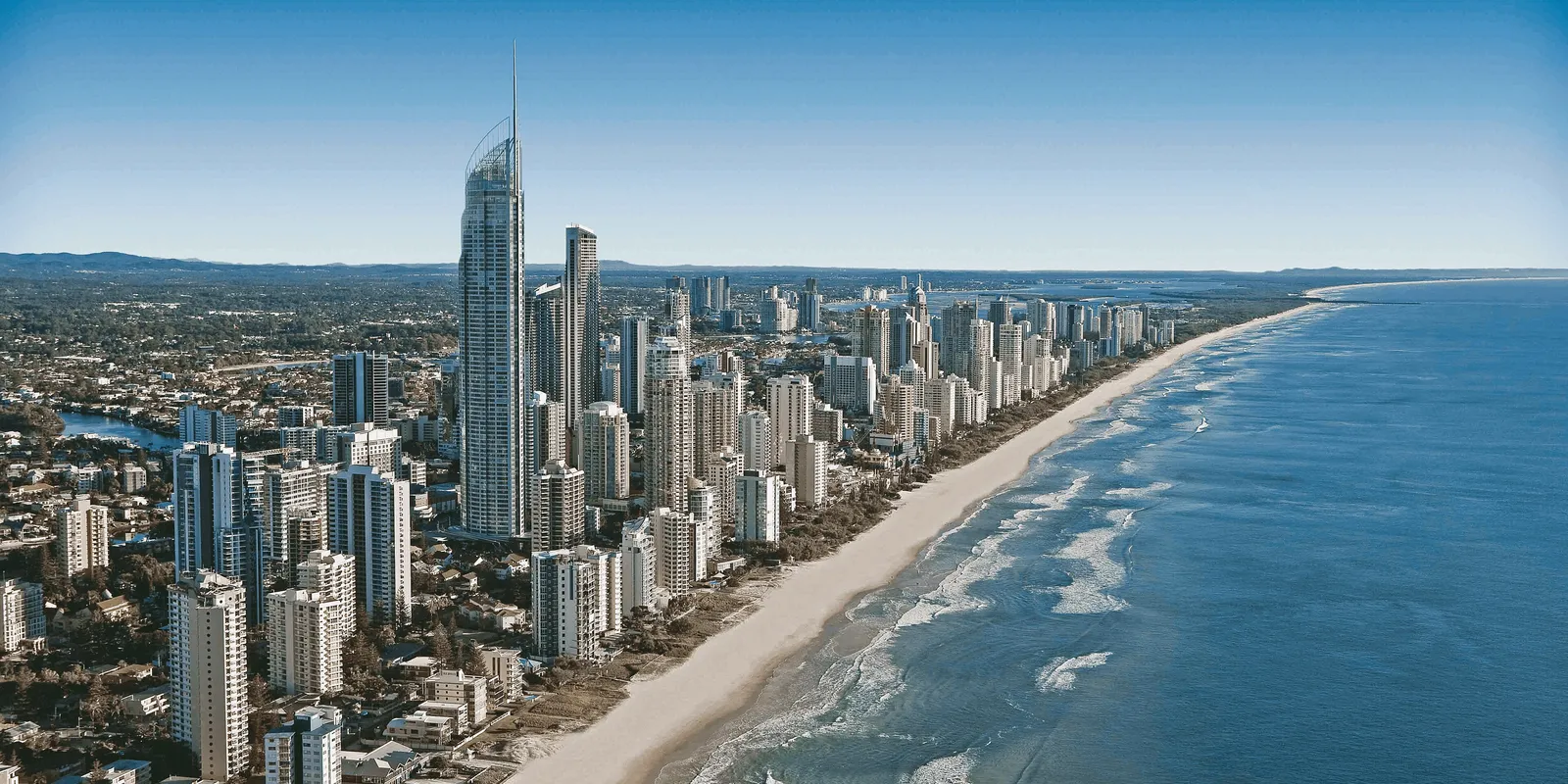
Gold Coast: skyscrapers on the ocean
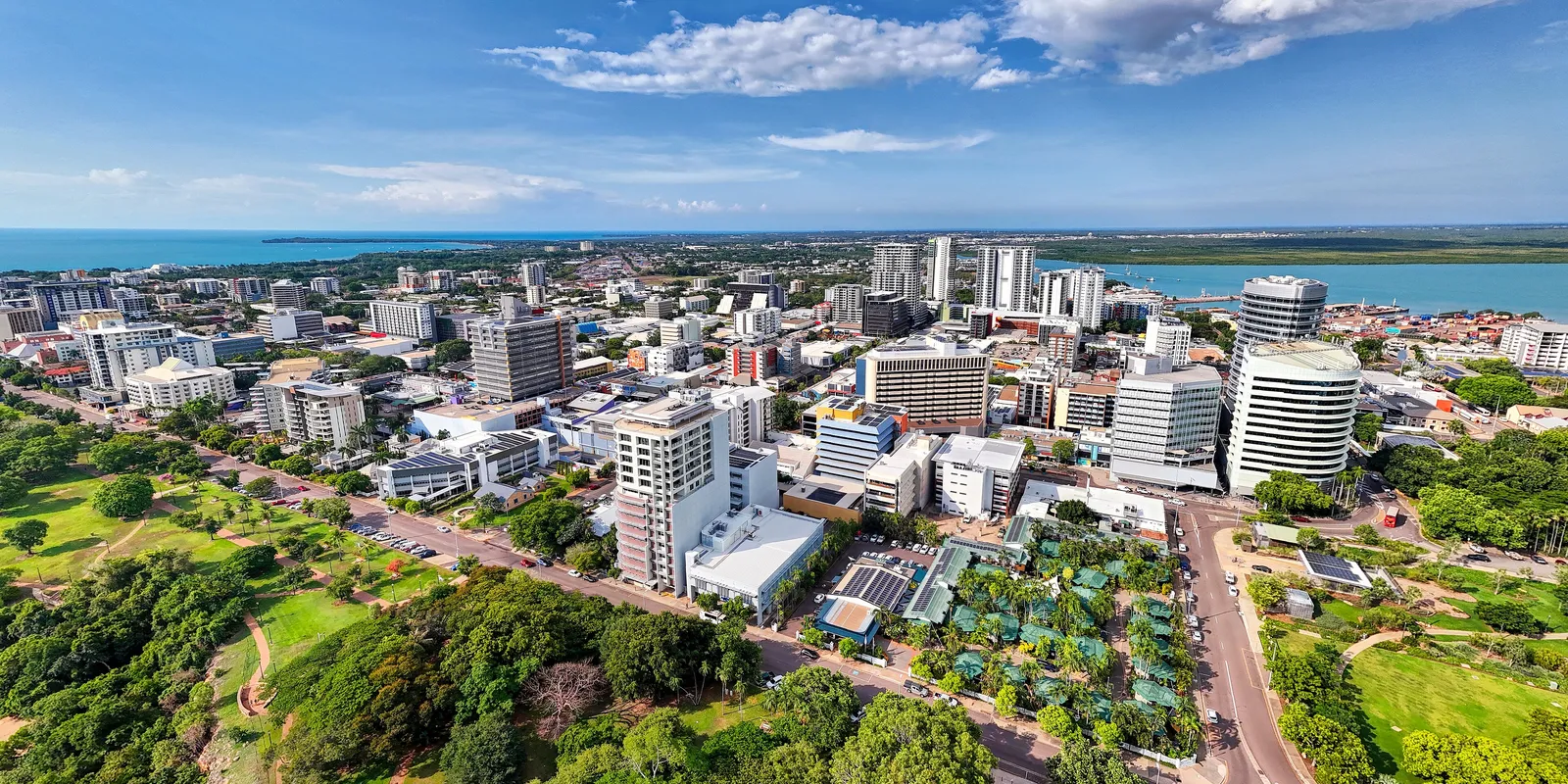
Darwin: the Top End between war and sunsets
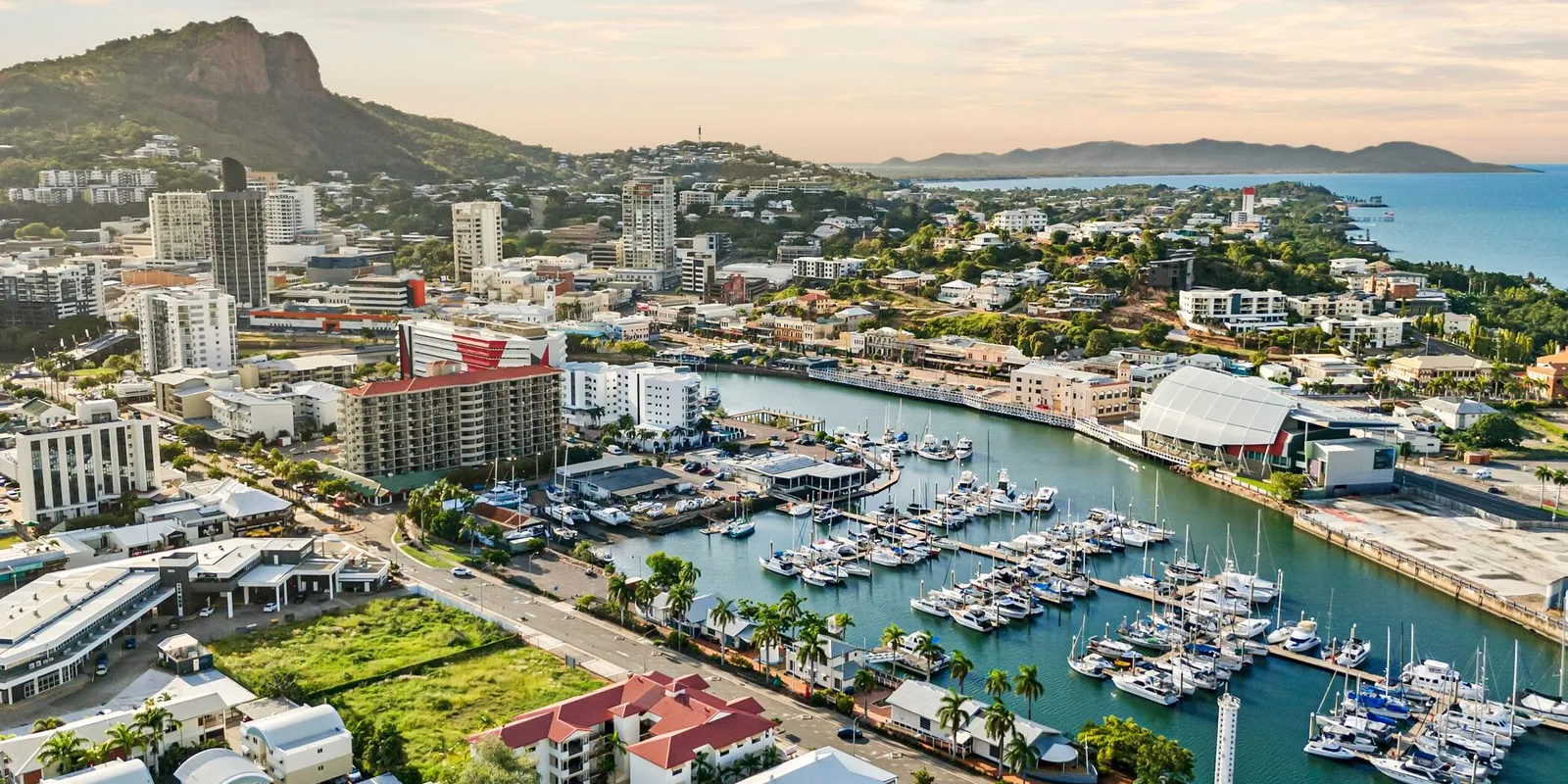
Townsville: the tropical gateway to the Great Barrier Reef
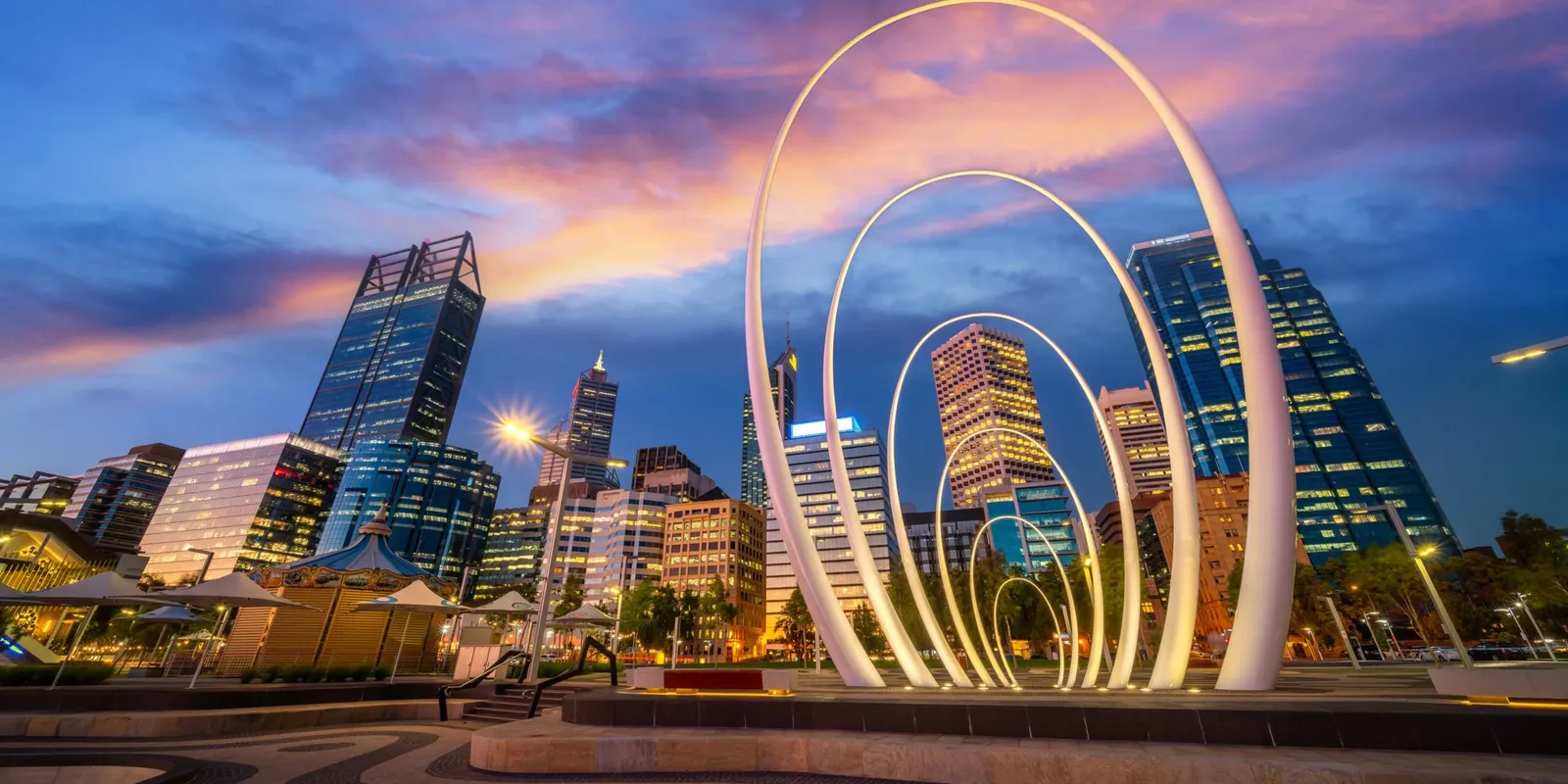
Perth: the Swan River and the port of Fremantle
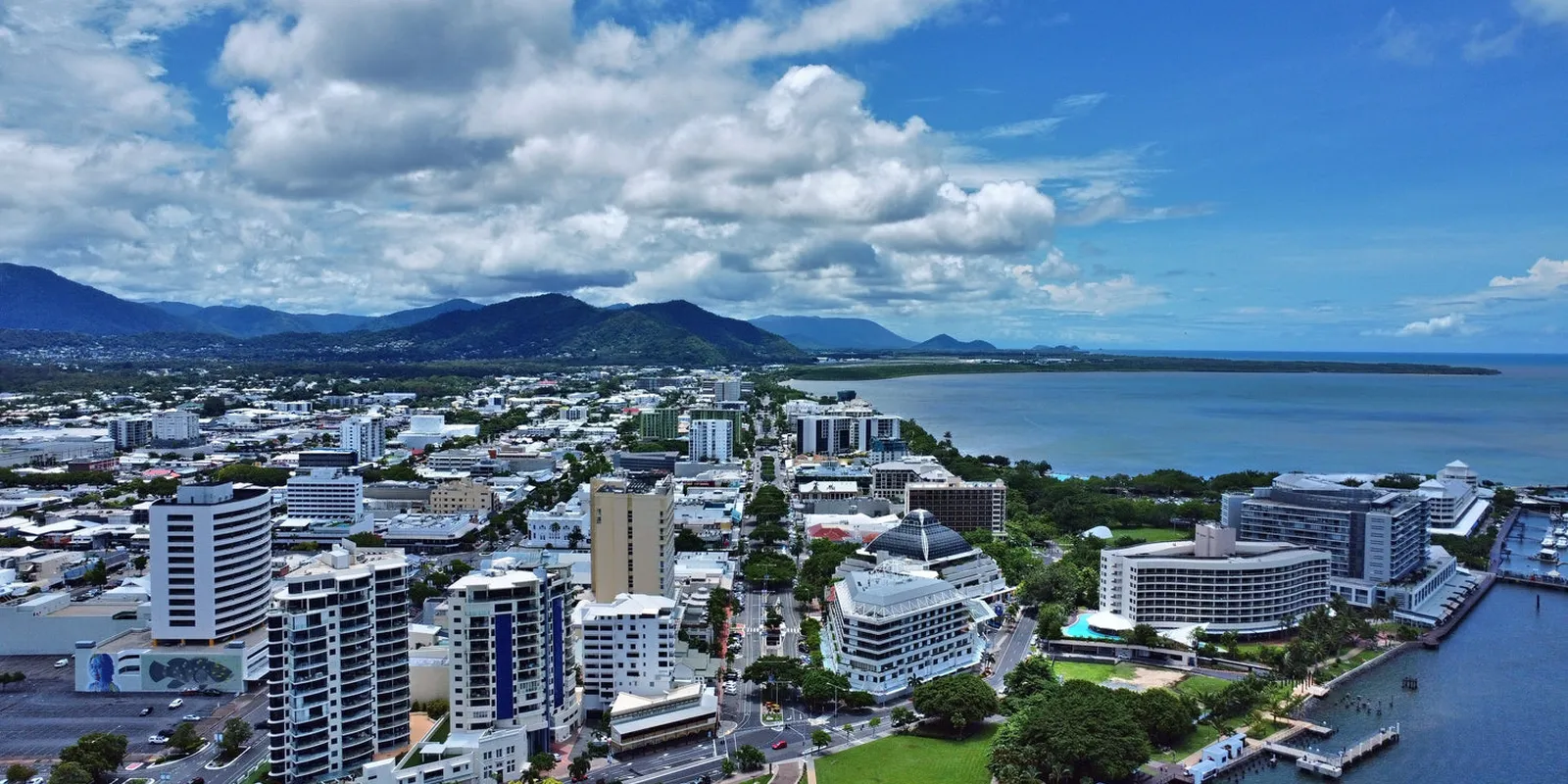
Cairns: the gateway to the Great Barrier Reef
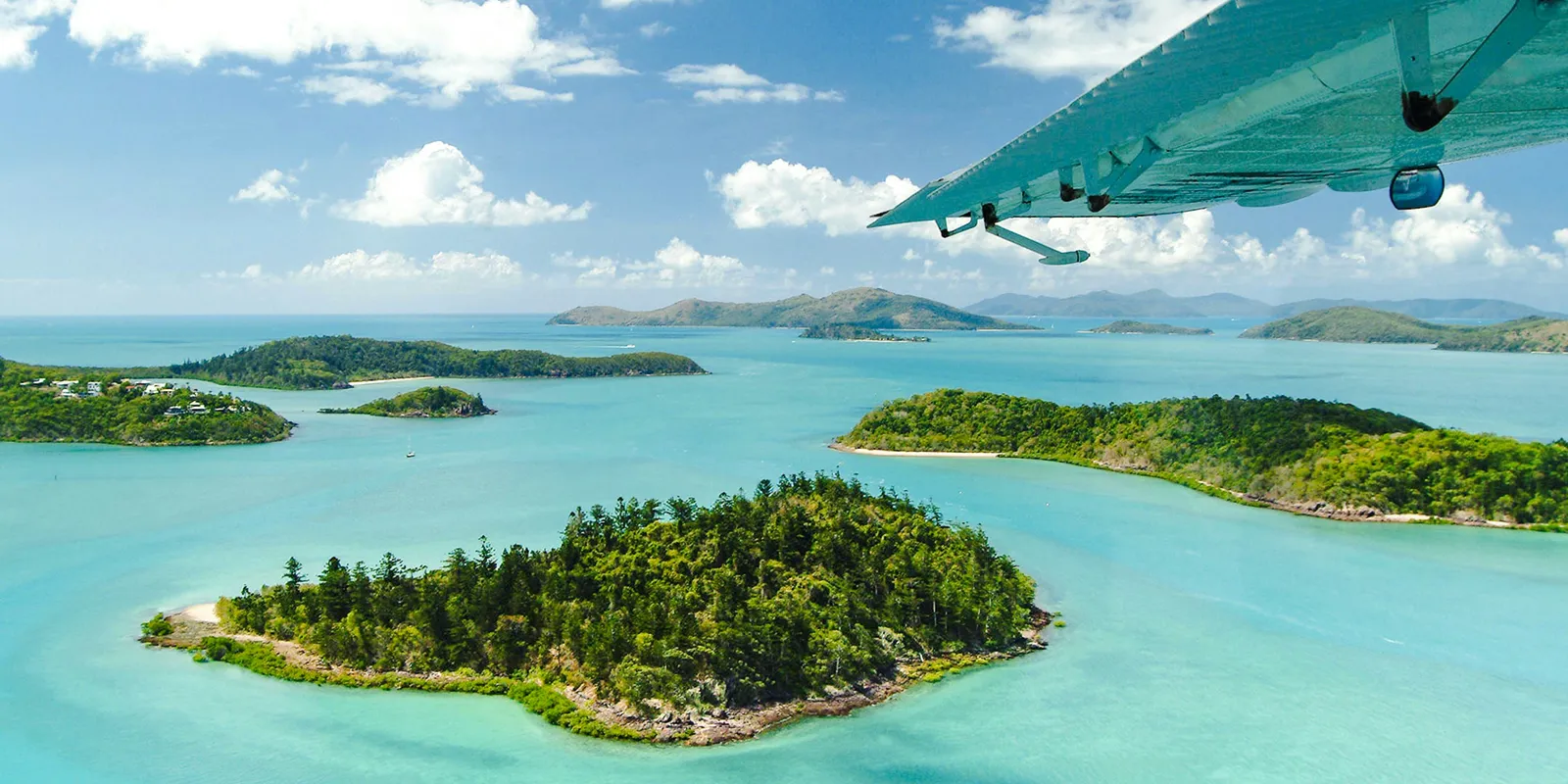
Whitsunday Islands: the pure silica beach
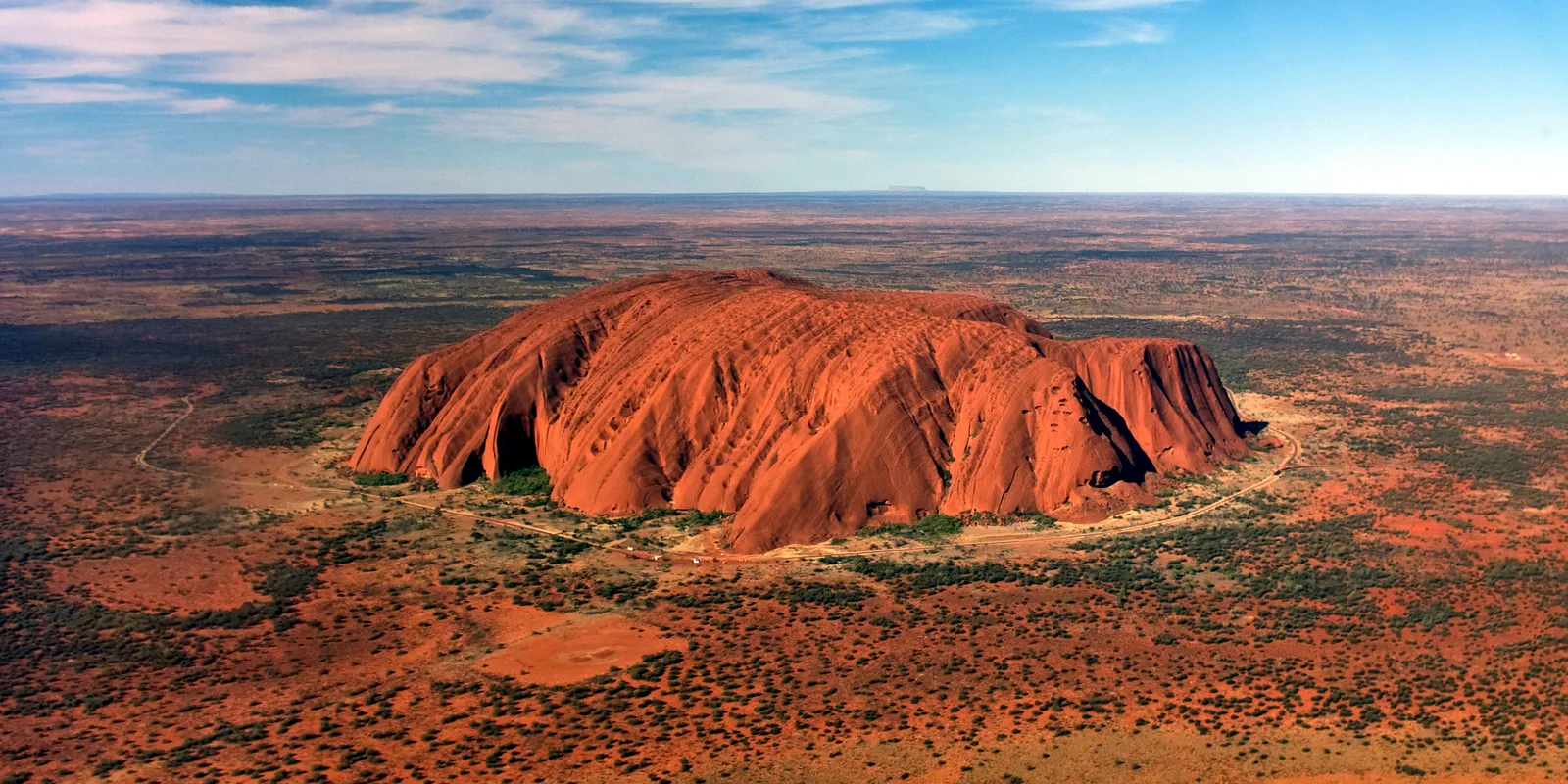
Ayers Rock: a day at Uluru
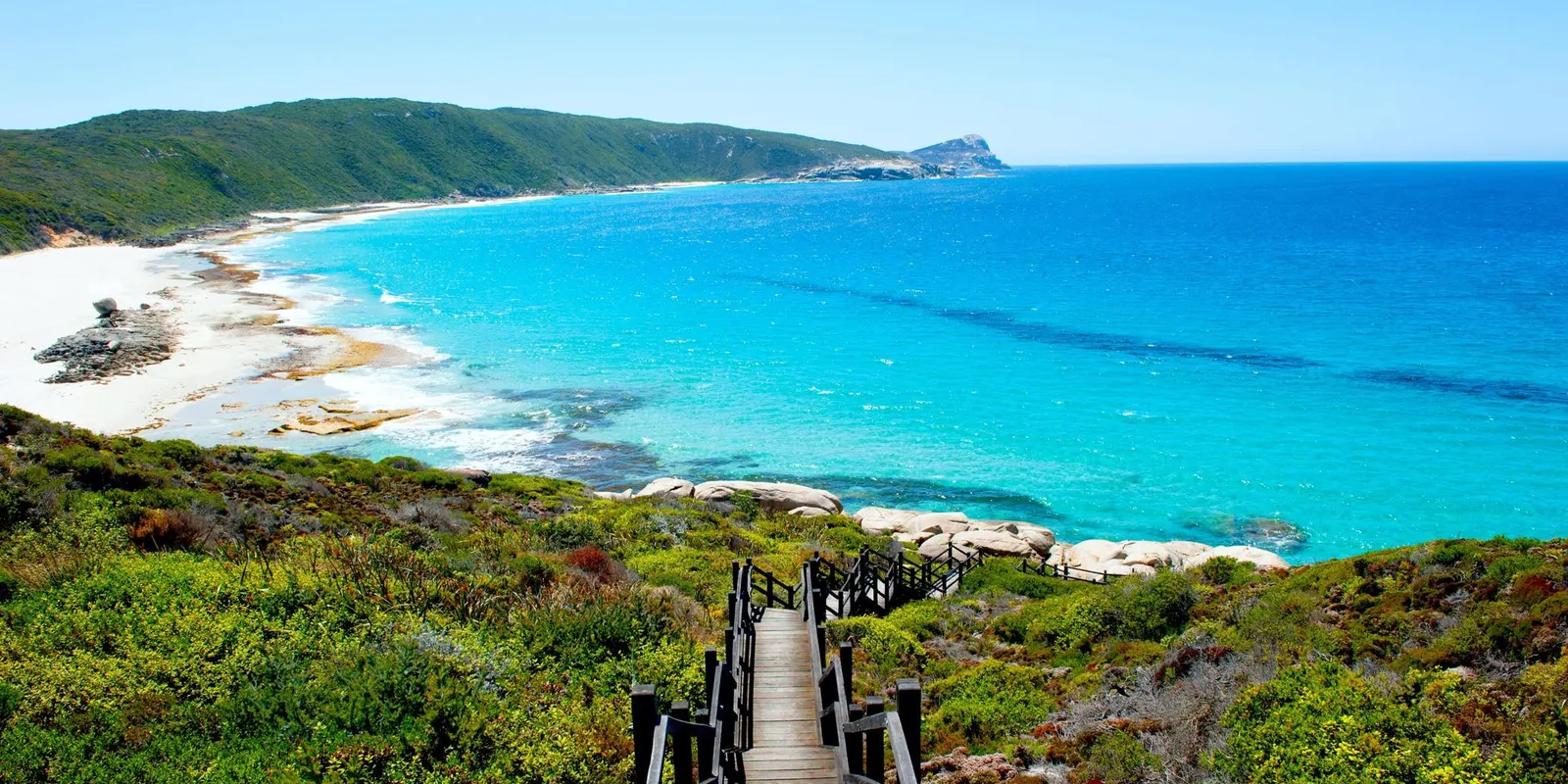
Albany: where Australia farewelled the ANZACs
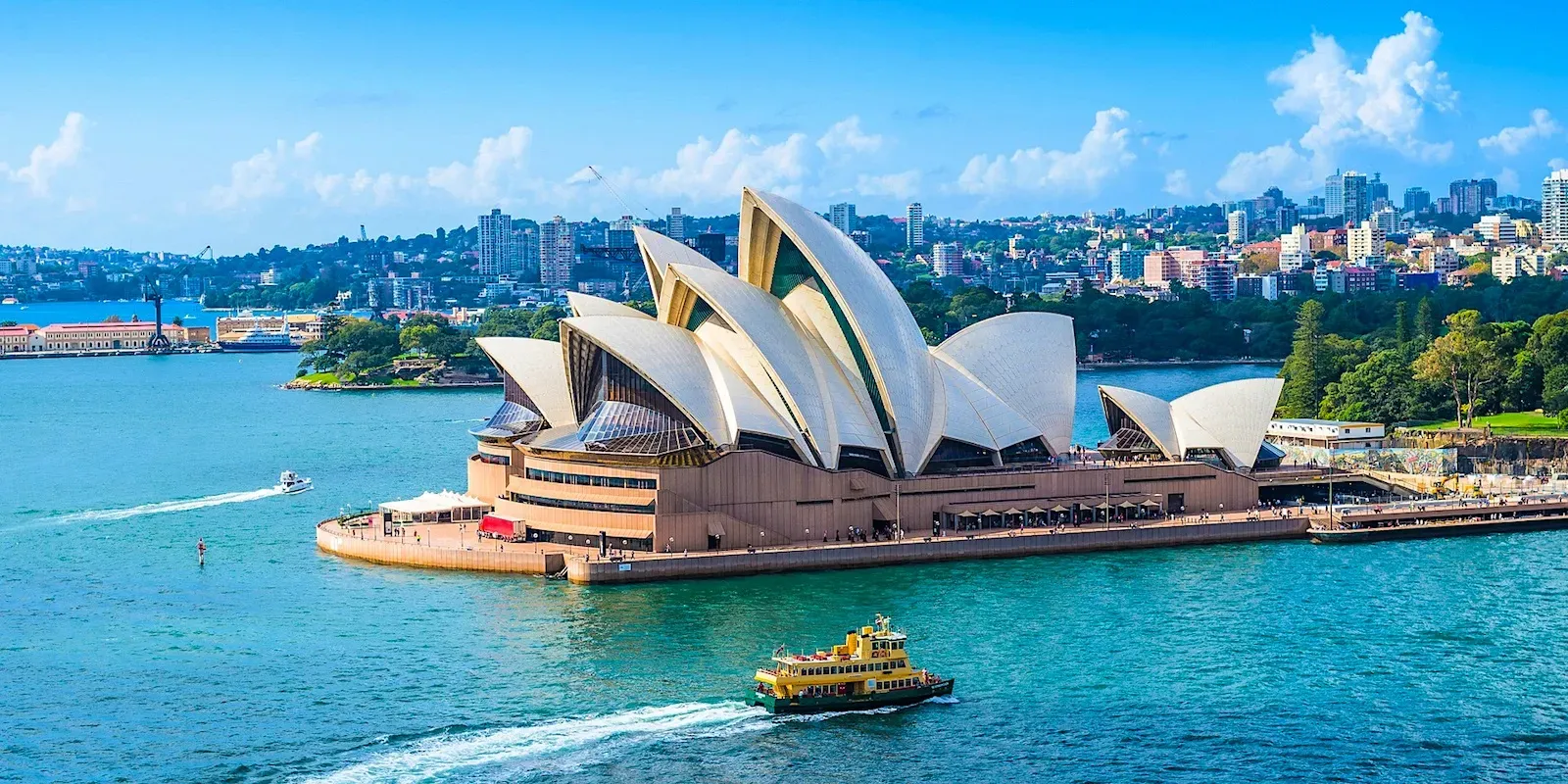
What to see in Sydney in 1 day
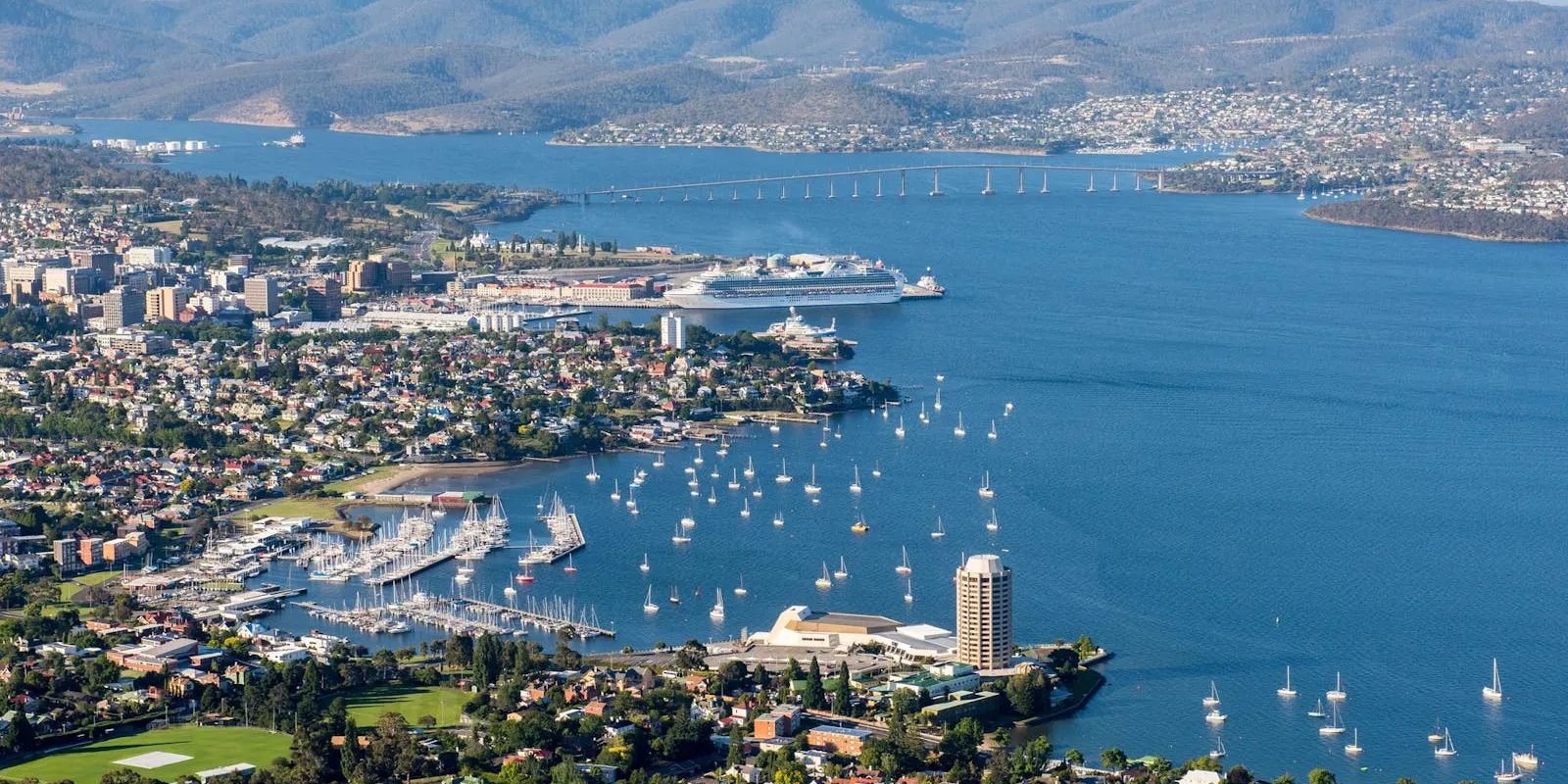
Hobart: contemporary art at the foot of kunanyi
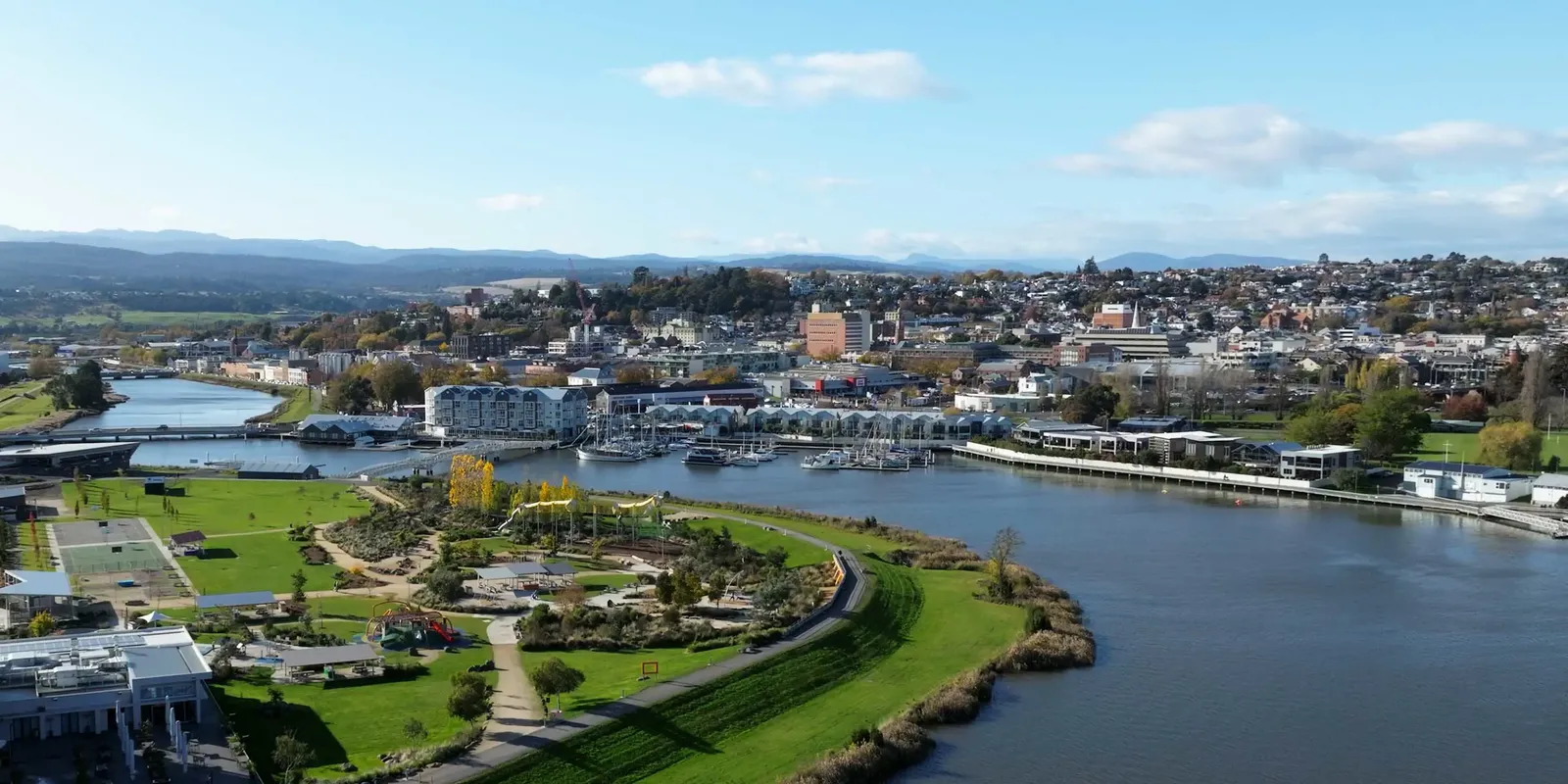
Launceston: the gorge in the heart of the city
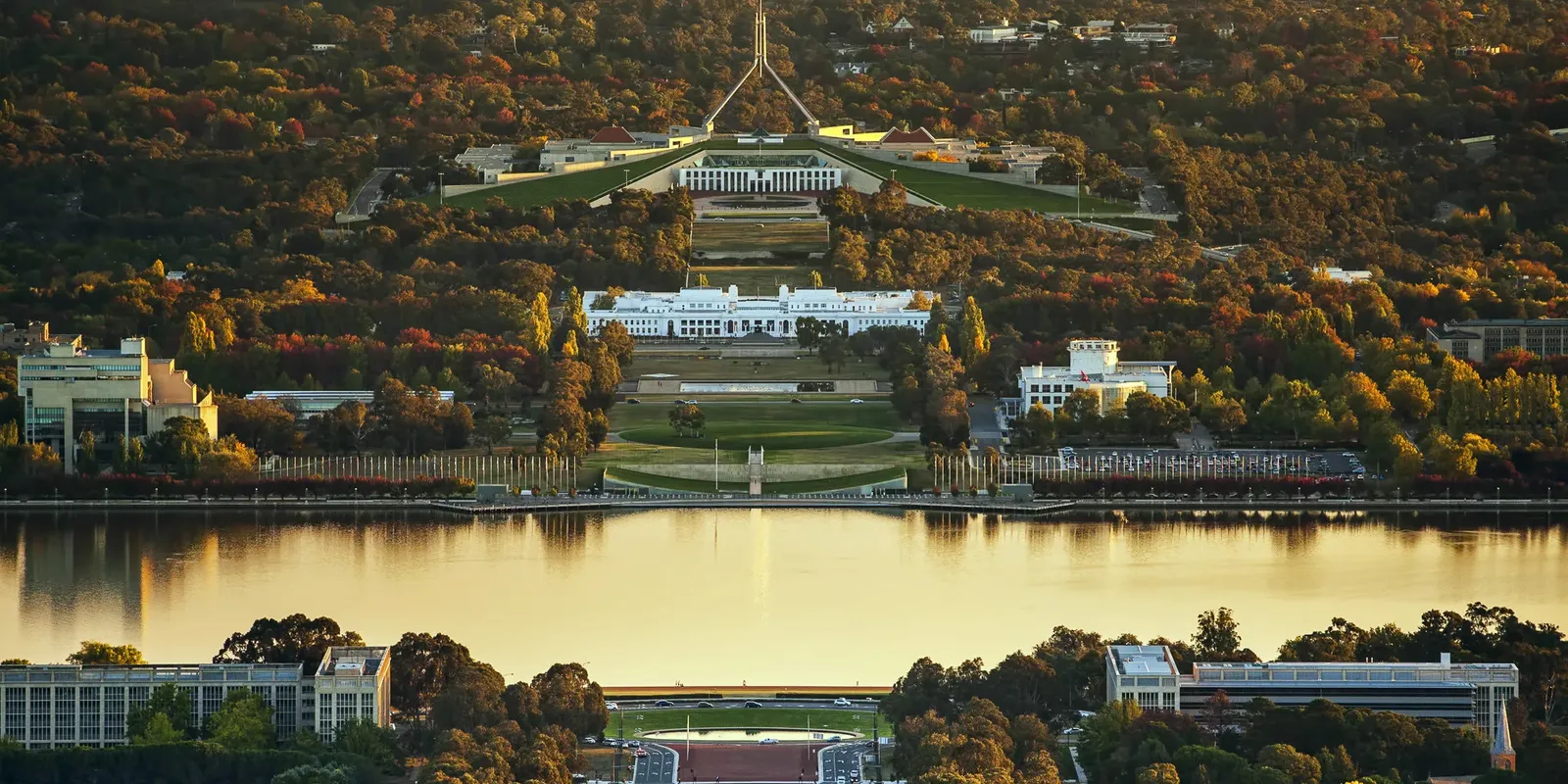
Canberra: the capital born on paper
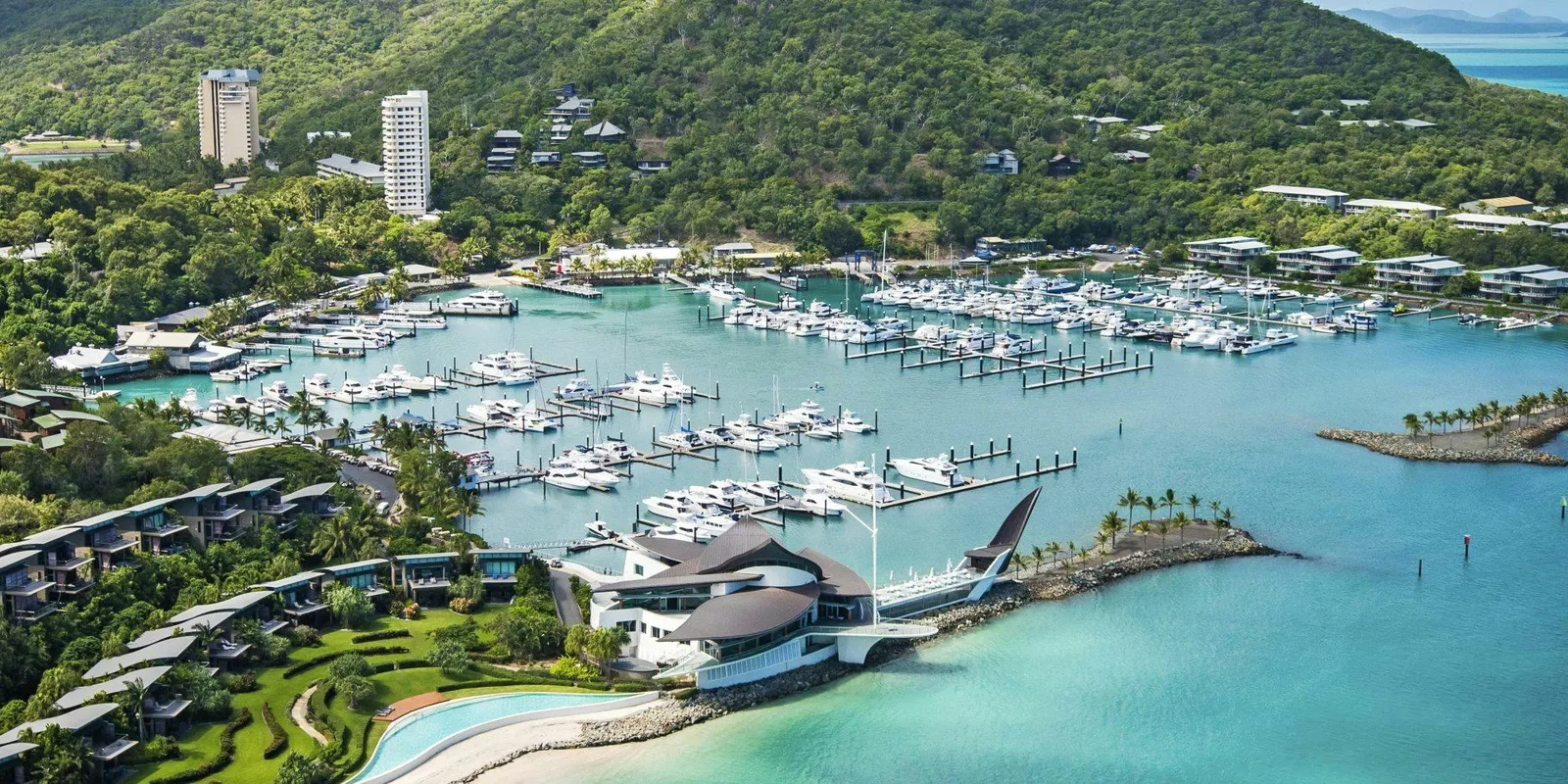
Hamilton Island: the gateway to the Whitsundays
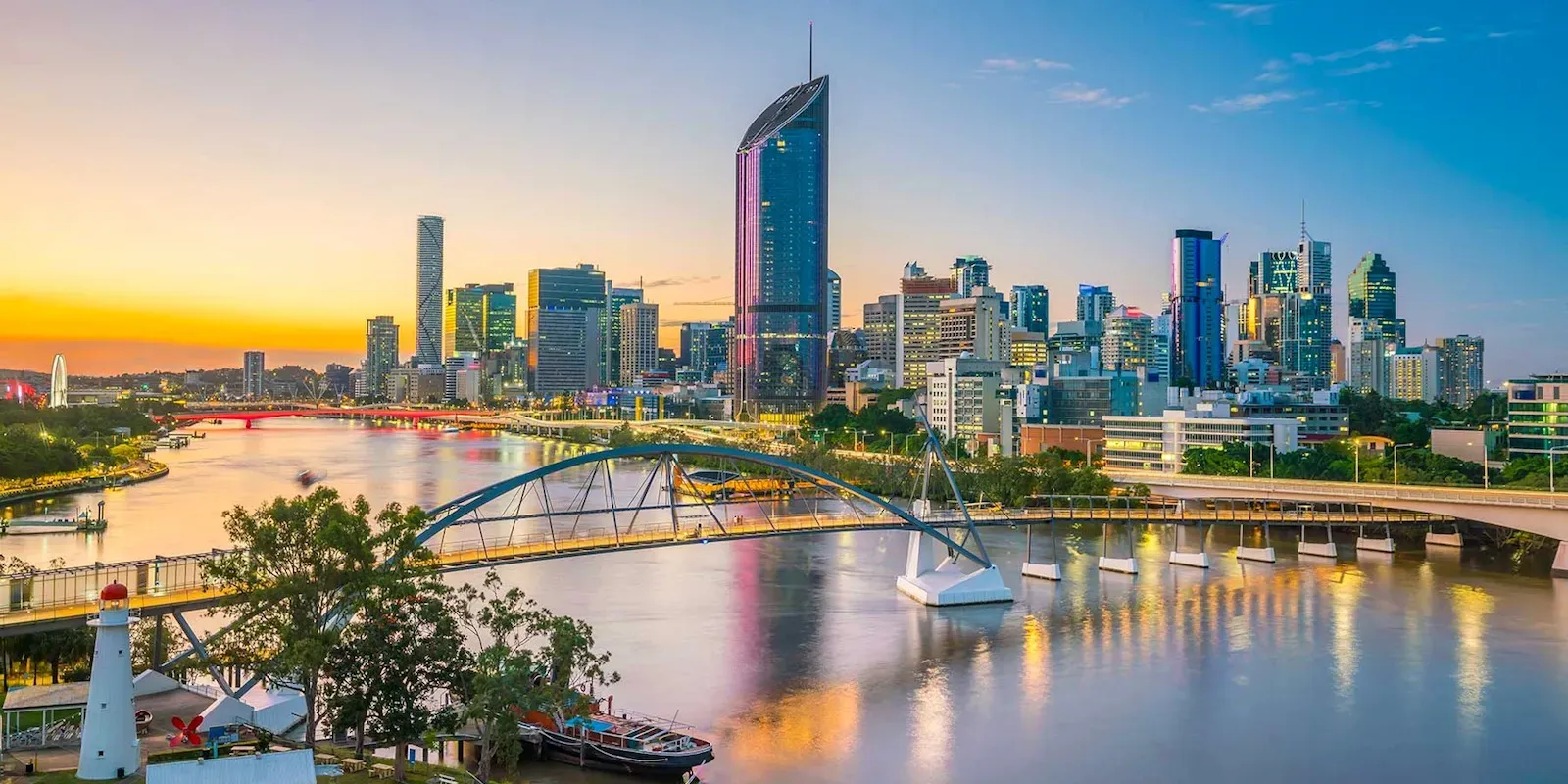
Brisbane: what to see in 1 day
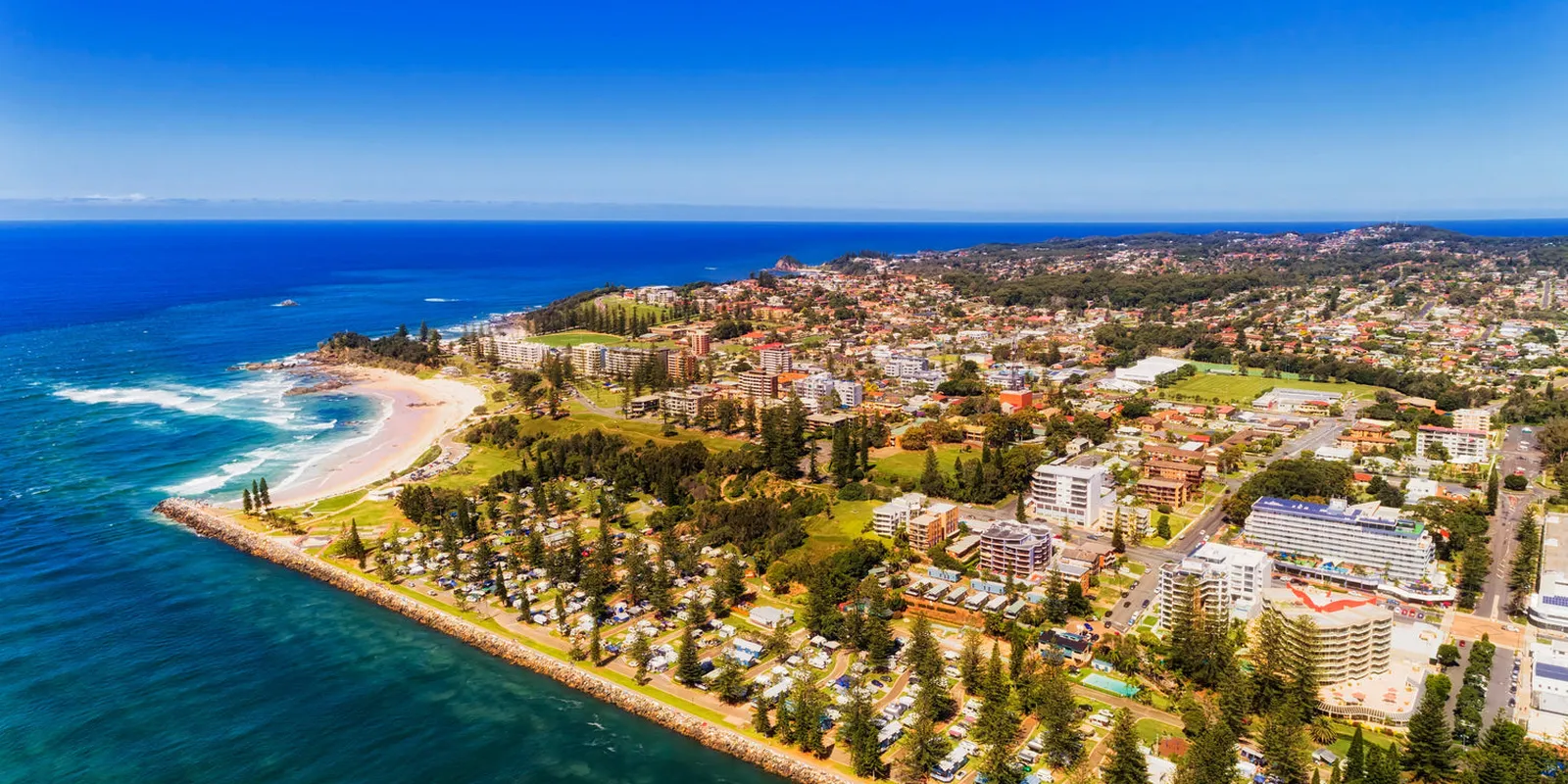
Port Macquarie: koalas and dolphins on the New South Wales coast