Brazil: main airports
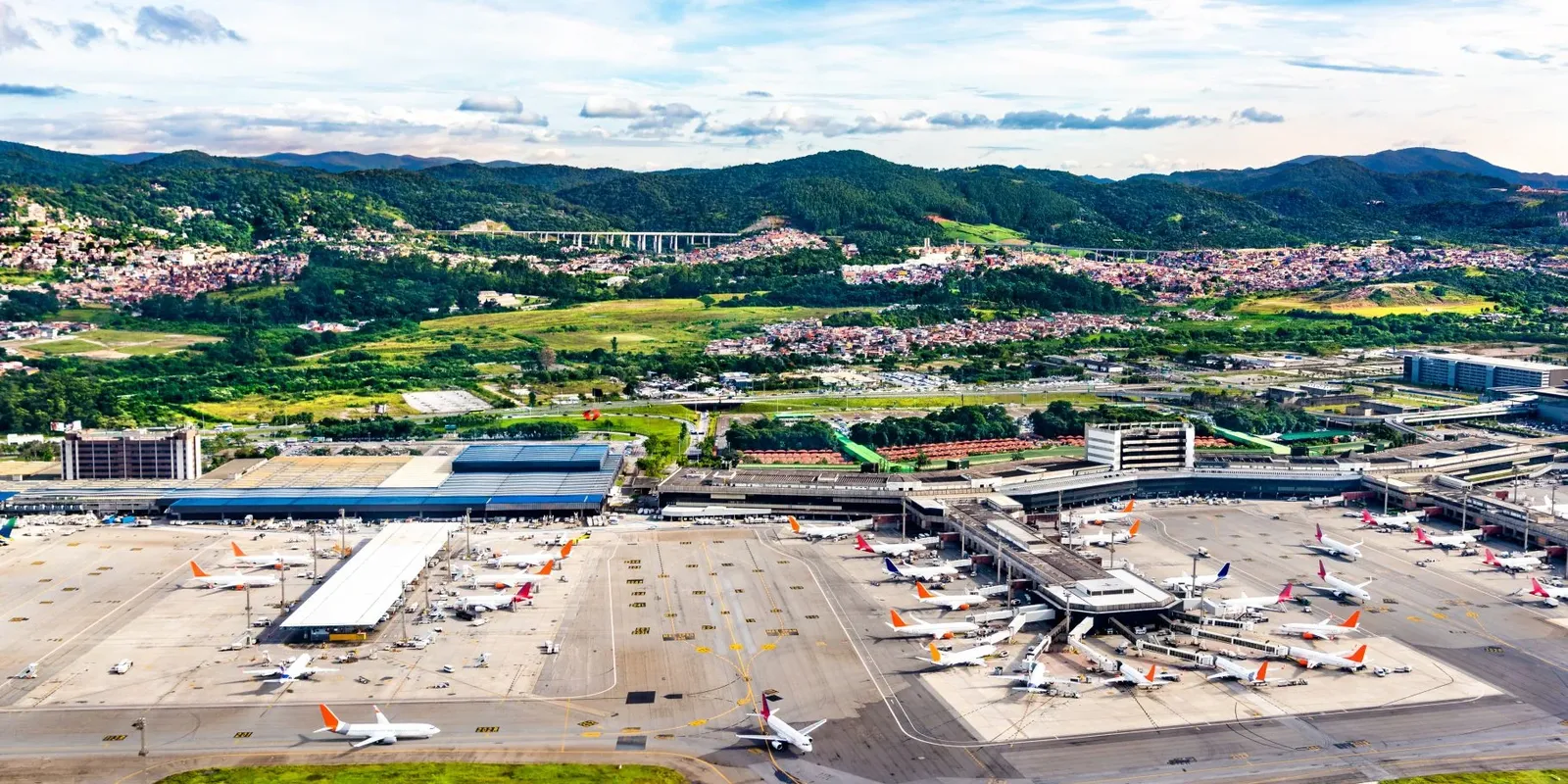
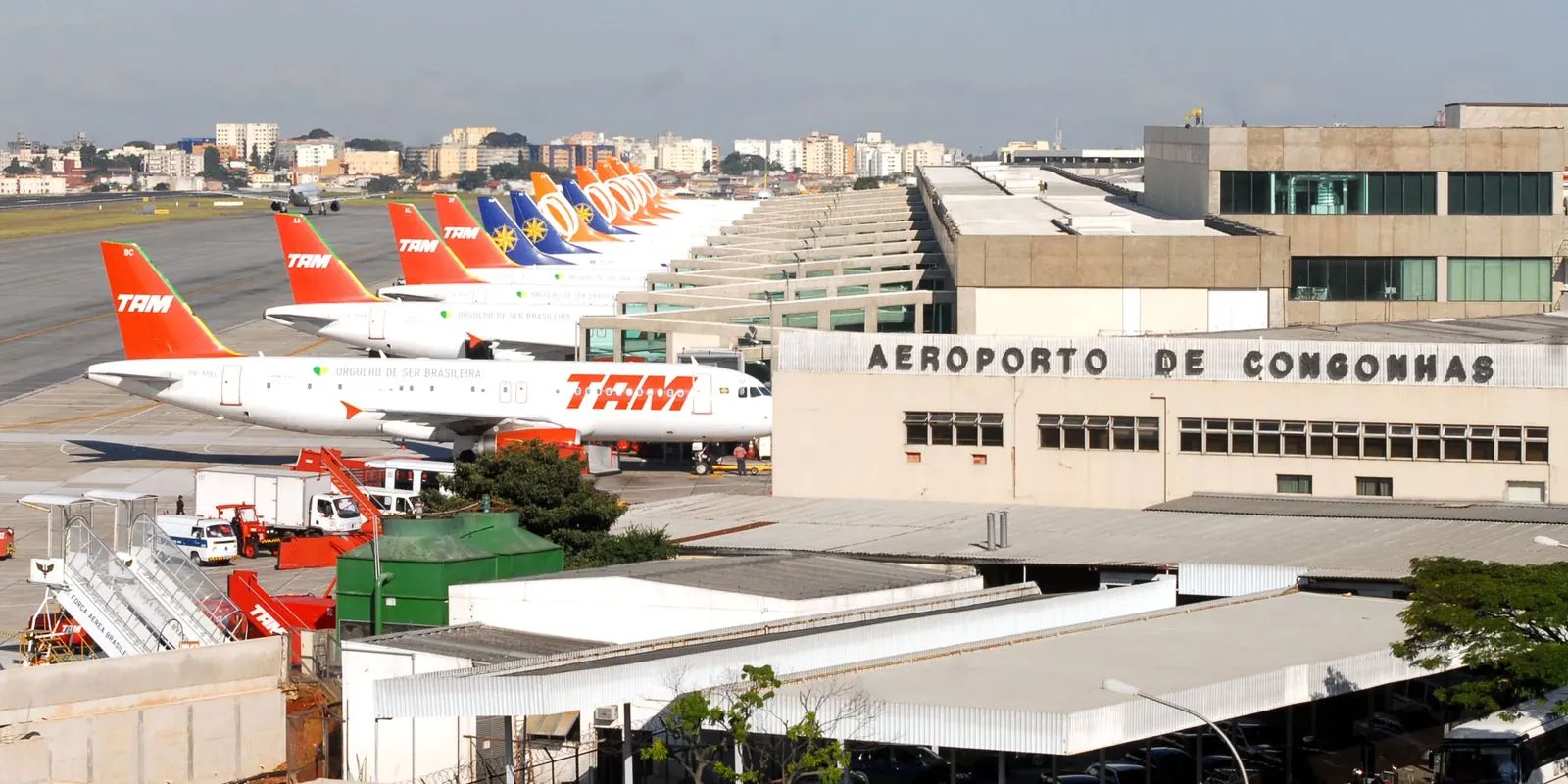
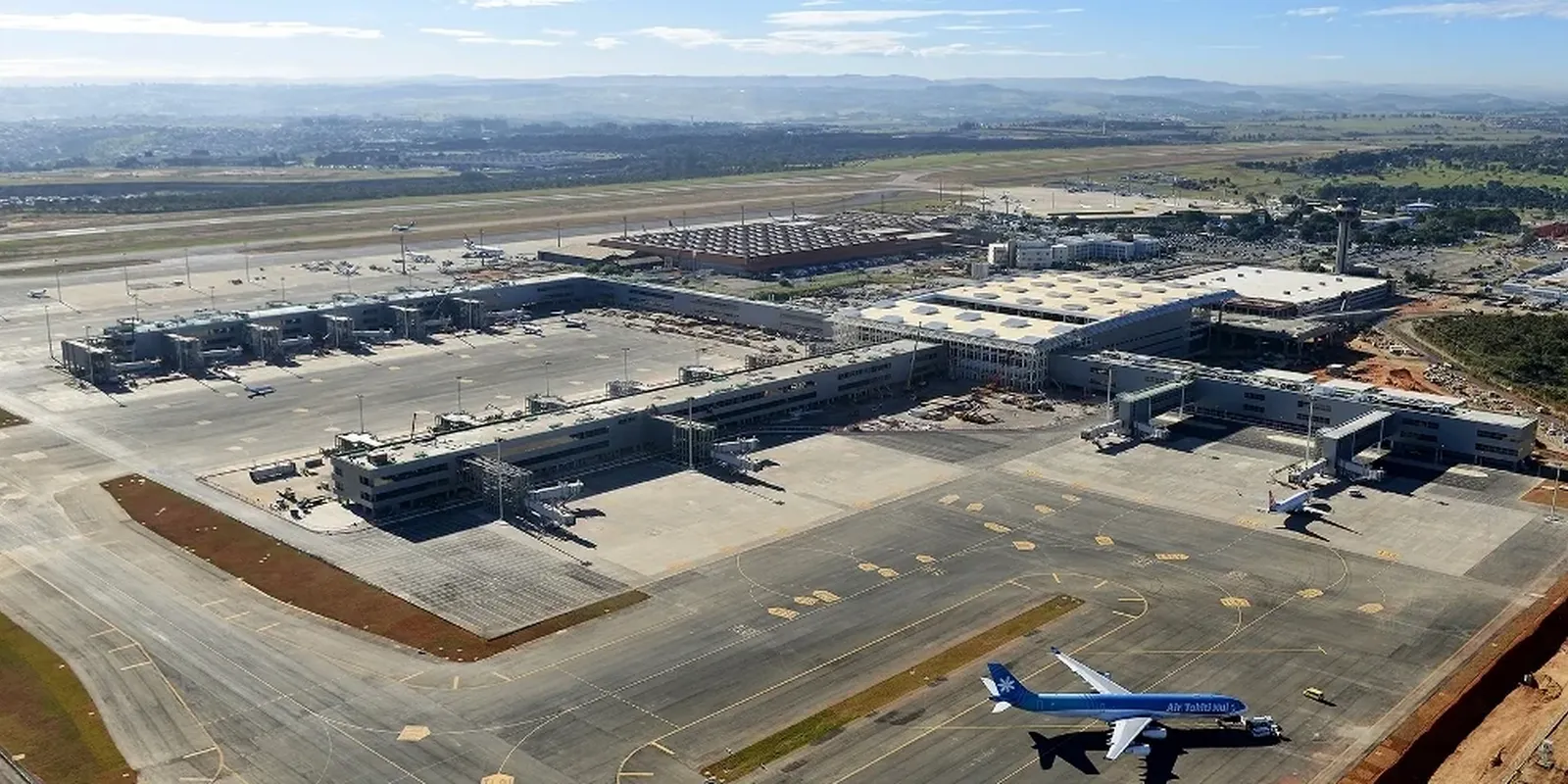
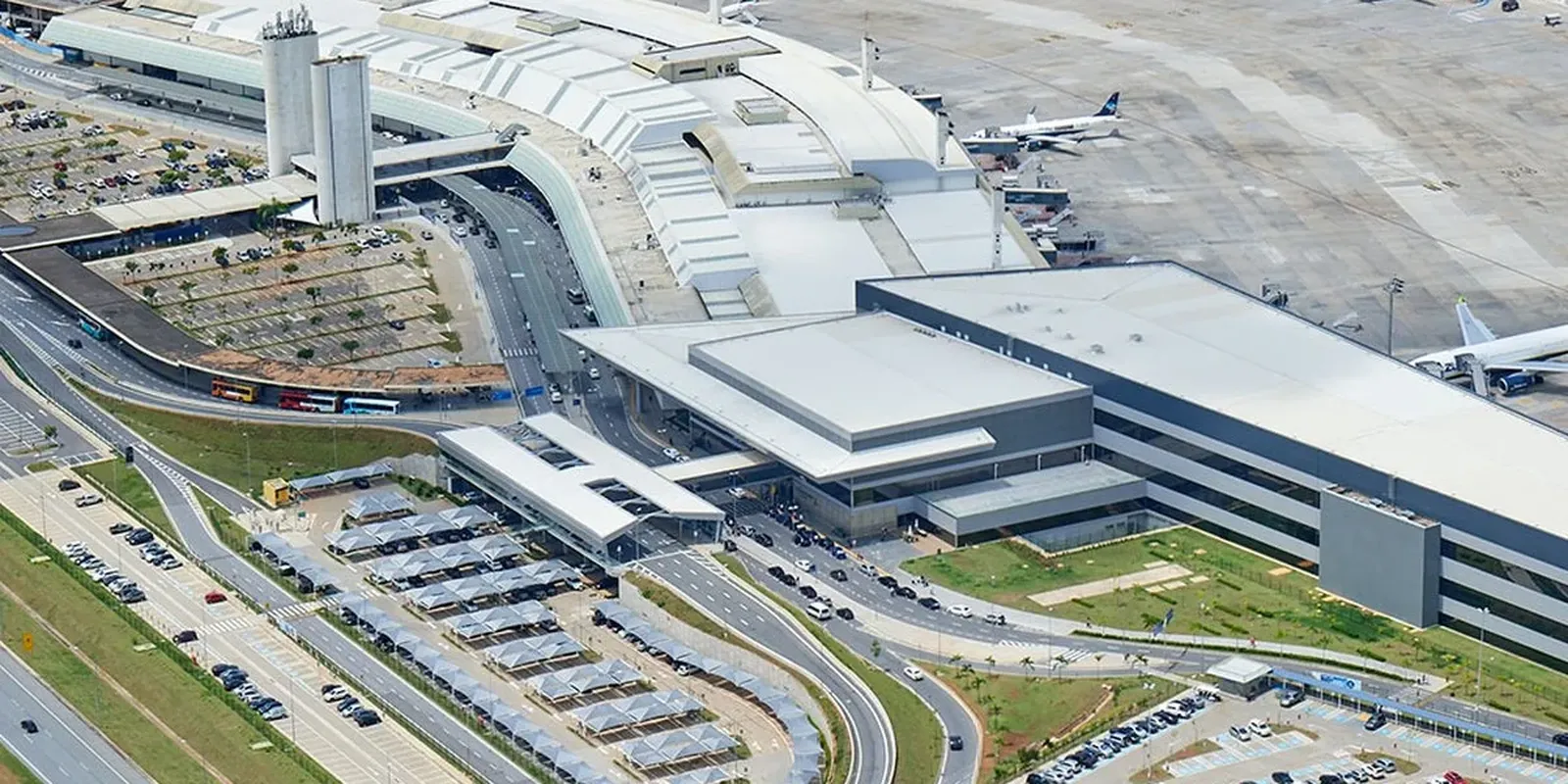
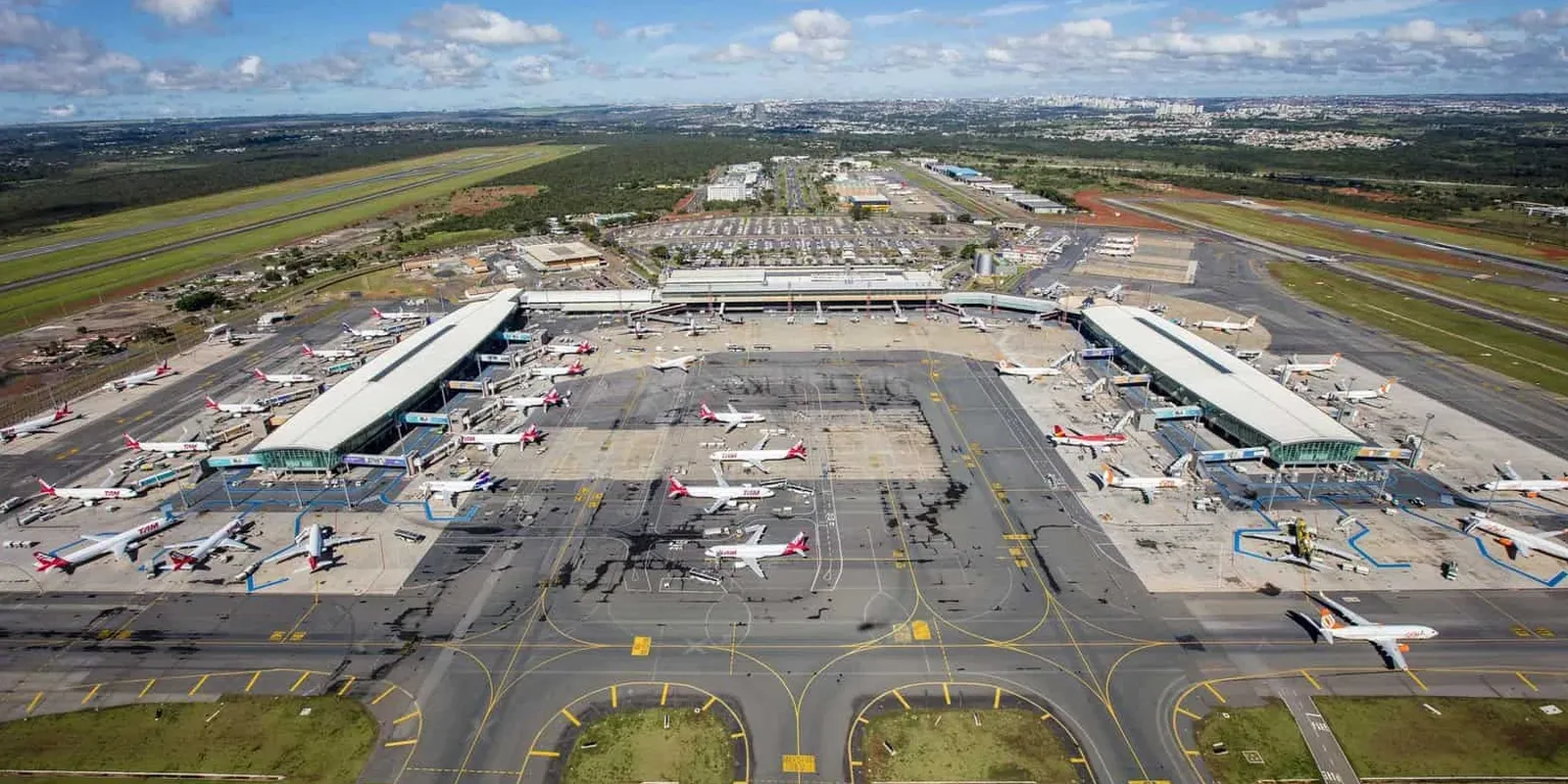
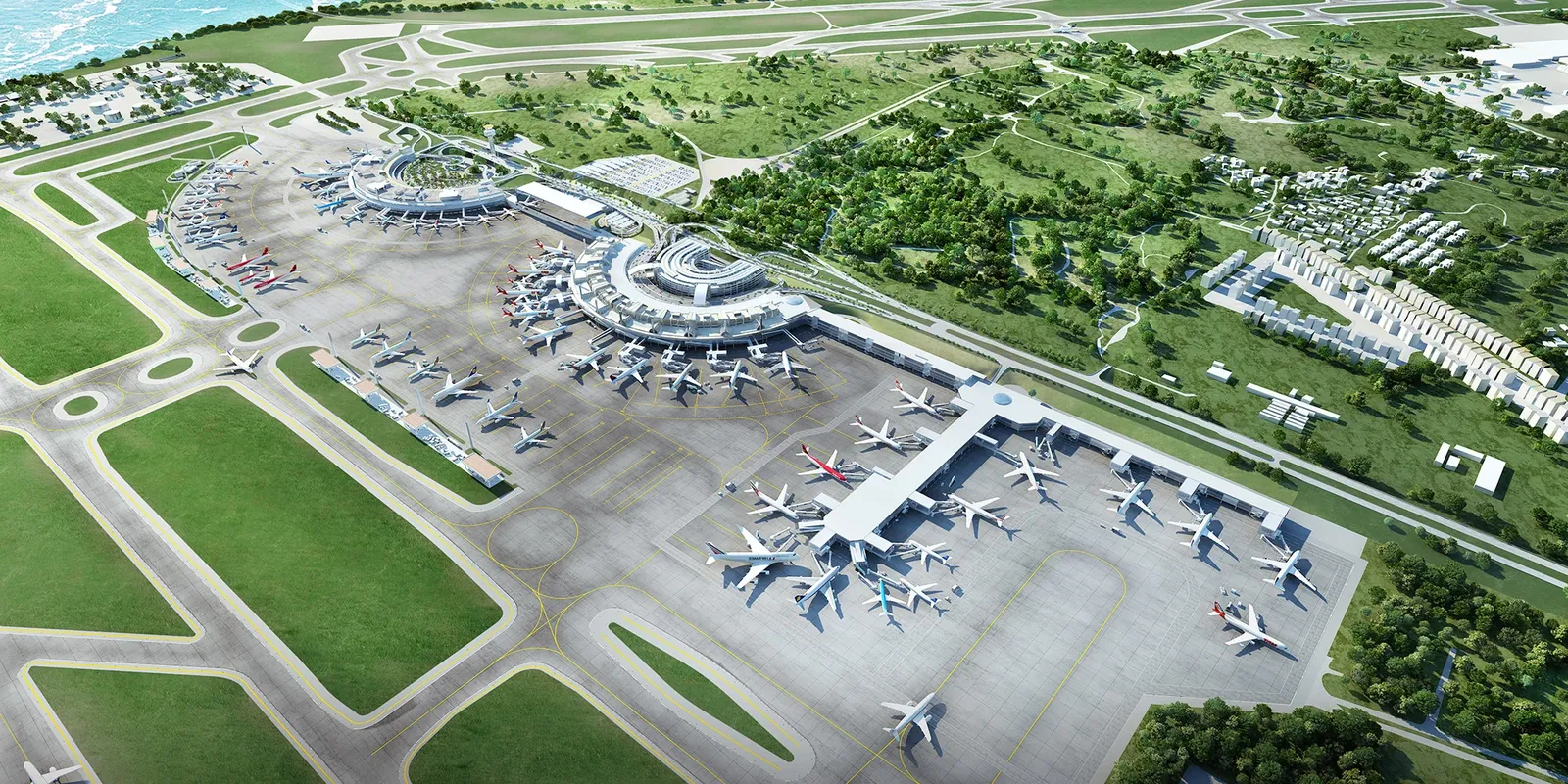
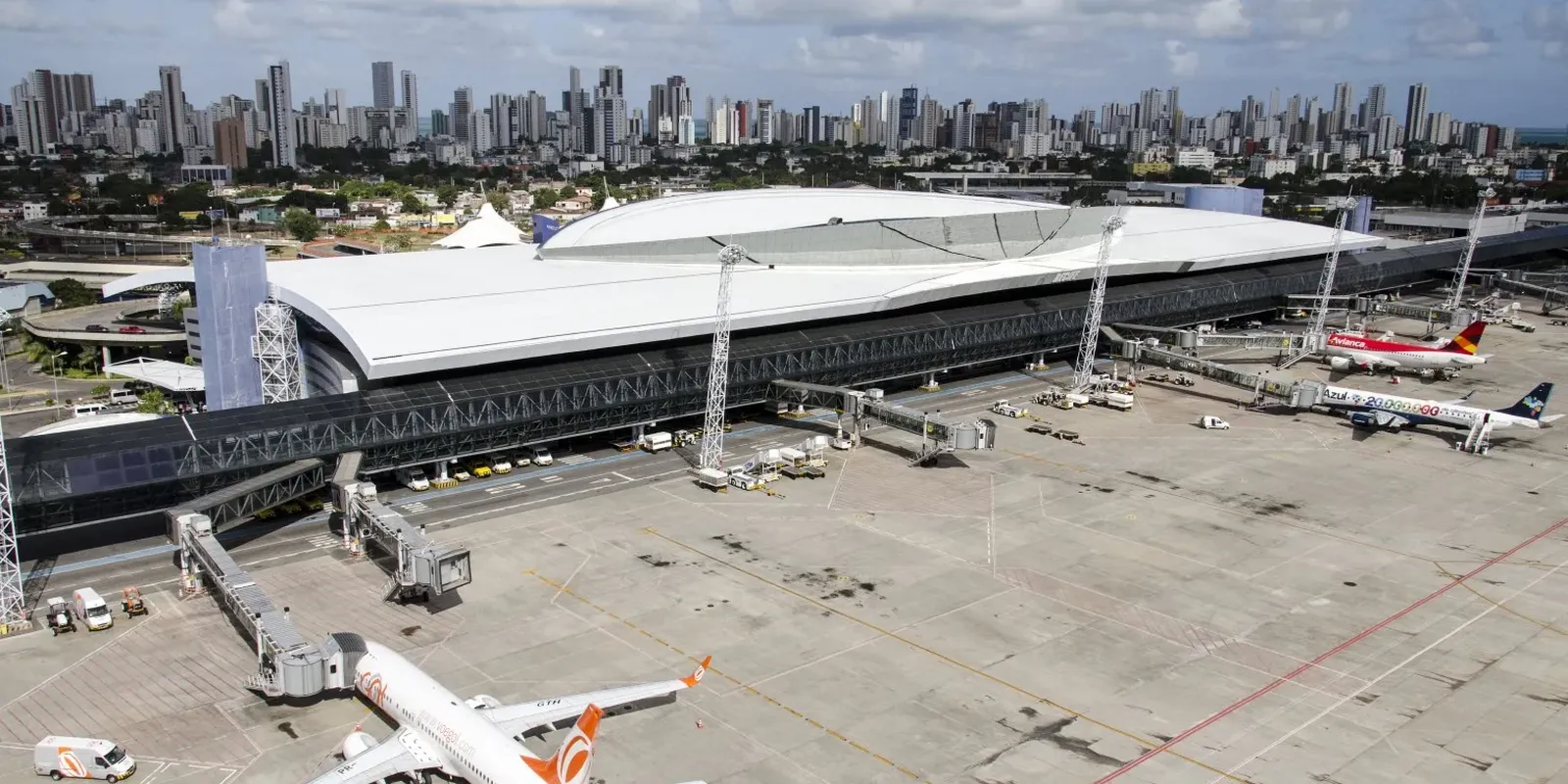
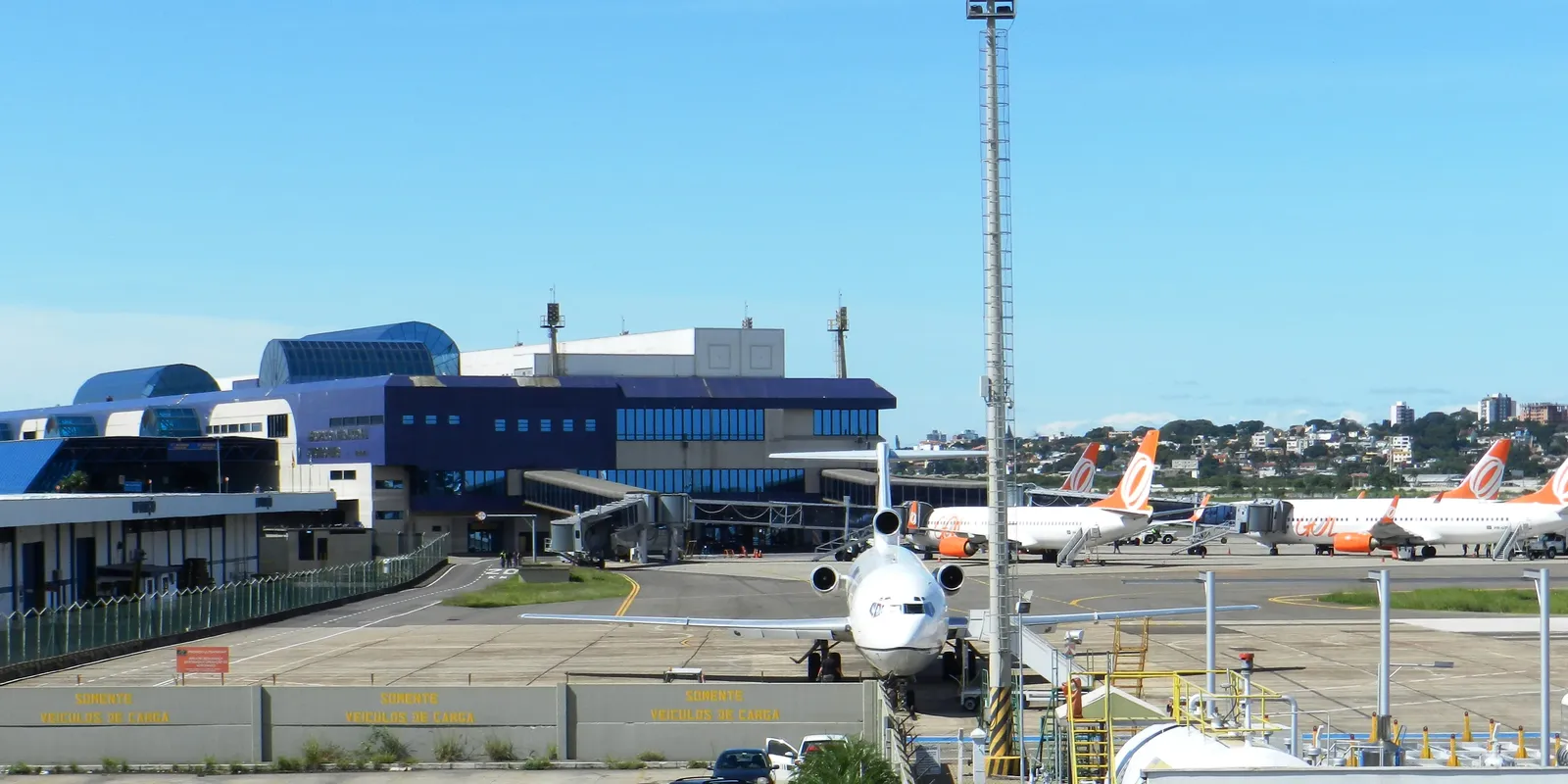
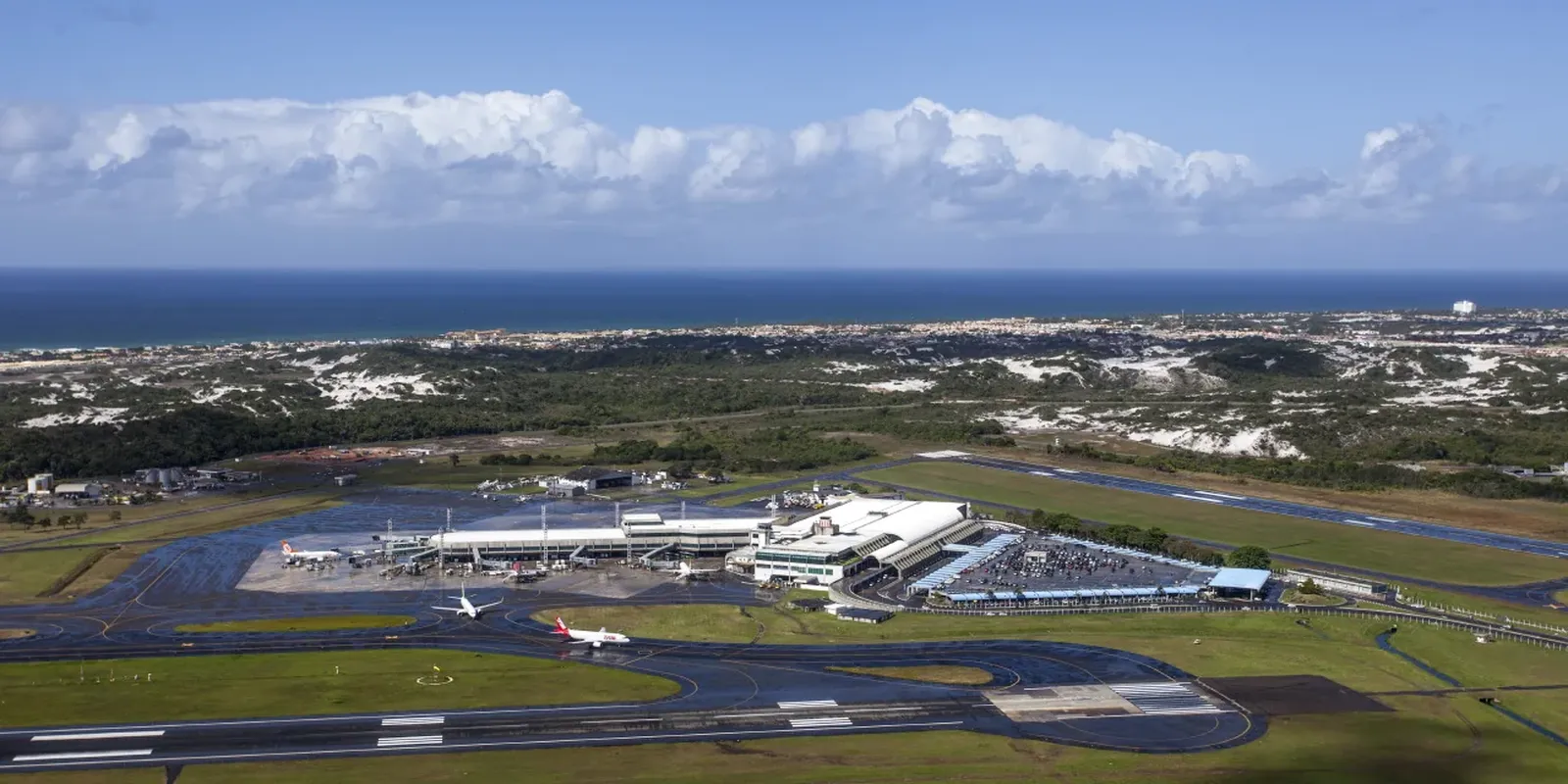
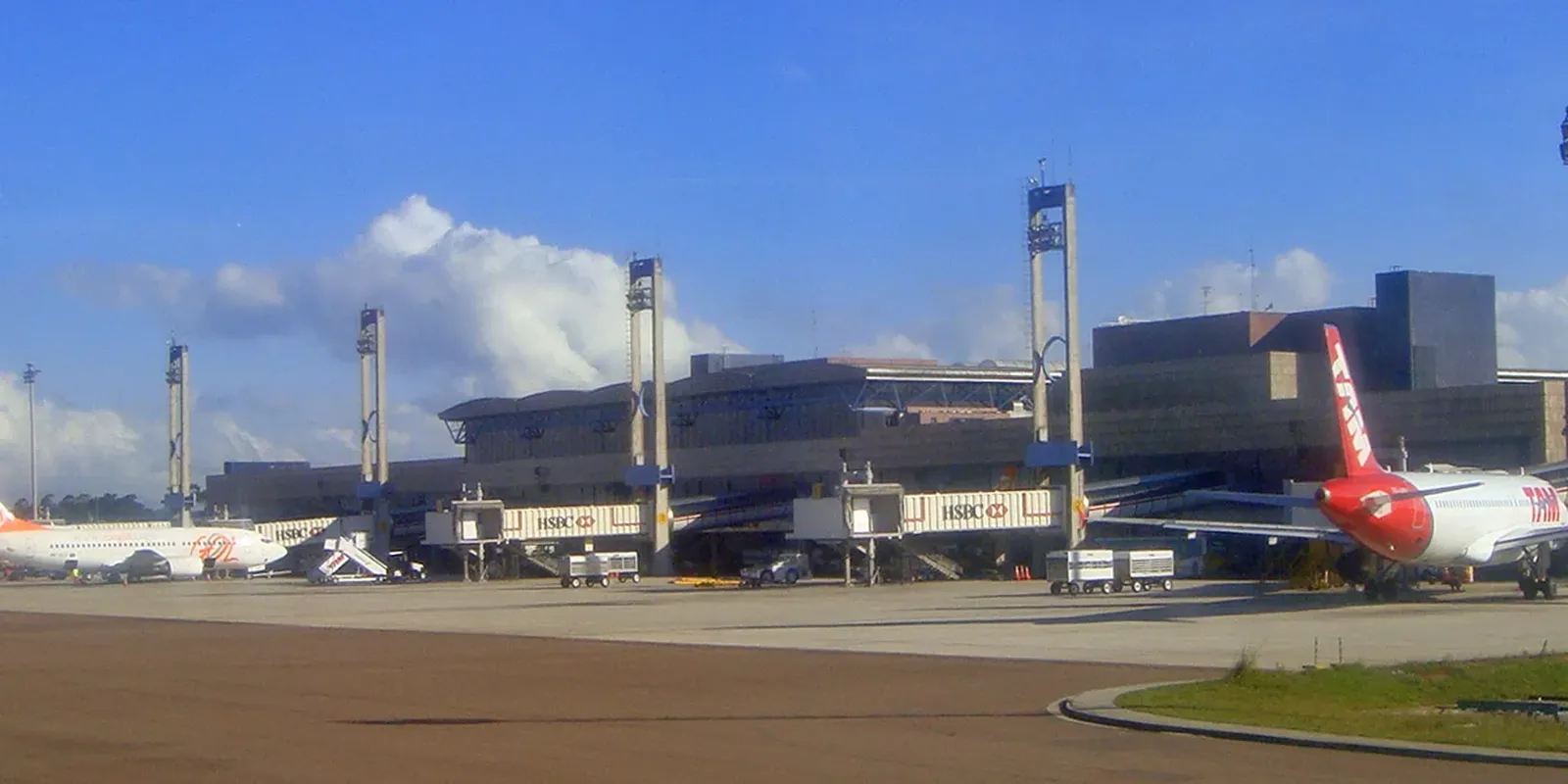
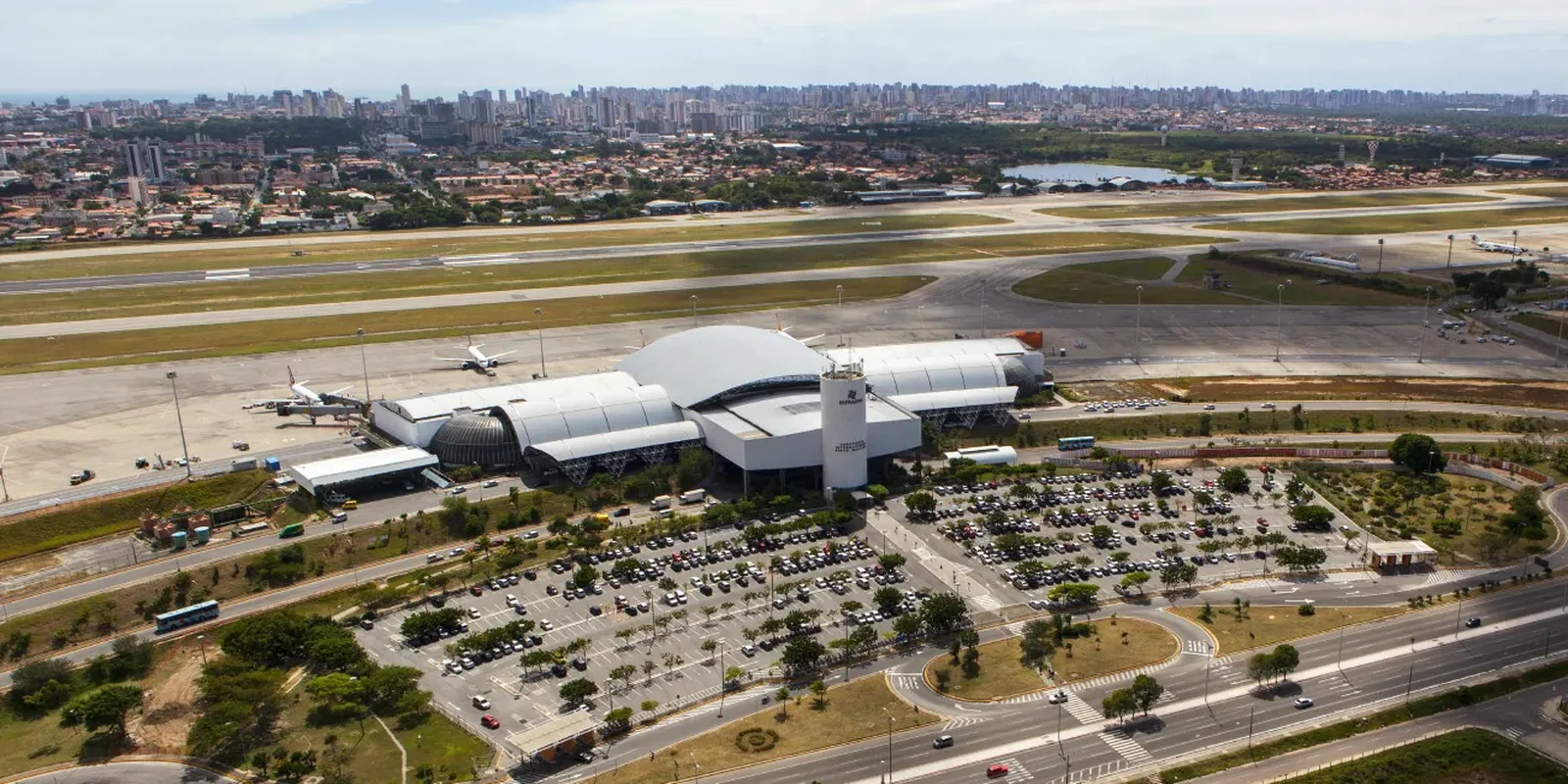
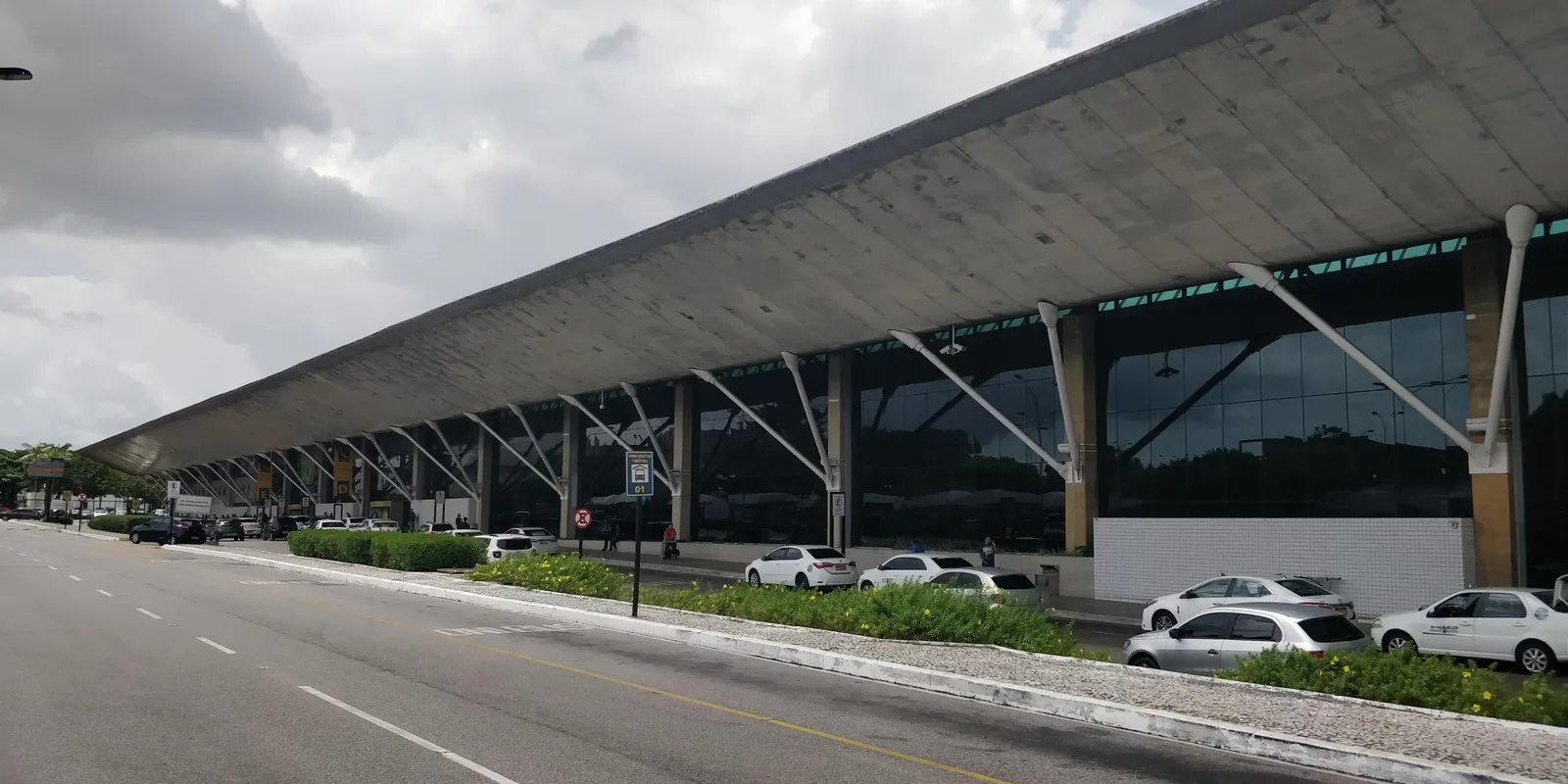
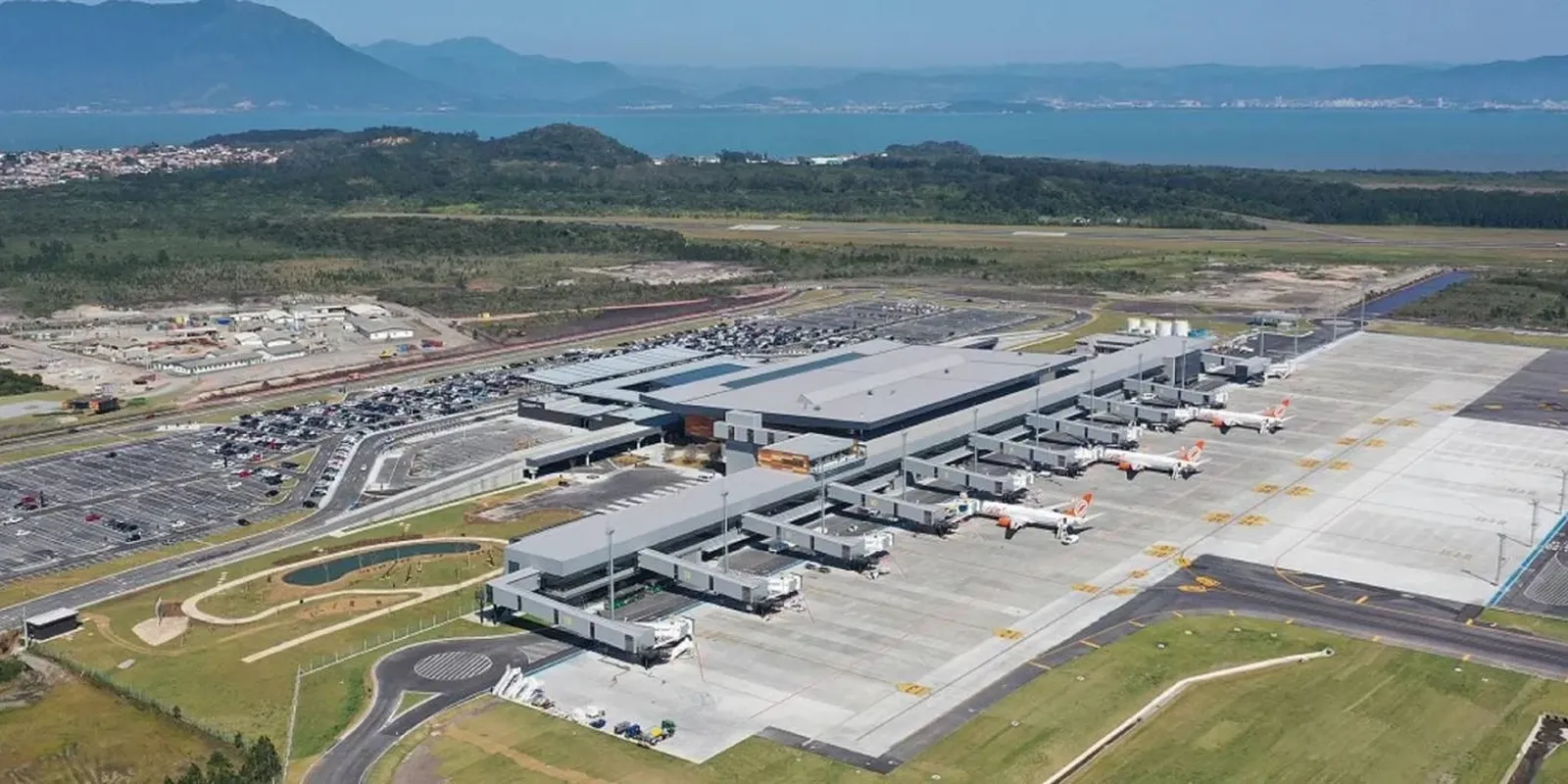
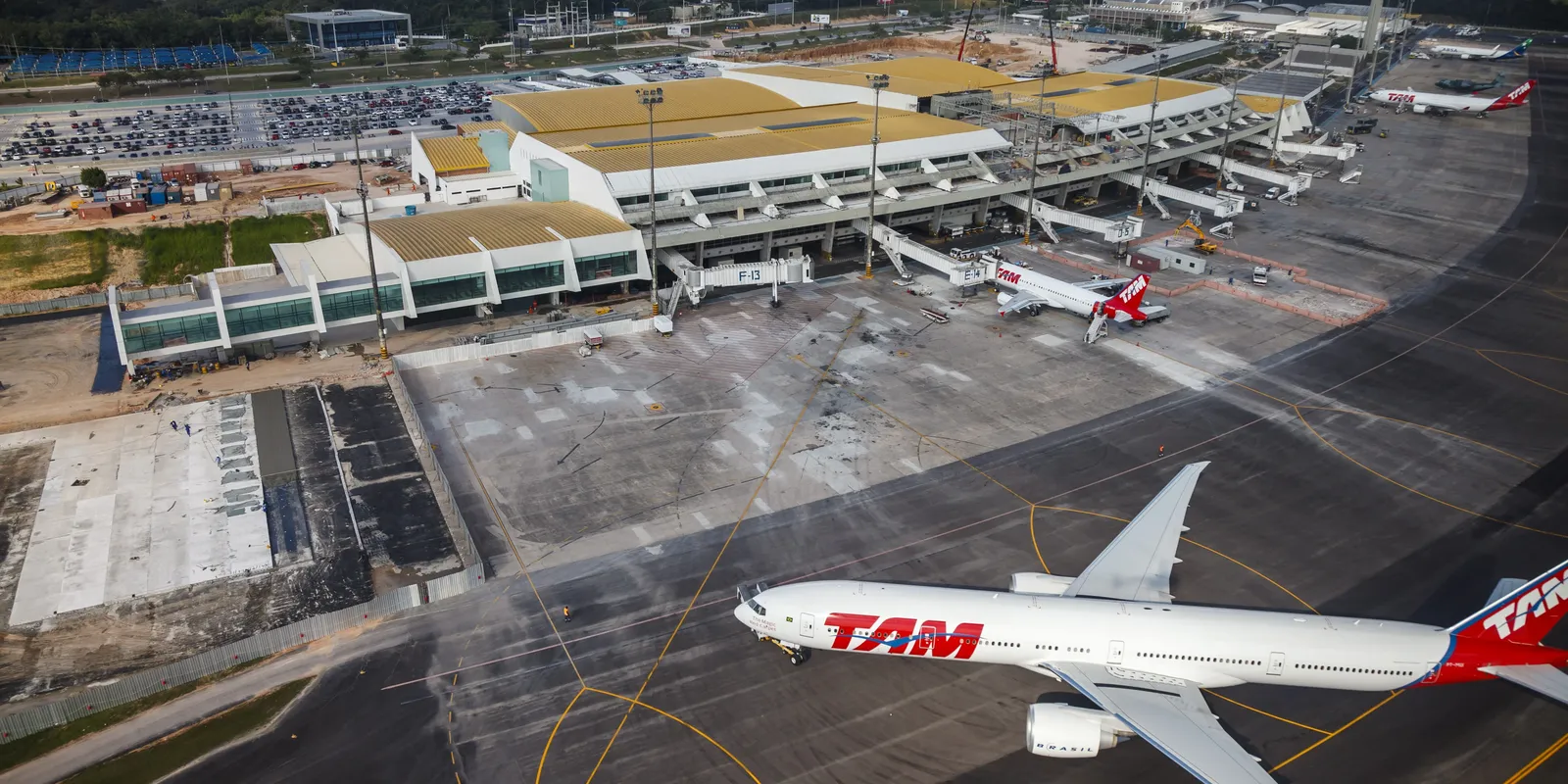
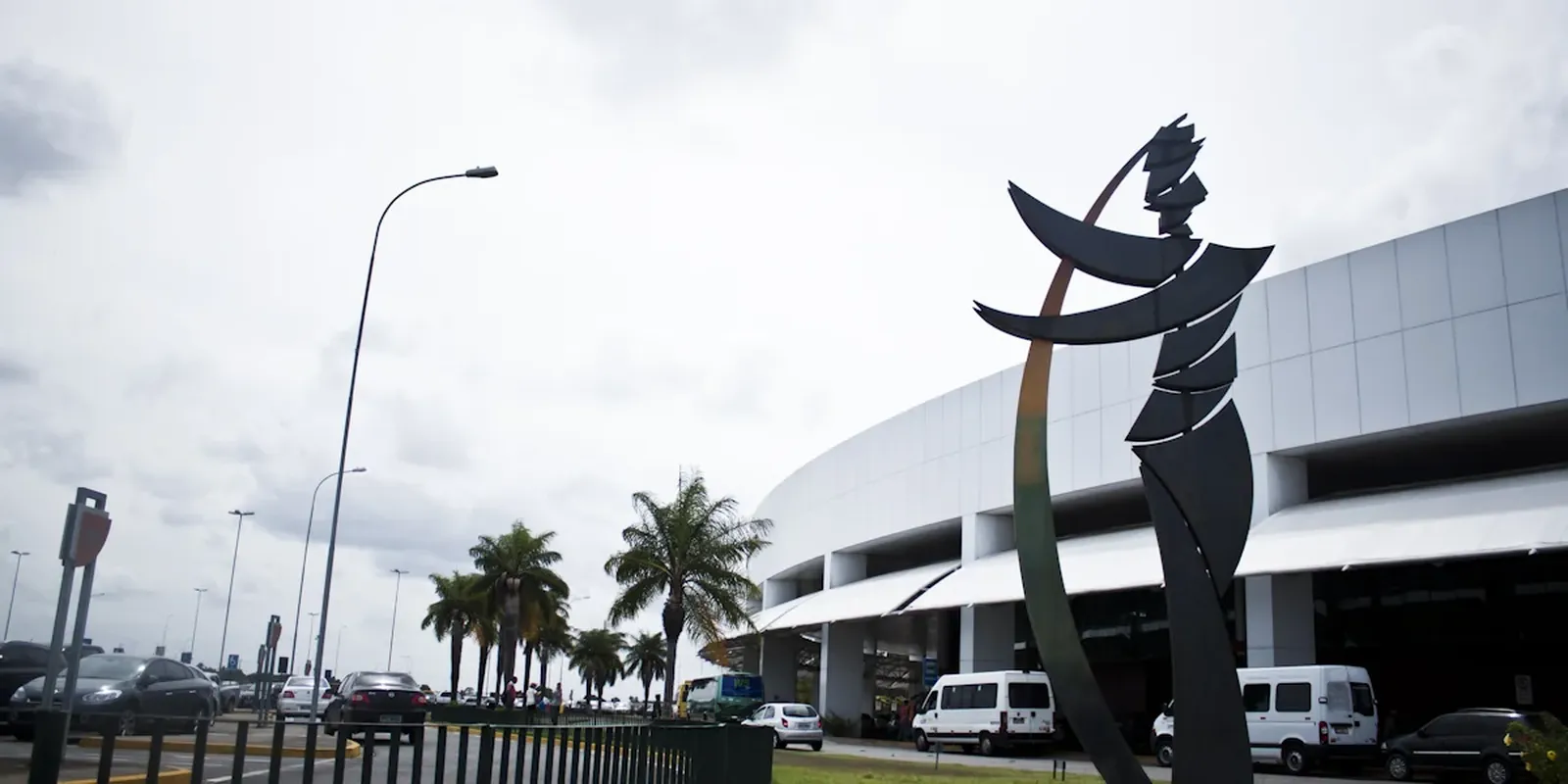
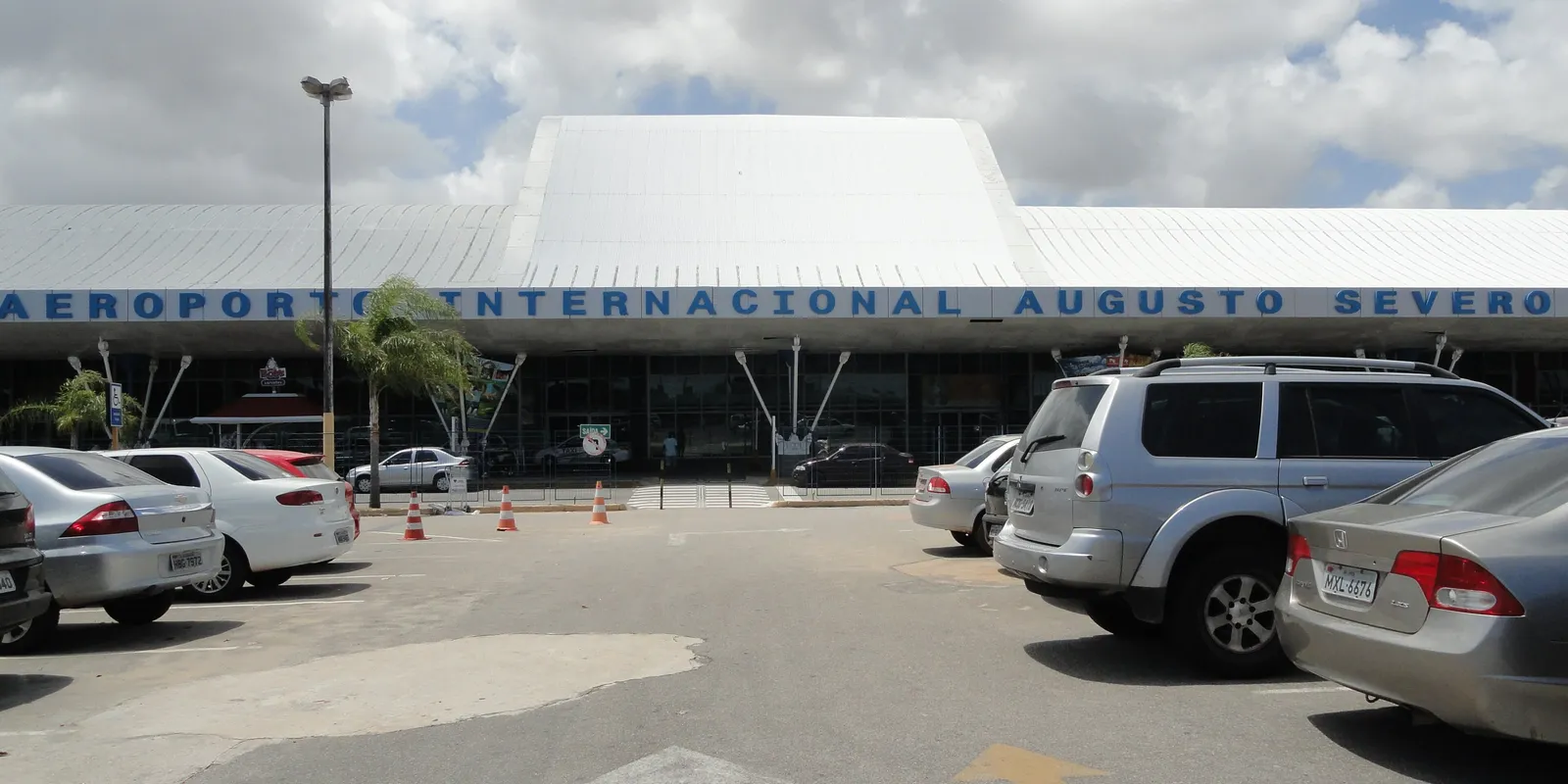
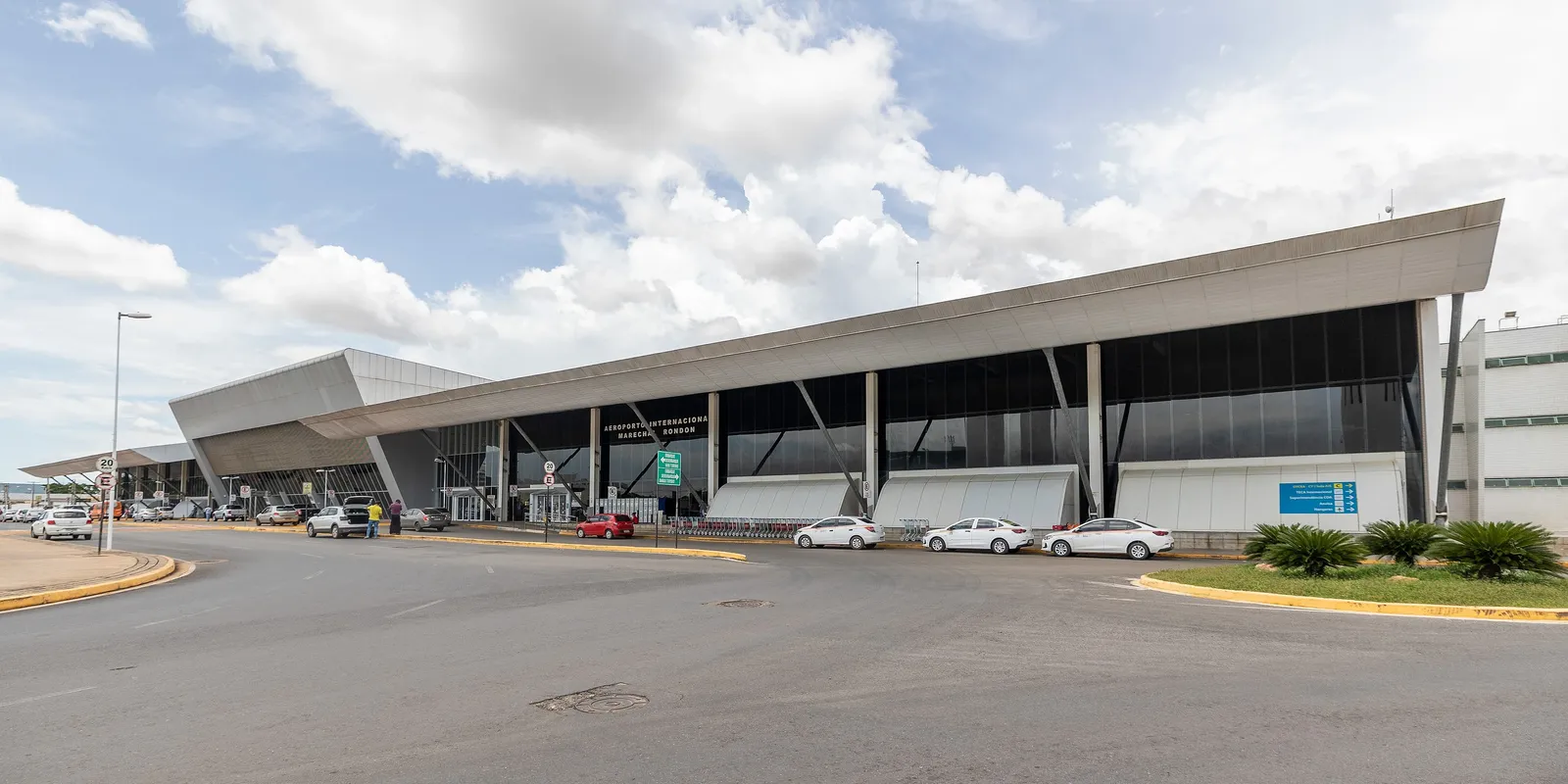
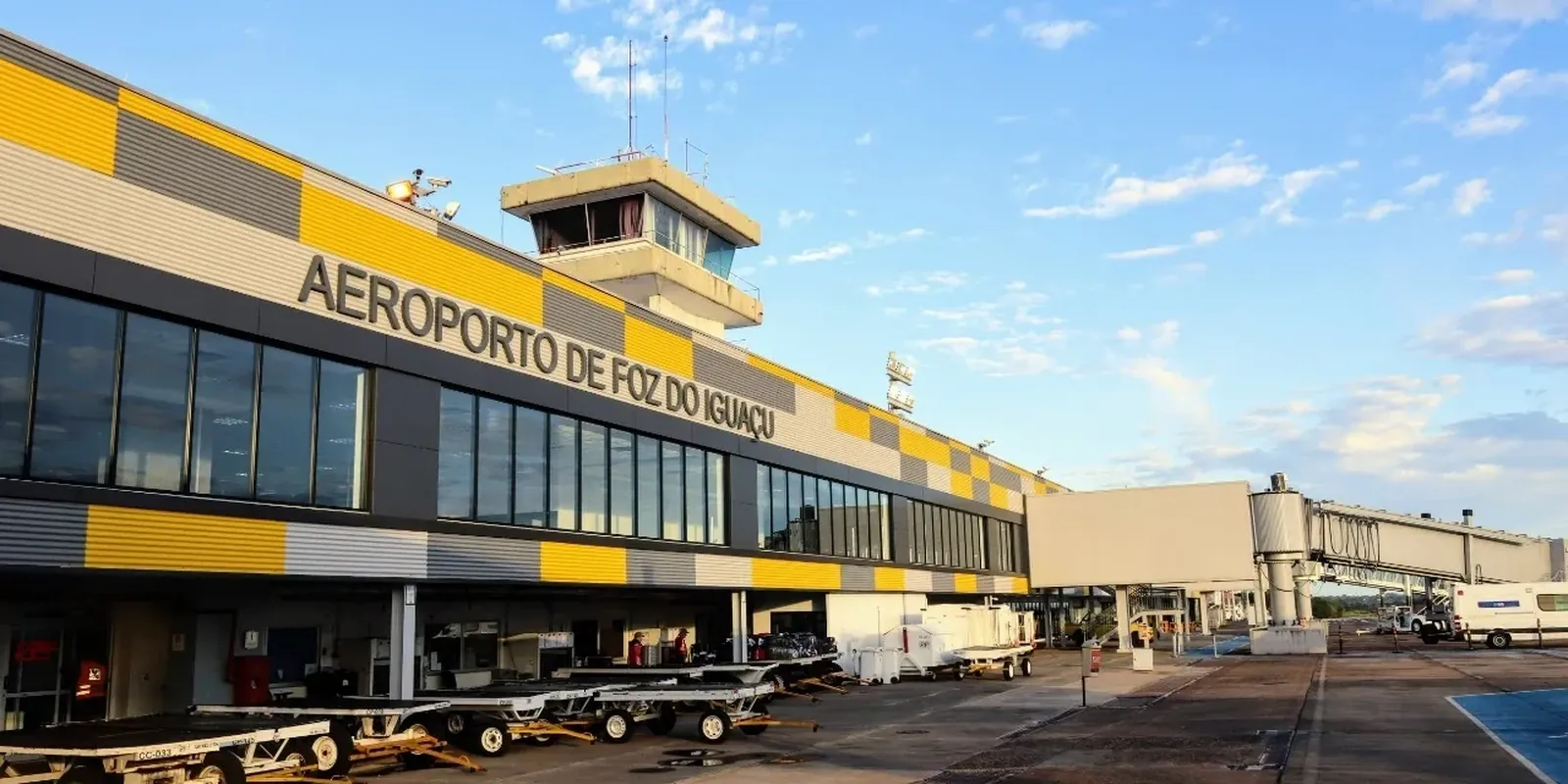
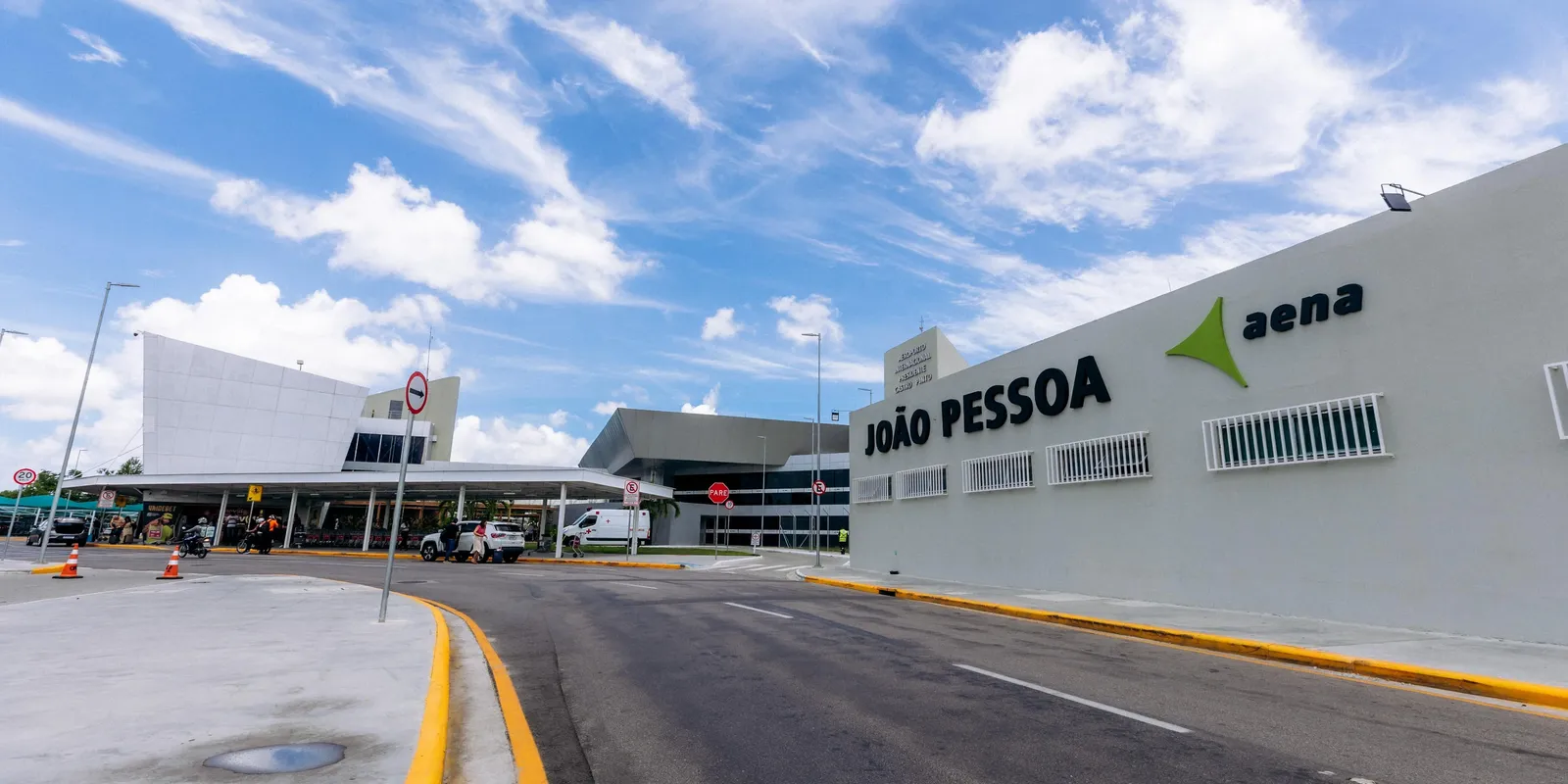
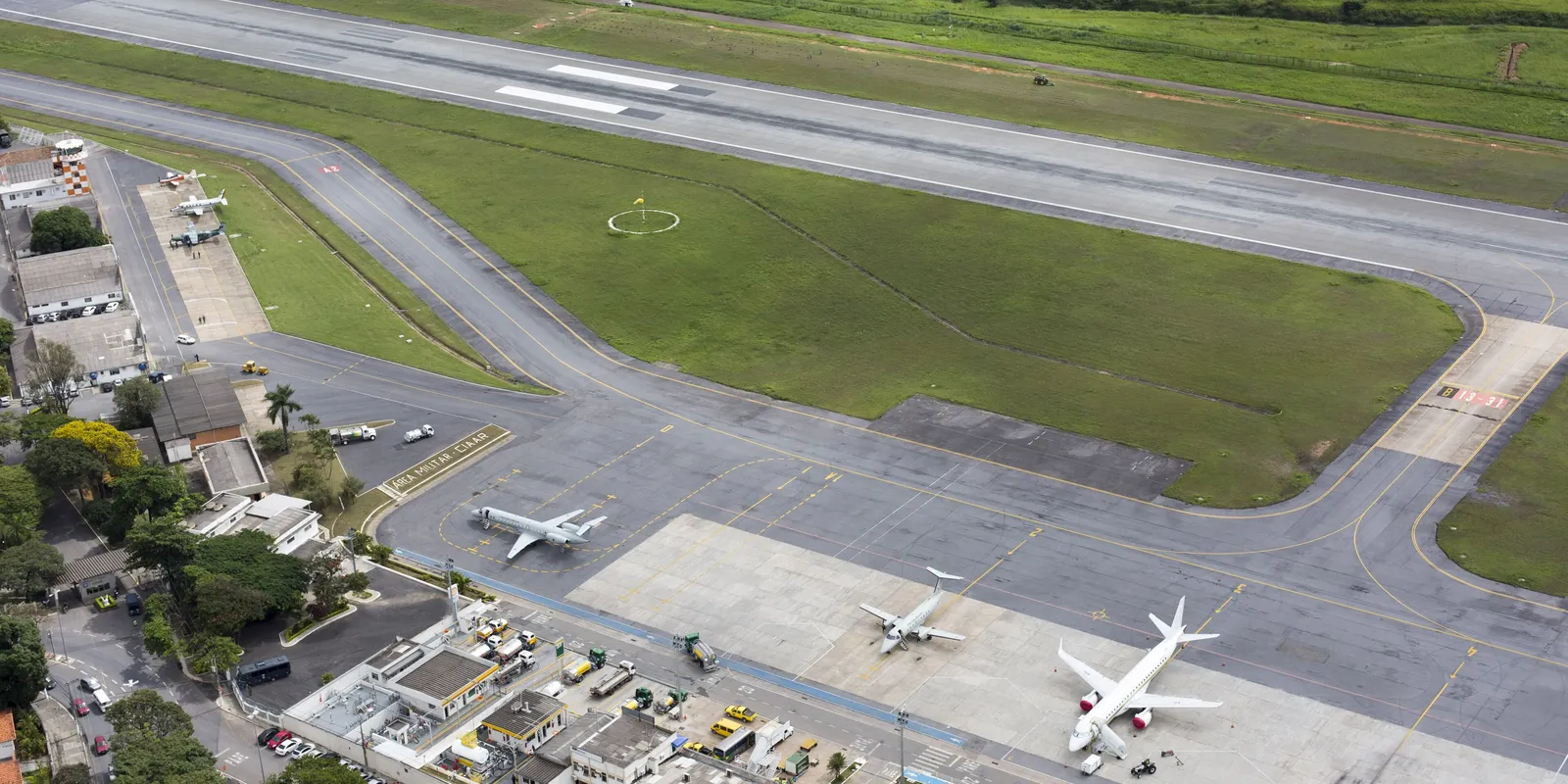
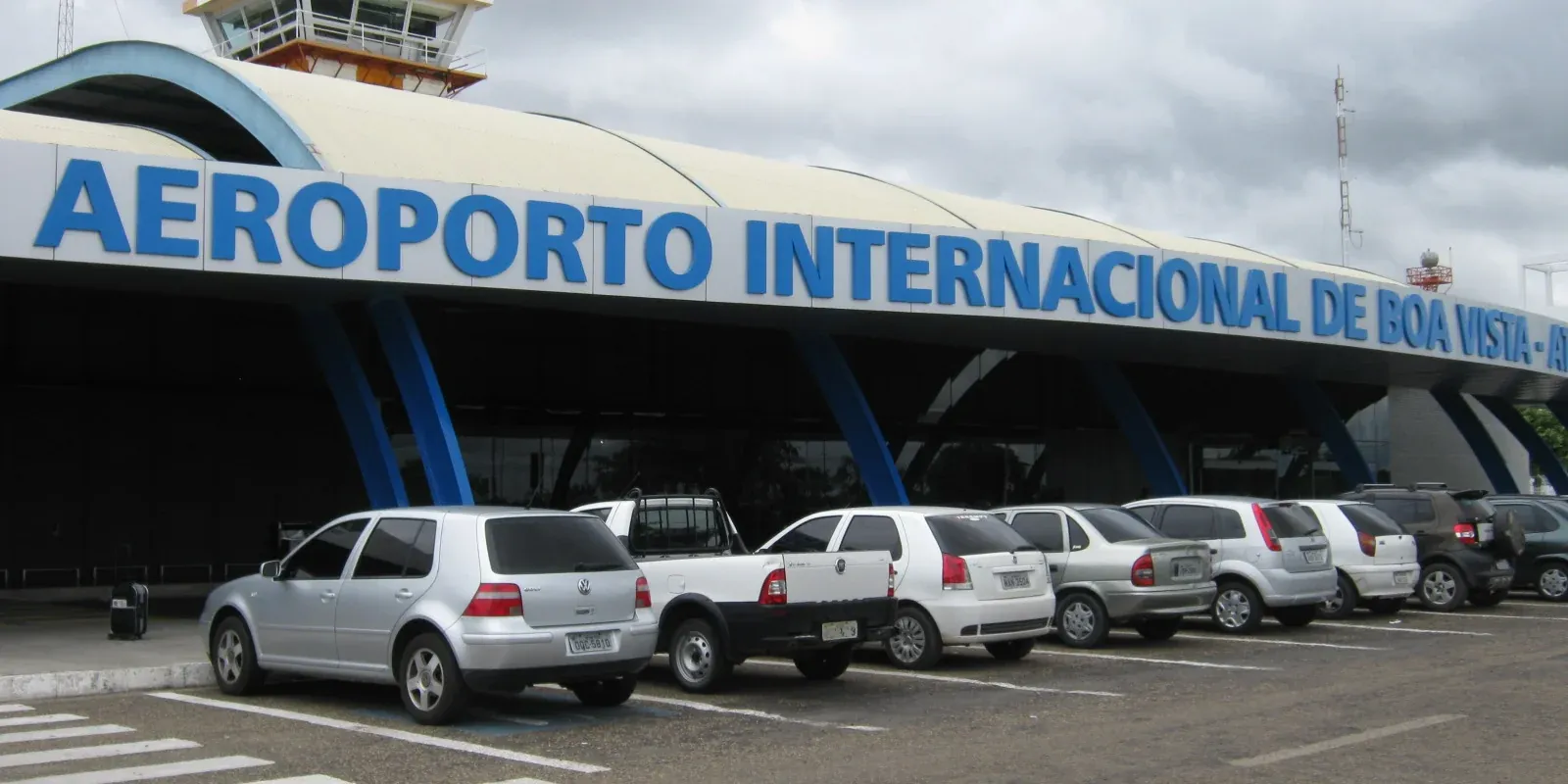
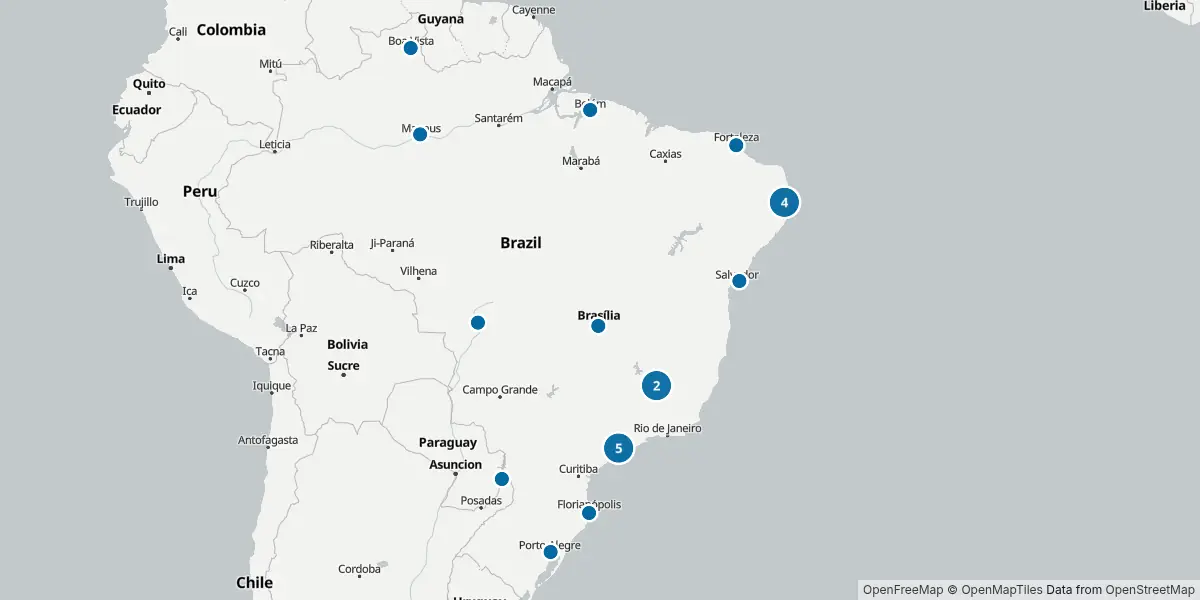
Brazil has 21 airports with active connections, led by the two São Paulo hubs (Guarulhos, the country's main international gateway, and Congonhas, more central) and by Rio de Janeiro Galeão. These are followed by the other state capitals and major tourist destinations, from Salvador to Manaus, from Foz do Iguaçu to Florianópolis.
Brazil: recommended activities
Brazil: visa and entry requirements
Citizens of the European Union and the United Kingdom do not need a visa for tourist stays of up to 90 days. Since April 2025 (a rule still in effect in 2026), citizens of the United States, Canada and Australia must instead apply for a tourist e-visa in advance through the VFSeVisa platform (around R$ 257, equivalent to about 51 USD, valid for up to 10 years for multiple entries depending on nationality, stays of up to 90 days renewable for a further 90), applying the principle of reciprocity towards those countries' entry rules for Brazilian citizens: apply in advance through the official portal, as airlines will not board passengers without a validated e-visa code. The passport must have at least 6 months of remaining validity.
Brazil: safety
Brazil is open to tourism and most well-prepared visitors have a trouble-free stay by staying in well-known tourist areas, but the level of attention required is above average: crime (theft, snatching, robbery) is high in large urban centres, including tourist areas, public transport and the surroundings of hotels. 'Flash kidnapping' (being forced to withdraw cash or make instant transfers via apps like Pix) is a concrete risk for both locals and foreigners. Cases of spiked drinks have been reported, especially in Rio de Janeiro, on the beach and in crowded venues: never accept a drink from strangers and never leave your own drink unattended. Avoid land border areas and favelas even as part of guided tours, unless with operators of proven local experience. Use ATMs only in safe places (shopping malls, hotels), never on the street.
Brazil: health situation
Routine vaccinations plus hepatitis A and typhoid are generally recommended, and a yellow fever certificate is required (or strongly recommended depending on the itinerary) for those travelling to the Amazon or other specific areas of the country: check the up-to-date risk areas before travelling. Dengue, chikungunya and zika are present in various areas, including large cities at certain times of the year: mosquito protection is recommended. Drink bottled water outside large cities. Private health facilities in large cities are of a good standard; travel insurance with medical coverage remains strongly recommended.
Brazil: currency, payments and connectivity
The currency is the Brazilian real (BRL); credit cards are widely accepted in cities, less so in rural areas. Pix, the Brazilian instant payment system, is very widespread even among small traders, but requires a local bank account: visitors generally rely on cards or cash. Uber and 99 (a local app) operate in the main cities. For connectivity, the operators Vivo, Claro and TIM sell prepaid SIM cards, generally with ID registration. For driving, an International Driving Permit (IDP) is generally also required alongside the national one.
Brazil: travel guides
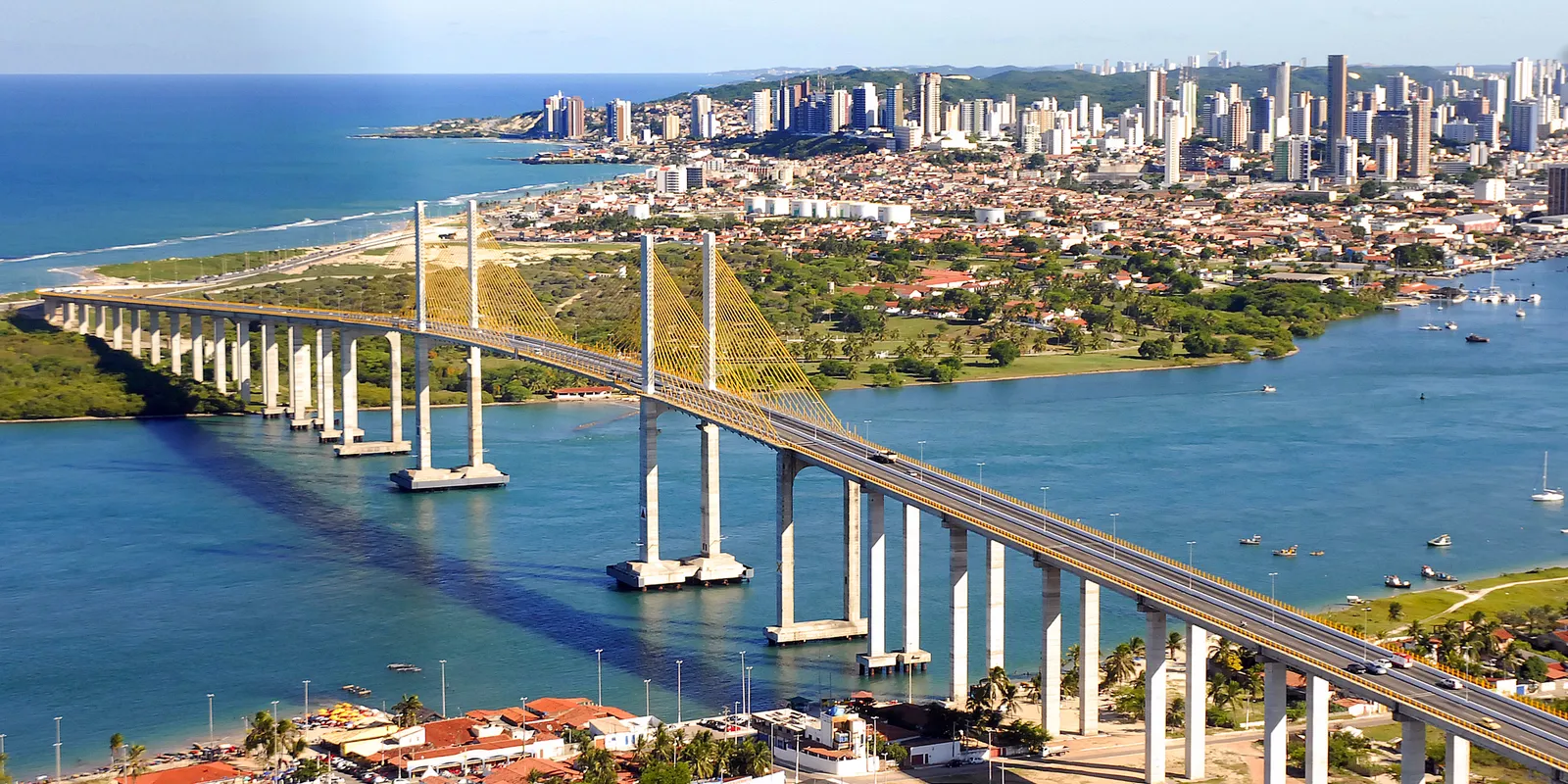
Natal: the fort at the mouth of the Potengi
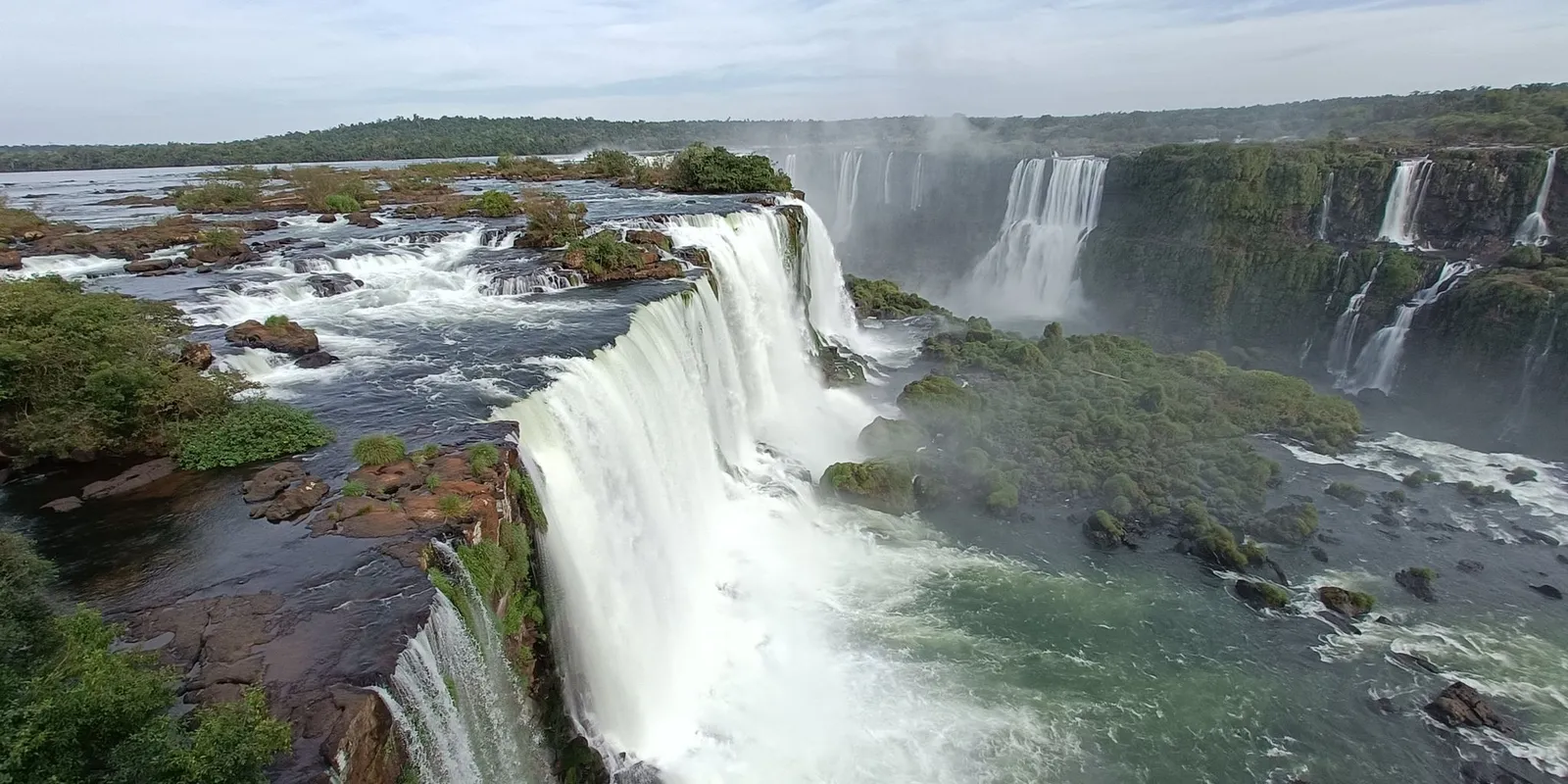
Foz do Iguaçu: the widest waterfalls in the world
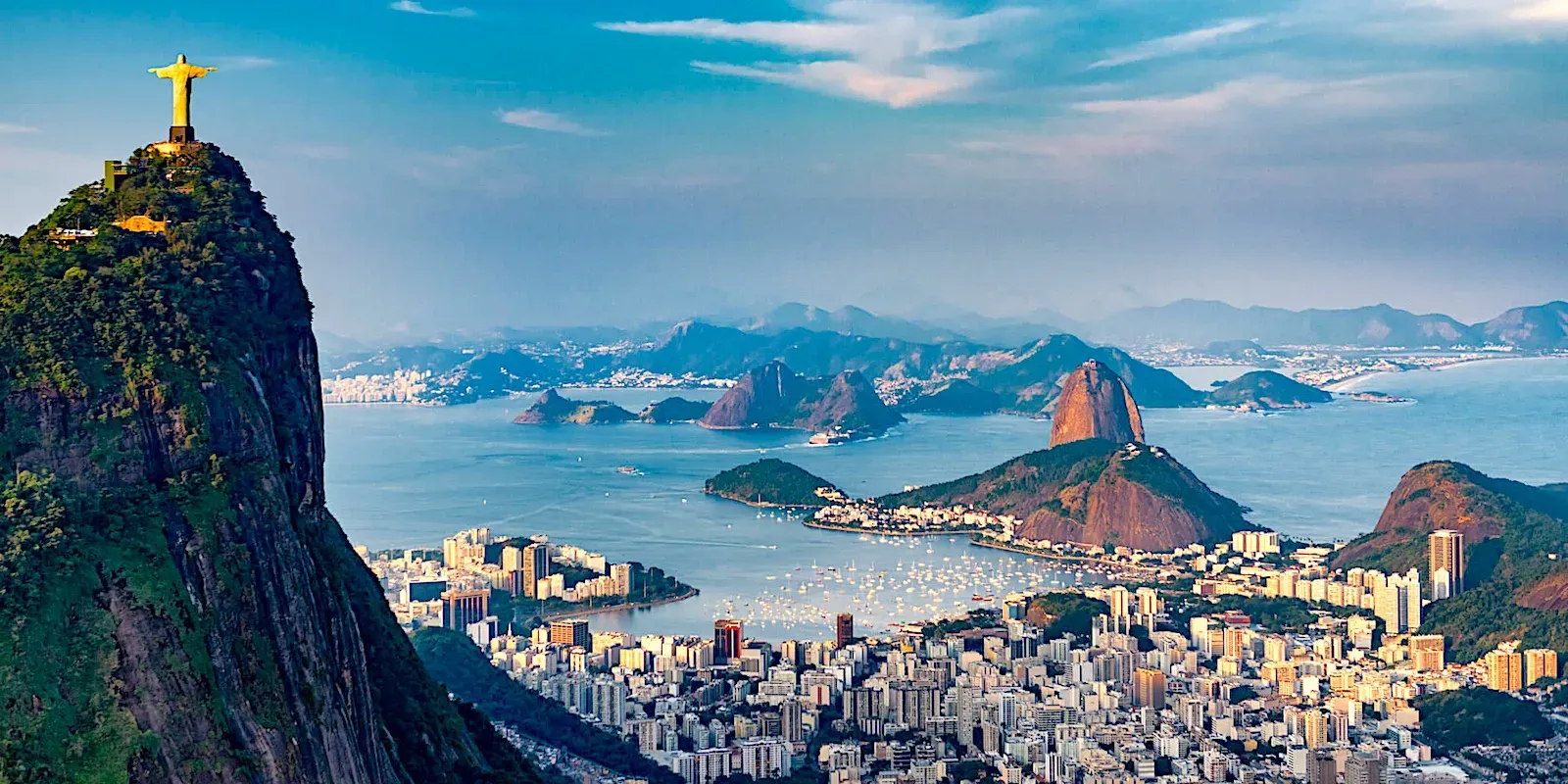
Rio de Janeiro in a day: what to see
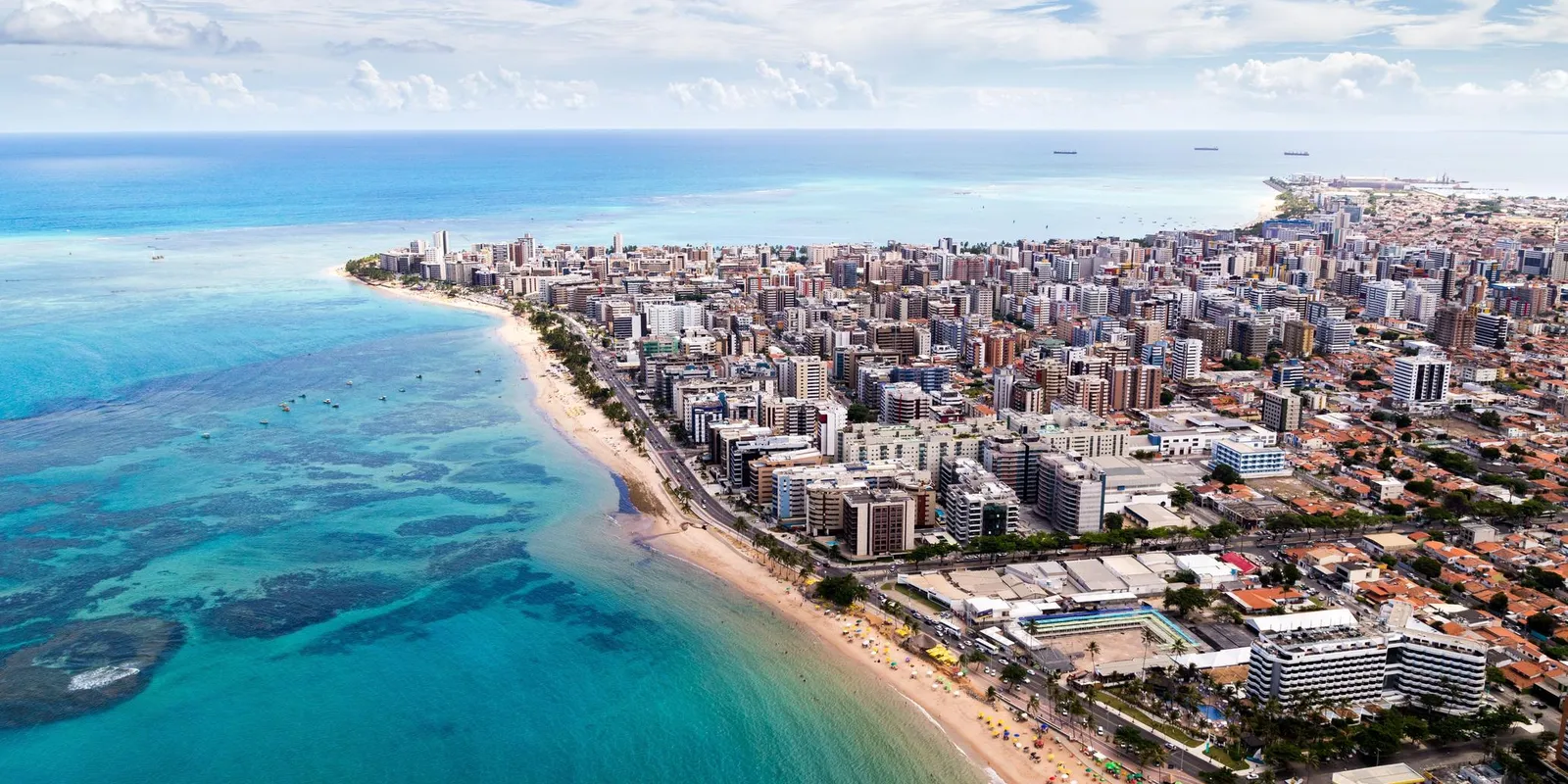
Maceió: the natural pools of Pajuçara
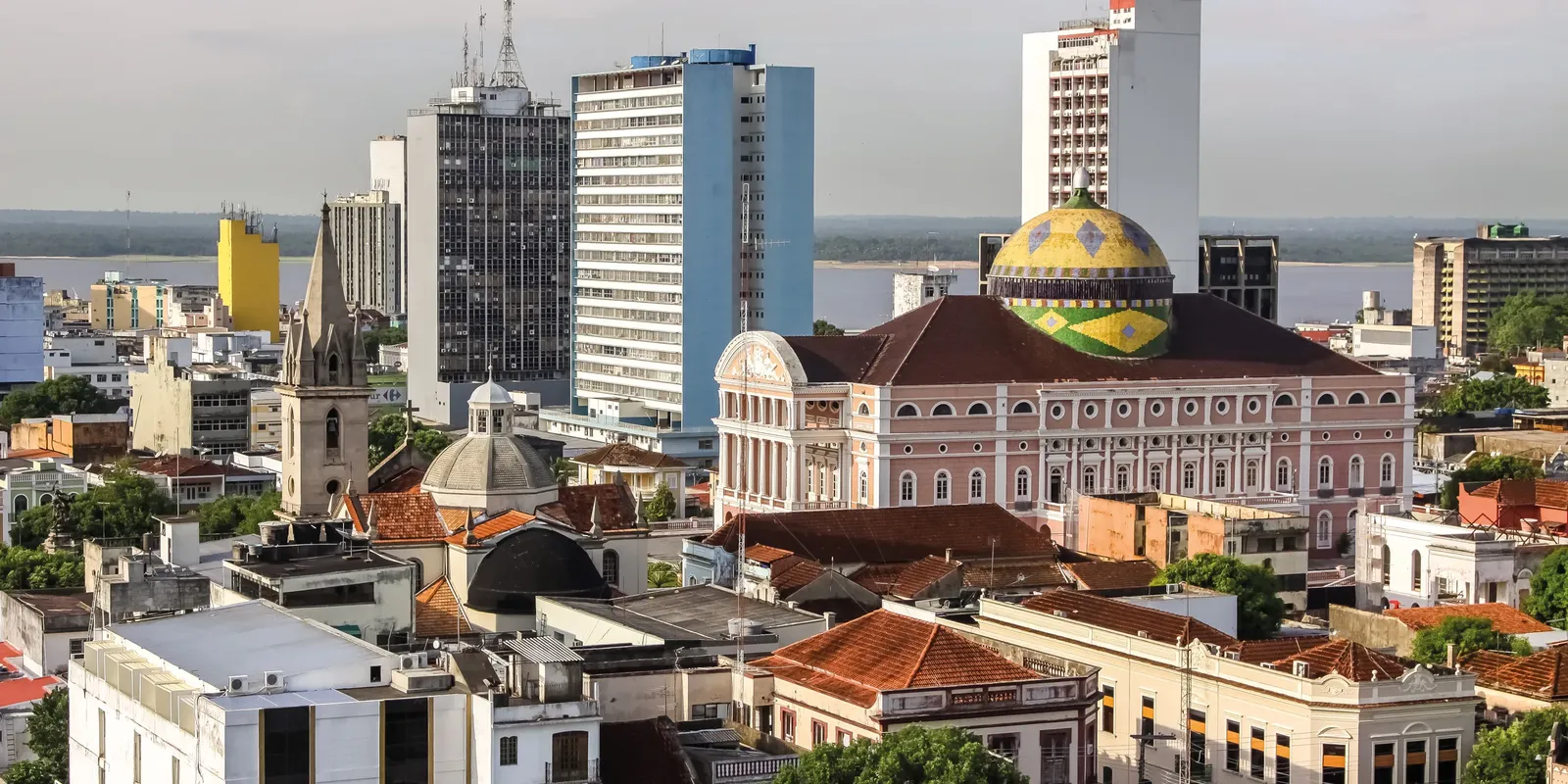
Manaus: an opera house in the heart of the Amazon
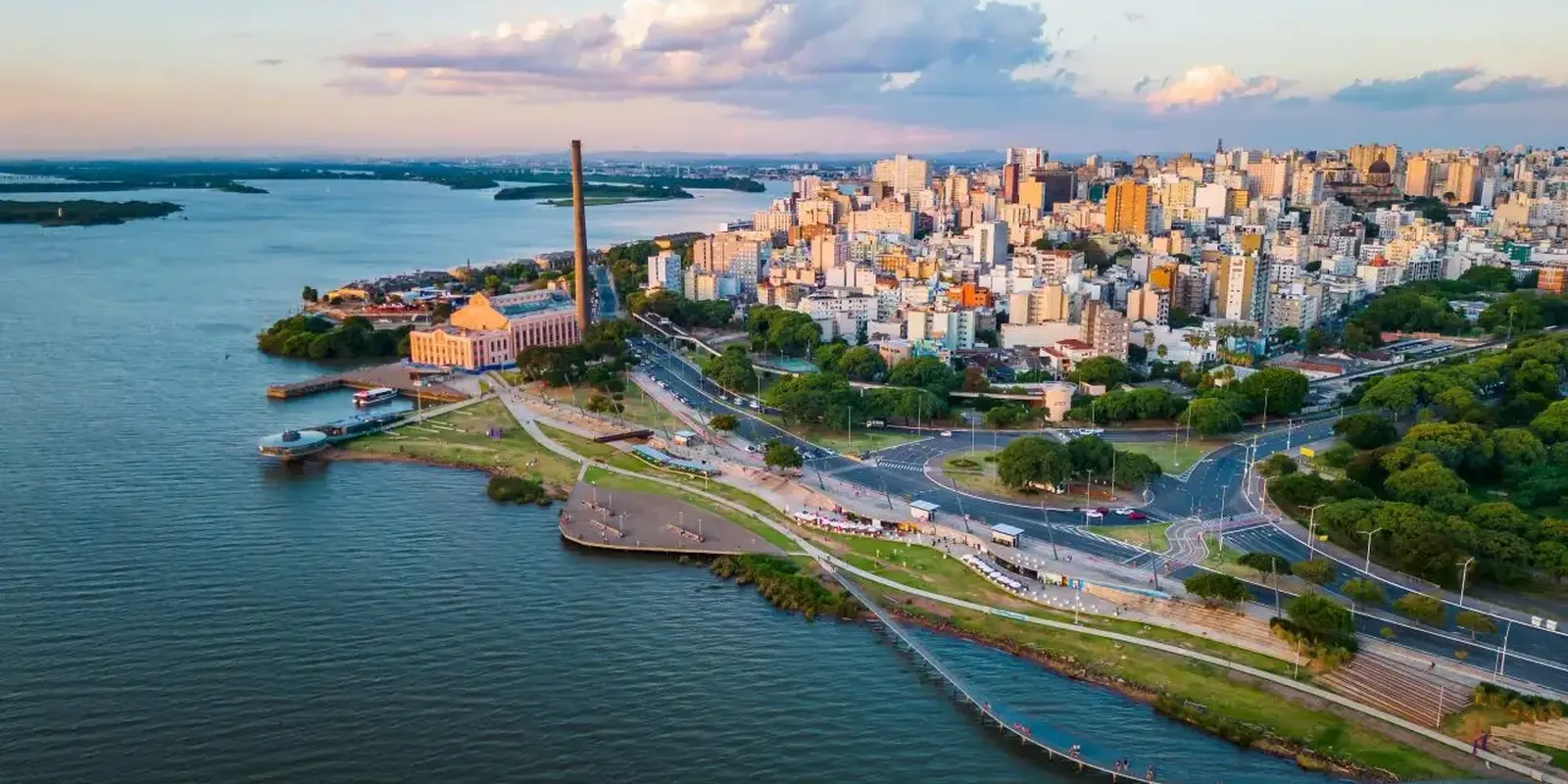
Porto Alegre: Lake Guaíba at sunset
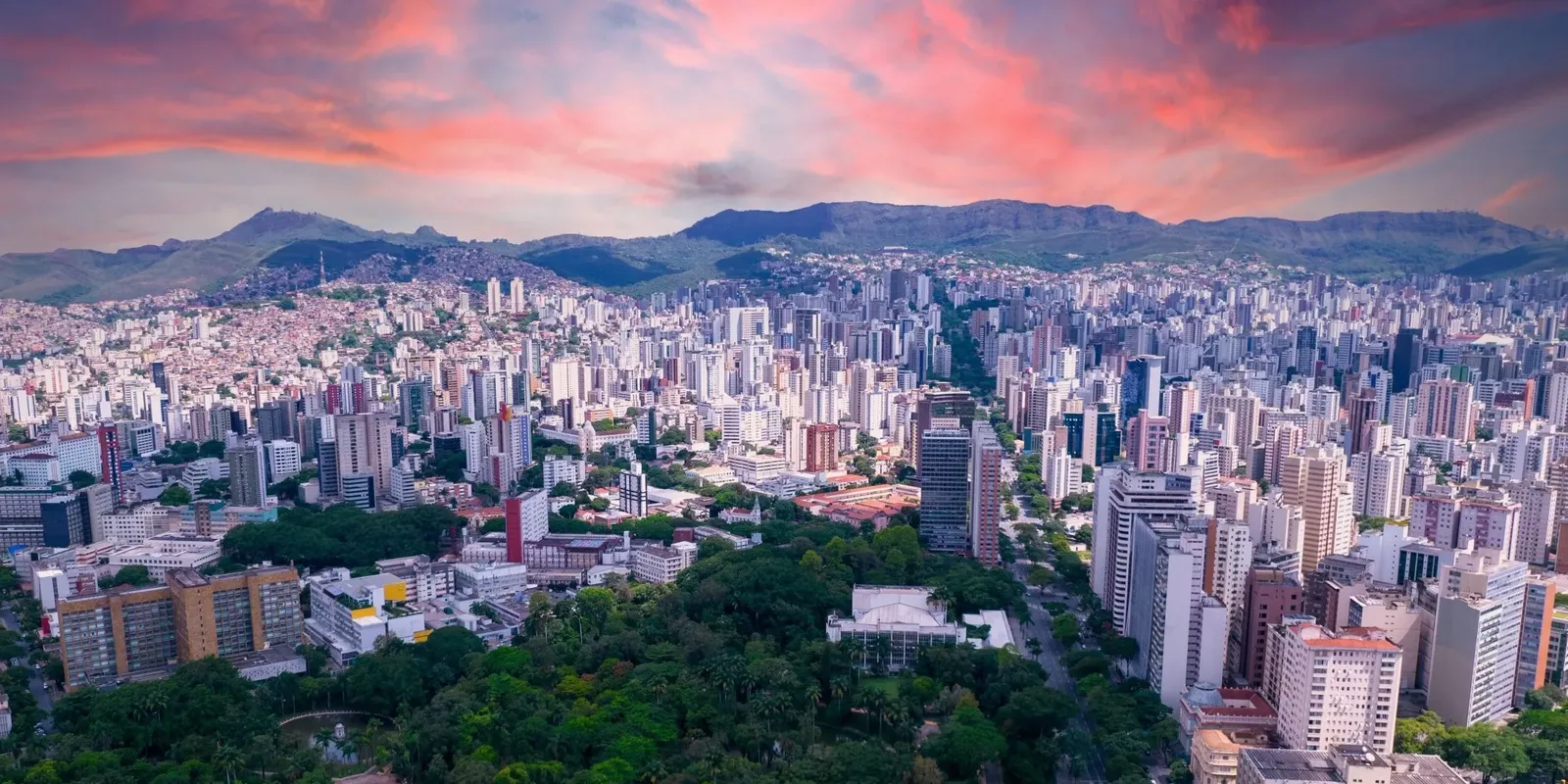
Belo Horizonte: Niemeyer on Lake Pampulha
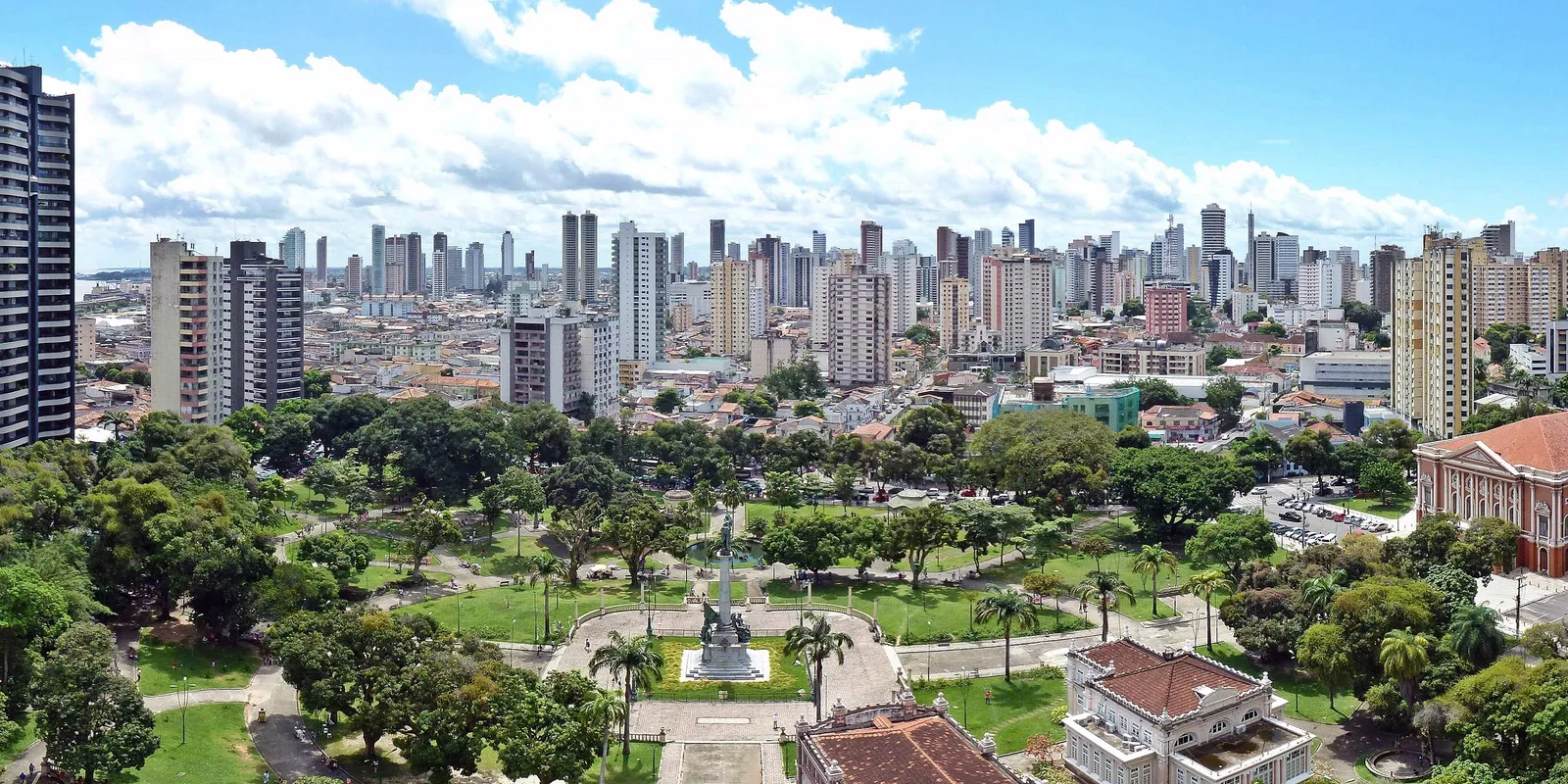
Belém: the gateway to the Amazon
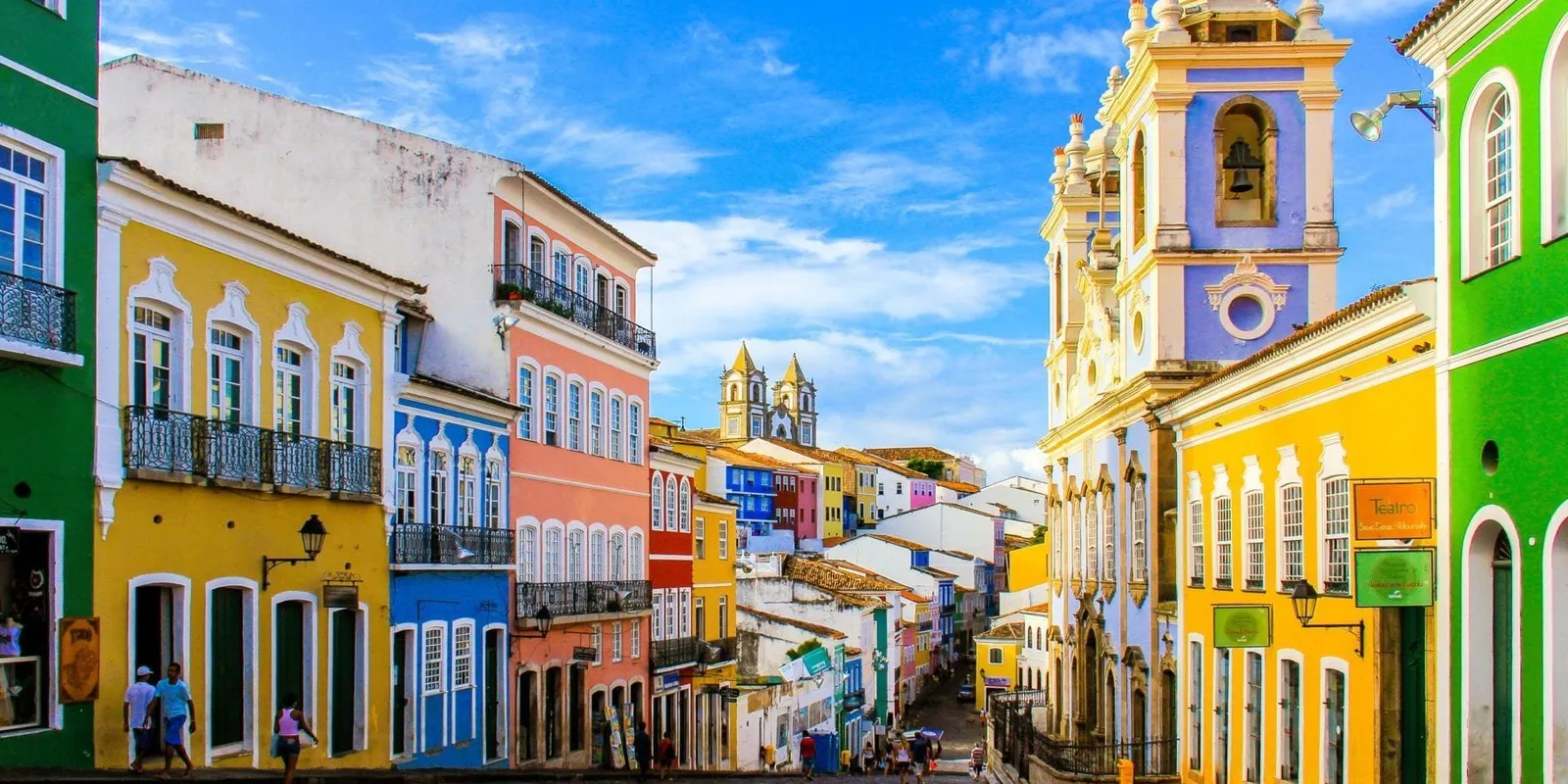
Salvador: the Pelourinho and Afro-Brazilian heritage
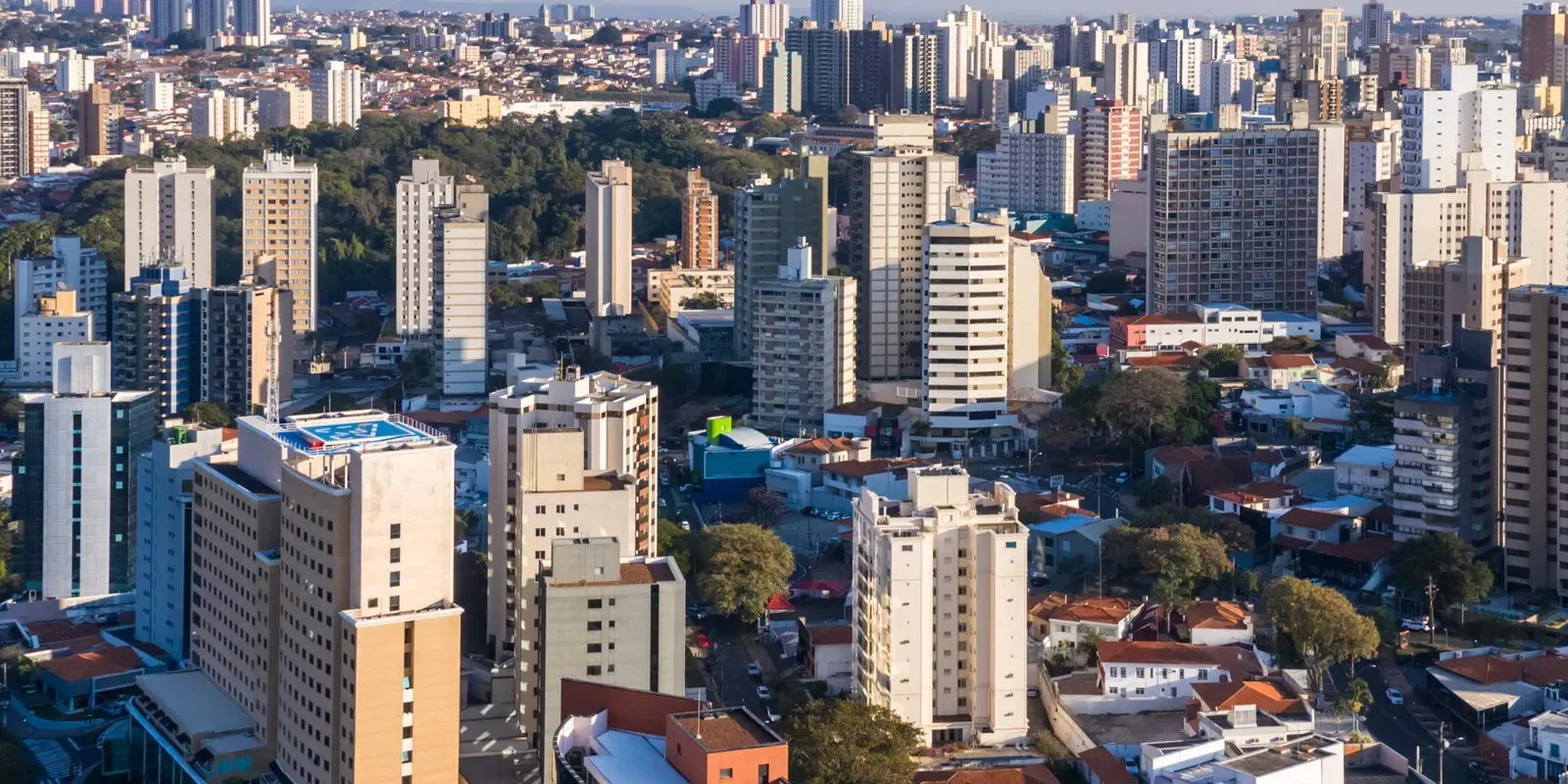
Campinas: Brazil's Silicon Valley
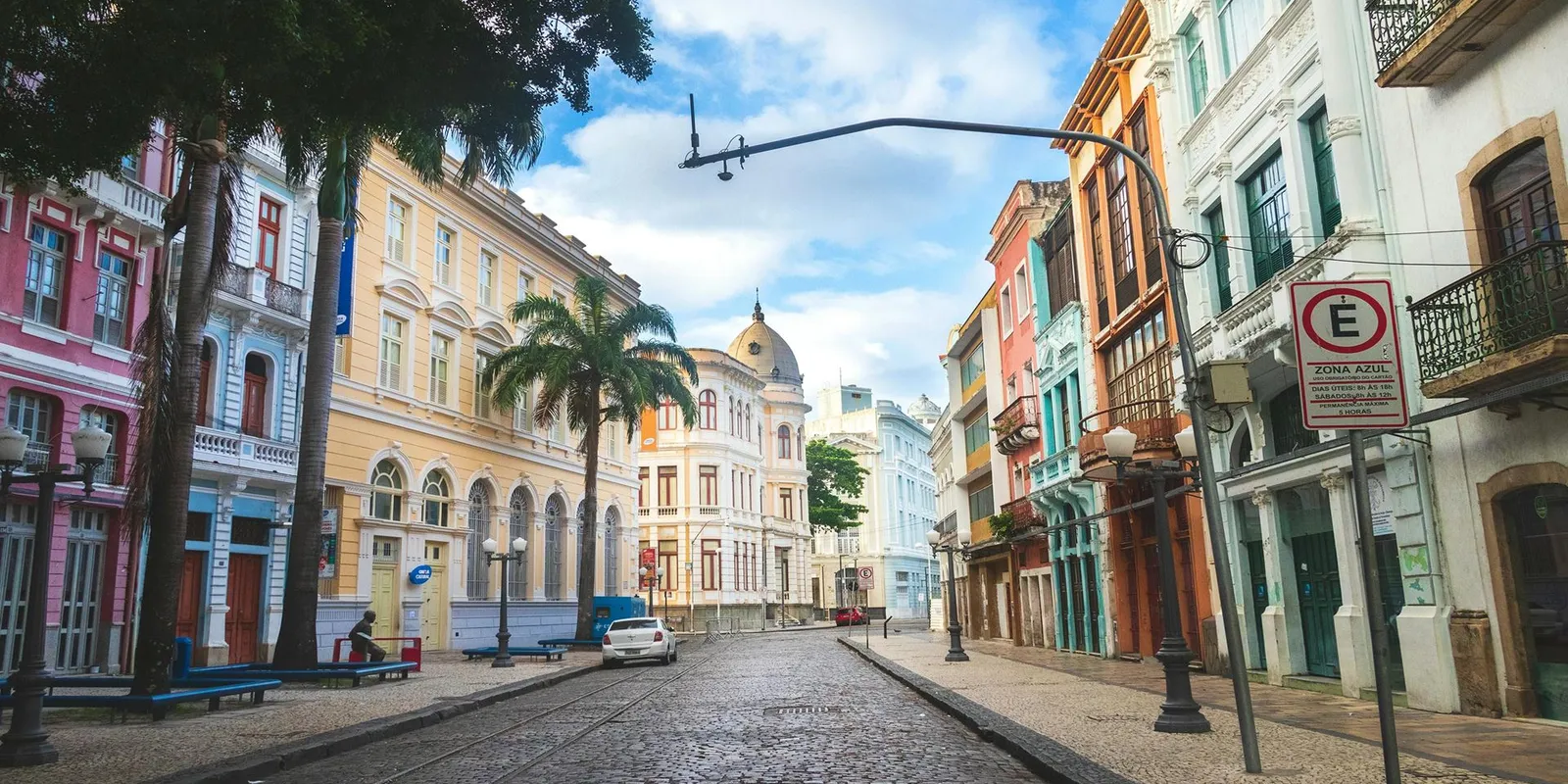
Recife: canals and Brazil's Venice
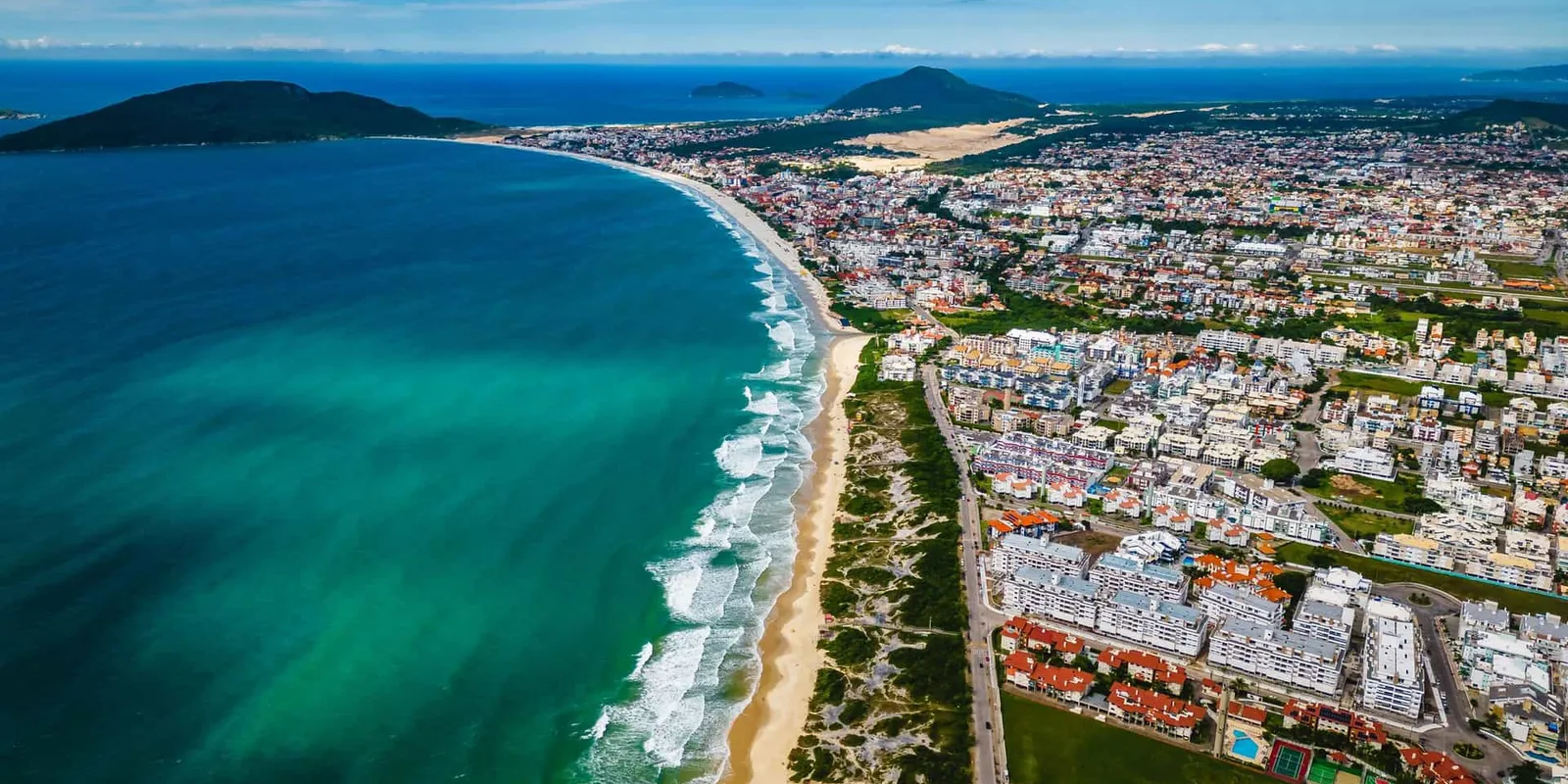
Florianópolis: the island of forty beaches
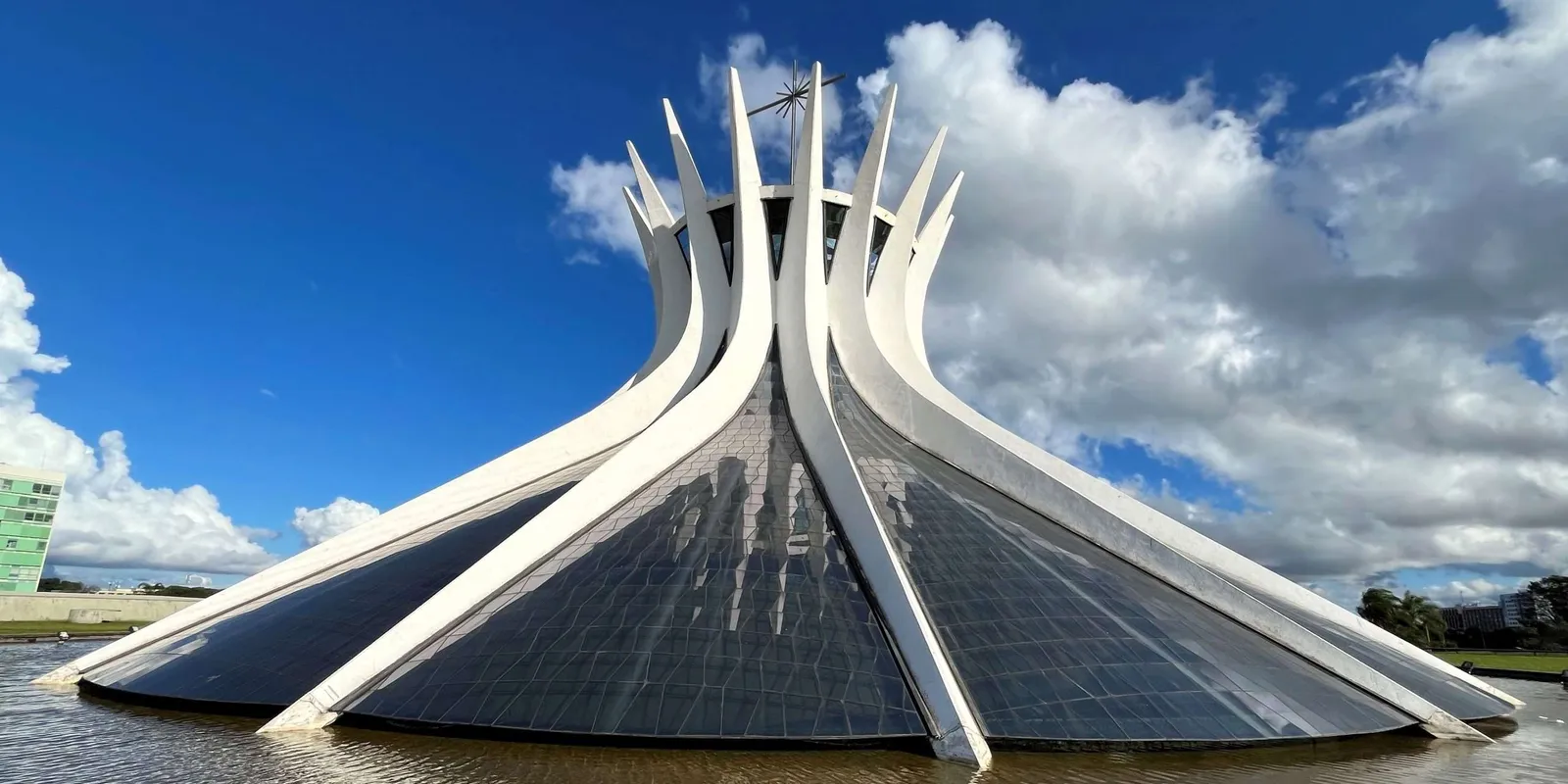
Brasília: the capital designed by Niemeyer
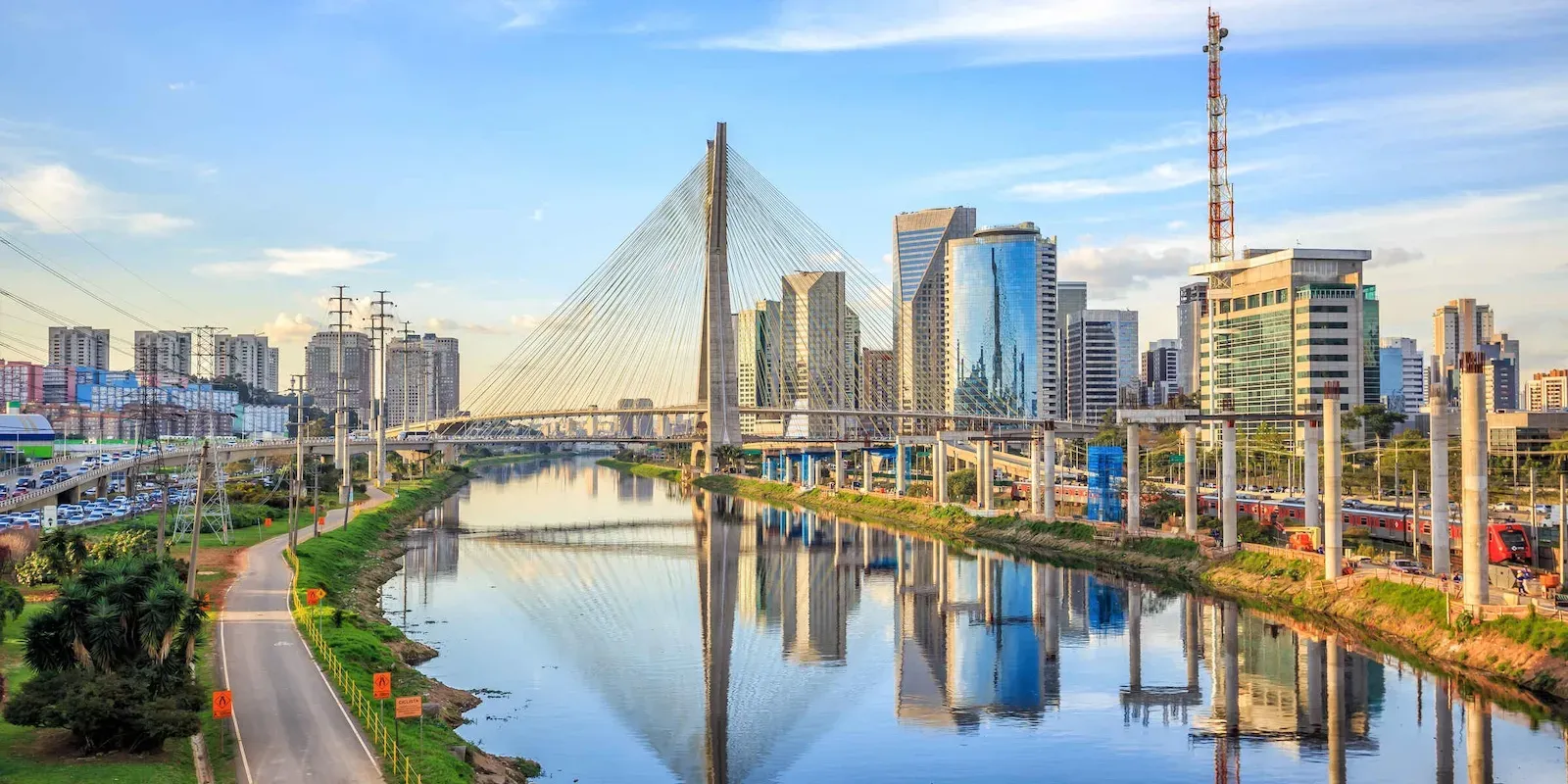
São Paulo in a day: art and markets
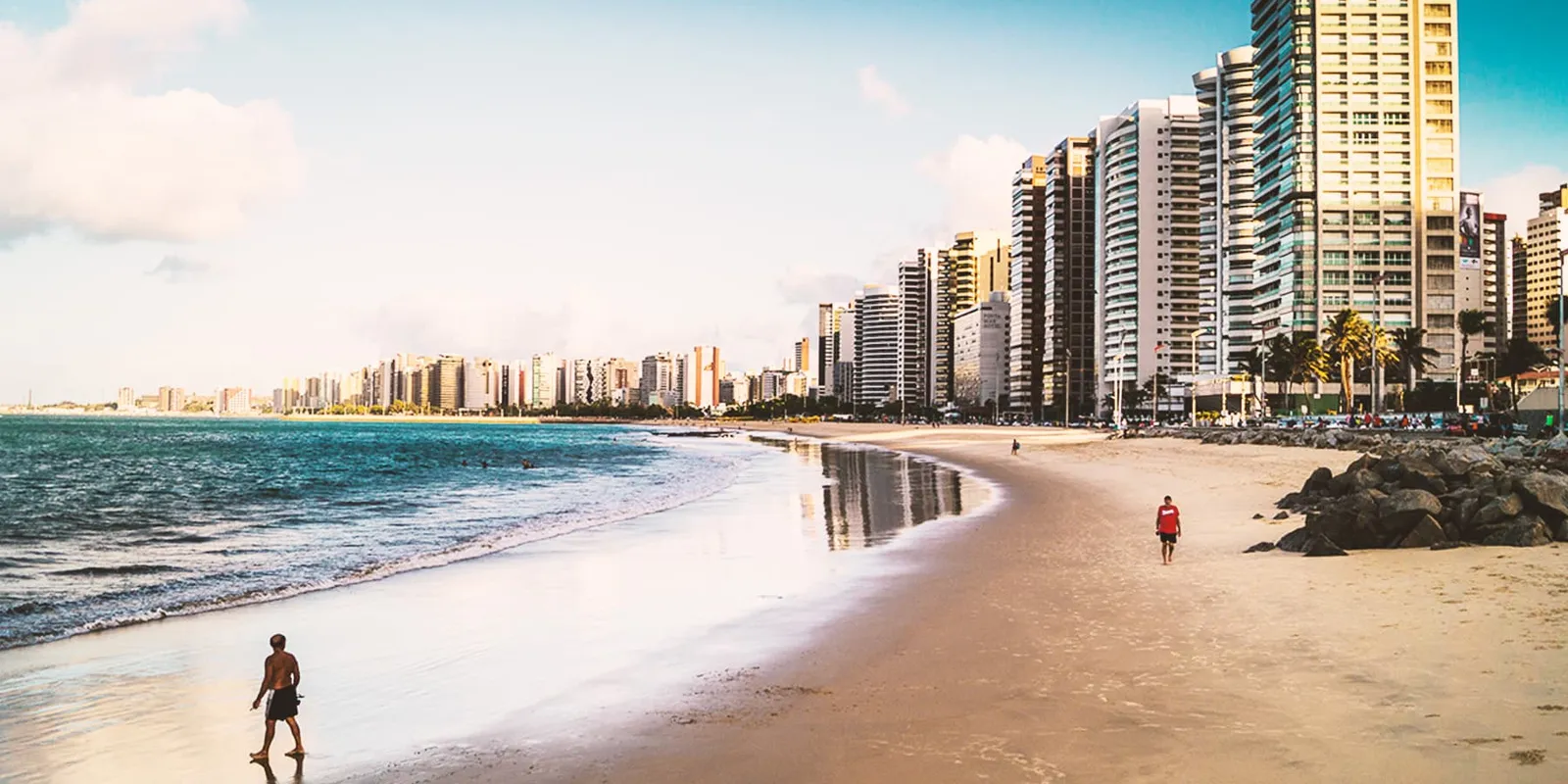
Fortaleza: markets and city beaches
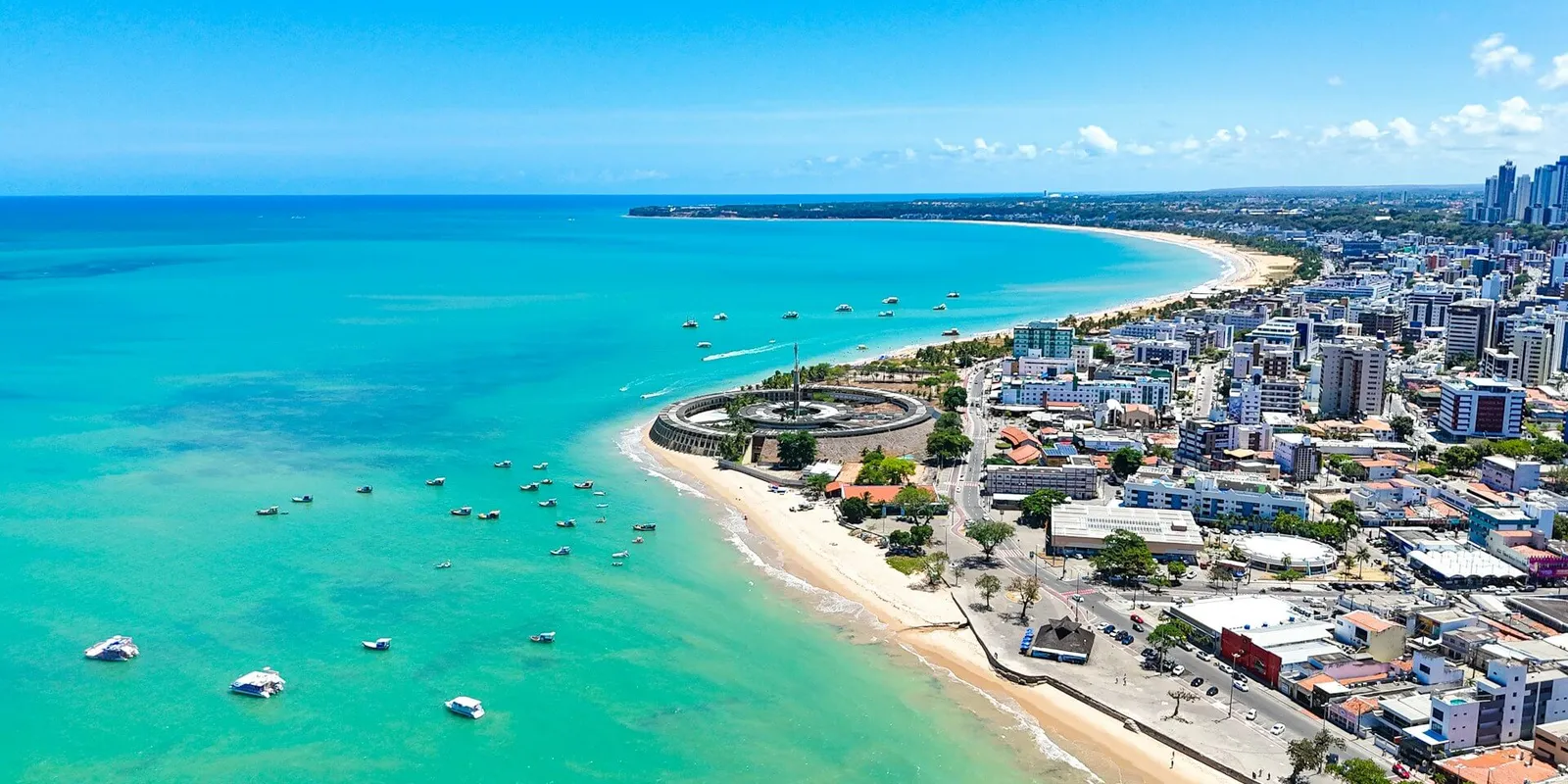
João Pessoa: where the sun rises first over the Americas
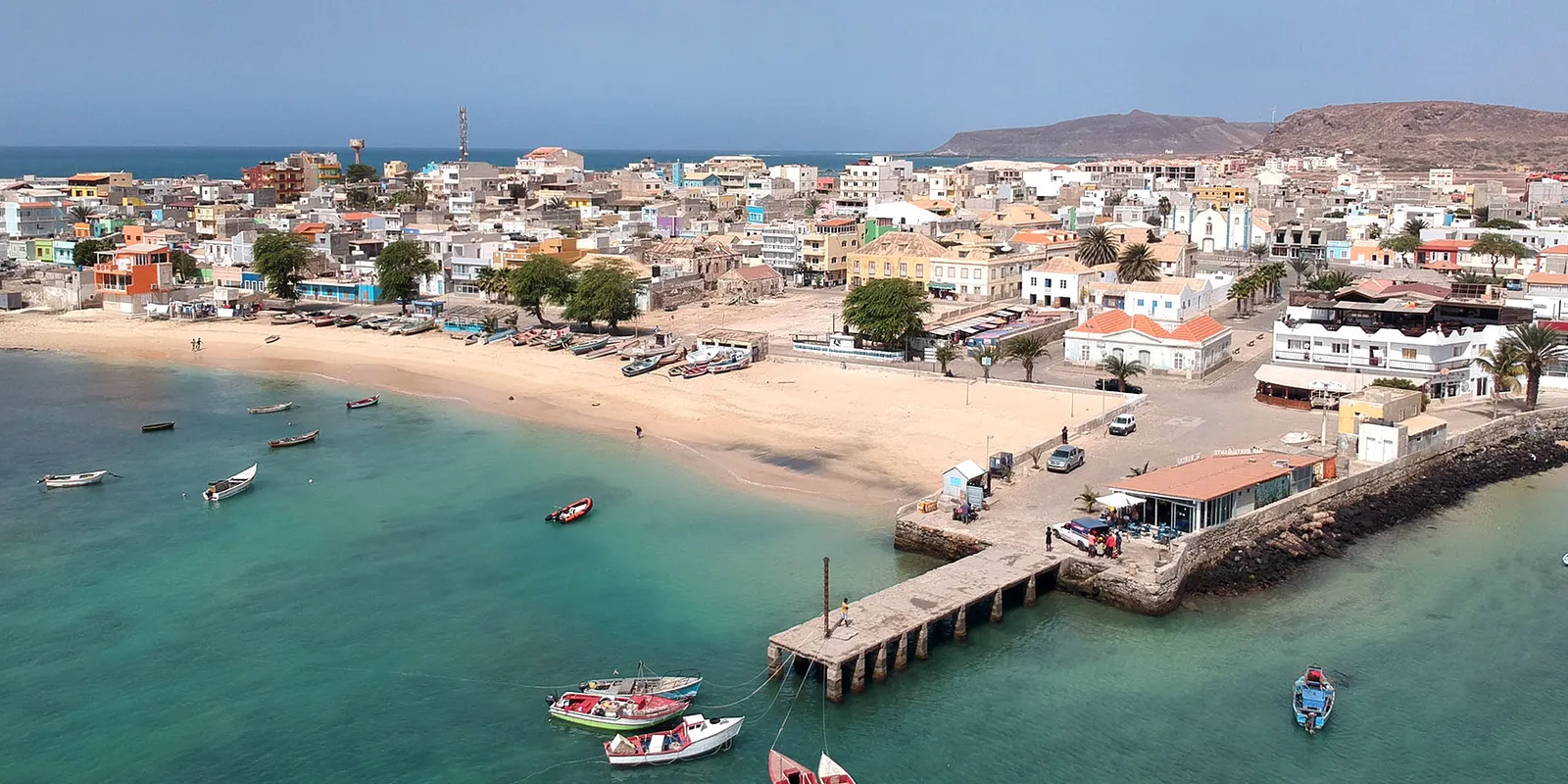
Boa Vista: the Amazonian gateway to Mount Roraima
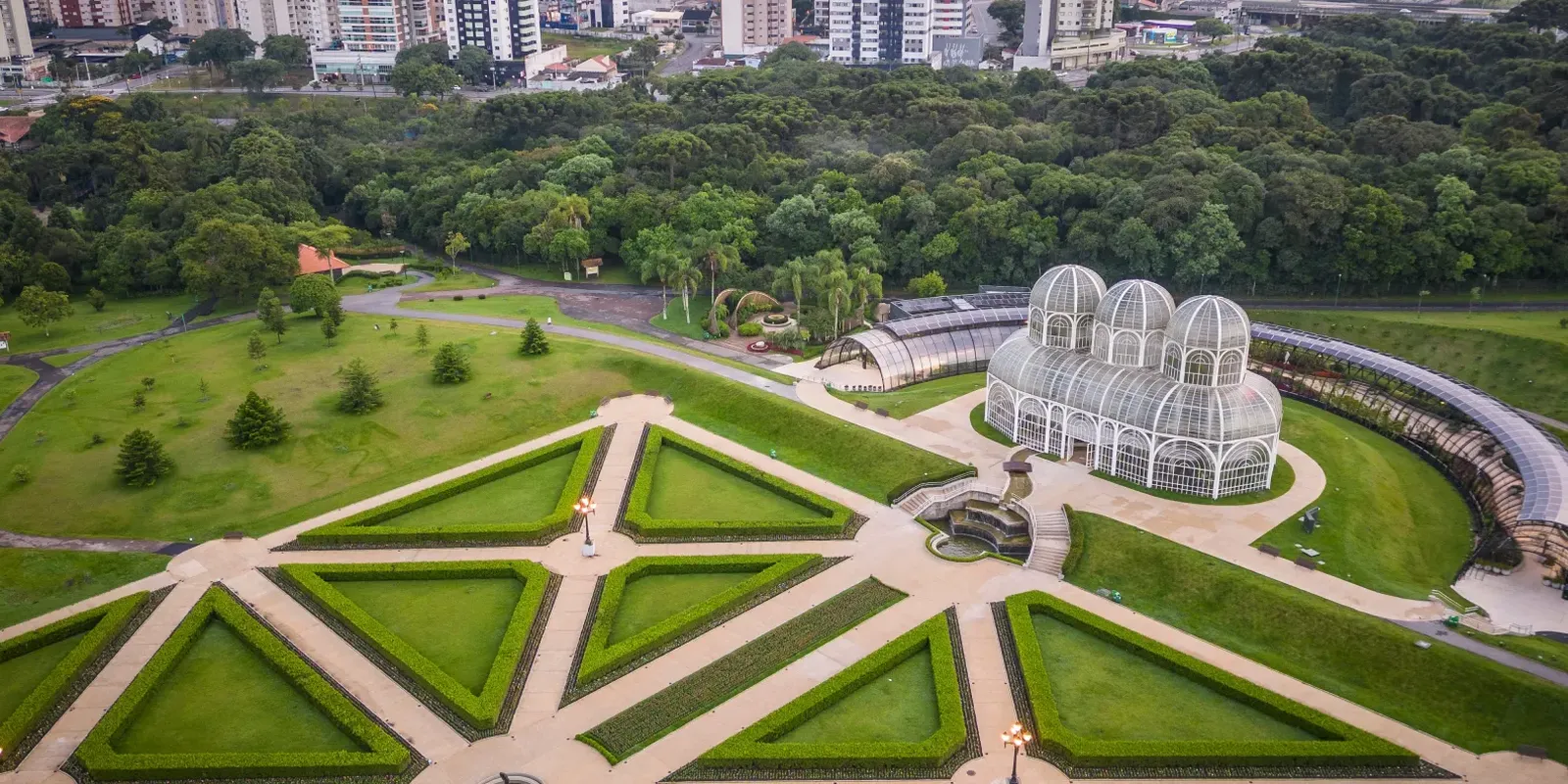
Curitiba: a model of green urban planning