Colombia: main airports
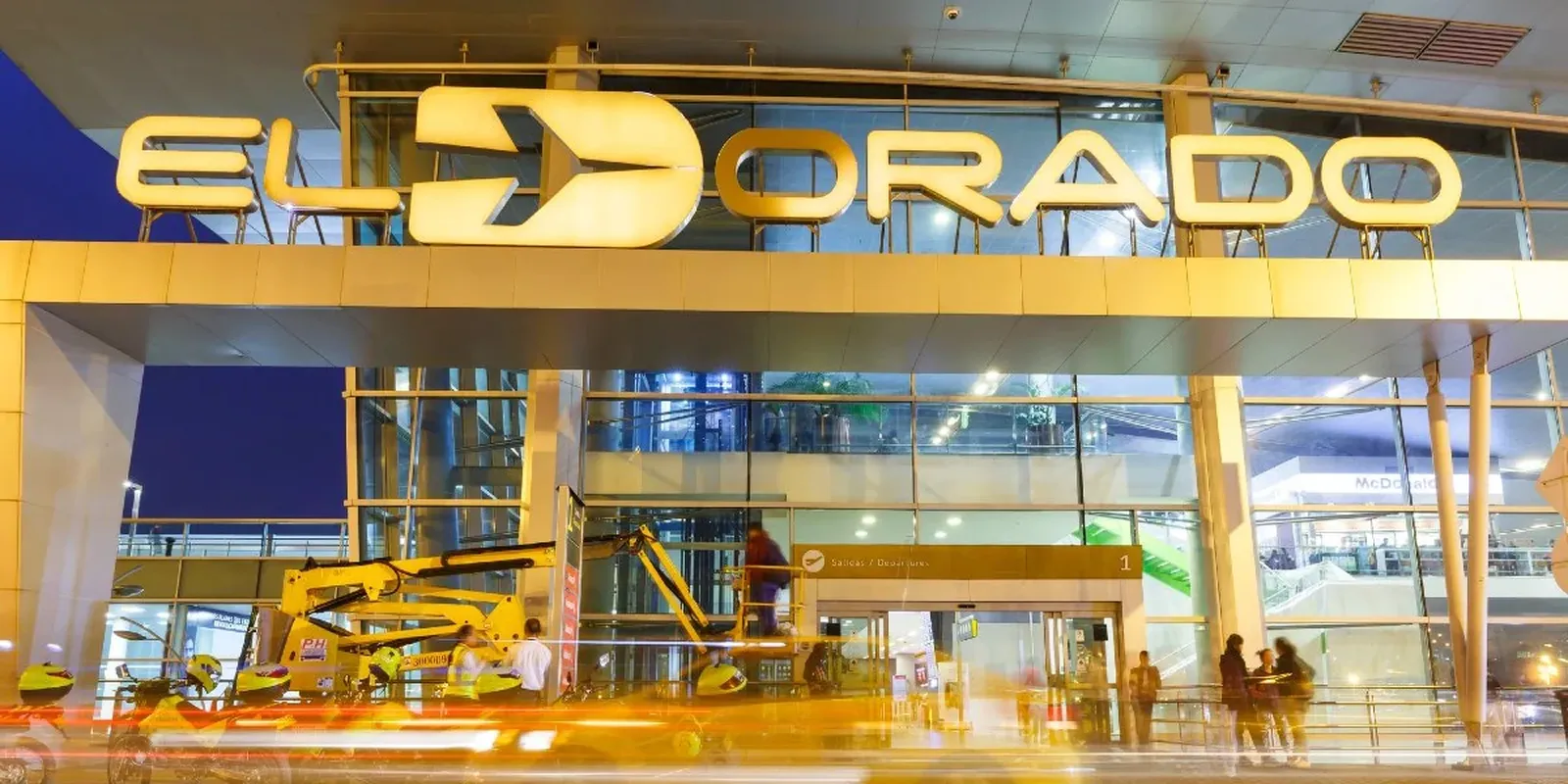
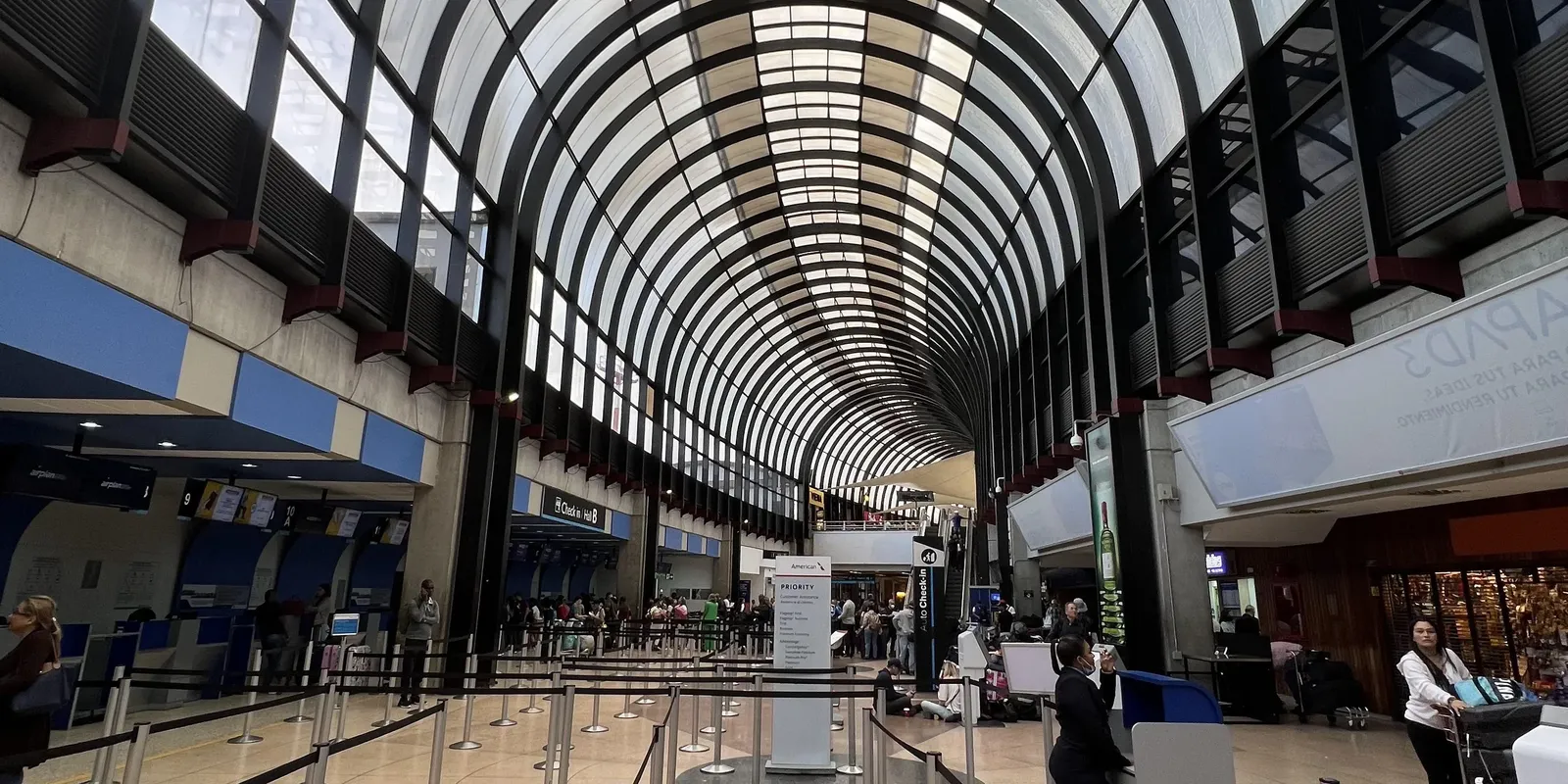
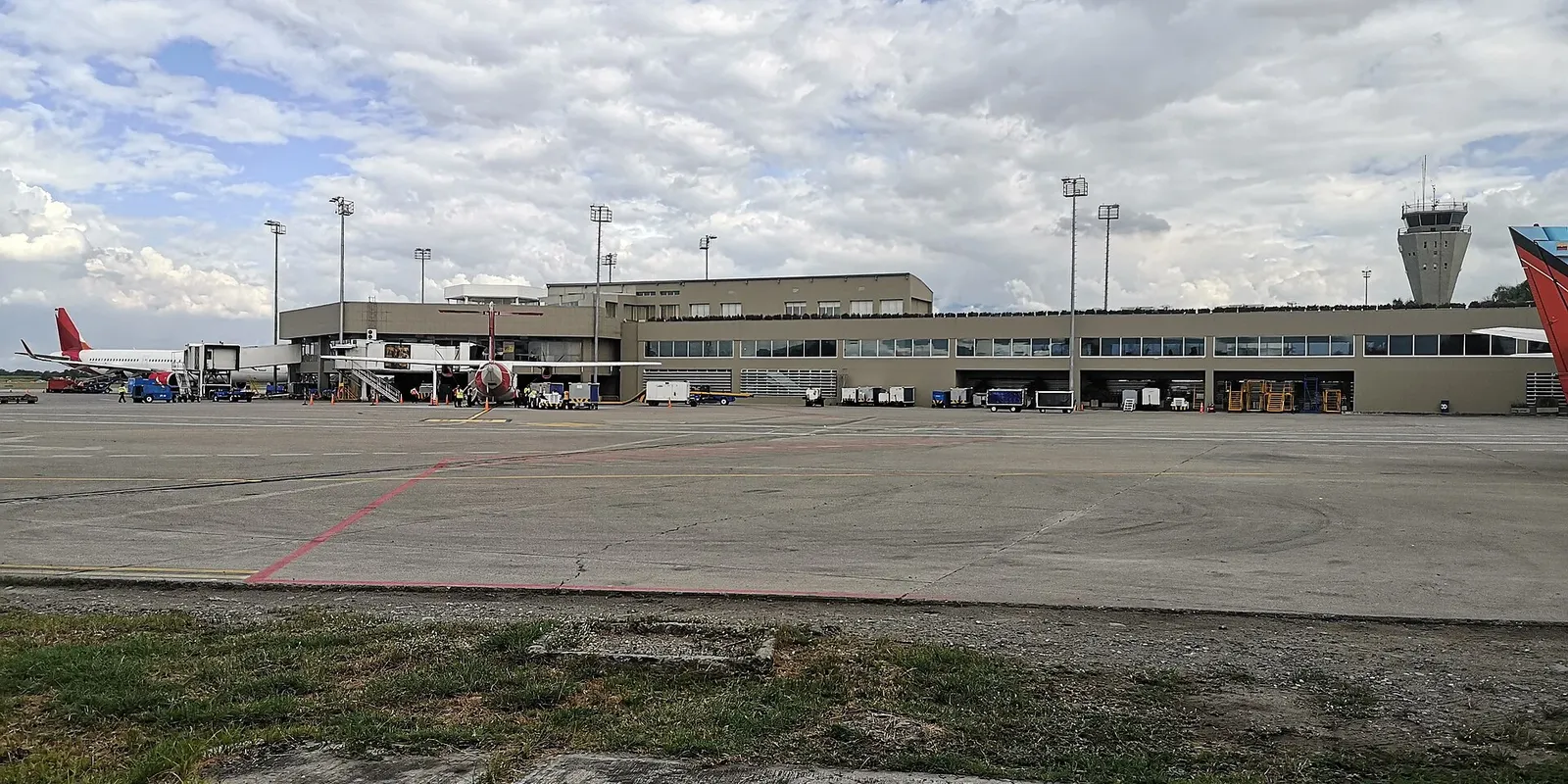
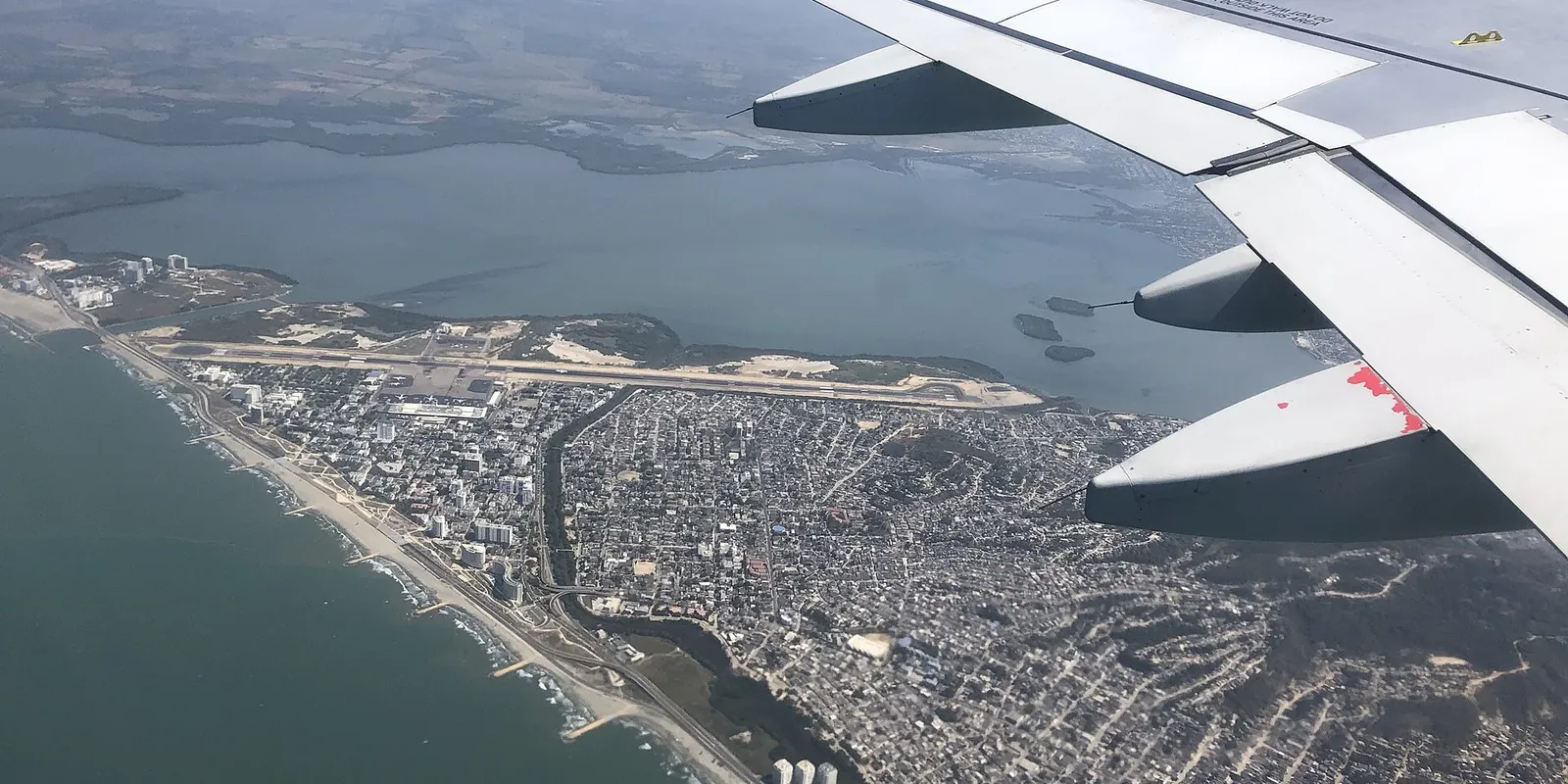
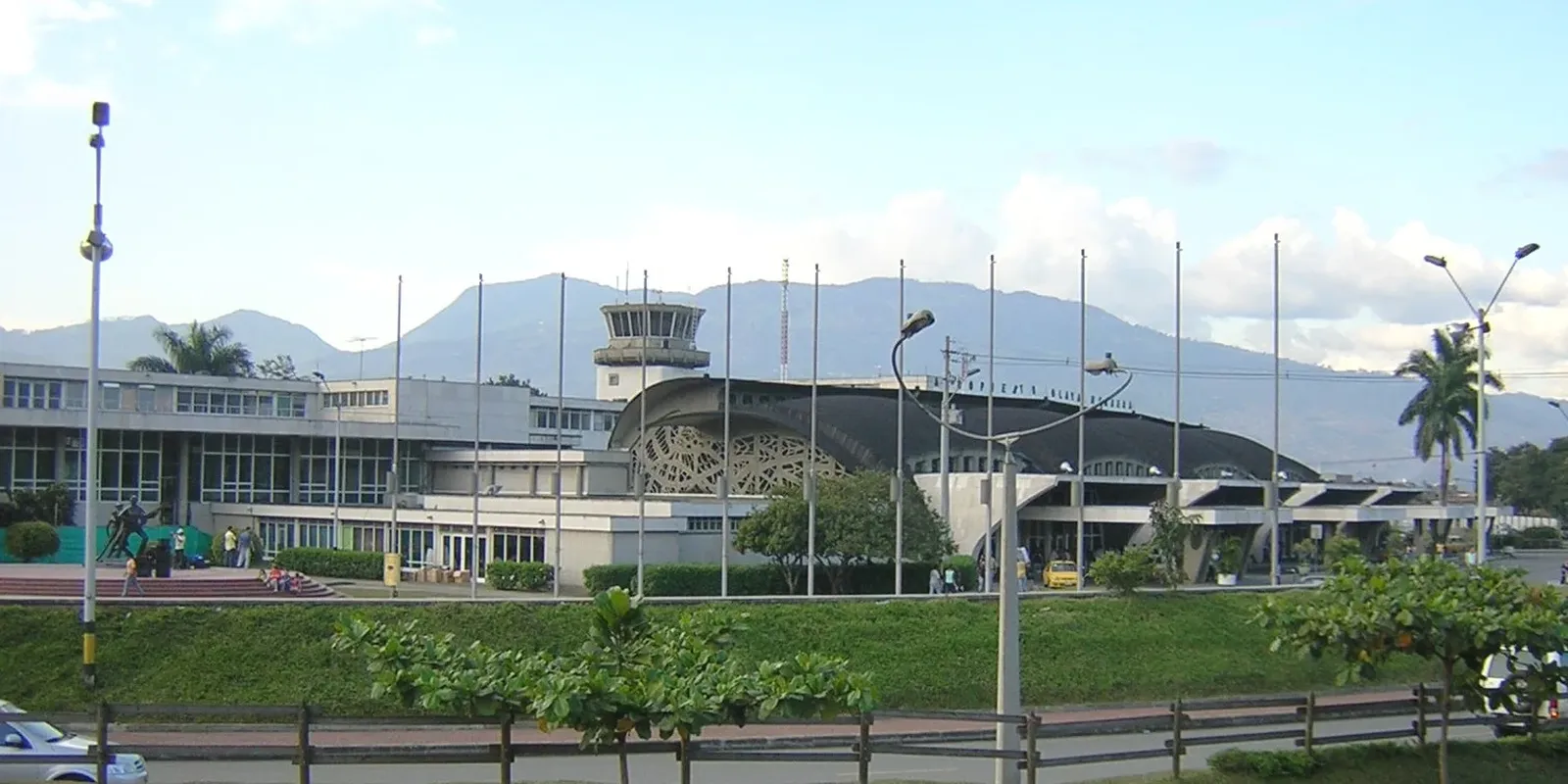
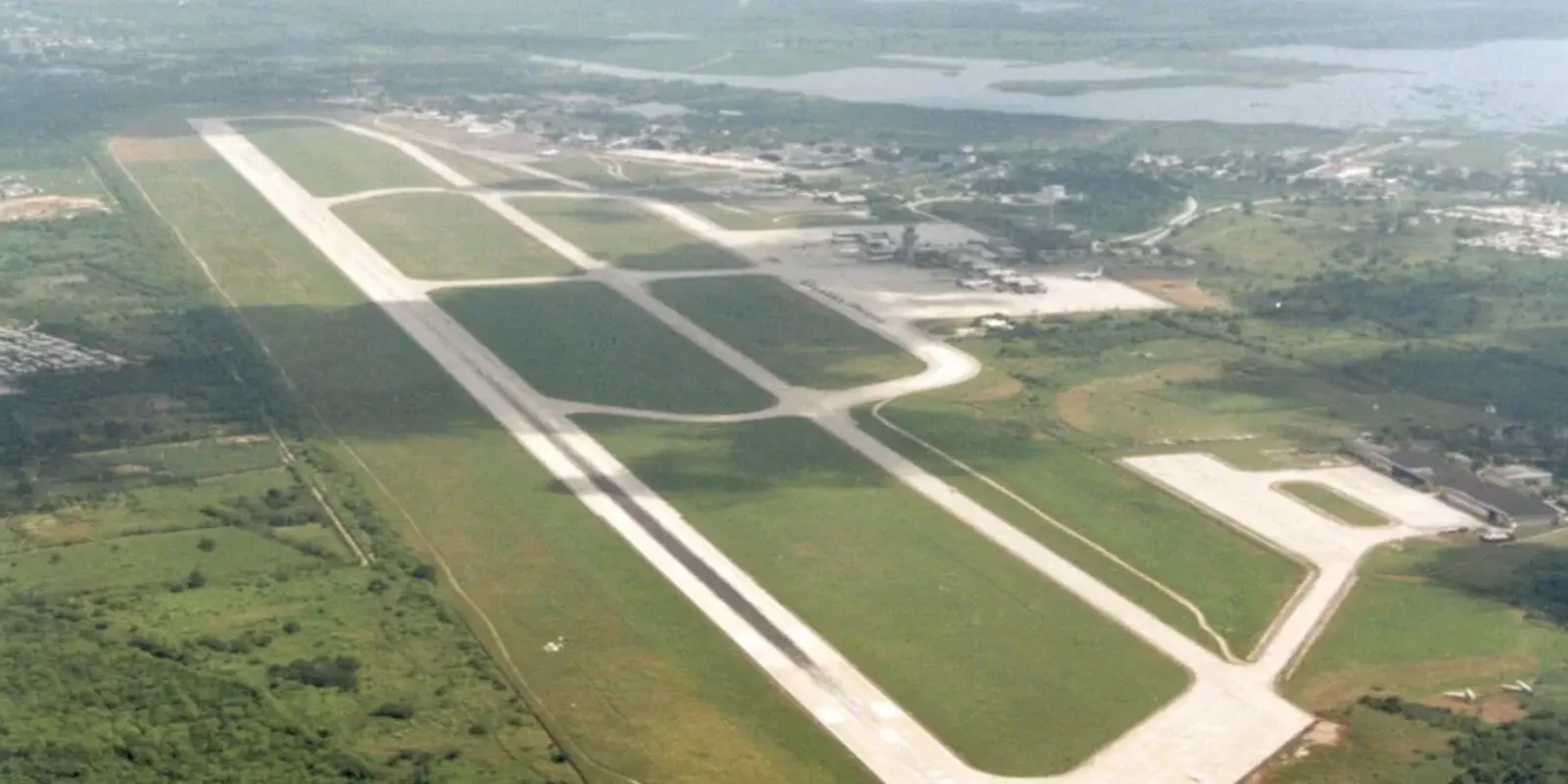
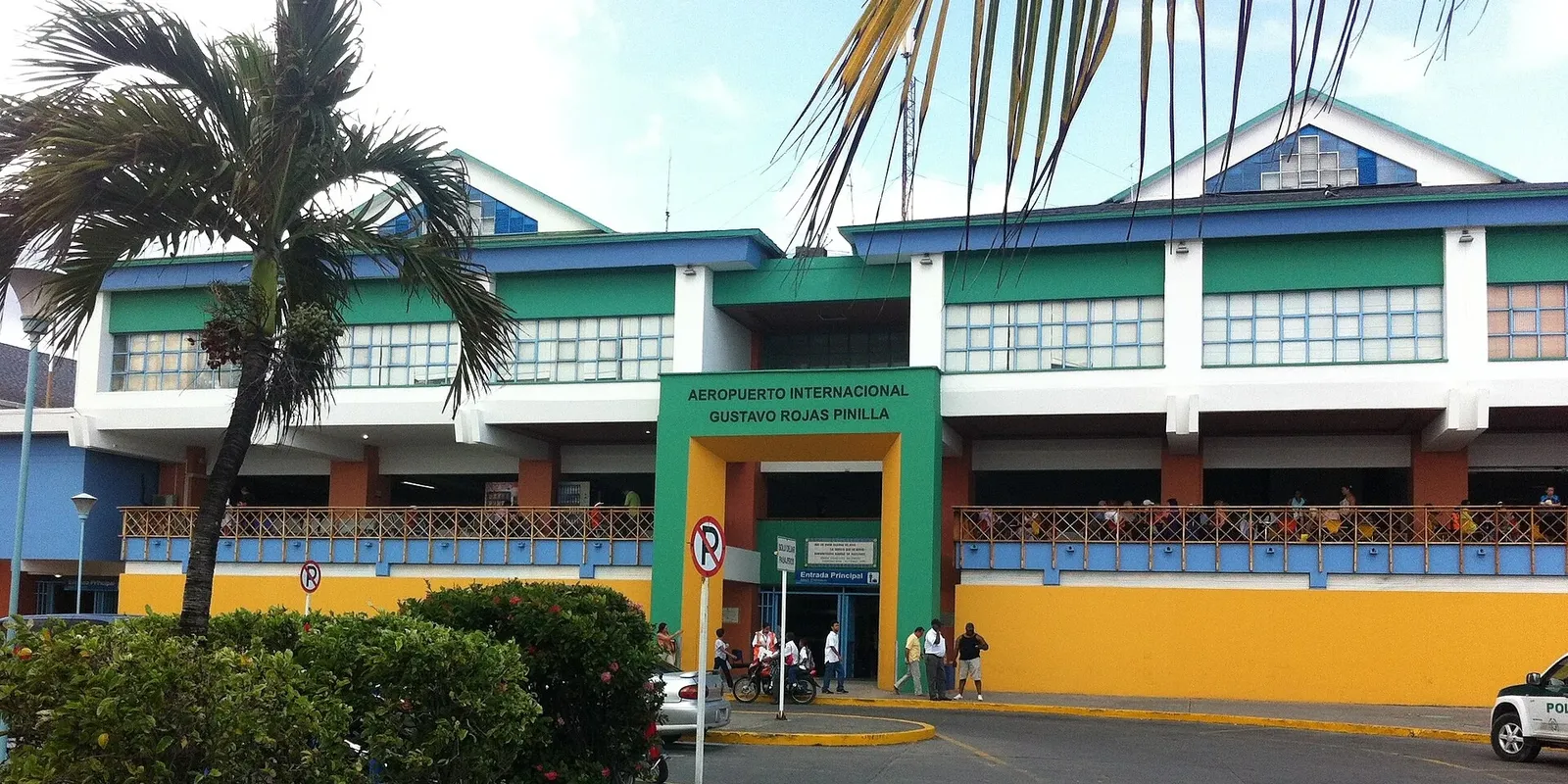
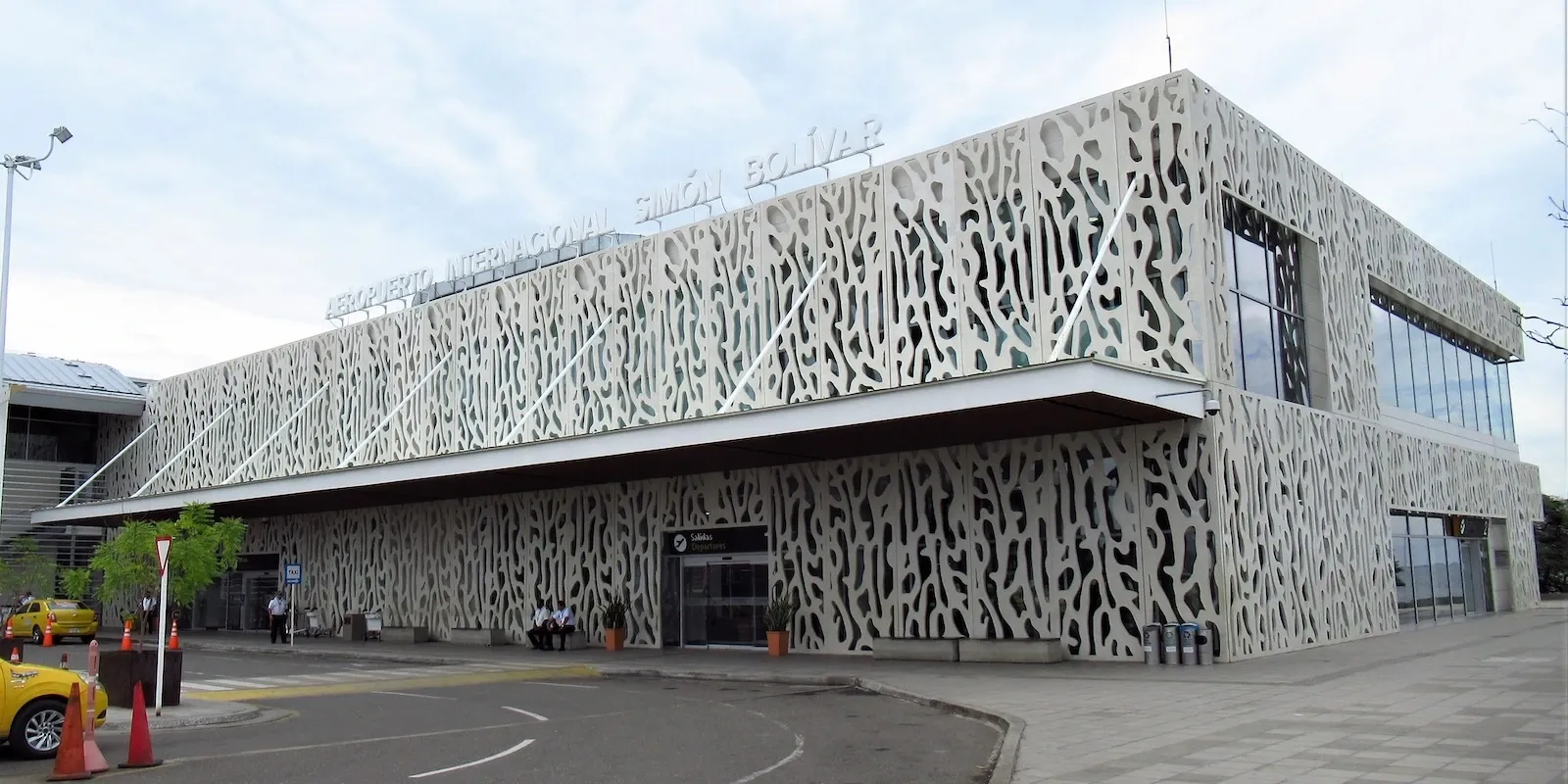
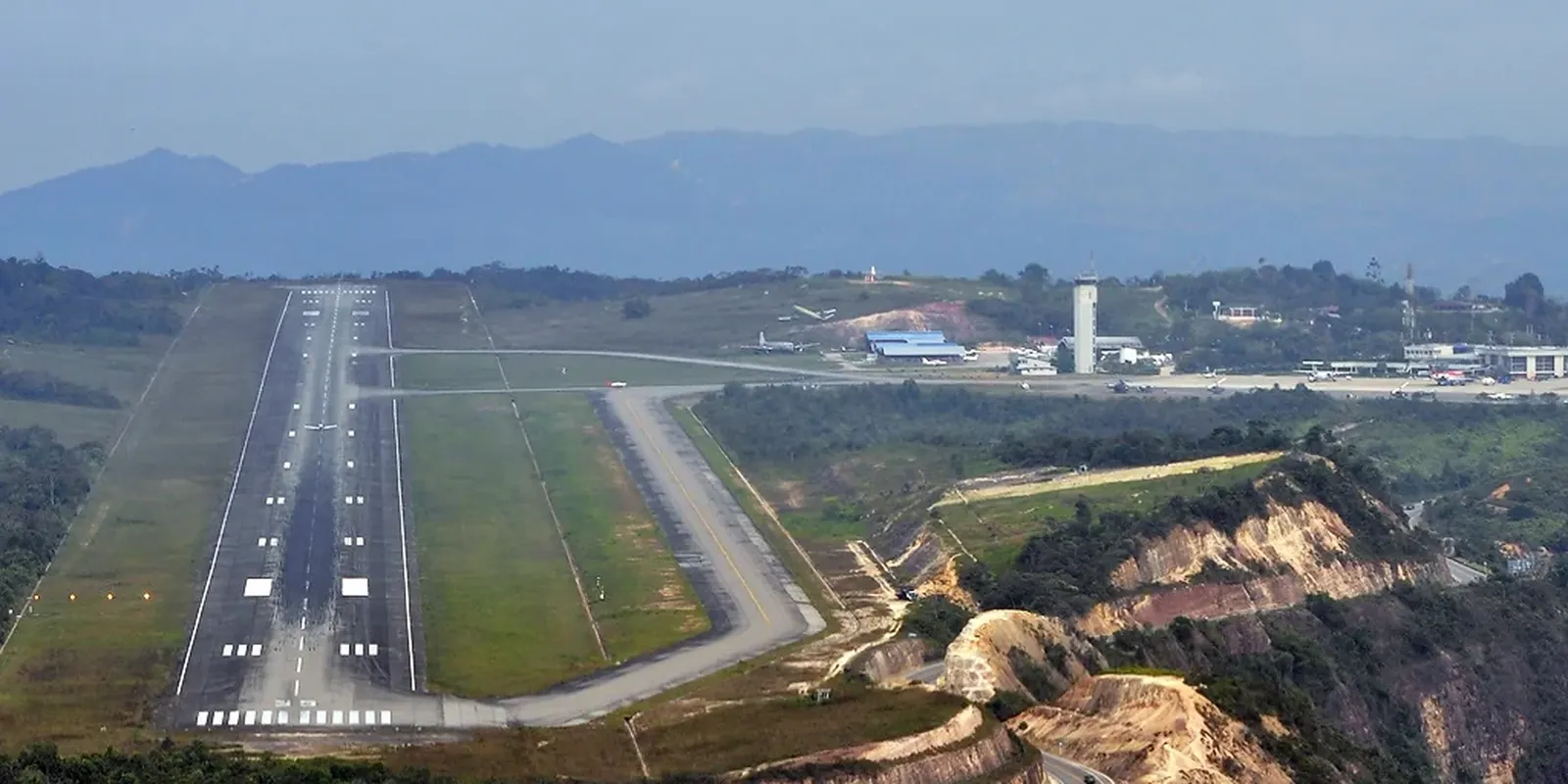
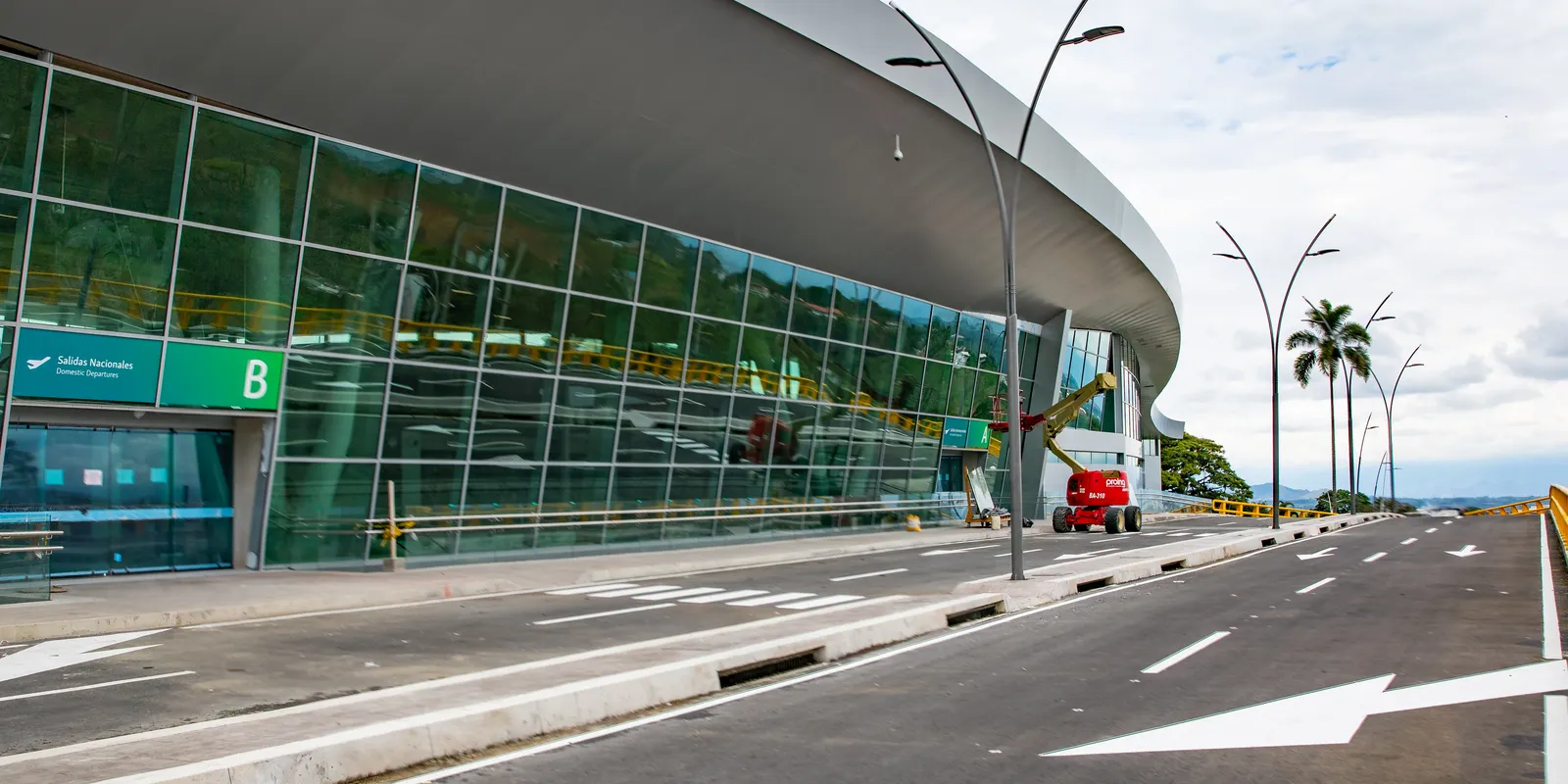
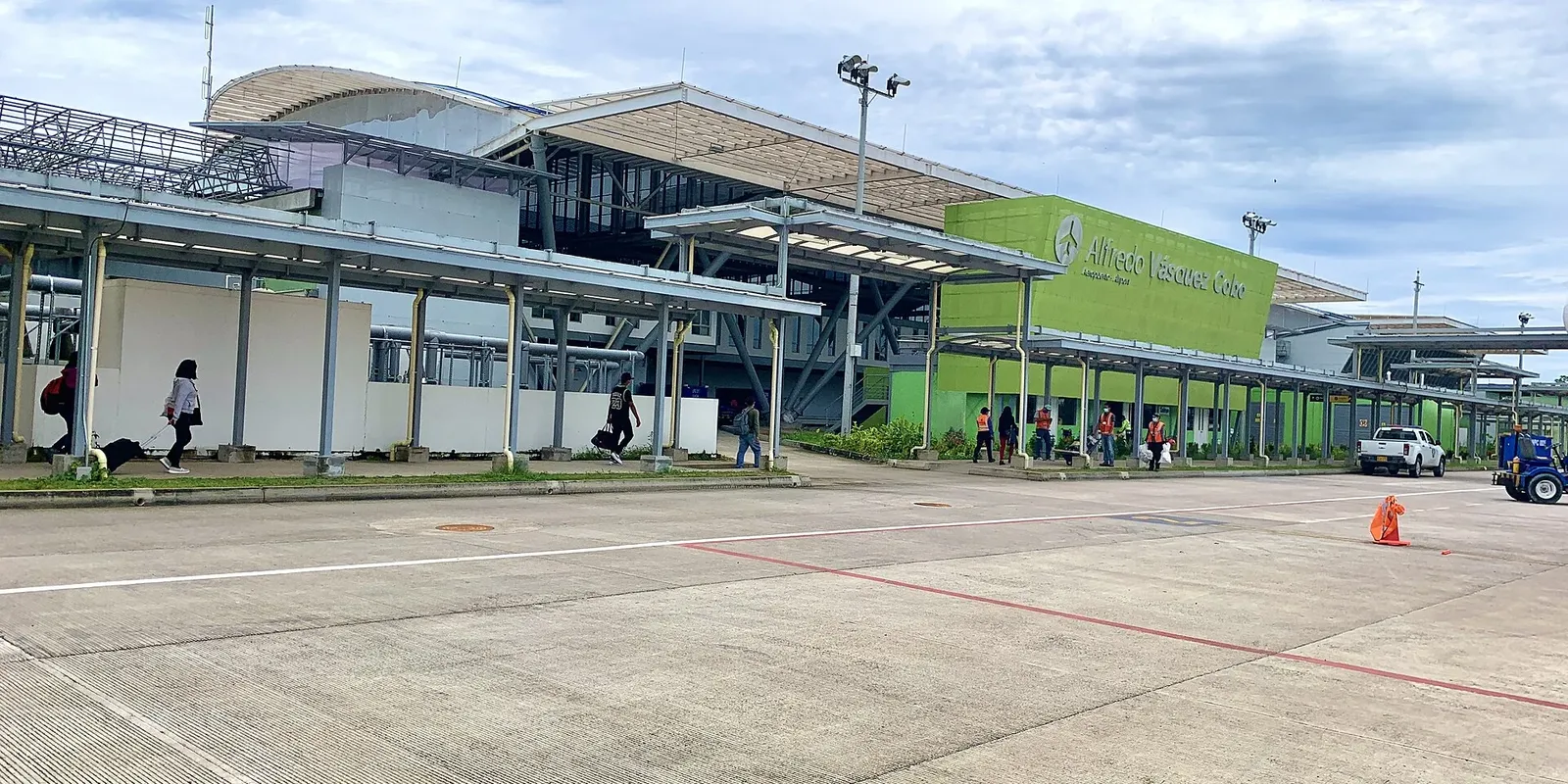
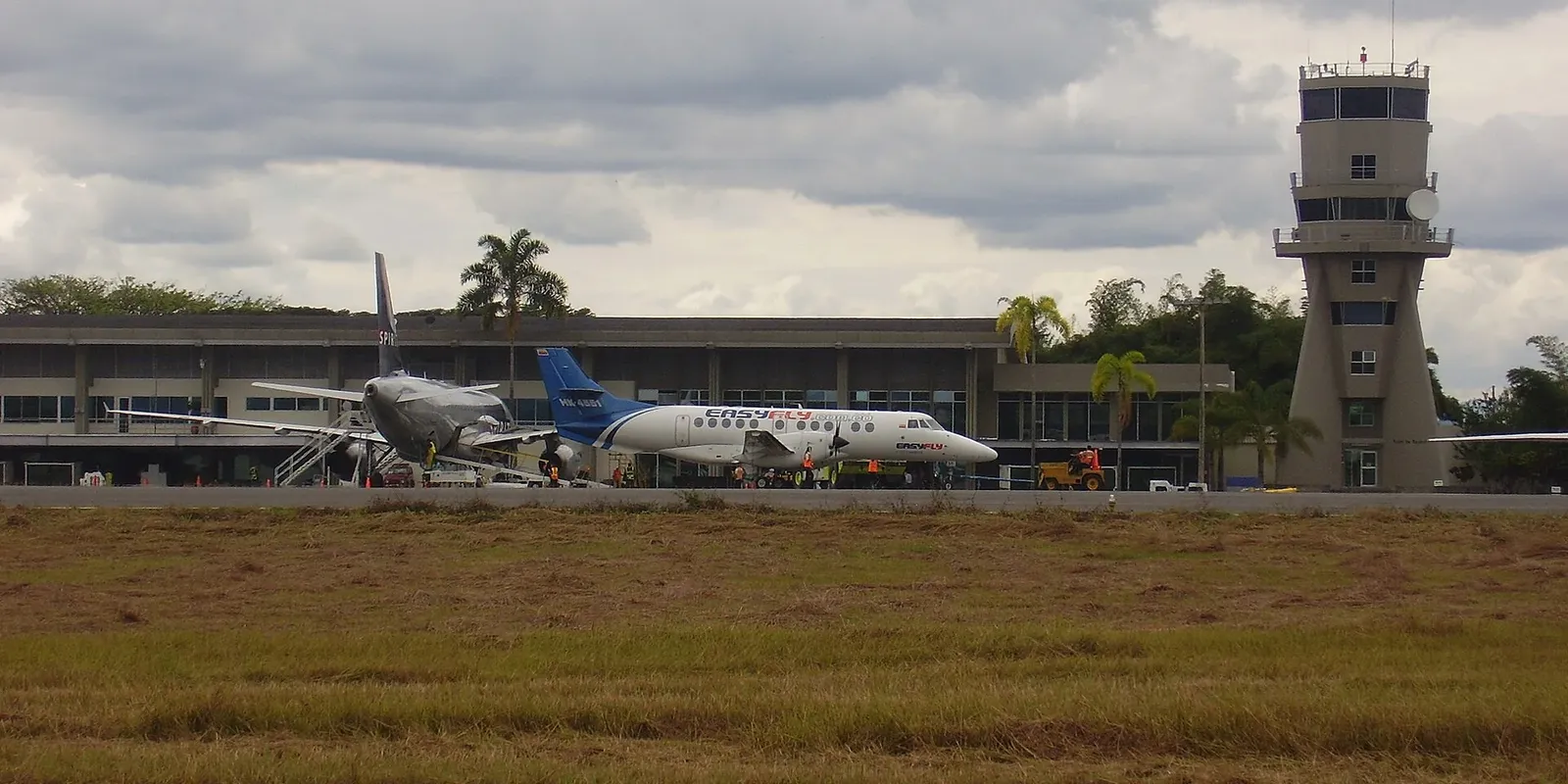
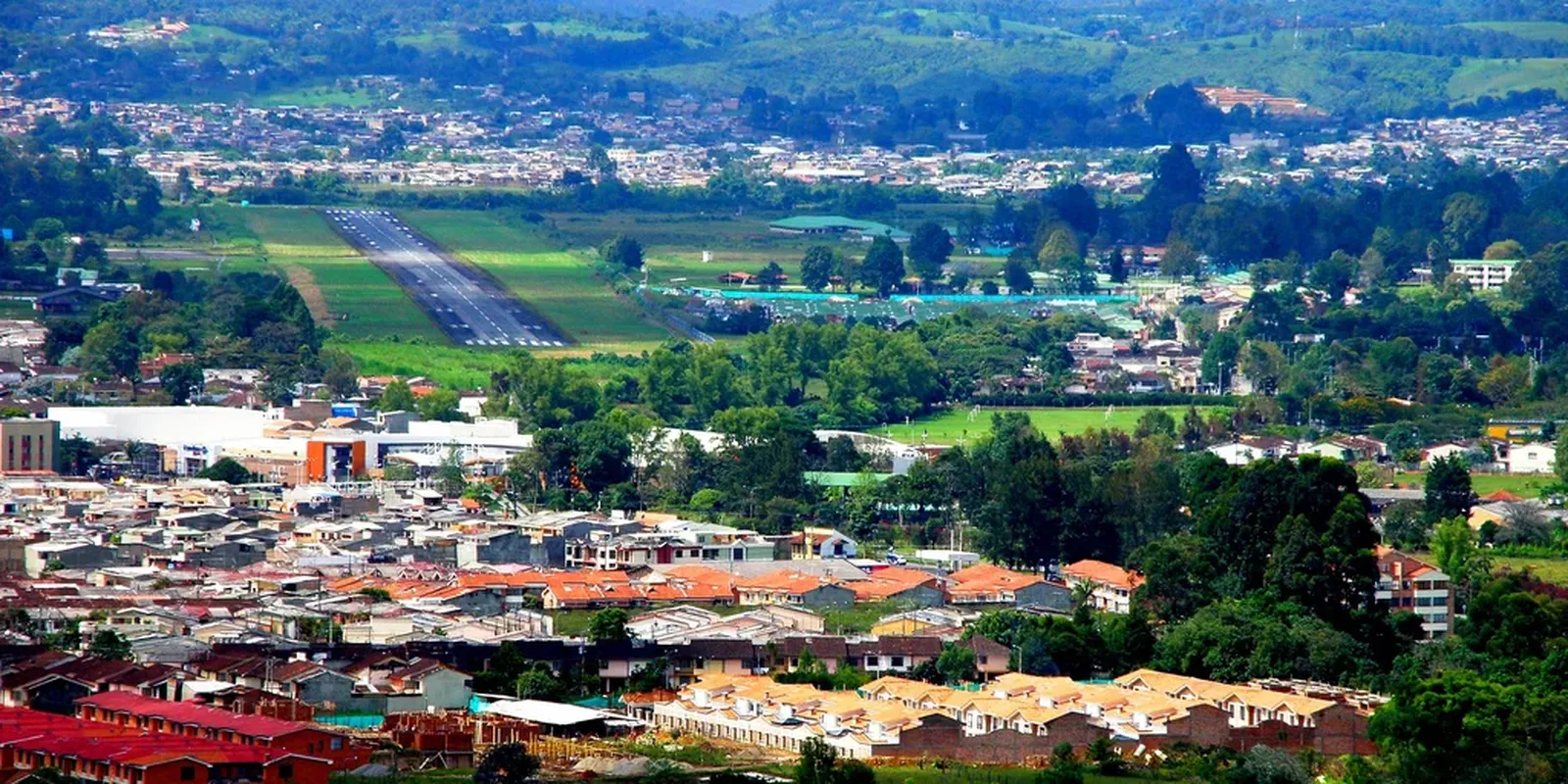
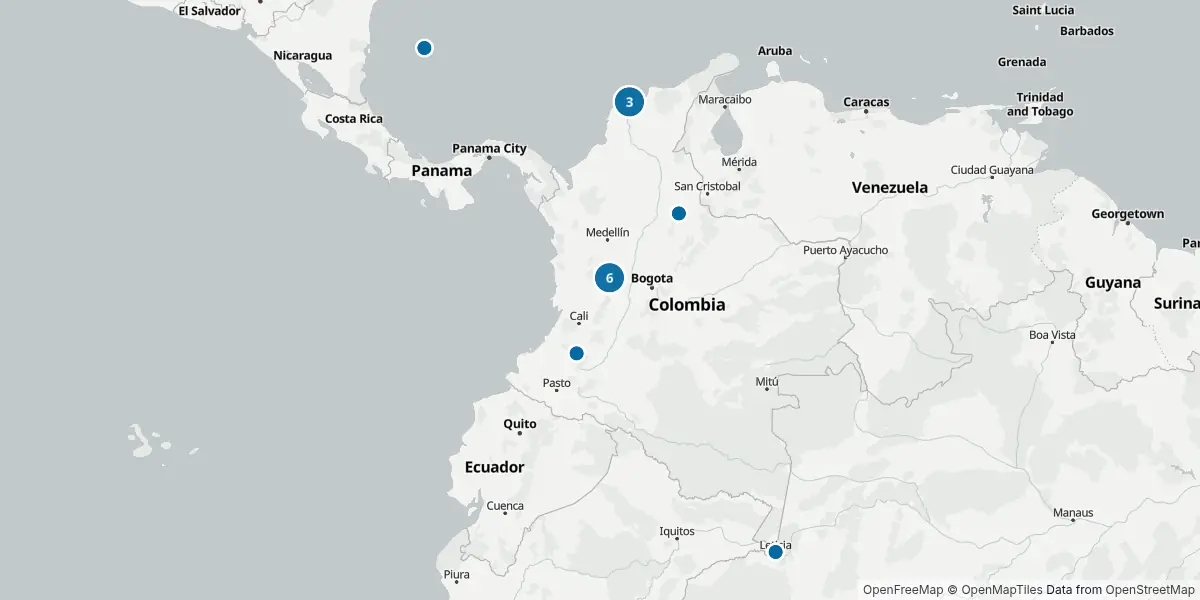
Colombia has thirteen airports with active connections. The main one is Bogotá Airport, the capital; Rionegro (José María Córdova) serves Medellín together with the more central Olaya Herrera Airport. On the Caribbean coast are Cartagena, Barranquilla and Santa Marta; inland are Cali, Armenia, Pereira, Bucaramanga and Popayán; in the Colombian Amazon is Leticia; in the Caribbean is San Andrés, the Colombian island off the coast of Nicaragua.
Colombia: recommended activities
Colombia: visa and entry requirements
Citizens of the European Union, the United Kingdom, the United States, Canada and Australia enter without a visa for tourist stays: a 90-day stamp is issued, extendable once for a further 90, up to a maximum of 180 days per calendar year. The passport must have at least 6 months of remaining validity.
Colombia: safety
Colombia requires preparation, but the main tourist cities (Bogotá, Medellín, Cartagena, the Coffee Region) are generally accessible with the usual precautions of a large Latin American city: avoid displaying valuables, do not take unofficial taxis off the street, be wary of scams and theft in crowded areas. Some rural areas of the country, particularly border zones and remote regions, remain affected by the presence of illegal armed groups and kidnapping risk: always find out about the specific itinerary before leaving established tourist routes. San Andrés and the main cities are generally calmer than the rest of the country.
Colombia: health situation
Routine vaccinations plus hepatitis A and typhoid are generally recommended; a yellow fever certificate is required or strongly recommended for those visiting the Amazon (including Leticia) and other specific low-altitude areas. Dengue and chikungunya risk is present in hot, humid areas, including Cartagena and Leticia: mosquito protection is recommended. Bogotá, Medellín and the Coffee Region are at high altitude (Bogotá over 2,600 metres): mild altitude sickness is possible in the first few hours. Private health facilities in large cities are of a good standard; travel insurance nonetheless remains advisable.
Colombia: currency, payments and connectivity
The currency is the Colombian peso (COP); it is not possible to pay directly in euros or dollars in most situations: withdrawing from an ATM with a card enabled for foreign withdrawals is generally the most practical method. Credit cards are widely accepted in cities. Uber operates (in a regulatory grey area but widespread) together with InDriver in the main cities; official taxis generally need to be called via dedicated apps (Tappsi, among others) rather than hailed on the street. For connectivity, the operators Claro, Movistar and Tigo sell prepaid SIM cards. For driving, an International Driving Permit (IDP) is generally also required alongside the national one.
Colombia: travel guides
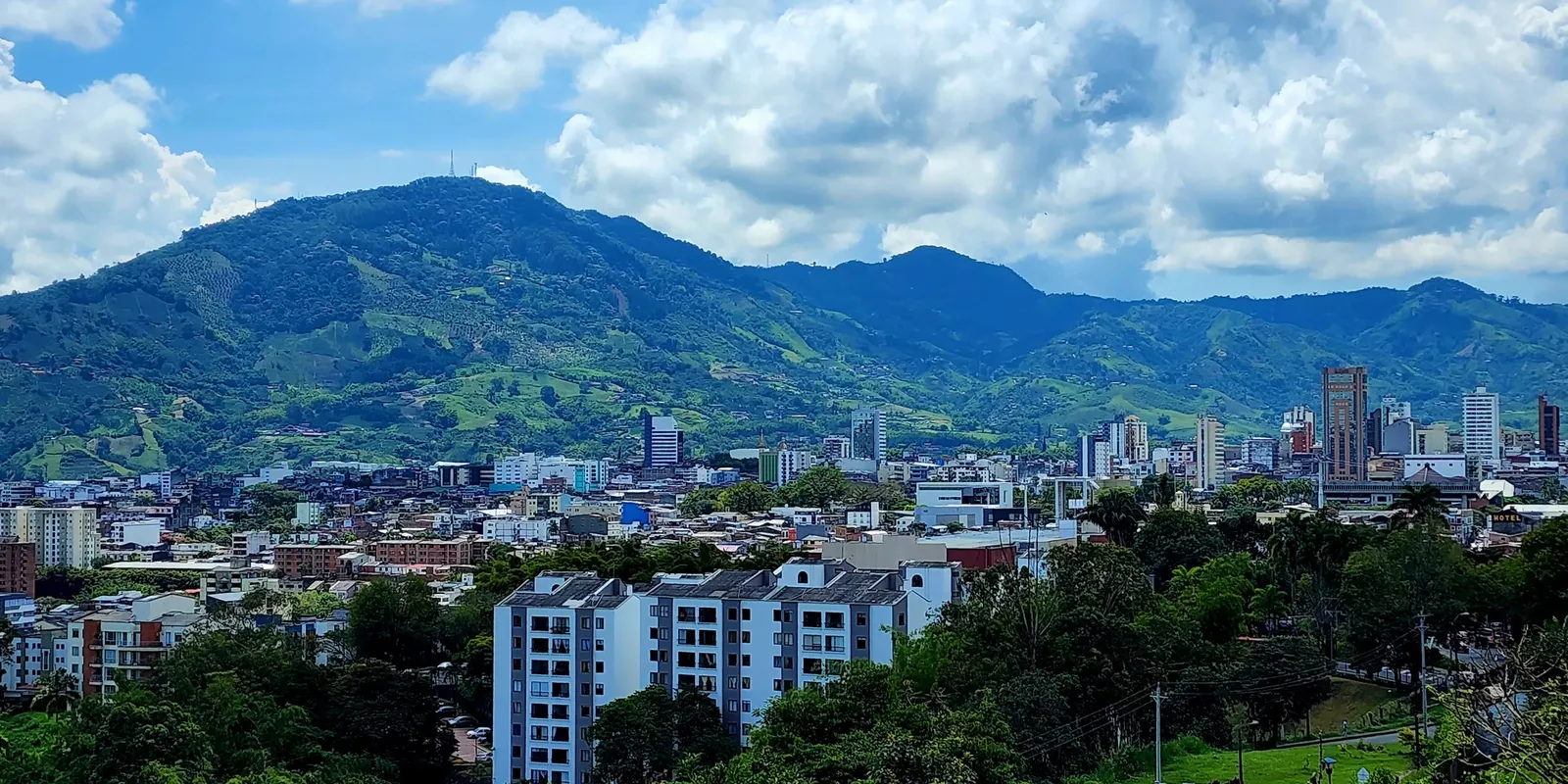
Pereira: the heart of the Coffee Triangle
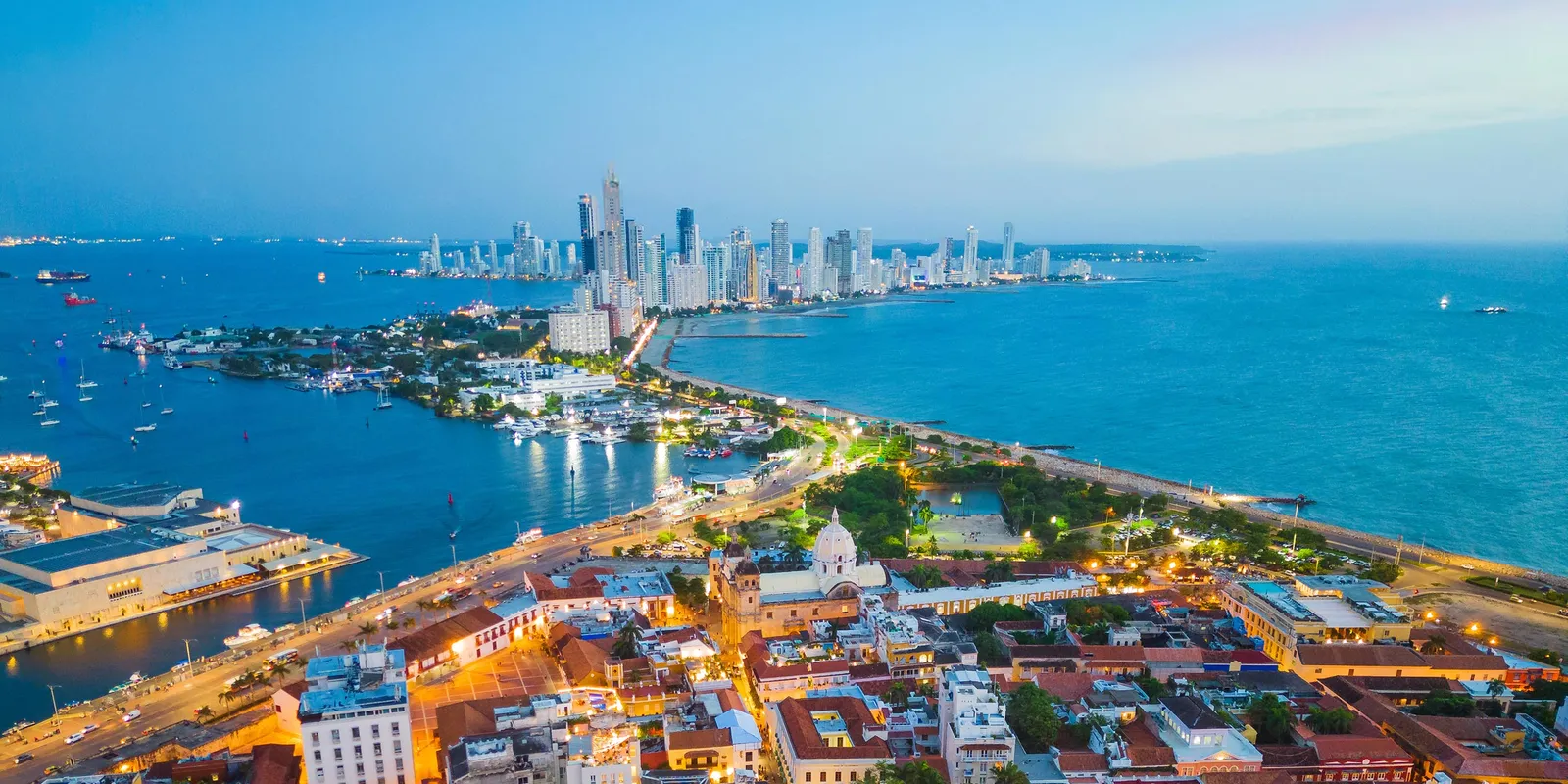
Cartagena de Indias: the walled city
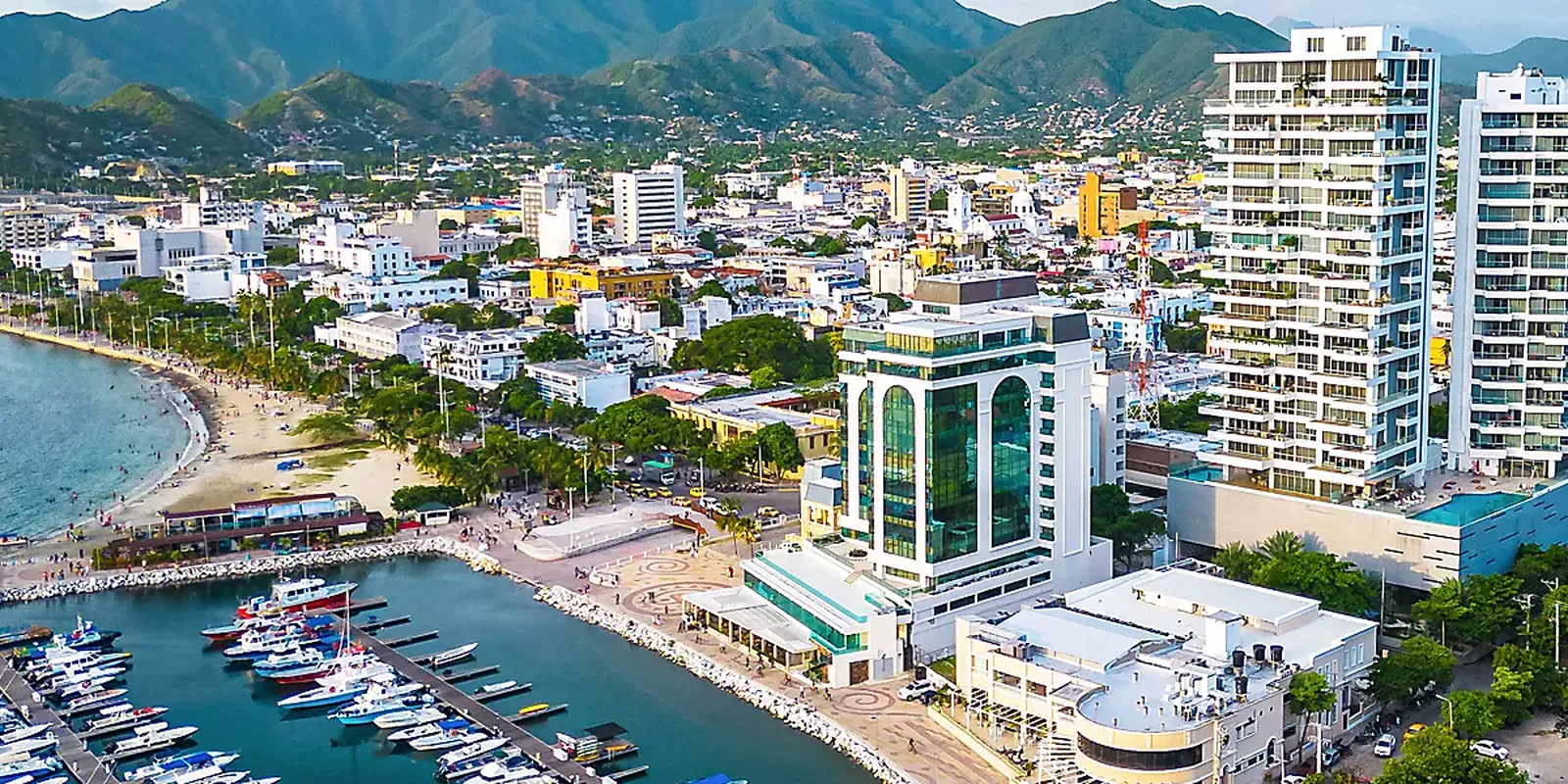
Santa Marta: Colombia's oldest city
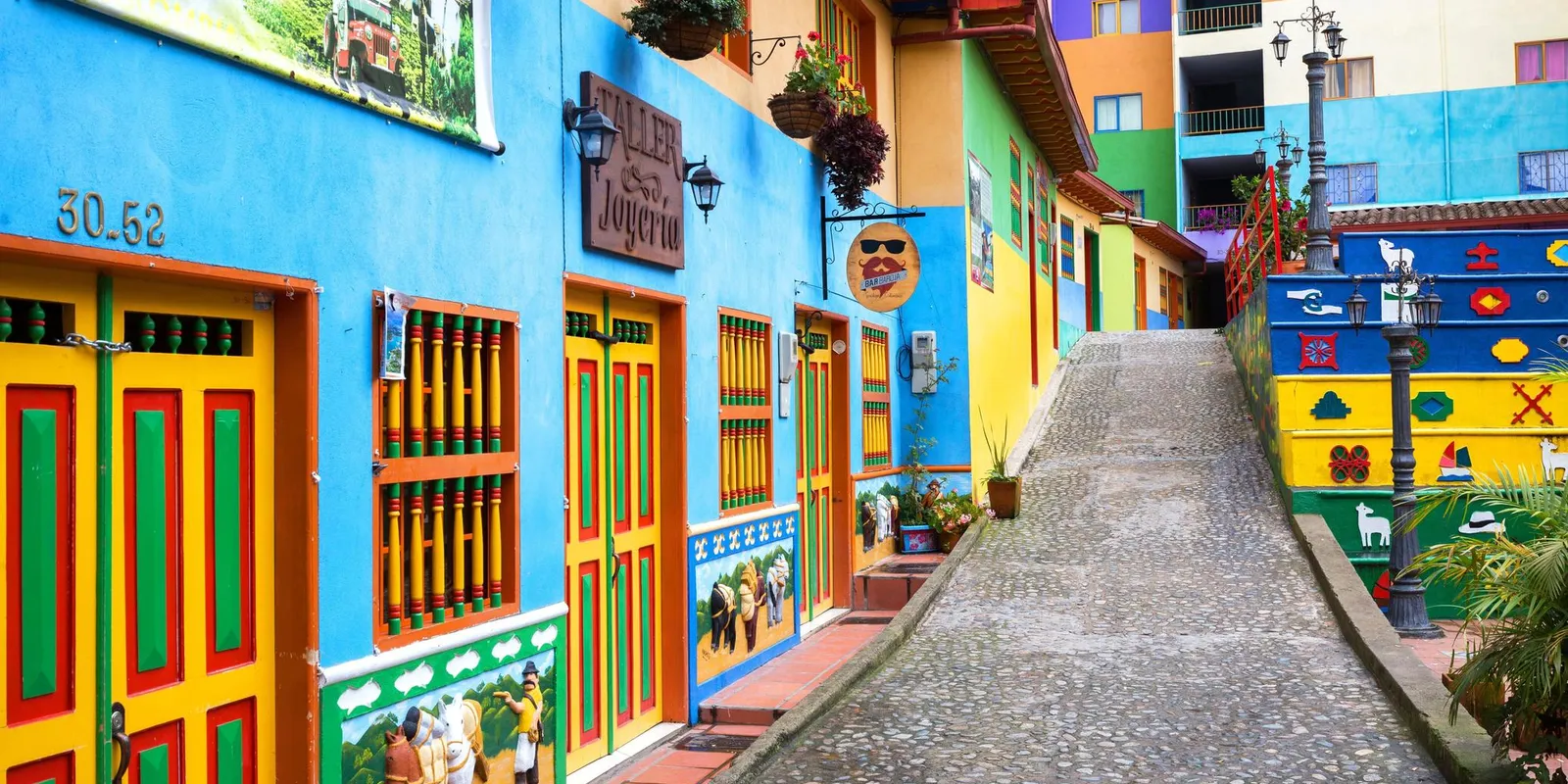
Medellín: from Comuna 13 to the Metrocable
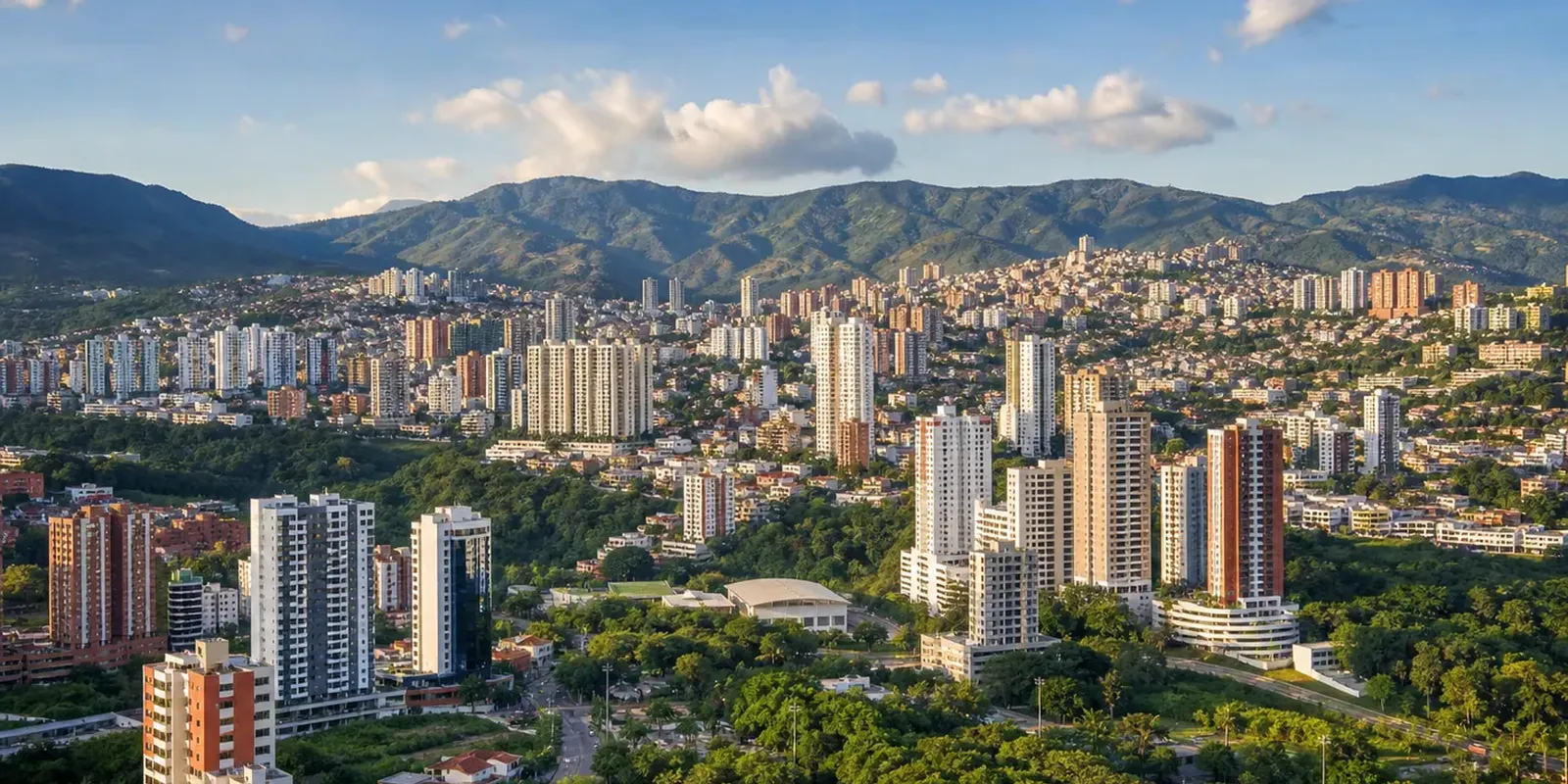
Bucaramanga: the city of parks in the Colombian mountains
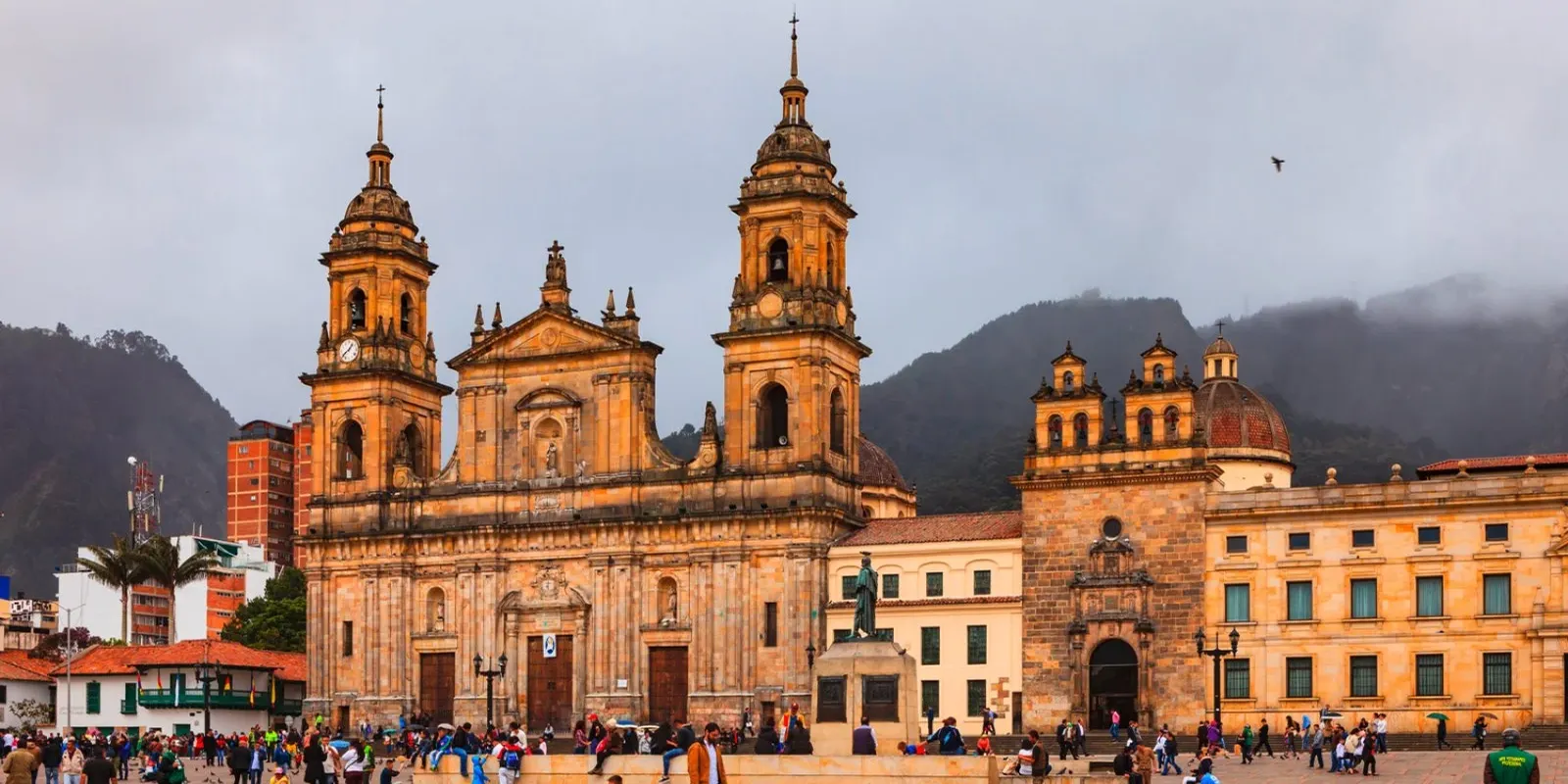
Bogotá: colonial center and view from above
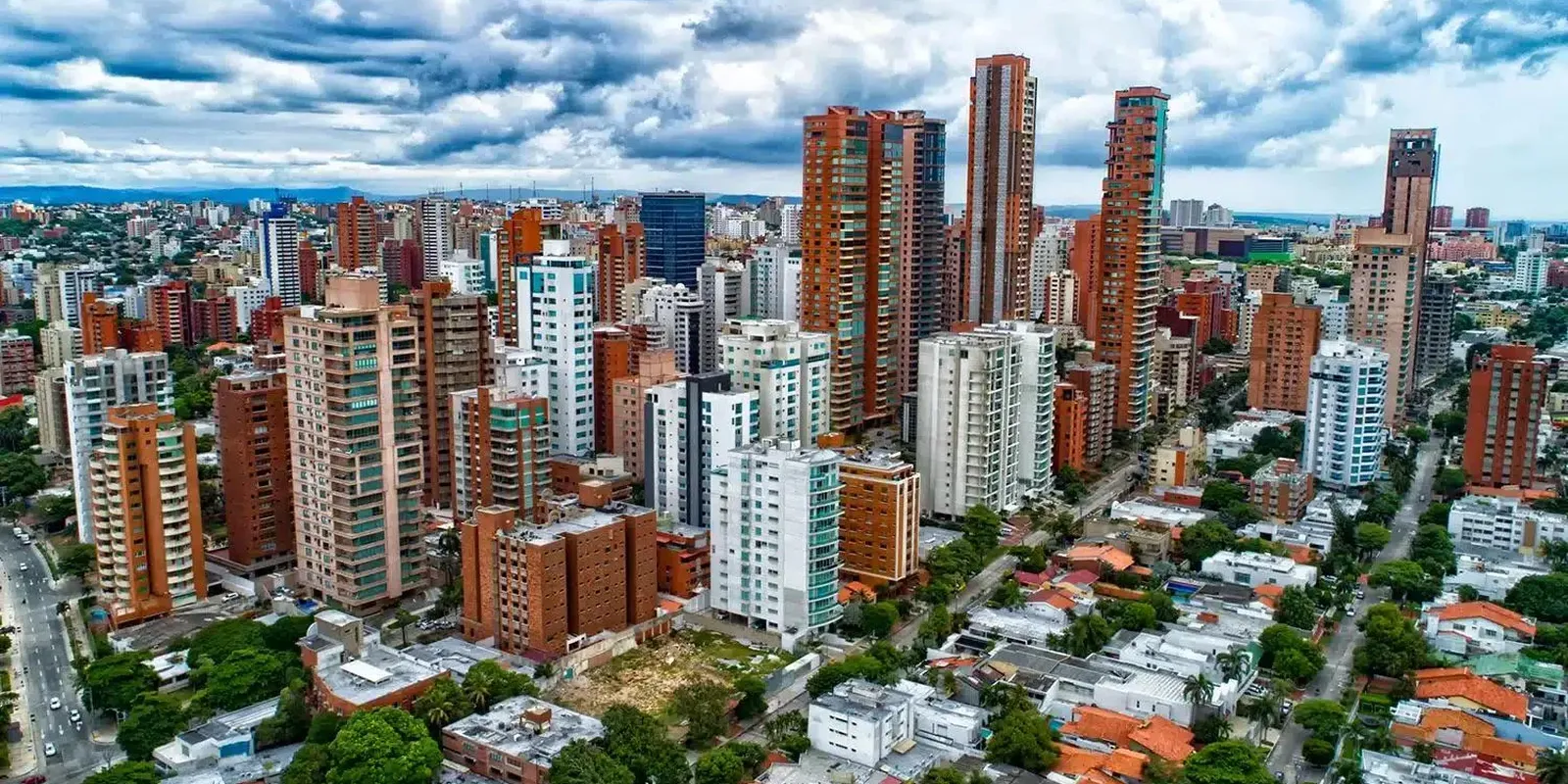
Barranquilla: the capital of Carnival
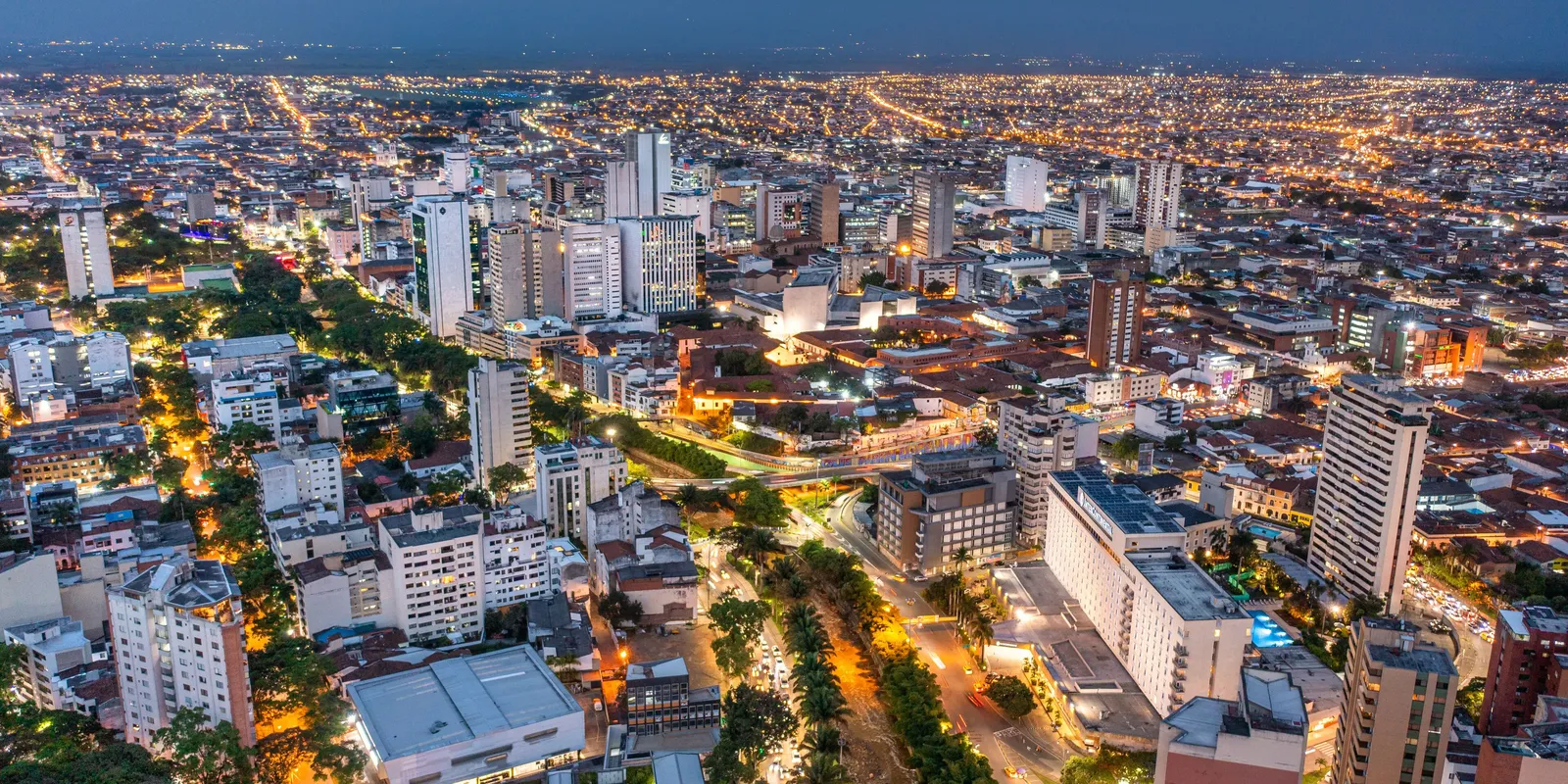
Cali: the world capital of salsa
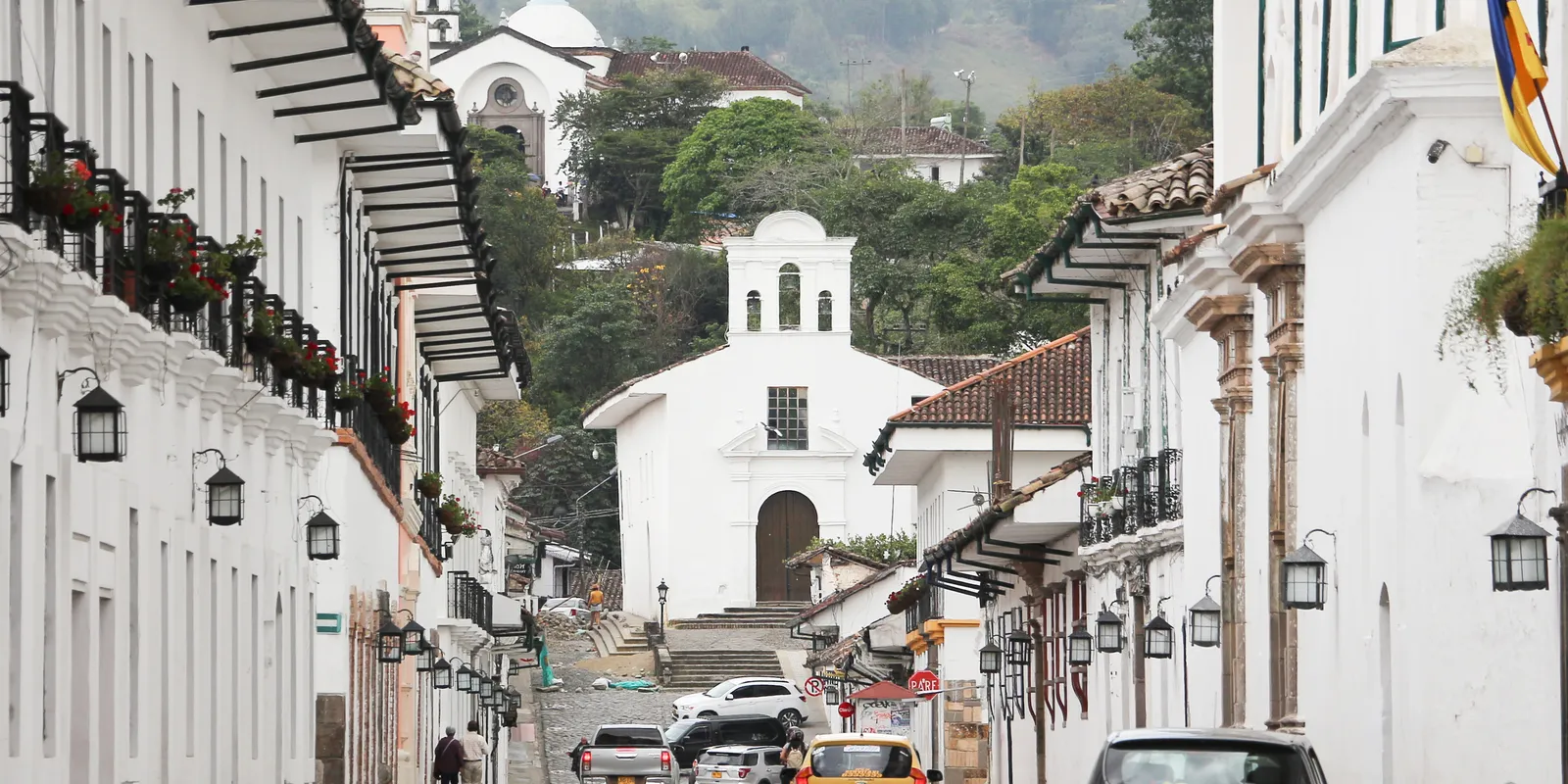
Popayán: Colombia's white city
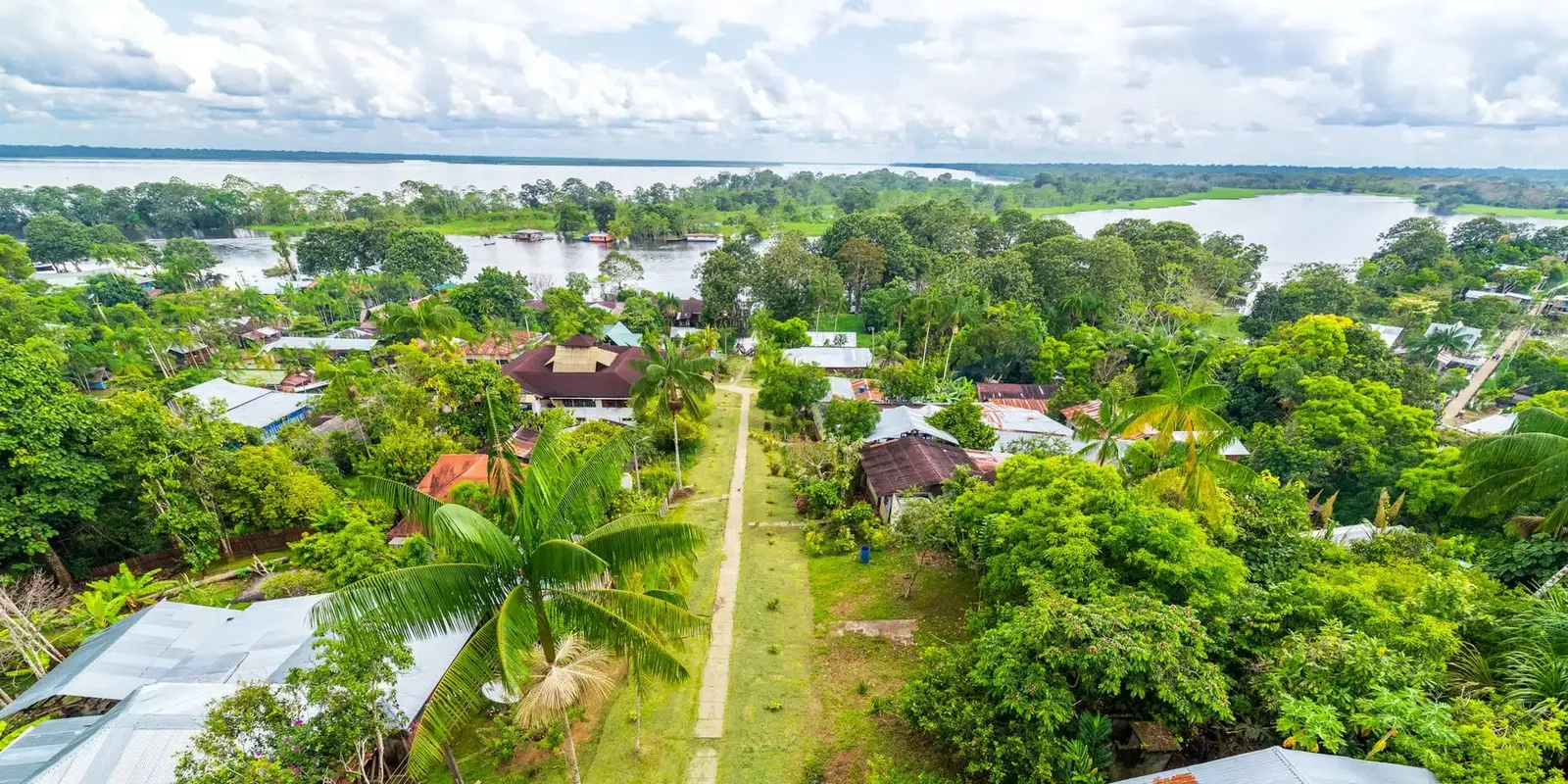
Leticia: on the Amazon where three countries meet
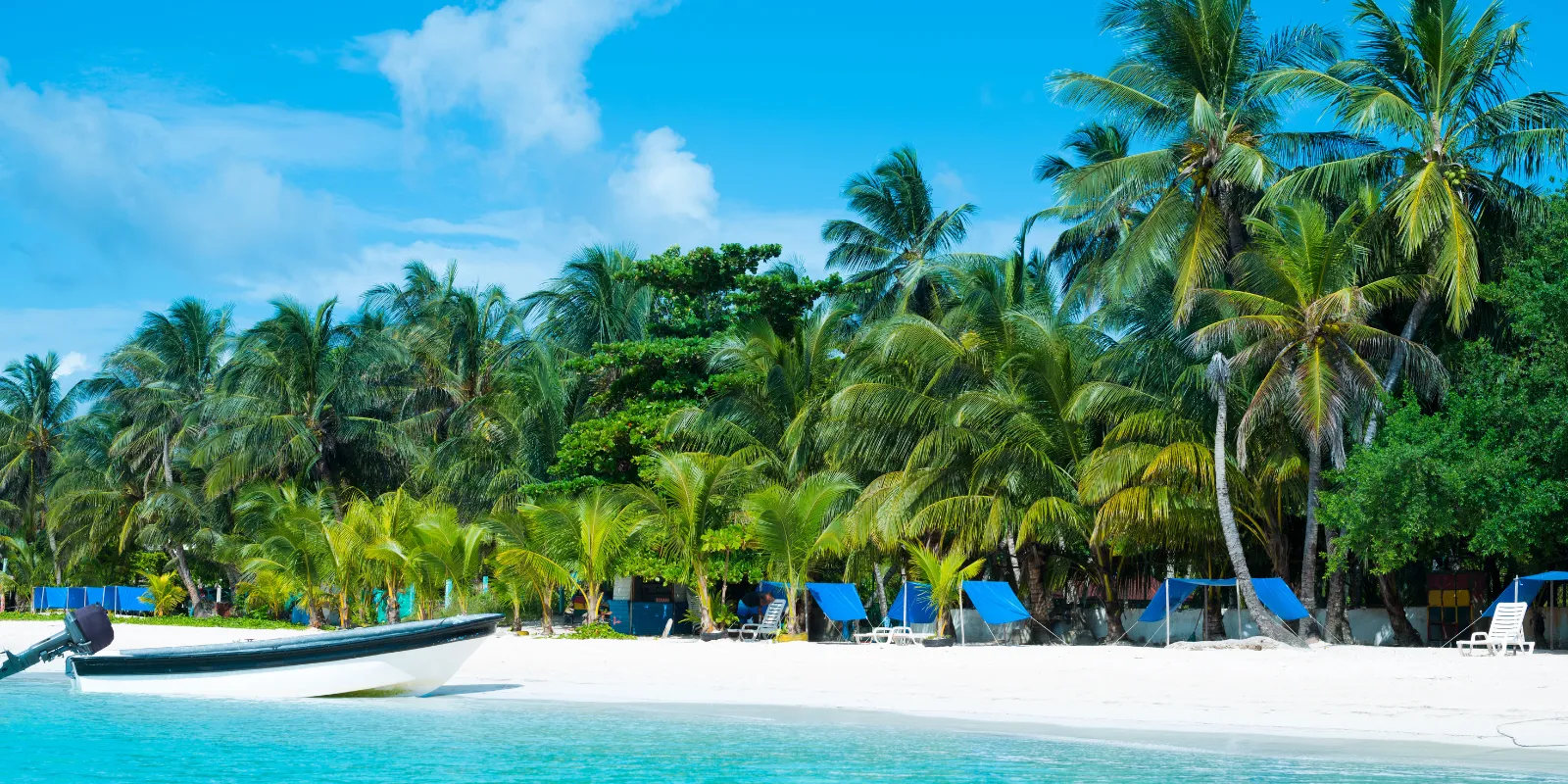
San Andrés: the sea of seven colors