Croatia: main airports
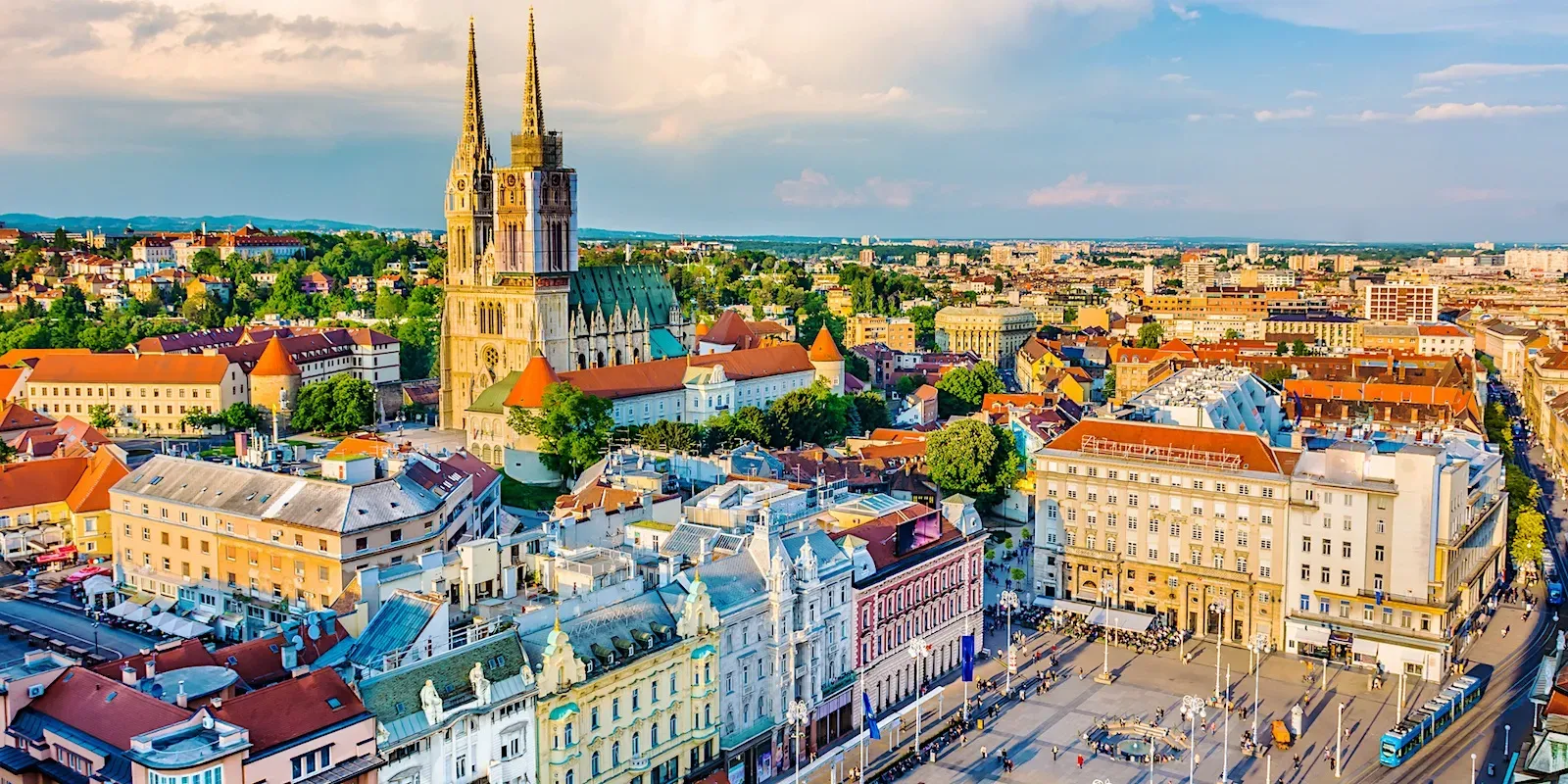
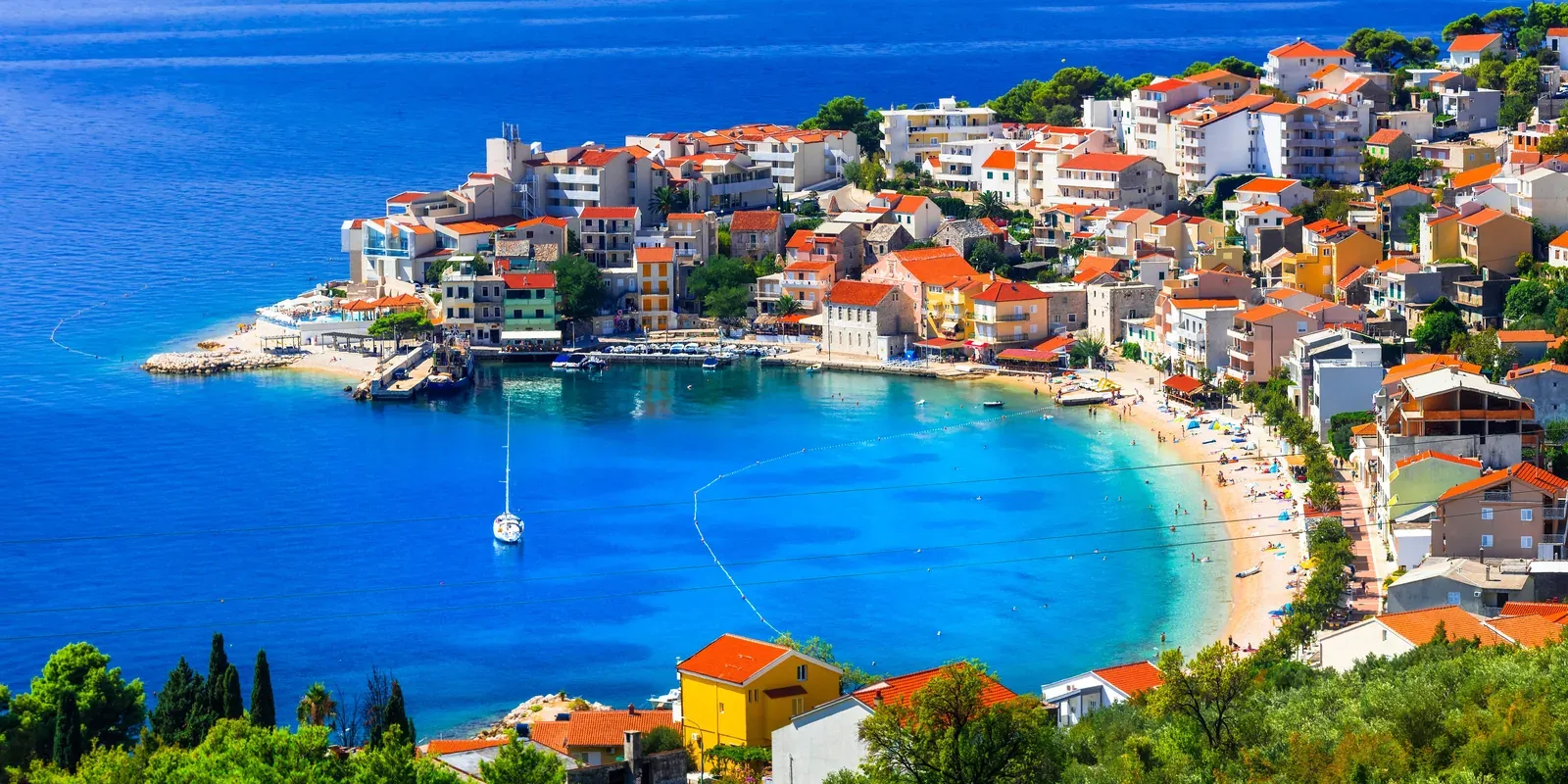
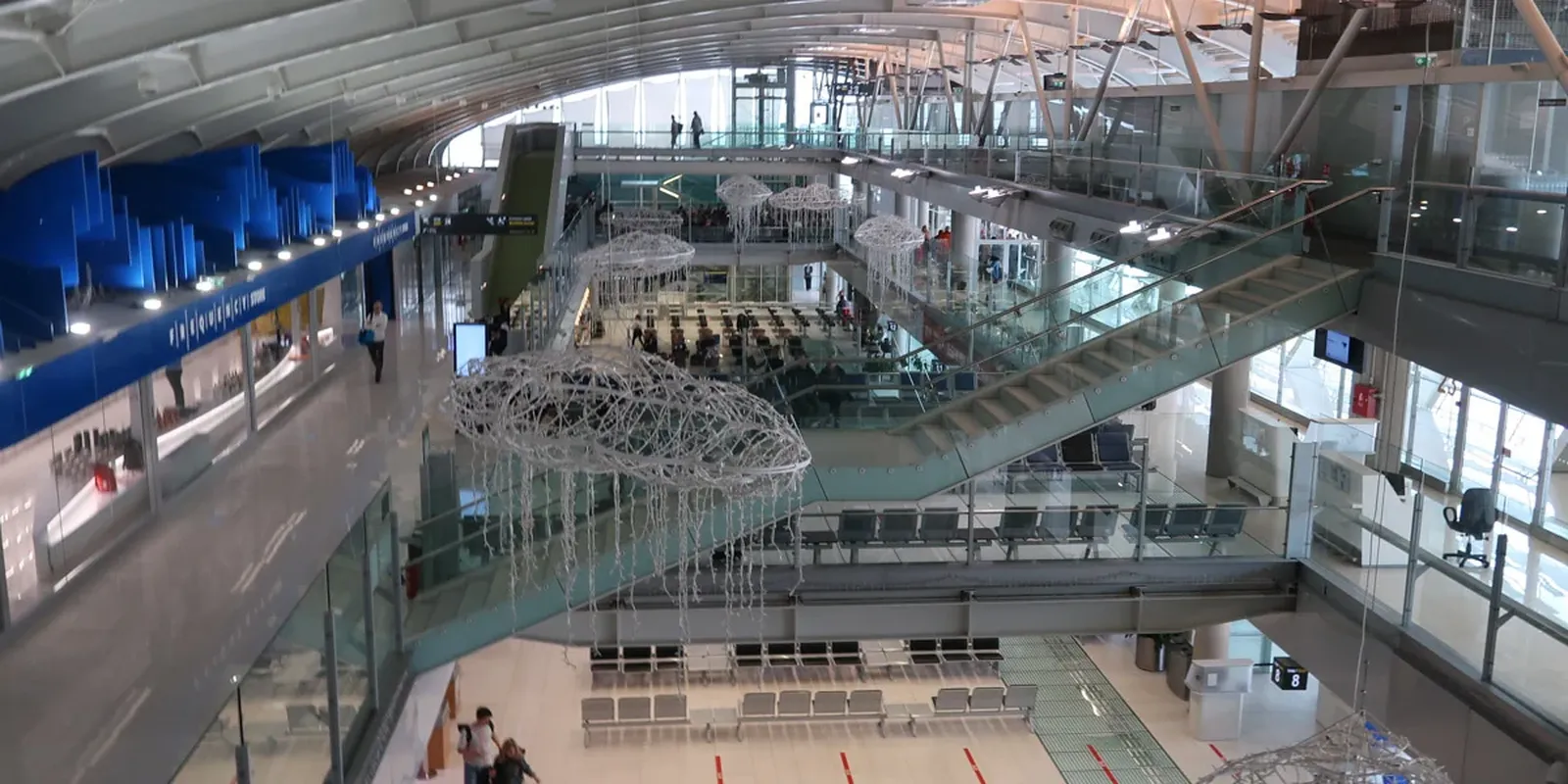
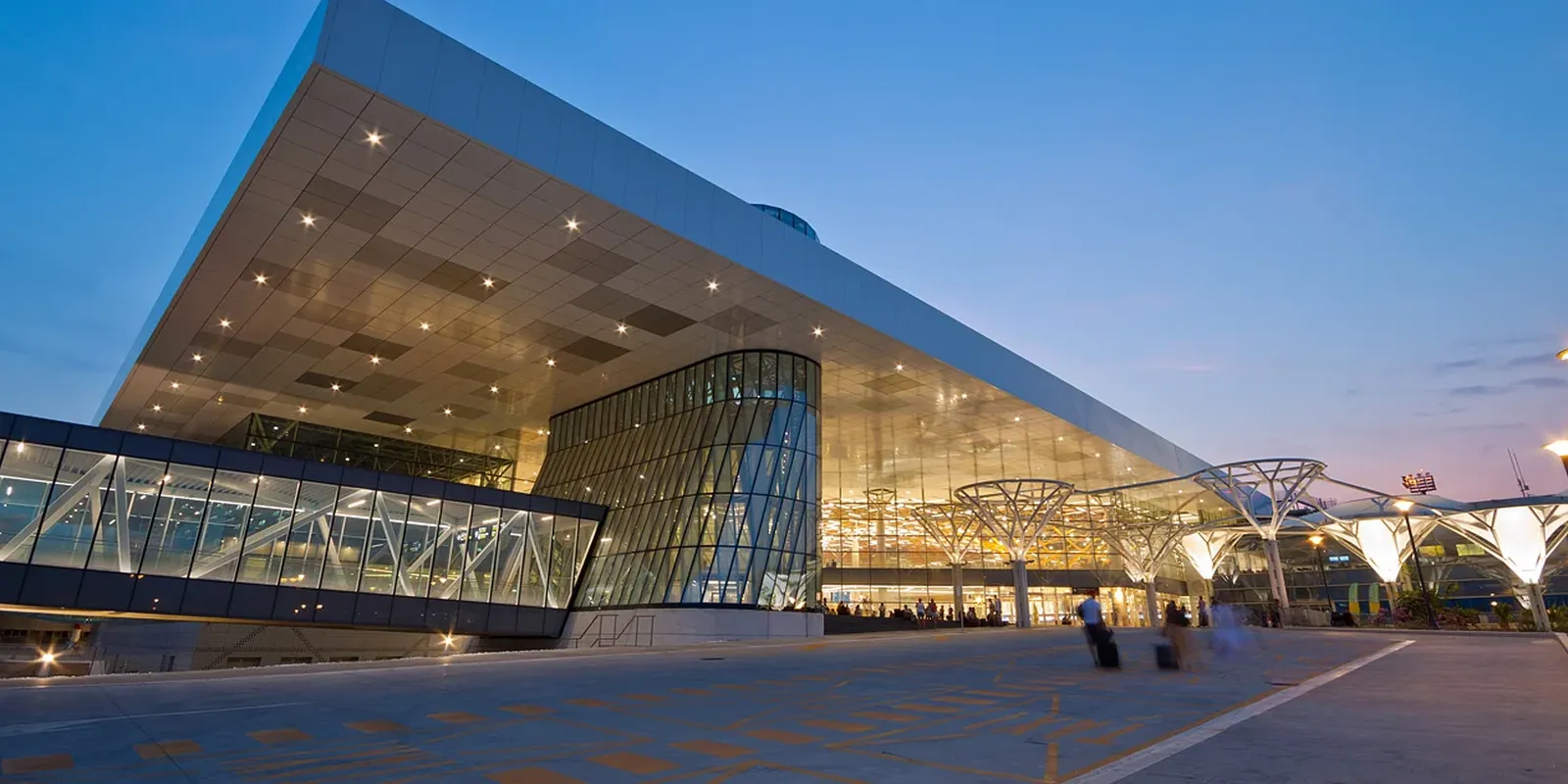
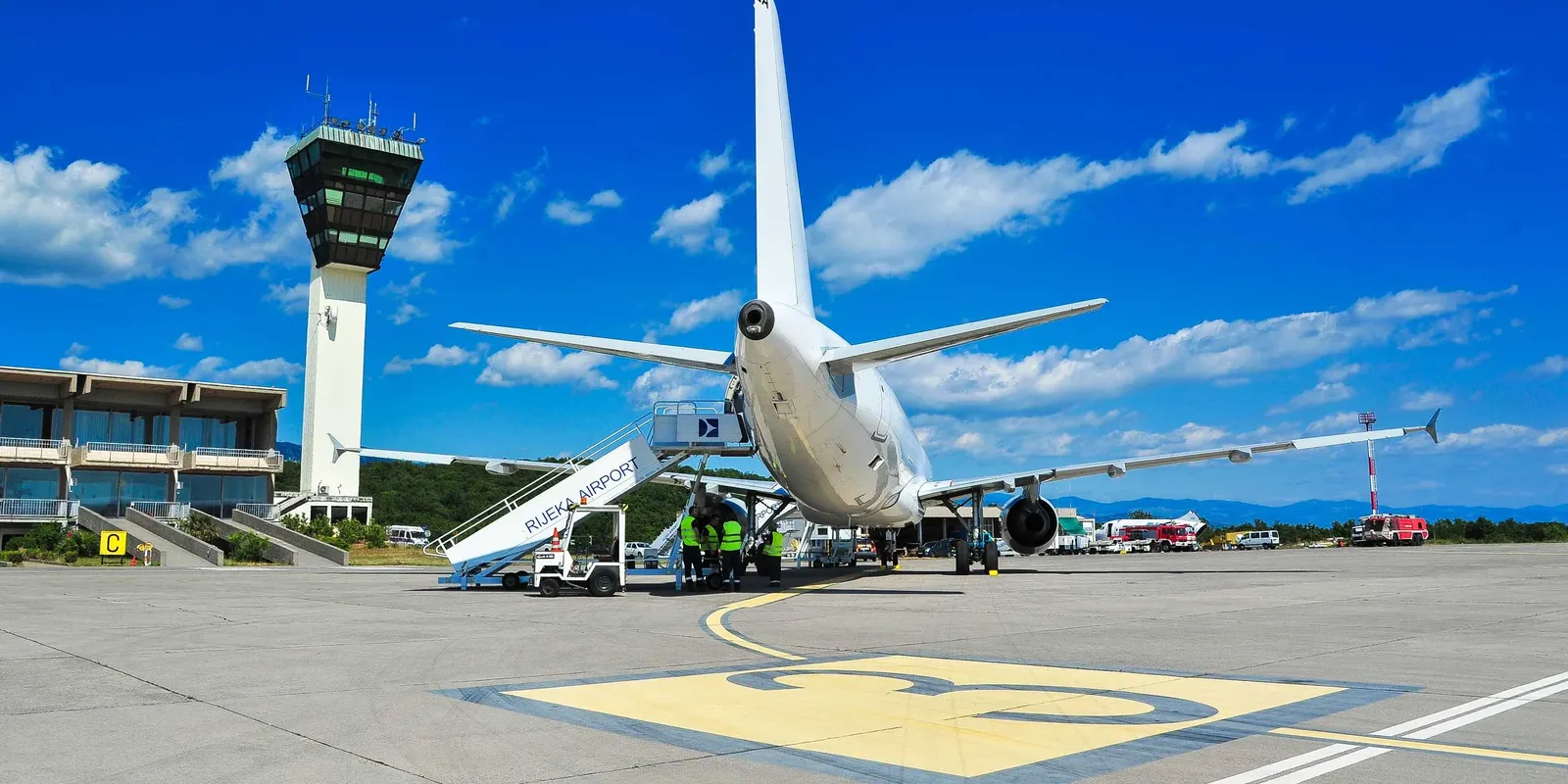
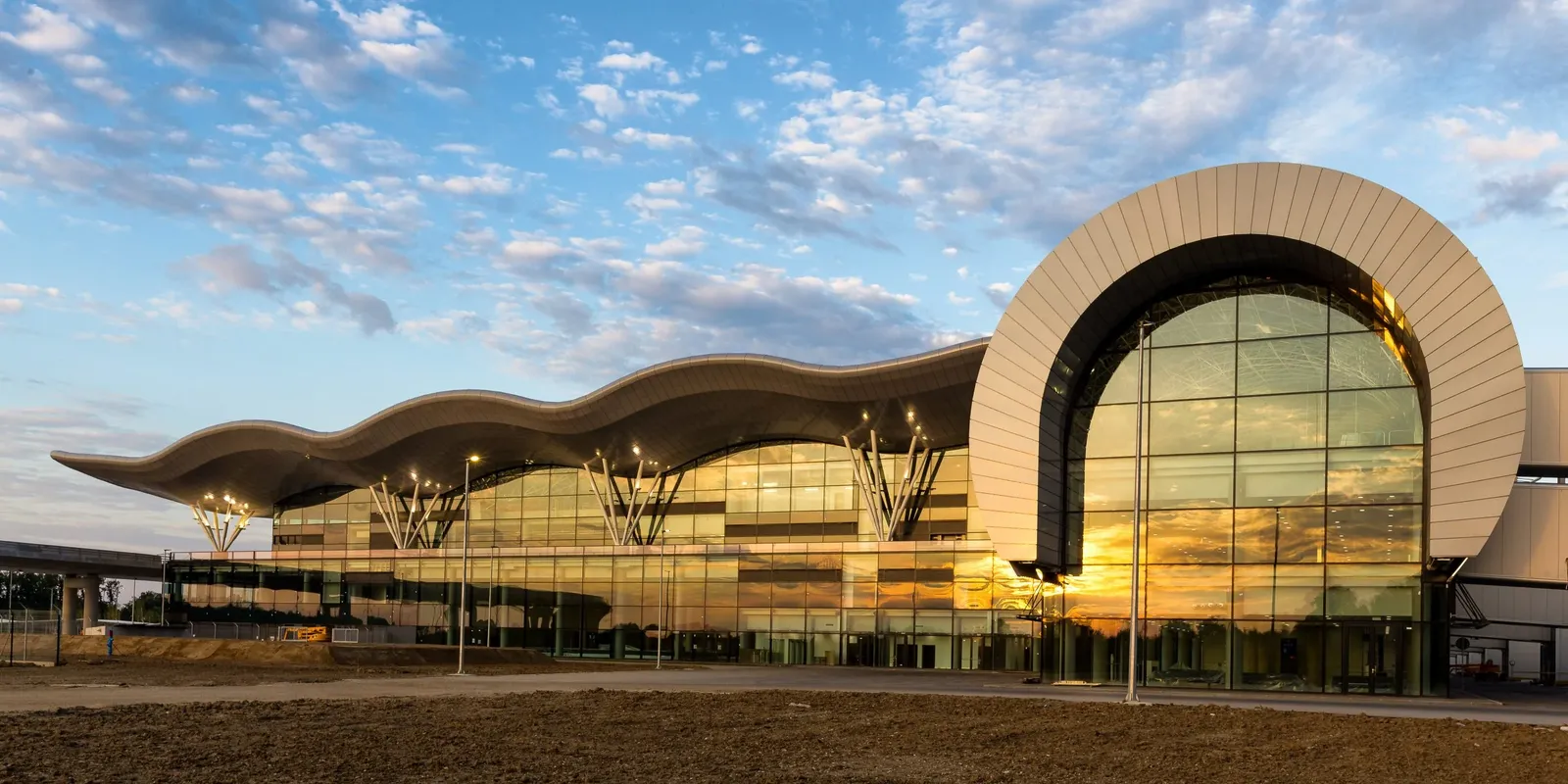
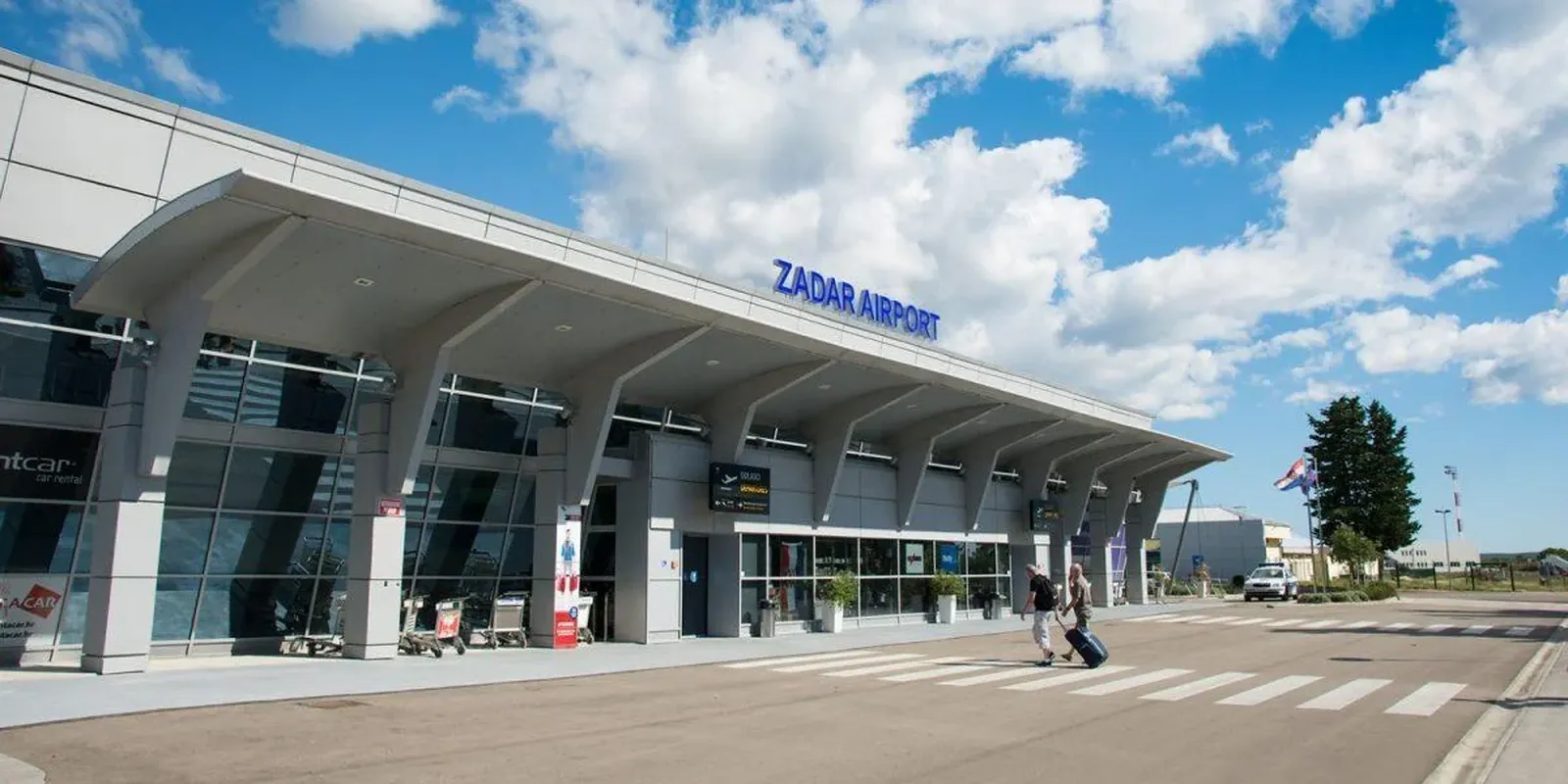
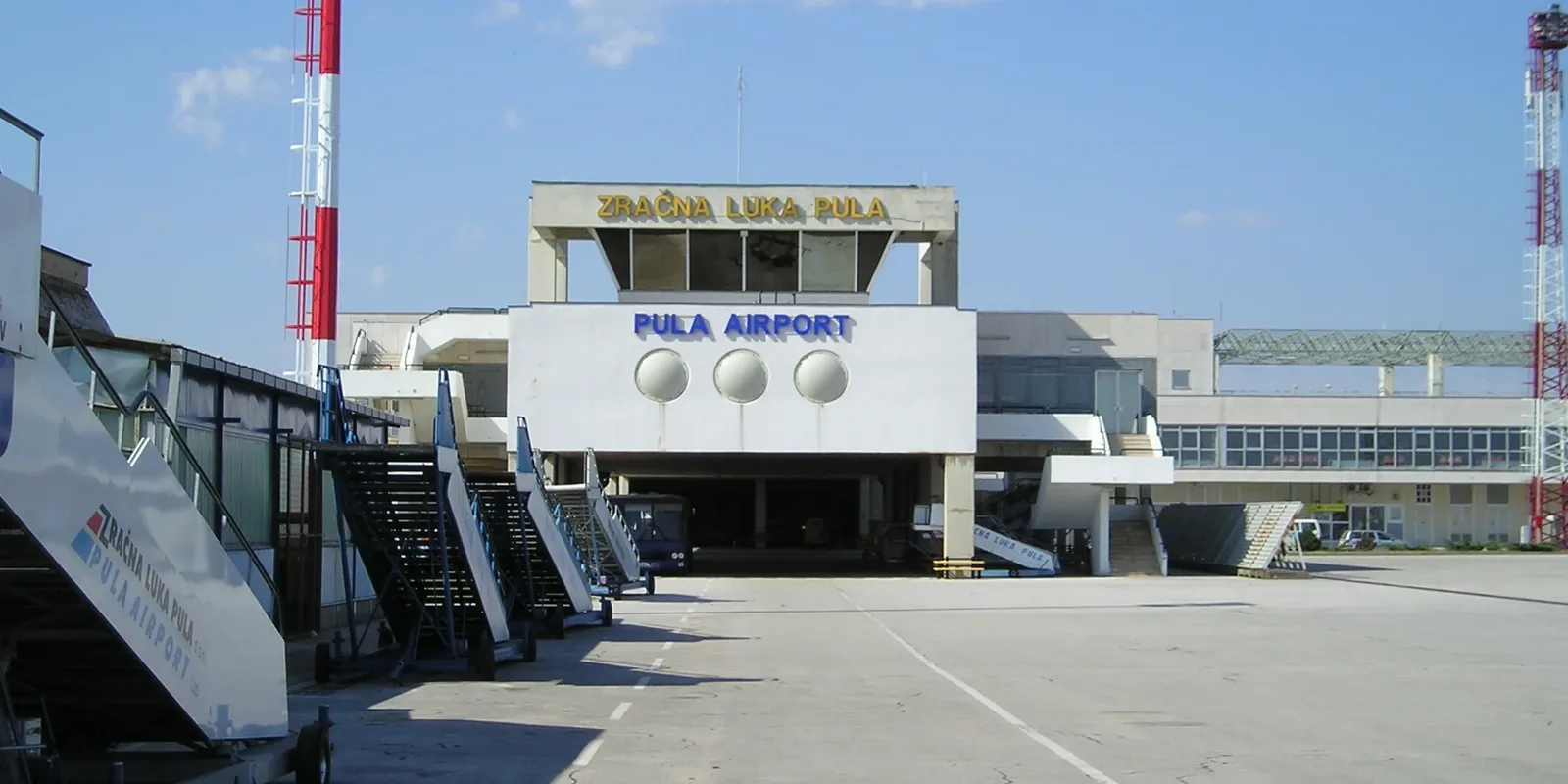
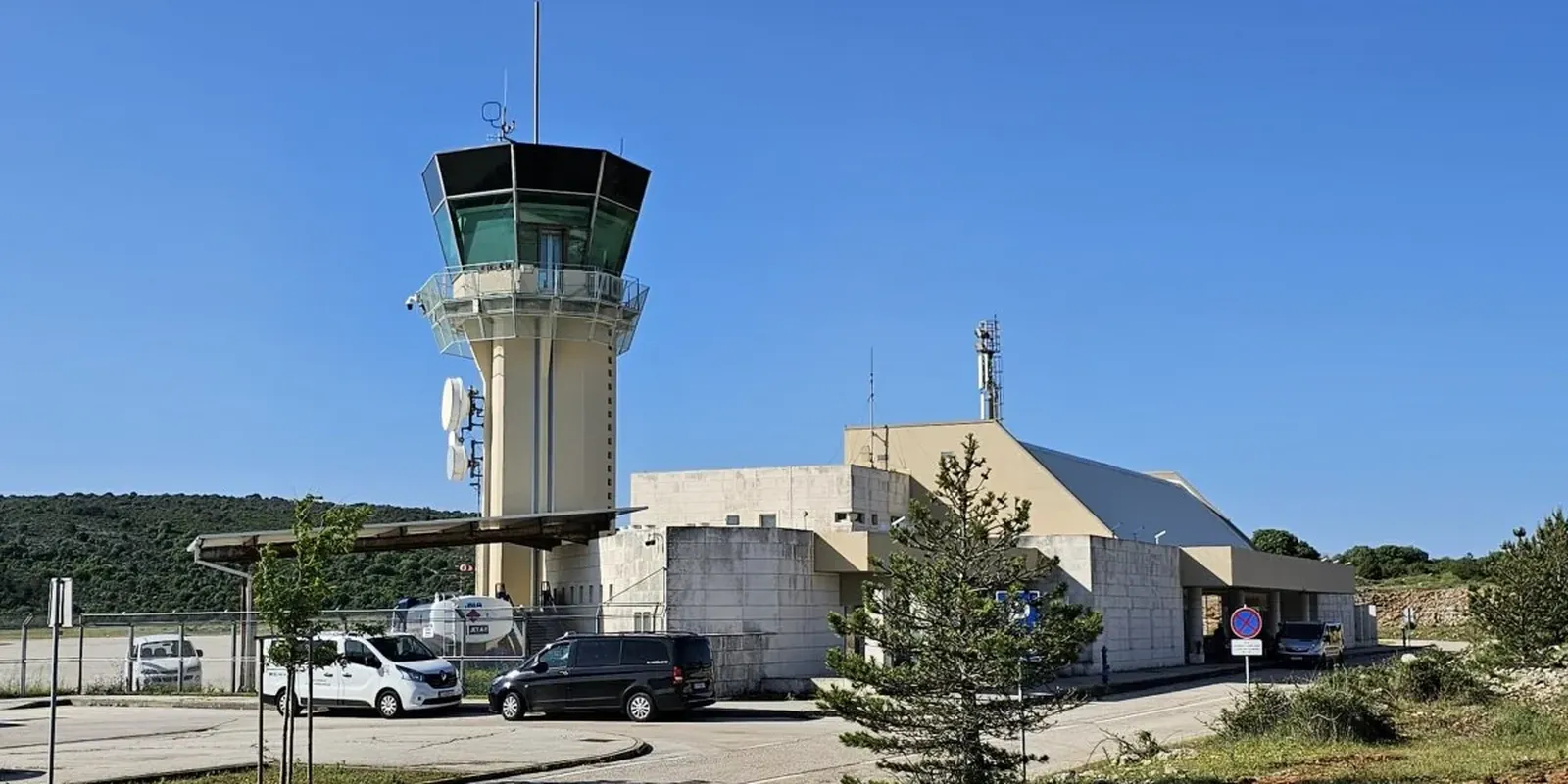
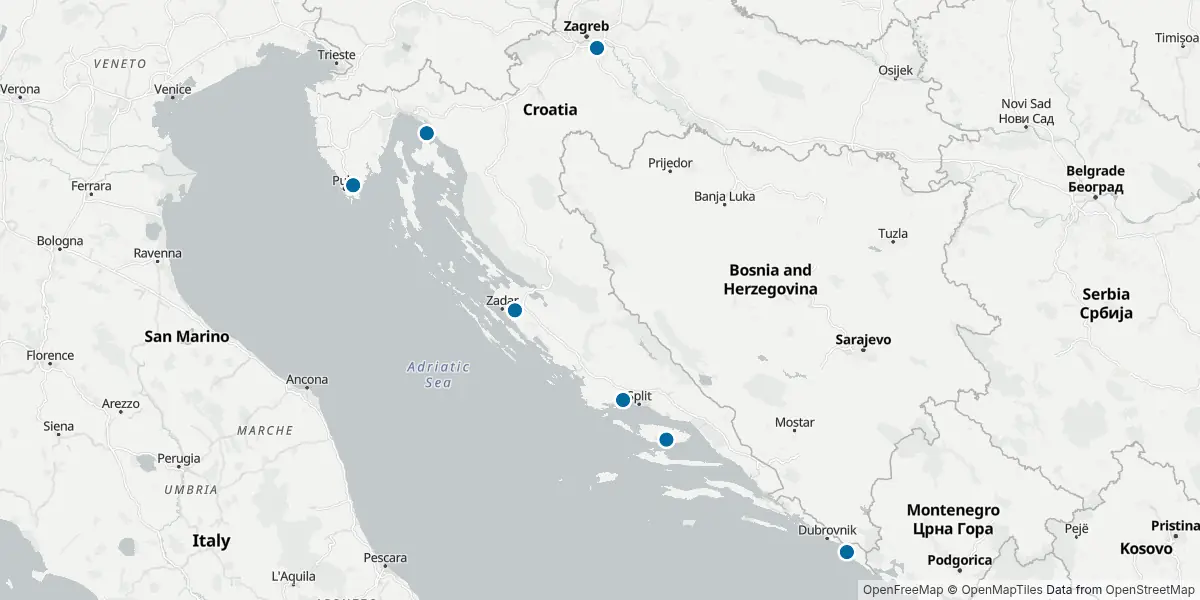
Croatia has seven airports with active connections. The main one is Zagreb Airport, the capital; along the Adriatic coast are Split, Dubrovnik, Zadar, Pula and Rijeka, plus the small island airport of Brač.
Croatia: recommended activities
Croatia: visa and entry requirements
Croatia has been part of the Schengen area since January 2023: EU citizens enter freely with an ID card or passport, while non-EU citizens (United Kingdom, United States, Canada, Australia) do not need a visa for tourist stays of up to 90 days in a 180-day period. From the fourth quarter of 2026, ETIAS authorisation will be required for nationalities currently exempt from a visa.
Croatia: safety
Croatia is generally very safe for tourists, with violent crime rare. The usual precautions against petty theft in crowded areas of coastal towns during the peak summer season are sufficient. Traffic on the Adriatic coast (particularly the main road connecting Split and Dubrovnik) can be very heavy in summer: allow for longer travel times than expected.
Croatia: health situation
No vaccination is required to enter the country. The Croatian healthcare system is of a good European standard; for EU citizens, the European Health Insurance Card (EHIC) covers urgent care in public hospitals, while other visitors are advised to take out travel insurance with medical coverage.
Croatia: currency, payments and connectivity
Since January 2023, Croatia has adopted the euro as its official currency, replacing the kuna. Credit cards and contactless payments are widely accepted in cities and tourist areas. Bolt operates in the main coastal cities and in Zagreb. For connectivity, the operators A1, Telemach and Hrvatski Telekom sell prepaid SIM cards. For driving, EU citizens use their national licence; others generally also need an International Driving Permit (IDP).
Croatia: travel guides
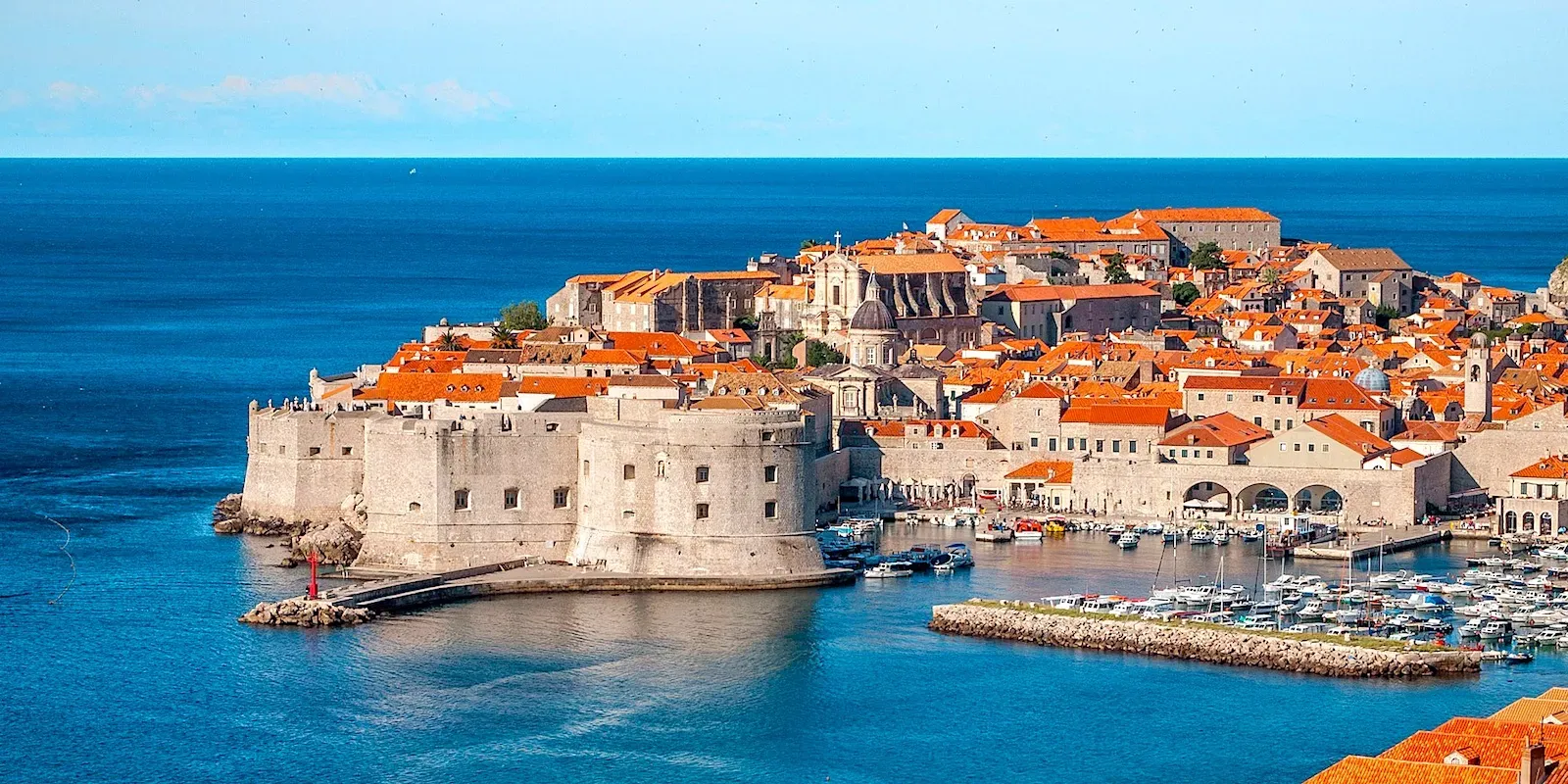
Dubrovnik: the walls above the Adriatic
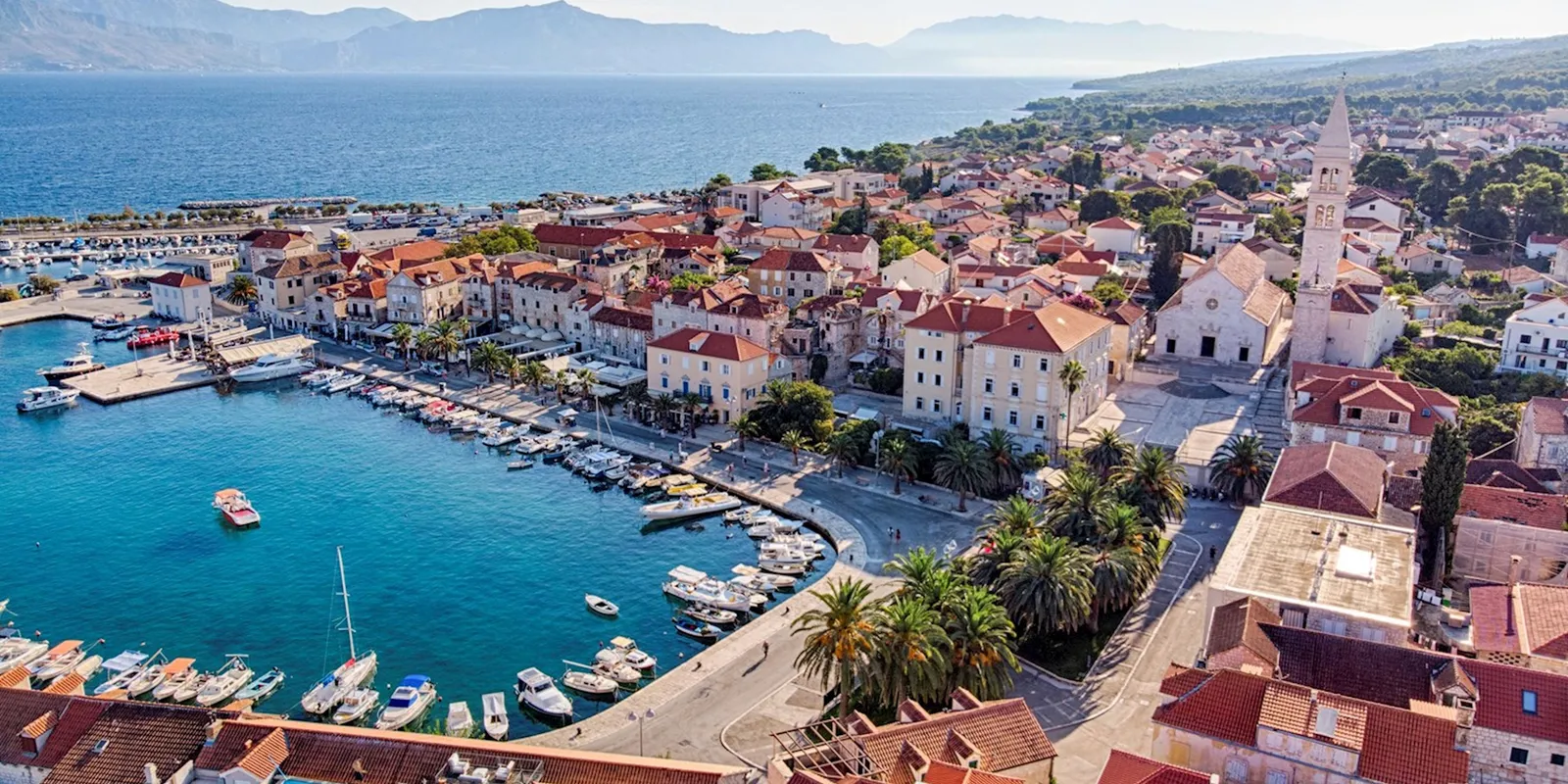
Brač Island: the beach that changes shape
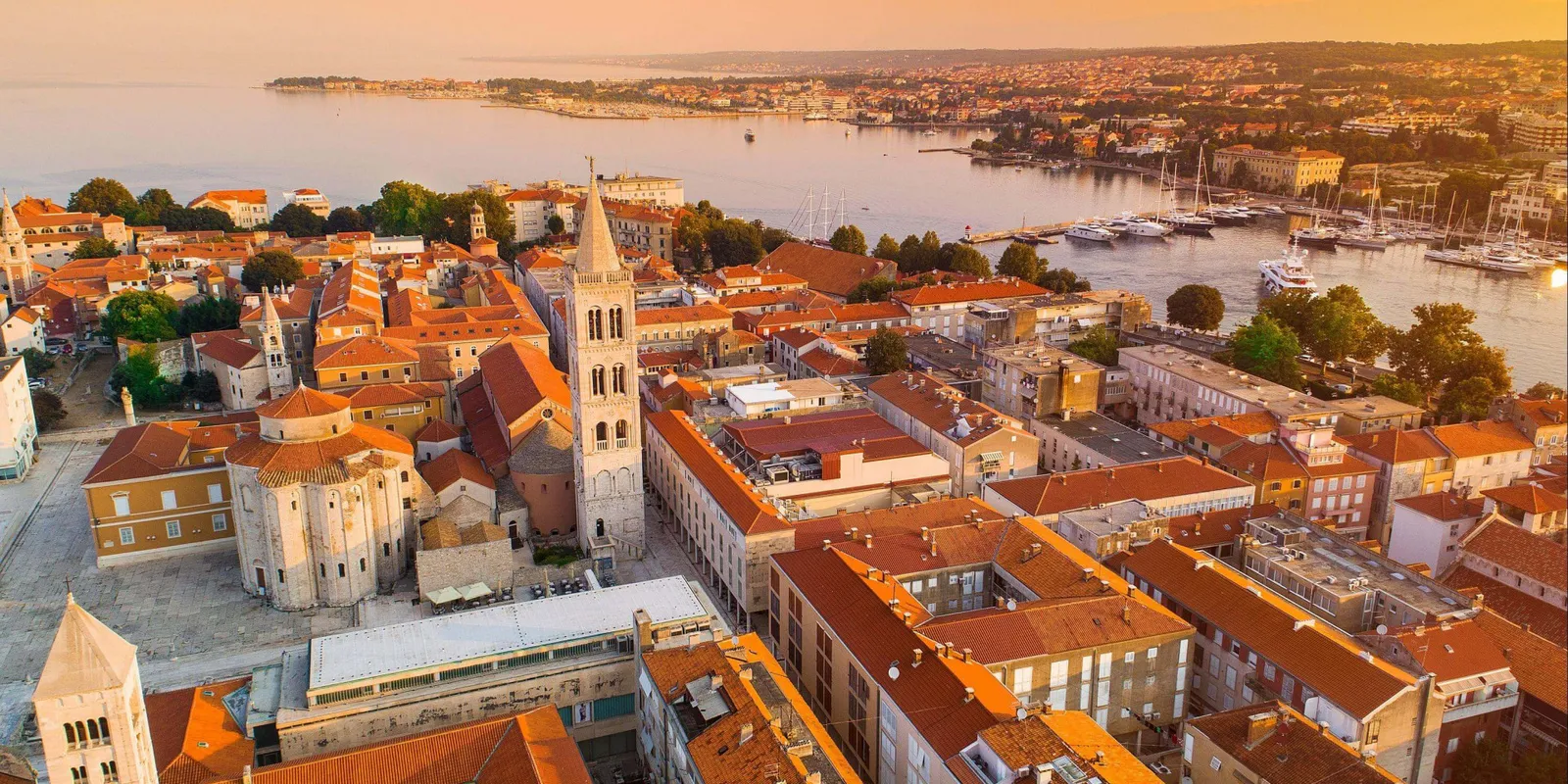
Zadar: the organ that plays with the waves
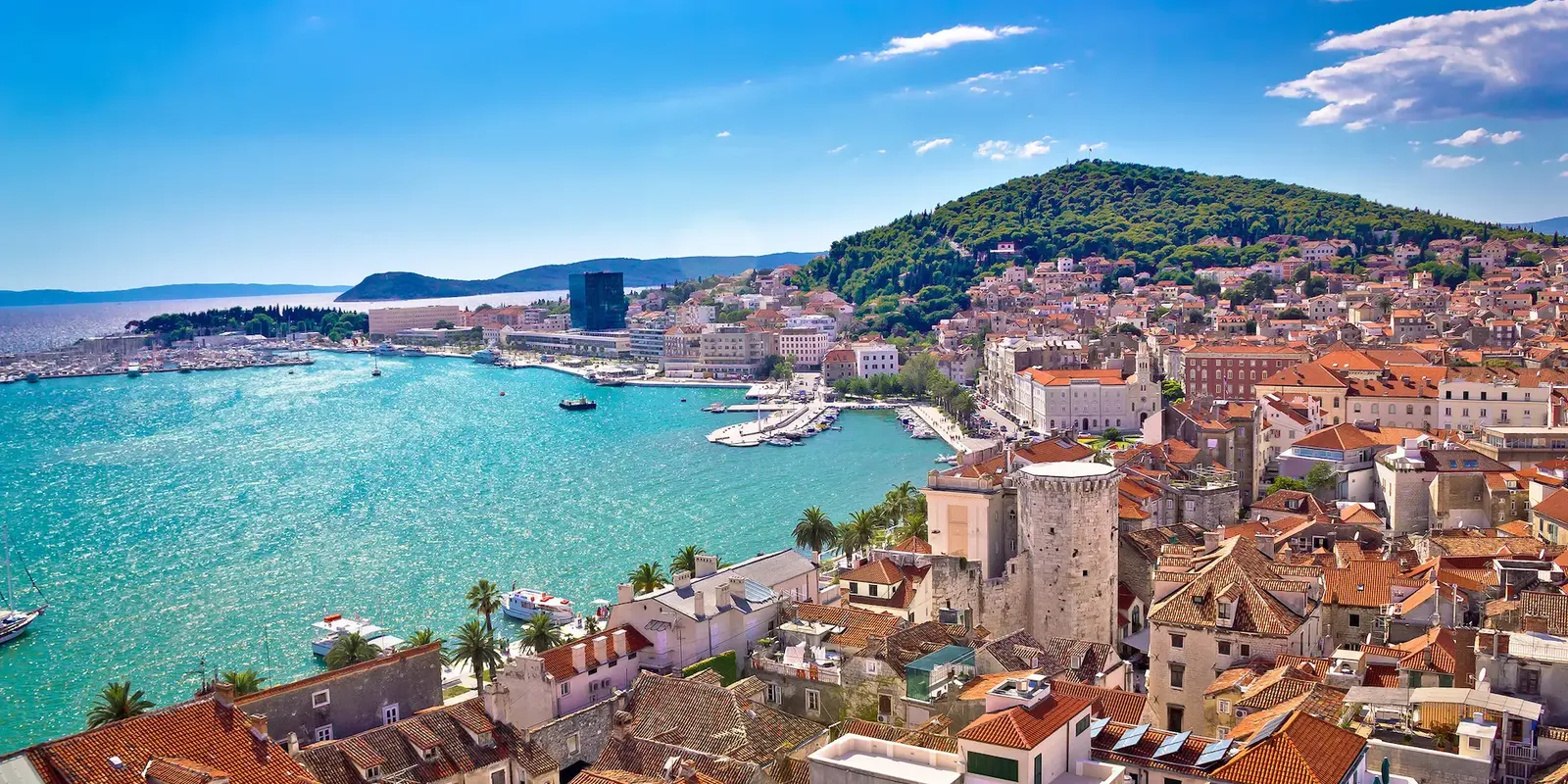
Split: the city inside Diocletian's Palace
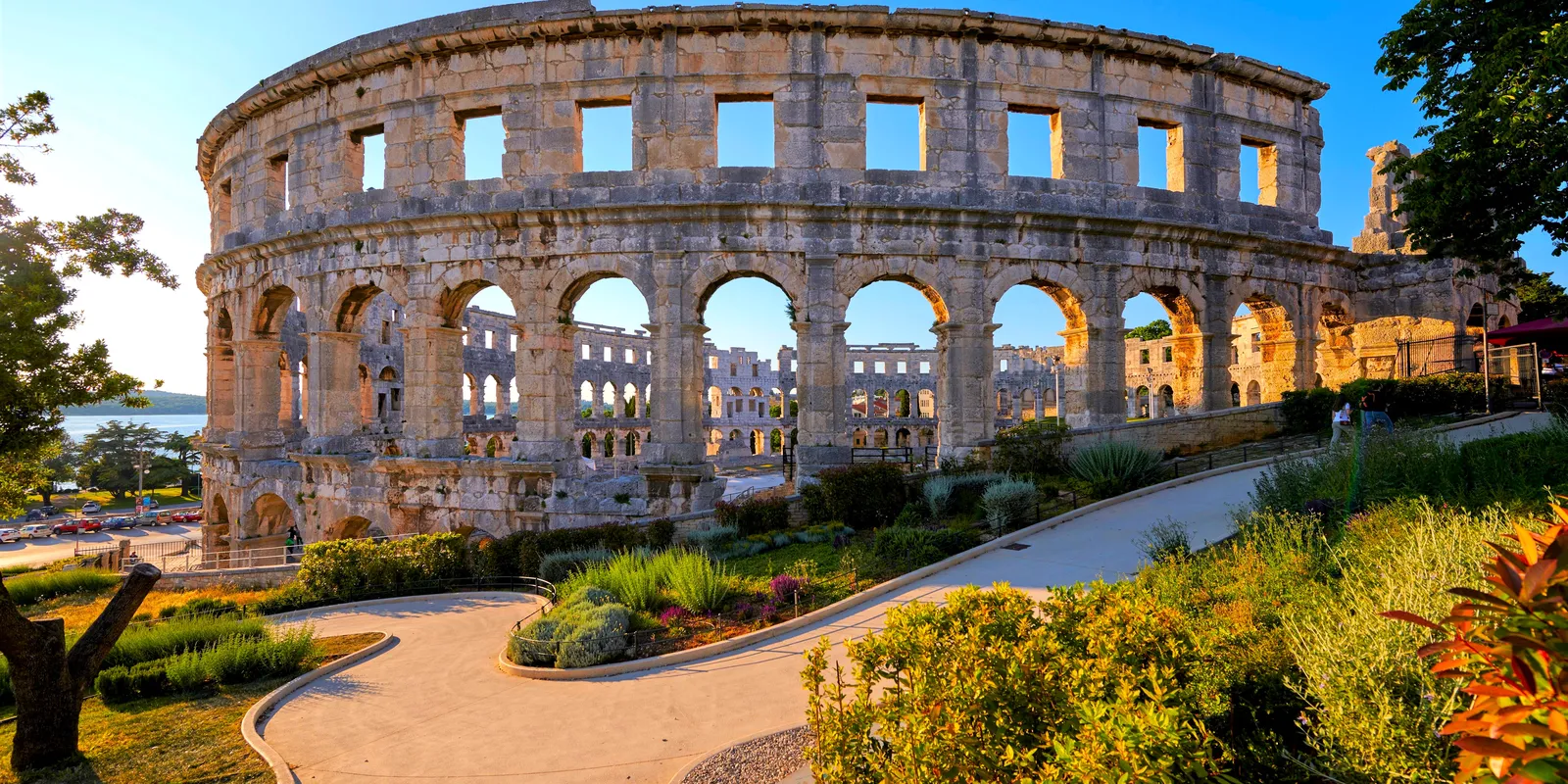
Pula: the Roman amphitheatre on the Adriatic
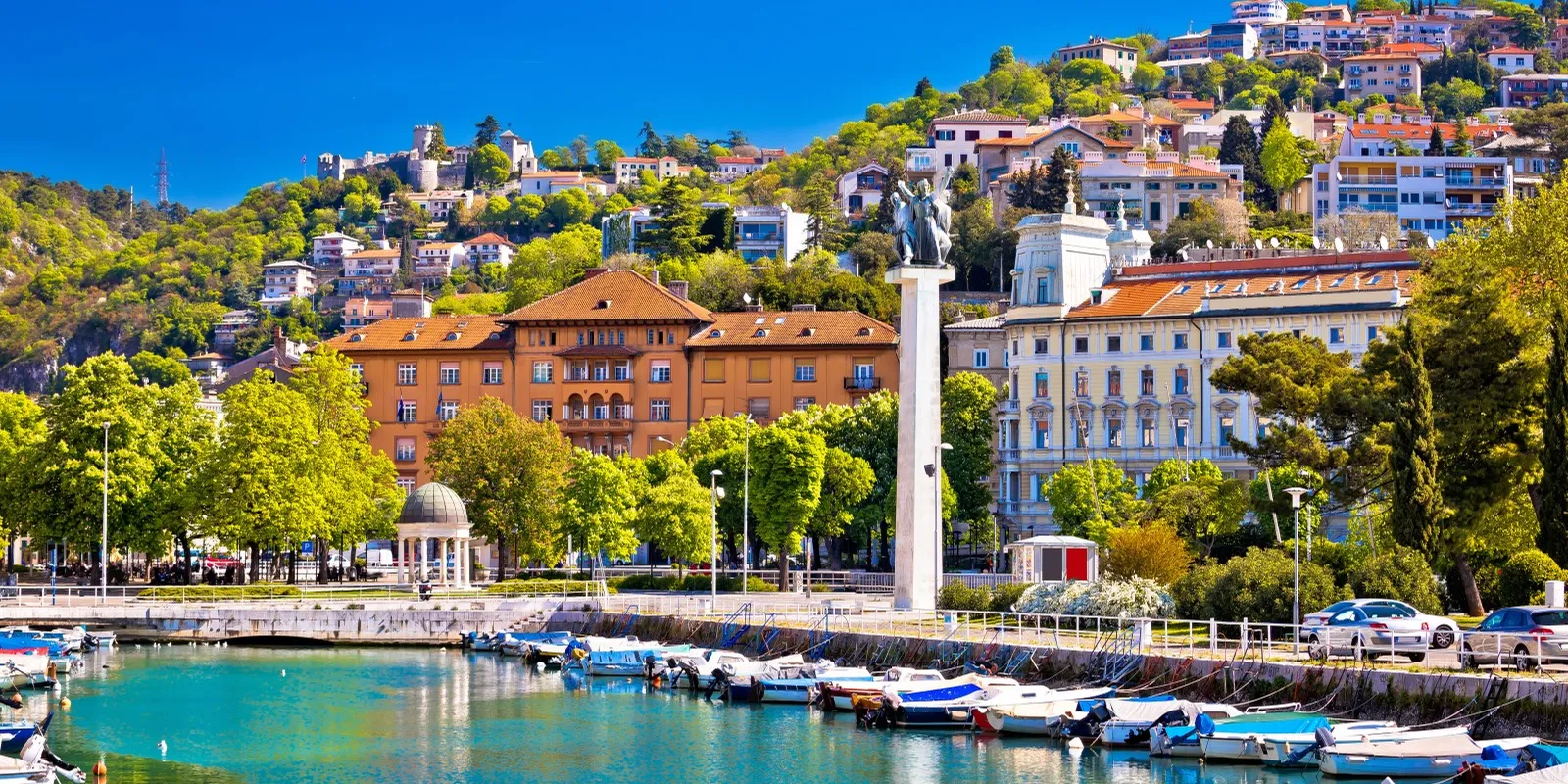
Rijeka: the city that invented the torpedo