Greece: main airports
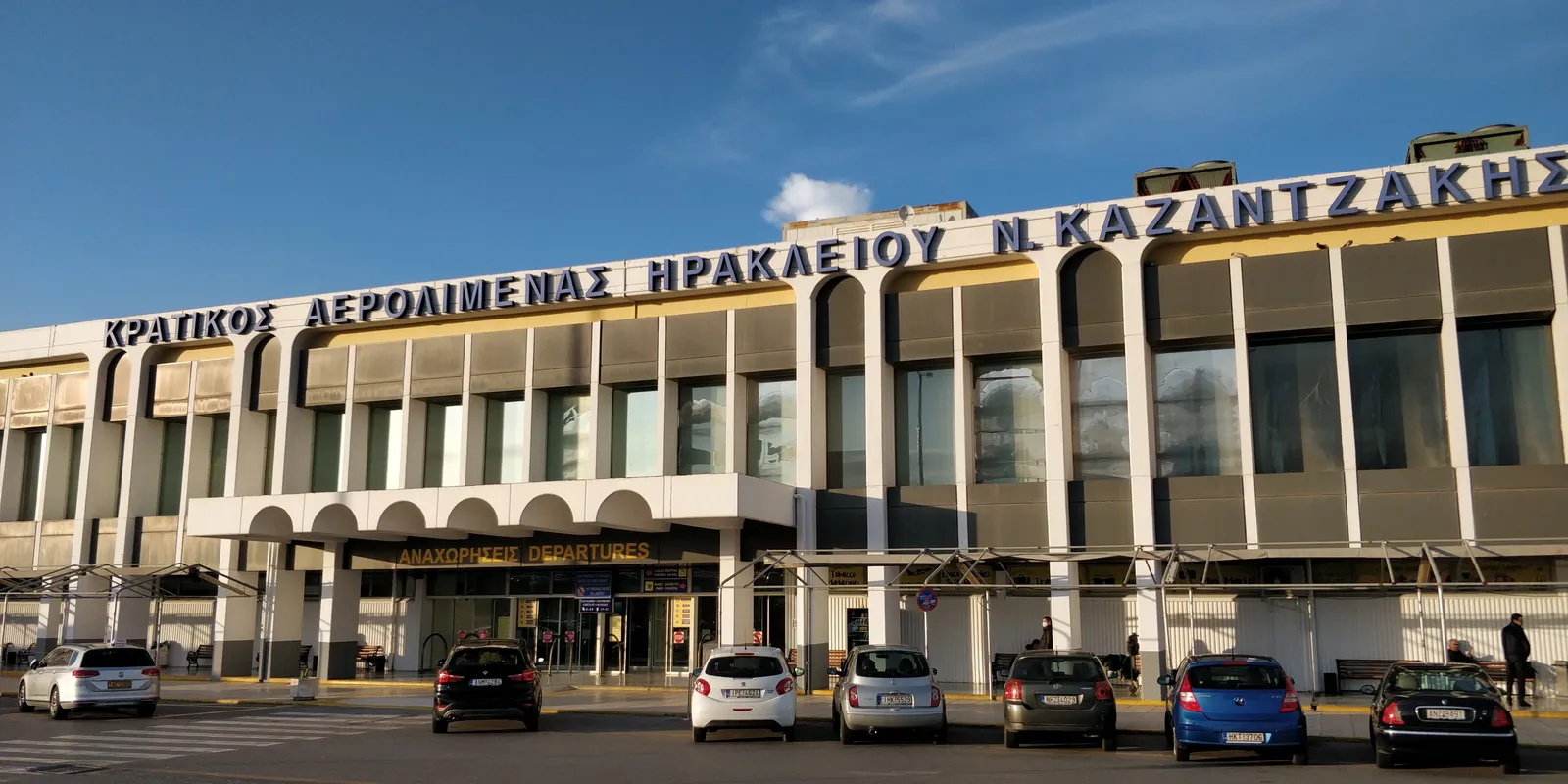
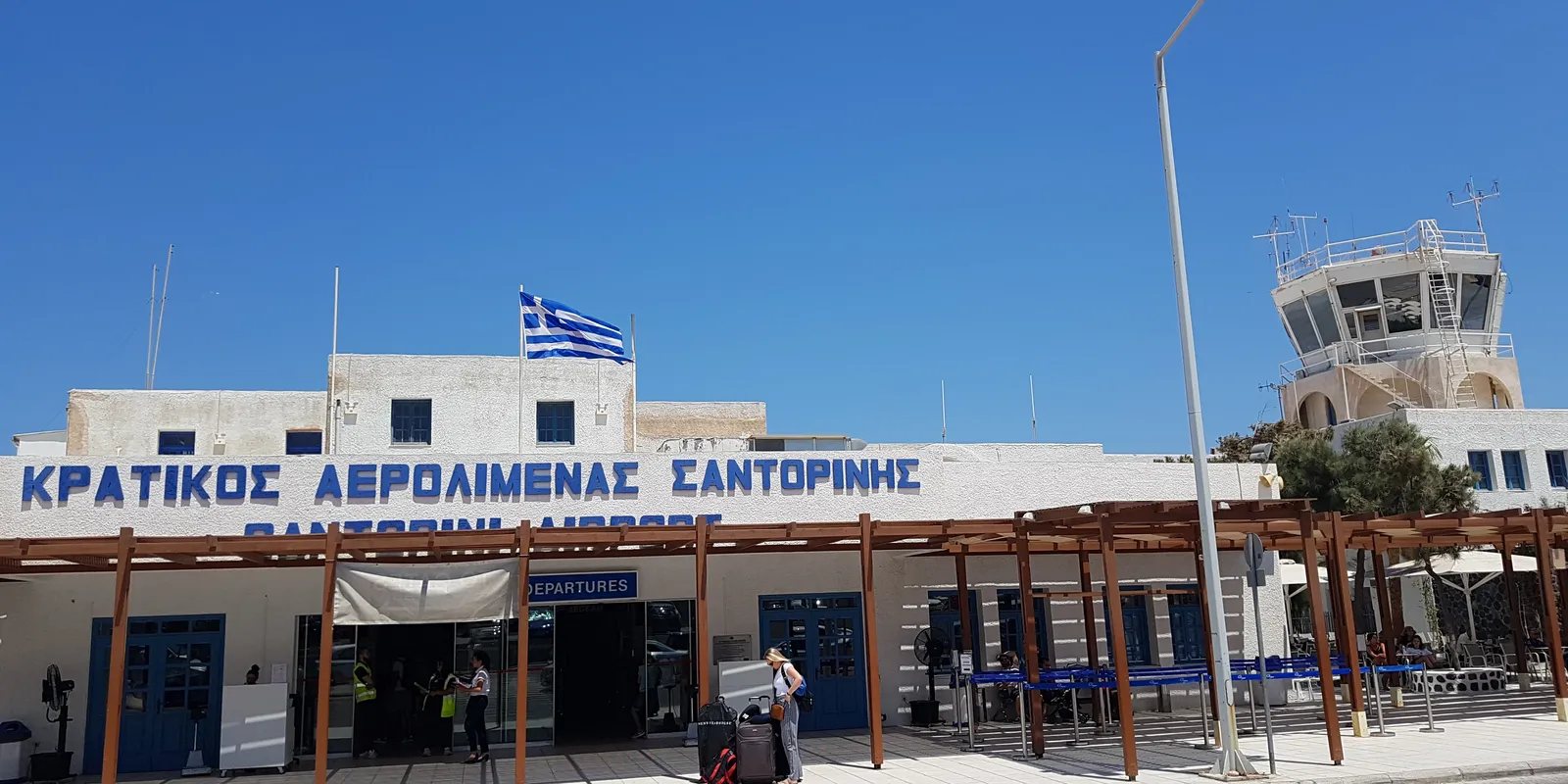
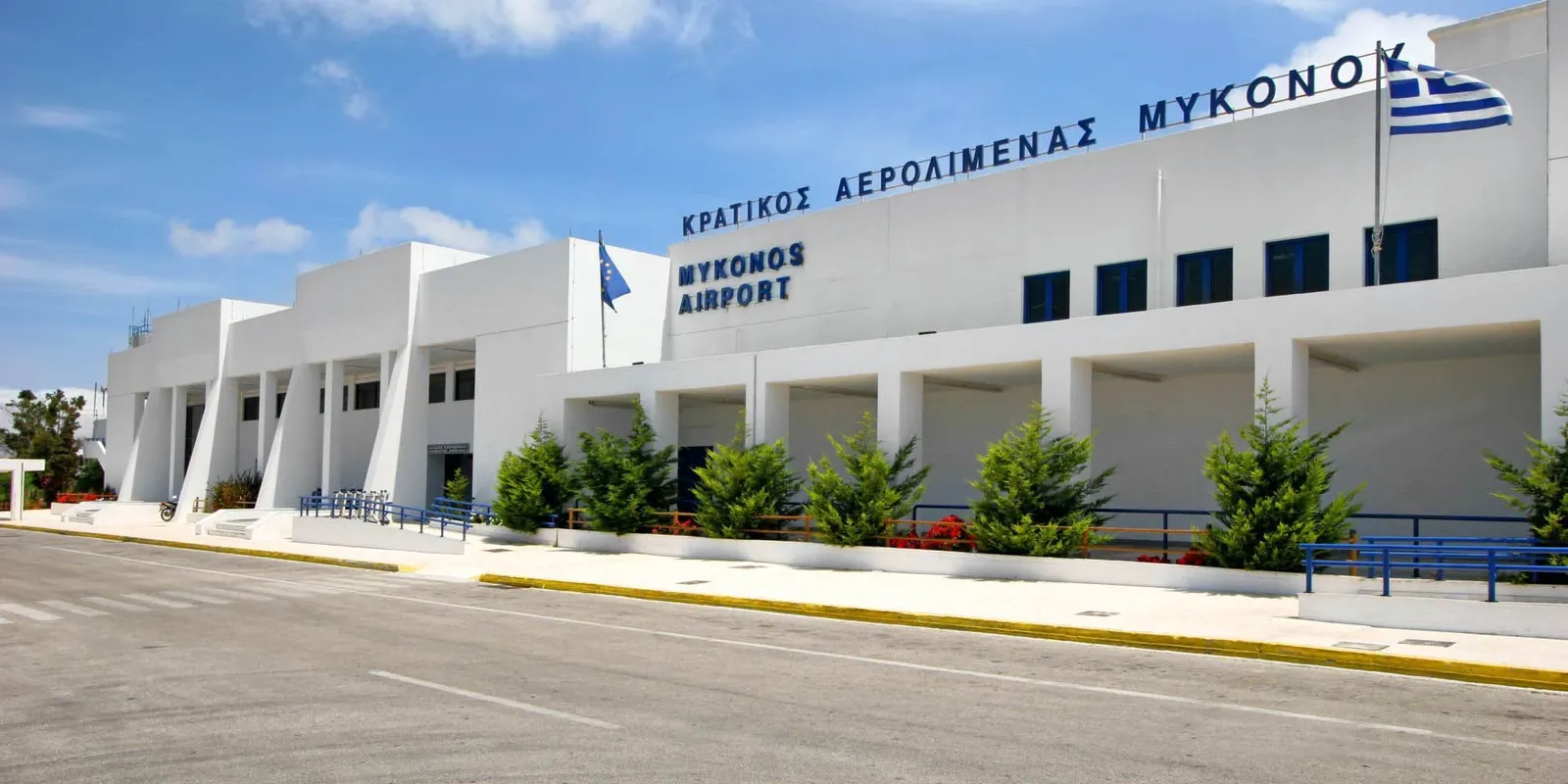
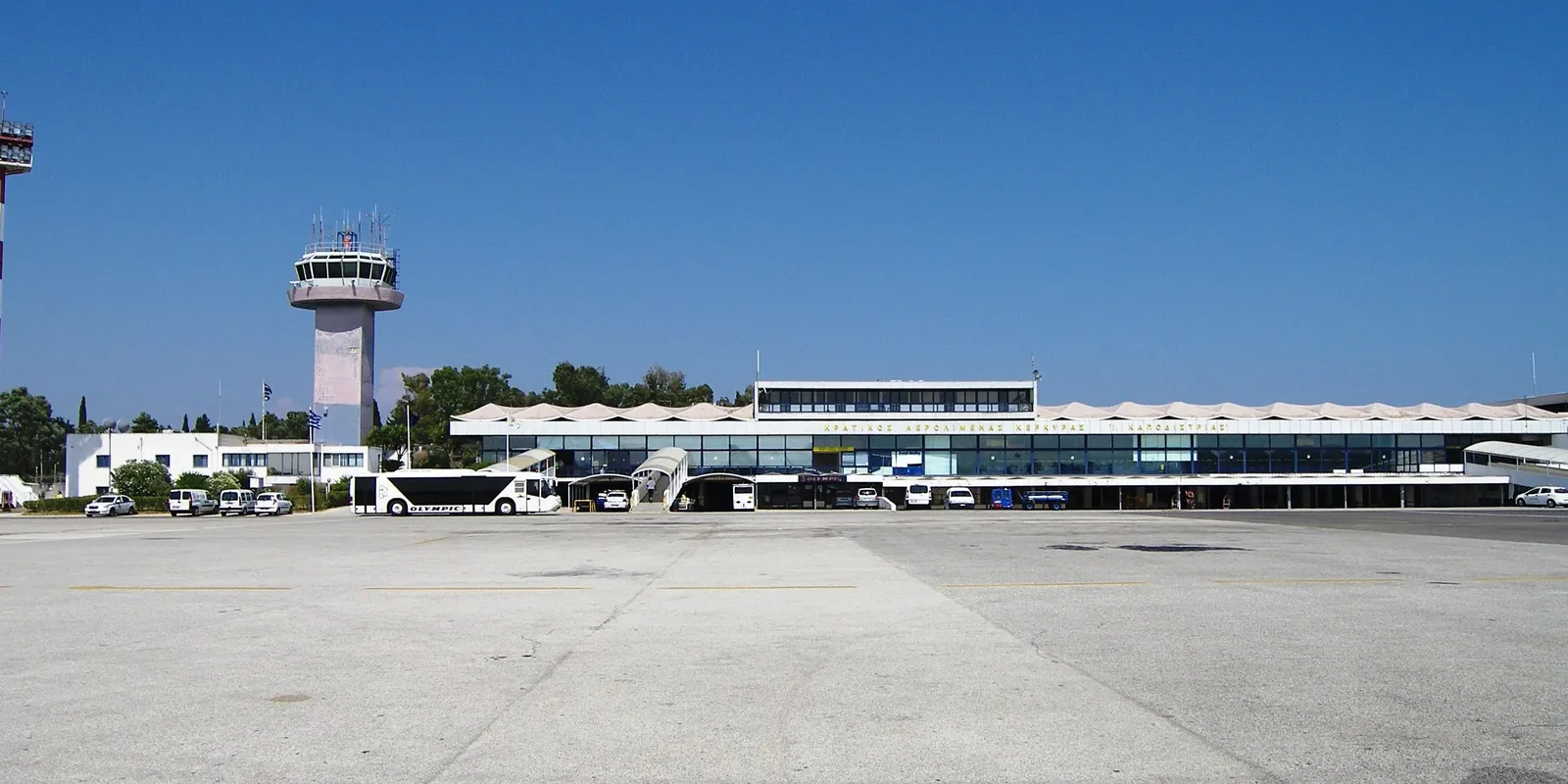
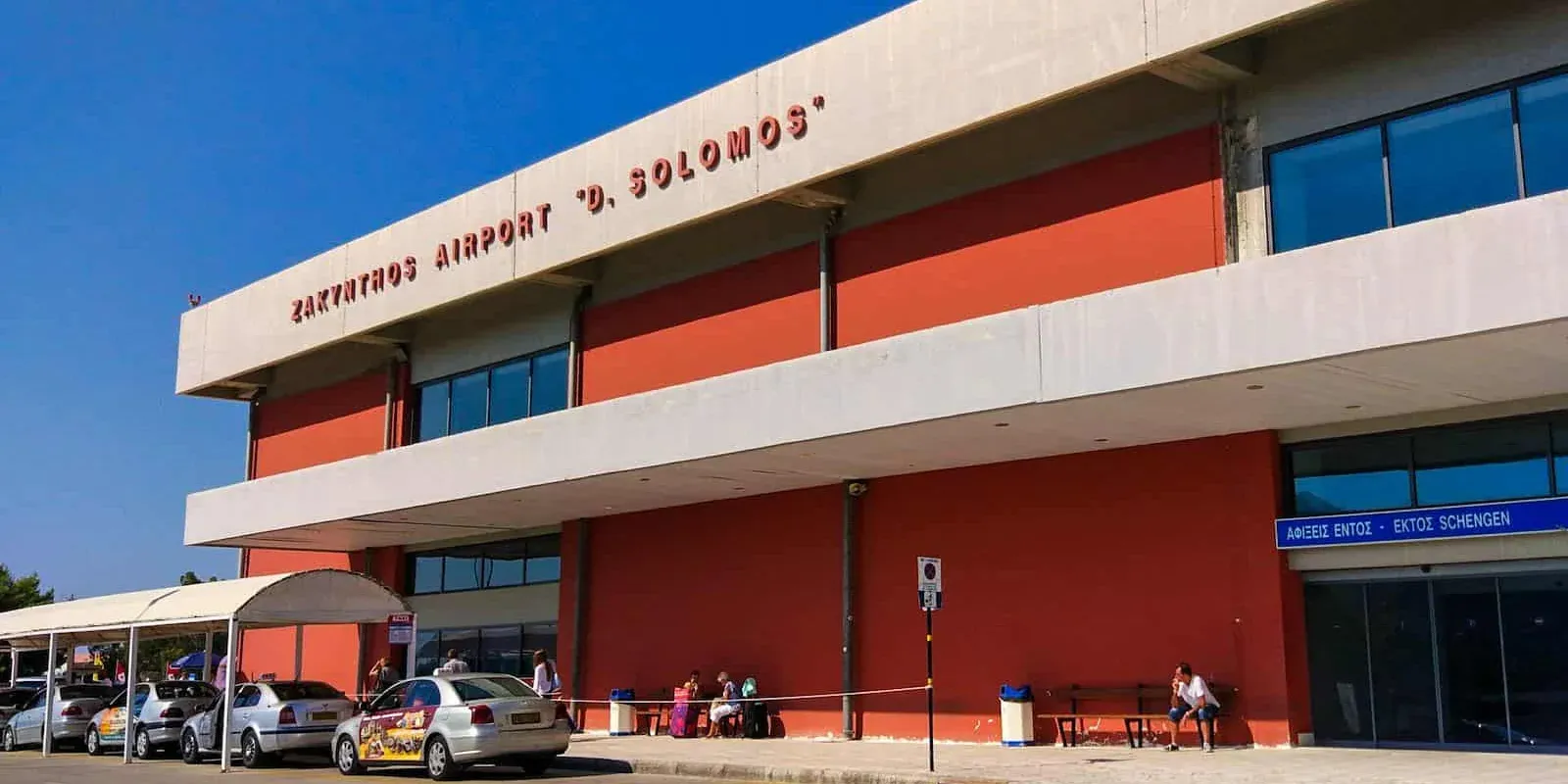
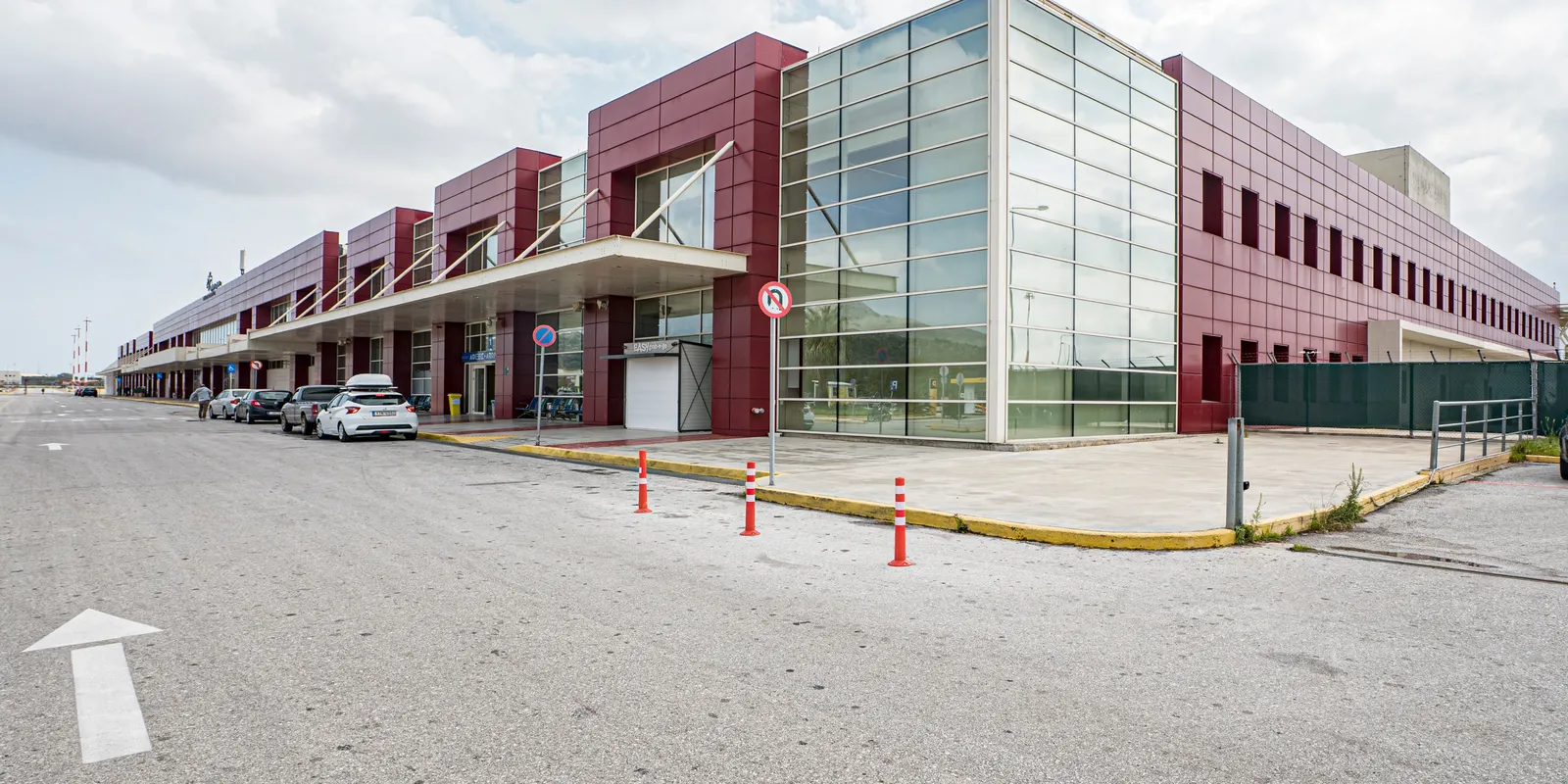
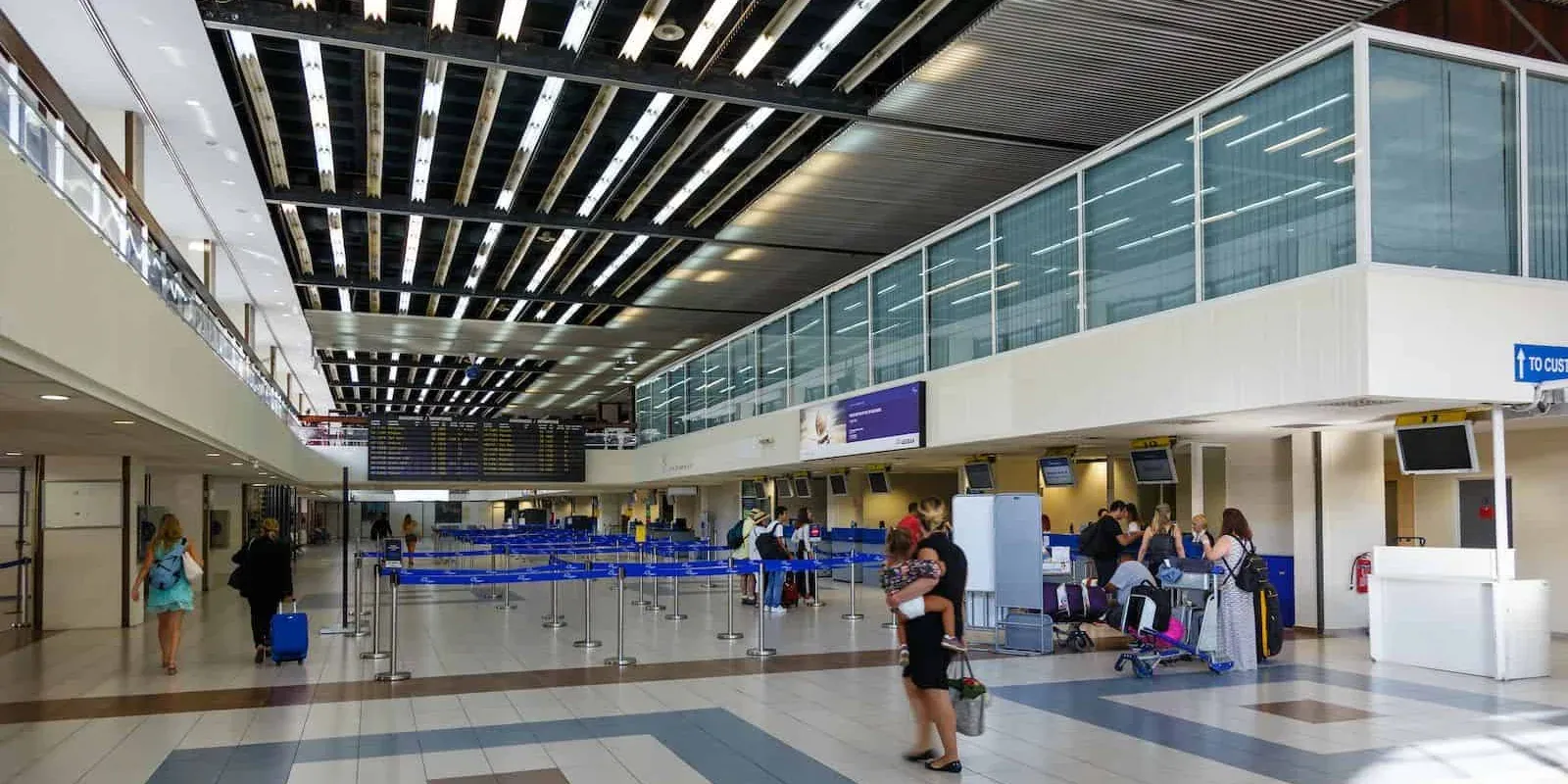
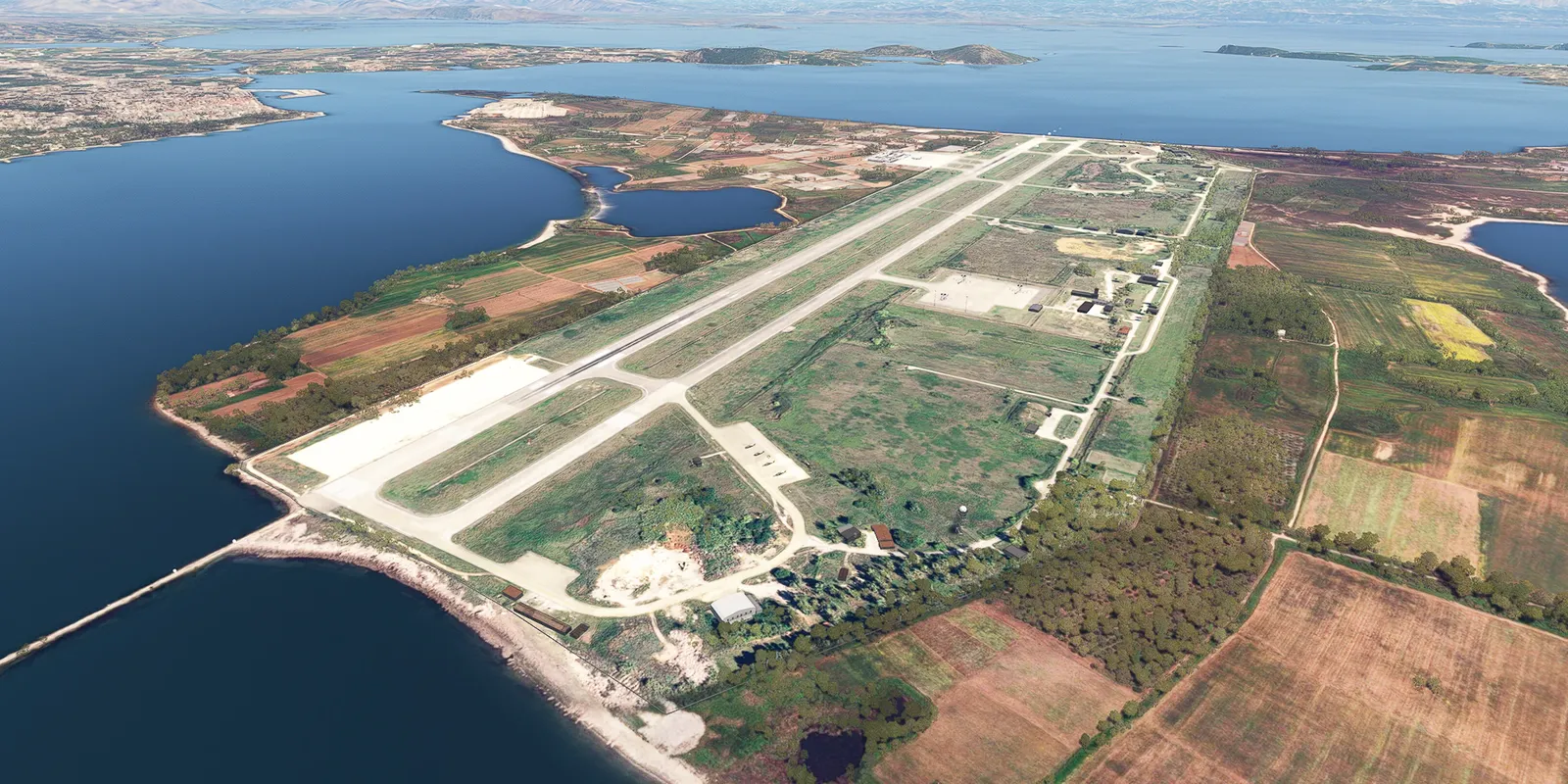
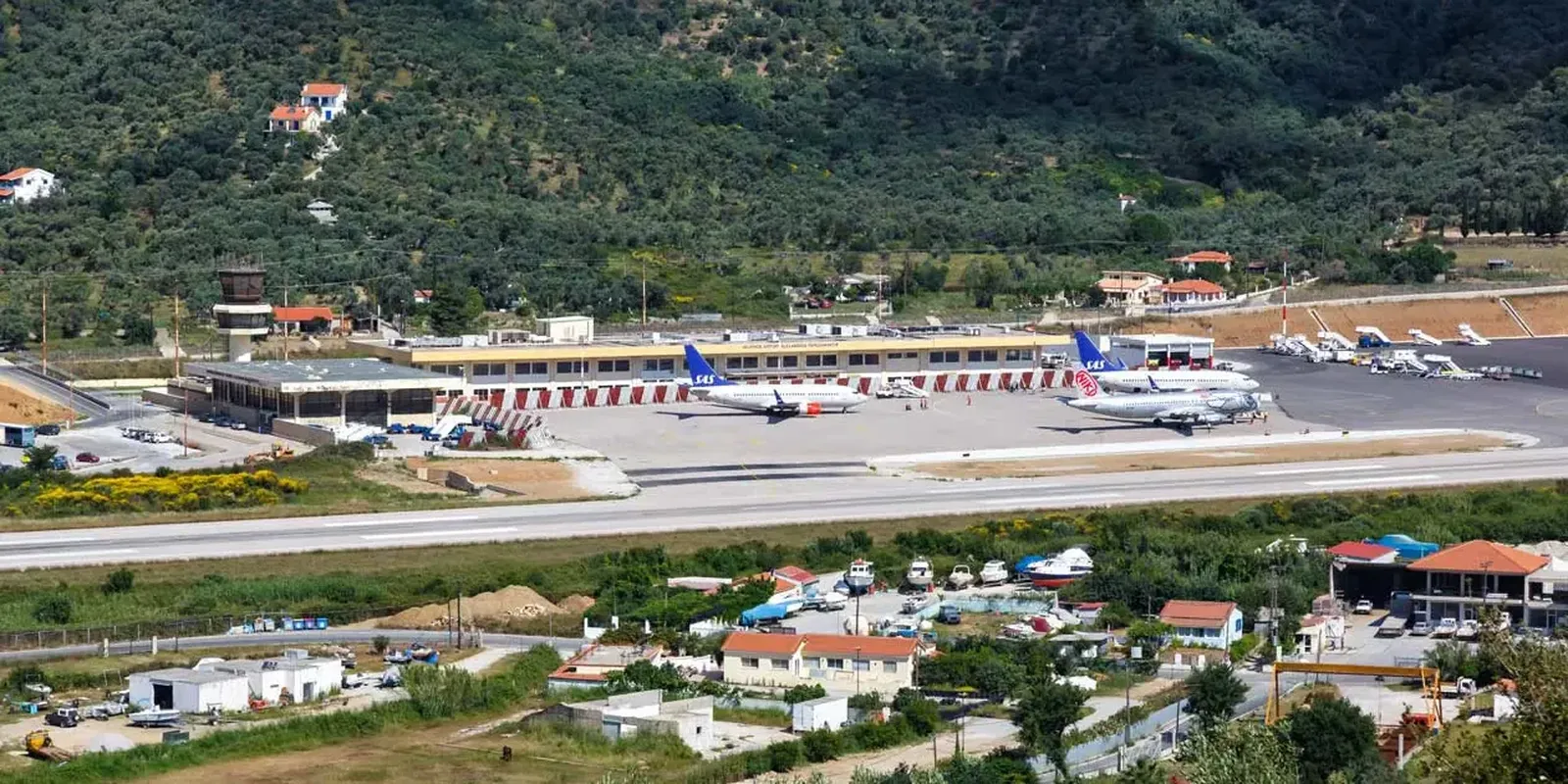
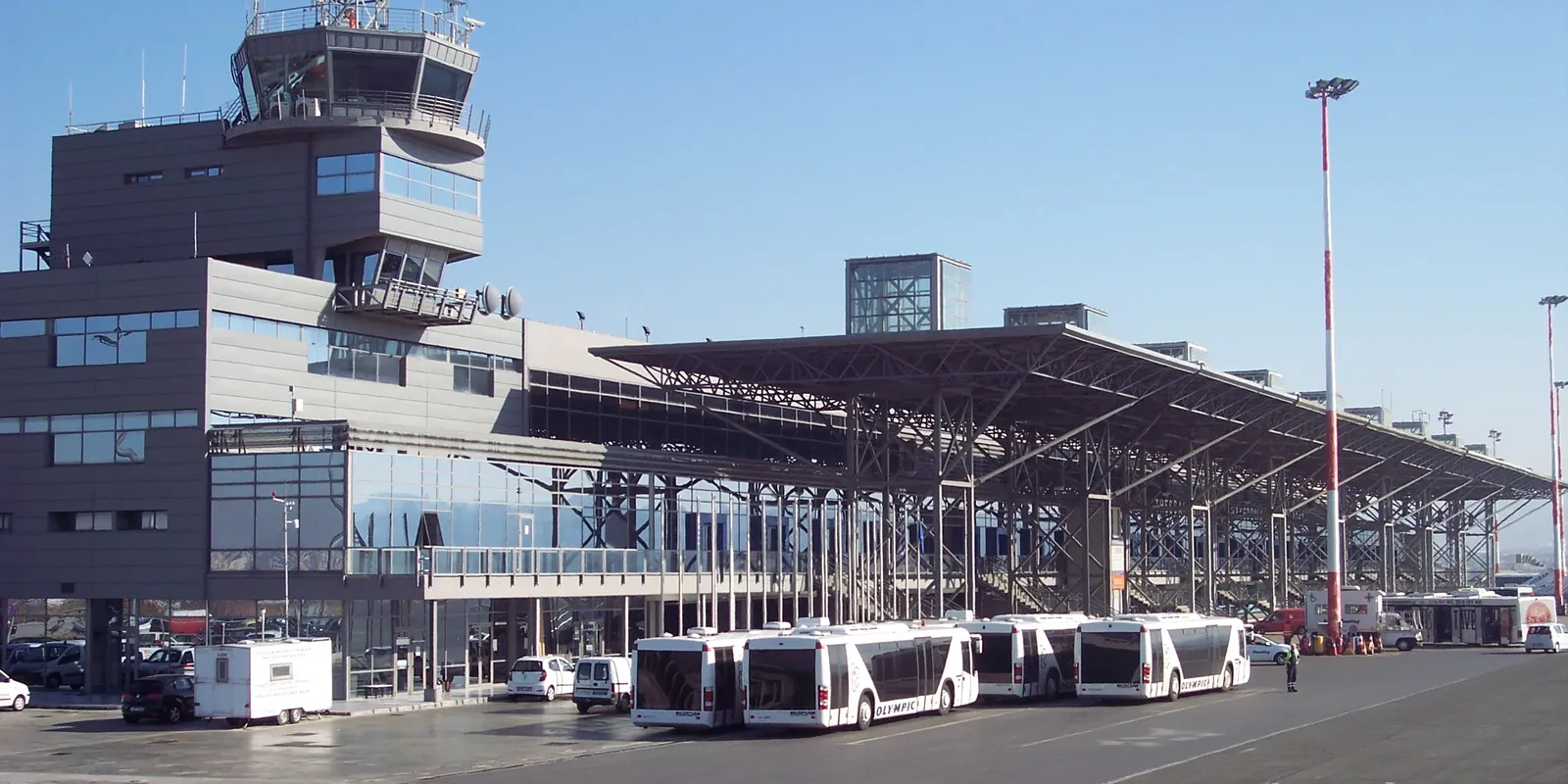
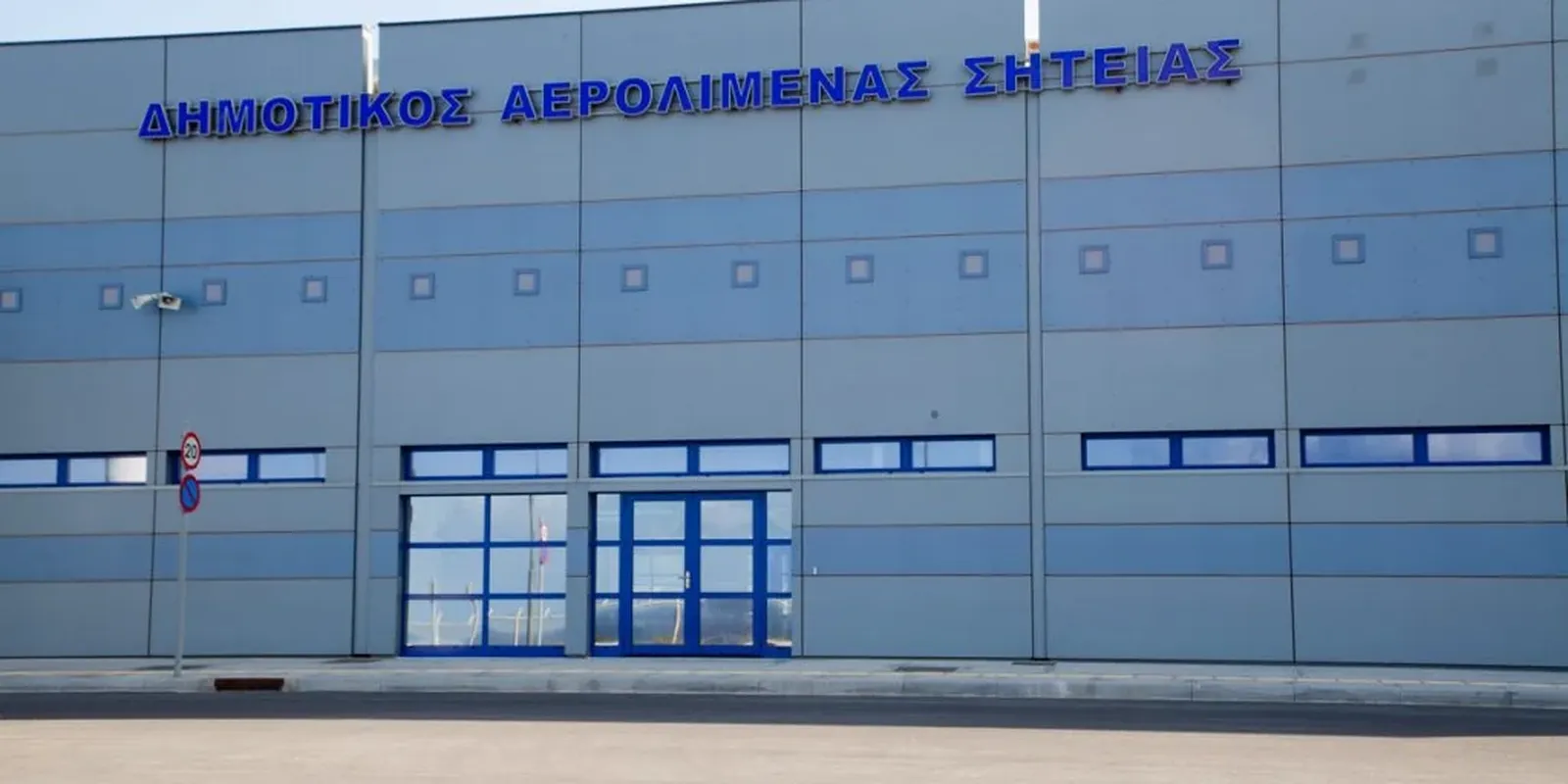
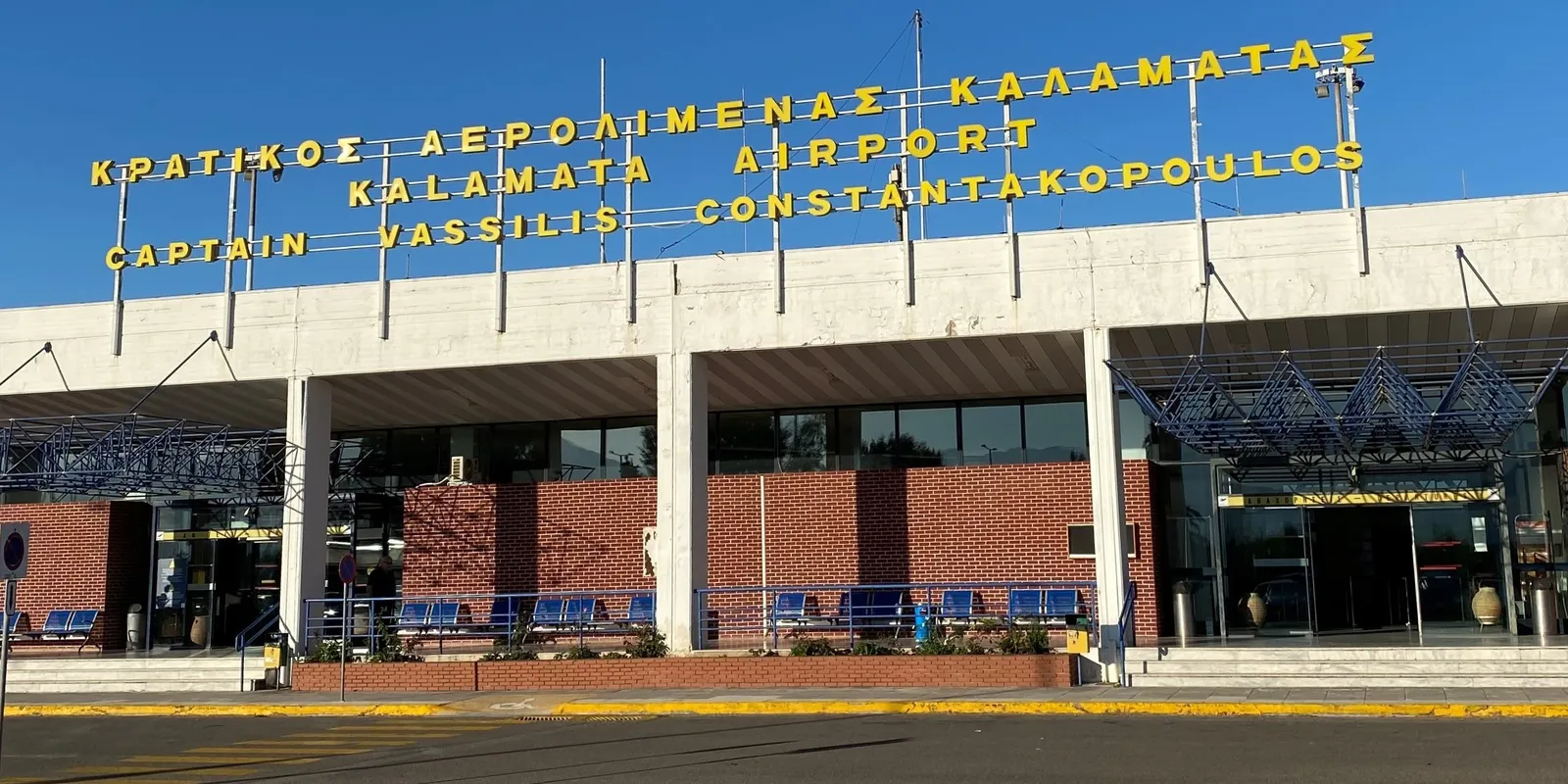
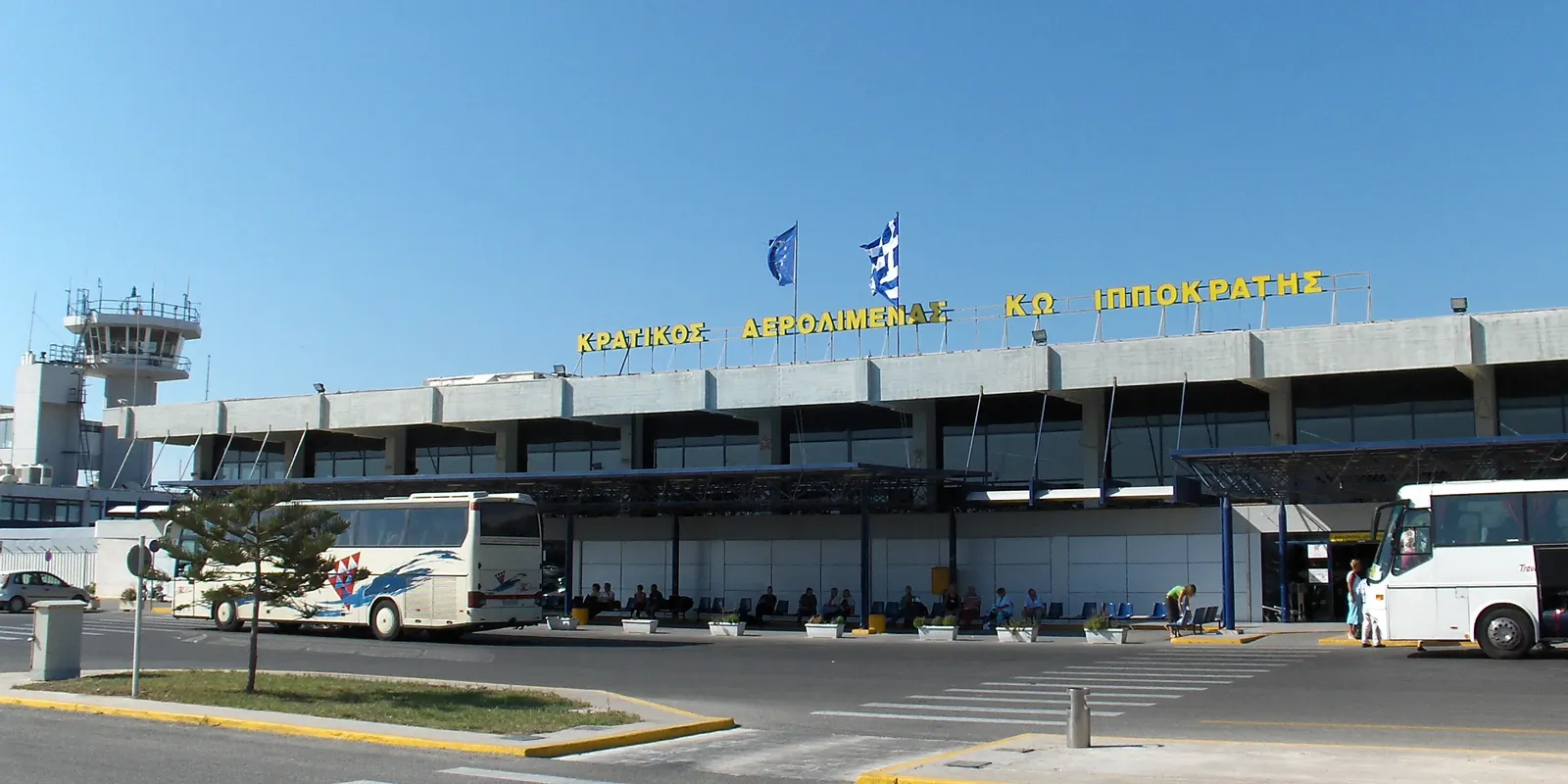
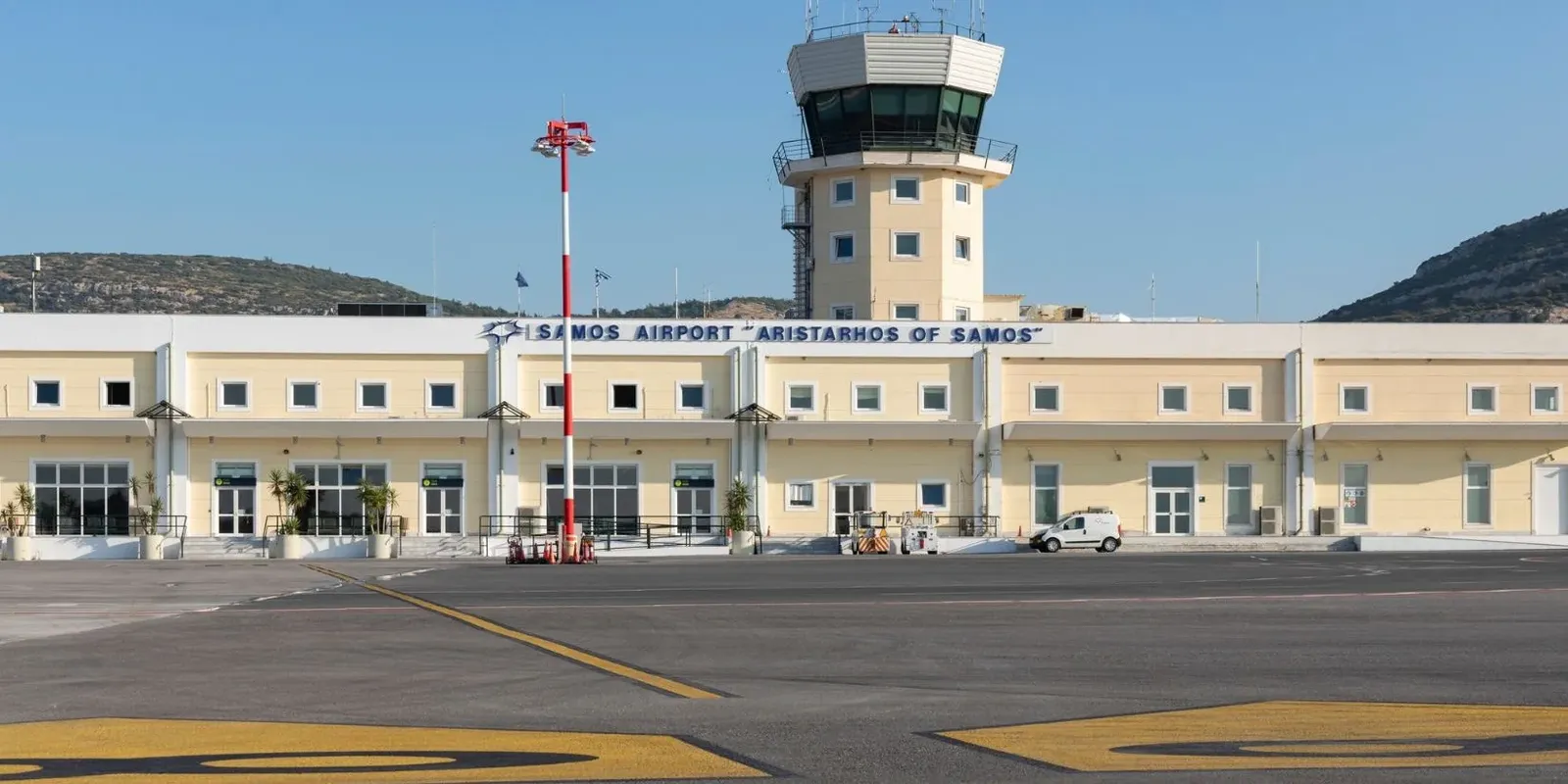
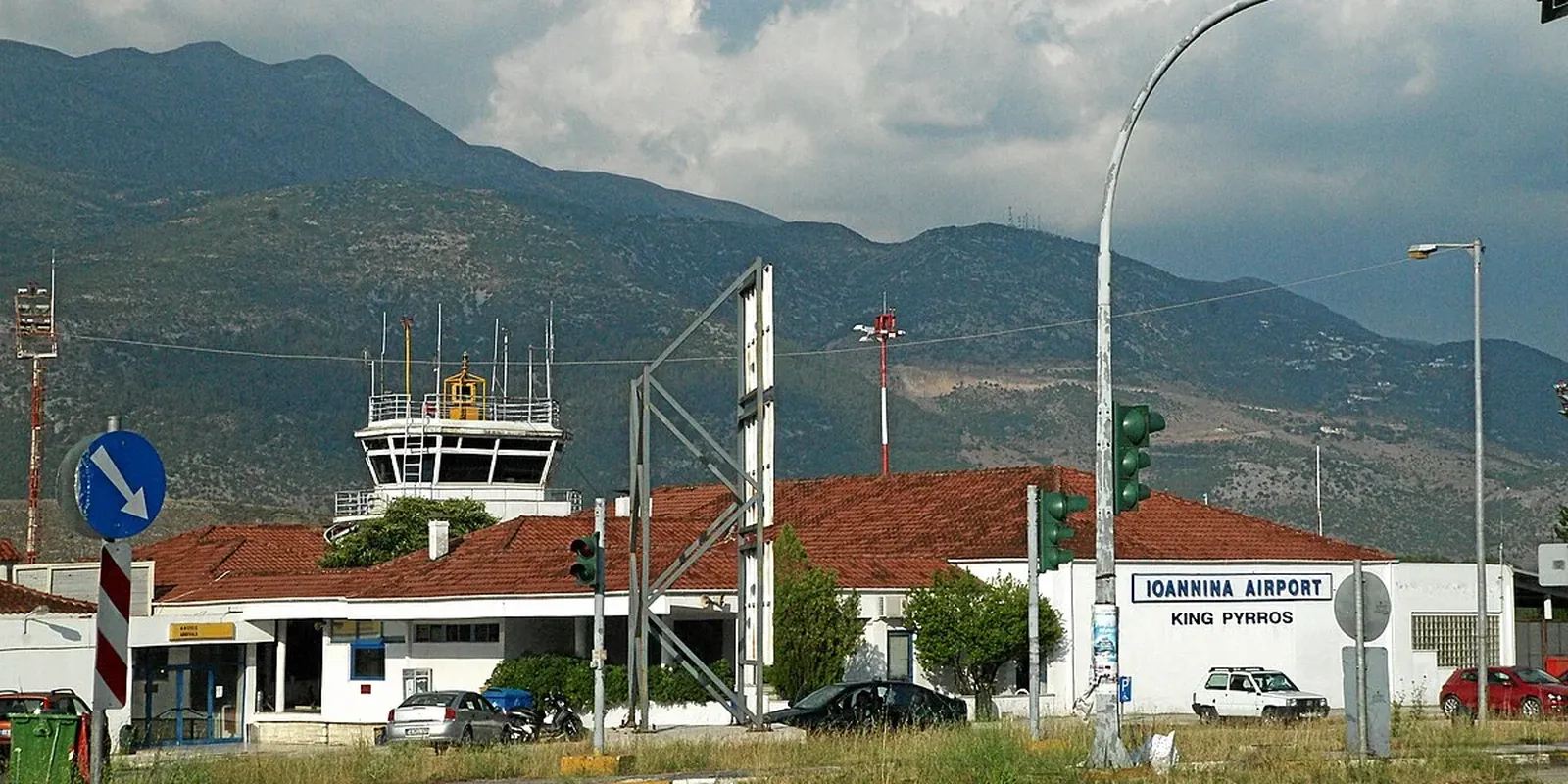
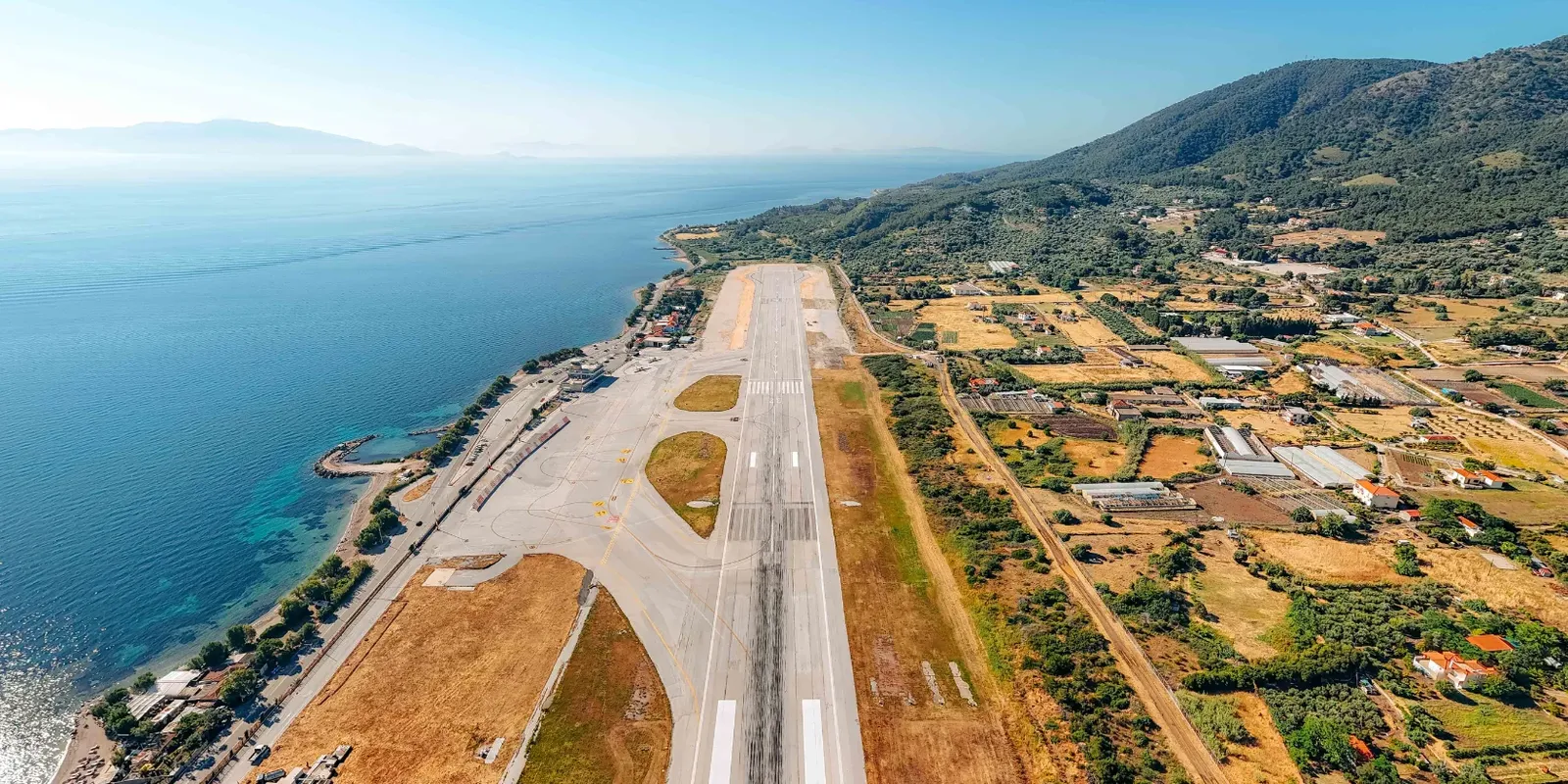
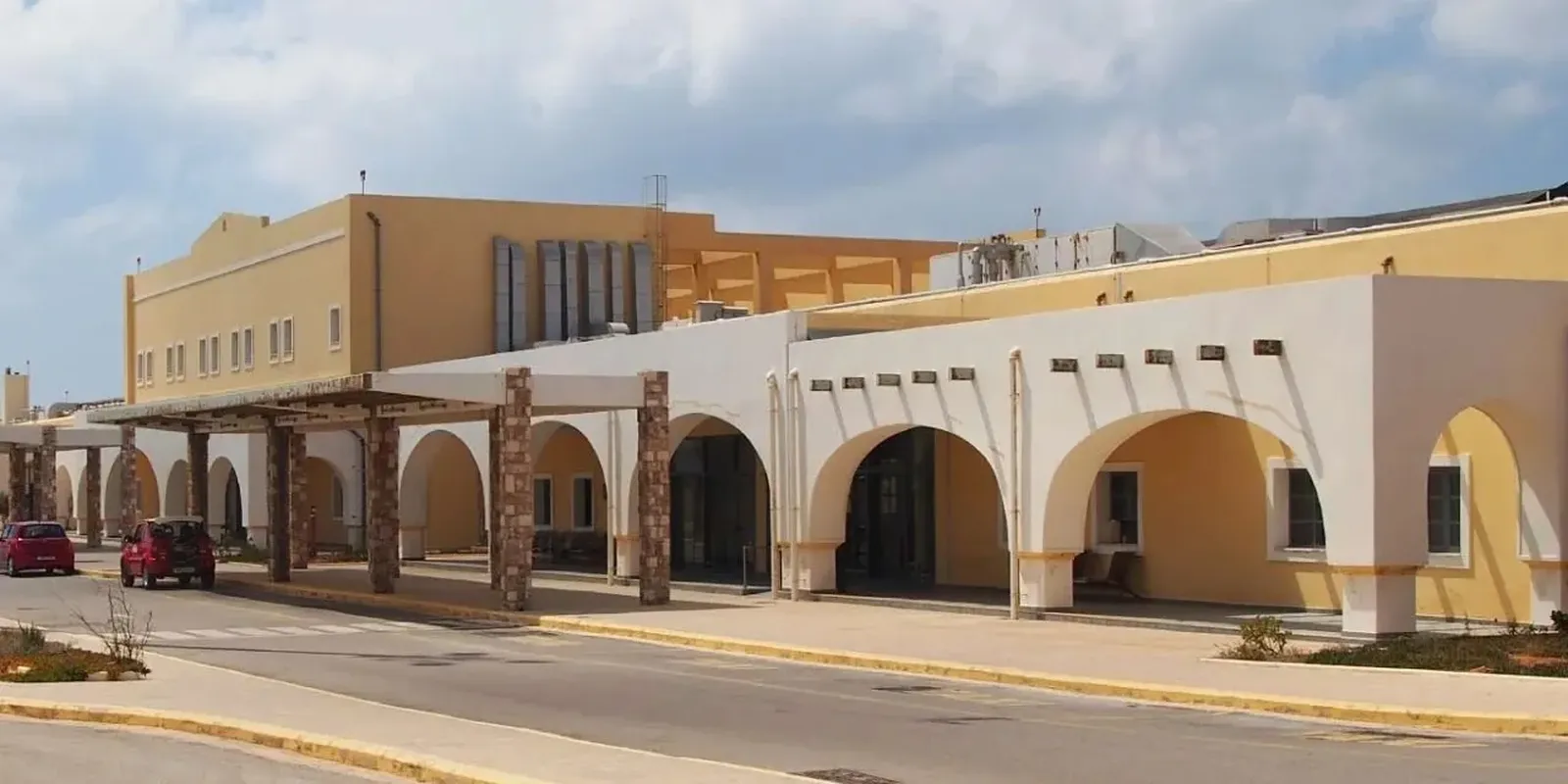
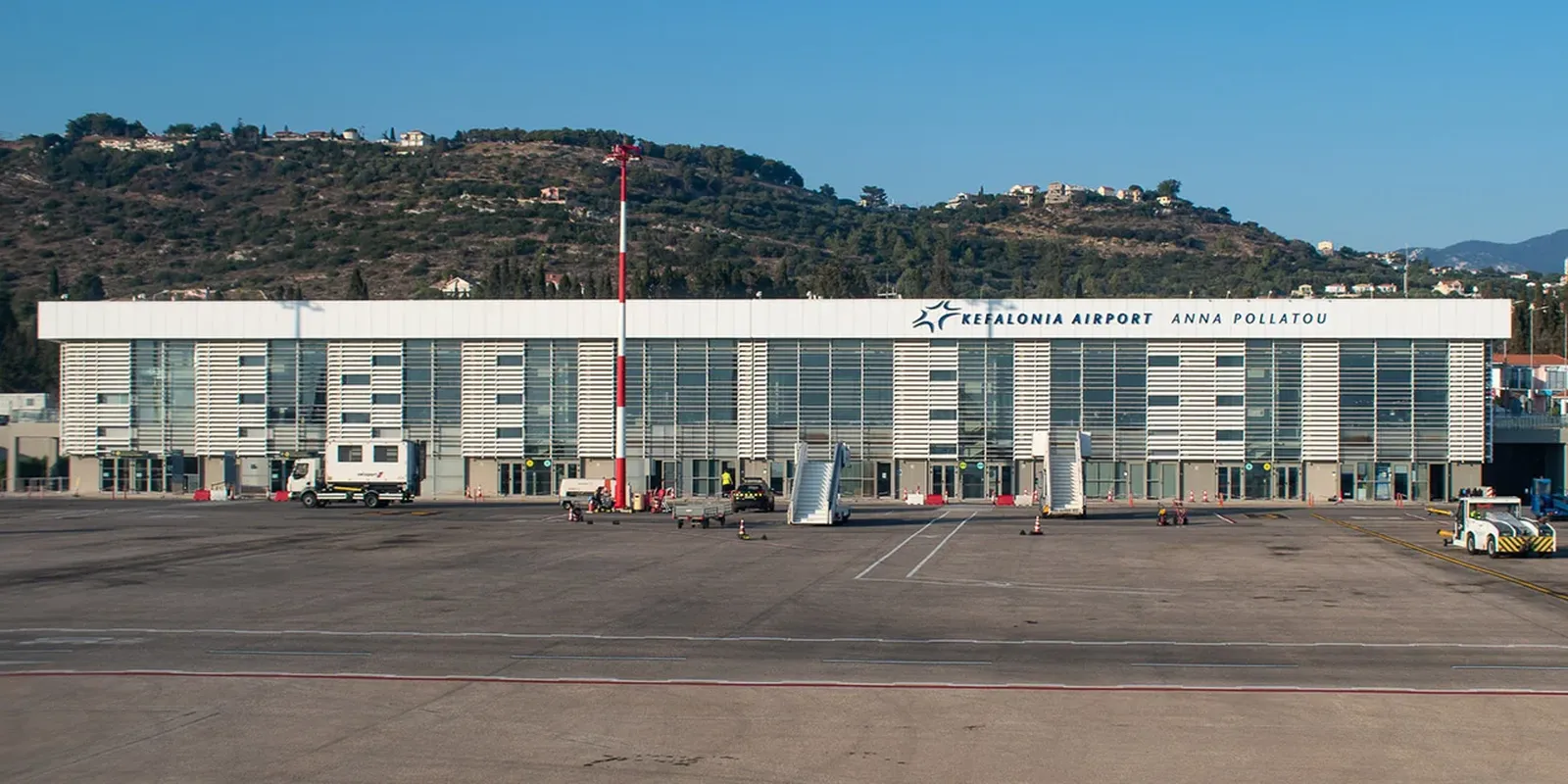
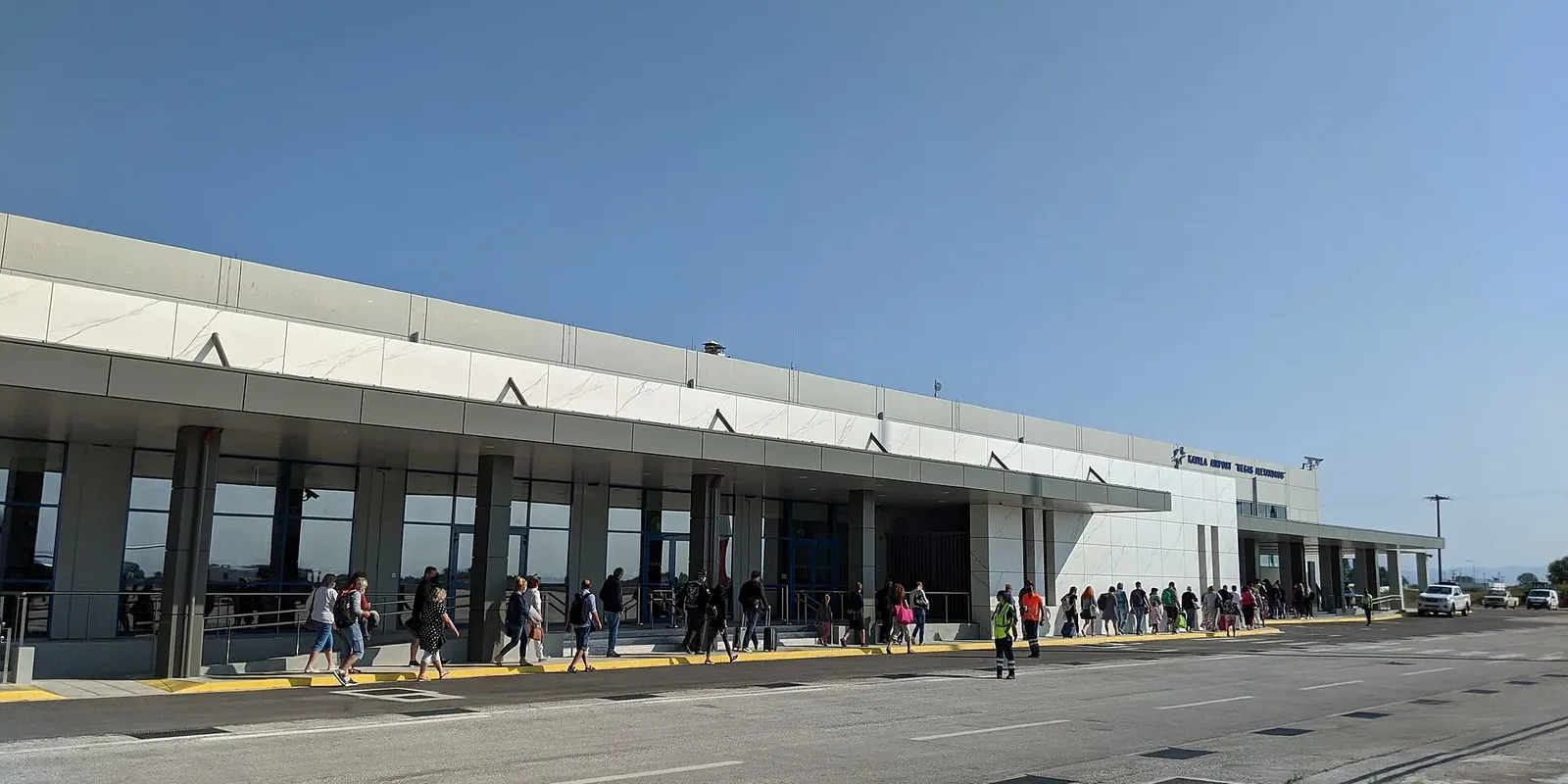
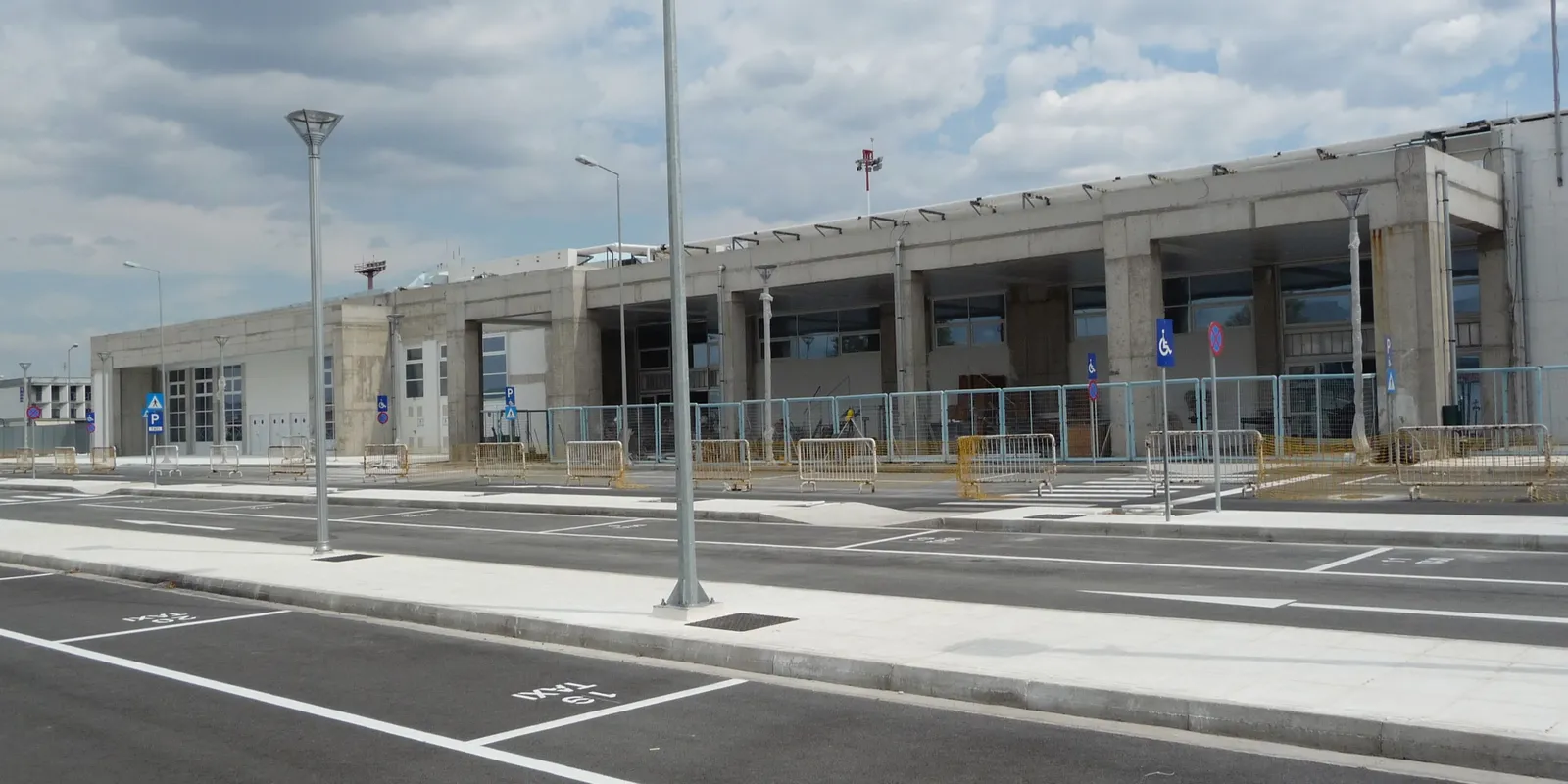
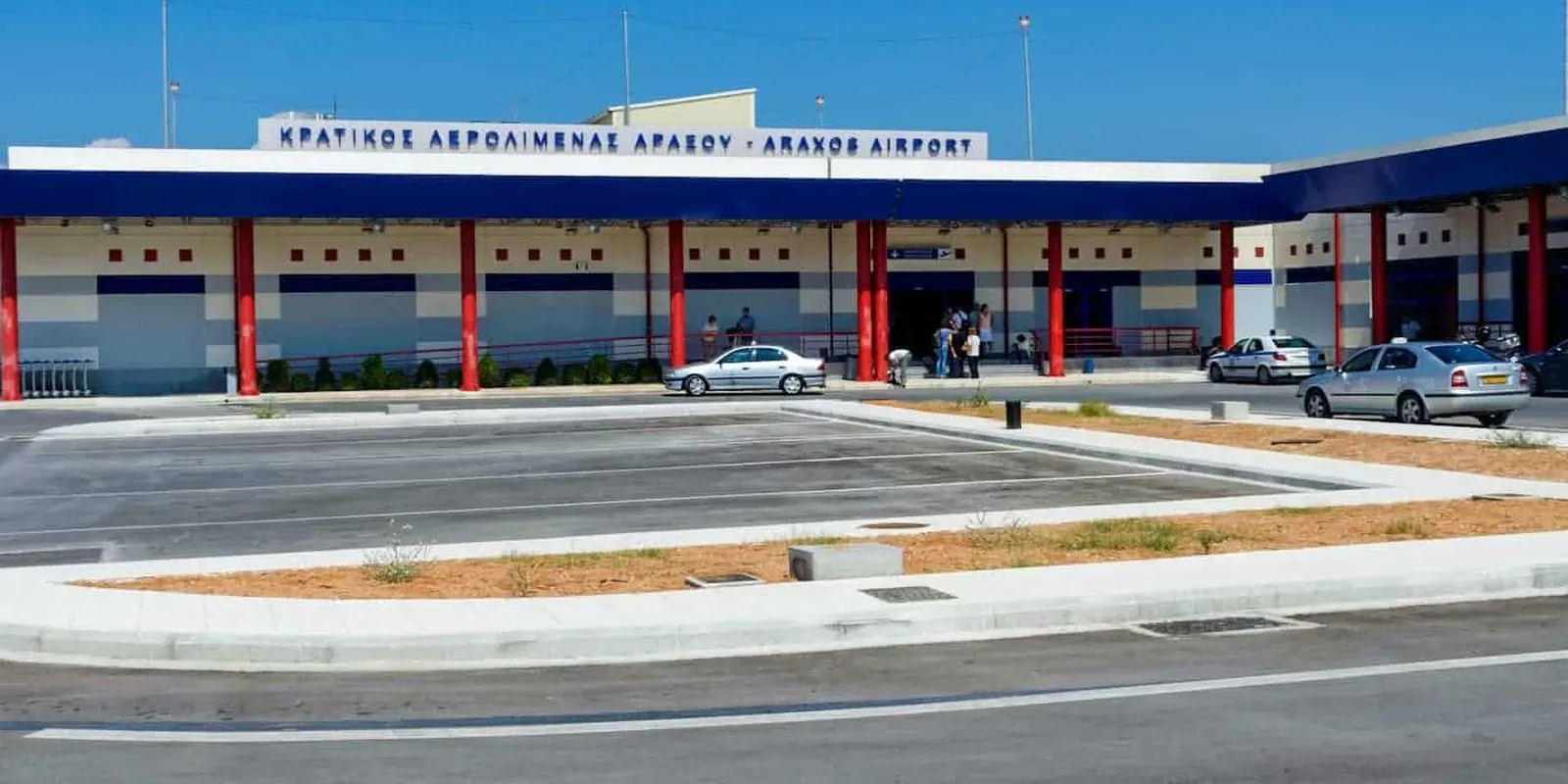
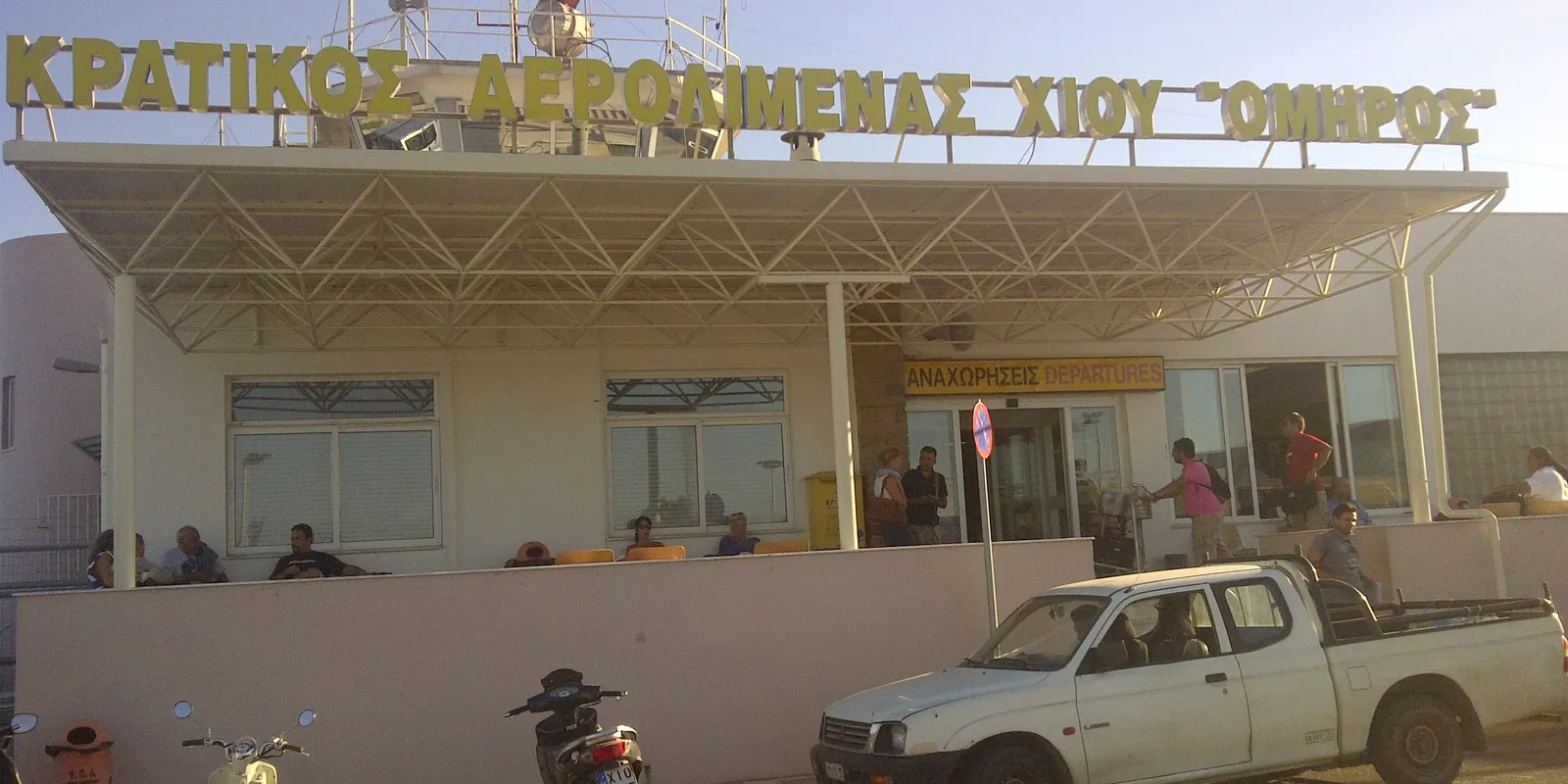
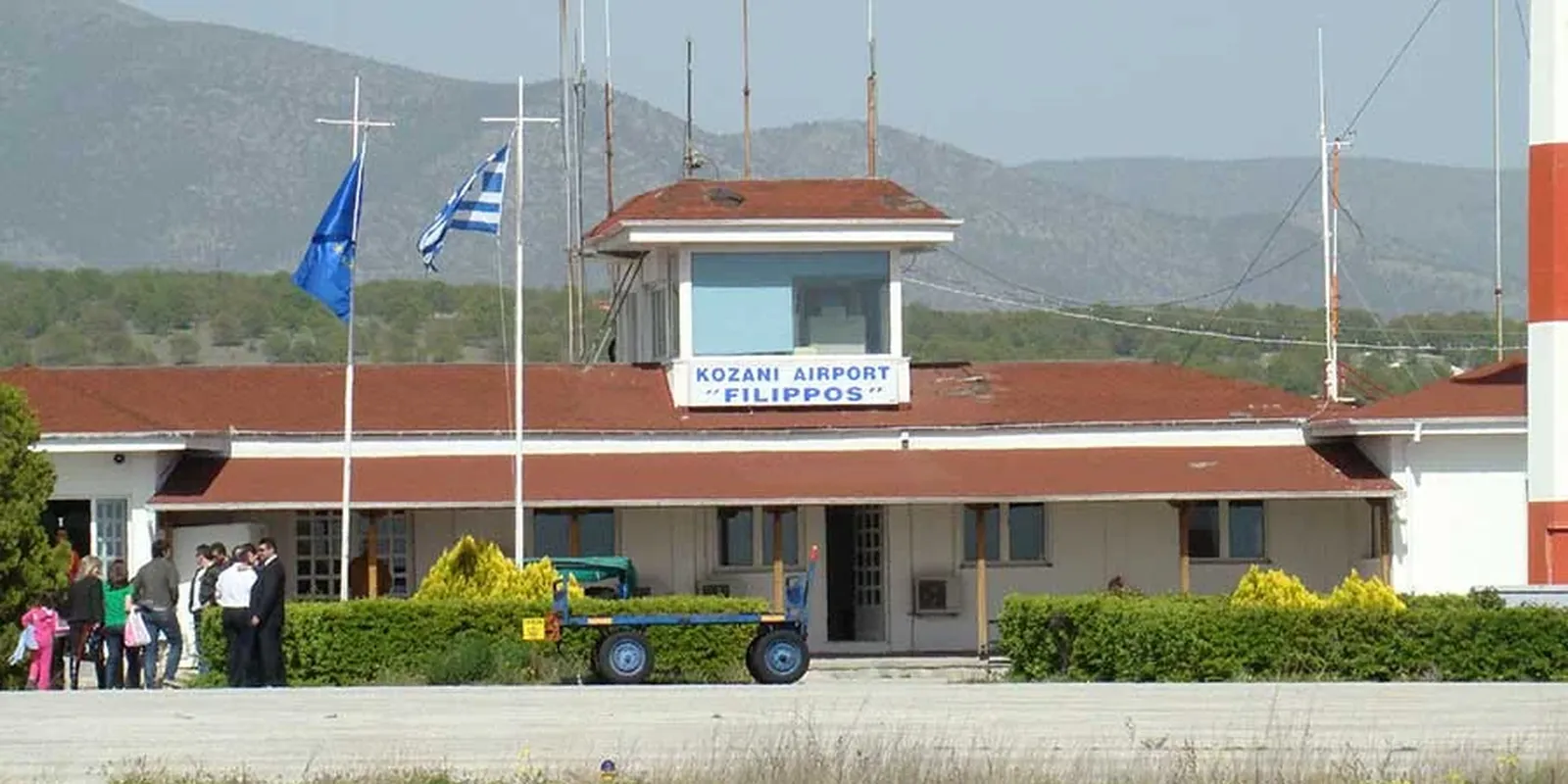
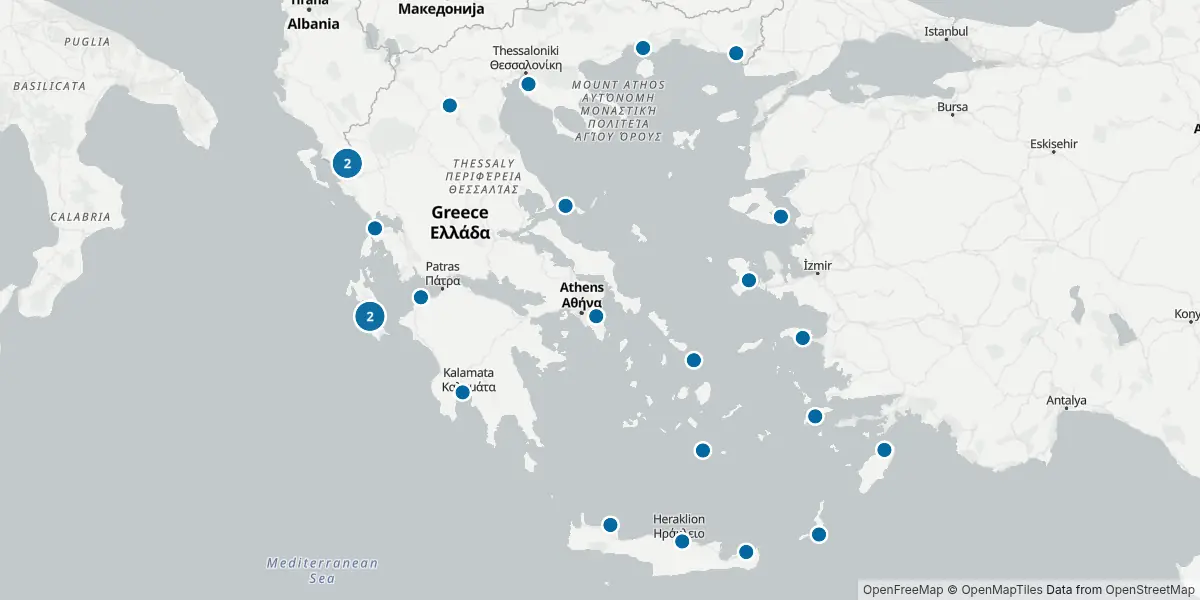
Greece has twenty-four airports with active connections: Athens, the capital, Thessaloniki, the main city of the north, the airports of Crete (Heraklion, Chania, Sitia), the islands of the Dodecanese and the Cyclades (Santorini, Mykonos, Rhodes, Kos), the Ionian Islands (Corfu, Kefalonia, Zakynthos), the islands of the northern Aegean and the Sporades, as well as several airports on the Greek mainland.

Greece: recommended activities
Greece: visa and entry requirements
As a member of the European Union and the Schengen area, Greece does not require a visa for EU citizens, who travel with a valid ID card or passport, nor for citizens of many other countries (including the US, Canada, the UK, Australia) for tourist stays of up to 90 days.
Greece: safety
Greece is generally very safe for tourists, with the usual precautions against petty theft in the crowded areas of Athens, particularly around Omonia Square and the railway station. Wildfires are a real risk in the hottest summer months, especially in Attica and on some islands: always follow local guidance in case of alerts.
Greece: health situation
No specific vaccinations are required for entry. Summer heat can be intense, especially in July and August: stay well hydrated and avoid the central hours of the day for more demanding visits. The healthcare facilities of Athens and Thessaloniki are adequate for common emergencies; on smaller islands, medical services are more limited, so travel insurance remains advisable.
Greece: currency, payments and connectivity
The currency is the euro. Credit cards are widely accepted in tourist areas, cash remains useful on smaller islands and in traditional tavernas. Uber operates in limited form in Athens (often through affiliated taxis); FreeNow is a common alternative. For connectivity, the operators Cosmote, Vodafone Greece and Nova sell prepaid SIM cards; as an EU citizen, those arriving from another EU country benefit from free roaming ('Roam Like At Home'). Connections between islands often happen by ferry as well as by plane: always check seasonal schedules, which are significantly reduced in low season.
Greece: travel guides
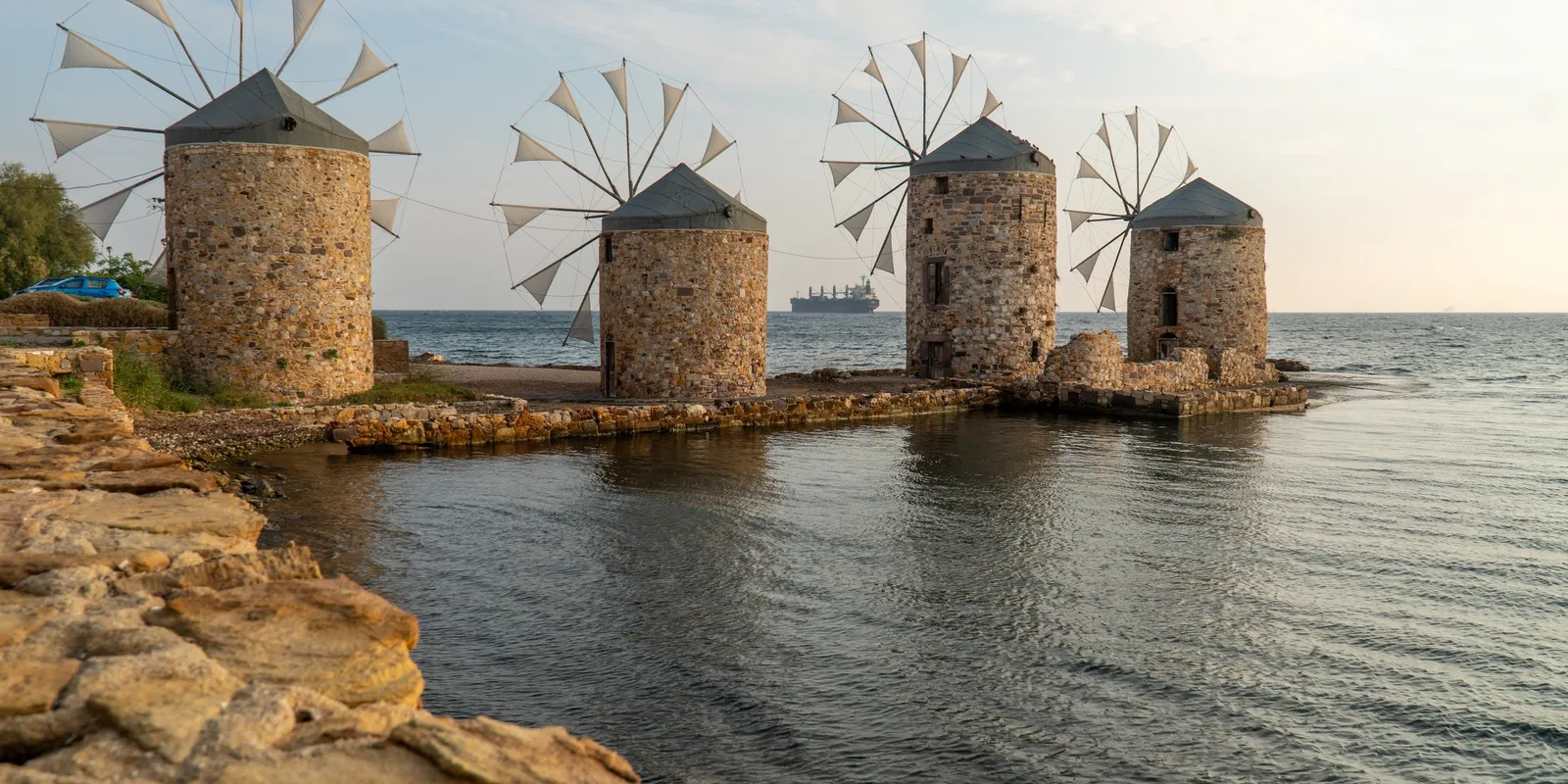
Chios: mastic and medieval villages of the Aegean
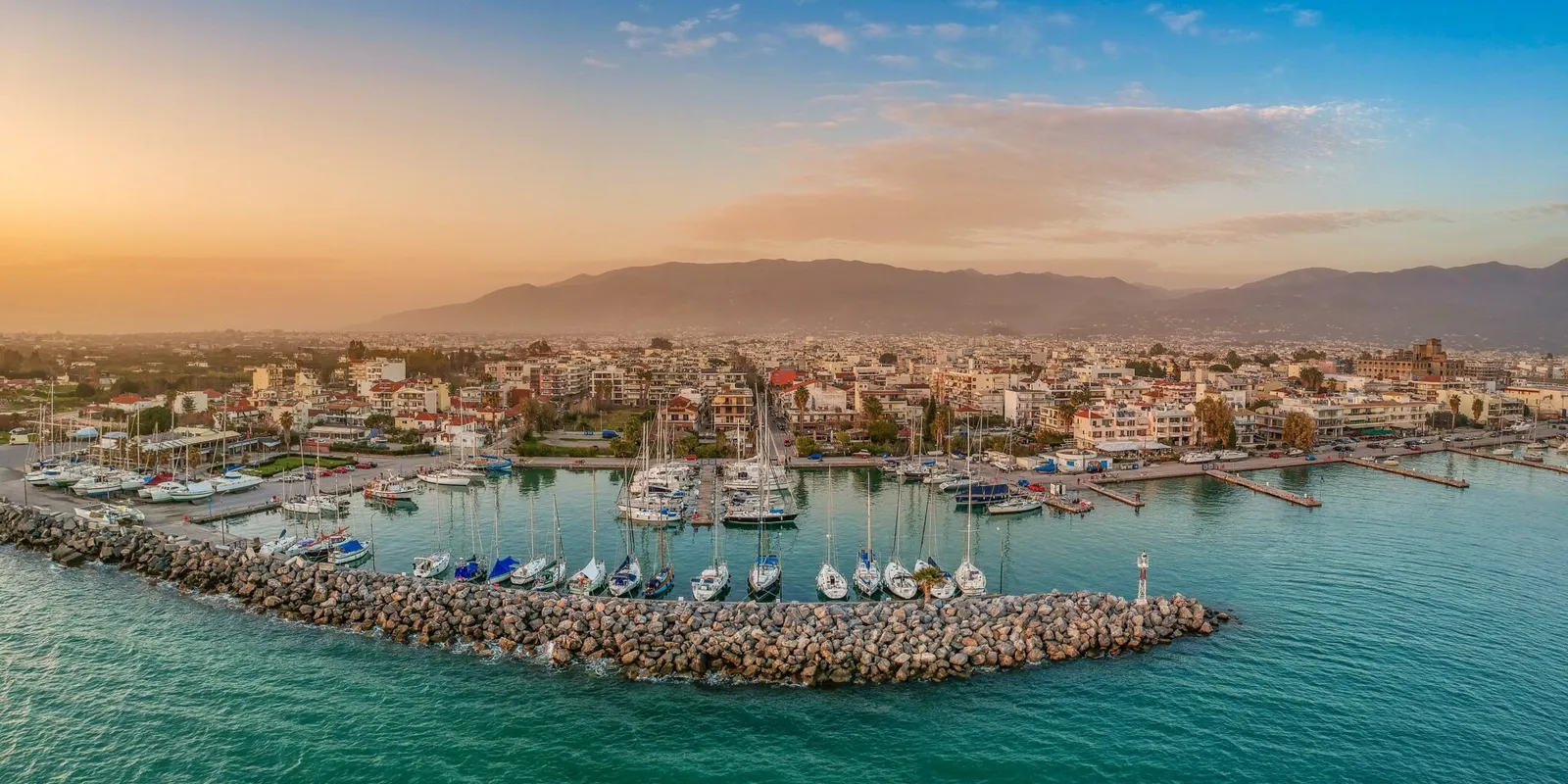
Kalamata: olives and the port of the Peloponnese
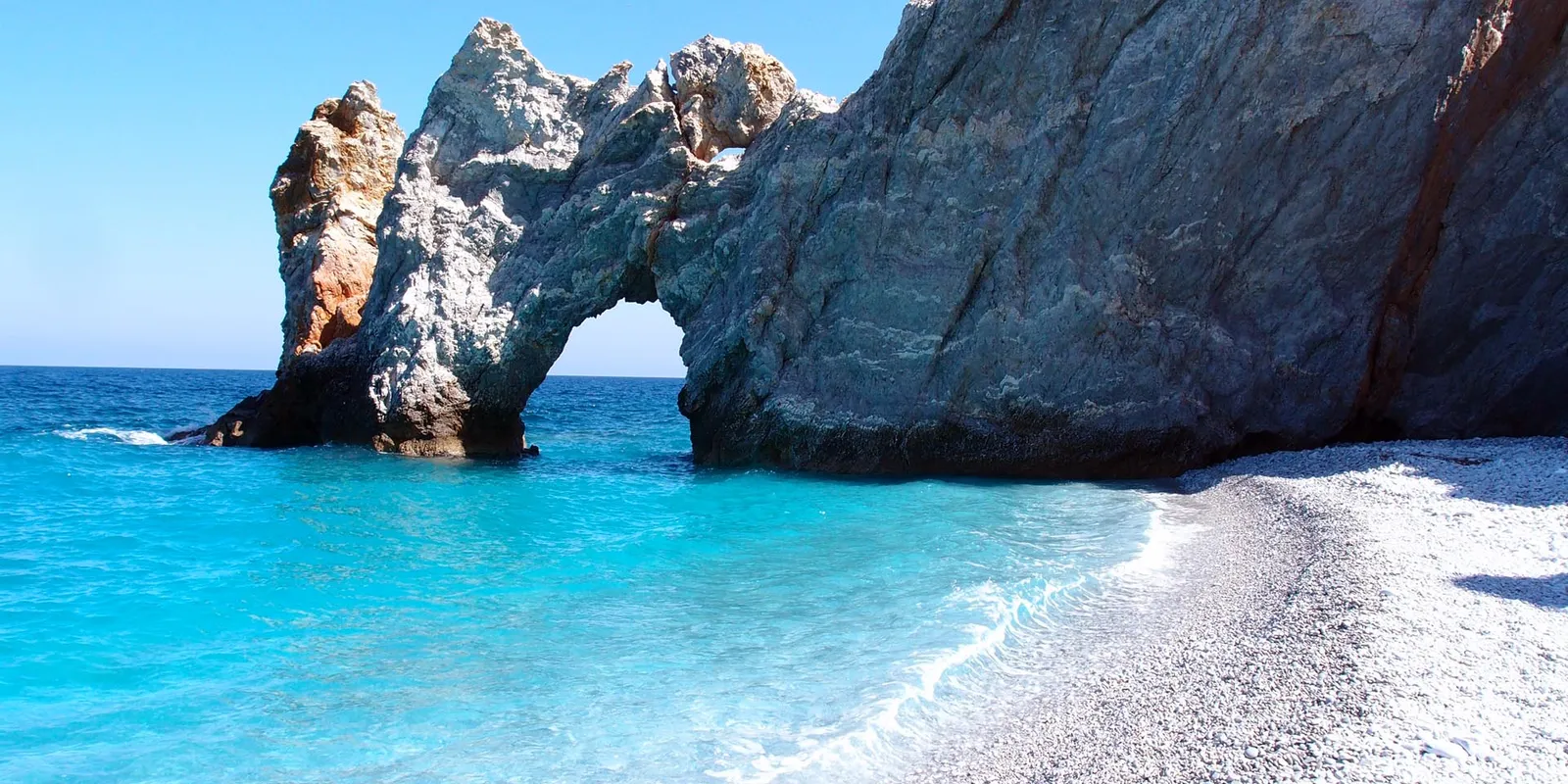
Skiathos: pine forests reaching down to the sea
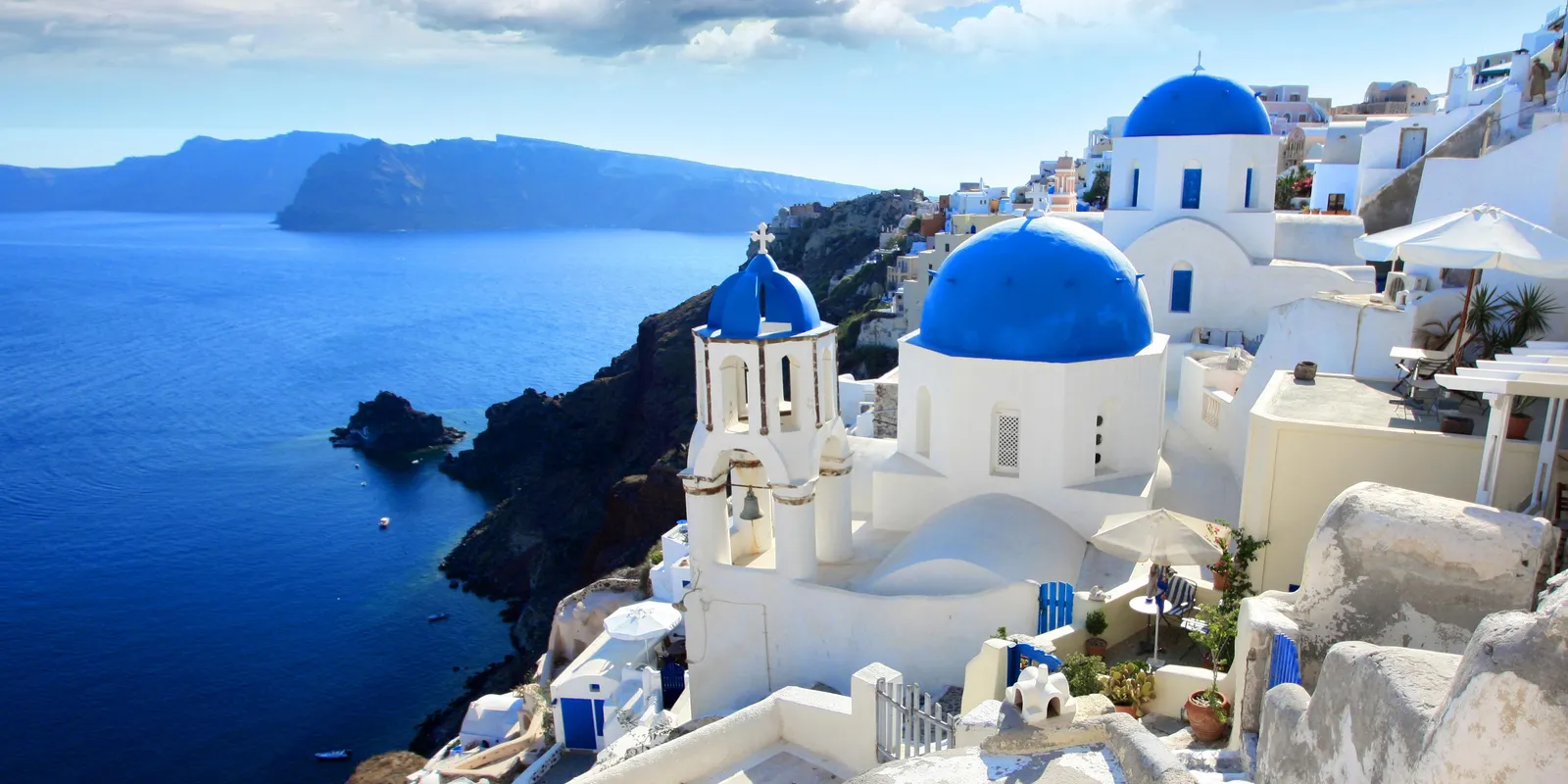
Mykonos: windmills and white alleys
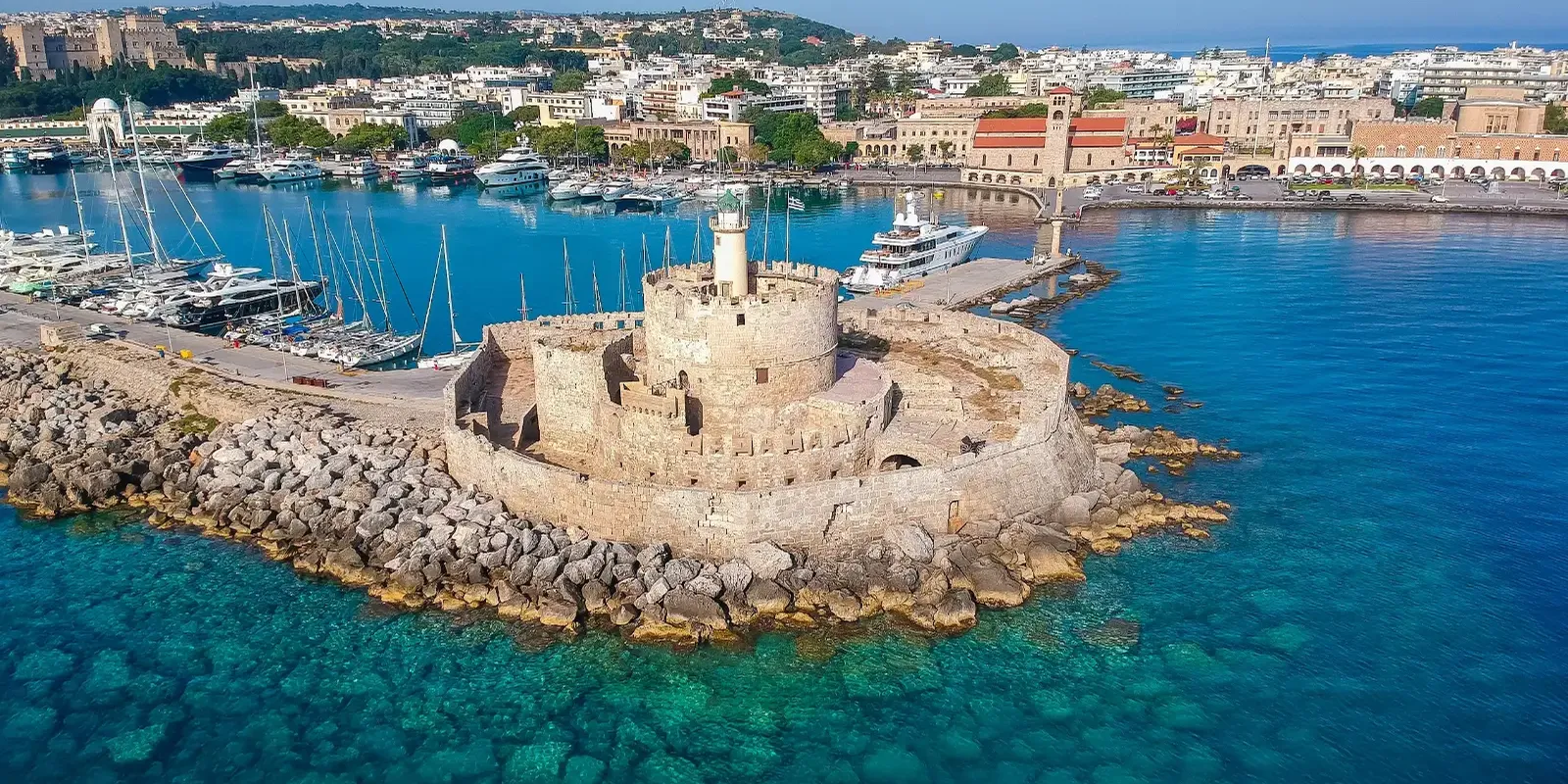
Rhodes: the Old Town of the Knights of St John
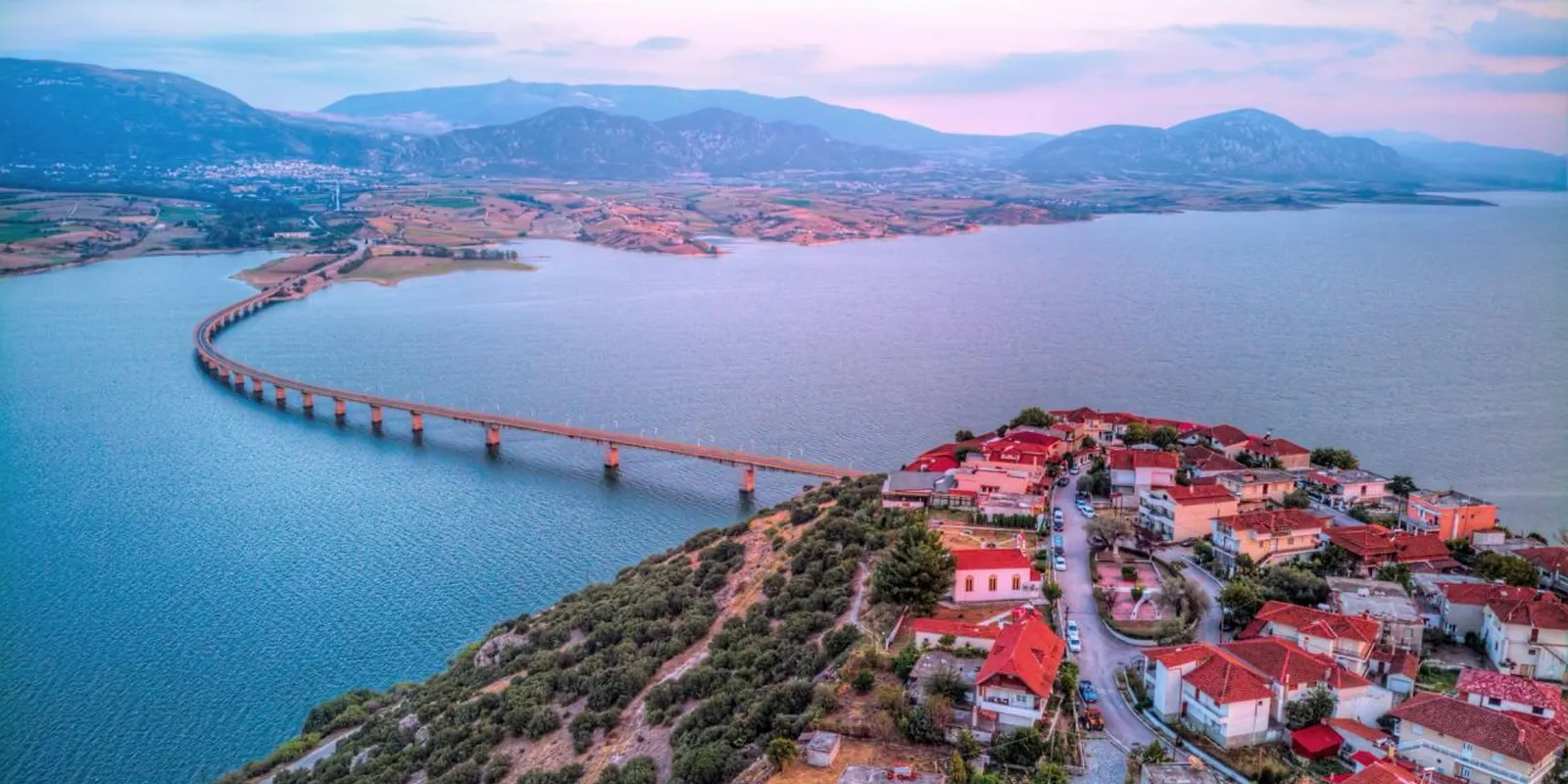
Kozani: the fur city of Greek Macedonia
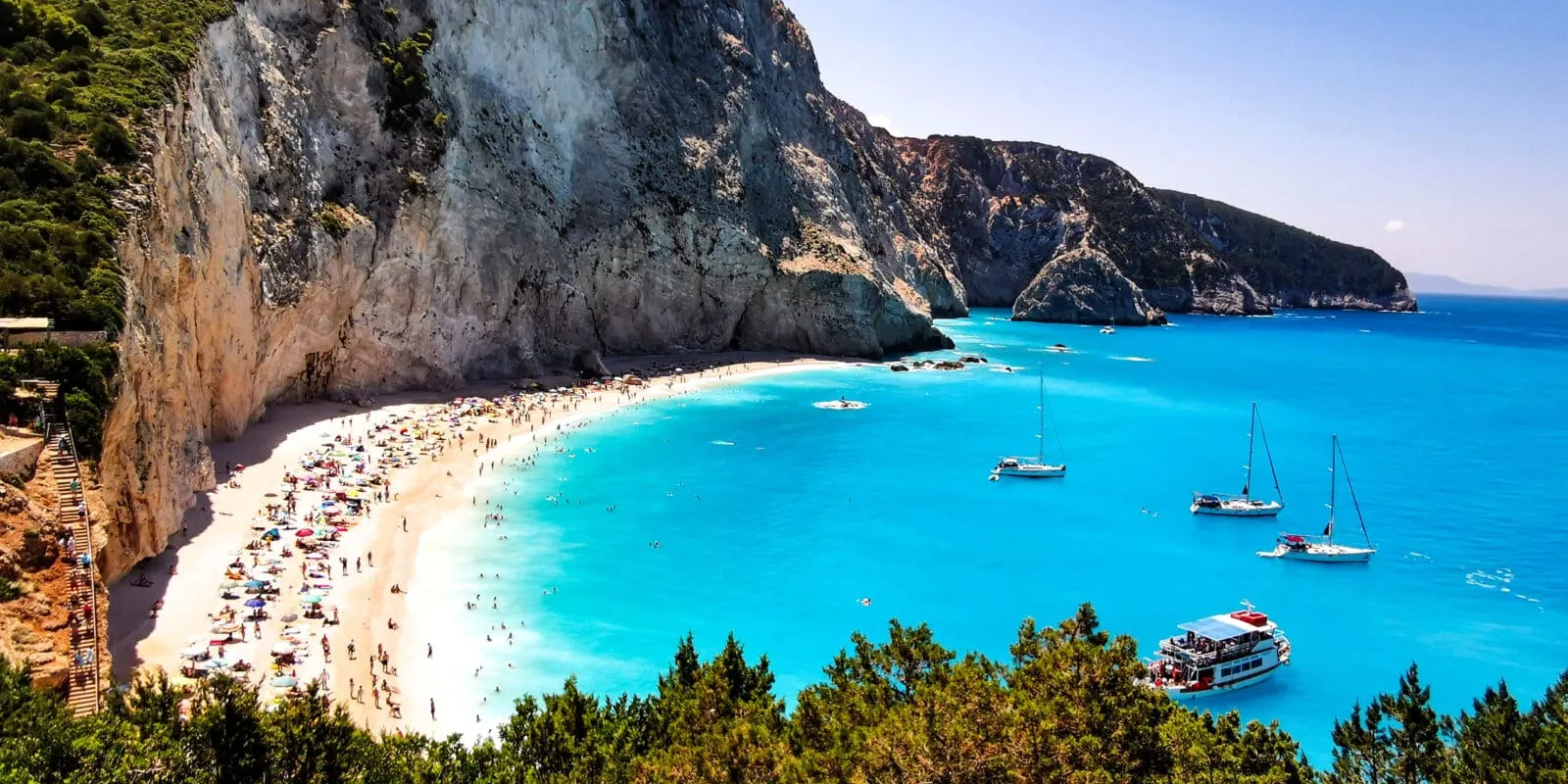
Lefkada: the Ionian island connected to the mainland
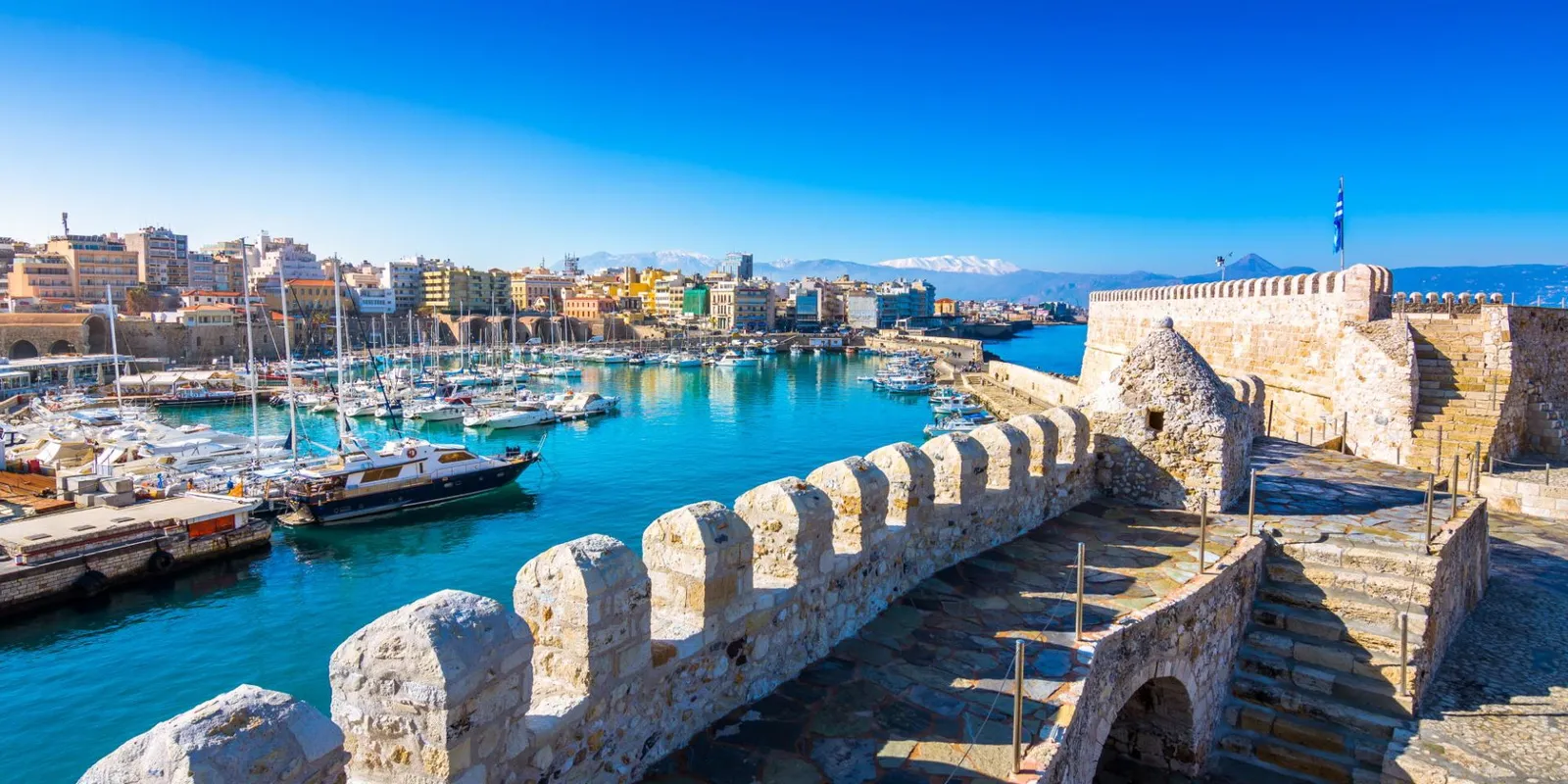
Heraklion: Knossos and the Minoan legacy
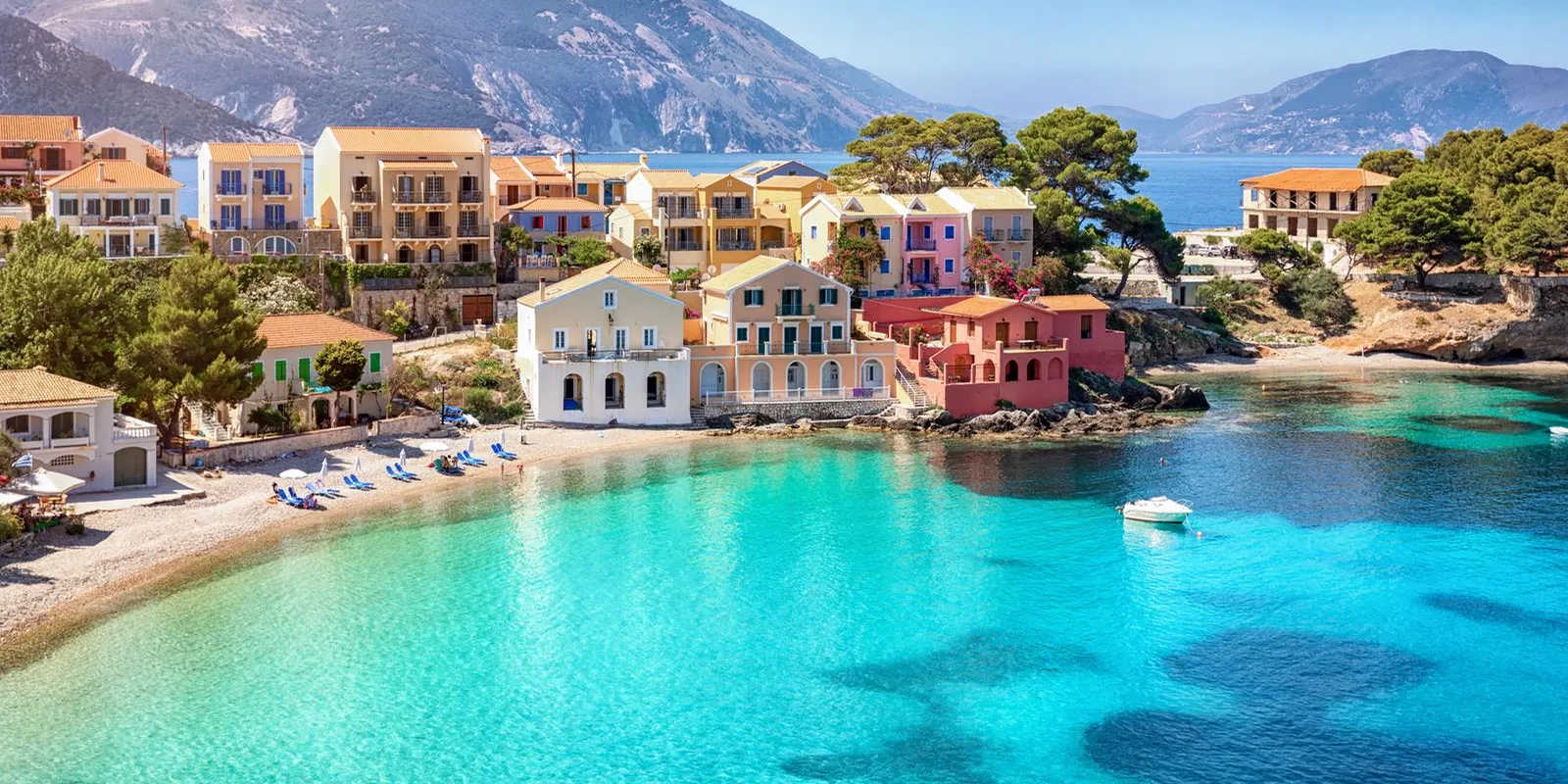
Kefalonia: blue caves and white pebble beaches
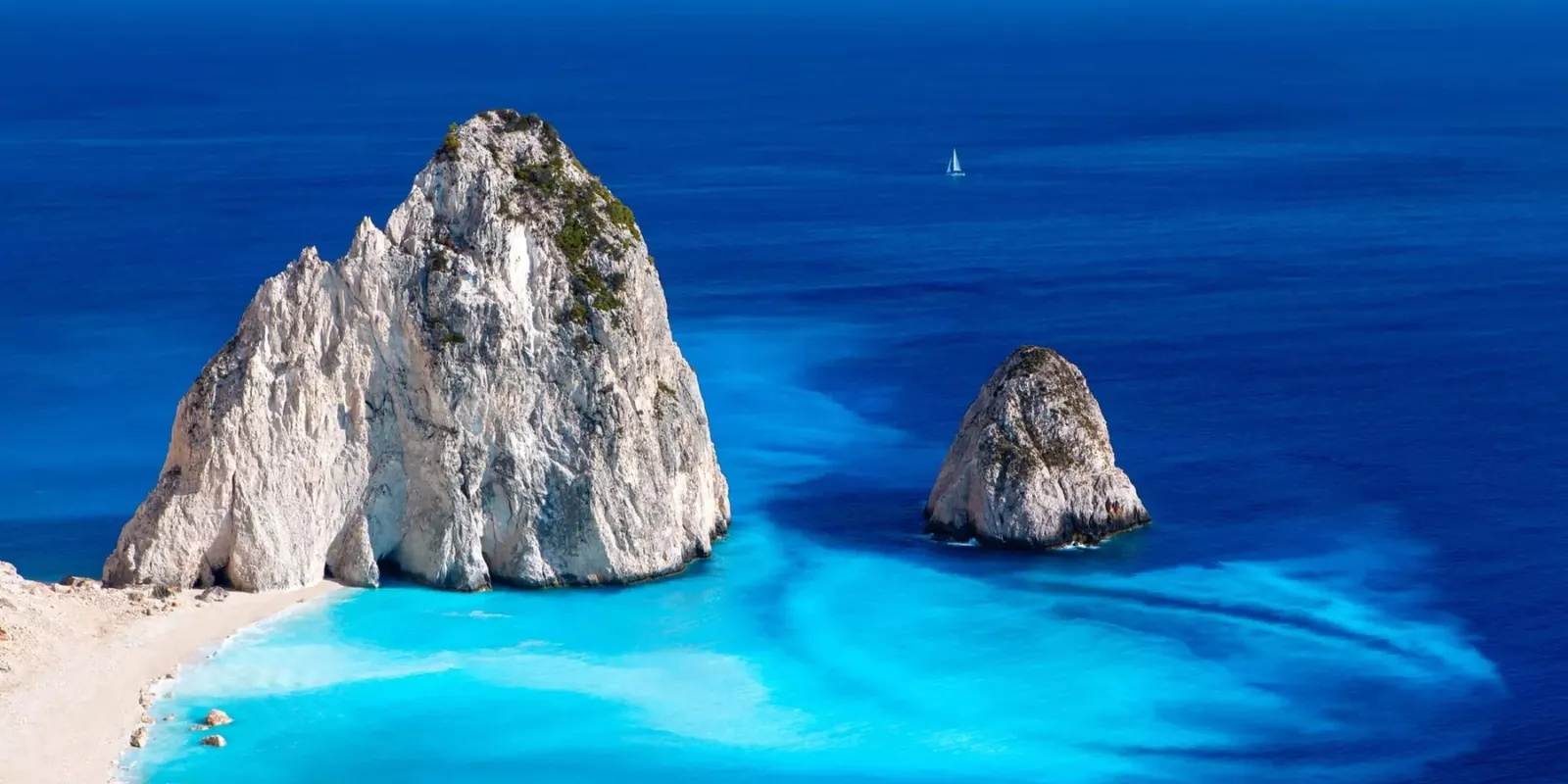
Zakynthos: the shipwreck beach of the island of flowers
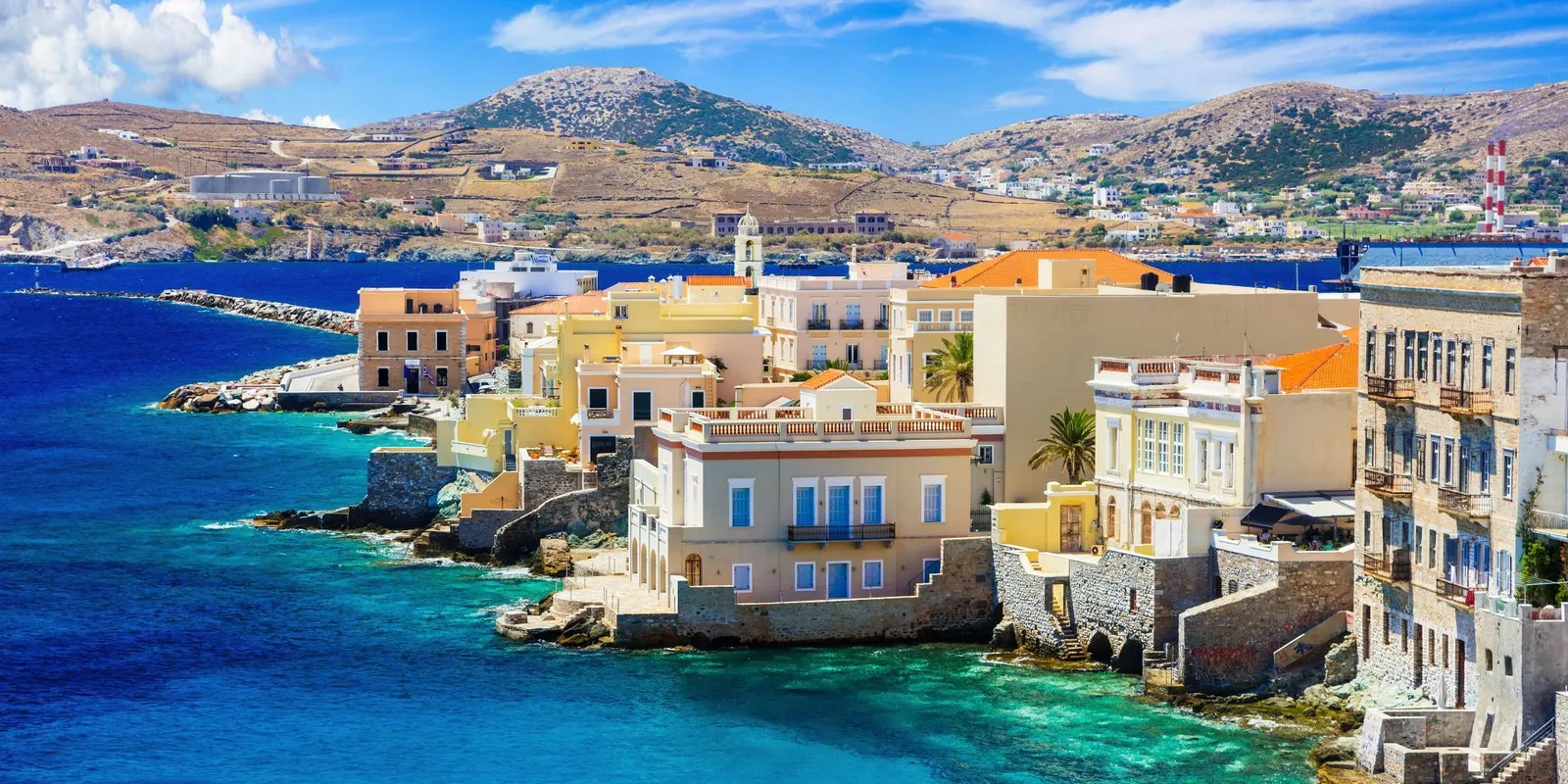
Crete: the Minotaur's labyrinth at Knossos
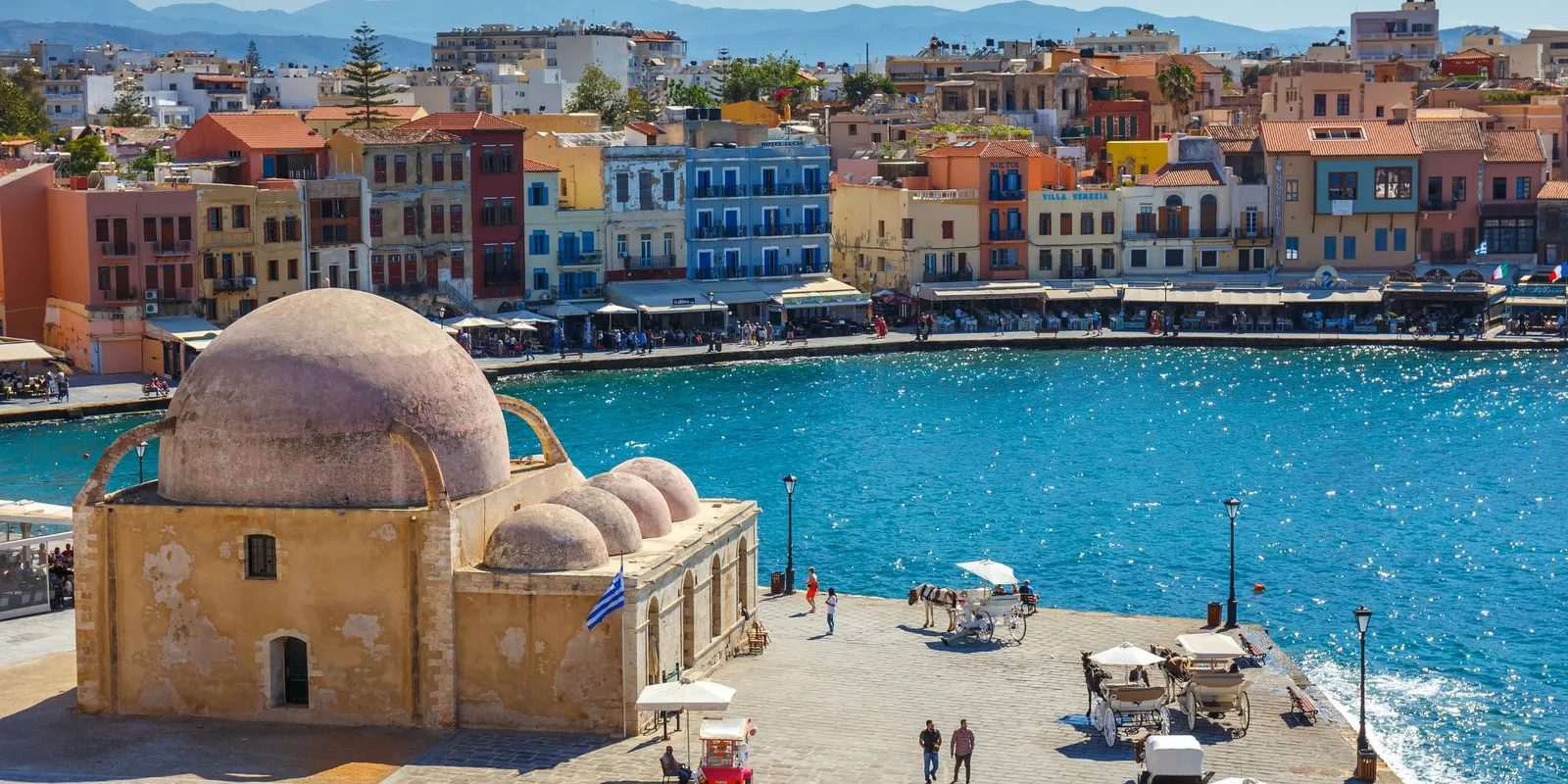
Chania: Crete's Venetian harbour
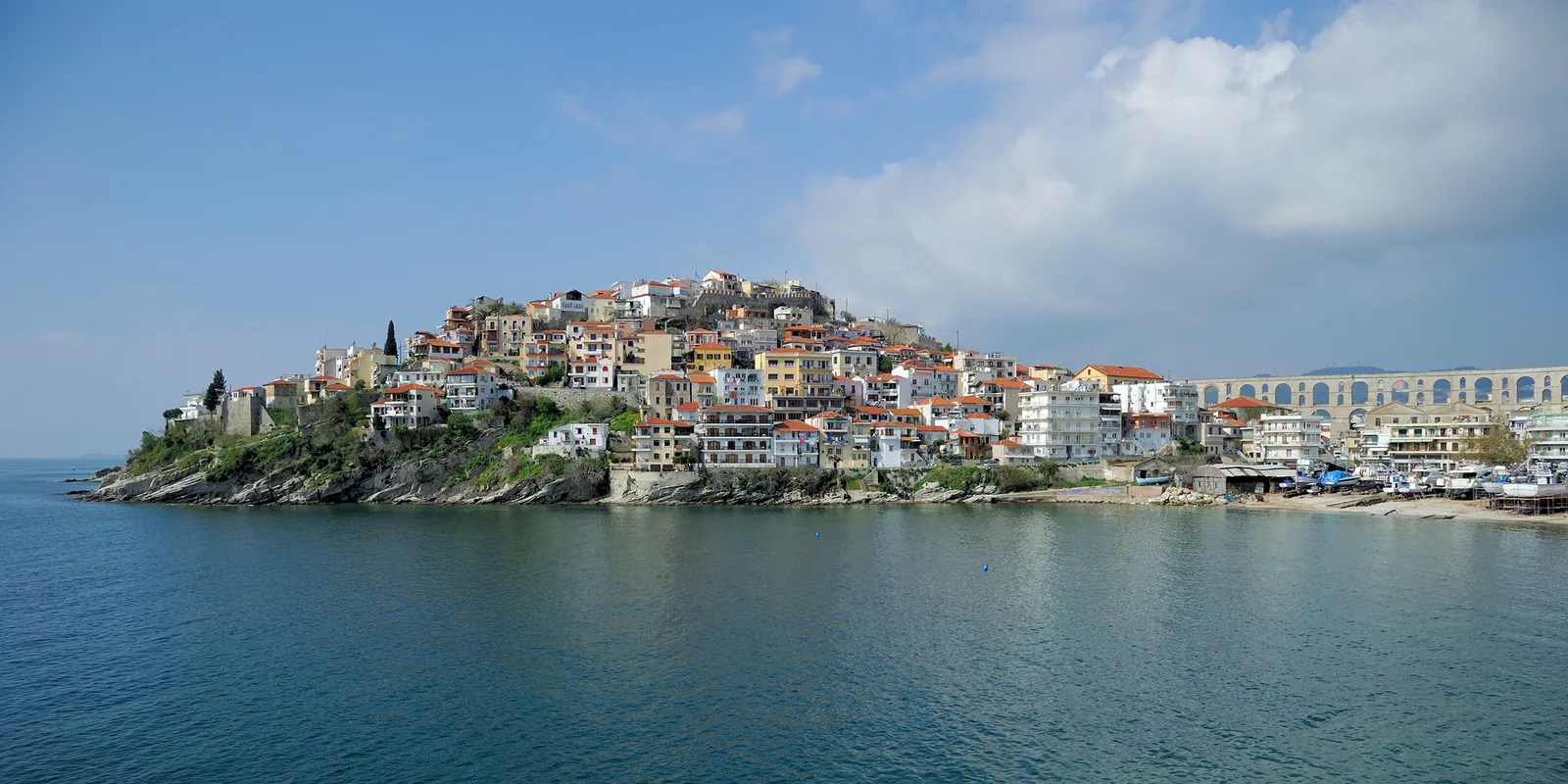
Kavala: the Byzantine port of Greek Macedonia
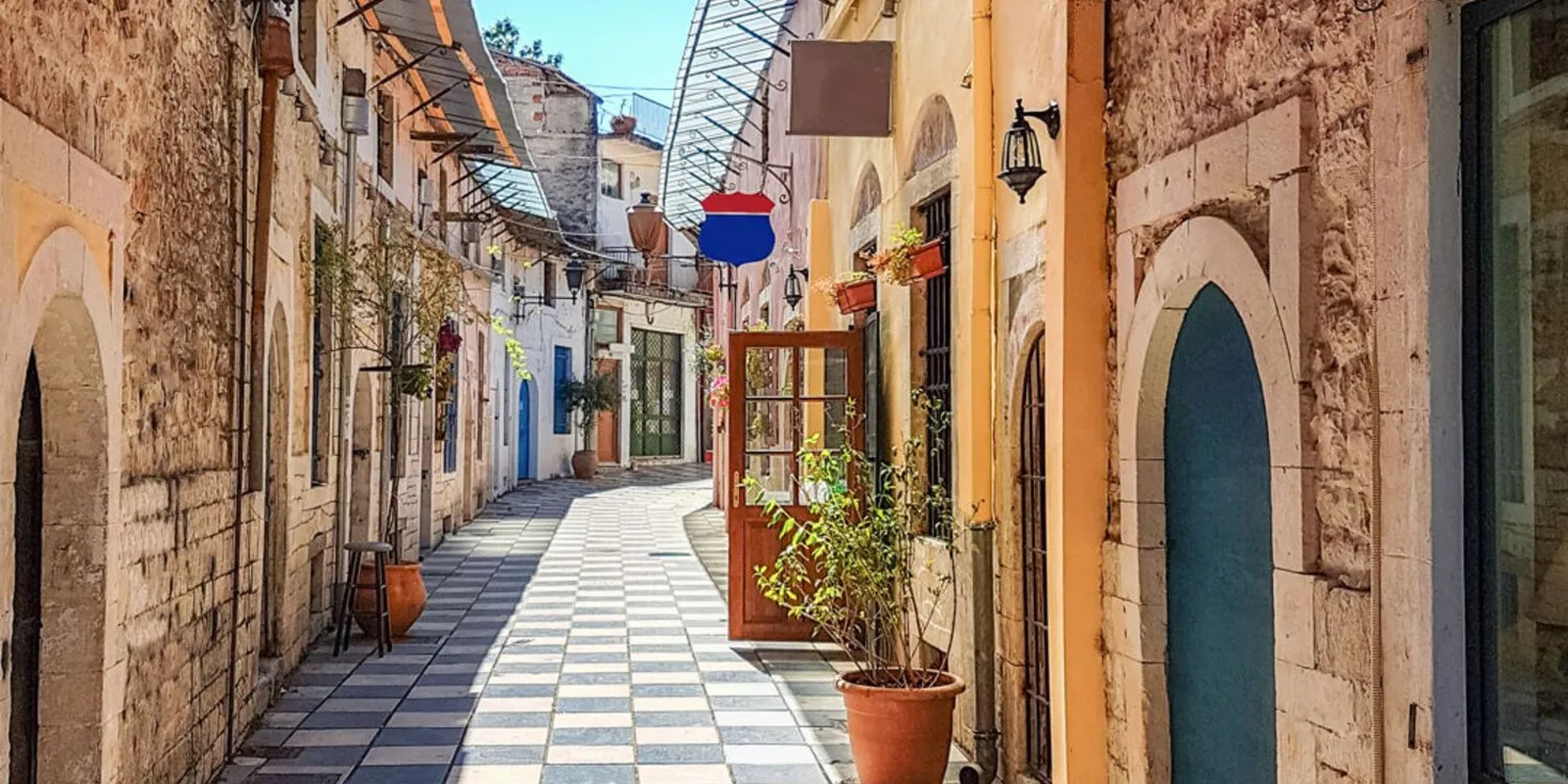
Ioannina: the lake where Ali Pasha met his death
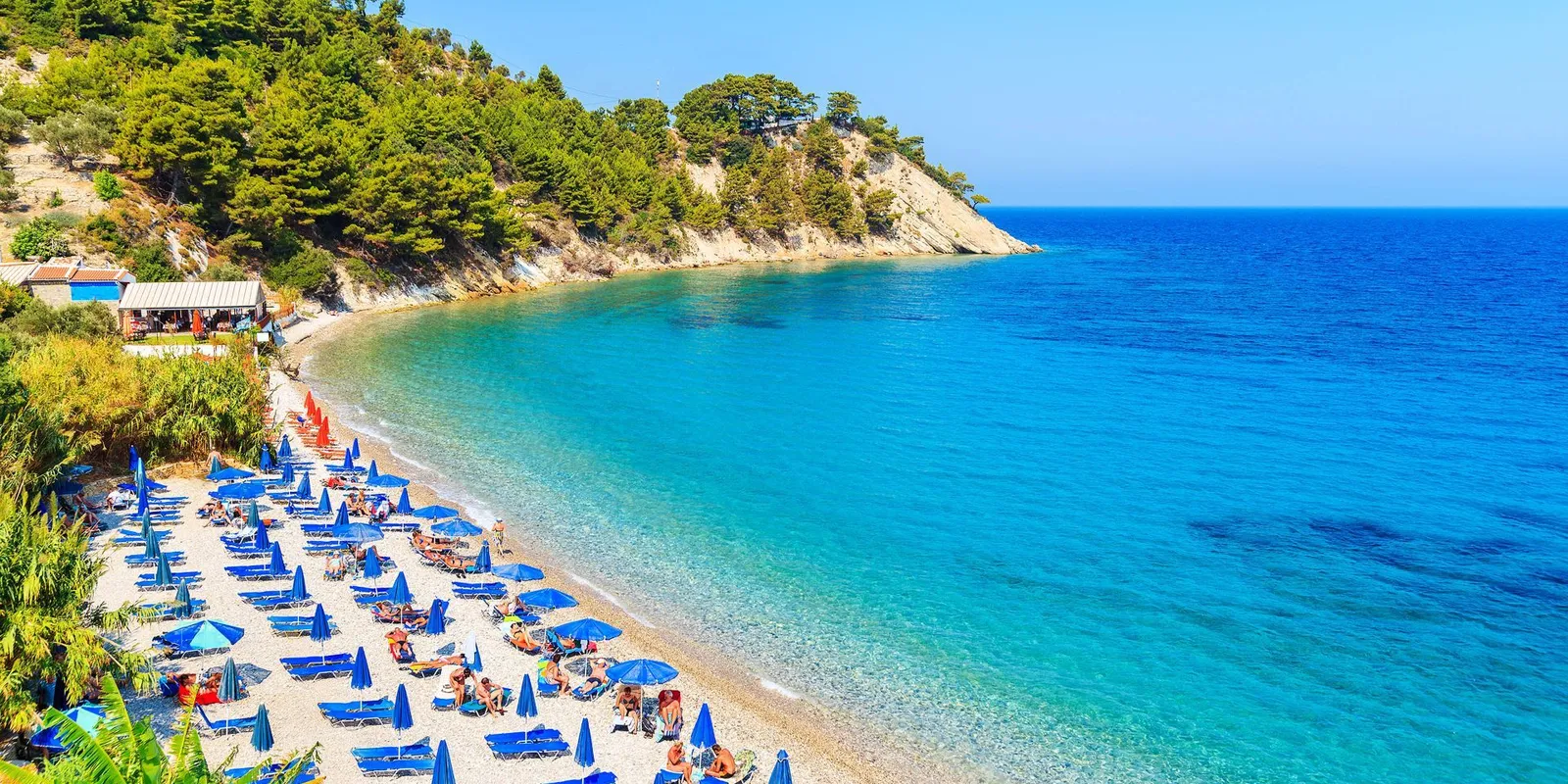
Samos: the birthplace of Pythagoras
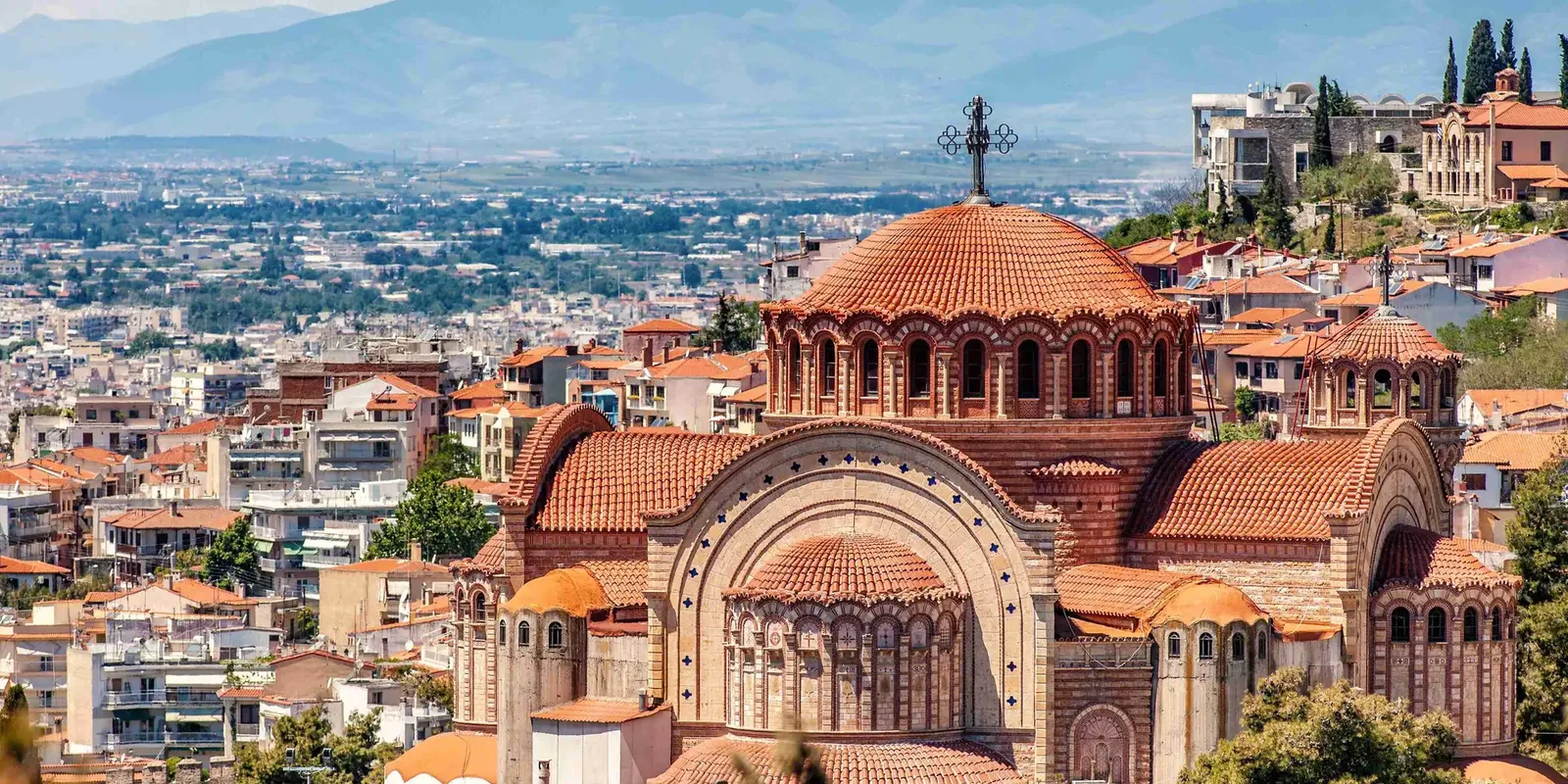
Thessaloniki: Byzantine Greece's second city
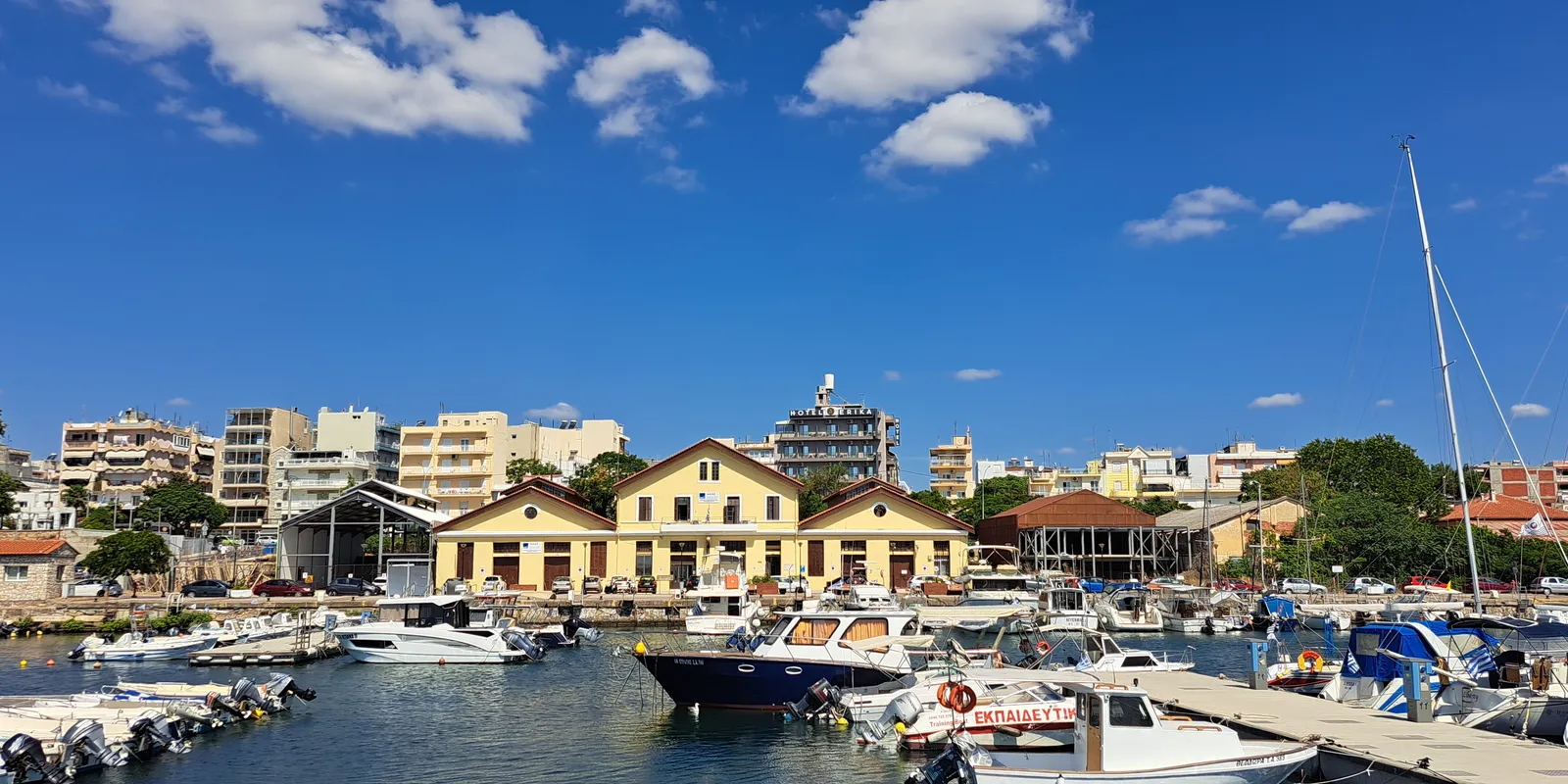
Alexandroupolis: Greece's gateway to Turkey
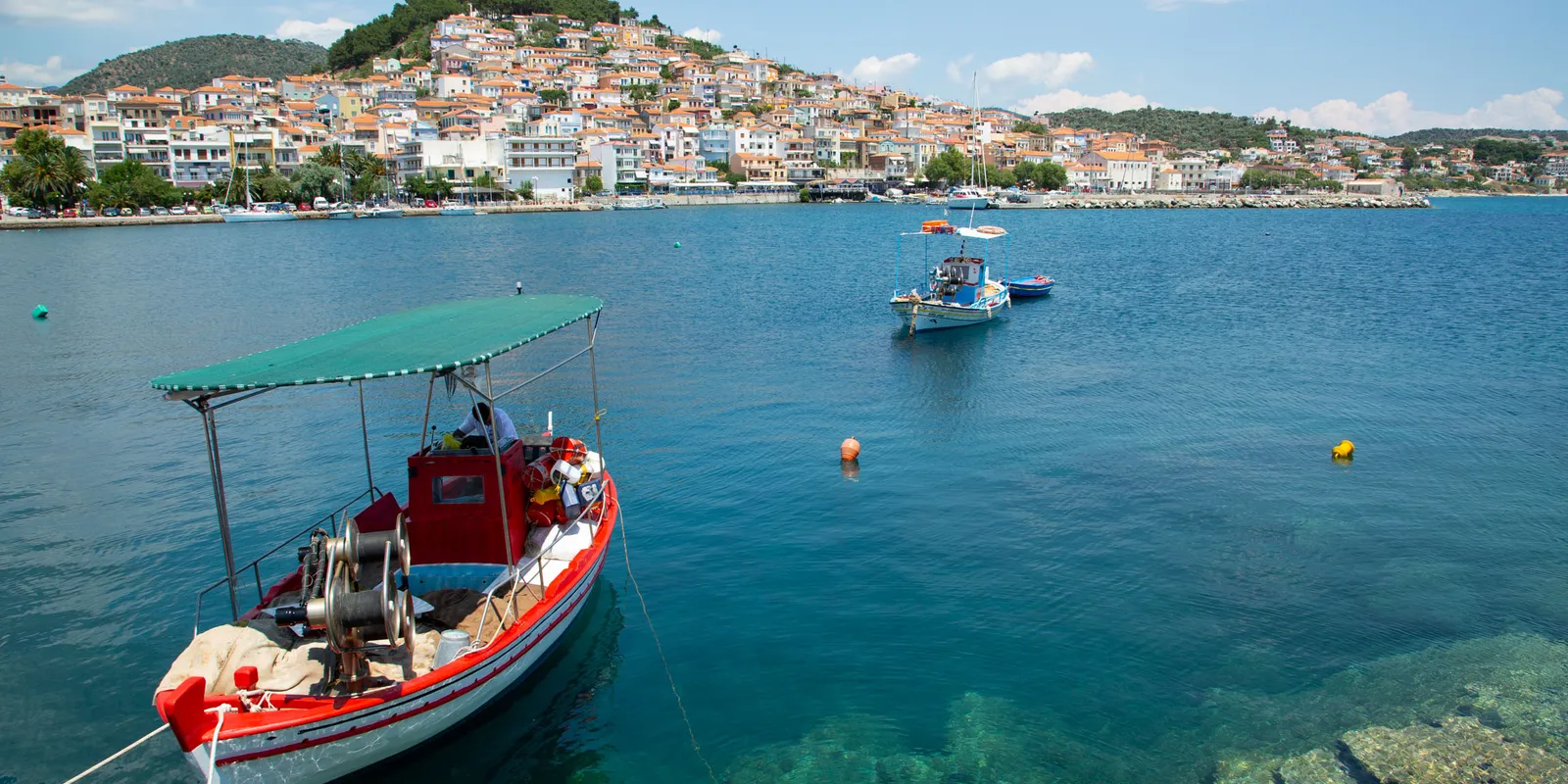
Mytilene: the island of poets in the eastern Aegean
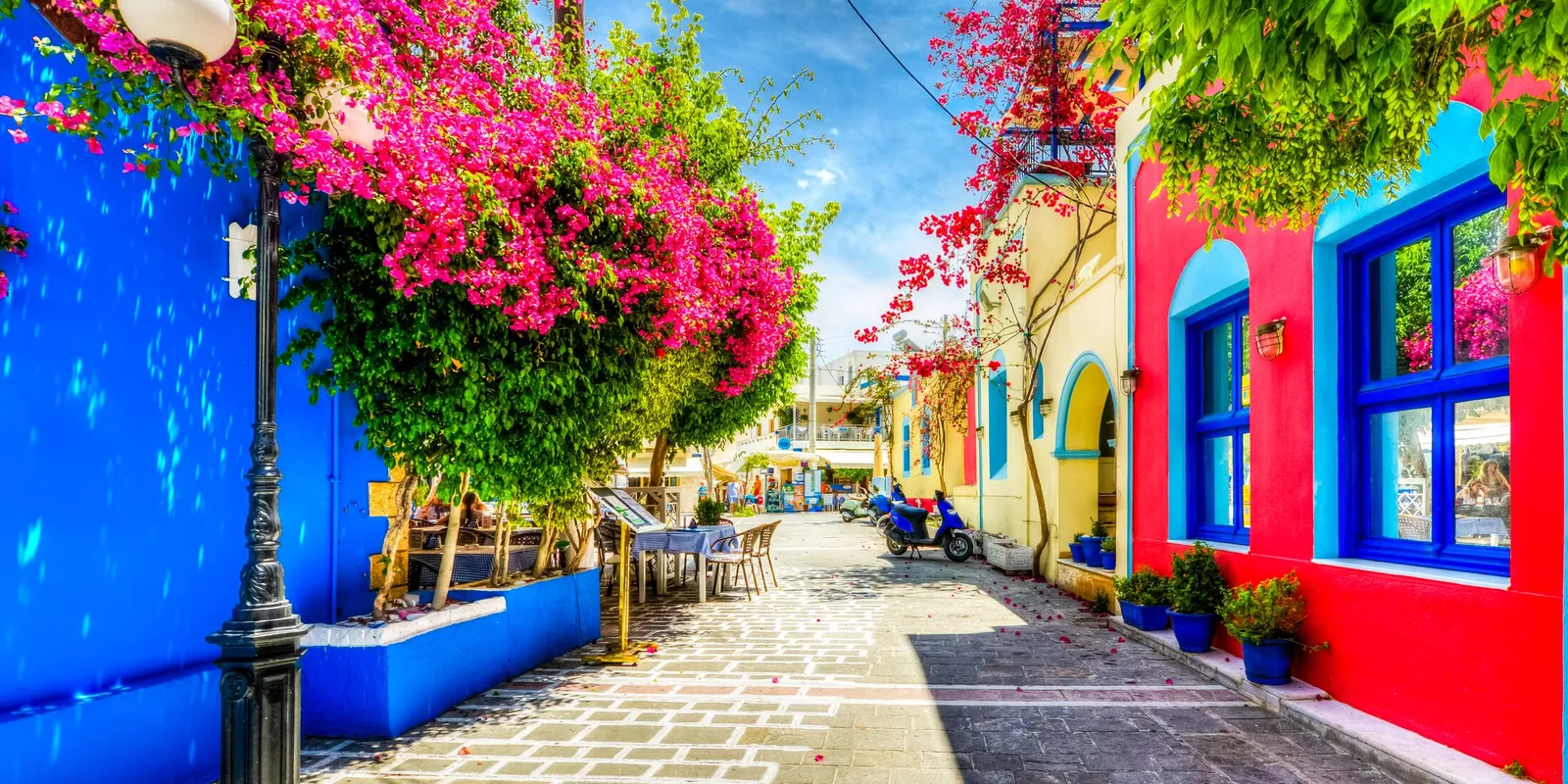
Kos: the birthplace of Western medicine
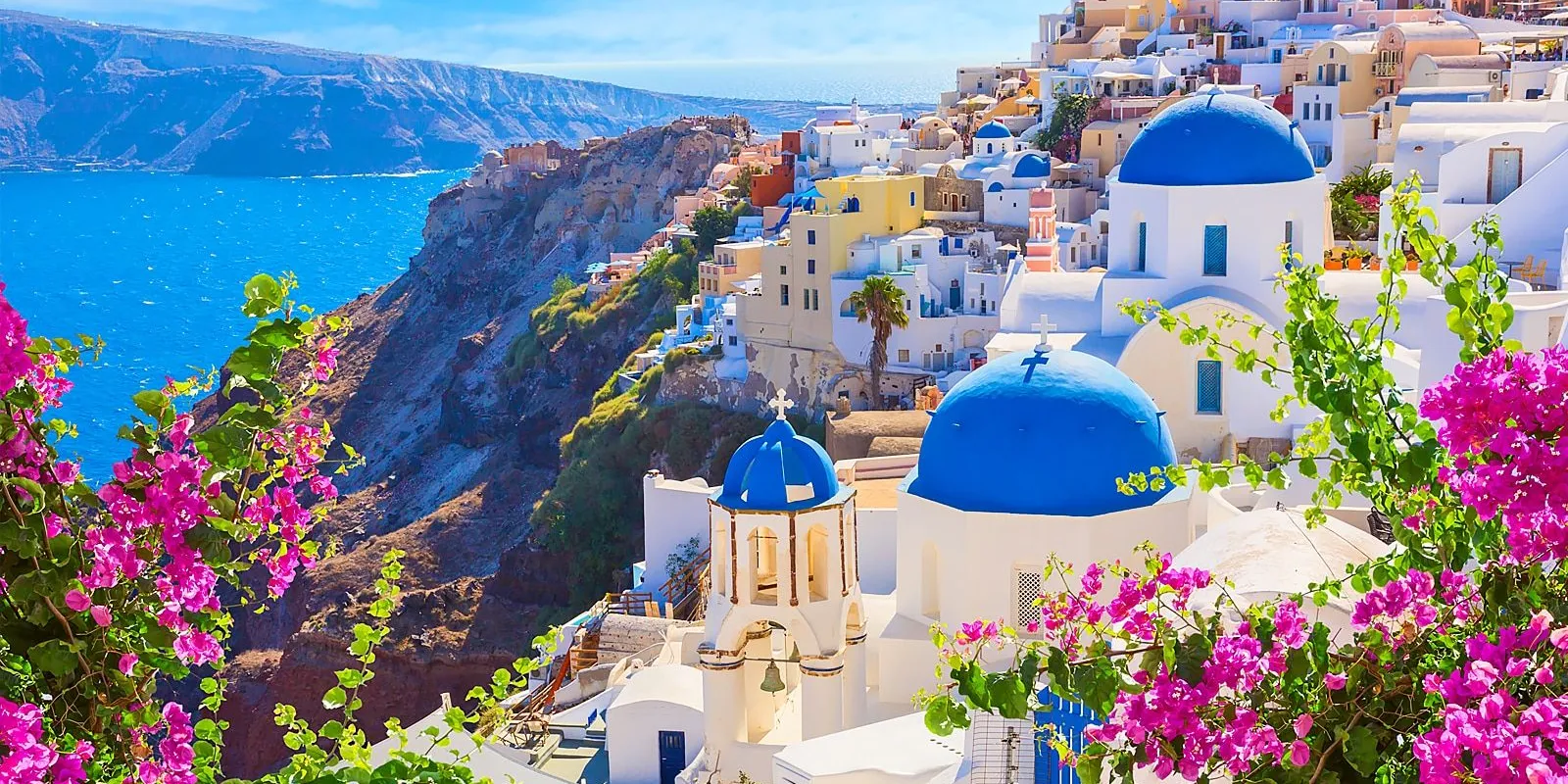
Santorini: sunset over the caldera
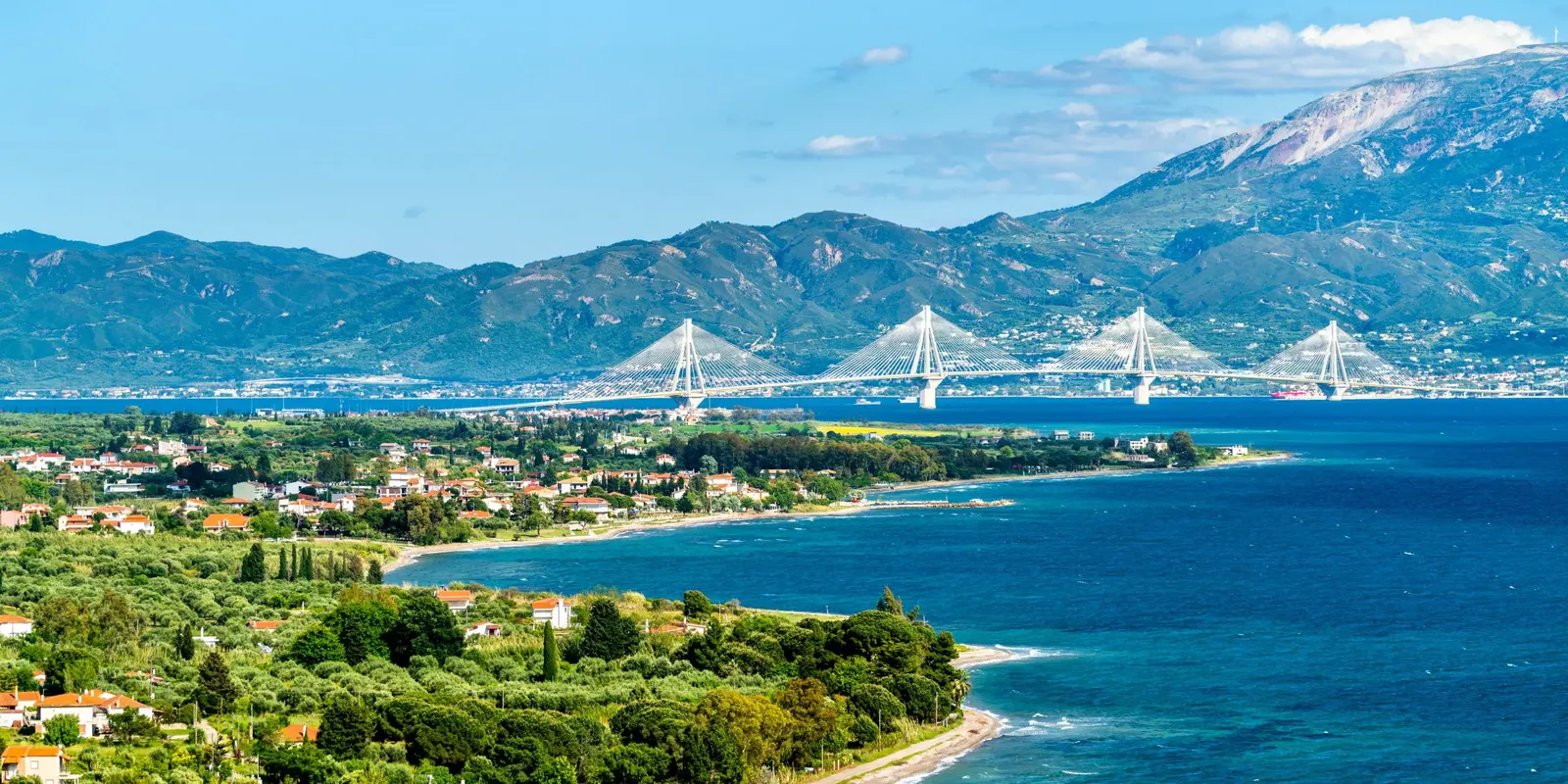
Patras: carnival and Roman theatres in the Peloponnese
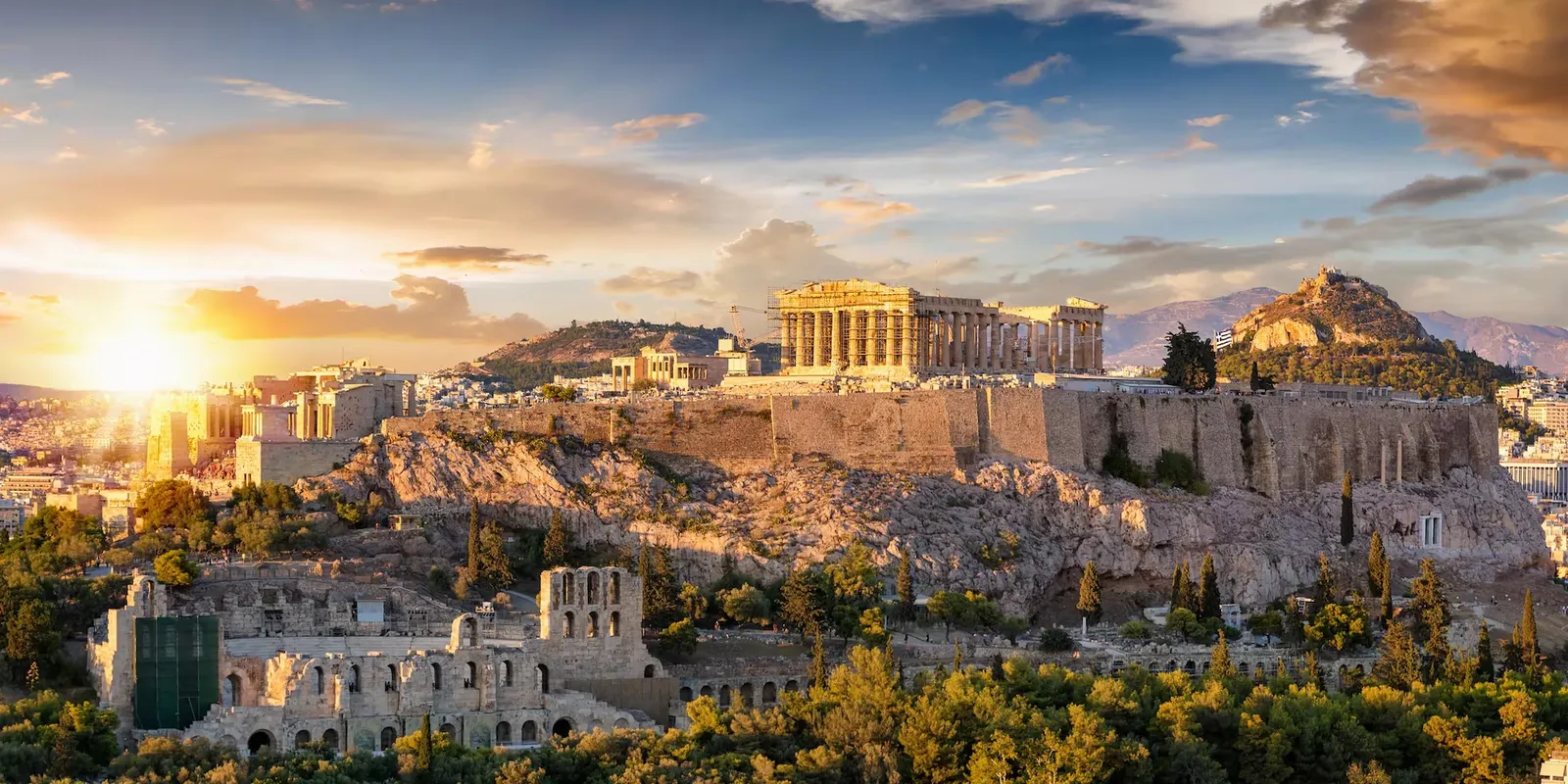
What to see in Athens in 1 day
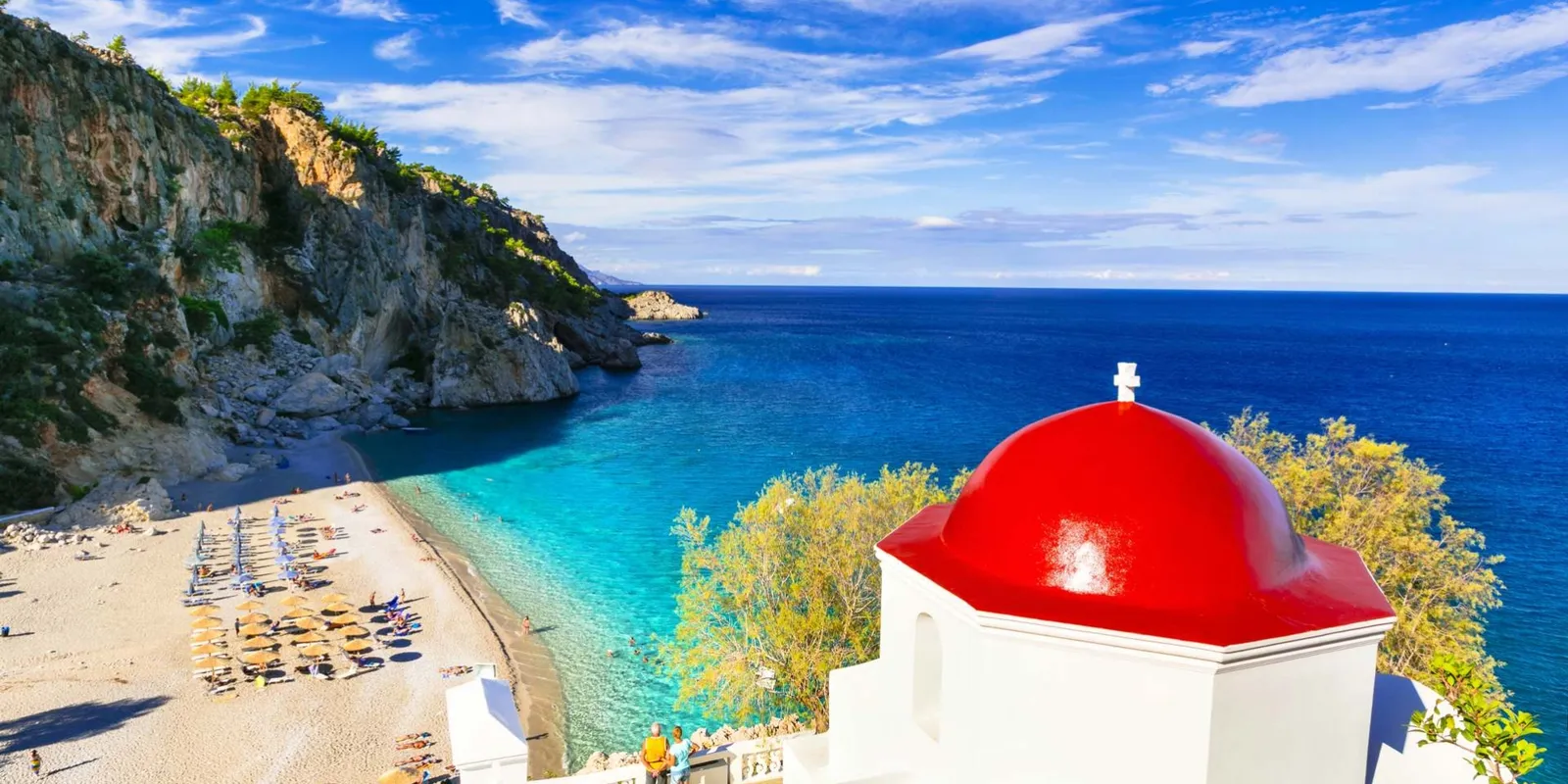
Karpathos: intact traditions between Crete and Rhodes