
Bangkok: what to see in 1 day
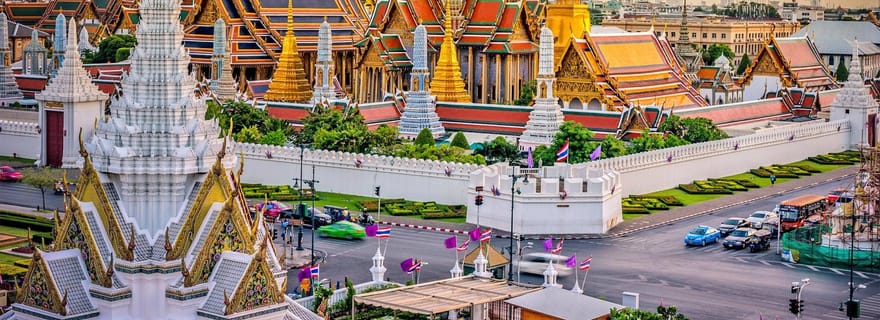
Bangkok is best discovered if you accept moving along the course of the Chao Phraya, the river that crosses the city and which for most of the day remains the easiest way to get from one temple to another, avoiding the traffic that characterizes the rest of the metropolis. The historic core is concentrated in the Rattanakosin district, on the east bank, where the Grand Royal Palace and the capital's most famous temples stand; on the opposite bank, visible from afar, looms the tower of Wat Arun.
Toward evening, the day can naturally shift to Chinatown, the Yaowarat district, which comes alive especially after sunset with its street food stalls. It is thus an itinerary that follows an almost entirely riverine path, with a few brief walks between one temple and another.
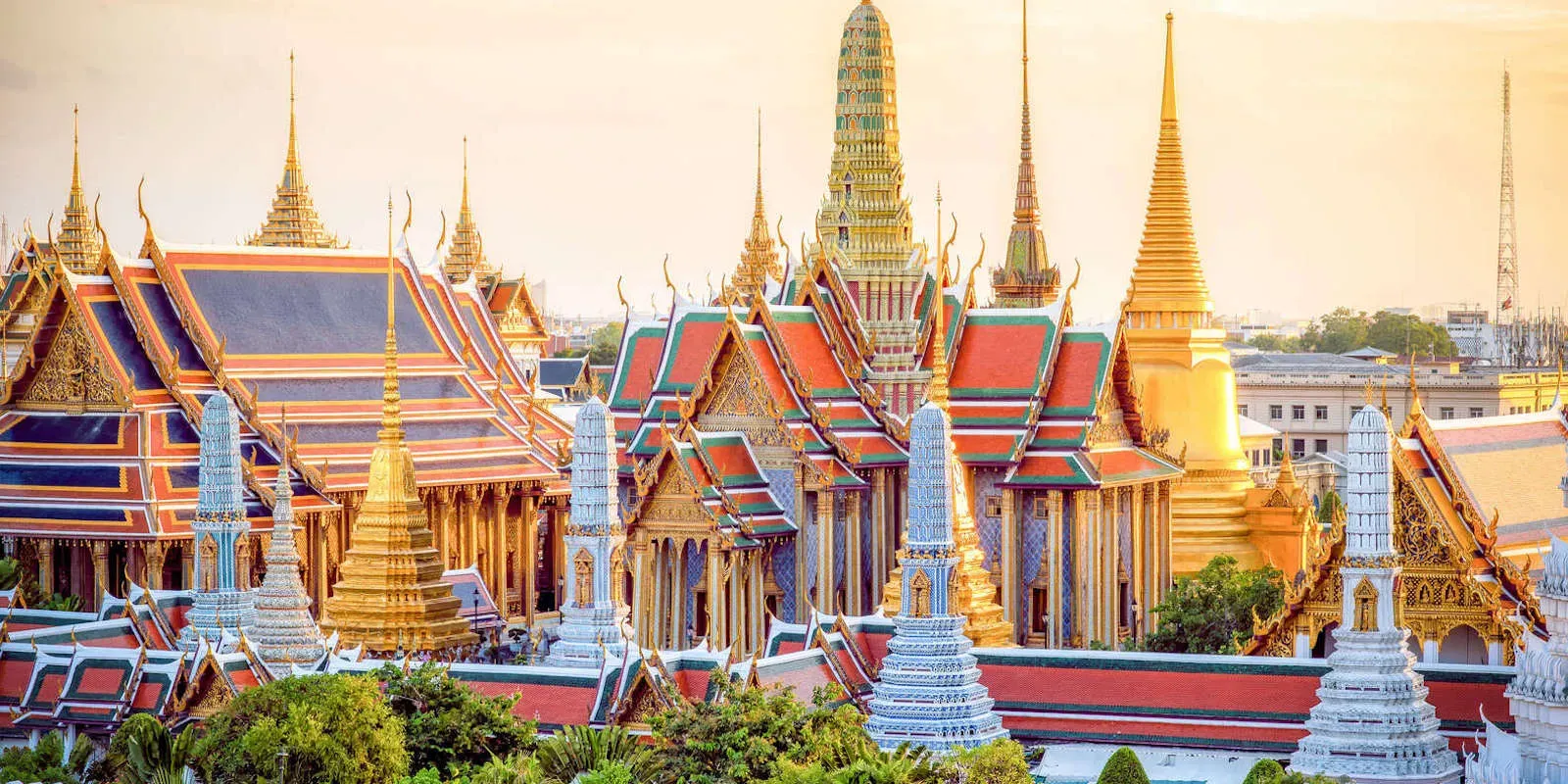
It is best to arrive early at the Grand Royal Palace, for several centuries the residence of Thai sovereigns and still today the seat of official ceremonies: inside you find the Wat Phra Kaew, the temple that houses the Emerald Buddha, the most venerated statue in the country, actually carved from dark green jade. Access requires clothing that covers shoulders and knees, and arriving among the first hours of opening allows you to visit the courtyards and gilded pavilions of the complex with less crowd.
A few steps away is Wat Pho, the most extensive temple in the city, which takes its popular name from the gigantic reclining golden Buddha forty-six meters long, housed in a single pavilion that leaves room only to skirt it. The complex is also the historic seat of the school of traditional Thai massage, recognized by UNESCO, complete with stone statues reproducing the self-healing positions taught over the centuries.
From the dock opposite Wat Pho you take one of the small boats that cross the river in a few minutes, reaching Wat Arun, the Temple of Dawn: its central tower, covered in polychrome ceramic and porcelain fragments, can be climbed to one of the intermediate terraces, from which you look back toward Rattanakosin and the Grand Palace complex just visited.
Returning to the eastern bank, the early afternoon lends itself to a more tranquil break along the river banks, perhaps stopping at one of the local markets like Wang Lang, also useful for lunch among the stalls of Thai dishes. From here you can continue on foot north to Wat Suthat, with the imposing red giant swing rising in front of its entrance, once used for ceremonies linked to Hindu worship and now preserved as a monument.
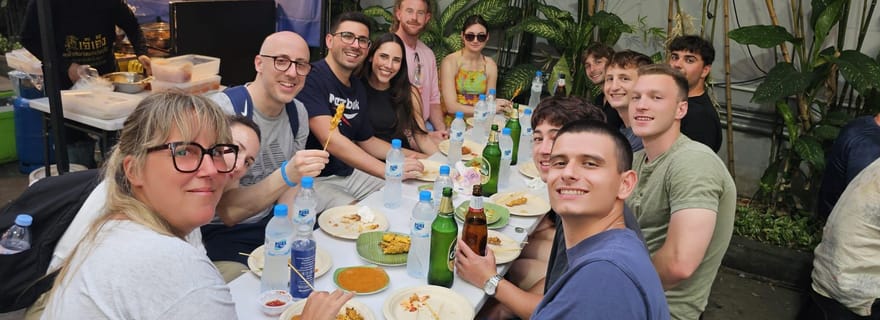
Toward evening the city changes completely in atmosphere by moving to Chinatown, the Yaowarat neighborhood: the main street comes alive with the lighting of neon signs and street food stalls, among pots of fish soups, grilled shrimp and fruit stands that have made the neighborhood one of the most noted stops for those seeking the street cuisine of the city.
Traveling Bangkok along the Chao Phraya brings together the most representative places of the old city, from the Grand Palace to Wat Arun, with the more informal parenthesis of Chinatown closing the evening. Left out are the great peripheral markets like Chatuchak, as well as the more modern quarters around Sukhumvit, but between temples, river and street food you already breathe the oldest and most recognizable face of the Thai capital.
Guided tours and experiences in Bangkok
Related articles
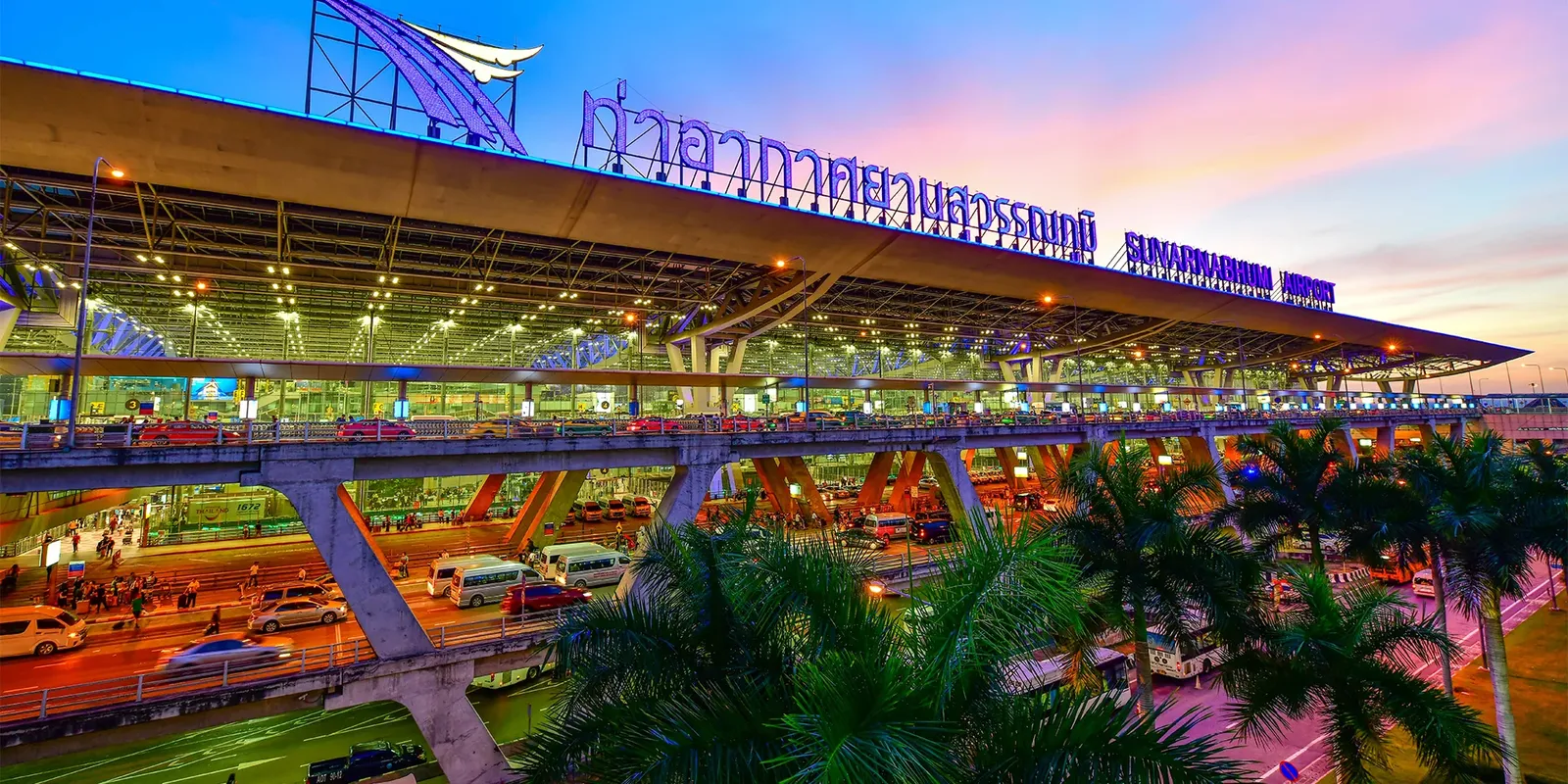
Suvarnabhumi Airport
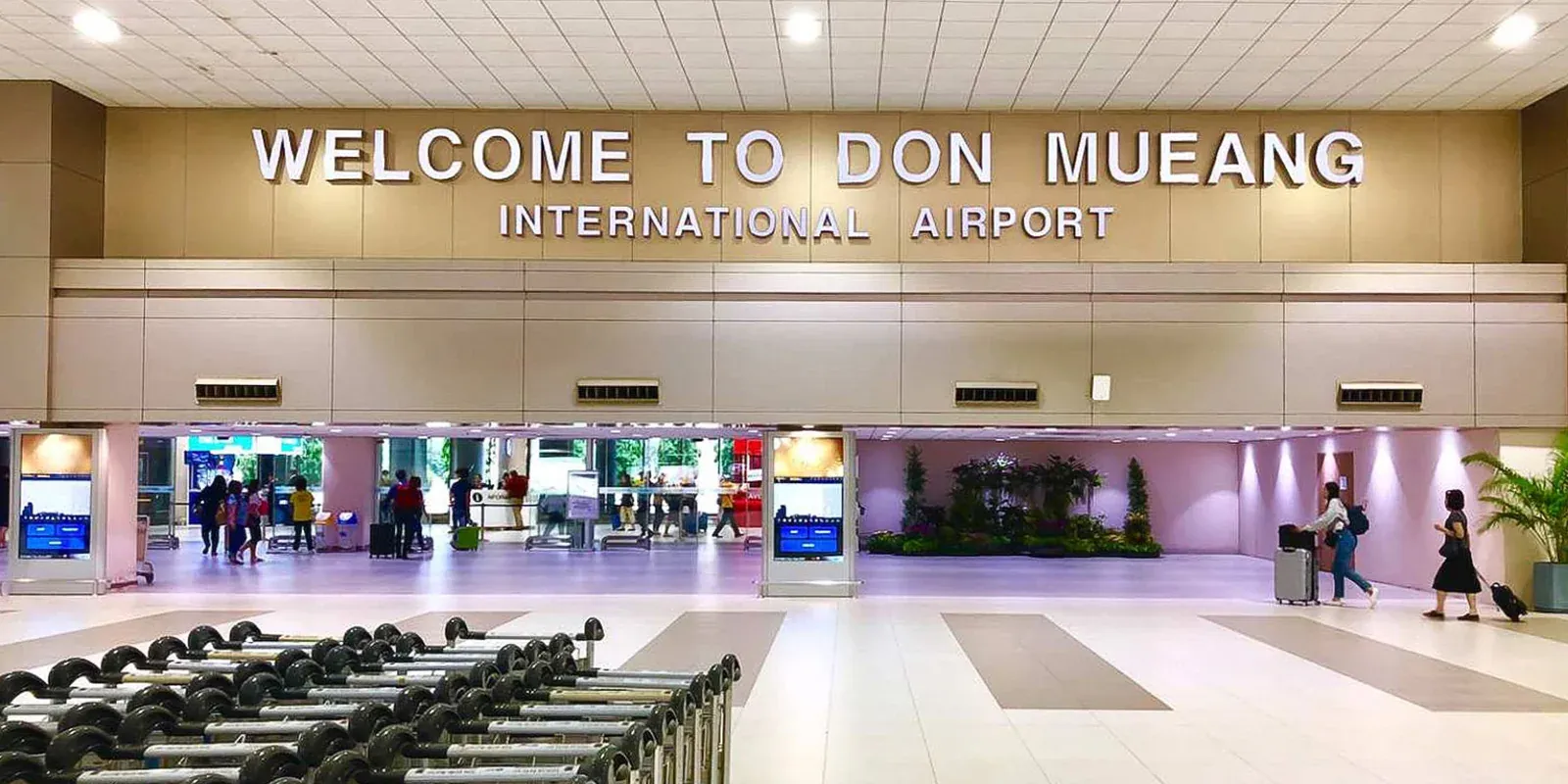
Don Mueang International Airport

Suvarnabhumi Airport: where to stay, areas and recommended hotels

Don Mueang International Airport: where to stay, areas and recommended hotels
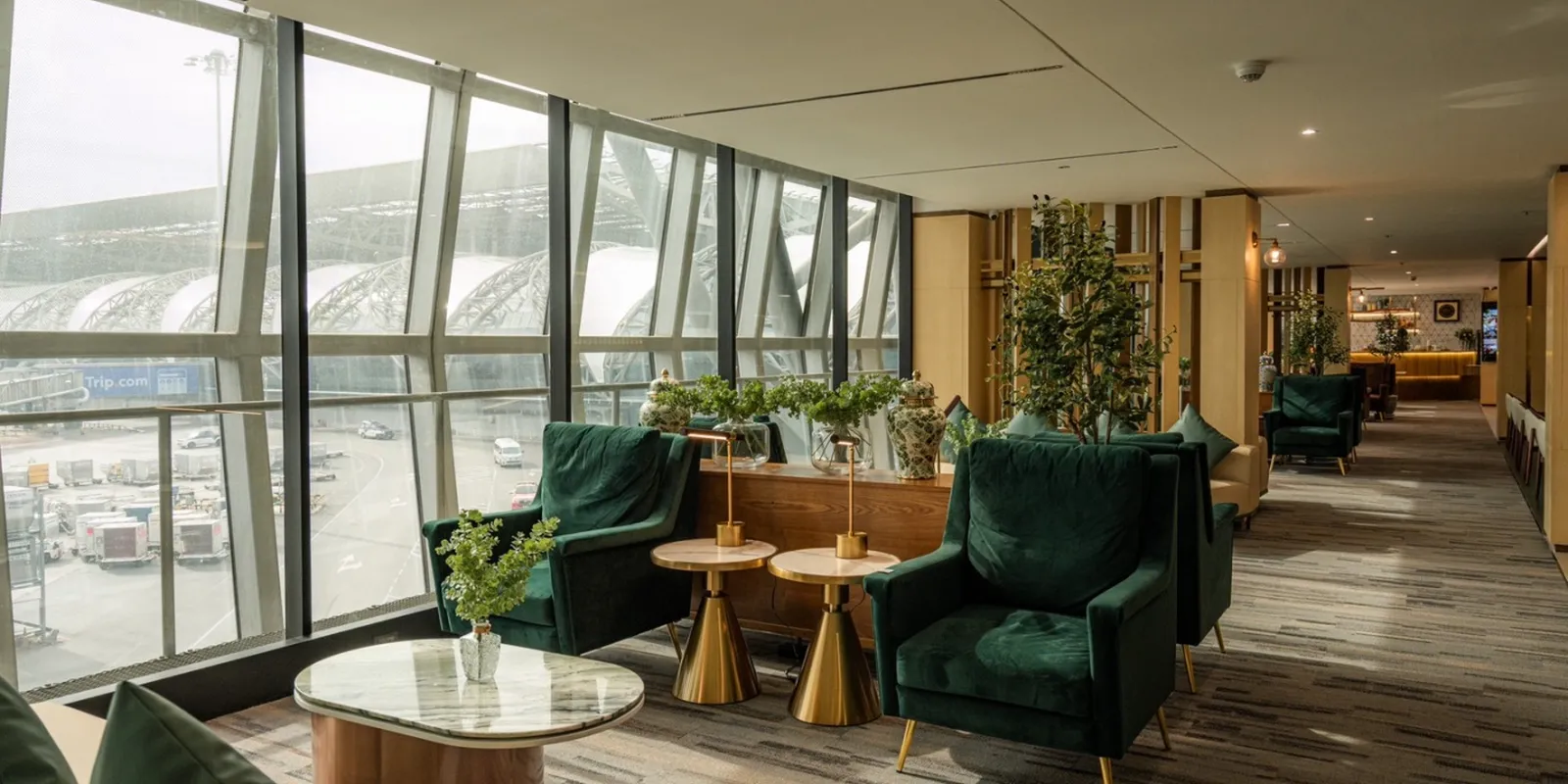
Suvarnabhumi lounges: how to choose based on your gate
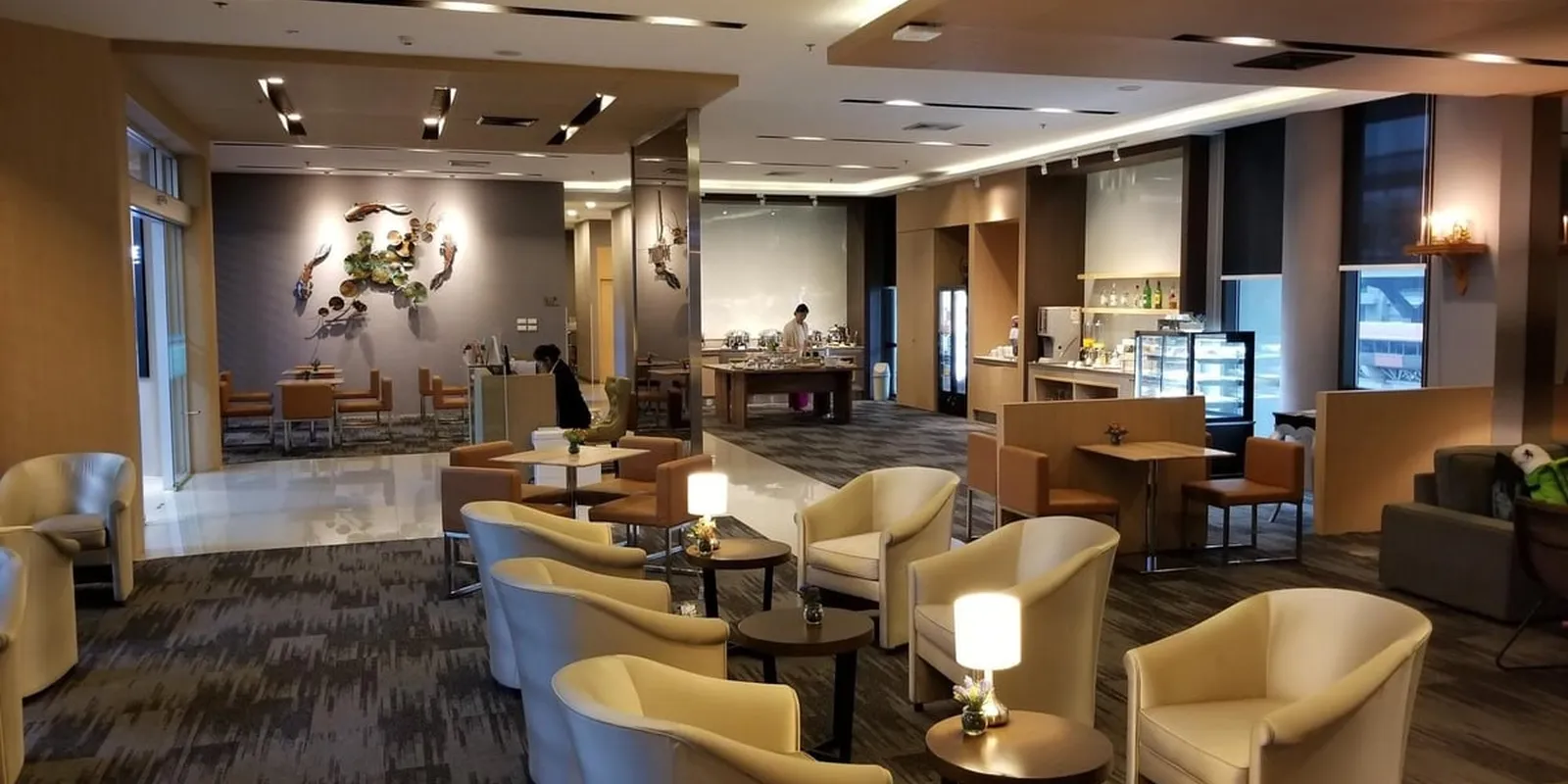
Don Mueang airport lounges: which one to pick between T1 and T2
You might also like...
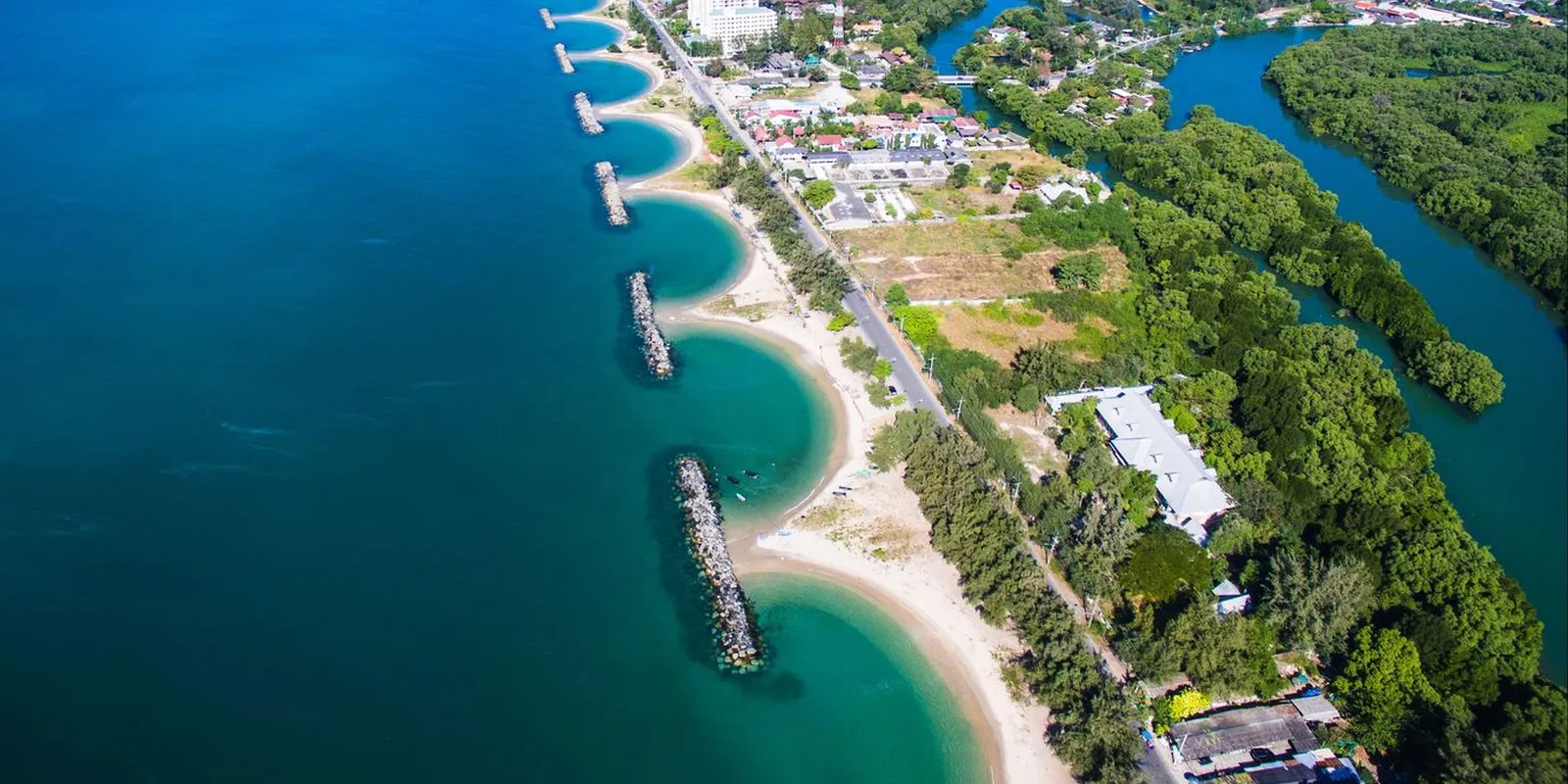
Rayong: the gateway to Ko Samet island
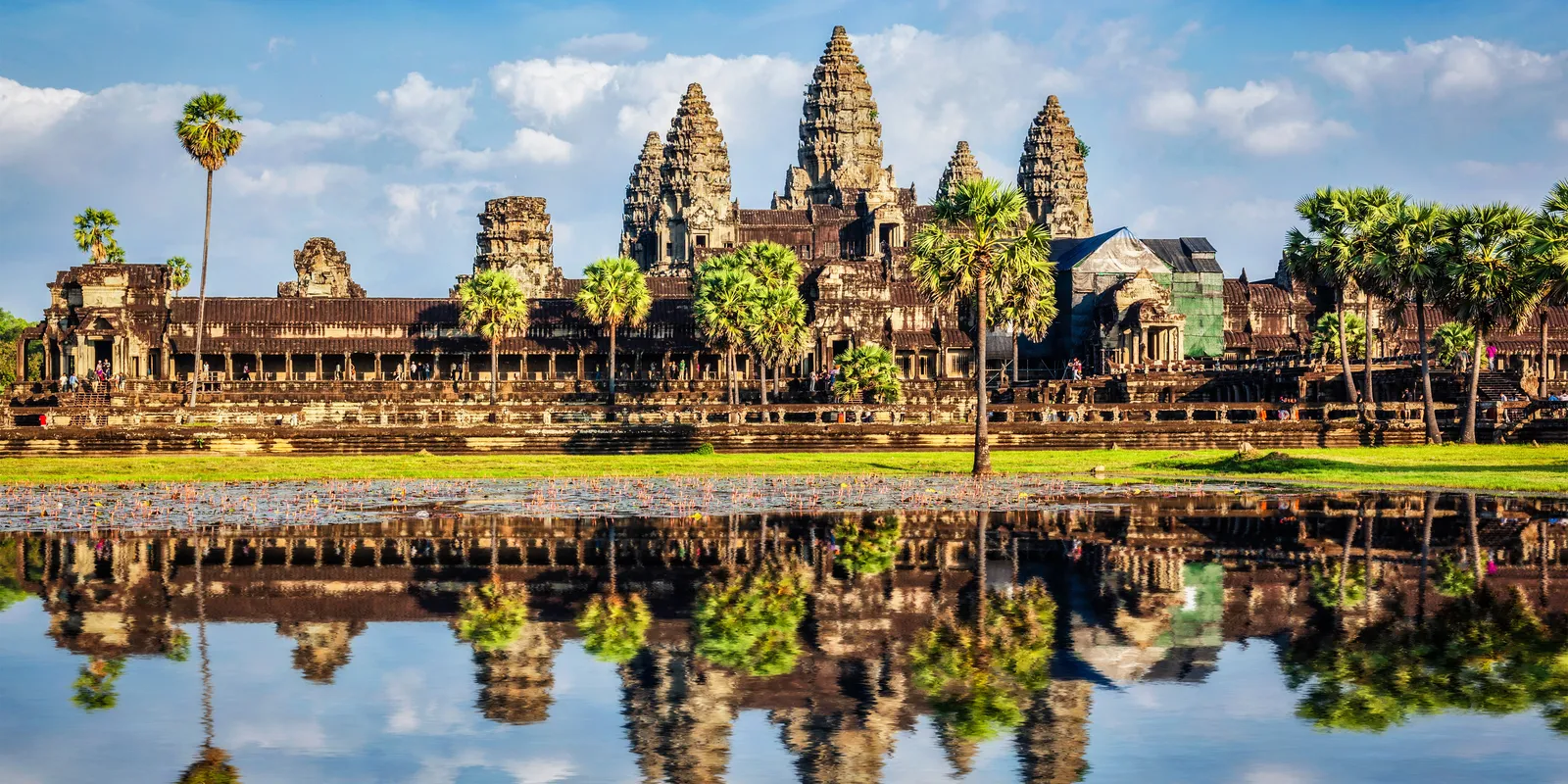
Siem Reap: the gateway to Angkor
ALSIE Express: The Small Regional Airline Linking Sønderborg With the Rest of Europe
Airport check-in: when is it still mandatory

Baghdad International Airport: where to stay, areas and recommended hotels