

Caen: rebuilt after the Normandy landings
Destroyed two-thirds through during the fighting following the Allied 1944 landing, Caen preserves the castle of William the Conqueror alongside a museum dedicated to the memory of war.
The centre, rebuilt after the heavy bombing of the Normandy landing, is easily explored on foot.
The Castle of Caen, built by William the Conqueror in the eleventh century, remains one of the most extensive medieval fortresses in Europe despite war damage.
Just steps away, the Abbey of Men, founded by William himself, houses his tomb, which was violated multiple times over the centuries, leaving only one original femur.
The Mémorial de Caen, a museum dedicated to World War II and the Normandy landings, tells the story of the conflict through direct testimonies and immersive reconstructions.
Toward evening, the landing beaches, a short distance from the city, remain pilgrimage sites for visitors from around the world.
William the Conqueror, buried in the Abbey of the Men, had his tomb profaned multiple times over the centuries, by Huguenots in the sixteenth century through French revolutionaries, leaving today only a femur from the original remains.
Caen was chosen as a key objective of the Allied landing for its strategic position, paying the price with the near-total destruction of its historic center in the weeks of fighting following D-Day.
Guided tours and experiences in Caen

Related articles


You might also like...
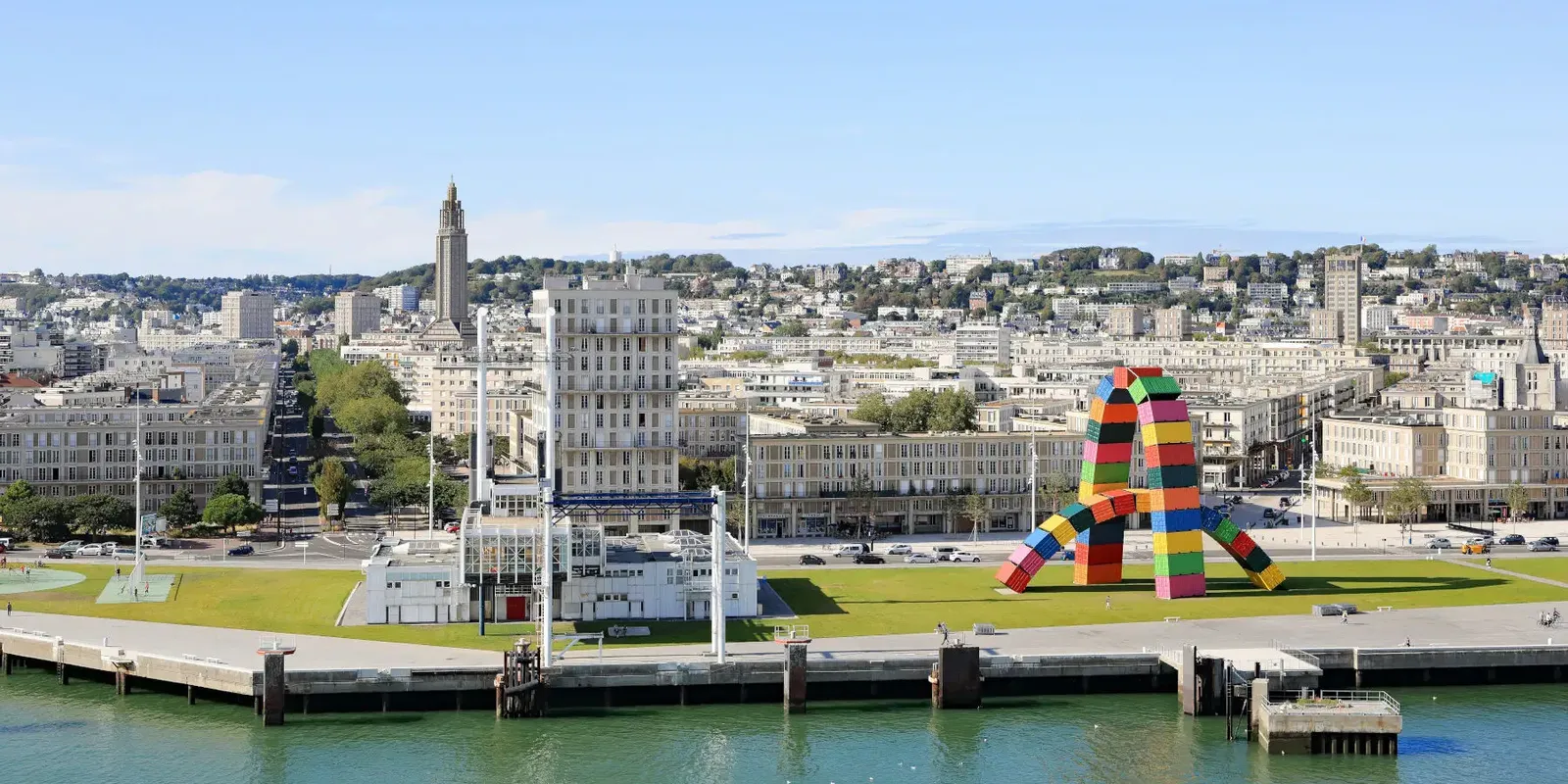
Le Havre: modernism rebuilt after the war
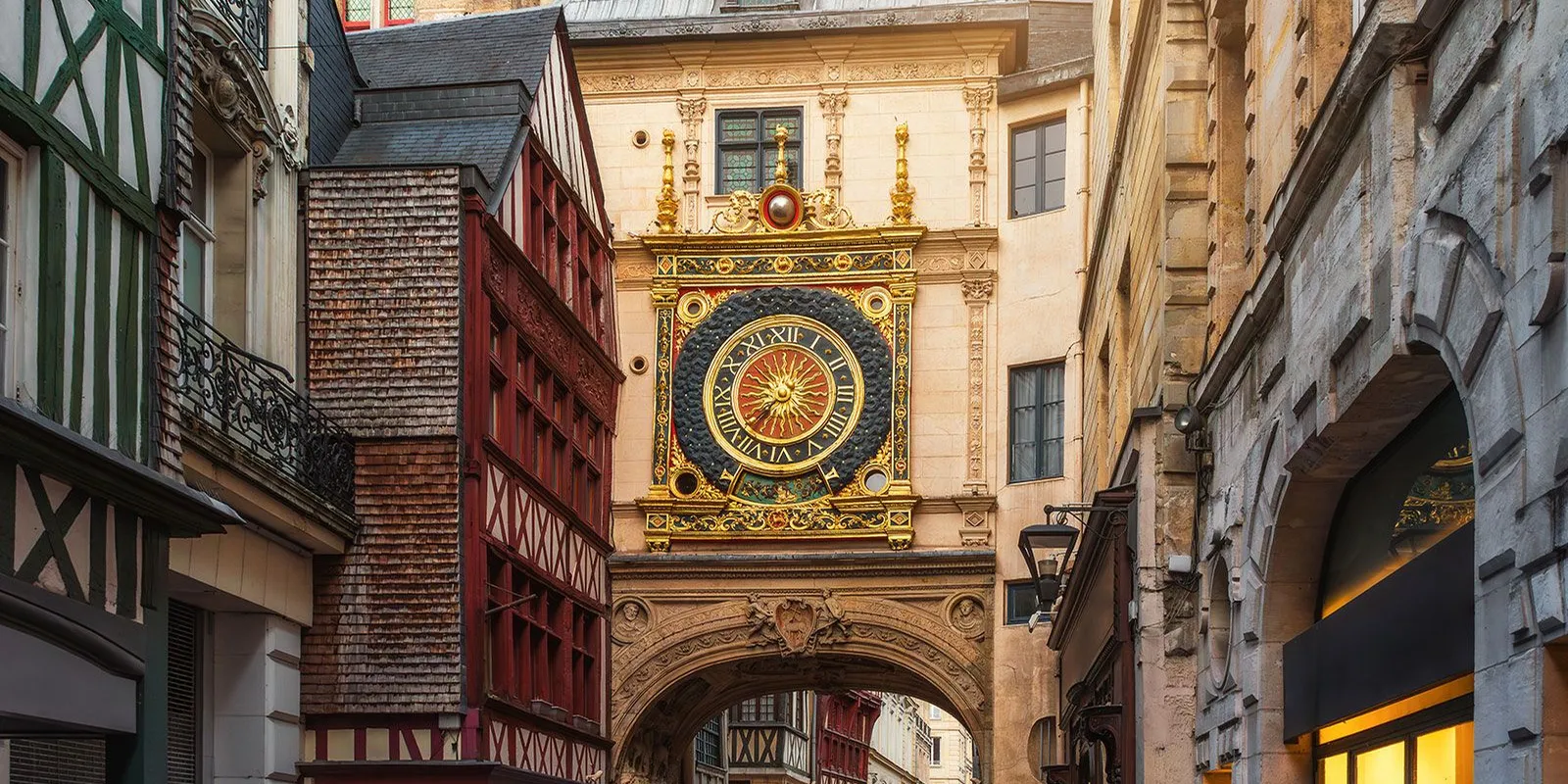
Rouen: where Joan of Arc was burned

Savonlinna Airport: where to stay, areas and recommended hotels

Jin Air: Korean Air's Low-Cost Carrier That Also Flies the Boeing 777
Salt Lake City International Airport: where to stay, areas and recommended hotels