
Le Havre: modernism rebuilt after the war
Almost completely razed by Allied bombing in 1944, Le Havre was rebuilt according to a modernist urban plan that earned it UNESCO recognition.
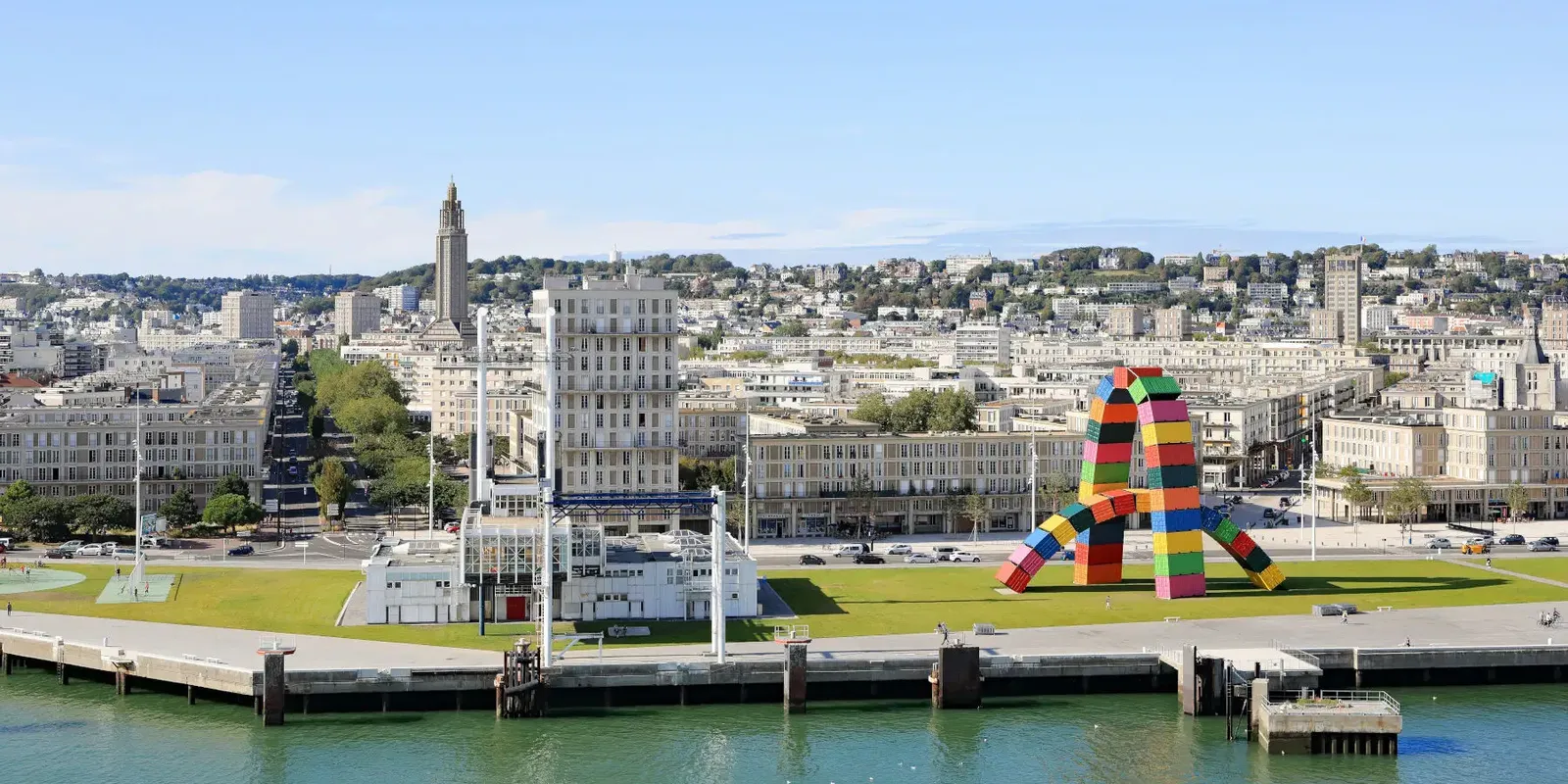
The center, rebuilt in modernist style by Auguste Perret after the war, is comfortably explored on foot.
The Church of Saint-Joseph, a reinforced concrete tower over one hundred meters tall designed by architect Auguste Perret, remains the symbol of the city's modernist reconstruction.
A few steps away, the rebuilt historic center, a UNESCO World Heritage site since 2005, demonstrates the systematic application of prefabricated concrete following Perret's urban planning principles, with wide regular avenues.
Continuing on, one visits the MuMa, André Malraux Museum of Modern Art, which displays one of the largest collections of French impressionist painting outside Paris.
Toward evening, Le Havre's pebble beach, right at the edge of the rebuilt center, offers a stroll along the English Channel waterfront.
Le Havre's downtown remains the only example in France of complete modernist urban reconstruction recognized as a UNESCO World Heritage site, a rare case of postwar architecture elevated to the status of world heritage.
Auguste Perret, a pioneer in the use of reinforced concrete in architecture, designed the entire reconstruction plan for the city following a regular grid and uniform building heights.
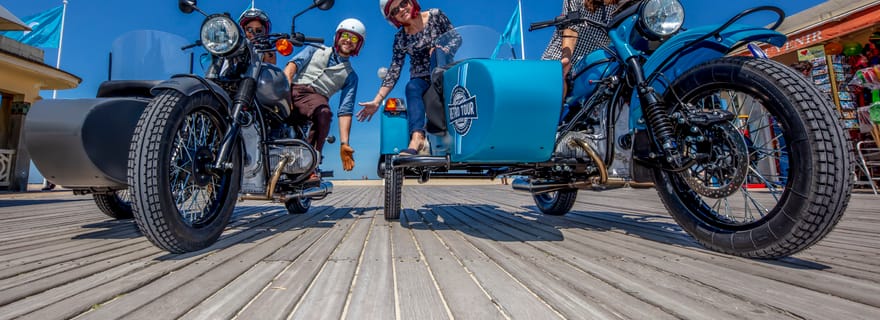
Guided tours and experiences in Le Havre

Related articles

You might also like...
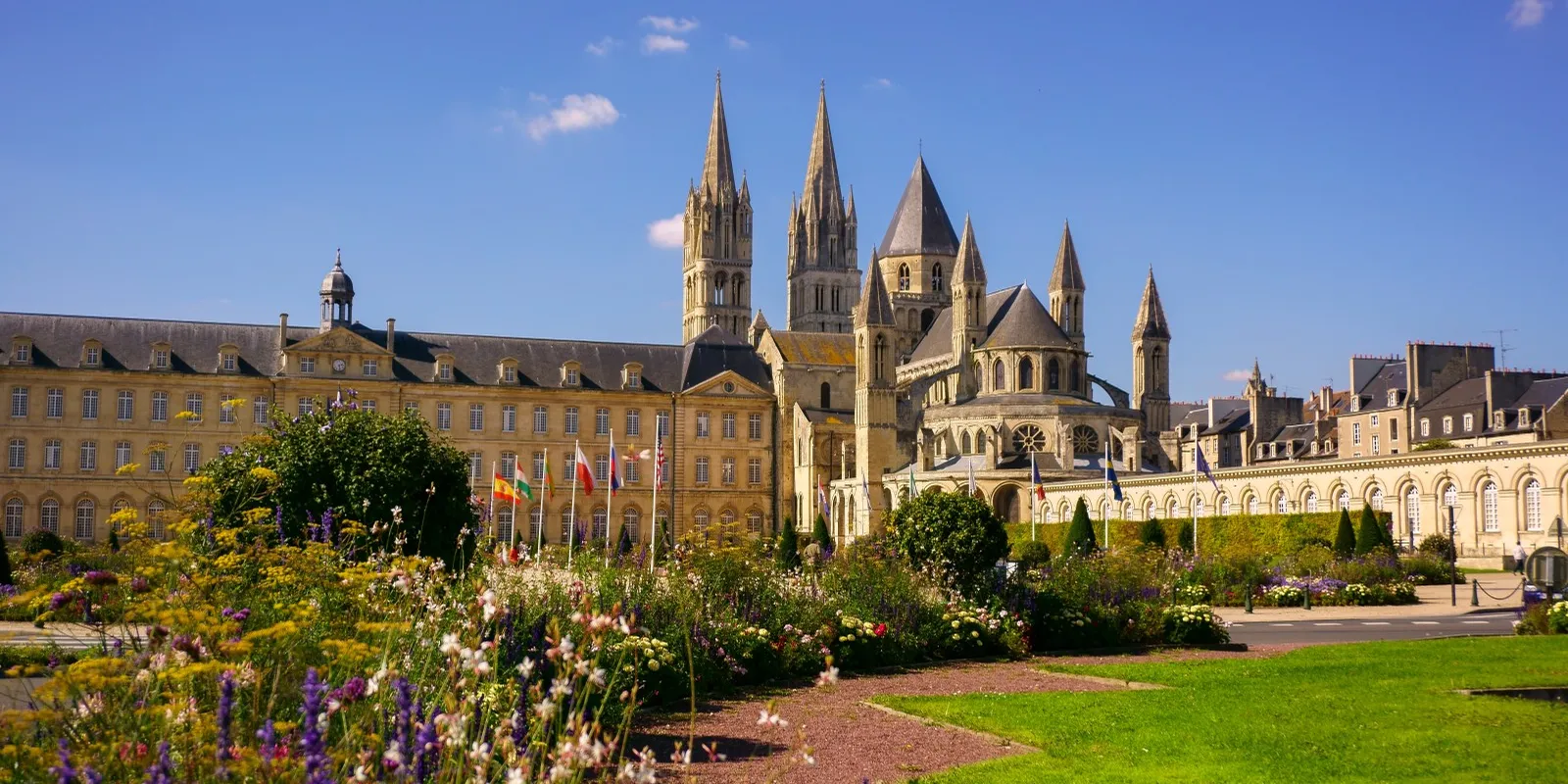
Caen: rebuilt after the Normandy landings
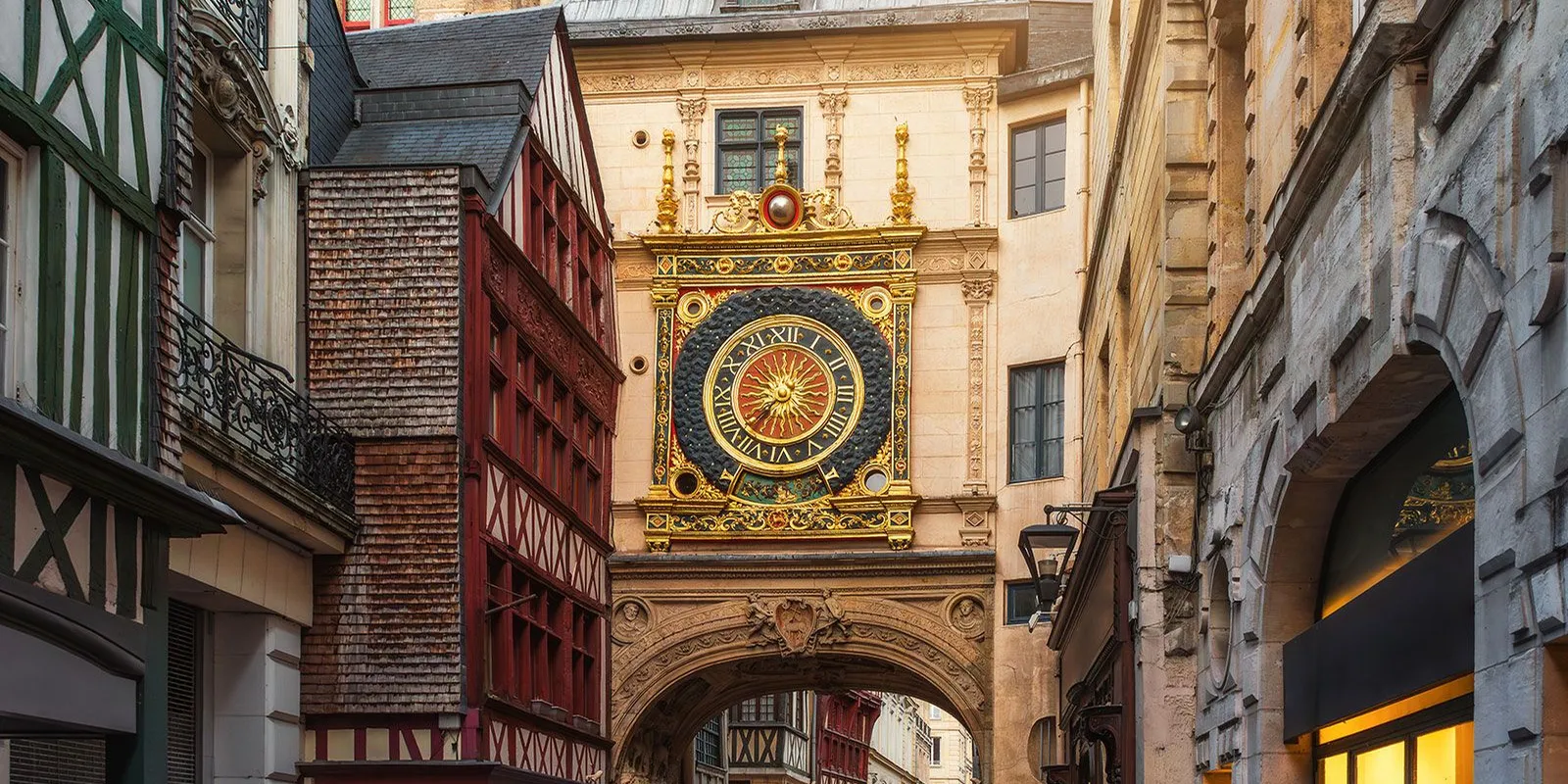
Rouen: where Joan of Arc was burned

Frequent flyer programs: how to earn points quickly
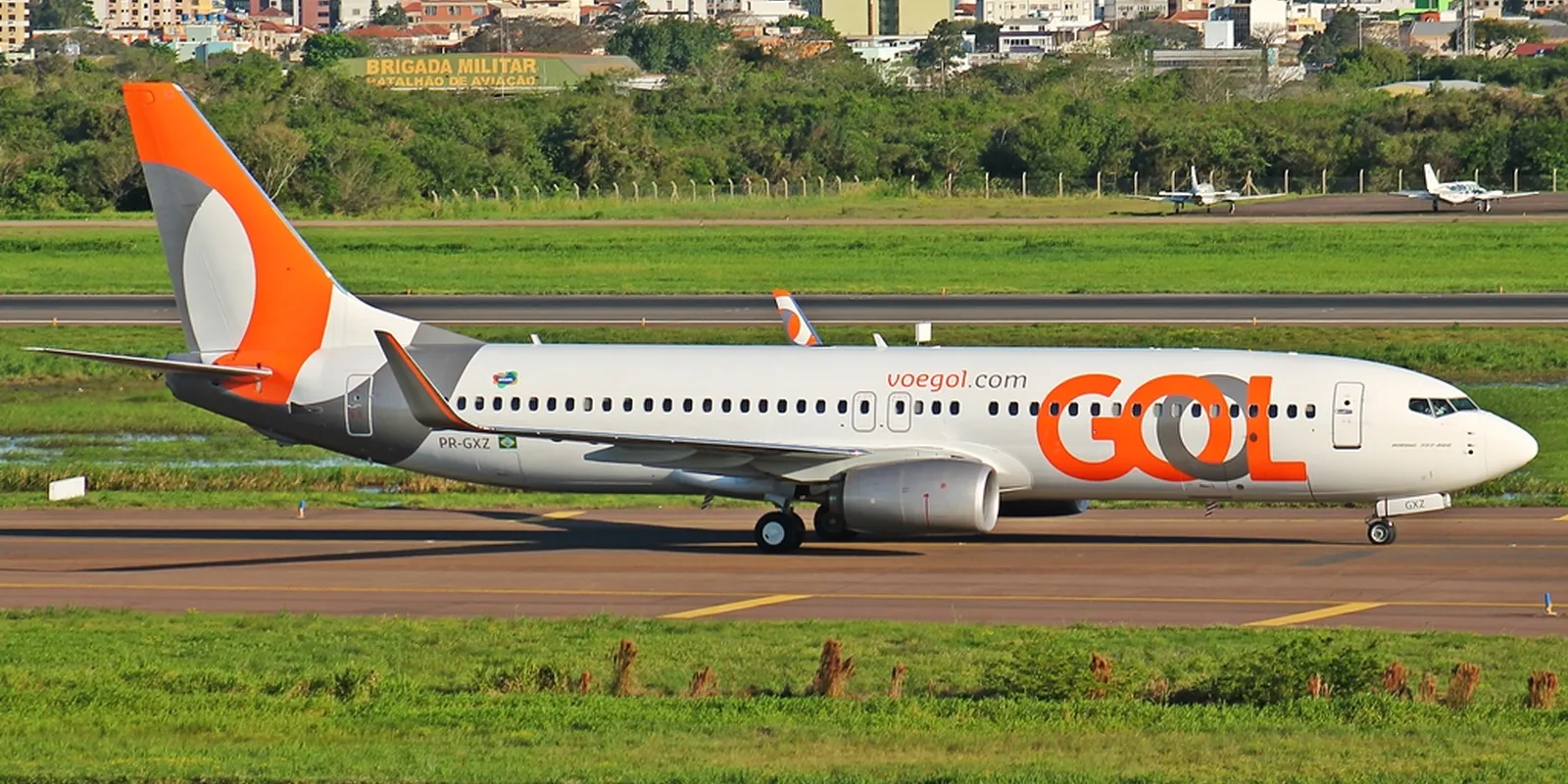
GOL Linhas Aéreas: The Brazilian Low-Cost Carrier With a Single Boeing 737 Fleet, and What to Expect

Fukuoka Airport: where to stay, areas and recommended hotels
