
Rouen: where Joan of Arc was burned
In 1431, in a square in Rouen, Joan of Arc was burned at the stake following a political trial: the city still preserves the exact location of her execution.
The center, where Joan of Arc was burned at the stake in 1431, is comfortably explored on foot.
The Place du Vieux-Marché, where Joan of Arc was executed, today hosts a modern church whose form recalls the flames of the pyre.
A short walk away, the Rouen Cathedral, depicted multiple times by Claude Monet in a celebrated series of paintings on light, remains among the tallest Gothic cathedrals of France.
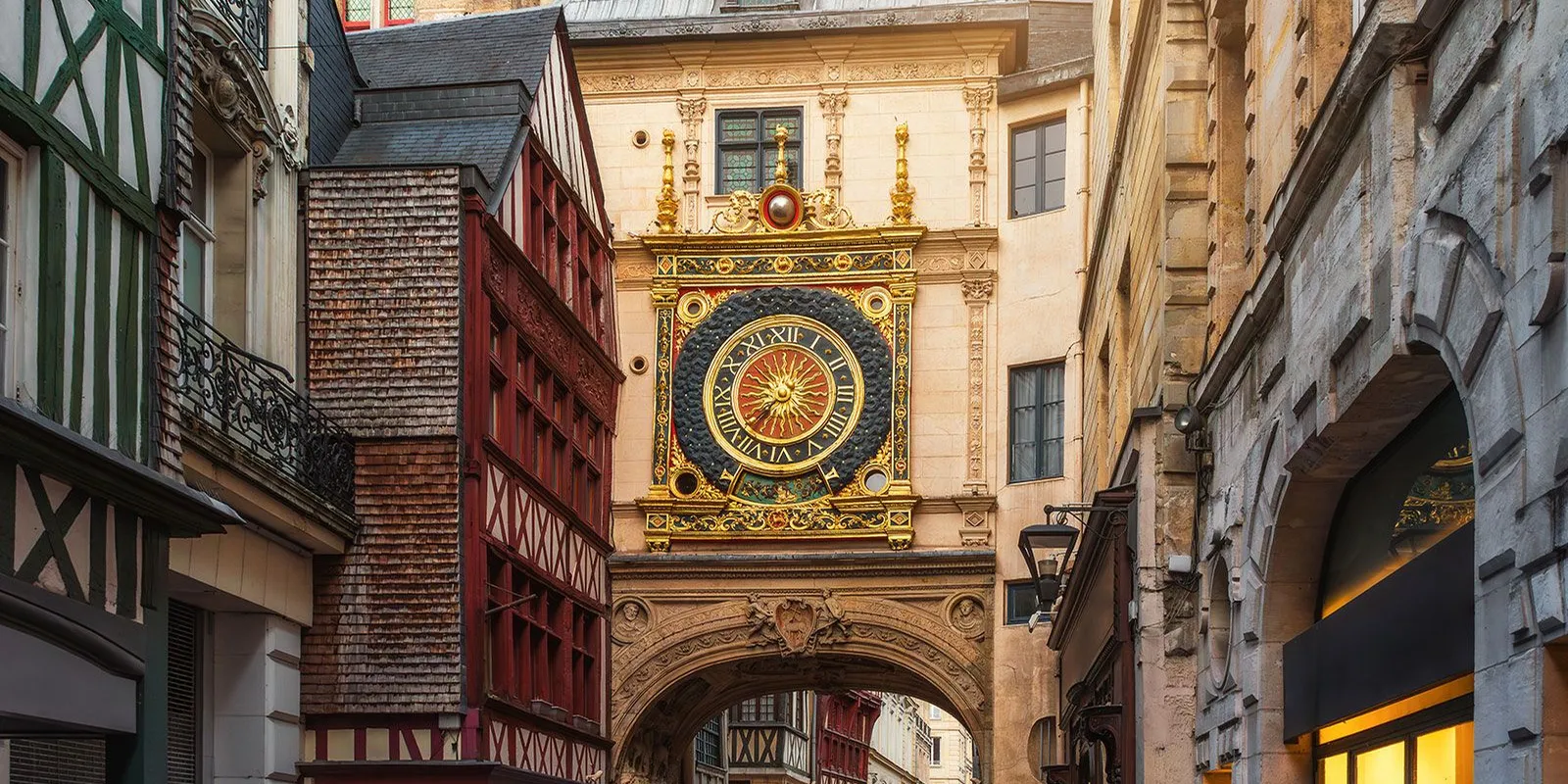
Continuing on, you walk along Rue du Gros-Horloge, a medieval street crowned by an ancient golden astronomical clock inset in an arch.
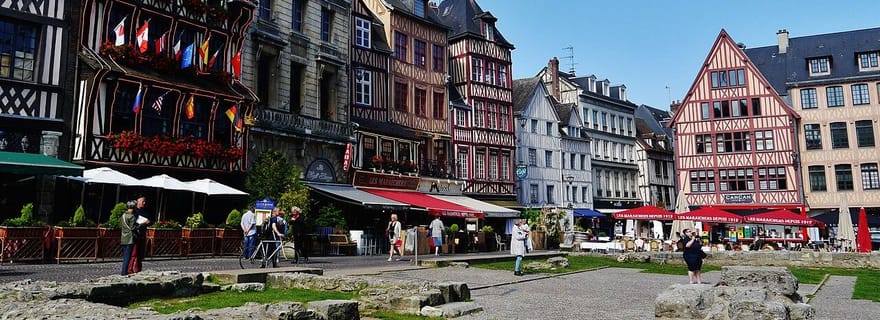
Toward evening, the district of half-timbered houses surrounding the cathedral, largely rebuilt after World War II bombing, animates traditional Norman restaurants.
Claude Monet painted the facade of Rouen Cathedral more than thirty times under different lighting conditions, an artistic project that prefigured impressionism's exploration of natural light perception.
Joan of Arc was rehabilitated by the Catholic Church only twenty-five years after her execution, and canonized a saint nearly five centuries later, in 1920.
Guided tours and experiences in Rouen
Related articles


You might also like...
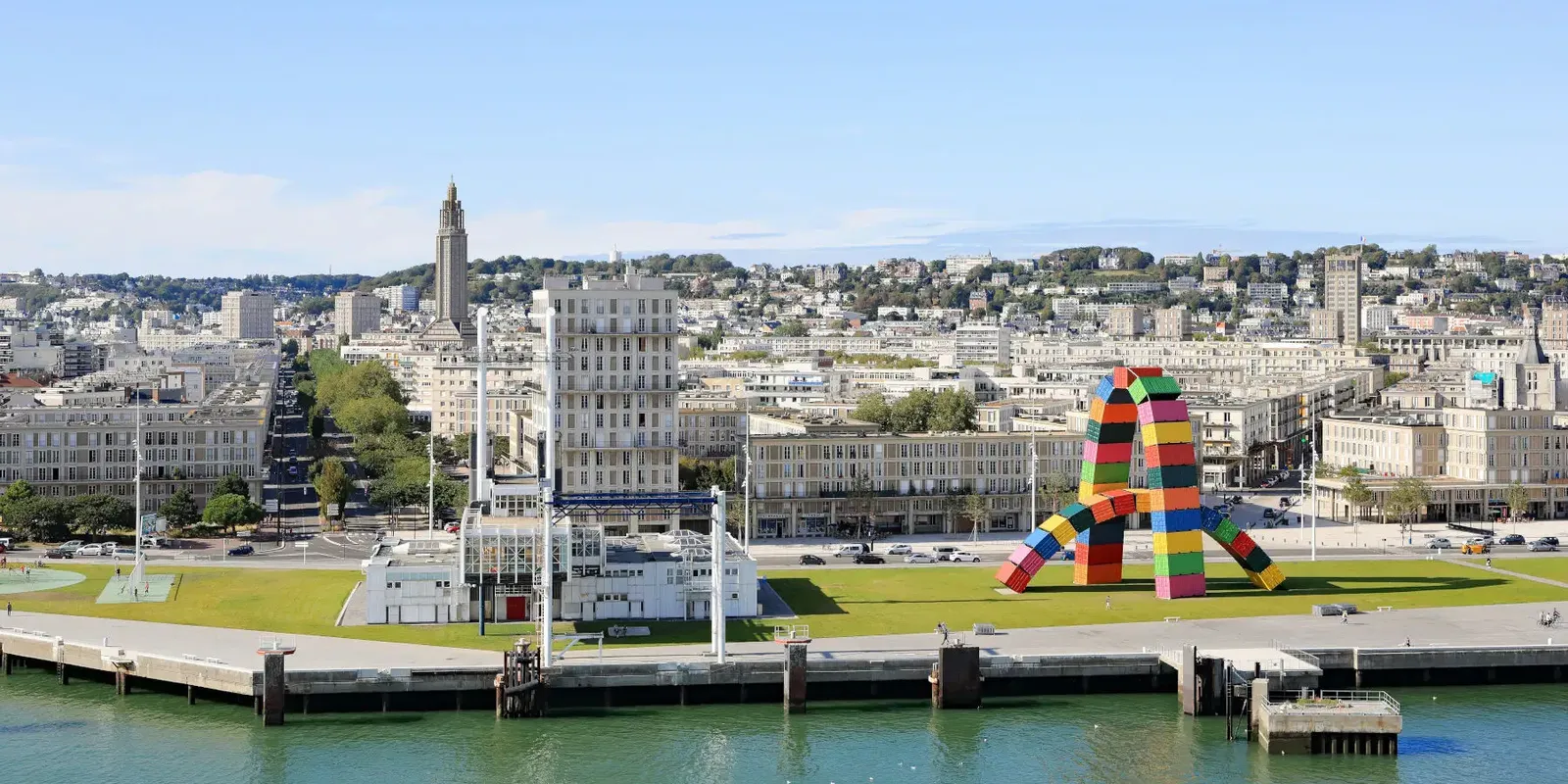
Le Havre: modernism rebuilt after the war
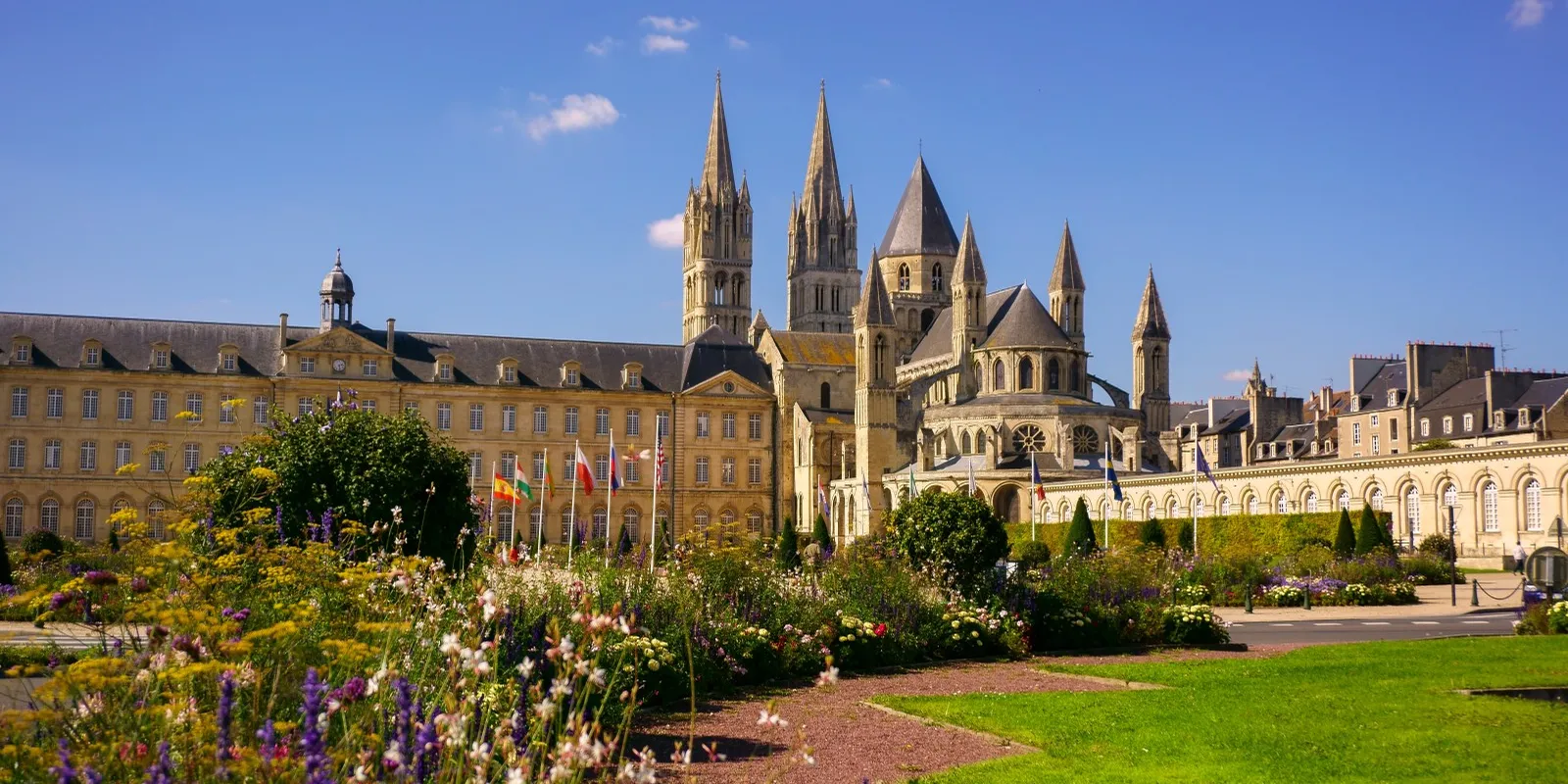
Caen: rebuilt after the Normandy landings

Tiree Airport: where to stay, areas and recommended hotels

Santander Airport: where to stay, areas and recommended hotels

Is Lucky Air Really Worth It? Fares, Baggage and What to Know Before Booking