Herat Today: The Silk Road City Between Taliban and Earthquakes
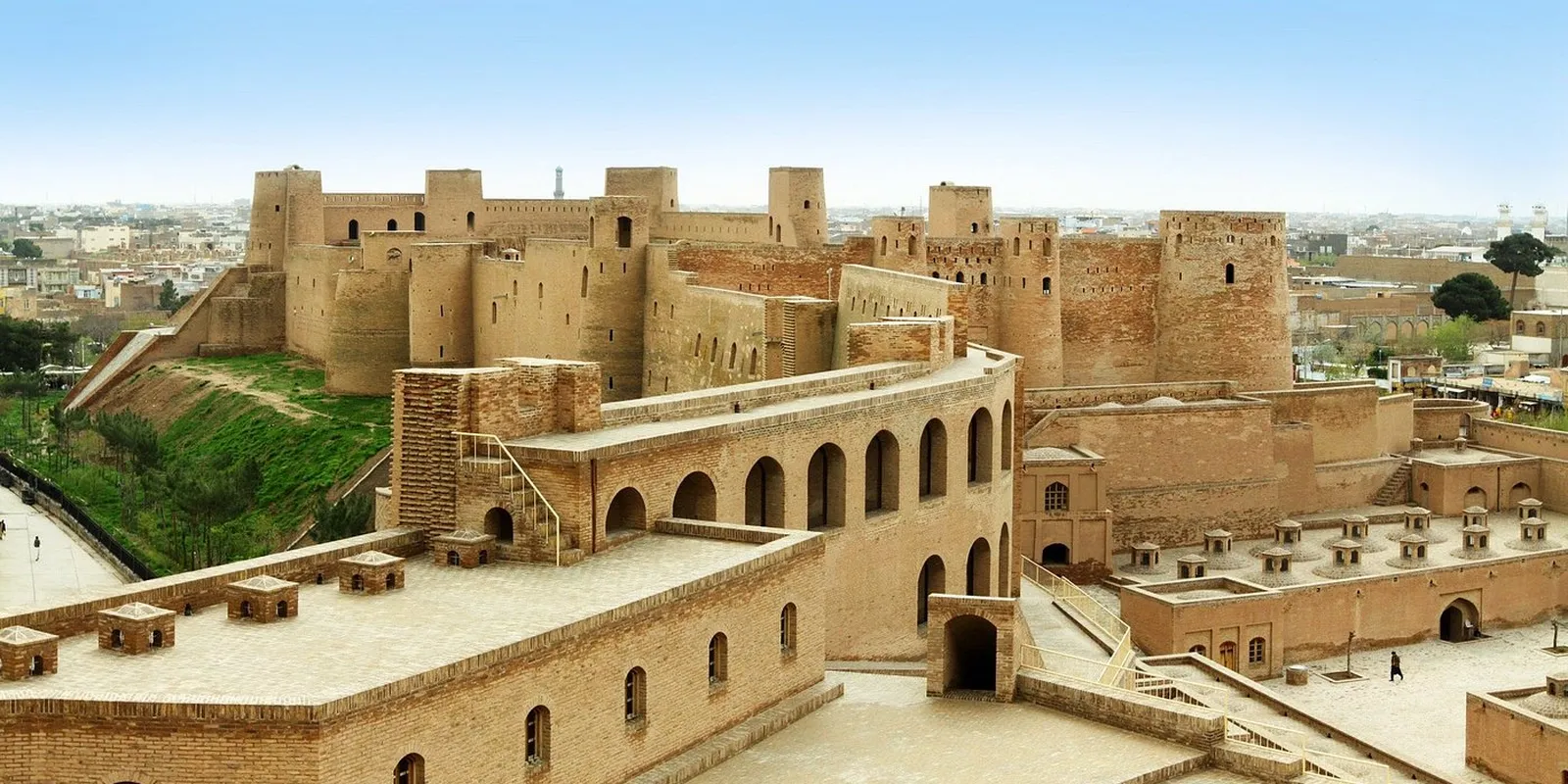
Ancient hub of the Silk Road, Herat preserves the Citadel of Qala Iktyaruddin and the Great Friday Mosque, a masterpiece of turquoise tiles among the most refined in Islamic art.
The minarets of the Musalla complex, survivors of a largely collapsed monumental ensemble in the last century, still testify to the splendor of Timurid Herat.
Like the rest of Afghanistan, since 2021 Herat has been governed by the Taliban, with the same restrictions on female education and work applied throughout the country.
In October 2023 a series of violent earthquakes struck Herat province, causing thousands of deaths and further damaging already fragile infrastructure.
Although historically considered more stable than Kabul or Kandahar, the city remains exposed to the risk of attacks and the general unpredictability of the Afghan situation.
International travel recommendations strongly advise against any movement in Afghanistan, Herat included, due to security risks and logistical difficulties related to post-seismic damage.
Under different conditions, Herat would offer the Citadel, the Great Friday Mosque with its turquoise tiles, and the surviving minarets of the Musalla complex, among the finest examples of Timurid architecture.
Reconstruction after the 2023 earthquakes and lasting political change would both remain necessary before tourism could be imagined returning to this historic city.
Related articles

You might also like...
Mashhad: Iran's most sacred shrine
Mazar-i Sharif Today: The Blue Shrine Under Taliban Rule

Kenmore Air: What It's Like to Fly by Seaplane from Seattle to the San Juan Islands

Lisbon Portela Airport: where to stay, areas and recommended hotels

When it's worth booking a flight
