Kalmar: the Renaissance castle of southern Sweden
In 1397, a union signed in Kalmar first united Denmark, Norway and Sweden under a single crown: the castle where it all began remains visitable today.
The center, dominated by the Renaissance castle, is comfortably explored on foot.
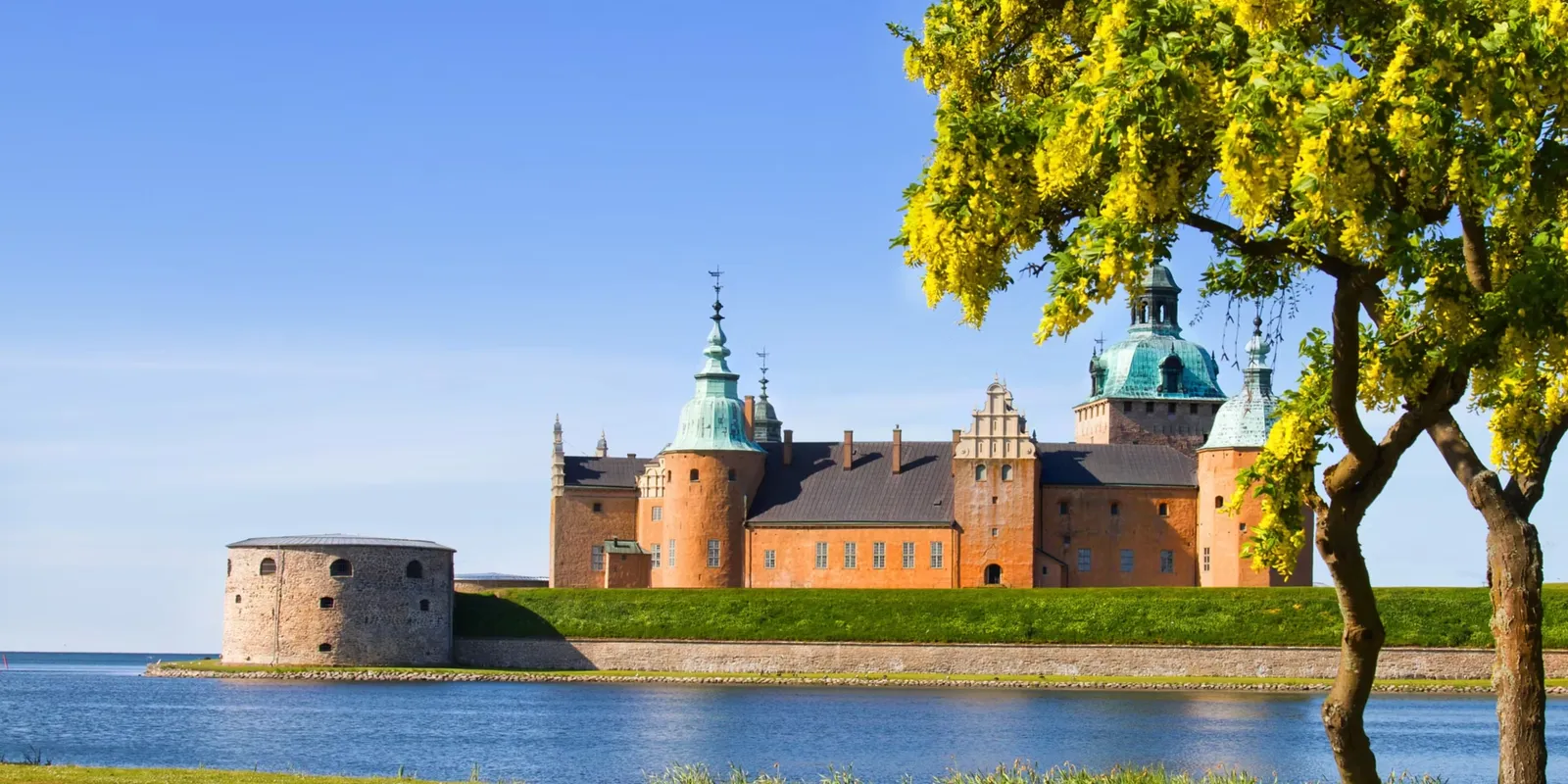
The Castle of Kalmar, transformed from a medieval fortress to a Renaissance residence in the sixteenth century, houses frescoed halls and an intact moat.
A few steps away, the Cathedral of Kalmar, a Baroque masterpiece designed by the same architect of the Royal Palace of Stockholm, dominates the main square of the city.
Continuing, one walks through the Kvarnholmen district, an artificial island on which the planned historic center from the seventeenth century stands, built on a regular grid.
Toward evening, the bridge connecting Kalmar to the island of Öland, among the longest in Sweden, closes the day with a view of the Baltic Sea.
The Kalmar Union of 1397, signed right in this castle, united for over a century the crowns of Denmark, Norway, and Sweden under a single sovereign, a rare political experiment for medieval Scandinavia.
The bridge to Öland, opened in 1972, remains among Sweden's longest infrastructure today, connecting the mainland to one of the country's most visited islands in summer.
Related articles

You might also like...
Karlskrona: the Baroque naval base on the UNESCO list
Växjö: Europe's greenest city among Swedish lakes

Yeager Airport: where to stay, areas and recommended hotels

Wellness apps for travel: managing sleep and relaxation

Norman Manley International Airport: where to stay, areas and recommended hotels