Växjö: Europe's greenest city among Swedish lakes
Self-proclaimed Europe's greenest city for its ambitious goal of fossil fuel independence, Växjö also holds a museum dedicated to Swedish emigration to America.
The bicycle remains the most common way to move around what is defined as Europe's greenest city.
The Museum of Swedish Emigrants tells the story of the million Swedes who left the country for America in the nineteenth century, many departing directly from the Växjö region.
Just steps away, the Lake Södra Bergundasjön, in the heart of the city, remains so clean as to permit swimming despite its urban location.
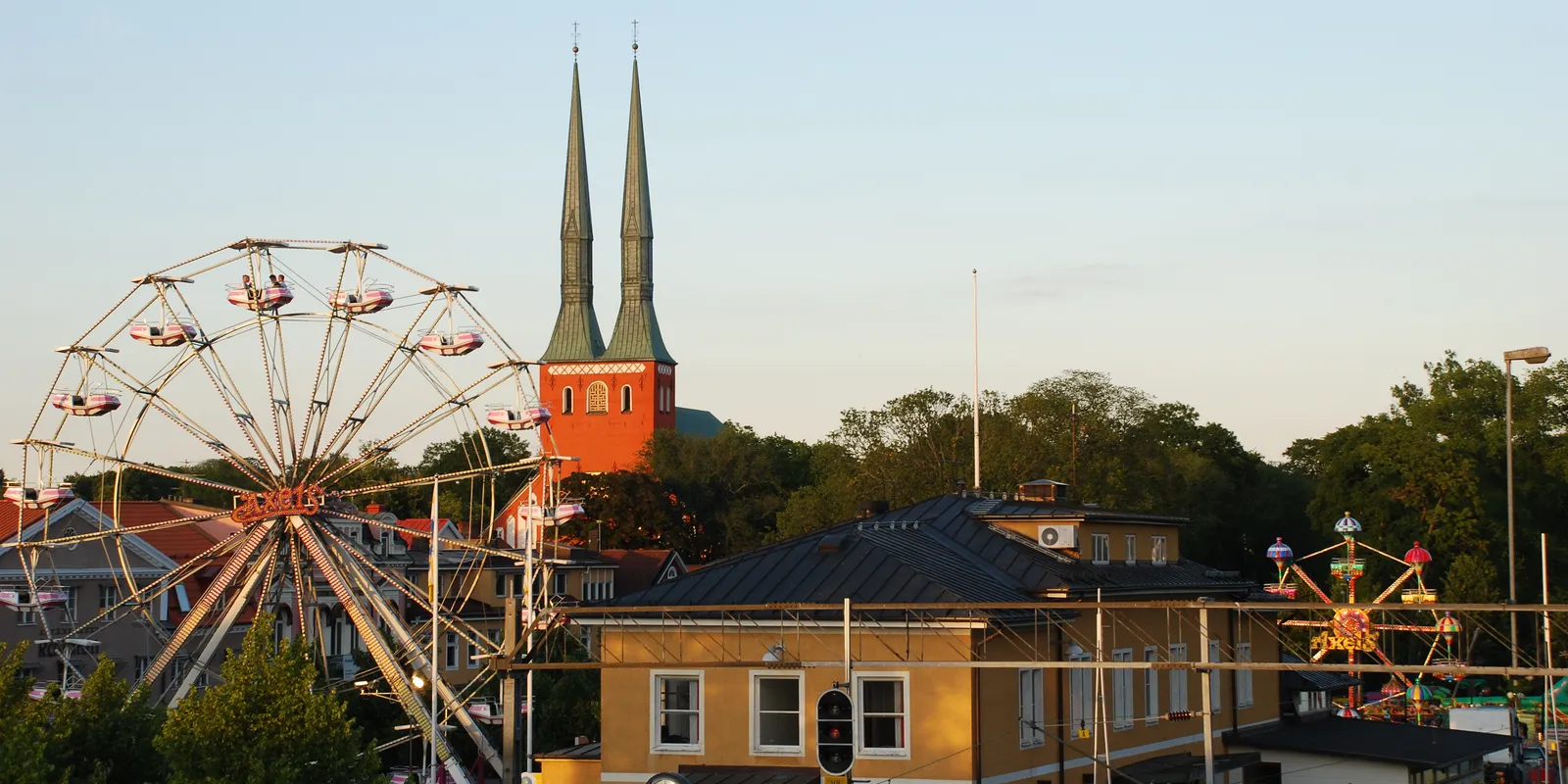
Continuing toward downtown, one visits the Växjö Cathedral, with its twin spires dominating the city skyline above the lake.
As evening approaches, the historic center comes alive with restaurants serving traditional Småland Swedish cuisine, a region known for its historical frugality.
Växjö has set the goal of becoming the world's first city completely independent from fossil fuels, a target pursued through investments in biomass and sustainable district heating since the 1990s.
Over one million Swedes emigrated to America between 1850 and 1930, many departing from the region of Småland around Växjö, an exodus recounted in the city's dedicated museum.
Related articles

You might also like...
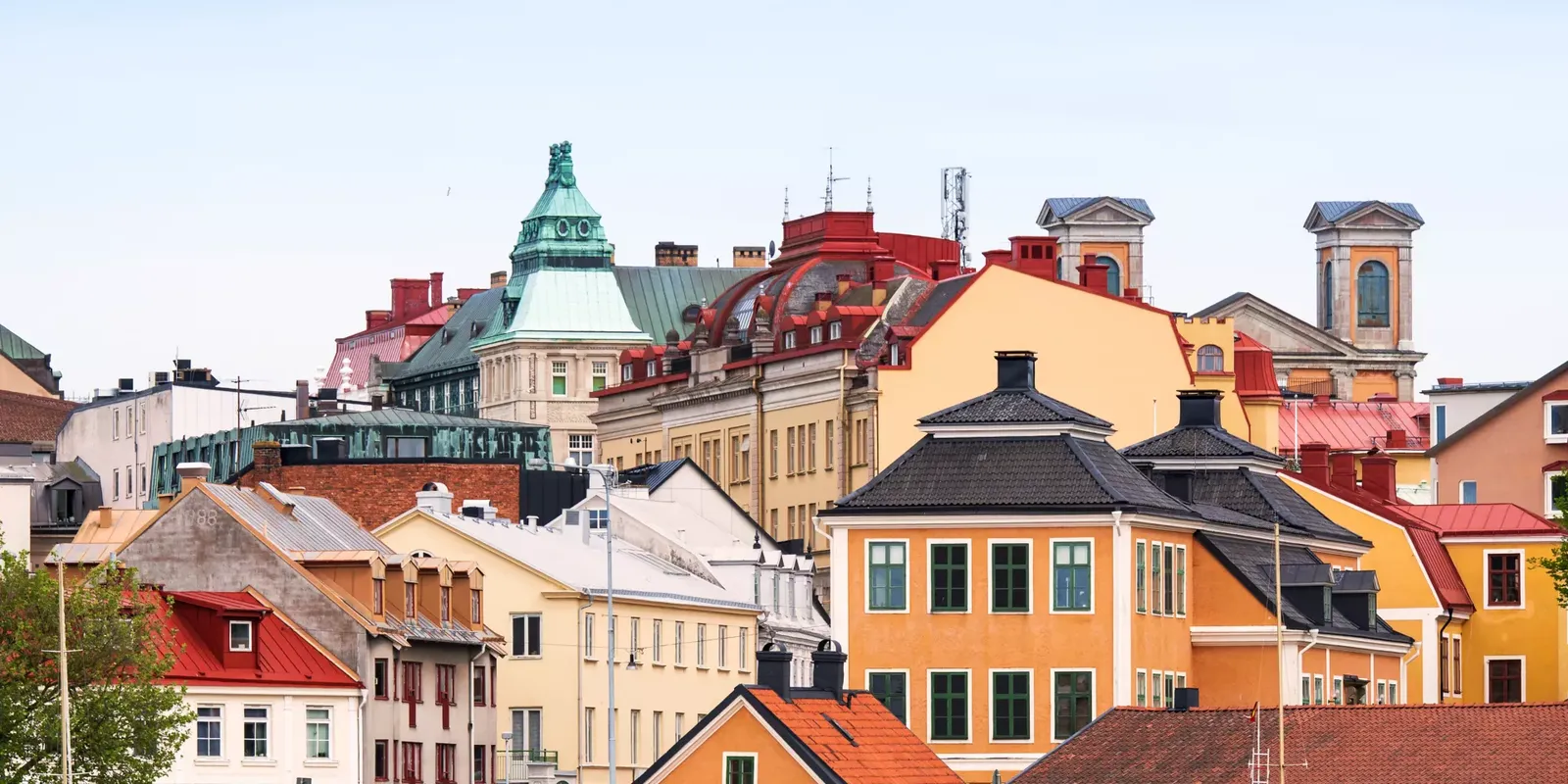
Karlskrona: the Baroque naval base on the UNESCO list
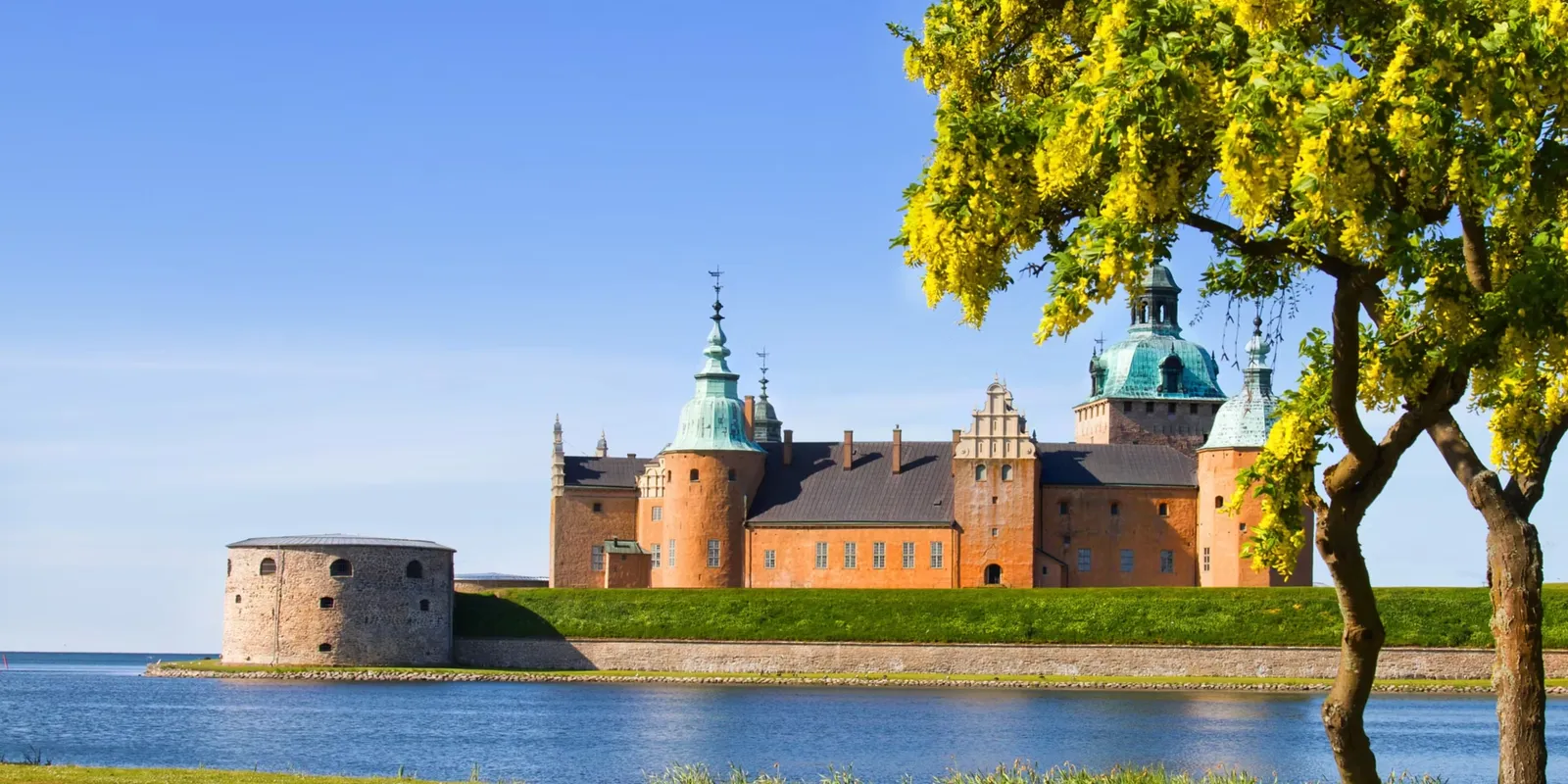
Kalmar: the Renaissance castle of southern Sweden

Kona International At Keahole Airport: where to stay, areas and recommended hotels
How to avoid last-minute mistakes before departure

Erbil International Airport: where to stay, areas and recommended hotels