Oaxaca: mole, mezcal and Zapotec ruins
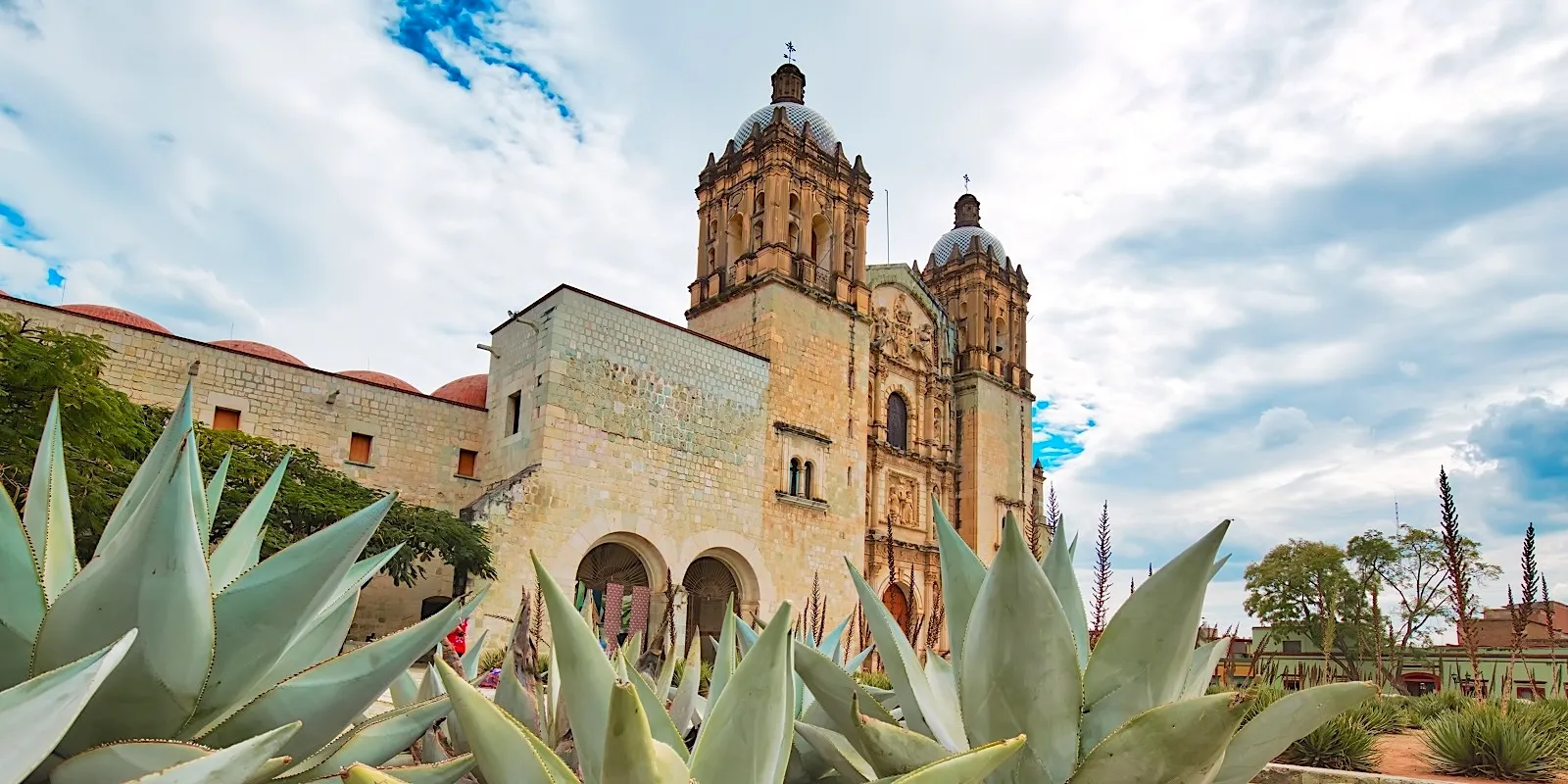
Cradle of Mexican cuisine designated as UNESCO heritage, Oaxaca also remains the starting point for the Zapotec ruins of Monte Albán.
The colonial center, celebrated for its mole and mezcal, can be comfortably visited on foot.
The historic center of Oaxaca, a UNESCO World Heritage site, preserves colonial palaces in green cantera, a volcanic stone typical of the region, along cobbled streets dating from the Spanish period.
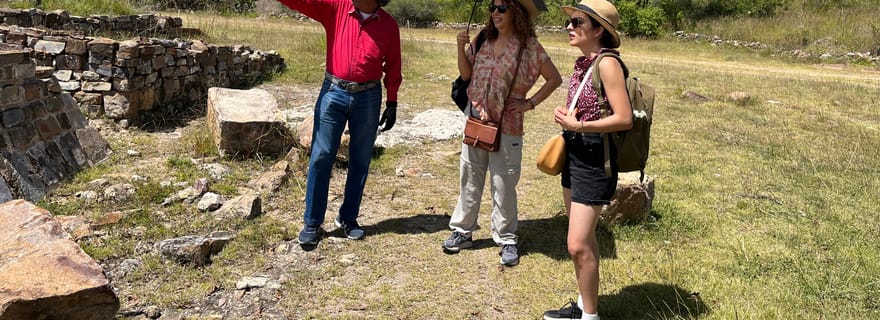
A few minutes away, Monte Albán, an ancient Zapotec capital built on an artificially flattened hill, remains one of Mesoamerica's most important archaeological sites.
Continuing toward the Benito Juárez market, you taste the seven traditional moles of Oaxaca, complex sauces based on dozens of different ingredients.
Toward evening, local distilleries offer tastings of mezcal, the agave distillate native to this Mexican region.
Monte Albán was built upon a hilltop specifically leveled by the Zapotecs over twenty-five hundred years ago, becoming one of the first true urbanized cities of the Americas, featuring ceremonial plazas and astronomical observatories.
Oaxaca produces over ninety percent of Mexico's mezcal, an agave distillate that, unlike tequila, is traditionally roasted in underground pits lined with volcanic stone, a process that defines its characteristic smoky flavor.
Guided tours and experiences in Oaxaca

Related articles


You might also like...
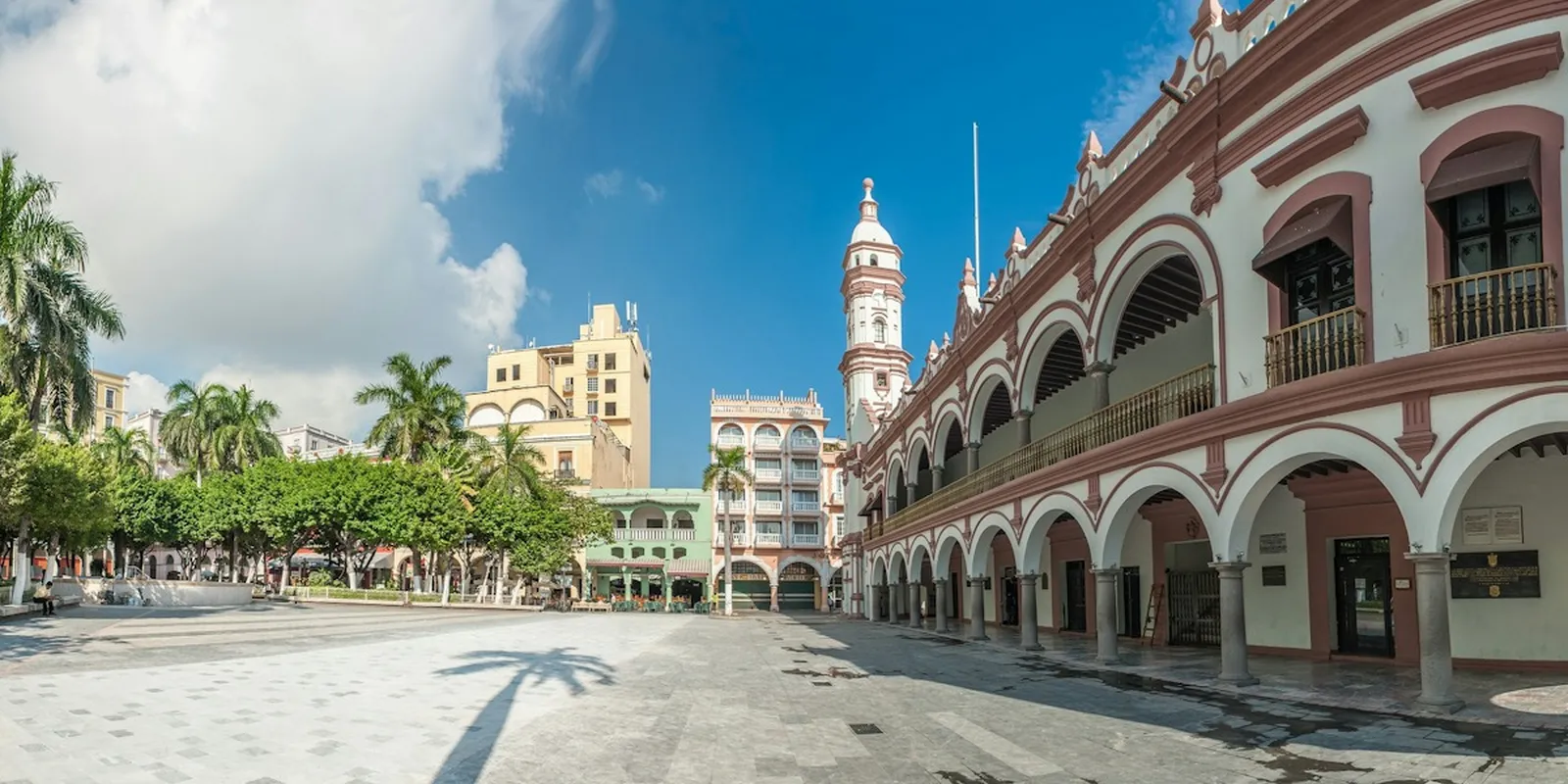
Veracruz: where Cortés landed in Mexico
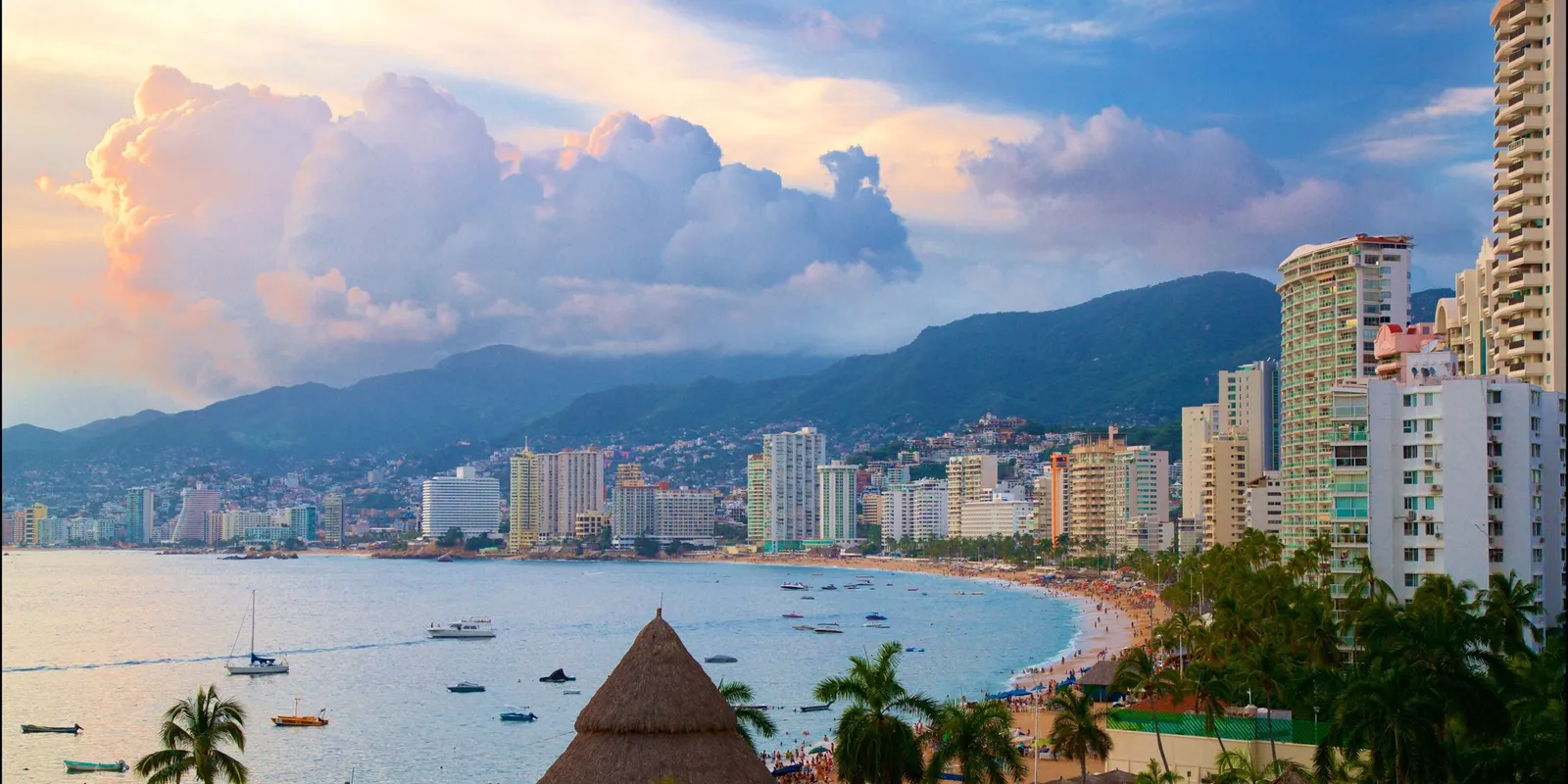
Acapulco: the classic bay of the cliff divers

Samos Airport: where to stay, areas and recommended hotels

Hurghada International Airport: where to stay, areas and recommended hotels

Royal Air Maroc: Why Casablanca Became the Gateway to Africa