Codeshare flights: how they work and what to know
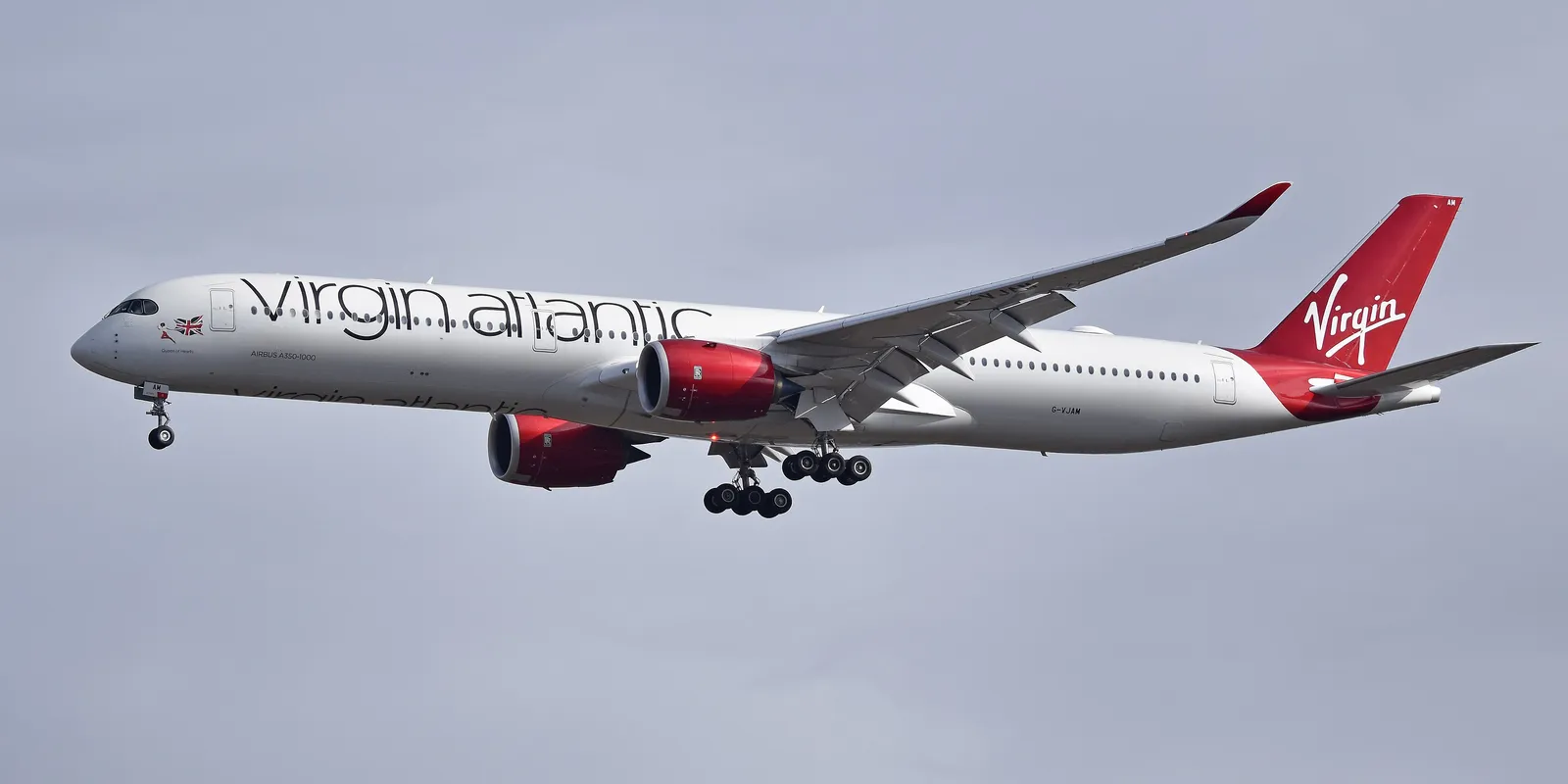
In a codeshare flight the ticket is sold by one airline but the aircraft is operated by another: the name on the booking does not therefore match the airline that actually manages the flight and crew.
Operating carrier and marketing carrier
The operating carrier is the airline that physically manages the aircraft and crew: it is this airline, not necessarily the name printed on your ticket, that you should contact for physical check-in and special assistance requests. The marketing carrier is simply the airline from which you purchased the ticket.
Baggage and rights in case of delay
Baggage rules for carry-on and checked baggage normally follow those of the operating carrier, so it is worth checking them on its website even if the ticket was purchased elsewhere. For delays and cancellations, European regulation 261/2004 places the responsibility for refunds, rebooking and assistance on the operating carrier, regardless of which airline sold the ticket.
How to recognize a codeshare
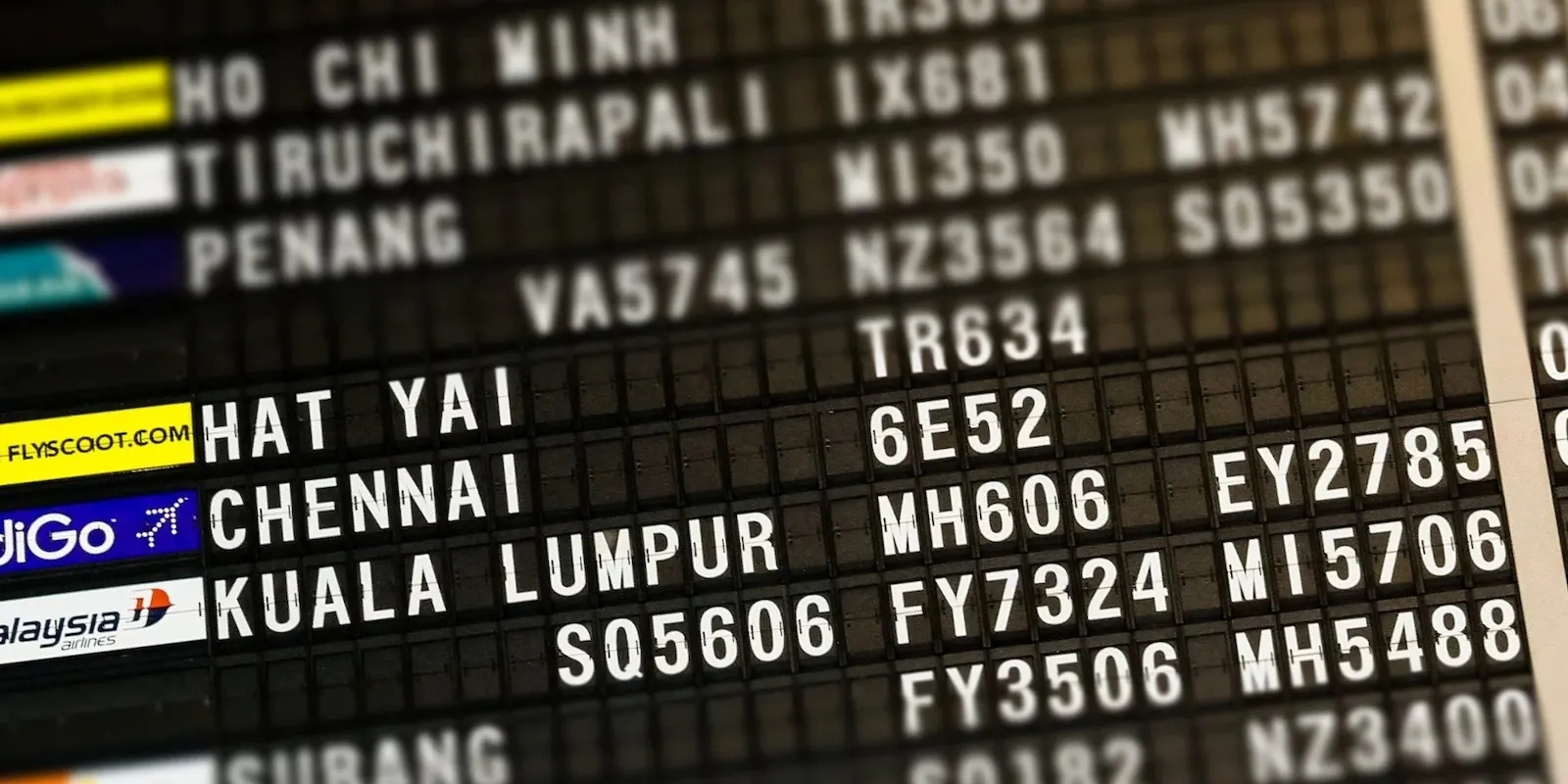
The "Operated by" text on the booking confirmation or boarding pass indicates the actual operating carrier: checking this before arriving at the airport avoids showing up at the wrong counter, especially in large hubs where partner airlines occupy different terminals, a situation also described in our guide to physical check-in at the airport.
Always check the "Operated by" text on the booking or boarding pass: it is the only way to know for certain which counter to approach and which baggage rules apply.
You might also like...

Raleigh Durham International Airport: where to stay, areas and recommended hotels

Ontario International Airport: where to stay, areas and recommended hotels
LATAM Colombia: A Guide to the Country's Second Airline

Don Mueang airport lounges: which one to pick between T1 and T2
Traveling light: the philosophy of minimal luggage