Argentina: main airports
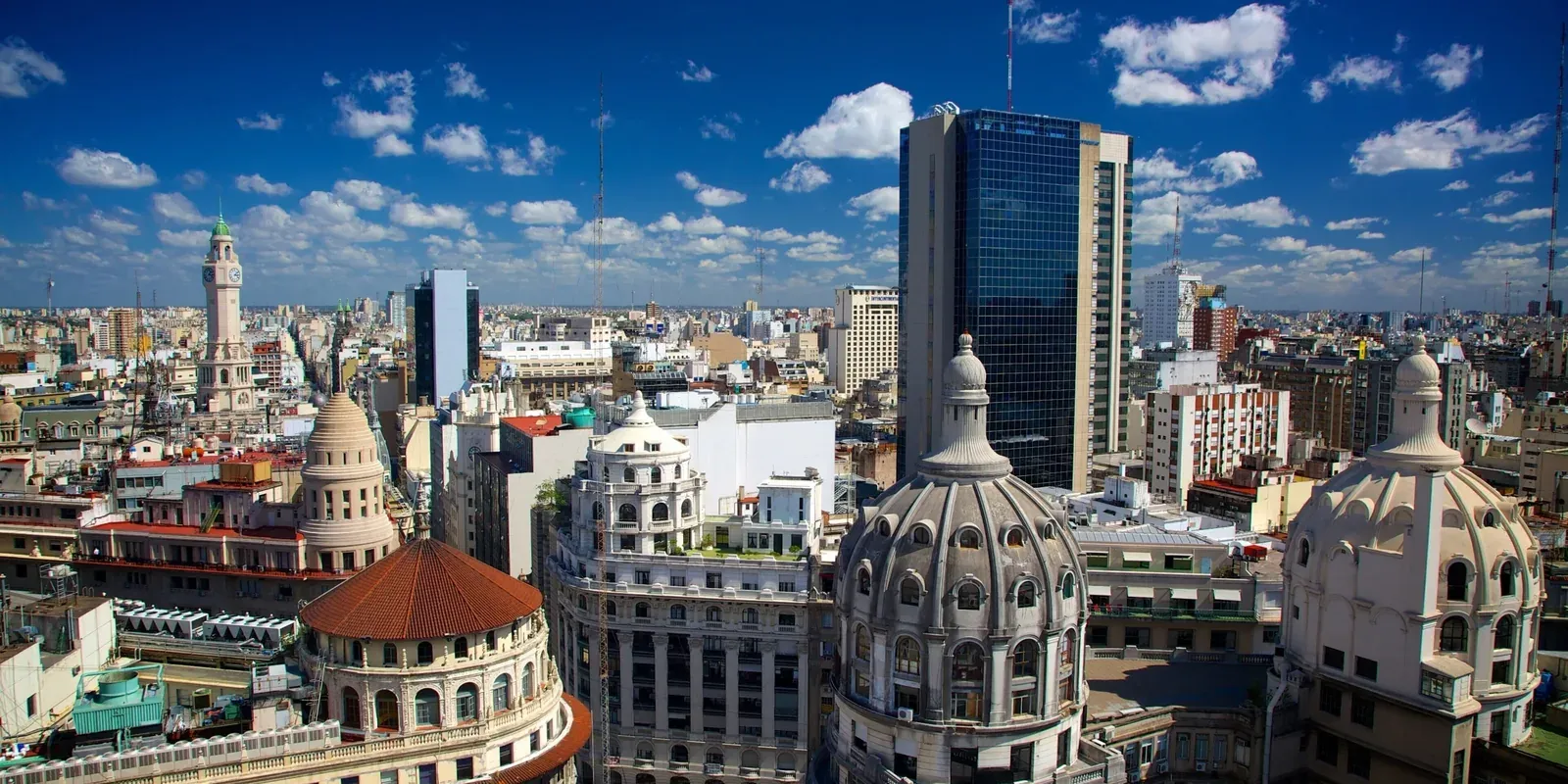
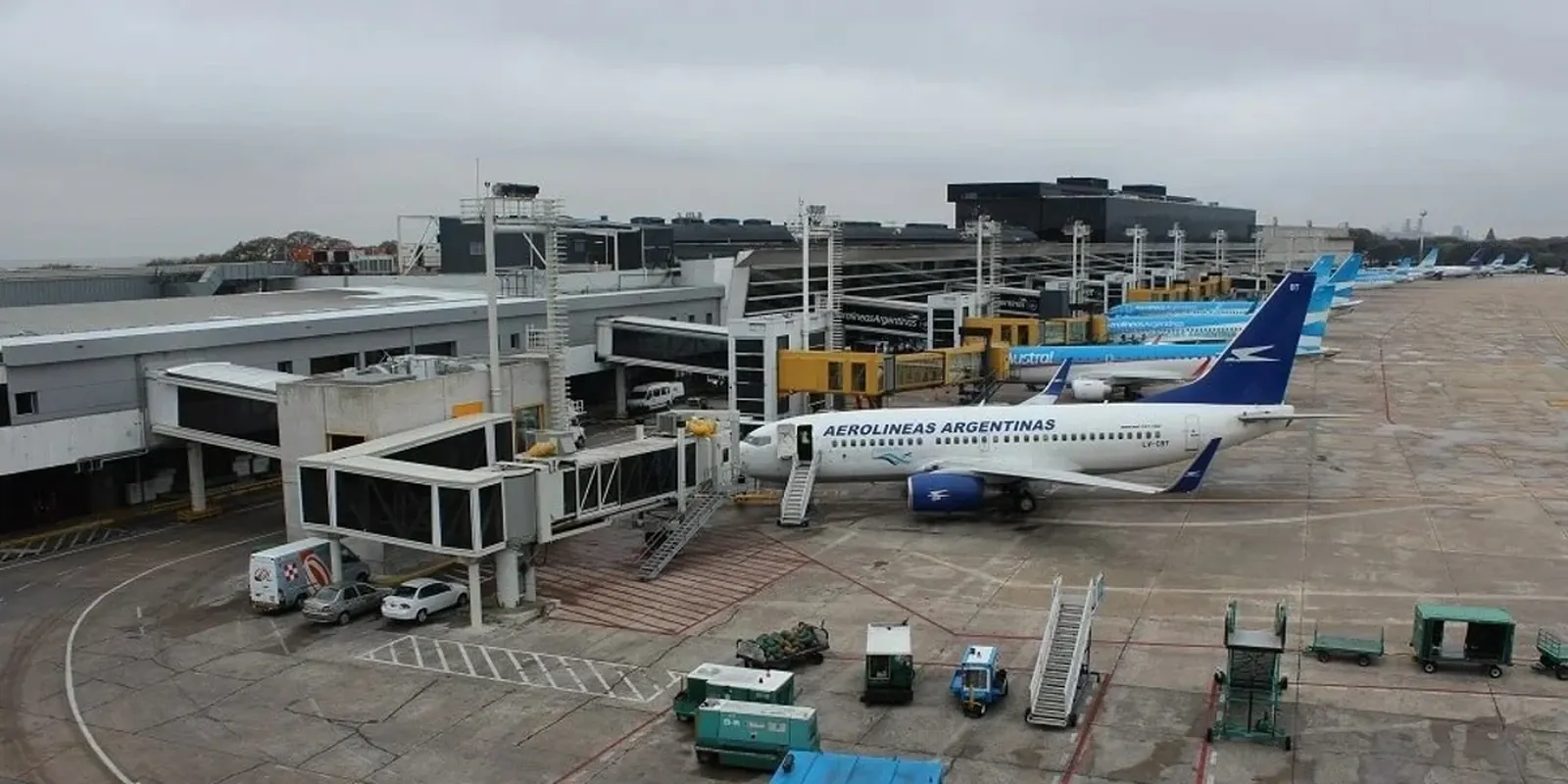
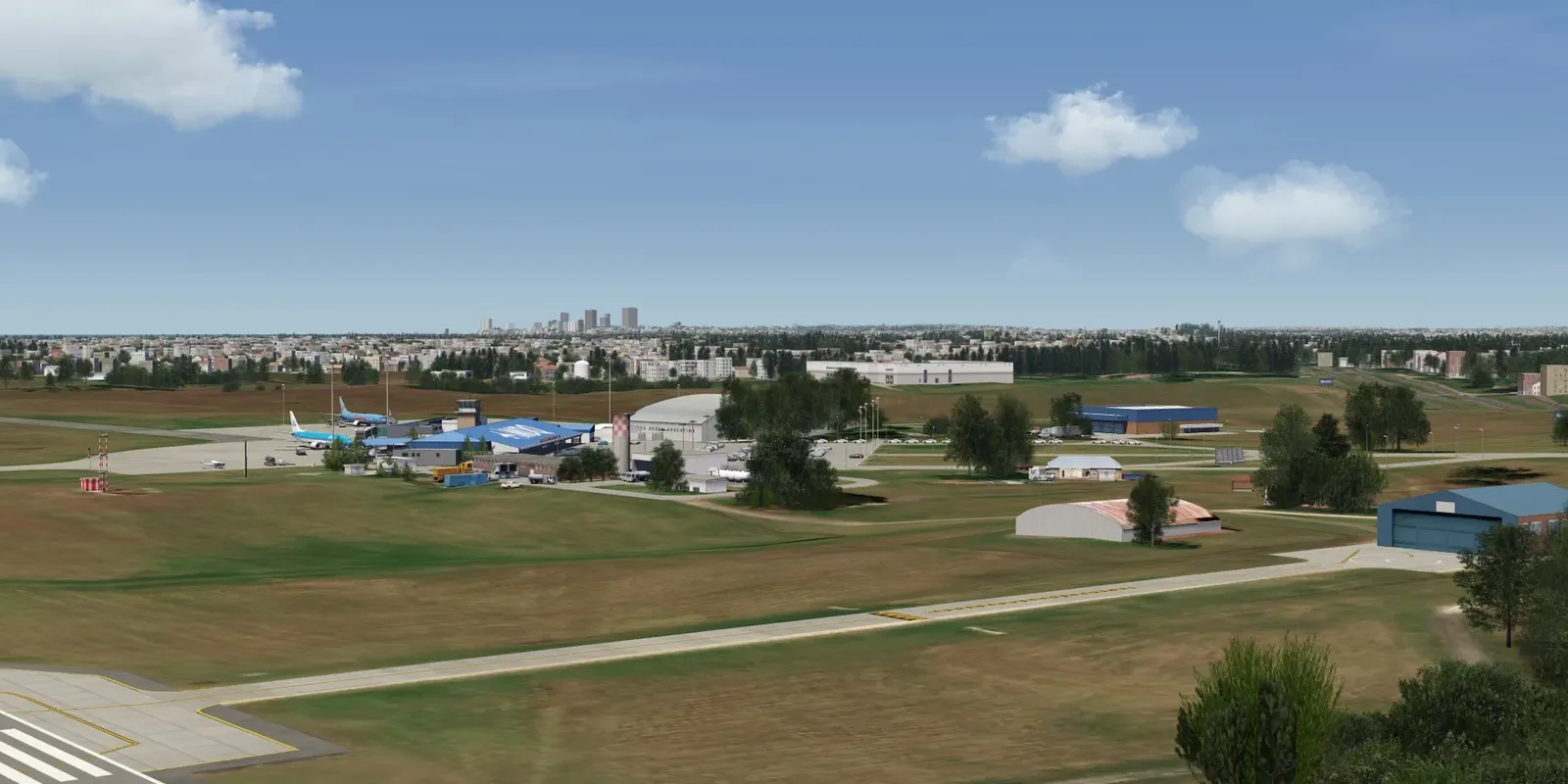
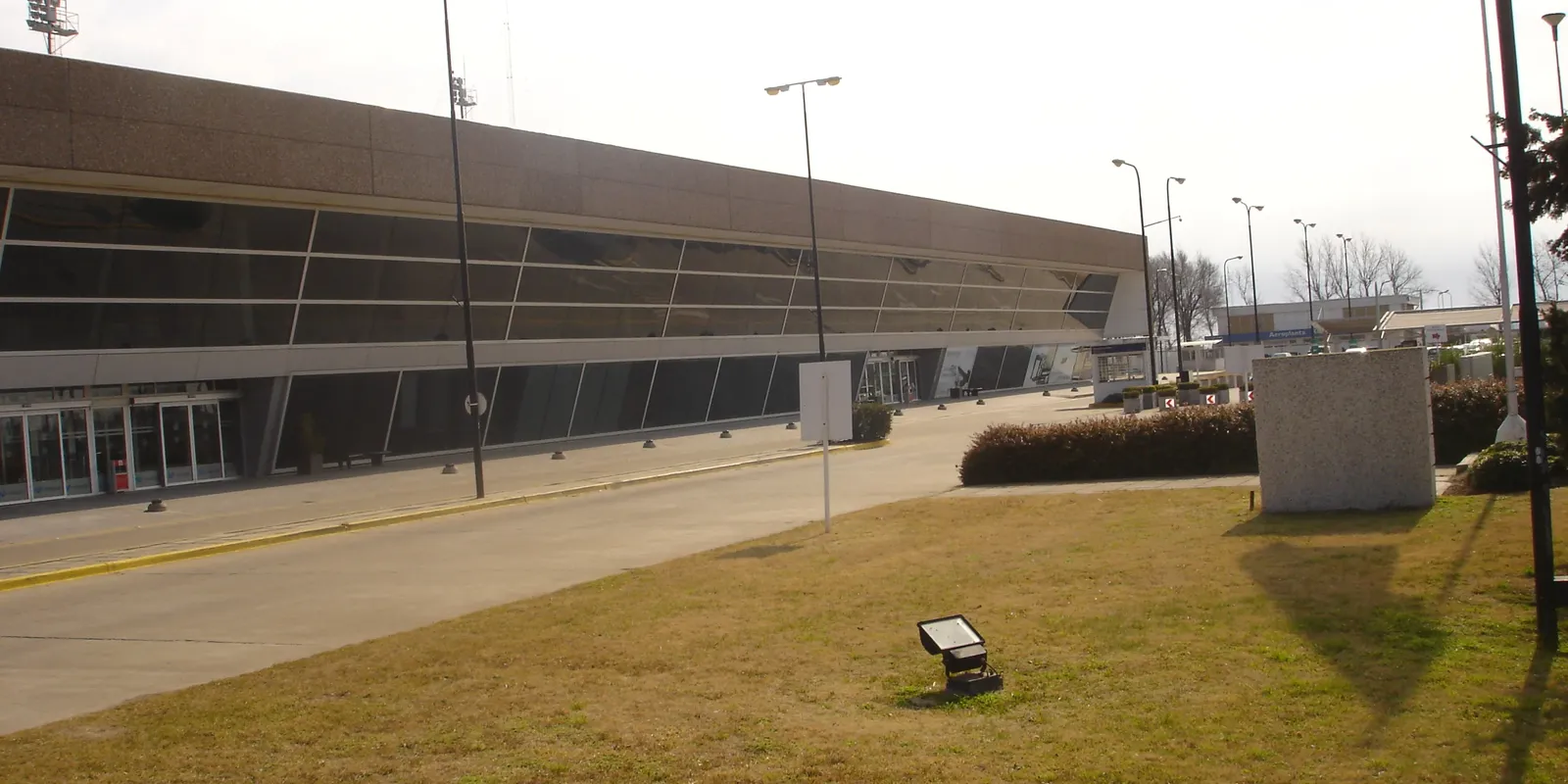
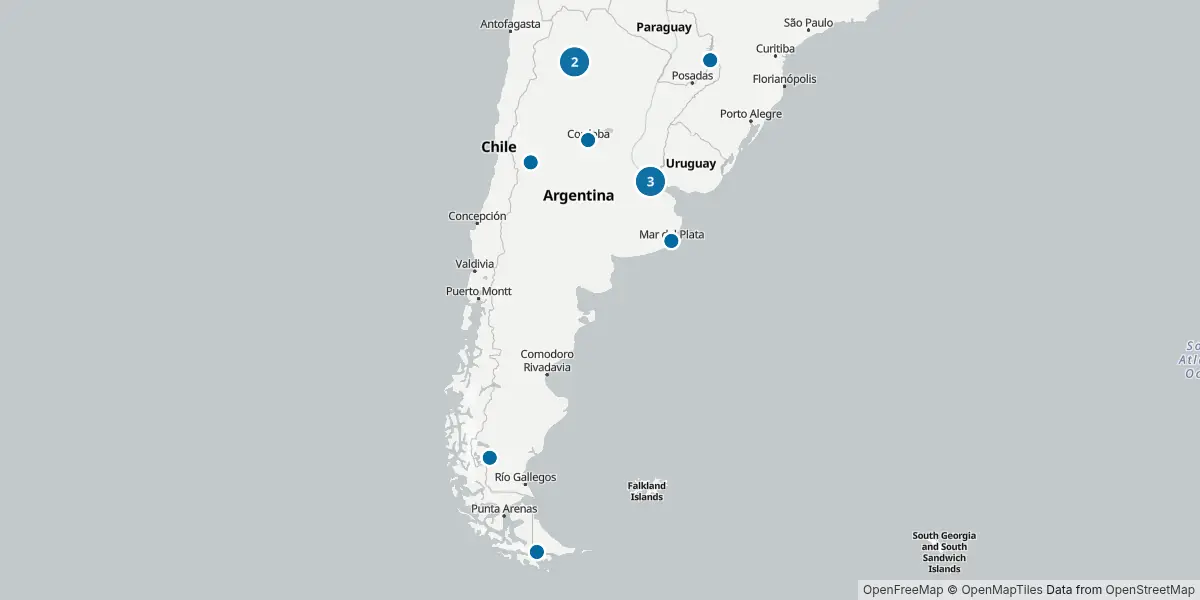
Argentina has eleven airports with regular connections, spread across a vast territory ranging from the subtropical plains of the north to the glaciers of Patagonia. Buenos Aires is served by two distinct airports: Ezeiza Airport, which handles almost all intercontinental flights, and the more central Jorge Newbery Airpark, mainly dedicated to domestic flights.
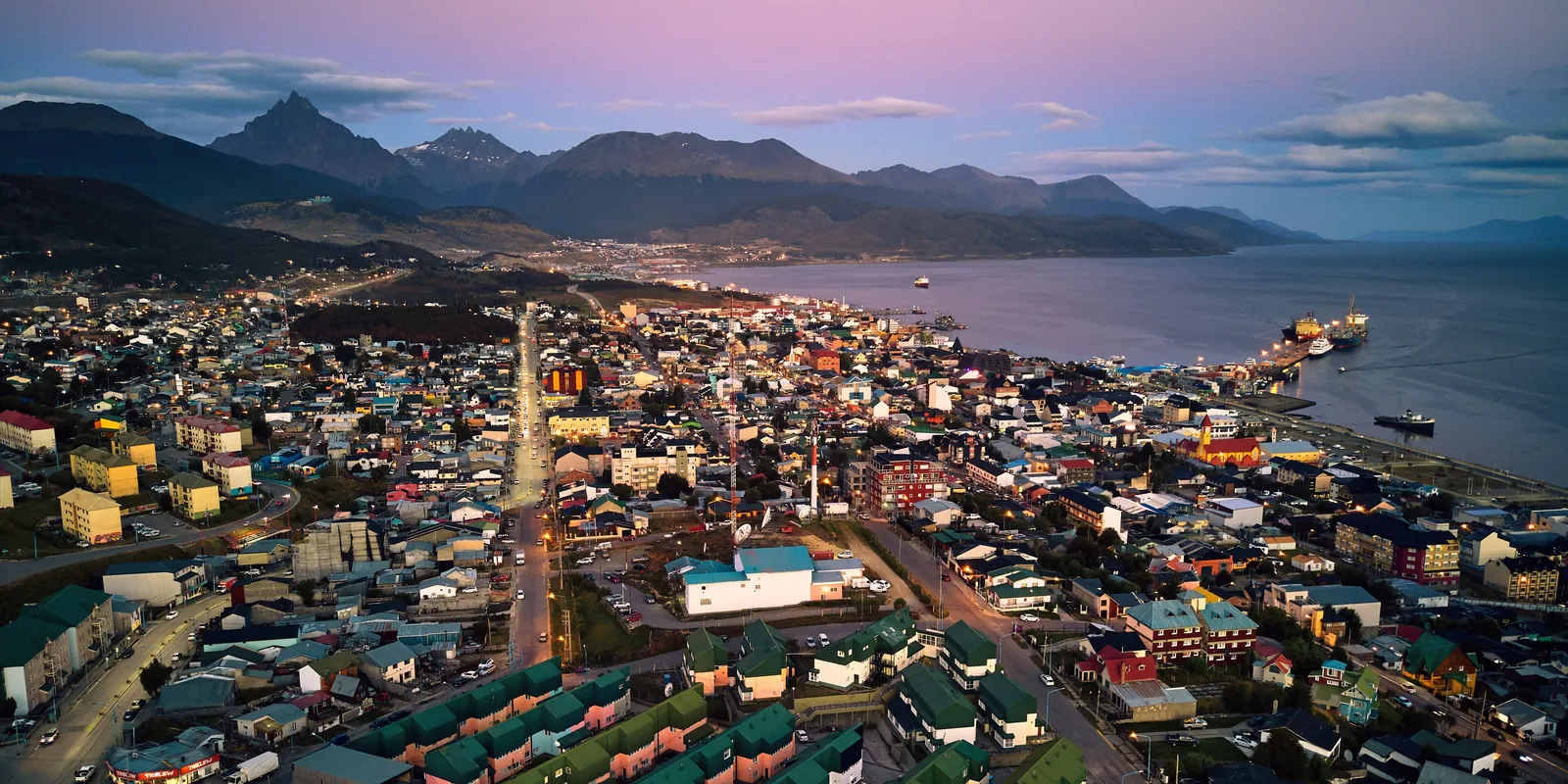
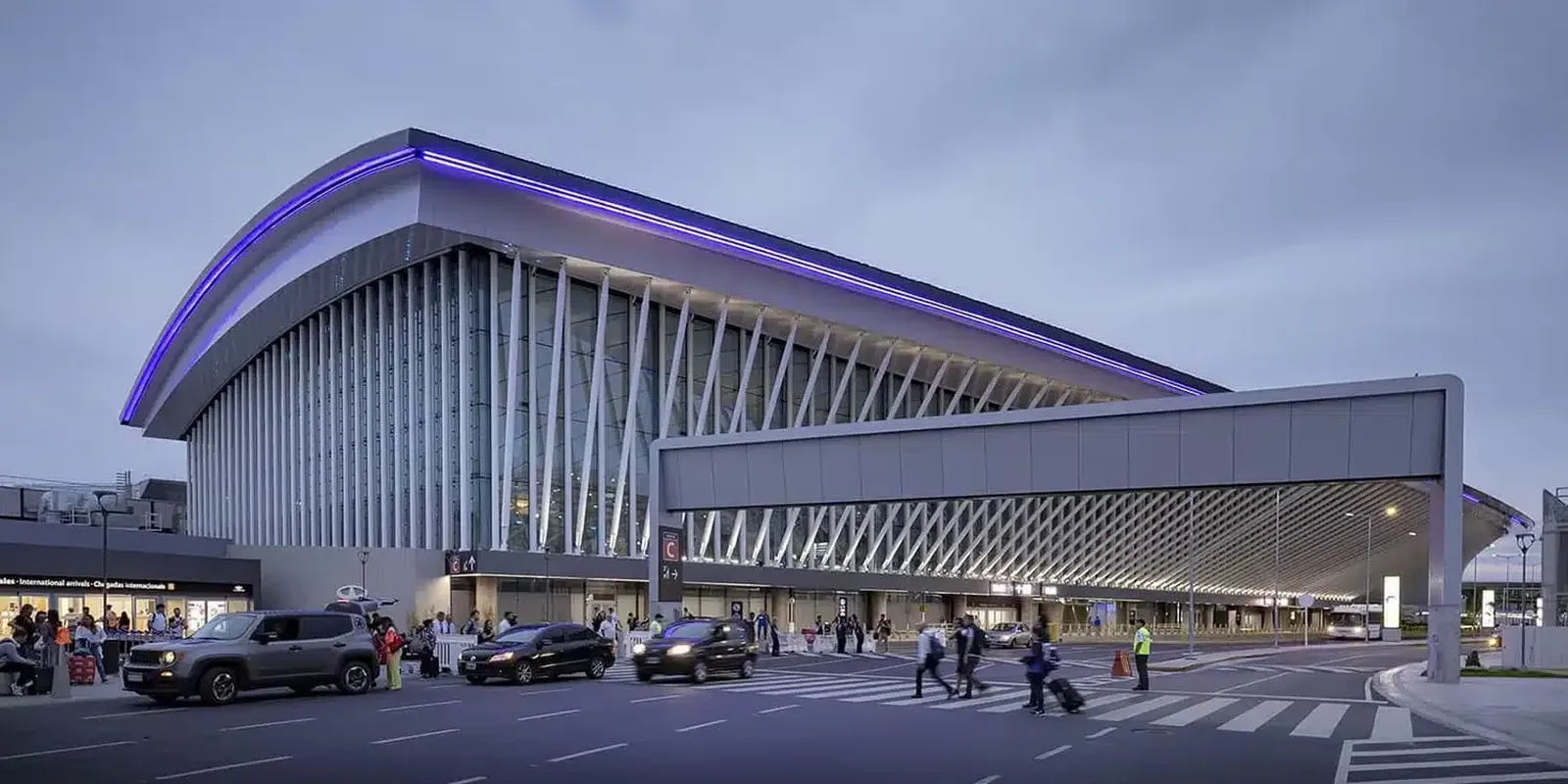
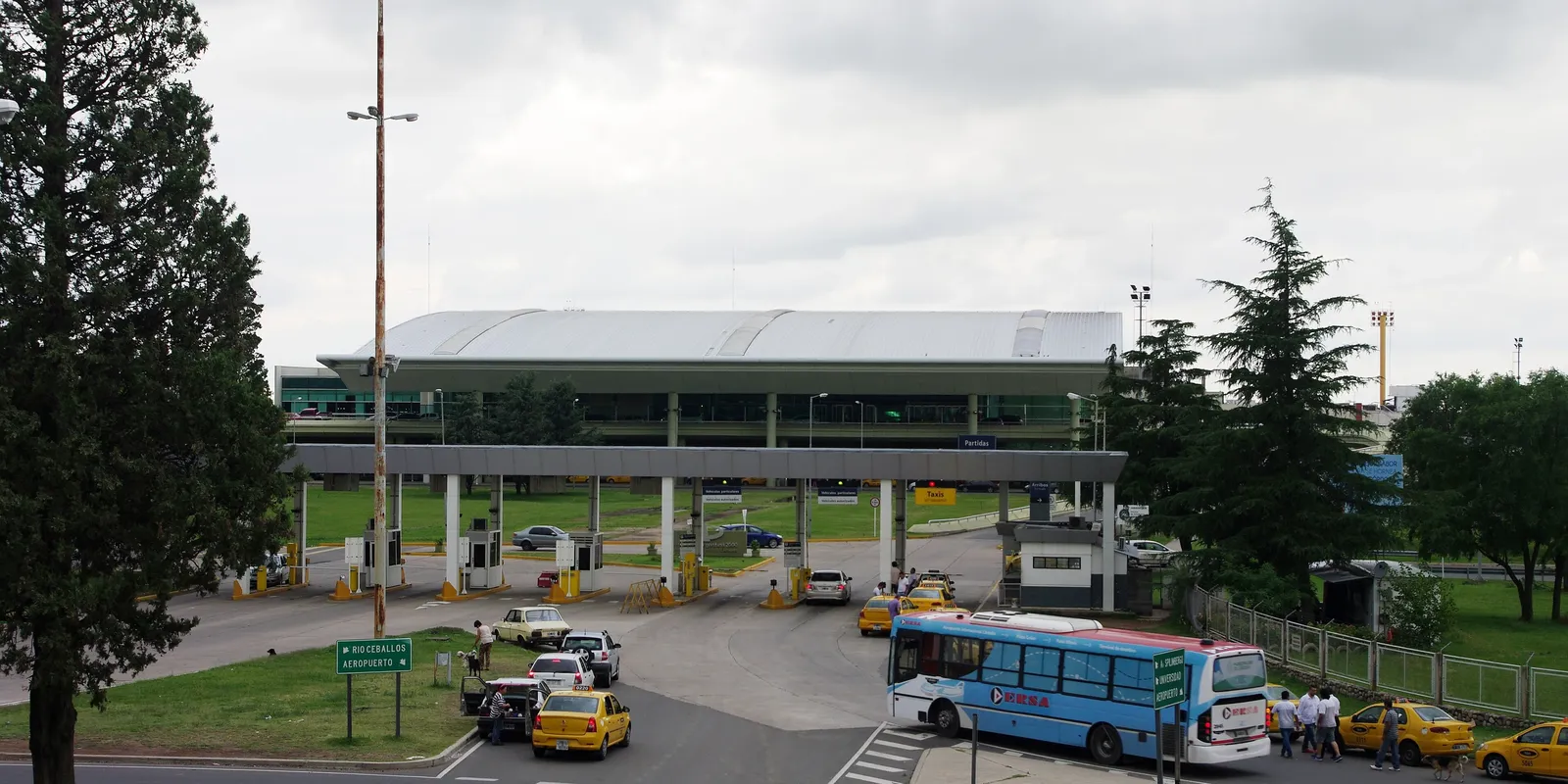
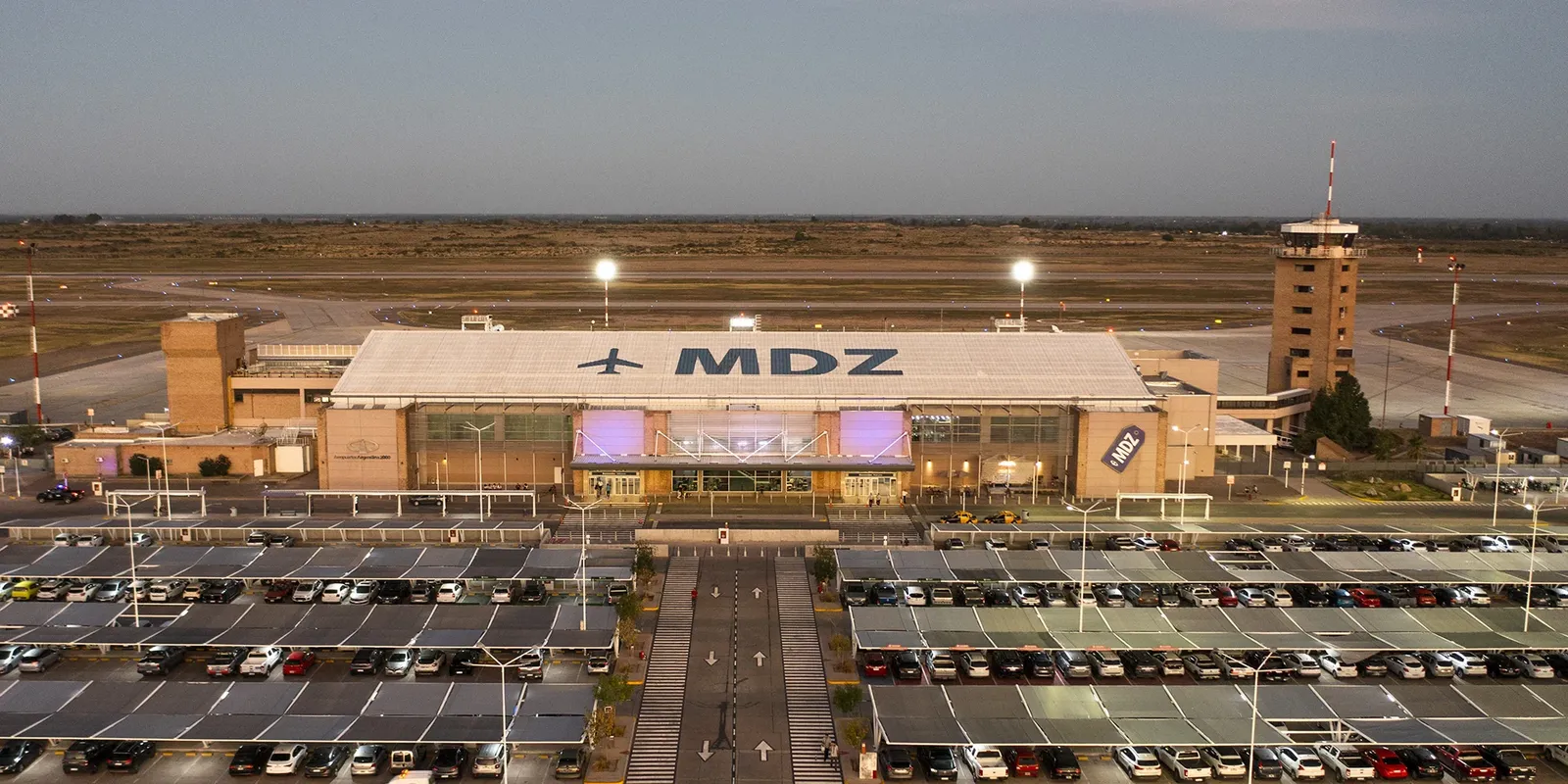
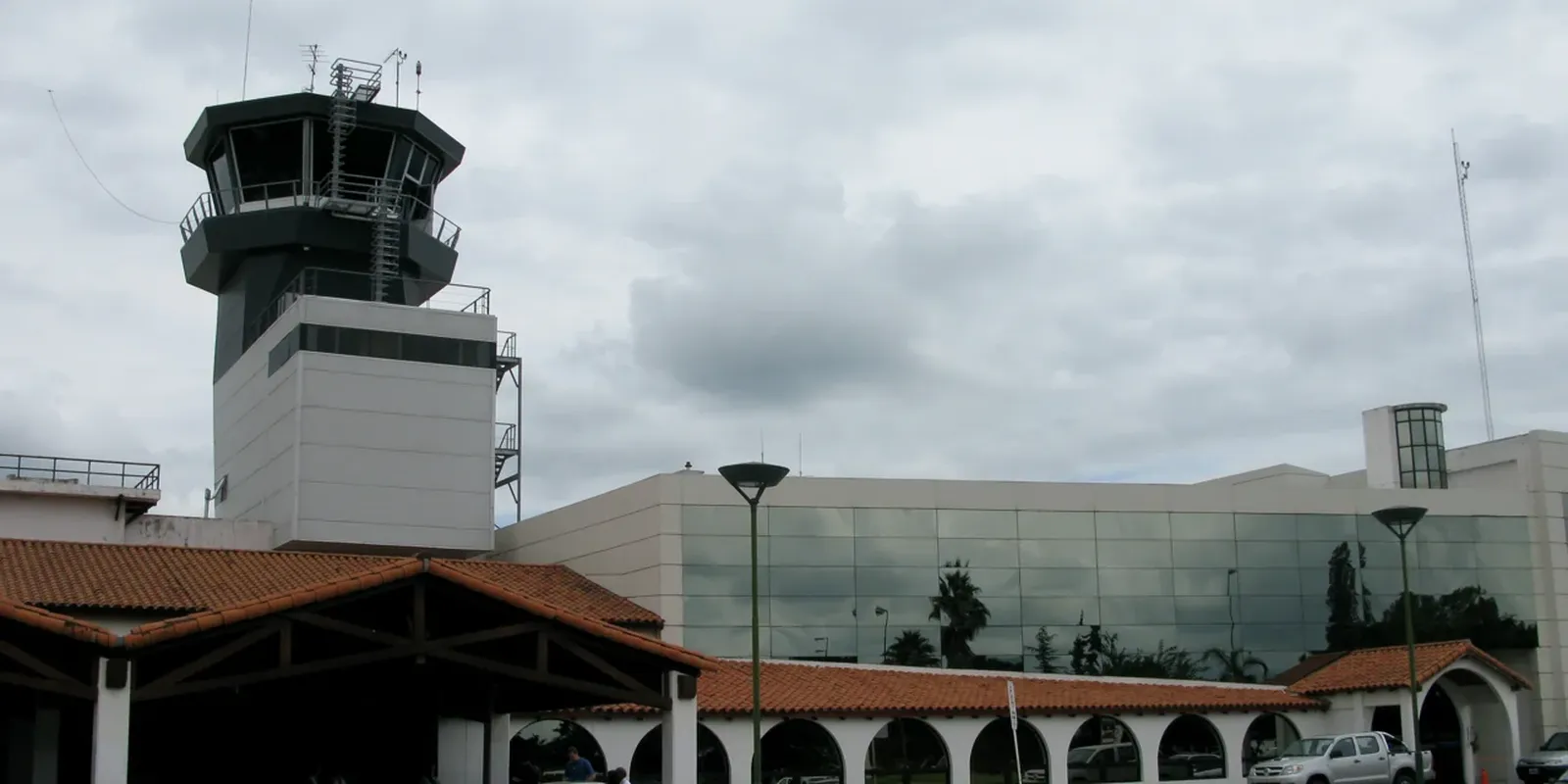
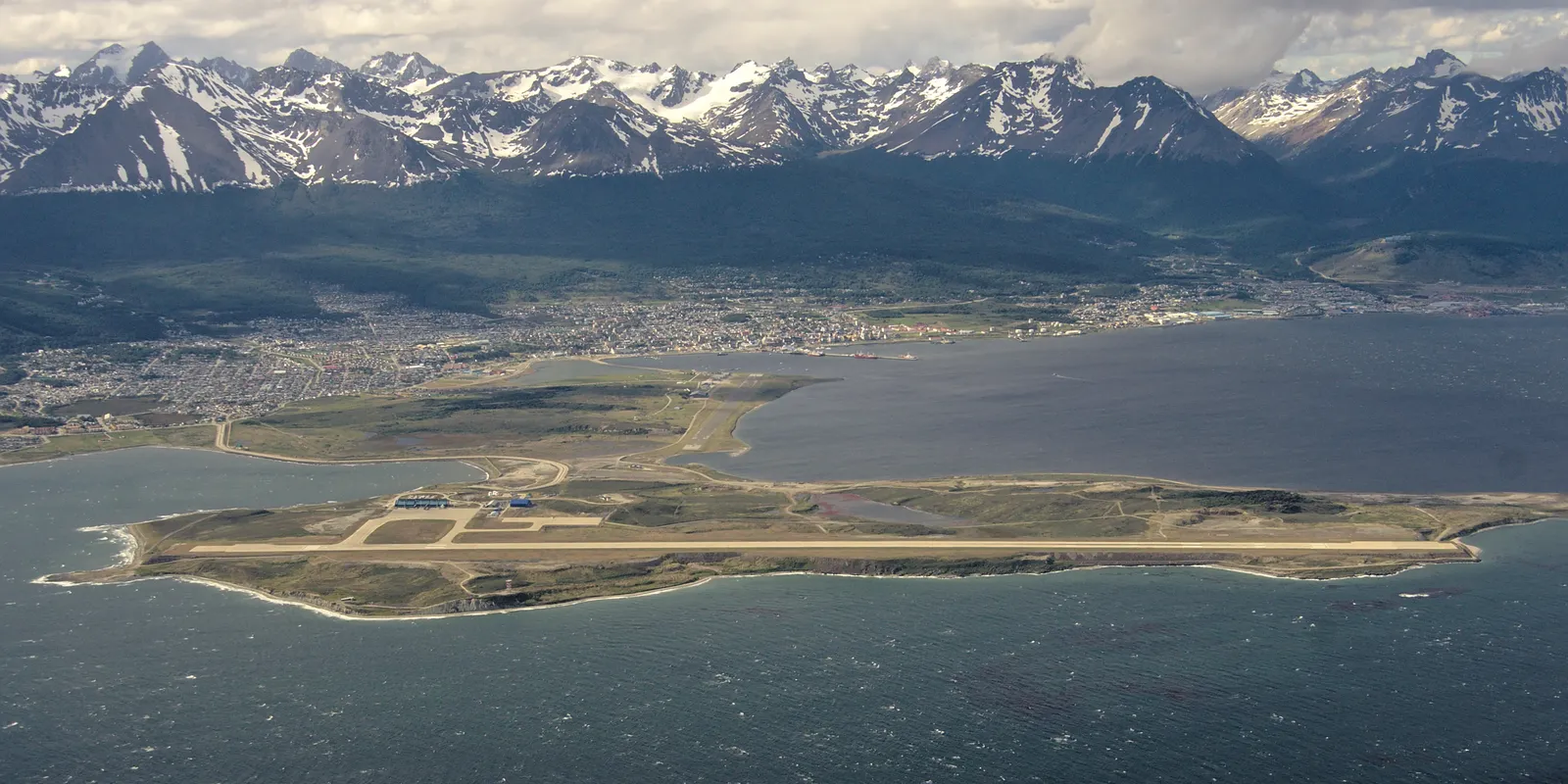
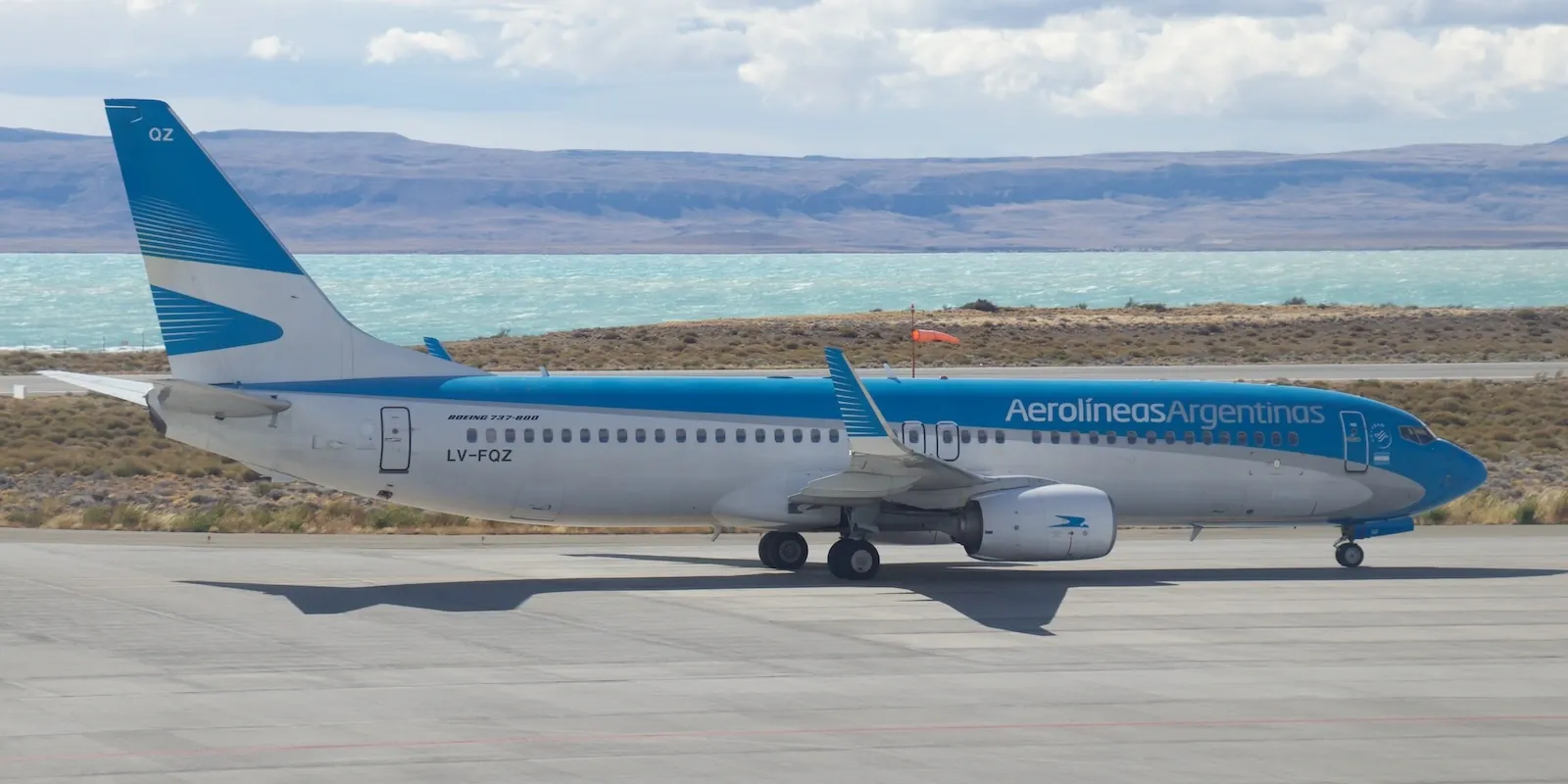
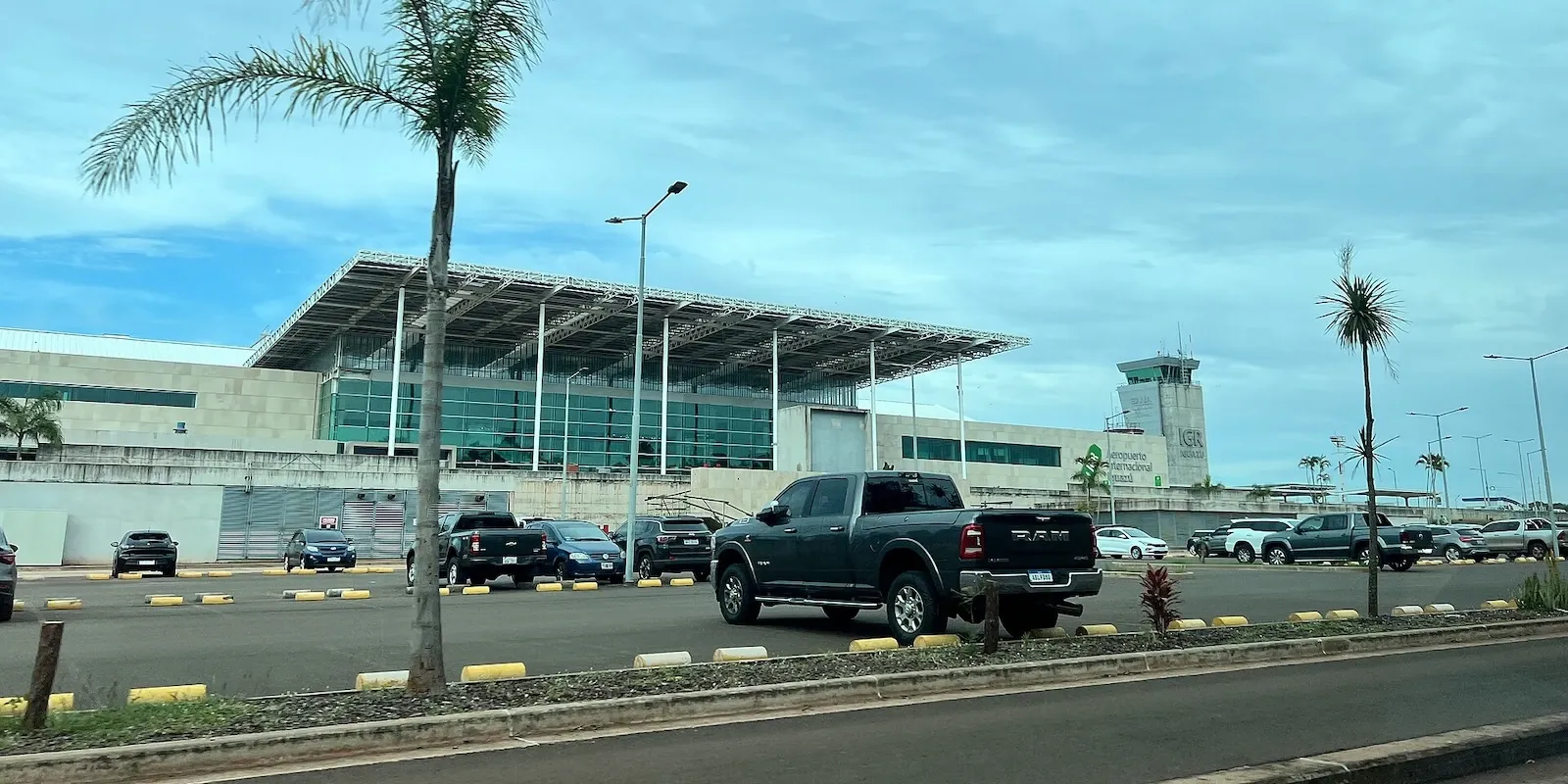
For those focused on the country's major natural attractions, the key airports are Ushuaia Airport, the southernmost in the world among those with regular commercial flights and gateway to Antarctica, El Calafate Airport, access to the Perito Moreno Glacier, and Puerto Iguazú Airport, gateway to the Argentine side of the eponymous UNESCO World Heritage falls. Mendoza Airport is the heart of Argentina's wine region at the foot of Aconcagua. The Andean north-west is served by Salta and Tucumán, while Córdoba and Rosario are the main hubs of the country's centre. On the Atlantic coast is Mar del Plata Airport, Argentina's most famous seaside destination.

Argentina: recommended activities
Argentina: visa and entry requirements
Many nationalities, including EU countries, can enter Argentina without a visa for tourist stays of up to 90 days, thanks to bilateral agreements in force: a valid passport is enough.
Argentina: safety
Buenos Aires and the main tourist destinations are generally safe, with the main risk being petty theft (pickpocketing, bag-snatching) in some areas of the capital, especially in the evening: the usual precautions for a large South American city are sufficient in most cases.
The more remote natural areas (Patagonia, the Andean north-west) are generally safe but require attention to weather conditions and logistical planning, given the great distances.
Argentina: health situation
The overall health risk in Argentina is low, but varies by region: in the north of the country there are periodic dengue outbreaks, especially during the austral summer months (December-April), so it is useful to use mosquito repellents. Those visiting the high-altitude areas of the north-west (Salta, Jujuy) should consider the risk of altitude sickness by acclimatising gradually.
Tap water is generally safe in large cities. No mandatory vaccinations are generally required for entry. Hospital facilities in Buenos Aires and other large cities offer a good level of care; in more remote areas services are more limited.
Argentina: currency, payments and connectivity
The currency is the Argentine peso. Cards are accepted in cities, but due to the historical volatility of the exchange rate many travellers prefer to pay in cash, often on more favourable terms than the rate applied by cards: it's worth checking the up-to-date exchange rate before departure.
Uber and Cabify are very widespread in Buenos Aires and other large cities, generally preferred to street taxis for fare transparency.
For local connectivity, the main operators (Movistar, Claro, Personal) sell prepaid SIM cards in their shops.
For driving and car rental: licences in Latin script are often accepted, but an International Driving Permit (IDP) is advisable and sometimes required by rental companies for non-Spanish-speakers. The minimum age for rental is generally 21, with a 'young driver' surcharge under 25.
Argentina: travel guides
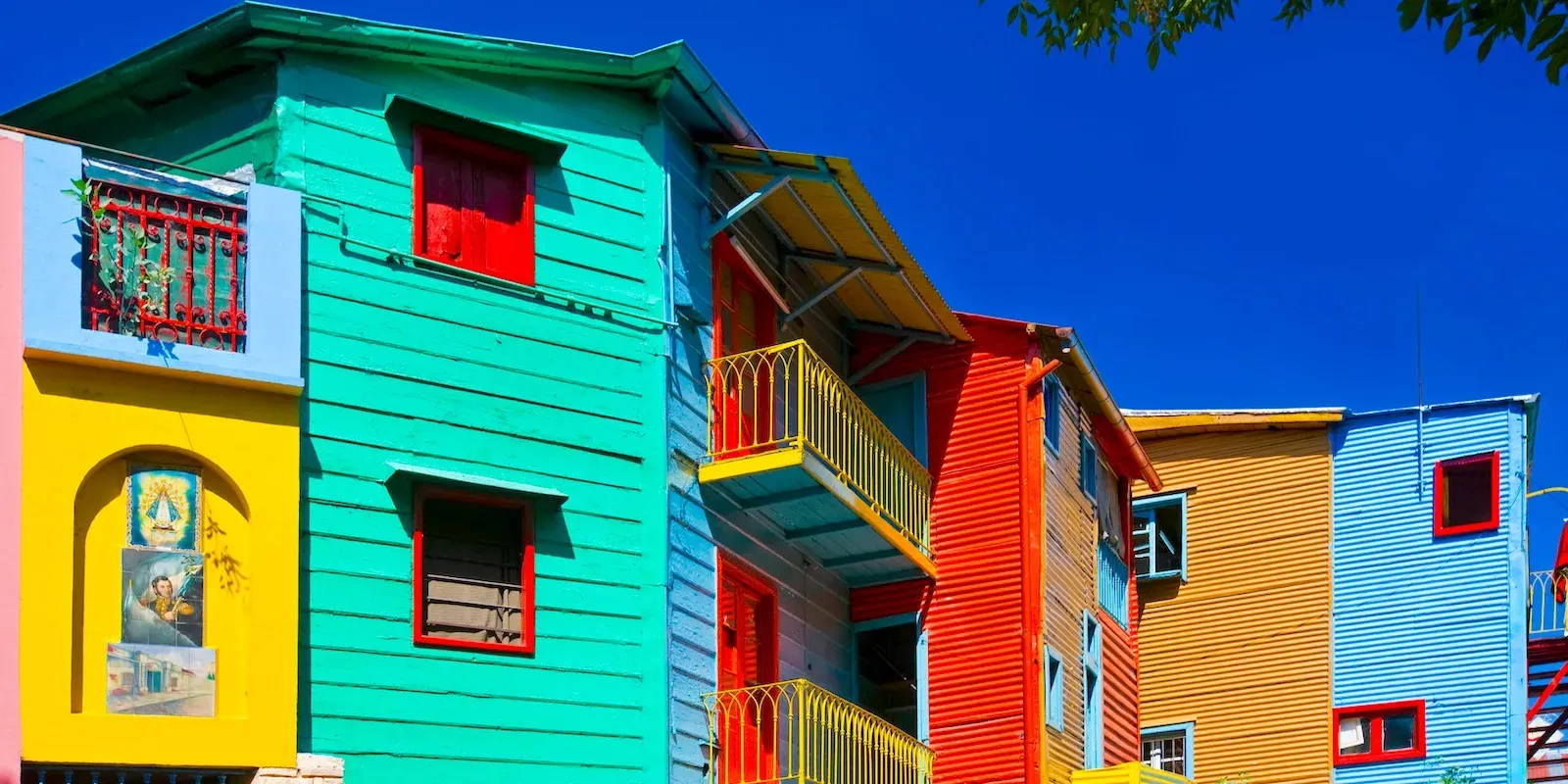
24 hours in Buenos Aires: what to see
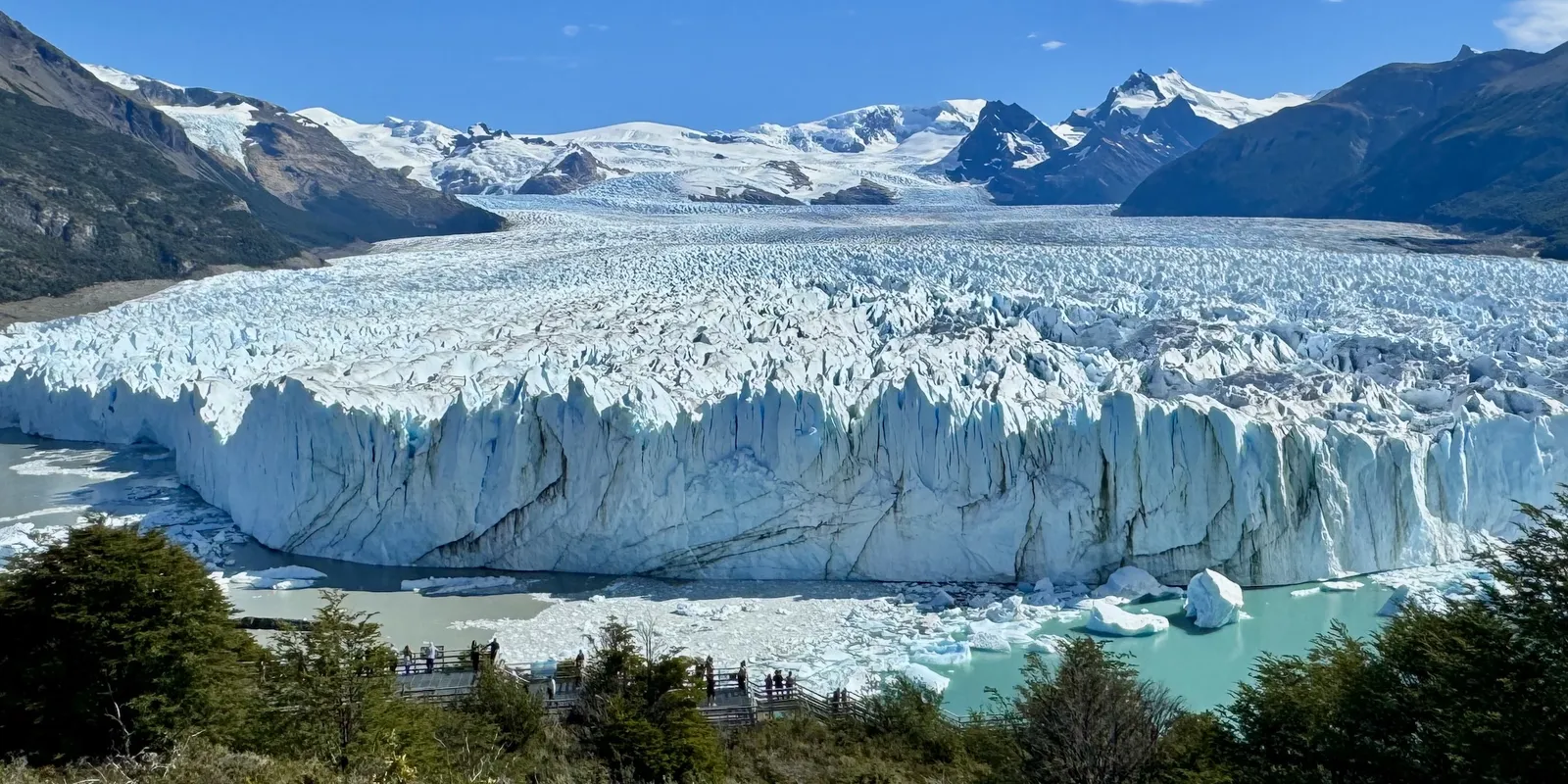
El Calafate: the glacier that advances
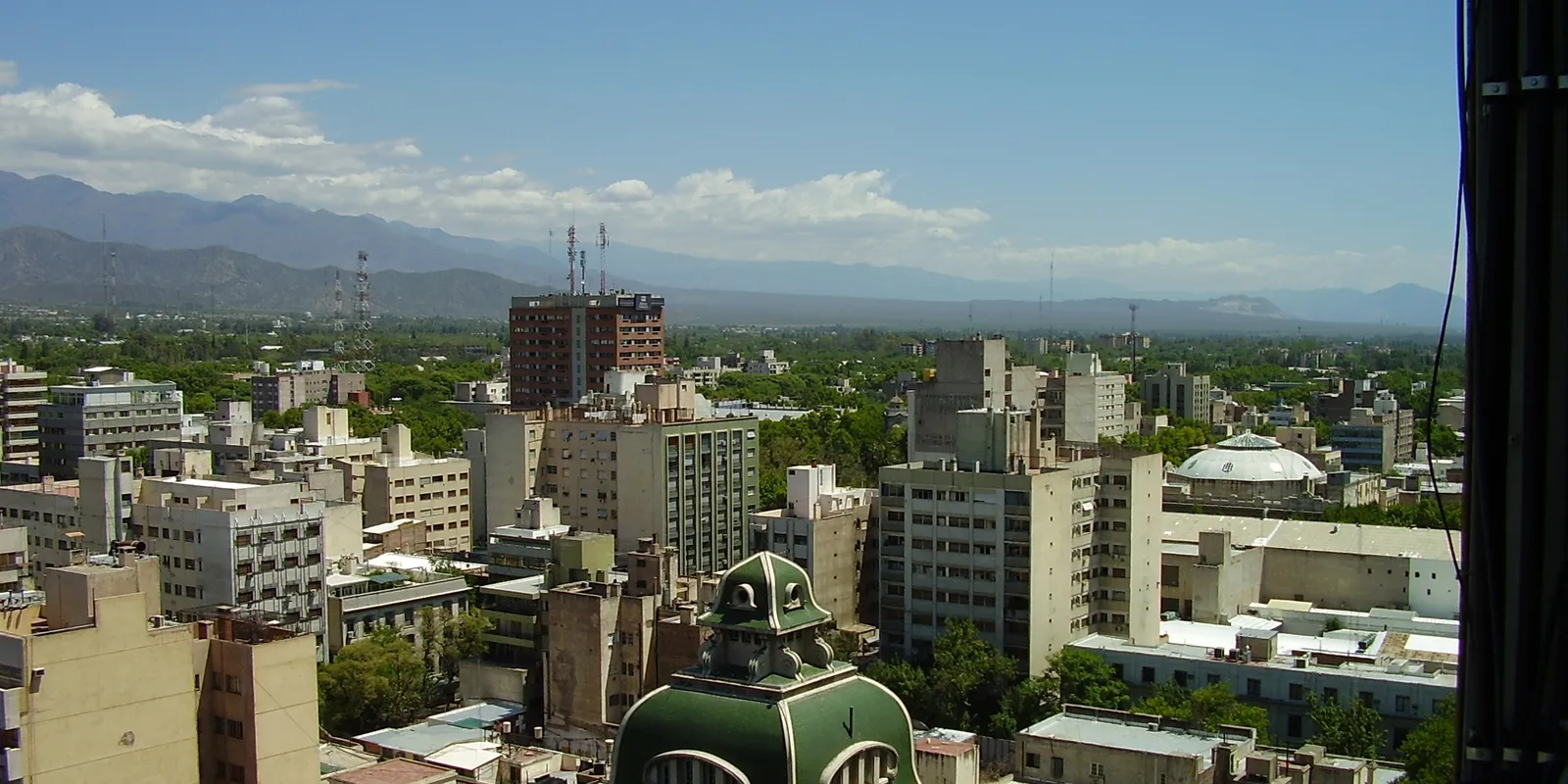
Mendoza: Argentina's wine capital

San Miguel de Tucumán: where Argentine independence was born
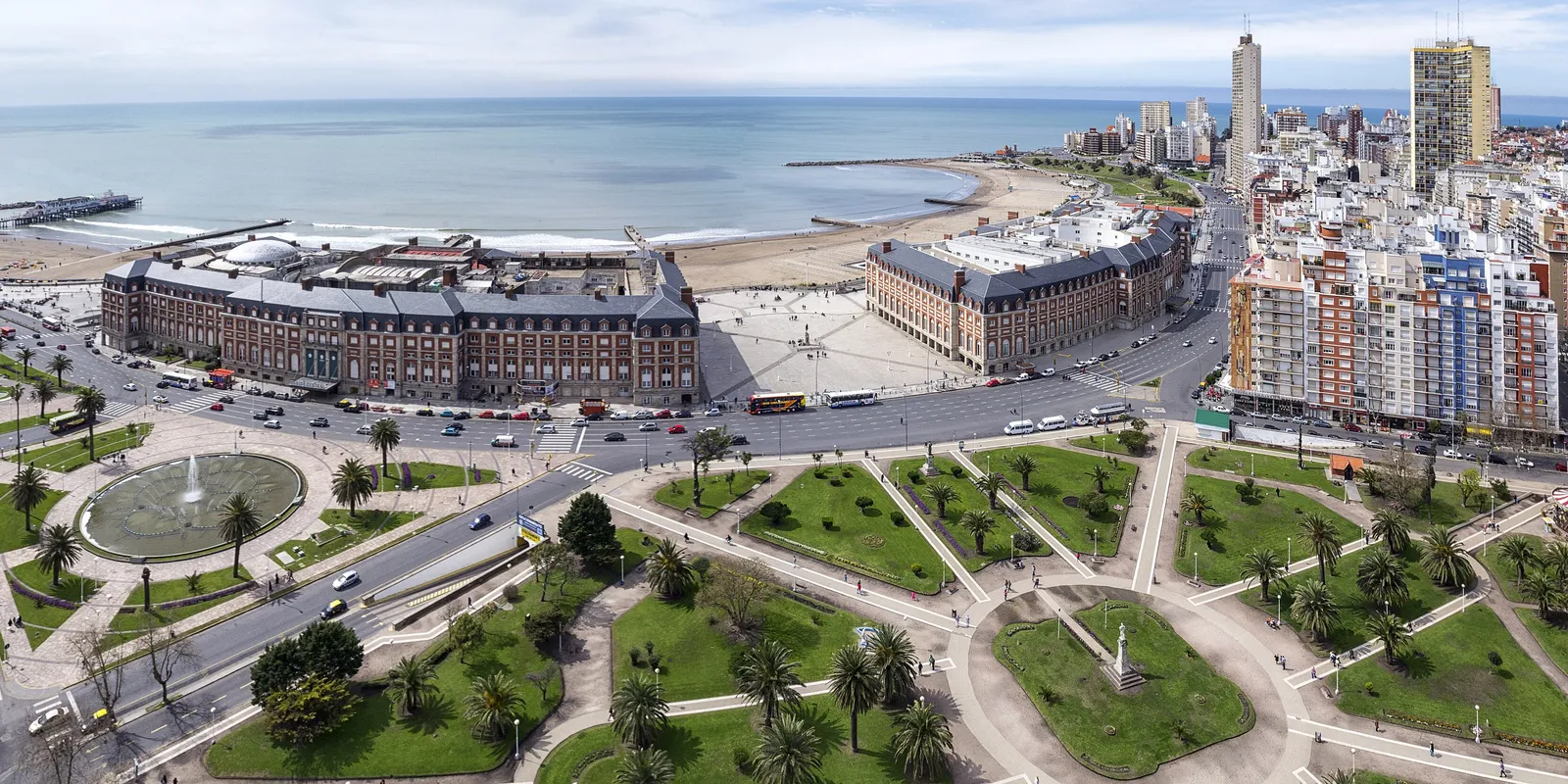
Mar del Plata: the Atlantic's seaside pearl
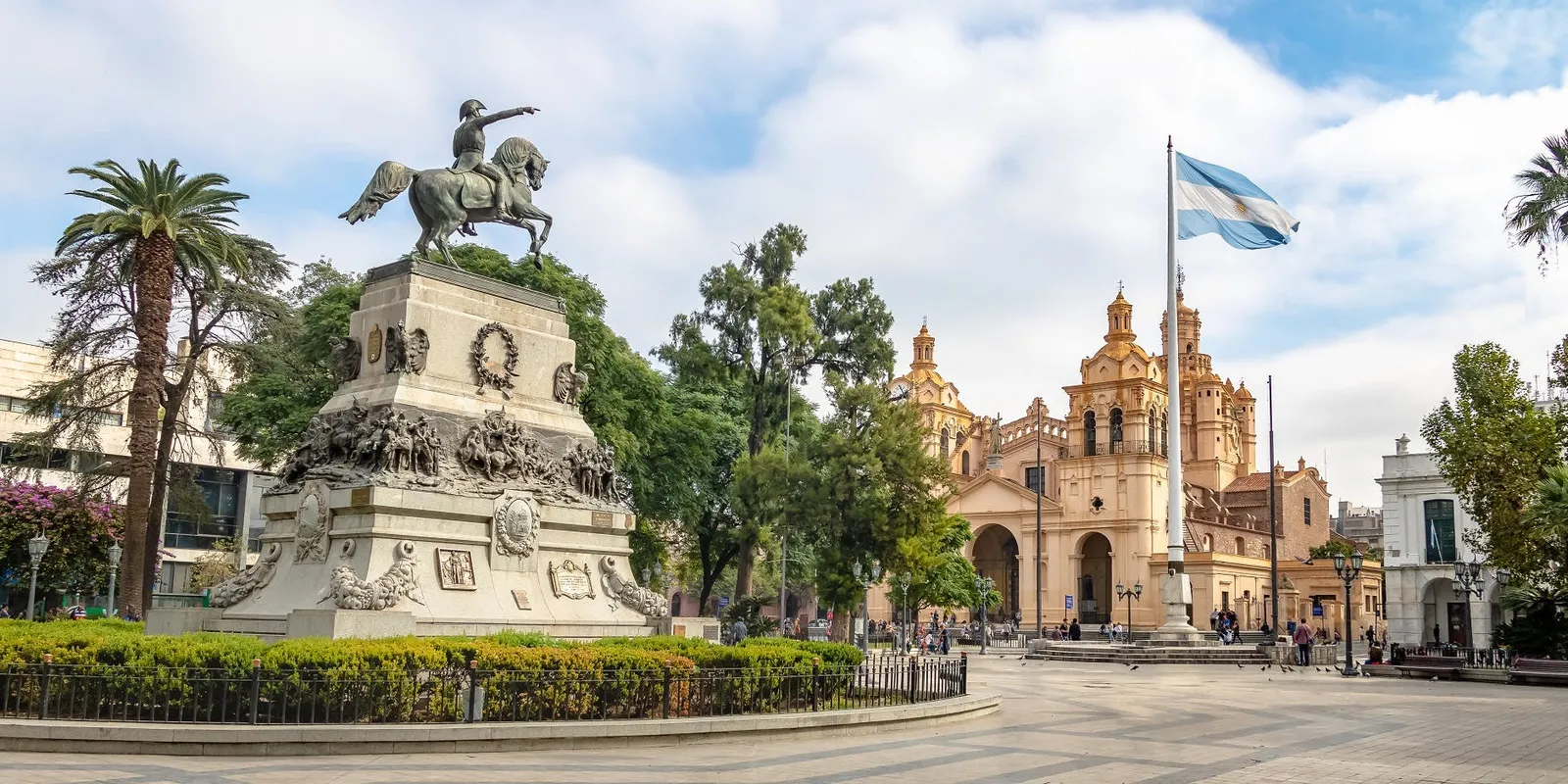
Córdoba: the Jesuit Block and the colonial university

Salta: the high-altitude mummies and the colonial centre
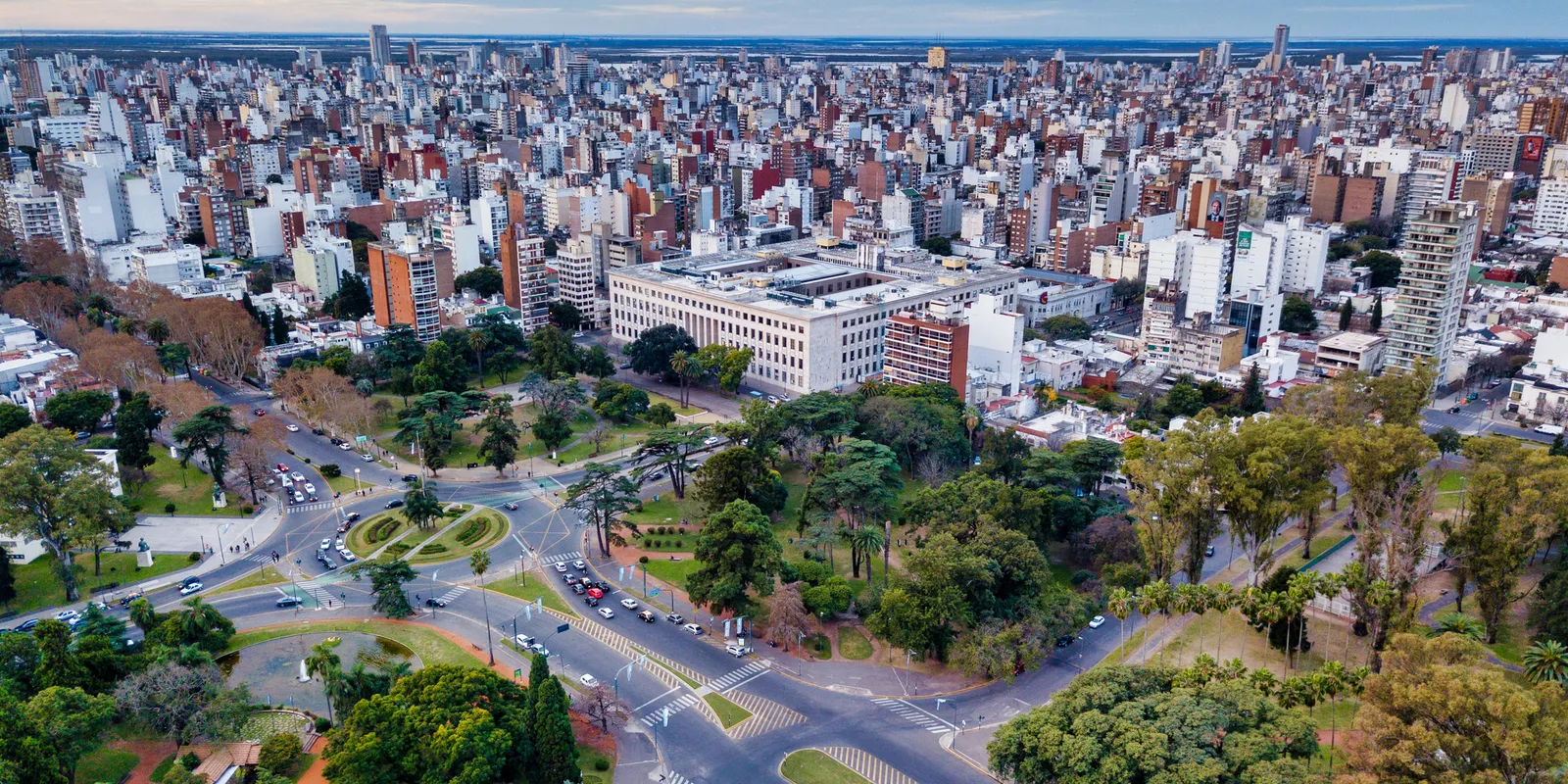
Rosario: where the Argentine flag was born
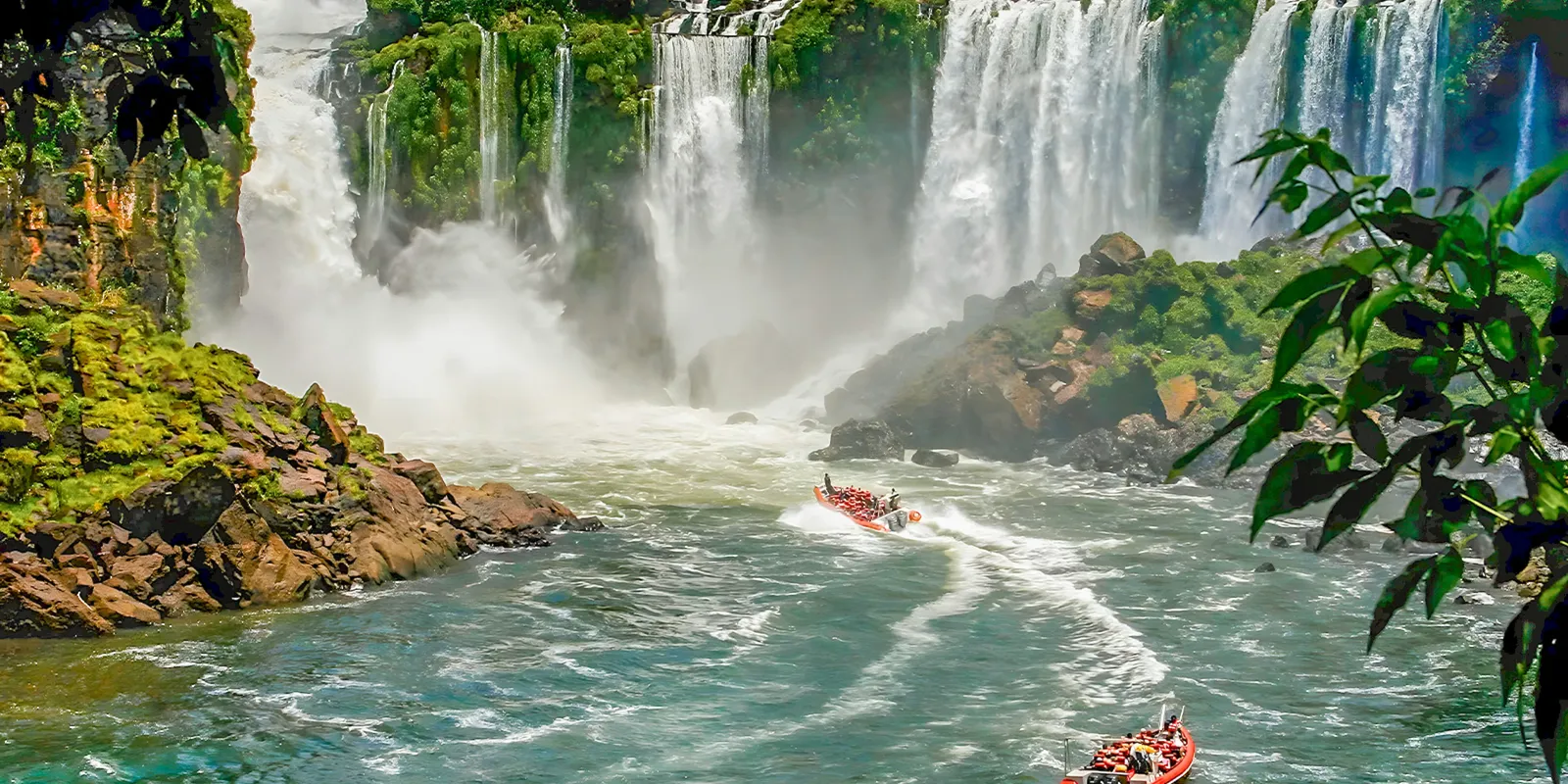
Puerto Iguazú: the other side of the falls