United Arab Emirates: main airports
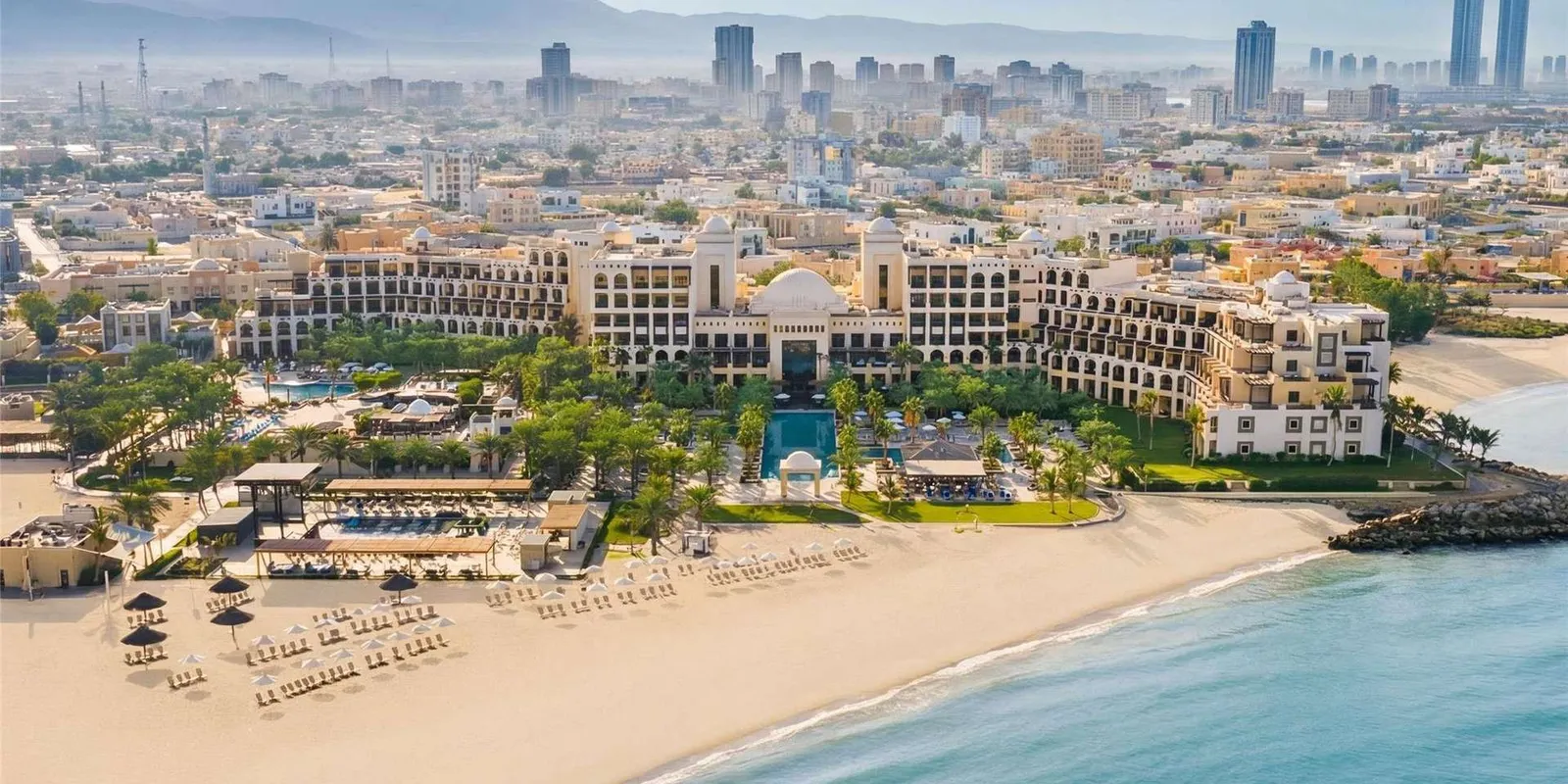
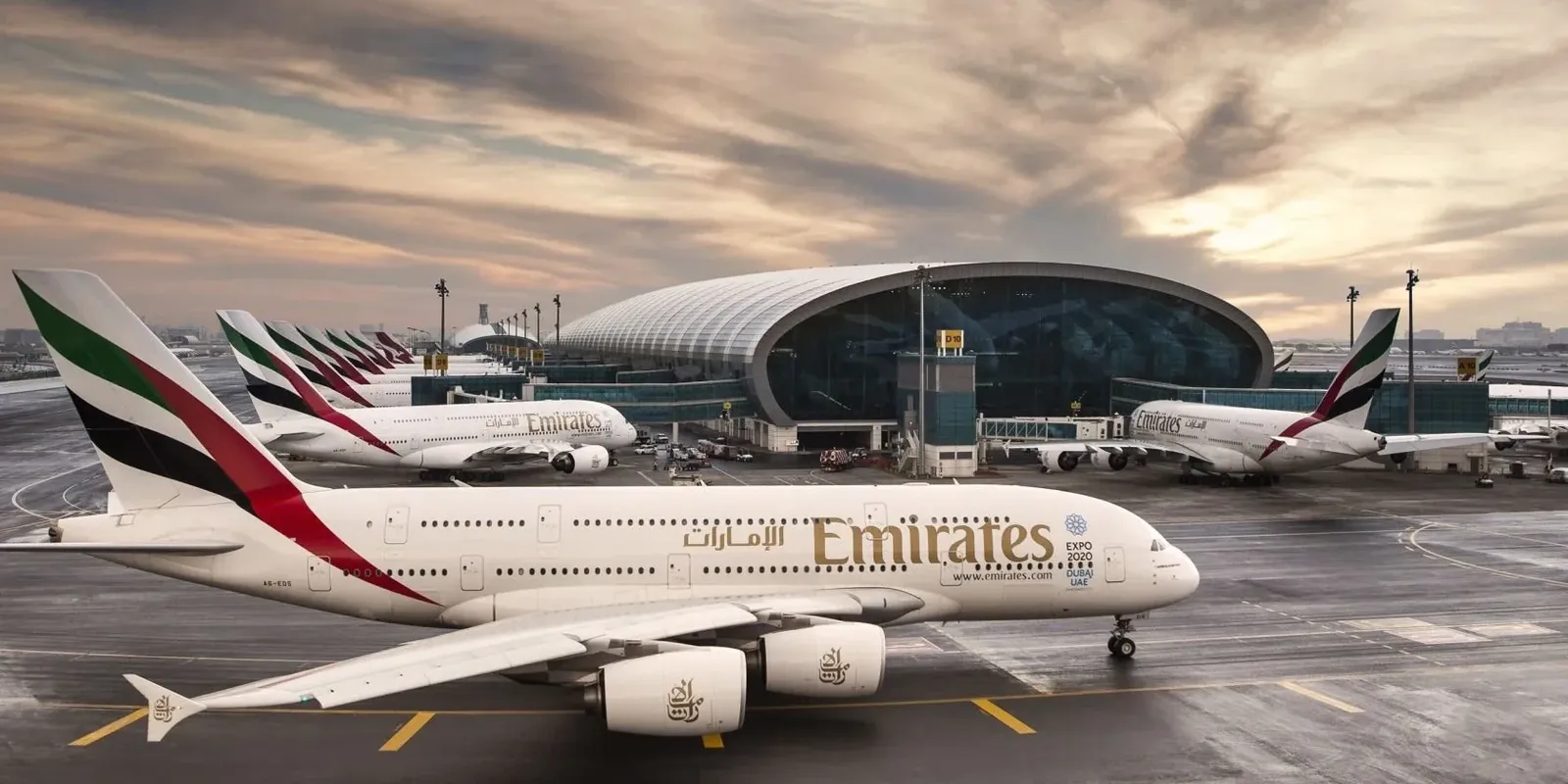
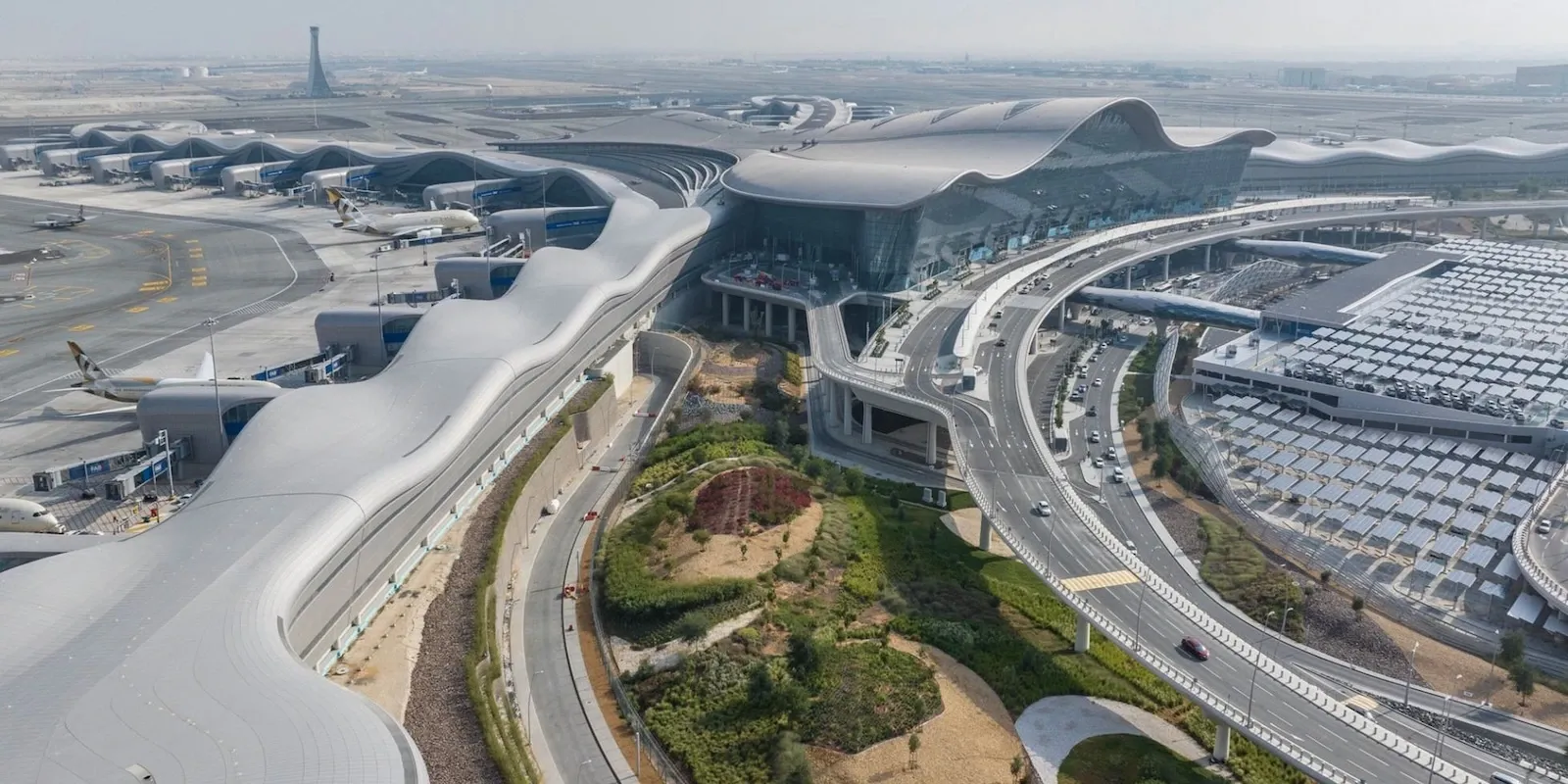
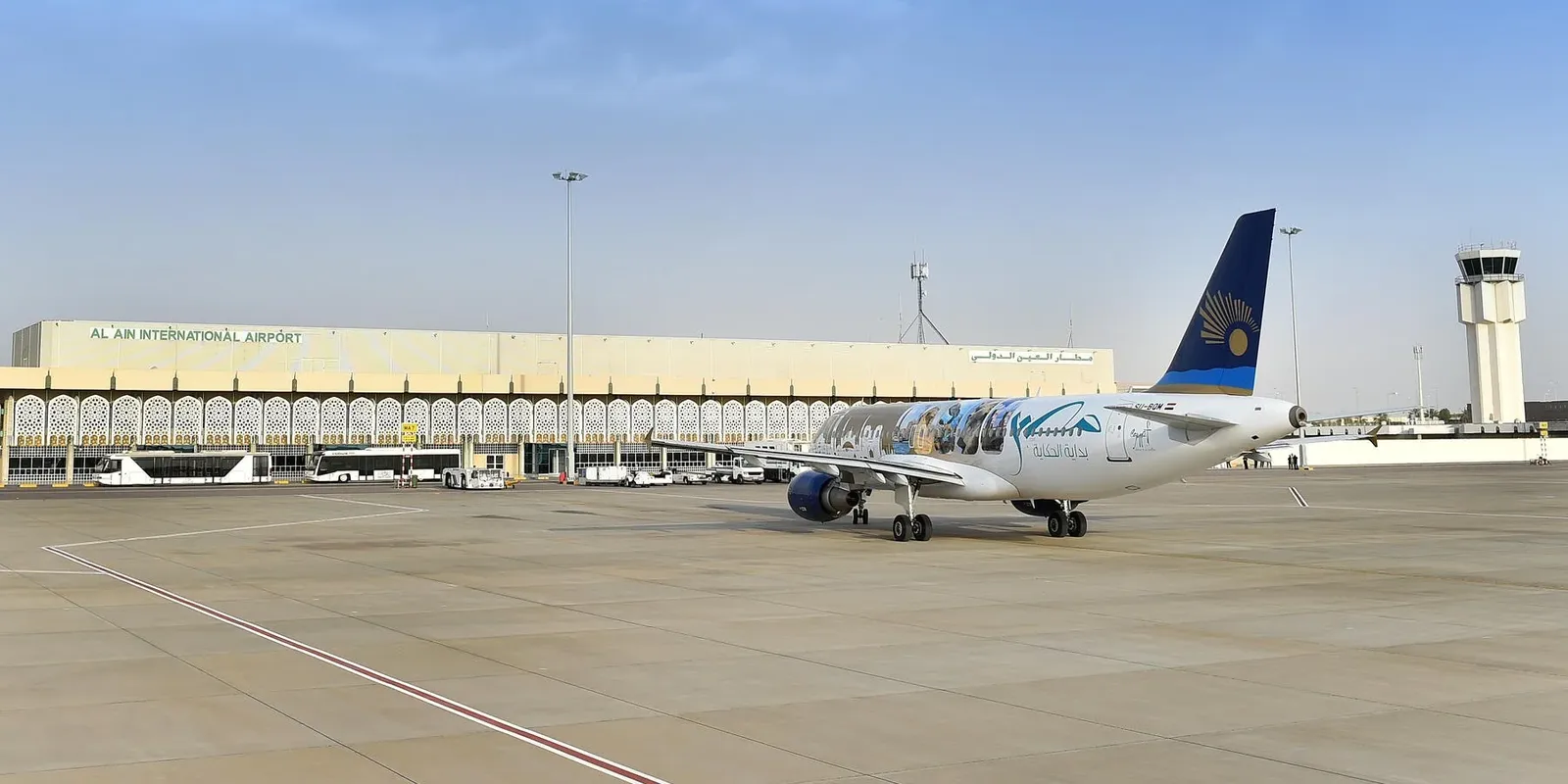
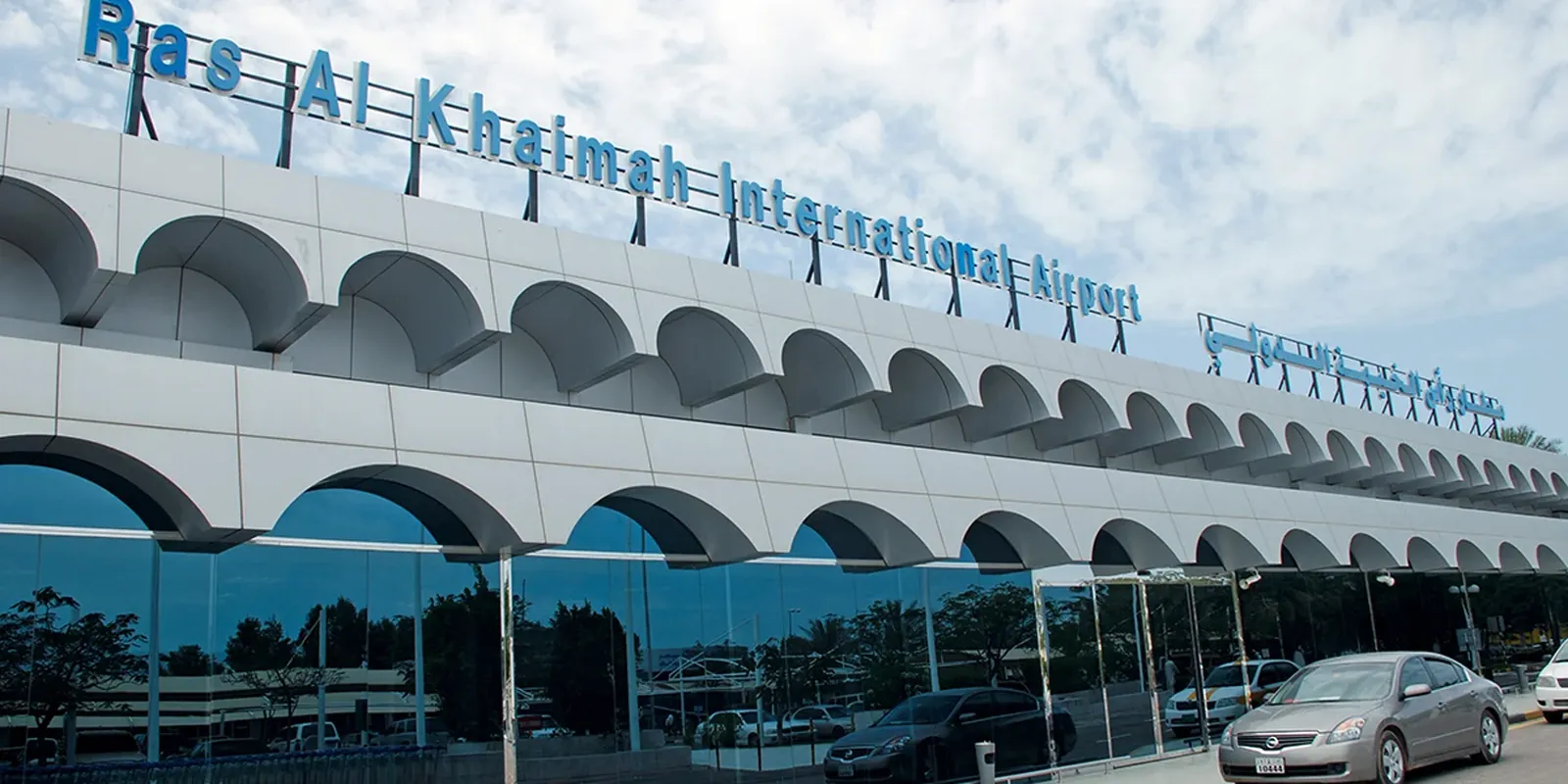
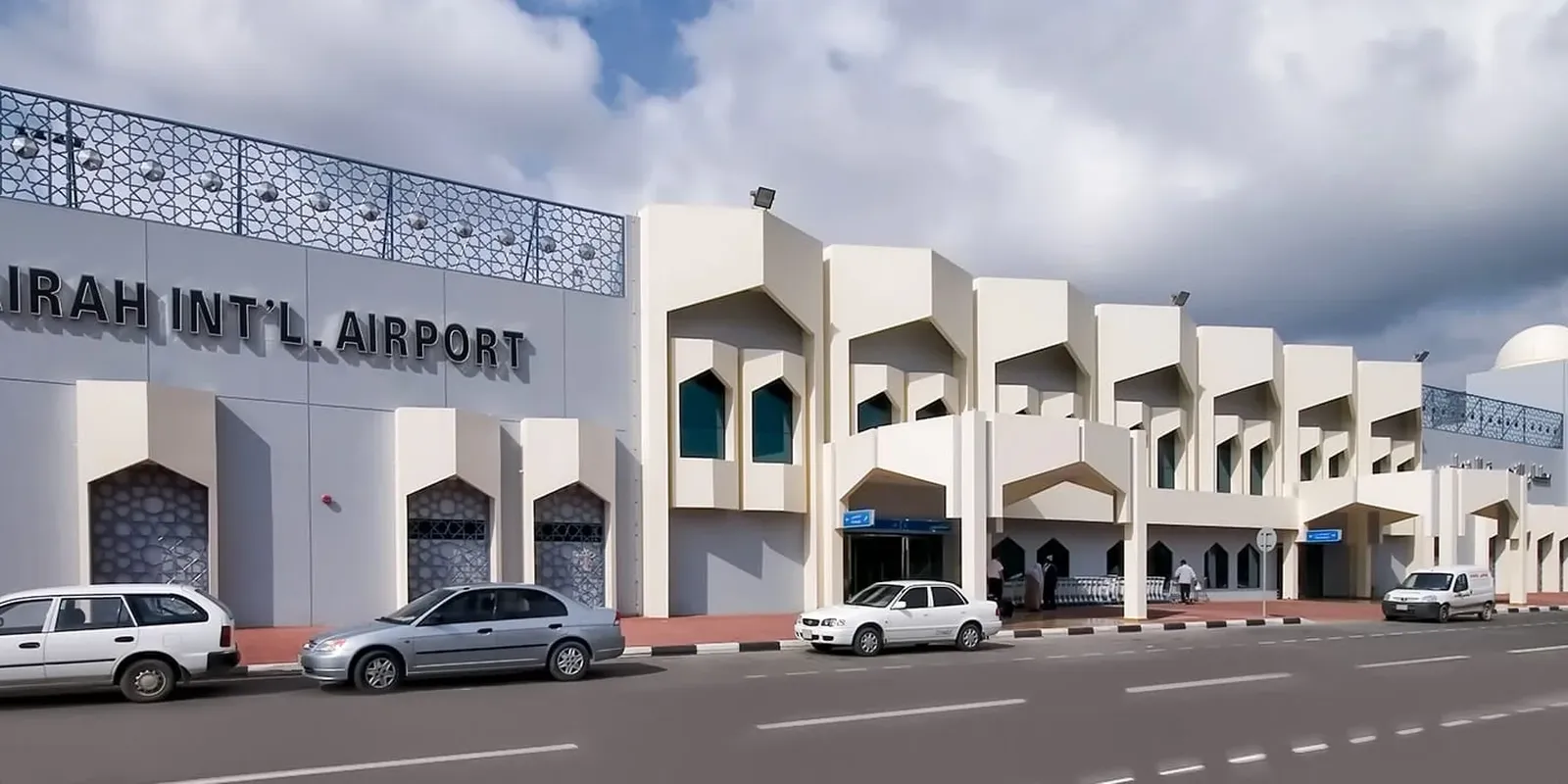
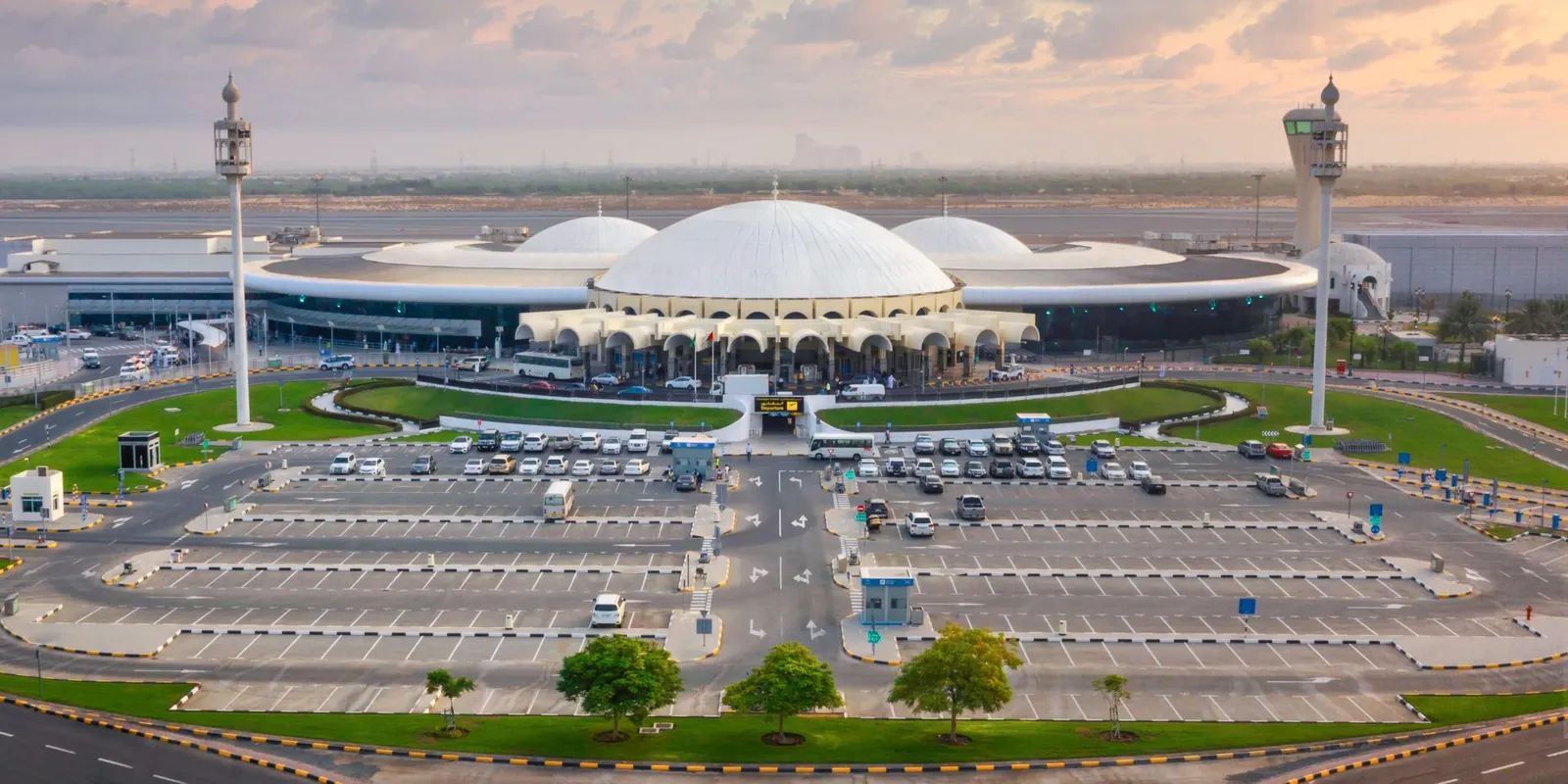
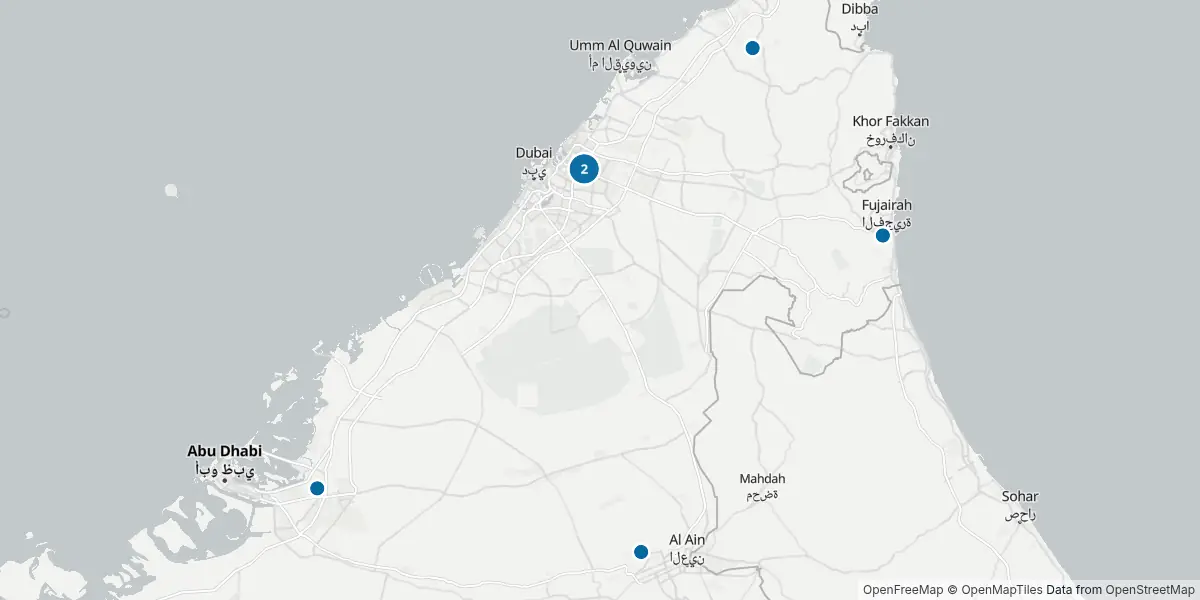
The United Arab Emirates are served by several international airports: Dubai International, among the busiest in the world, Abu Dhabi International, the capital, as well as Sharjah, Ras Al Khaimah, Fujairah and Al Ain.
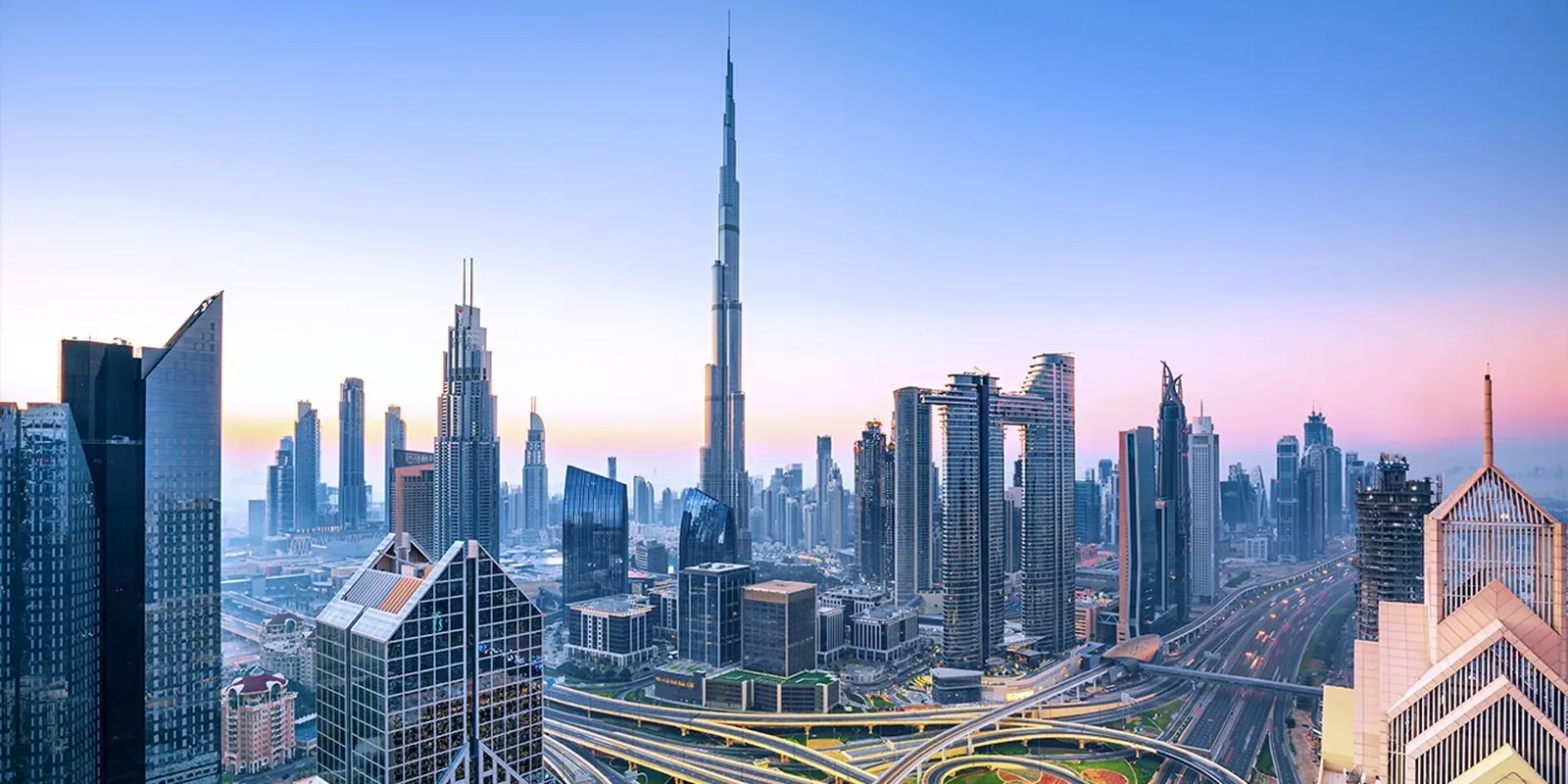
The country offers a mix of futuristic skyscrapers, traditional souqs, deserts and coastlines facing both the Persian Gulf and the Gulf of Oman.
United Arab Emirates: recommended activities
United Arab Emirates: visa and entry requirements
Citizens of the EU, the United Kingdom, the United States, Canada and Australia get a free visa on arrival, generally valid for 30 or 90 days depending on nationality.
A passport with at least 6 months of remaining validity is required. Those only transiting airside at the airport (without leaving the terminal) do not need a visa.
United Arab Emirates: safety
The Emirates are generally considered among the safest countries in the world, with violent crime very rare.
Respect local laws, which are fairly strict on certain public behaviours (alcohol consumption only in licensed venues, modest dress in public and religious places): always check your country's up-to-date travel advisories.
United Arab Emirates: health situation
No mandatory vaccinations are required for entry from Europe or North America. Summer temperatures can be extreme, especially from June to September: always carry plenty of water and limit outdoor activities during the hottest hours.
Tap water is generally safe to drink in the main cities.
United Arab Emirates: currency, payments and connectivity
The currency is the United Arab Emirates dirham (AED). The official language is Arabic, with English widely spoken everywhere, especially in the tourism sector.
Tipping (10%) is appreciated but not mandatory. Respect modest dress in public places, shopping malls and especially during Ramadan.
United Arab Emirates: travel guides
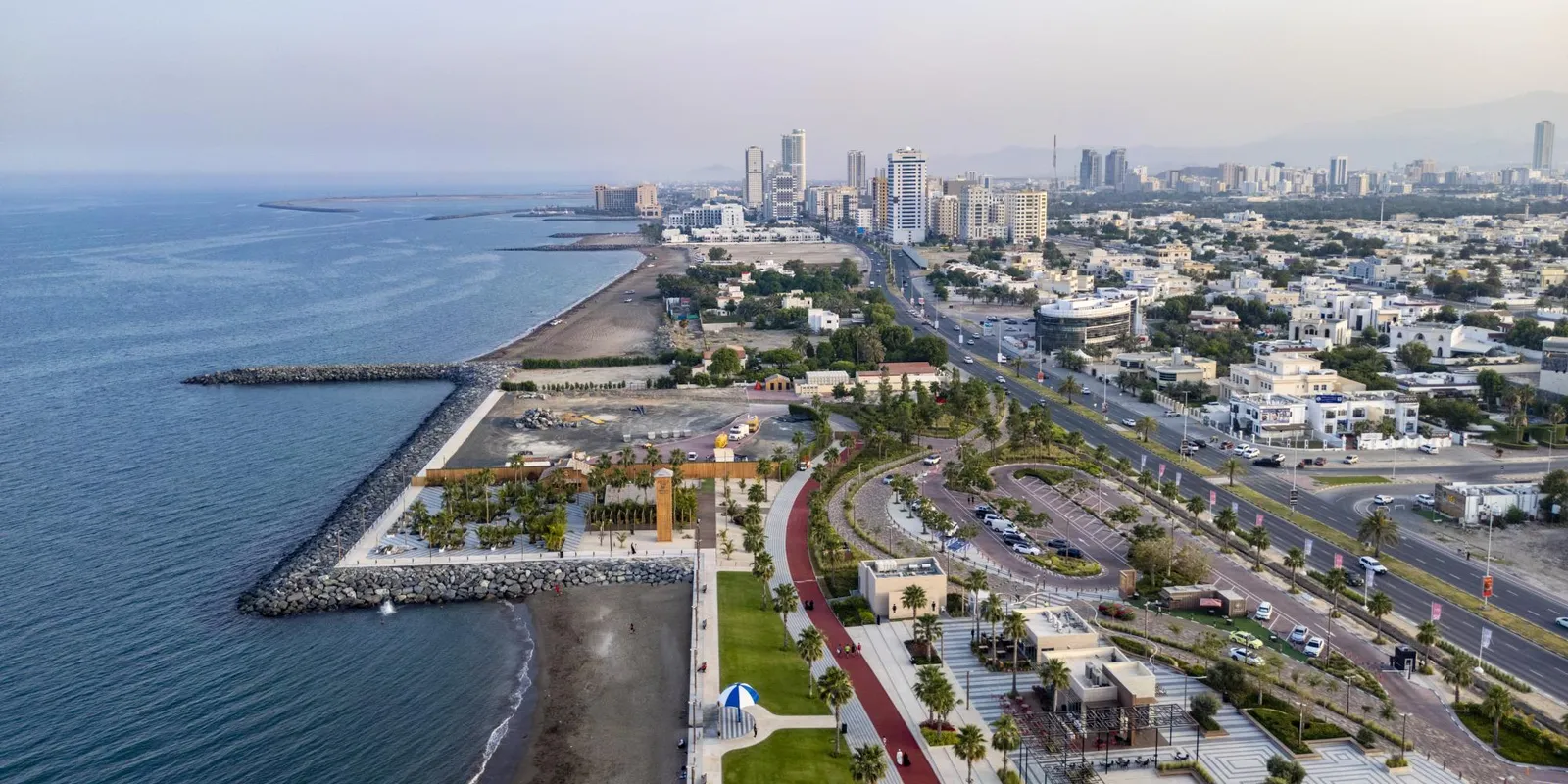
Fujairah: the emirate facing the Indian Ocean
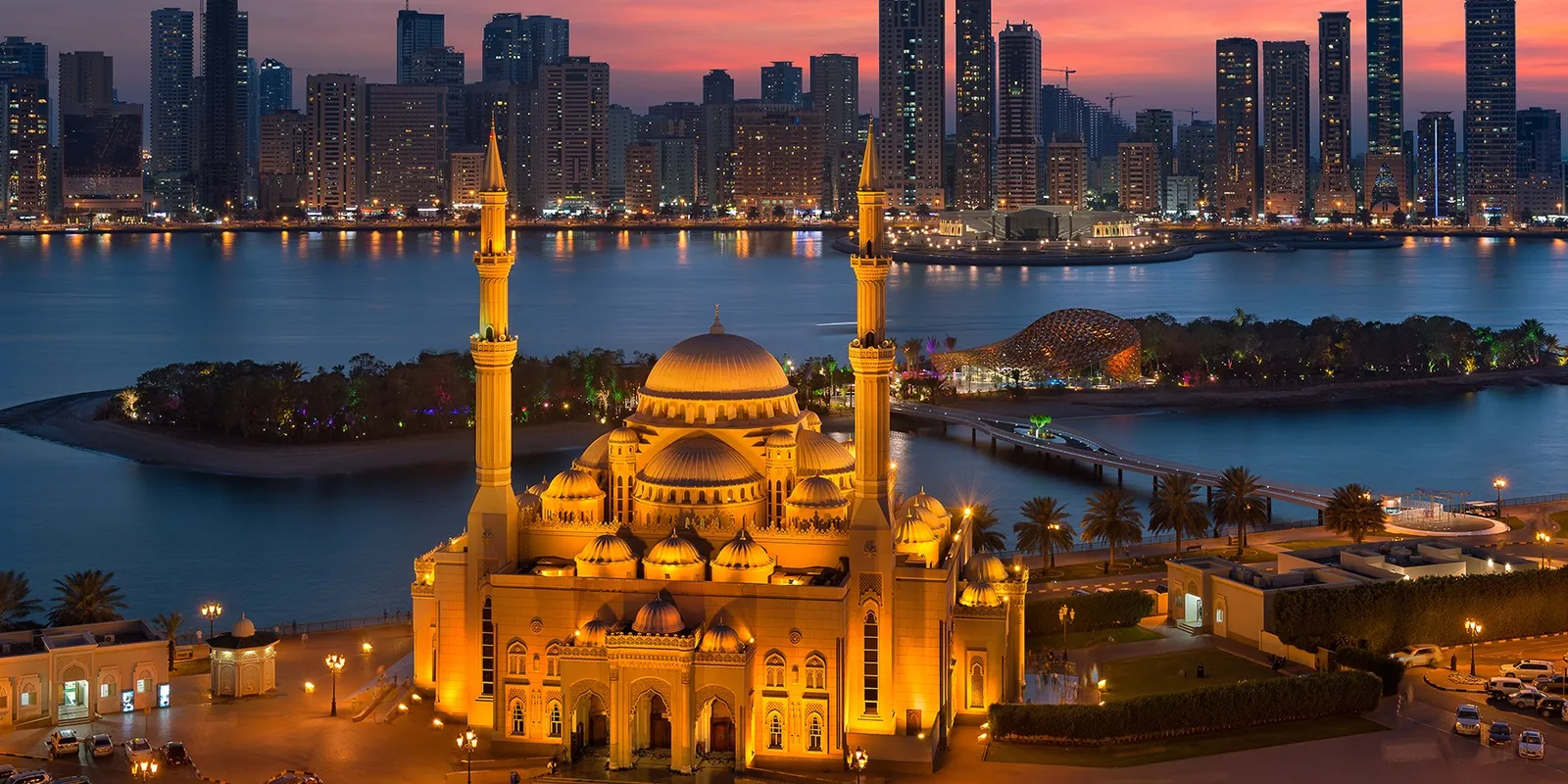
Sharjah: the cultural capital of the Emirates
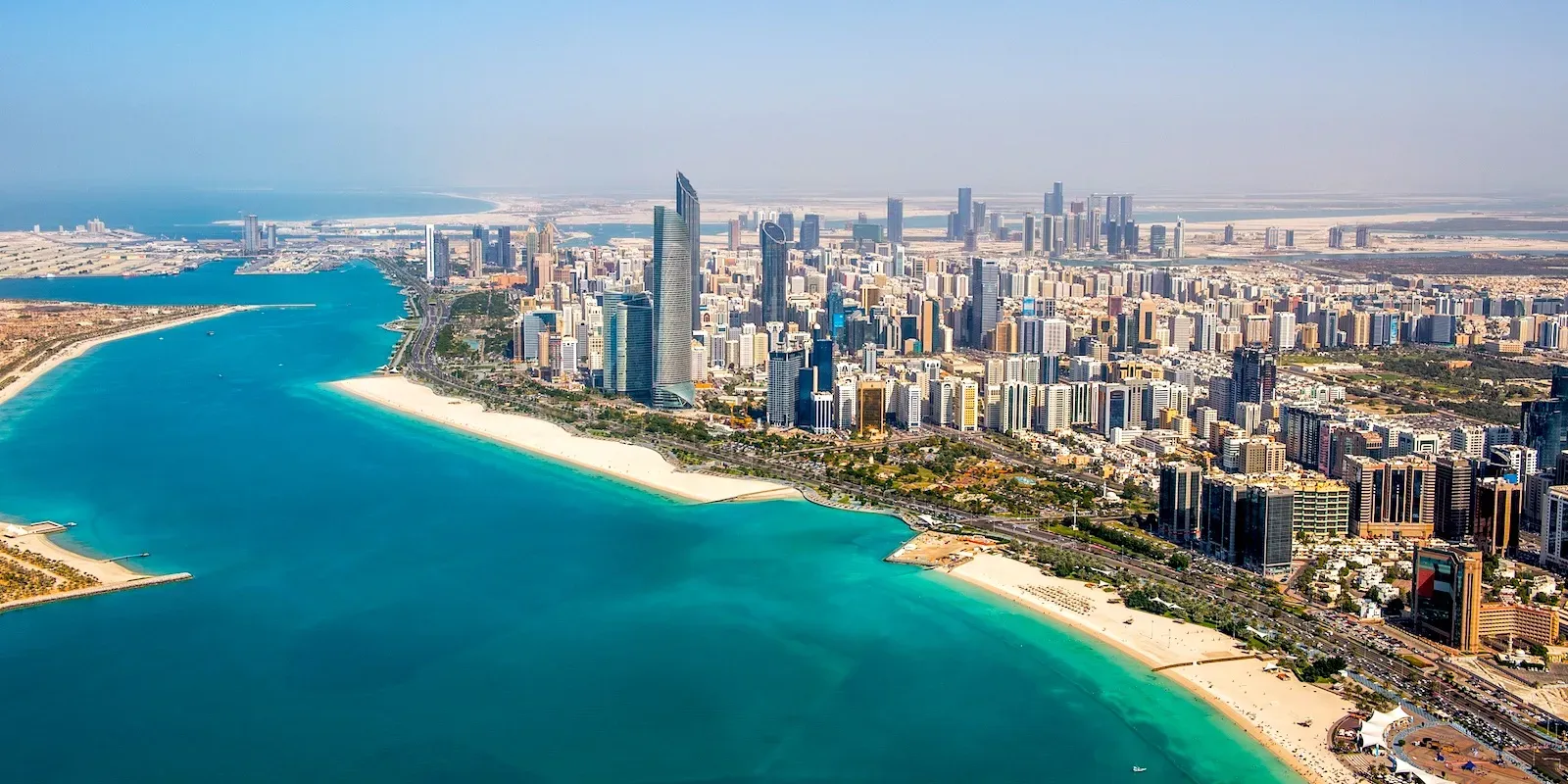
Abu Dhabi: what to see in 1 day
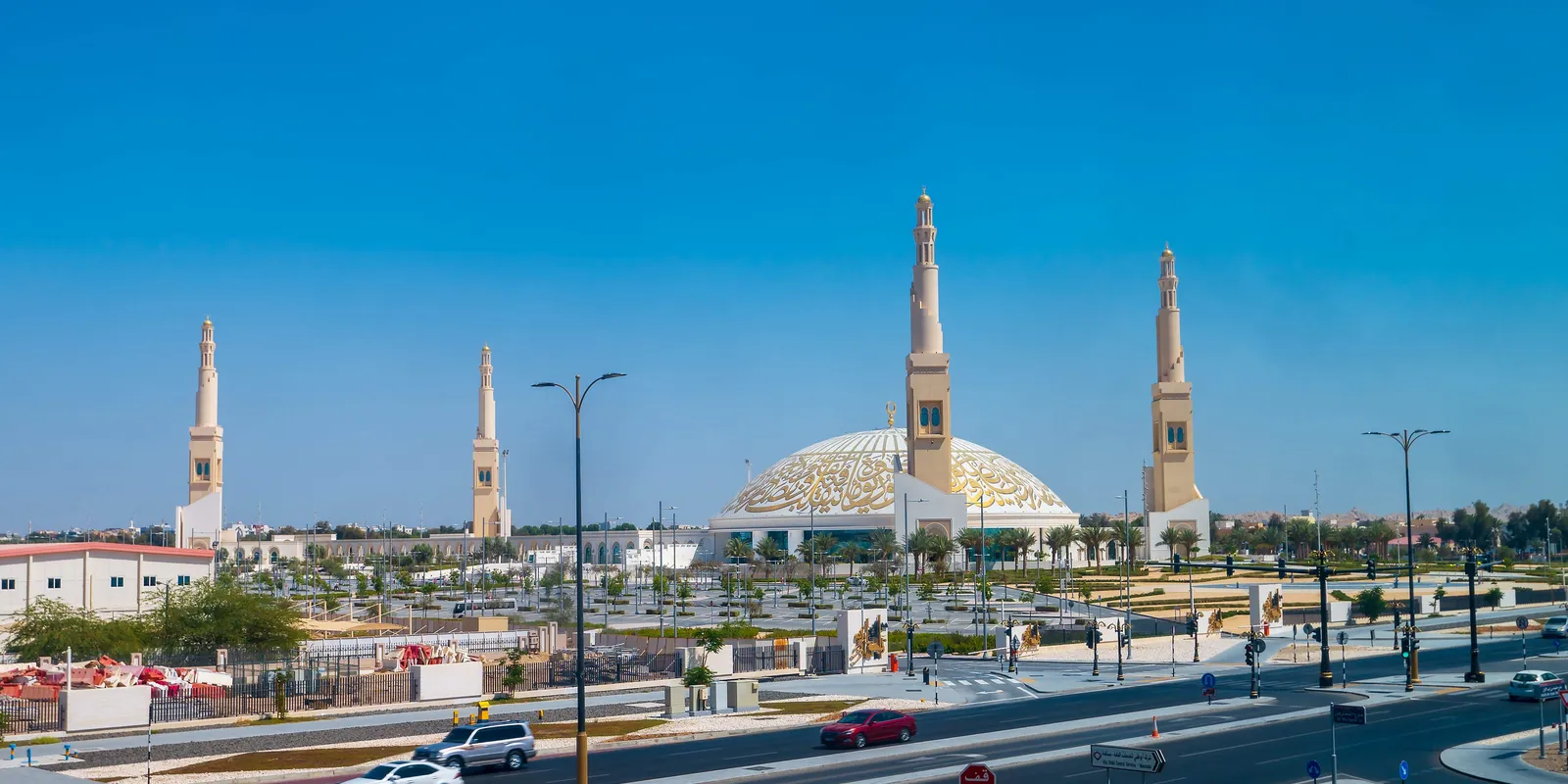
Al-Ain: the green oasis in the Emirati desert
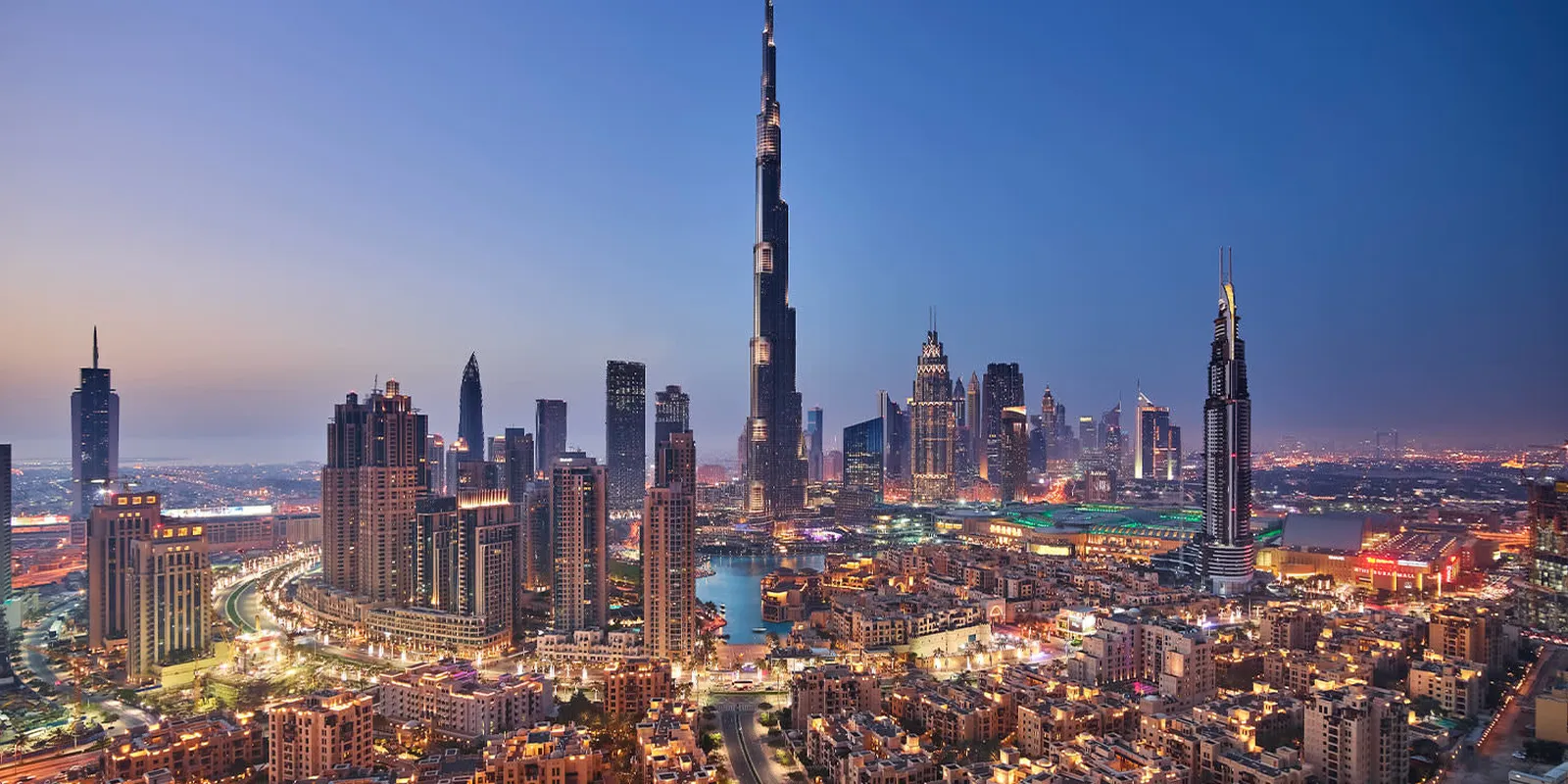
Dubai in a day: what to see