
A day in Dallas between art and history
Dallas has no historic center in the European sense: its identity was built in the twentieth century, defined by oil, railways, and an event that forever marked the city's name—the assassination of John F. Kennedy in 1963.
The Business District gathers most of what's worth seeing downtown, all within walking distance.
At Dealey Plaza, where the presidential convoy was struck by gunfire, a white X painted on the pavement marks the exact point of the fatal impact, still a destination for informal pilgrimage by those visiting the city.
The Sixth Floor Museum, set up in the former book depository from which the shot was fired, reconstructs with period documents the chronicle of those days and the political climate of early 1960s America.
The Nasher Sculpture Center, in the Arts District, displays works by Rodin, Matisse, and Miró in a garden designed specifically for Texas light, with translucent marble walls that filter sunlight without ever causing glare.
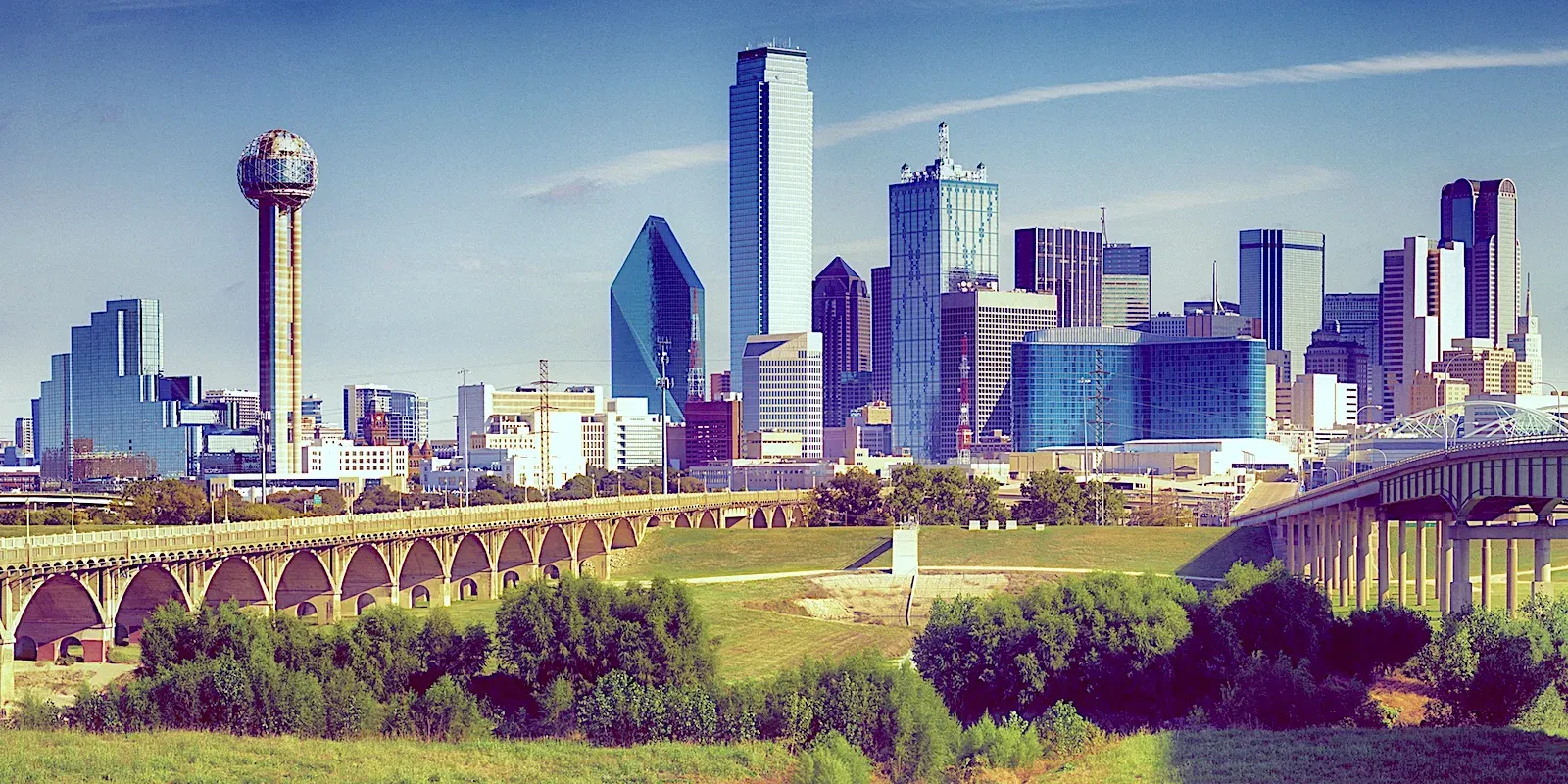
The Reunion Tower, the geodesic sphere dominating the skyline since 1978, offers from above a view that puts into perspective just how much the city has grown horizontally rather than vertically, stretching endlessly toward the Texas plain.
Few American cities carry the weight of a single afternoon of history as much as Dallas bears the weight of November 22, 1963, still visible in the X on Dealey Plaza.
The Nasher and Reunion Tower, however, tell of a city that has continued to build its own identity well beyond that event, not remaining its prisoner.
Guided tours and experiences in Dallas


Related articles
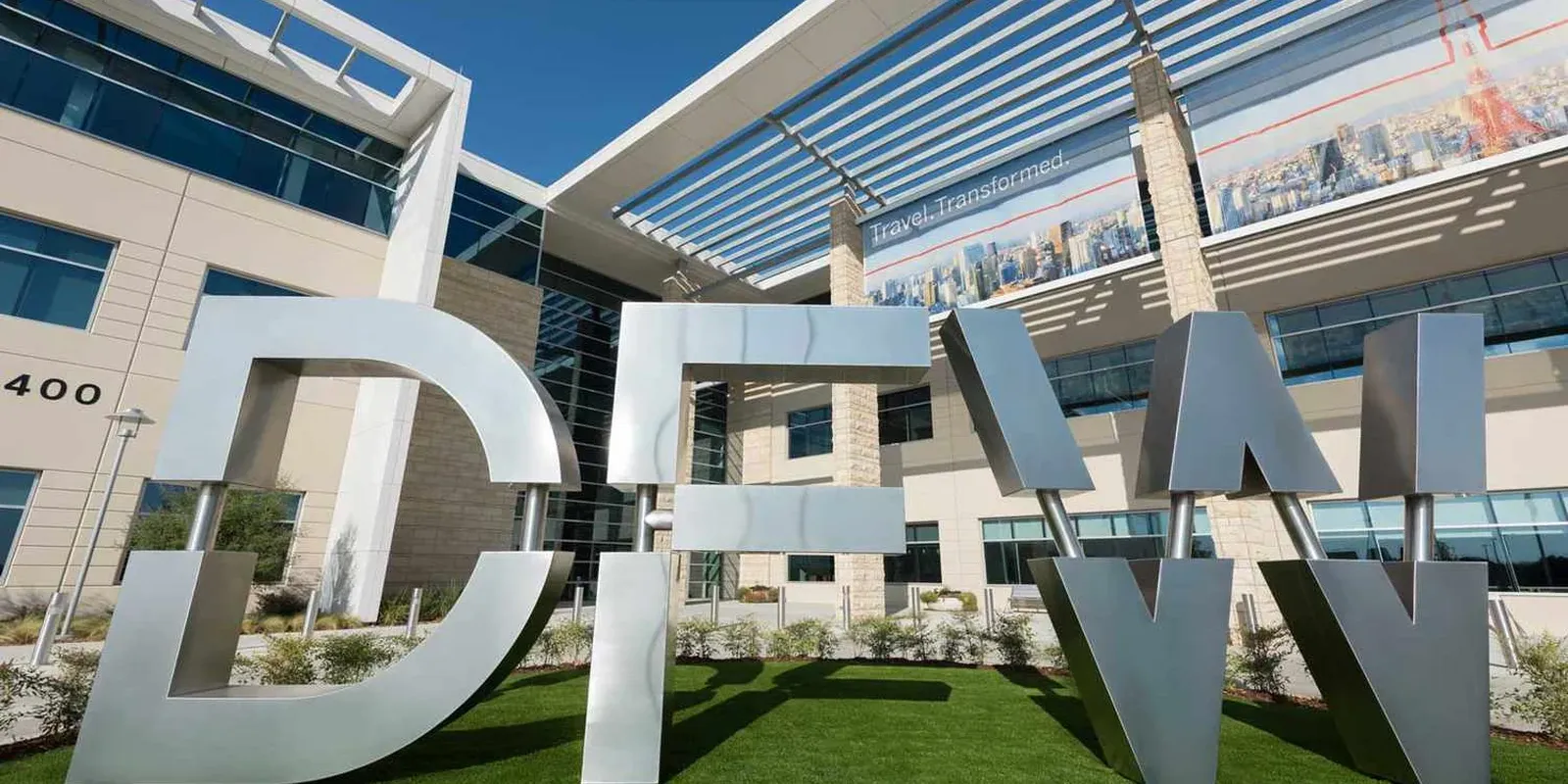
Dallas Fort Worth International Airport
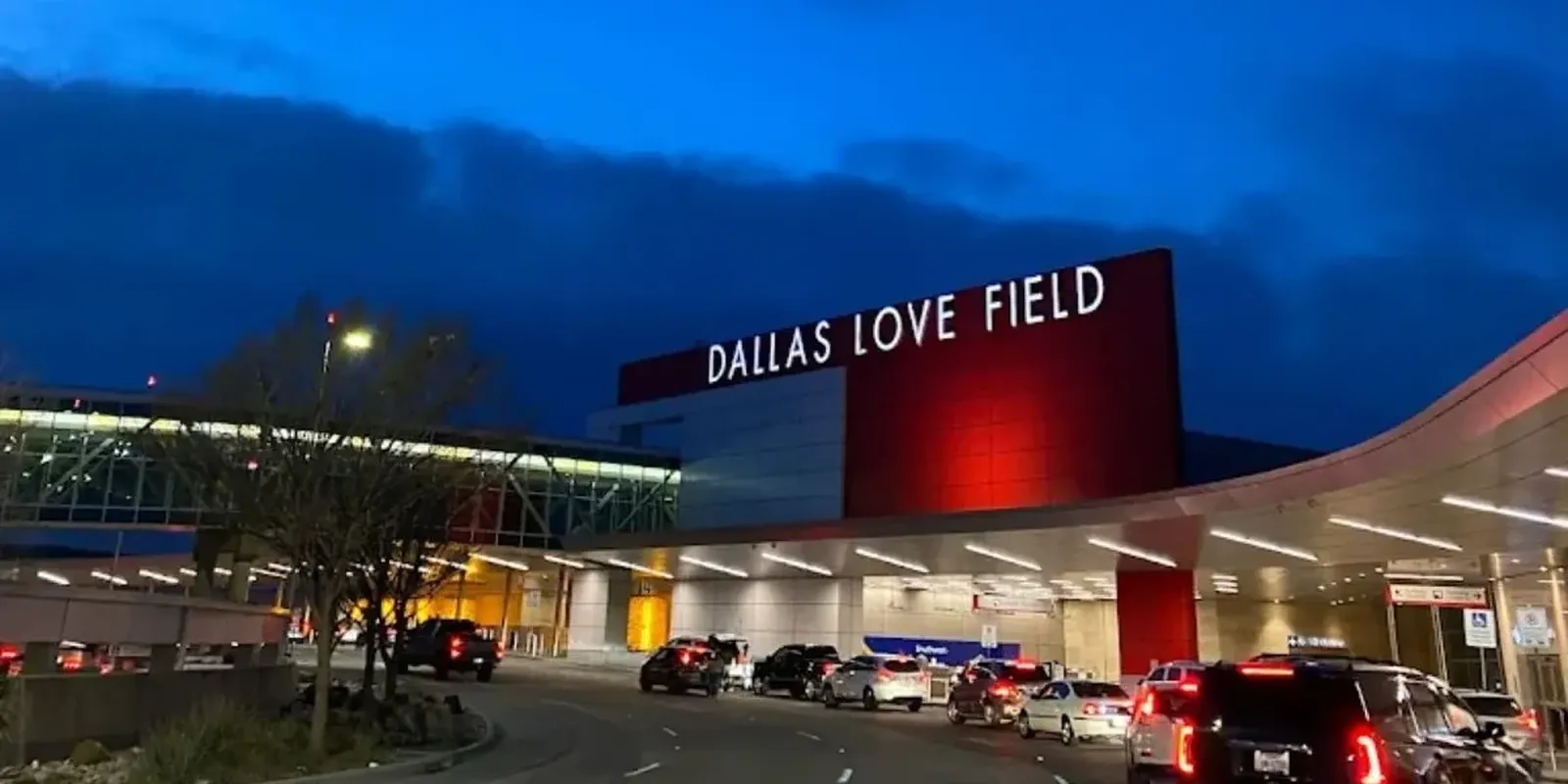
Dallas Love Field

Dallas Fort Worth International Airport: where to stay, areas and recommended hotels

Dallas Love Field: where to stay, areas and recommended hotels

Which lounge at Dallas/Fort Worth: guide by card and terminal
You might also like...
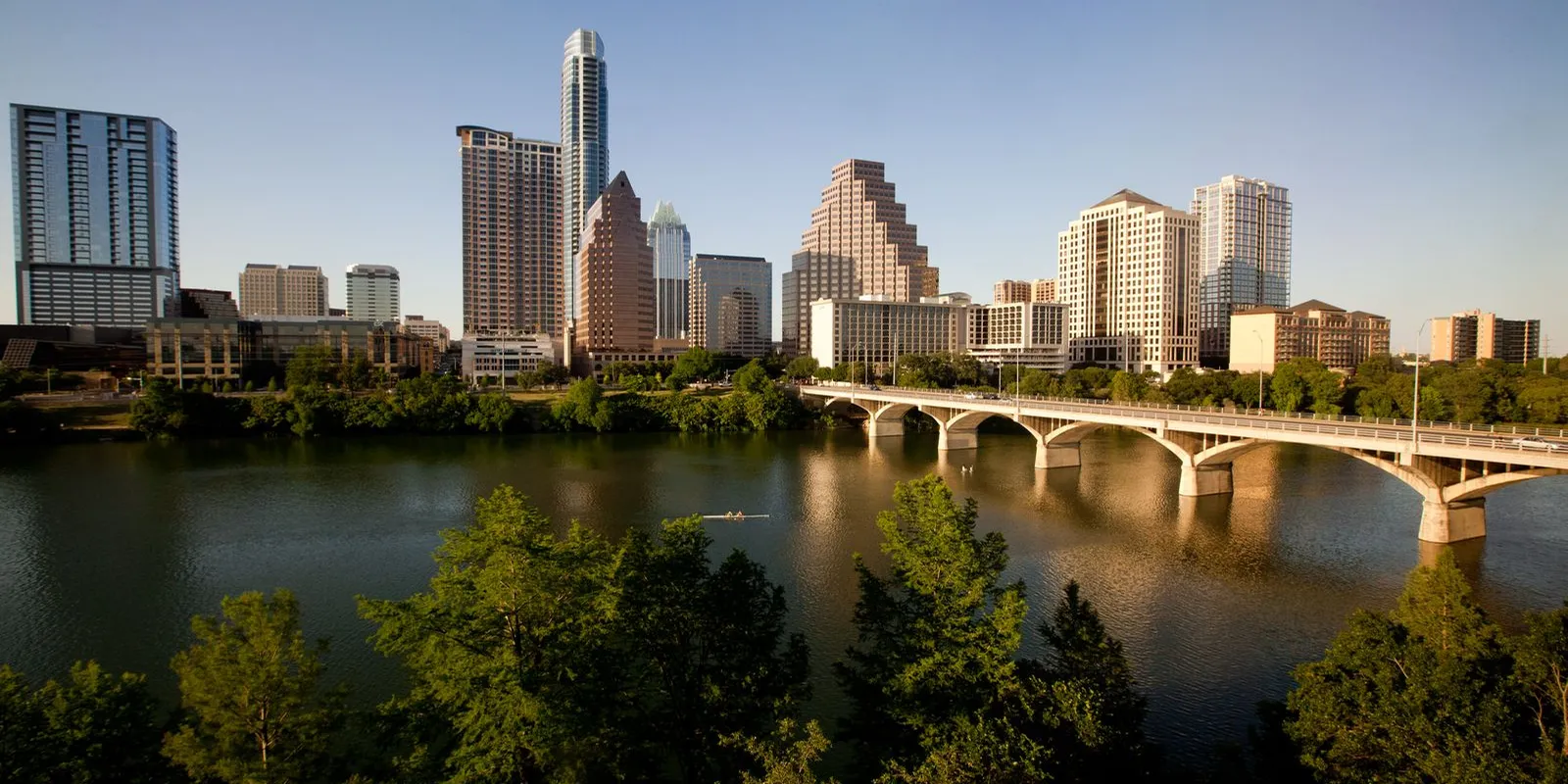
Wichita Falls: the world's smallest skyscraper
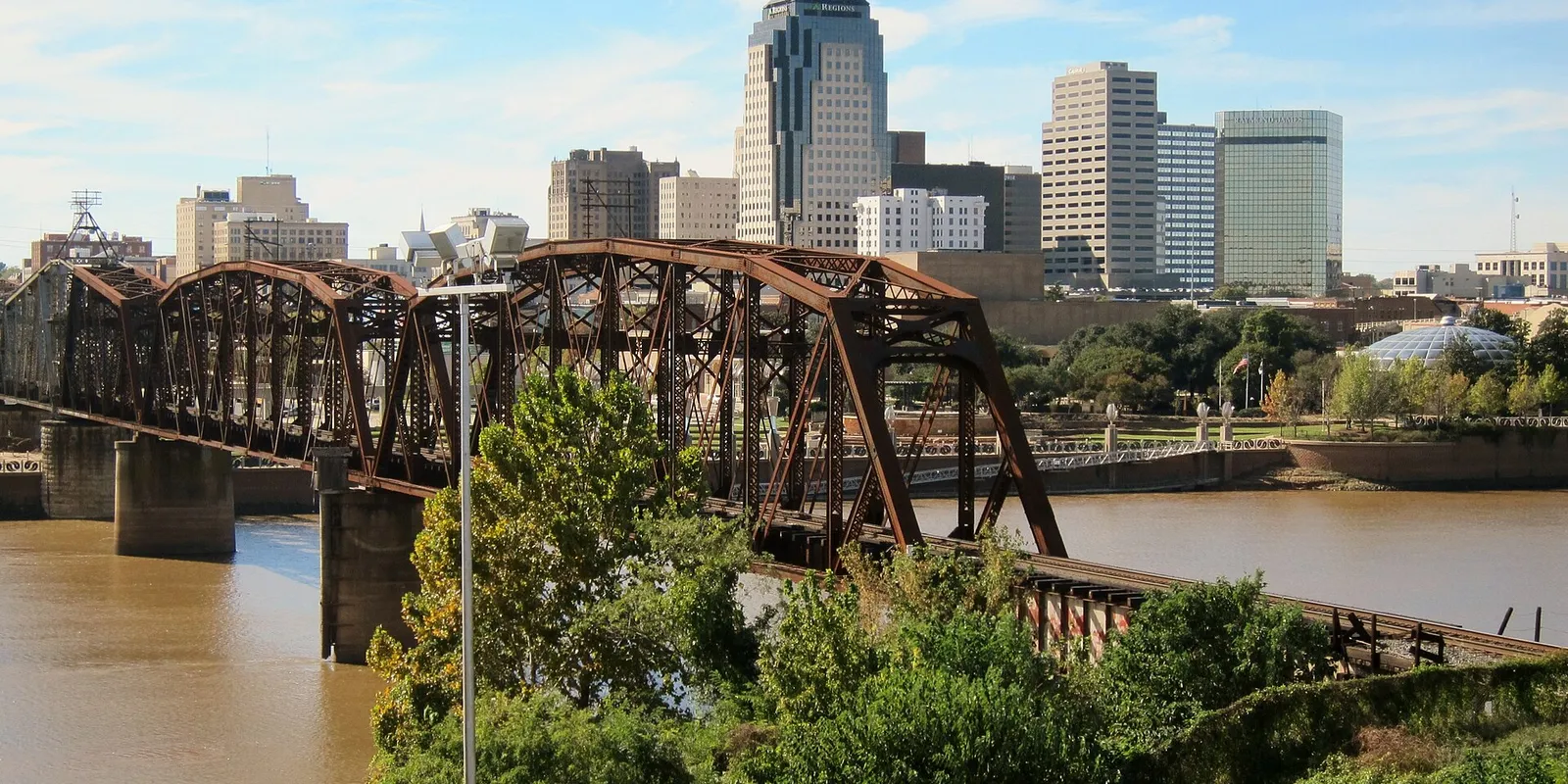
Shreveport: the Hollywood of the South on the Red River

What to check with the airline before flying with a pet
Fiumicino layover: where to wait between two flights
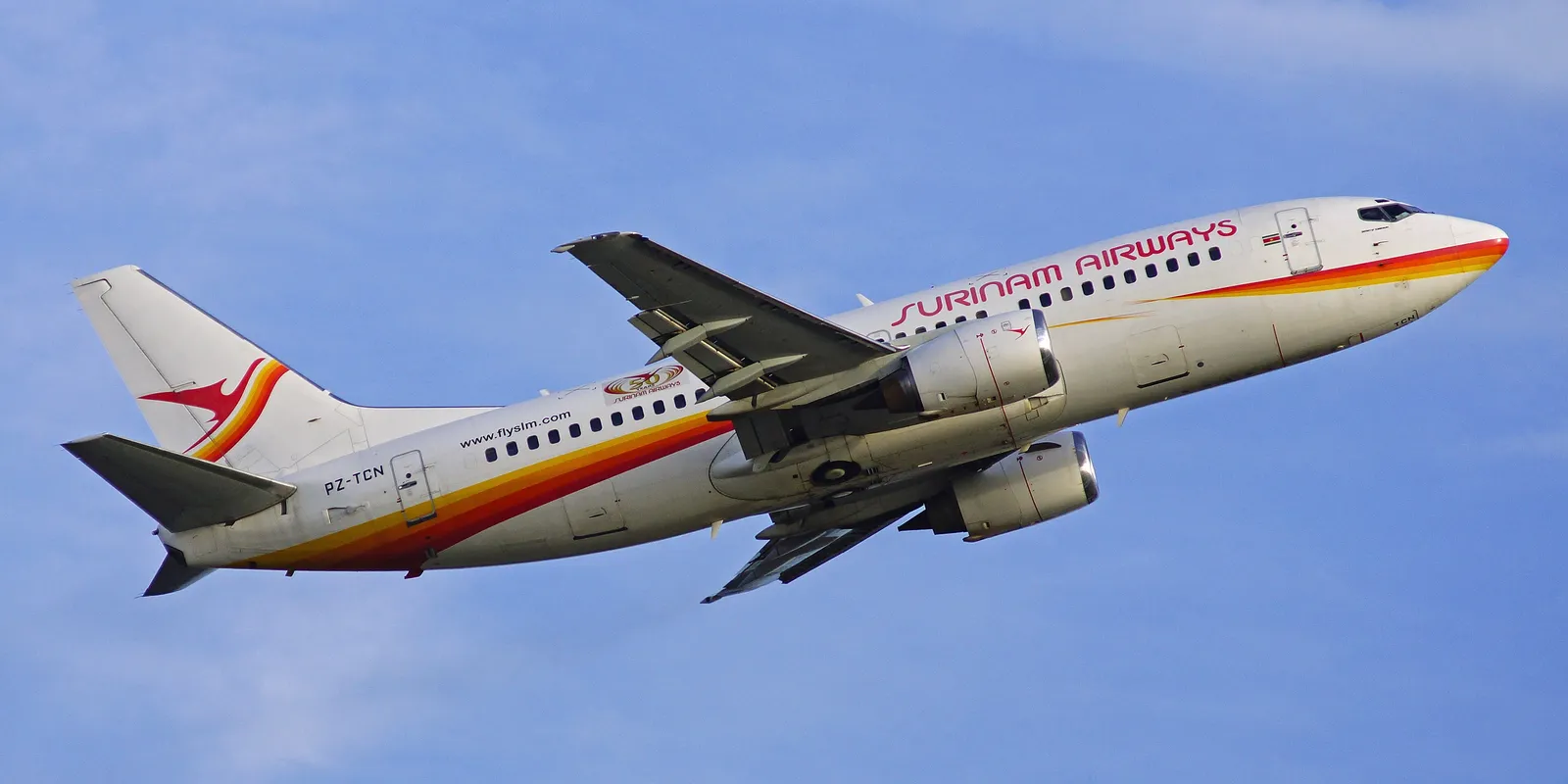
Surinam Airways: The Only Direct Flight Linking Suriname to Europe