What to always keep in your carry-on
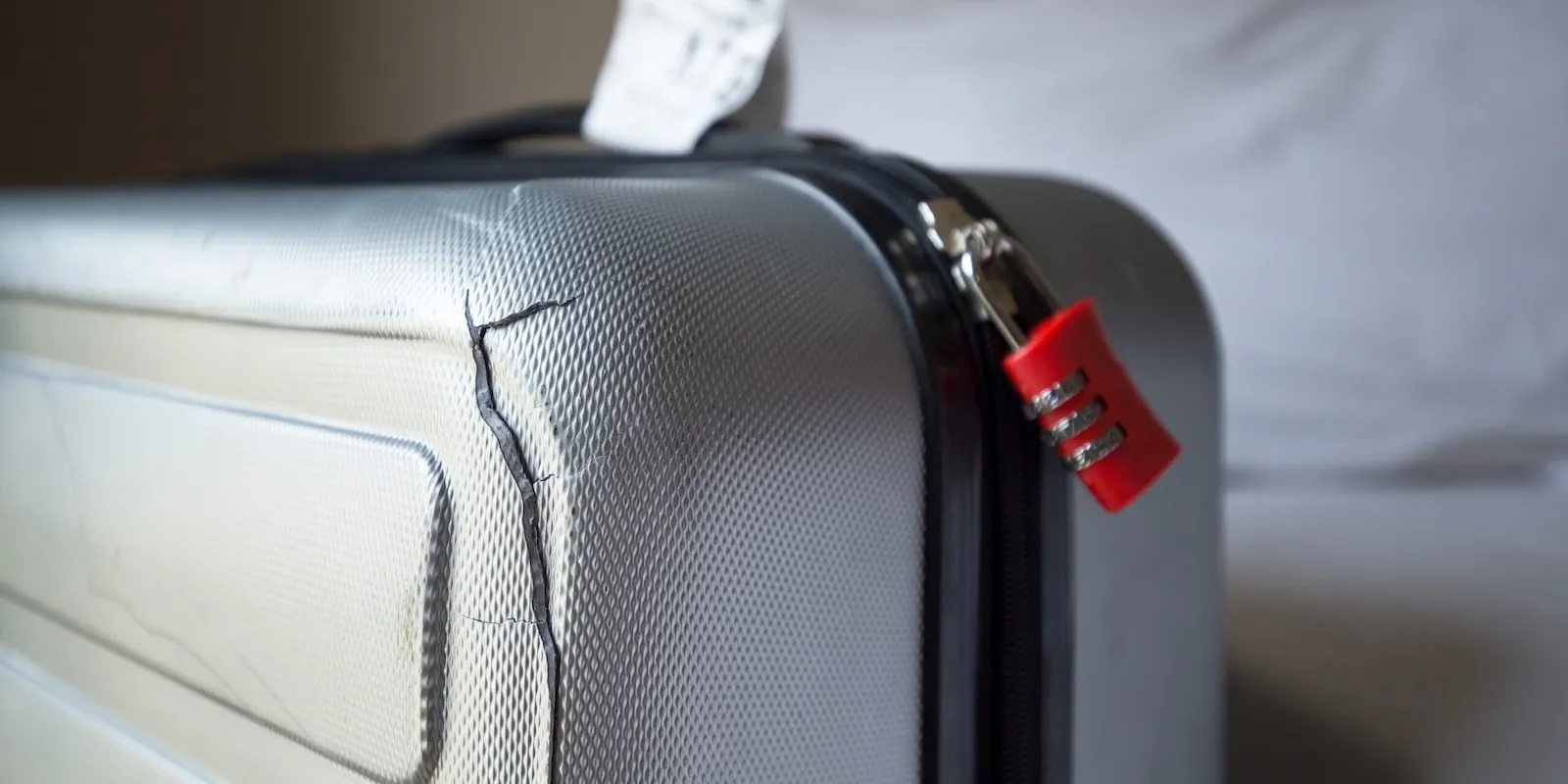
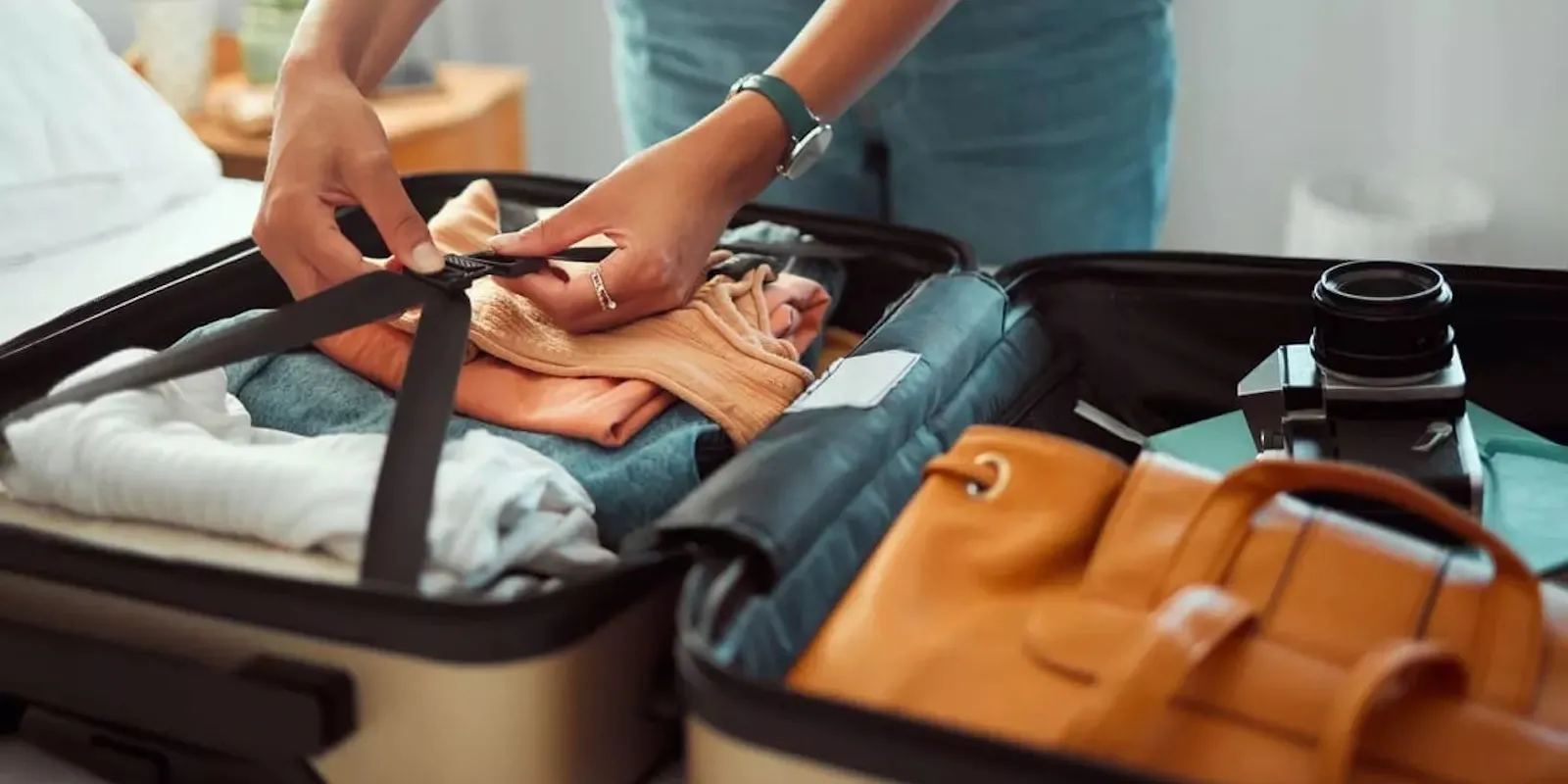
If your checked baggage should arrive late or go missing, the only items truly available in the first 24 hours are those in your carry-on: documents, medications, and an essential change of clothes therefore deserve top priority, far more than their reduced weight might suggest.
Documents that cannot be redone at the airport
ID card or passport, boarding pass (also in digital version as a backup) and any visas must always be within reach, with a paper backup copy in case your smartphone dies at the most inopportune moment. An additional copy kept separately, perhaps in the bag of someone traveling with you, reduces the risk of being left without documents in case of sudden loss.
Losing access to them means, in the worst cases, serious complications at the arrival border: their placement in carry-on is non-negotiable, even on a short direct flight.
Essential medications and valuables: why they don't go in checked baggage
Essential medications taken regularly must stay with you for the same continuity-of-care reason discussed in the guide on where to put them in your baggage: checked baggage can delay or, rarely, lose the suitcase, and no therapy should depend on this external factor.
Expensive electronics, jewelry, or cash deserve the same prudent treatment not for generic theft risk, but because airlines severely limit compensation for valuables declared in checked baggage: according to the Montreal Convention the maximum ceiling for lost or damaged baggage is 1,288 SDR, roughly €1,600-1,700 depending on exchange rates, a sum that a single high-end laptop or piece of jewelry can exceed on its own. Details are in the guide on liability limits according to law.
Batteries, electronics, and flight comfort
Your phone charger and a spare power bank must stay in cabin even by regulatory mandate: loose spare lithium batteries are forbidden in checked baggage for the rare but real risk of overheating during flight. Noise-canceling headphones, even budget ones, make both the wait and subsequent flight hours more bearable.
A heavier garment for the typical cabin cold, something to read, and a small travel hygiene kit complete the carry-on as a true safety net, not as a mere reduced-scale duplicate of your suitcase.
Small objects that solve big problems
An essential change of underwear and a clean shirt become precious in case of baggage delivery delay; a pen avoids having to borrow one to fill out customs forms at the last minute, and house or car keys left in the parking lot merit a fixed pocket, because it happens more often than one would think to need to retrieve them from an already-checked-in suitcase.
A copy of your travel insurance policy with emergency numbers clearly visible, and a small foldable bag for purchases made during your trip, complete the list: items that rarely serve but which, when they do, make an enormous difference compared to having to retrieve them from an uncertain-connection email abroad.
Before closing your carry-on, check that it contains everything you'd need in the first 24 hours if your checked baggage didn't arrive: it's the quickest way to decide what truly deserves a place there, instead of relying on memory each time.
You might also like...

Fort Lauderdale lounges: one for each terminal

Airport check-in: when is it still mandatory

Aegean Airlines: What to Expect From Greece's National Carrier, According to Passengers

Florø Airport: where to stay, areas and recommended hotels

Xinzheng Airport: where to stay, areas and recommended hotels