
Bolivia: main airports
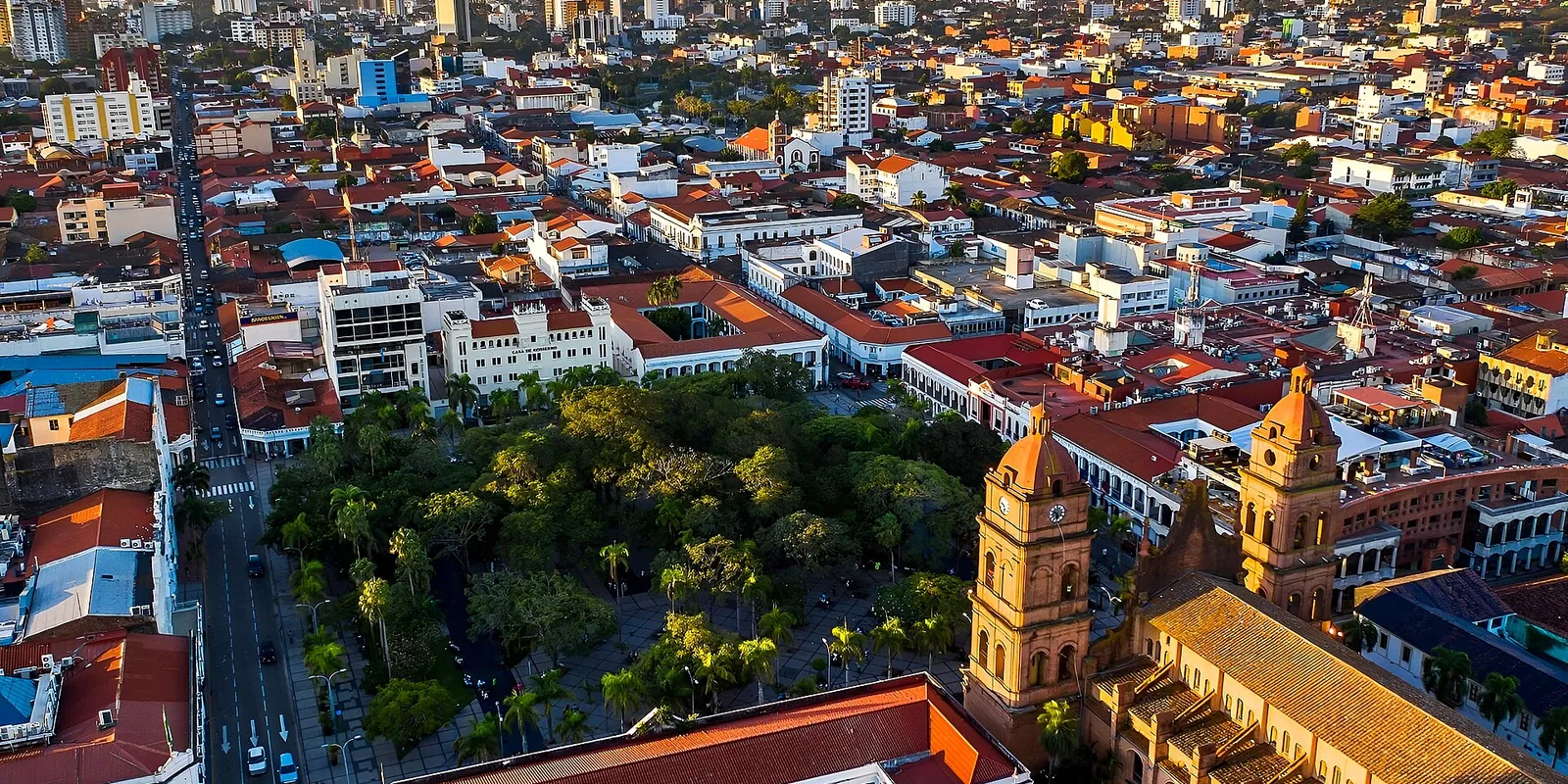
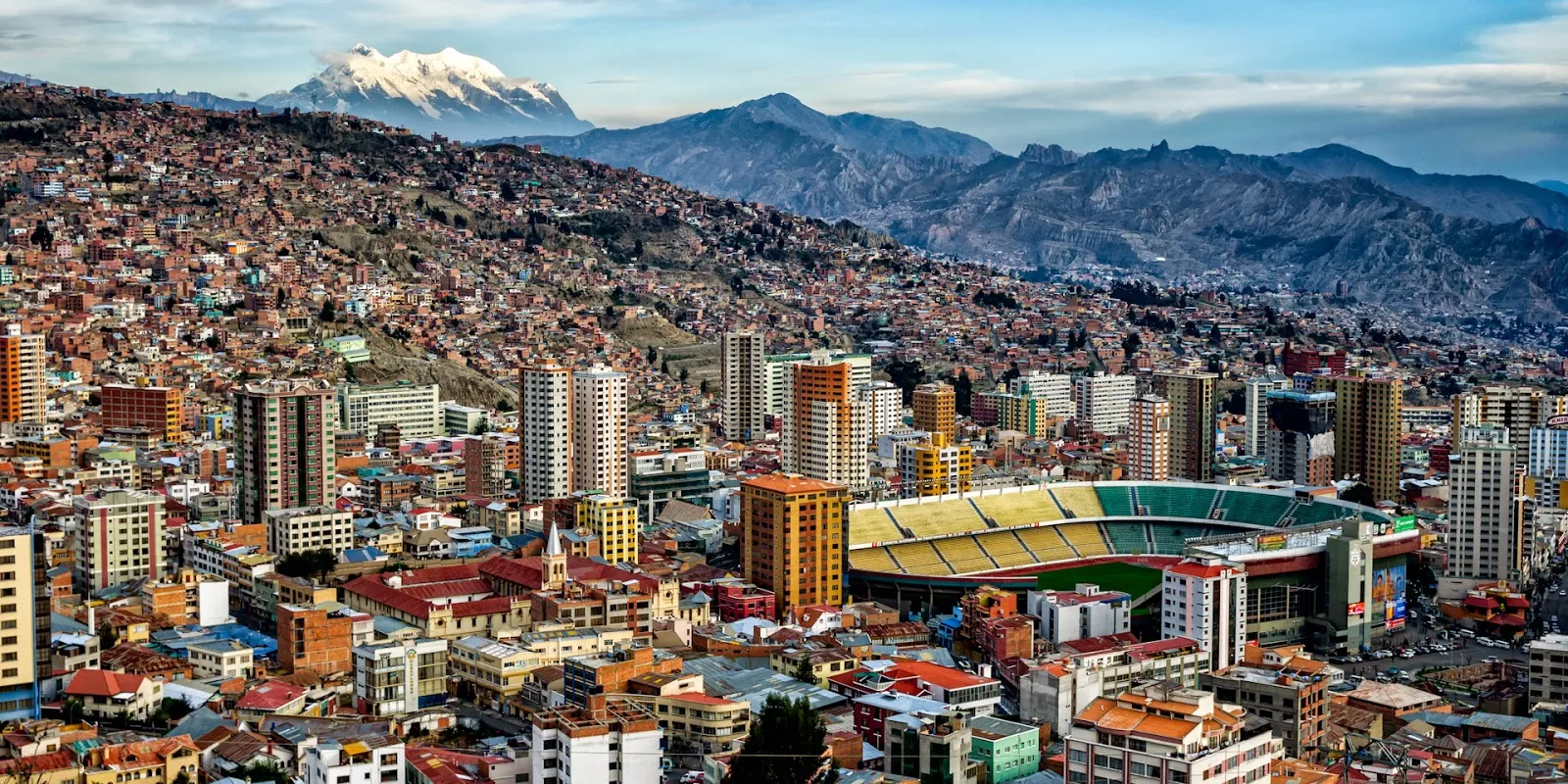
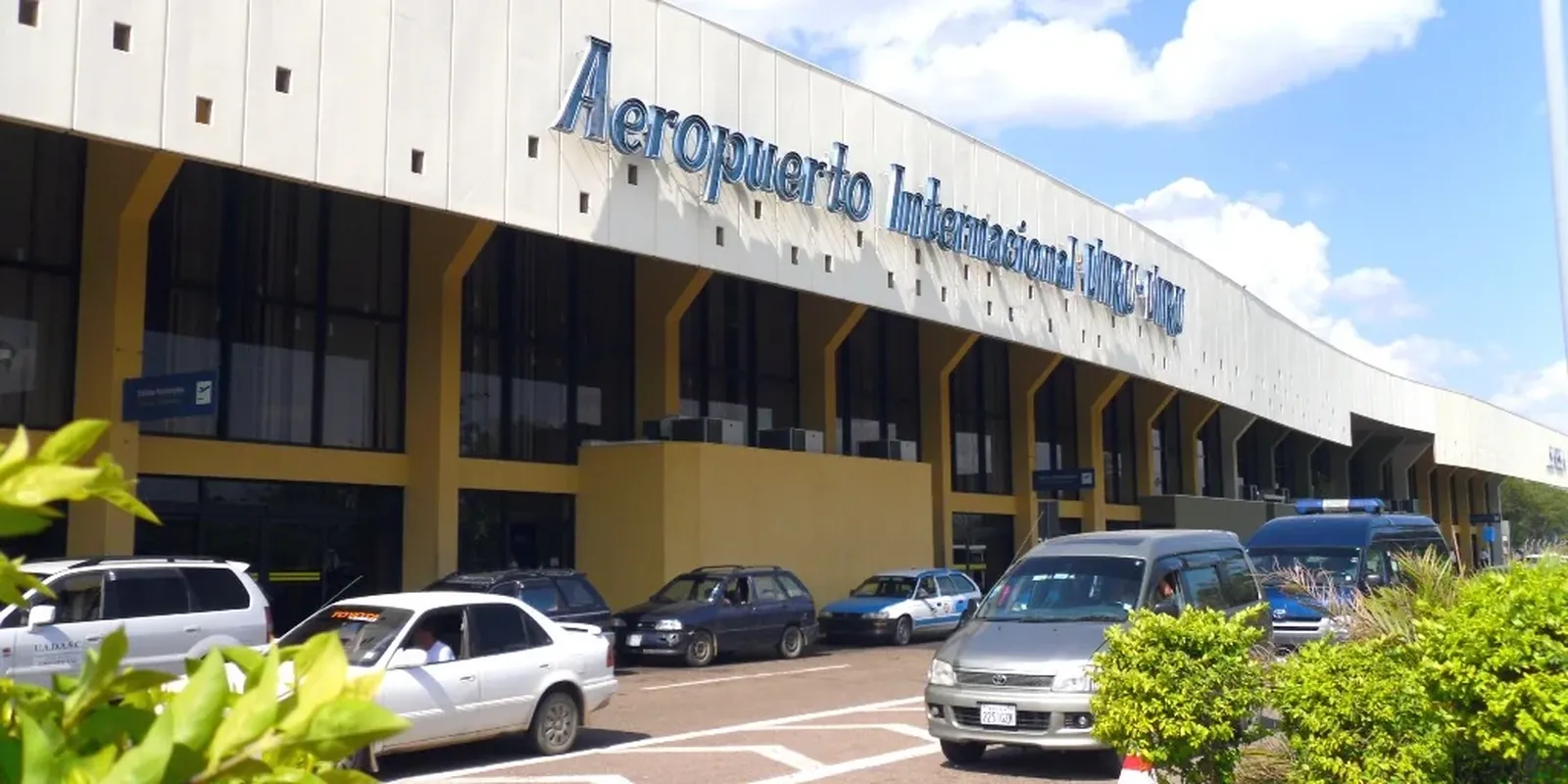
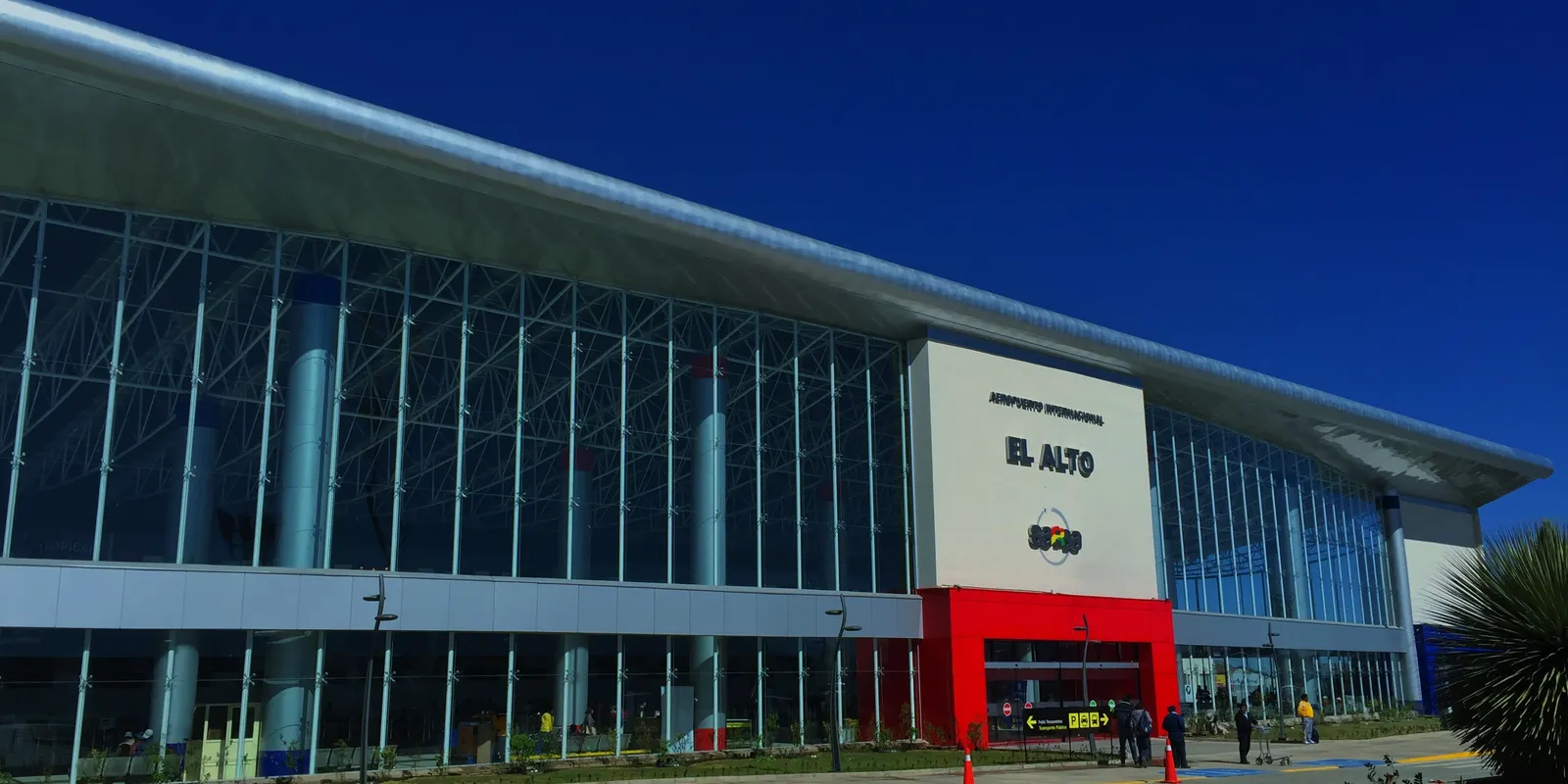
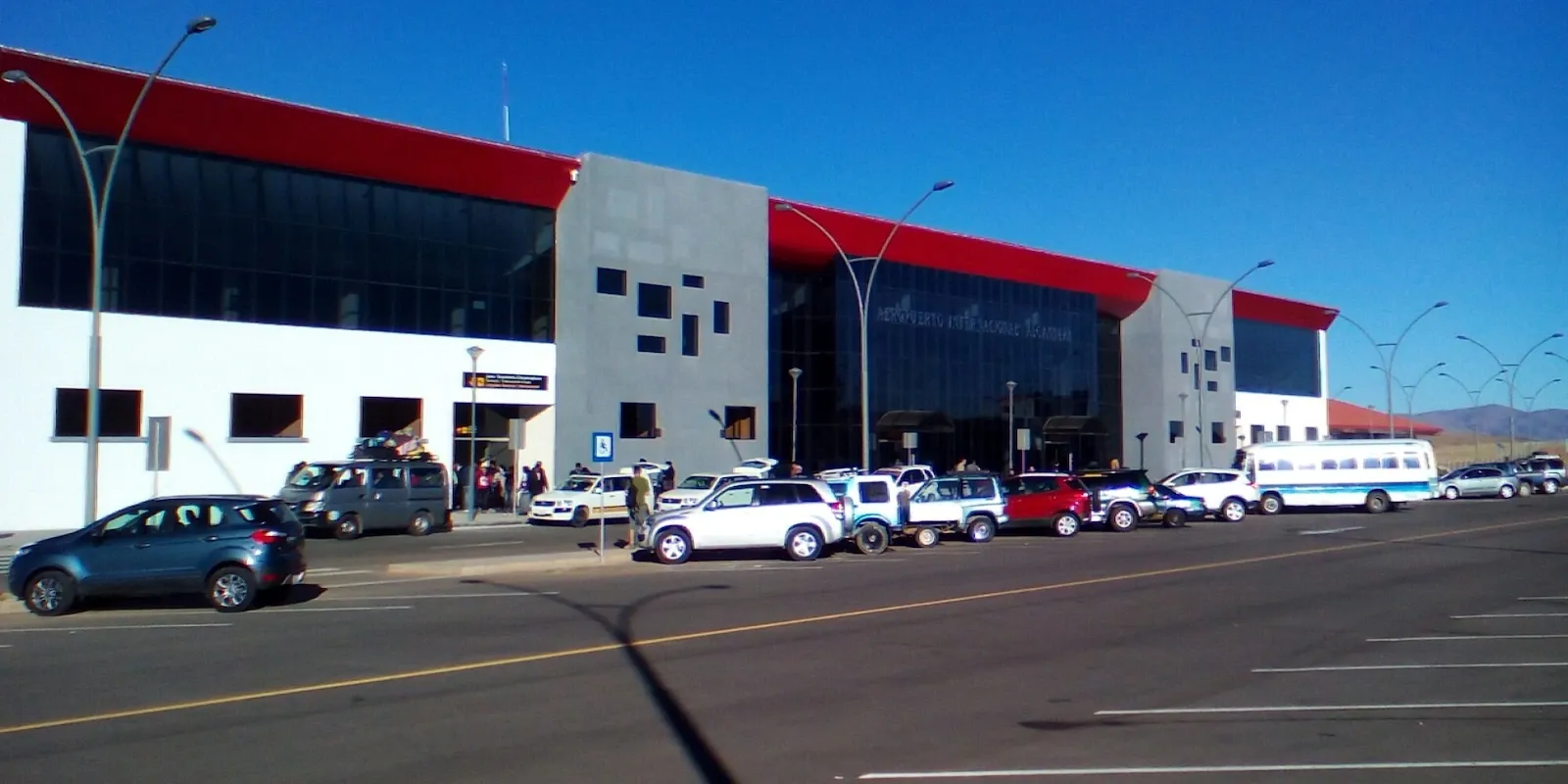
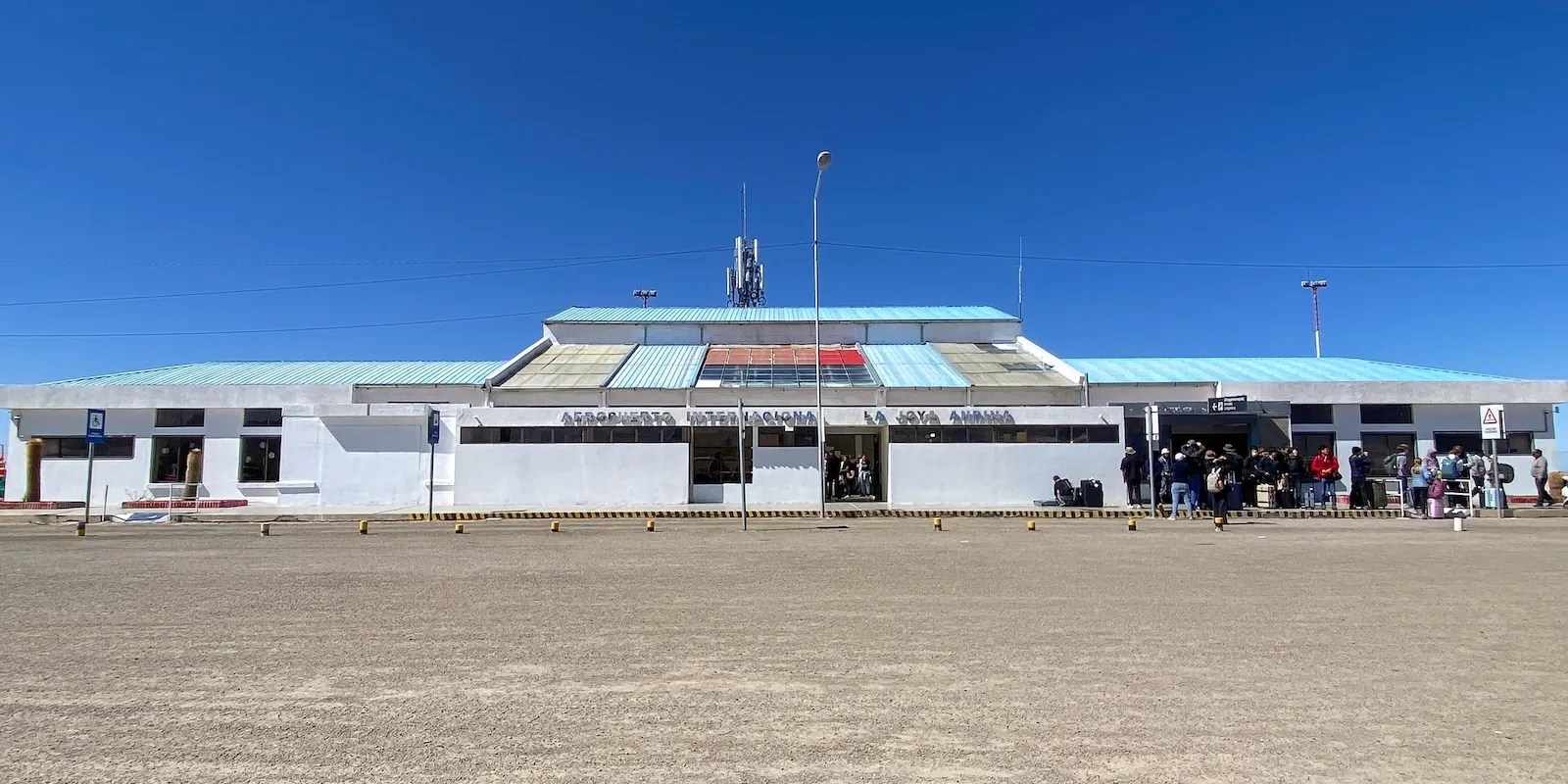
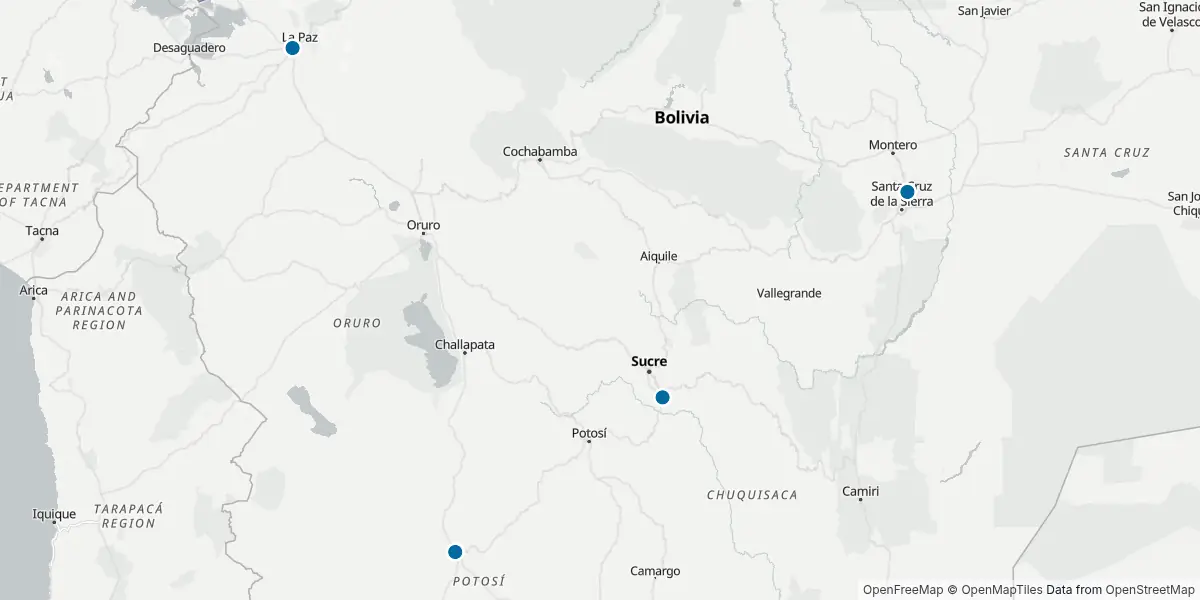
Bolivia has four main airports with active connections: El Alto Airport, which serves La Paz, the administrative capital, Viru Viru Airport, which serves Santa Cruz de la Sierra, the country's most populous city and main economic centre, Uyuni Airport, access to the Uyuni Salt Flat, and Alcantarí Airport, which serves Sucre, the constitutional capital and a UNESCO World Heritage Site.
Bolivia: recommended activities
Bolivia: visa and entry requirements
Since December 2025, citizens of the European Union, the United Kingdom, the United States, Canada, Australia and New Zealand enter without a visa for tourist stays of up to 90 days within a 12-month period (previously US citizens paid a 160 USD reciprocity fee, now abolished for tourism). Regardless of nationality, free online migration pre-registration is mandatory, to be completed within the 30 days before travel: it generates a QR code to show at the border. The passport must have at least 6 months of remaining validity.
Bolivia: safety
Bolivia is generally safe for tourists in the main tourist areas, with the usual precautions against petty theft in crowded areas of La Paz and Santa Cruz. Occasional protests and road blockades (bloqueos) are relatively common for political or social reasons and can suddenly disrupt traffic, even for days: find out about the situation before travelling between cities, especially by car.
Bolivia: health situation
No vaccination is mandatory for those arriving from Europe; a yellow fever certificate is required for those travelling to the Amazonian areas in the north/east of the country. Bolivia has some of the highest cities in the world: La Paz and El Alto are above 3,600-4,000 metres, and altitude sickness (soroche) is common in the first 24-48 hours, especially for those arriving by plane without gradual acclimatisation. Drink plenty of water, avoid alcohol and physical exertion on the first day, and consider coca tea (widely available and legal locally) as a traditional remedy. Health facilities in La Paz and Santa Cruz are adequate for common emergencies; insurance with possible evacuation remains advisable for those venturing into remote areas (the Amazon, the Uyuni Salt Flat).
Bolivia: currency, payments and connectivity
The currency is the boliviano (BOB); cash remains important outside major hotels and restaurants, where credit cards are nonetheless increasingly accepted. Uber and the local app itaxi.bo operate in La Paz and Santa Cruz. For connectivity, the operators Entel, Tigo and Viva sell prepaid SIM cards. For driving, an International Driving Permit (IDP) is generally also required alongside the national one; La Paz's traffic, with its steep and winding streets, requires attention even for those used to driving in mountain cities.