
Rome: what to see in 1 day
Rome is a city that reveals itself in layers: the ancient one, the Baroque, the papal, and the simply lived one in neighborhoods where people walk without looking at the monuments. It's hard to imagine "seeing Rome" in a single day, because its size and the sheer volume of overlapping centuries make any choice necessarily partial.
Anyone with only a few hours ahead must accept from the start that something must be left out: it's impossible to combine the historic center, the Forums, the Colosseum, and the Vatican Museums in one day without turning the visit into a rush. It's better instead to choose a coherent area and experience it at leisure, leaving the rest for a return visit.
The most natural route for a first visit, and the one that best conveys the idea of the city, crosses the historic center and the central archaeological area, walking more than moving around, and concentrating travel on public transit only where distances truly require it.
Piazza Navona, with its baroque fountains and surrounding palaces, is where to start before reaching the Pantheon in a few minutes on foot, one of the few ancient buildings to survive to today almost intact and worth visiting at a leisurely pace, precisely because its power lies in the internal space rather than in a long visit. From here the route naturally descends toward the Trevi Fountain, a destination best reached in the early morning hours or later in the evening, when daytime crowds ease and the piazza becomes enjoyable again.
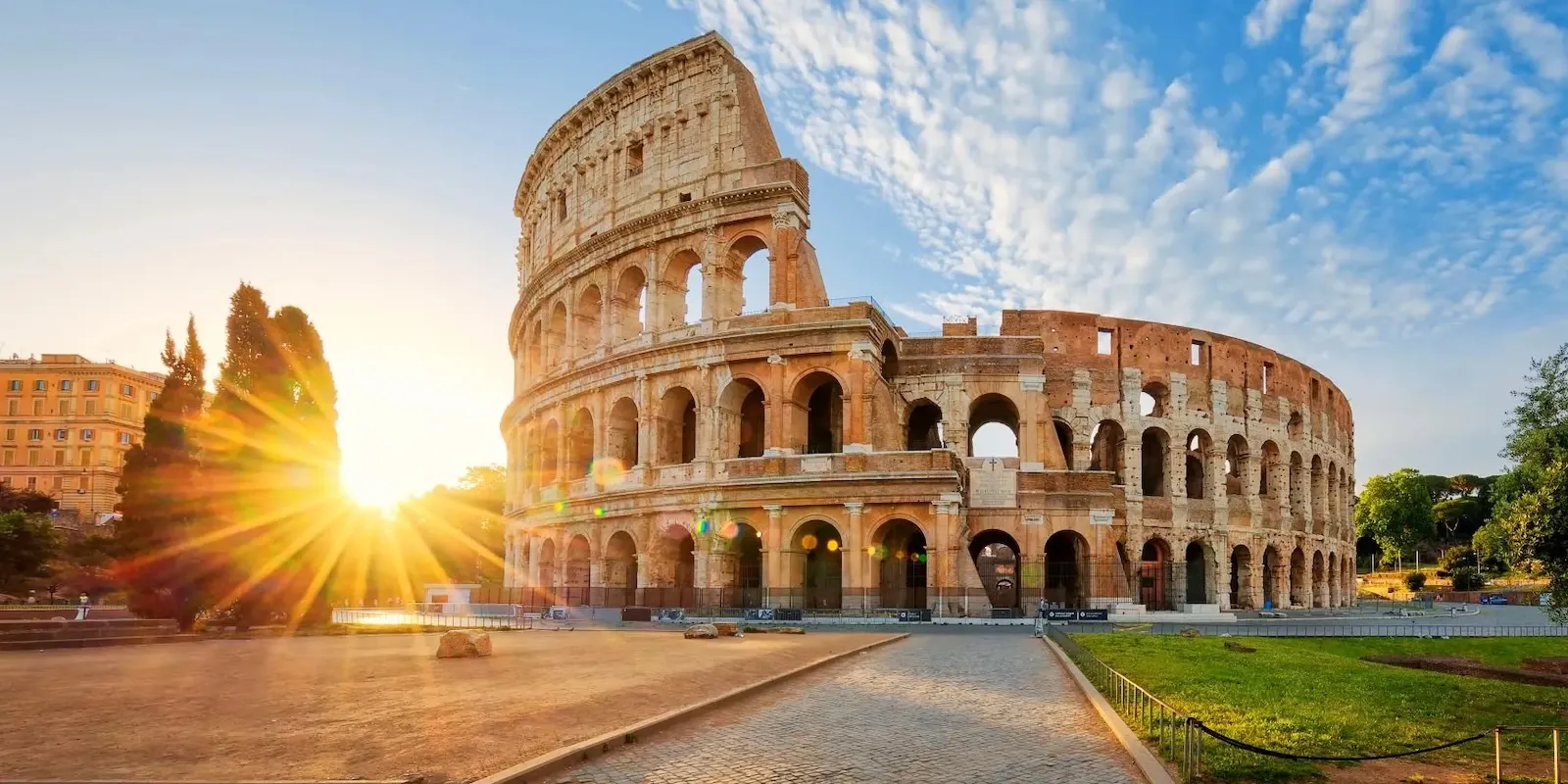
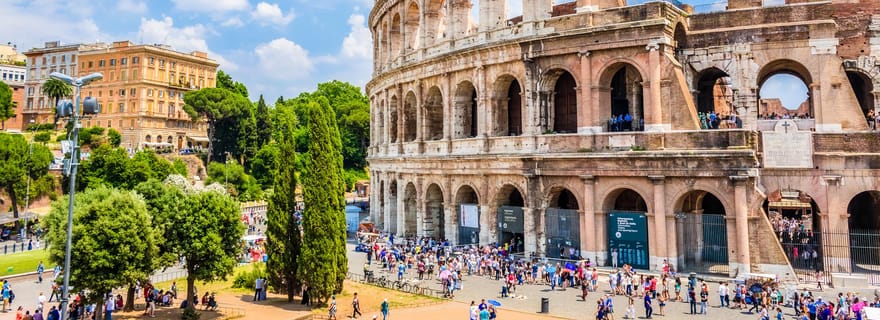
Moving toward Piazza Venezia enters the area marking the transition from baroque Rome to ancient Rome: from here via dei Fori Imperiali leads toward the Colosseum passing by the remains of the Forums, visible from outside without necessarily entering each archaeological area. The Colosseum, together with the Roman Forum and the Palatine, usually requires separate admission and several hours of visiting: those wanting to see it at leisure should set aside a good part of the early afternoon for this area, leaving less time for the rest.
It is a choice worth making consciously, because trying to fit the historic center into the same afternoon makes the visit rushed.
An alternative, for those preferring to dedicate the day to papal Rome rather than imperial Rome, is to head in the afternoon toward the Vatican Museums and St. Peter's Basilica: these two destinations alone require most of a day, and are difficult to reconcile in the same itinerary as the Colosseum.
For those choosing the historic center, in the late afternoon it is worth heading down toward Trastevere, crossing the Tiber: it is a neighborhood visited well on foot, with narrow alleys, small squares and an atmosphere different from the more monumental center, a natural way to close the day walking without a precise destination rather than following a last point of interest. Movement between these zones, staying in the historic center, is done almost entirely on foot; those instead alternating center and Vatican area will find convenient the use of the metro or surface buses to shorten travel times between areas.
Rome conveys a concrete sense of the layering of epochs that makes the city unique in just a few hours, but it remains necessarily a partial visit: what you see depends on which area you choose, and whichever part you leave out—whether the historic center or the Vatican area—remains a good reason to return. Those seeking an authentic taste rather than a list of monuments will nonetheless find, in a few hours, a route capable of delivering very different atmospheres, from the Baroque of the piazzas to the antiquity of the Fora.
To know Rome more deeply, however, you need days, not hours.
Guided tours and experiences in Rome

Related articles
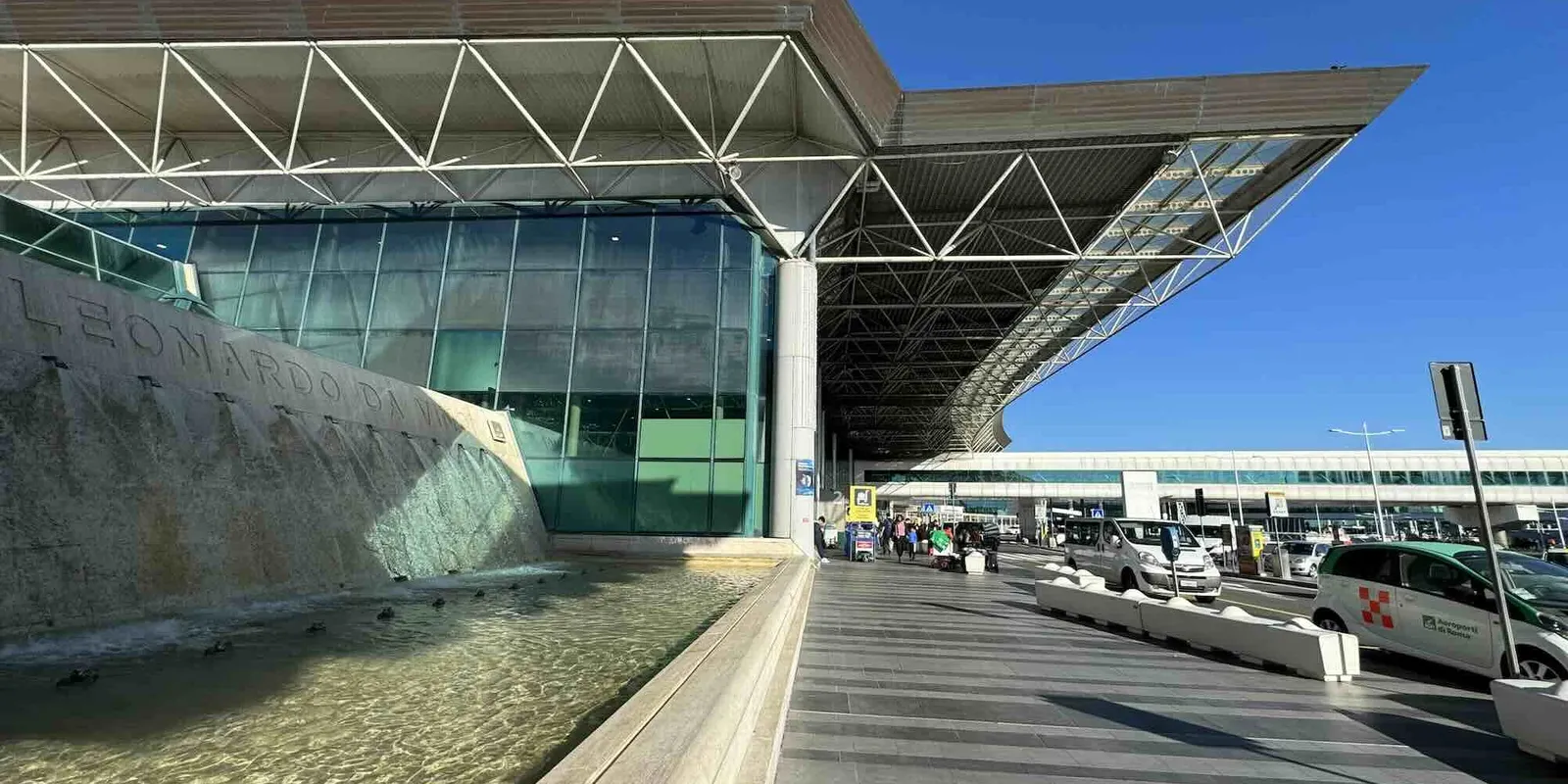
Rome Fiumicino - Leonardo da Vinci Airport
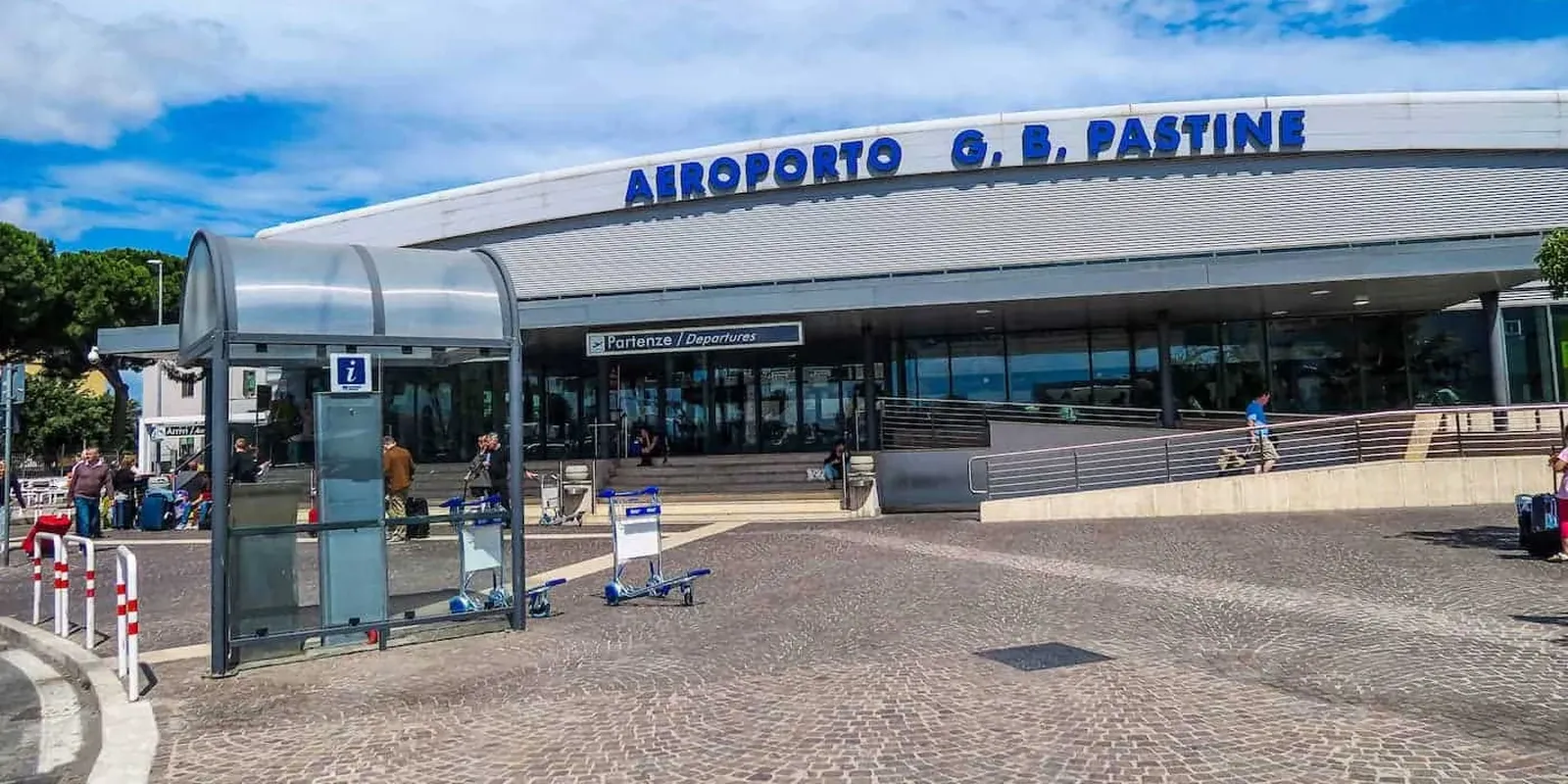
Rome / Ciampino Airport

Rome Fiumicino - Leonardo da Vinci Airport: where to stay, areas and recommended hotels

Rome / Ciampino Airport: where to stay, areas and recommended hotels
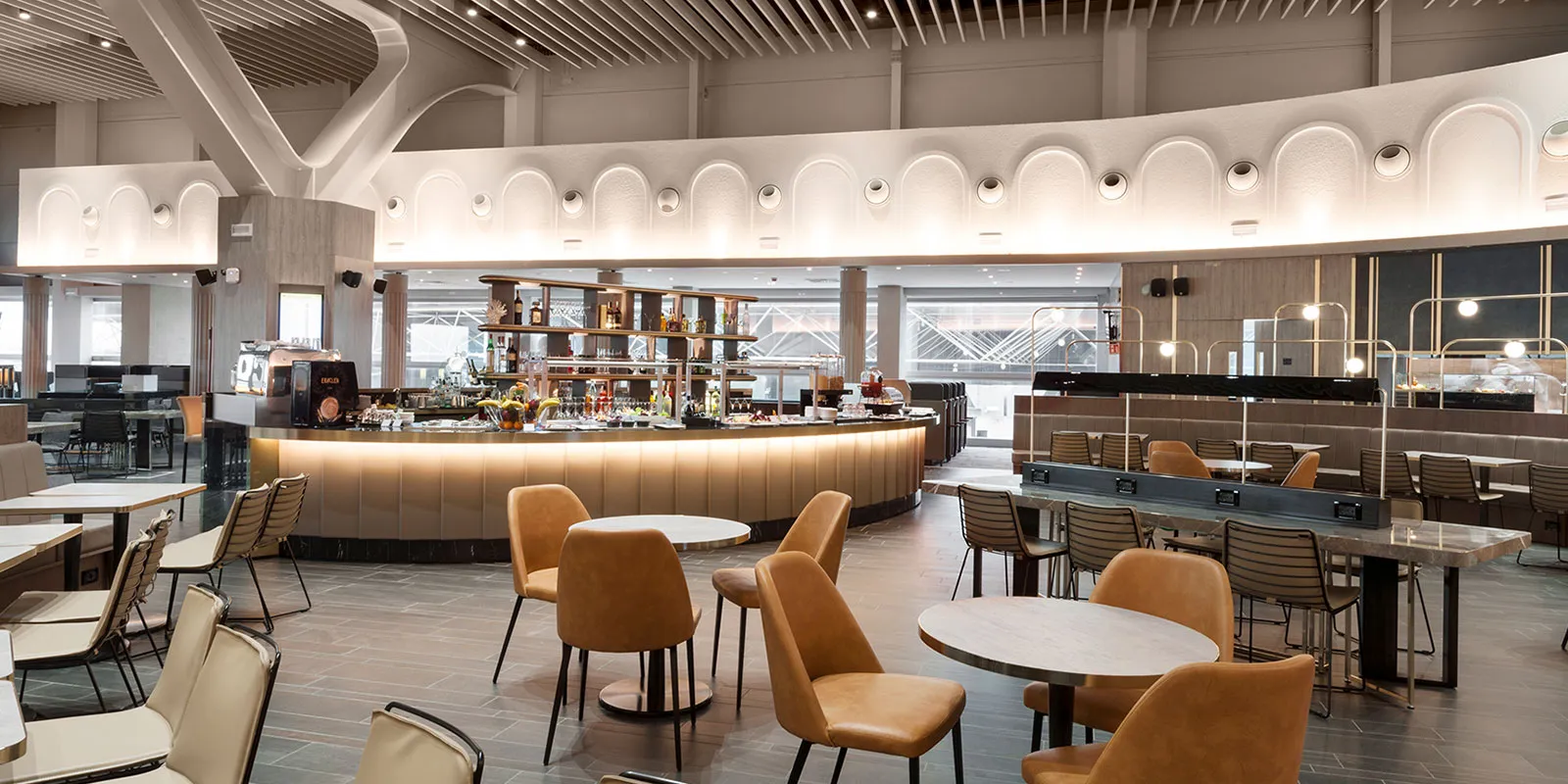
Fiumicino lounges: which to choose before departing
You might also like...
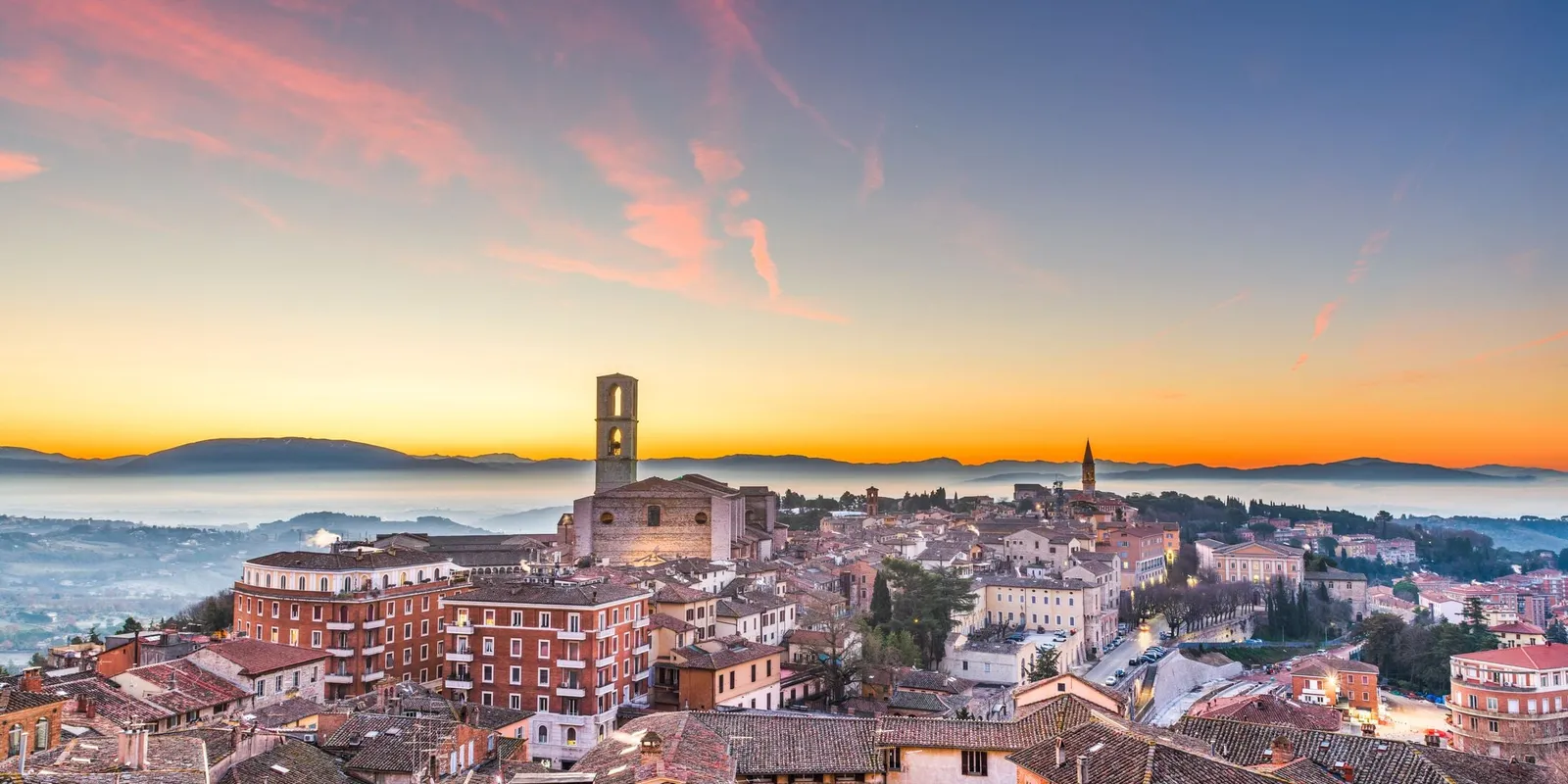
Perugia: the city buried beneath the Rocca Paolina
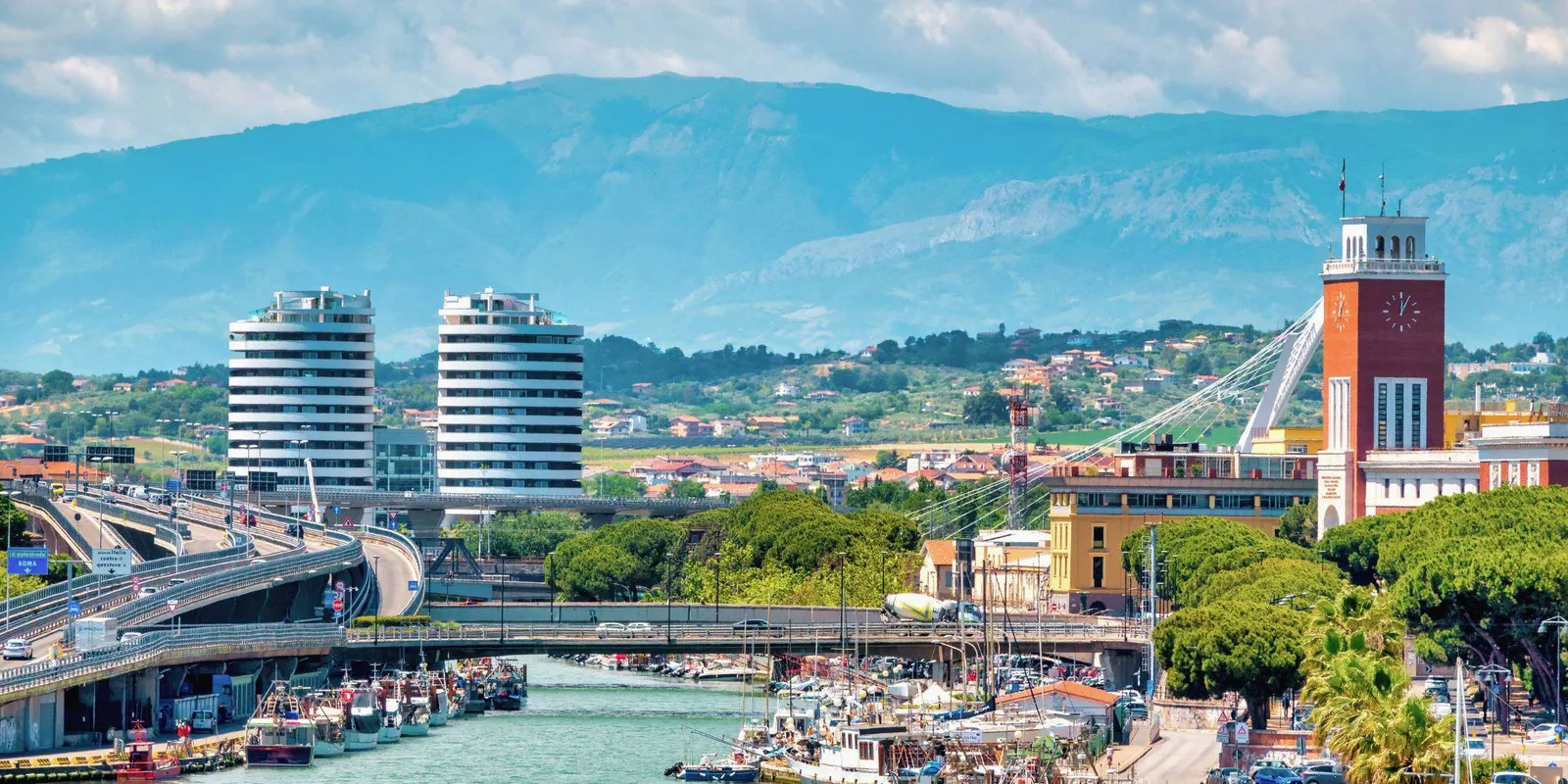
Pescara: the beach that inspired D'Annunzio

Blaise Diagne International Airport: where to stay, areas and recommended hotels

Zemunik Airport: where to stay, areas and recommended hotels
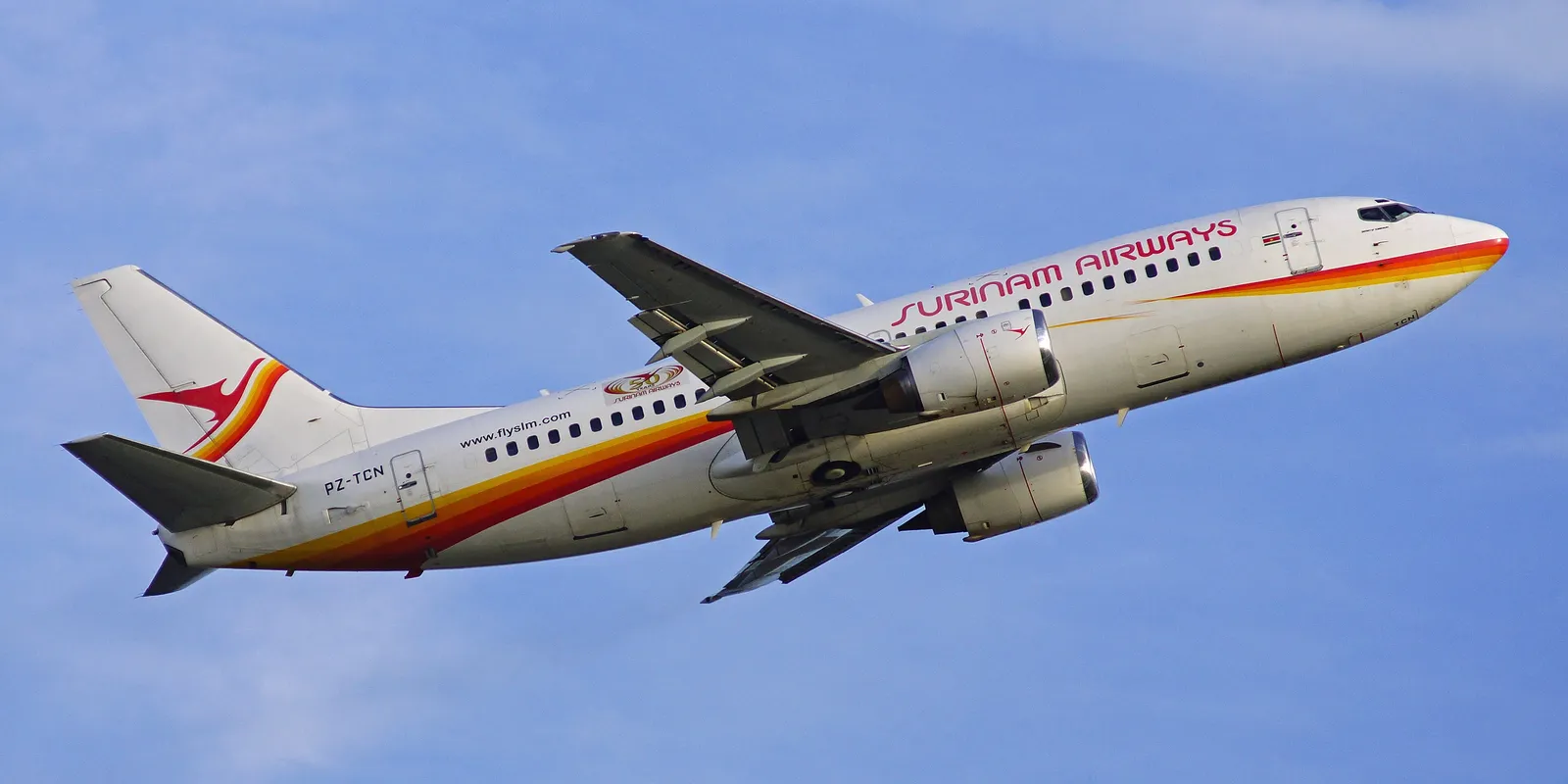
Surinam Airways: The Only Direct Flight Linking Suriname to Europe