
United Kingdom: main airports
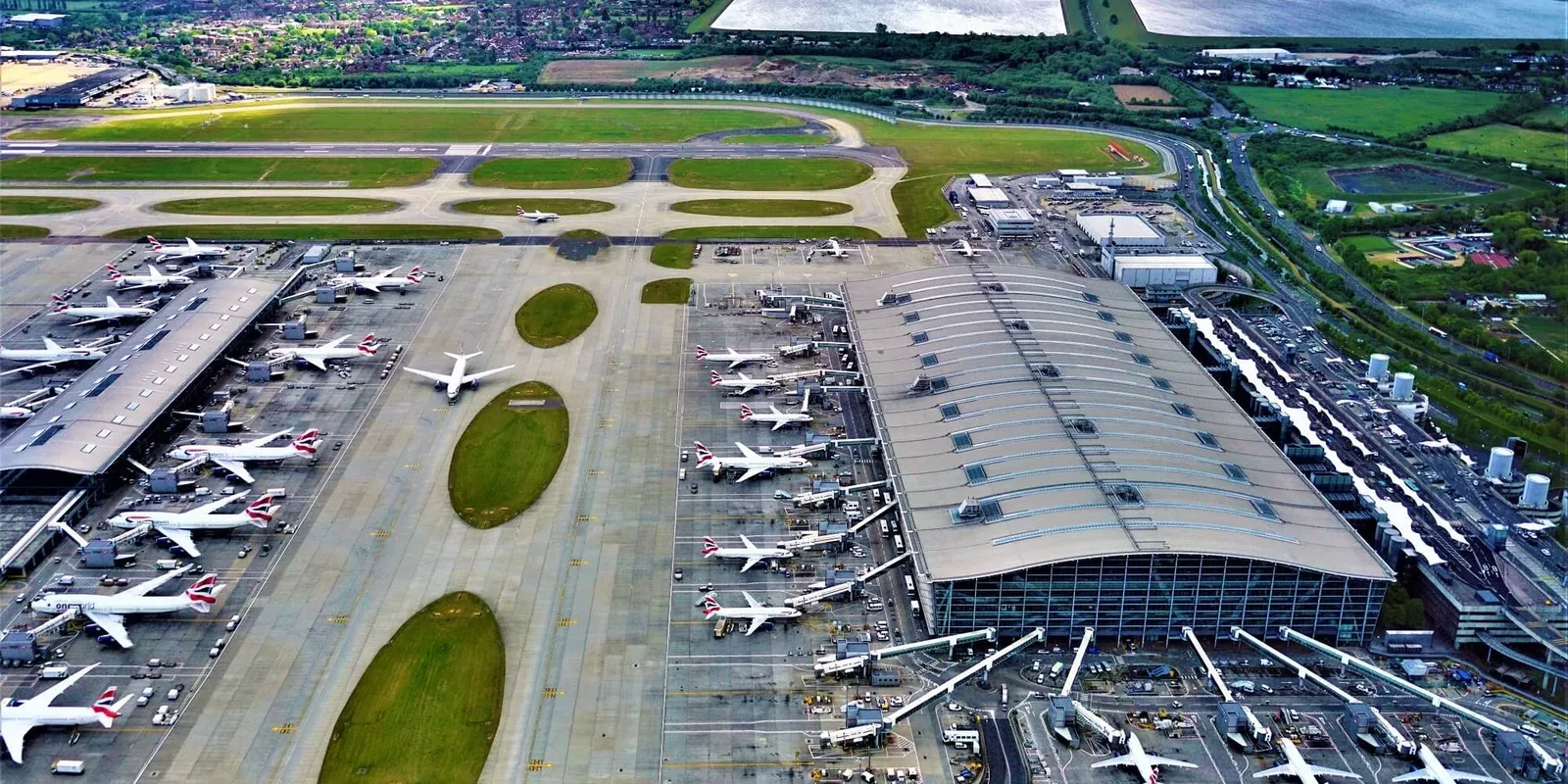
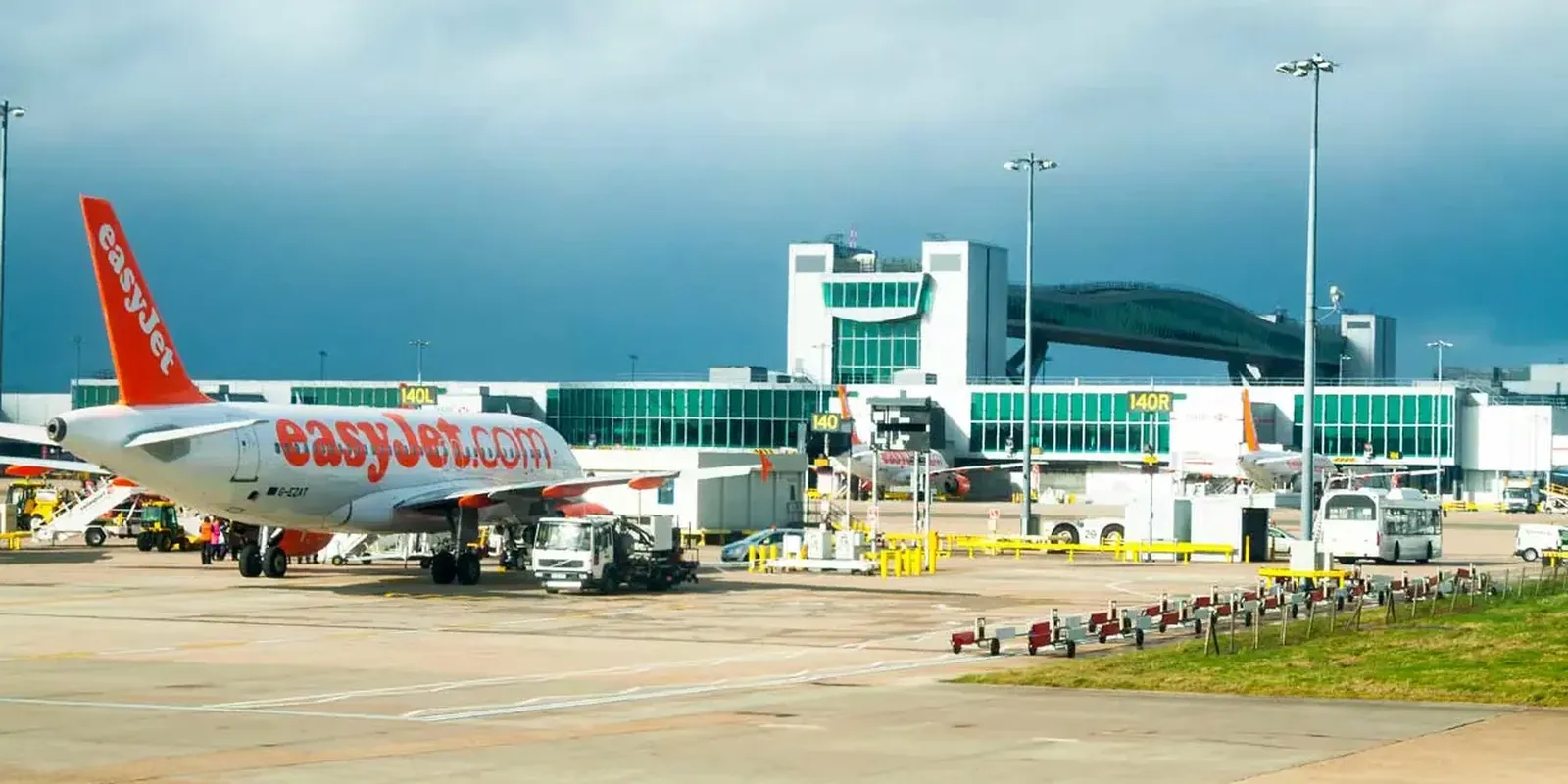
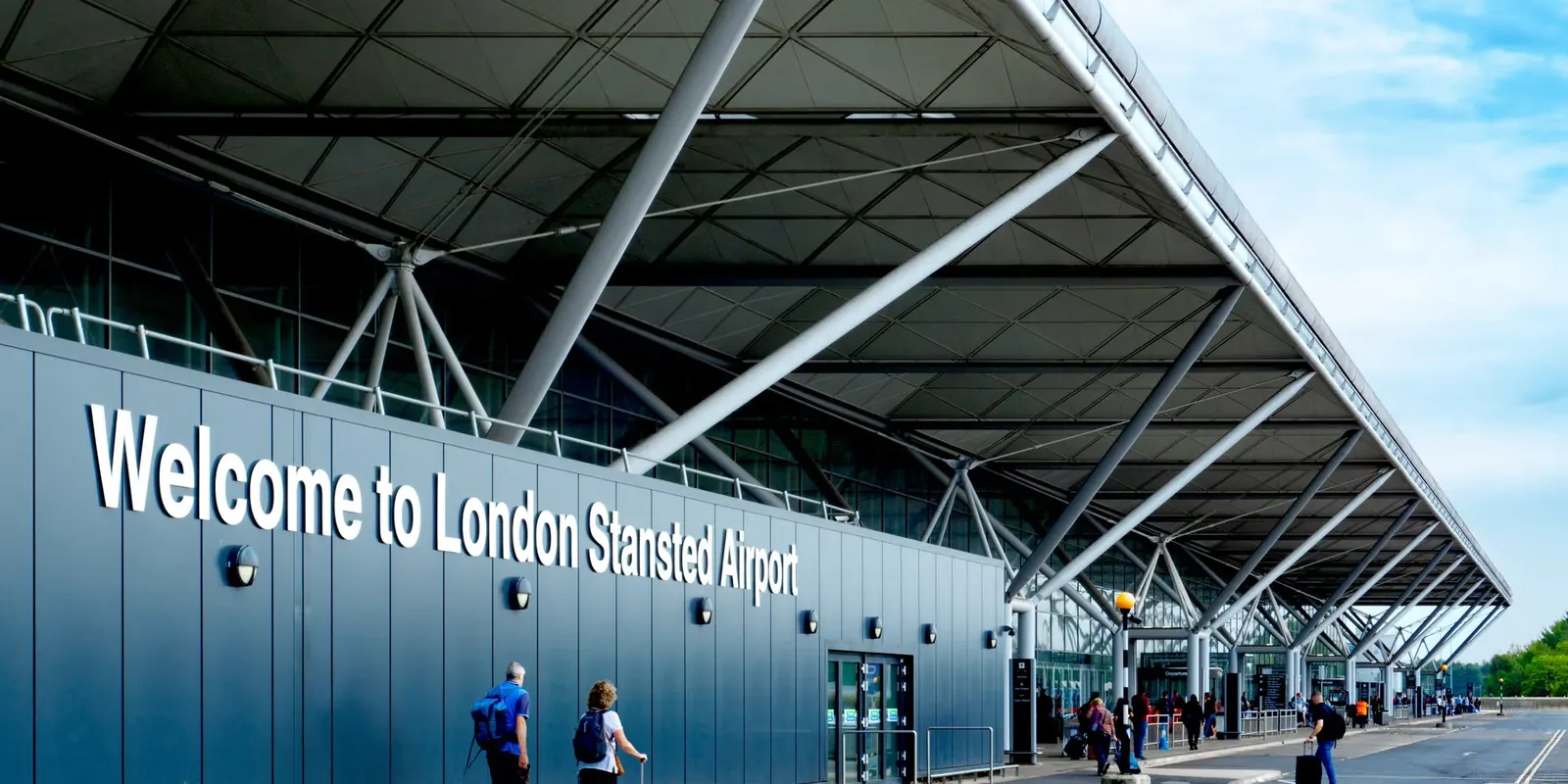
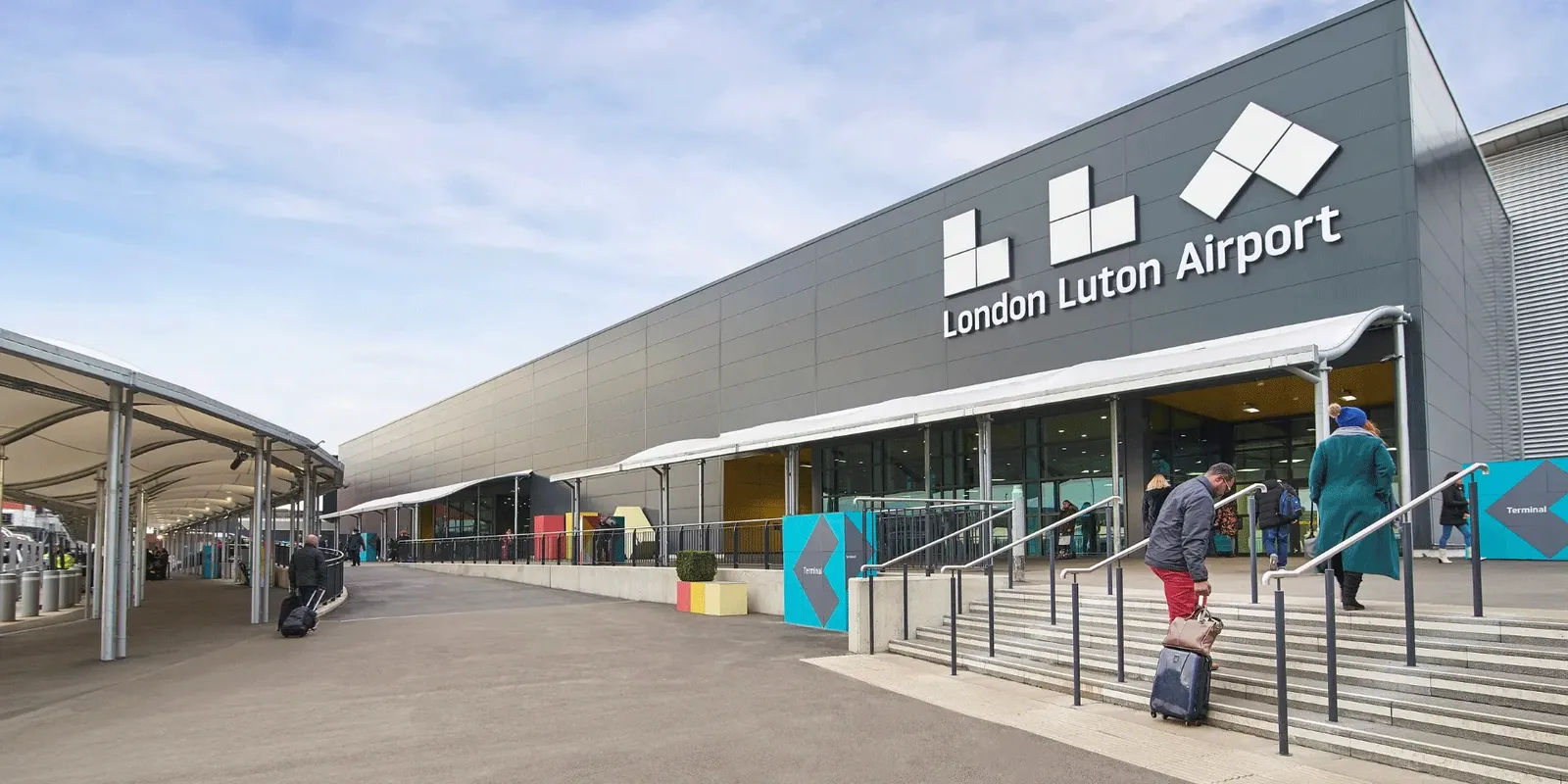
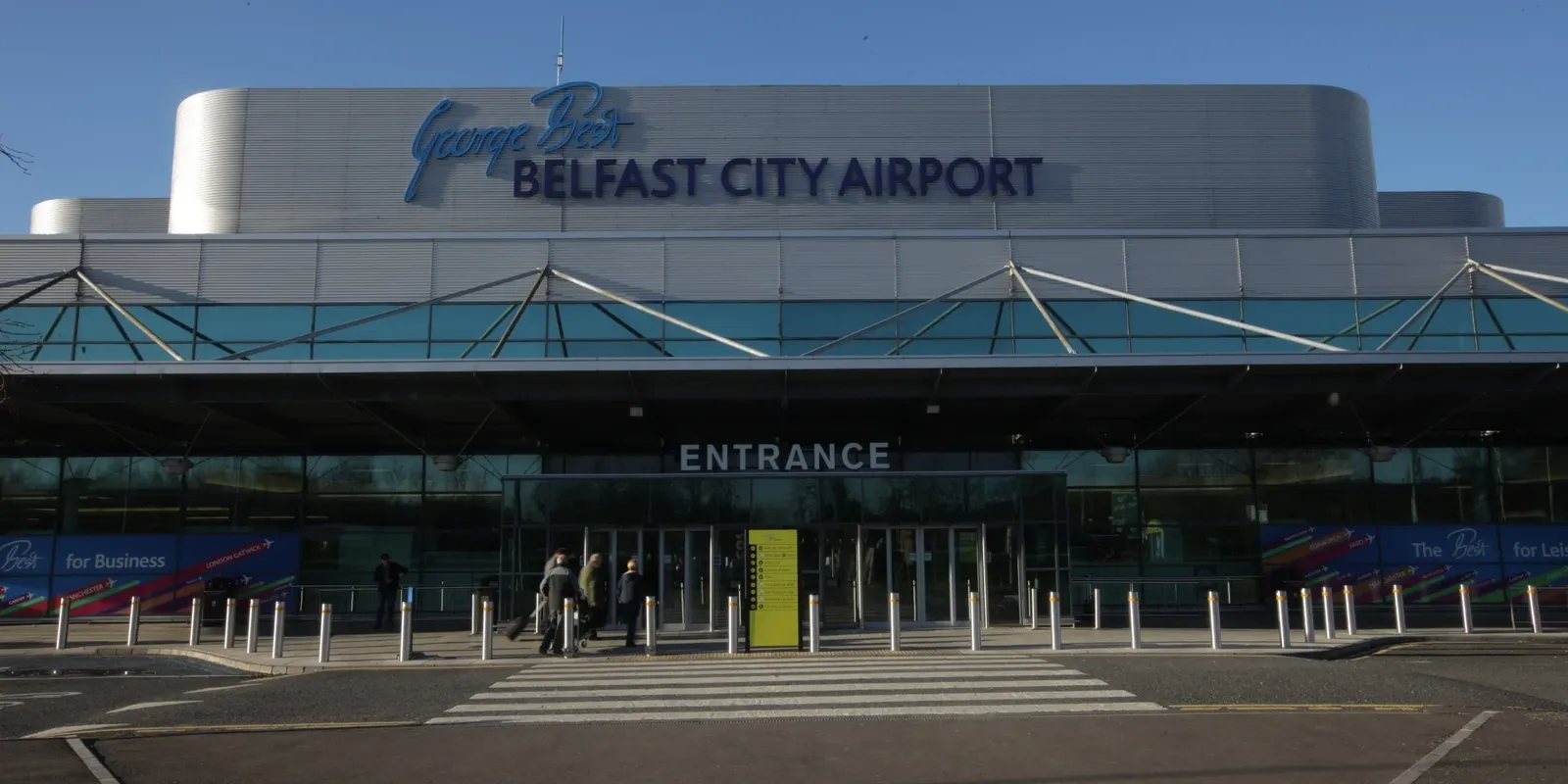
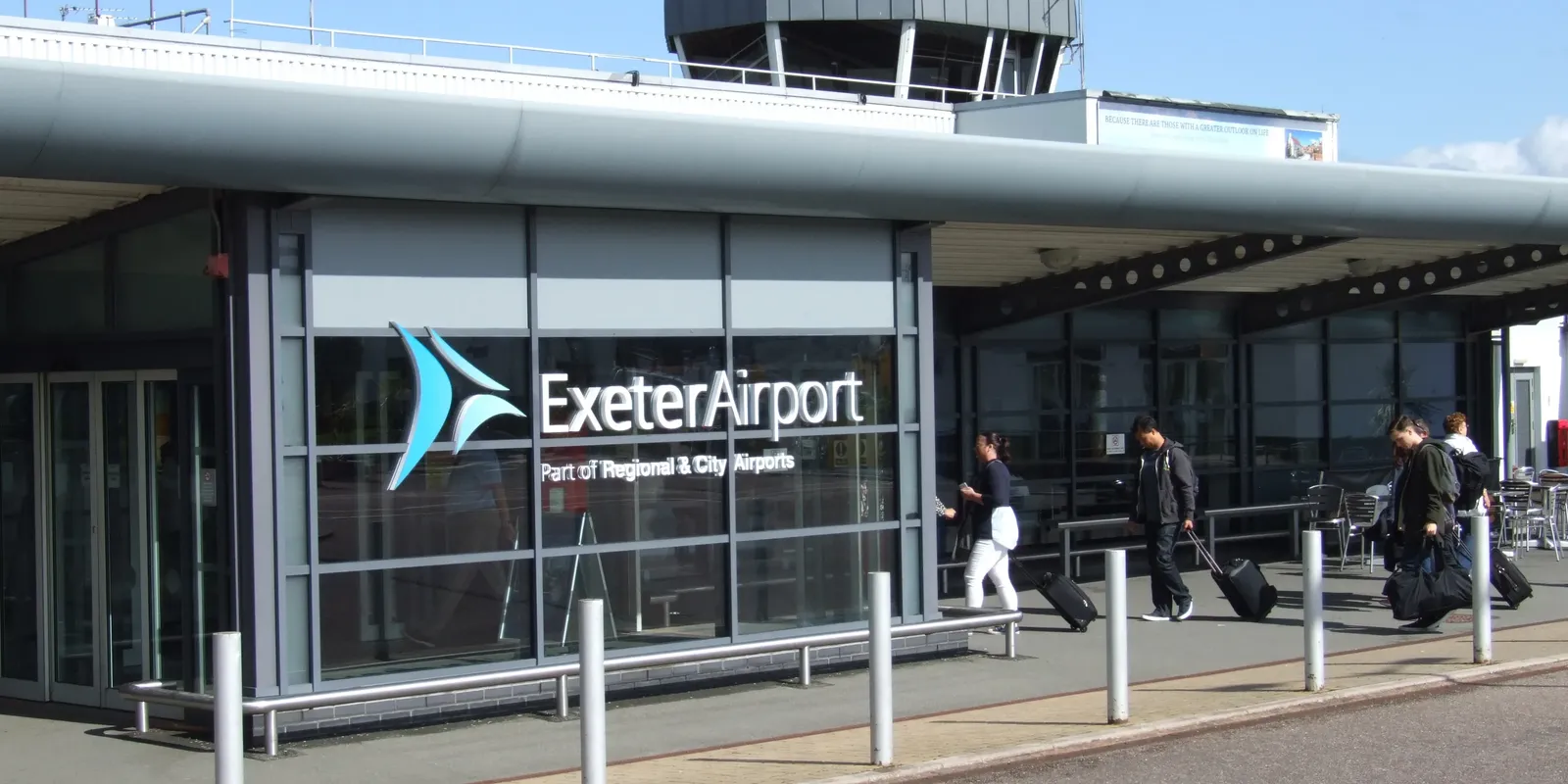
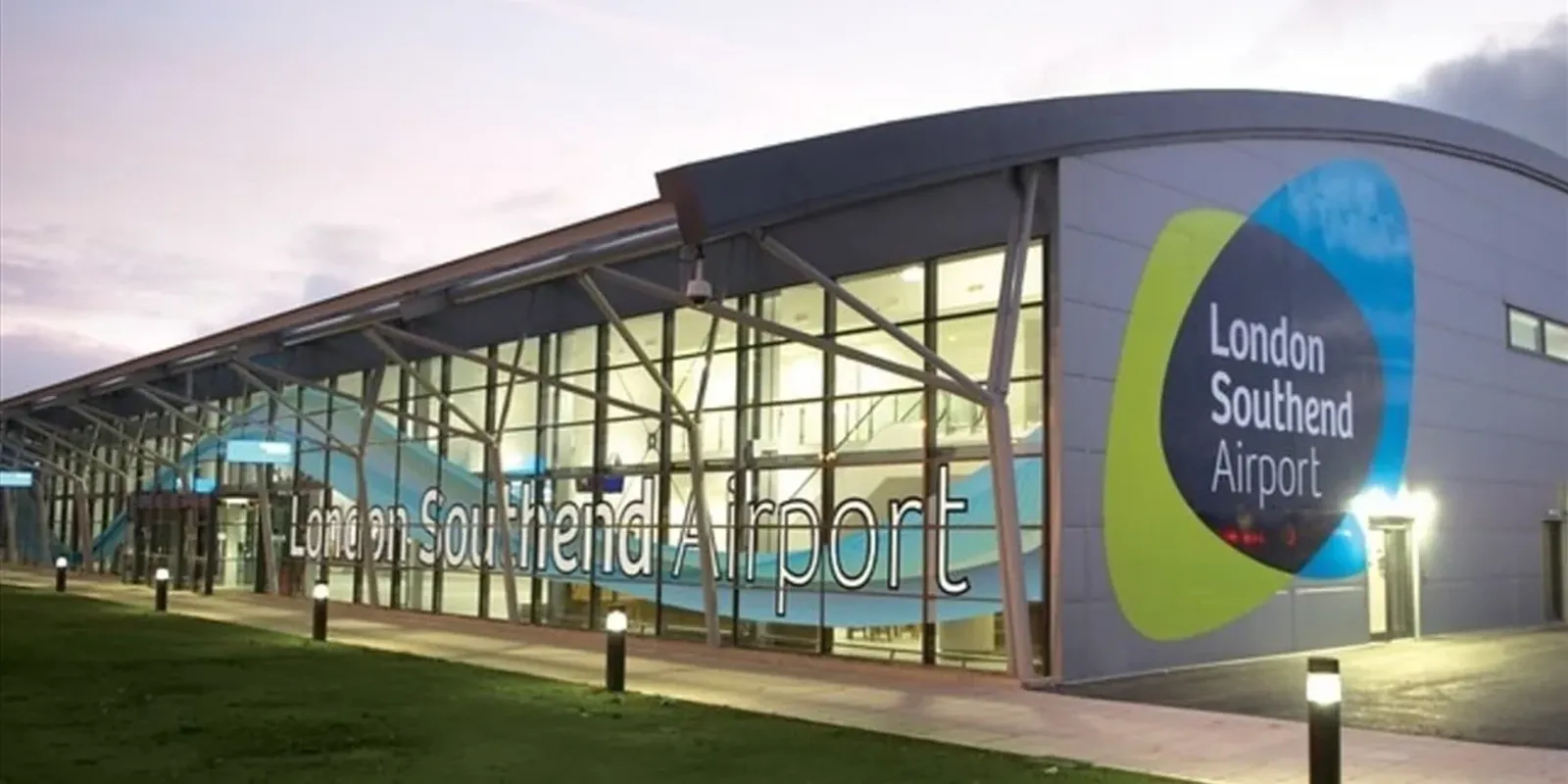
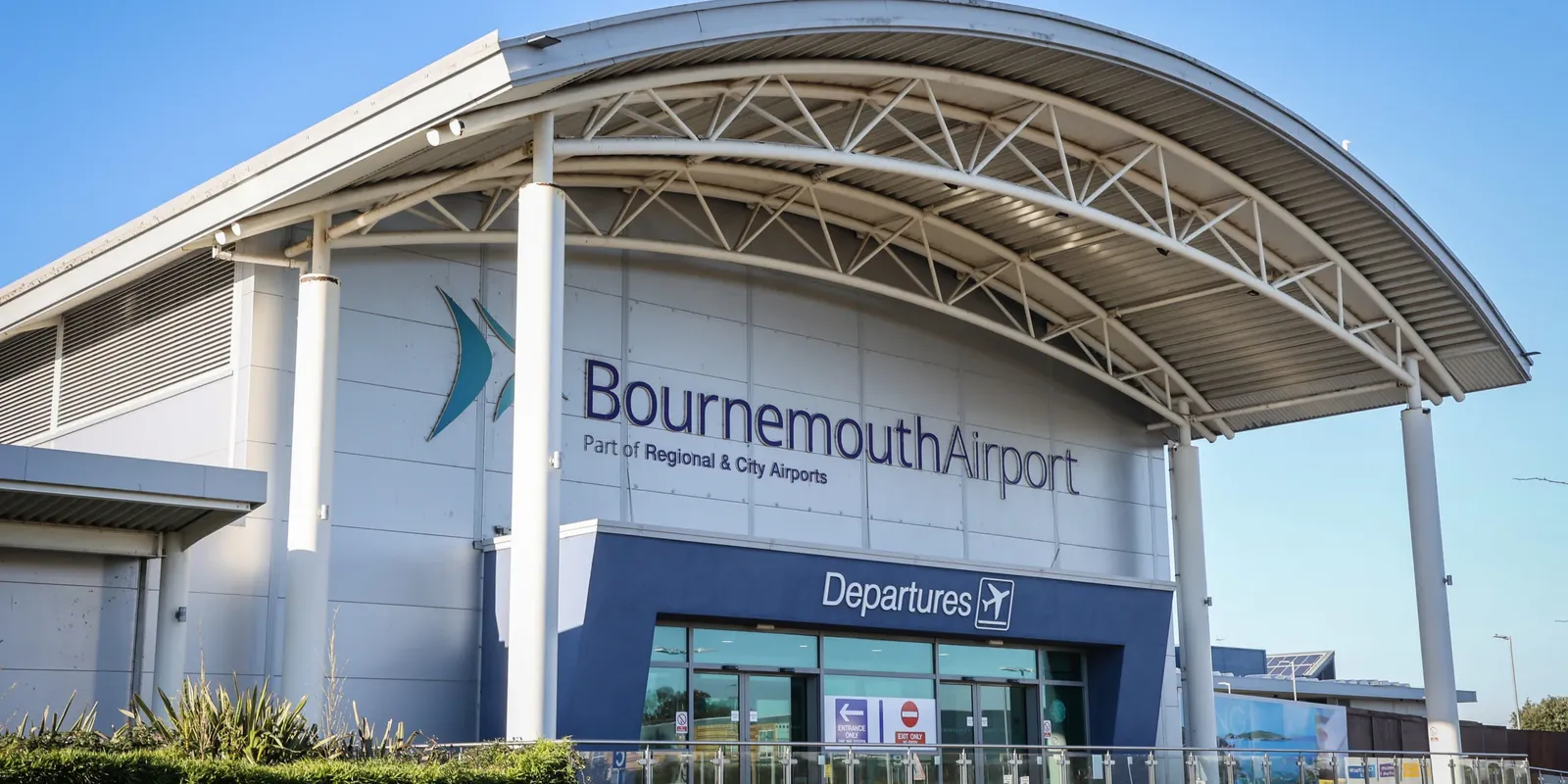
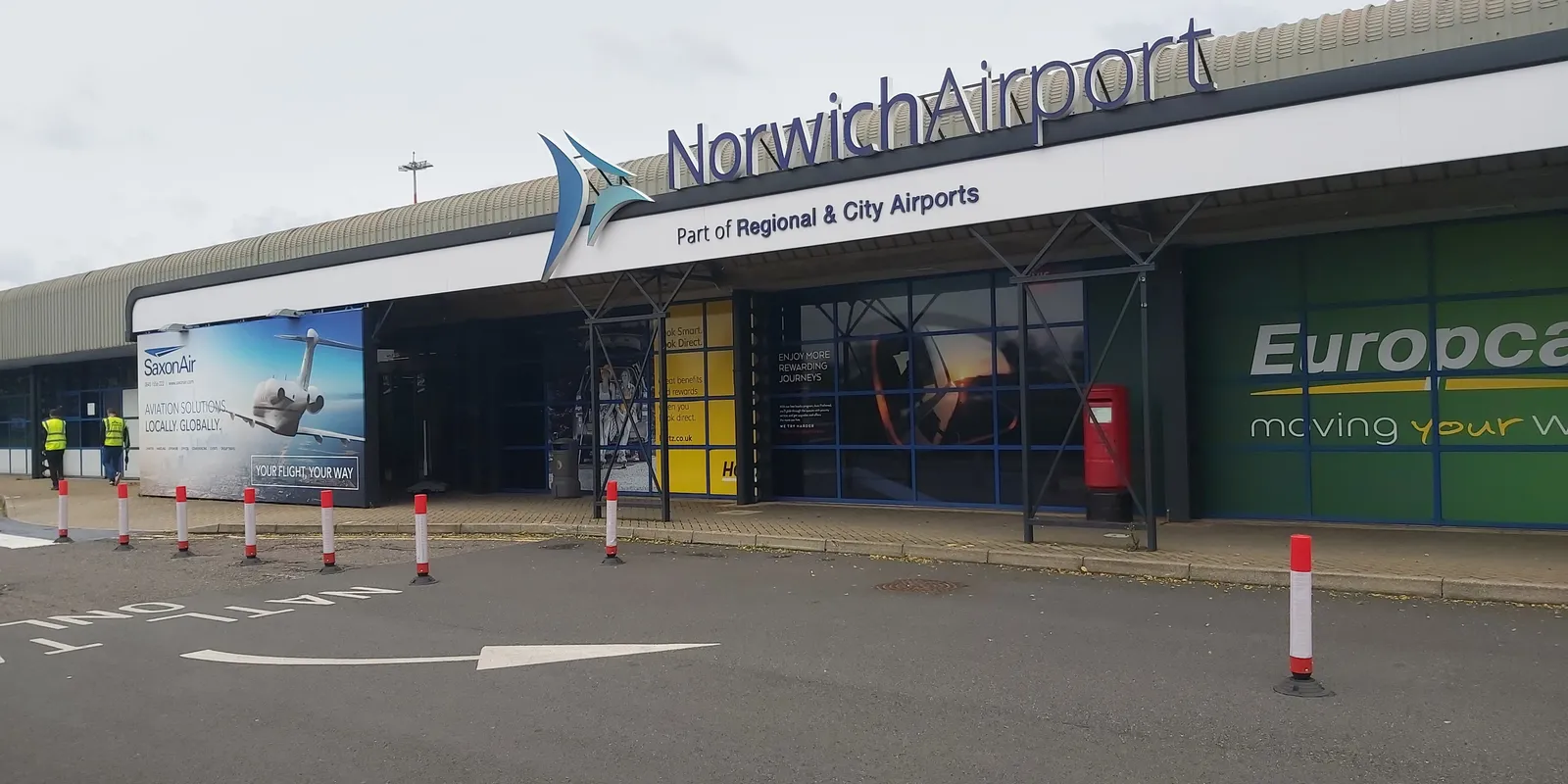
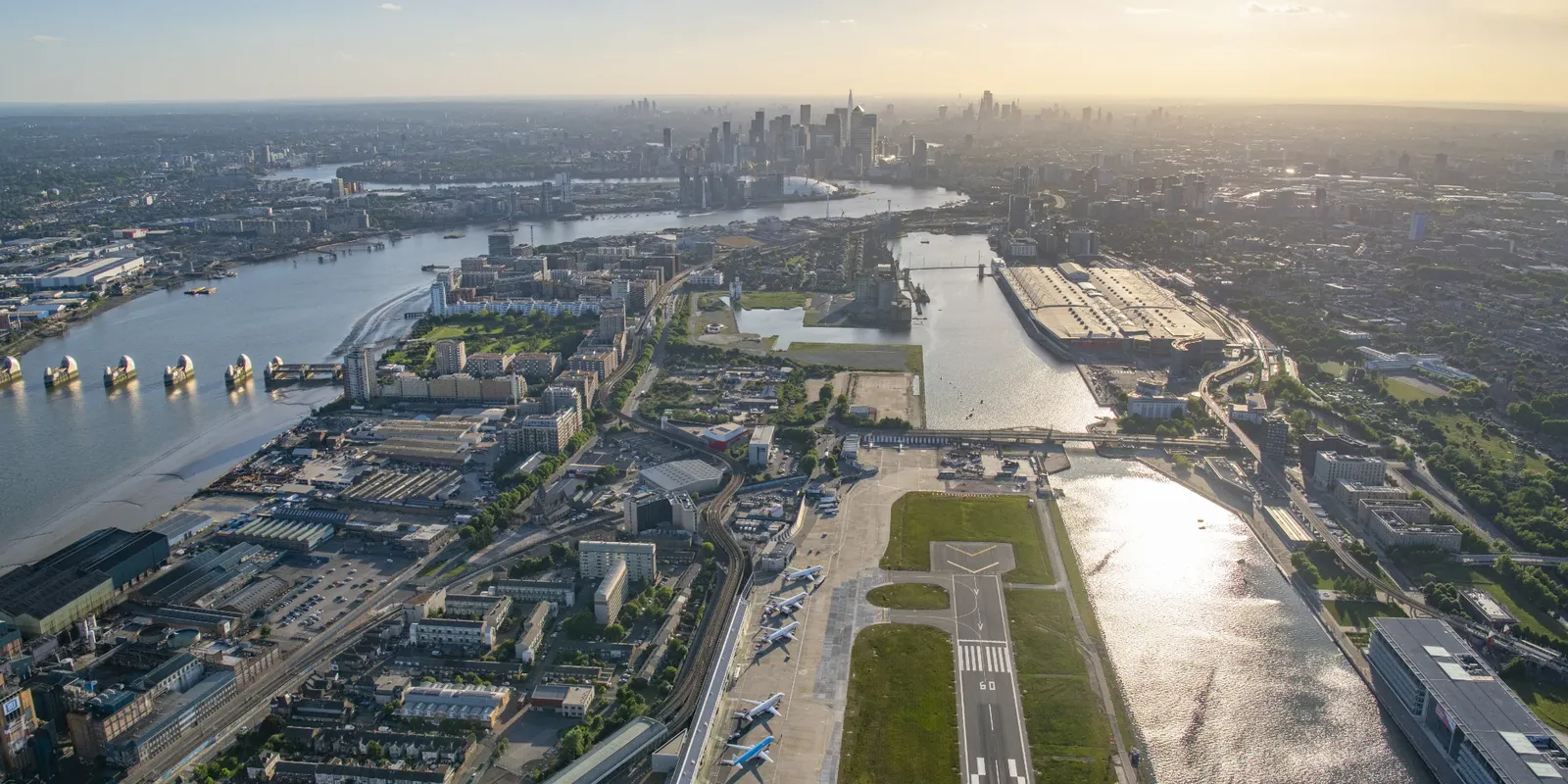
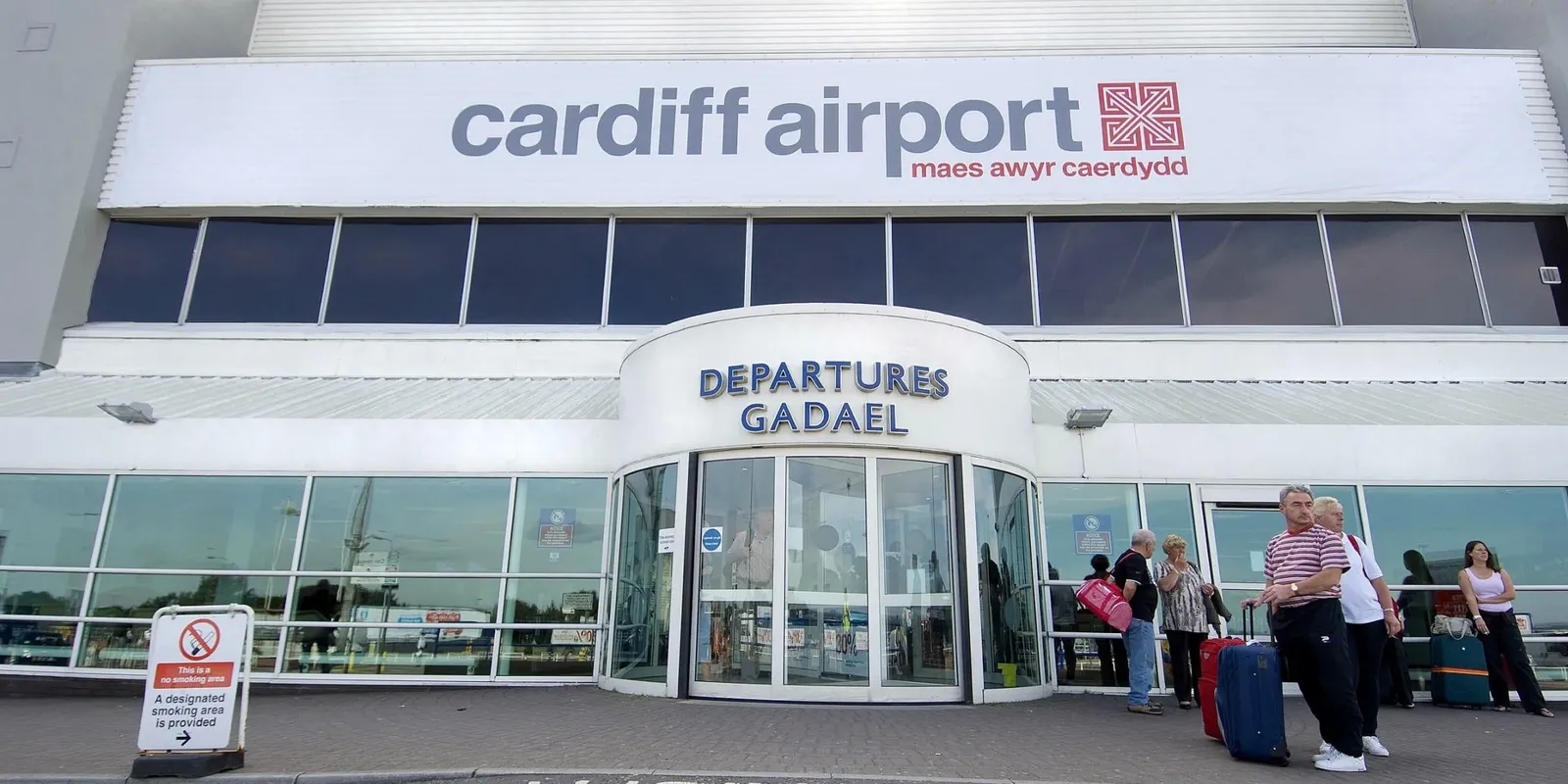
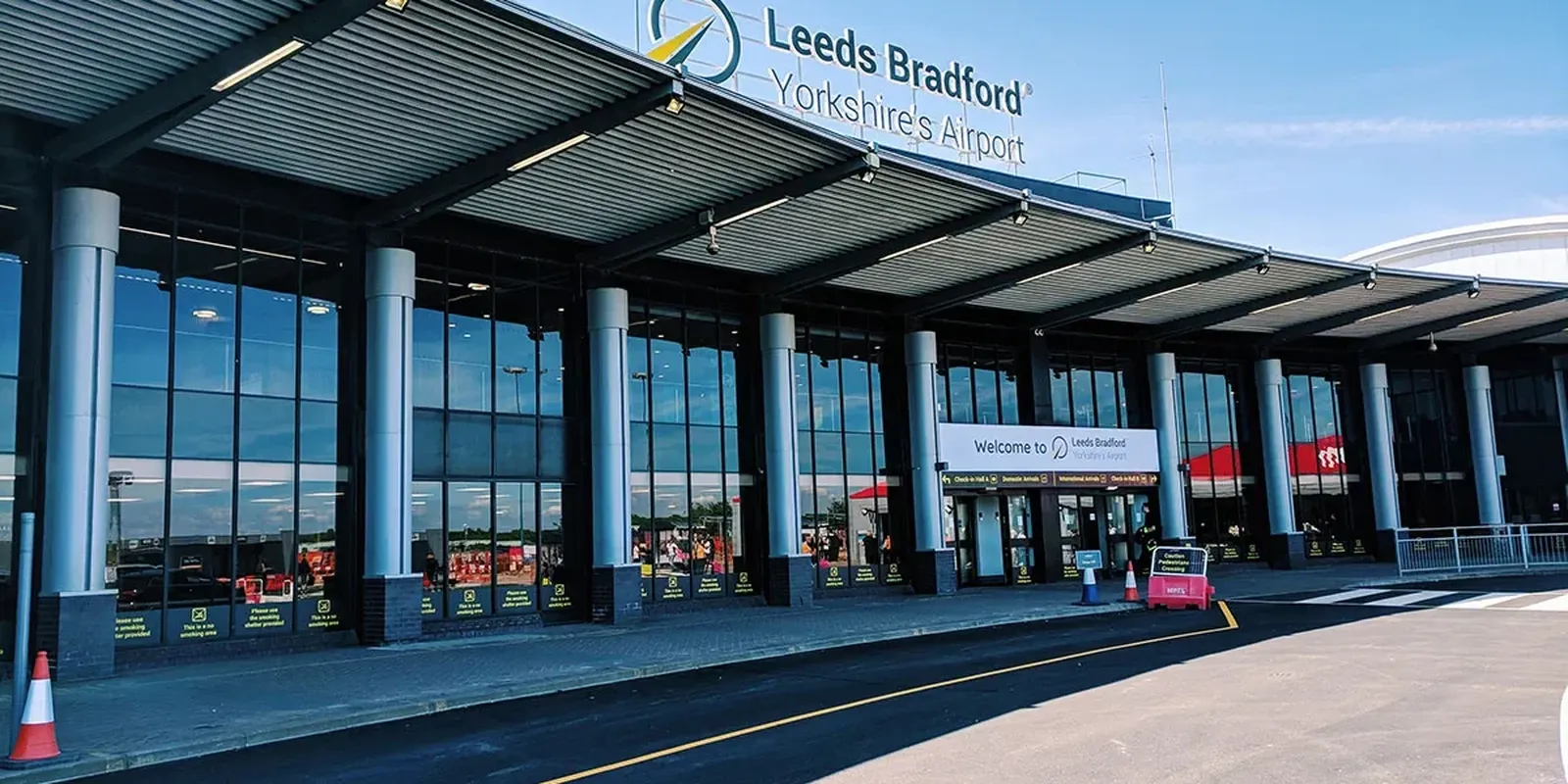
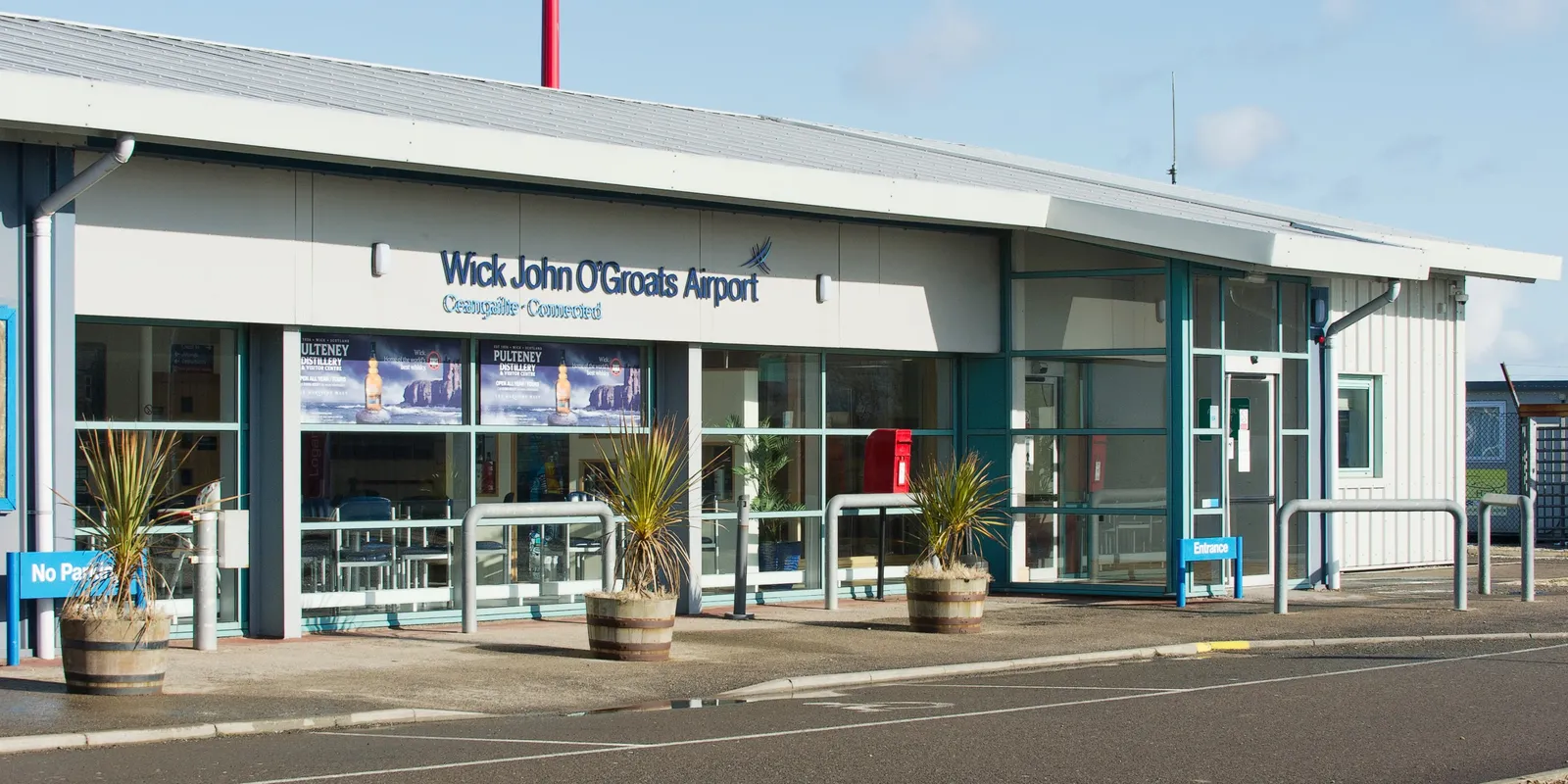
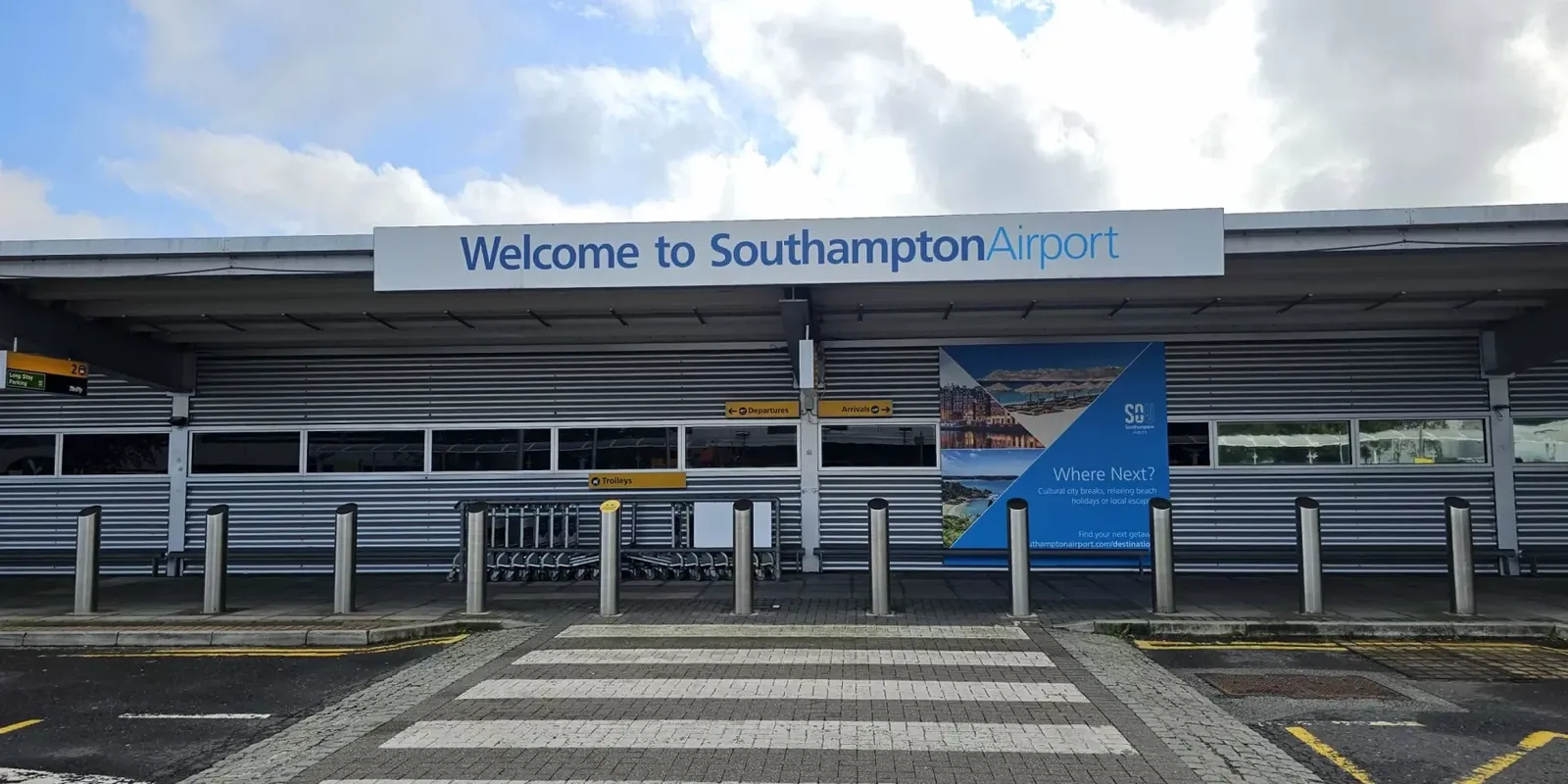
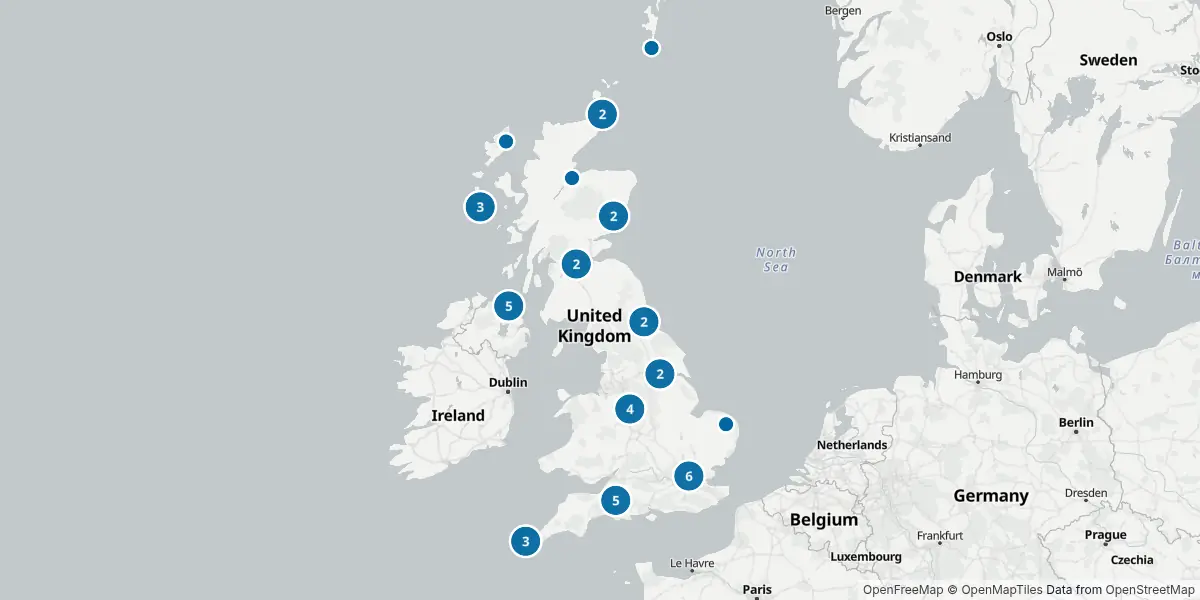
The United Kingdom is served by numerous airports, including the six London-area airports (Heathrow, Gatwick, Stansted, Luton, London City, Southend), as well as dozens of regional airports in England, Scotland, Wales and Northern Ireland.
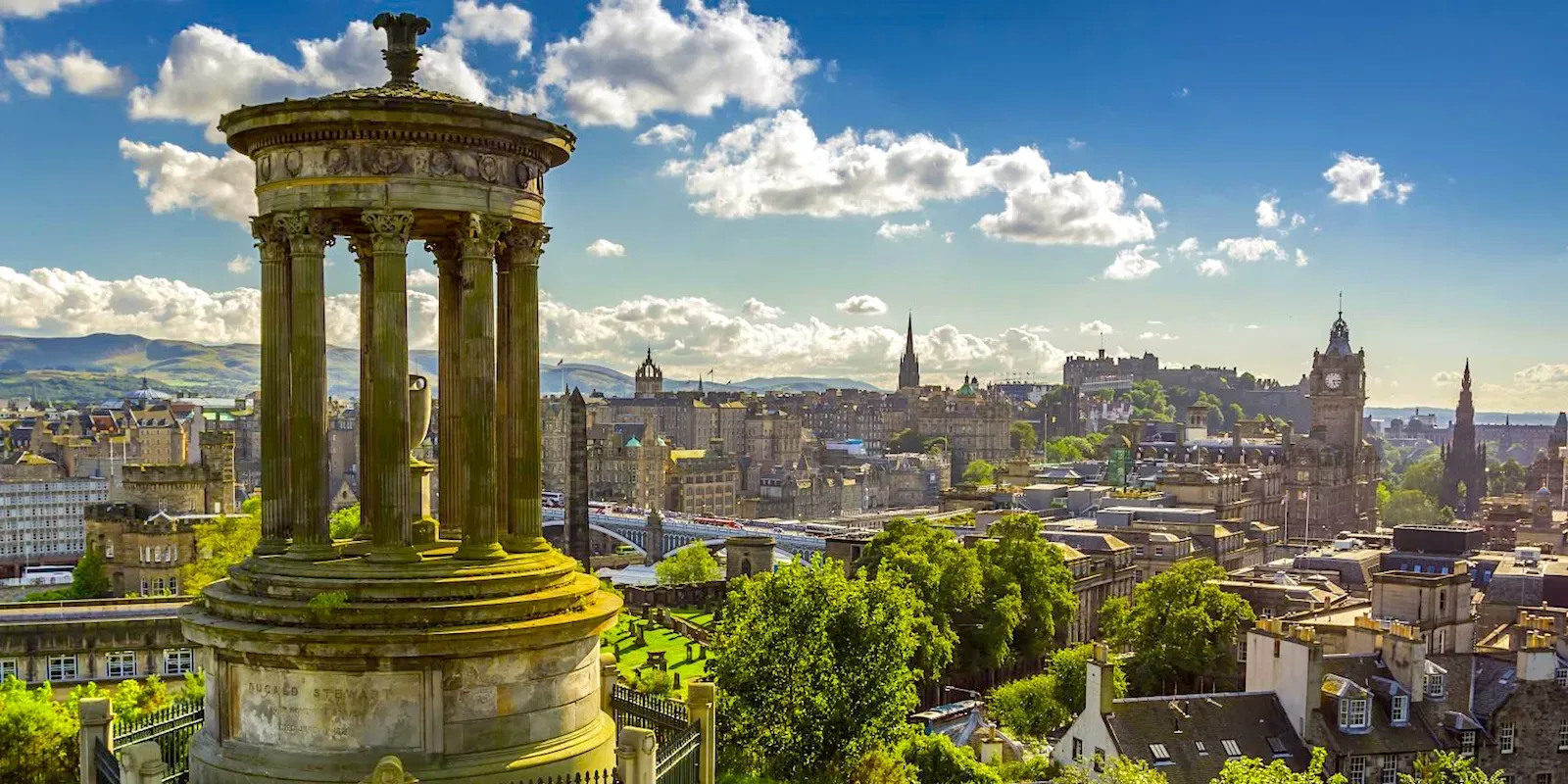
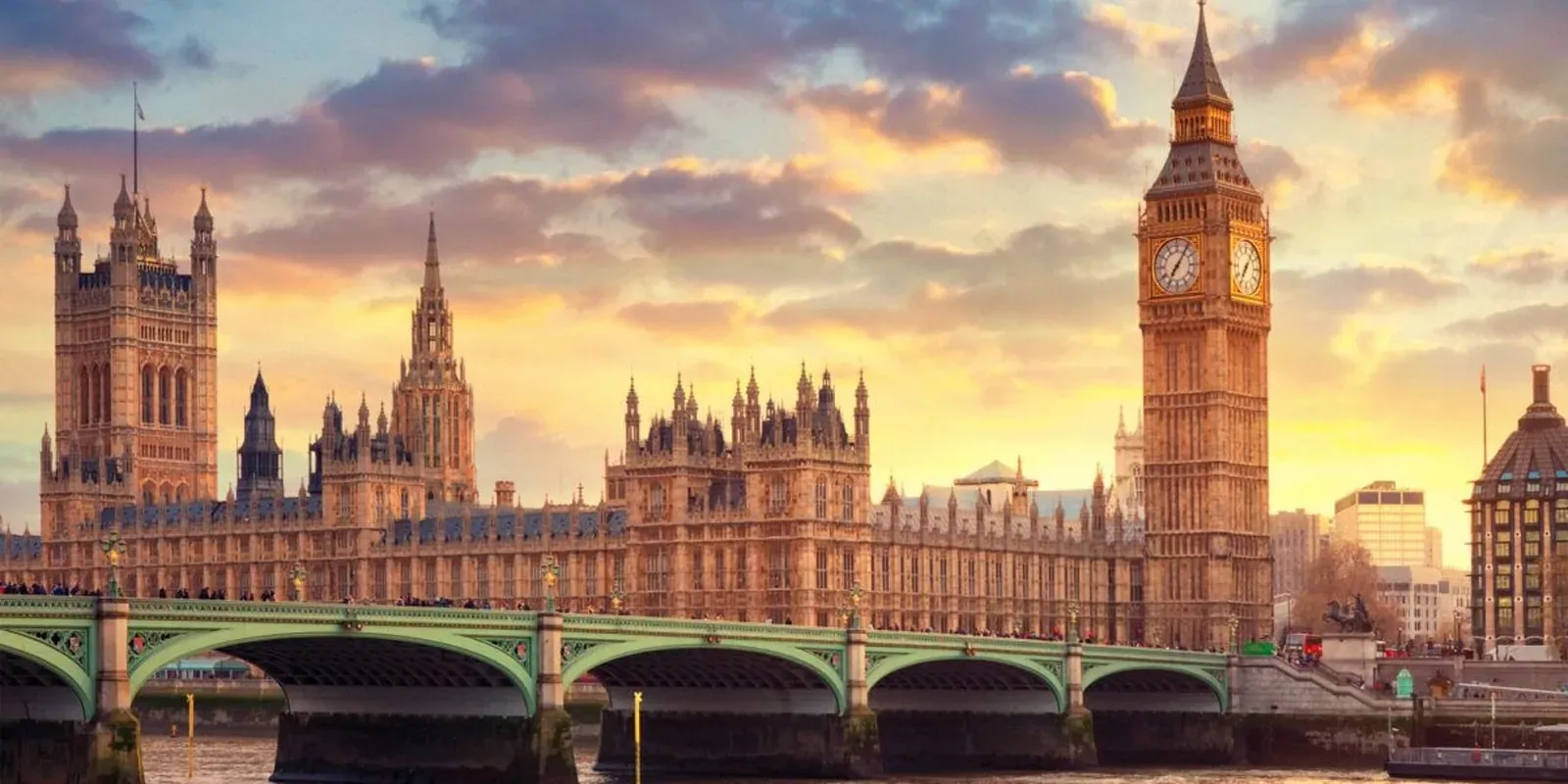
The country offers London with its museums and historic monuments, the Scottish Highlands, Welsh industrial heritage and the wild coast of Northern Ireland.

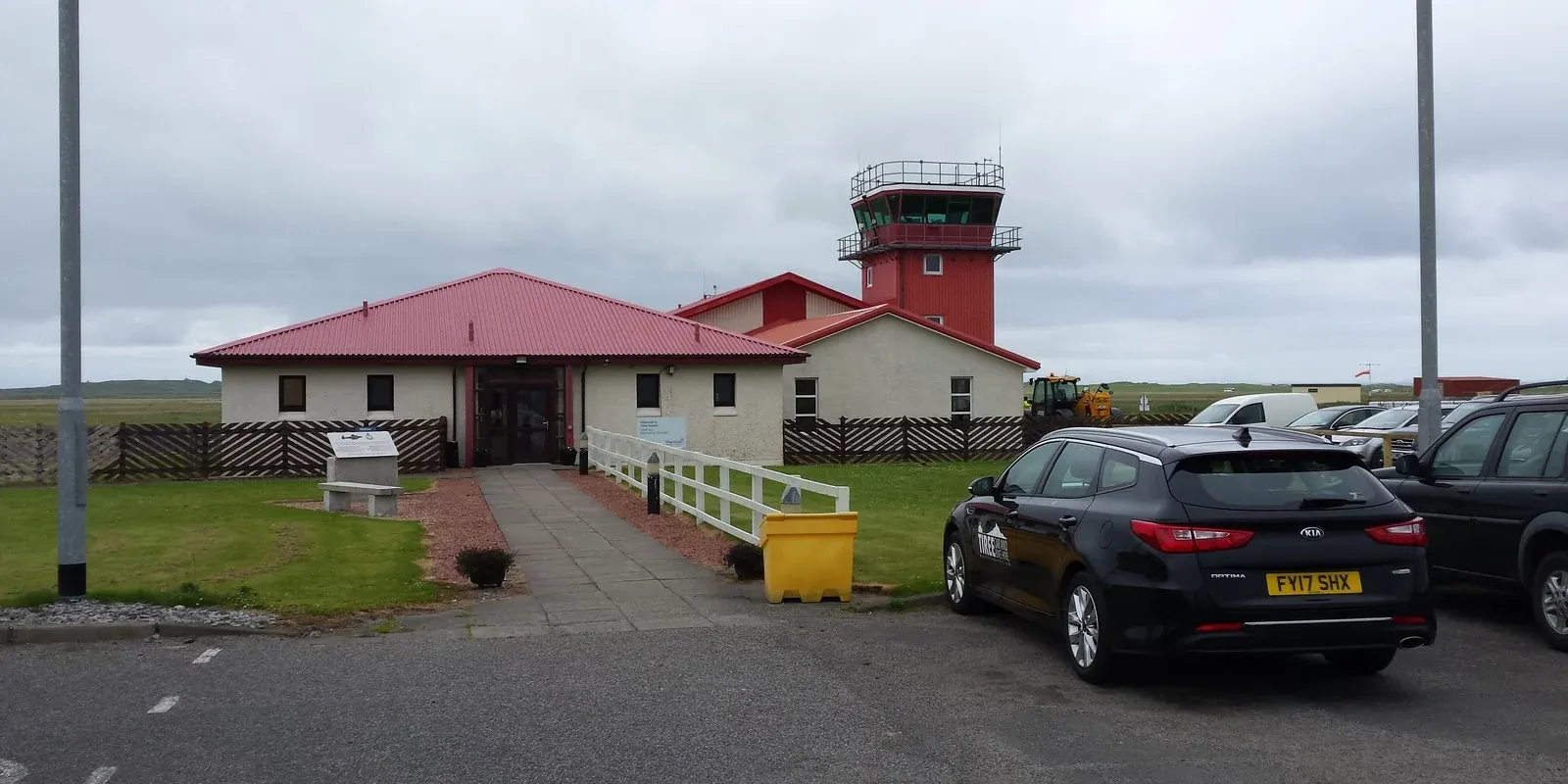
United Kingdom: recommended activities
United Kingdom: visa and entry requirements
From 25 February 2026, most visitors (excluding British and Irish citizens, or those already holding a UK residence/work/study permit) must have an ETA (Electronic Travel Authorisation), obtainable online, costing 20 GBP, valid 2 years for multiple entries.
EU citizens (including Italians) can enter without a tourist visa for stays of up to 90 days in 180, but still need the ETA; a passport valid for the entire duration of the stay is required.
United Kingdom: safety
The United Kingdom is generally safe for visitors, with violent crime contained in tourist areas.
Usual precautions apply against pickpocketing in big cities, especially on crowded London public transport. Always check your country's updated travel advisories.
United Kingdom: health situation
No mandatory vaccinations are required for entry. Tap water is drinkable throughout the country.
The healthcare system (NHS) is of good standard; non-EU visitors should nonetheless carry adequate travel insurance, since free access is generally reserved for residents.
United Kingdom: currency, payments and connectivity
The currency is the British pound (GBP), not the euro. Official languages vary by nation (English everywhere, alongside Welsh in Wales and Scottish Gaelic in some areas of Scotland).
London's black cabs are iconic but expensive; Uber is widely available and often cheaper. Rail fares have been frozen since 2026 for the first time in about 30 years.
United Kingdom: travel guides
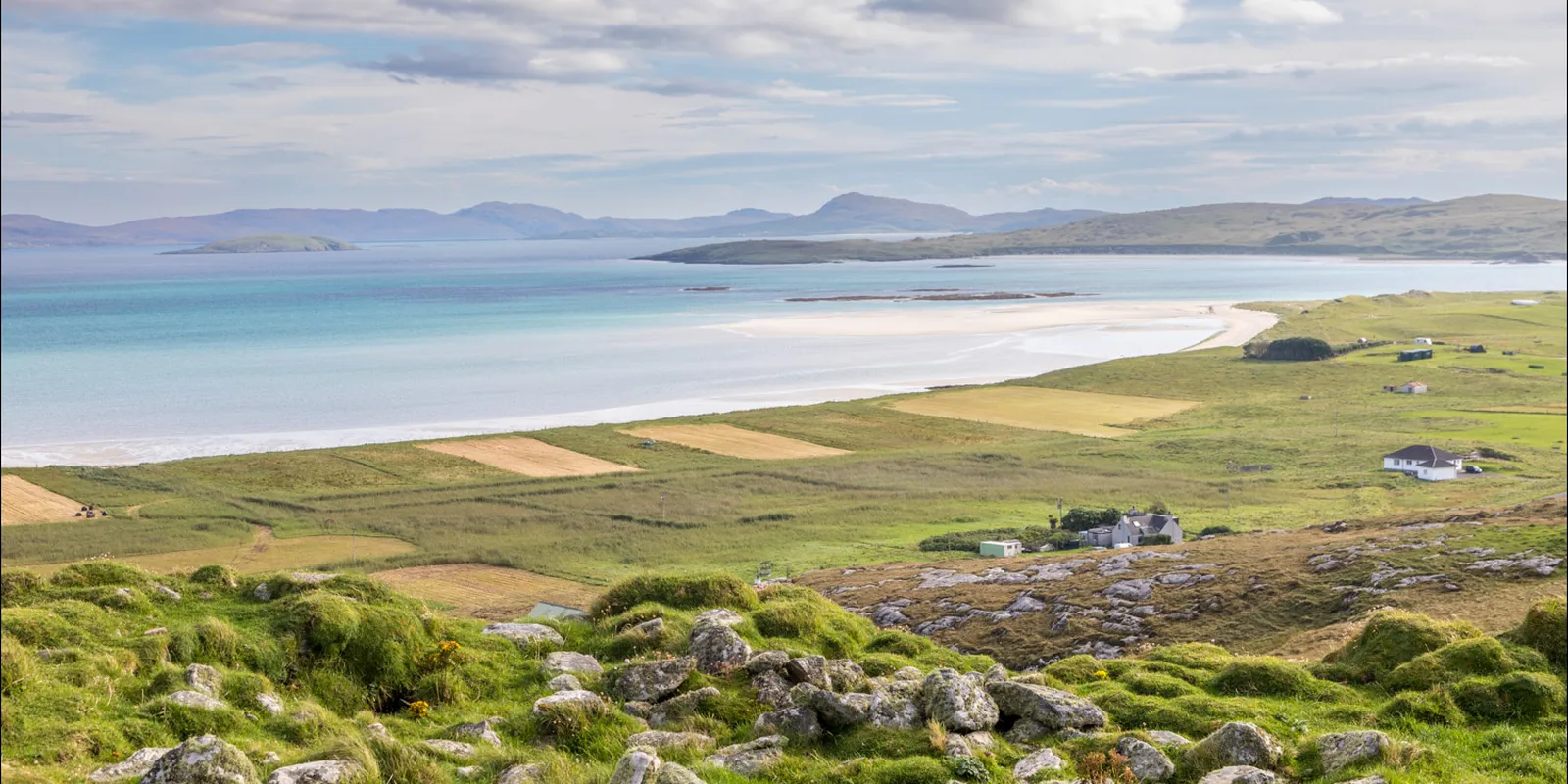
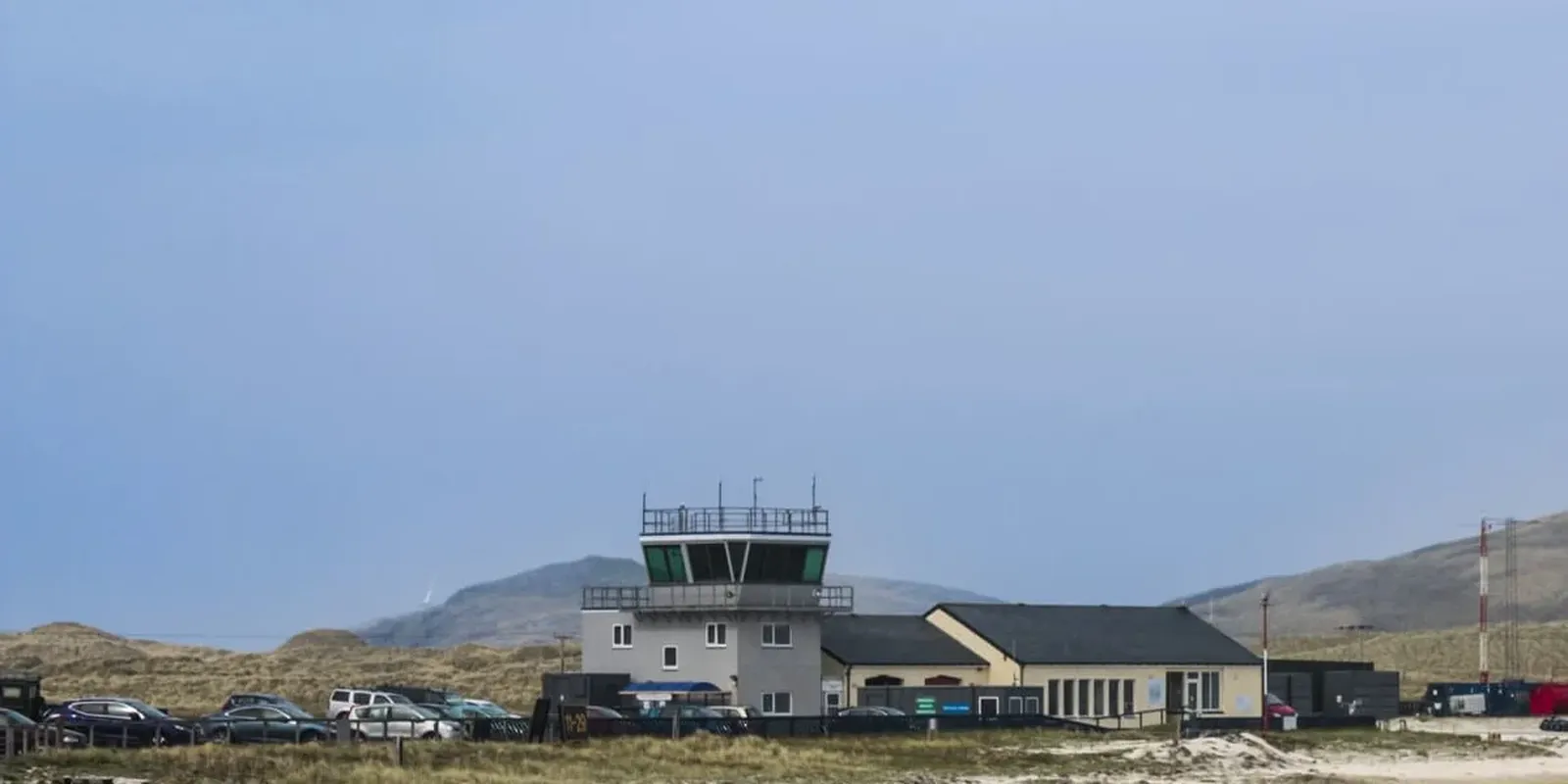
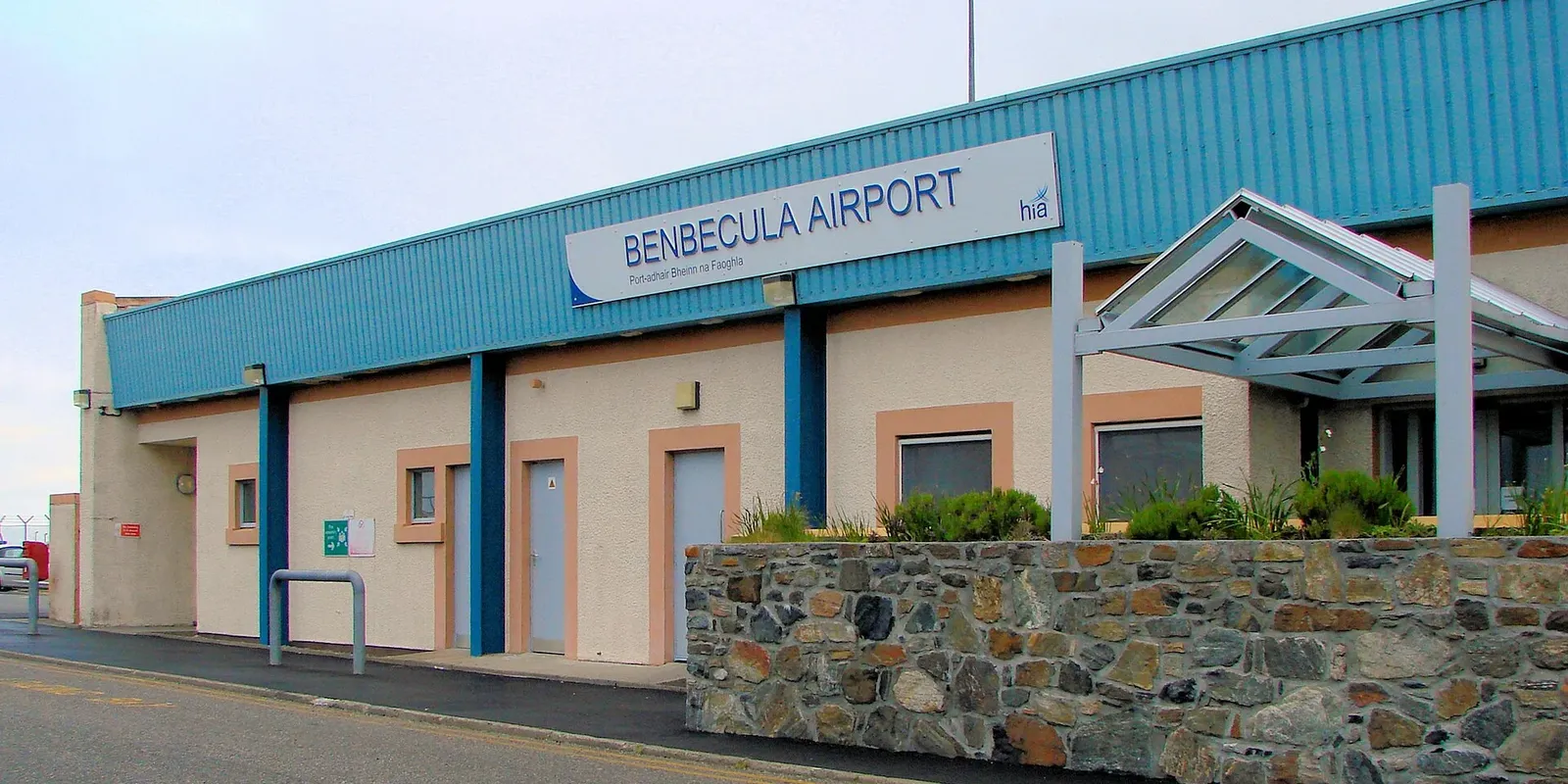
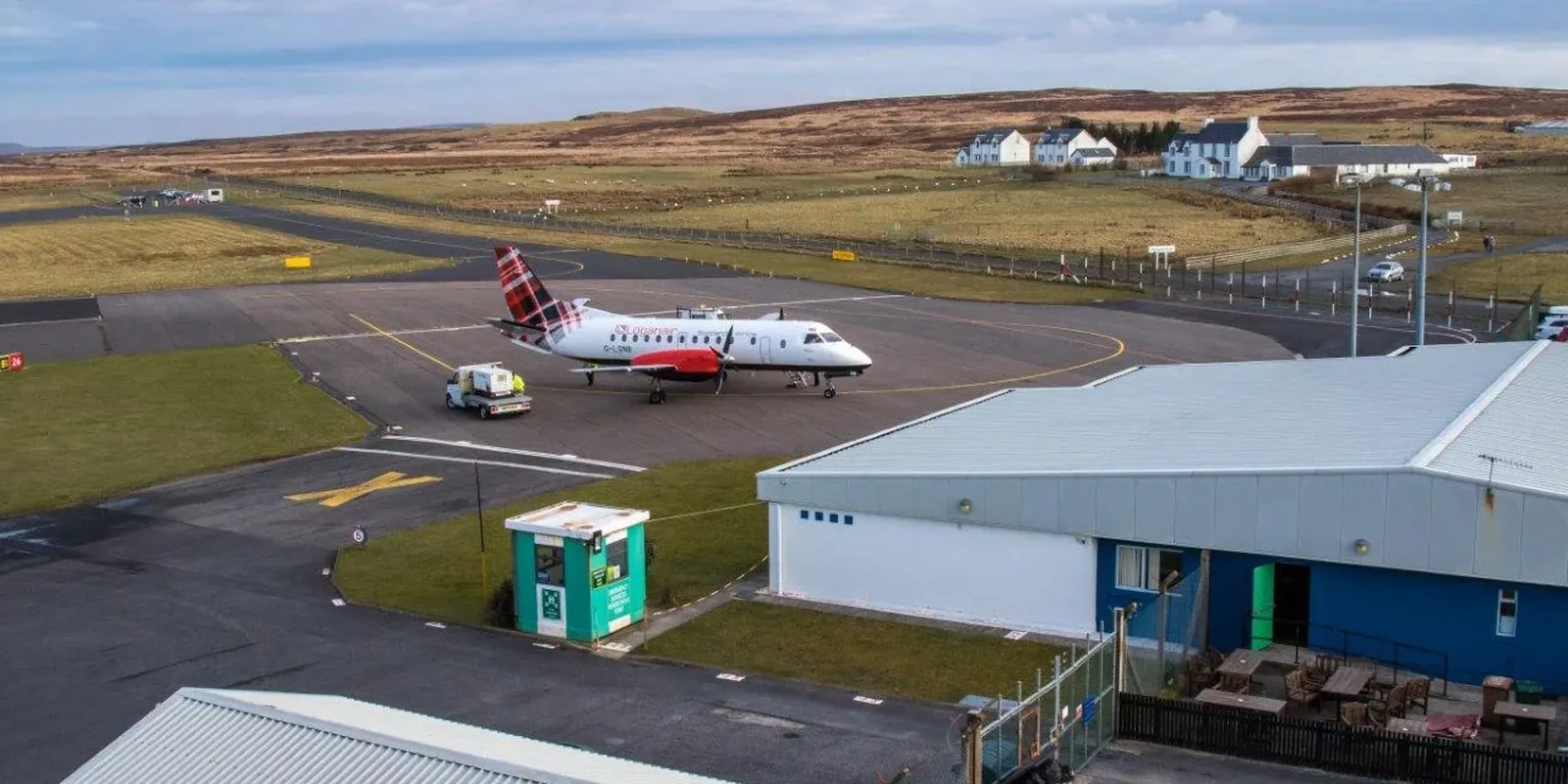
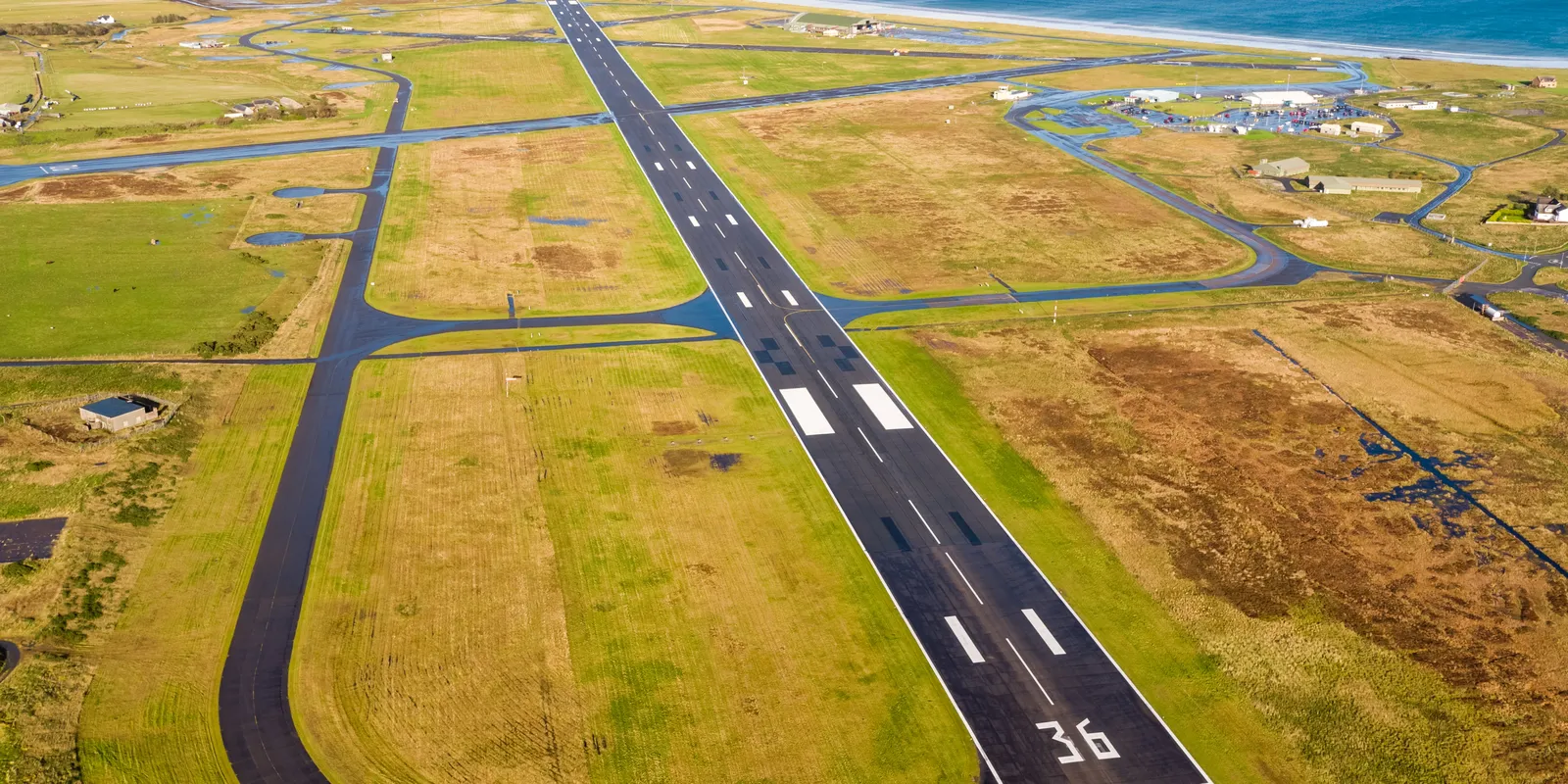
Eoligarry: the airport on a Hebridean beach
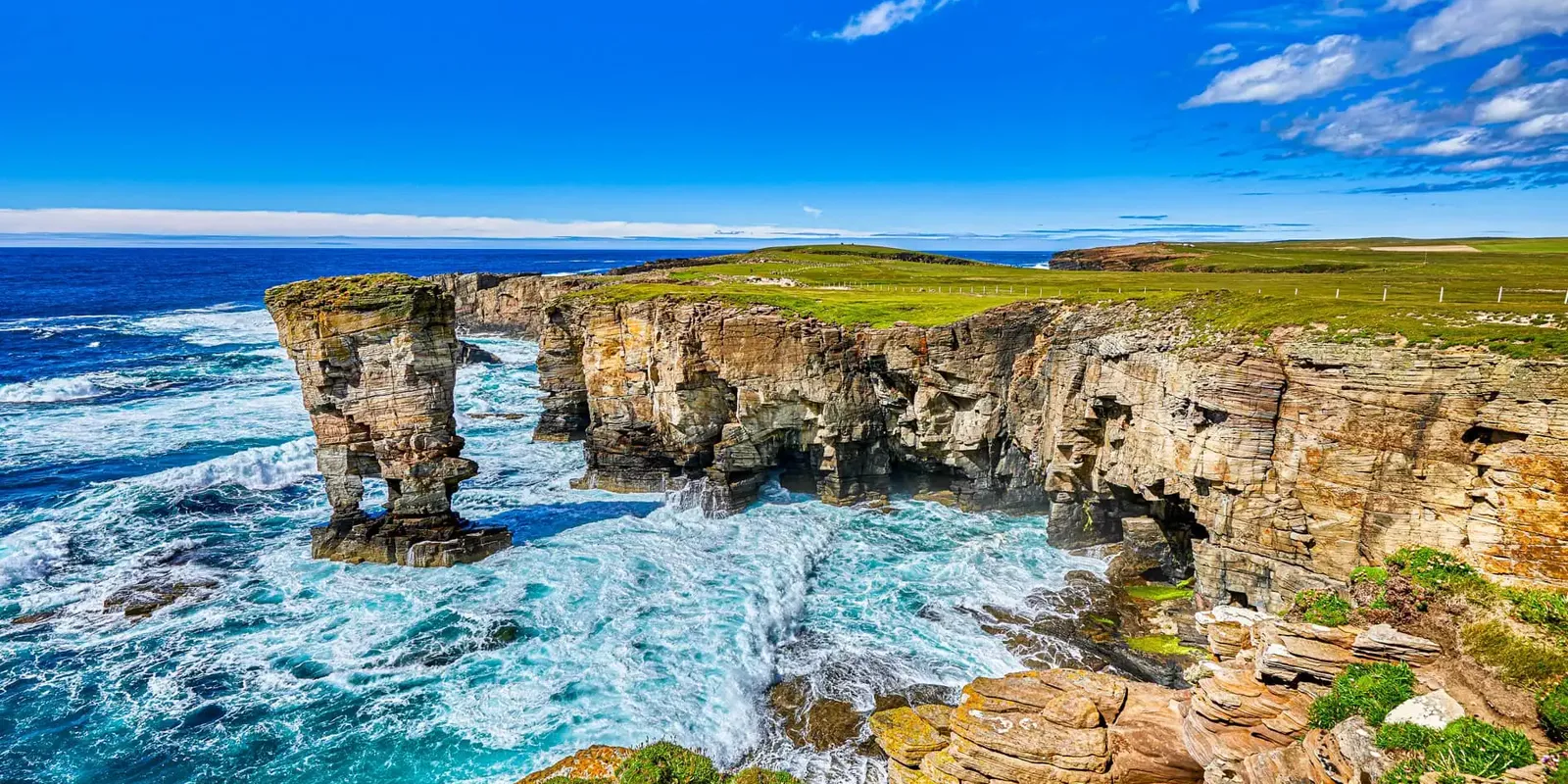
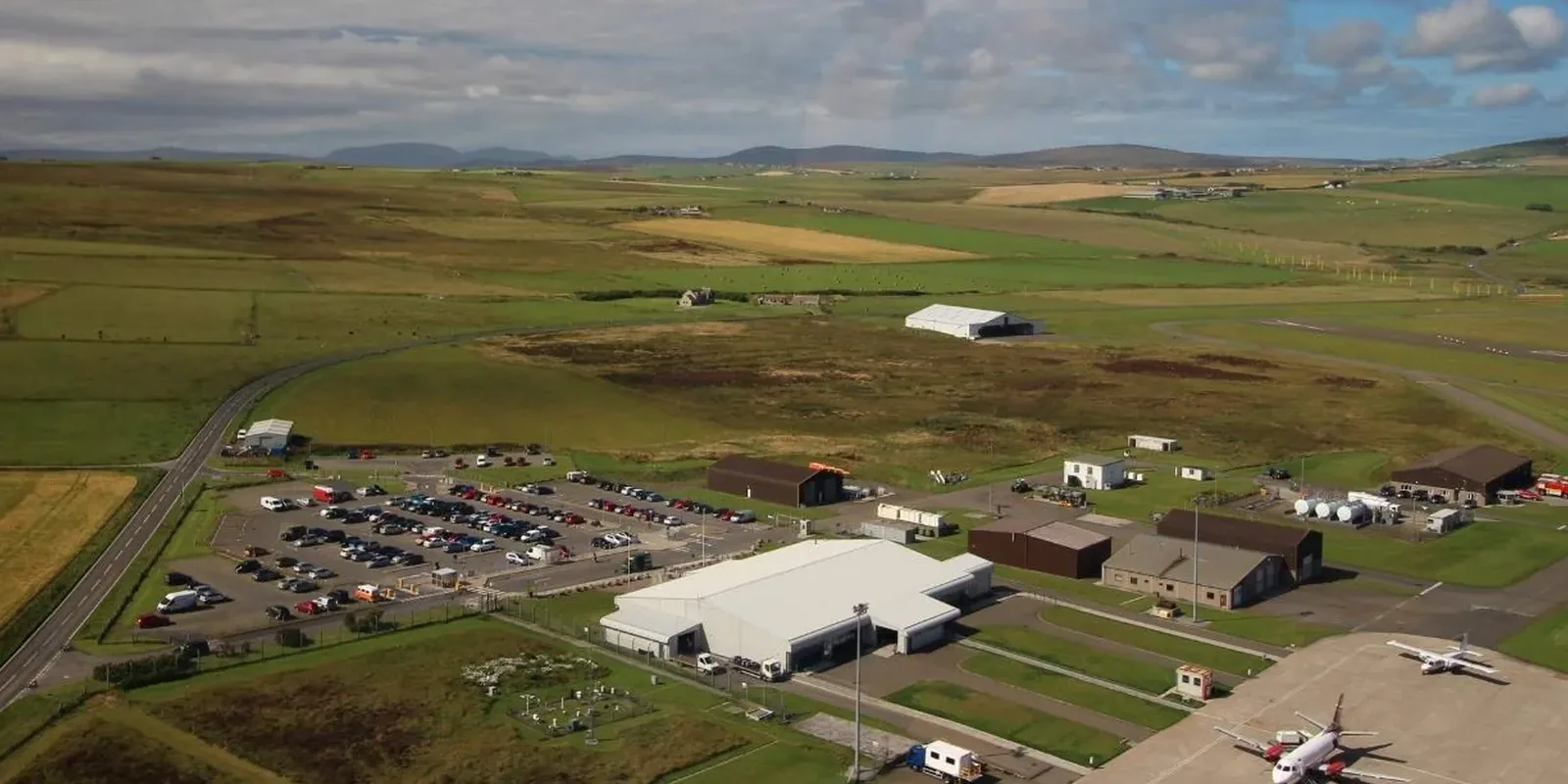
Orkney: Neolithic villages older than Stonehenge
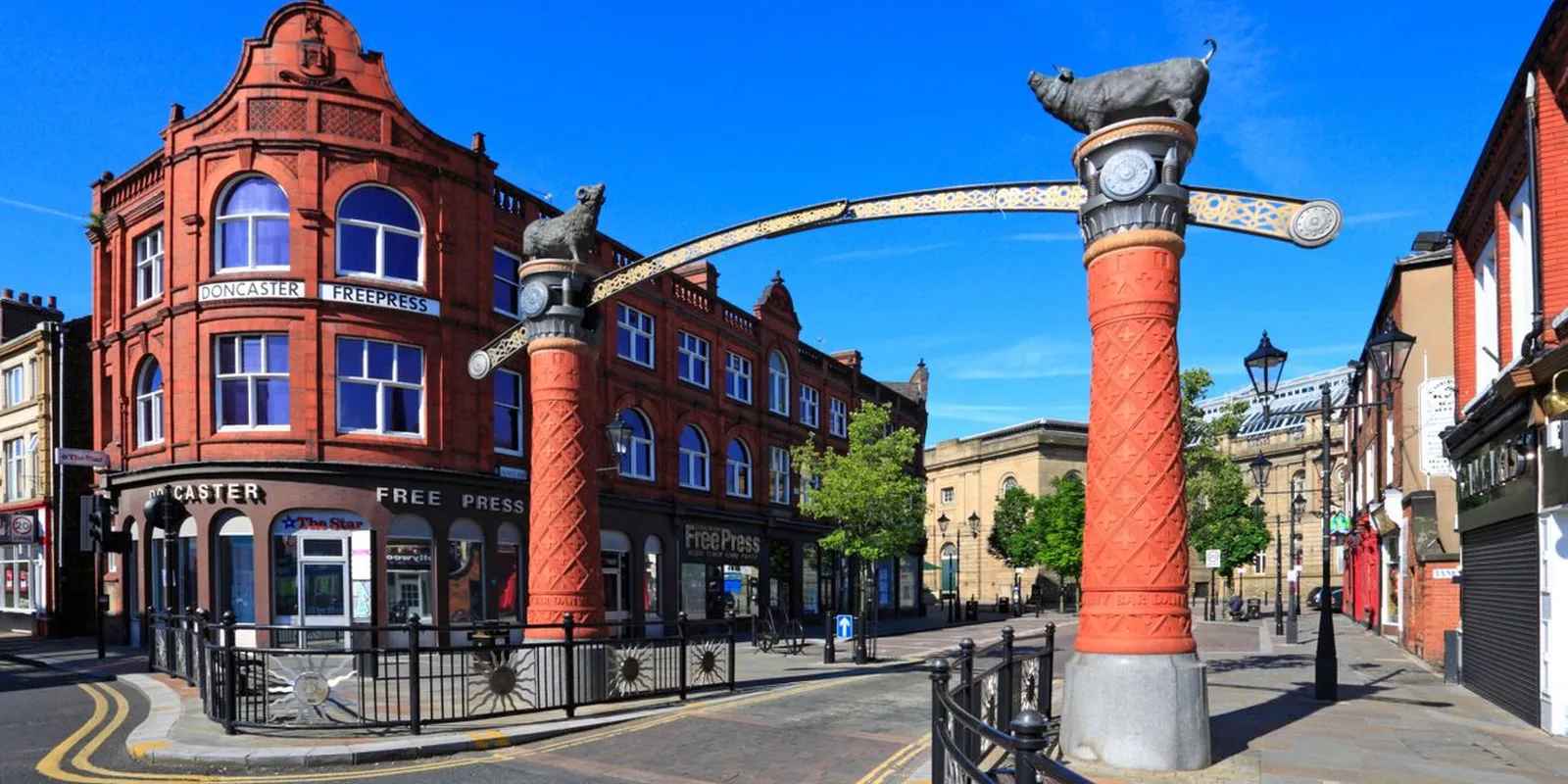
Doncaster: the world's oldest horse race
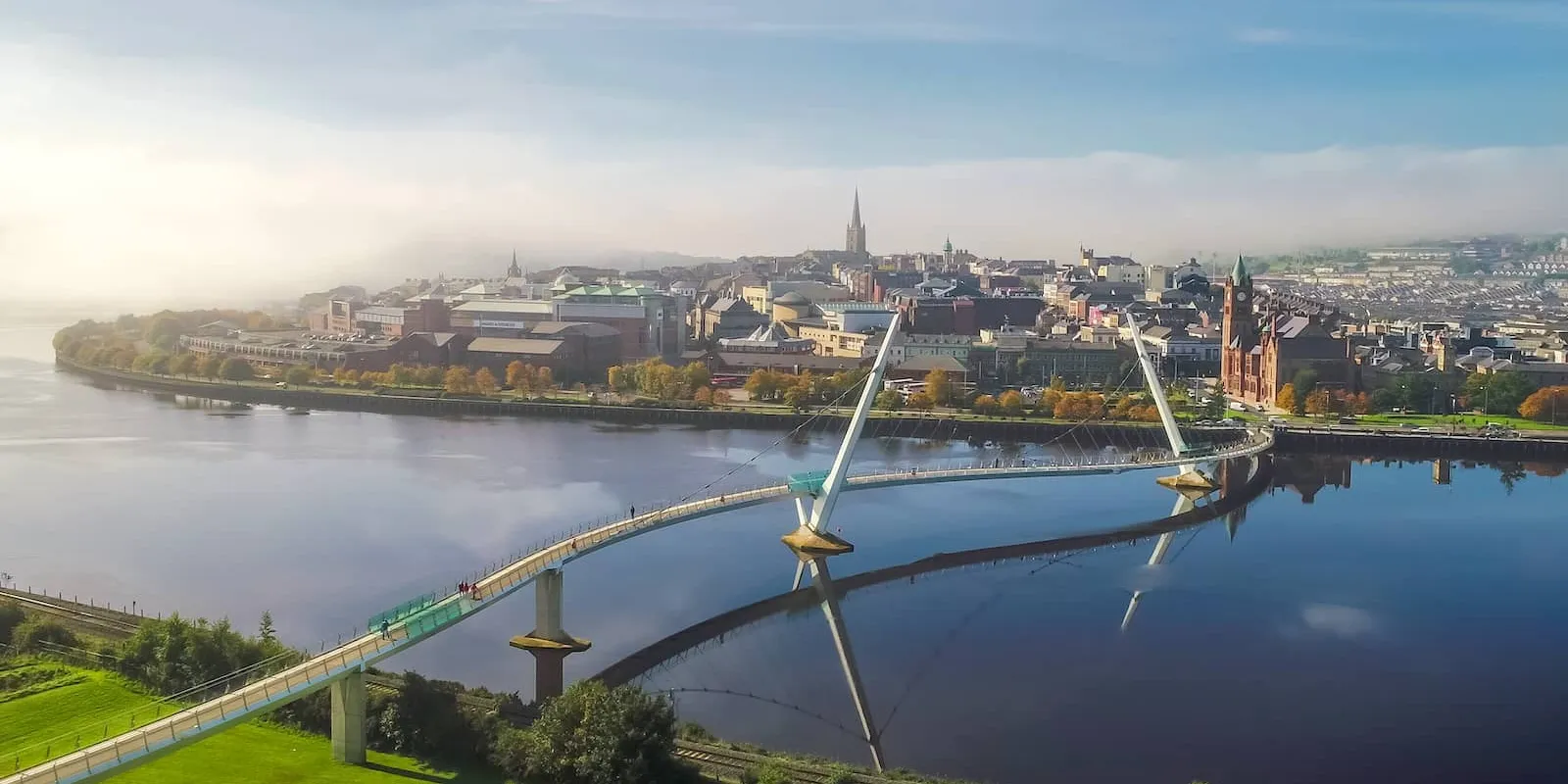
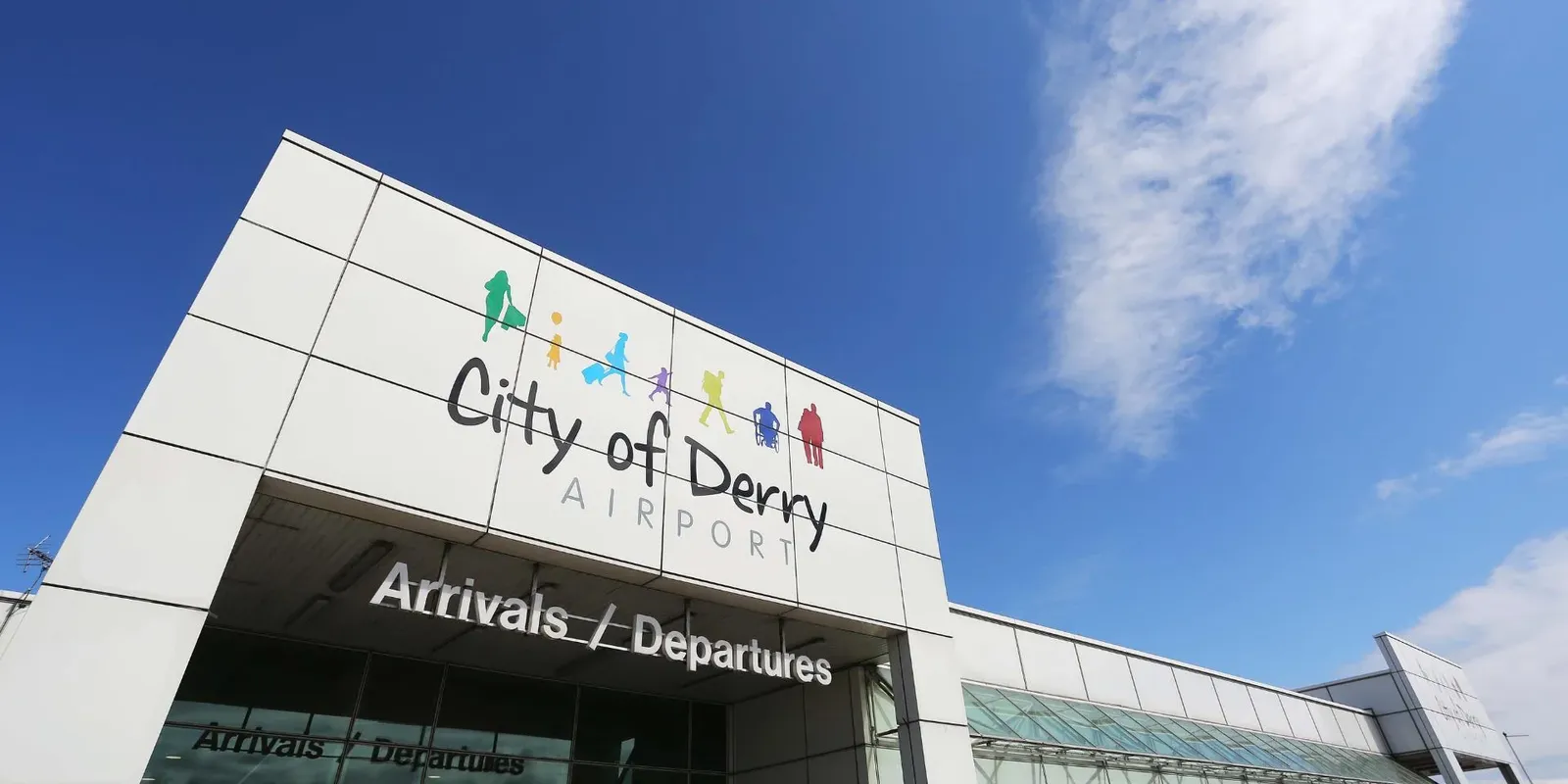
Derry: Ireland's last besieged walls
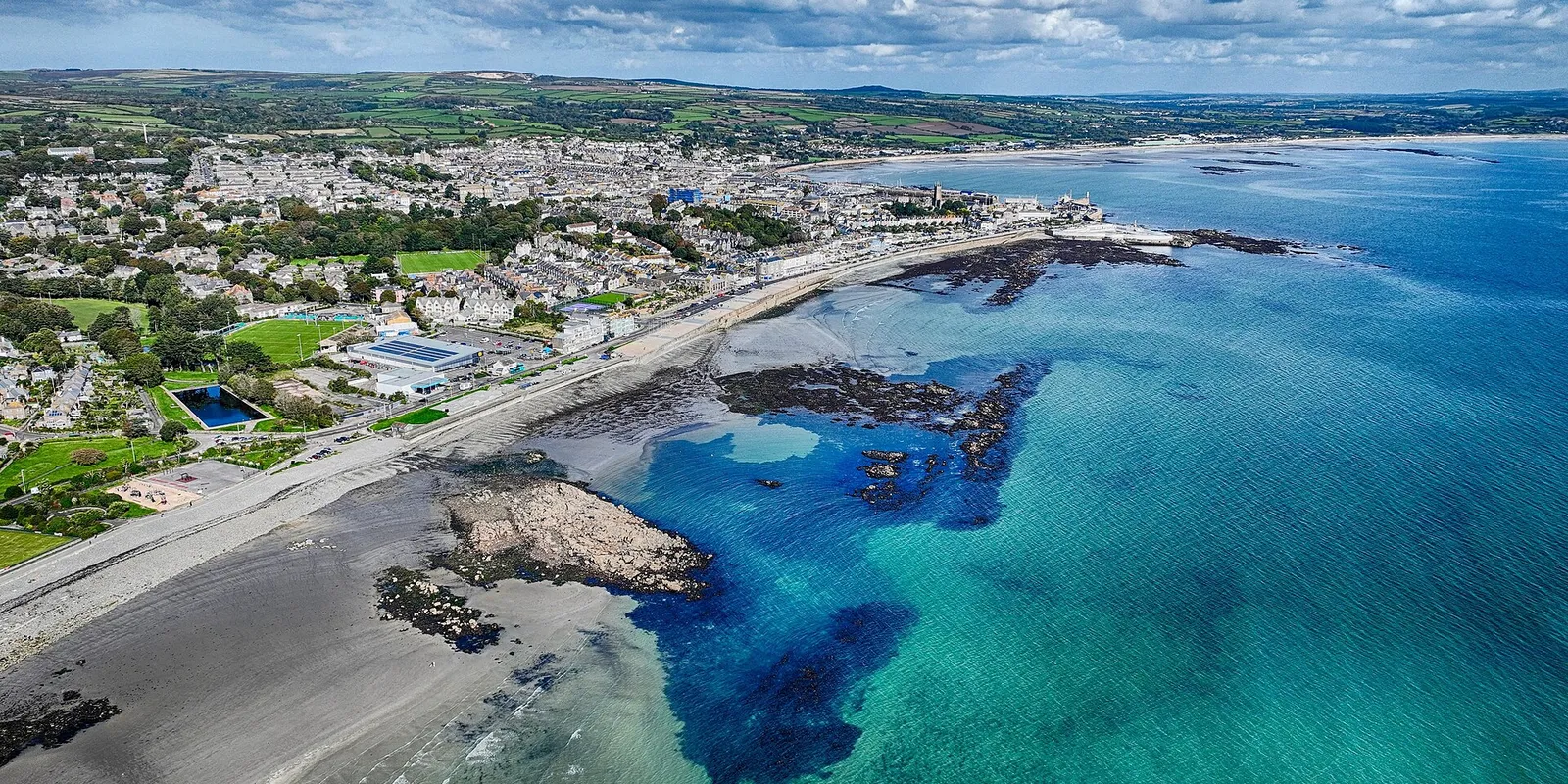
Penzance: the gateway to St Michael's Mount in Cornwall
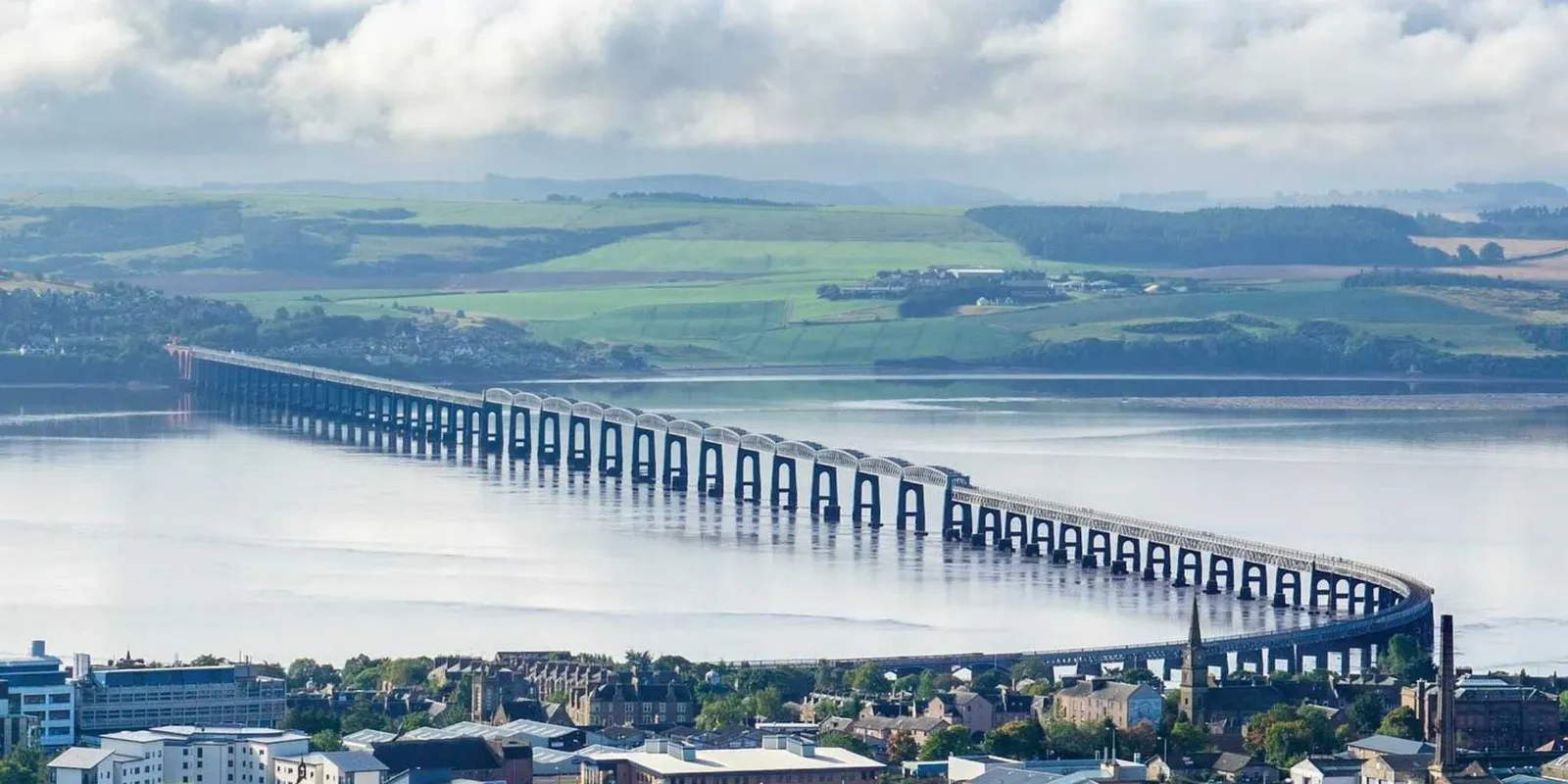
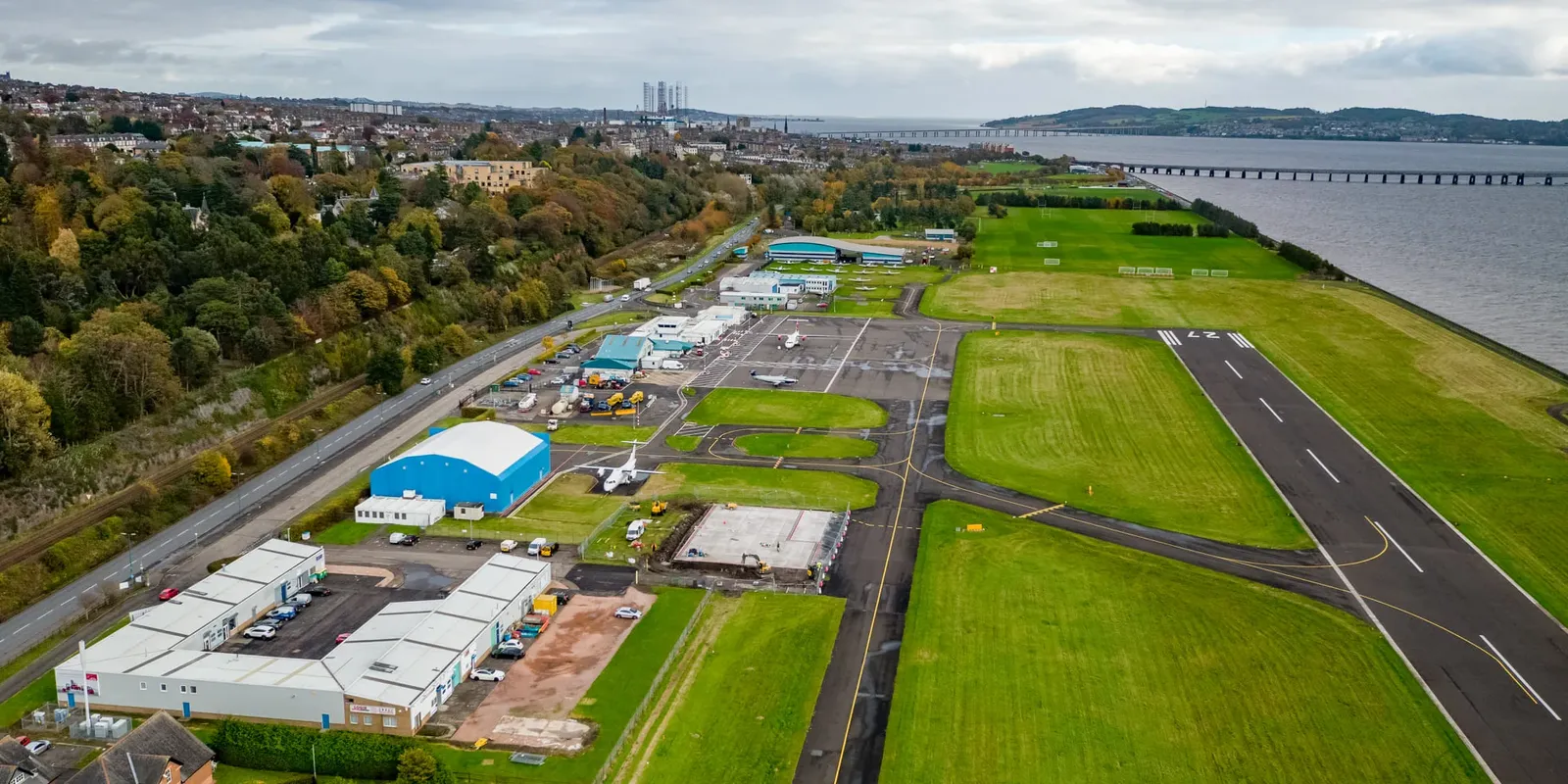
Dundee: from jam to video games
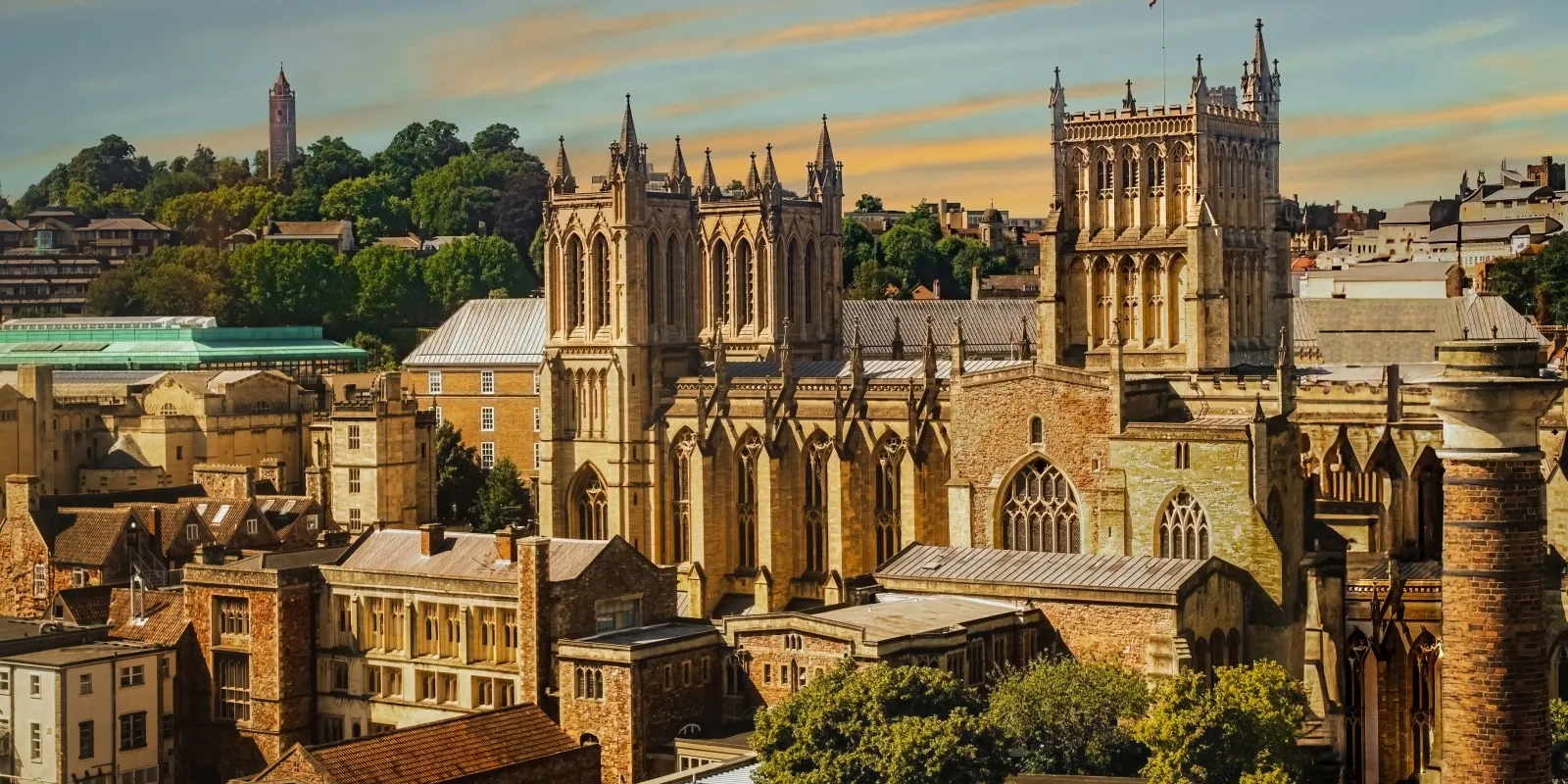
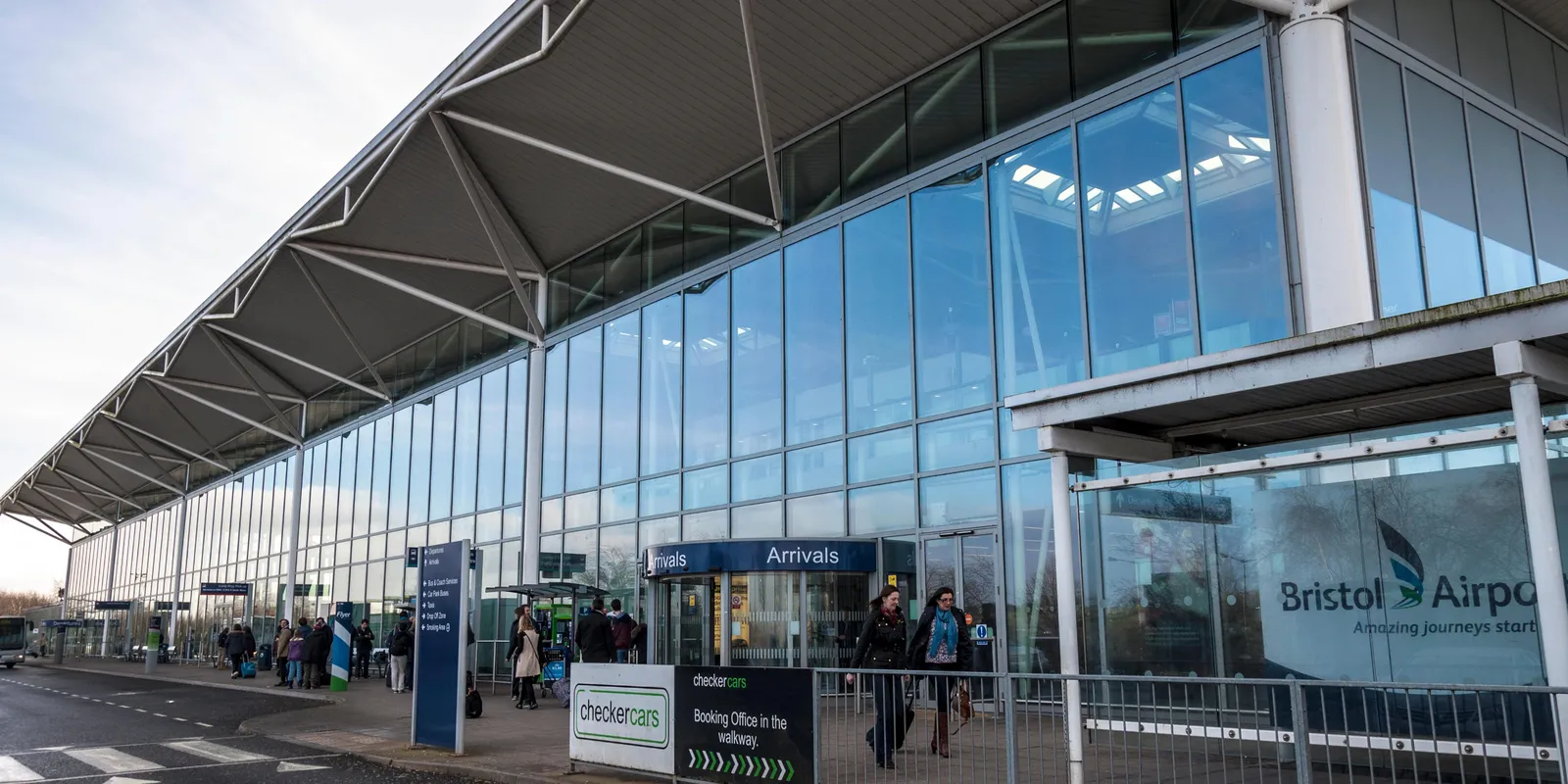
Bristol (UK): Brunel's bridge and street art
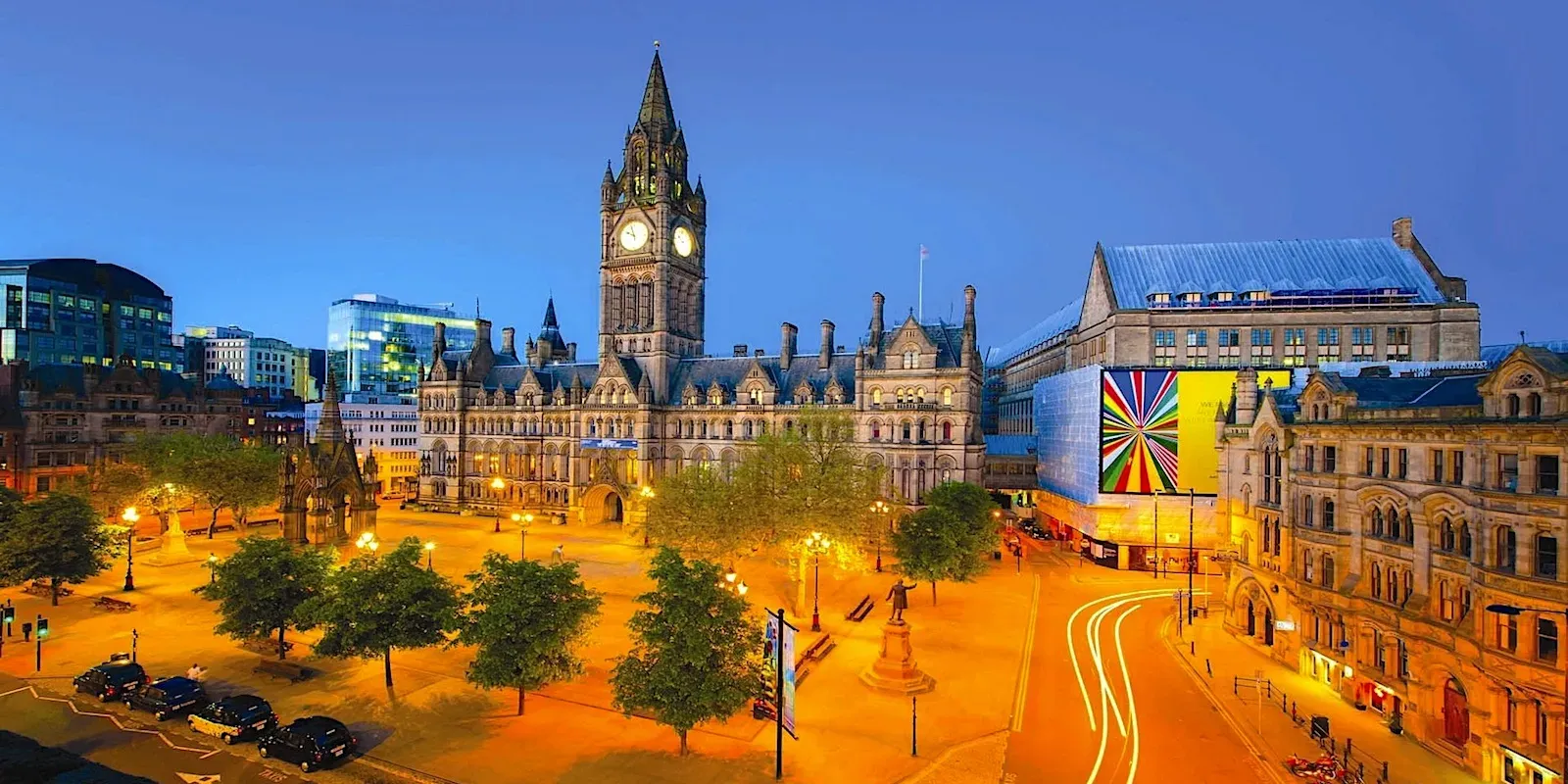
Manchester (UK): music, football and industry
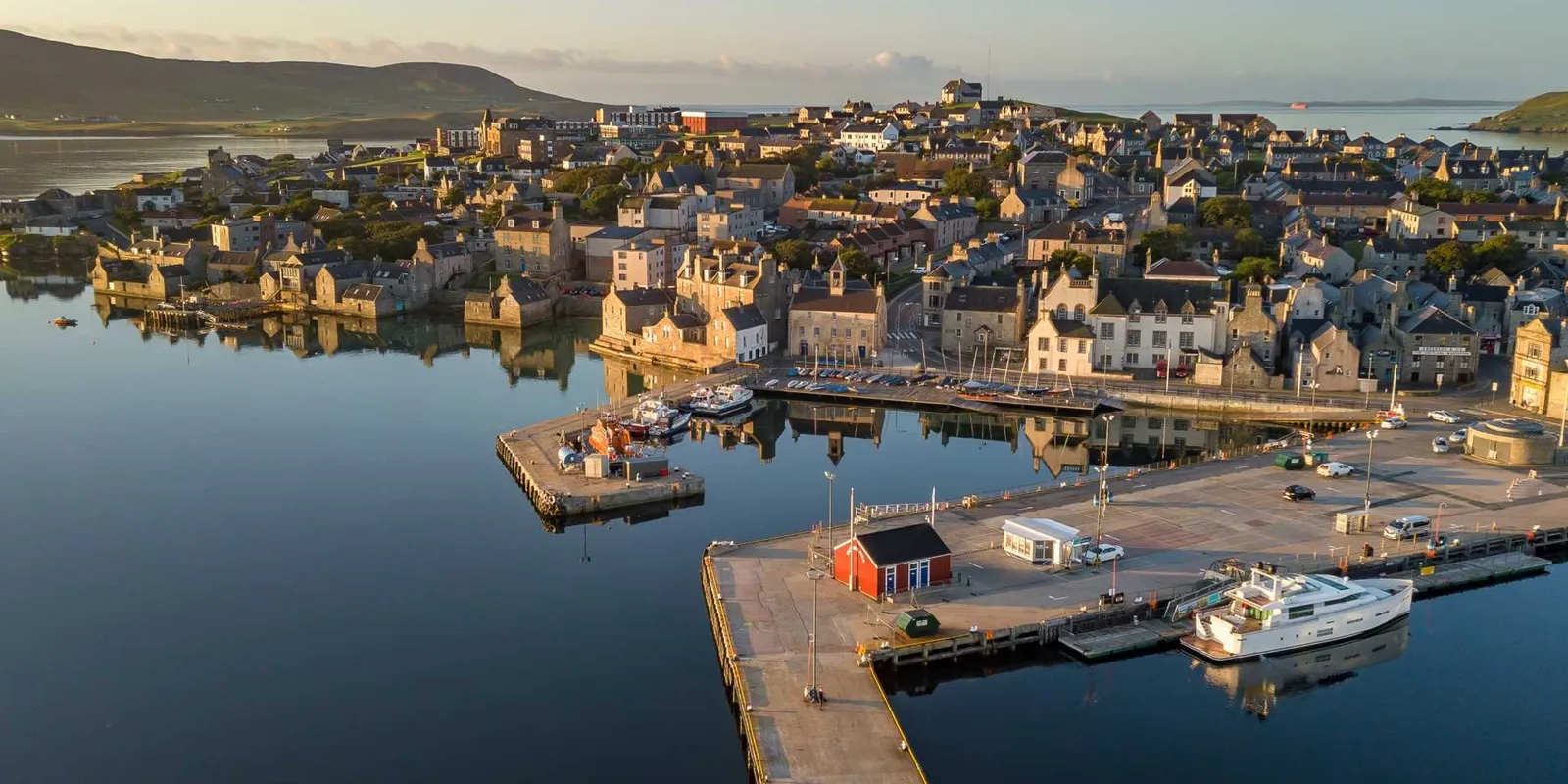
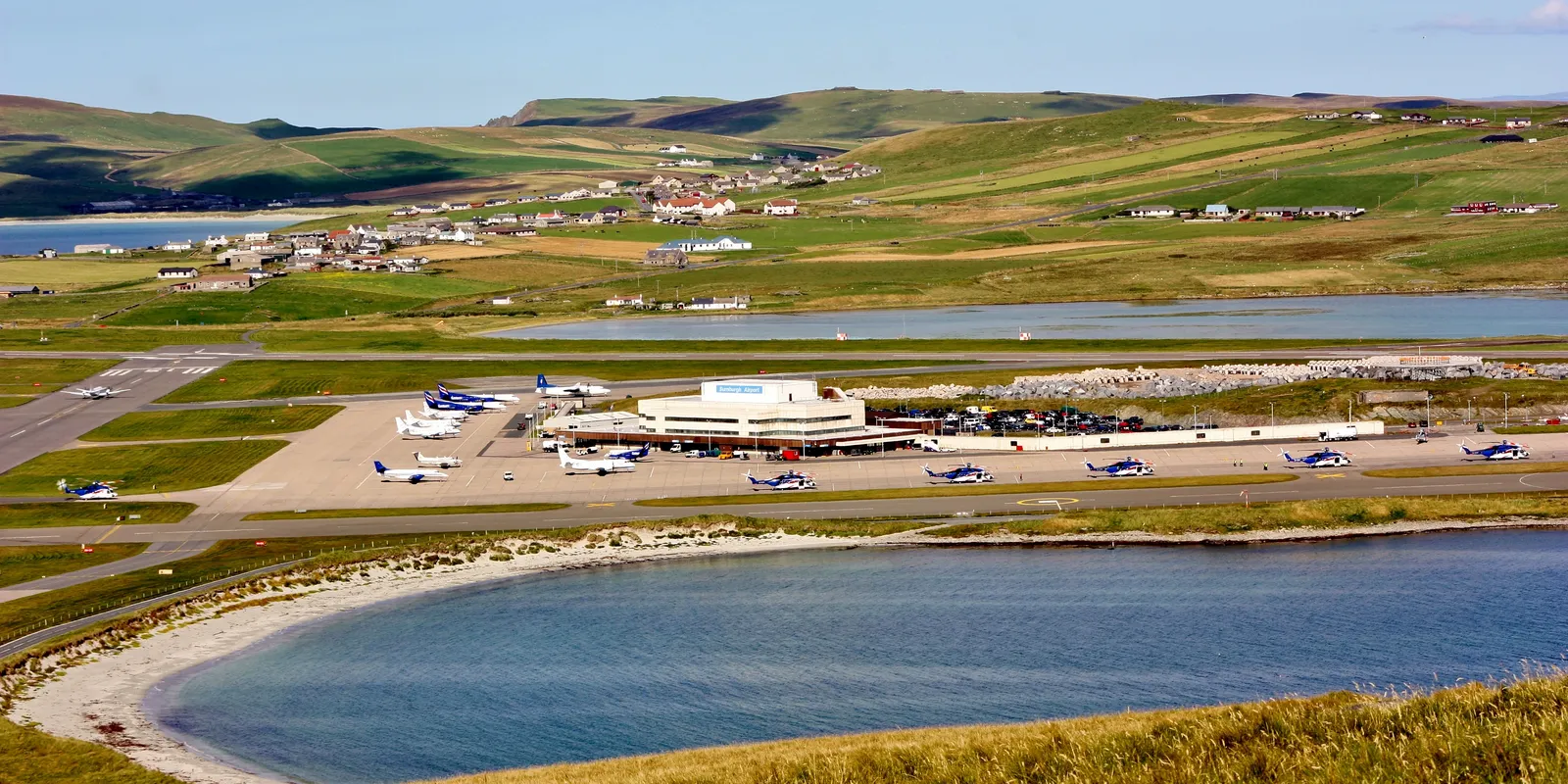
Lerwick: the Viking capital of Shetland
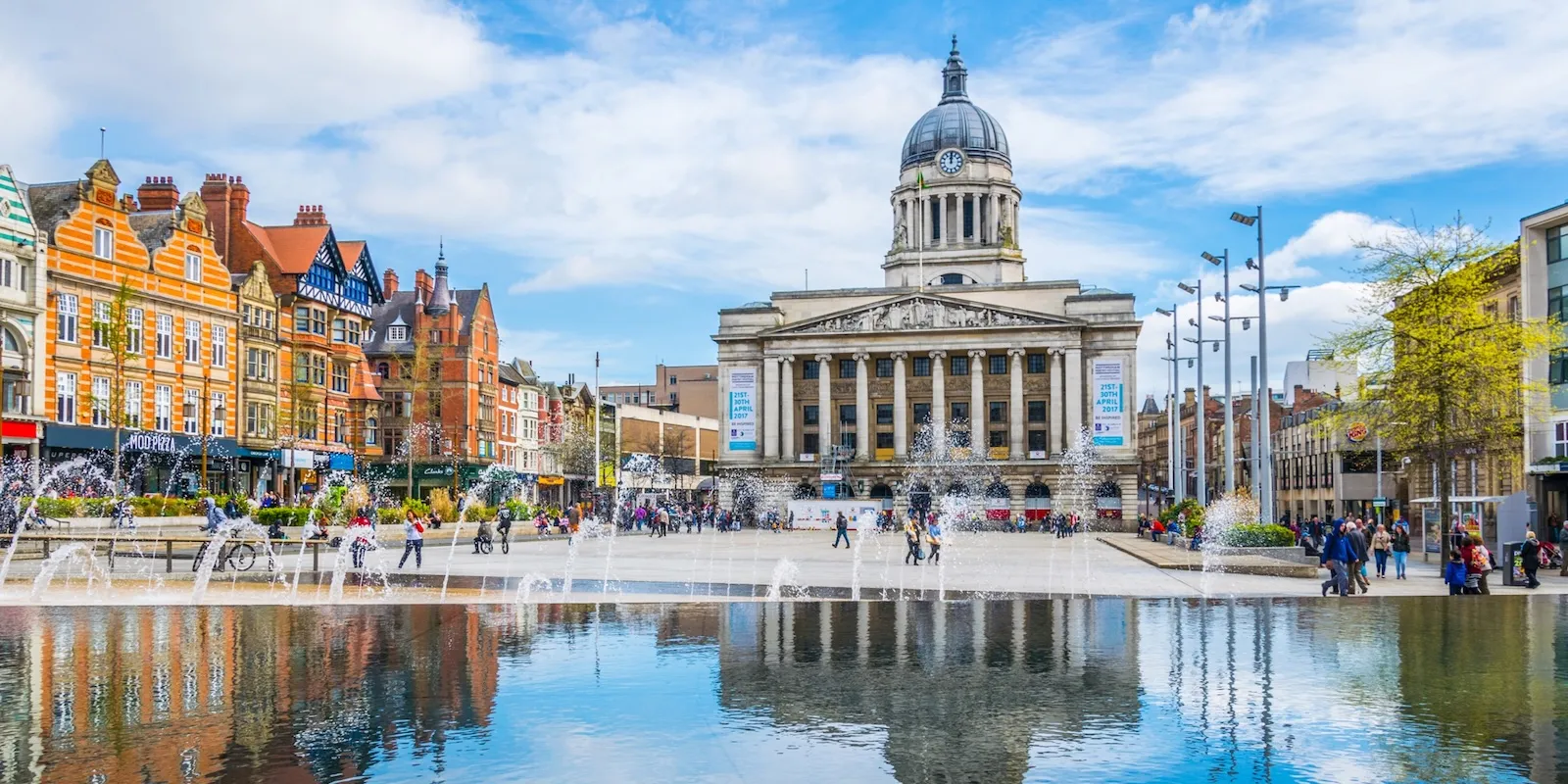
Nottingham: on the trail of Robin Hood
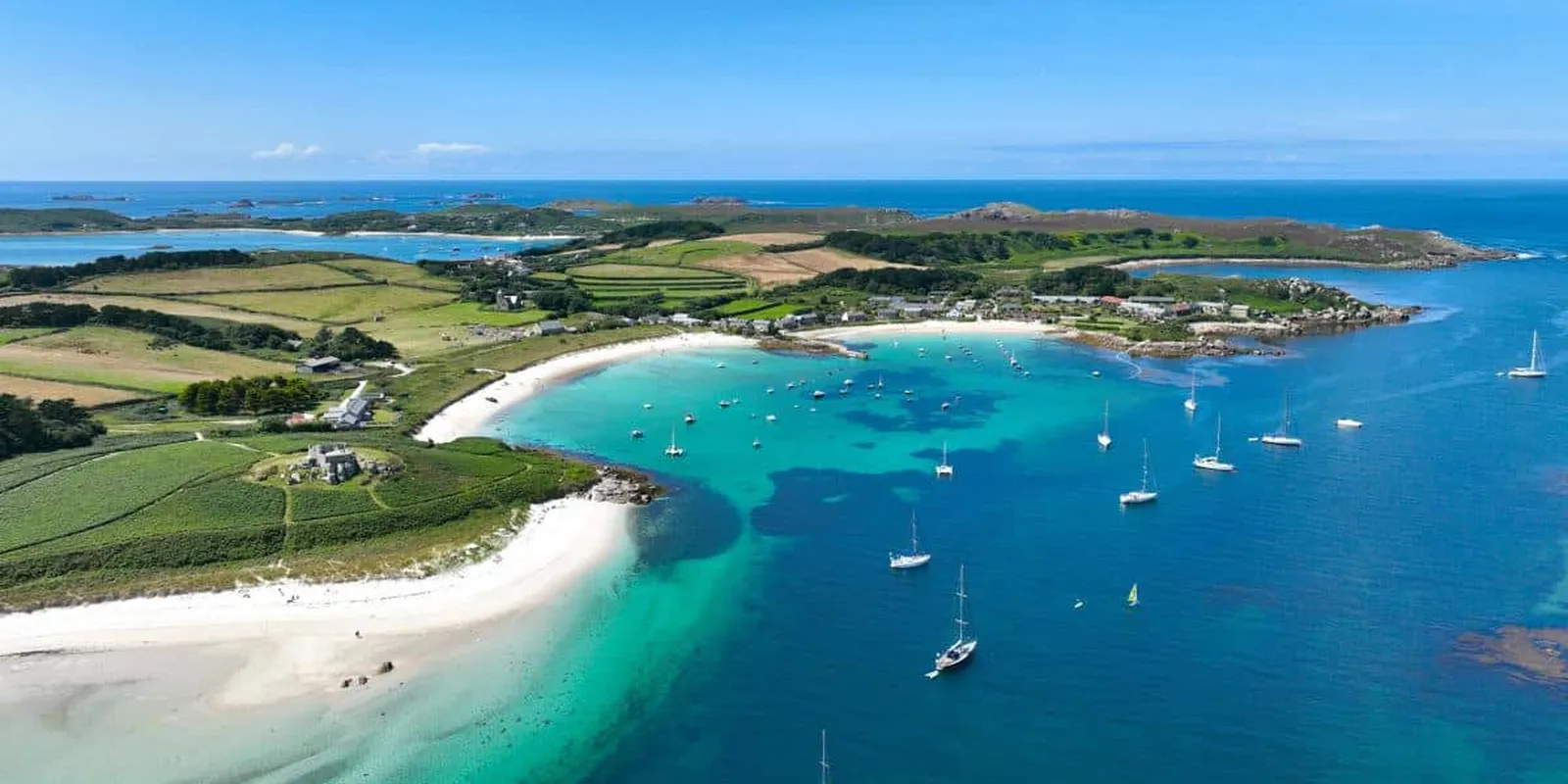
The Isles of Scilly: Cornwall's subtropical archipelago
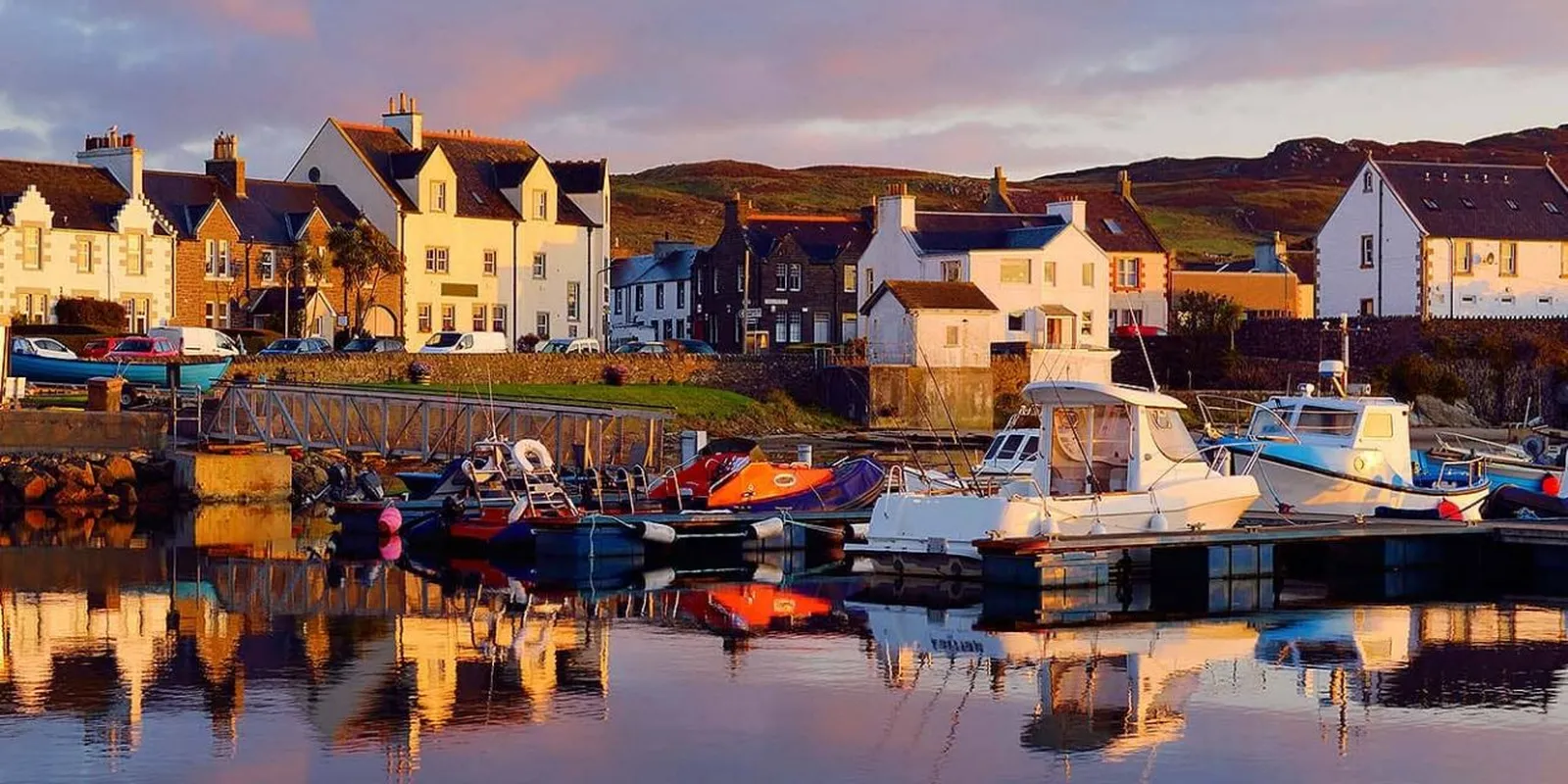
Port Ellen: the Scottish island of peated whisky
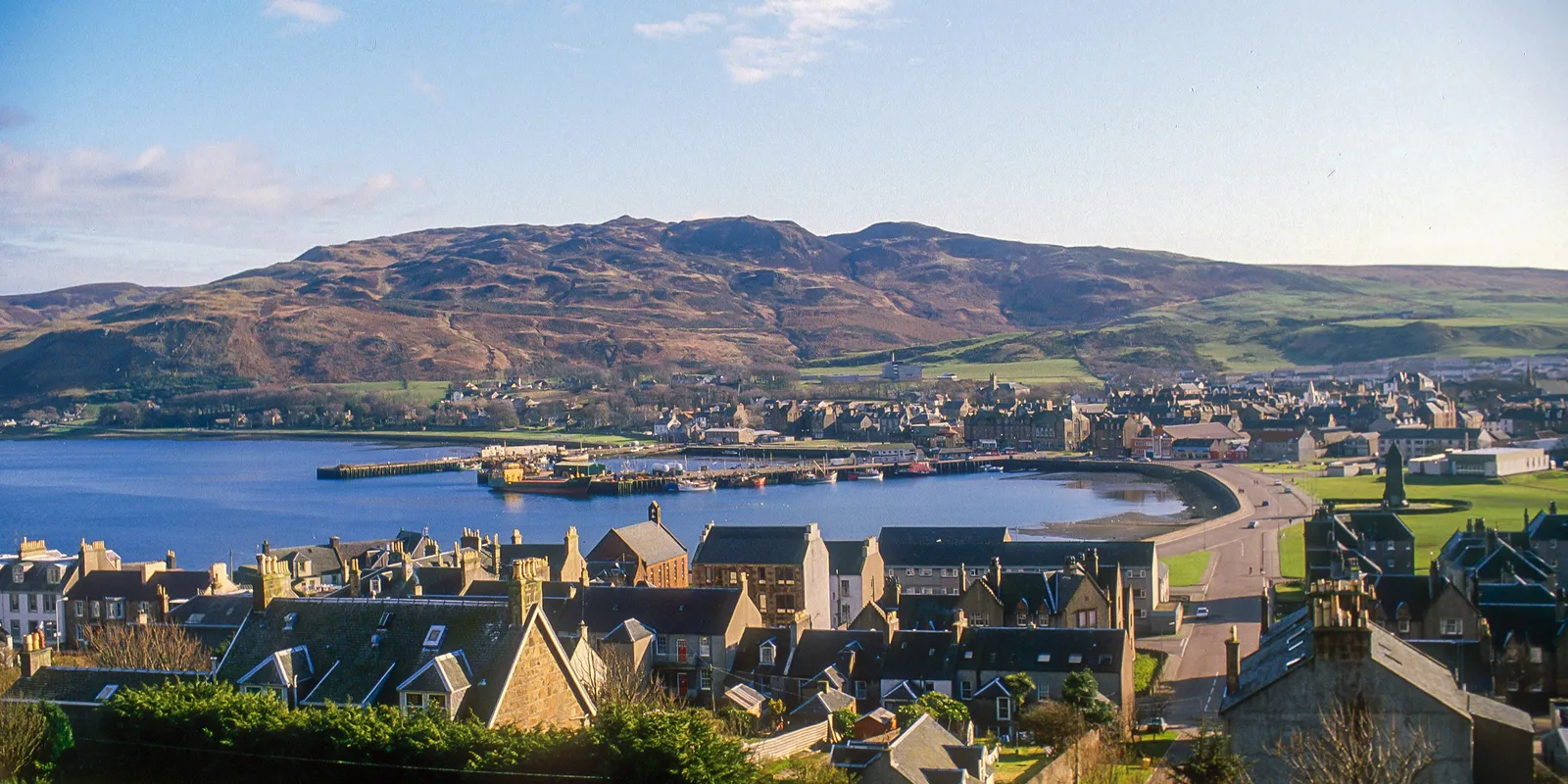
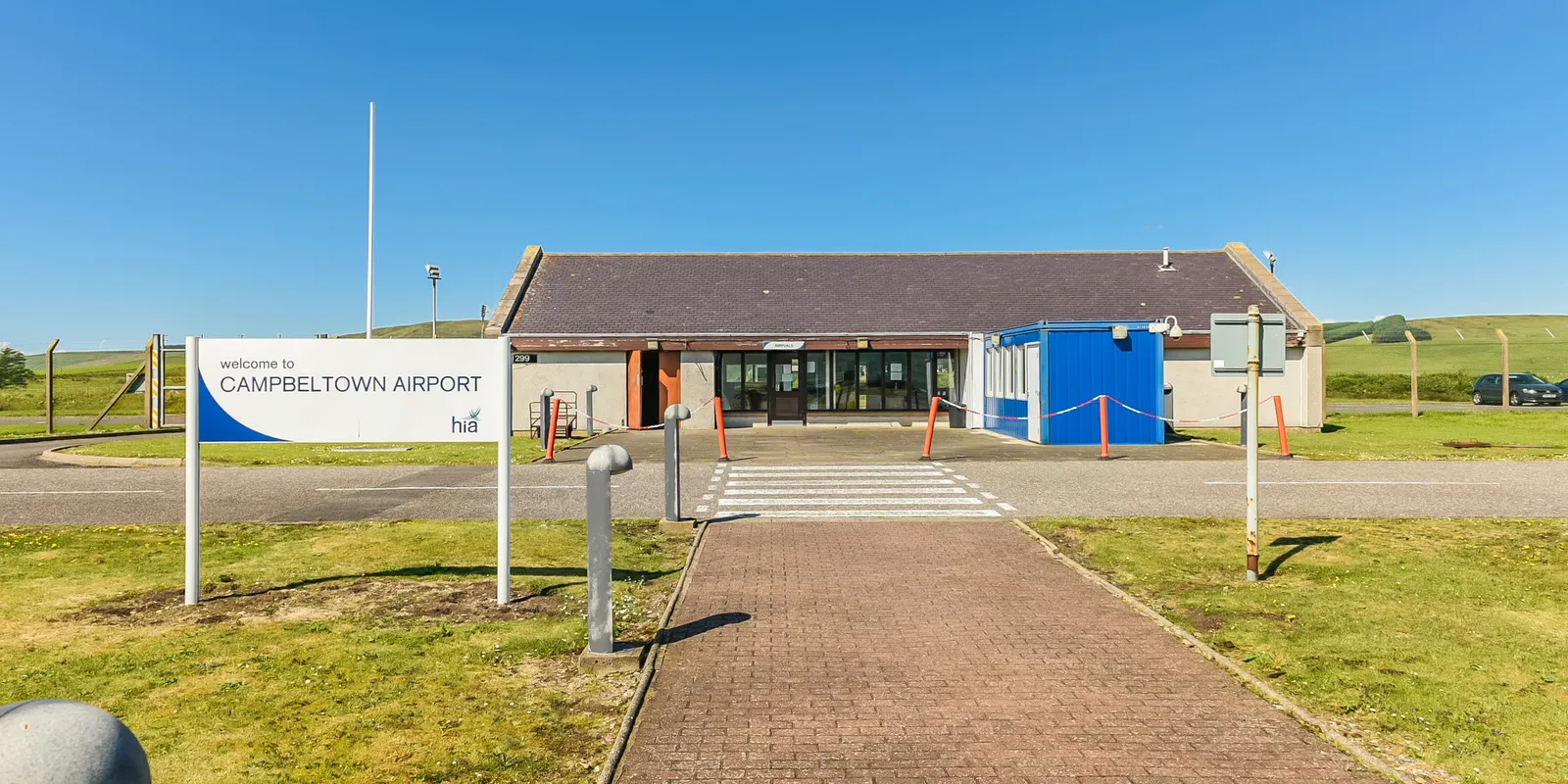
Campbeltown: the forgotten whisky of the Kintyre peninsula
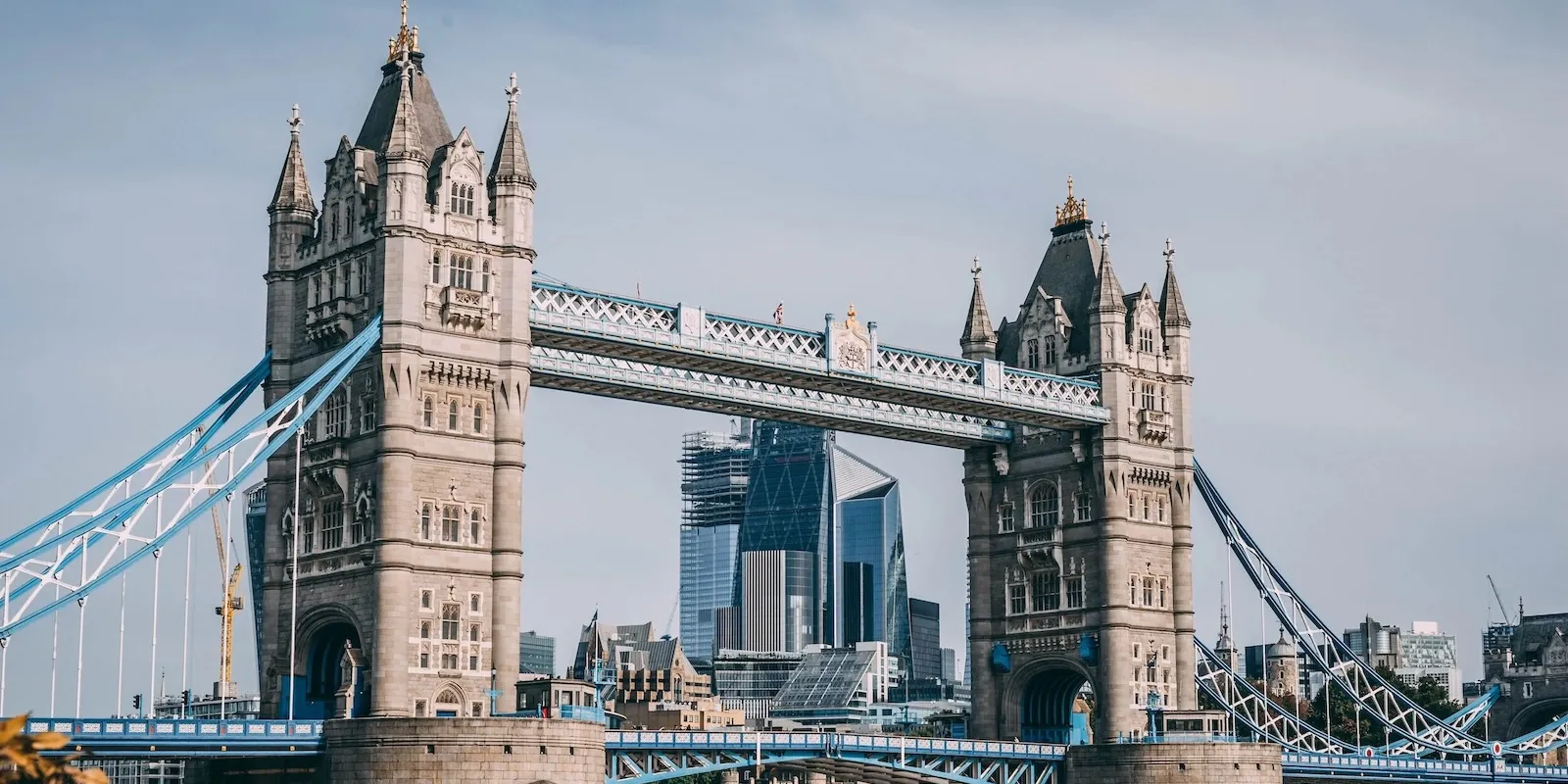
London: what to see in 1 day
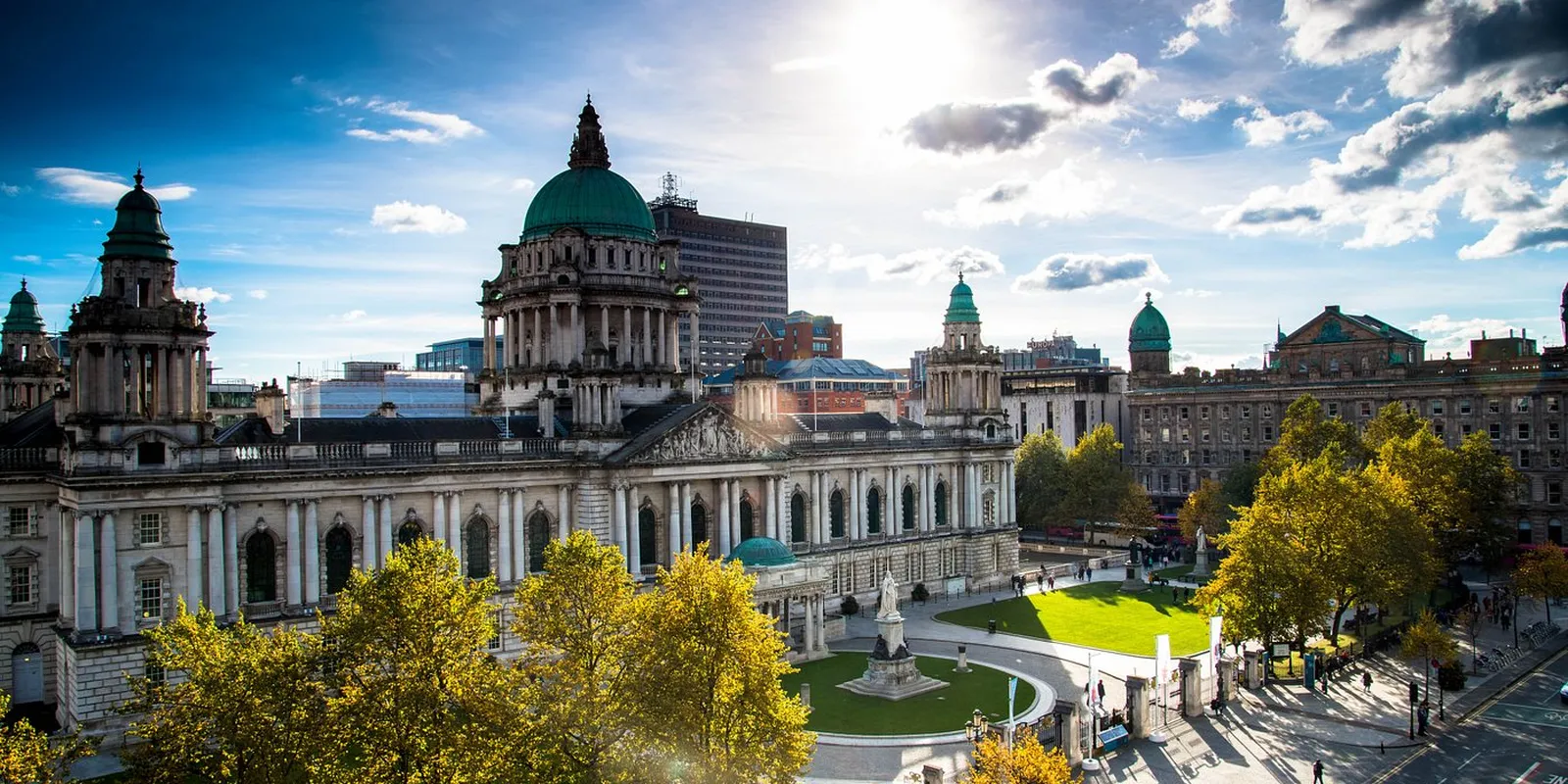
Belfast: from the Titanic to the peace wall
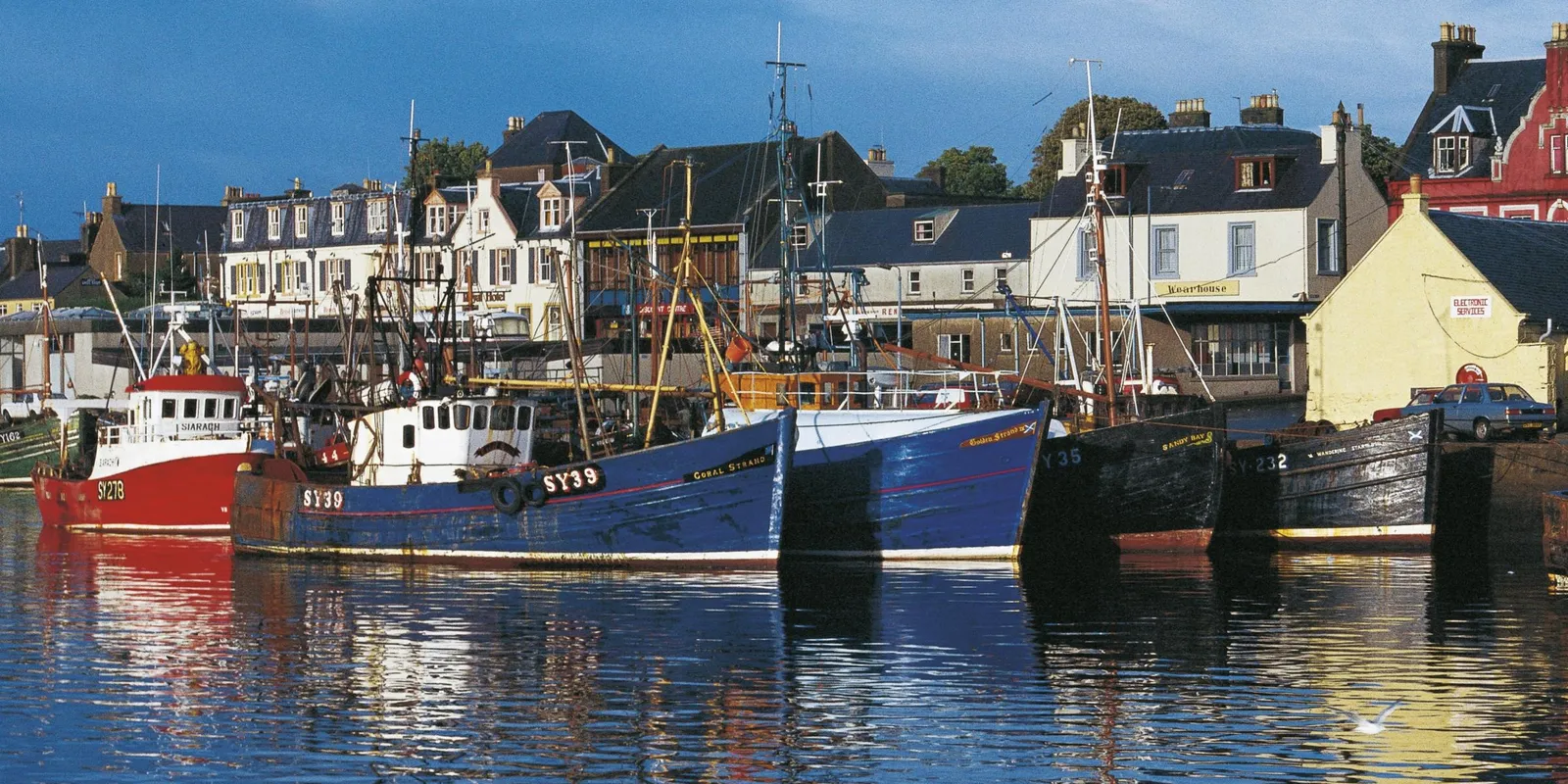
Stornoway: the Gaelic capital of the Outer Hebrides
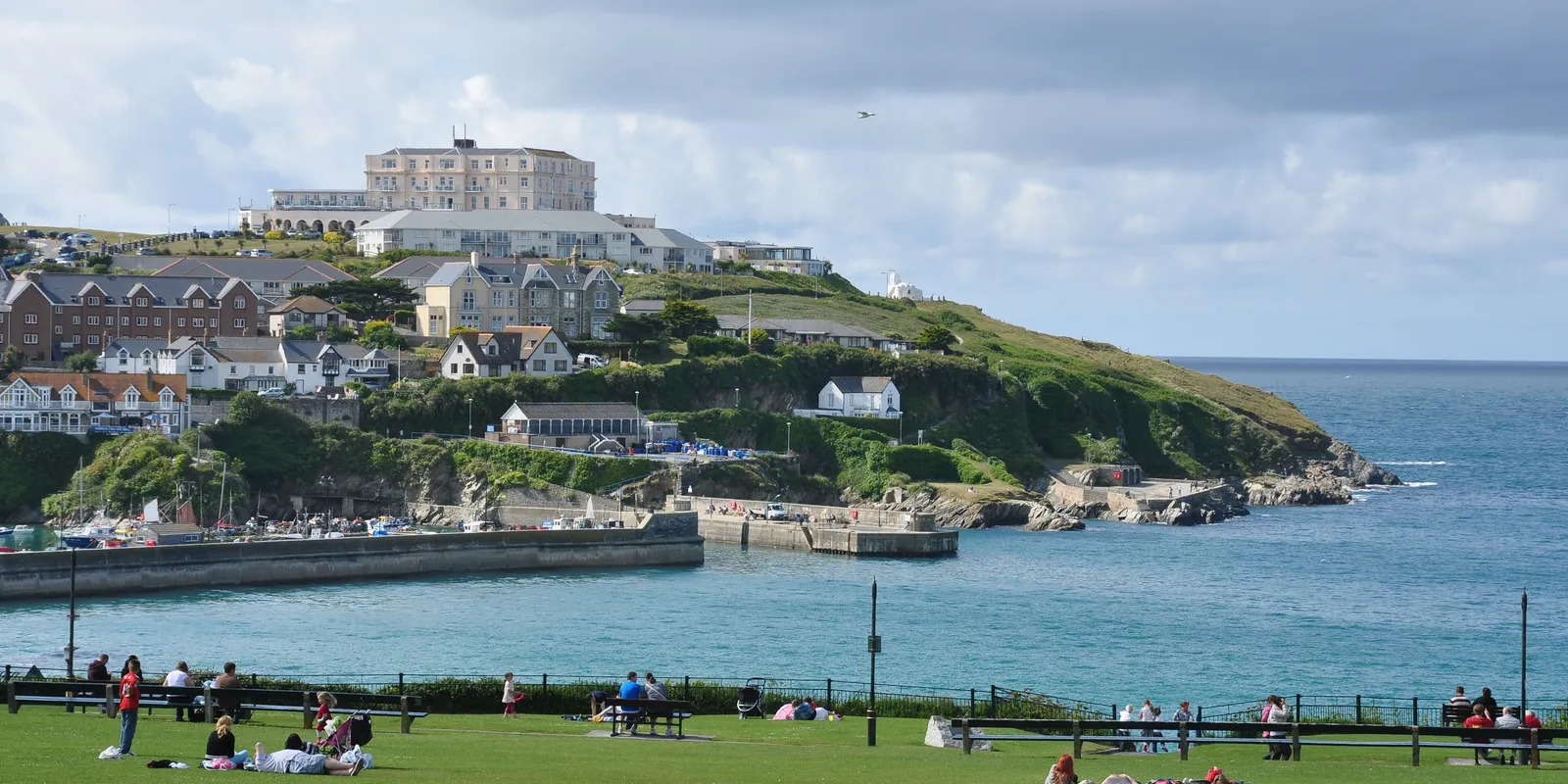
Newquay: the surfing capital of Cornwall
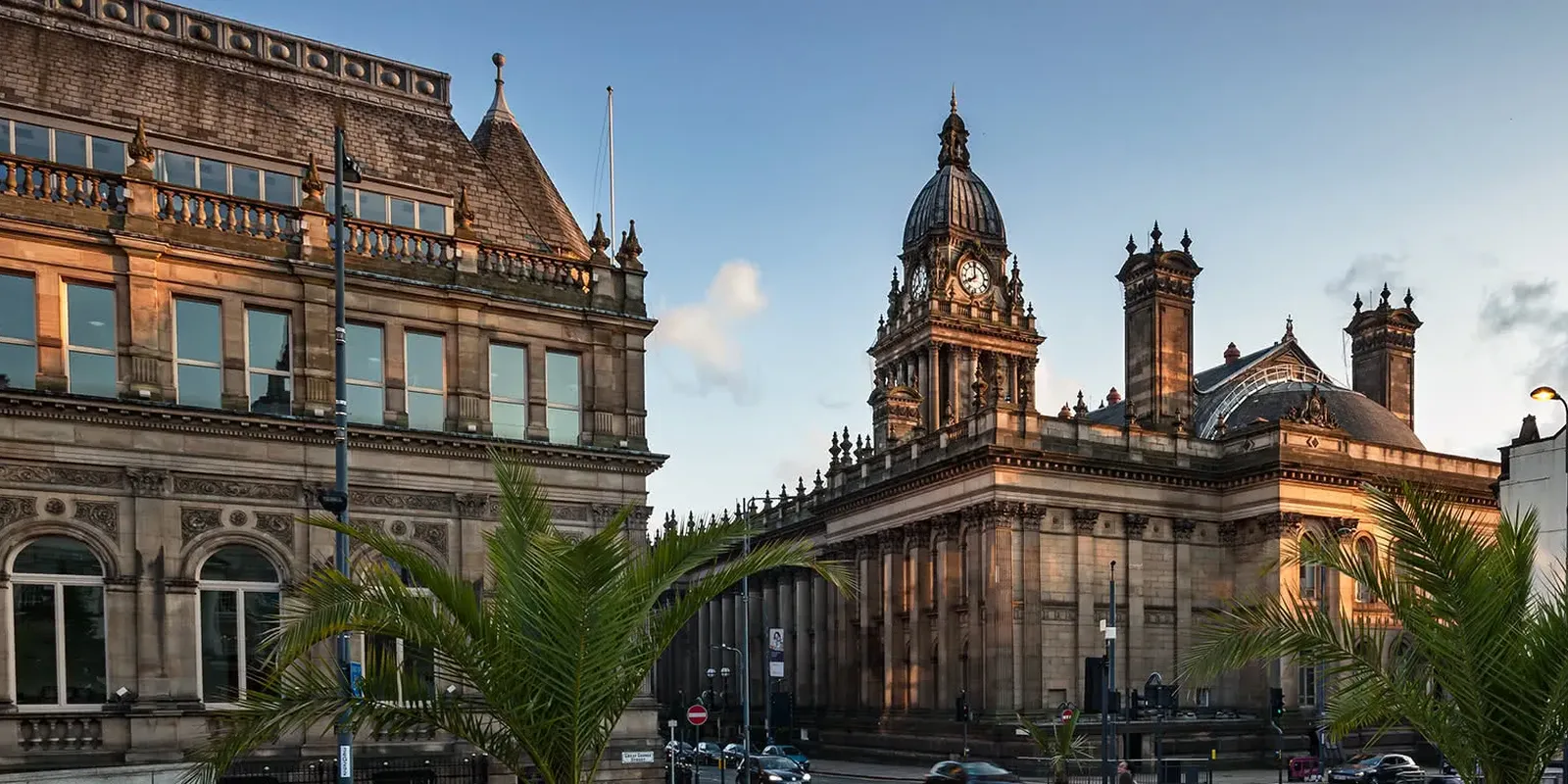
Leeds: from textile mills to contemporary art
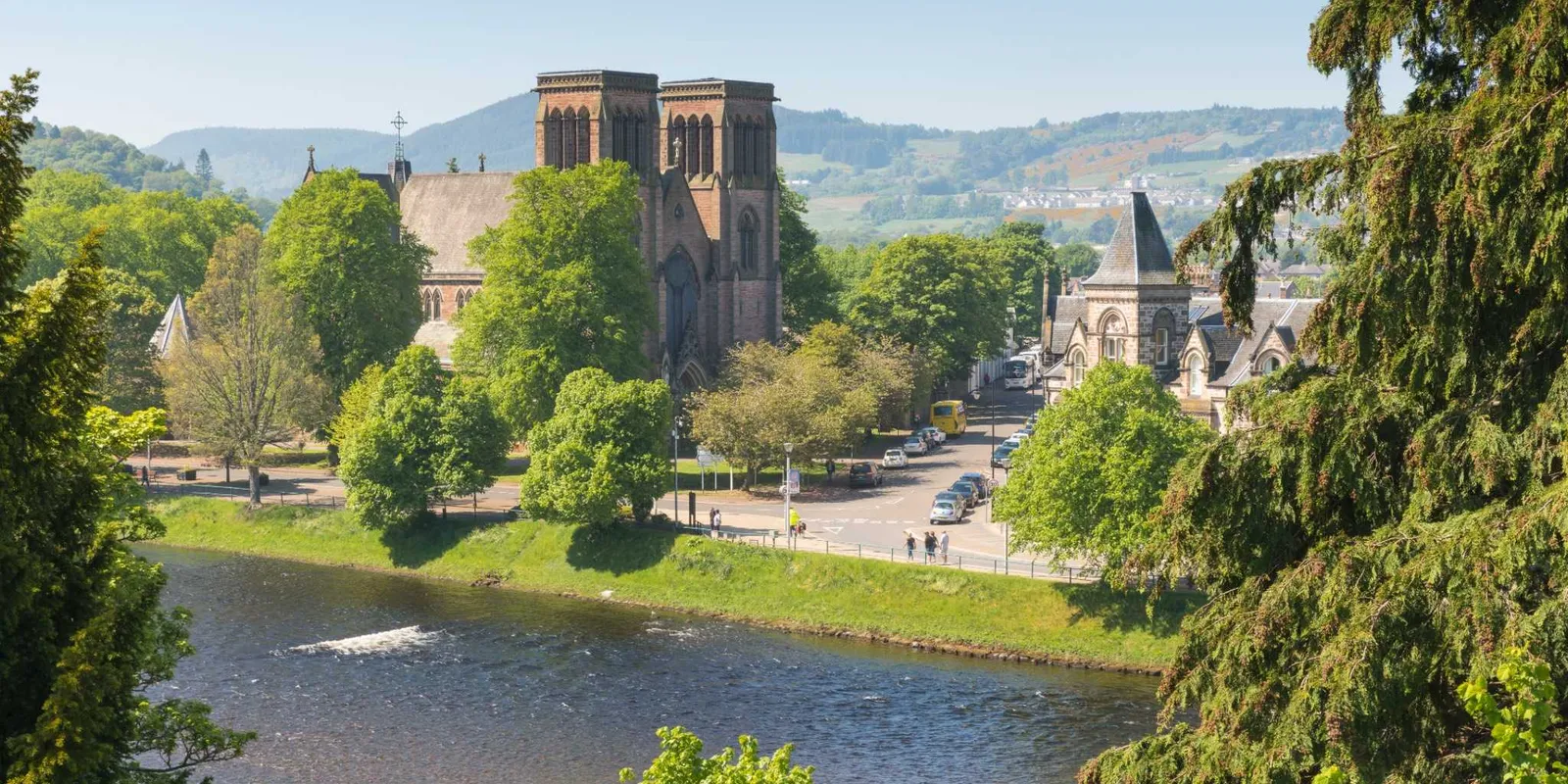
Inverness: the gateway to the Loch Ness monster
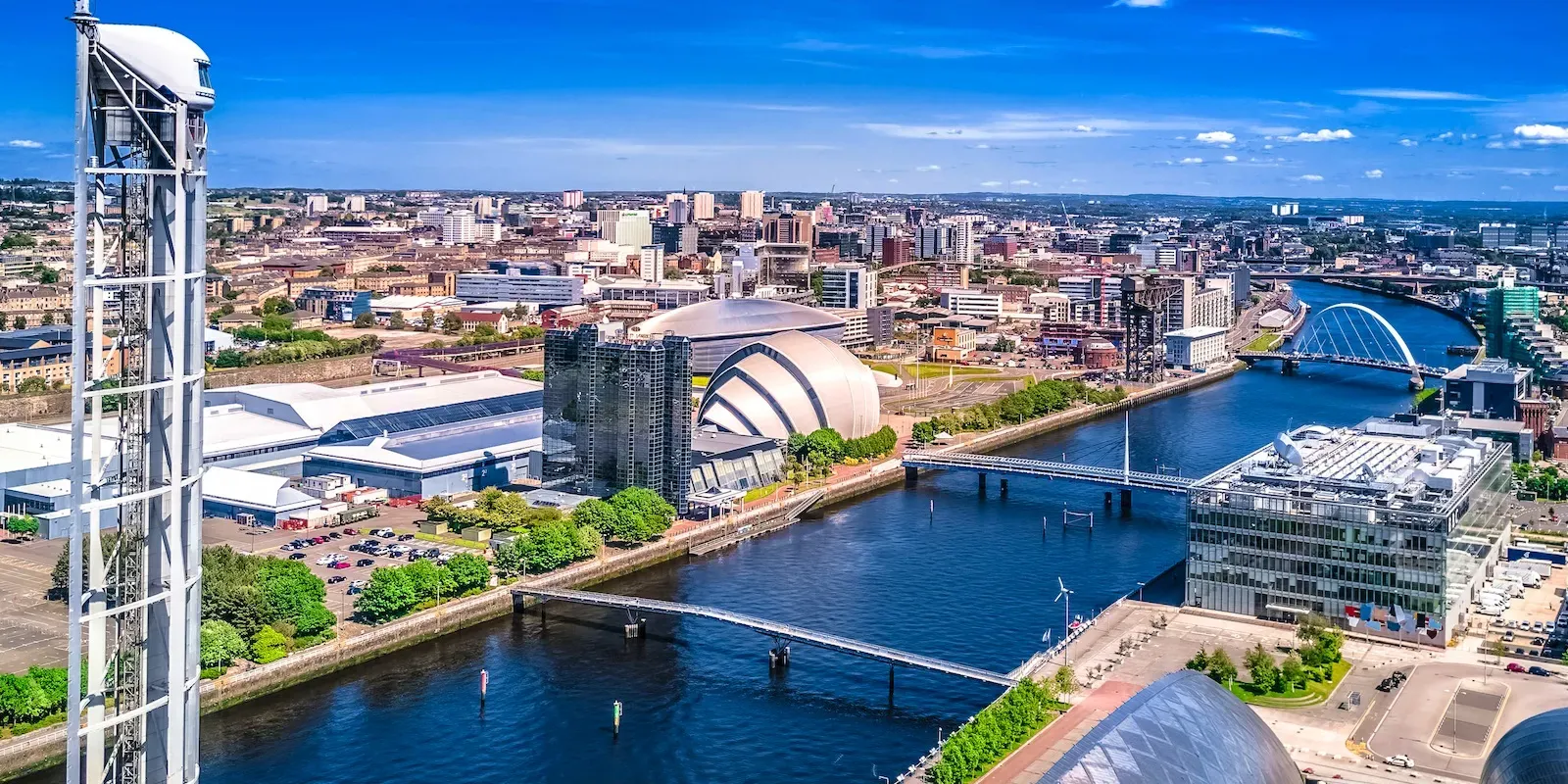
Glasgow: art born from industry
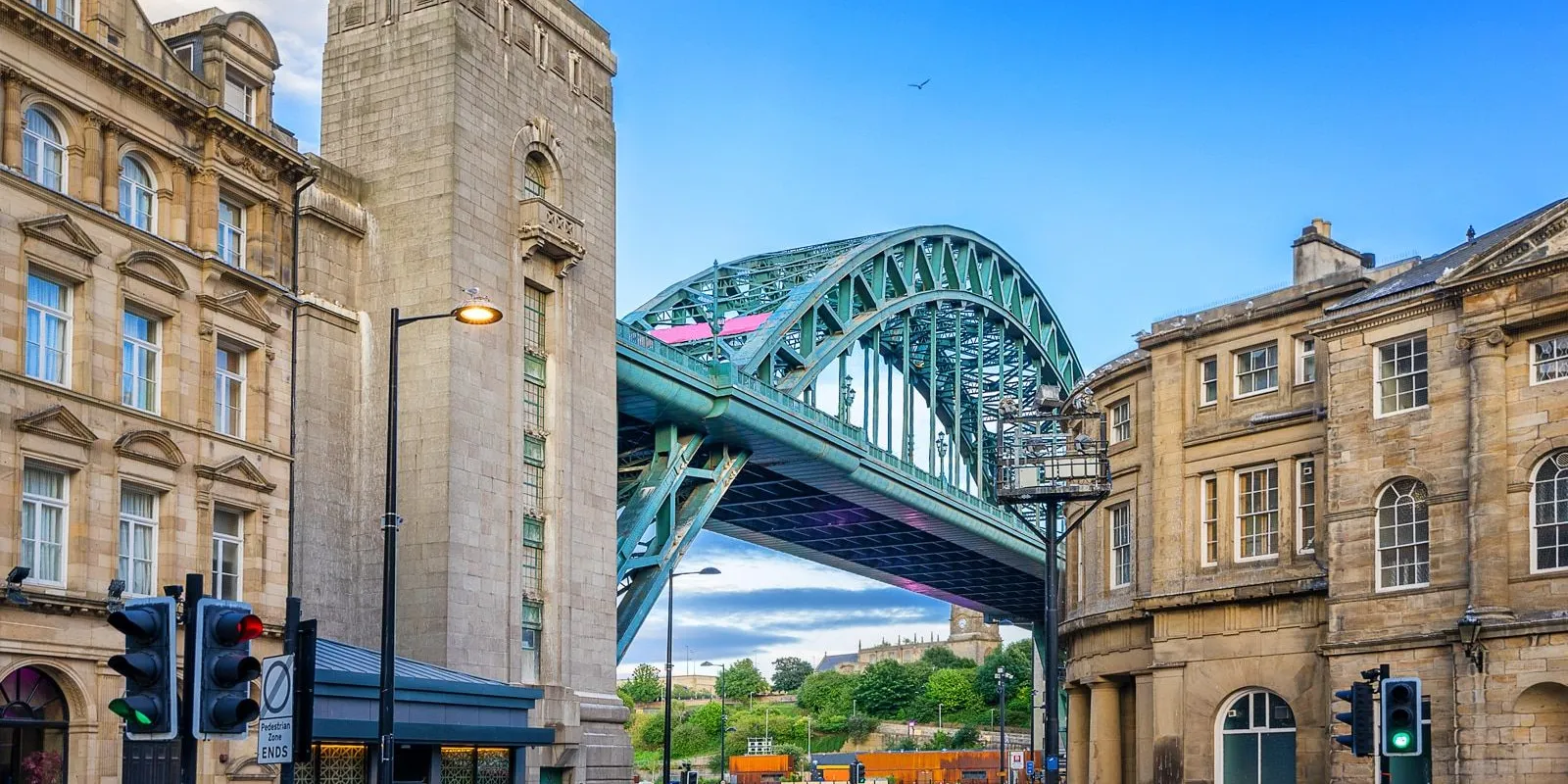
Newcastle: from coal to the bridges of the Tyne
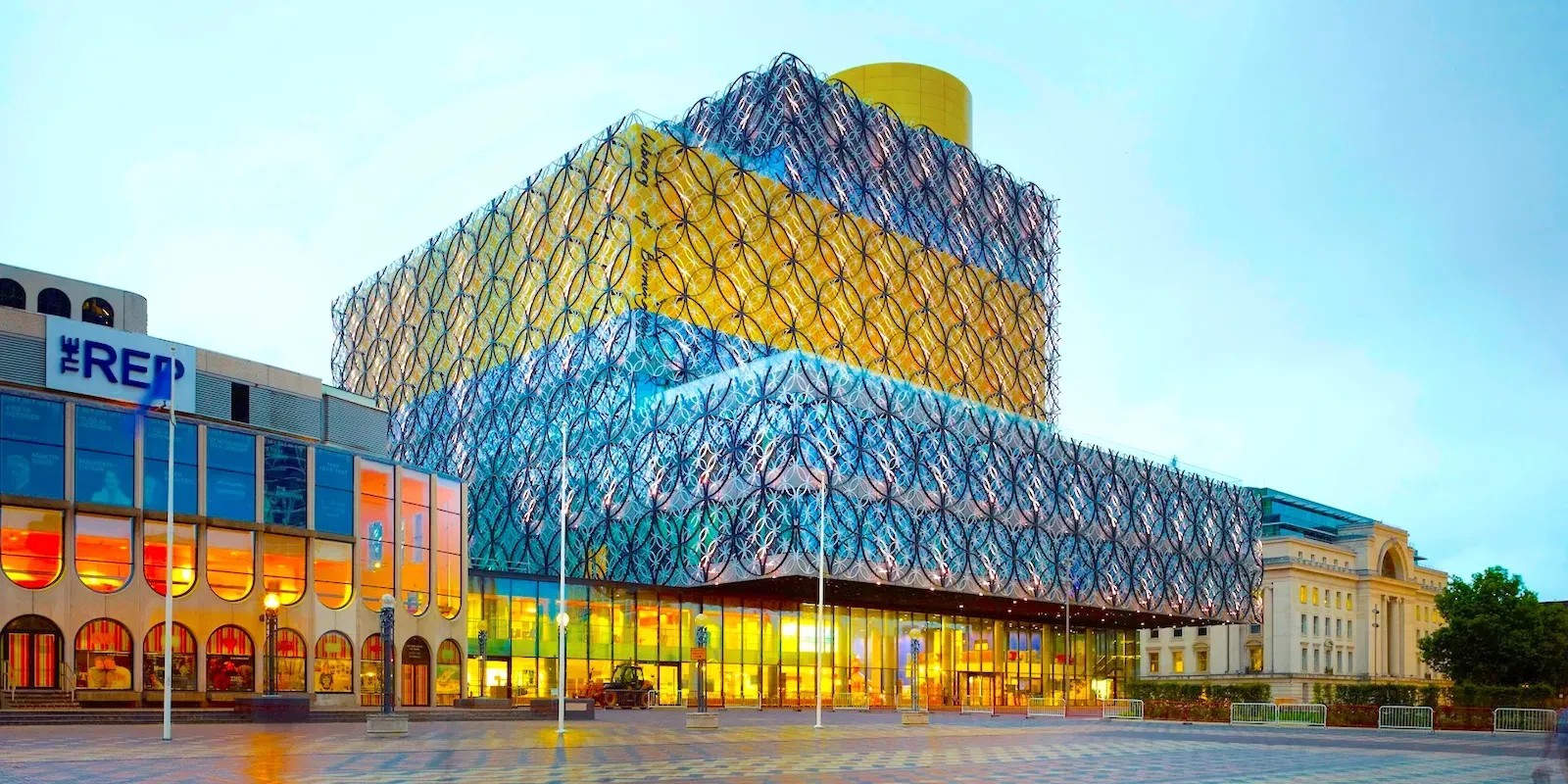
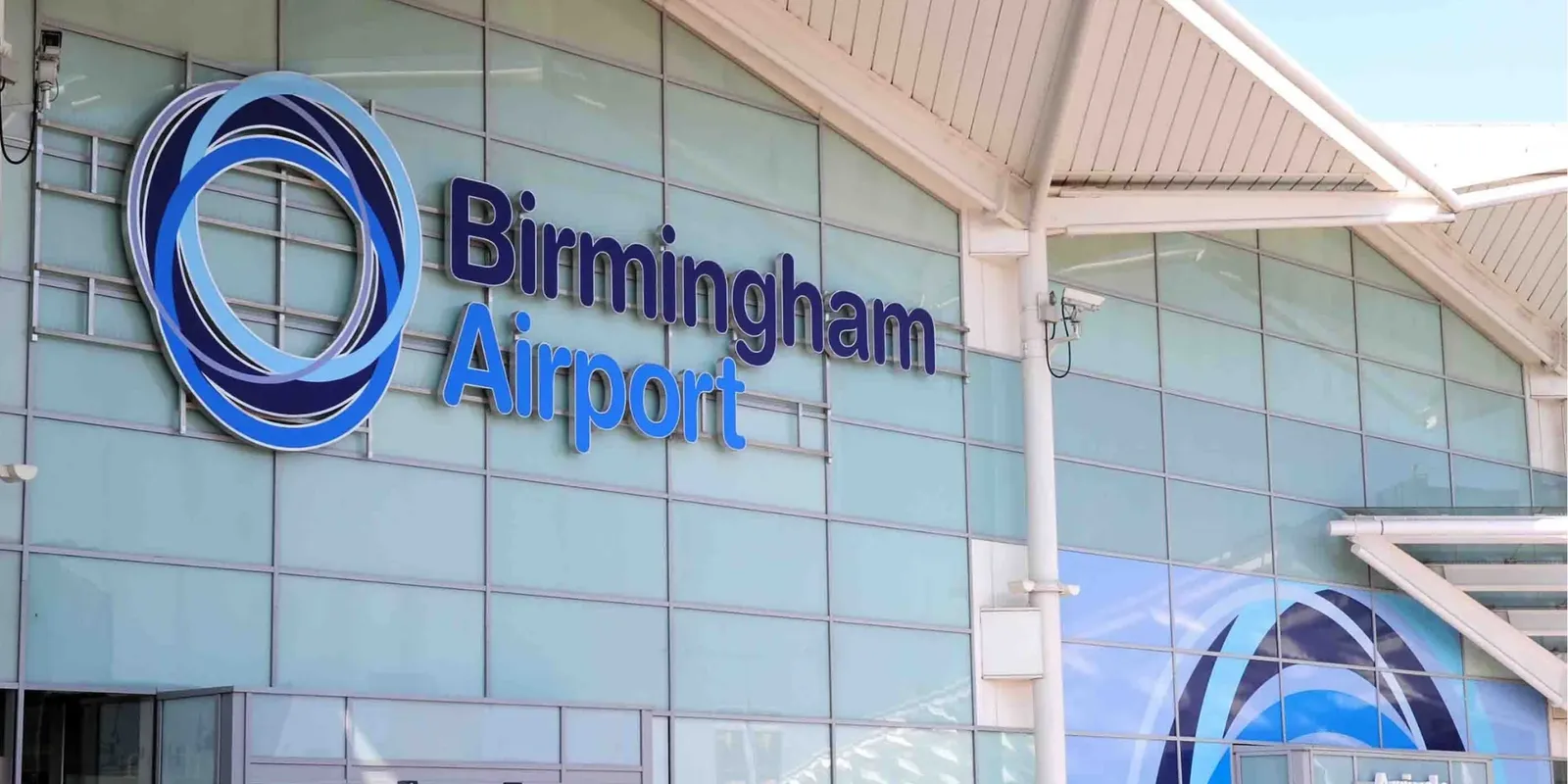
Birmingham: what to see in 1 day
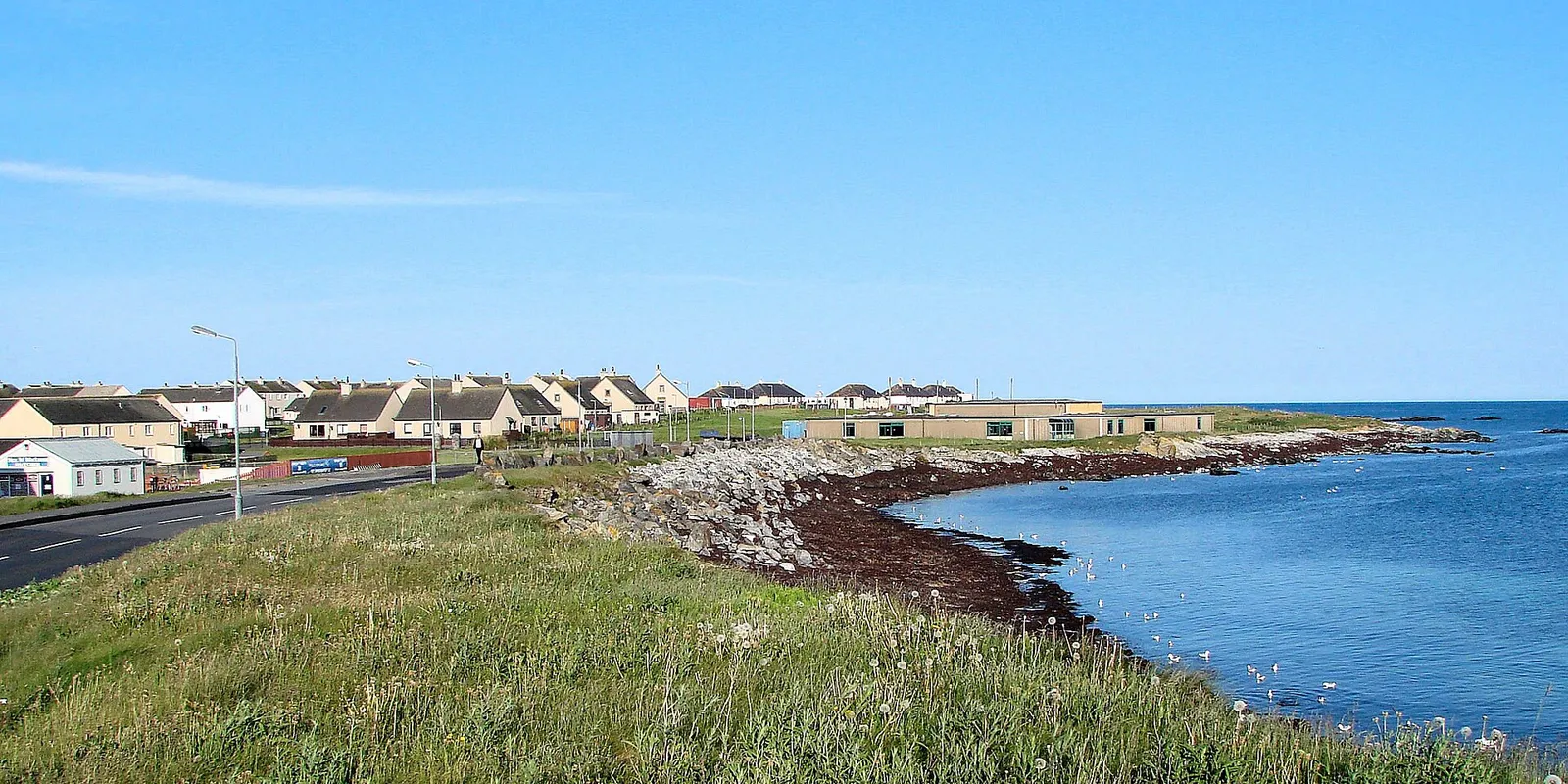
Balivanich: the deserted beaches of the Outer Hebrides
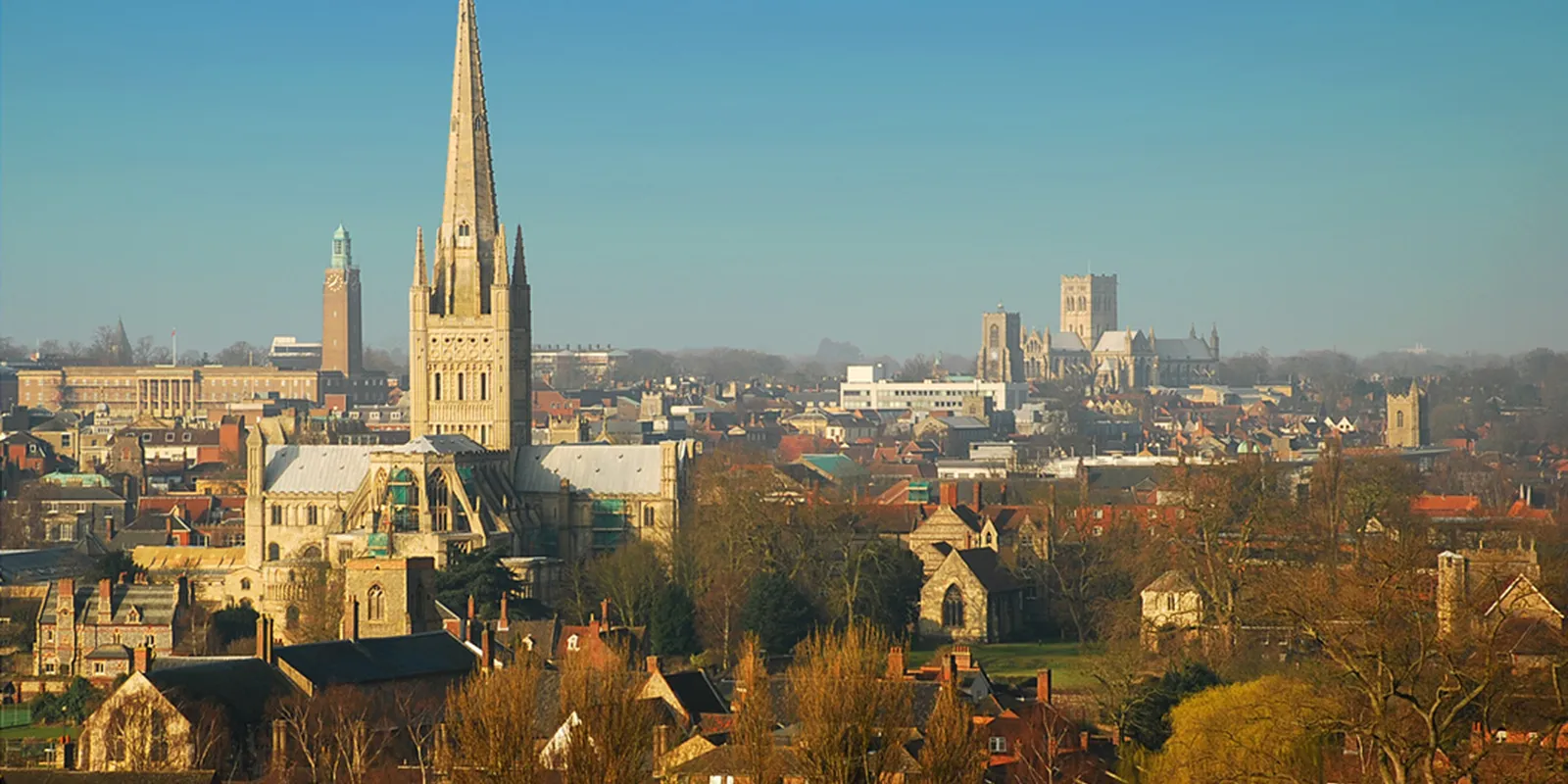
Norwich: a medieval church for every week of the year
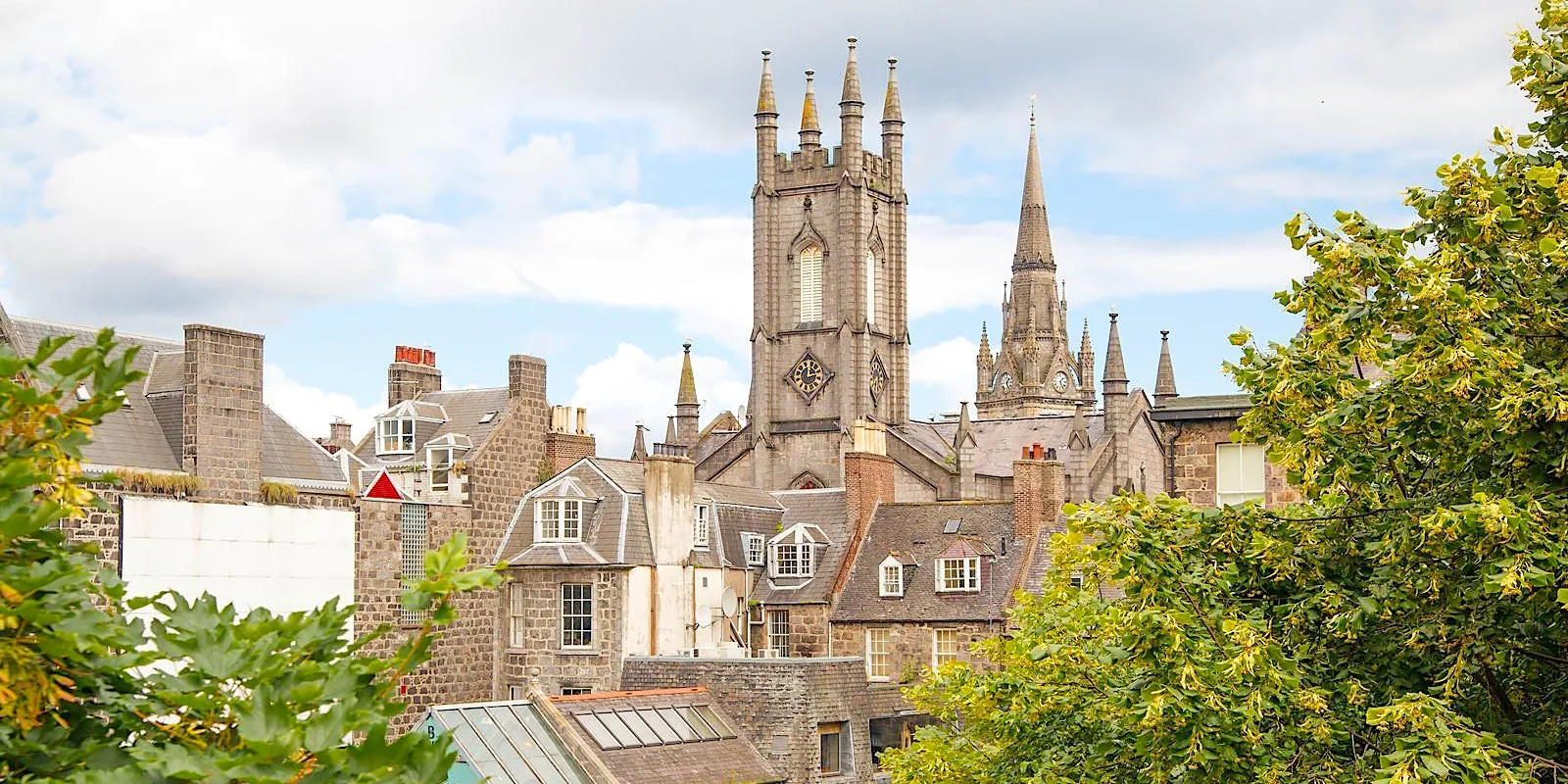
Aberdeen: the grey granite city
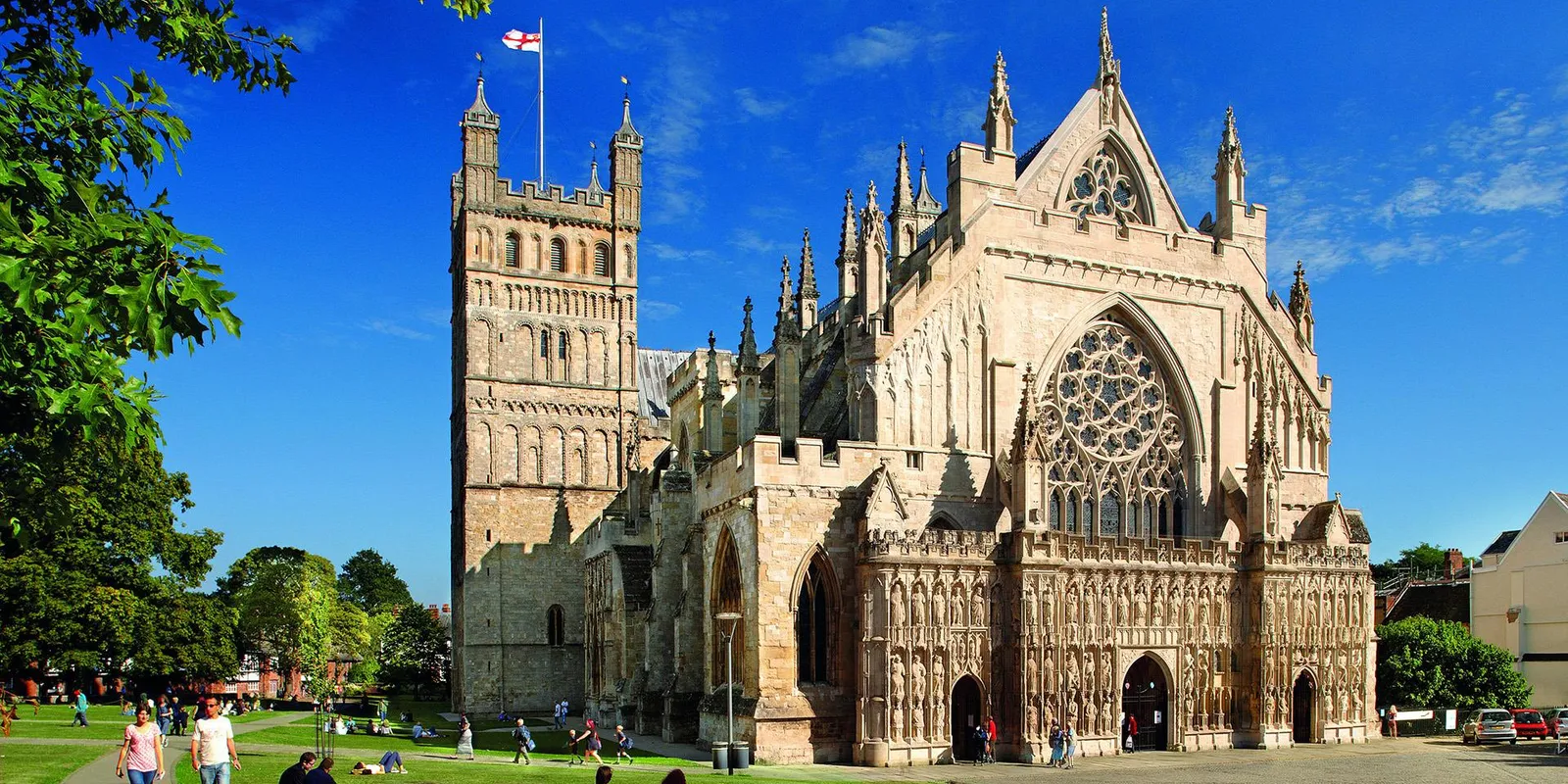
Exeter: the cathedral that survived the bombing
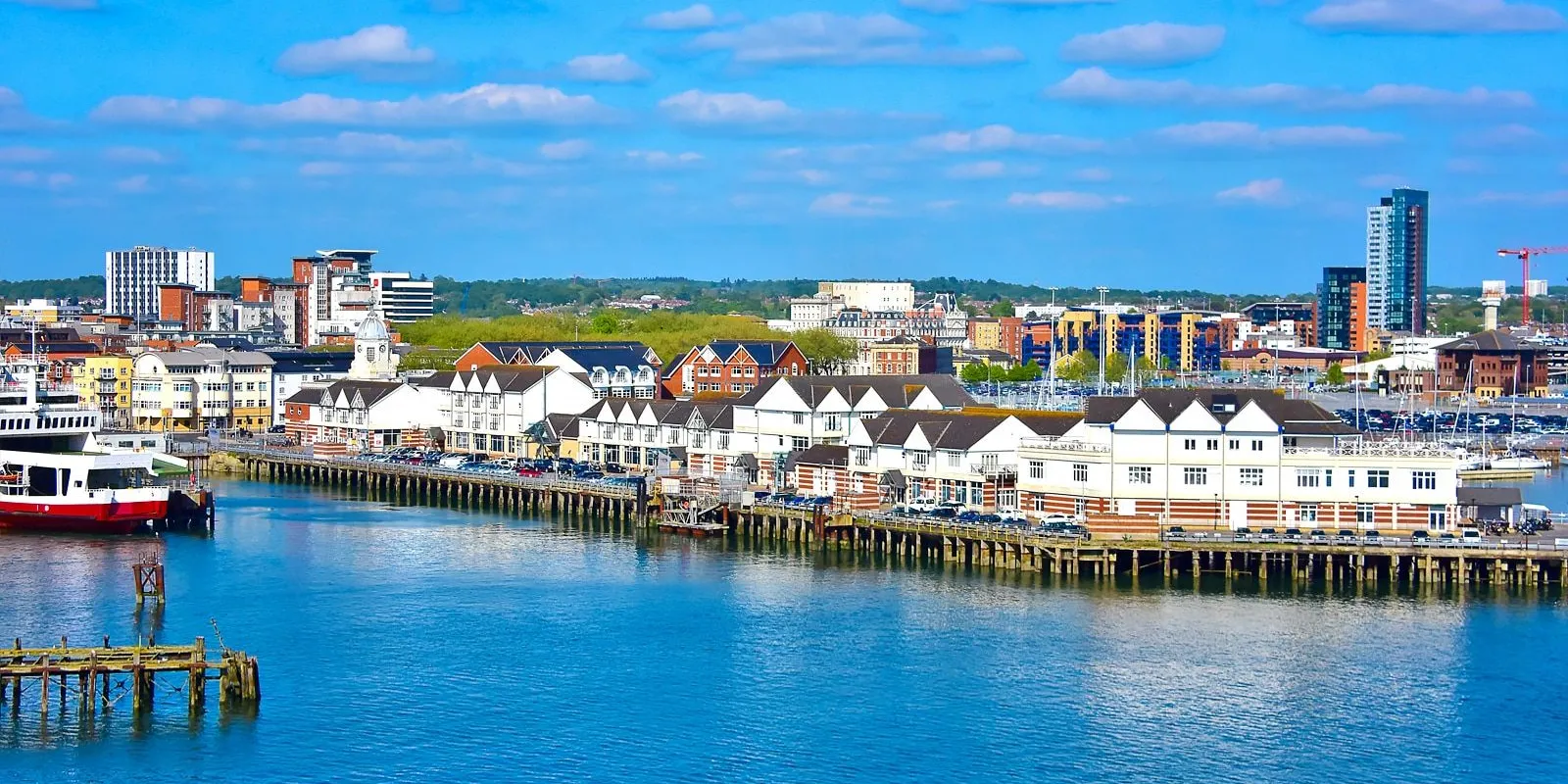
Southampton: where the Titanic sailed for the last time
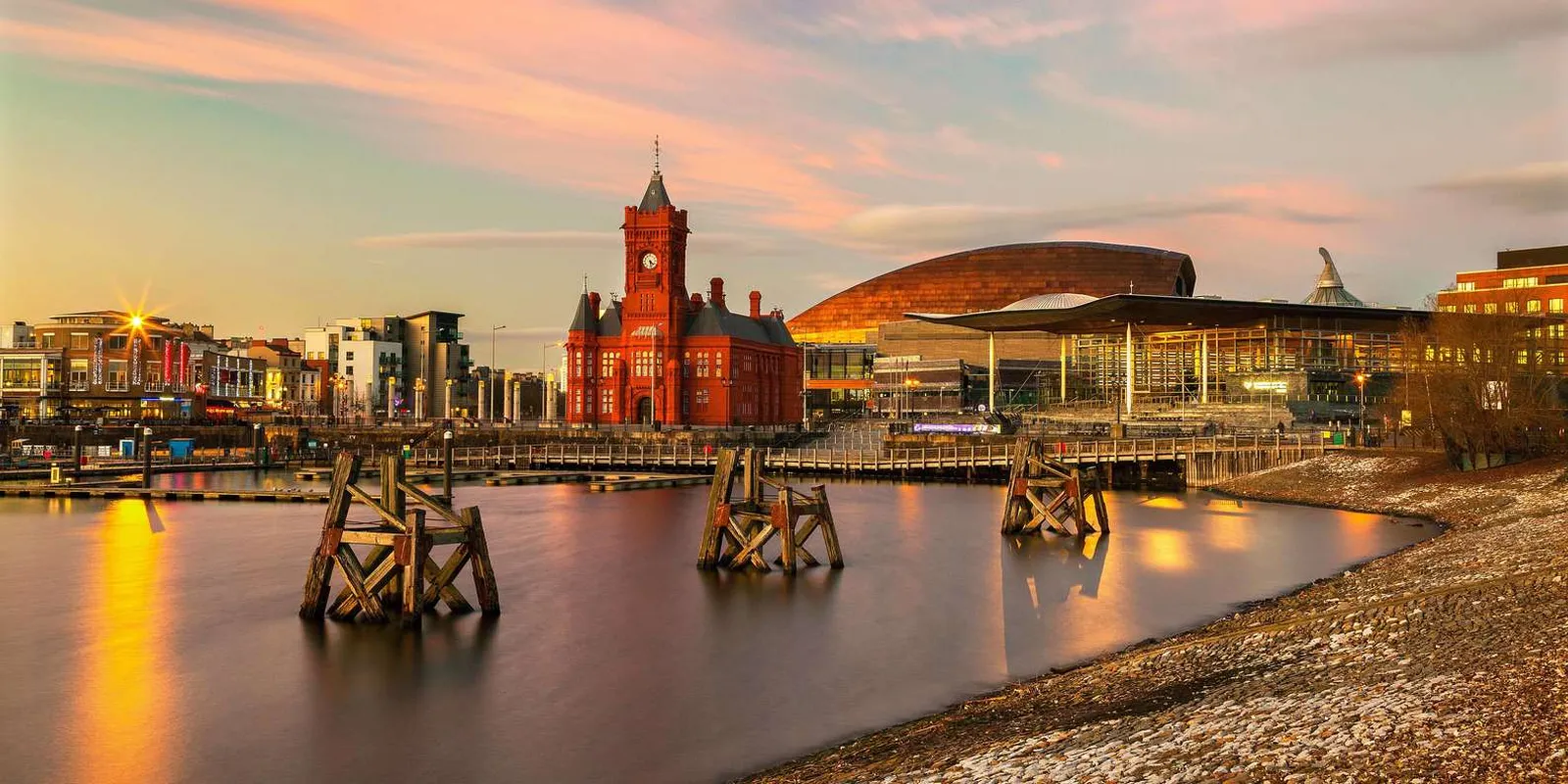
Cardiff: the castle at the heart of the Welsh capital
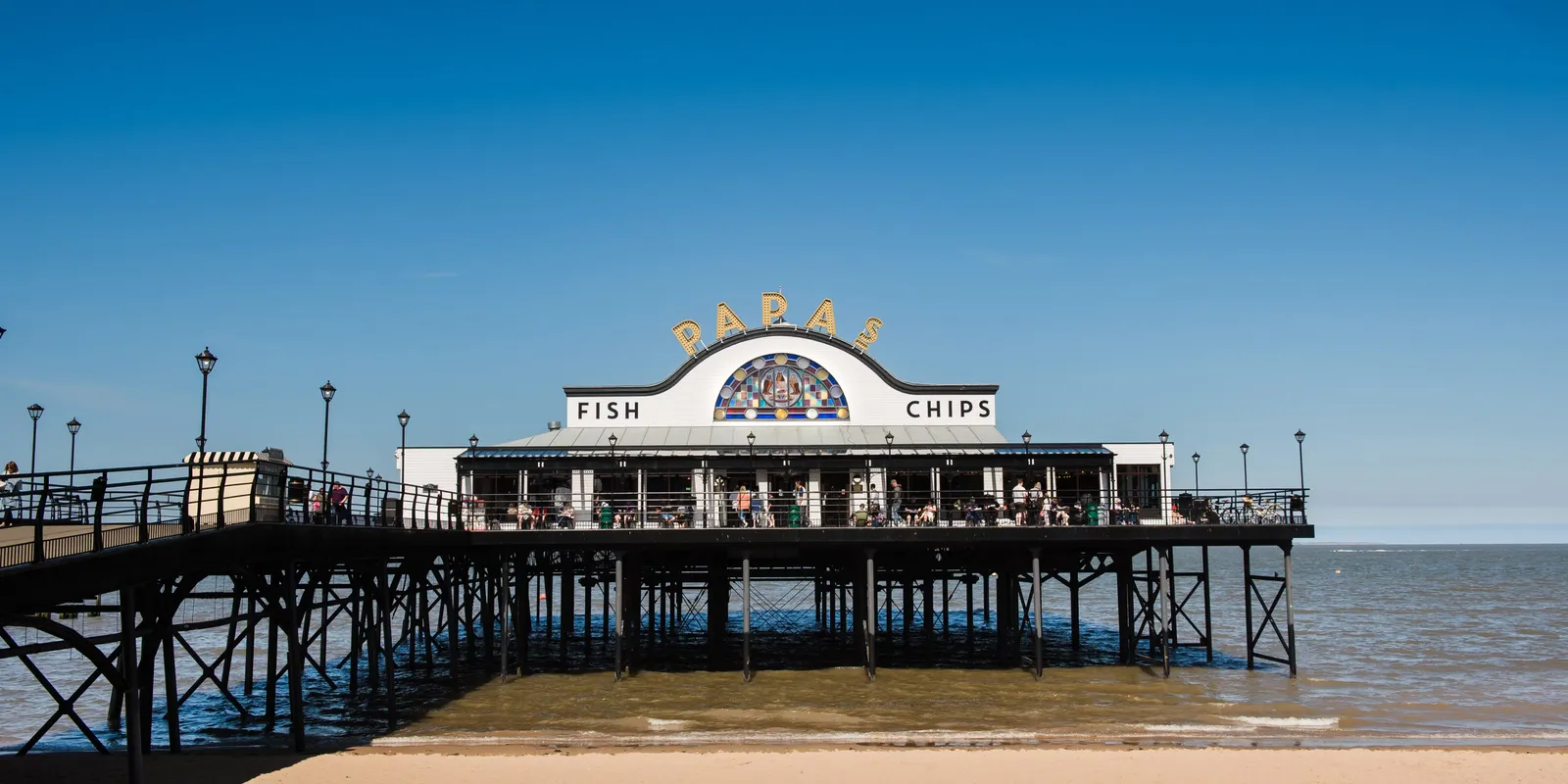
Grimsby: England's most famous fishing port
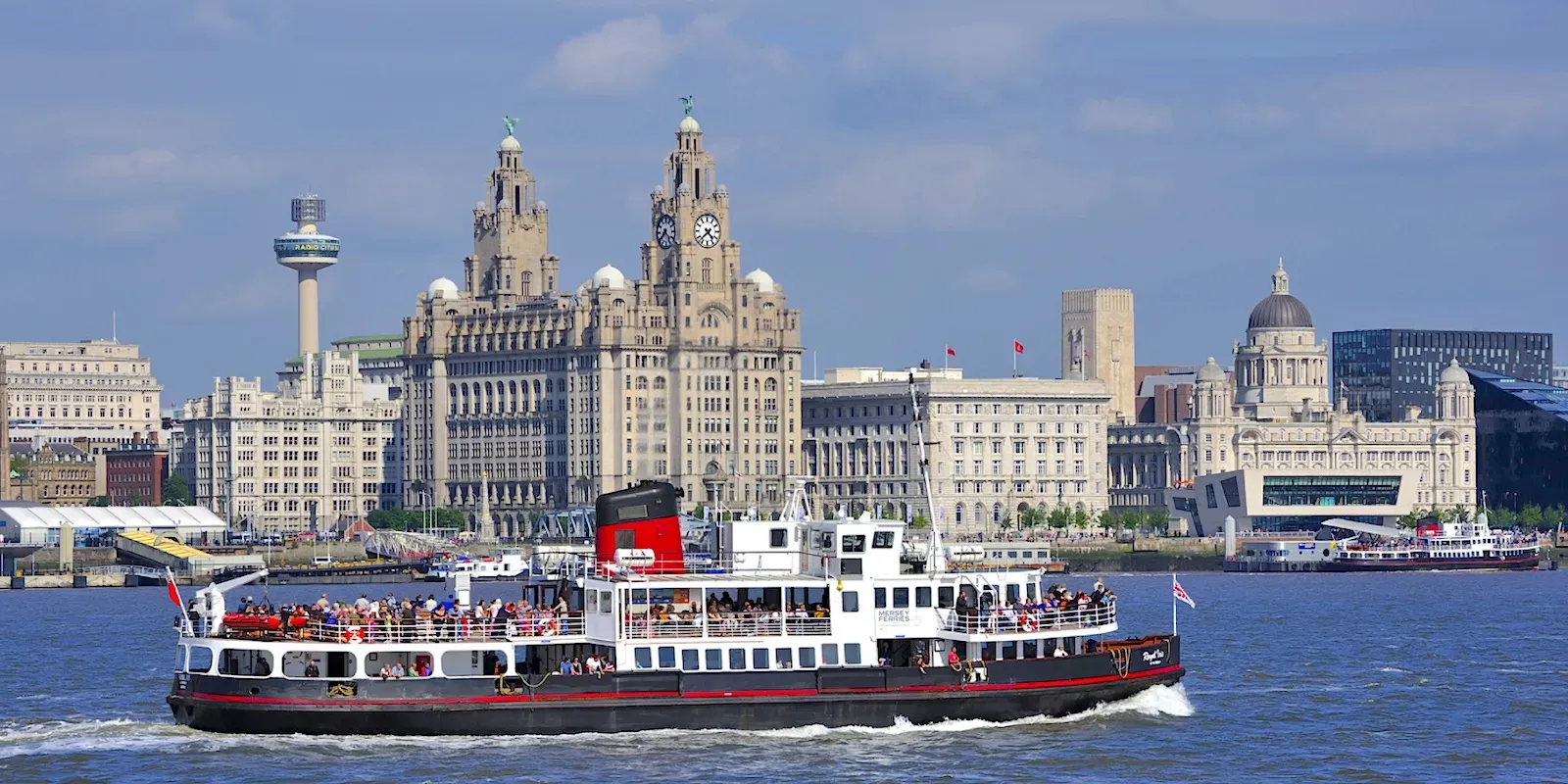
Liverpool: from the docks to the Beatles
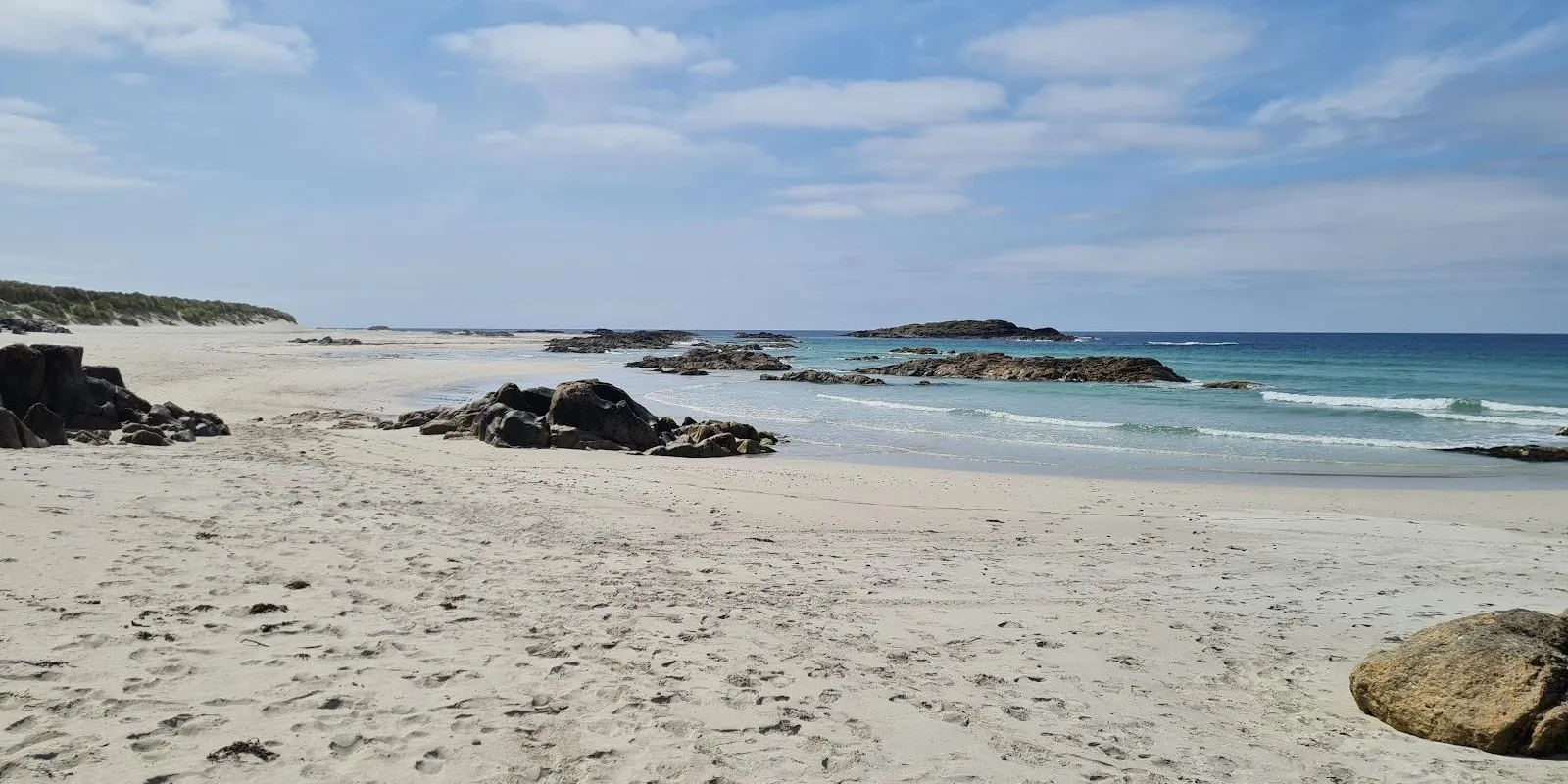
Tiree: Scotland's windsurfing and wind capital
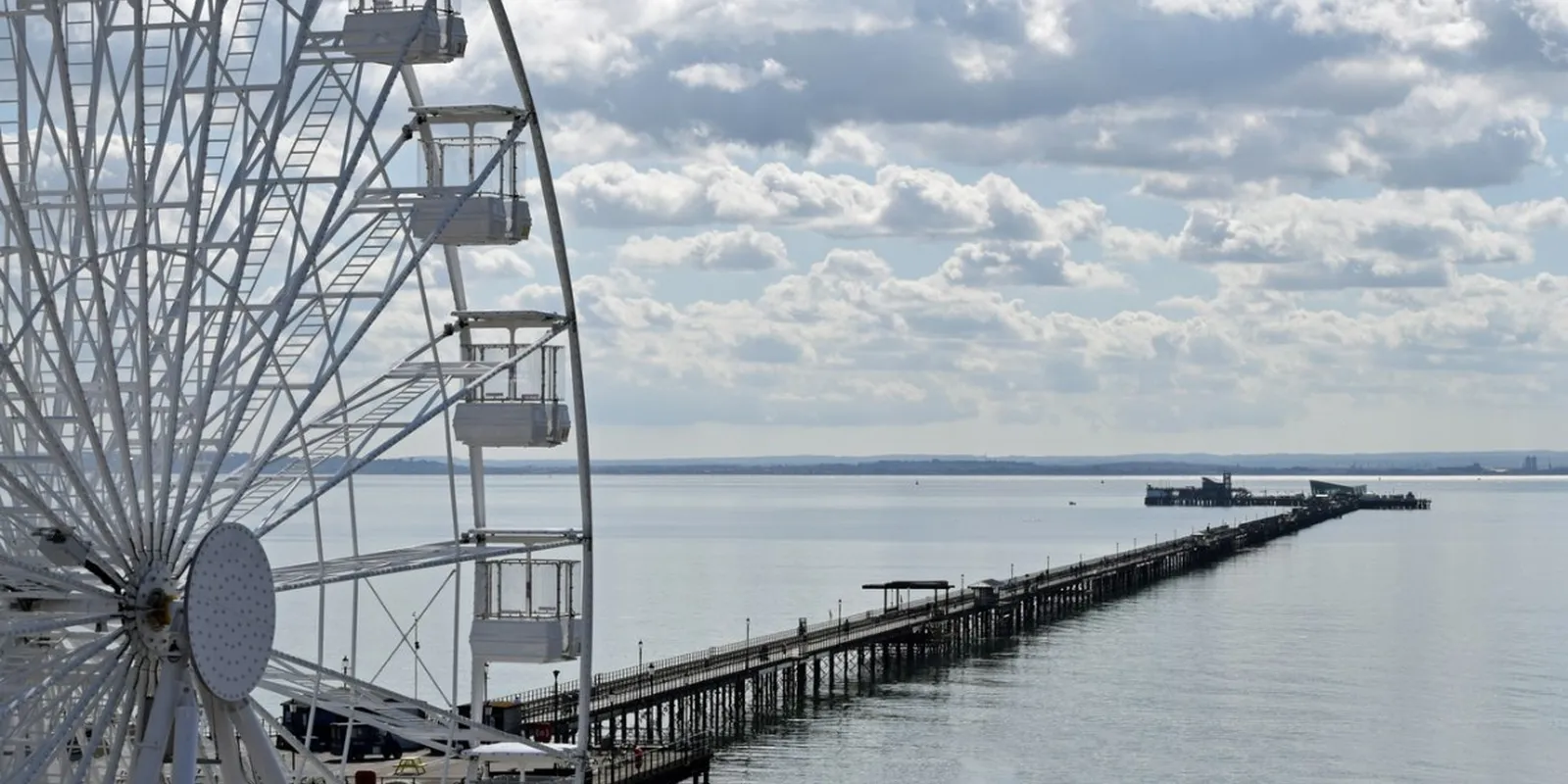
Southend-on-Sea: the longest pleasure pier in the world
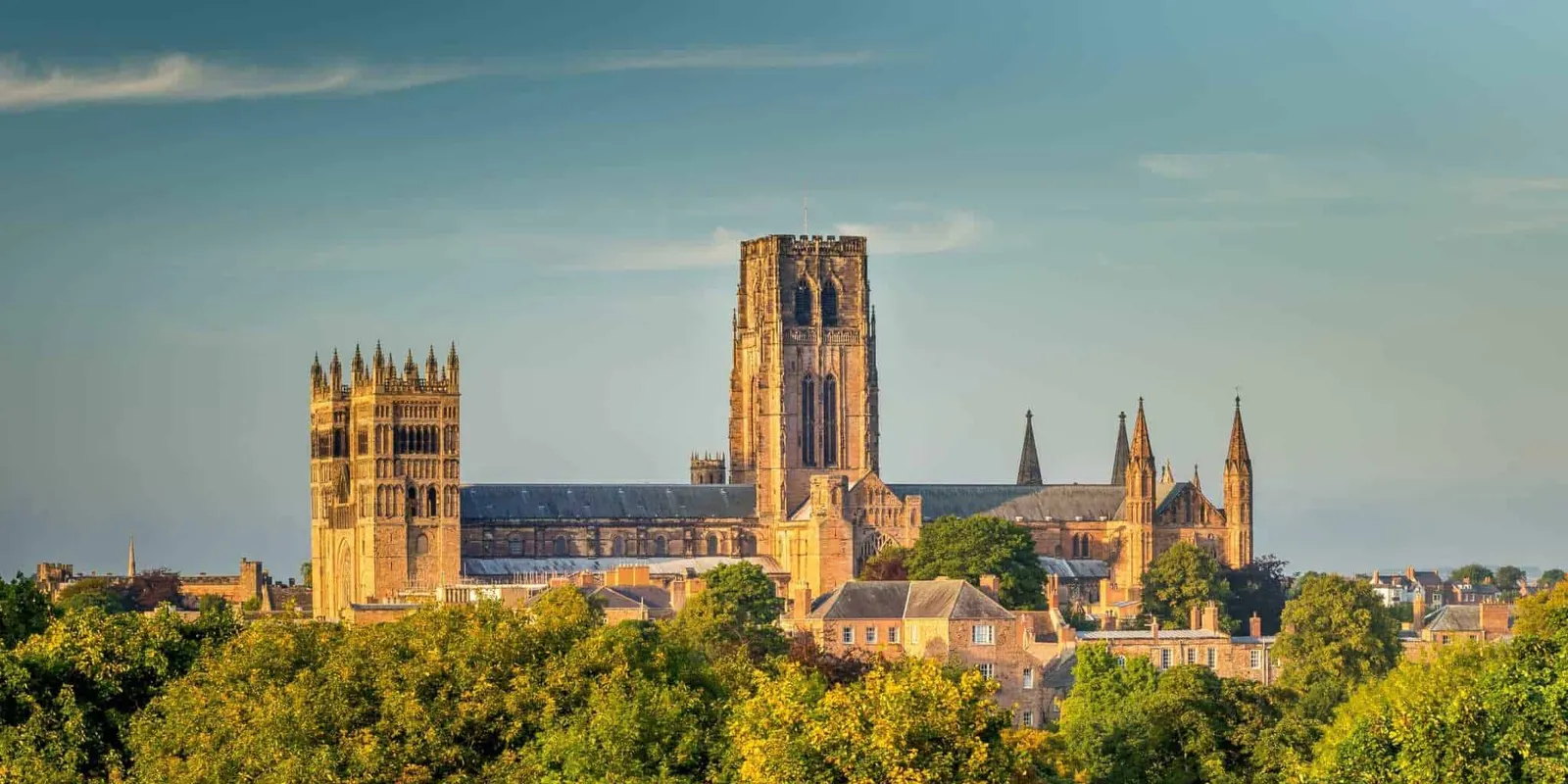
Durham: the Norman cathedral on the river
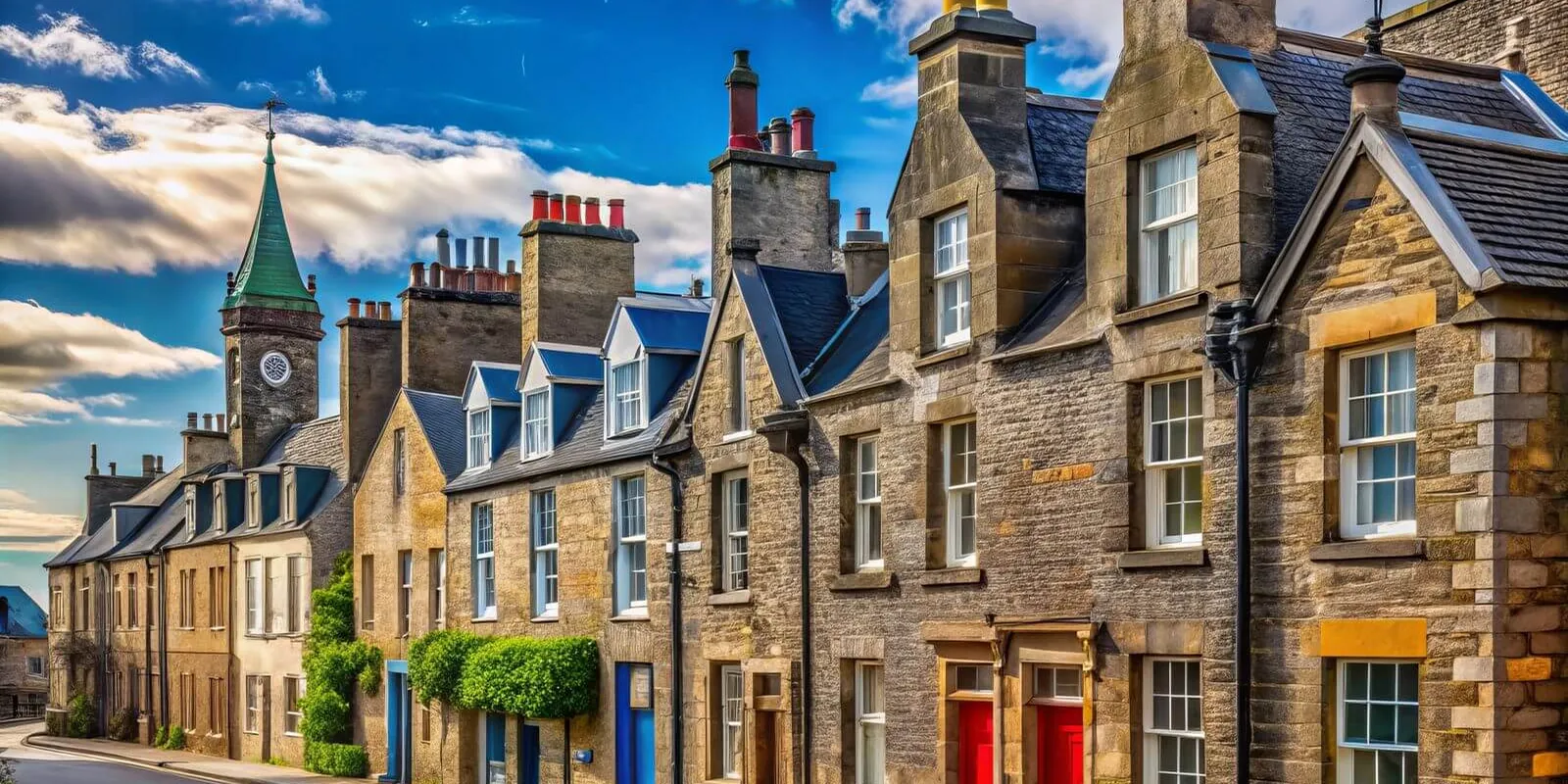
Wick: the last town before John o' Groats
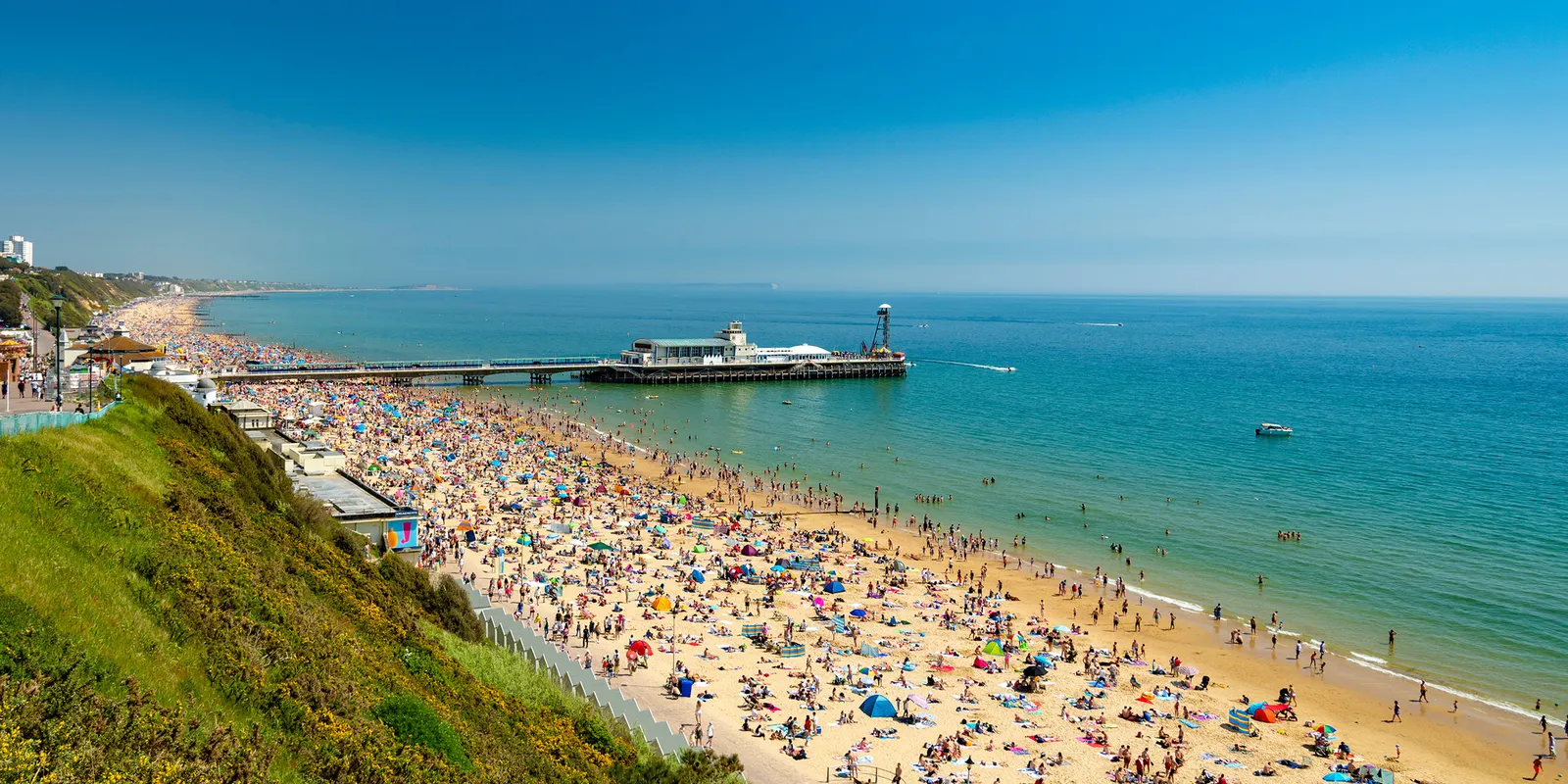
Bournemouth: the Victorian beach of southern England