
South Korea: main airports
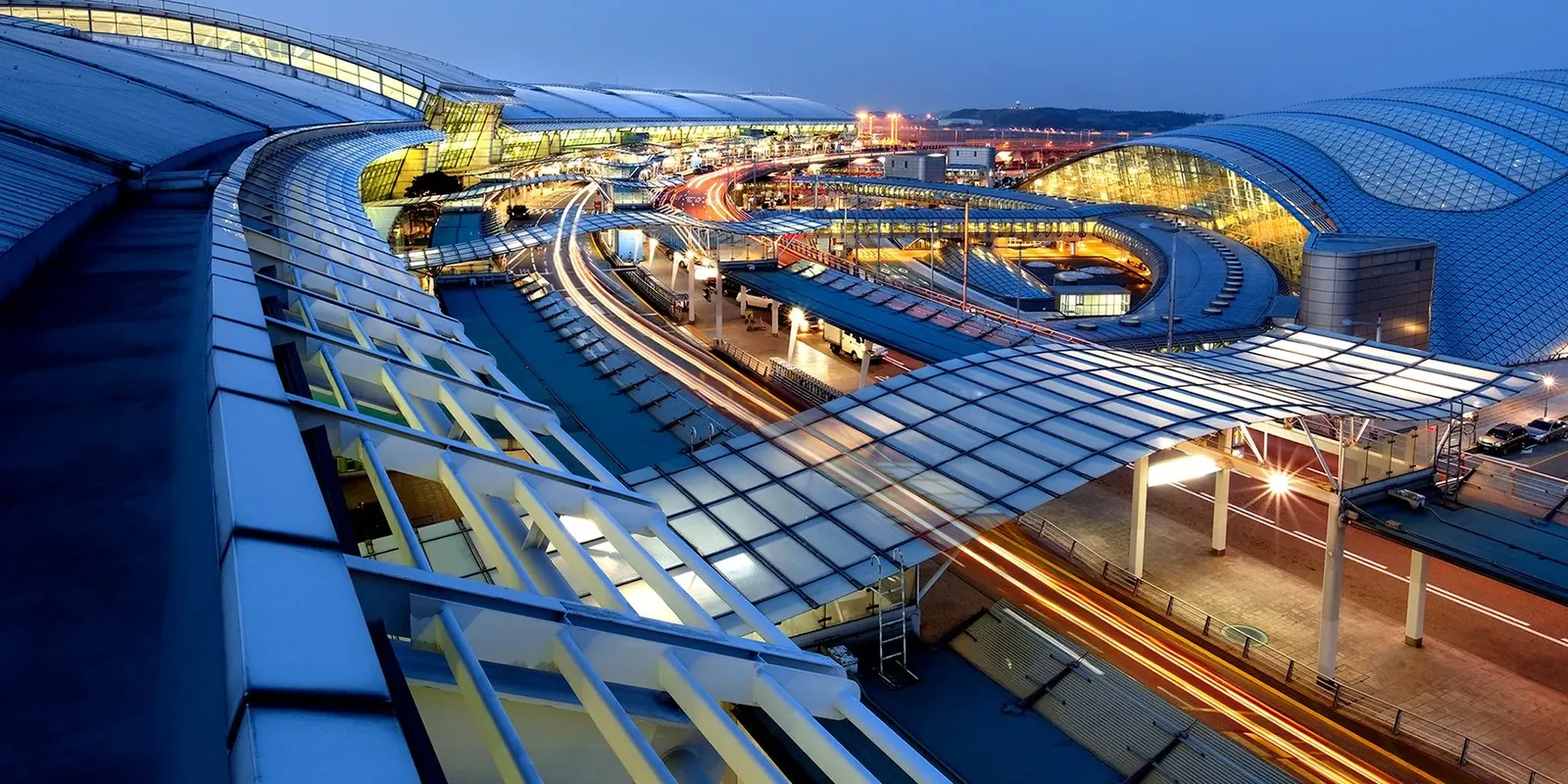
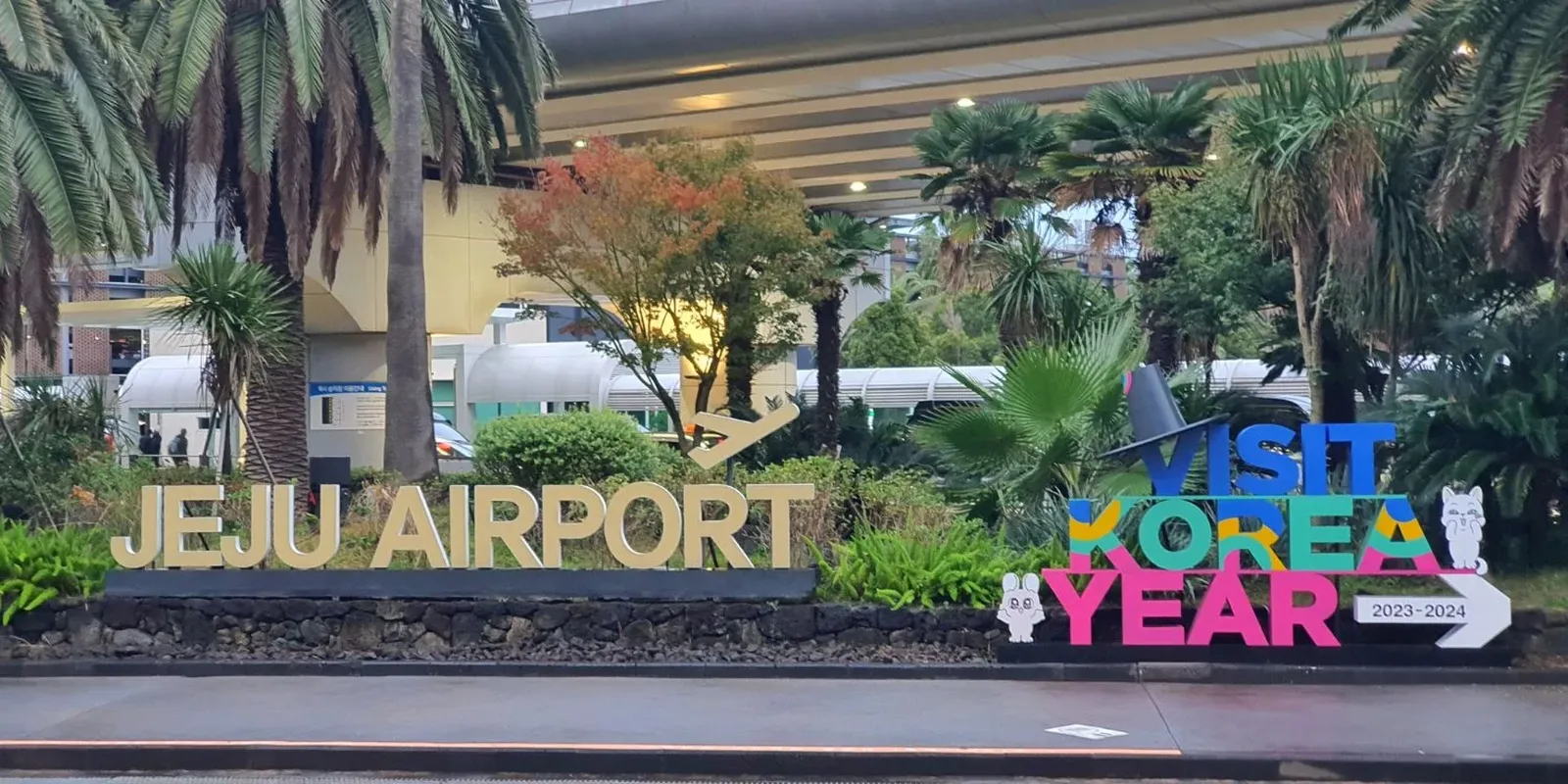
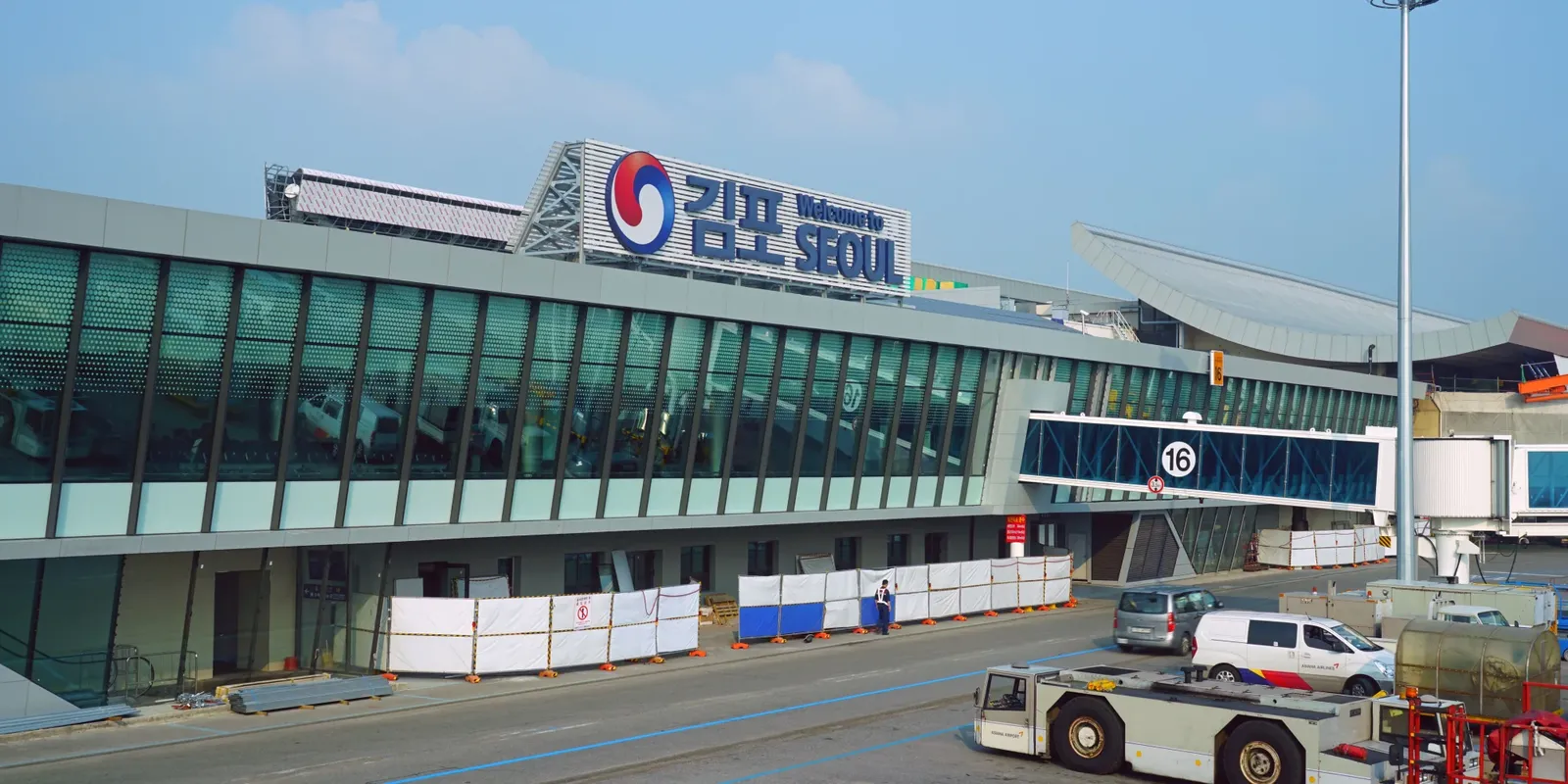
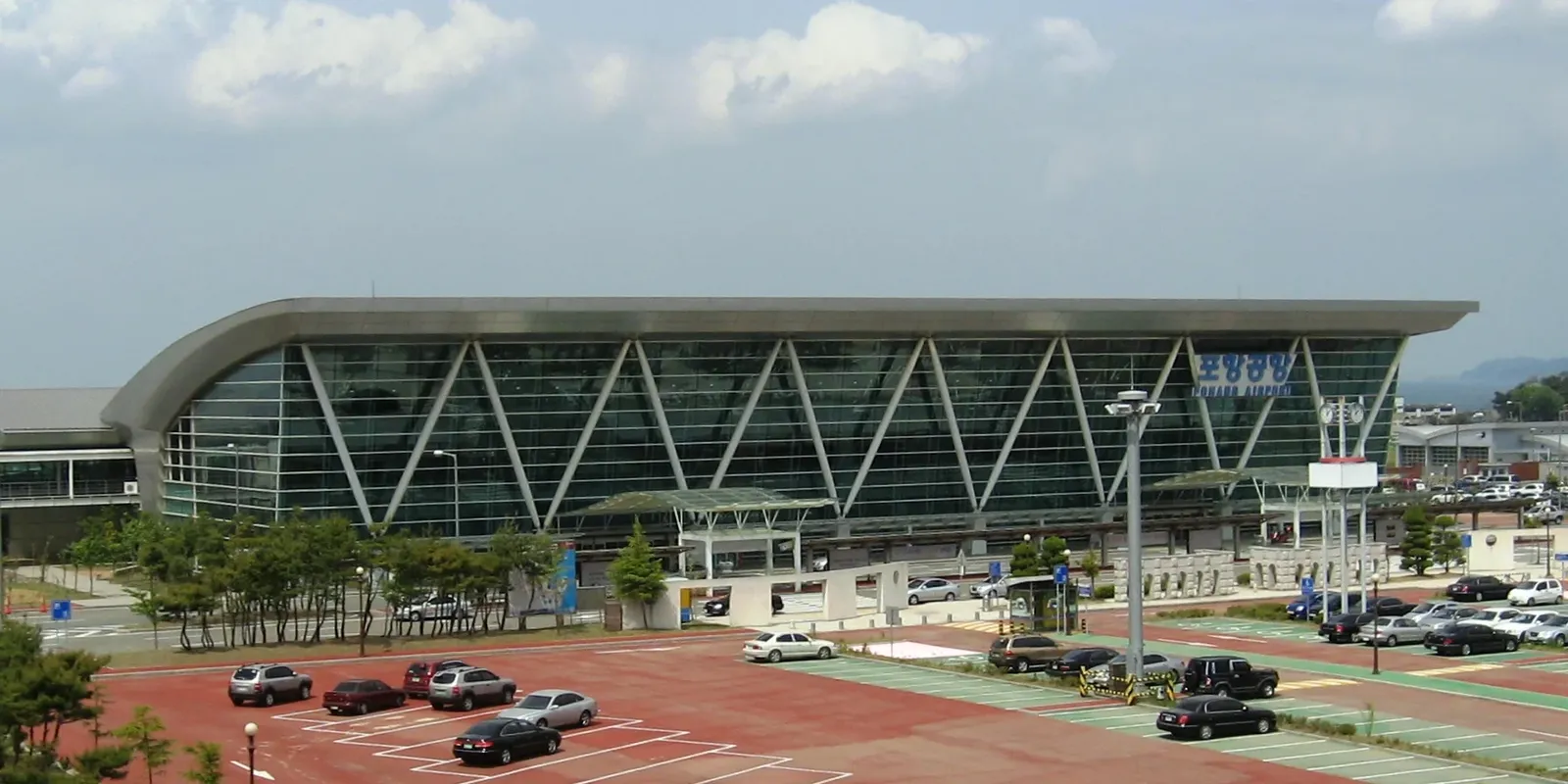
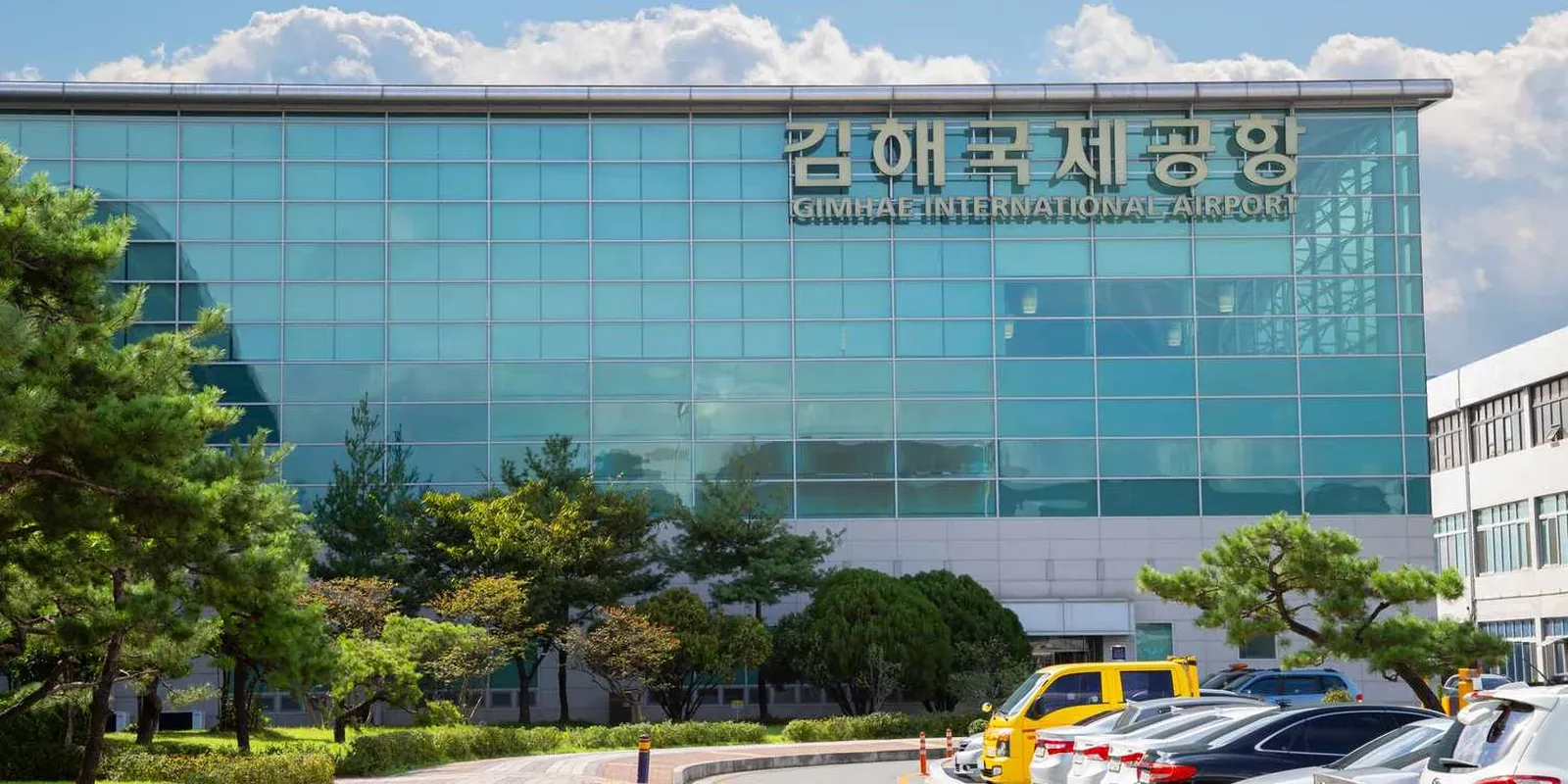
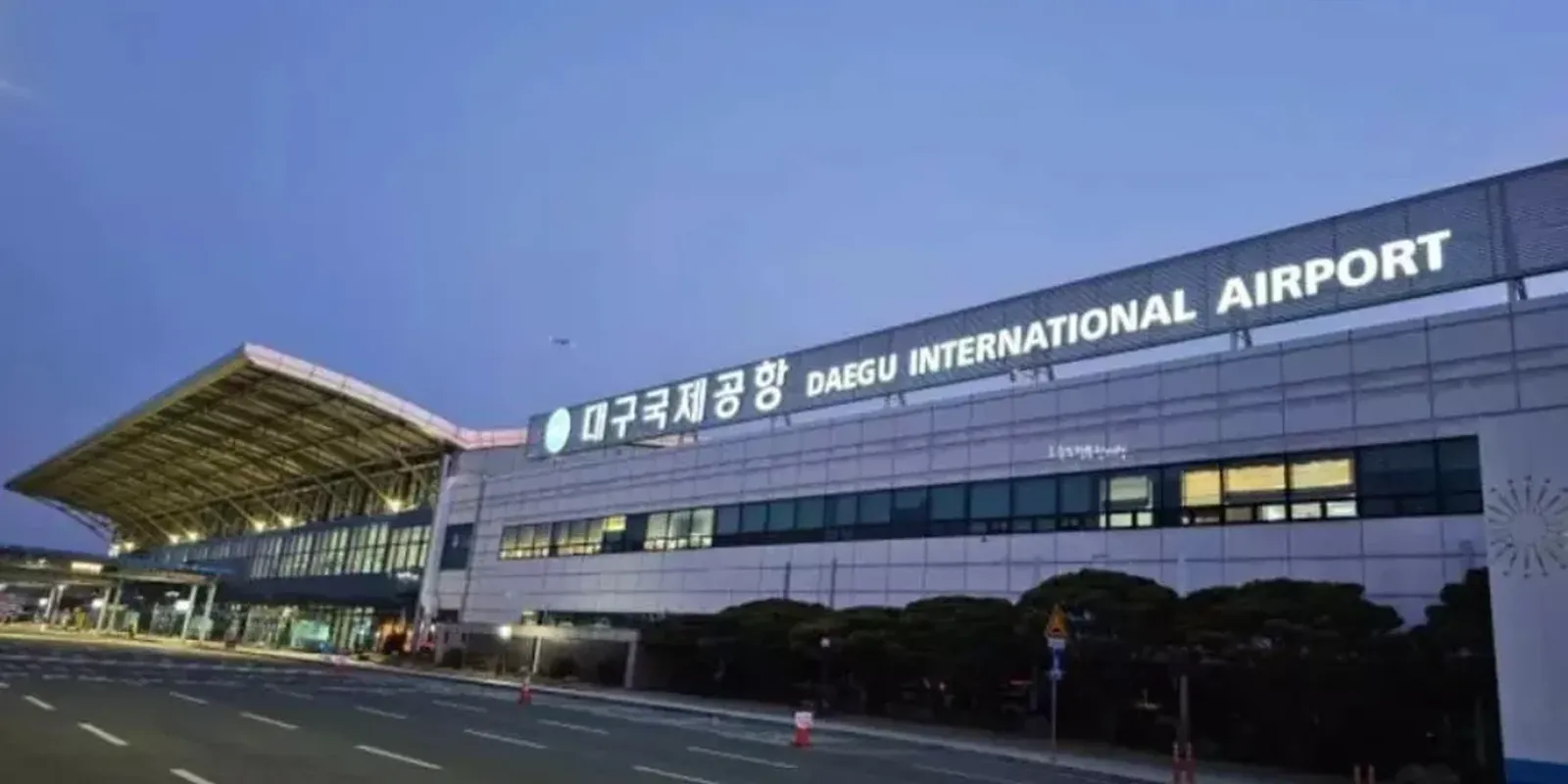
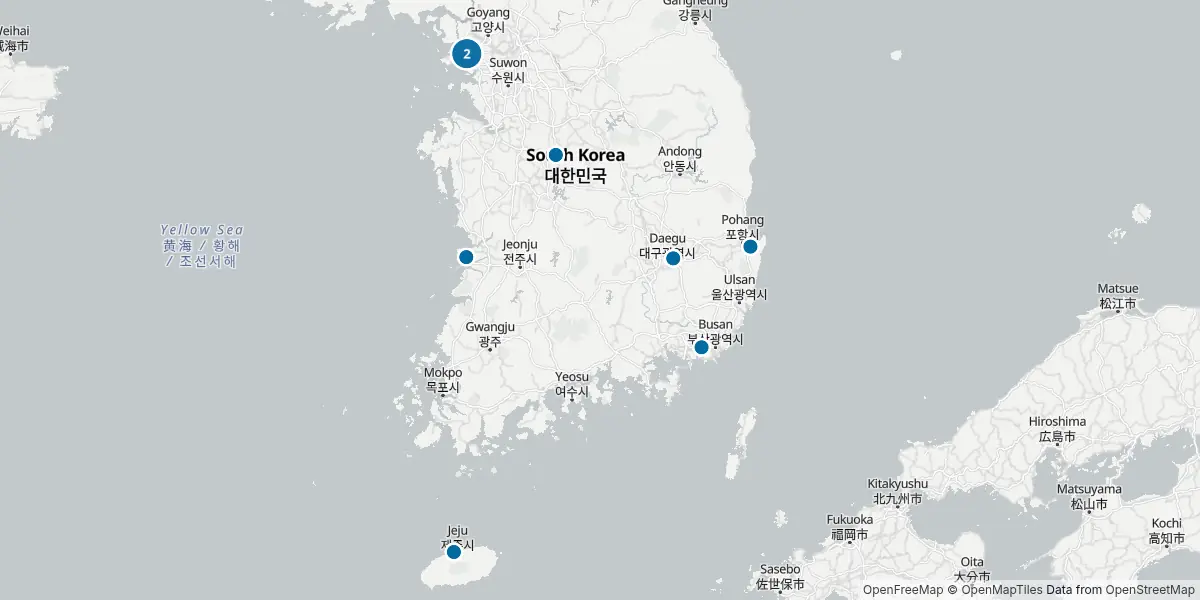
South Korea is served by several airports: Incheon, the main international hub near Seoul, Gimpo, for domestic flights and some regional routes, Busan Gimhae, Jeju, Daegu, Cheongju, Pohang and Gunsan.
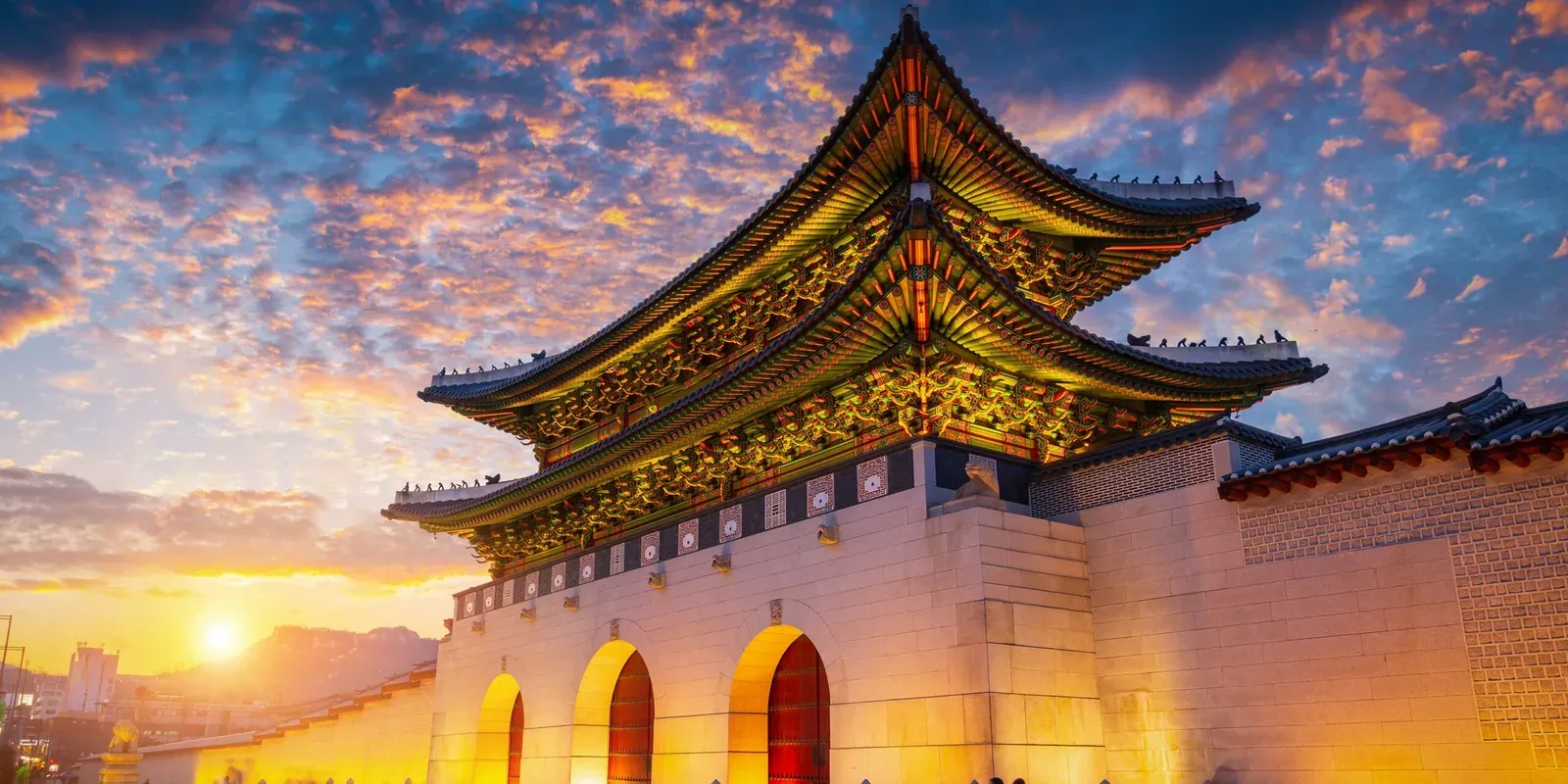
The country offers a mix of hyper-modern metropolises, millennia-old Buddhist temples, royal palaces and the volcanic island of Jeju.
South Korea: recommended activities
South Korea: visa and entry requirements
Many nationalities (including Italy) can enter without a visa for tourist stays of up to 90 days. Since 2026, citizens of countries exempt from K-ETA can use the free online E-Arrival Card before departure; those not covered by the temporary exemption must apply for the K-ETA (10,000 KRW, valid 3 years) before travelling.
Always check the up-to-date requirements, as K-ETA exemptions are subject to periodic renewal.
South Korea: safety
South Korea is generally considered one of the safest countries in the world, with violent crime very rare.
The usual precautions apply for the border areas with North Korea (the Joint Security Area/DMZ), visitable only through authorised organised tours. Always check your country's up-to-date travel advisories.
South Korea: health situation
No mandatory vaccinations are required for entry from Europe or North America. Tap water is generally drinkable in large cities, although many residents nonetheless prefer filtered or bottled water.
The healthcare system is of an excellent standard: always carry adequate travel insurance.
South Korea: currency, payments and connectivity
The currency is the South Korean won (KRW). The official language is Korean; English is widespread in large cities and tourist spots, less so in rural areas.
A rechargeable T-money card is very useful for the metro, buses and taxis throughout the country. Tipping is neither expected nor customary in South Korea.
South Korea: travel guides
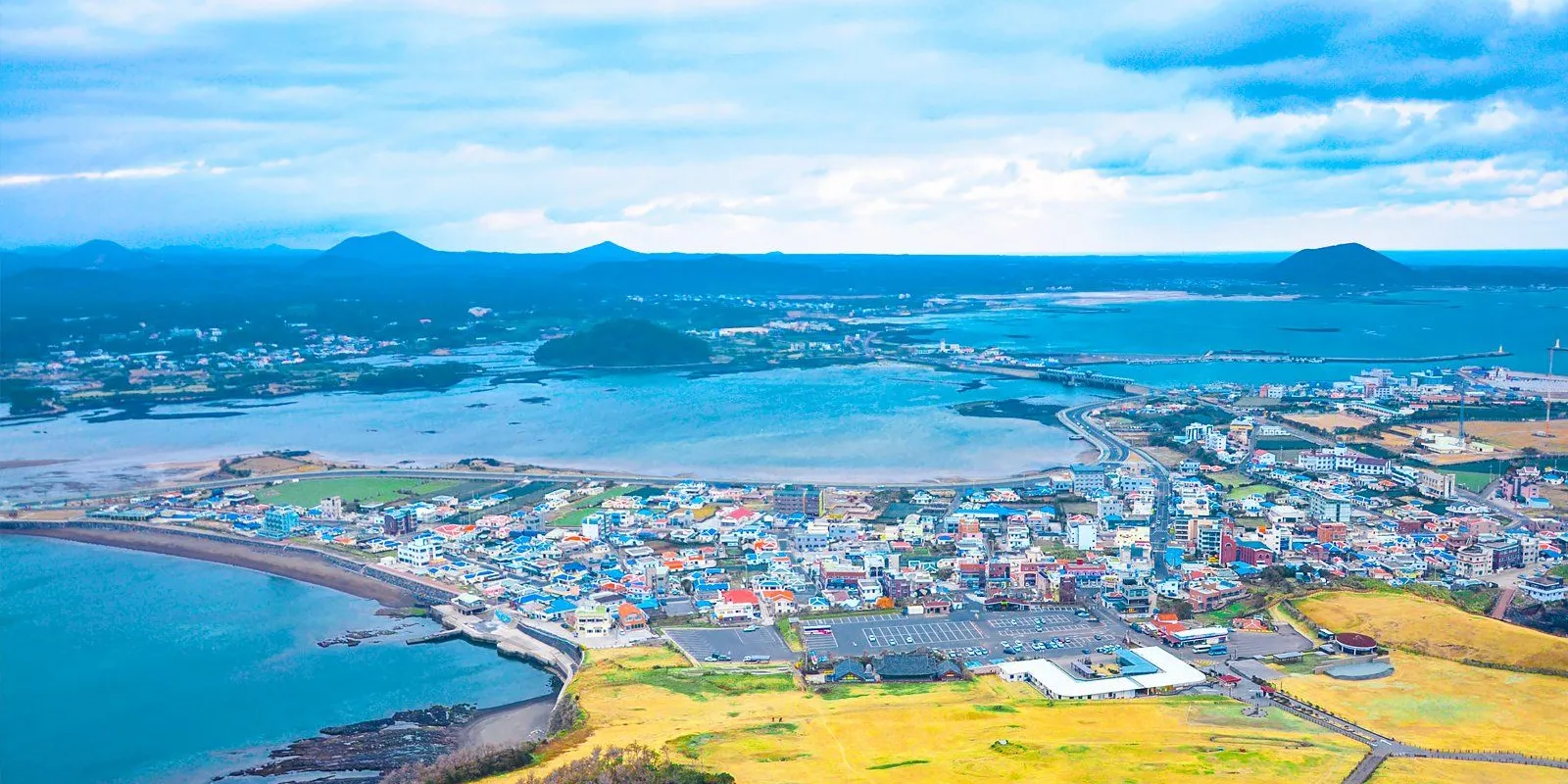
Jeju: volcanoes, lava tubes and sea divers
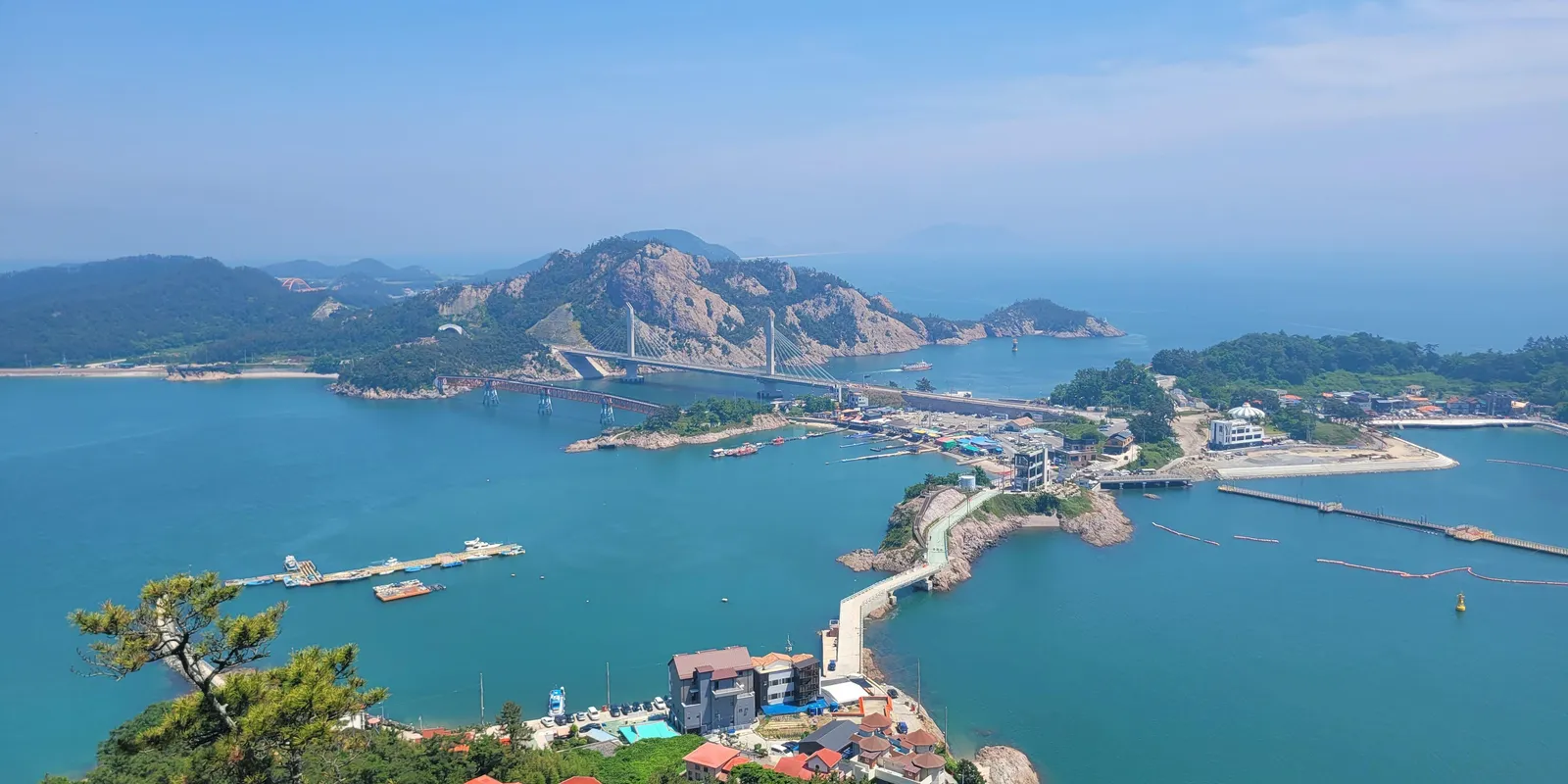
Gunsan: Japanese colonial architecture on the Yellow Sea
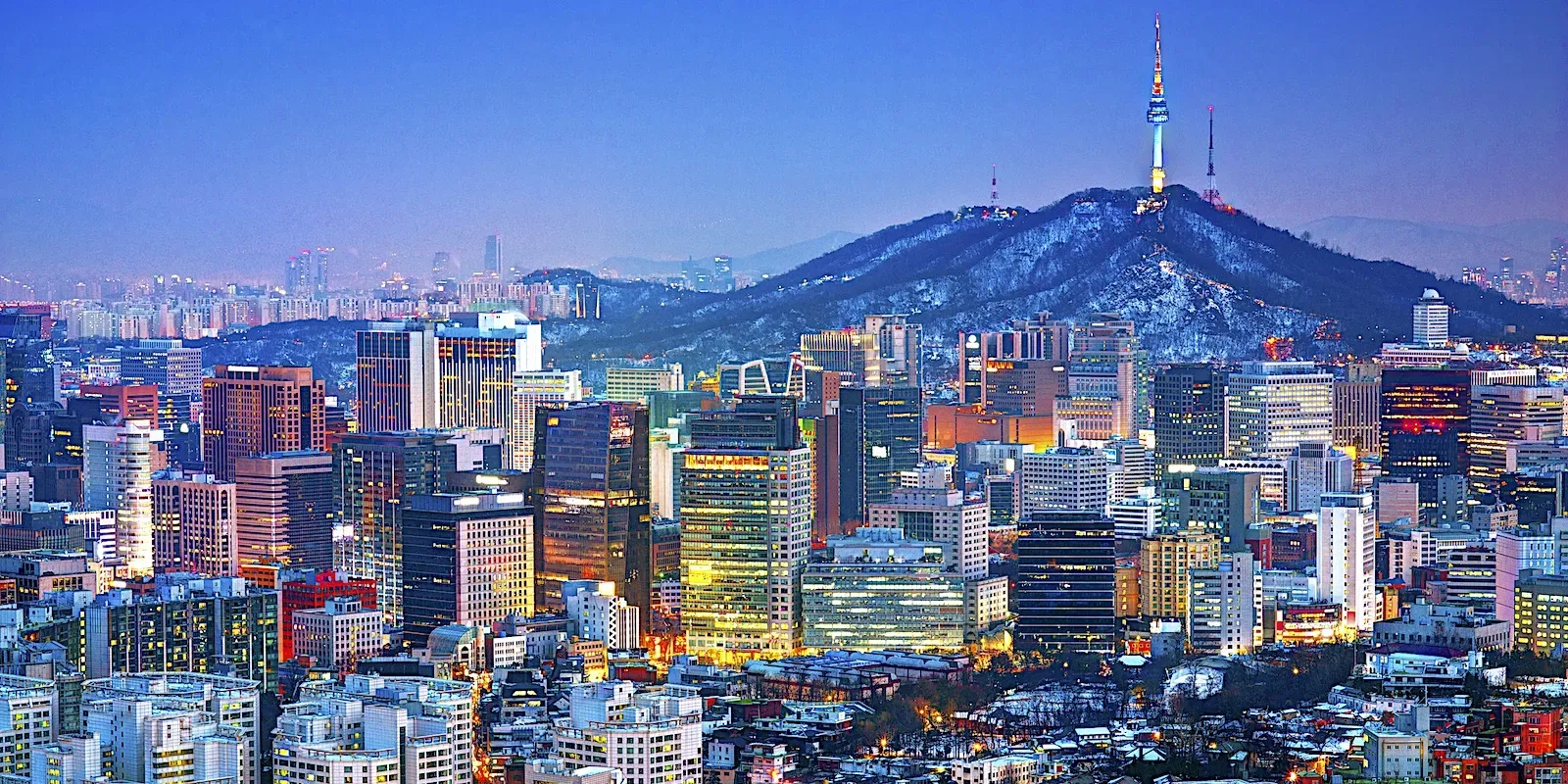
Seoul in a day: what to see
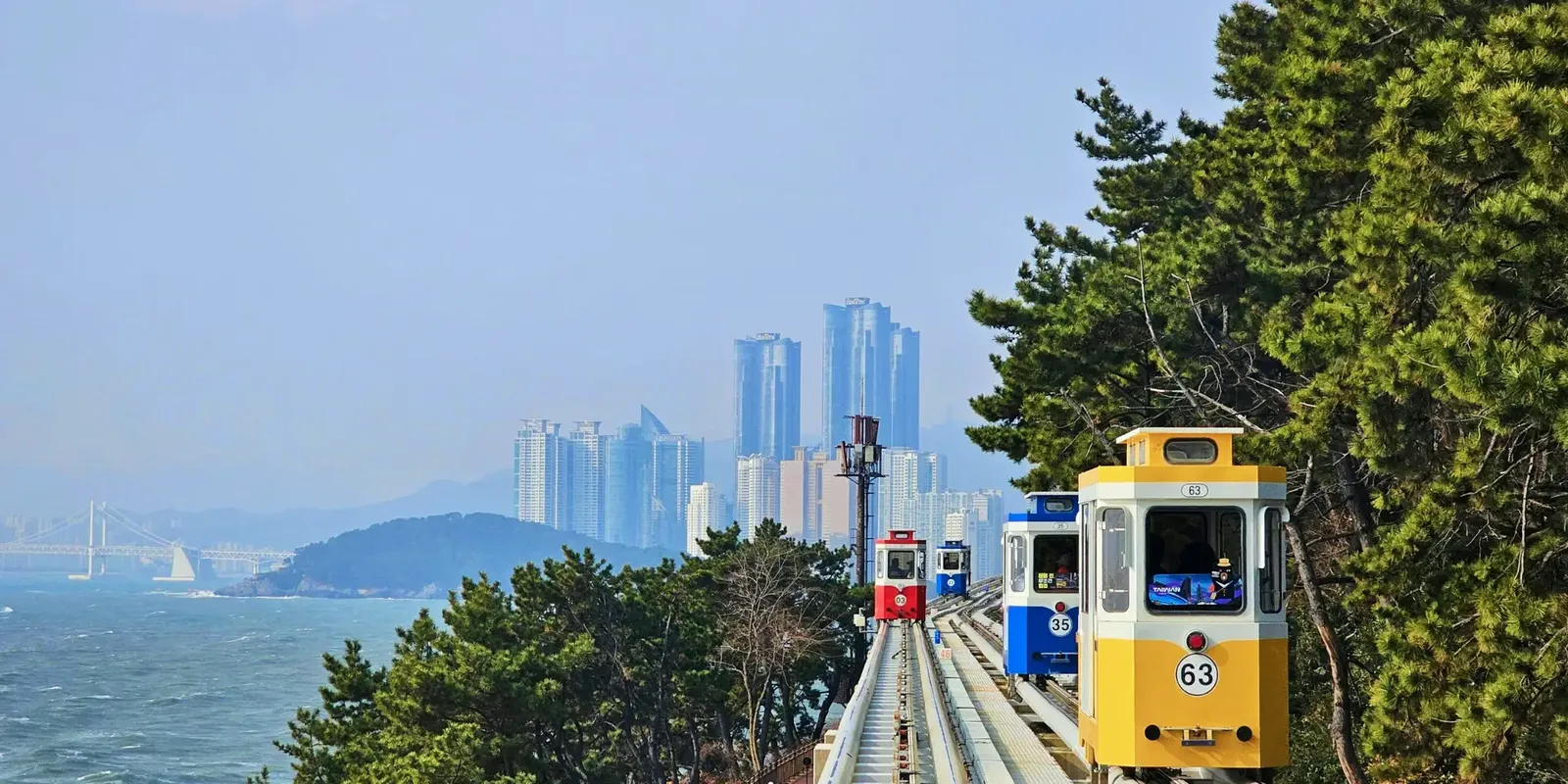
Busan: urban beaches and Asia's largest fish market
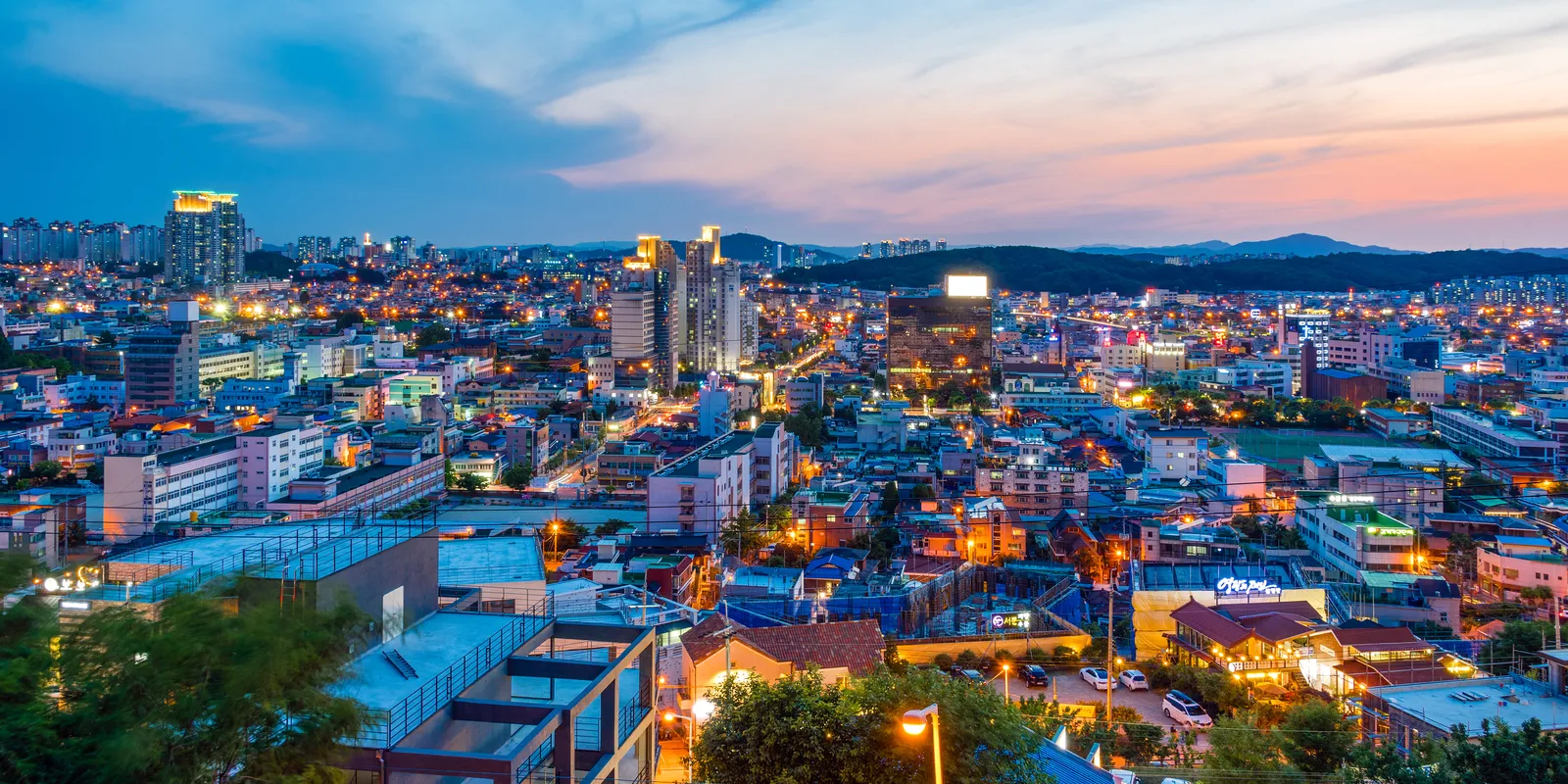
Cheongju: the world's oldest printed book
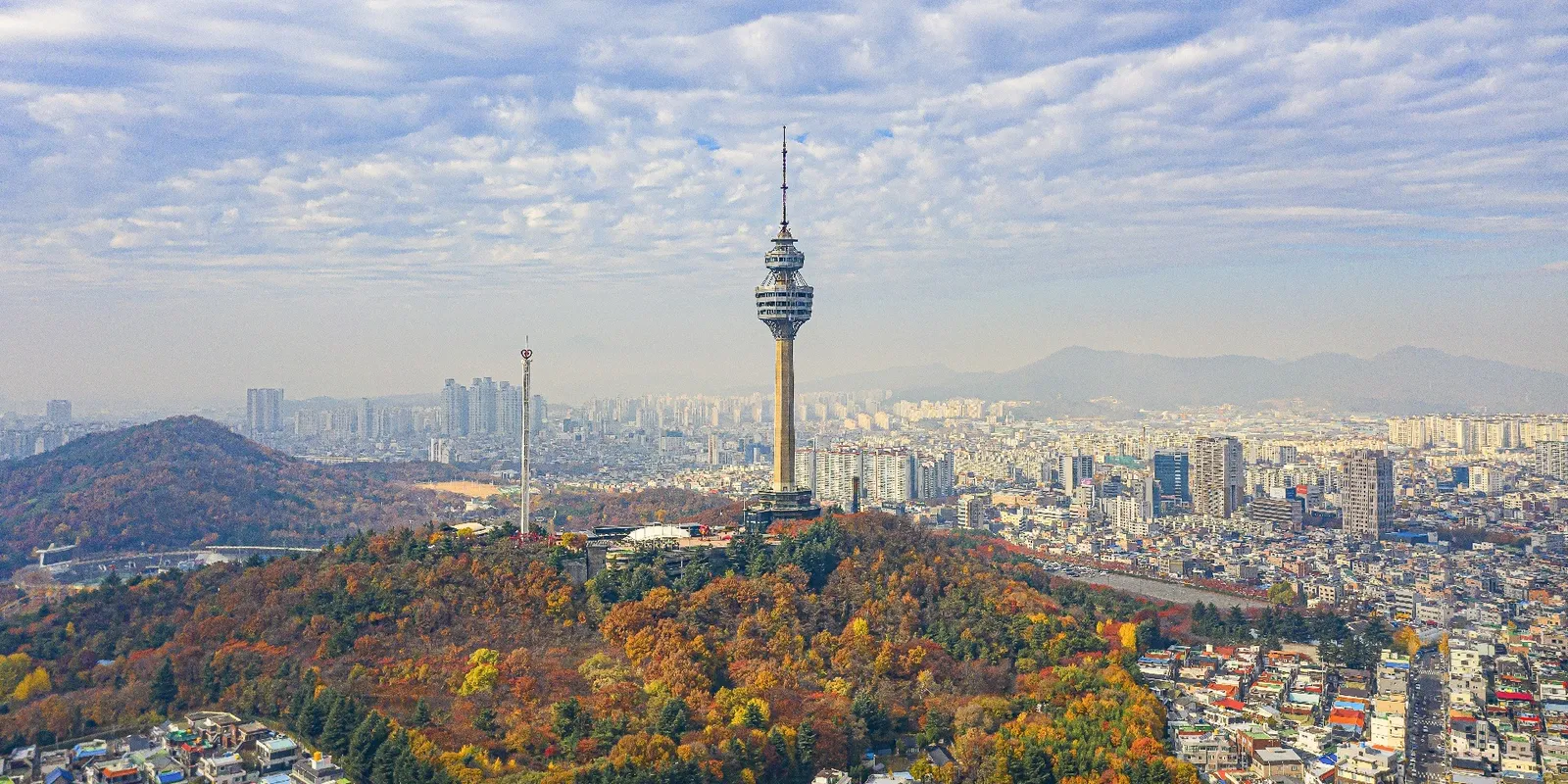
Daegu: Buddhist temples among the Korean mountains