France: main airports
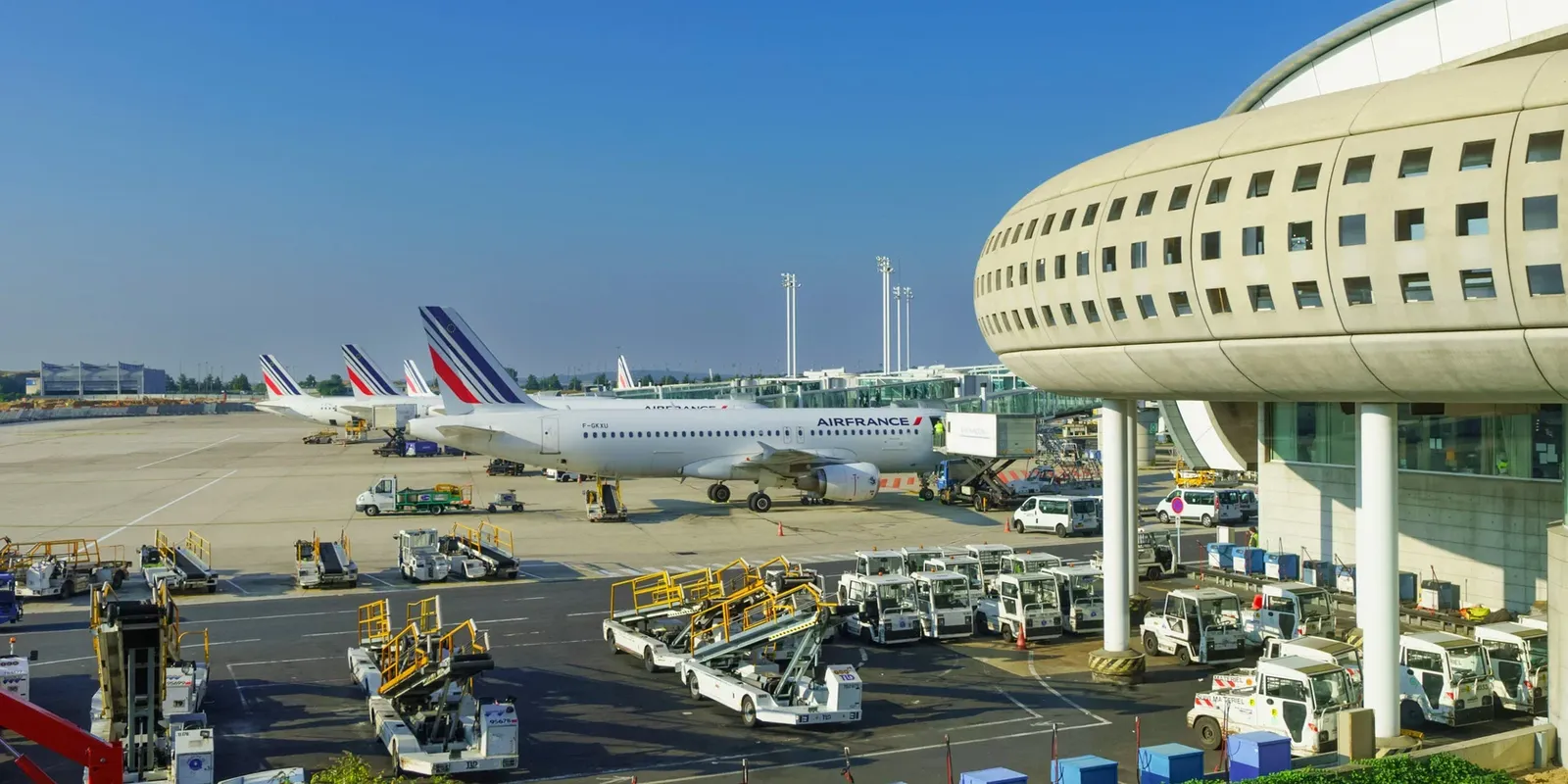
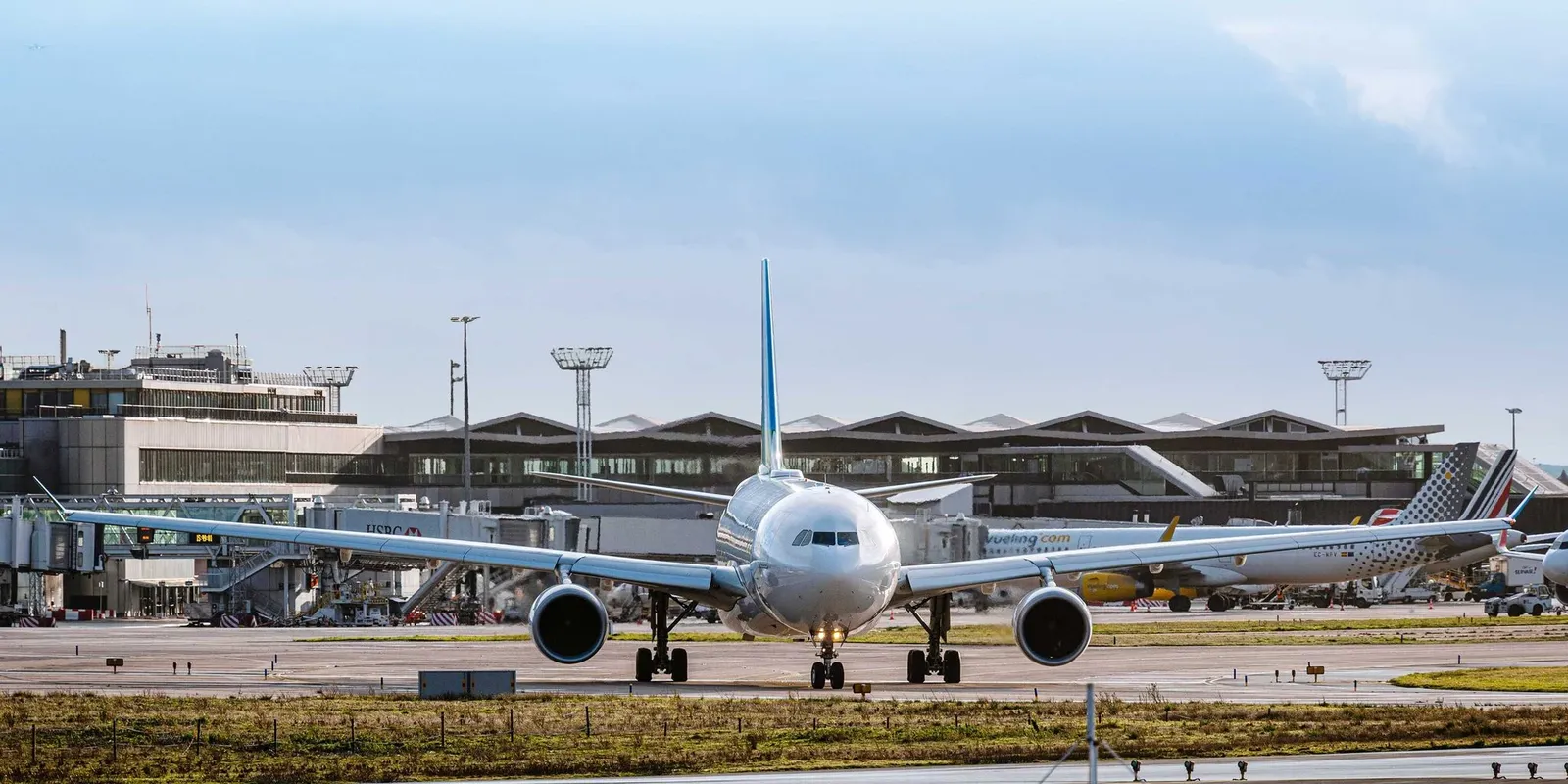
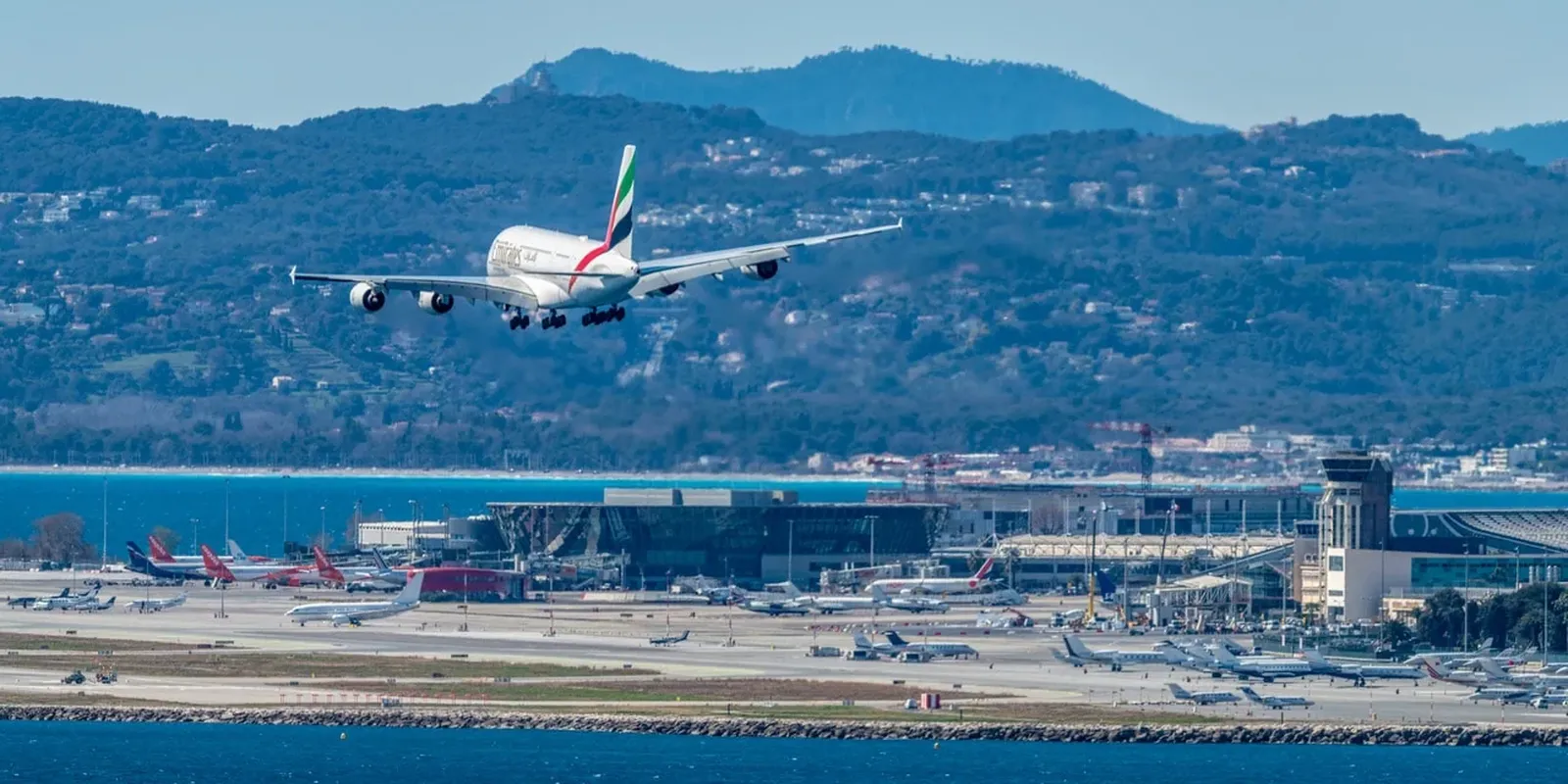
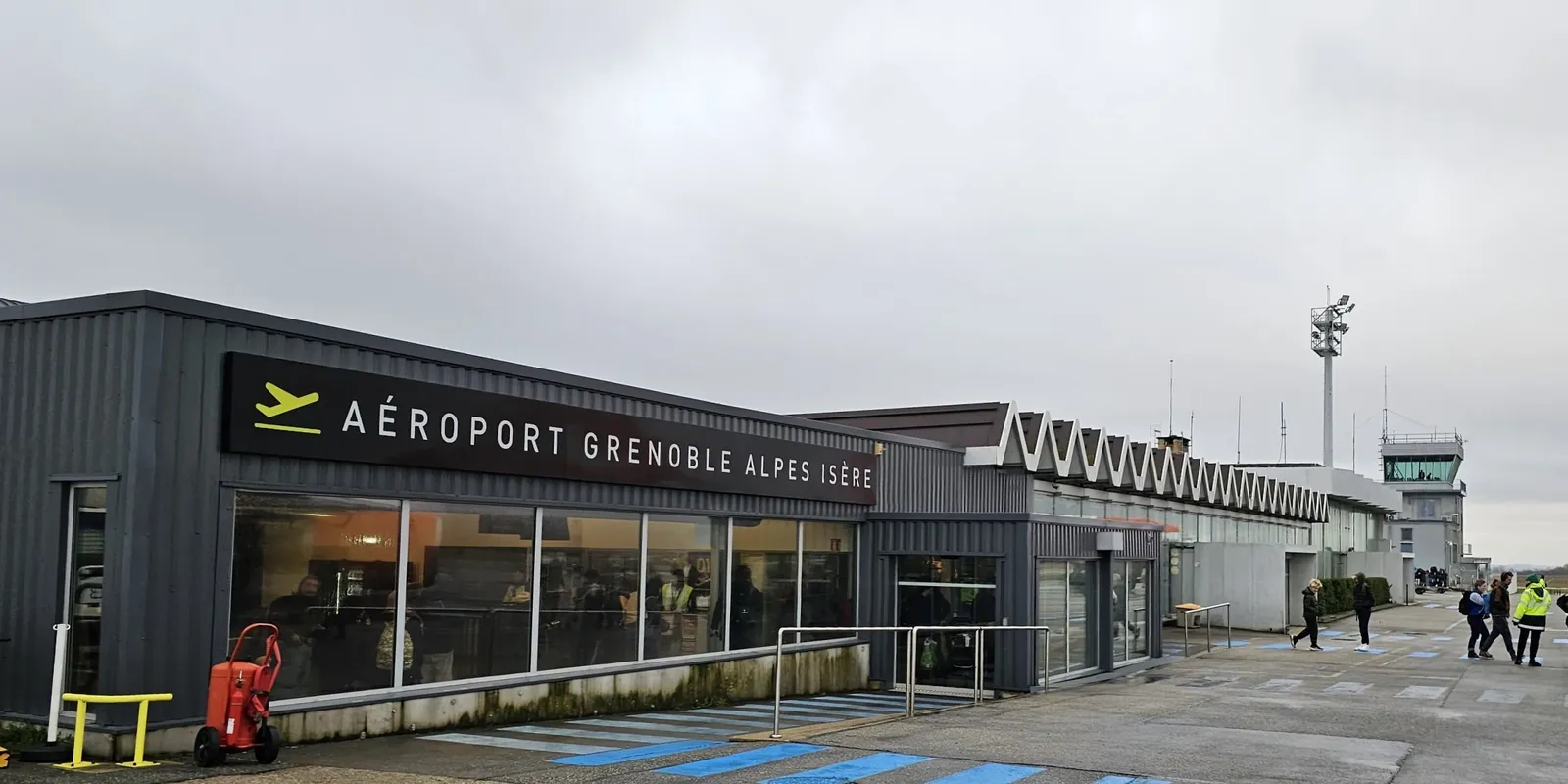
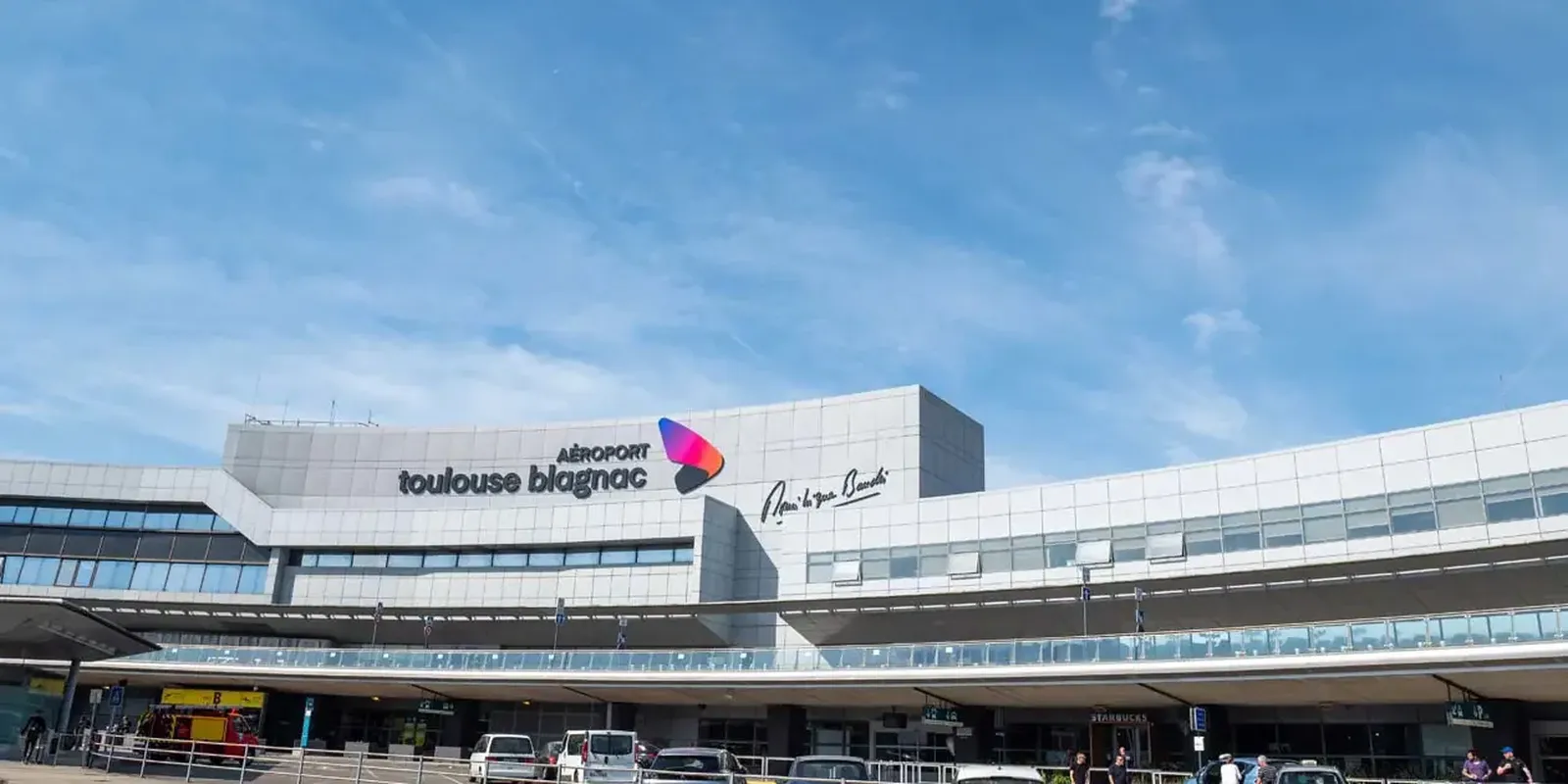
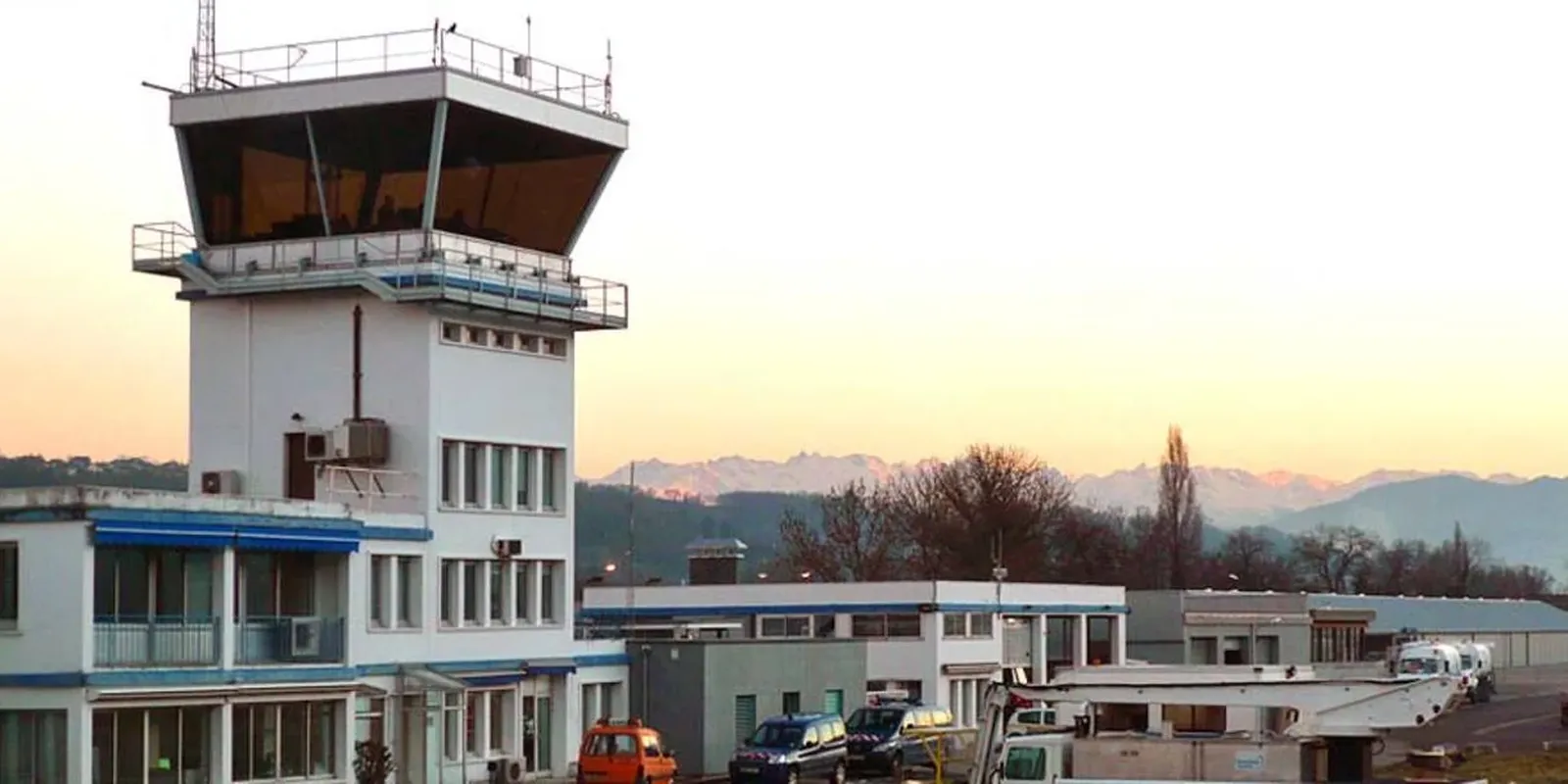
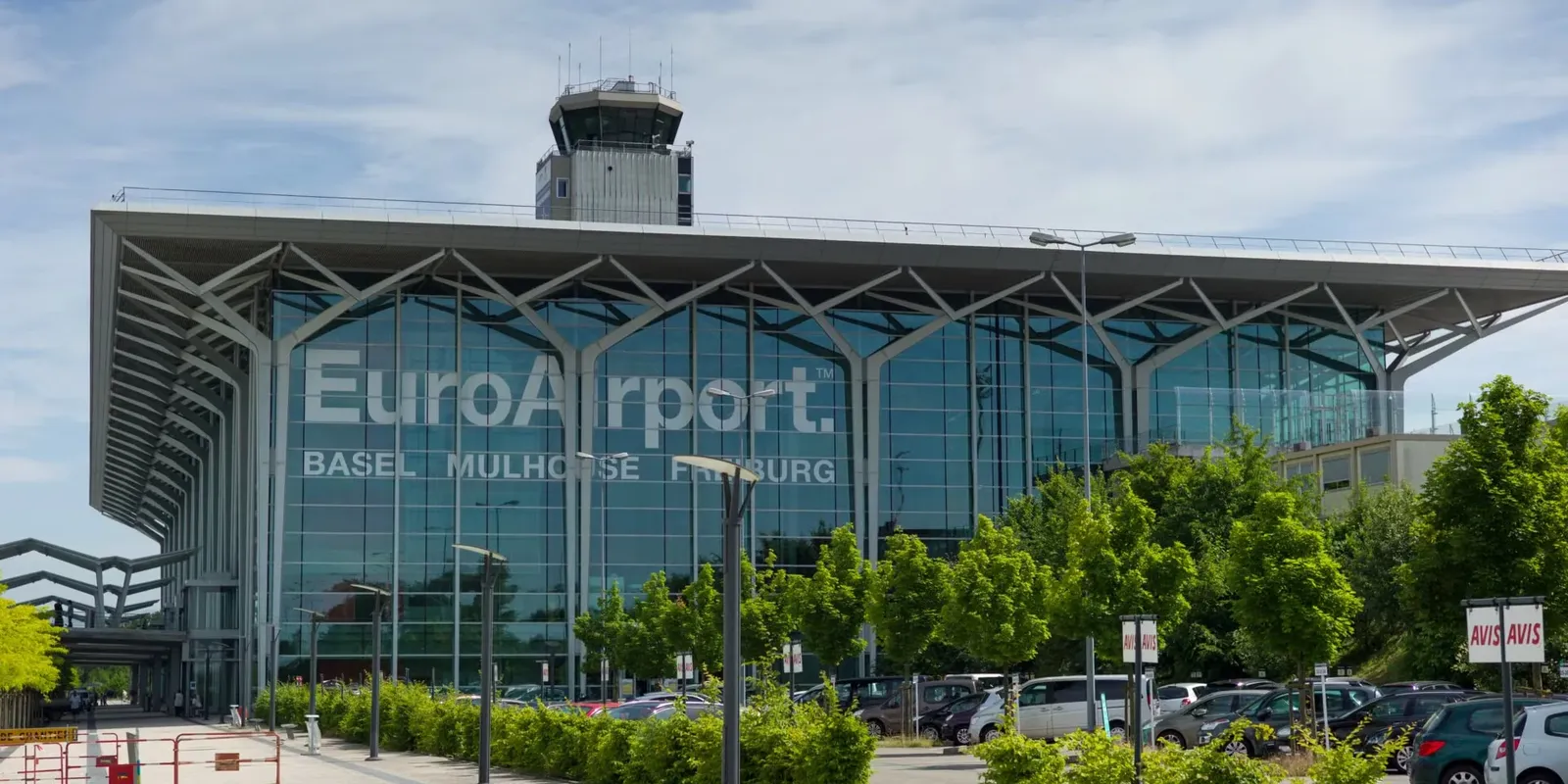
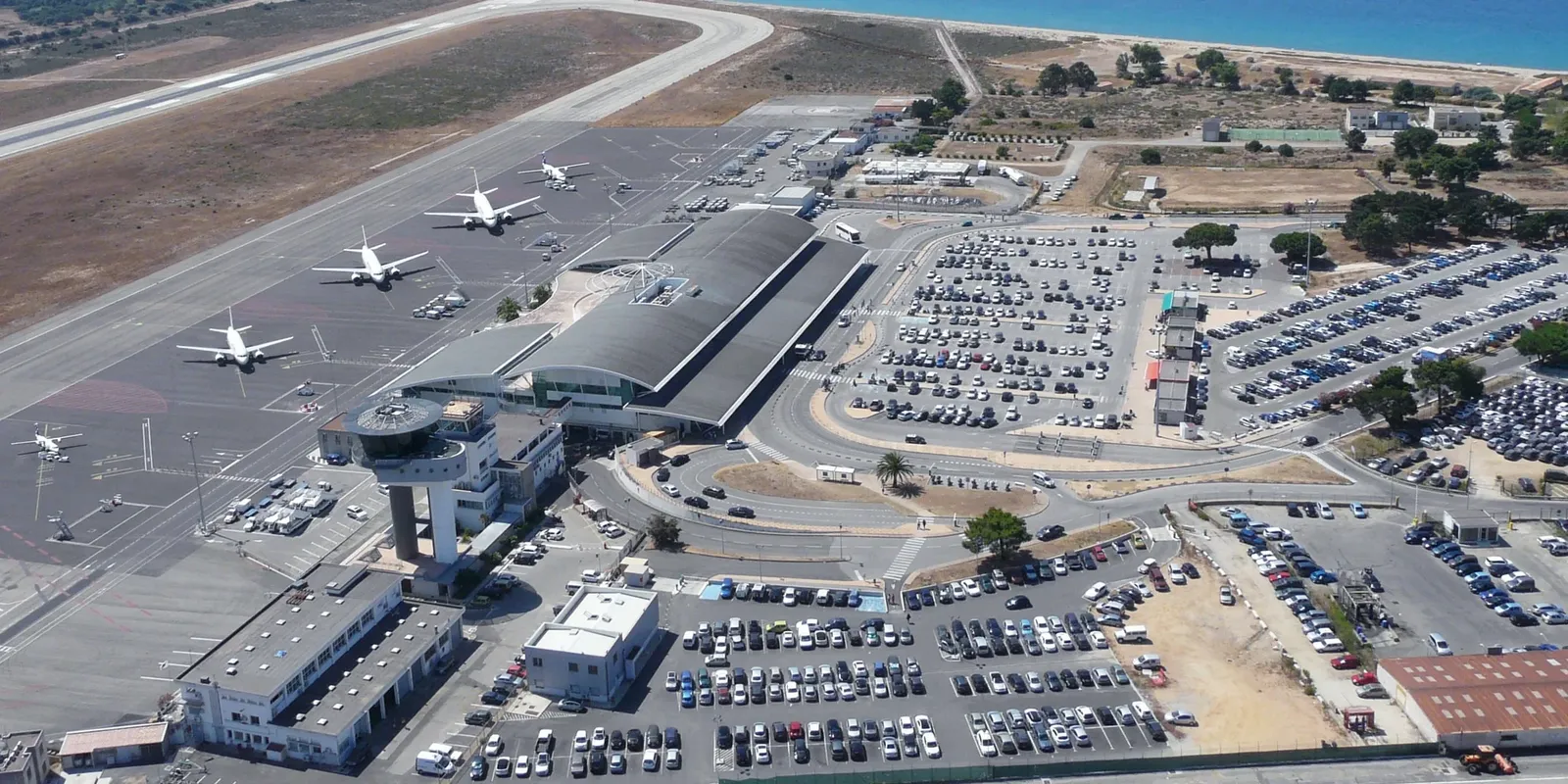
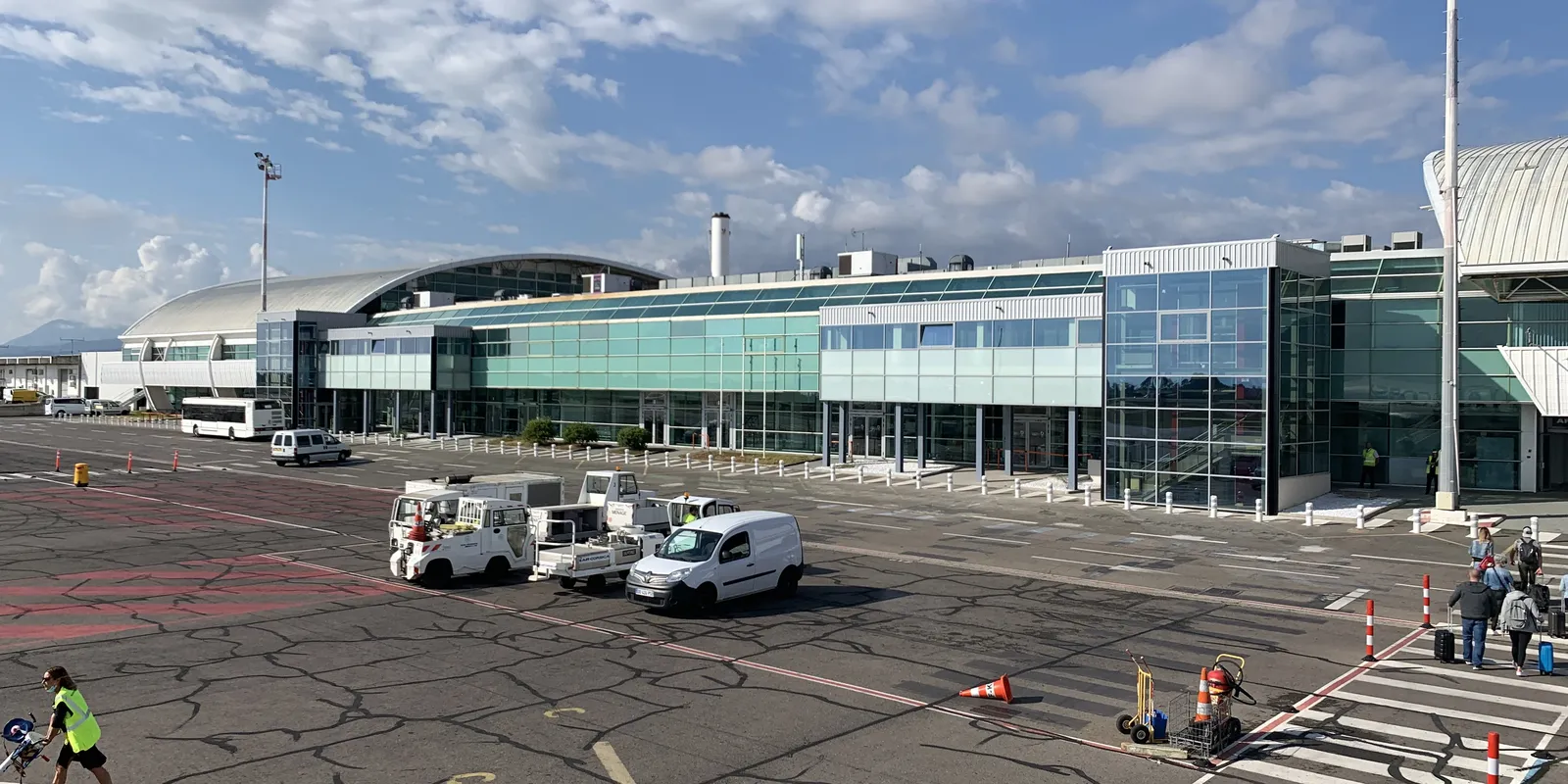
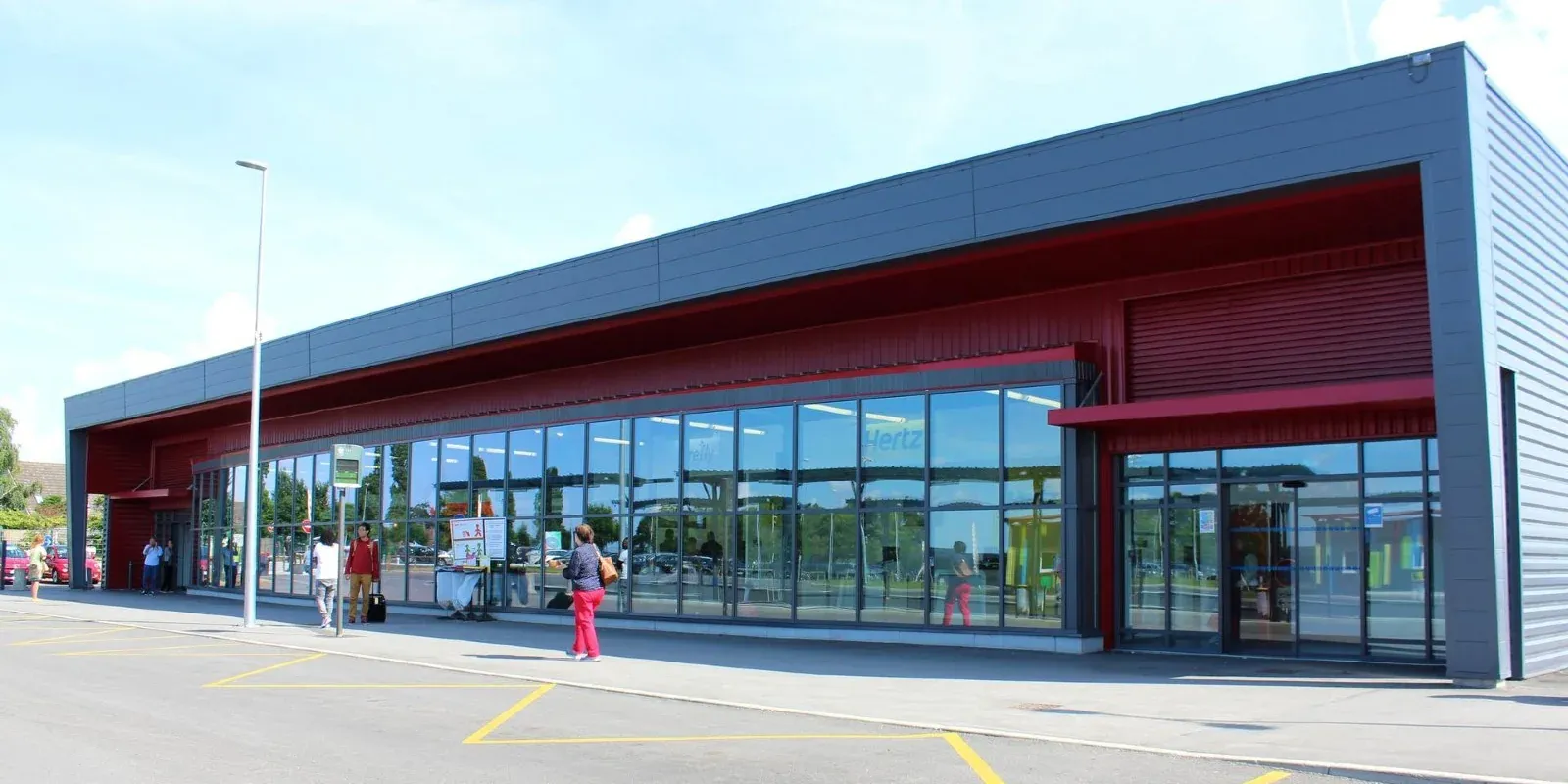
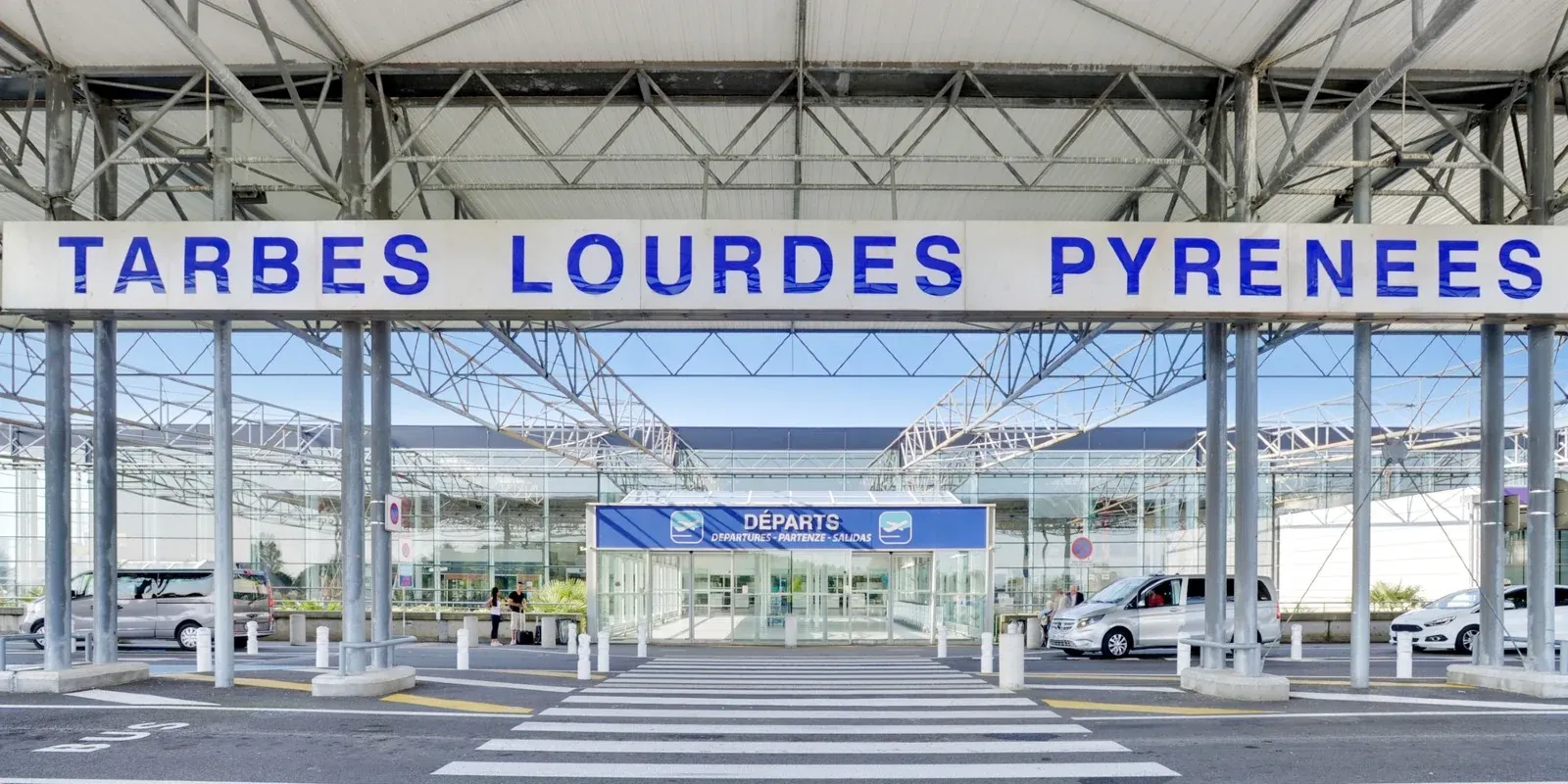
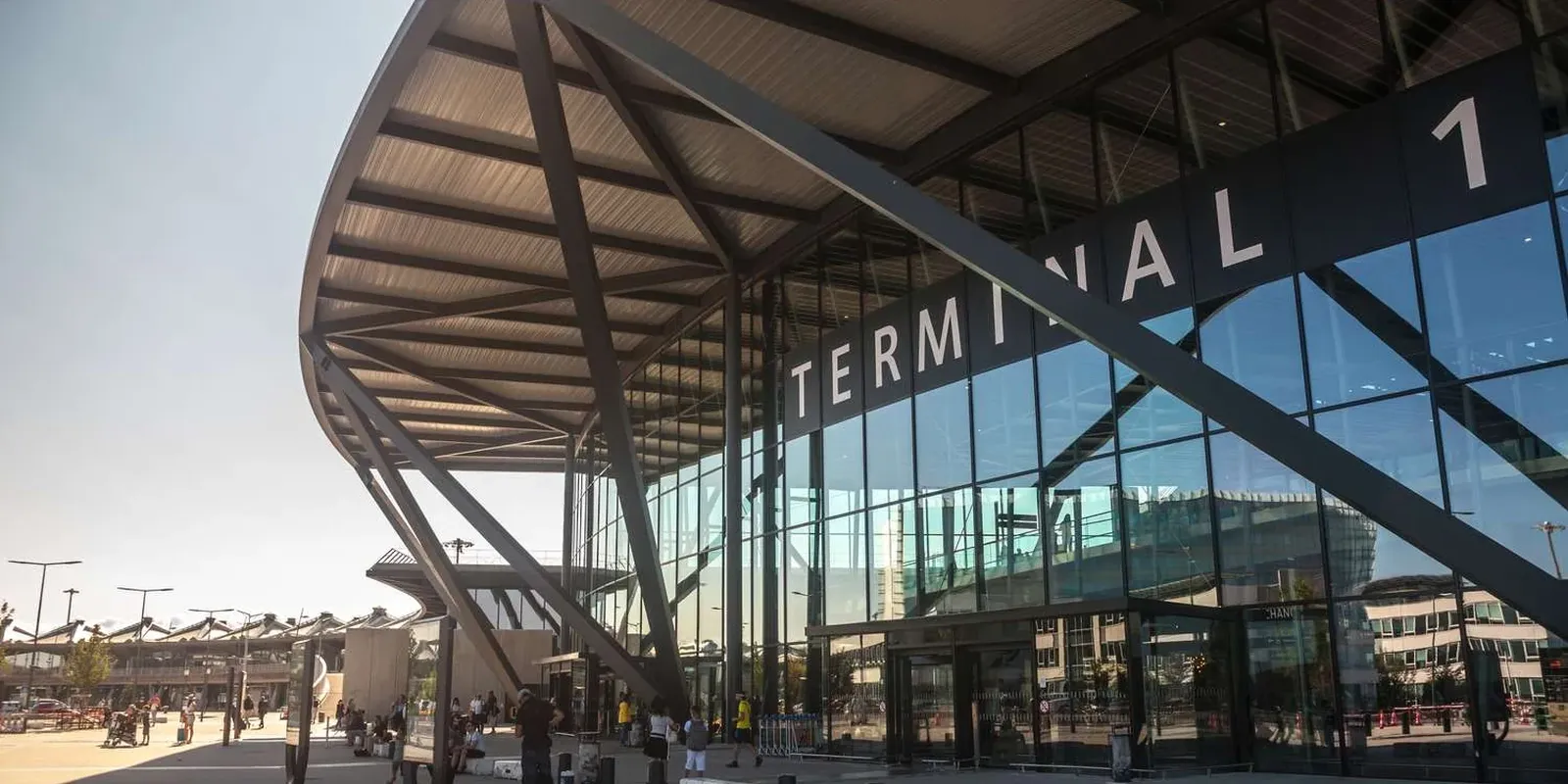
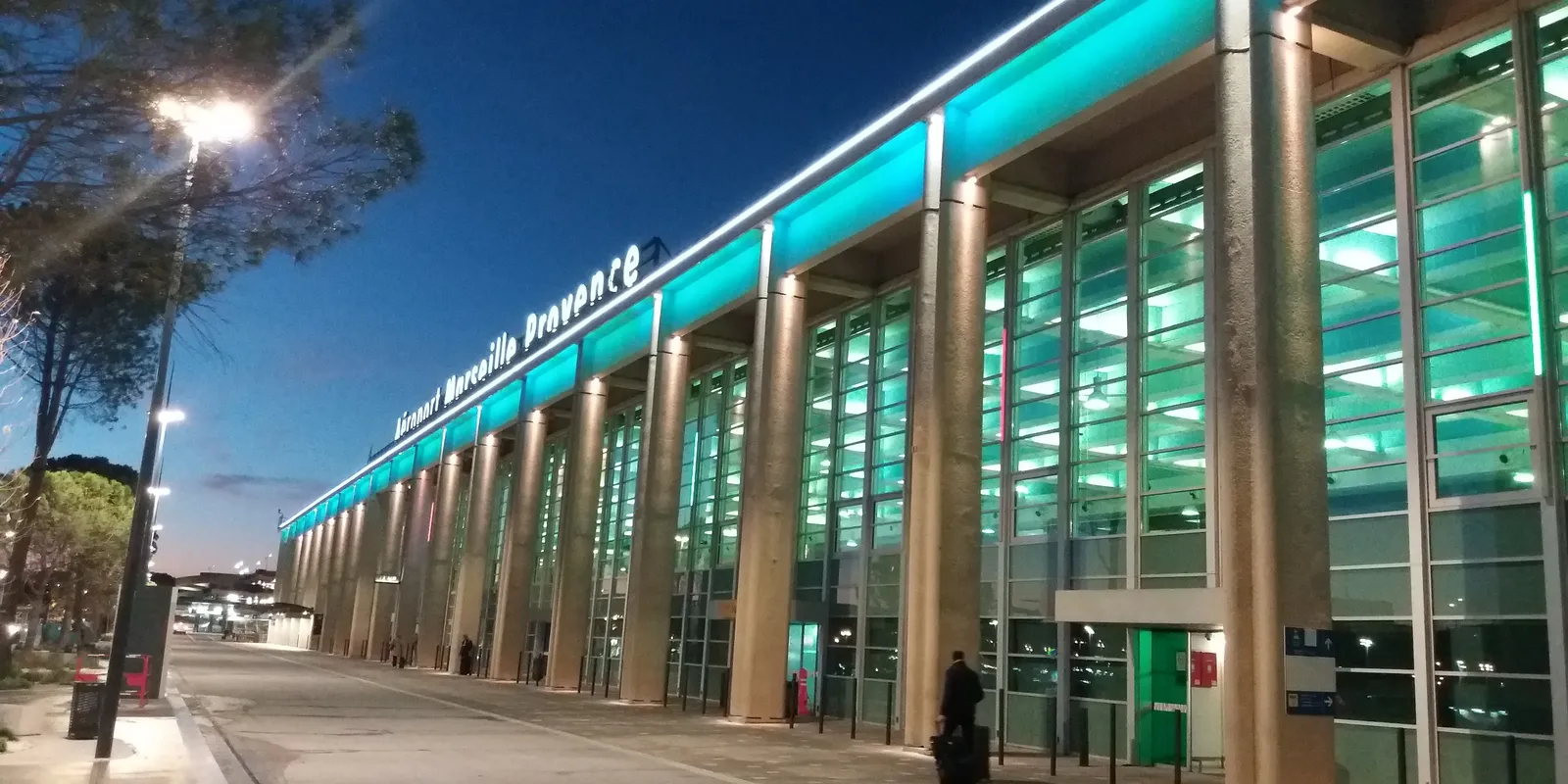
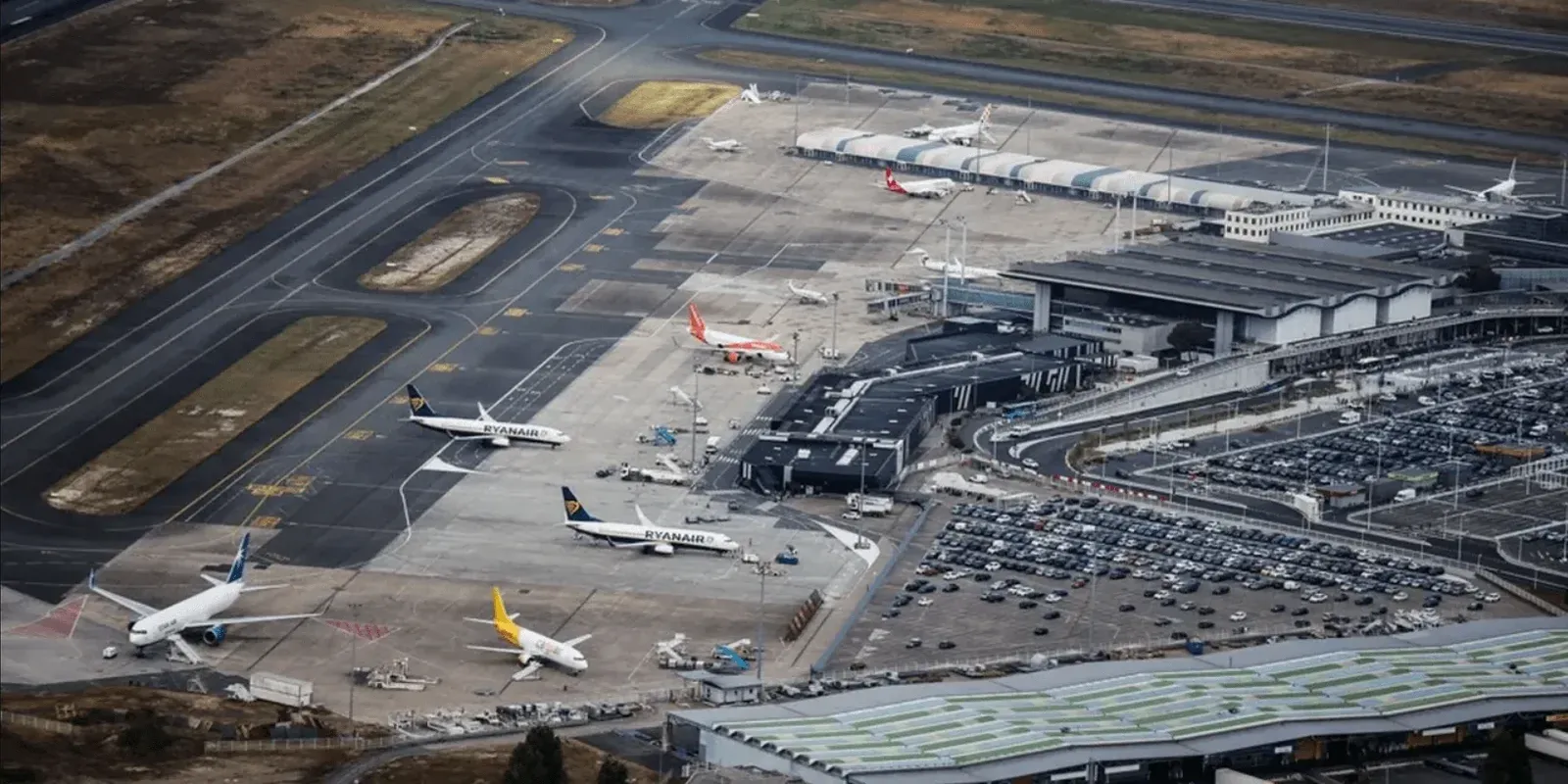
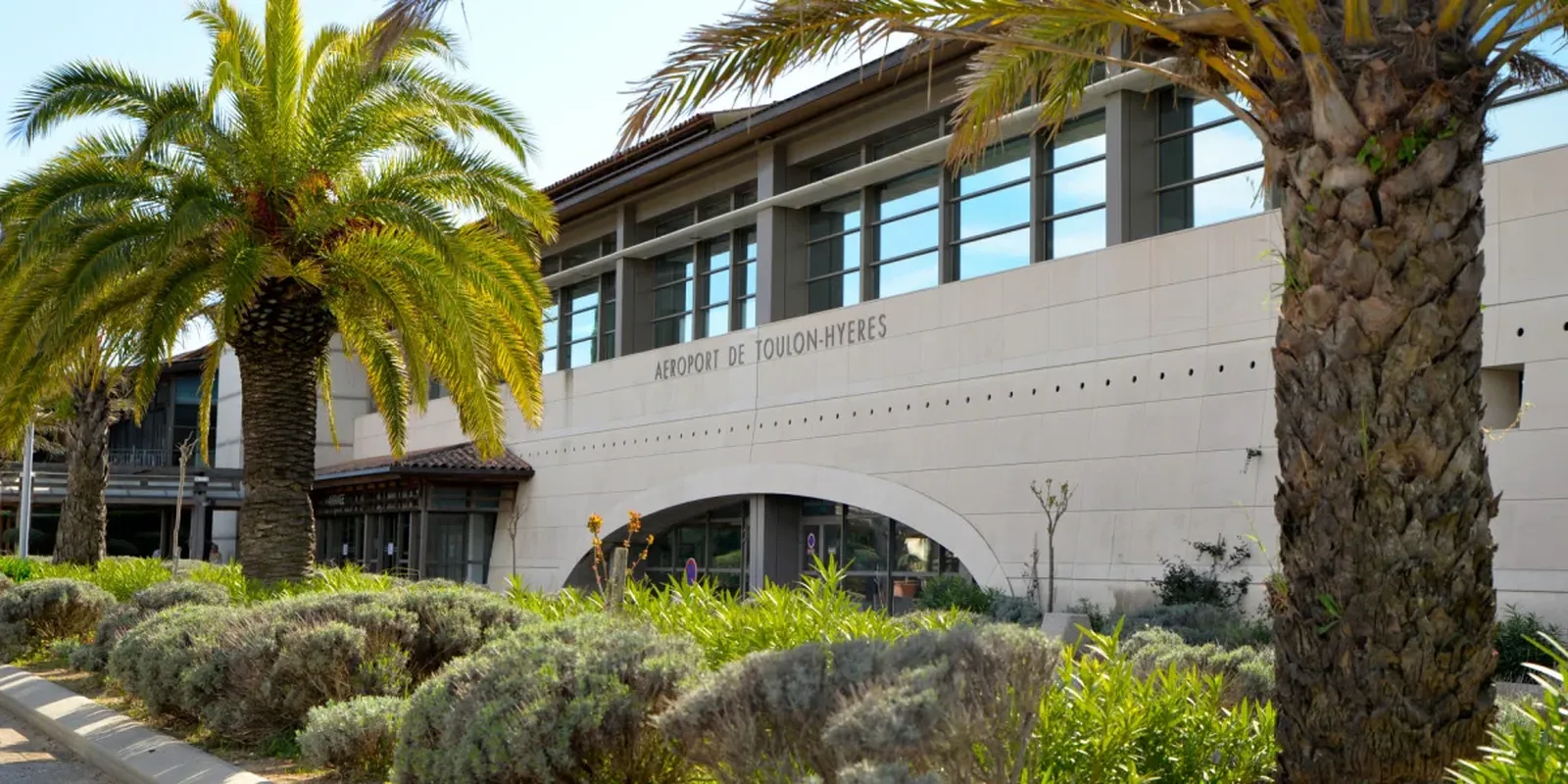
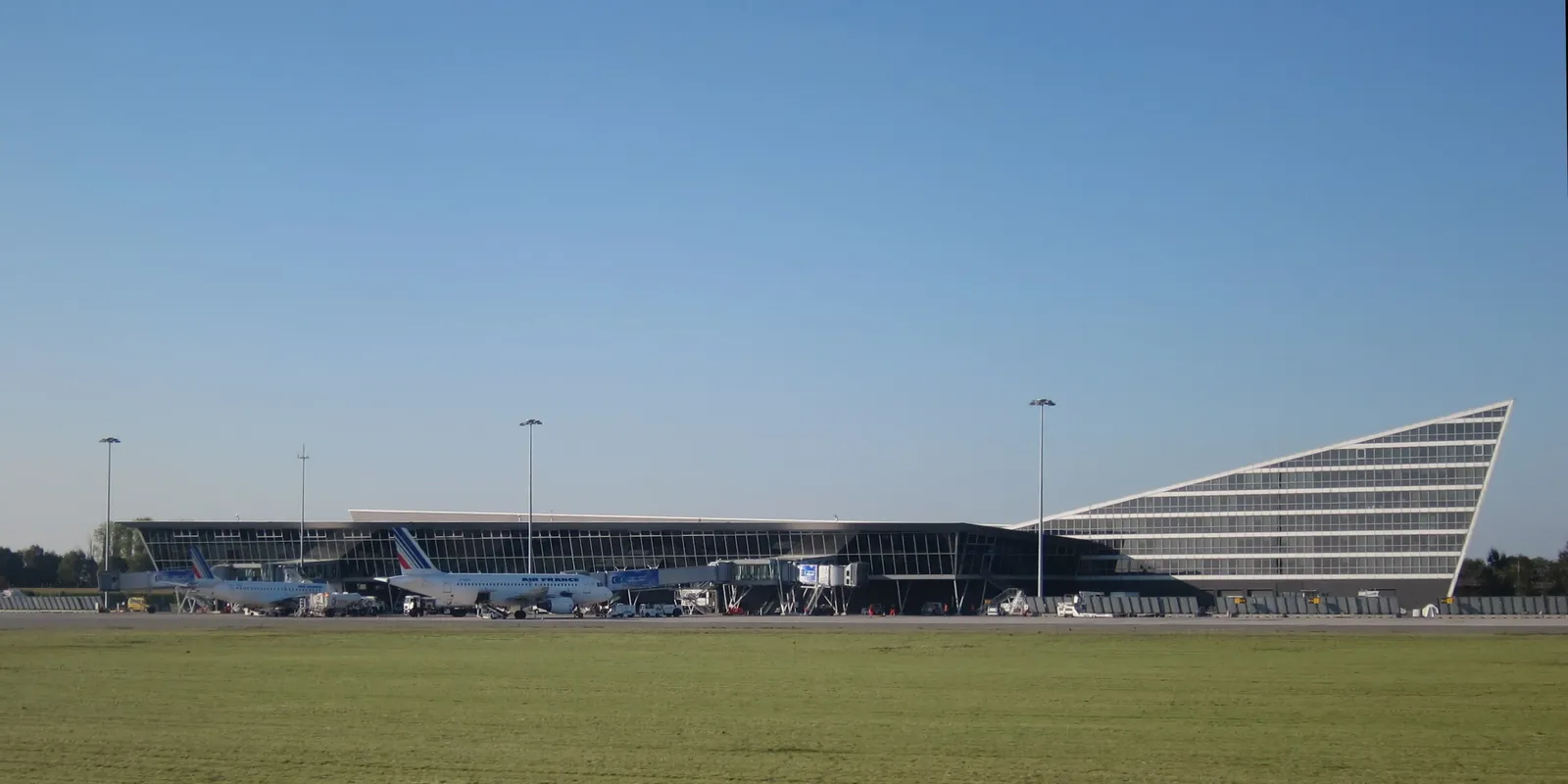
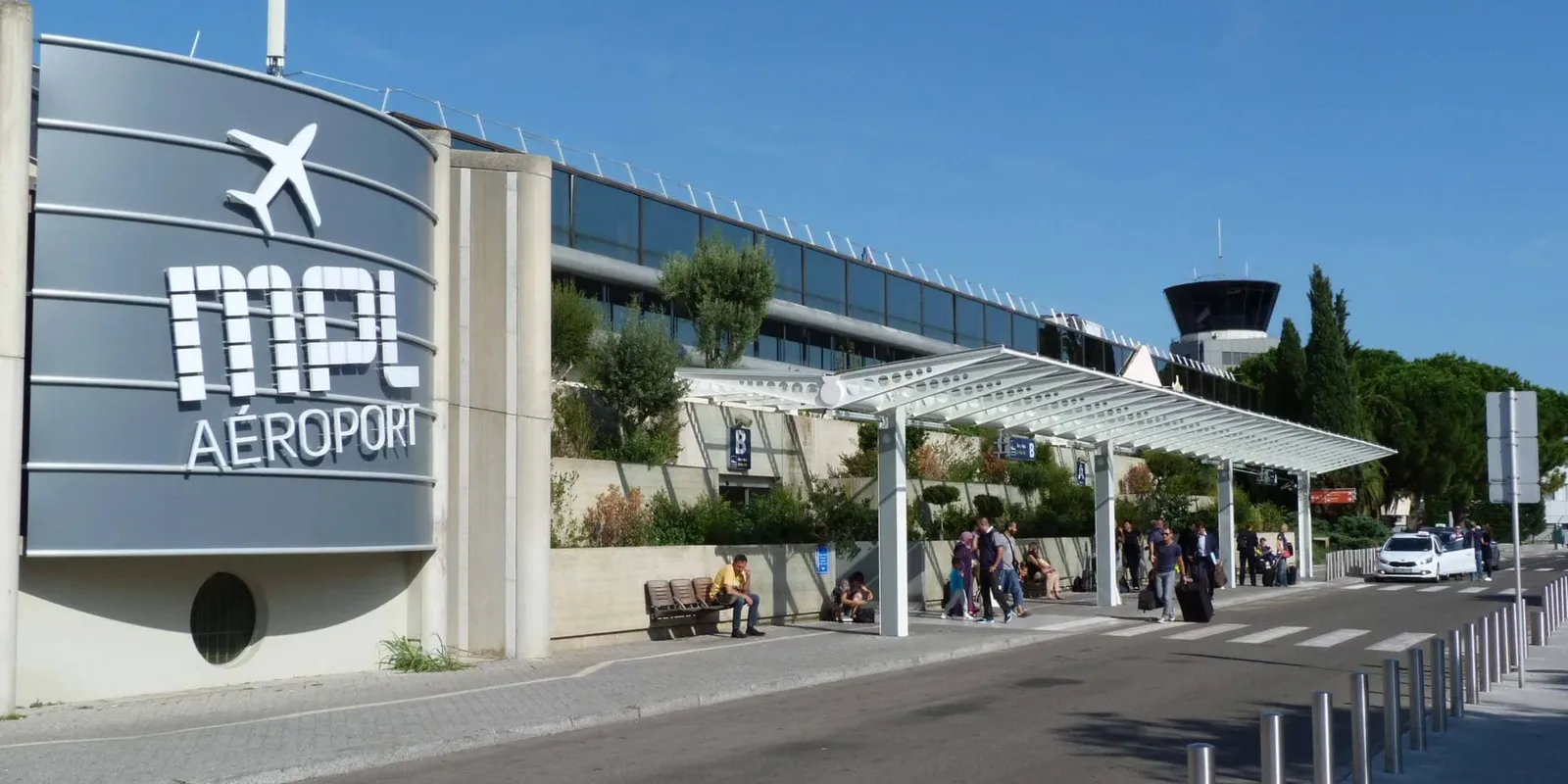
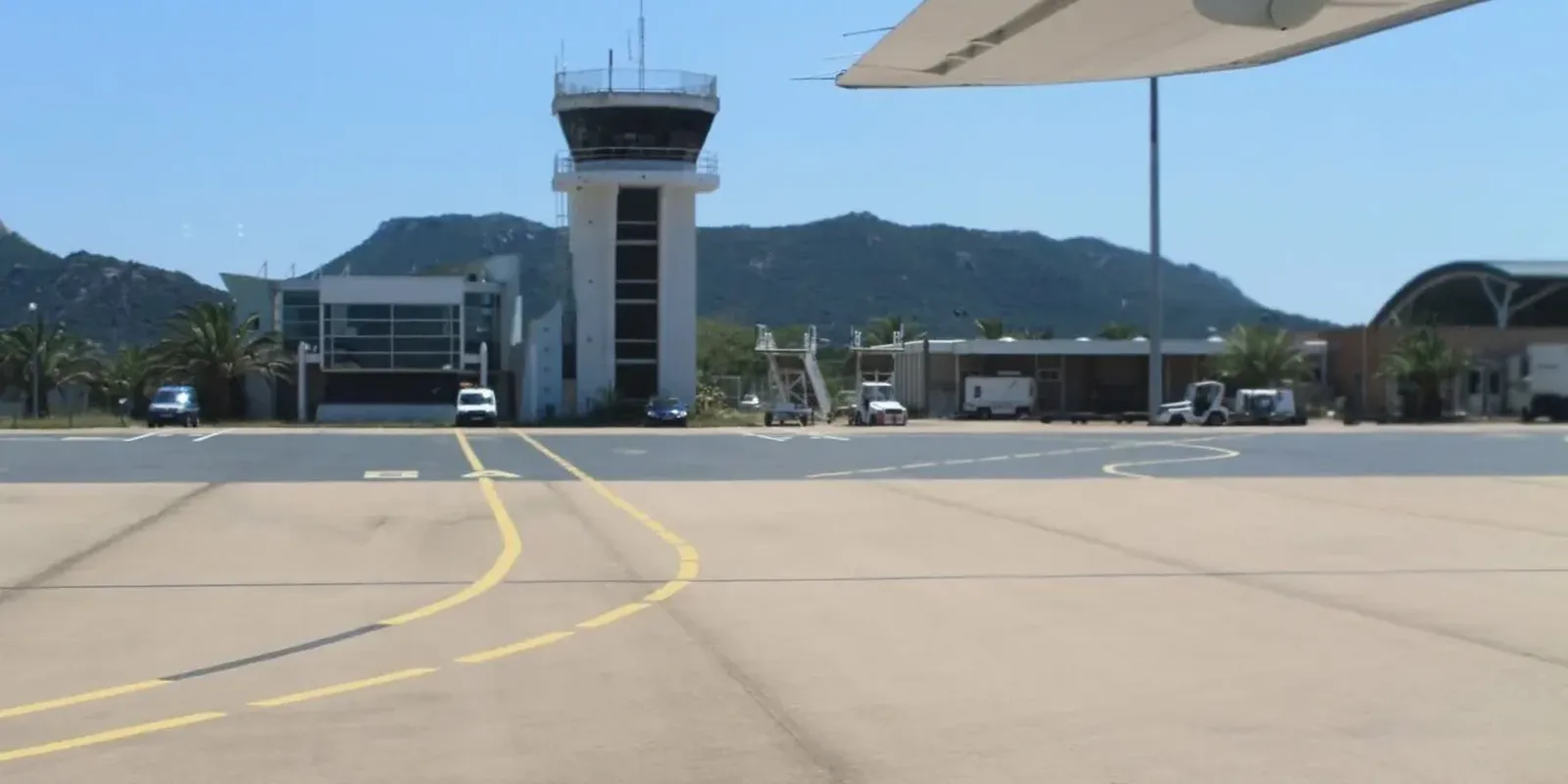
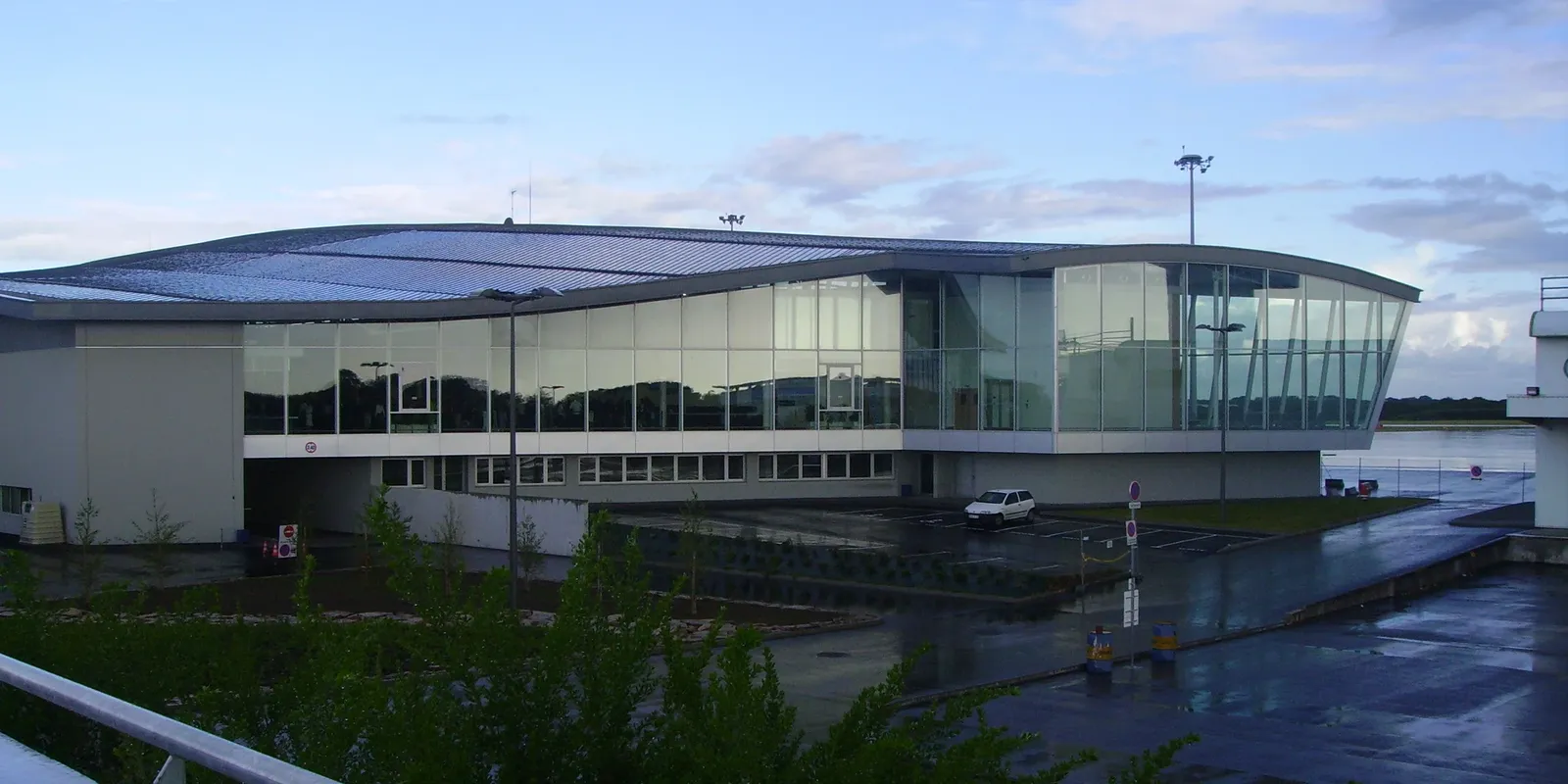
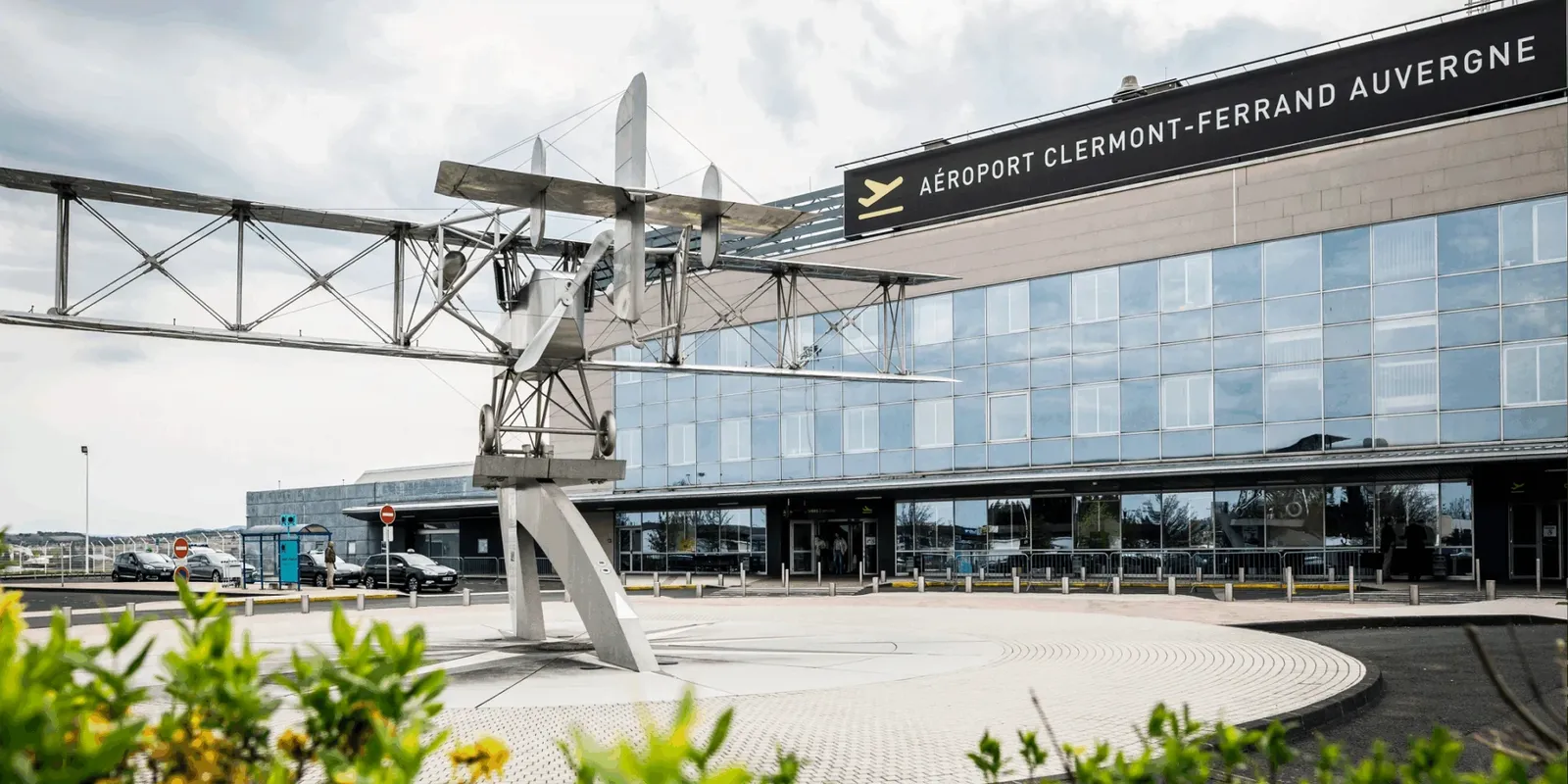
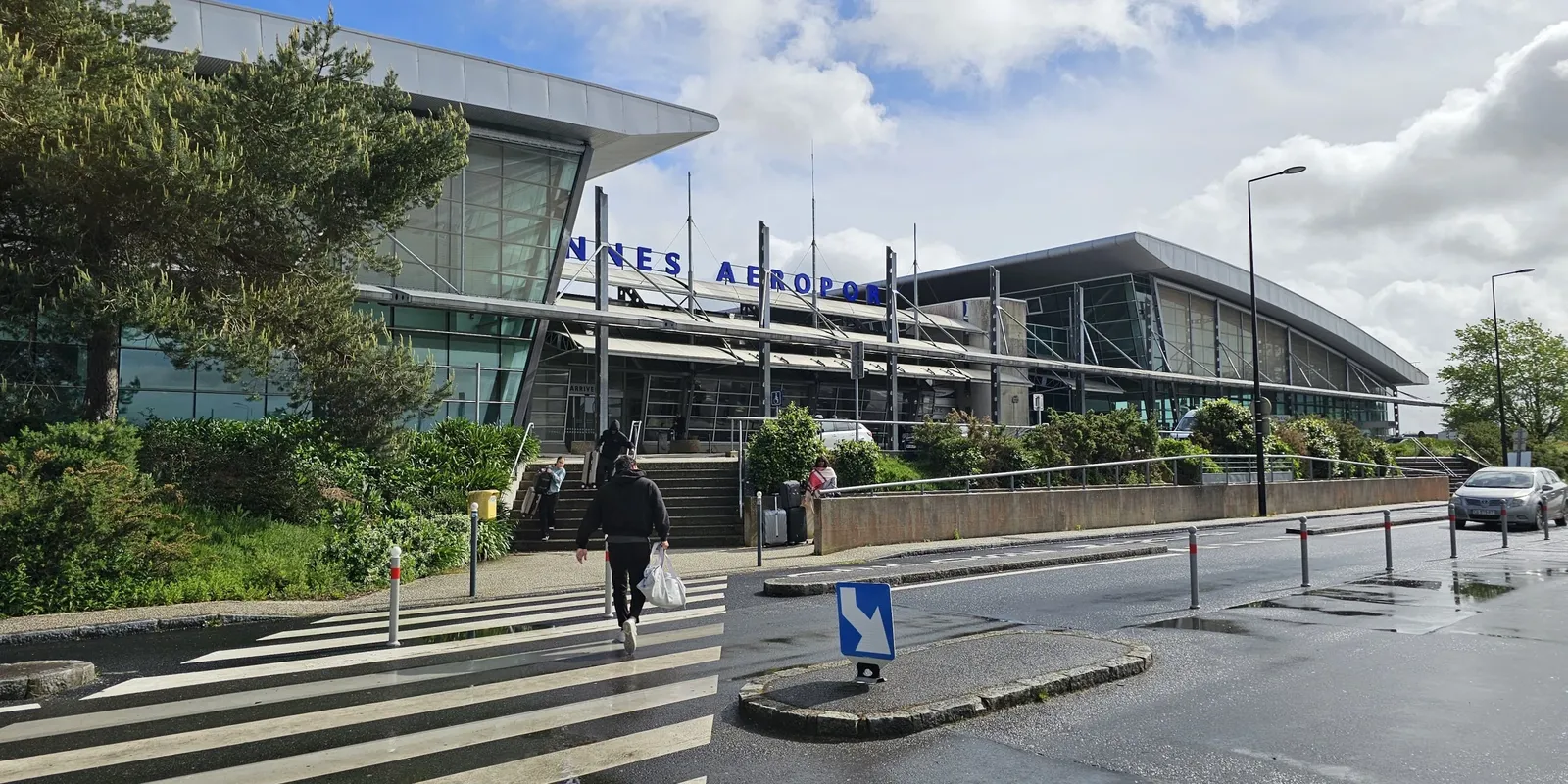
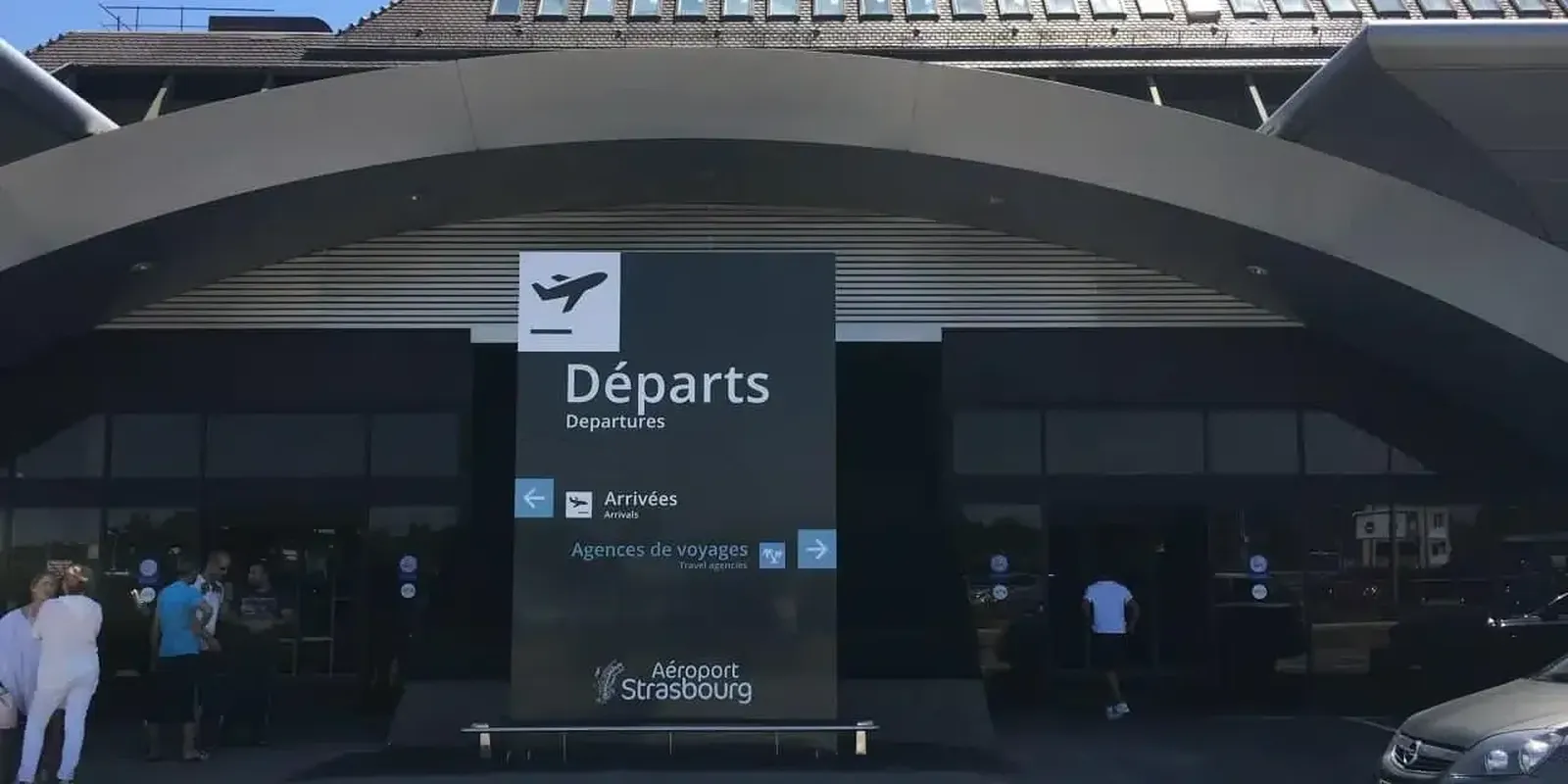
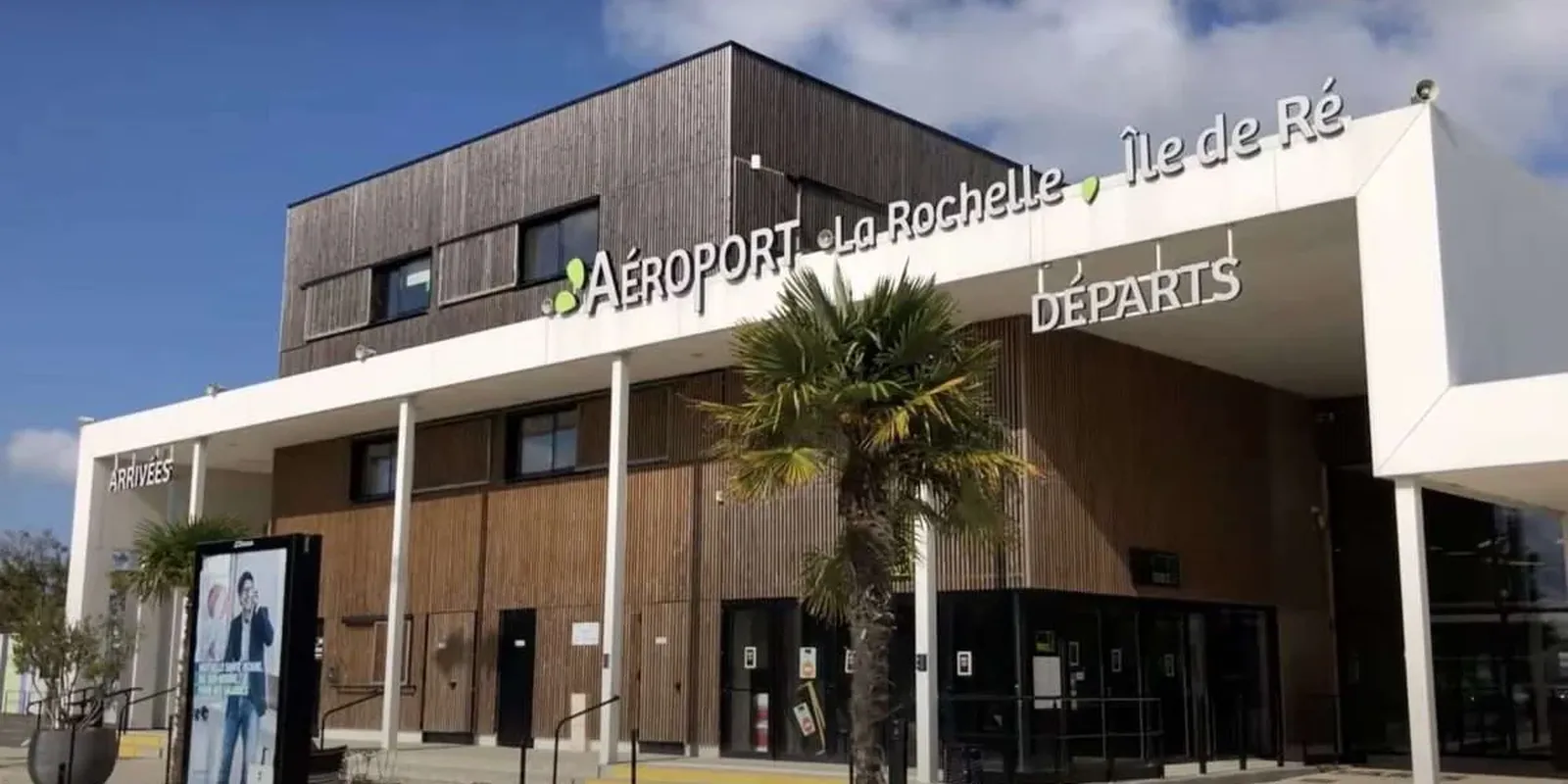
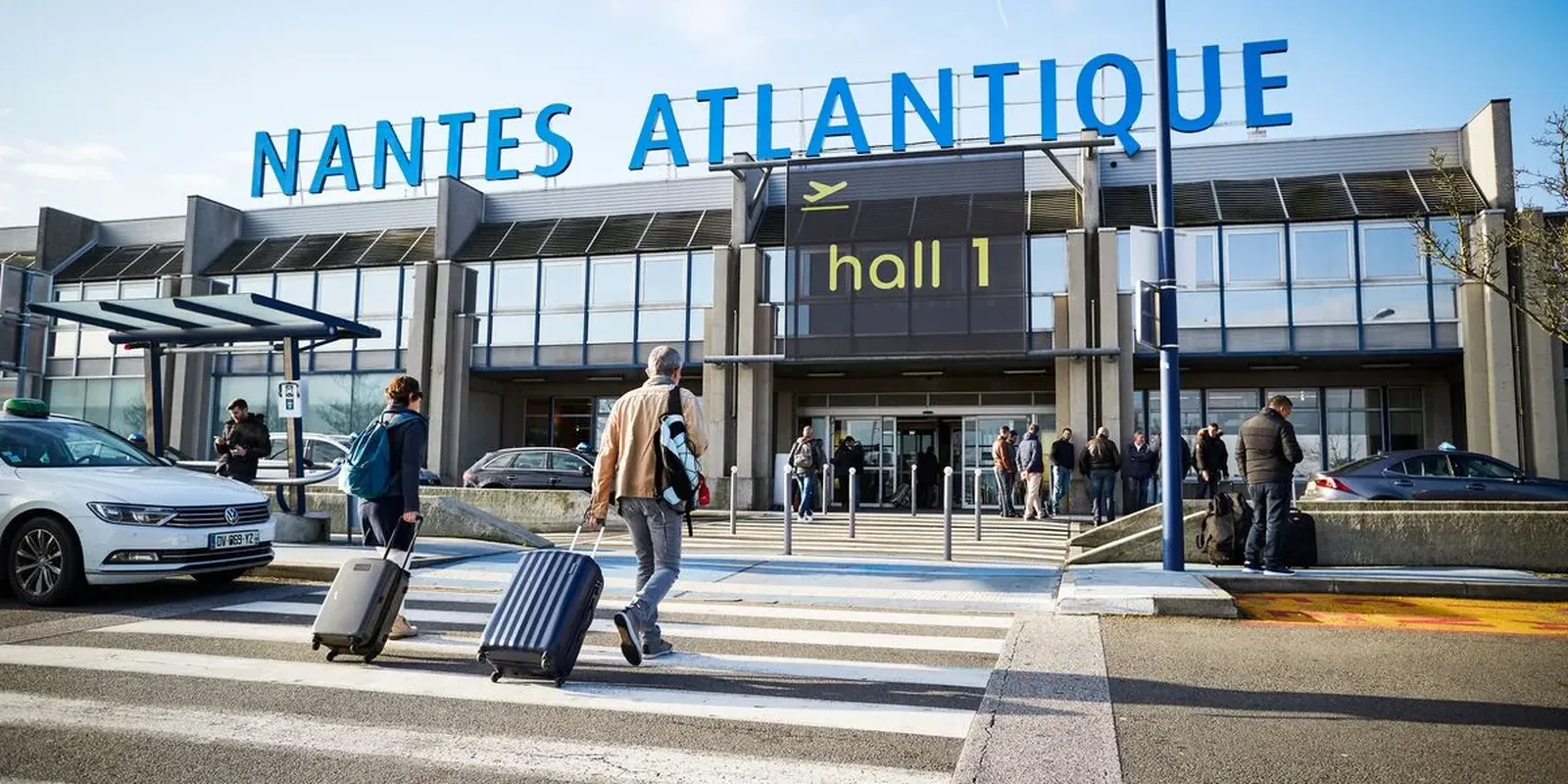
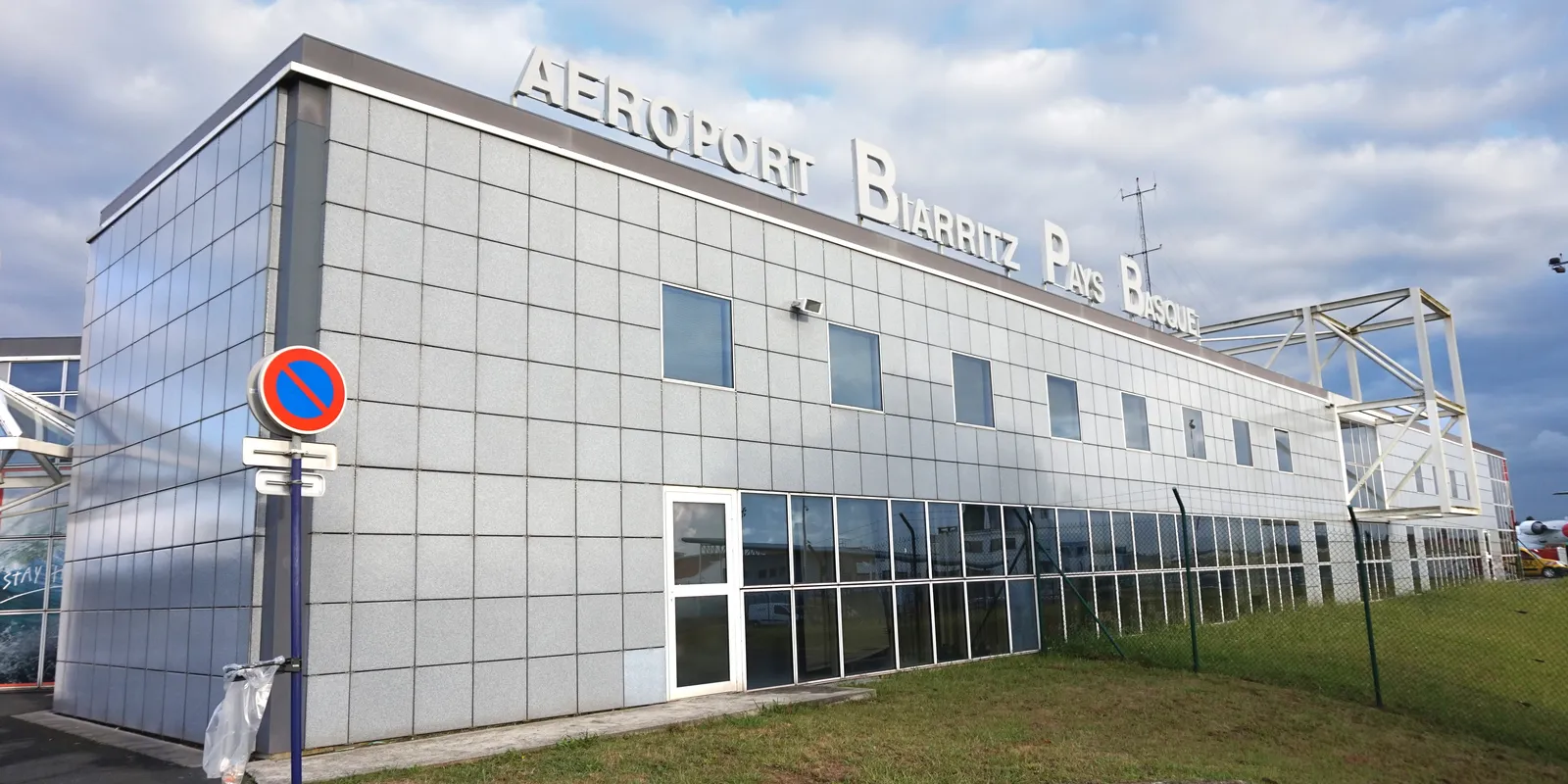
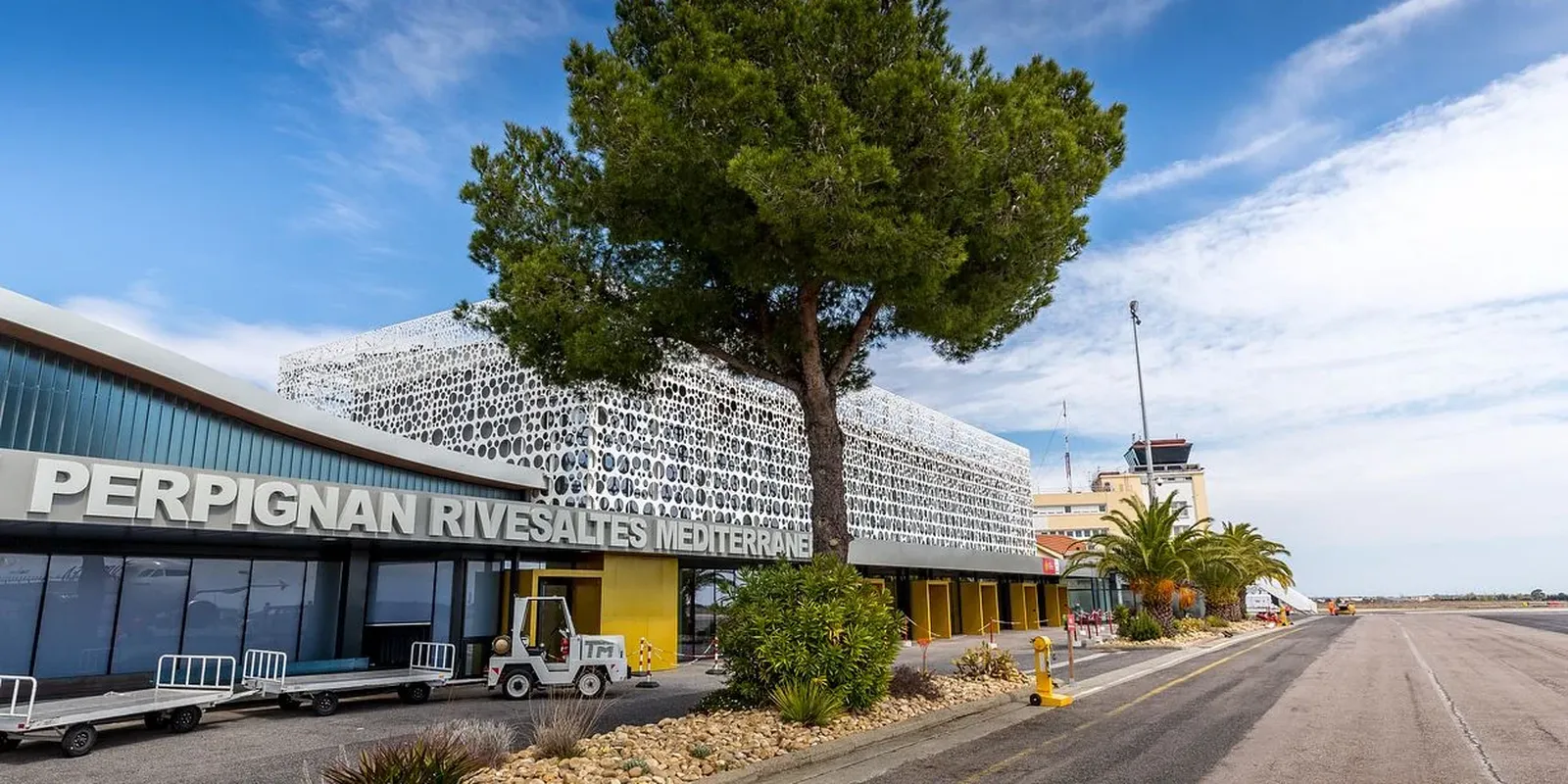
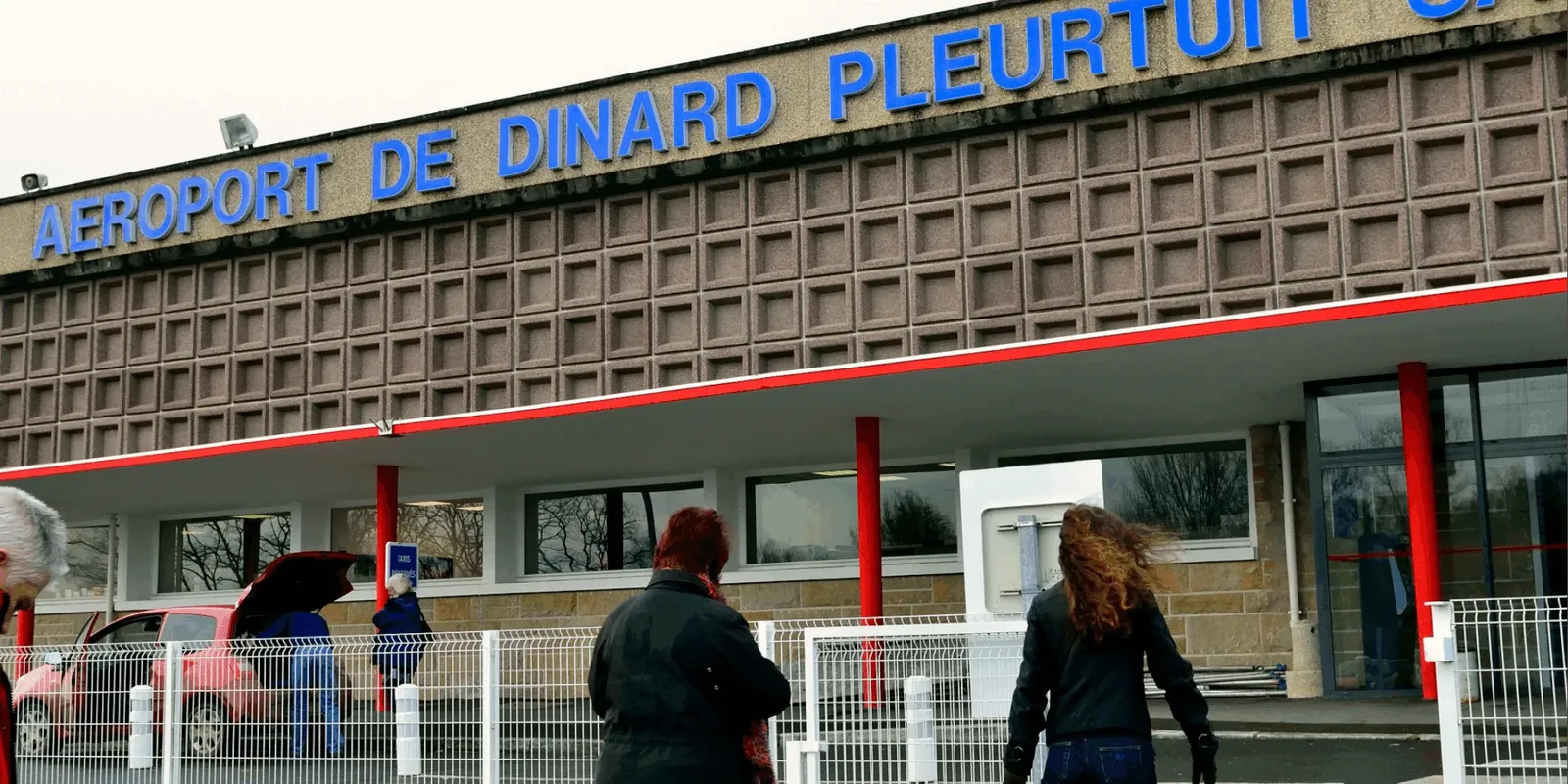
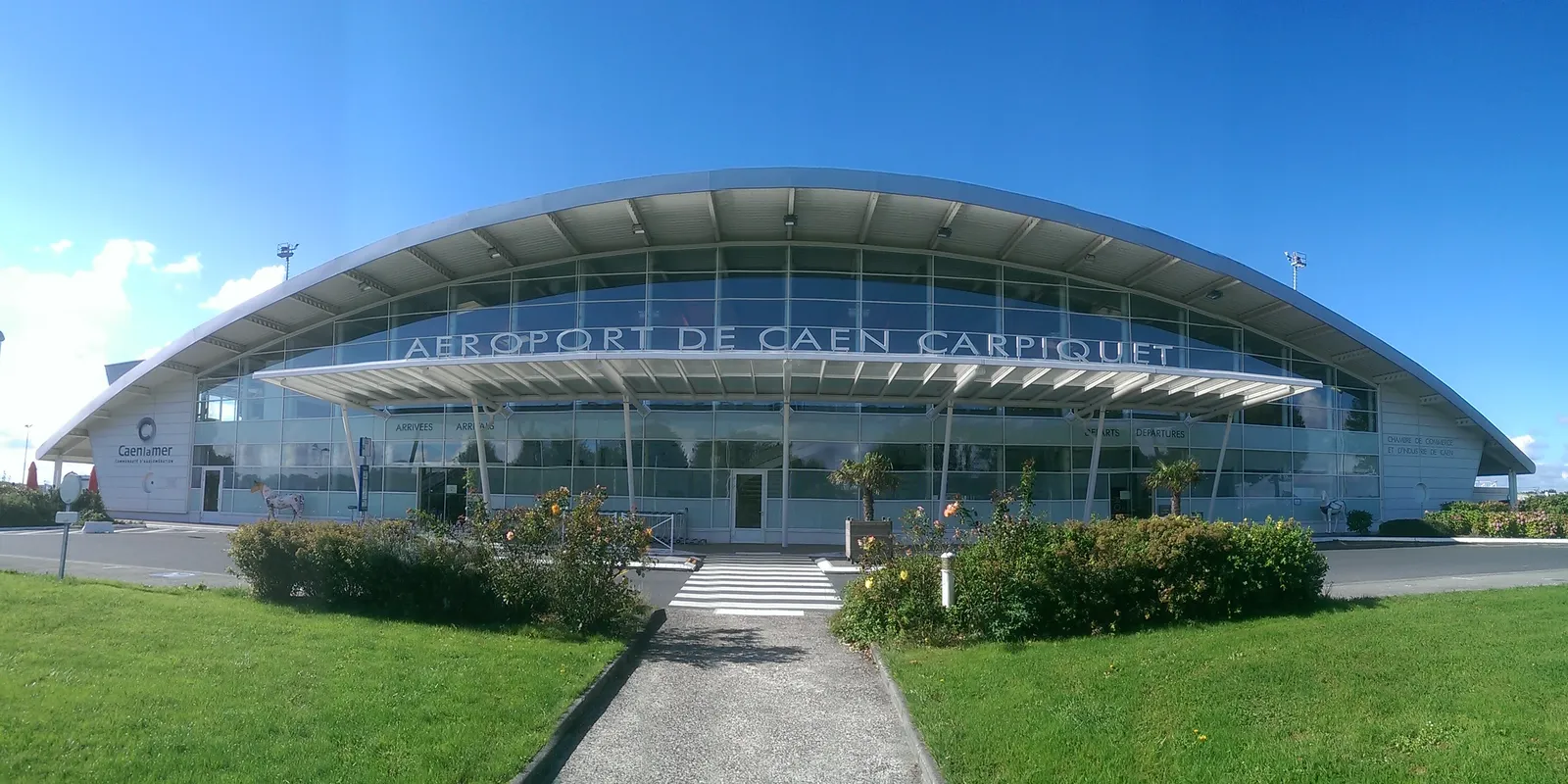
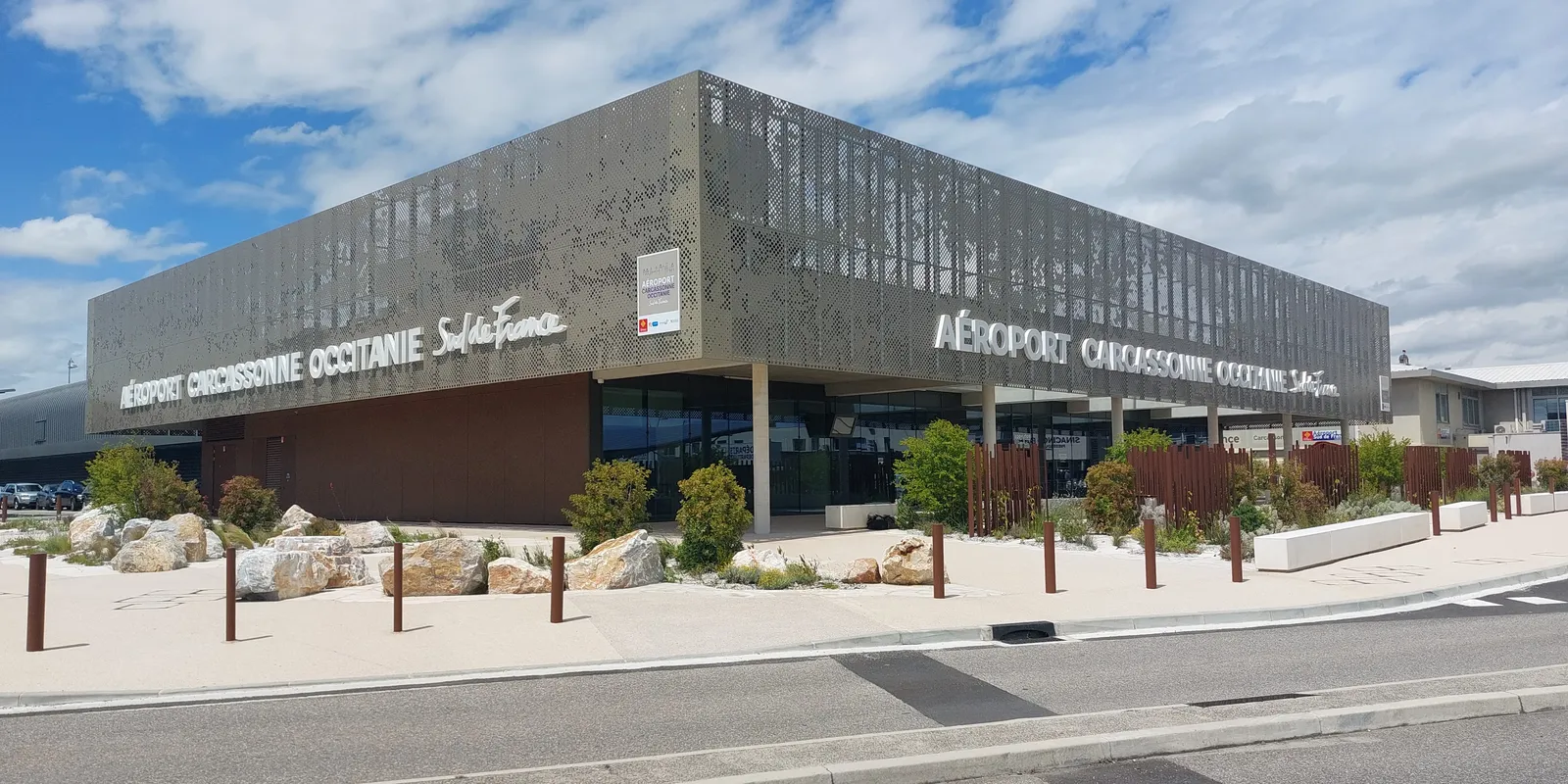
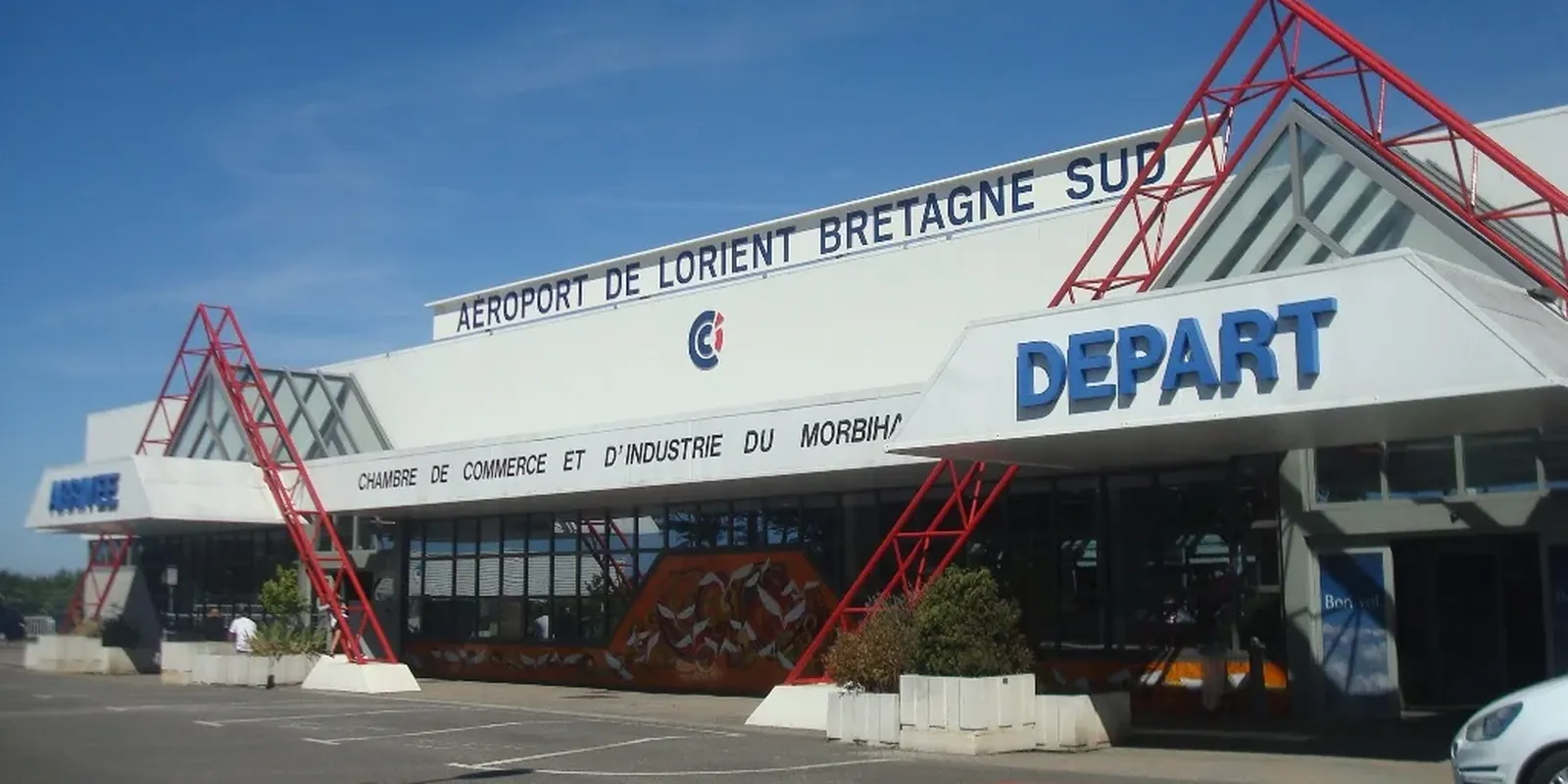
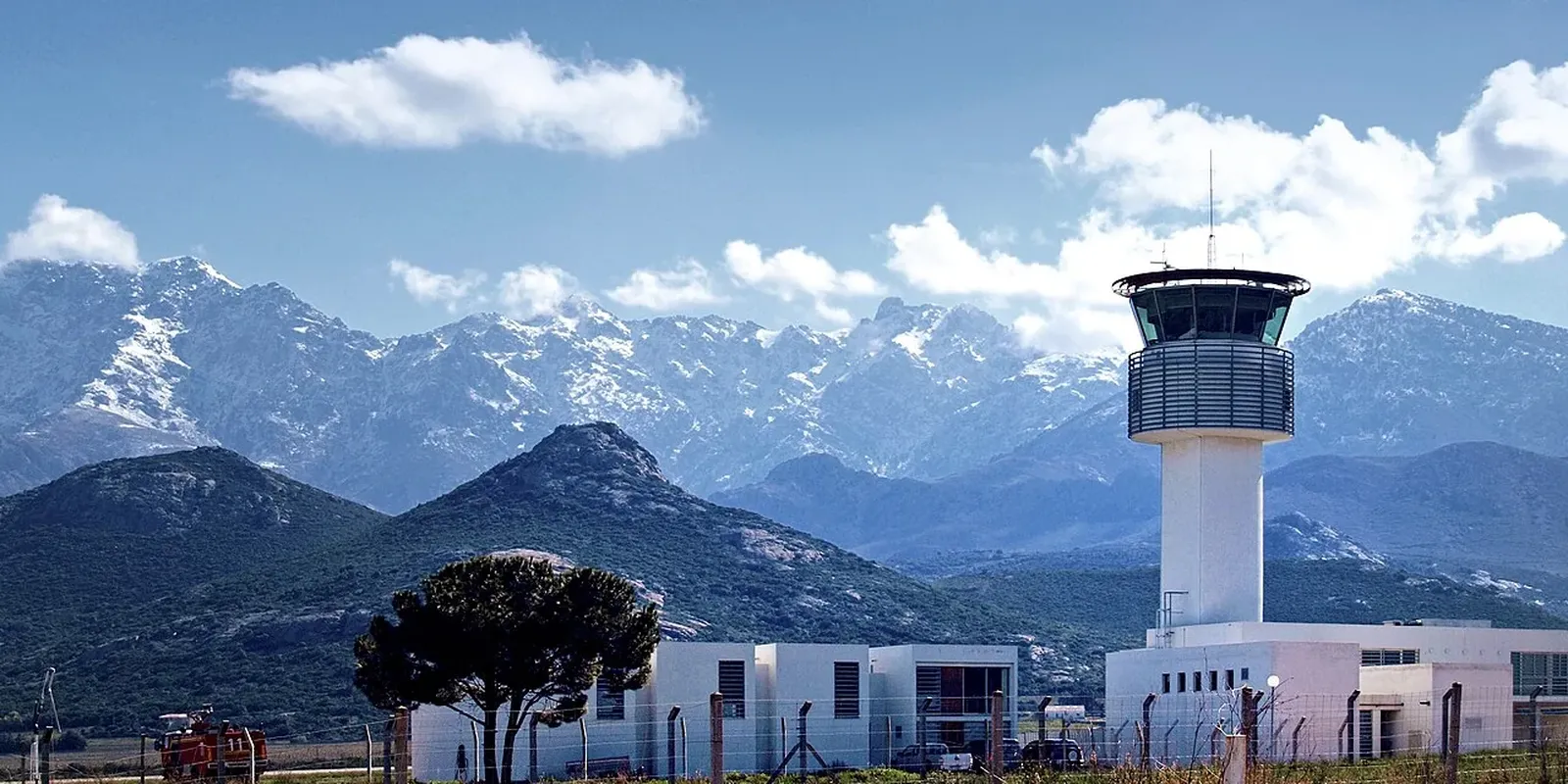
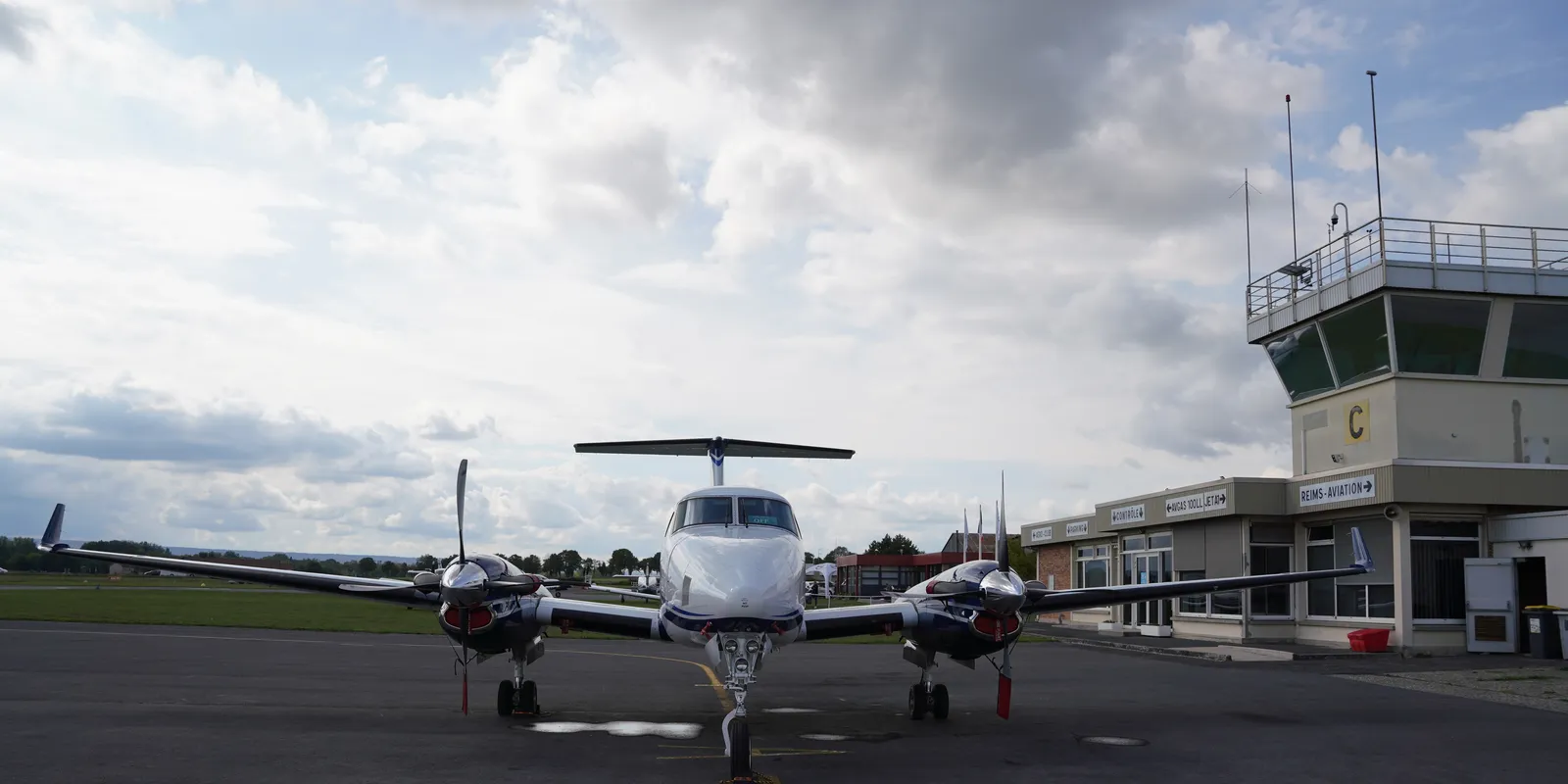
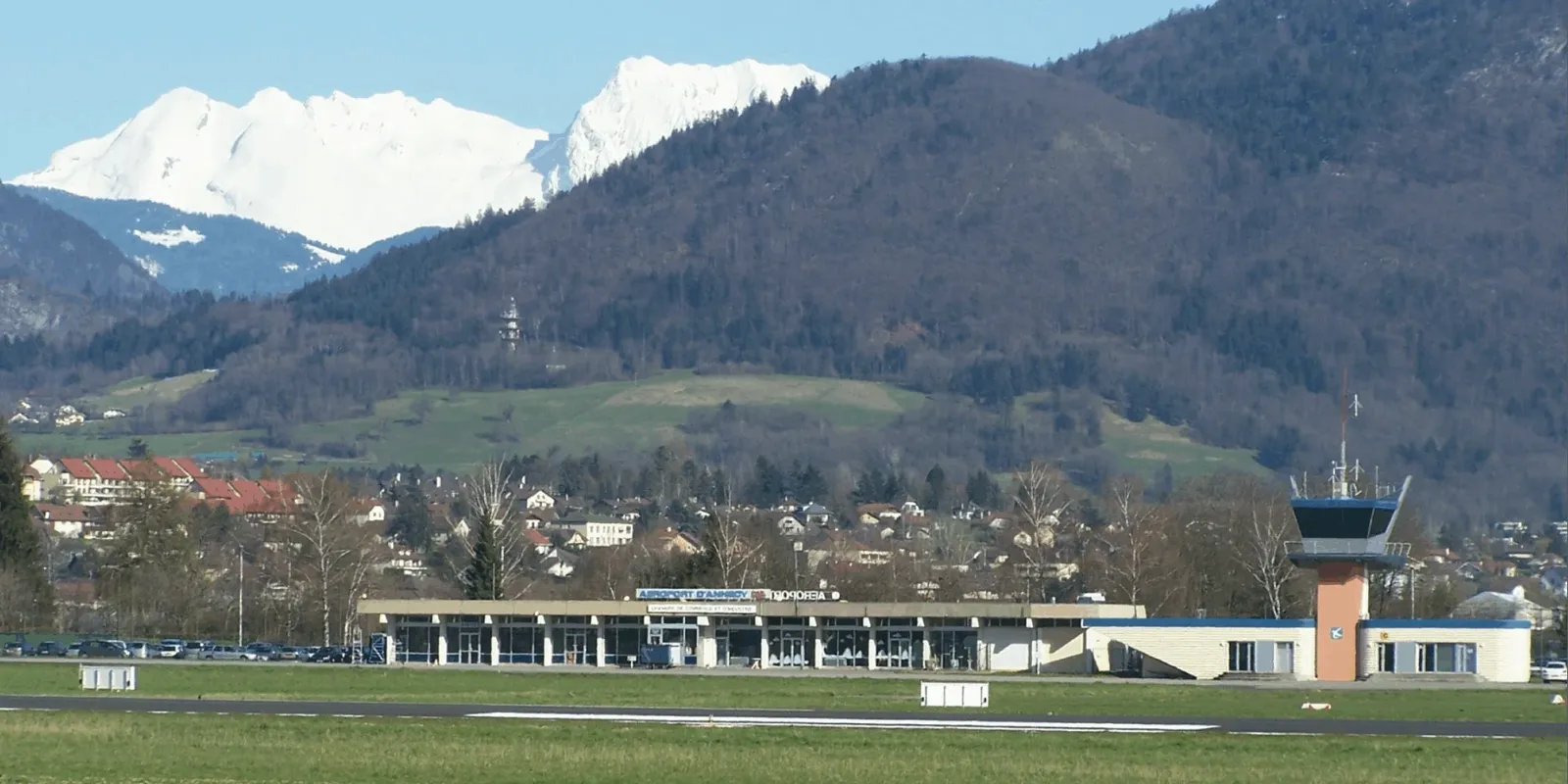
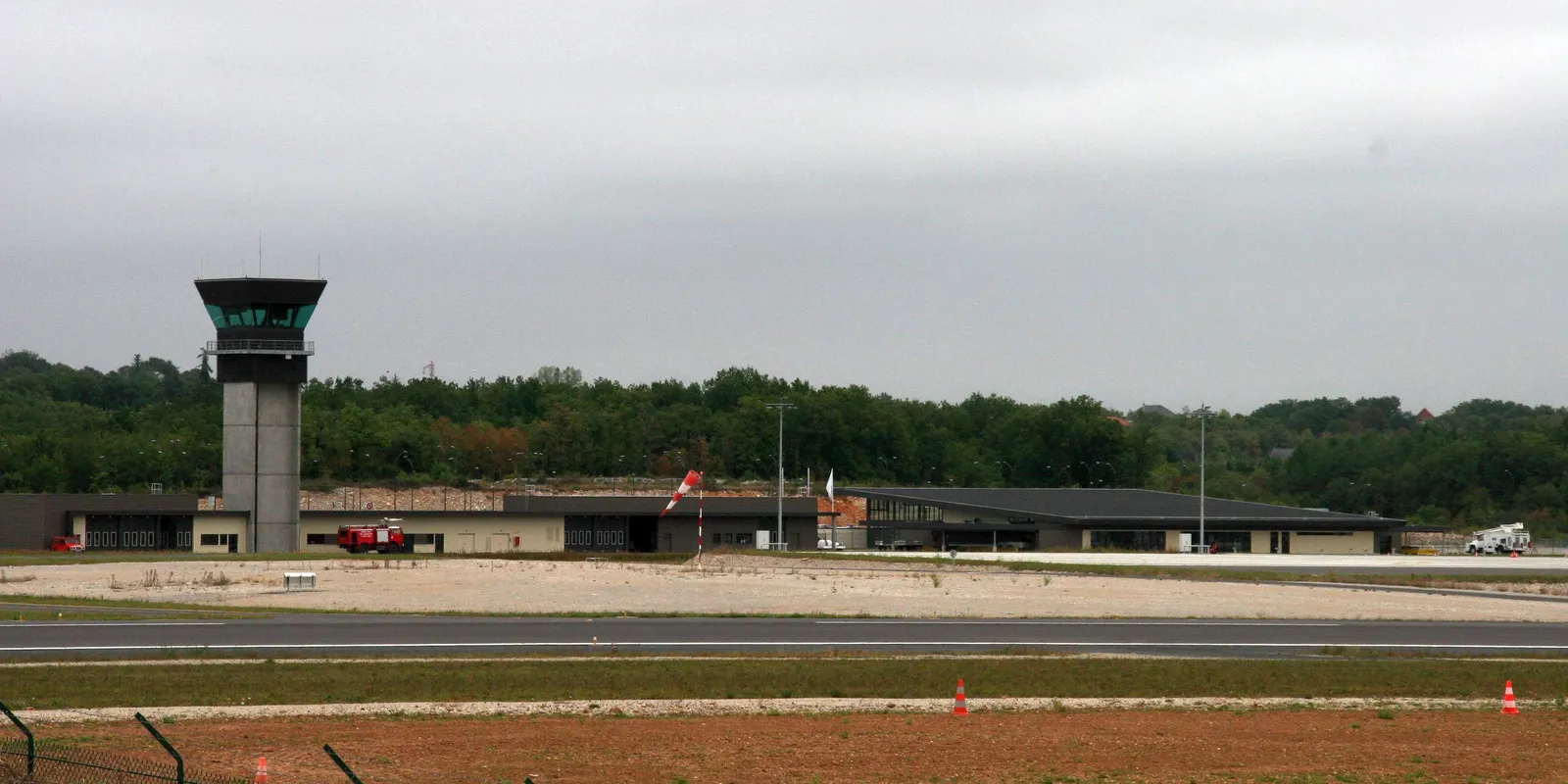
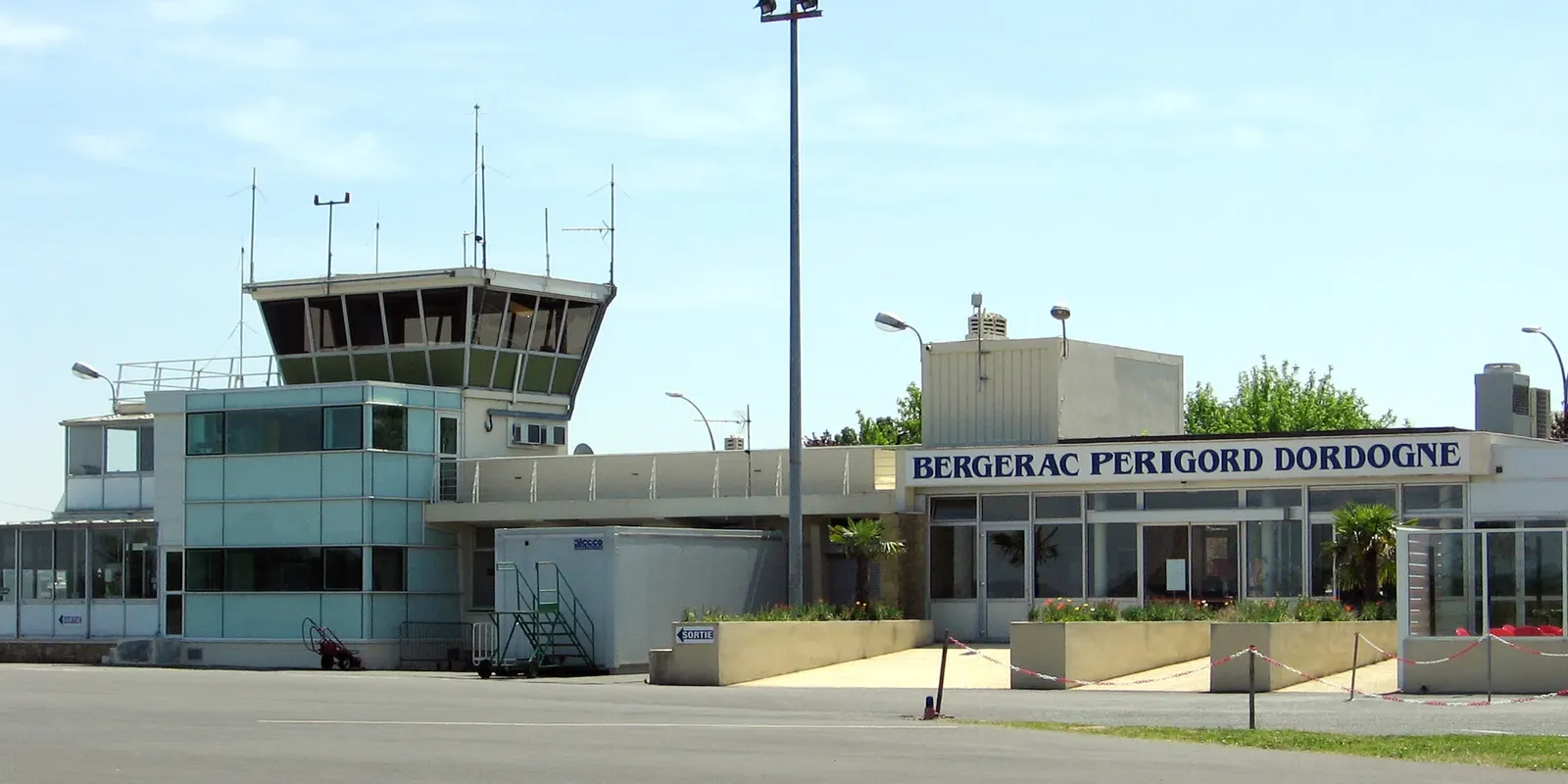
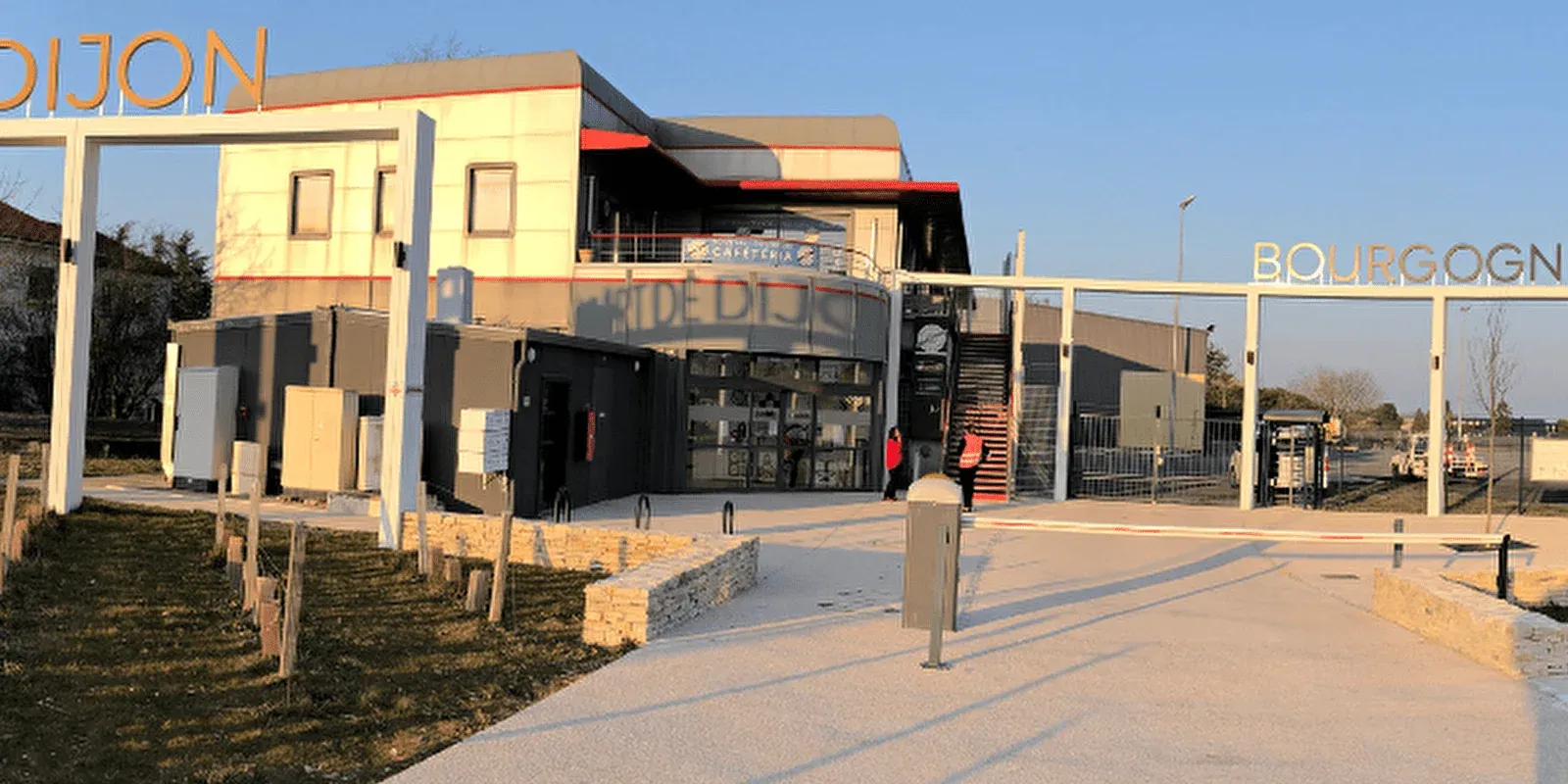
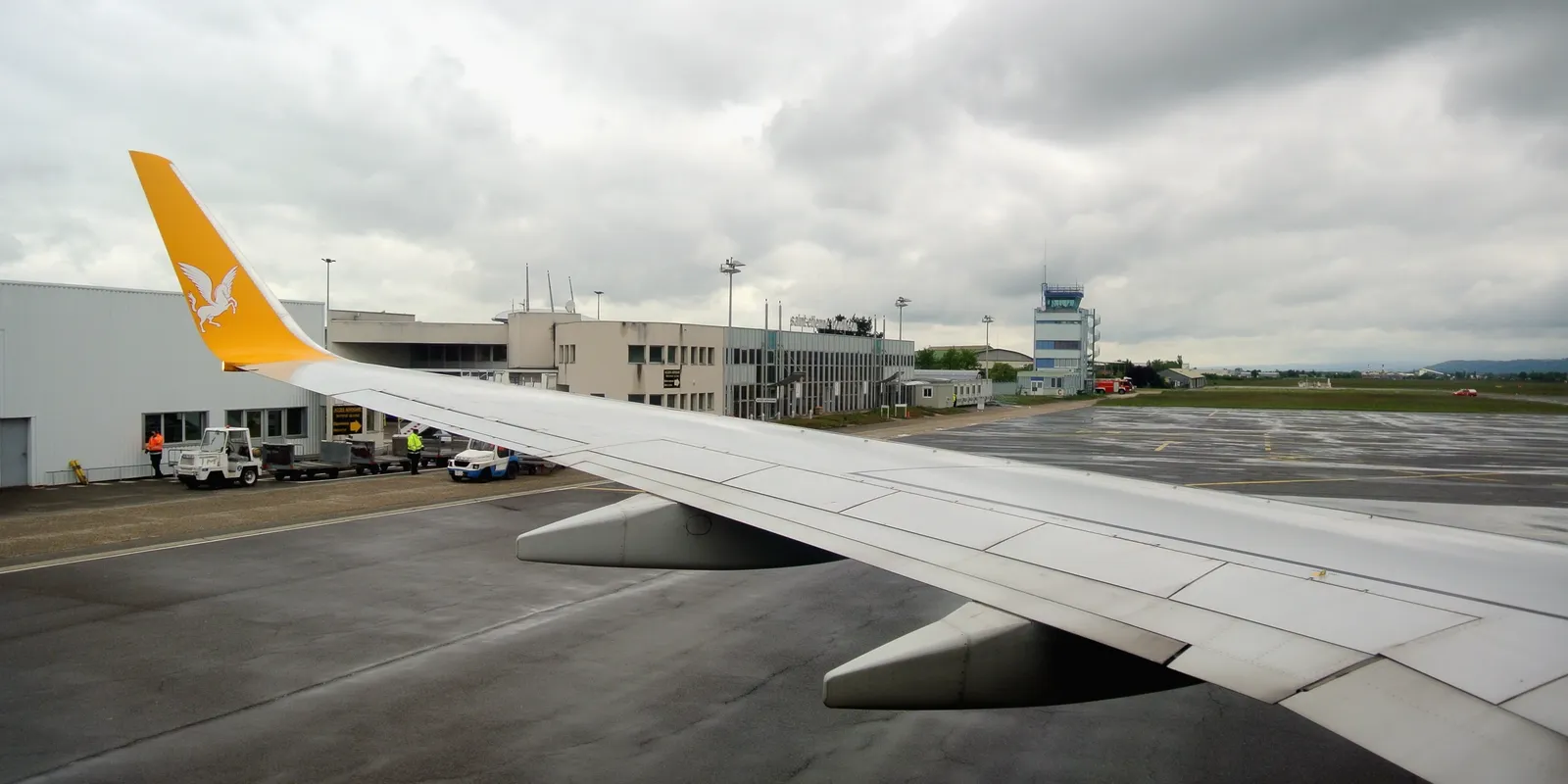
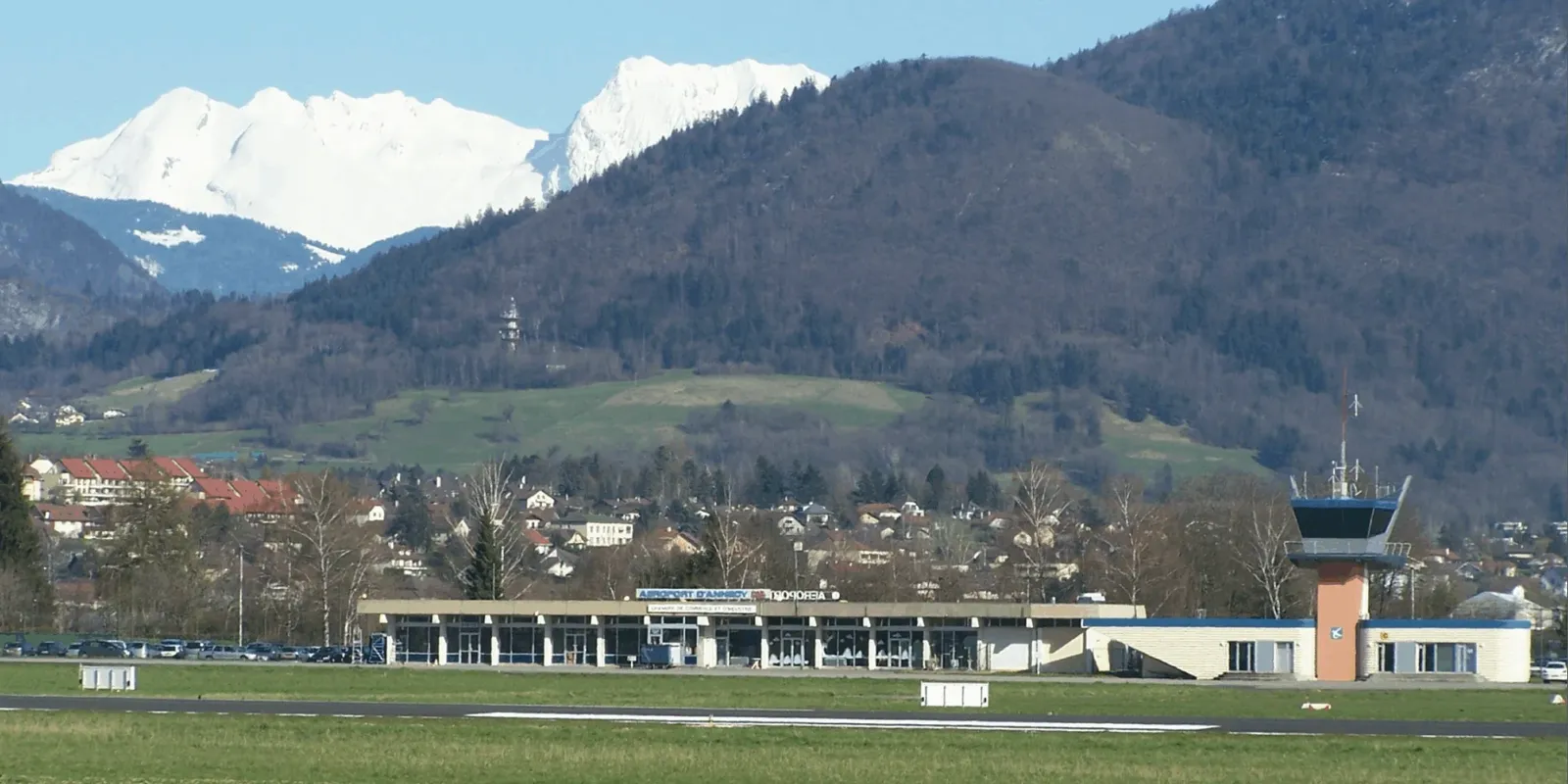
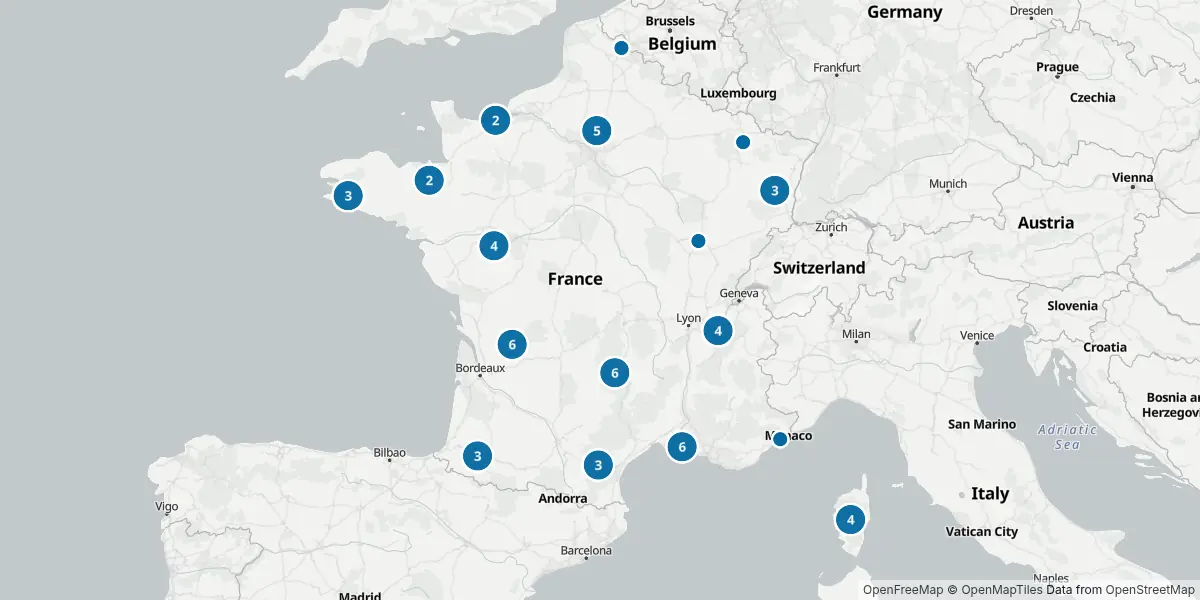
France has over fifty airports with active connections: Paris Charles de Gaulle and Paris-Orly, as well as the major regional hubs (Nice, Lyon, Marseille, Toulouse, Bordeaux, Nantes, Lille) and a dense network of medium and small airports serving practically every French region, from Brittany to Corsica, from the Alps to the Pyrenees.
France: recommended activities
France: visa and entry requirements
As a member of the European Union and the Schengen area, France does not require a visa for EU citizens, who travel with a valid ID card or passport, nor for citizens of many other countries (including the US, Canada, the UK, Australia) for tourist stays of up to 90 days.
France: safety
France is generally safe for tourists, with the usual precautions against petty theft and pickpocketing in the very crowded areas of major cities, particularly Paris (the metro, main tourist sites) and on the French Riviera in high season. No significant security concerns are reported for visitors in most of the country.
France: health situation
No specific vaccinations are required for entry. The healthcare system is among the most efficient in the world; the European Health Insurance Card (EHIC) is valid for EU citizens. Travel insurance nonetheless remains advisable.
France: currency, payments and connectivity
The currency is the euro. Credit cards are accepted almost everywhere, including small businesses. Uber and Bolt operate in the main cities. For connectivity, the operators Orange, SFR, Bouygues Telecom and Free sell prepaid SIM cards; as an EU citizen, those arriving from another EU country benefit from free roaming ('Roam Like At Home').
France: travel guides
Aurillac: the French capital of the umbrella
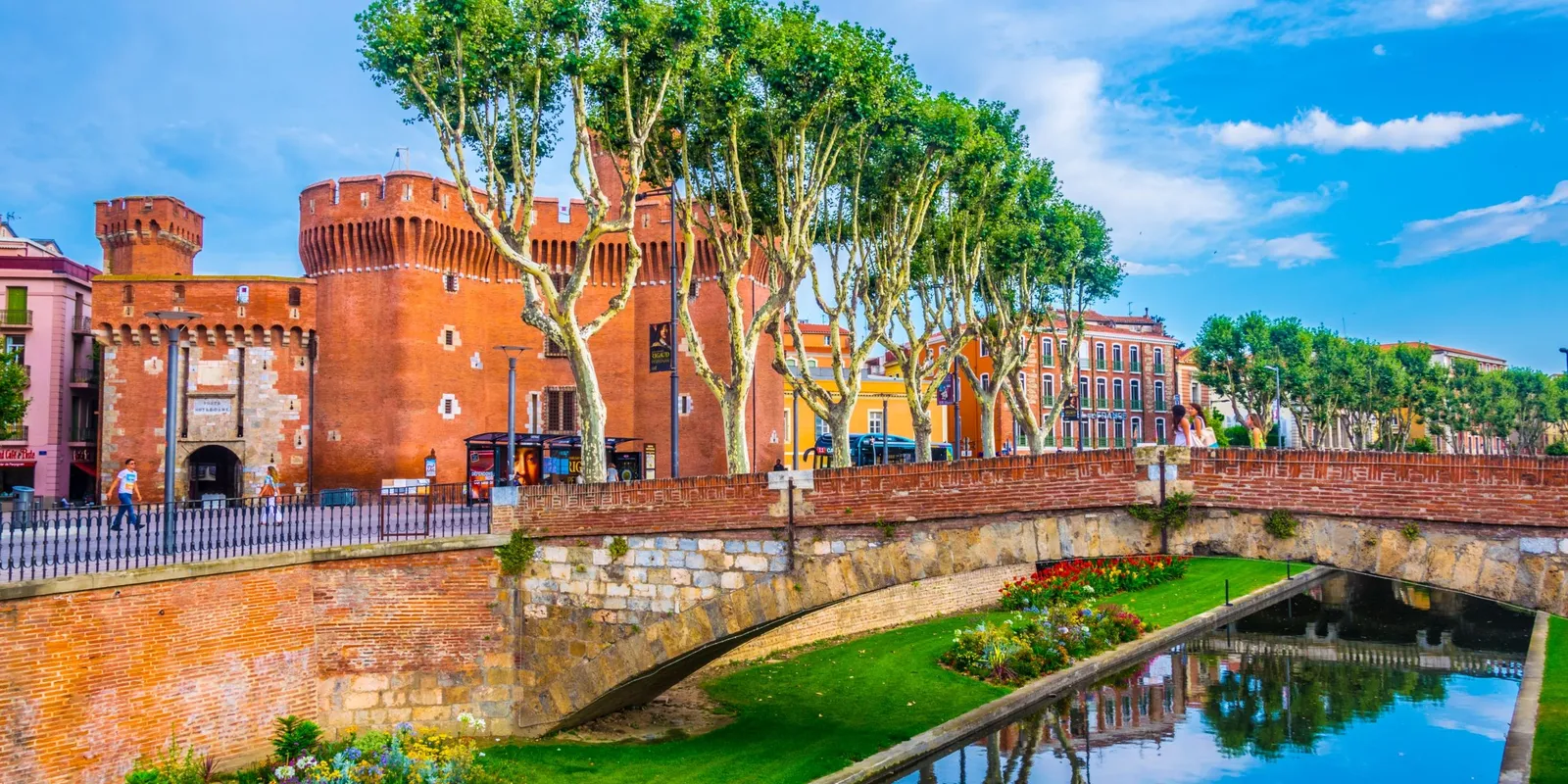
Perpignan: more Catalan than French
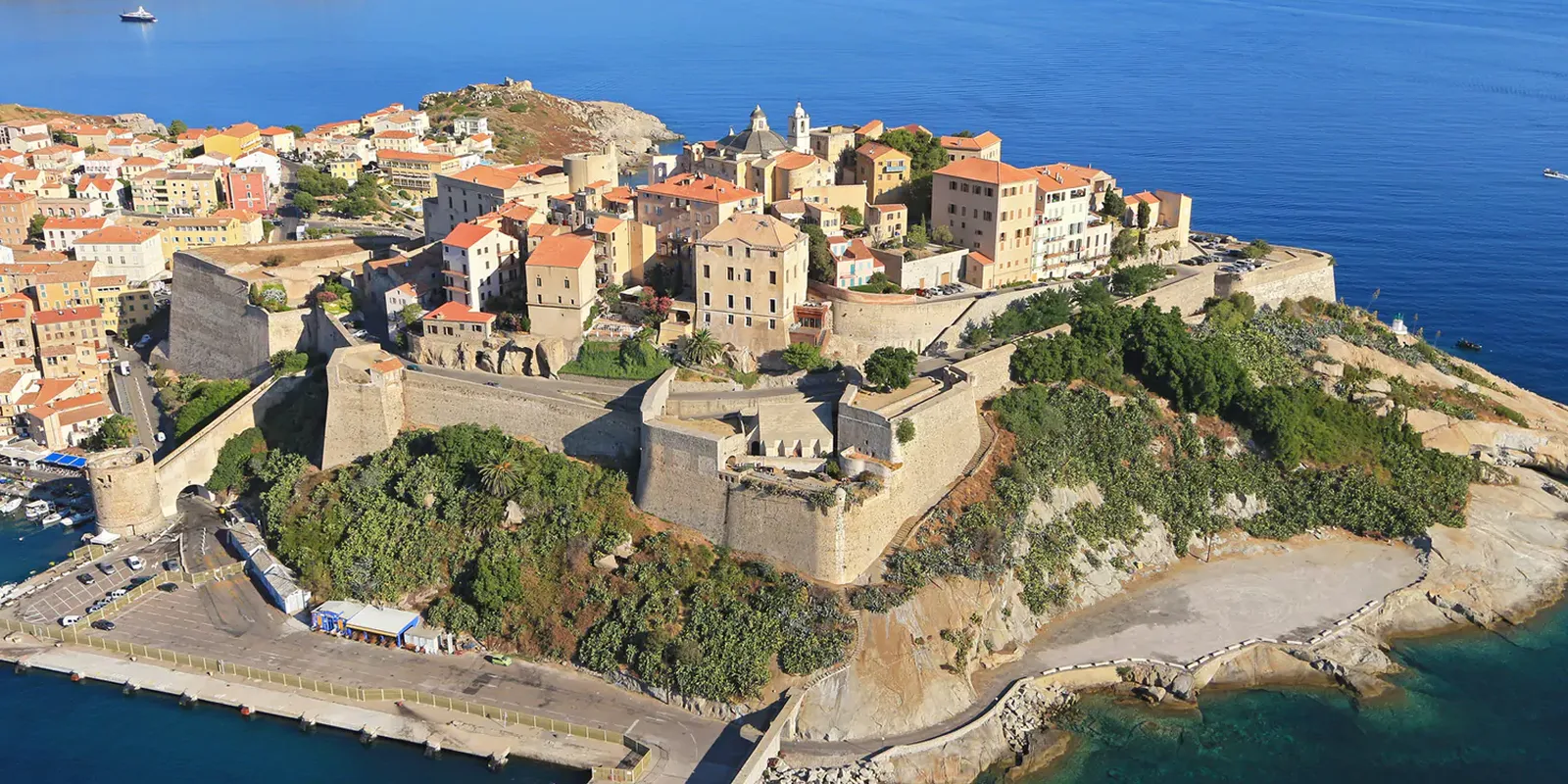
Calvi: the citadel said to be Columbus's birthplace
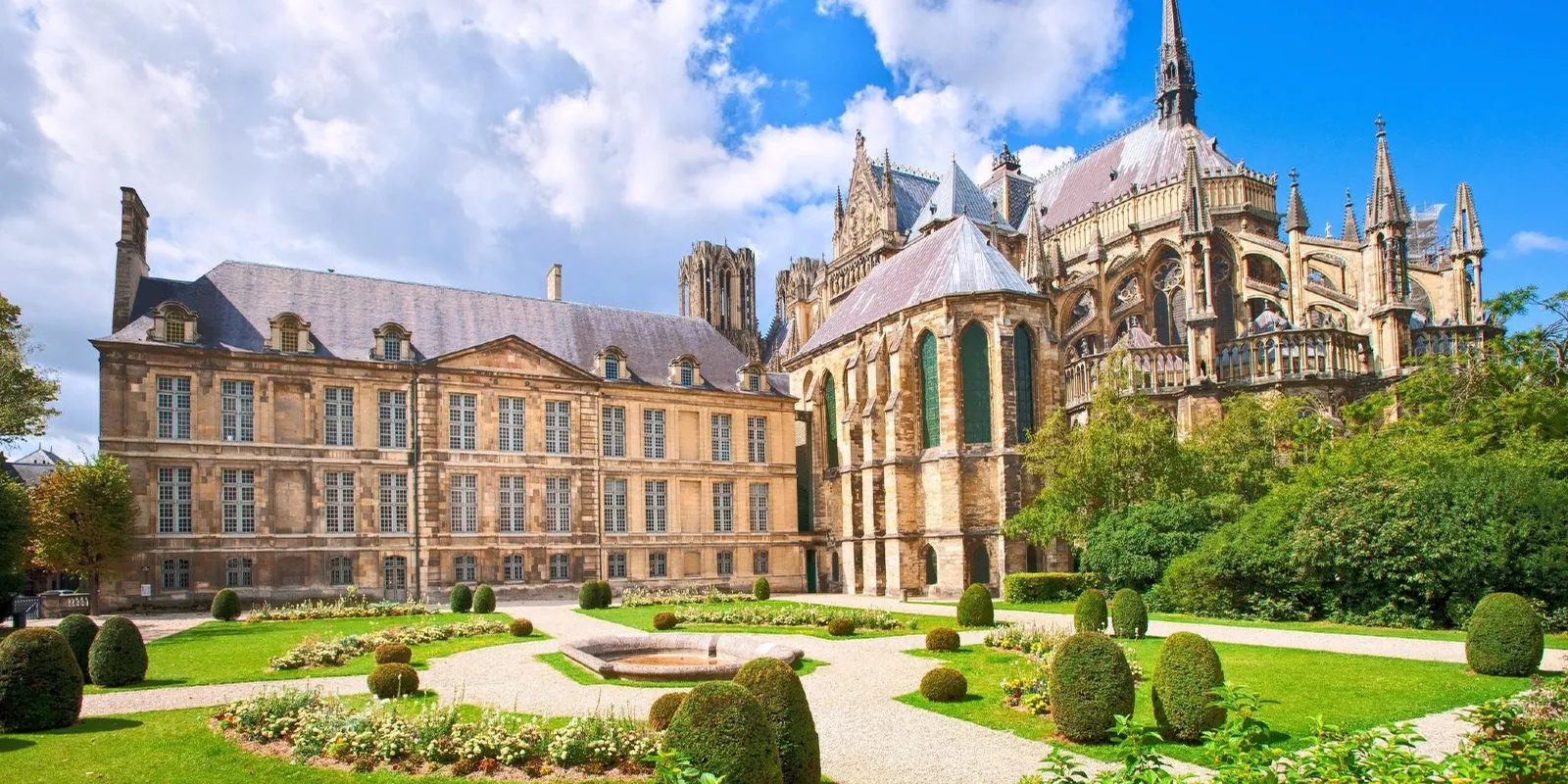
Reims: where the kings of France were crowned
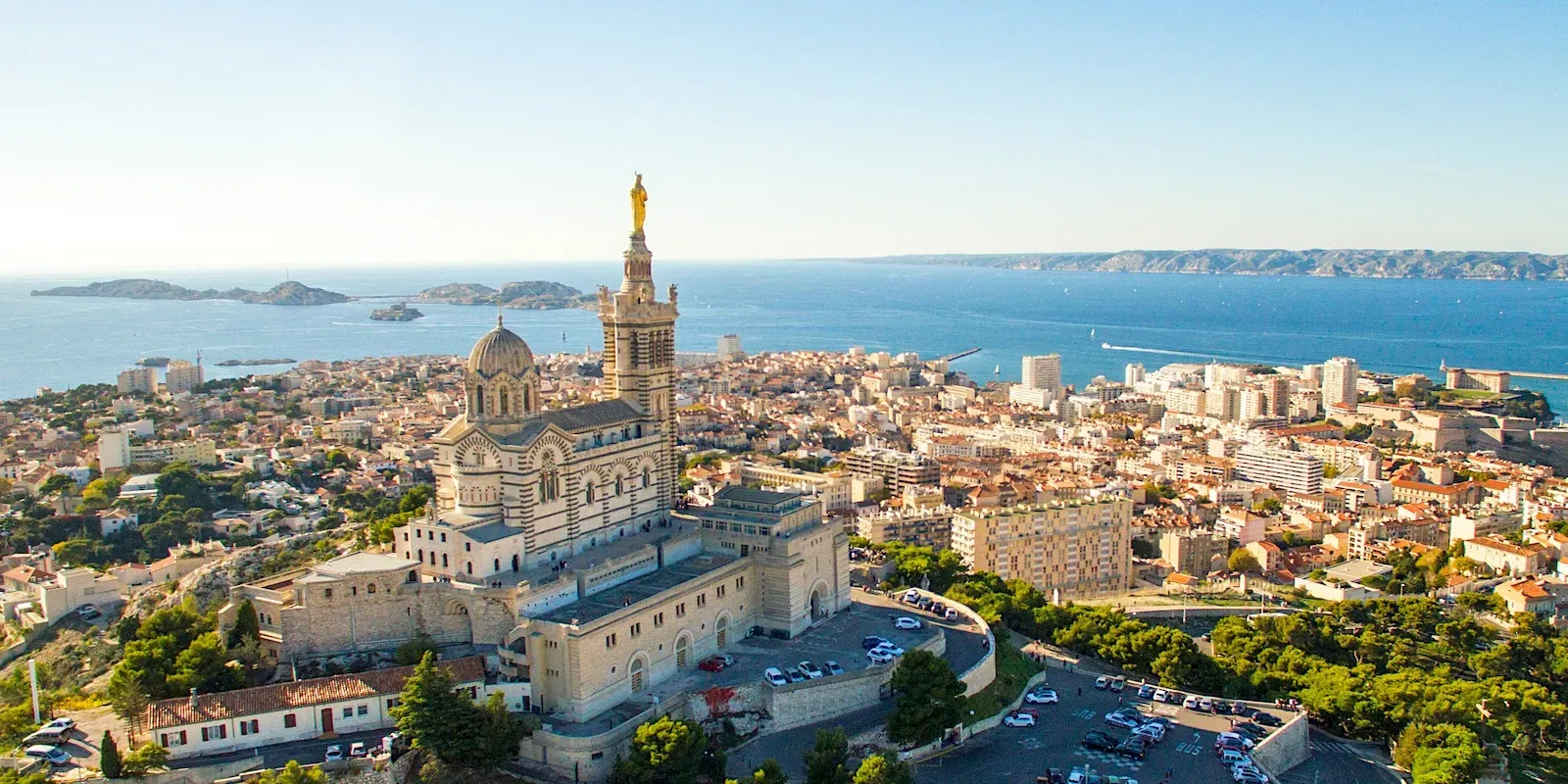
Marseille: France's oldest port
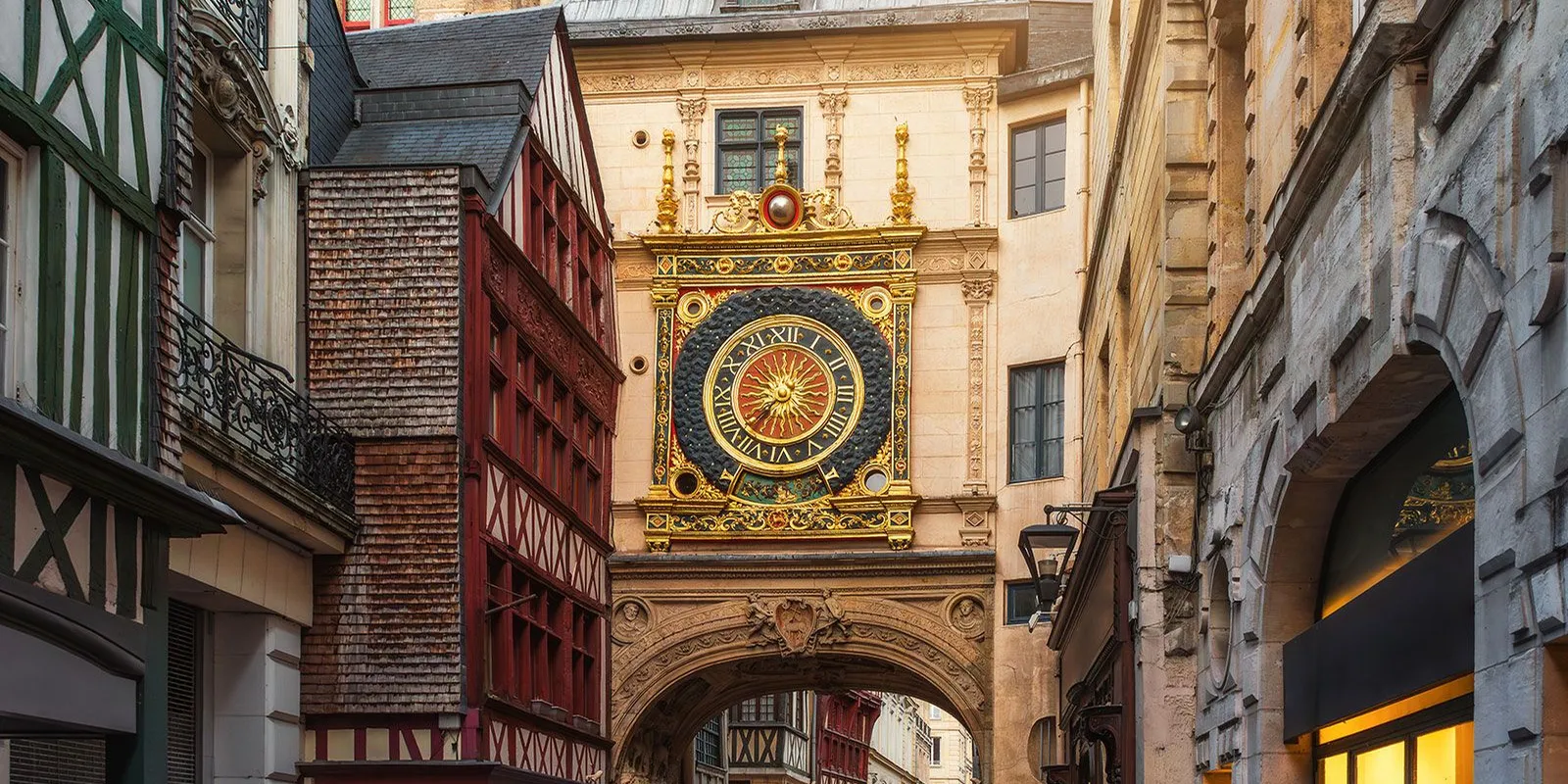
Rouen: where Joan of Arc was burned
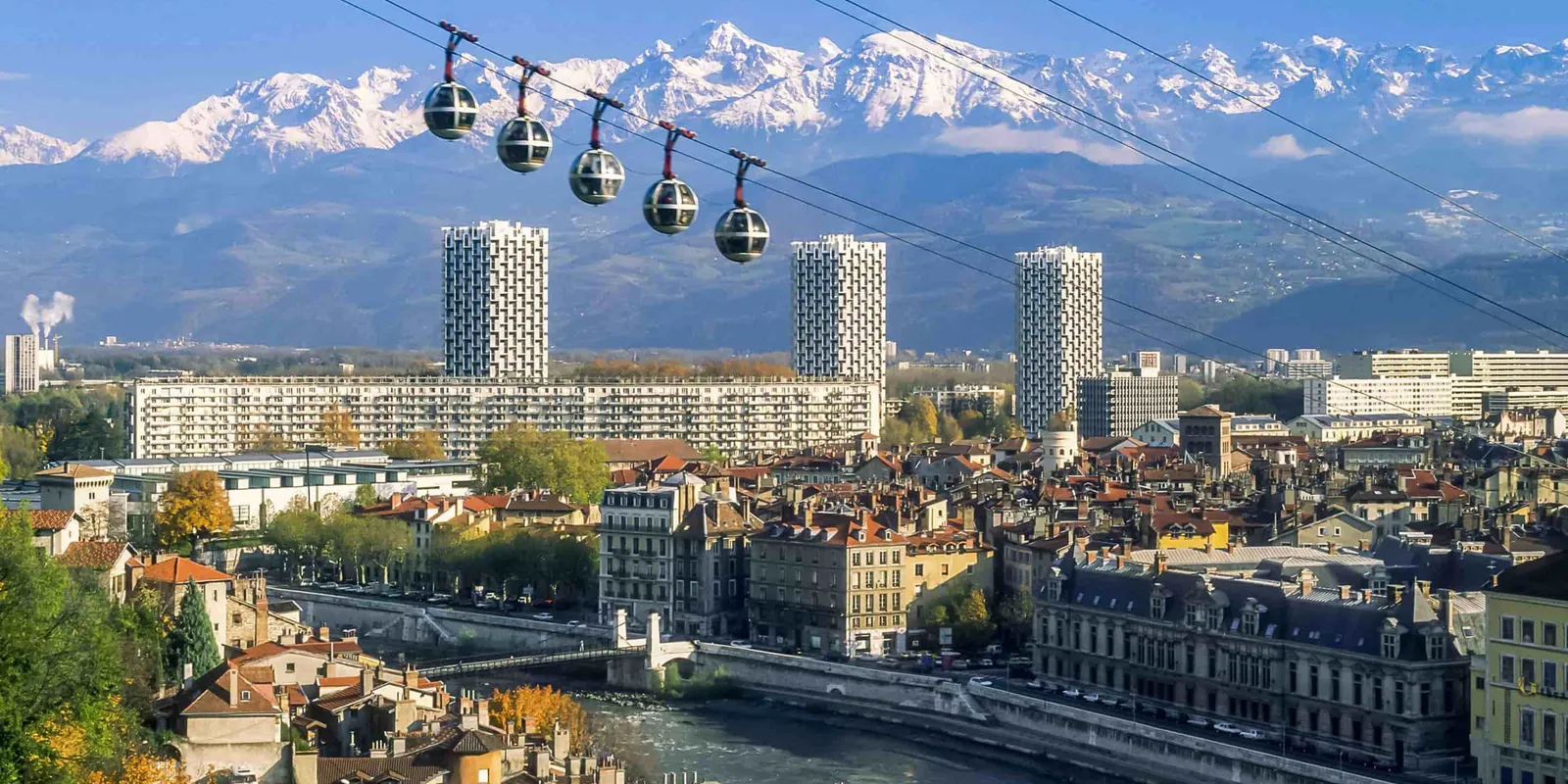
Grenoble: the bubble cable car to the Alps
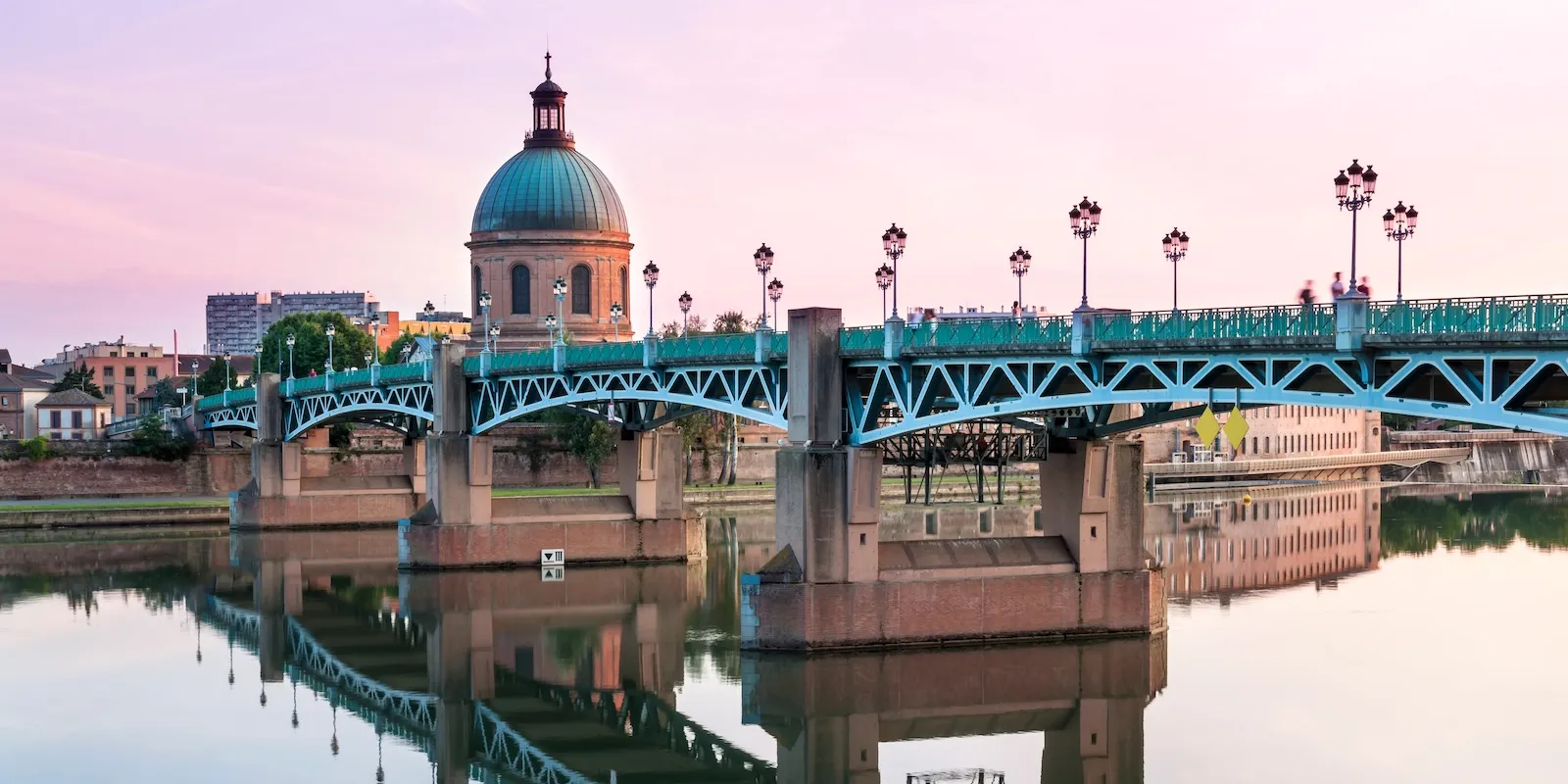
Toulouse: the pink city of aerospace
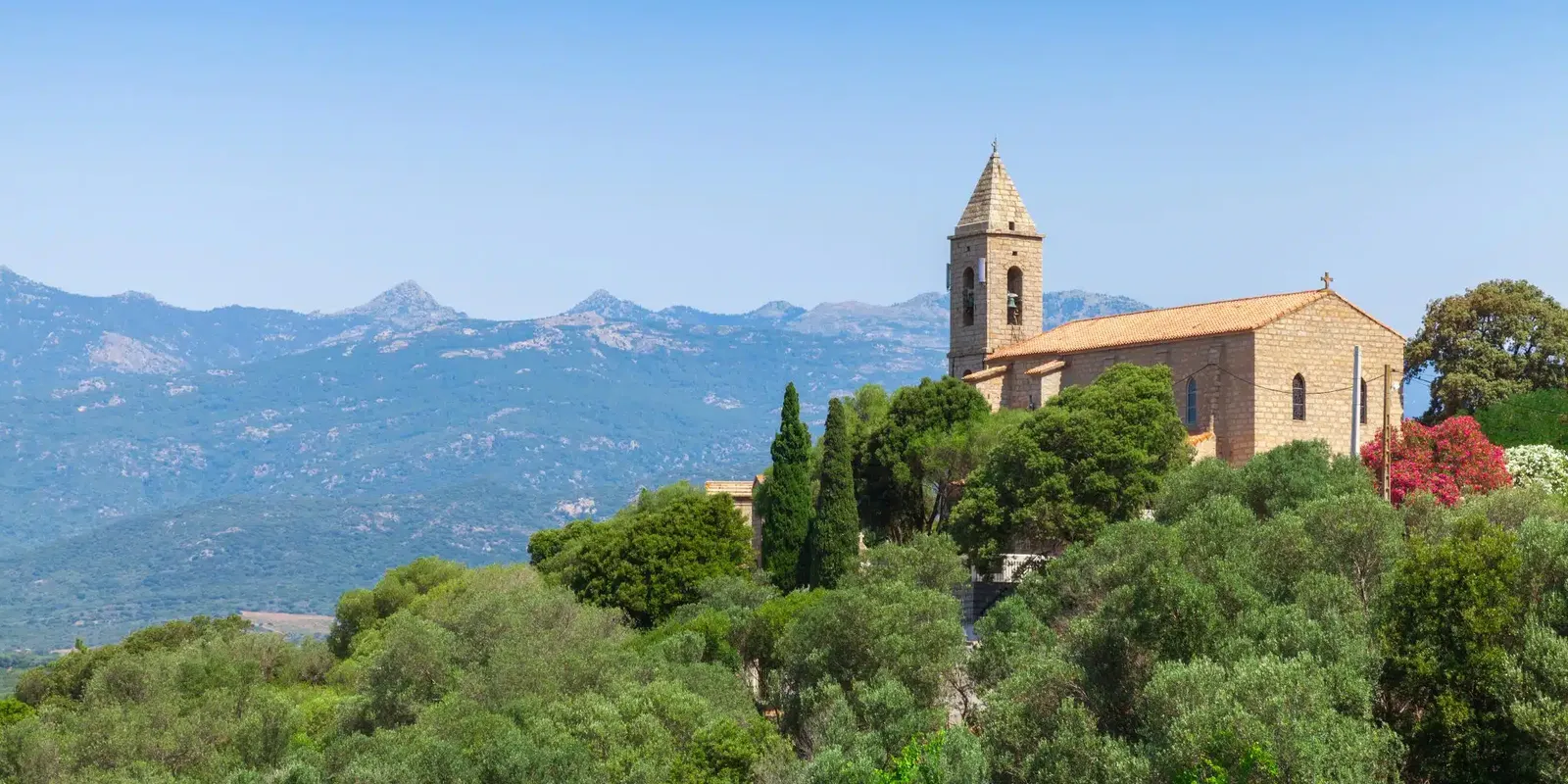
Figari: wild coves in southern Corsica
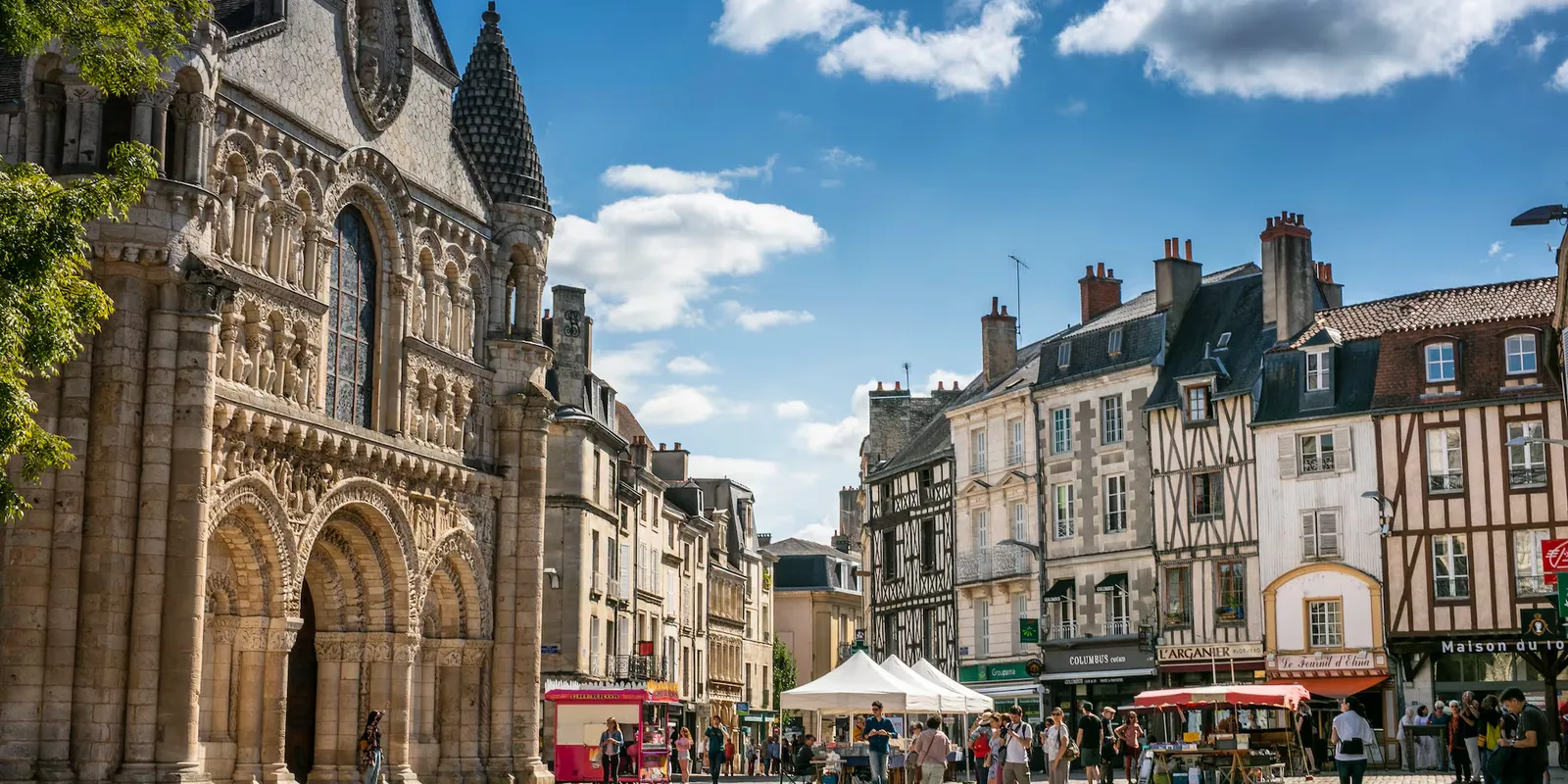
Poitiers: the battle that halted an empire
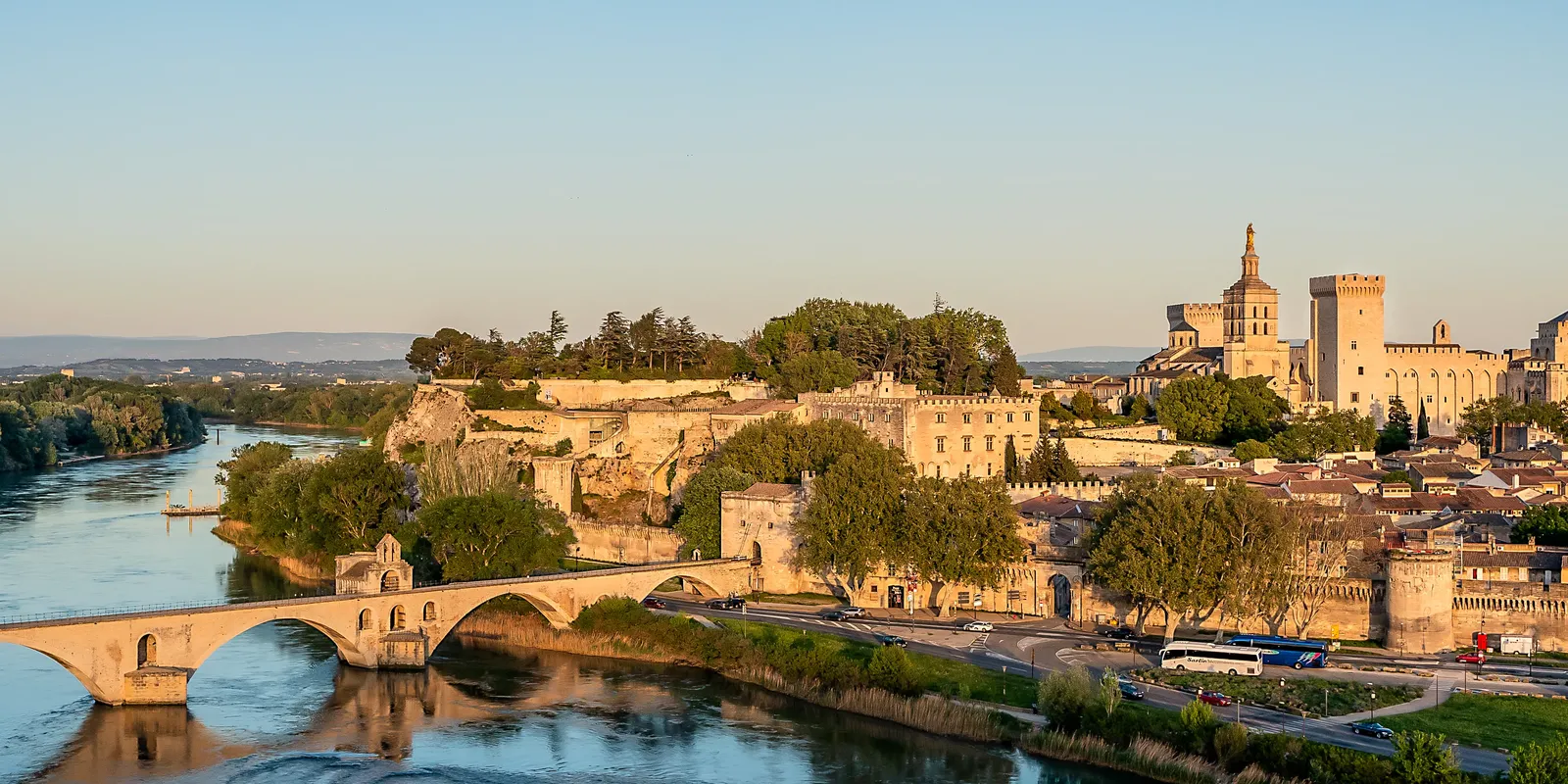
Avignon: the city of the Popes on the Rhône
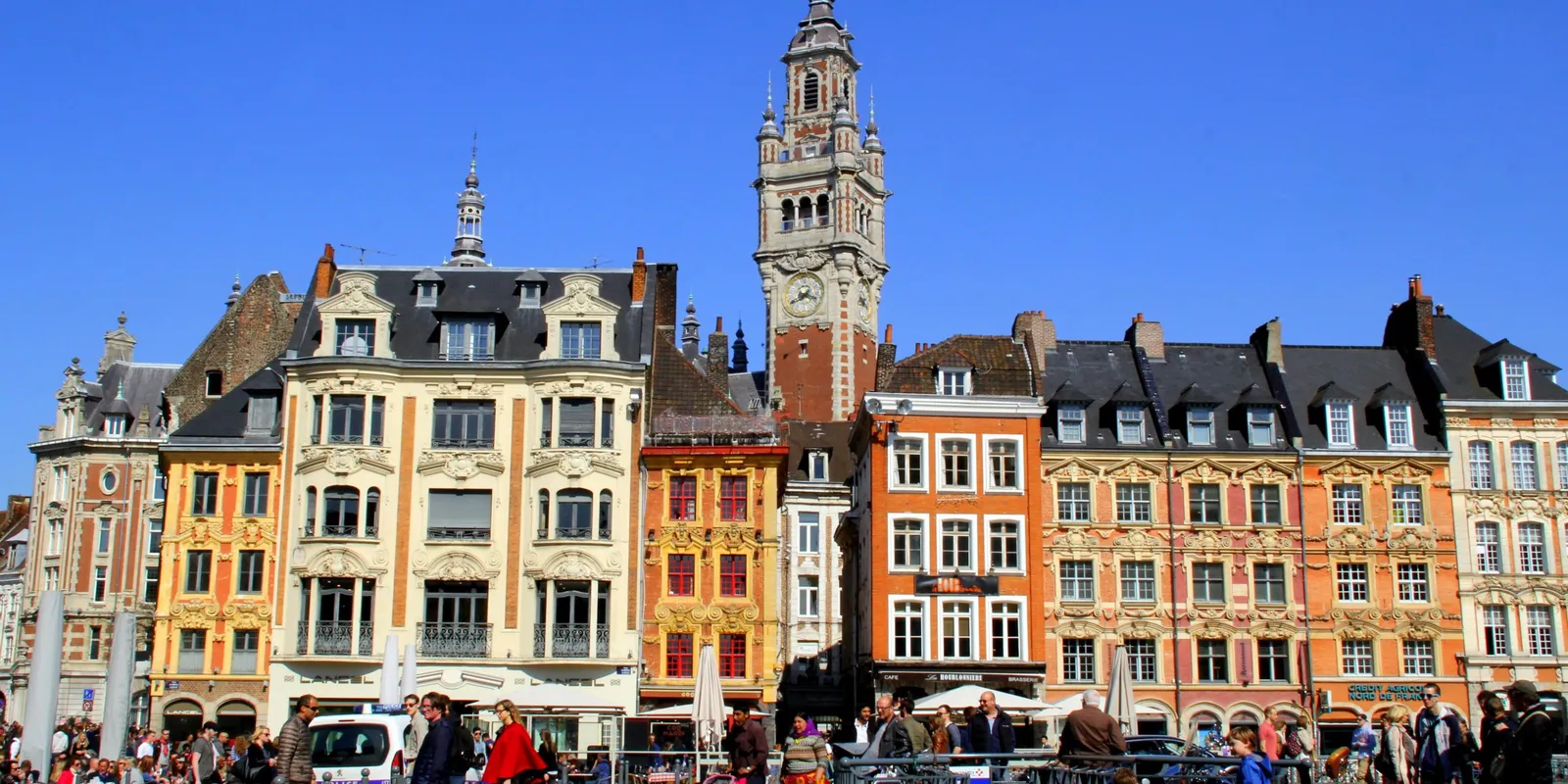
Lille: more Flemish than French
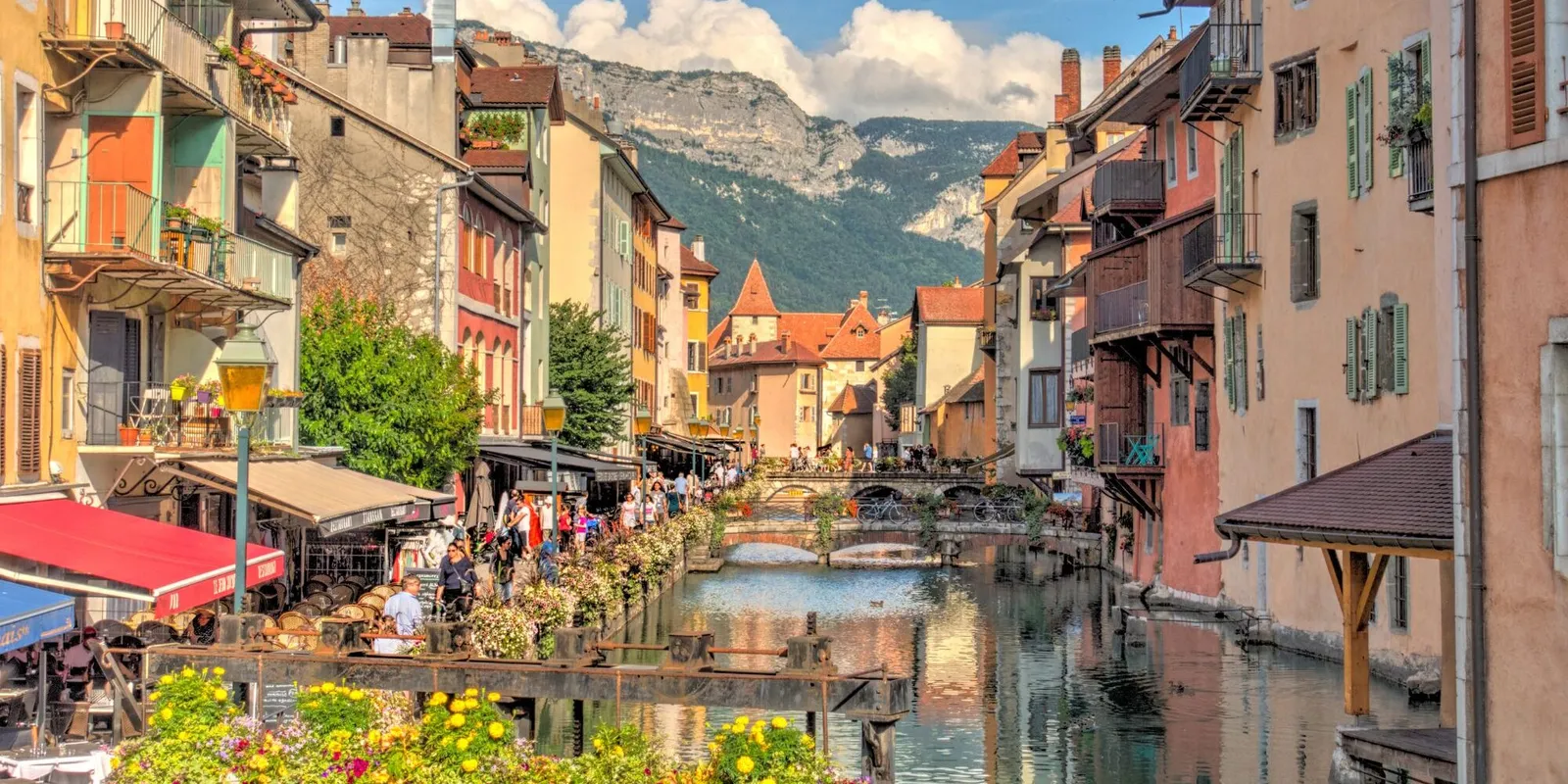
Annecy: the Venice of the French Alps
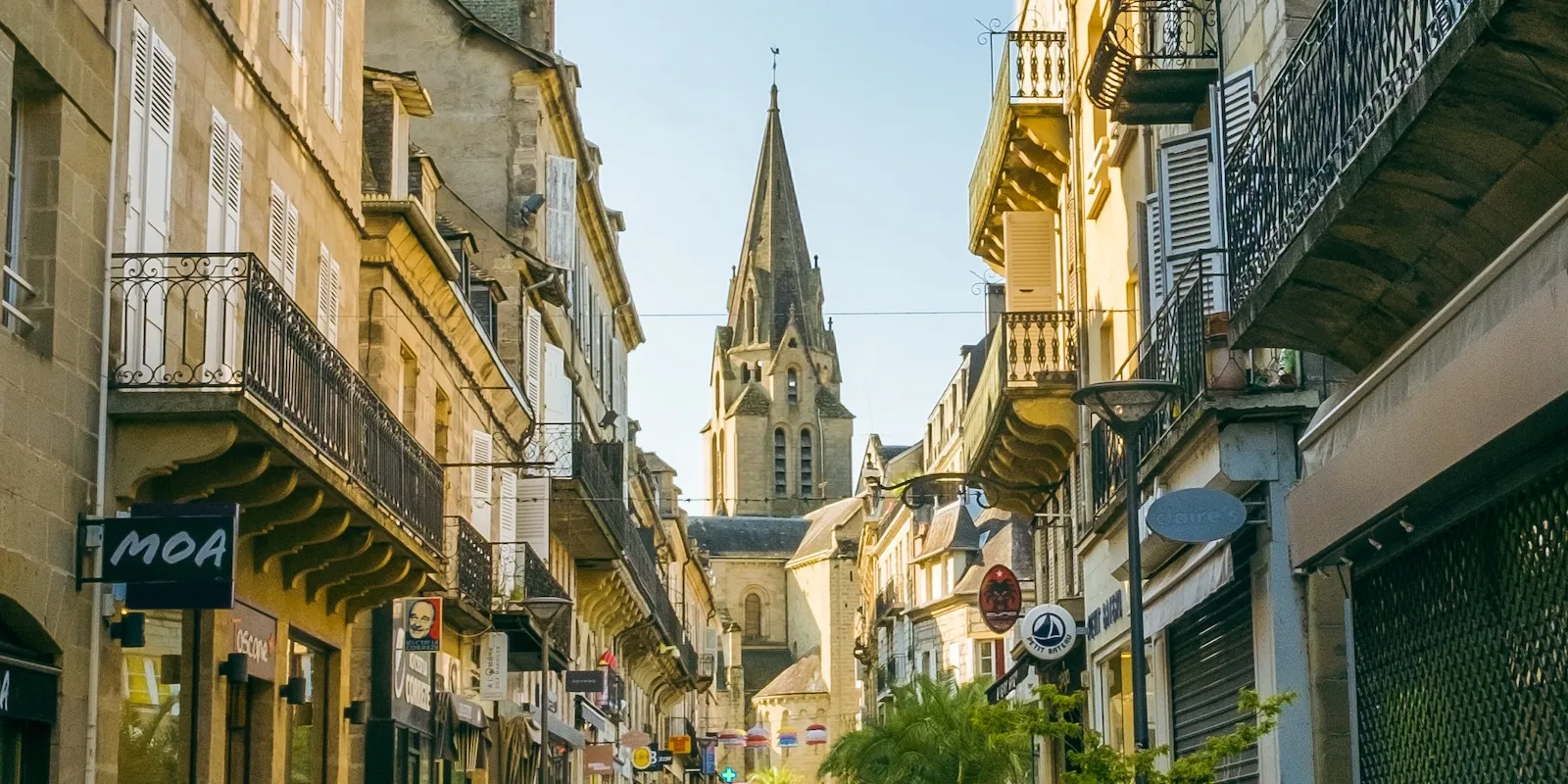
Brive-la-Gaillarde: the gateway to Lascaux and Rocamadour
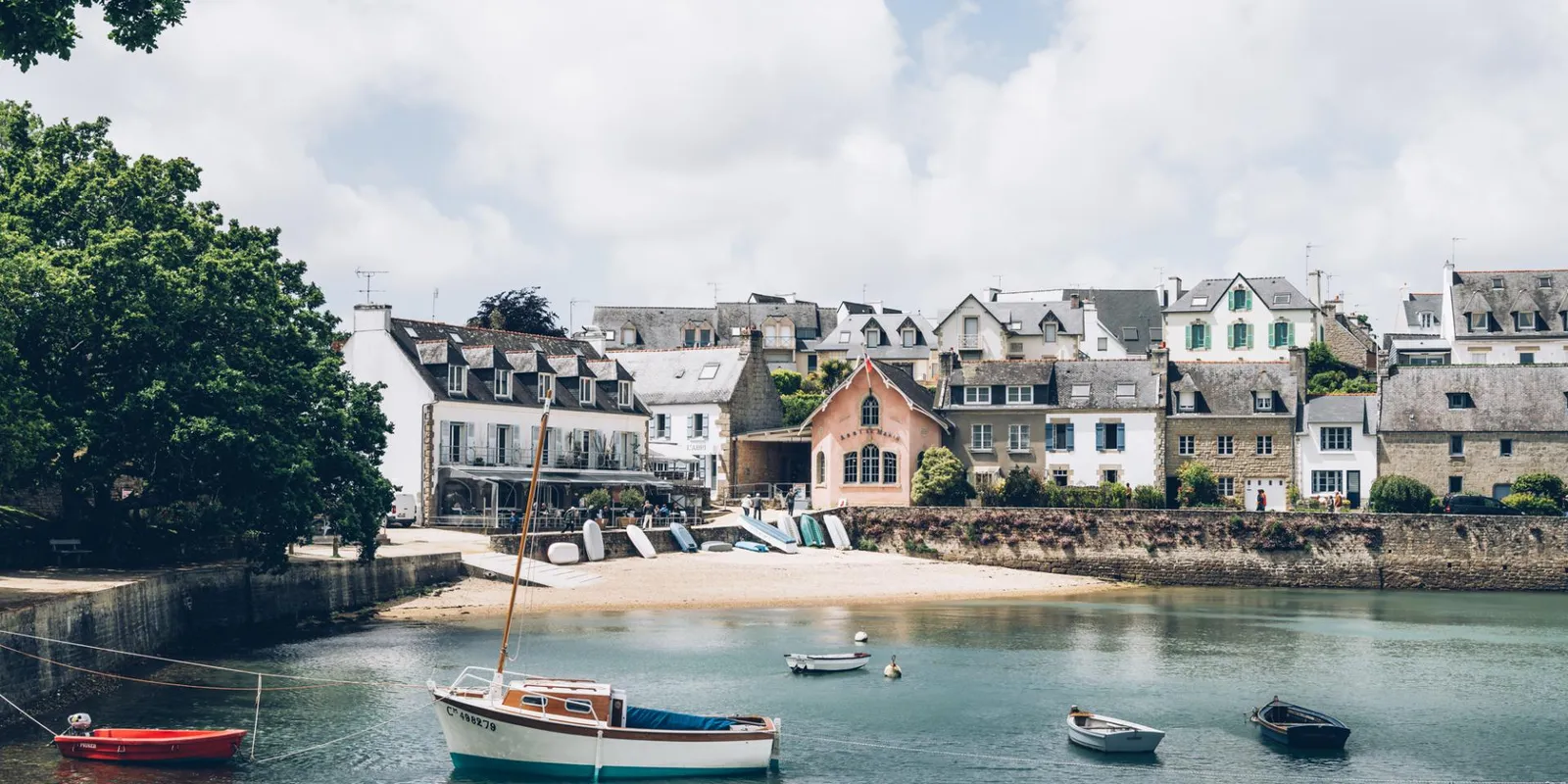
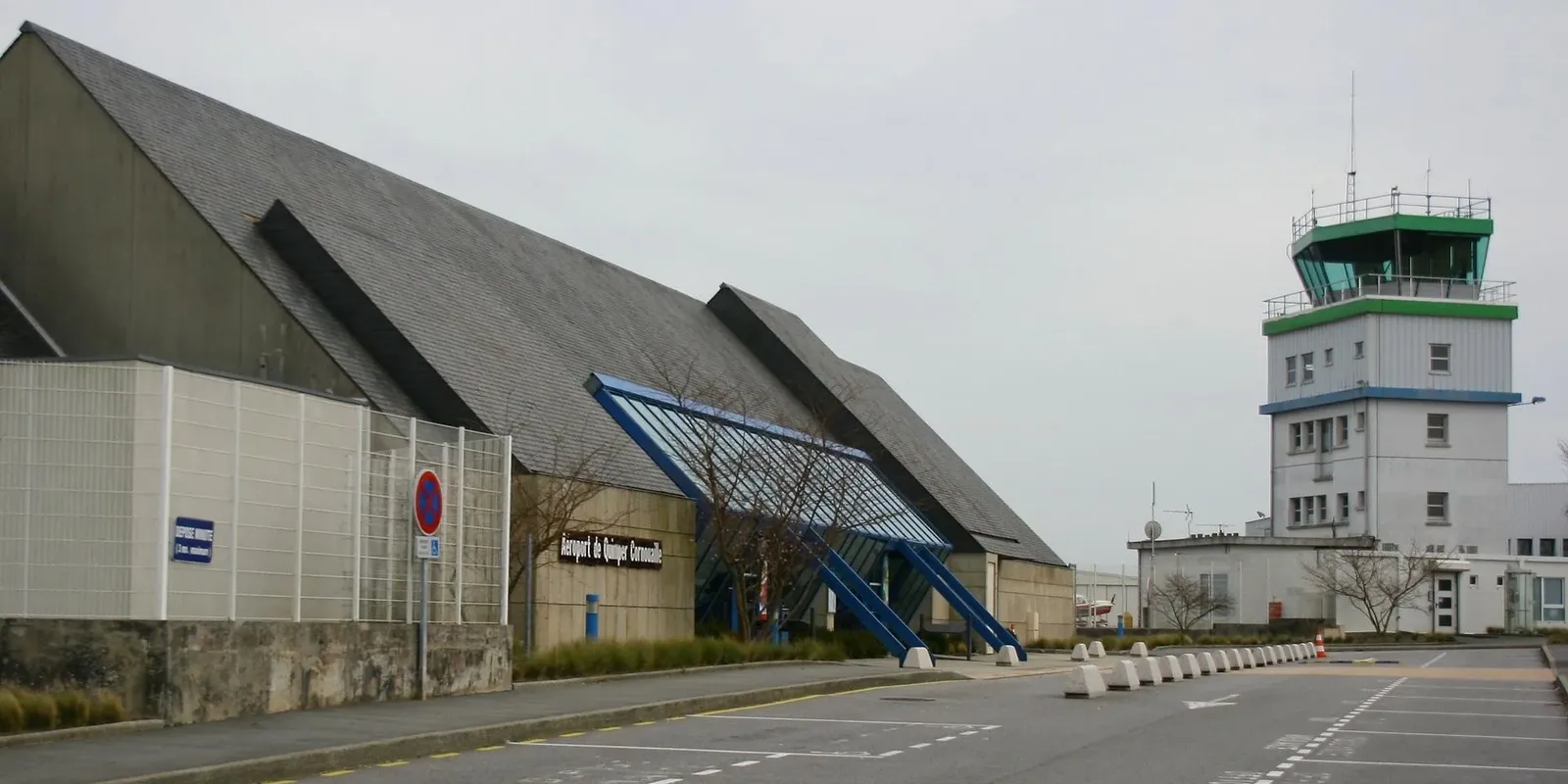
Quimper: the most authentic Brittany
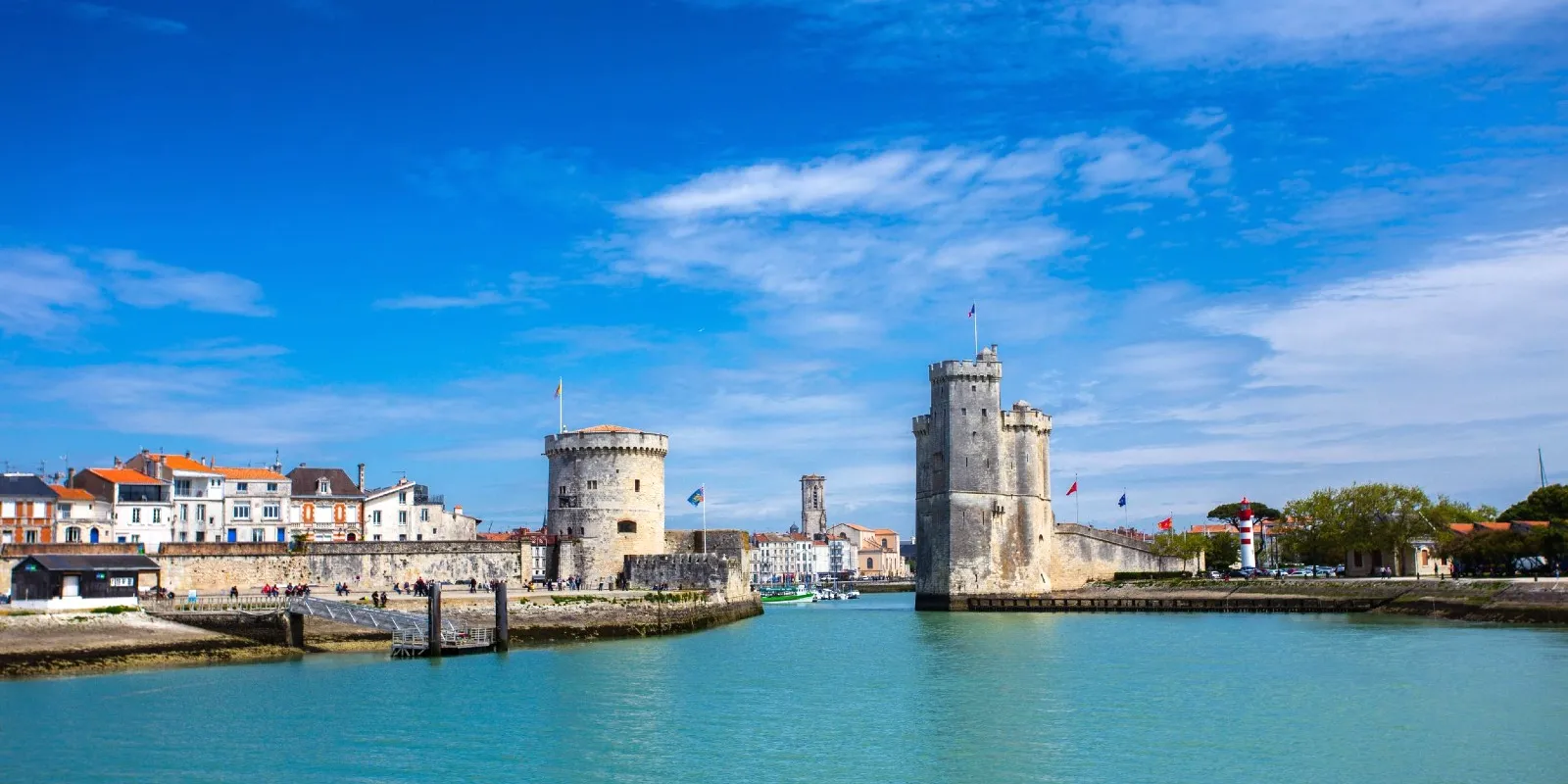
La Rochelle: the towers that chained the harbour
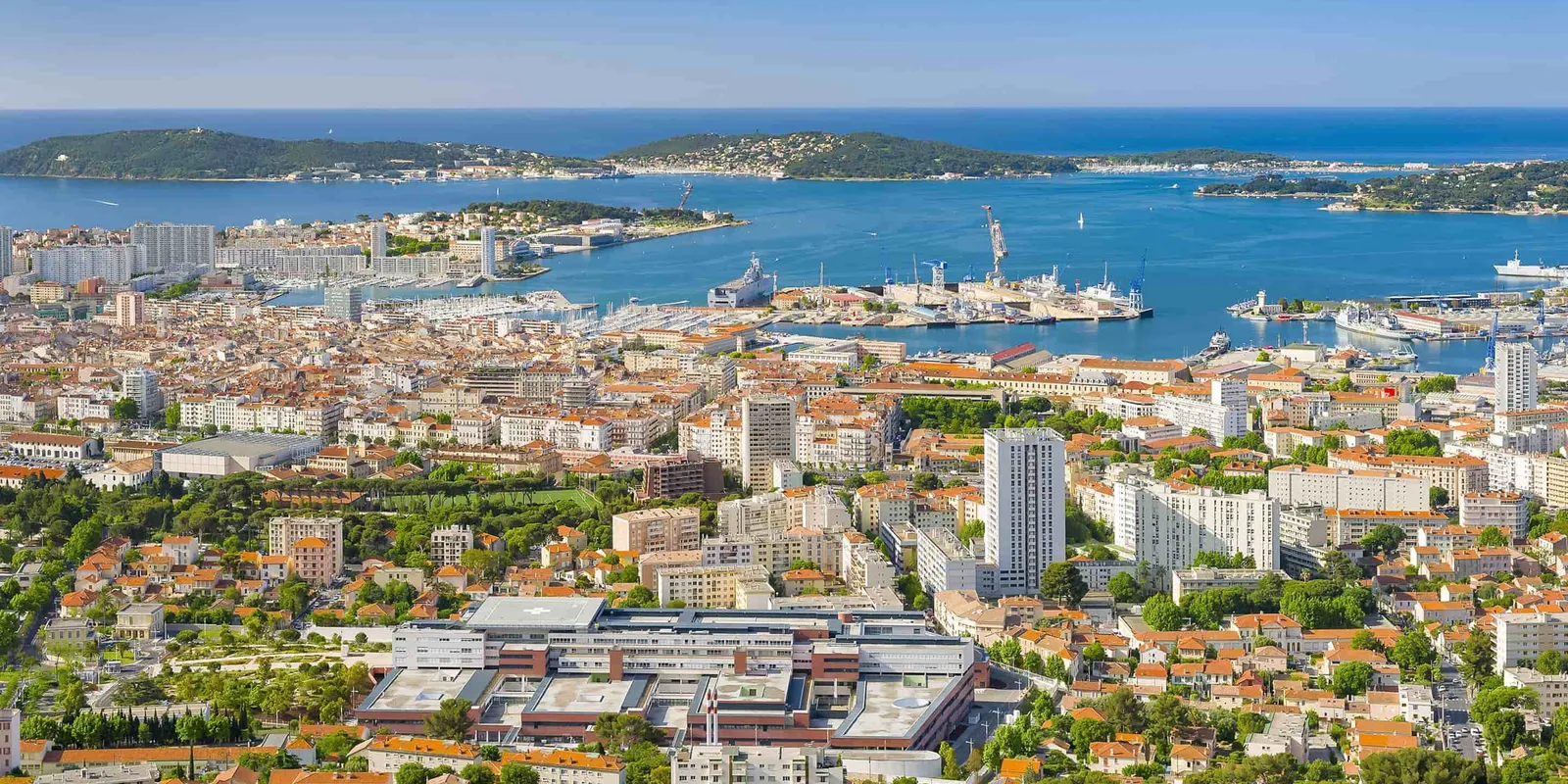
Toulon: the great naval base of the Mediterranean
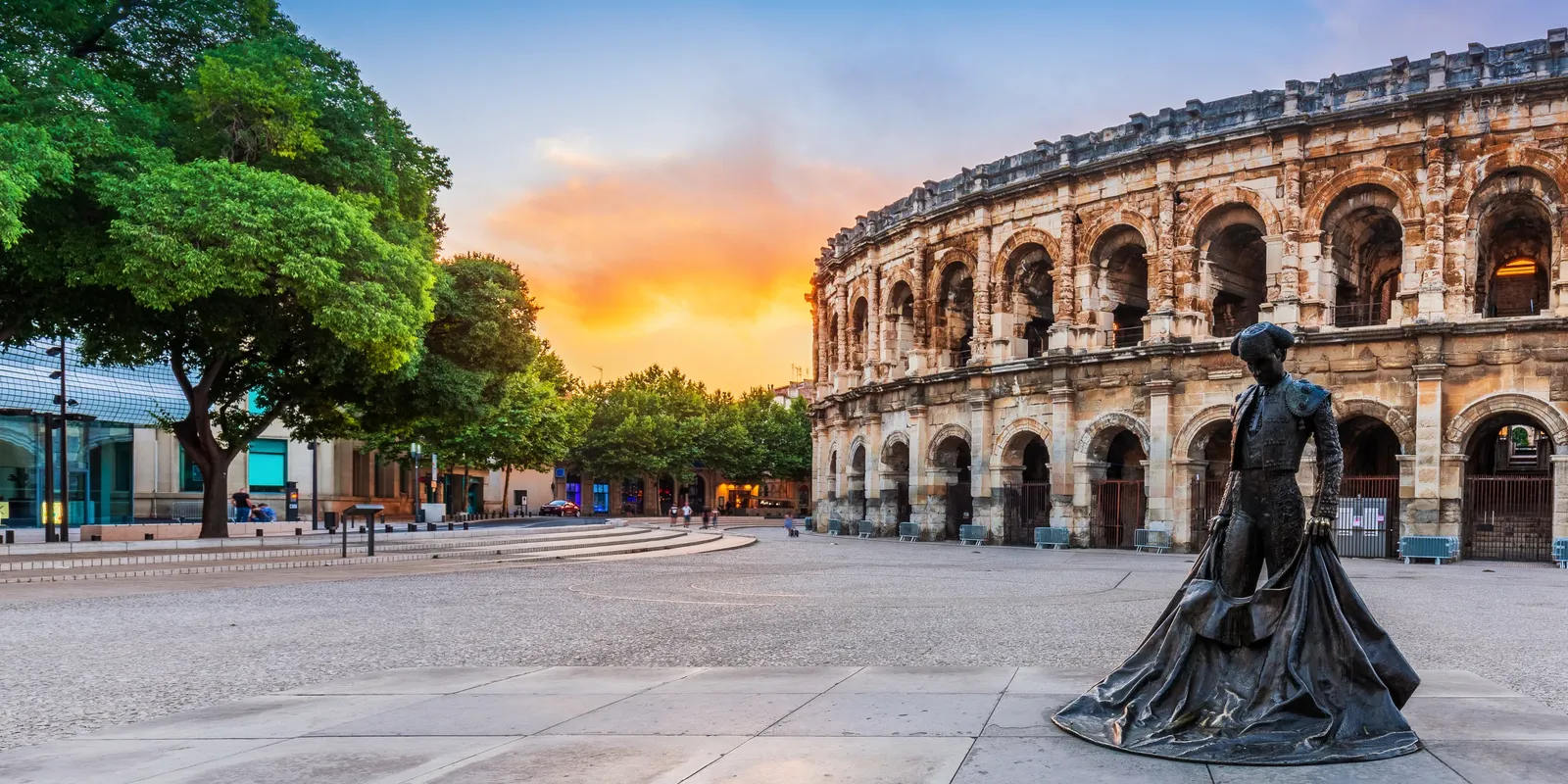
Nîmes: the Rome of France
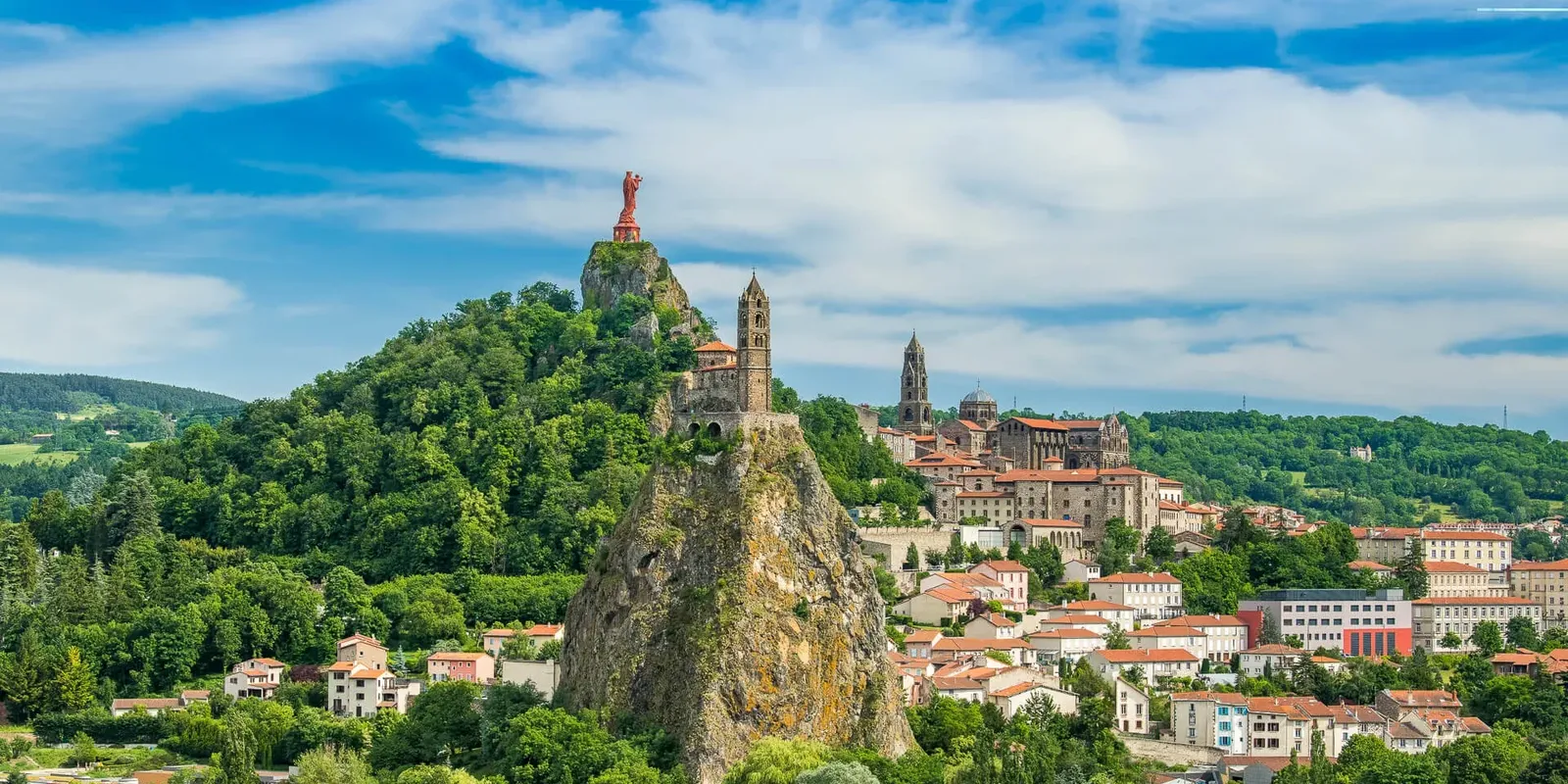
Le Puy-en-Velay: the cathedral atop the volcano
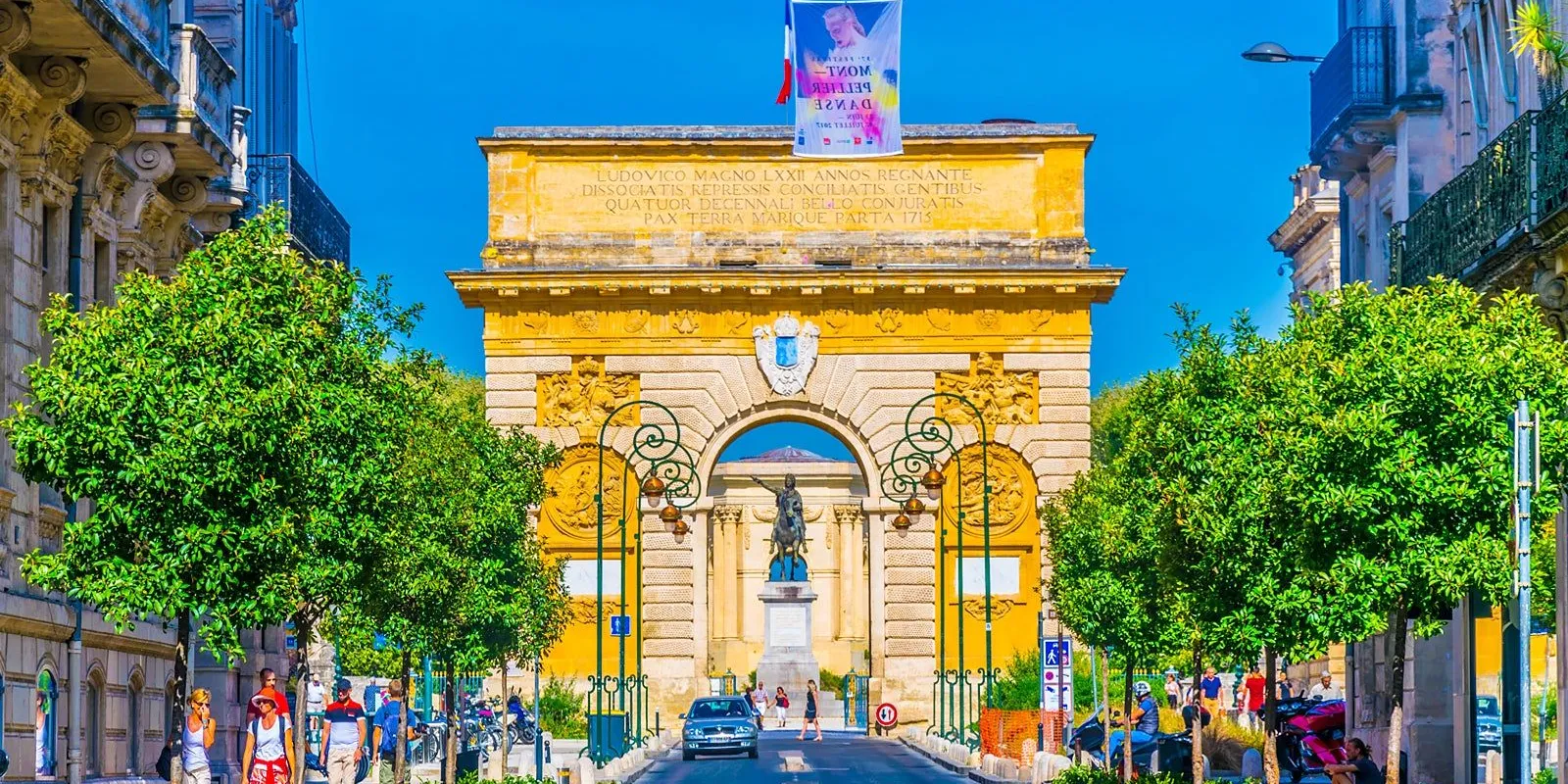
Montpellier: the city without a medieval centre
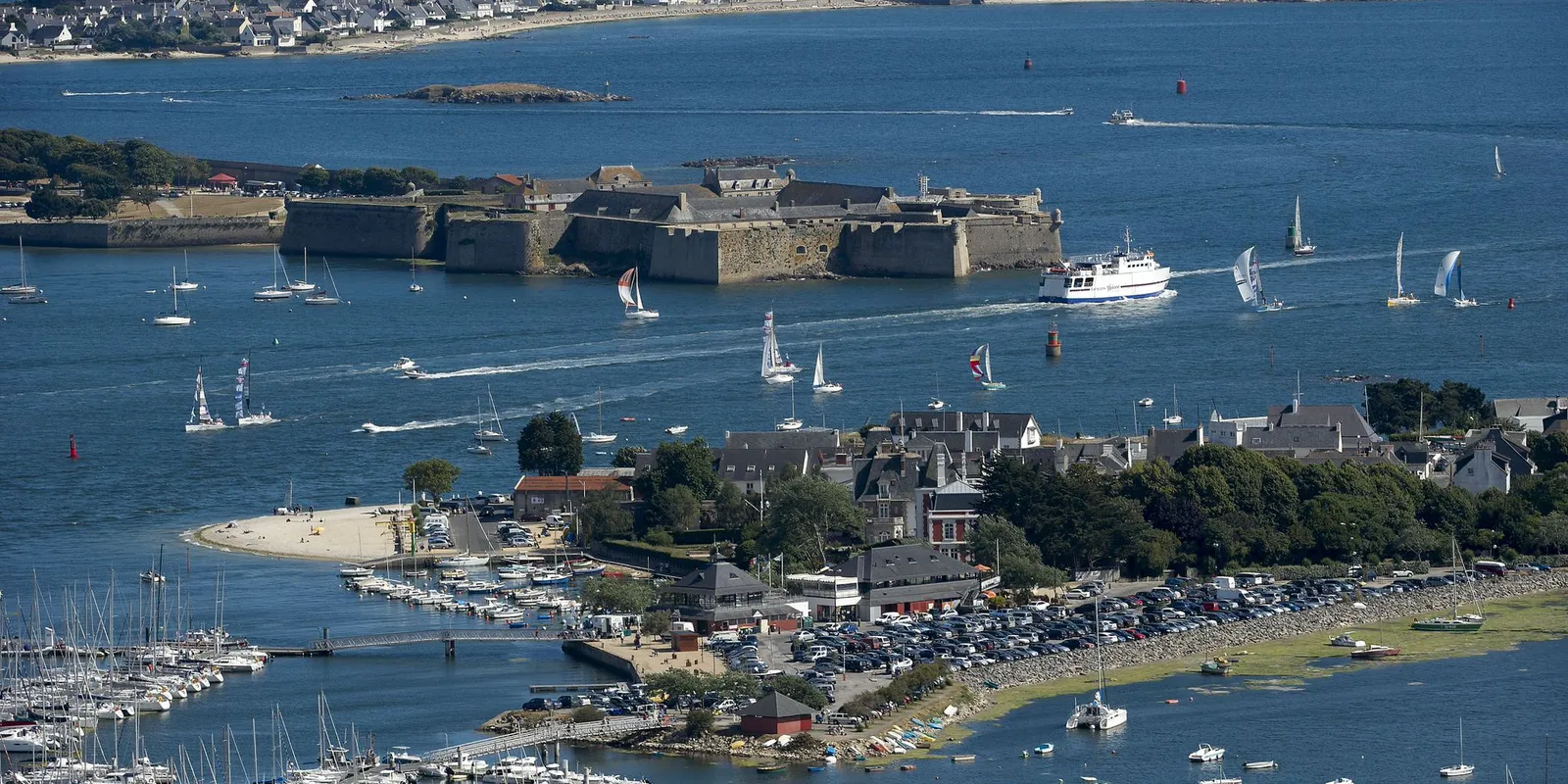
Lorient: from Nazi submarine pens to a Celtic festival
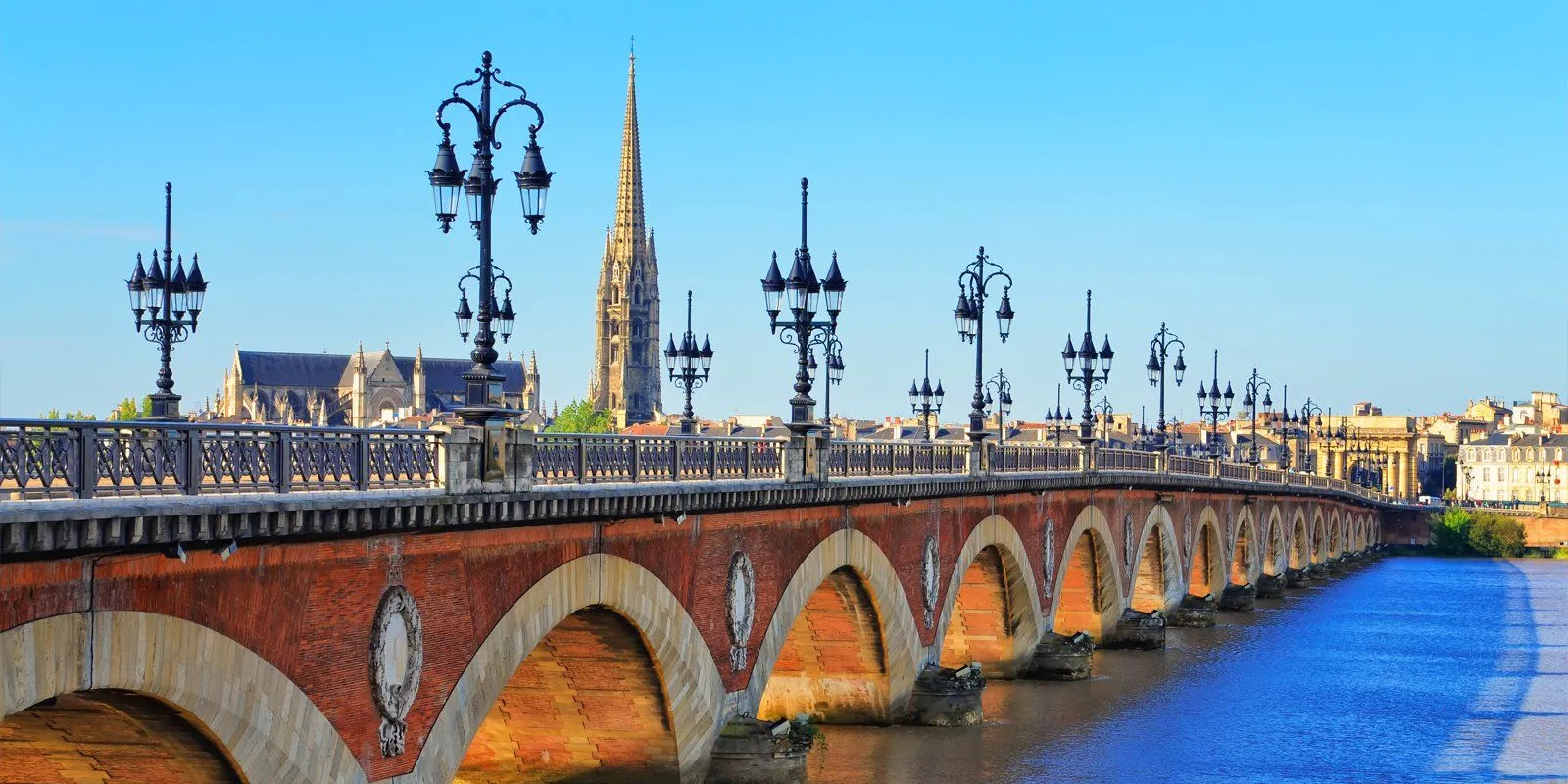
Bordeaux: the world capital of wine
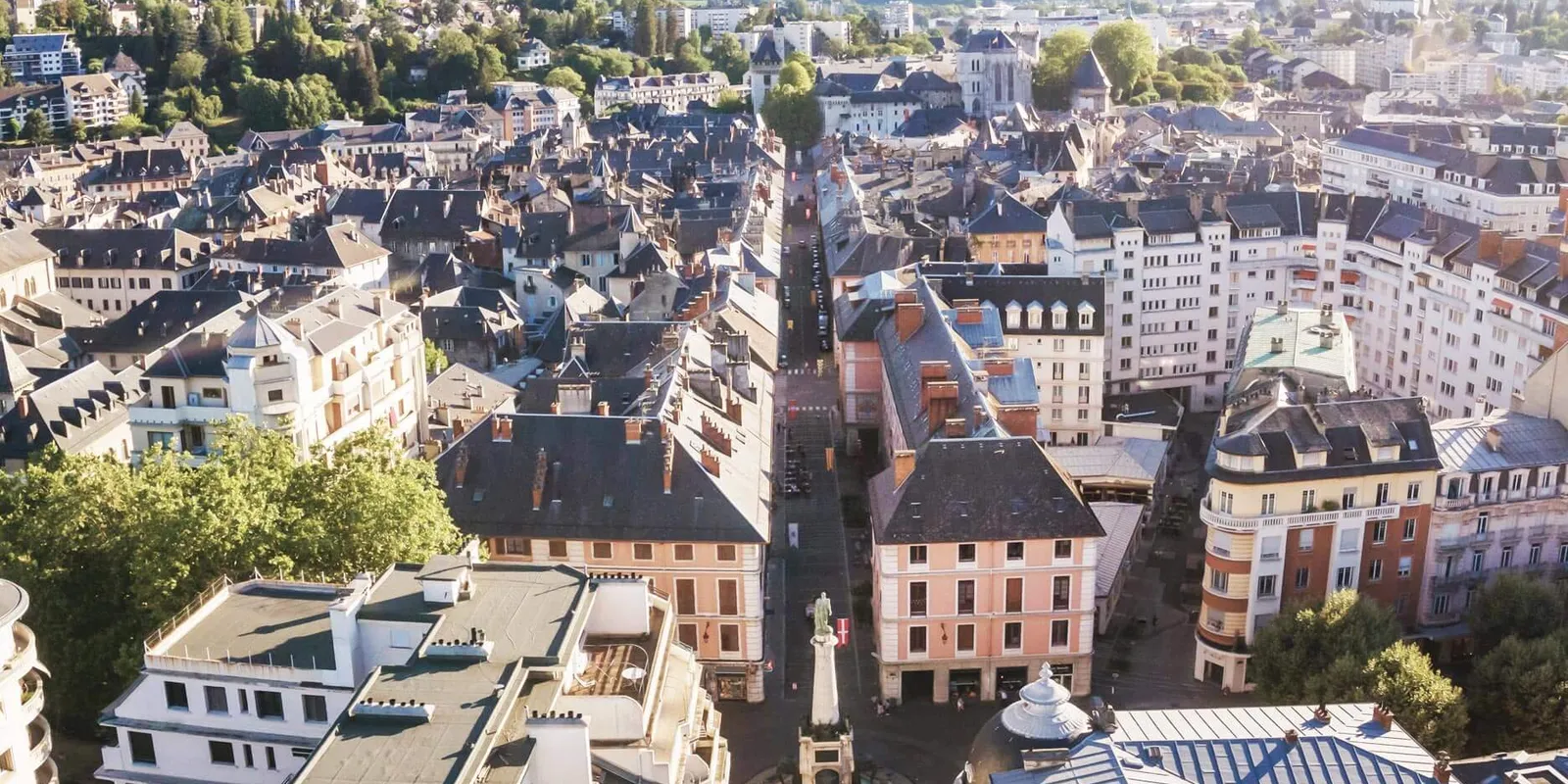
Chambéry: the elephants that never saw India
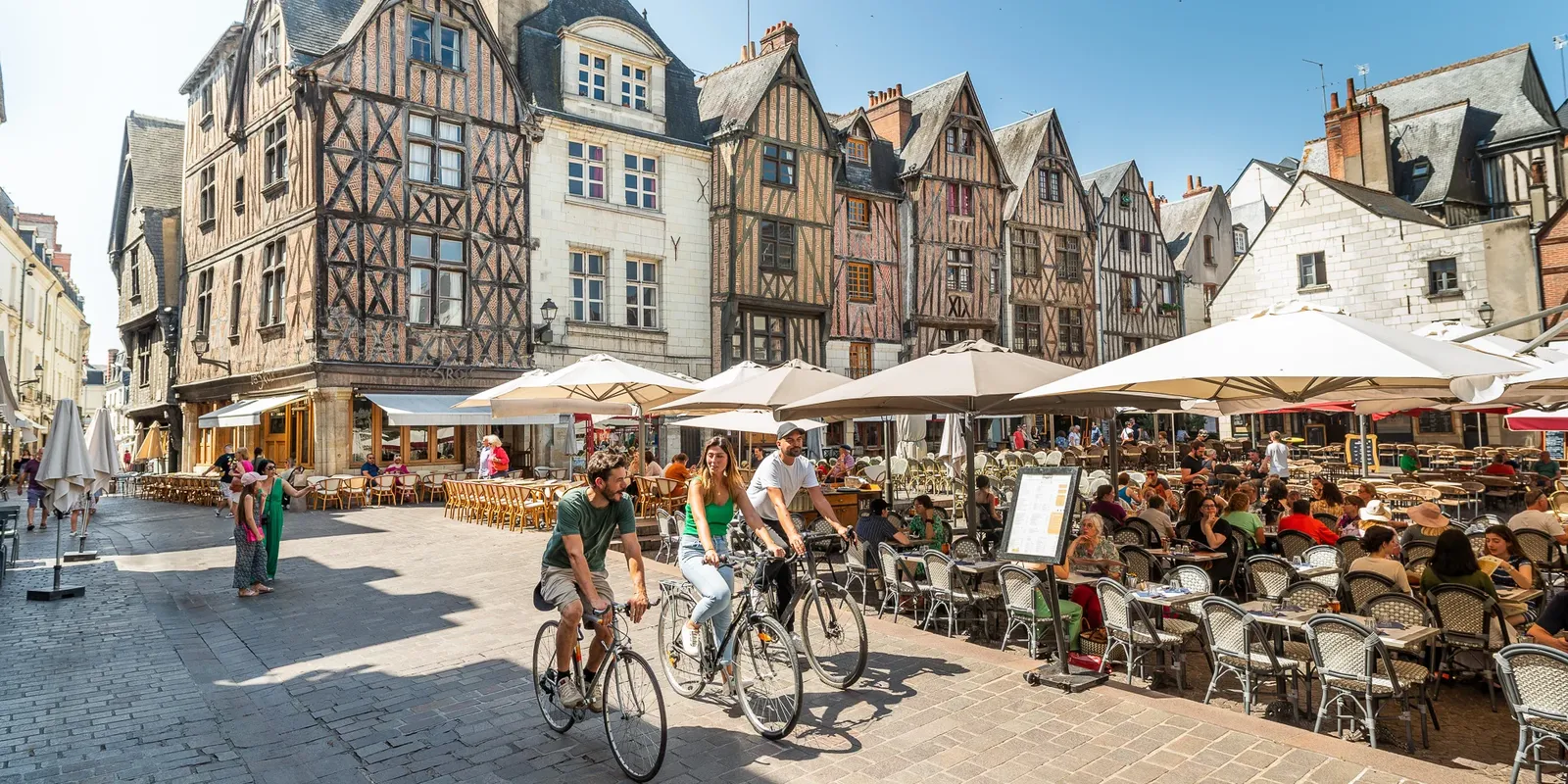
Tours: the gateway to the Loire castles
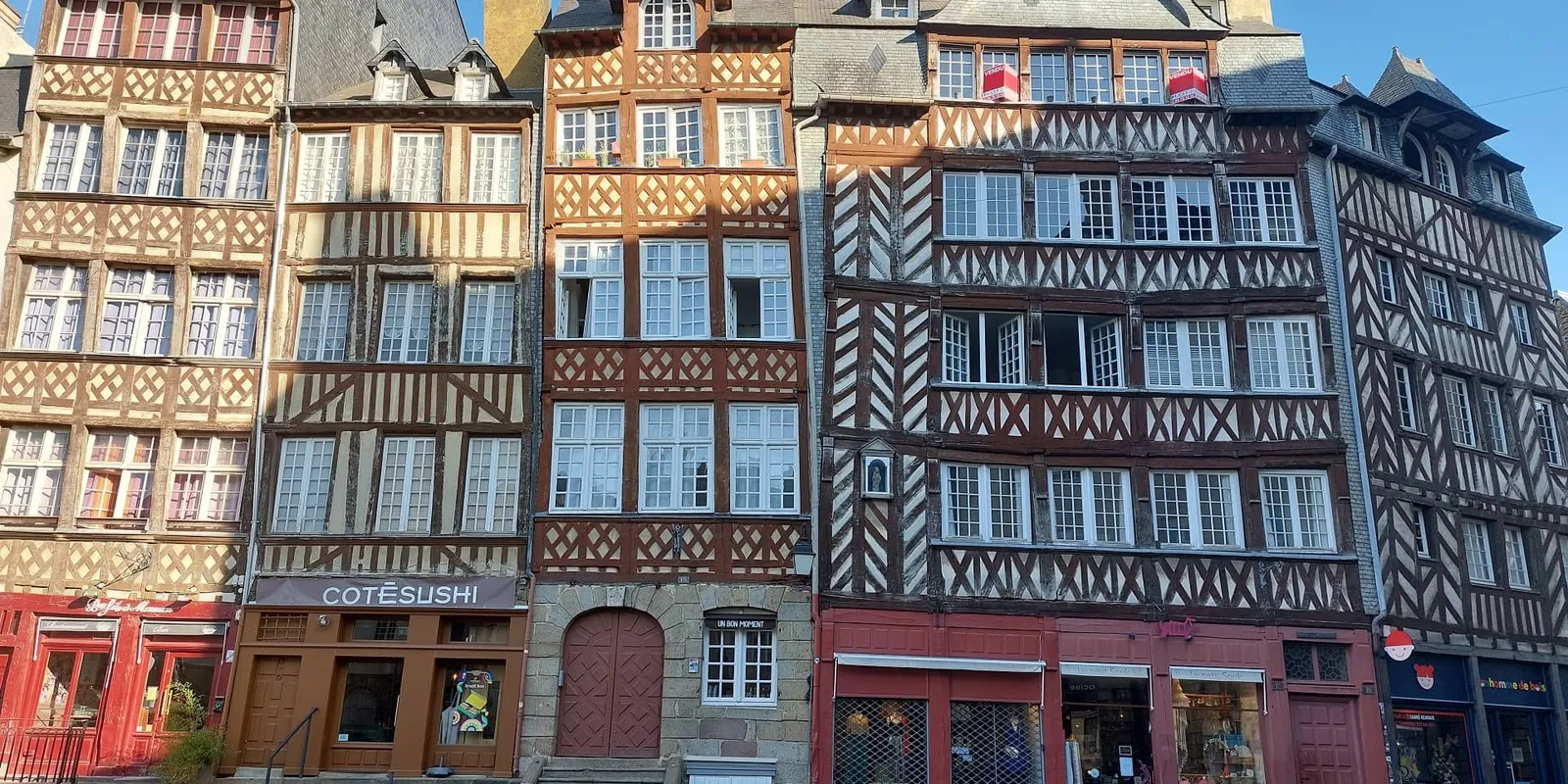
Rennes: the Breton capital reborn from fire
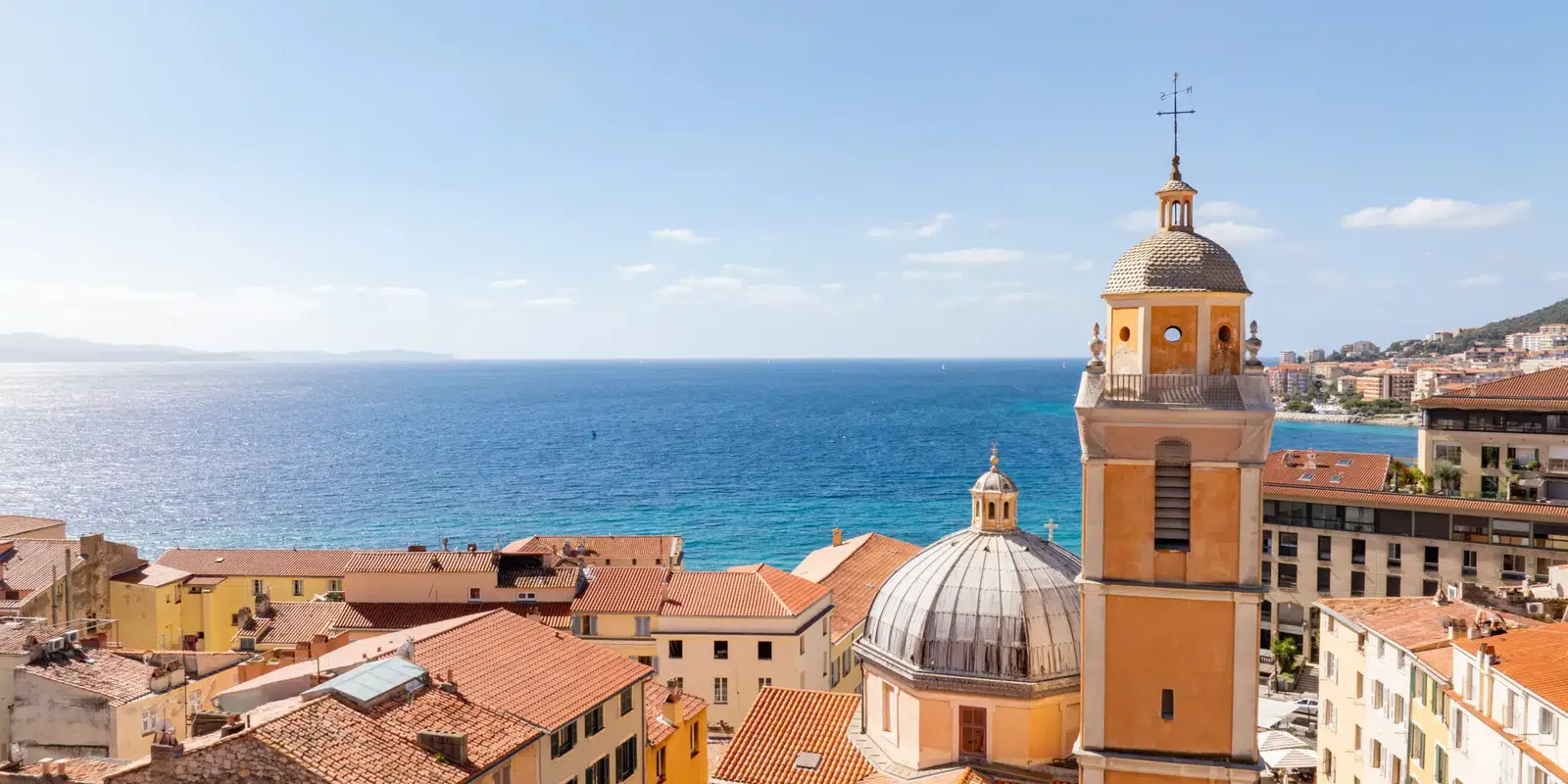
Ajaccio: Napoleon's Corsica
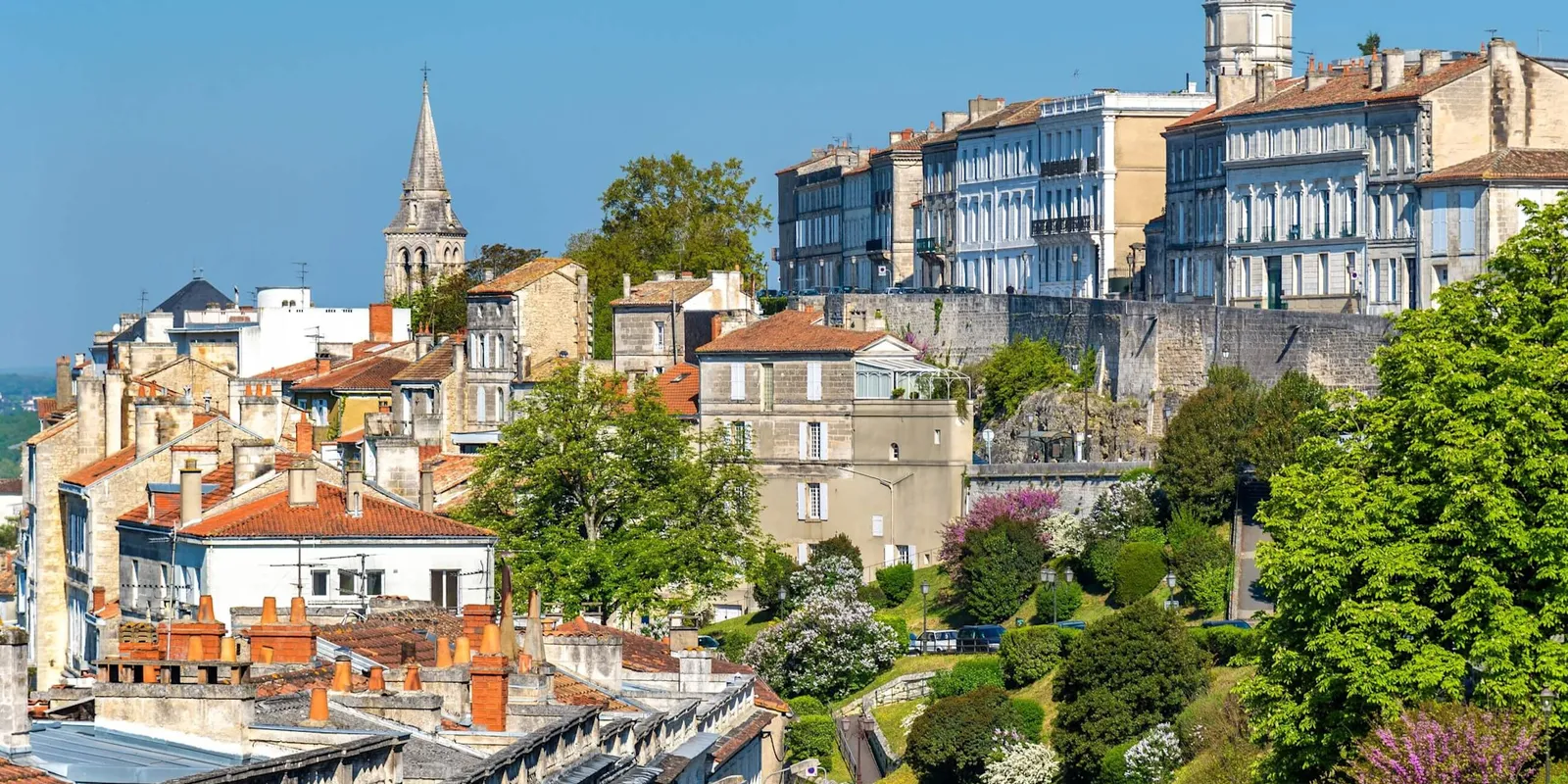
Angoulême: the world capital of comics
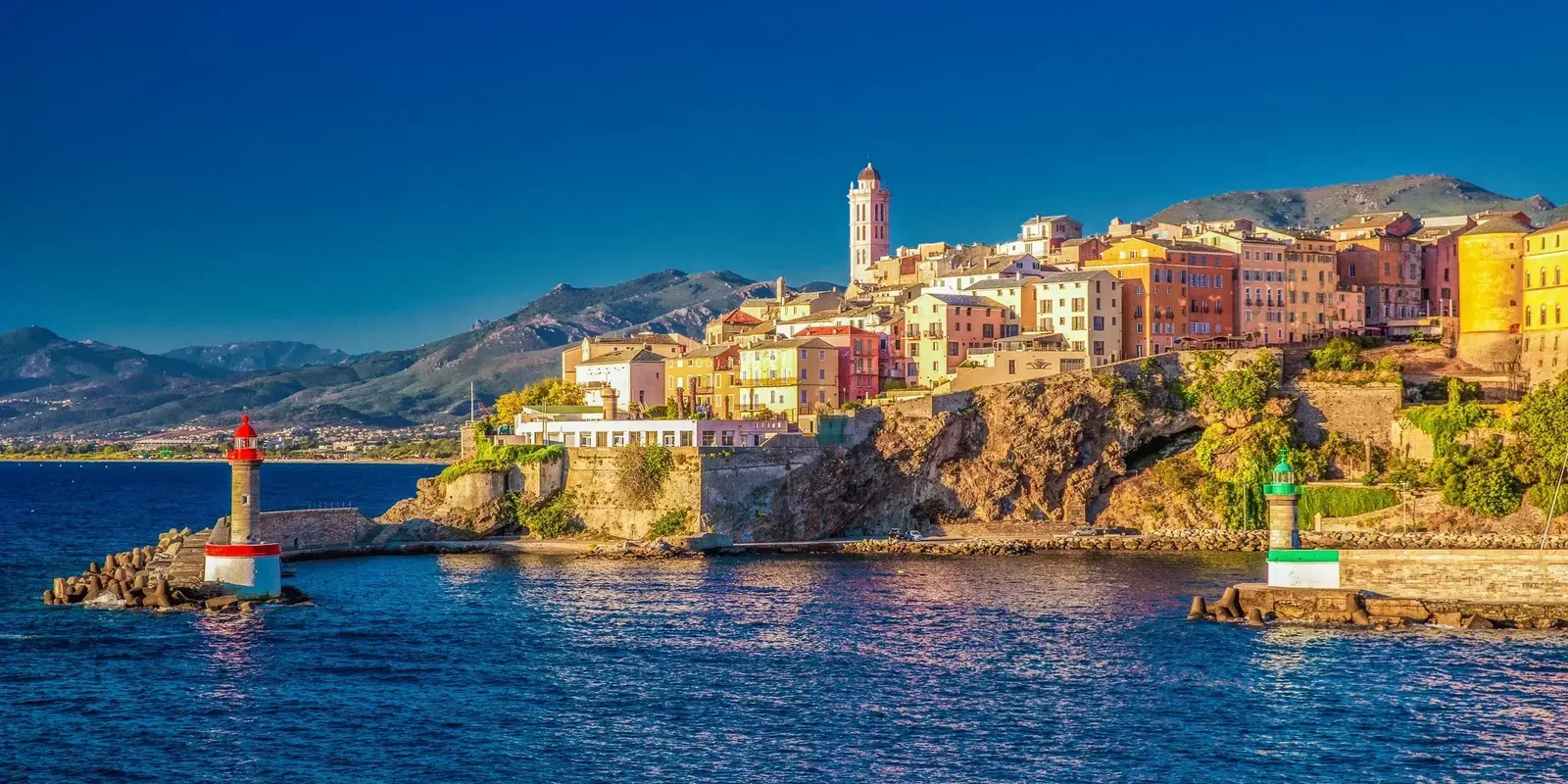
Bastia: Corsica's Genoese port
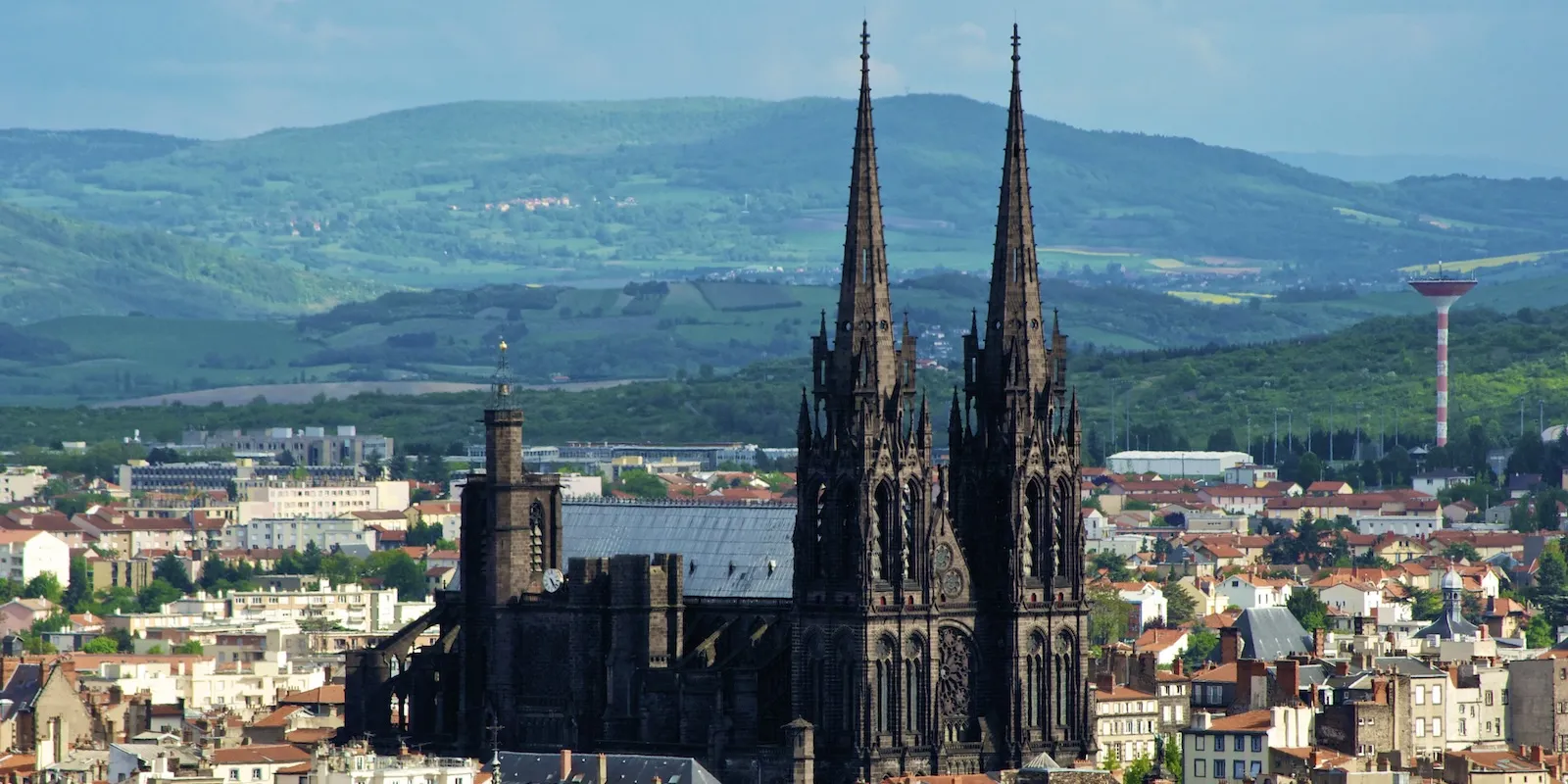
Clermont-Ferrand: the city born from a volcano
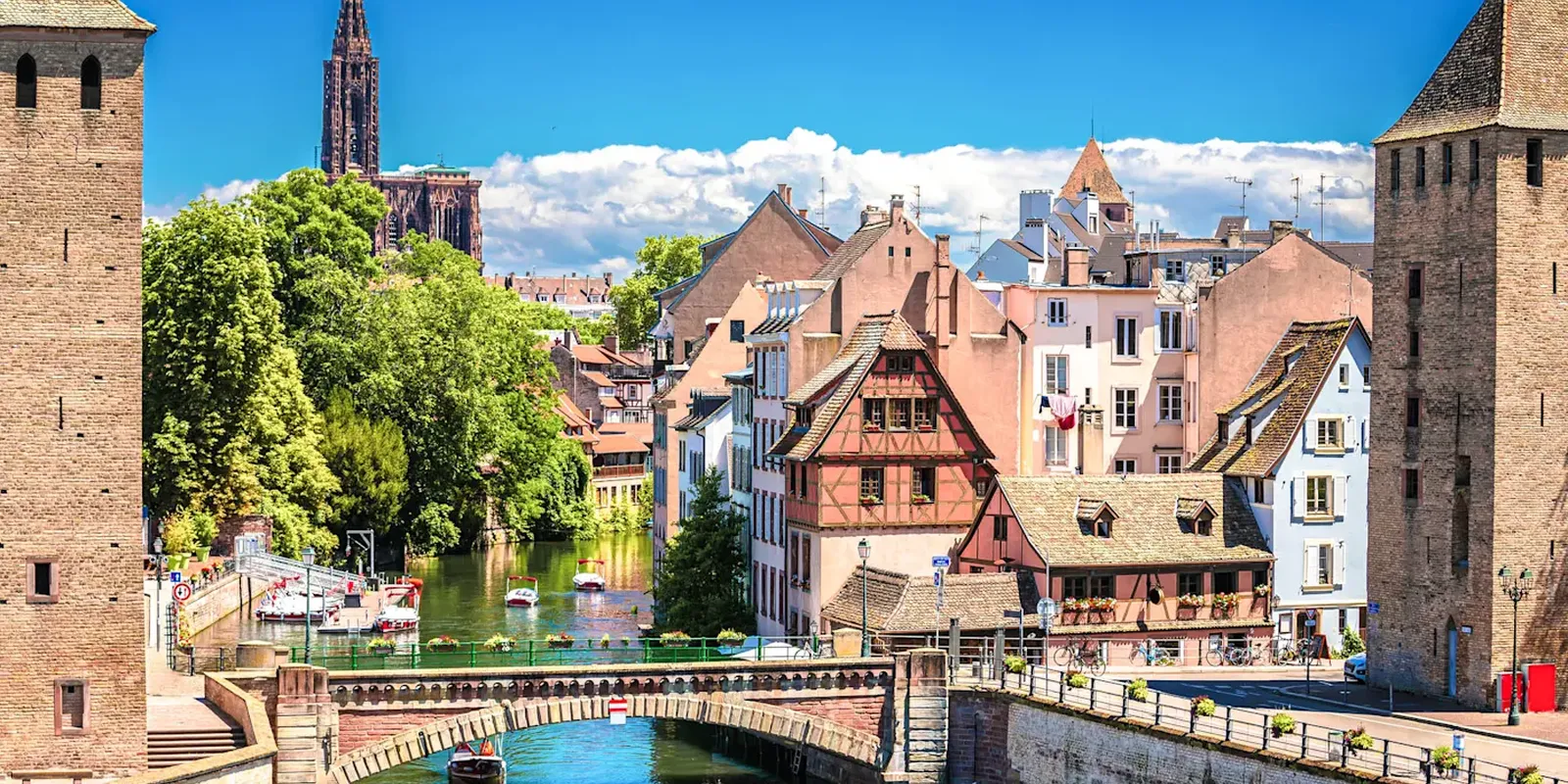
Strasbourg: Europe's capital between two cultures
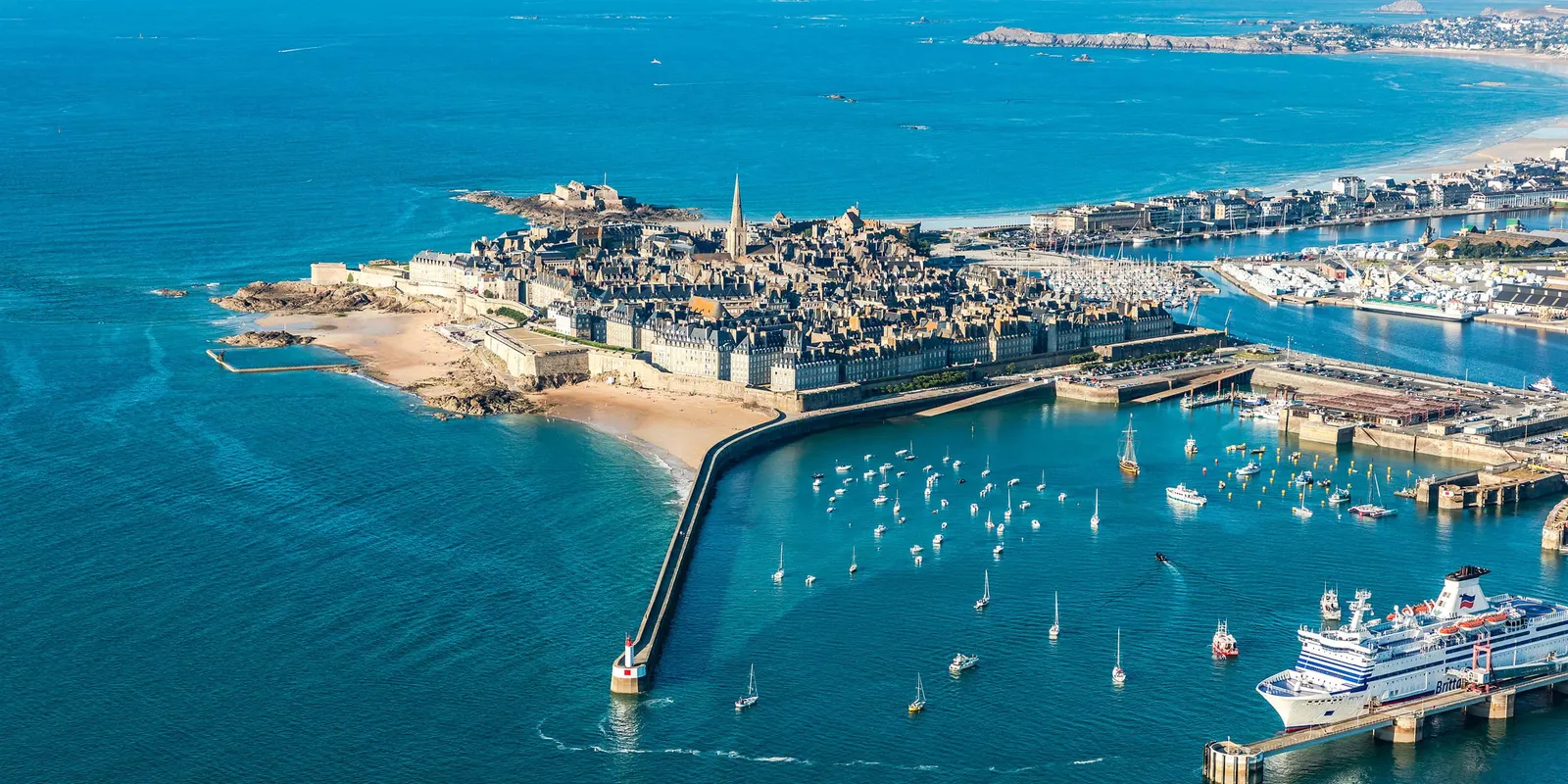
Saint-Malo: the corsair city behind the walls
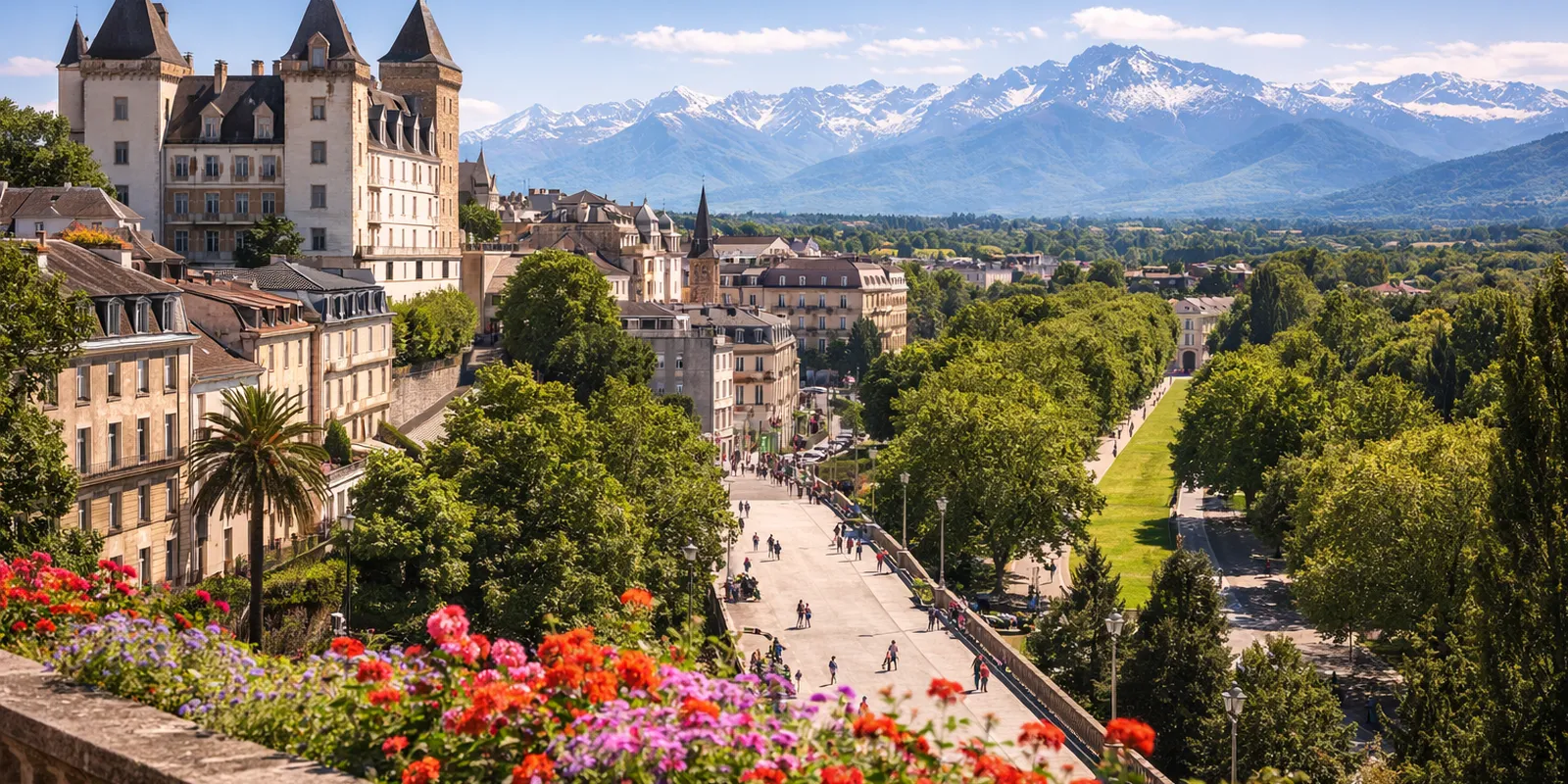
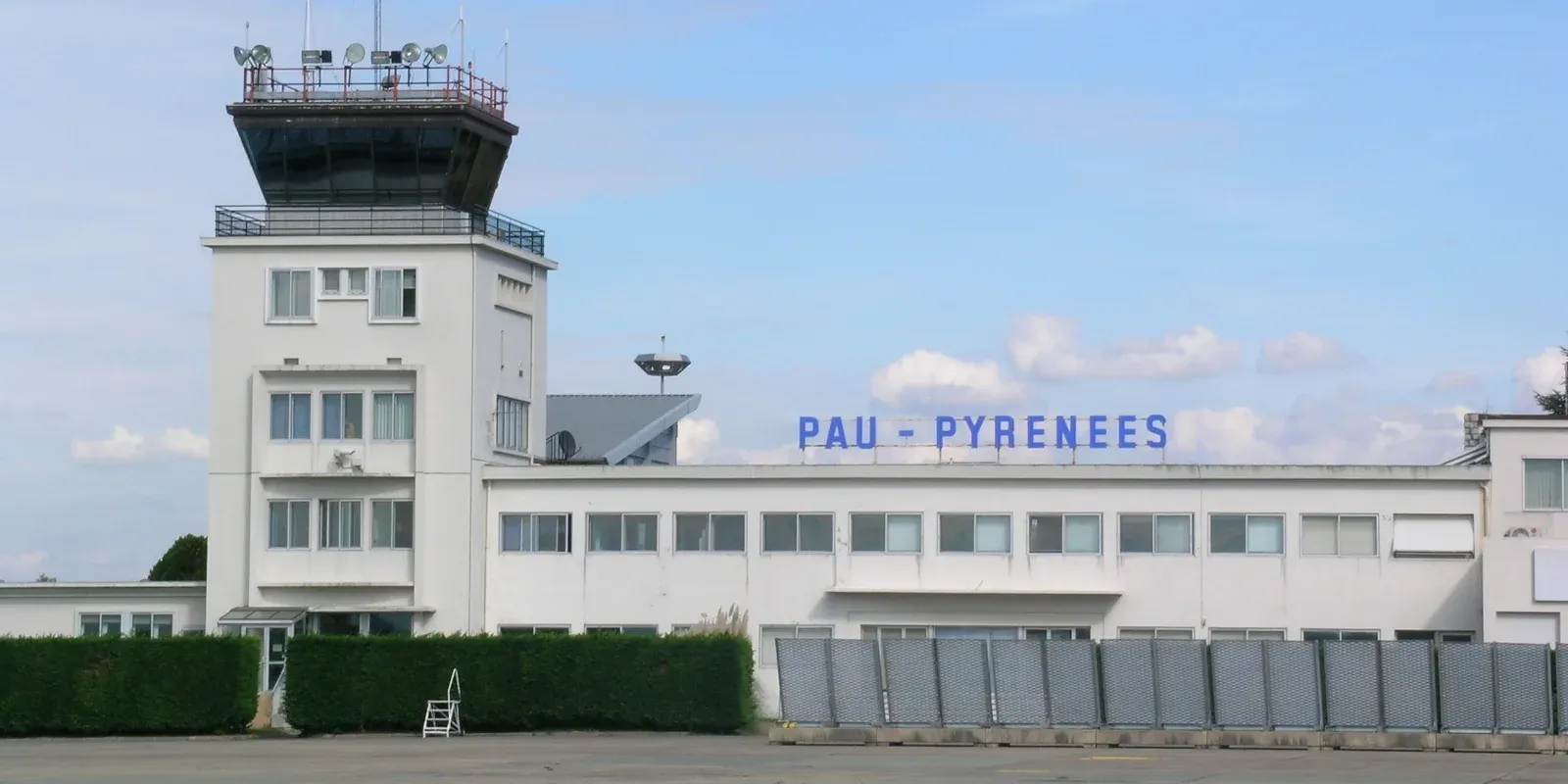
Pau: where the Pyrenees seem within reach
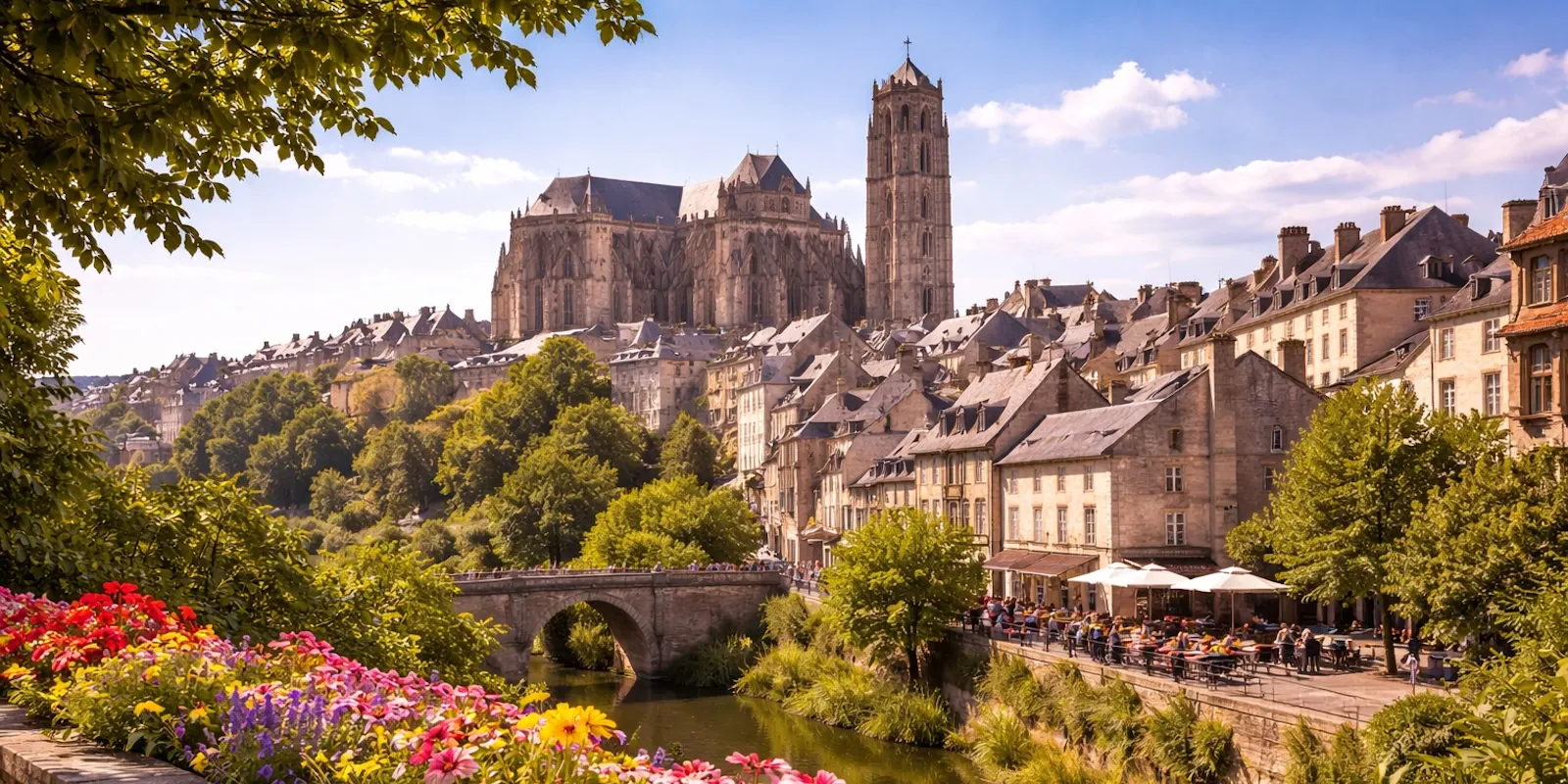
Rodez: the pink cathedral of the Aveyron
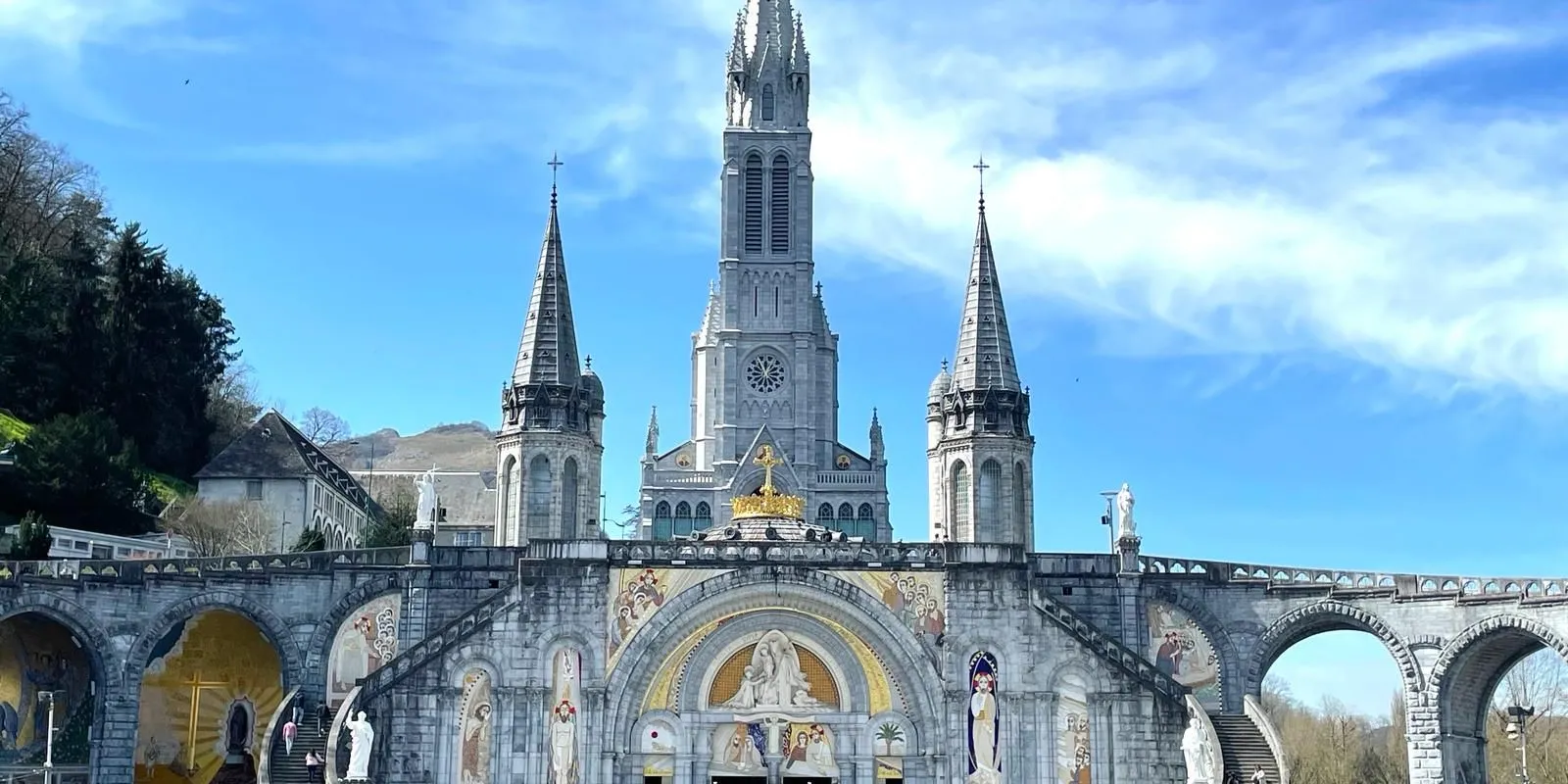
Lourdes: the sanctuary born from an apparition
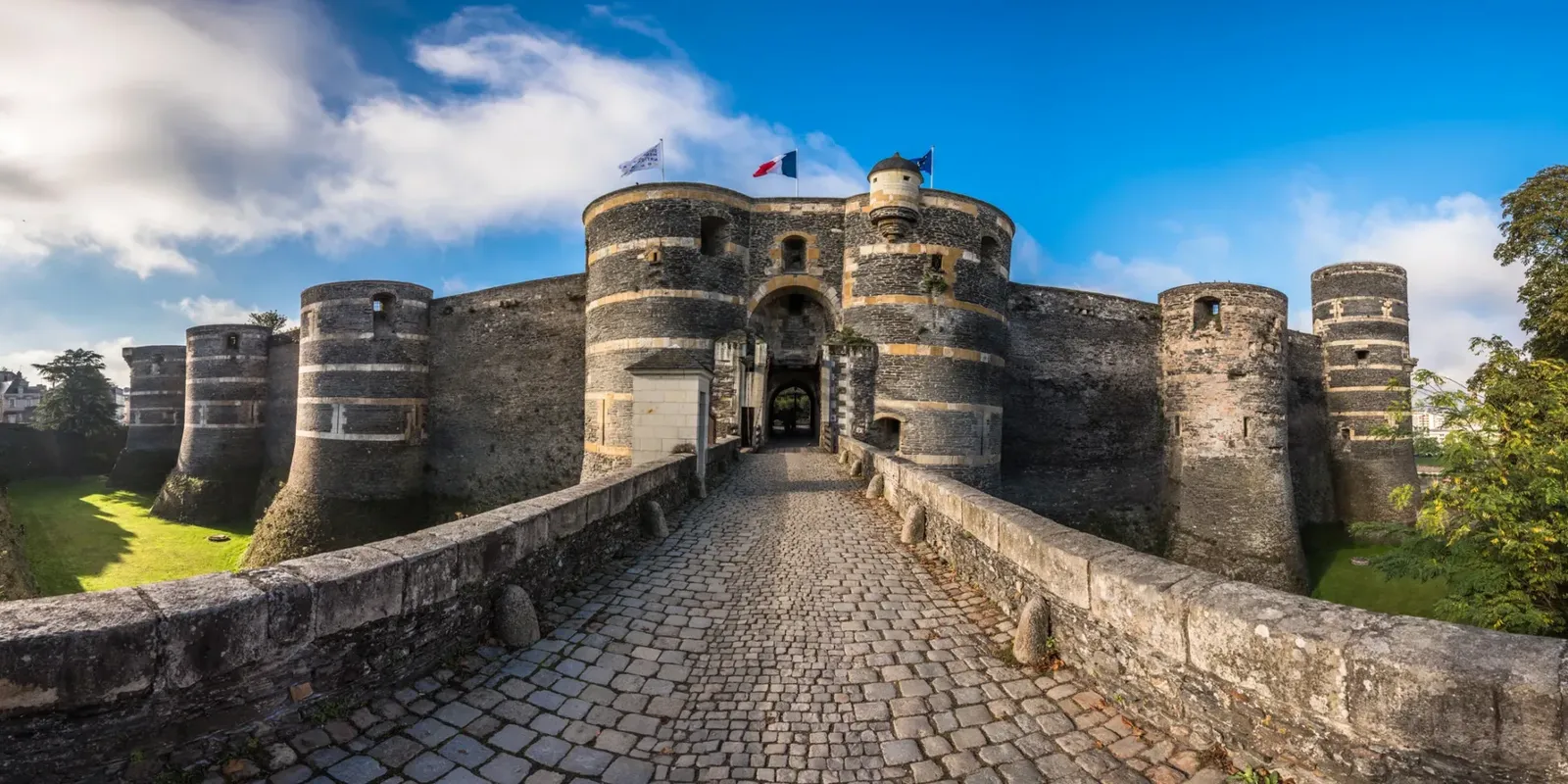
Angers: the Angevin castle on the Loire
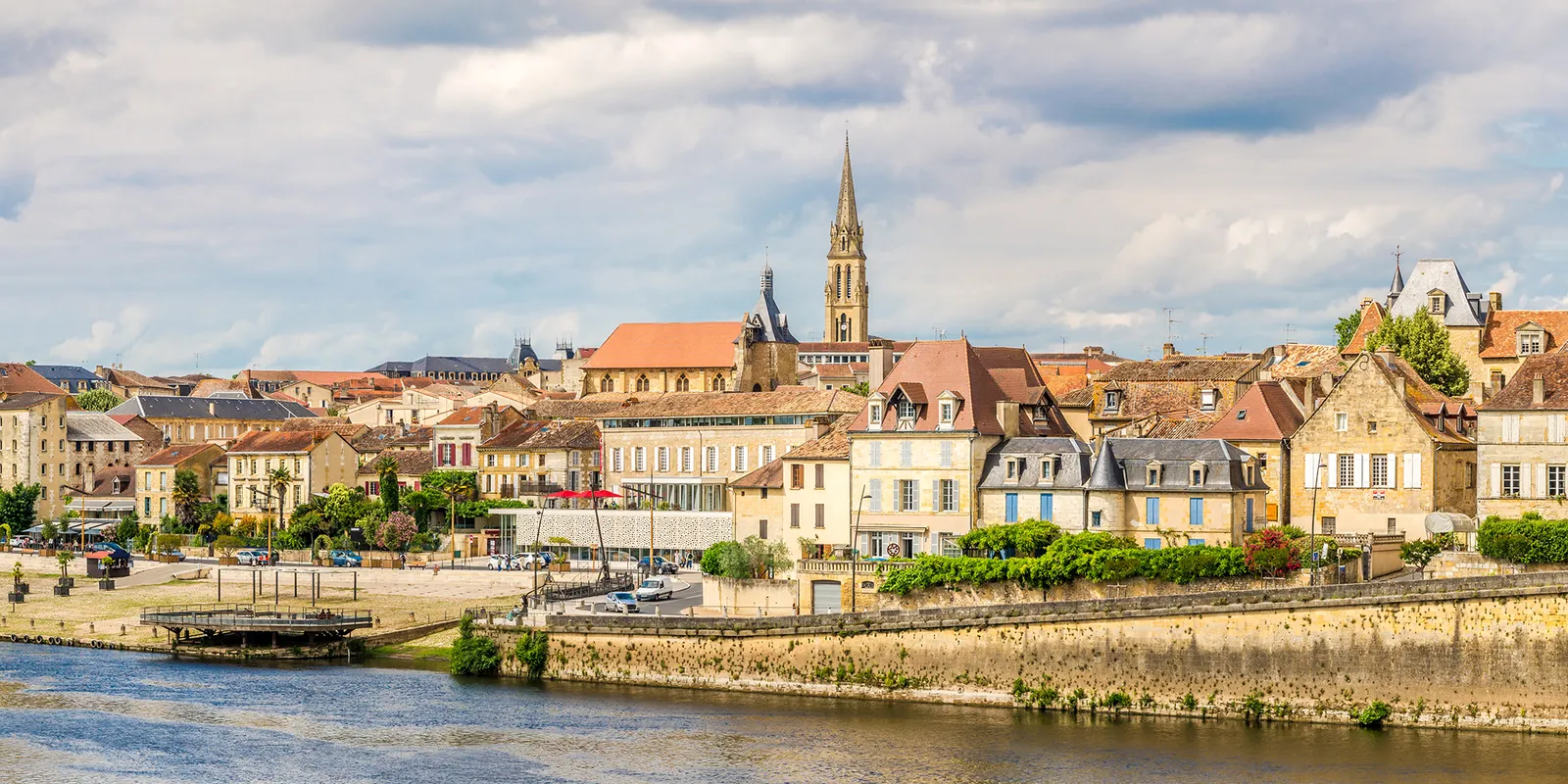
Bergerac: the imaginary homeland of Cyrano
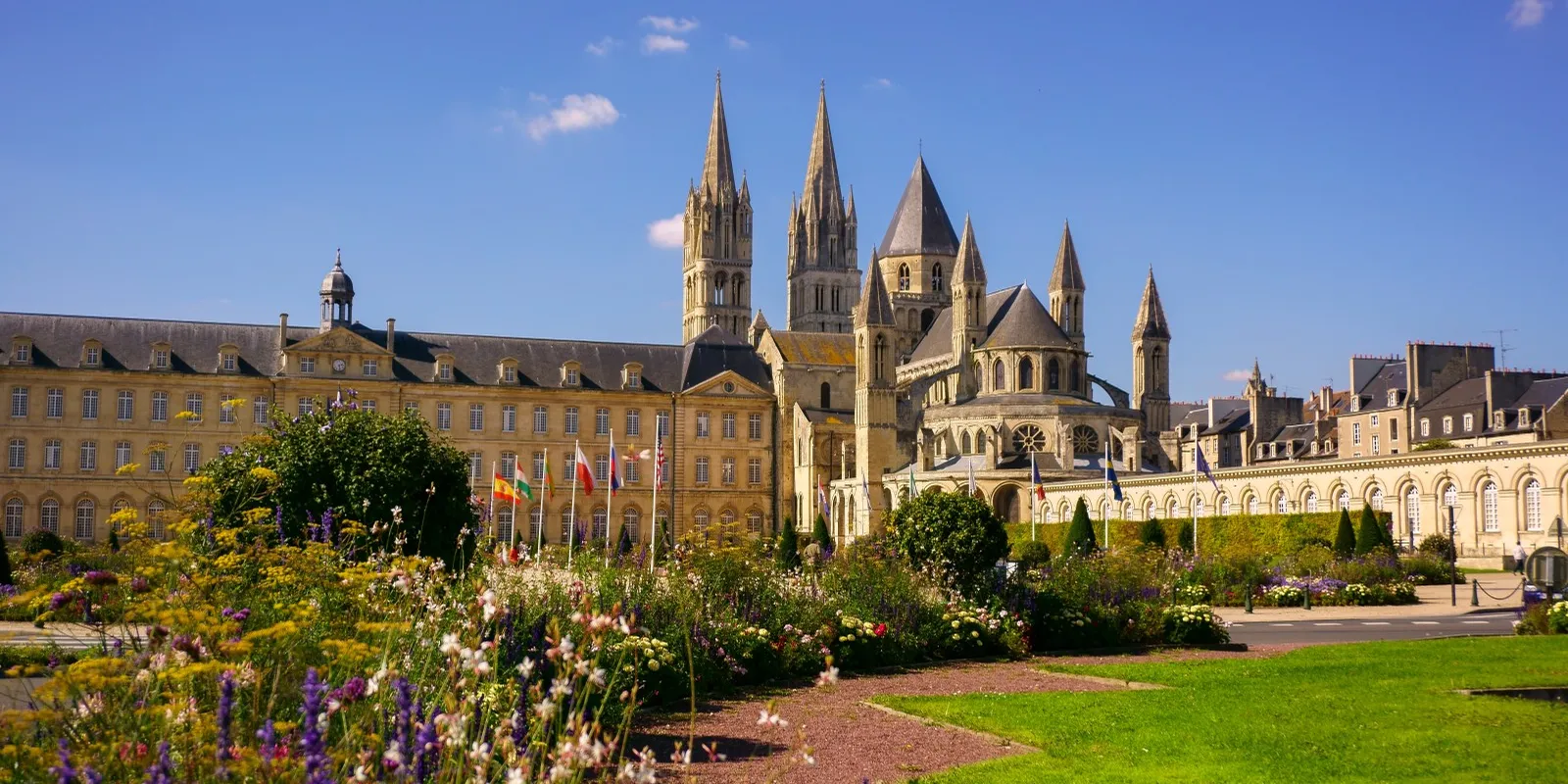
Caen: rebuilt after the Normandy landings
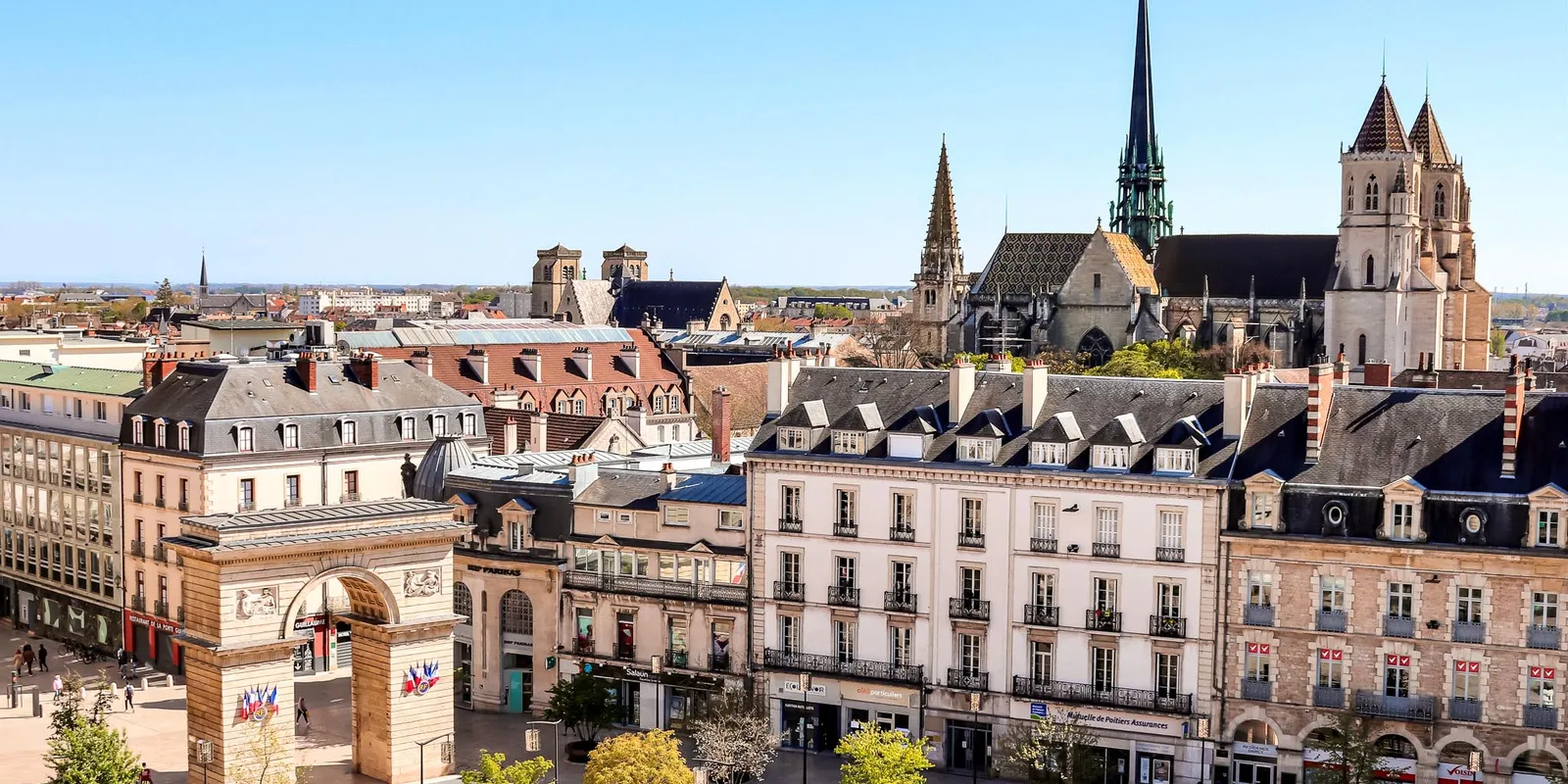
Dijon: mustard and the dukes of Burgundy
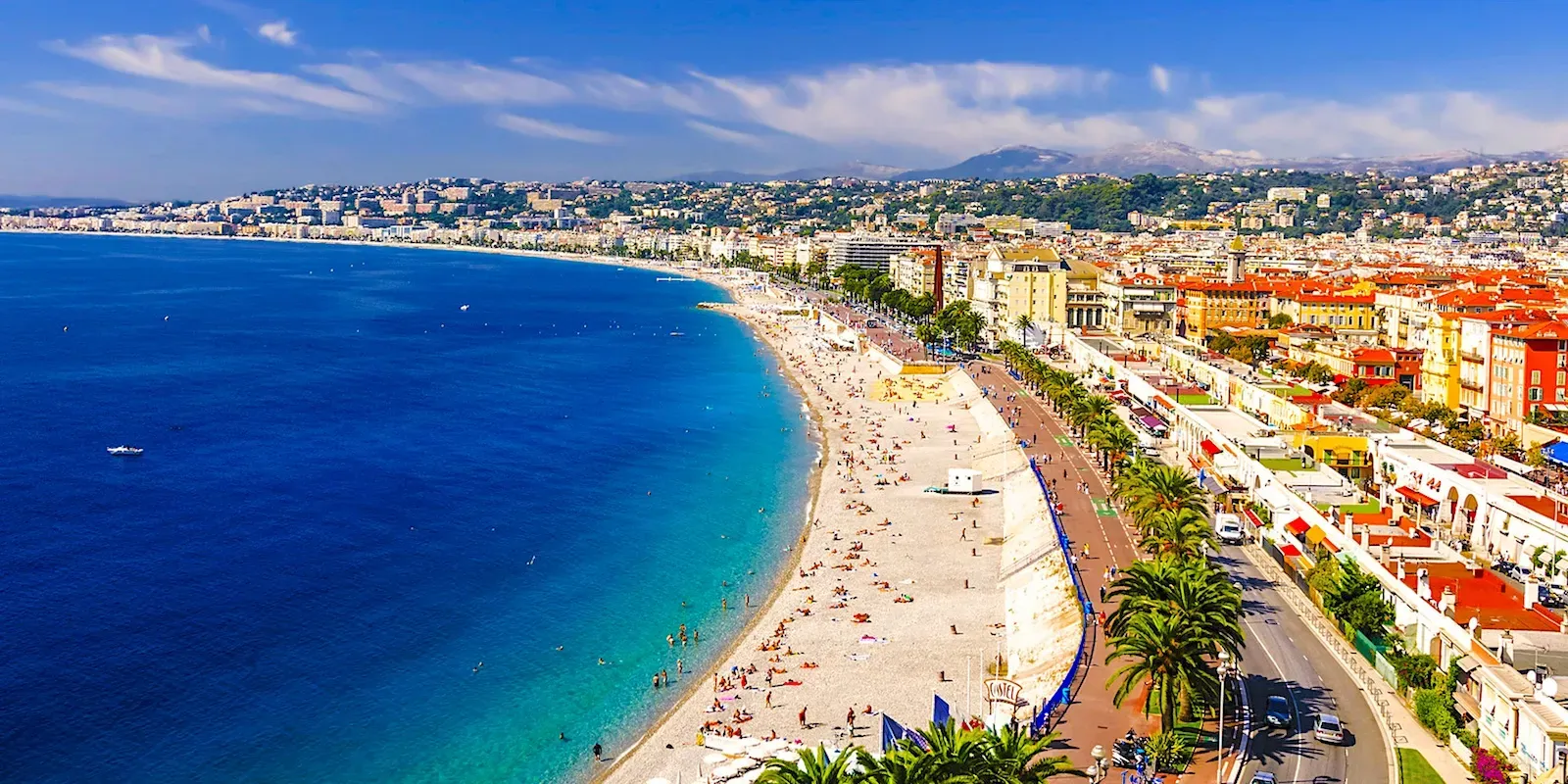
Nice: Promenade des Anglais and the old town
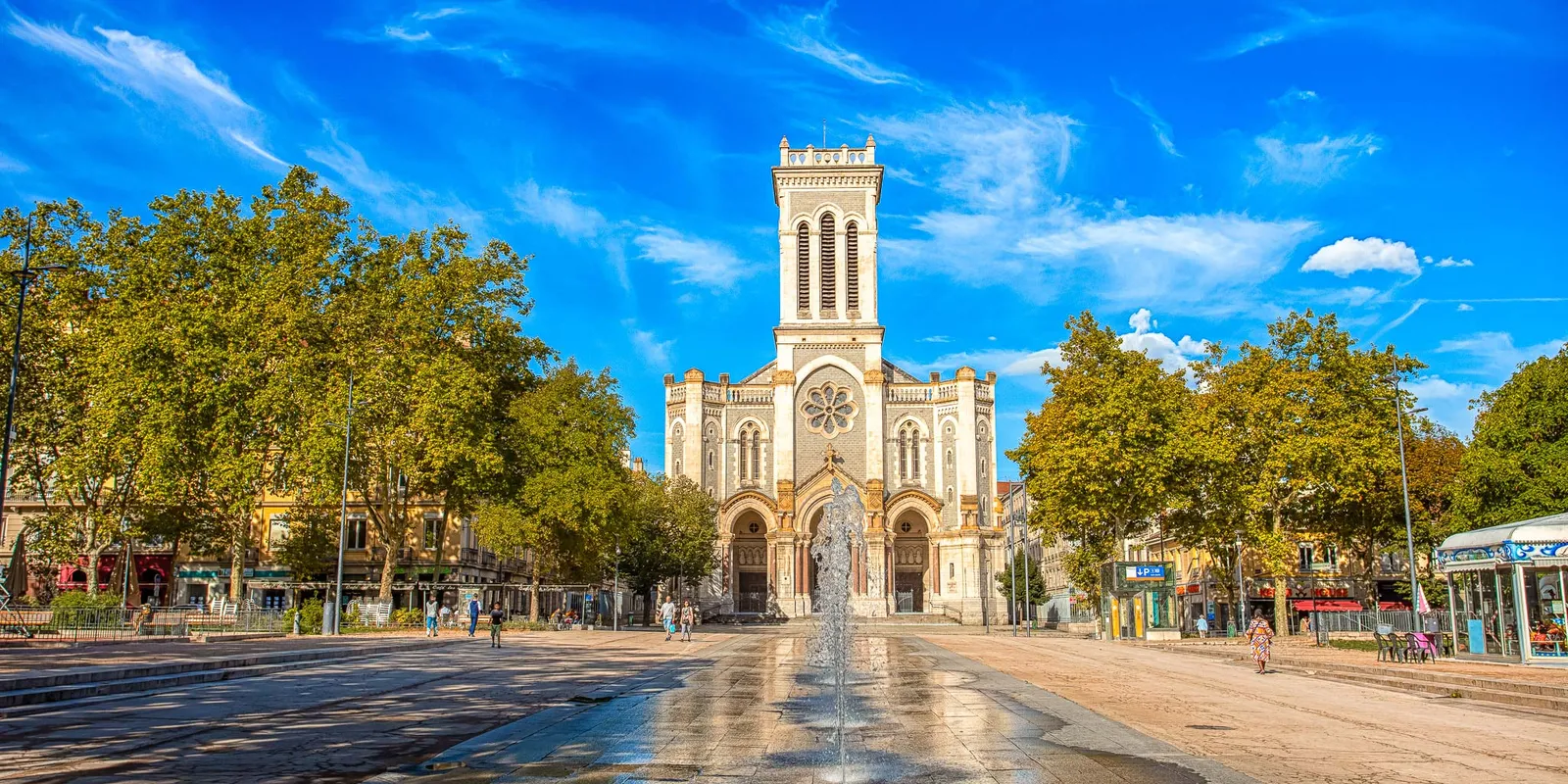
Saint-Étienne: from coal to industrial design
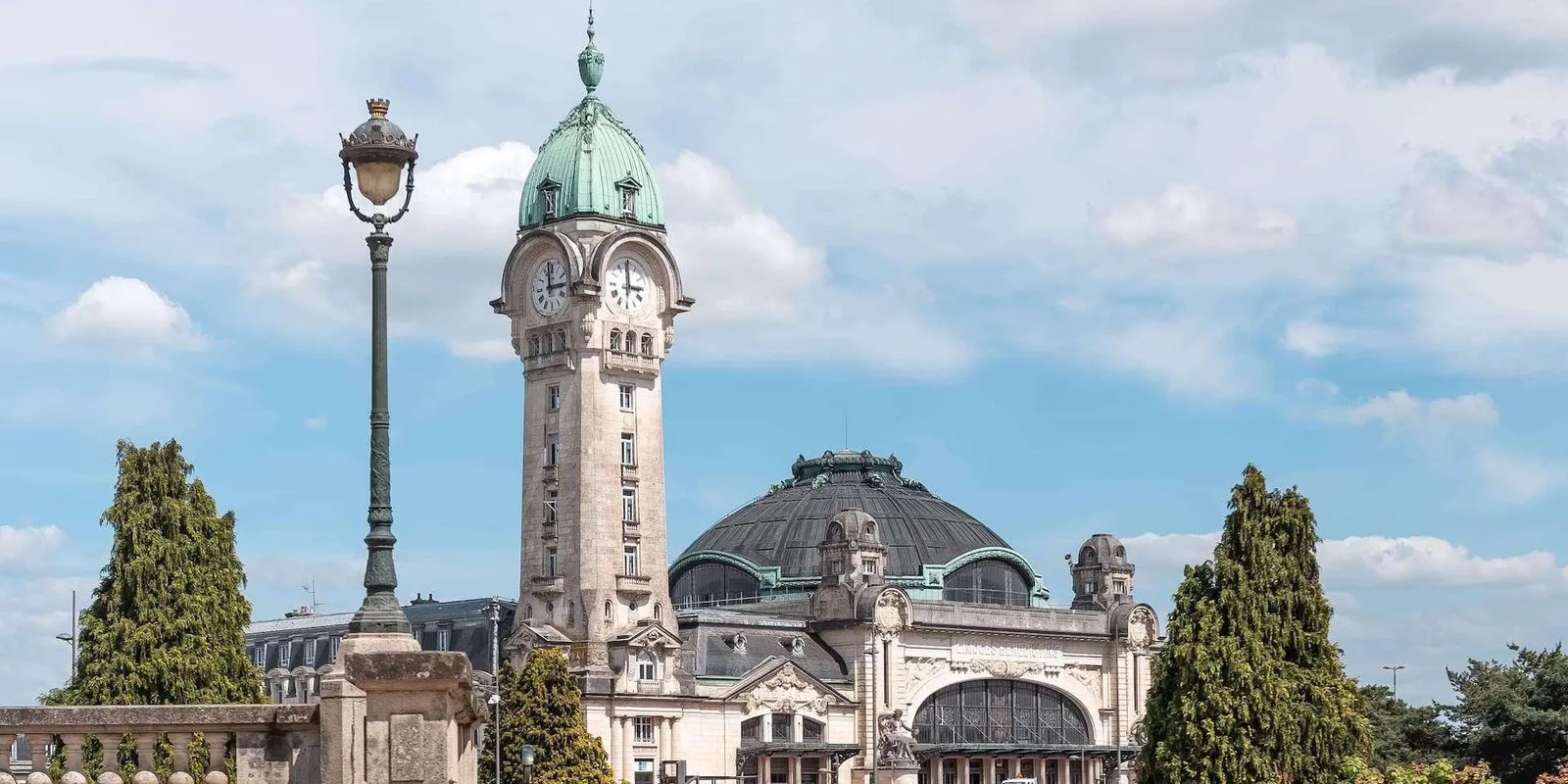
Limoges: the porcelain that conquered the world
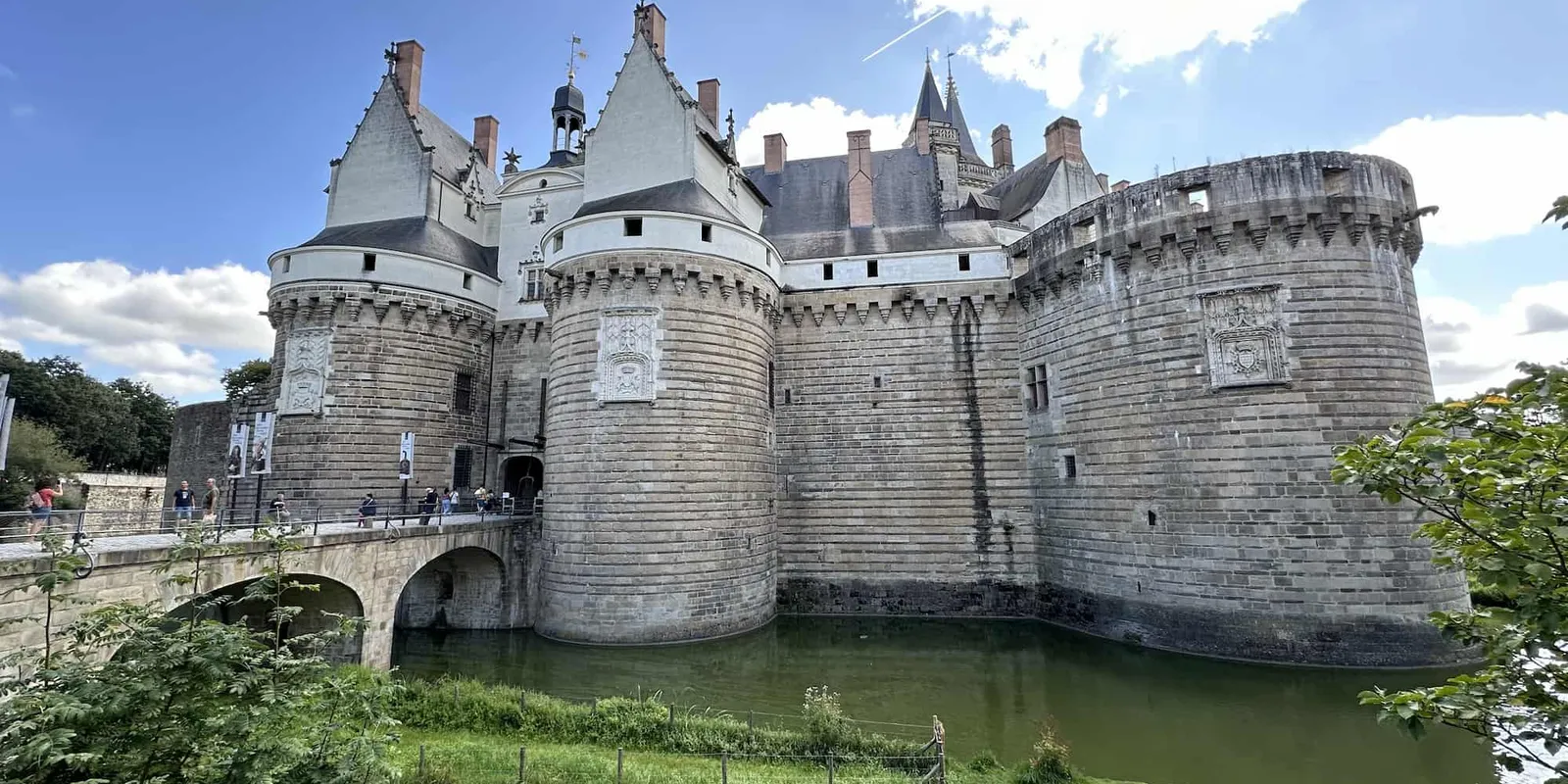
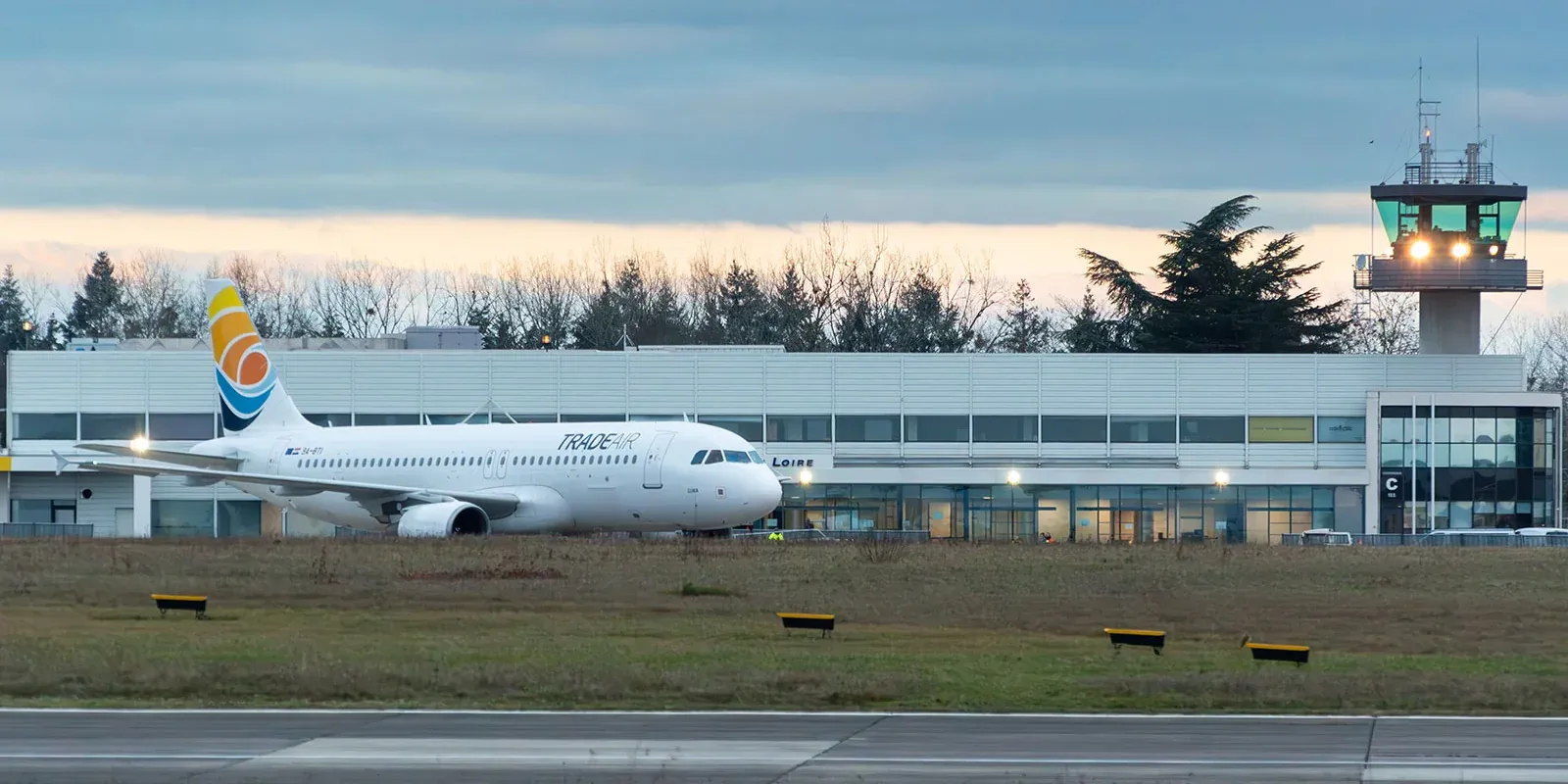
Nantes: the mechanical elephant and Jules Verne
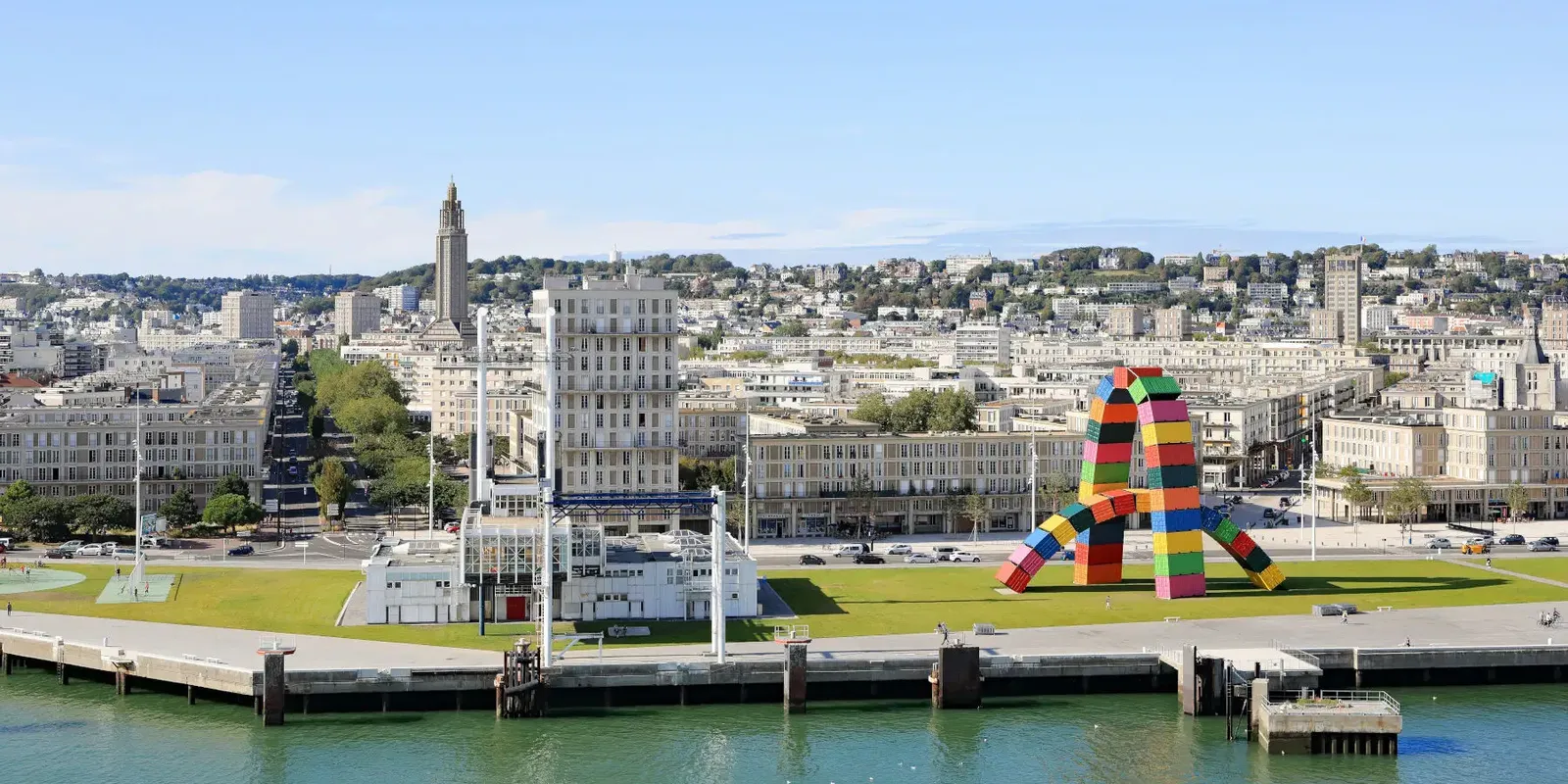
Le Havre: modernism rebuilt after the war
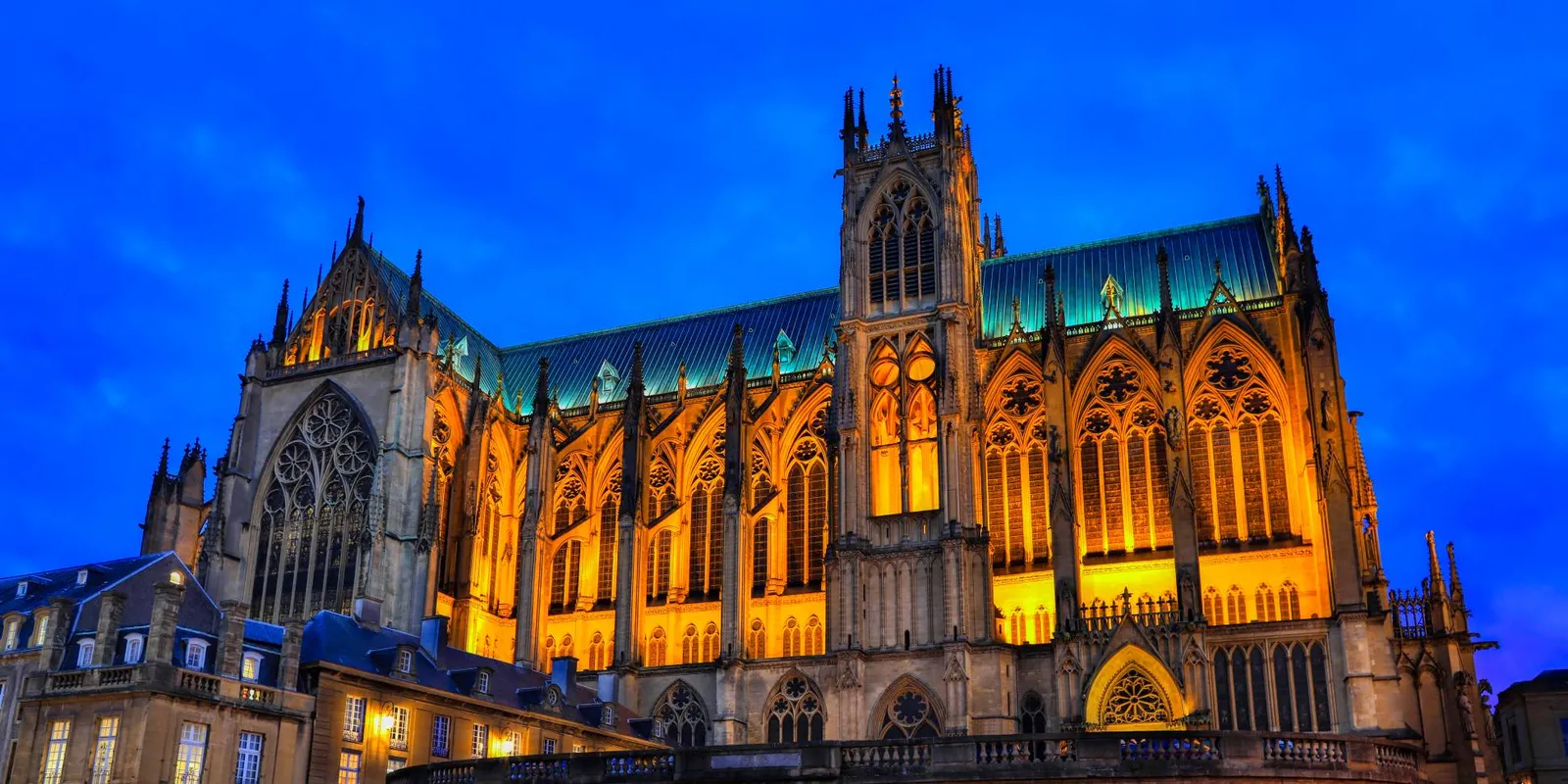
Metz: a cathedral of light in French Lorraine
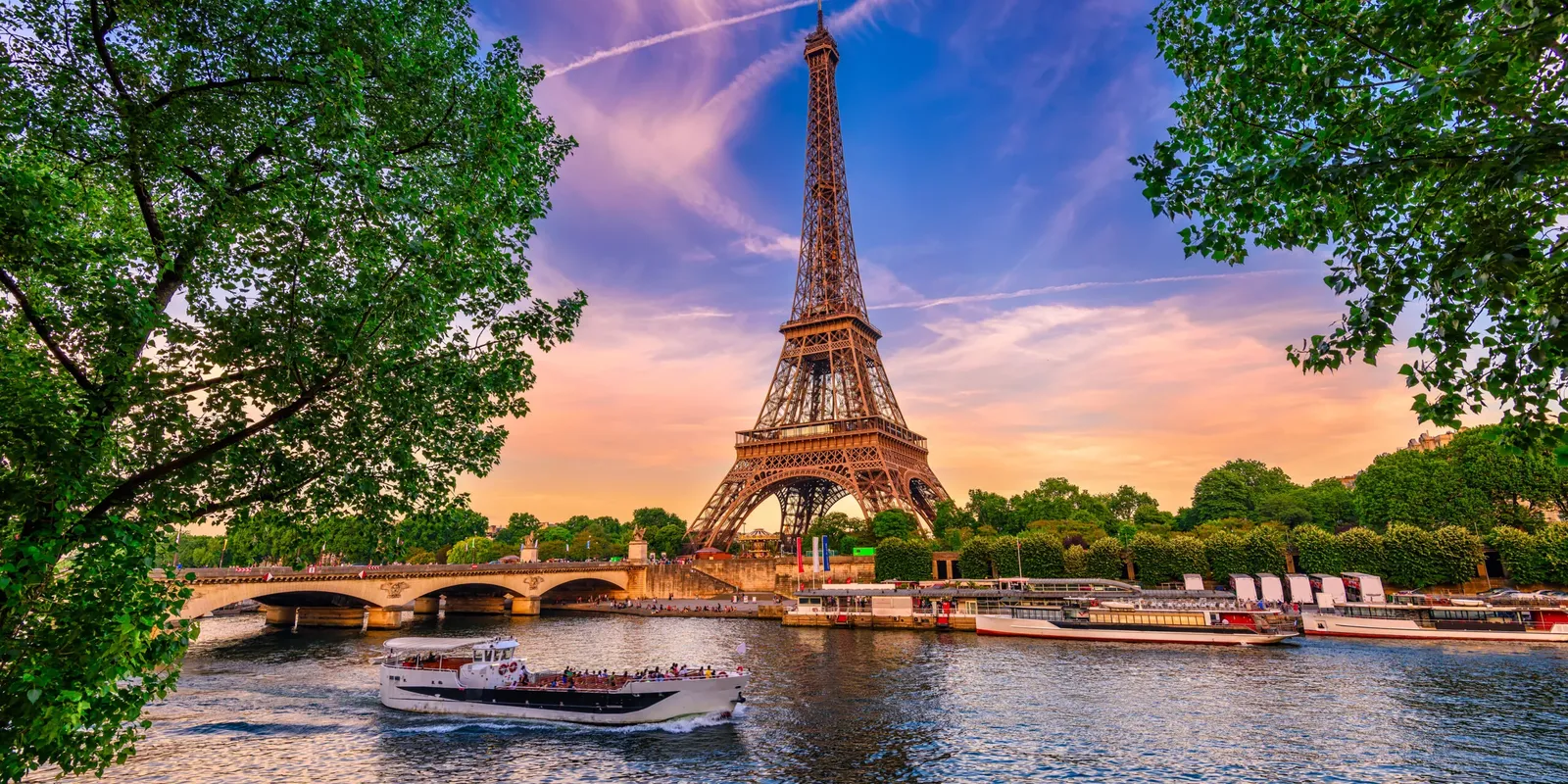
One day in Paris: itinerary and highlights
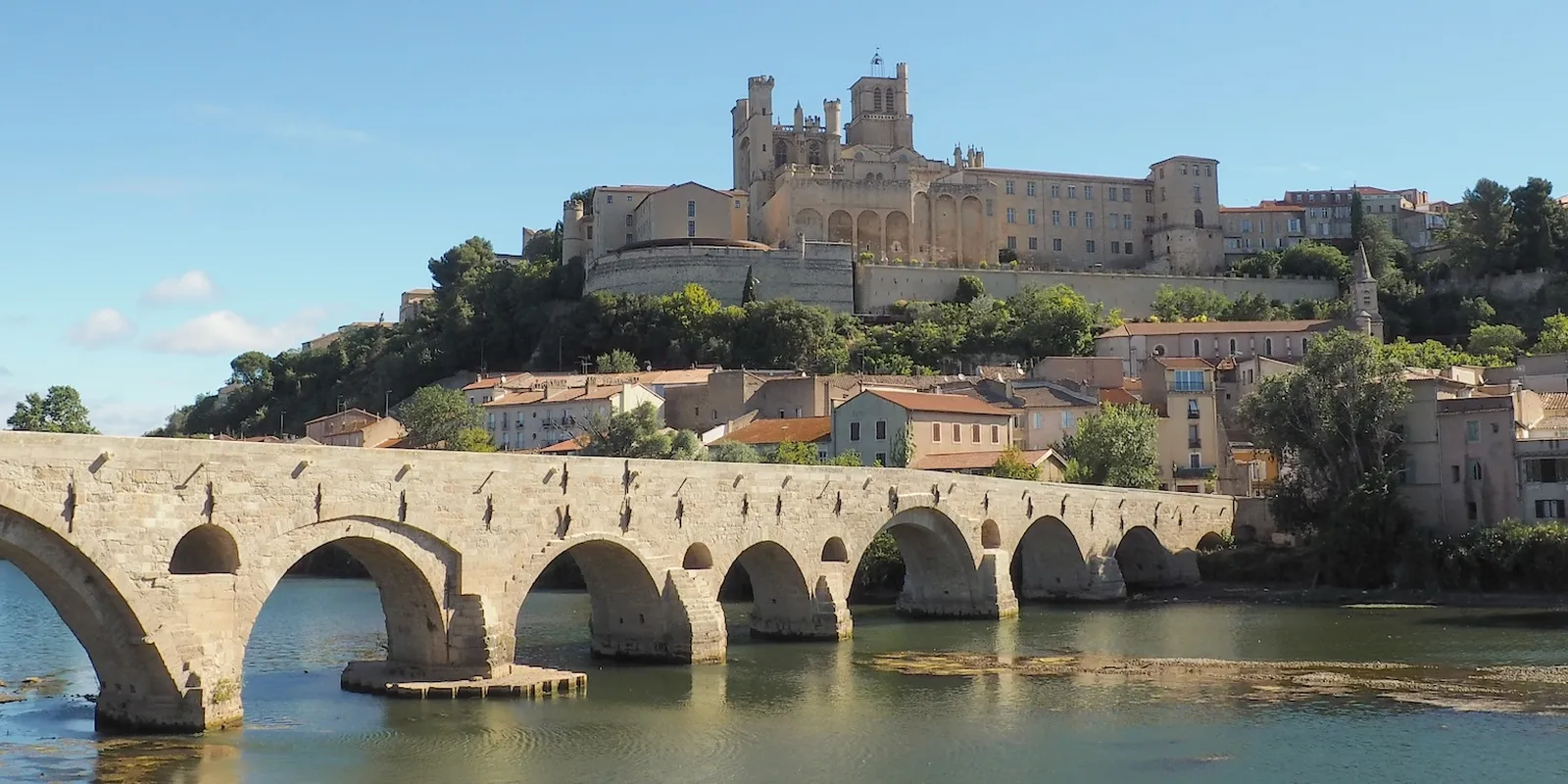
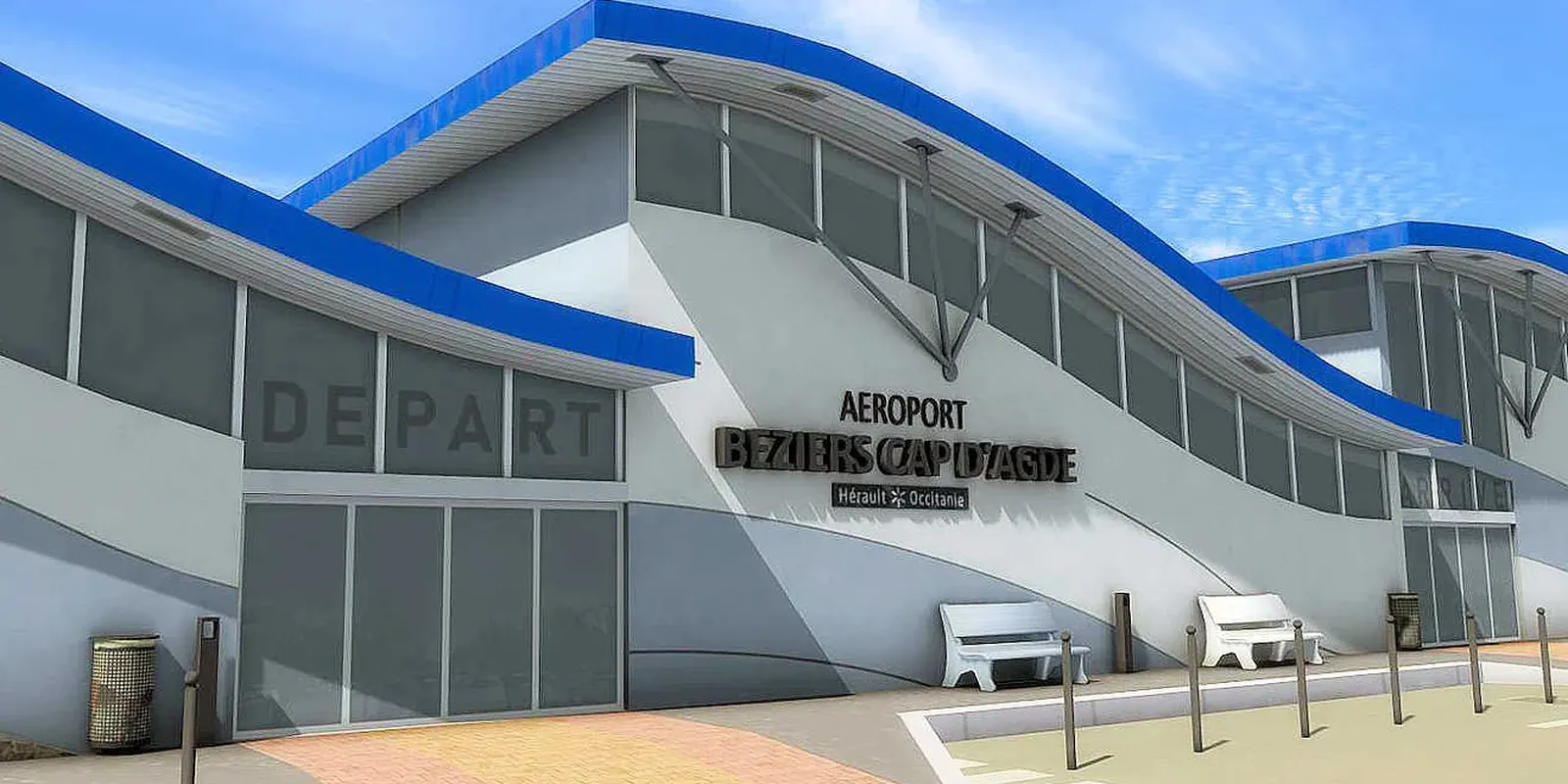
Béziers: the massacre that preceded peace
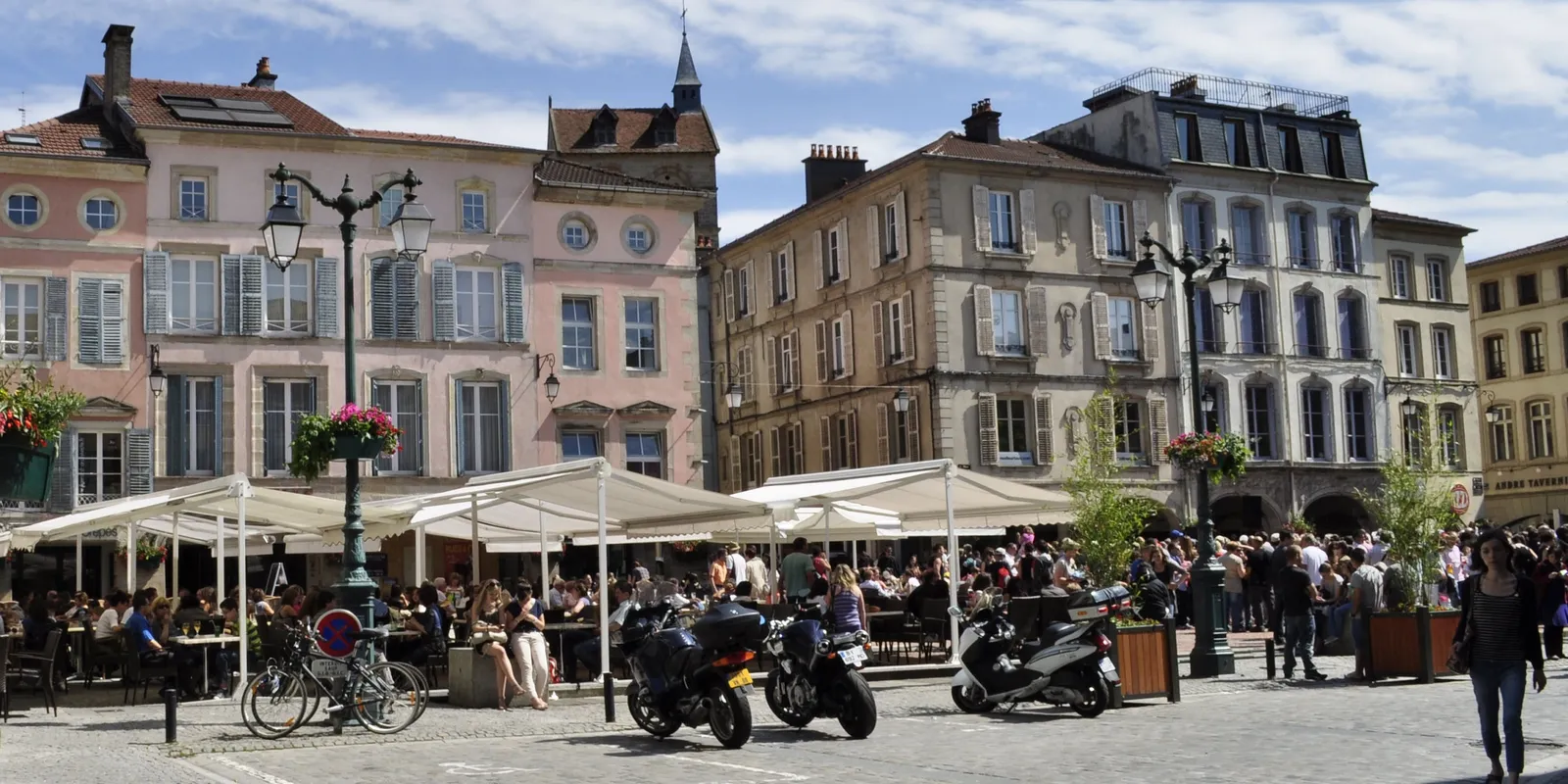
Épinal: the popular prints that gave a name to idealized imagery
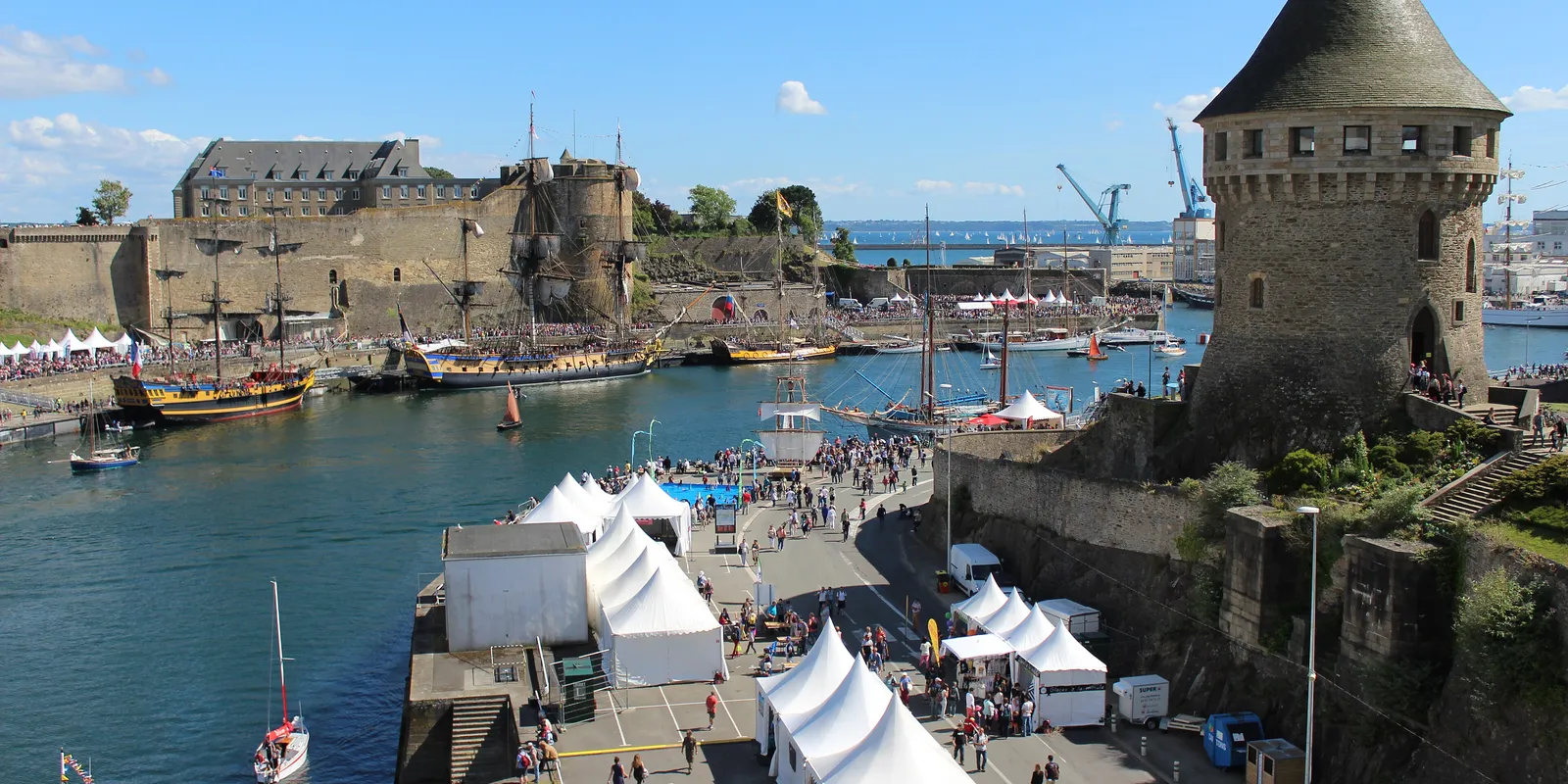
Brest: the city rebuilt after the war
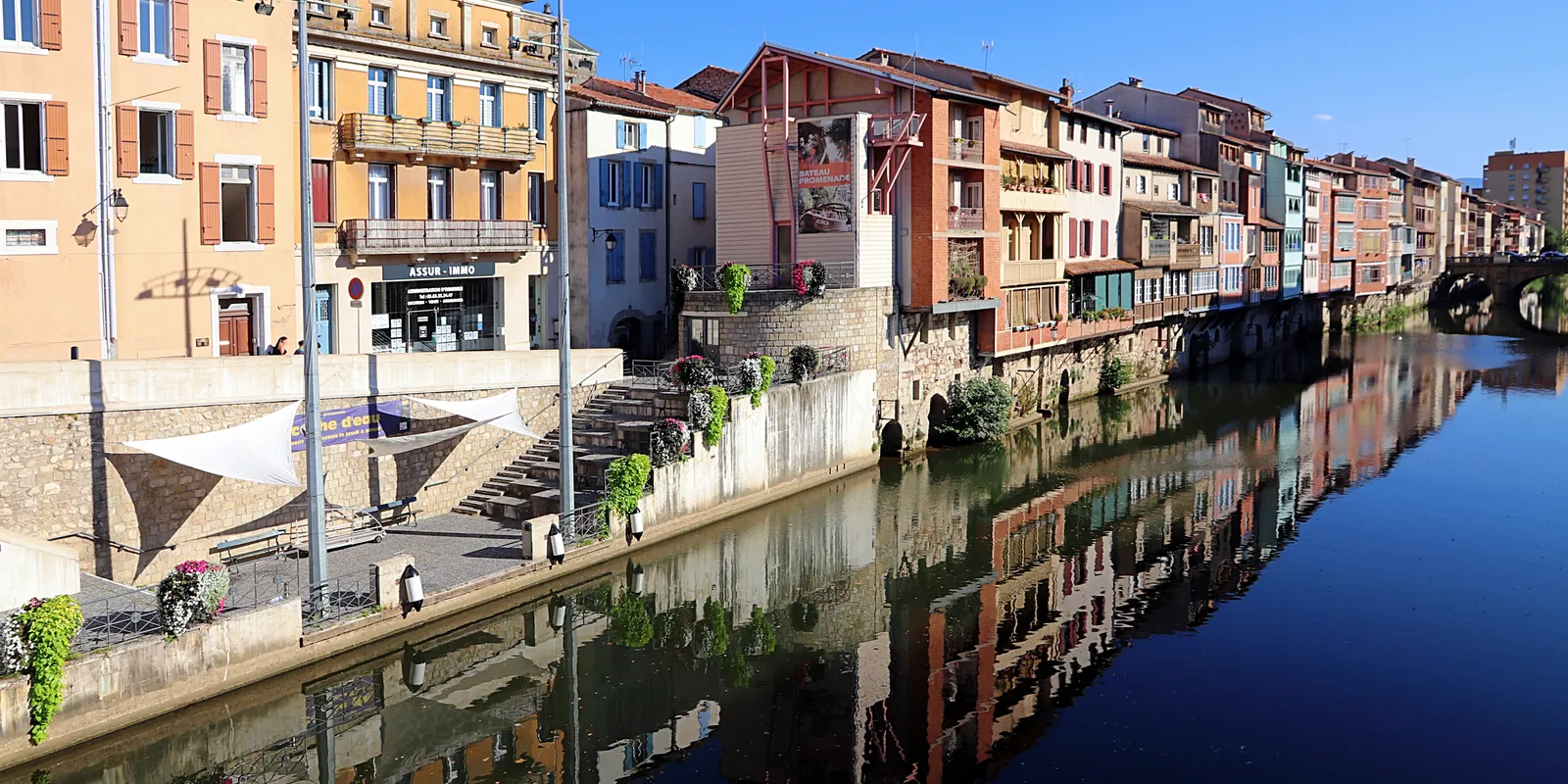
Castres: unexpected Goya in the heart of the French Tarn
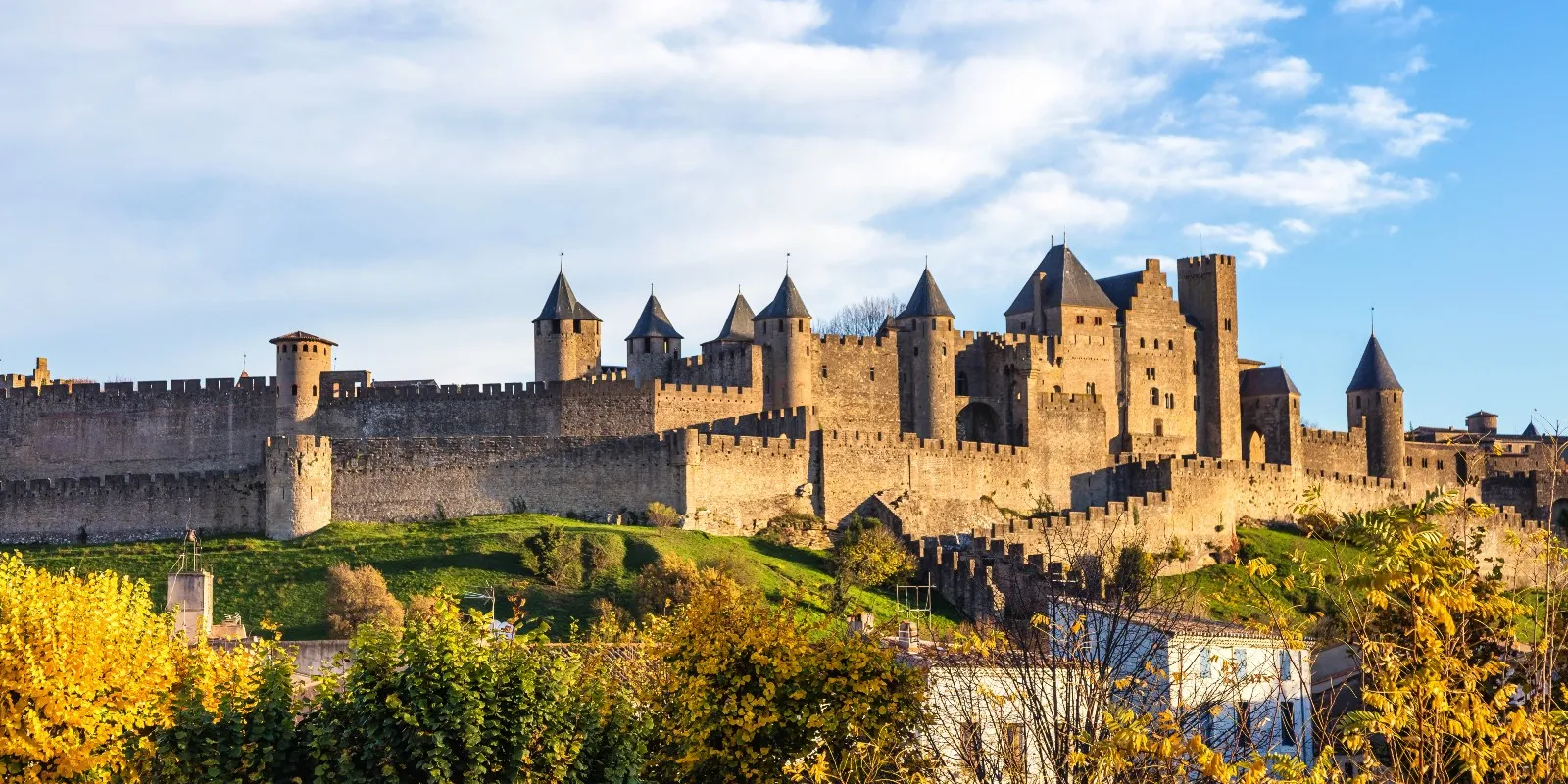
Carcassonne: Europe's largest medieval fortress
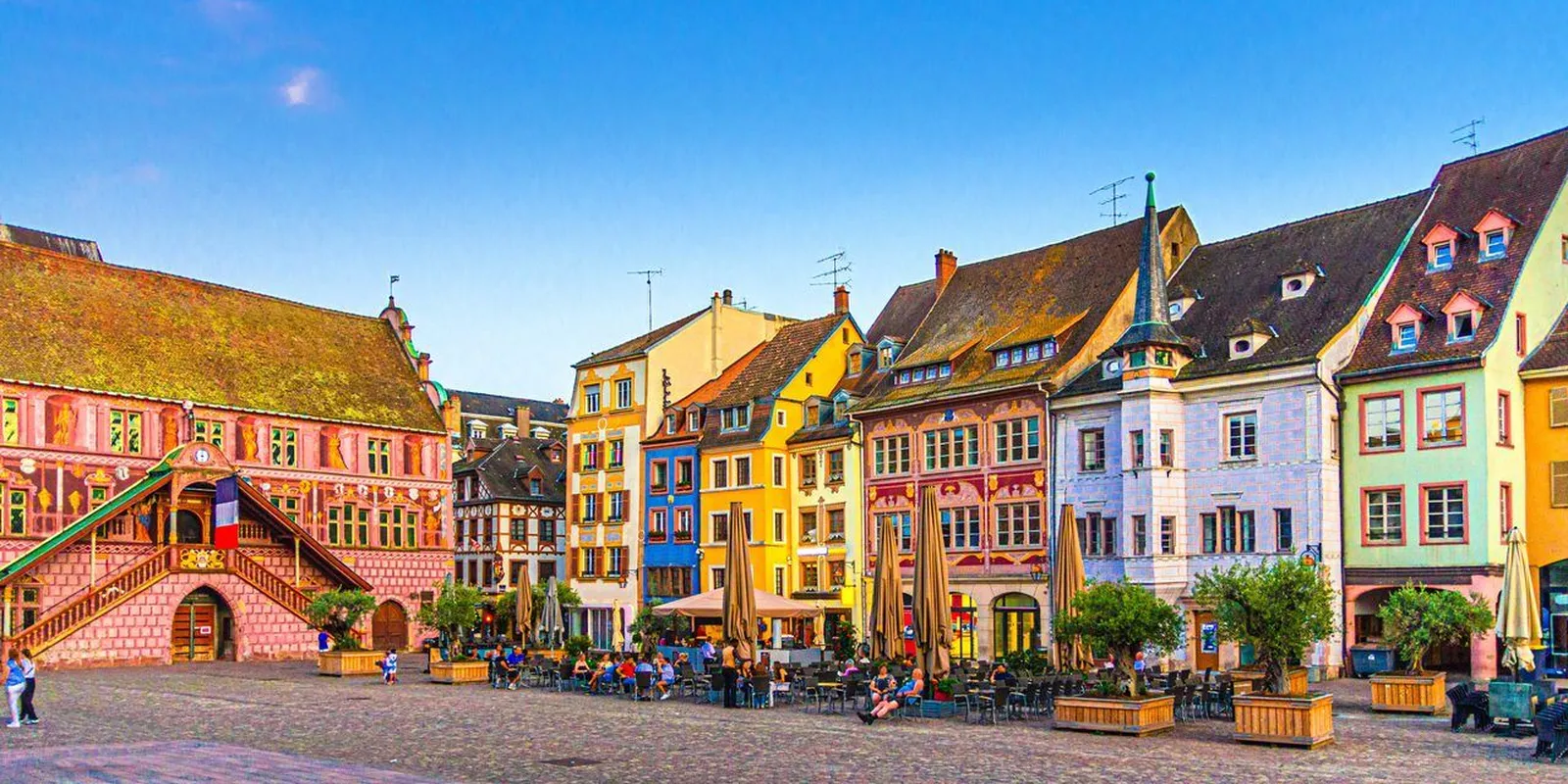
Mulhouse: France's automobile capital
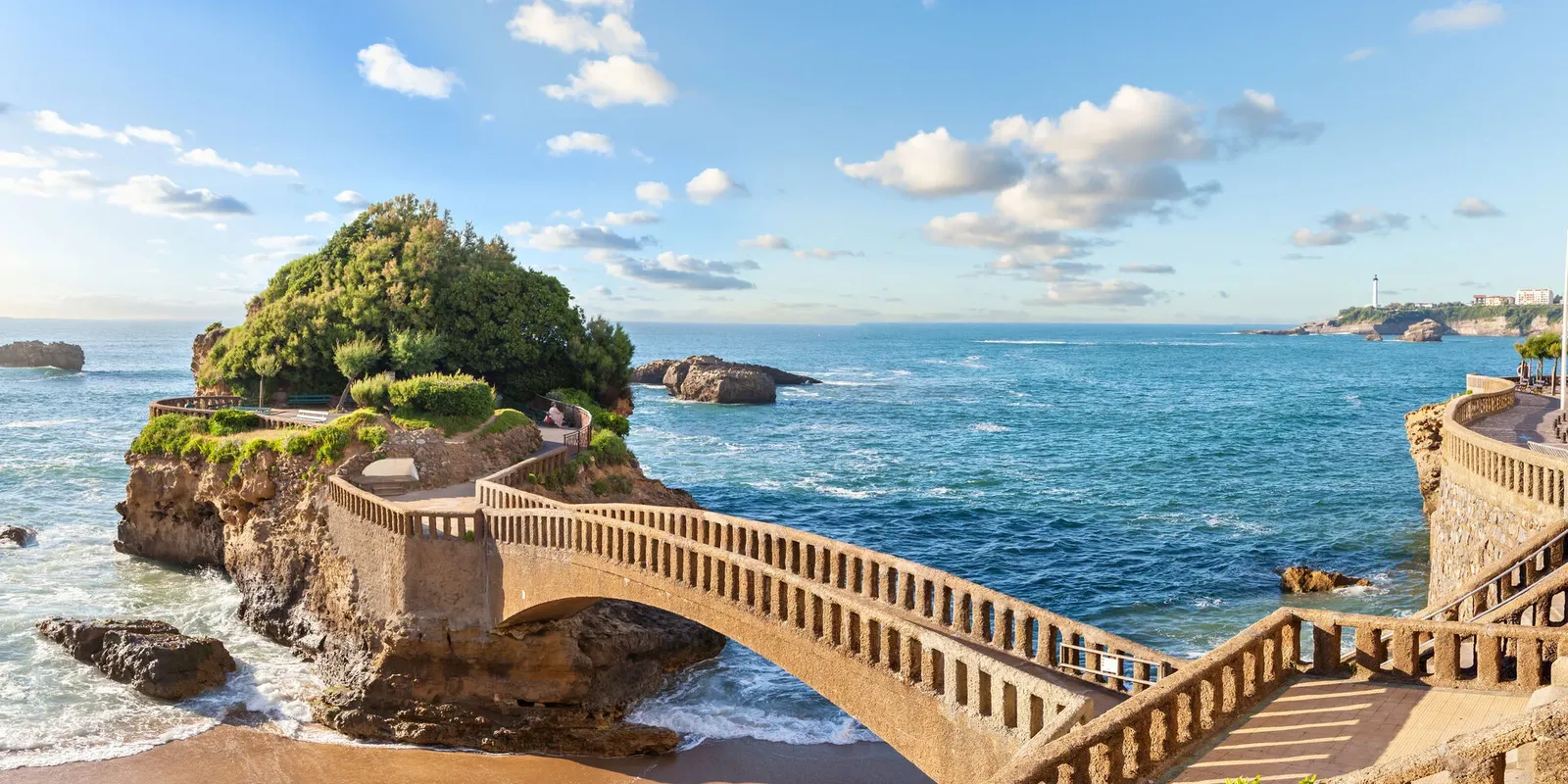
Biarritz: where the empress invented the Basque Coast