India: main airports
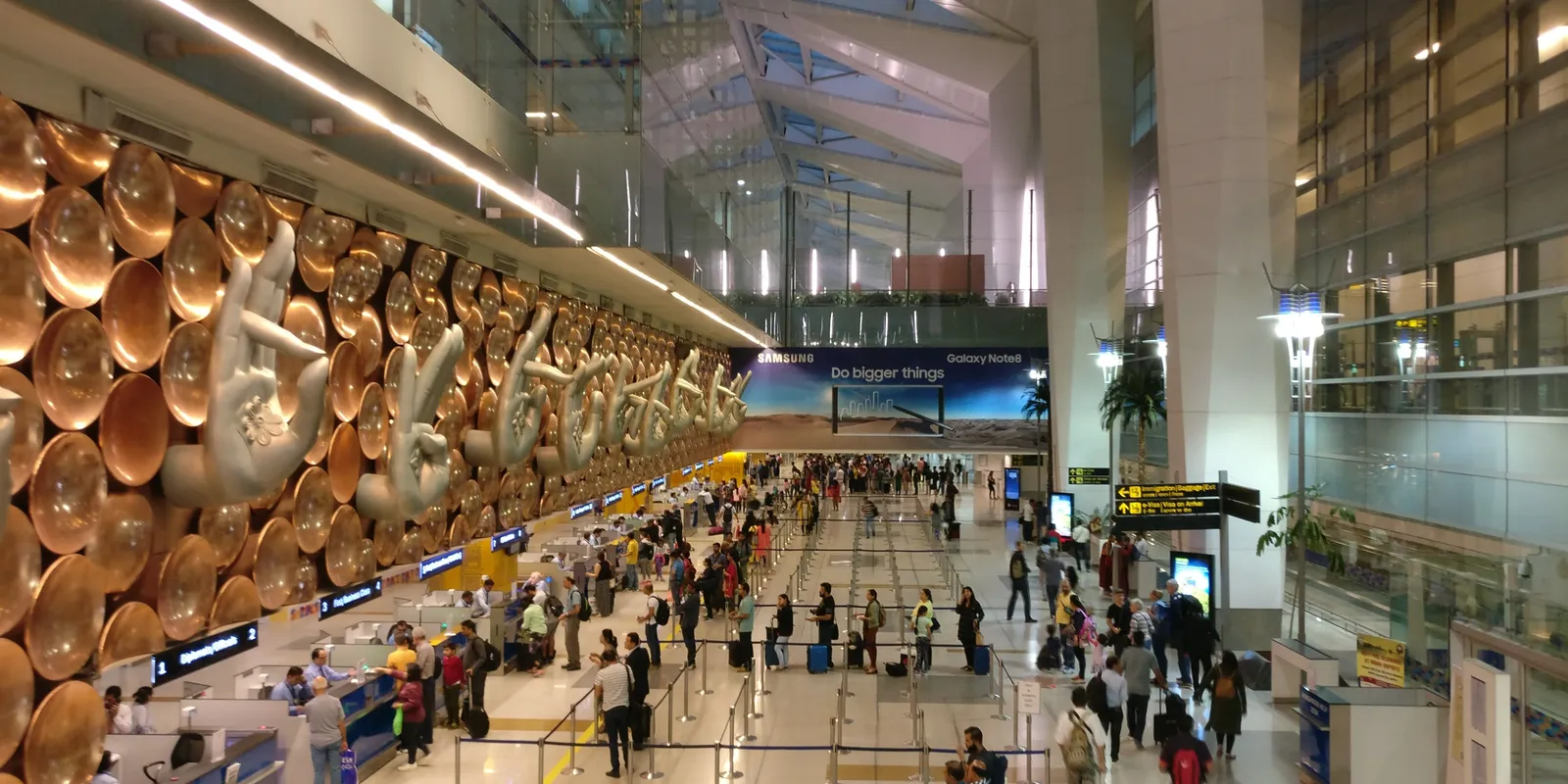
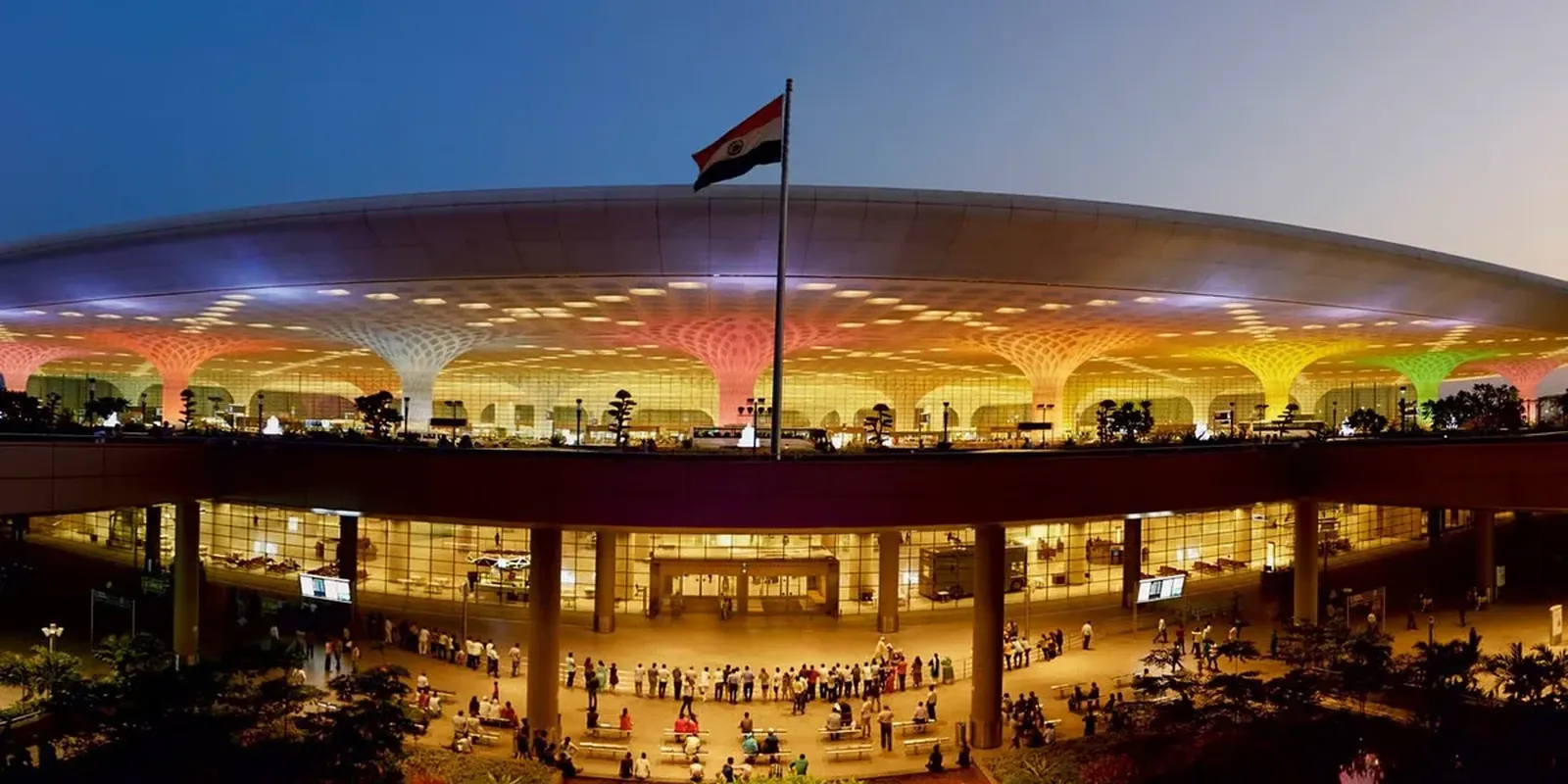
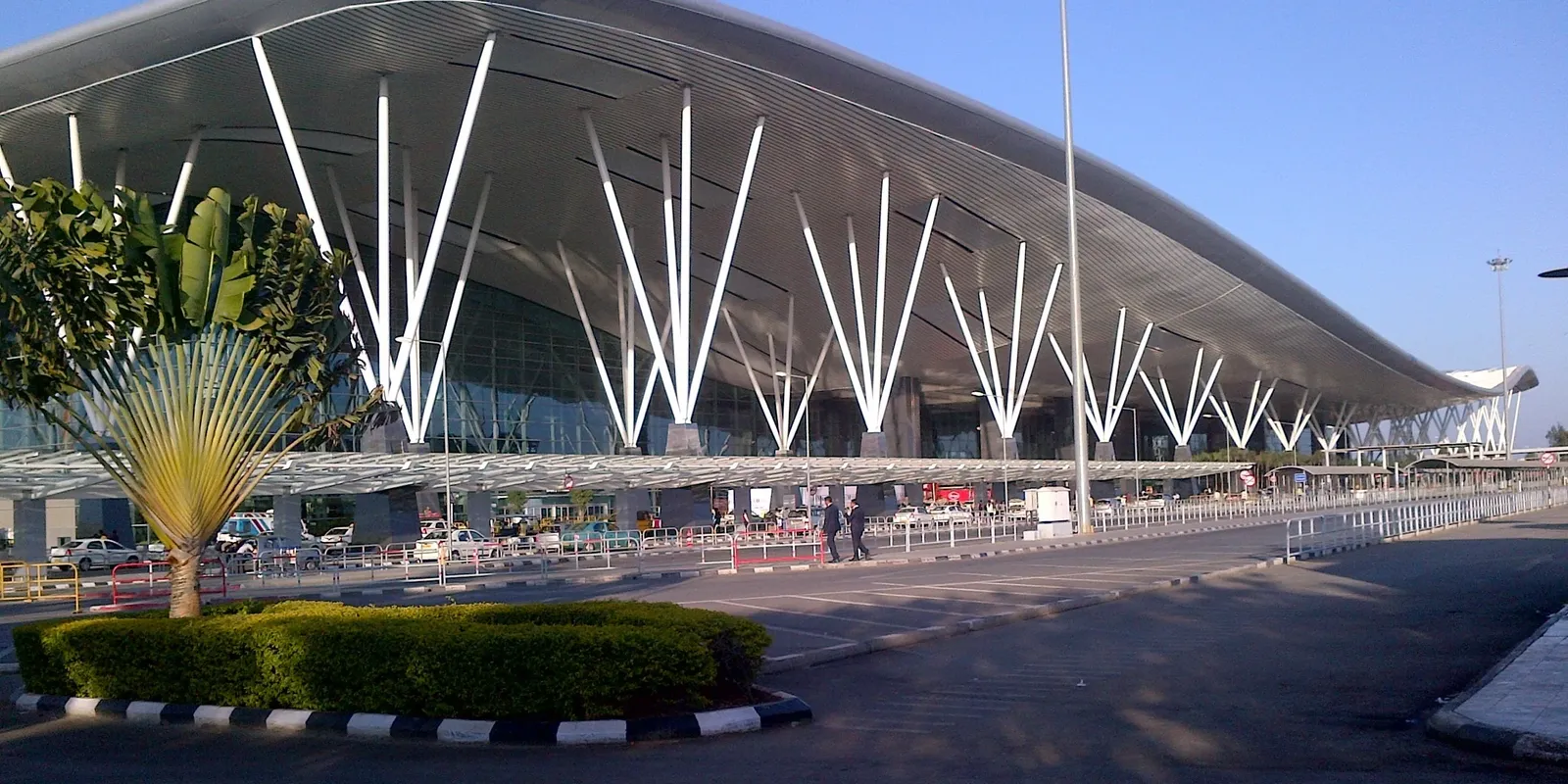
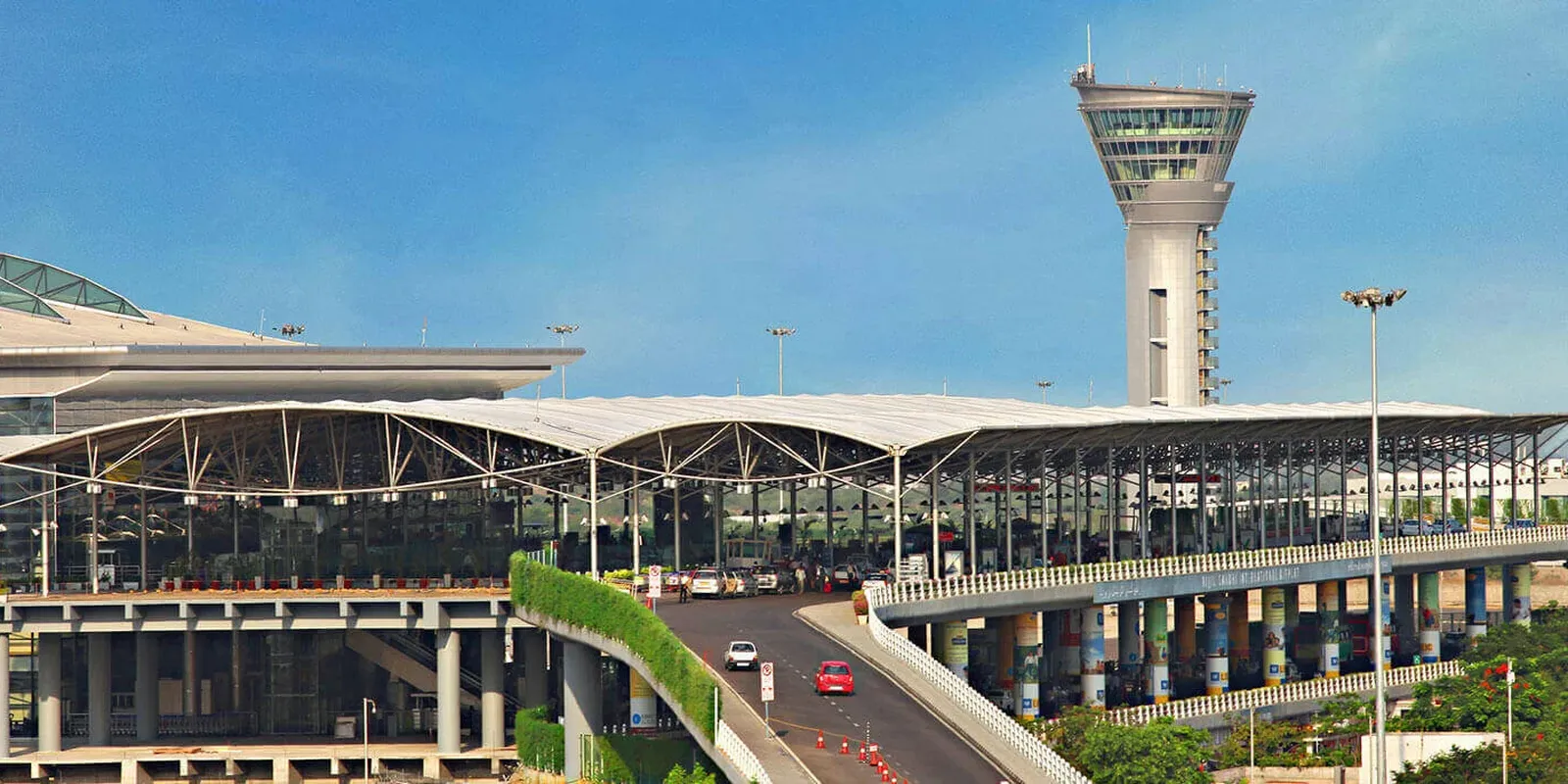
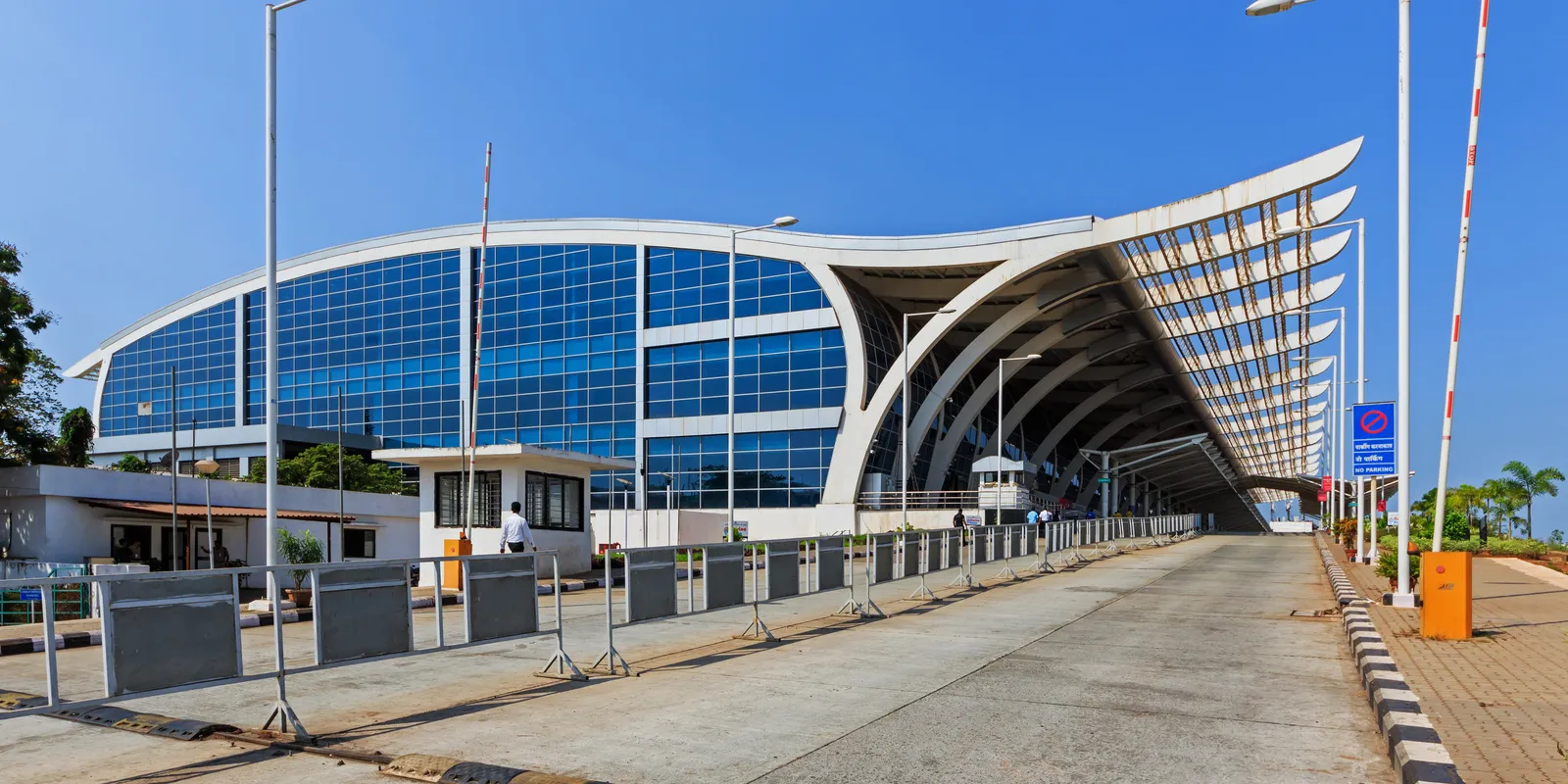
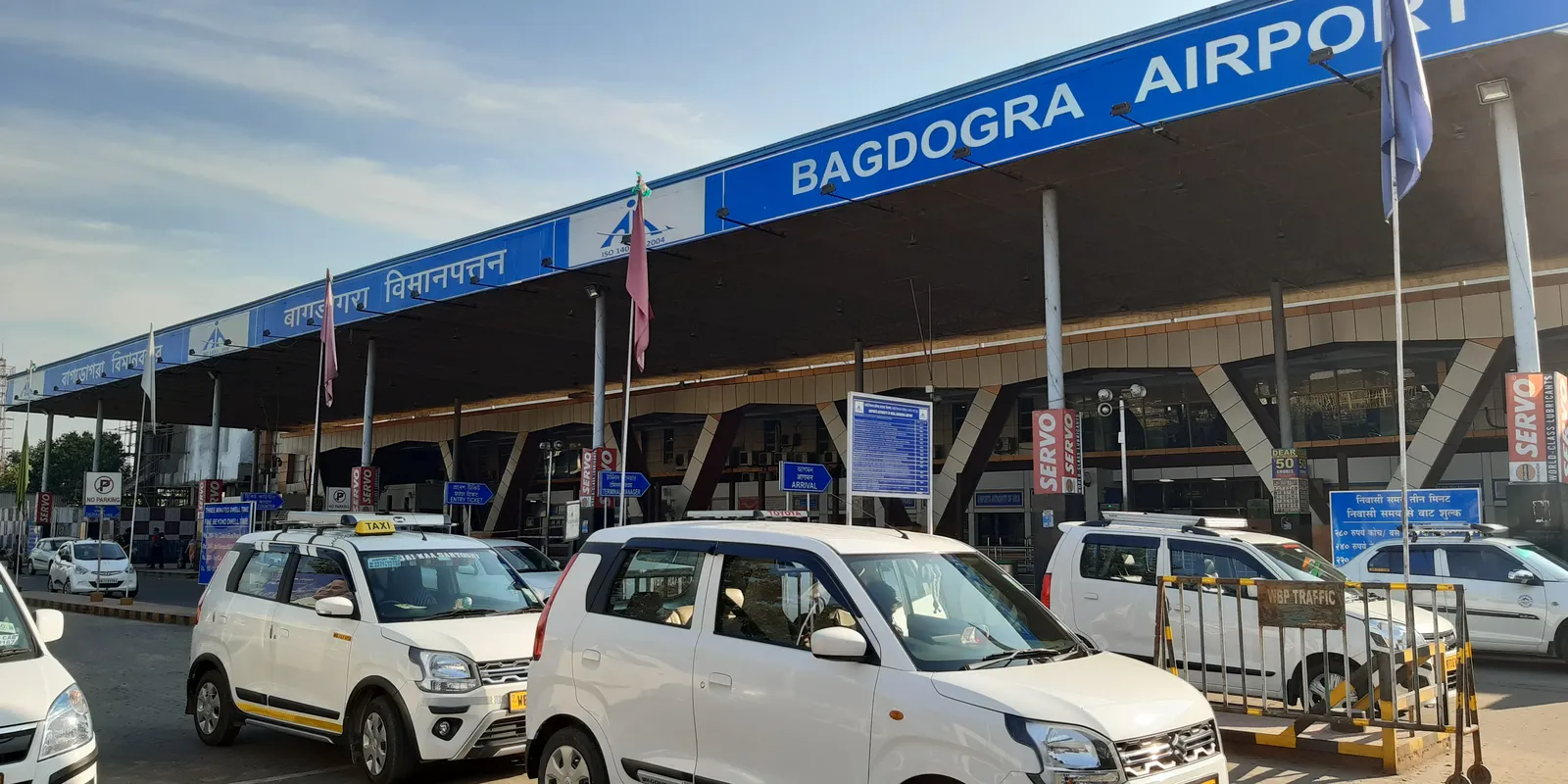
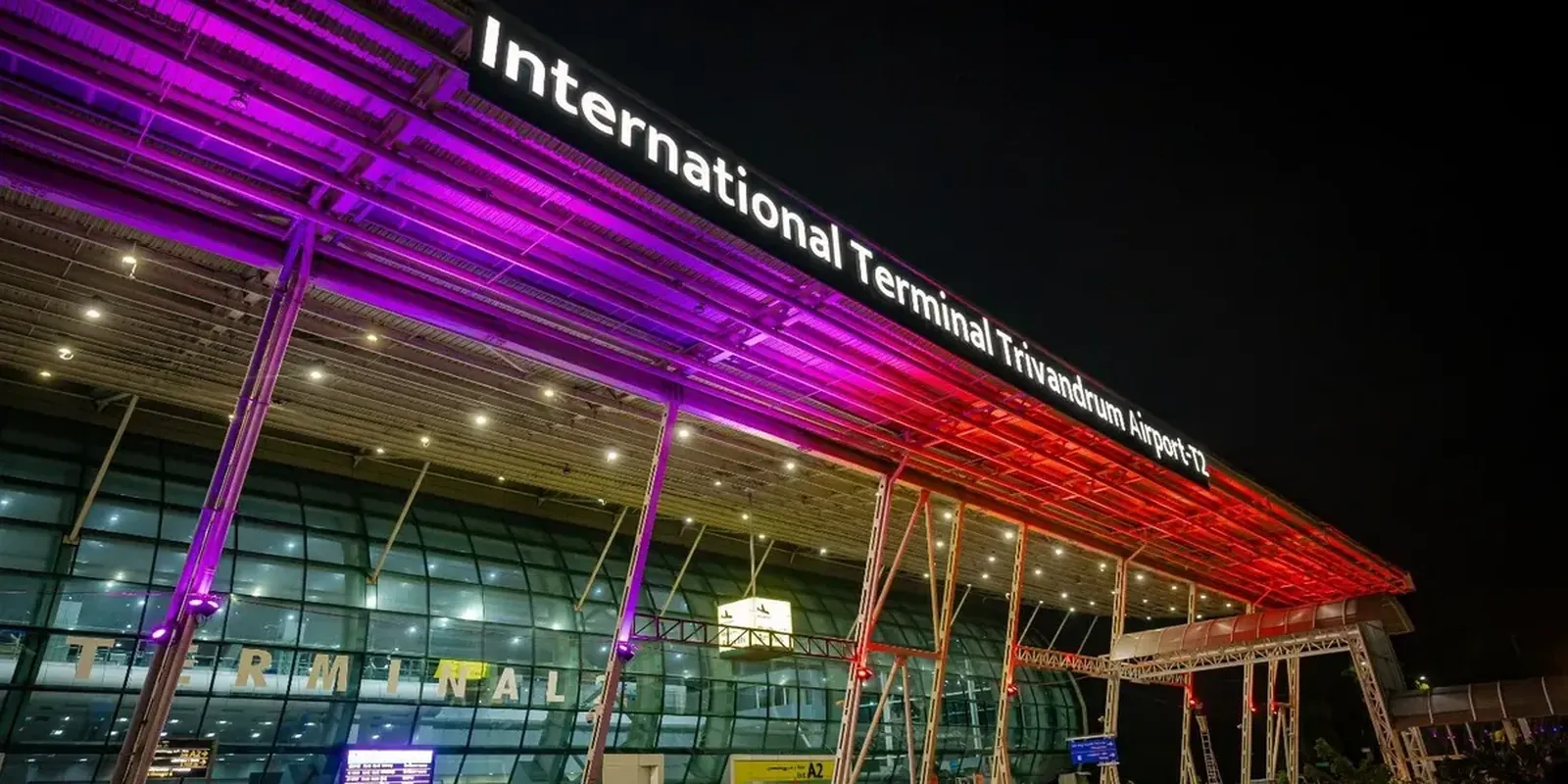
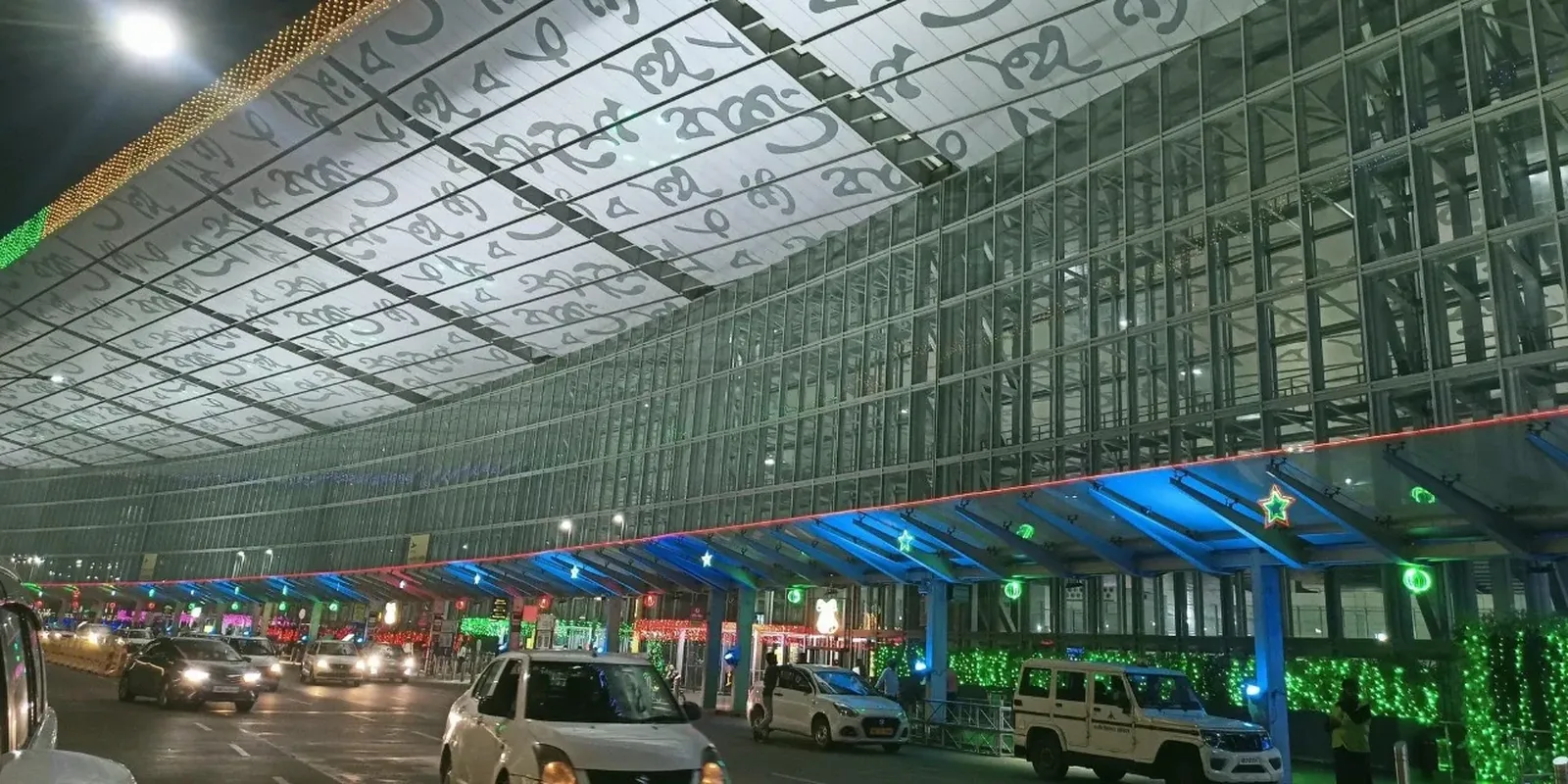
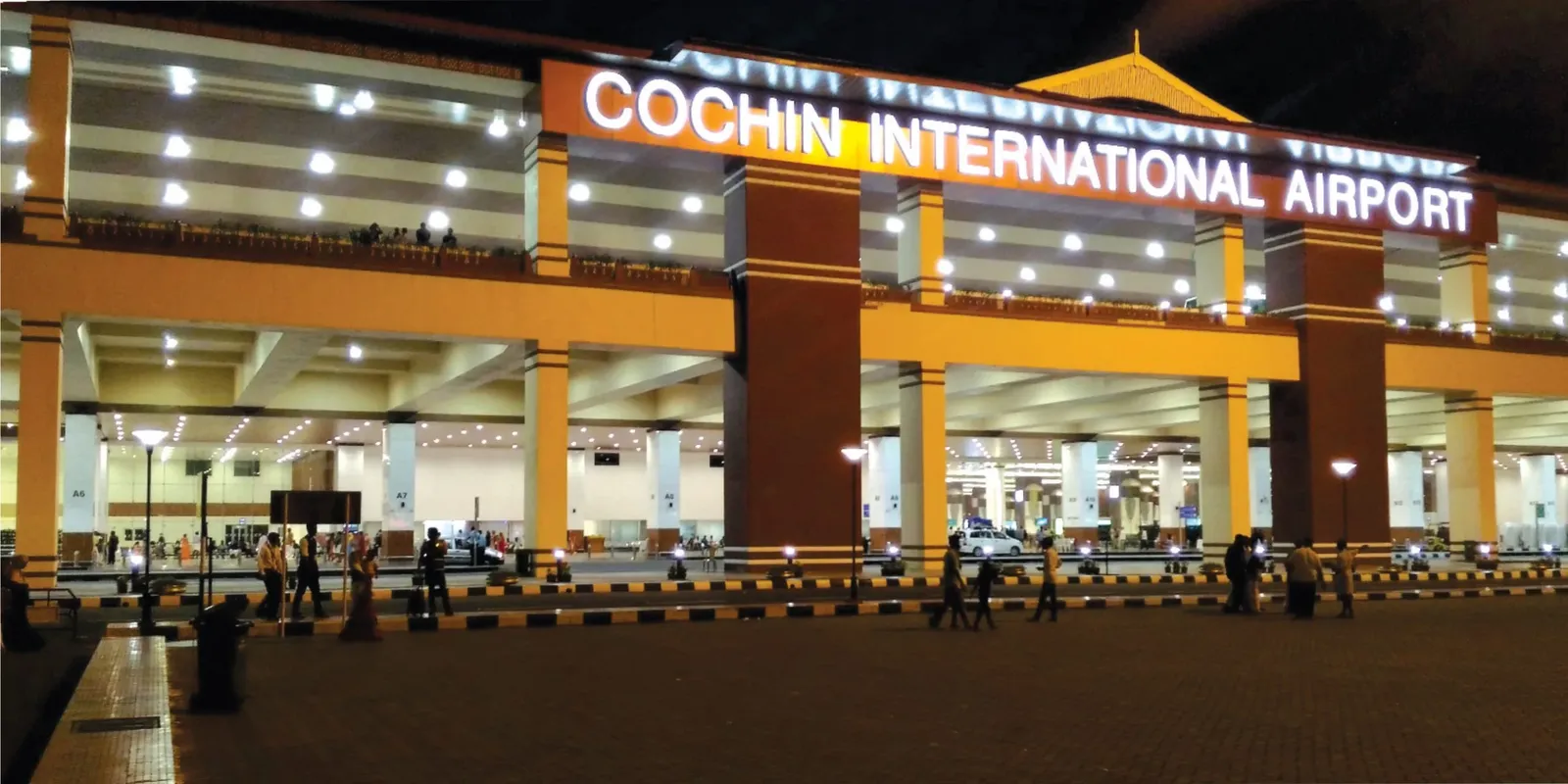
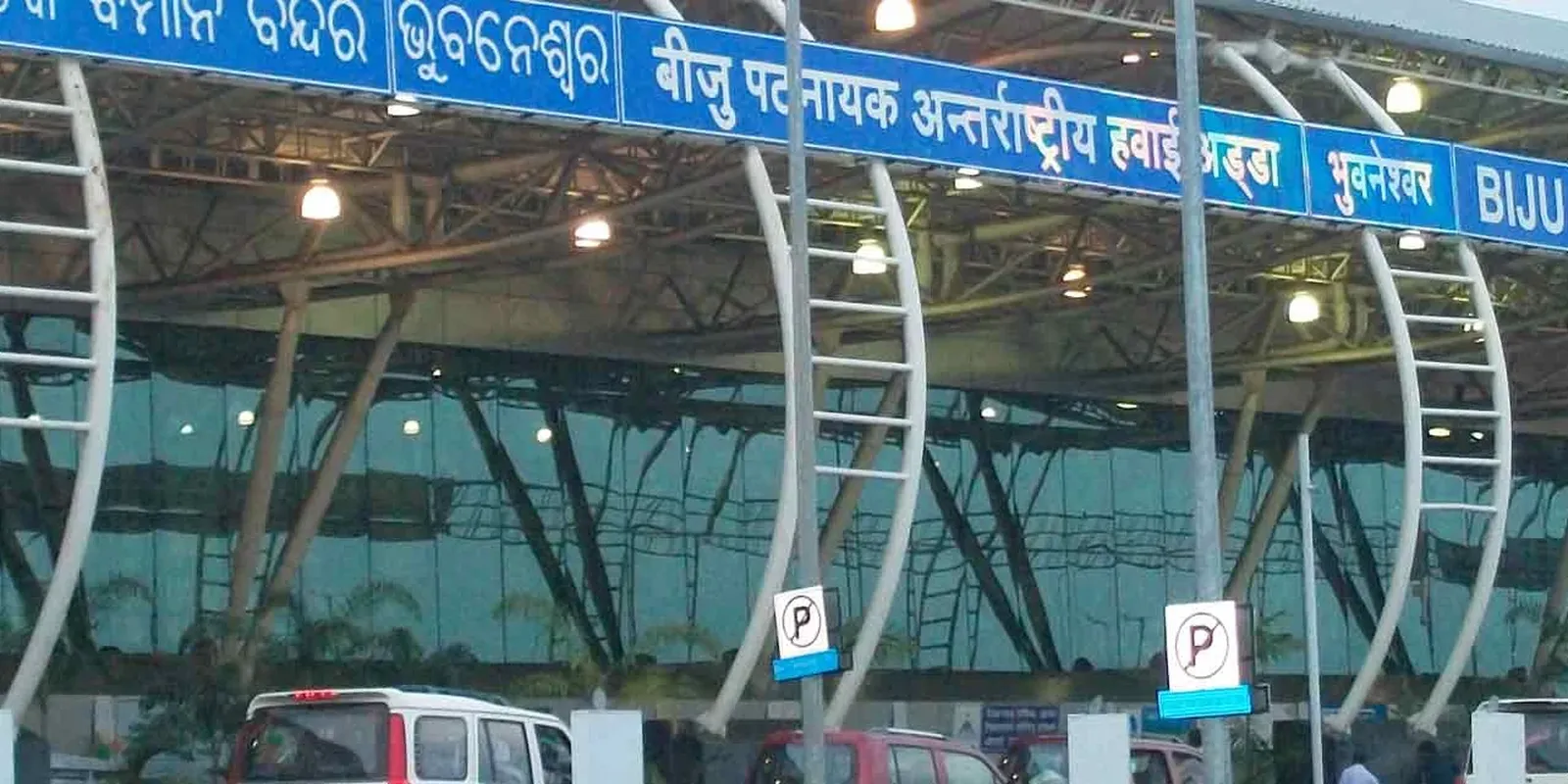
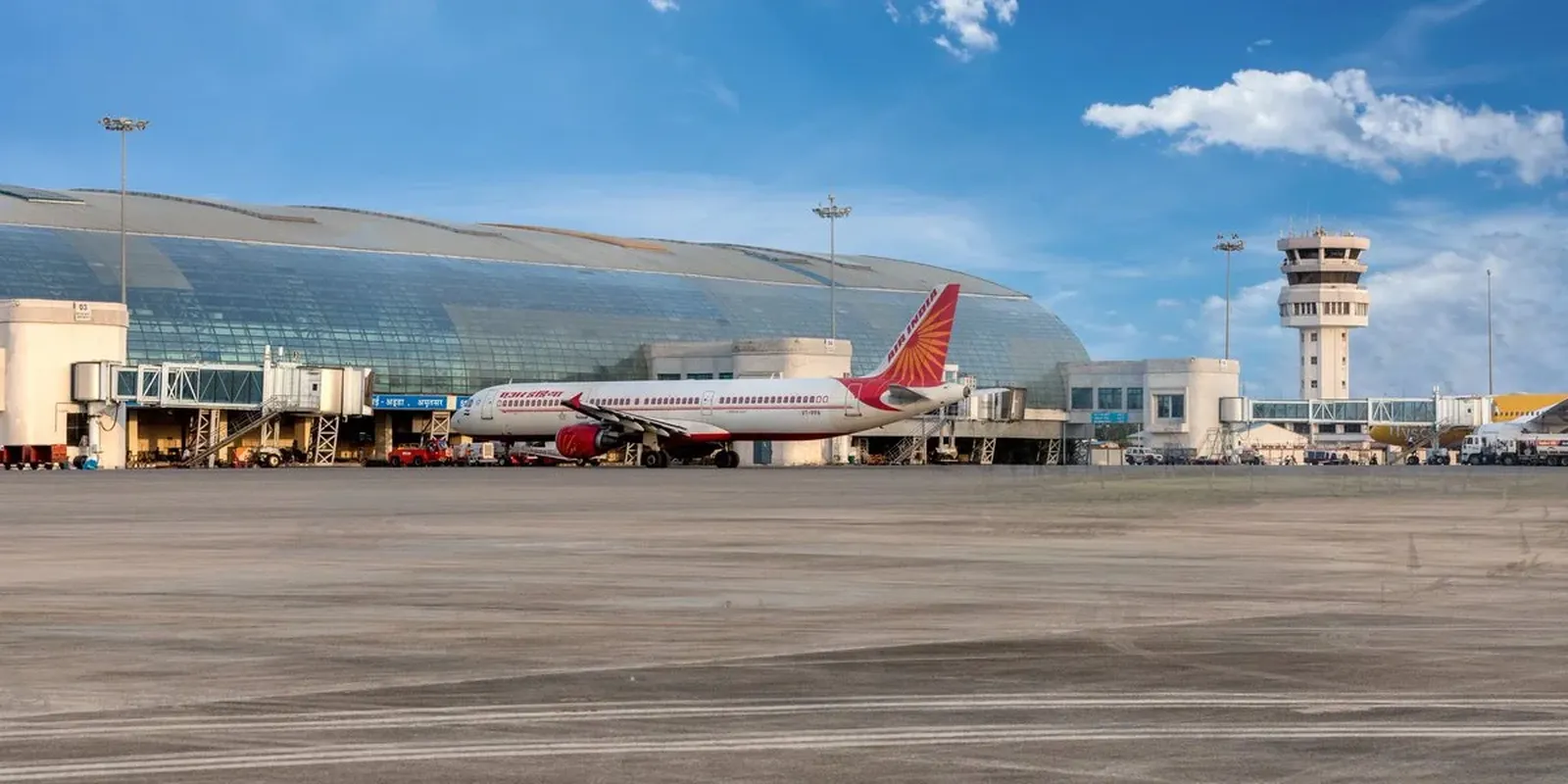
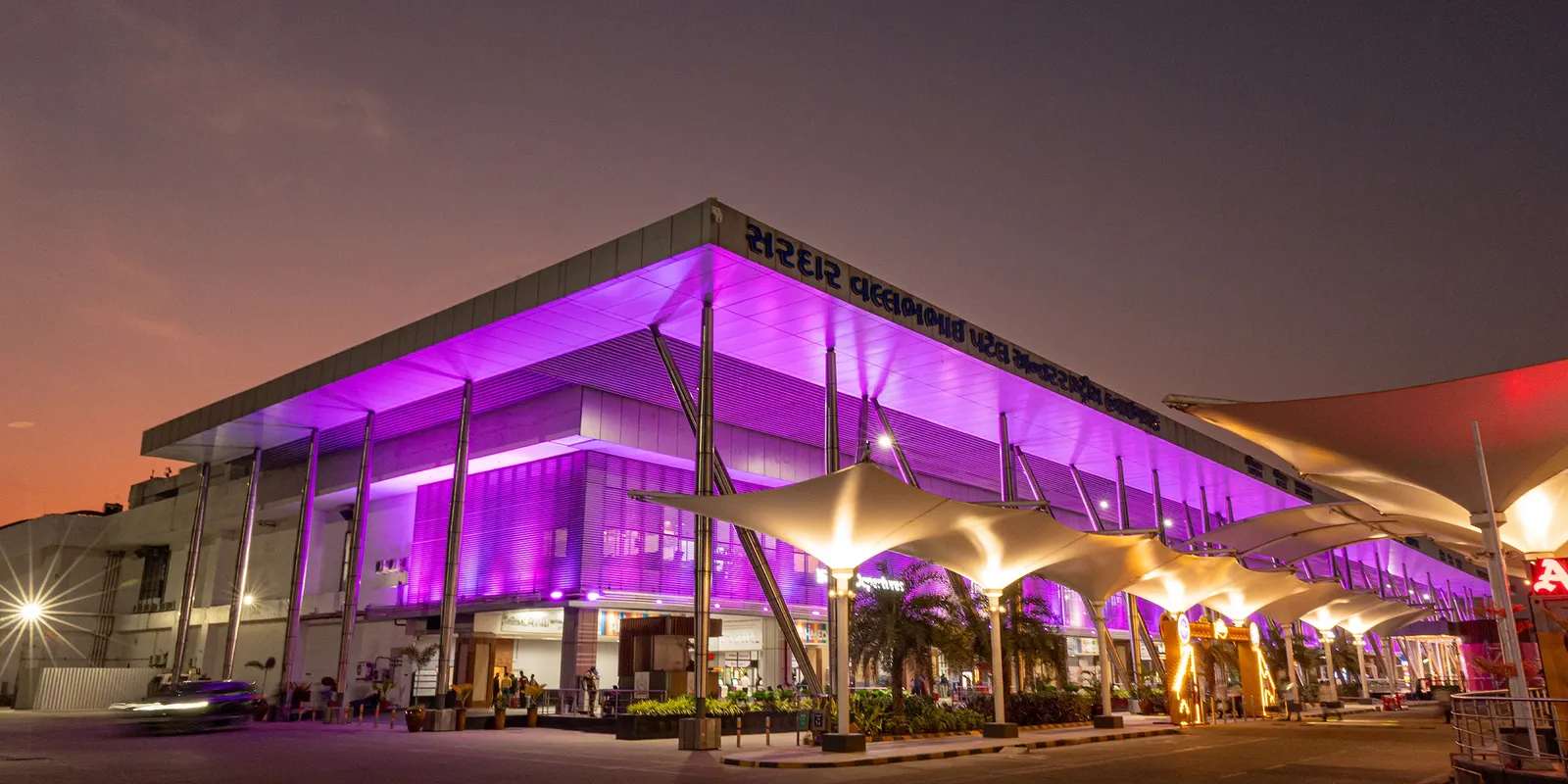
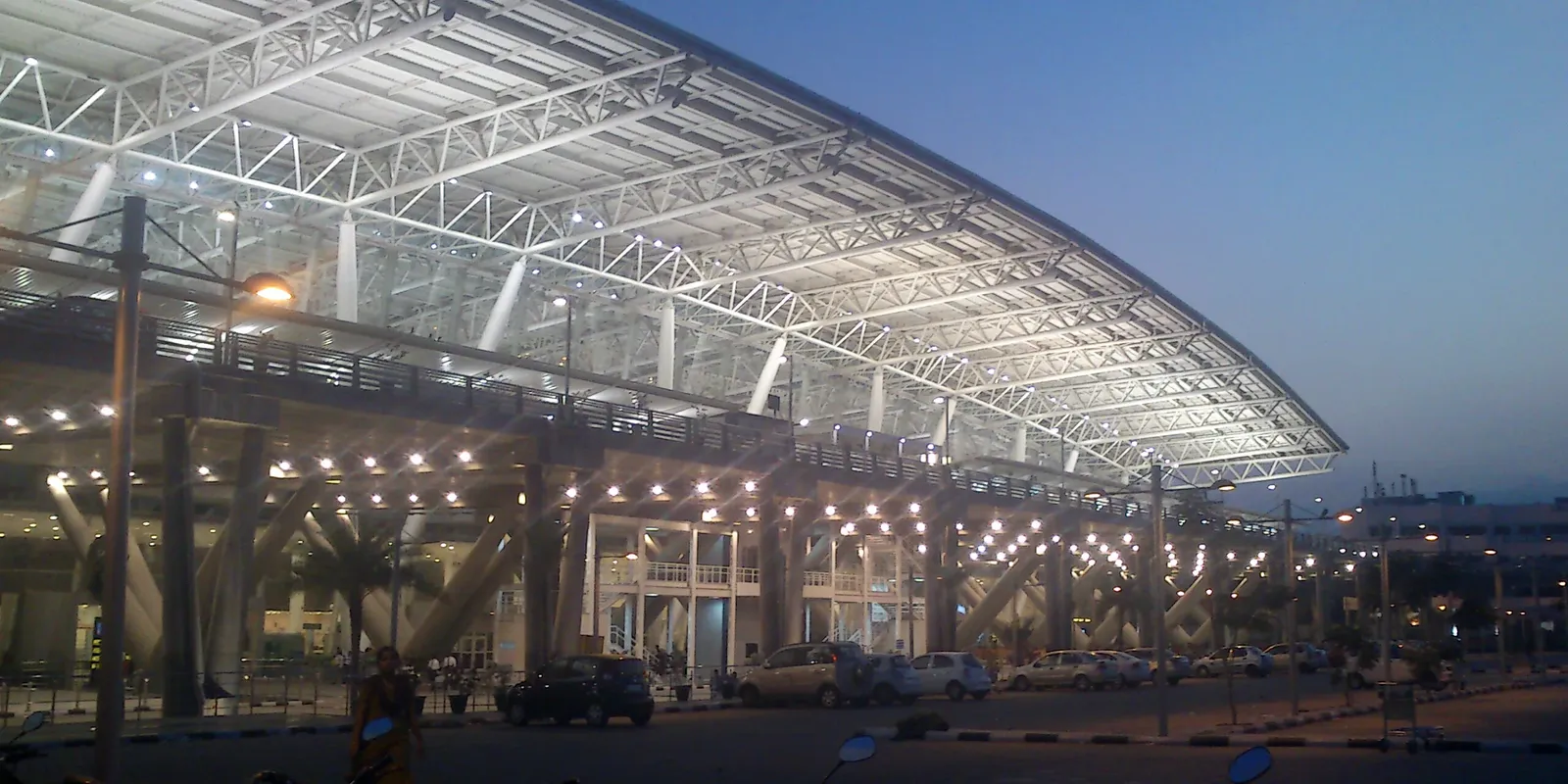
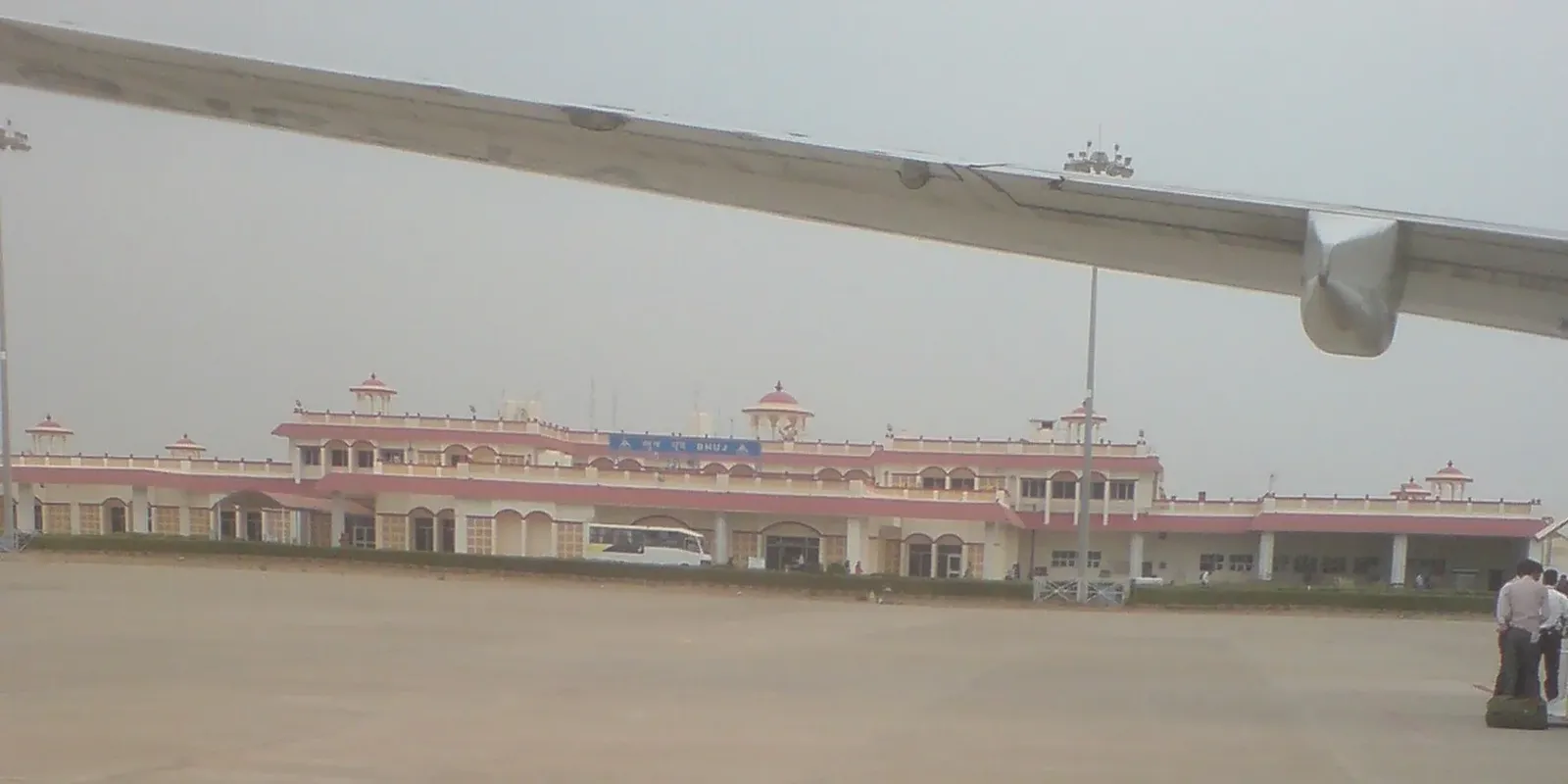
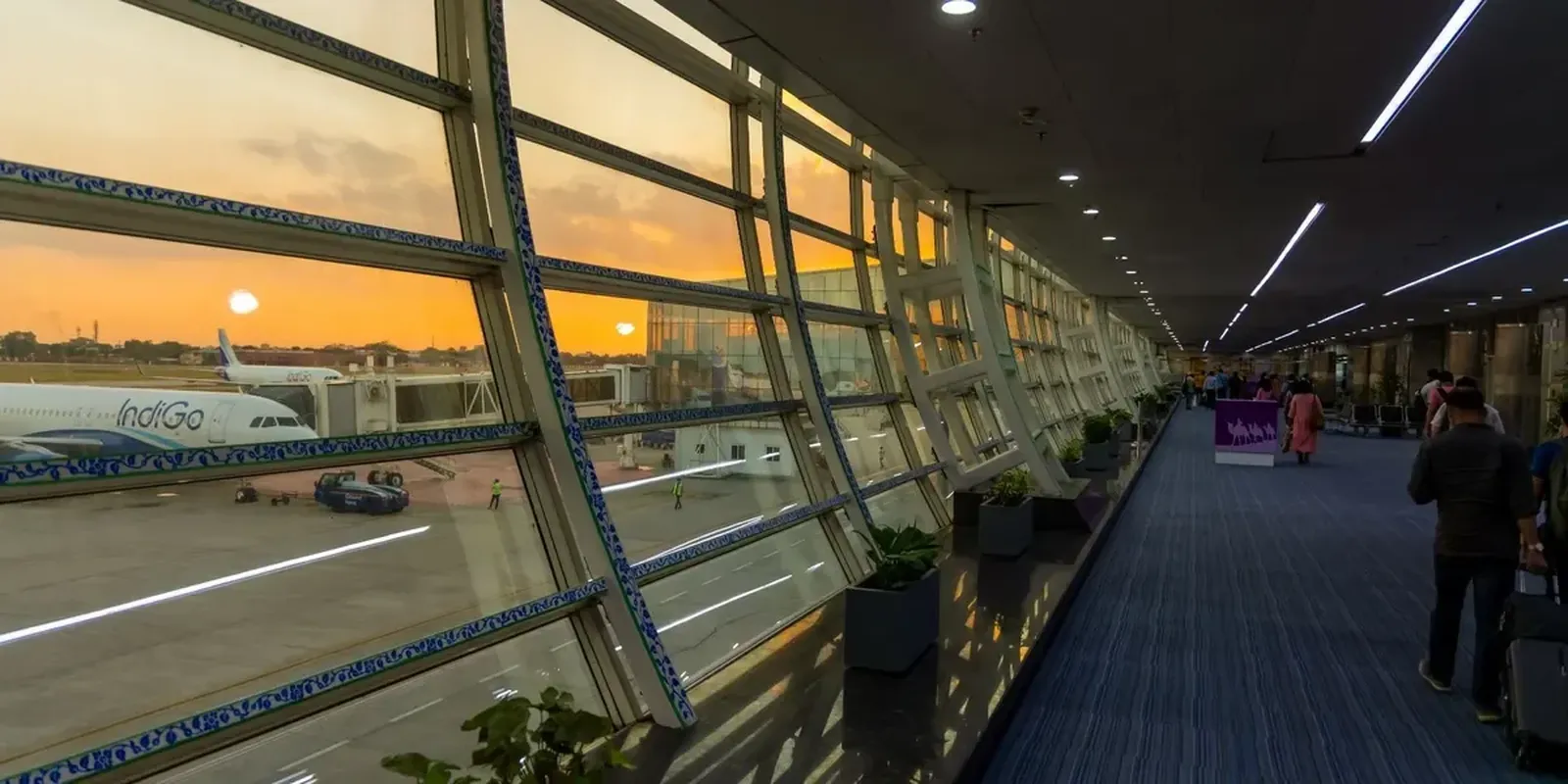
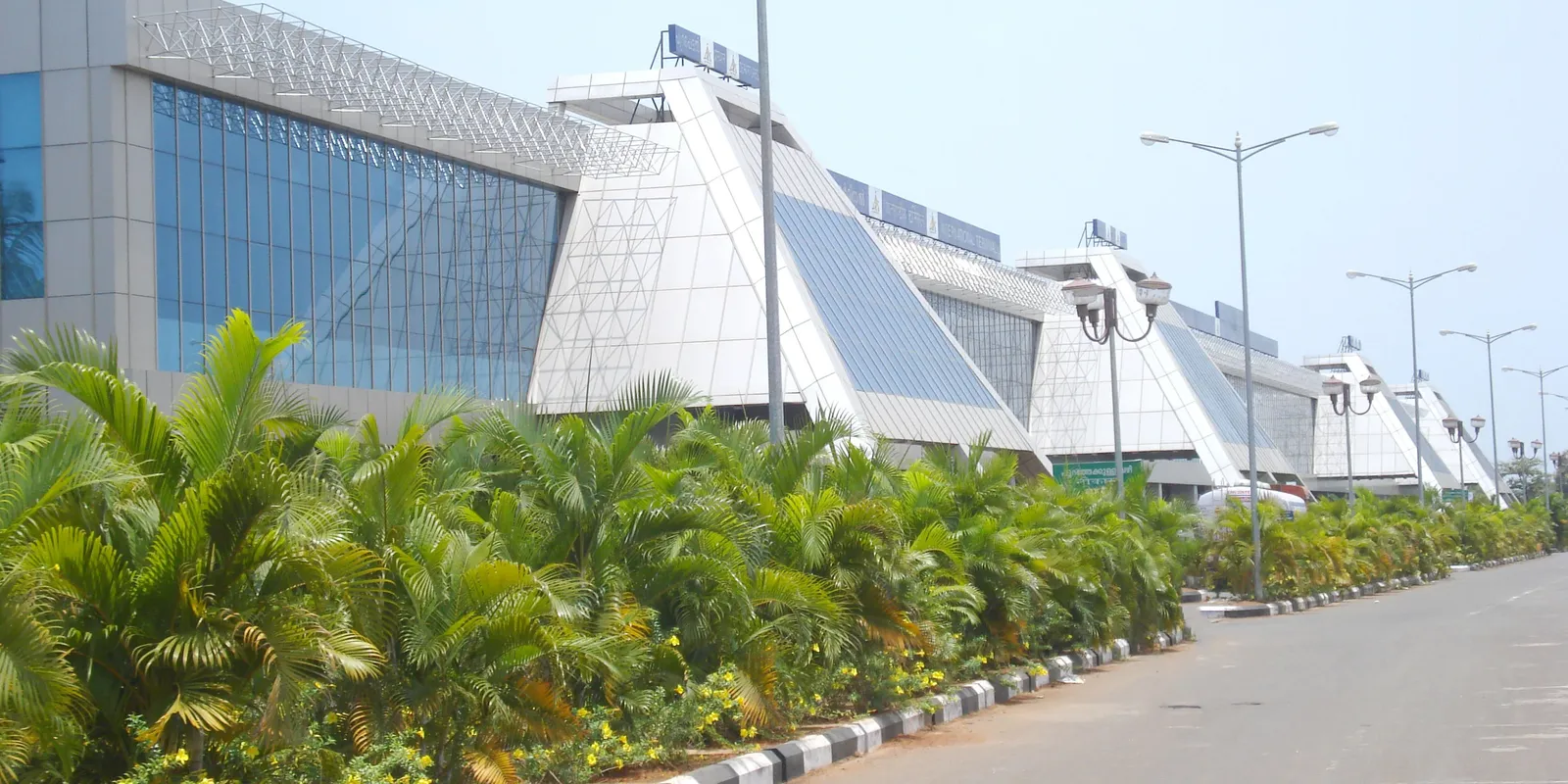
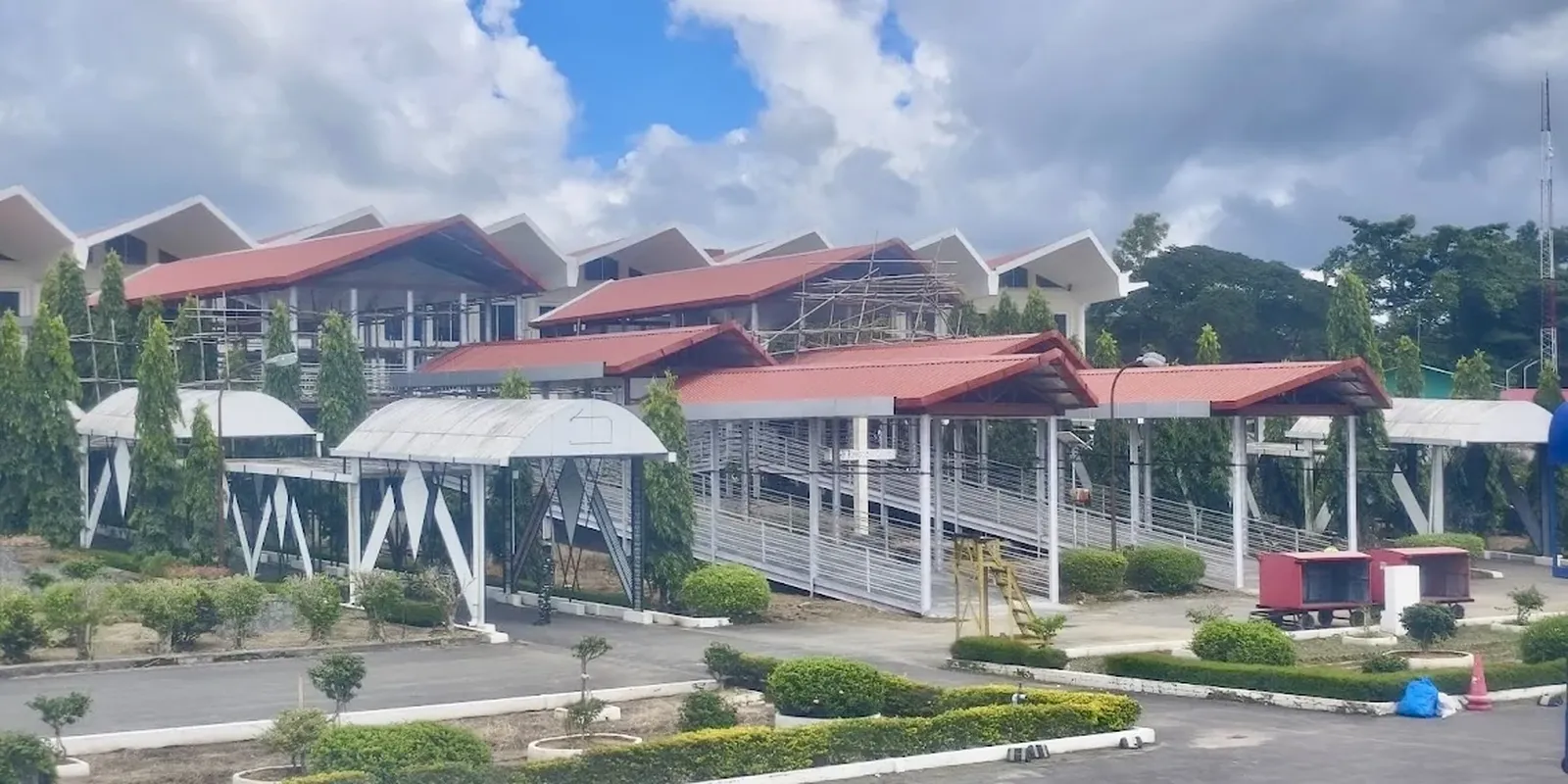
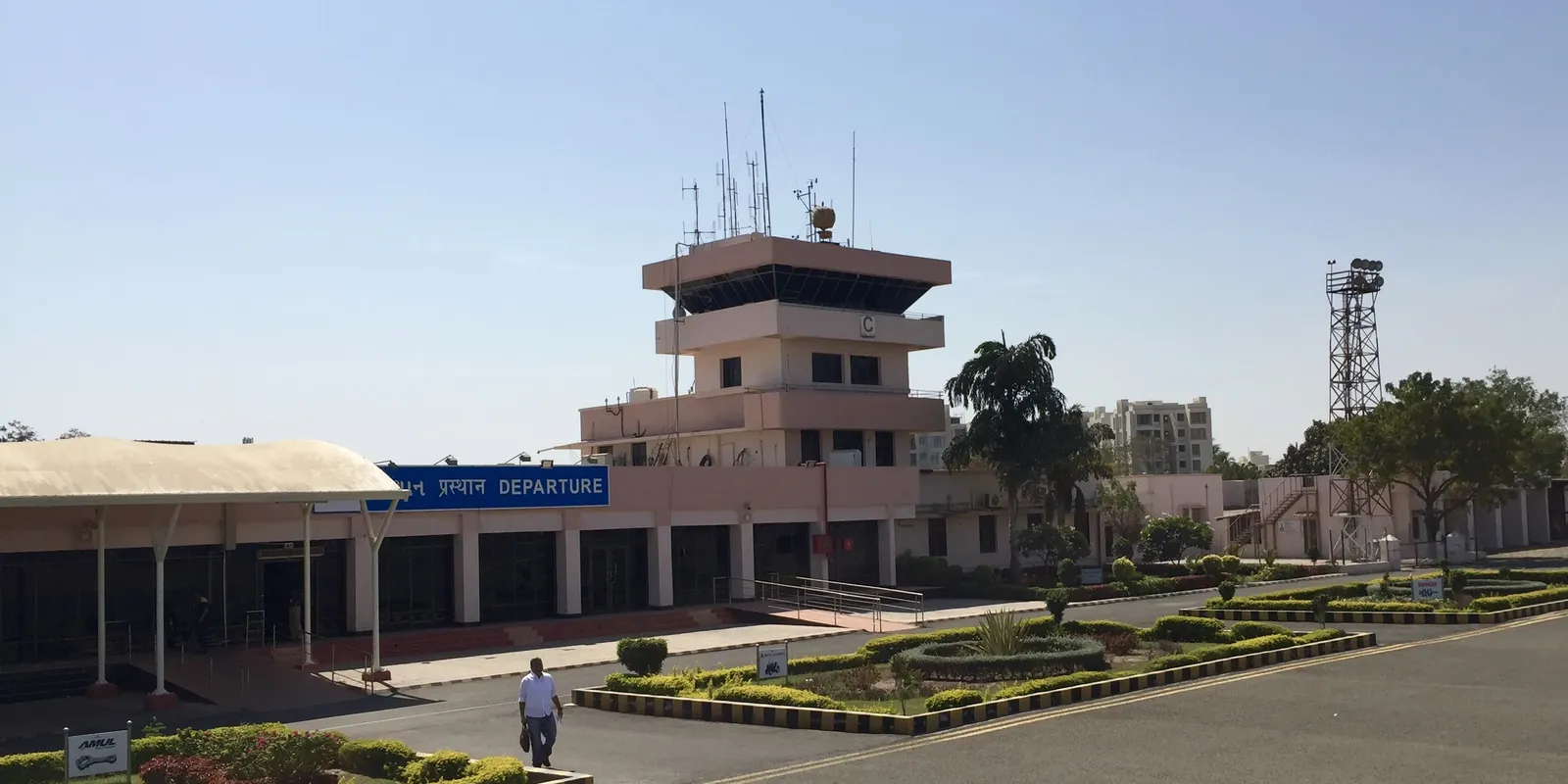
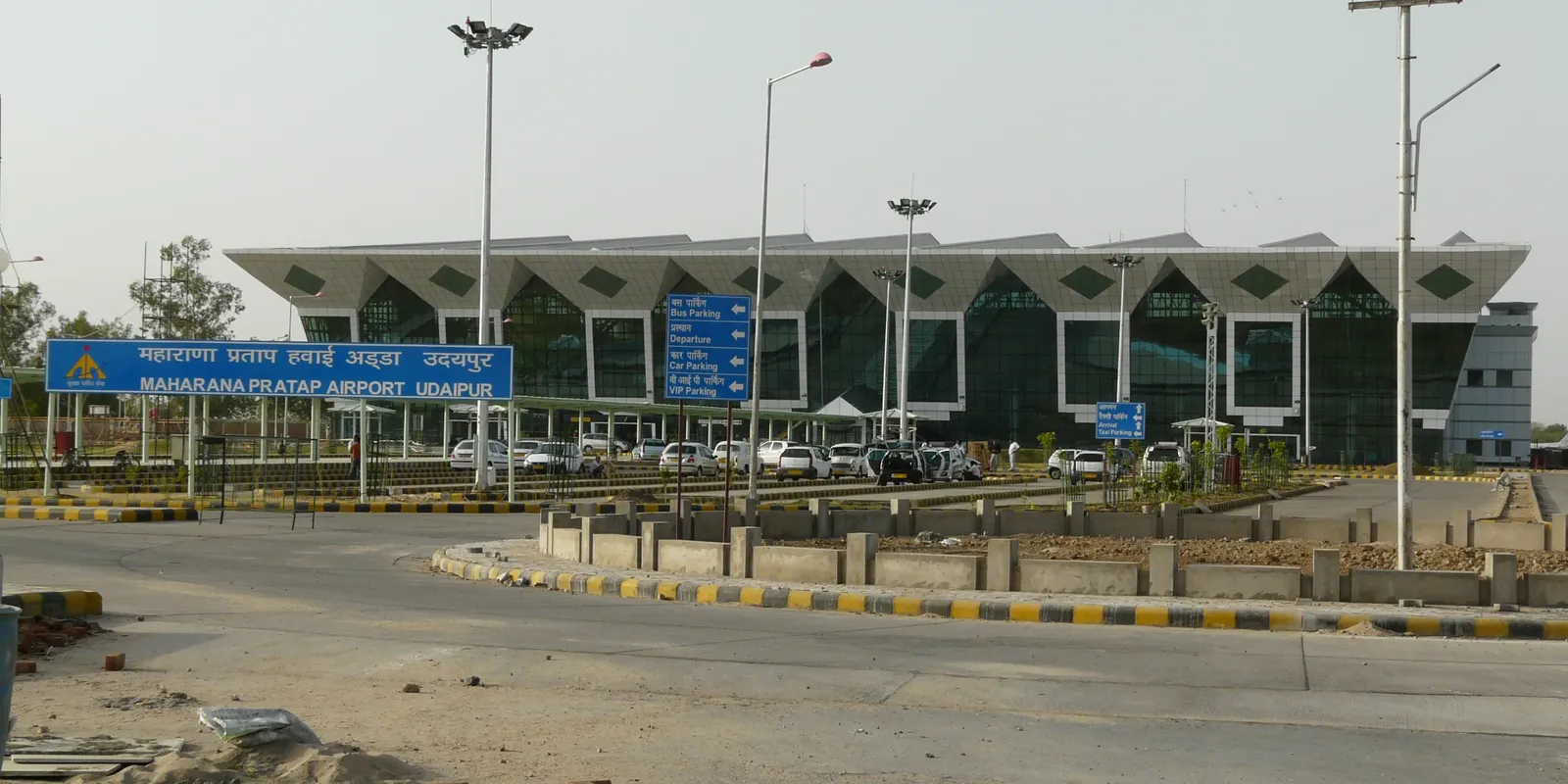
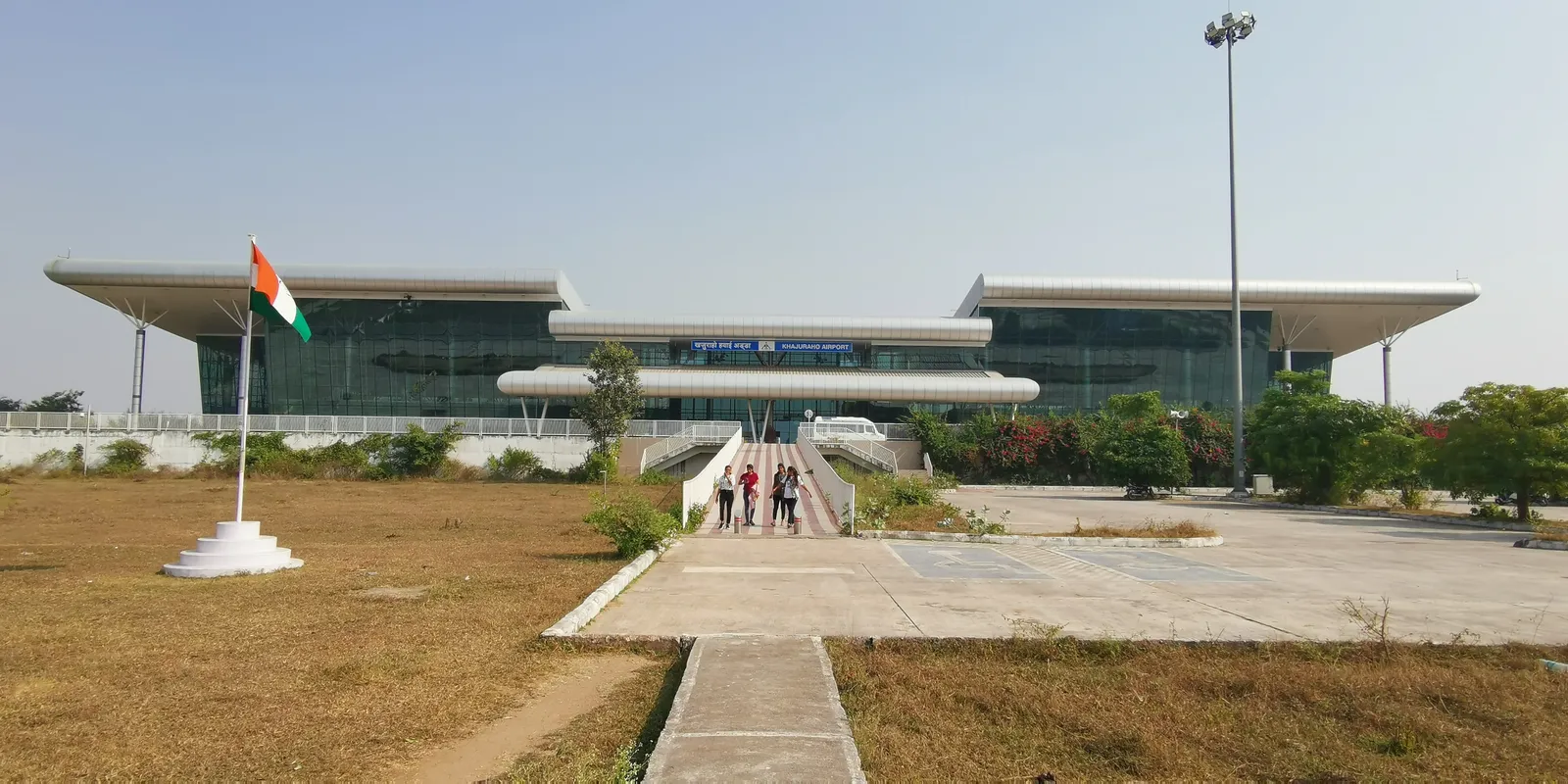
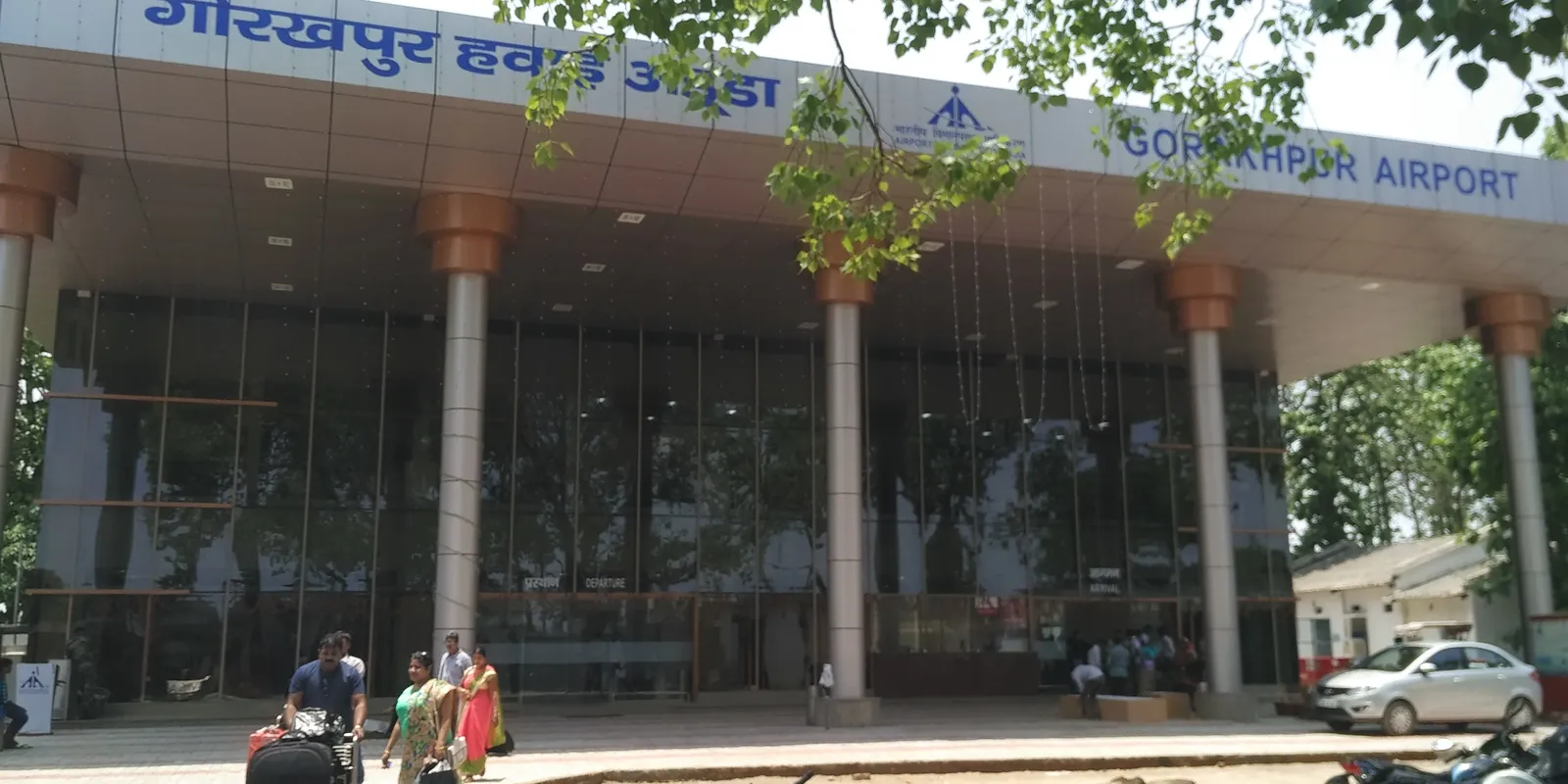
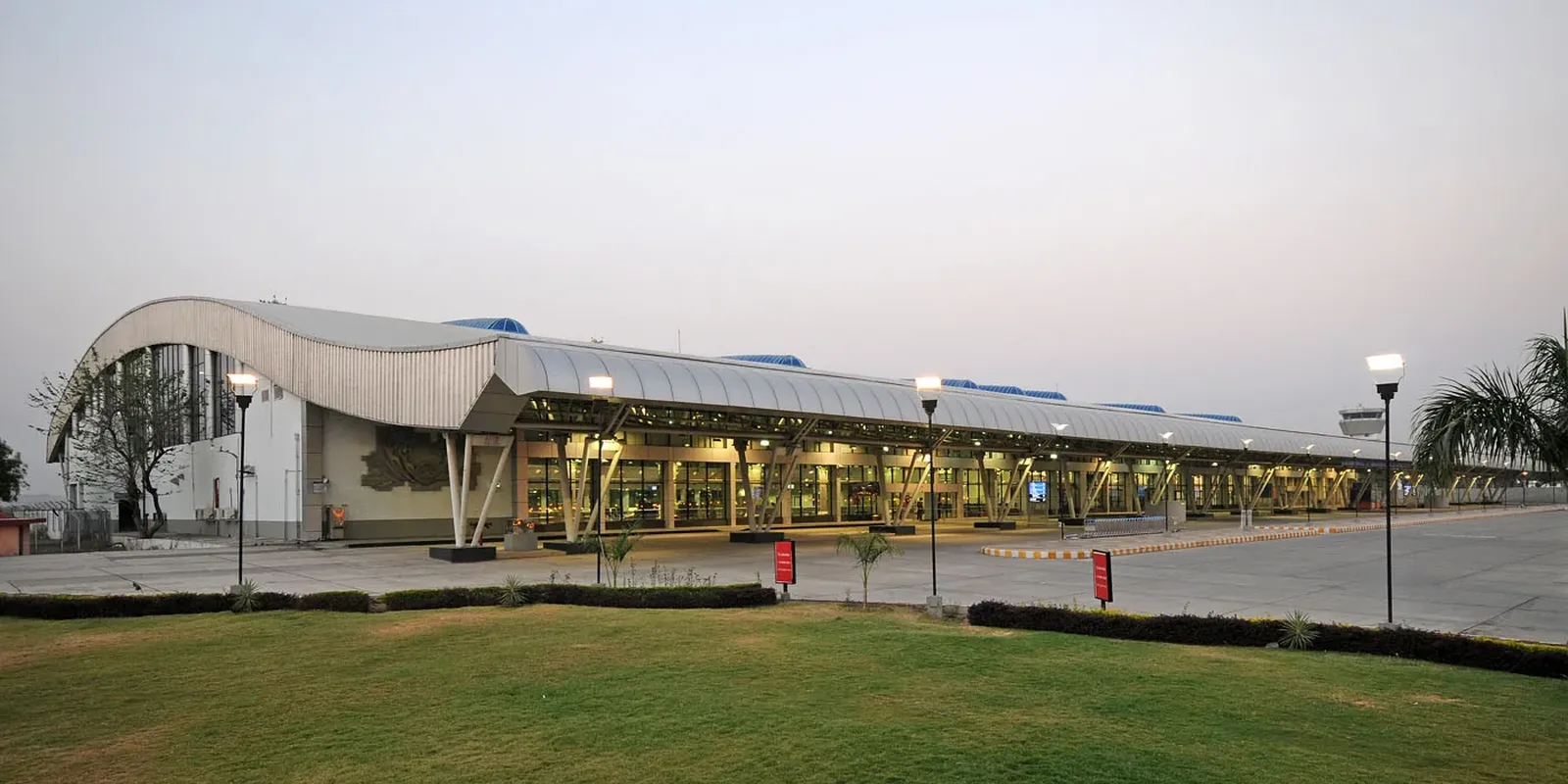
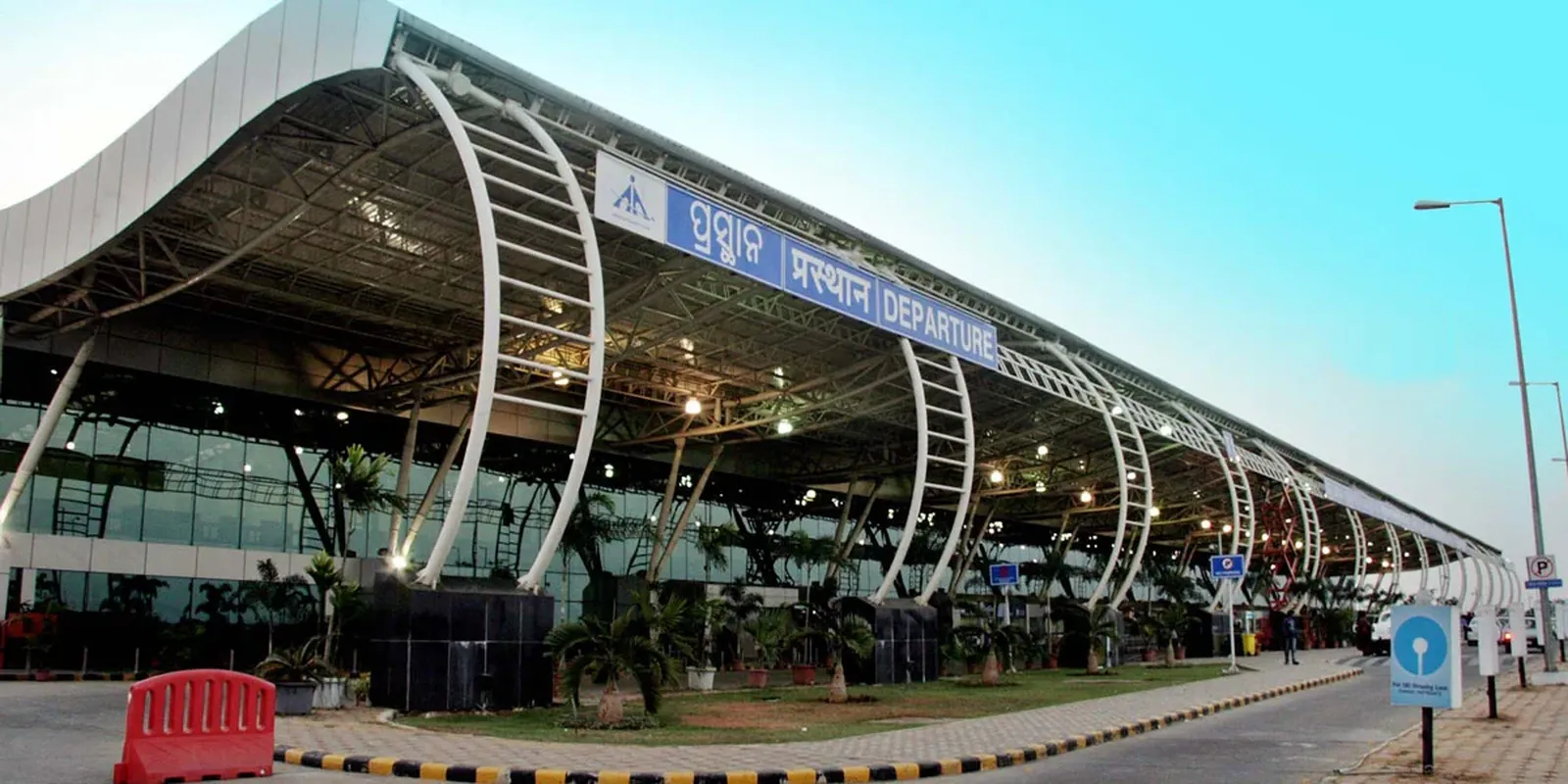
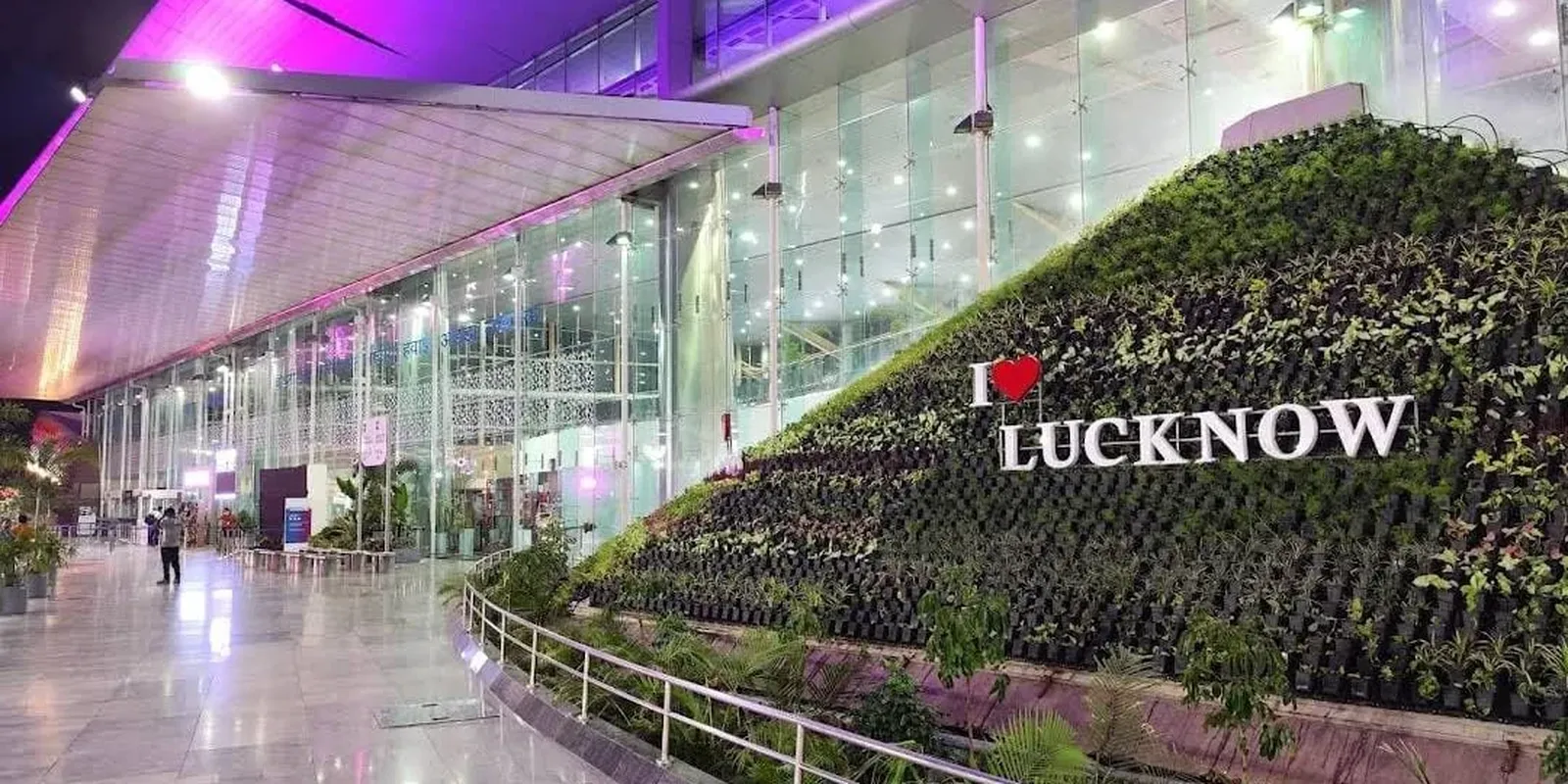
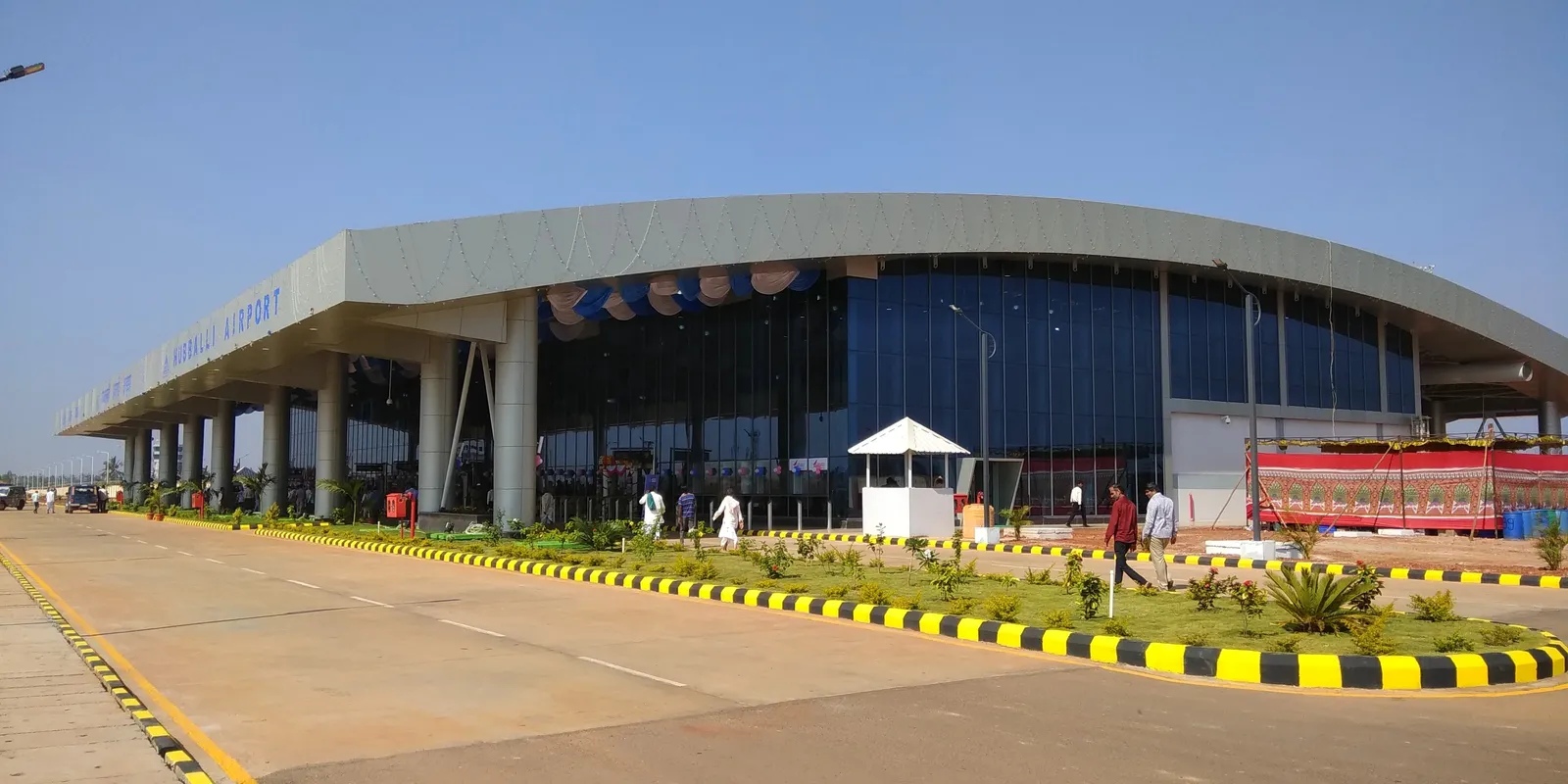
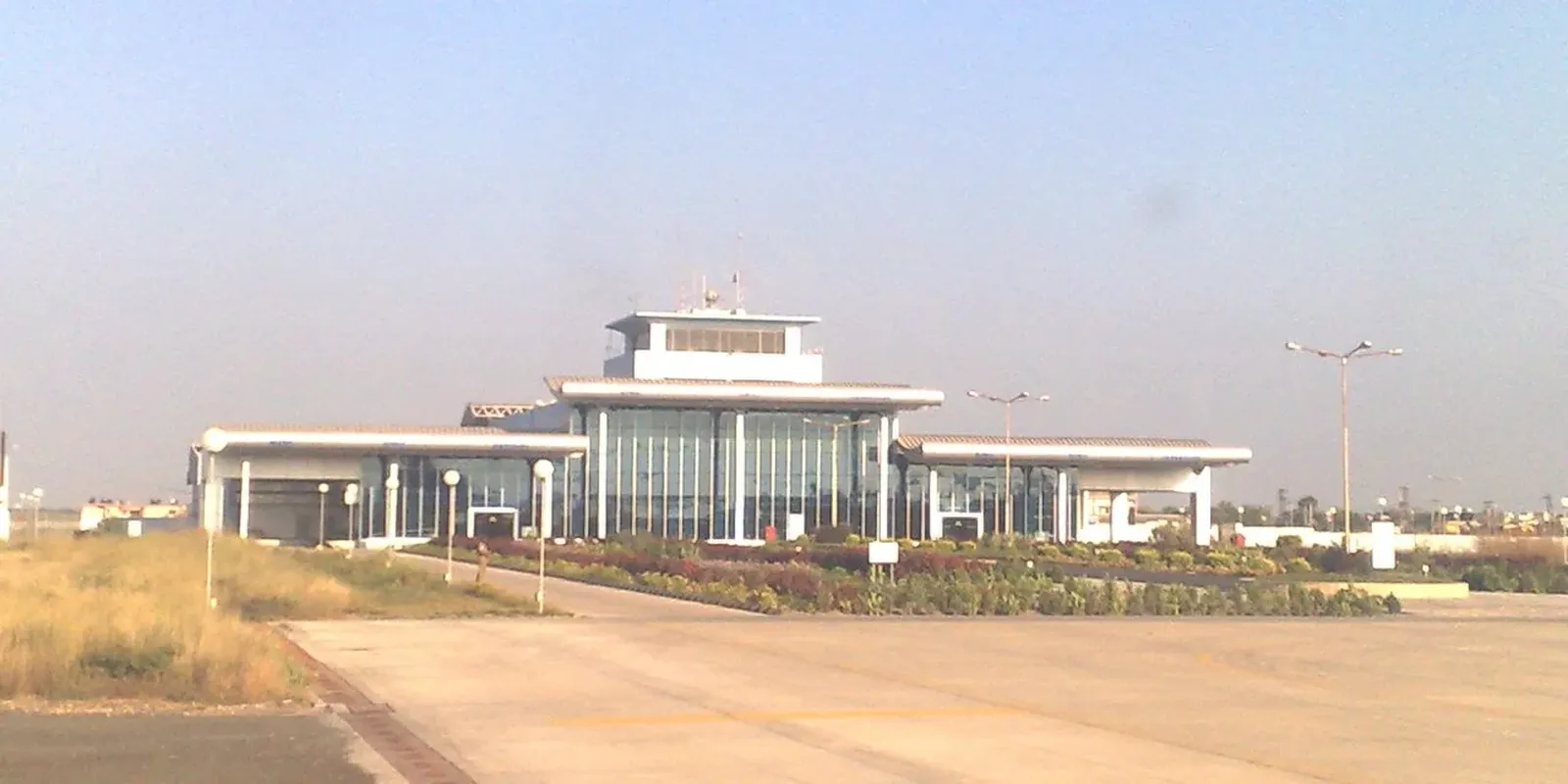
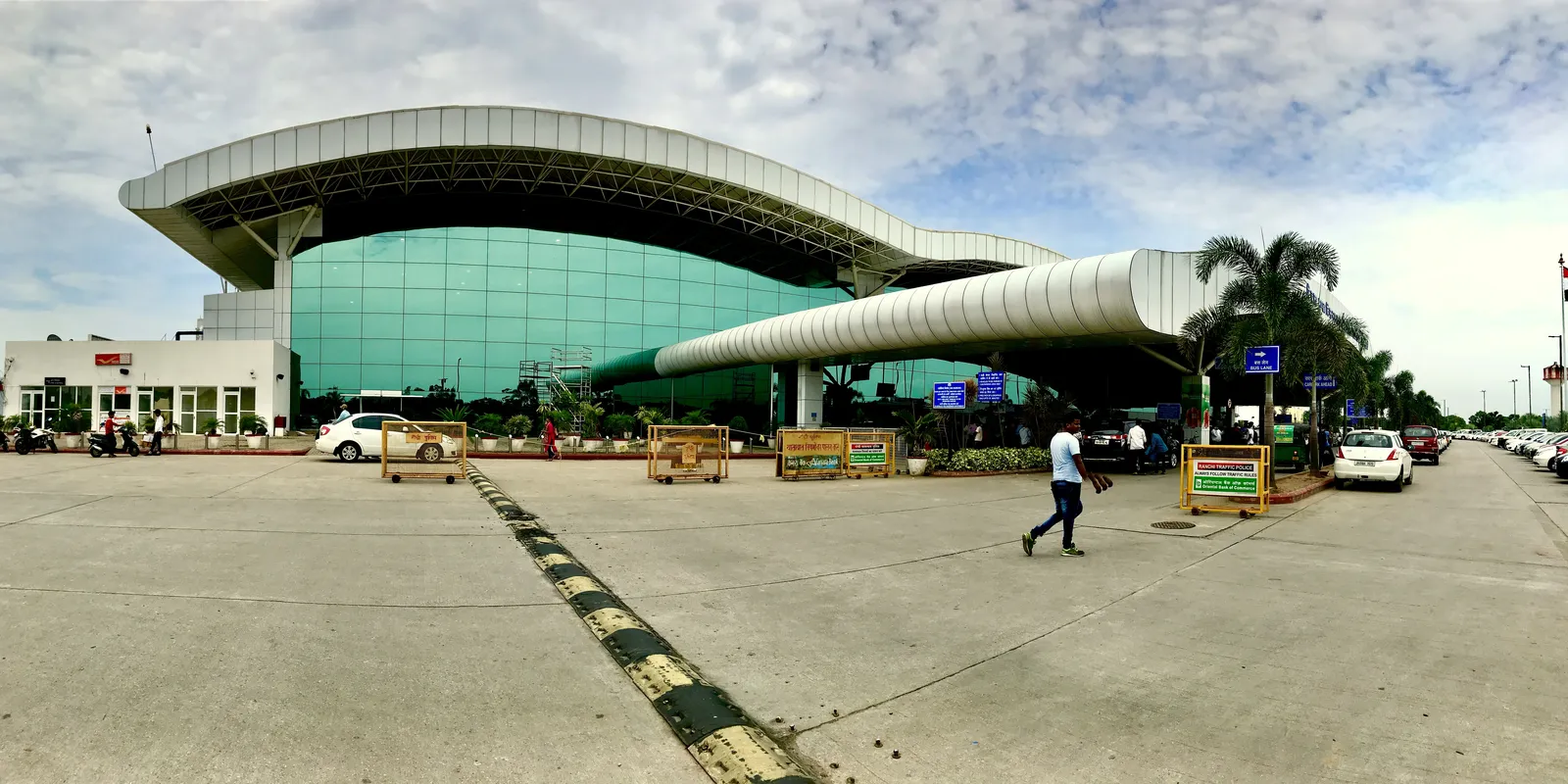
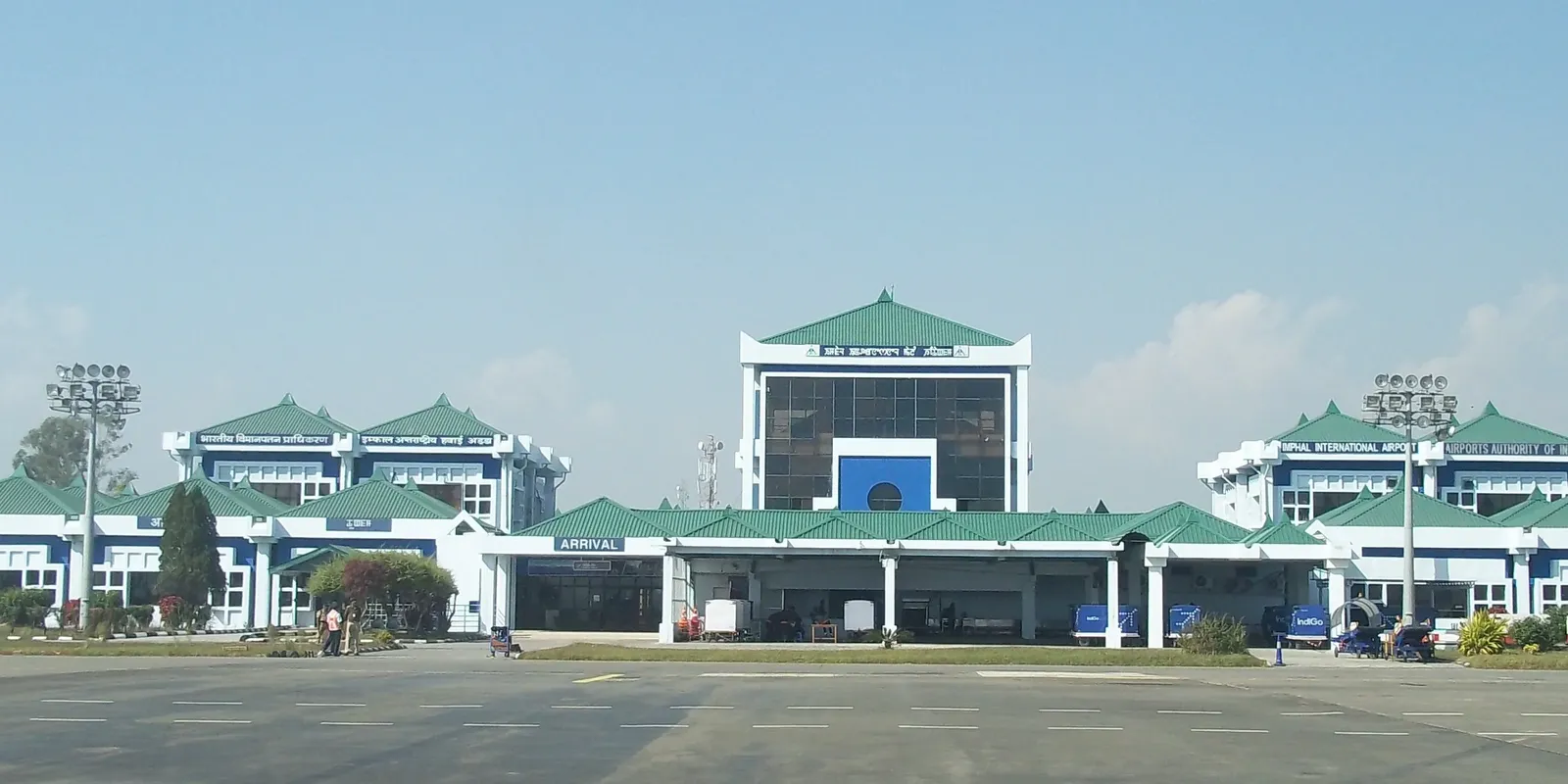
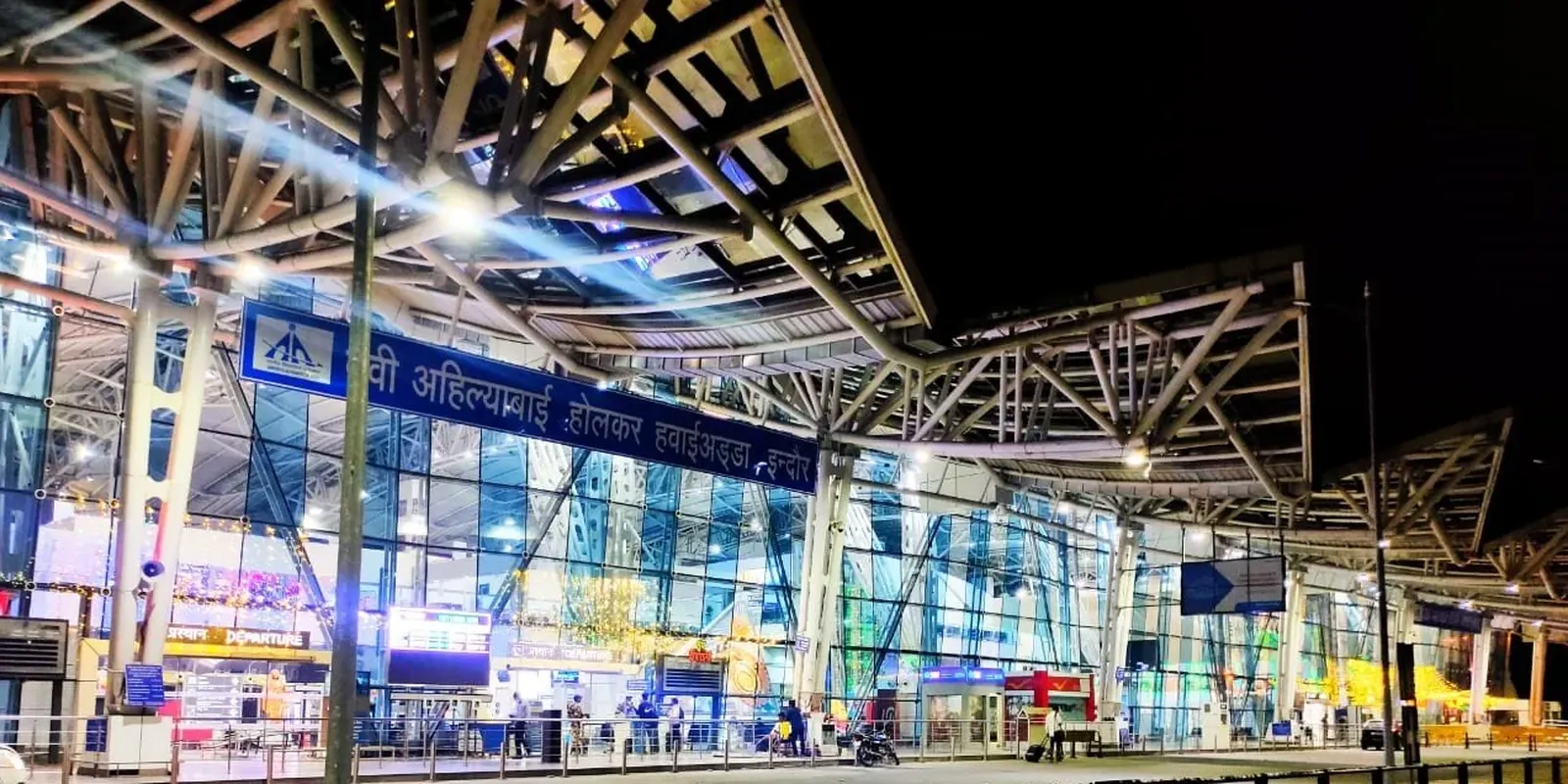
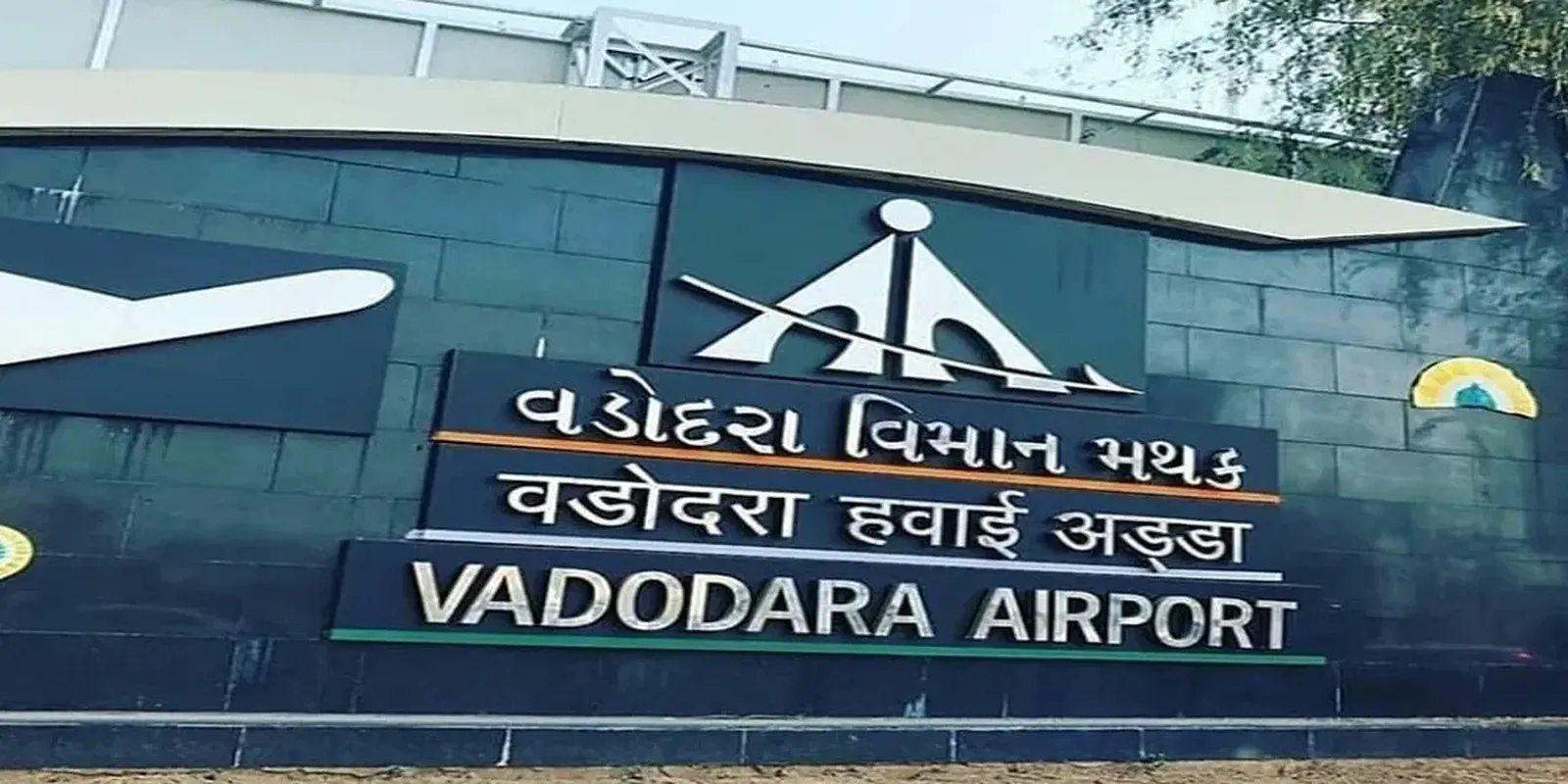
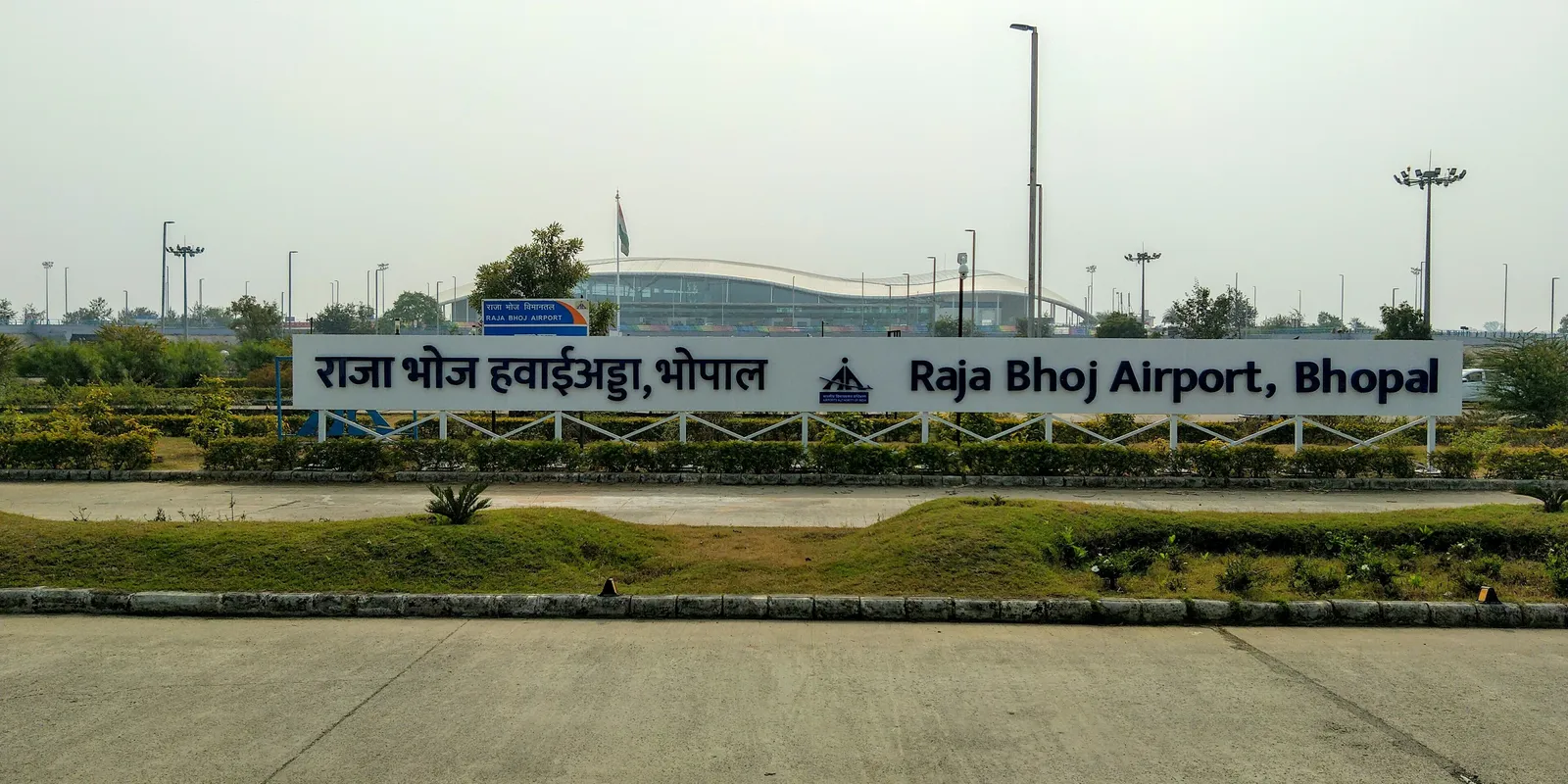
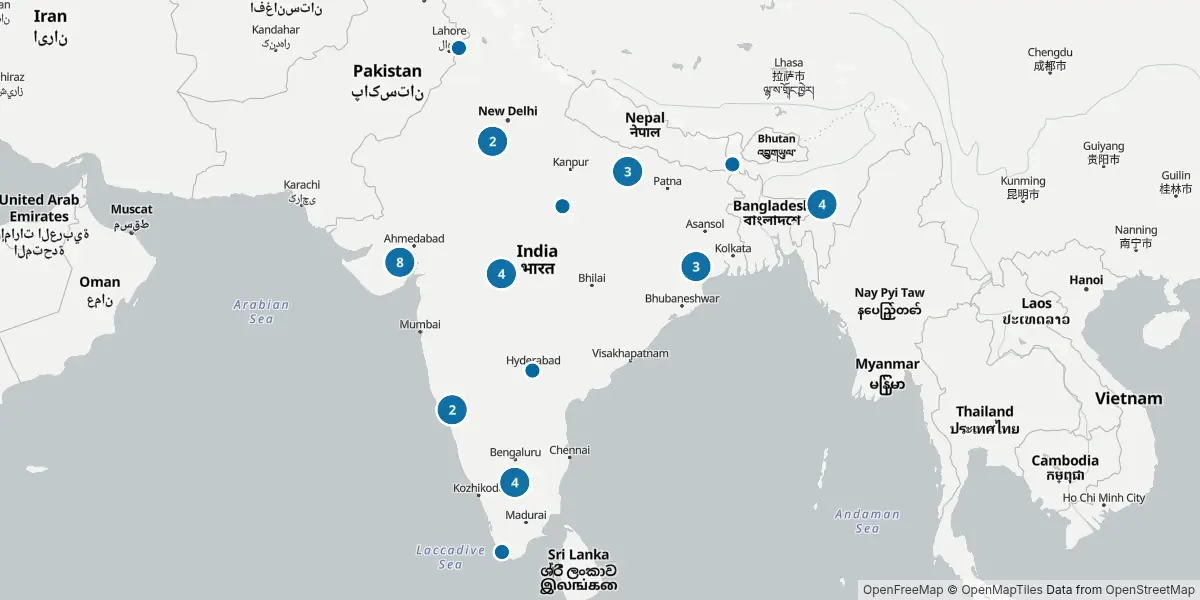
India has thirty-five airports with active connections: Delhi, the capital, Mumbai, the main economic centre, Bangalore, Chennai, Kolkata and Hyderabad among the main hubs, as well as a dense network of regional airports covering practically every state of the country, from Kerala to Kashmir, from Rajasthan to the north-east.

India: recommended activities
India: visa and entry requirements
A visa is mandatory for most nationalities, including Italian: the tourist e-visa is obtained online before departure, at an indicative cost of 10-25 USD for 30 days (depending on the season) or 40 USD for the annual version, plus a 2.5% bank fee on the amount, with processing generally taking a few working days. The passport must have at least 6 months of remaining validity and at least two blank pages.
India: safety
India is generally safe for tourists in the main areas and itineraries, with the usual precautions against petty theft and scams in very crowded tourist areas; women travelling alone should take extra precautions, avoiding travelling alone at night. Kashmir and some border areas remain subject to restrictions or are not recommended depending on diplomatic updates: always check the specific situation of your destination before leaving, given that the country is vast and conditions vary greatly from region to region.
India: health situation
A yellow fever certificate is required only for those arriving from a country at risk of transmission. Malaria and dengue risk is present in many areas: mosquito protection is advisable. 'Traveller's tummy' is very common: drink only sealed bottled water and avoid ice and freshly uncooked street food in the early stages of the trip. Private healthcare facilities in major cities are of good standard; travel insurance with medical coverage remains advisable.
India: currency, payments and connectivity
The currency is the Indian rupee (INR); credit cards are accepted at mid-to-upscale hotels and restaurants in major cities, cash remains essential elsewhere. Uber and the local app Ola operate in the main cities. For connectivity, the operators Airtel, Jio and Vi (Vodafone Idea) sell prepaid SIM cards, generally with registration via passport and photo. For driving, an International Driving Permit (IDP) is generally also required; given the often heavy traffic and local driving habits, many visitors prefer a driver rather than self-drive.
India: travel guides
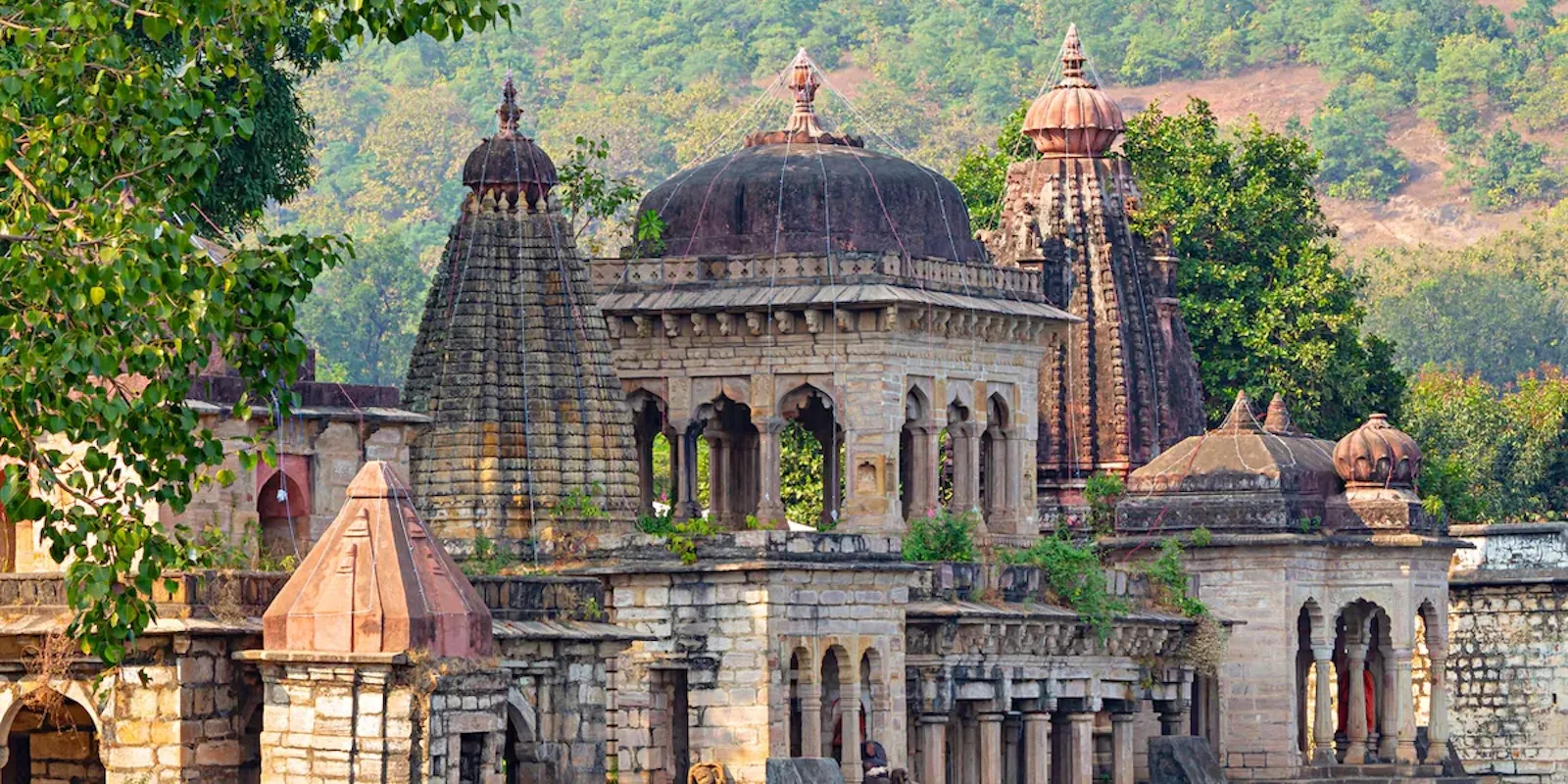
Nagpur: the city at India's geographic center
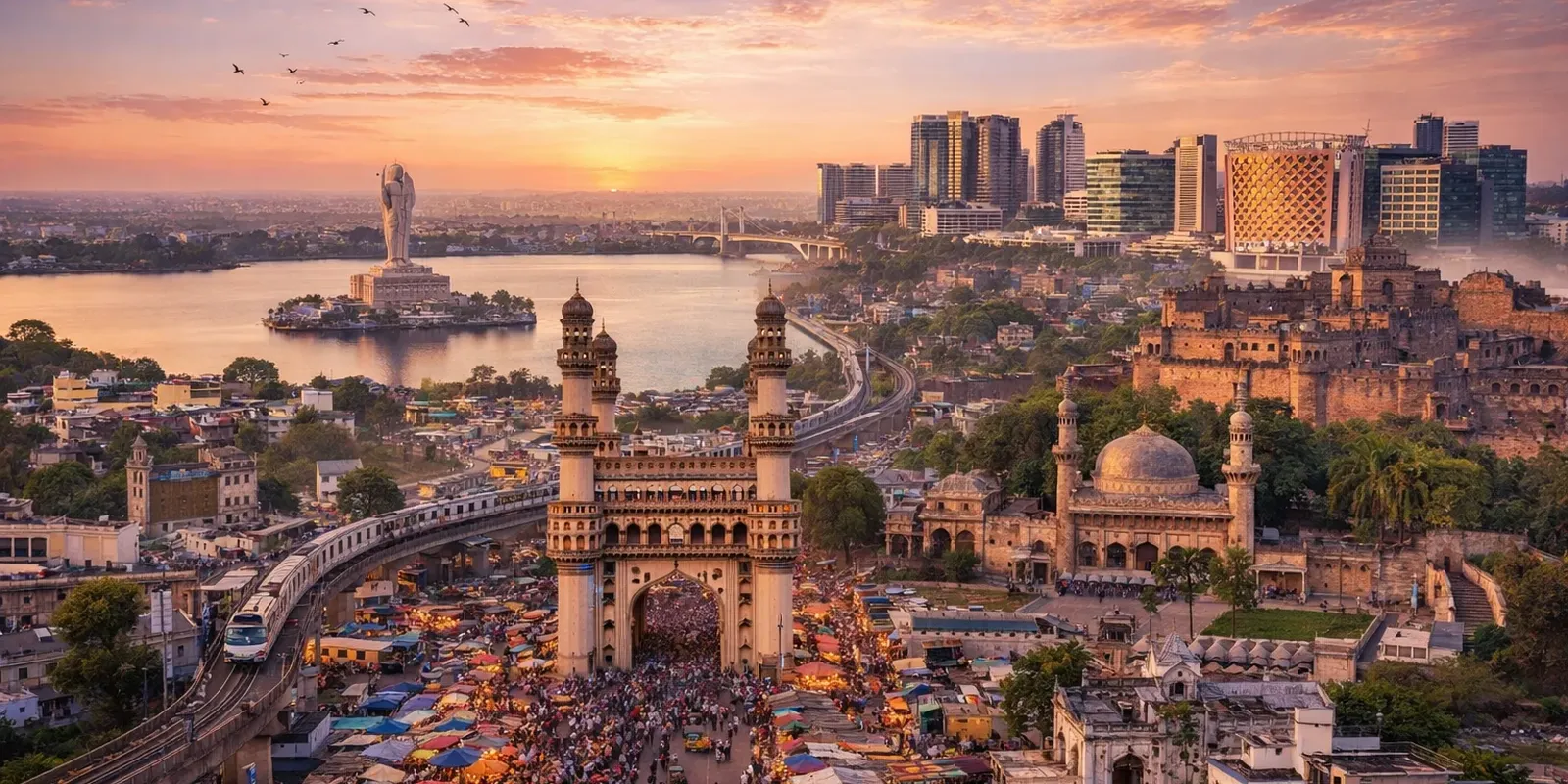
Hyderabad: pearls, forts and minarets
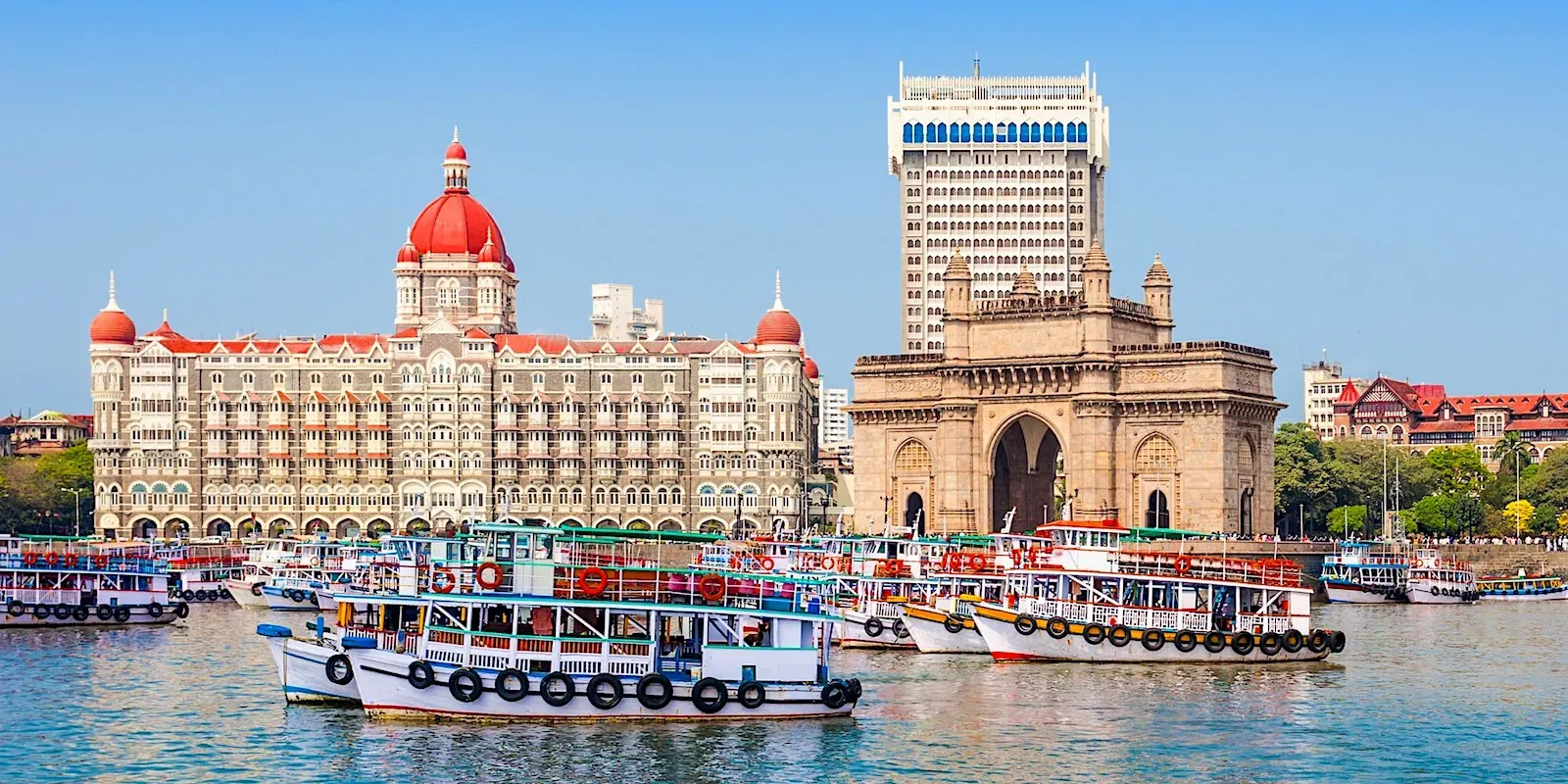
Mumbai in a day: what to see
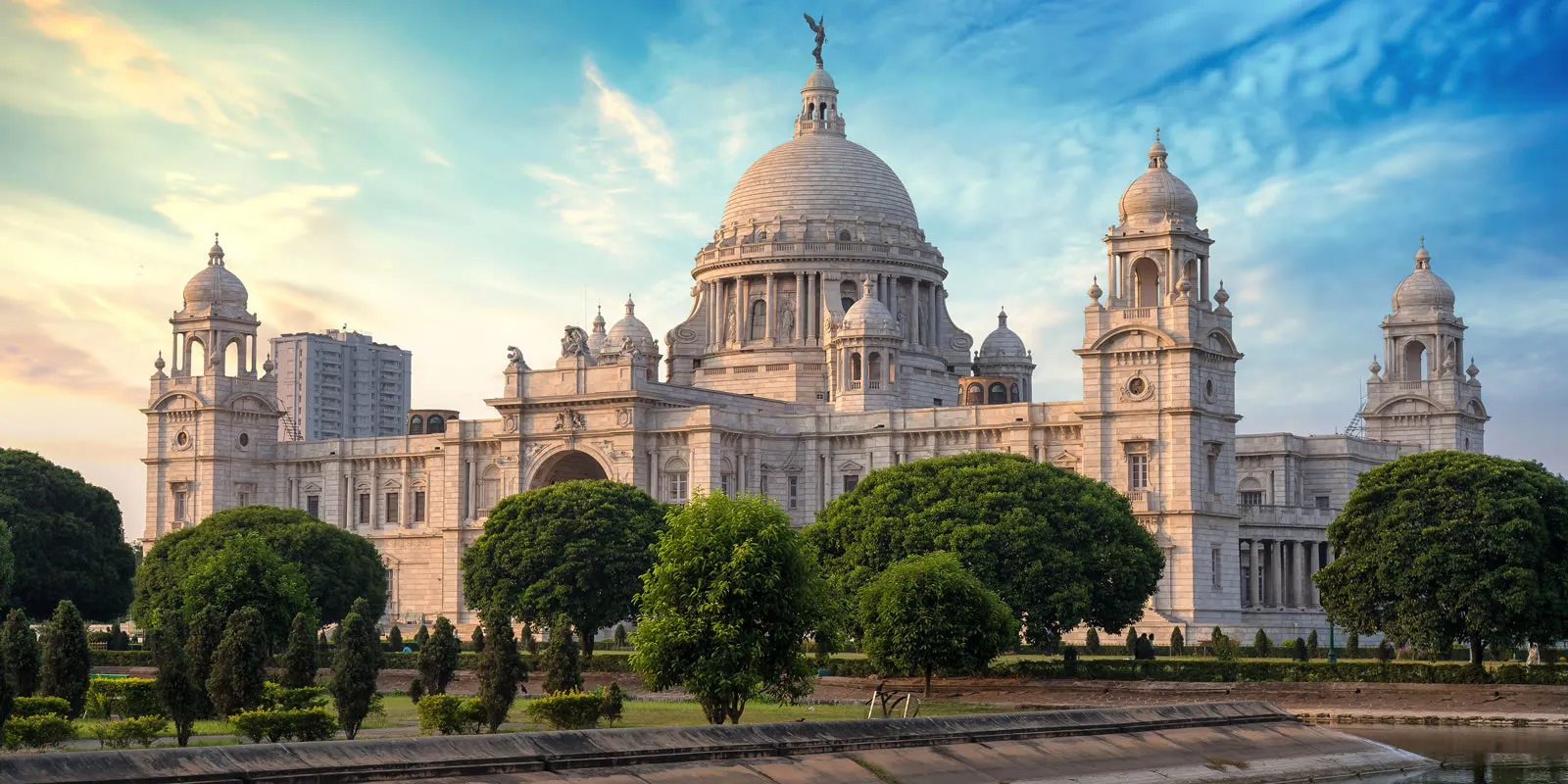
Kolkata: the city of joy and trams
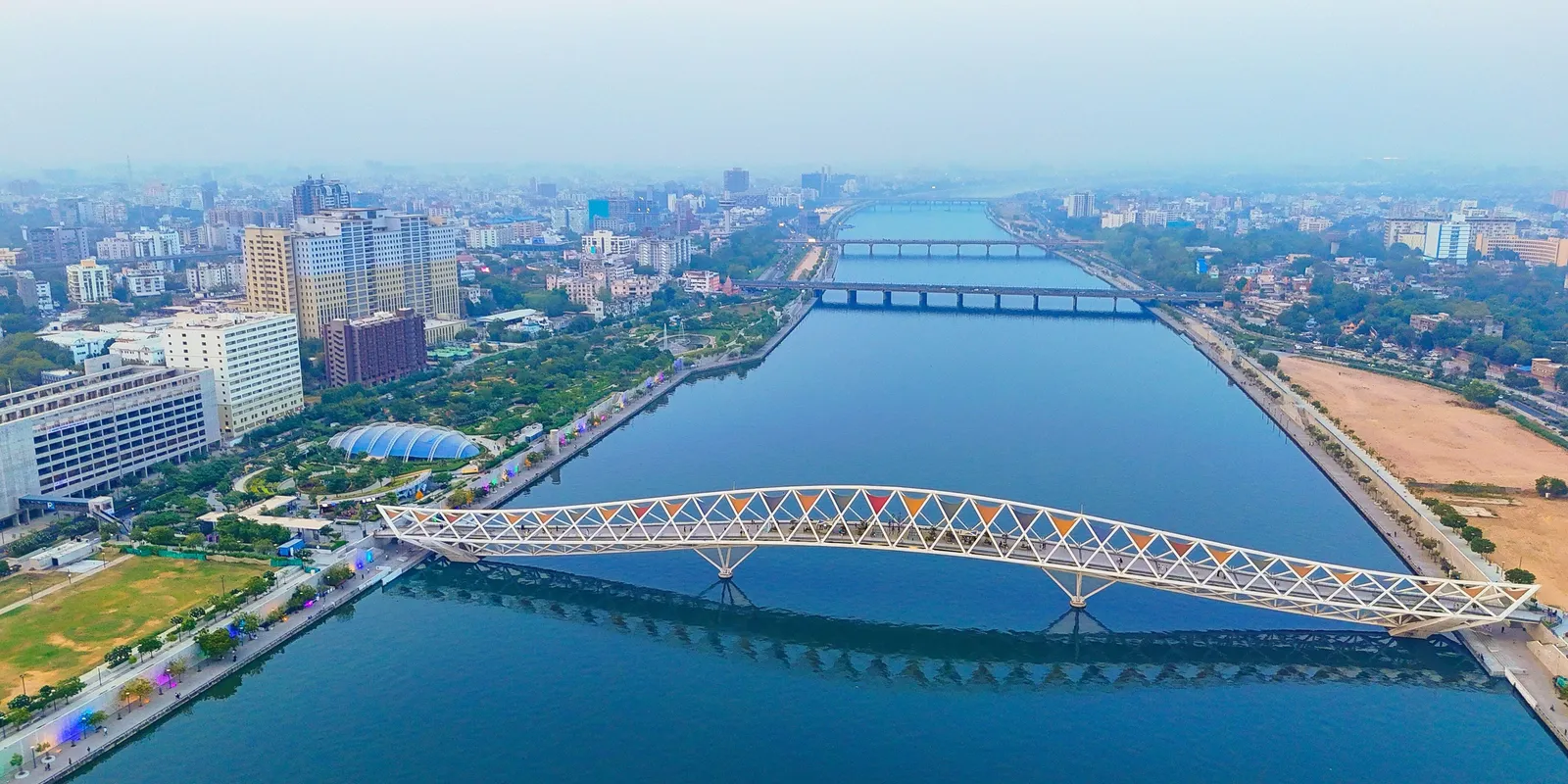
Ahmedabad: the city of textile craft and Gandhi
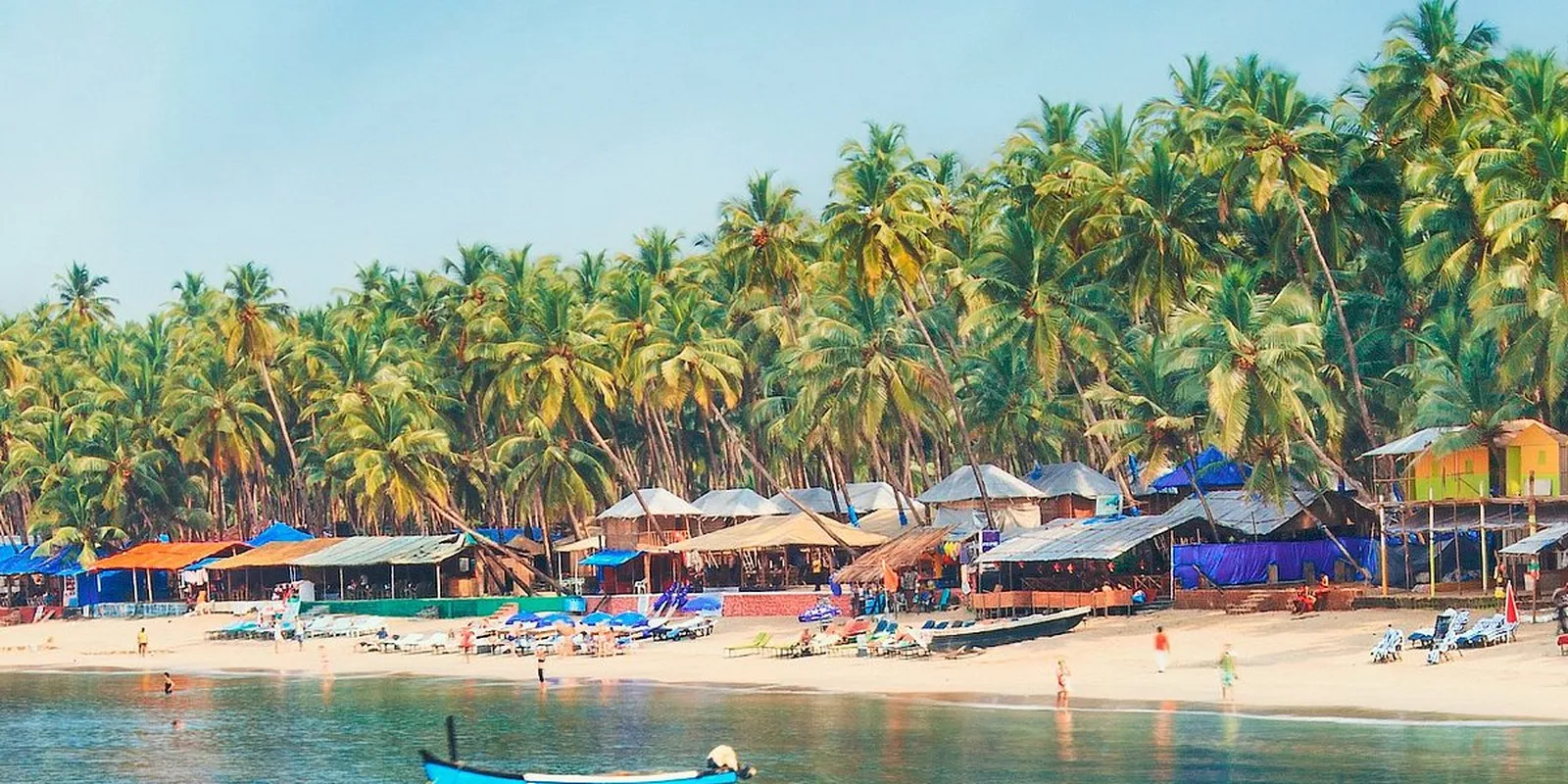
Panaji: Goa's Portuguese legacy
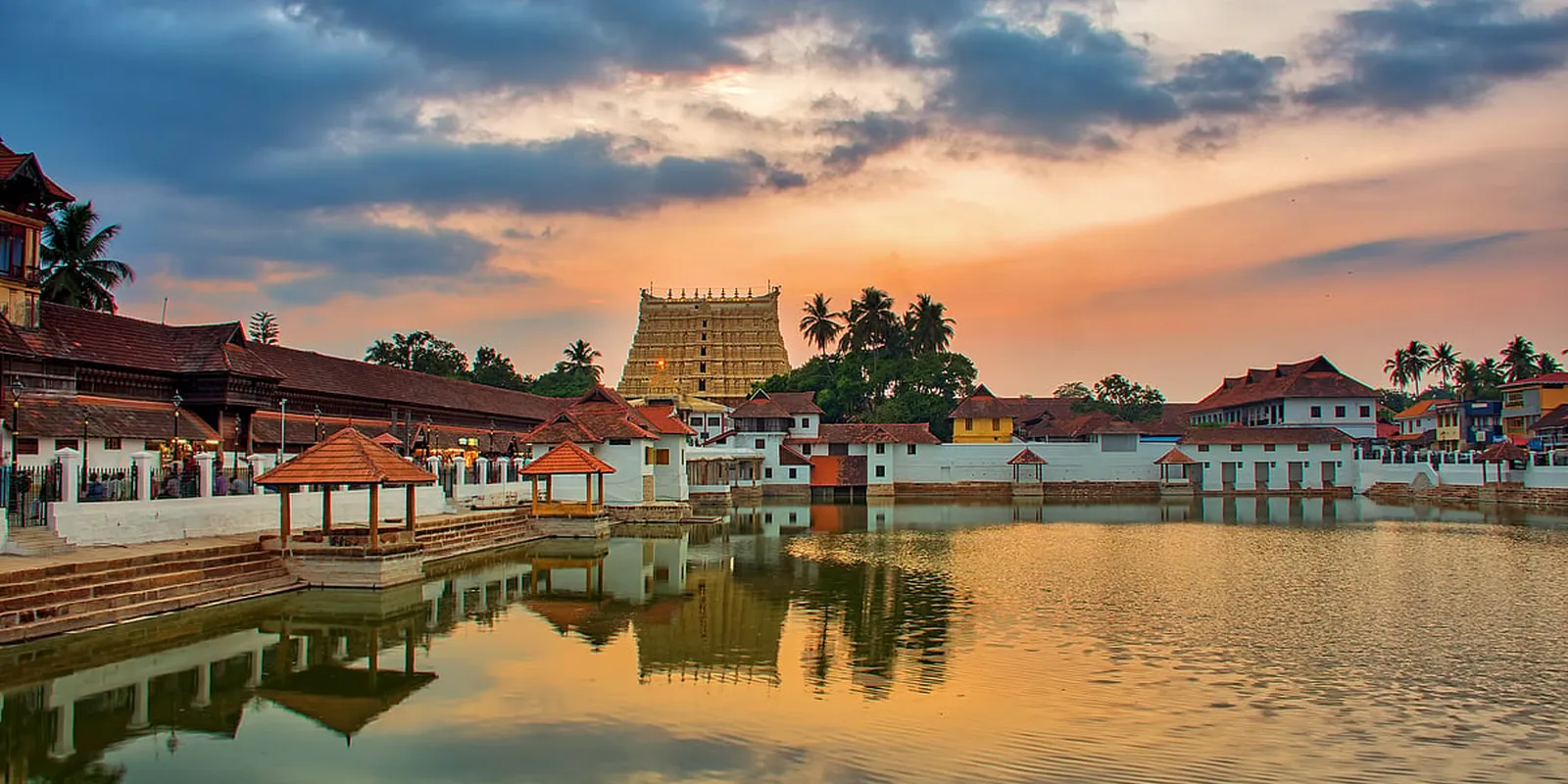
Thiruvananthapuram: the temple with the hidden treasure
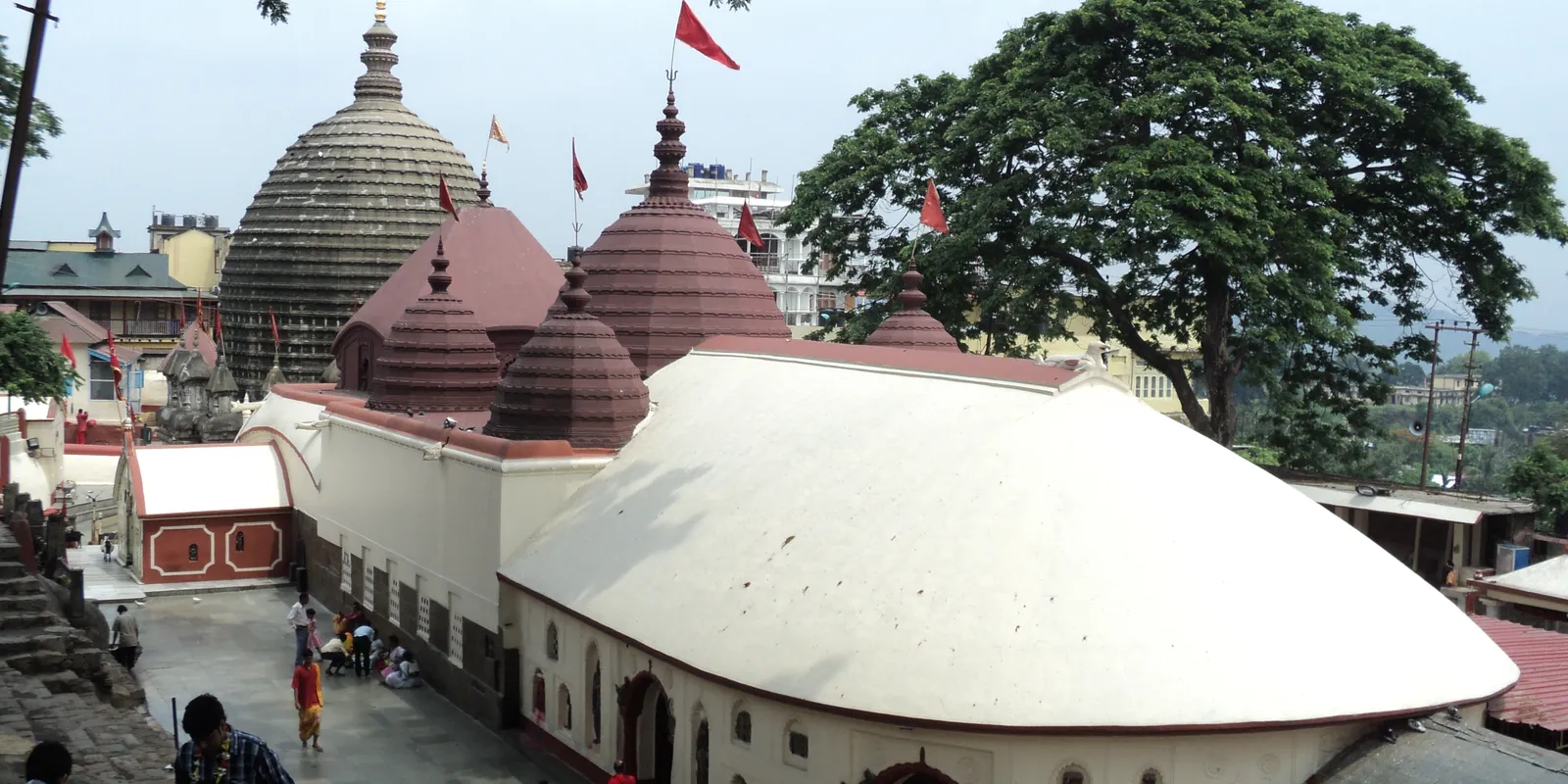
Guwahati: the goddess temple on the sleeping hill
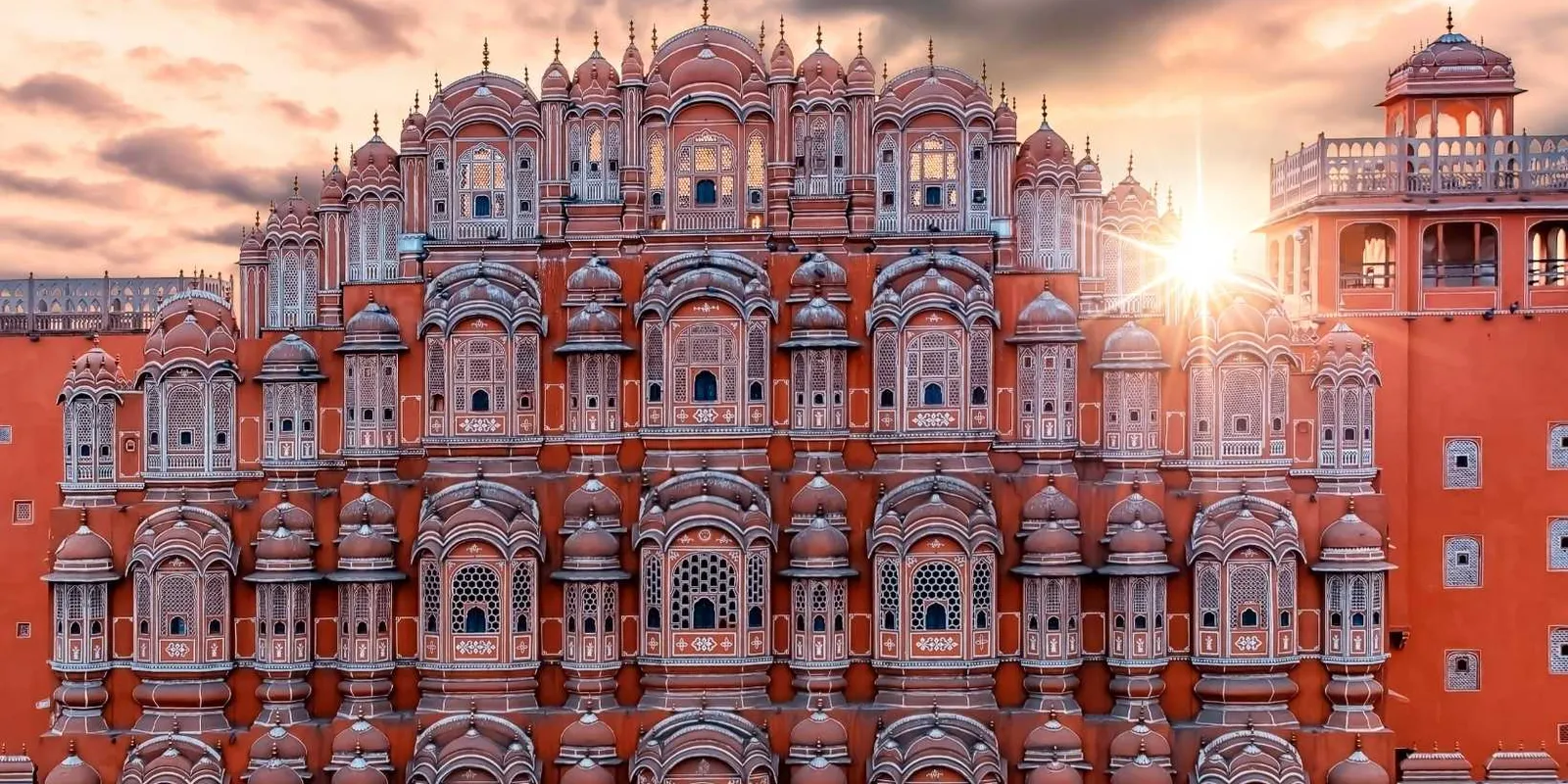
What to see in Jaipur in 1 day
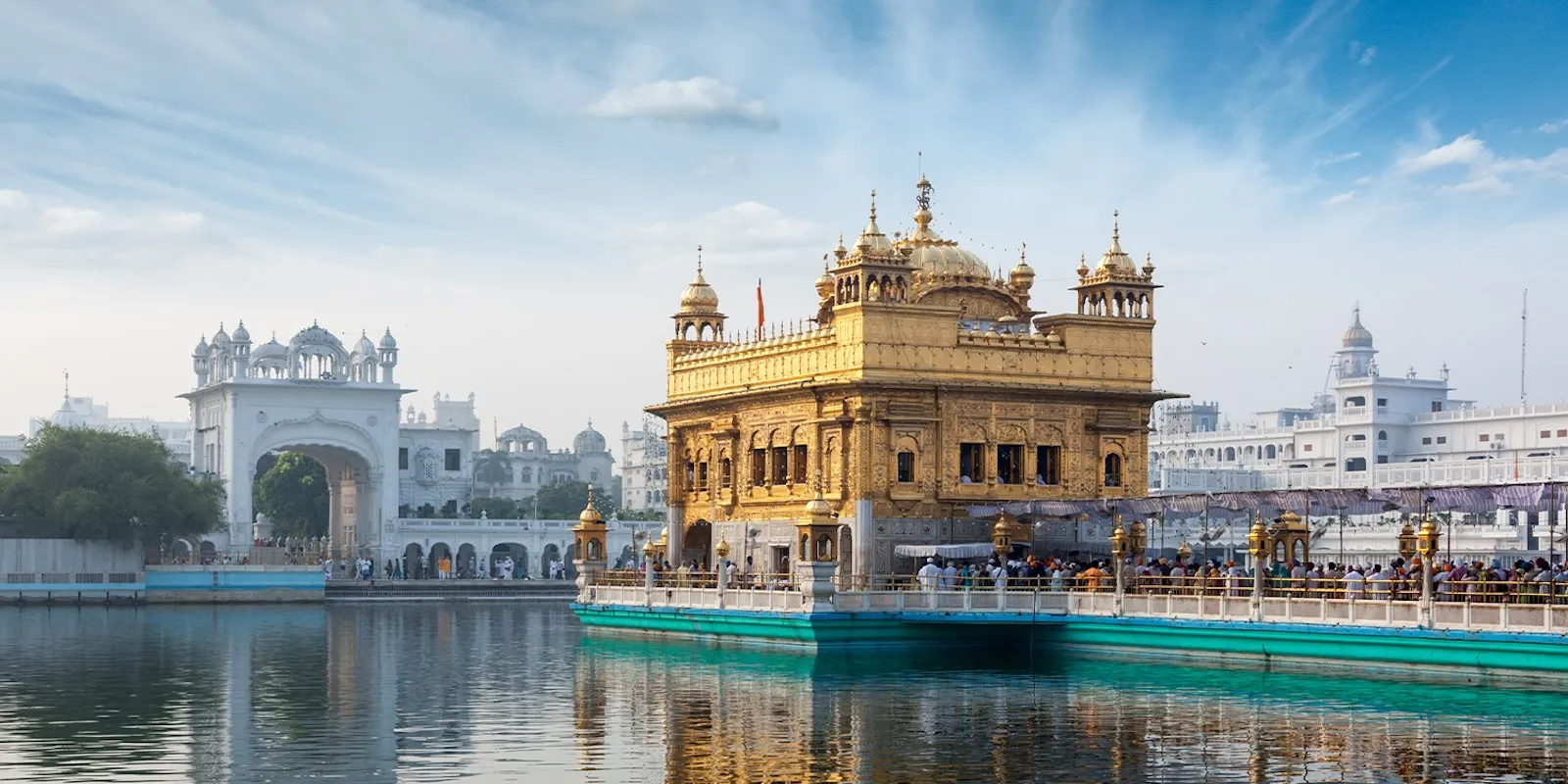
Amritsar: the Sikh golden temple
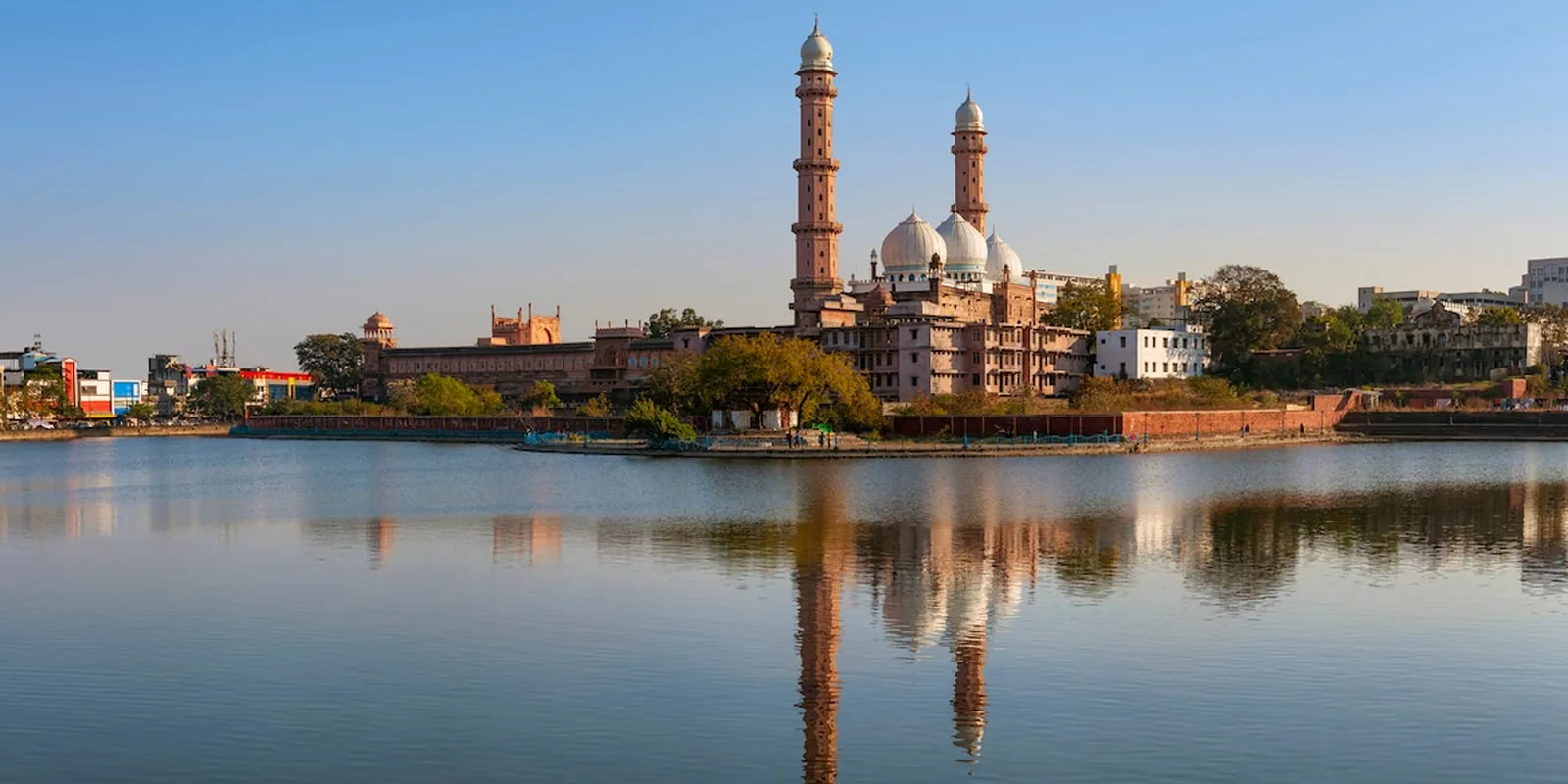
Bhopal: the city of lakes and the gateway to Sanchi
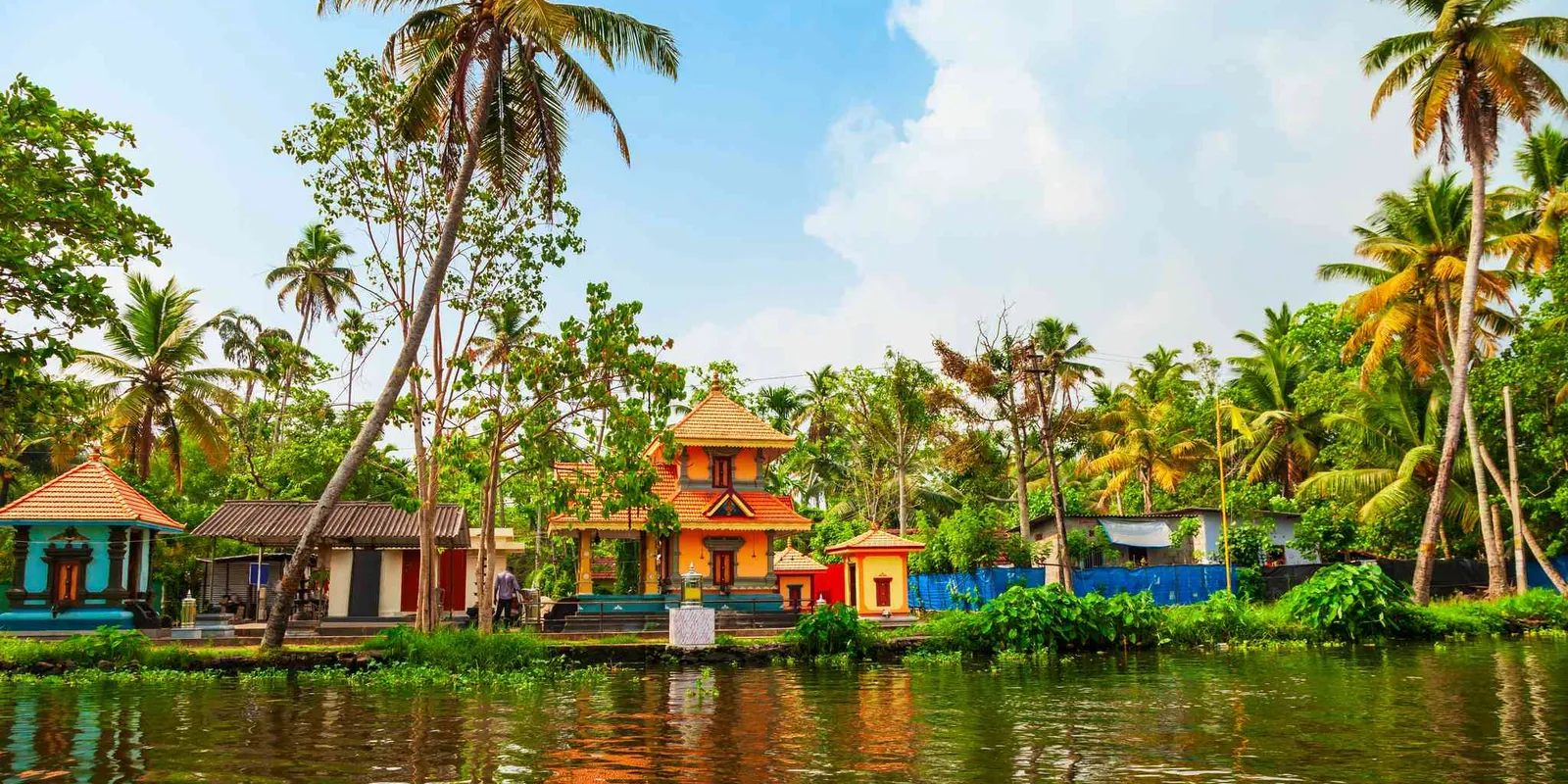
Kochi: the Chinese fishing nets of Kerala
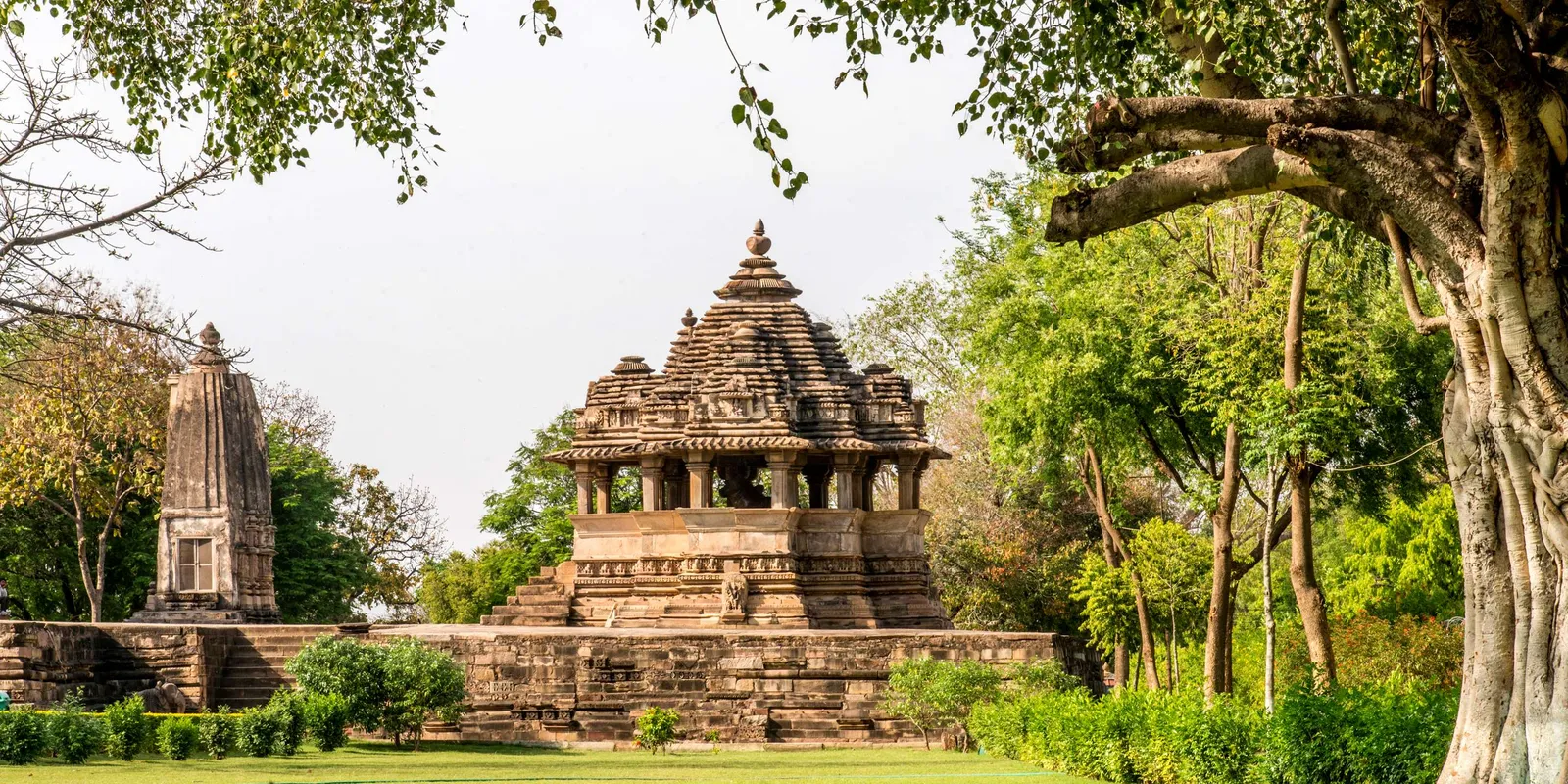
Khajuraho: the carved temples of central India
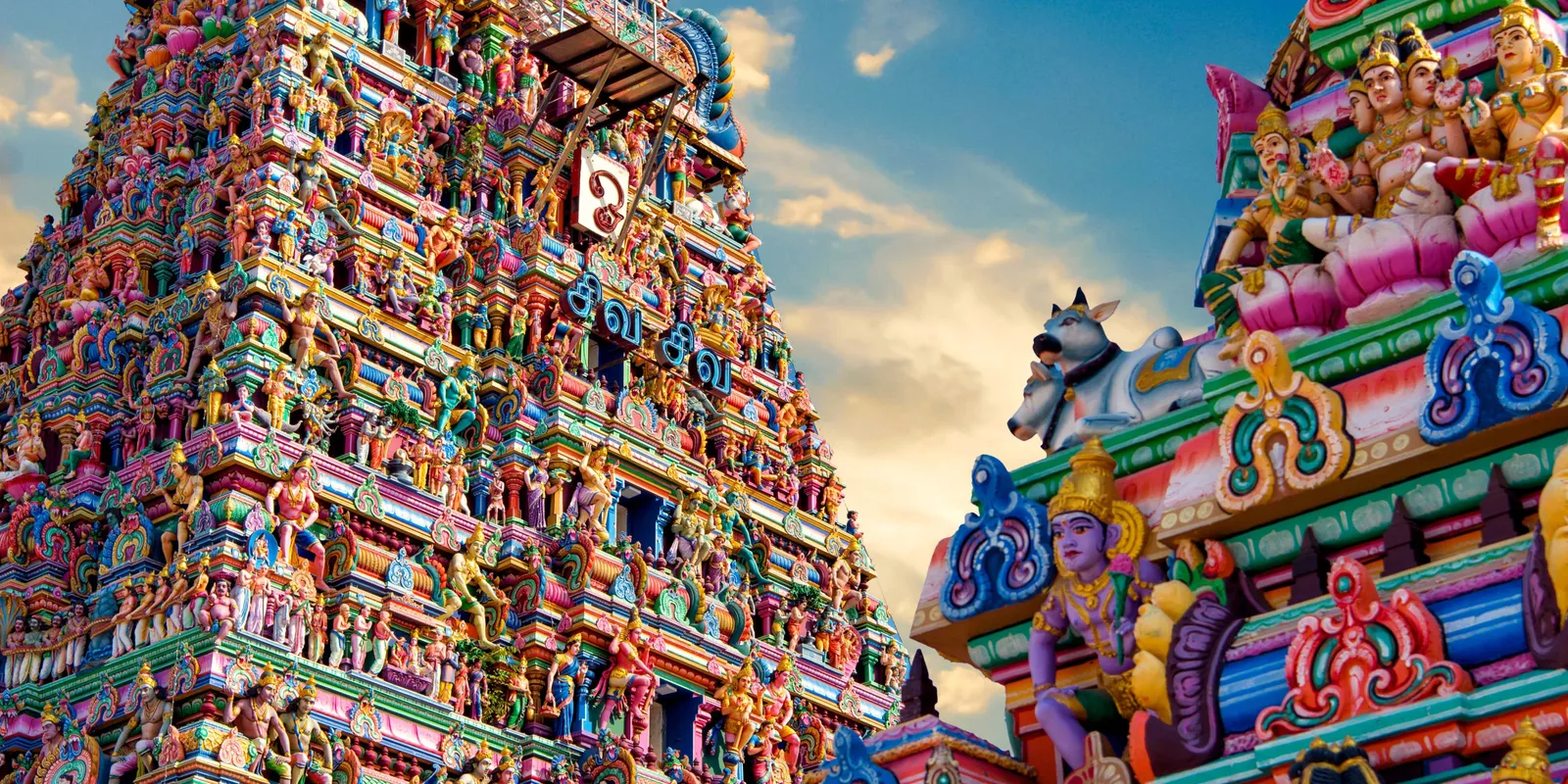
Chennai: the gateway to South India
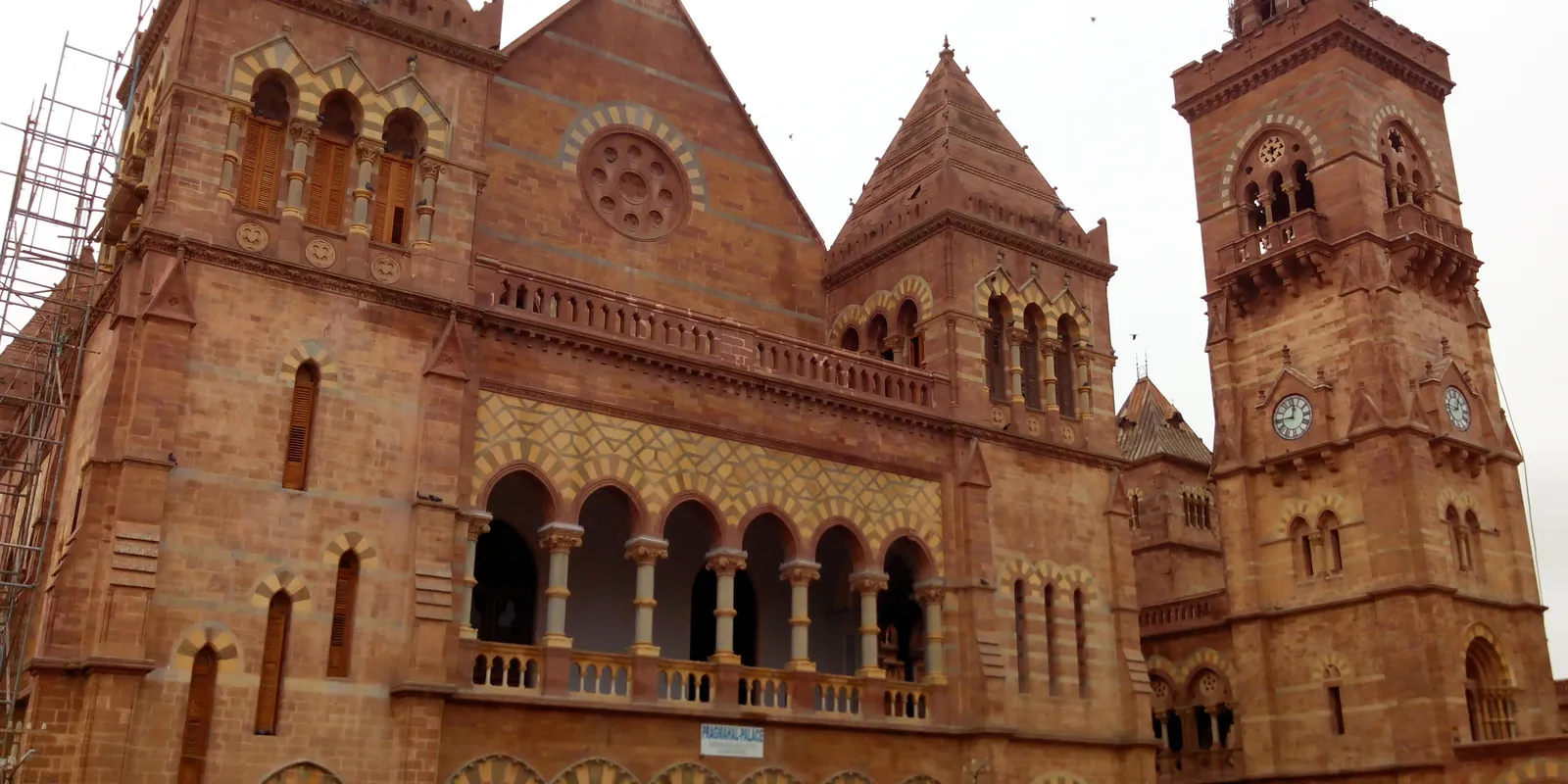
Bhuj: textile craft at the edge of the salt desert
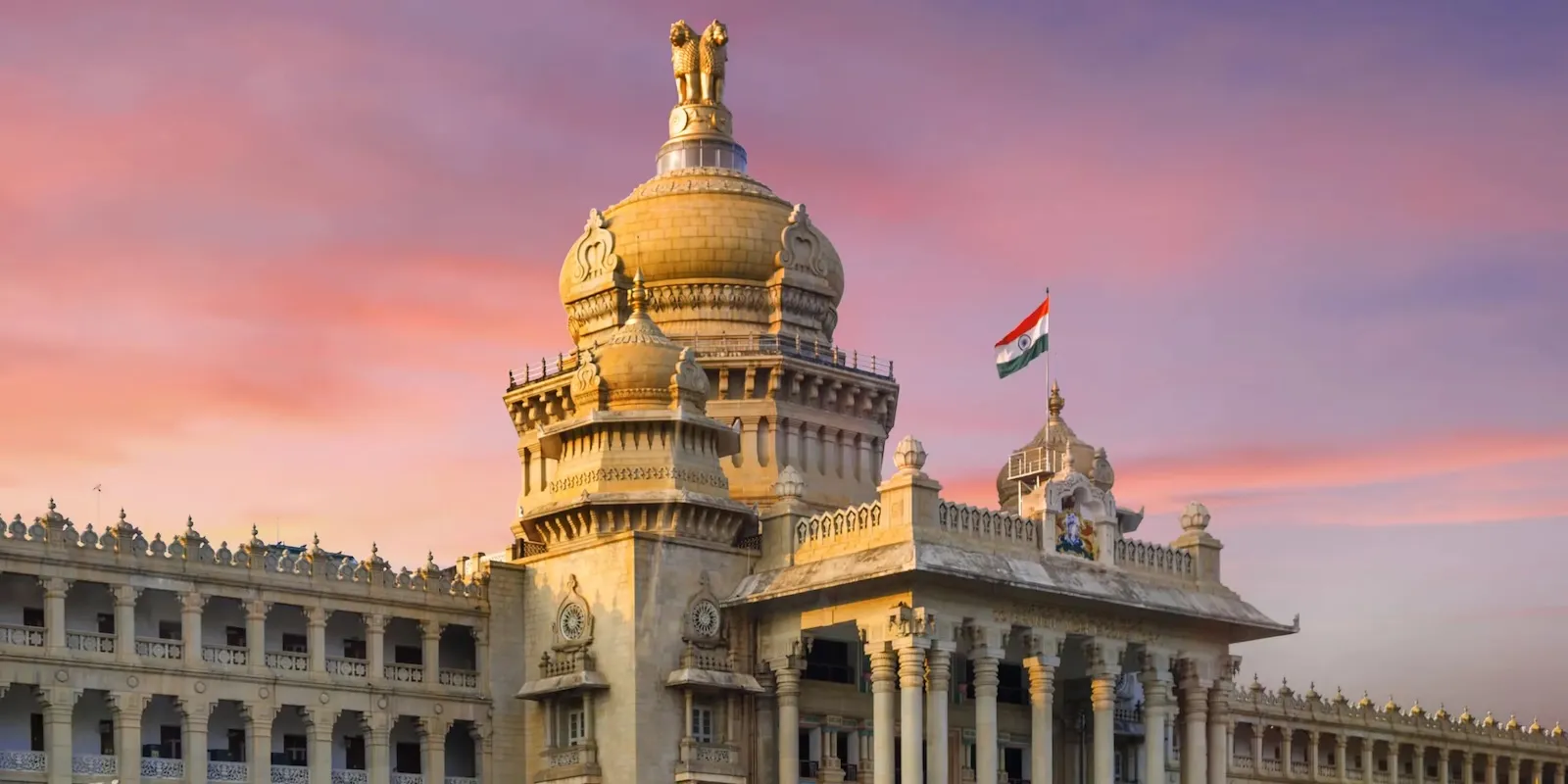
Bangalore between gardens and royal palaces
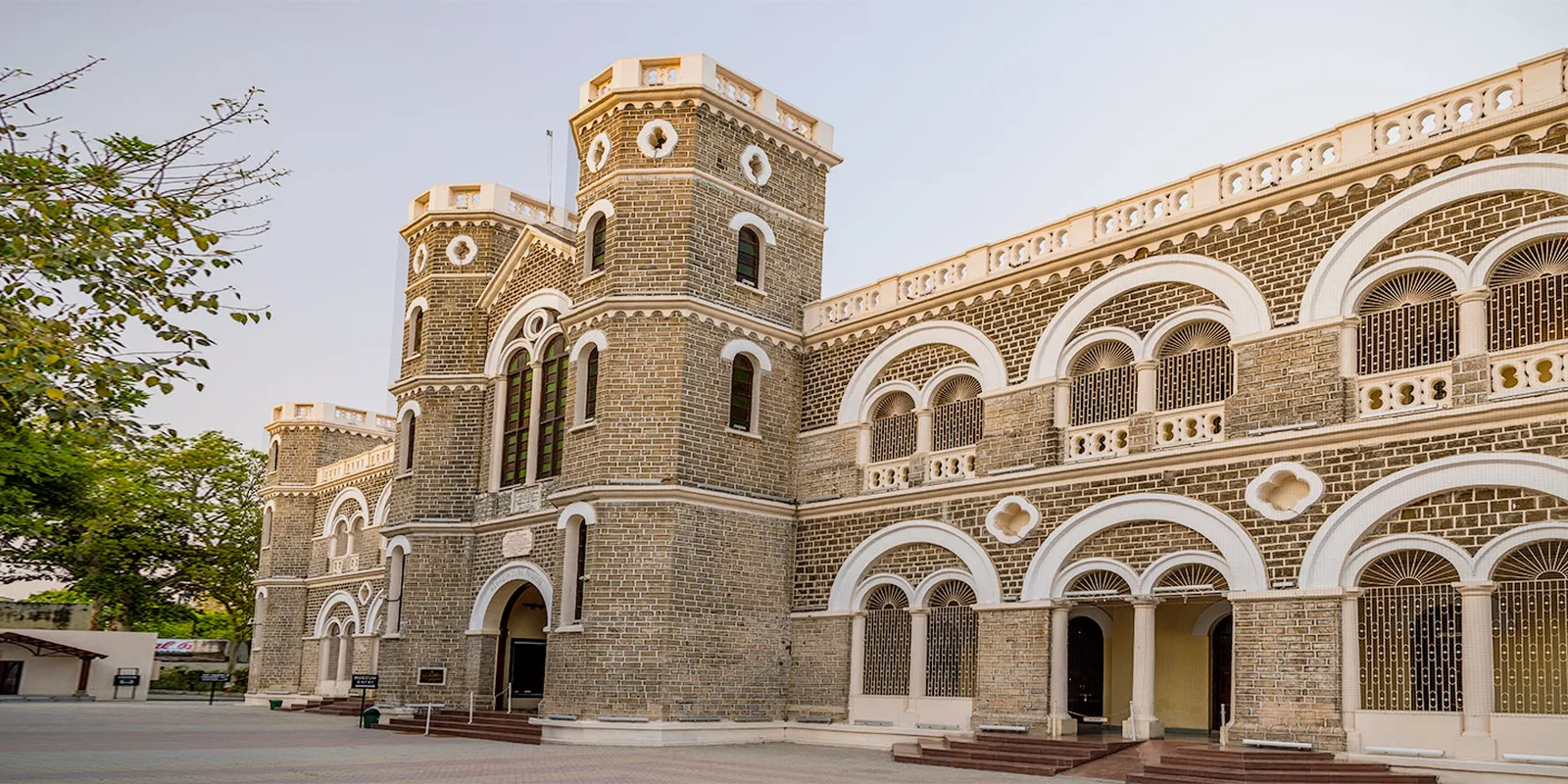
Rajkot: the city of Gandhi's childhood
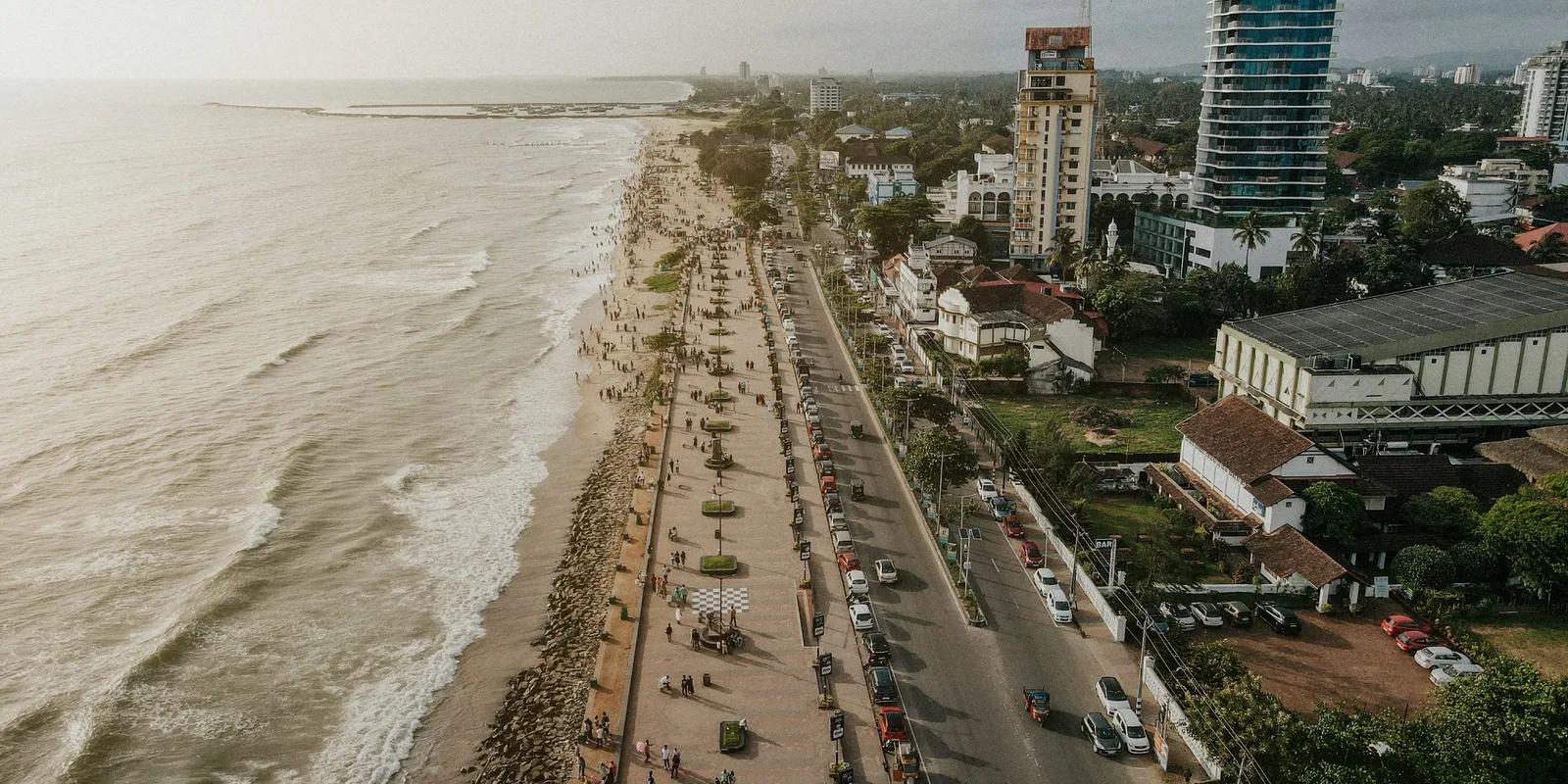
Kozhikode: where Vasco da Gama landed in India
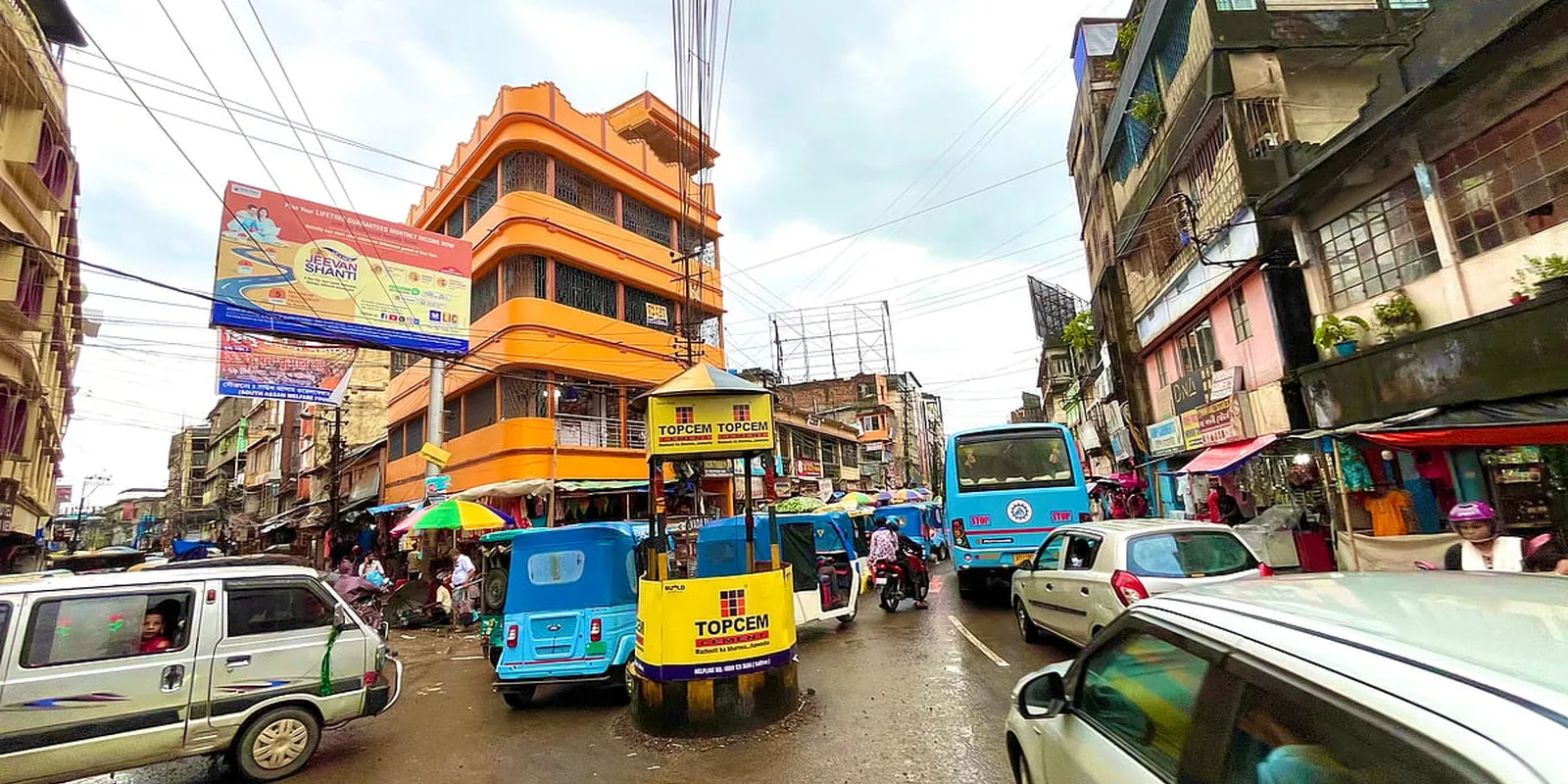
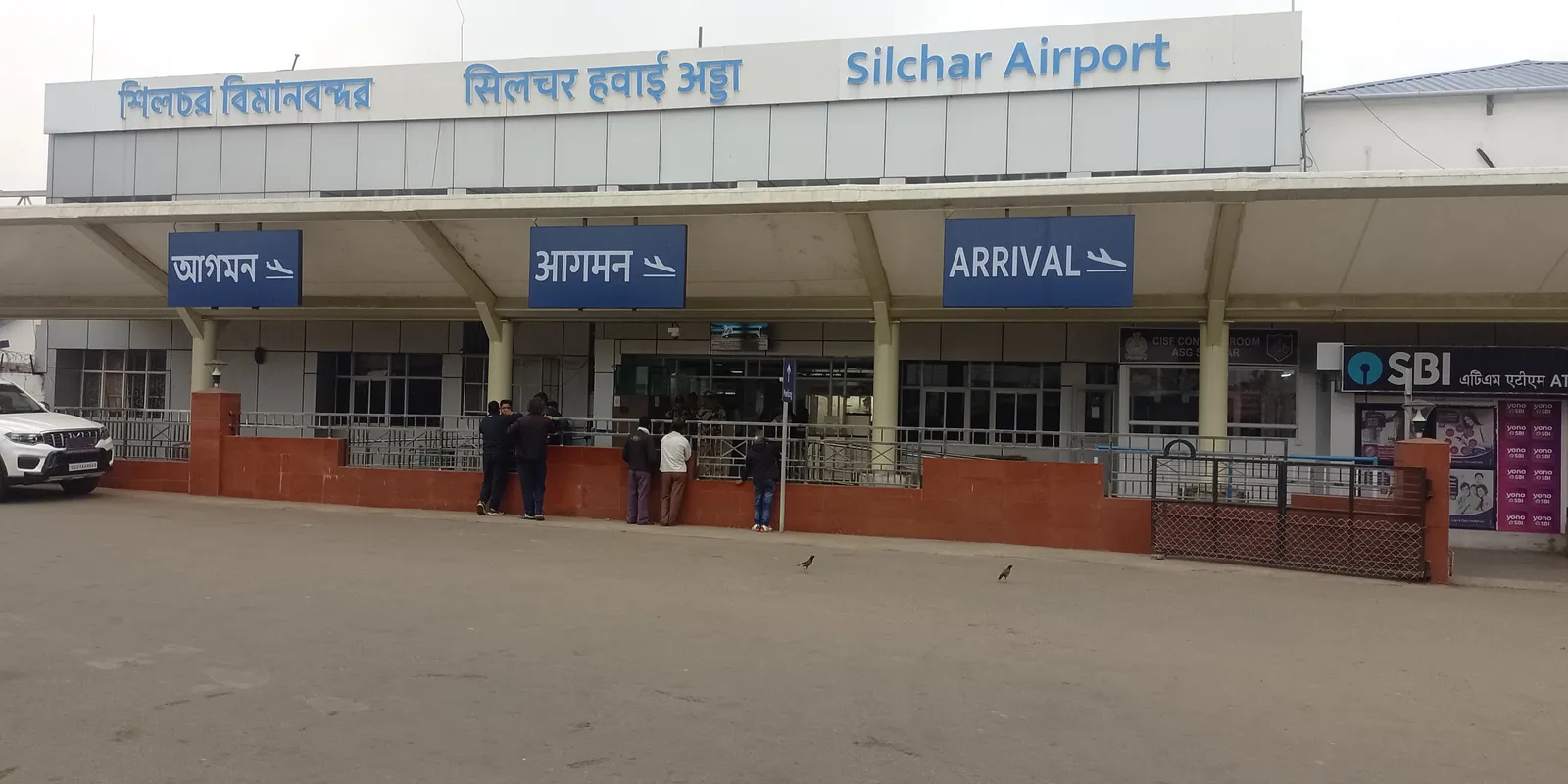
Silchar: the Barak Valley between tea and jungle
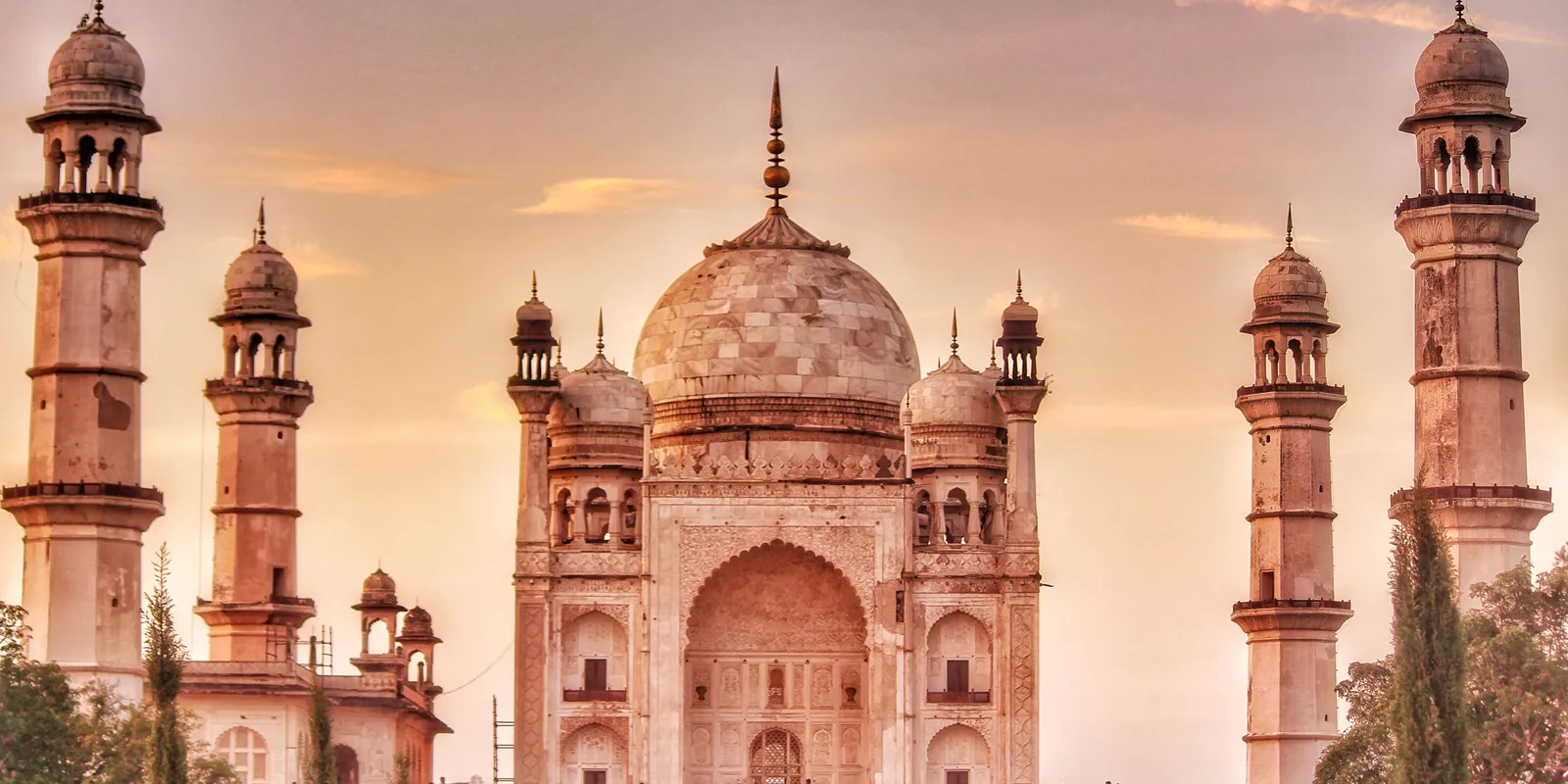
Aurangabad: the gateway to the Ajanta and Ellora caves
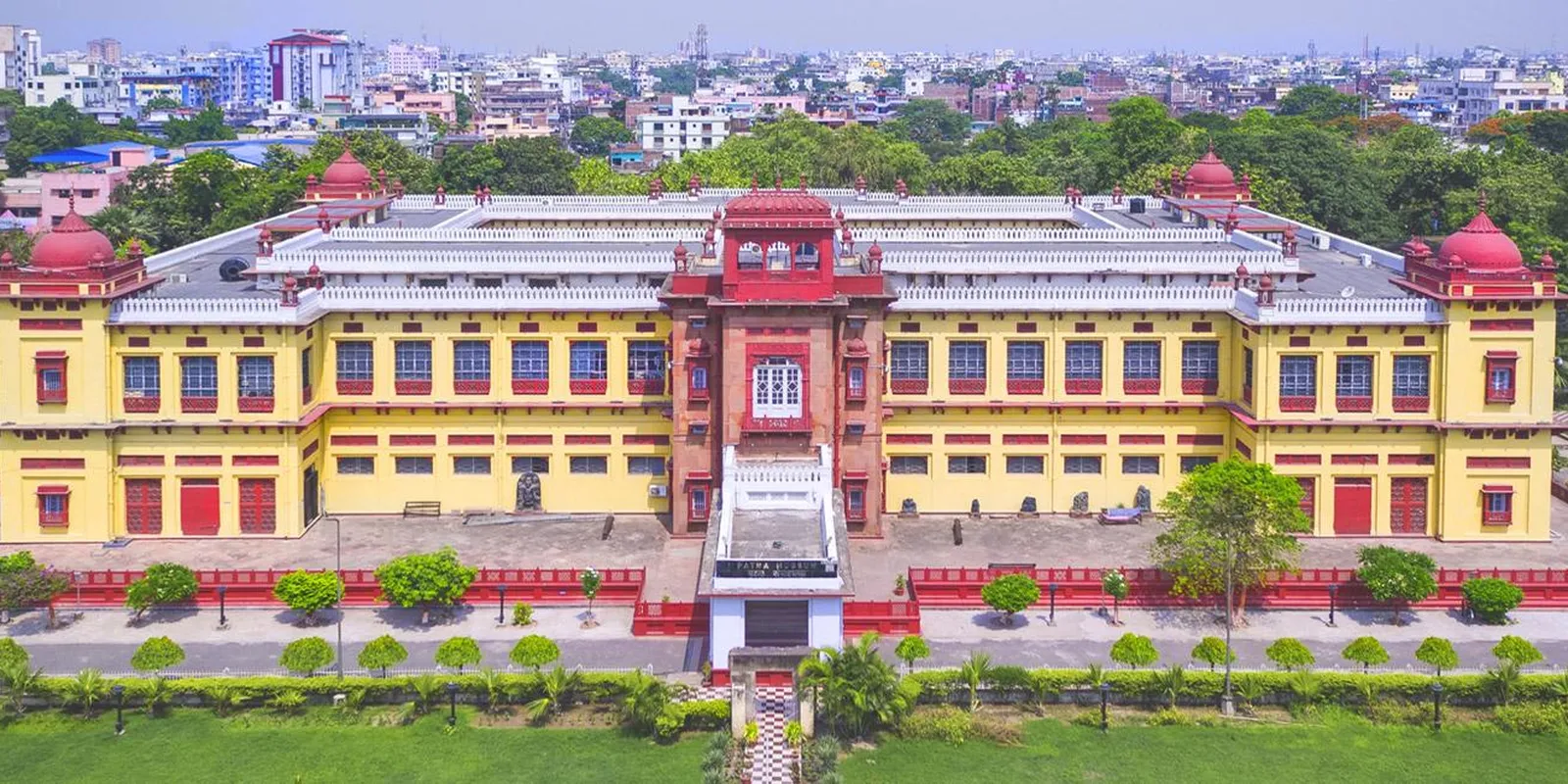
Patna: the gateway to Buddhism's sacred sites
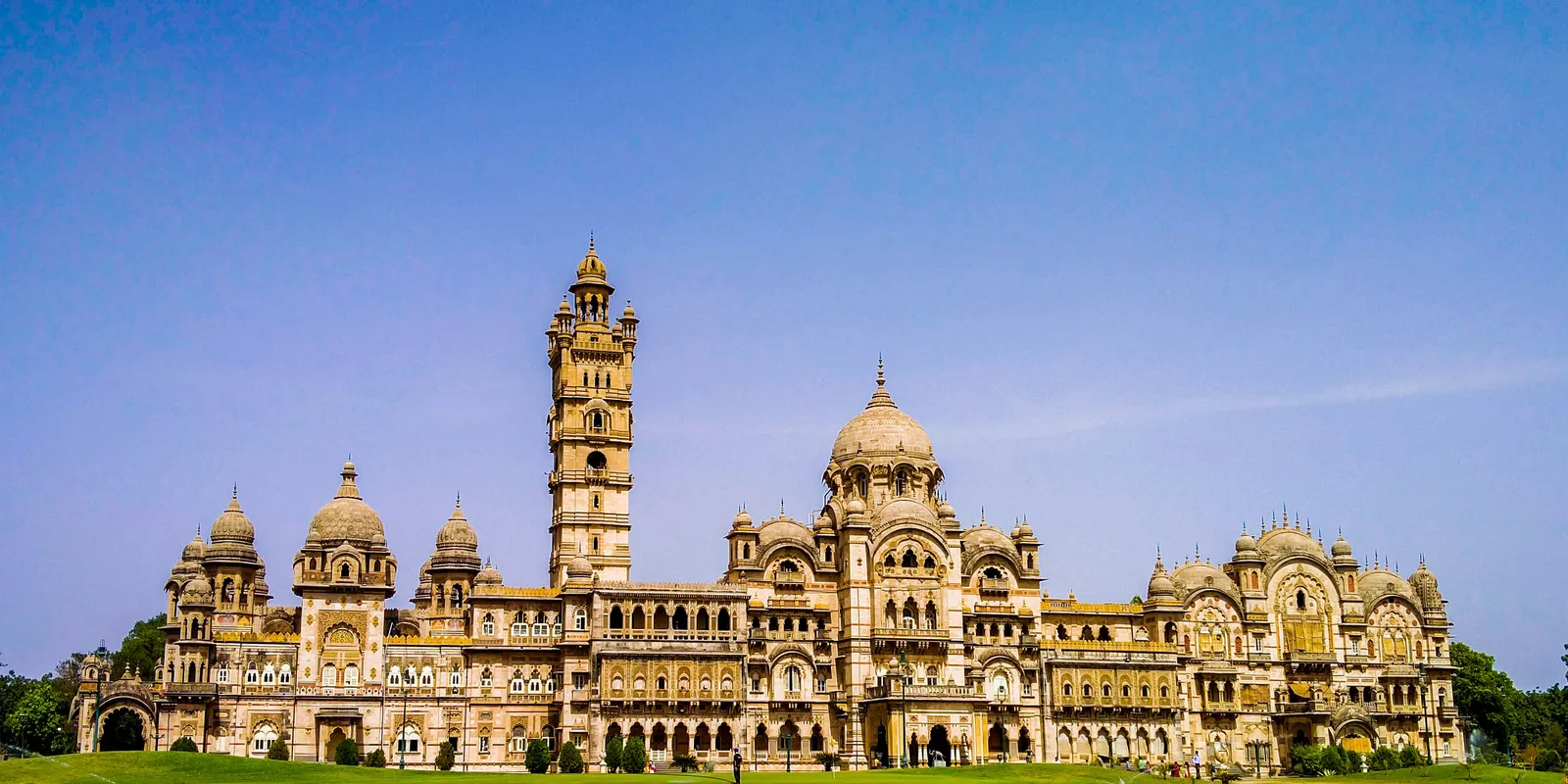
Vadodara: India's largest royal palace
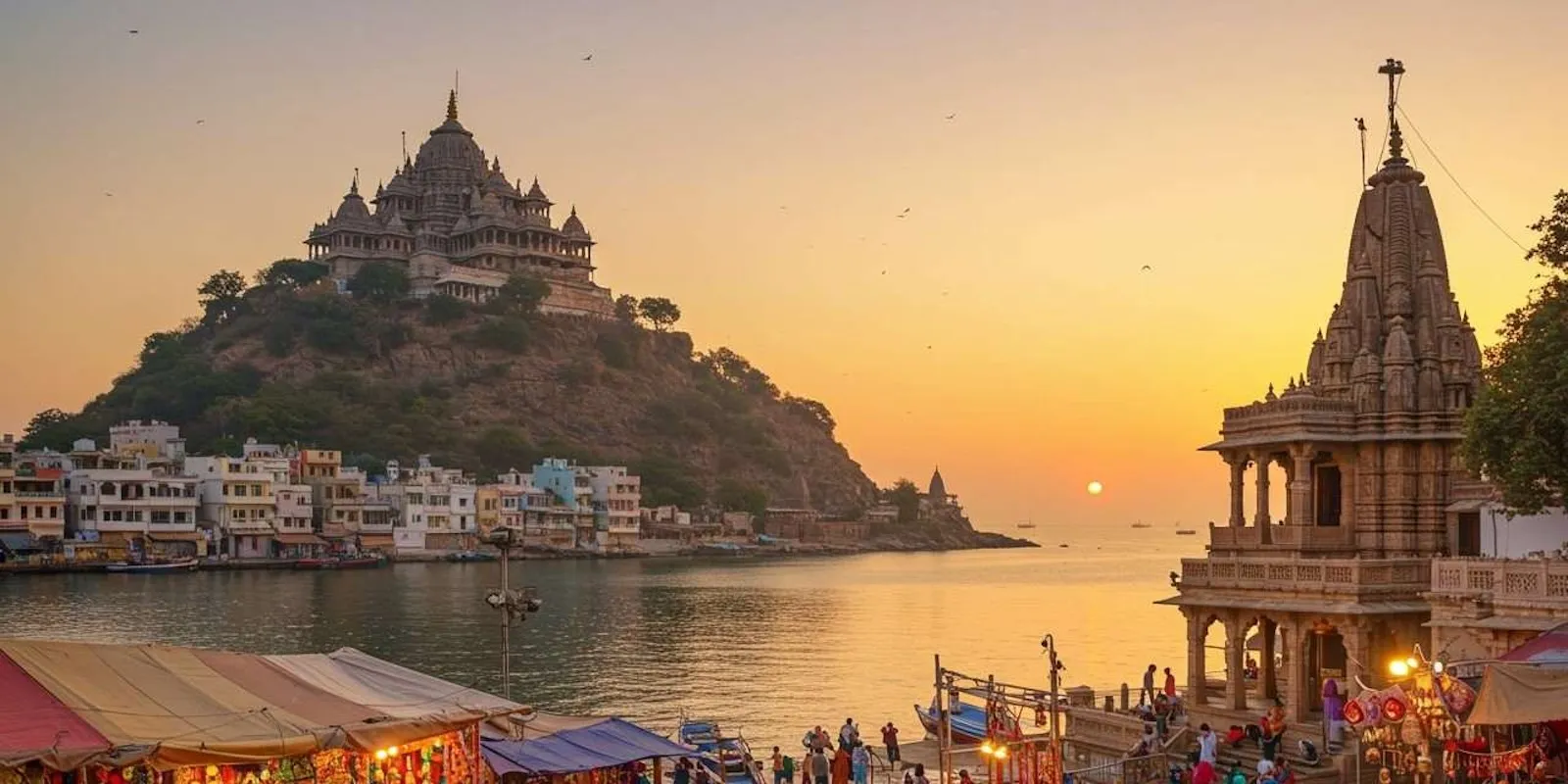
Bhavnagar: the gateway to the Asiatic lion sanctuary
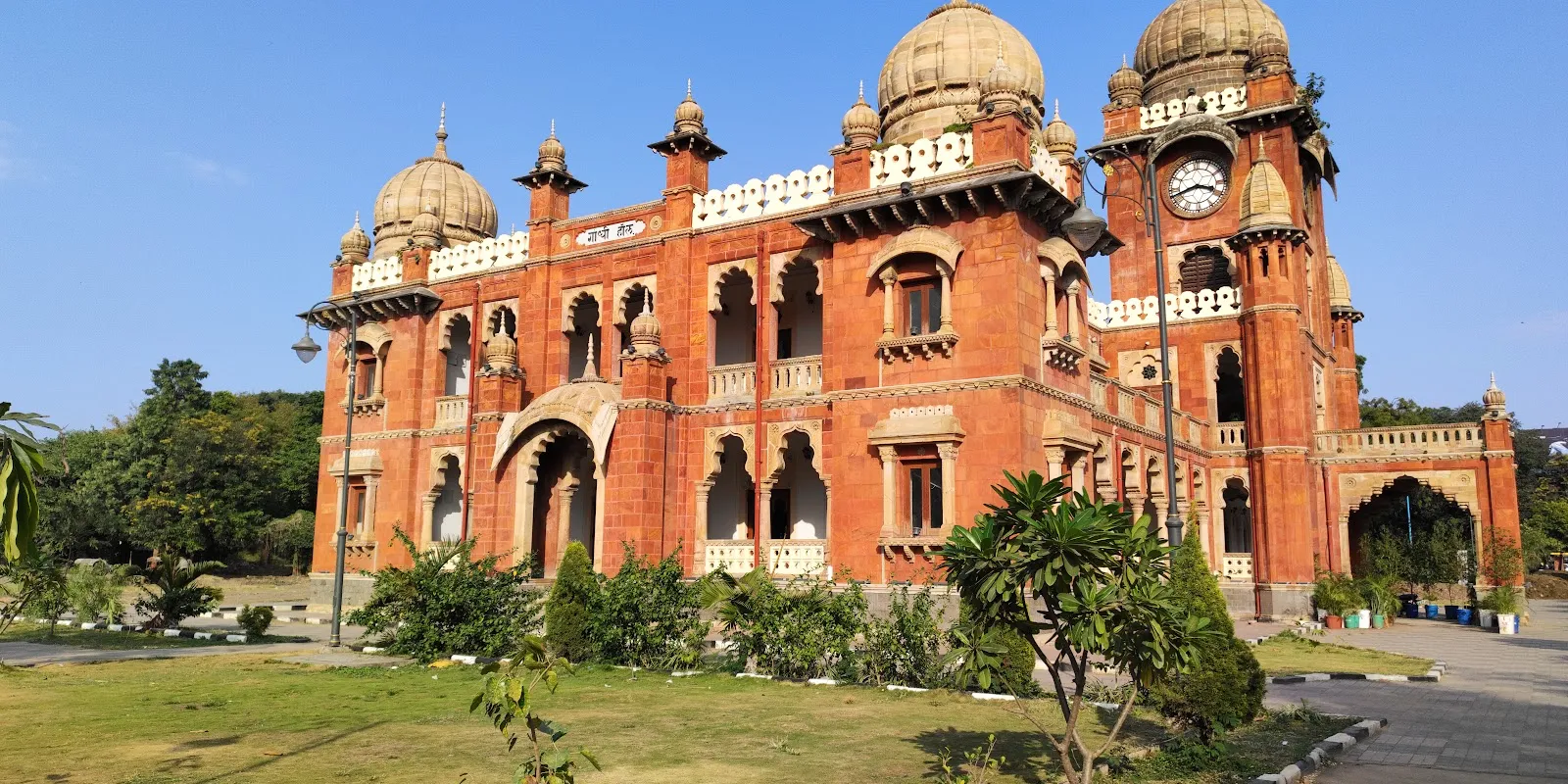
Indore: India's cleanest city
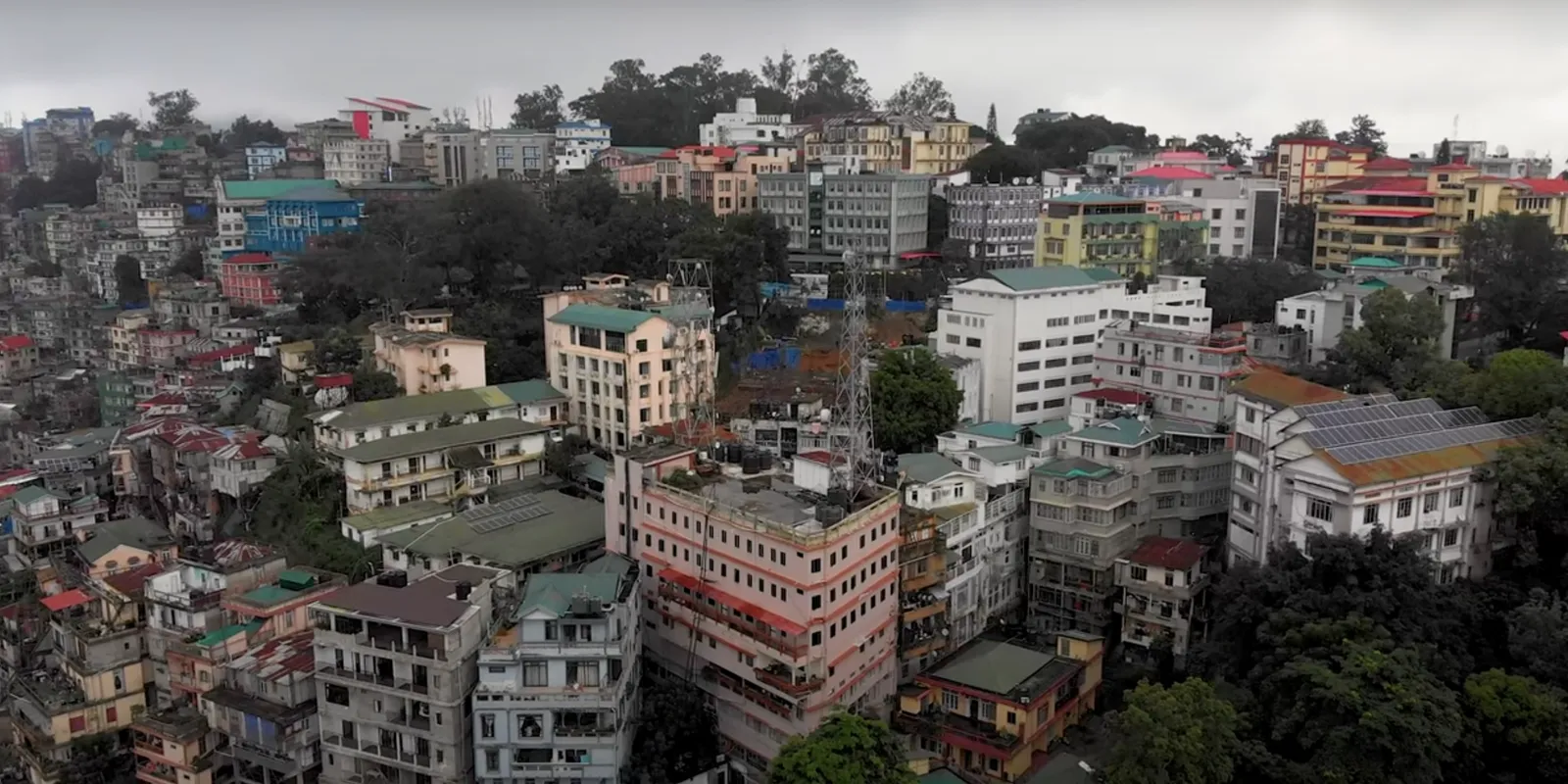
Aizawl: the hill city of the Mizo people
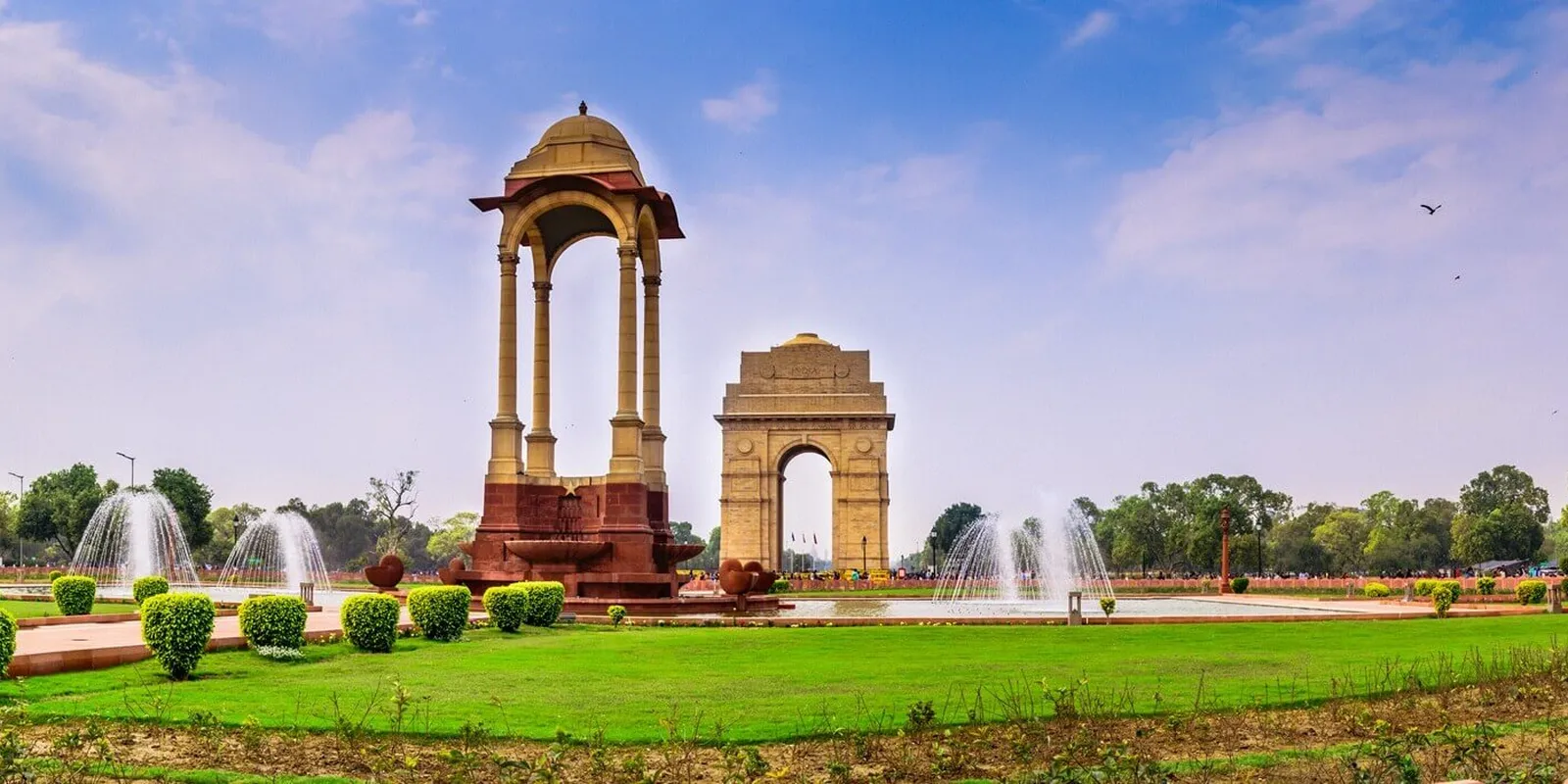
New Delhi in a day: forts and markets
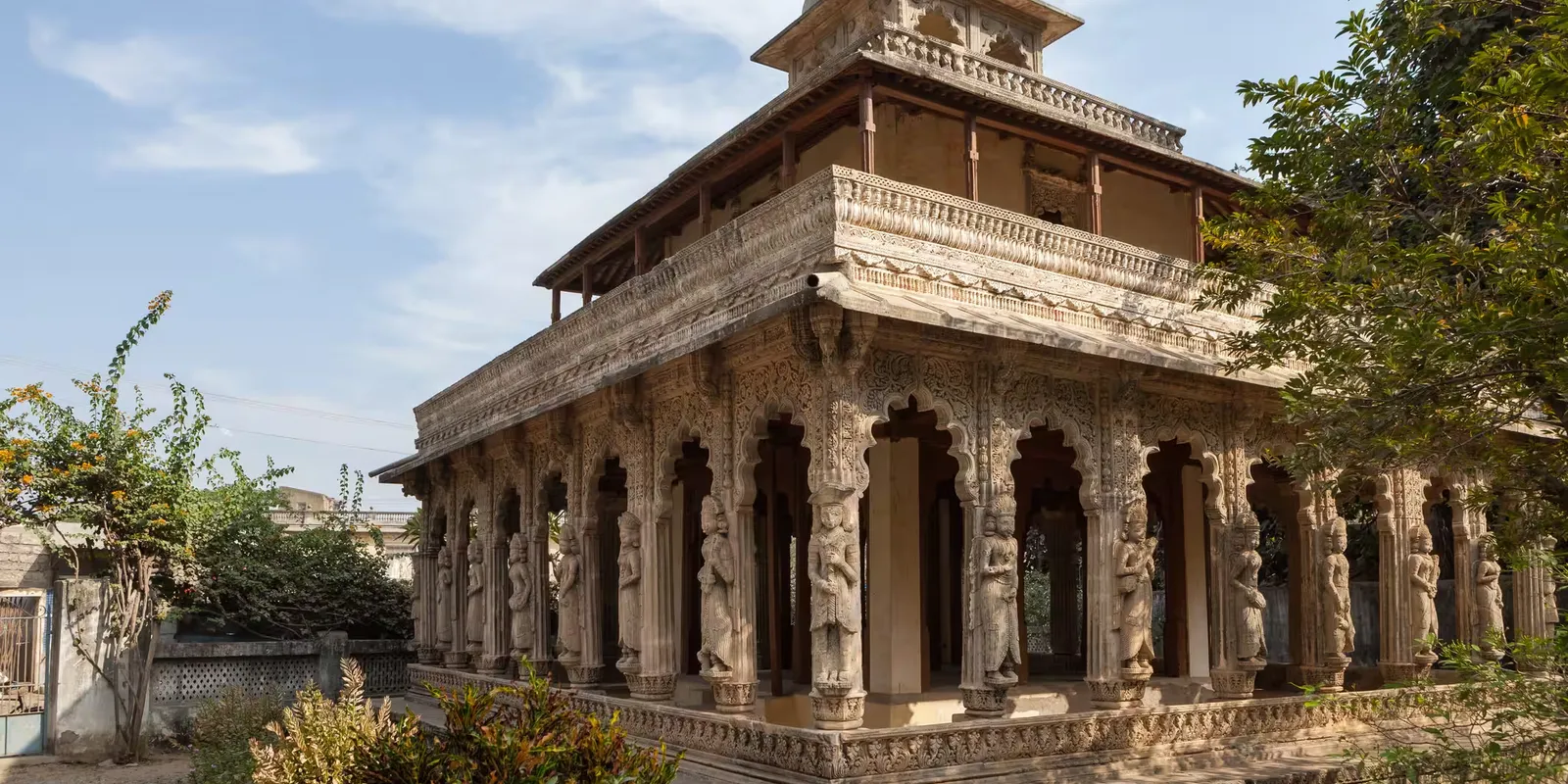
Porbandar: the birthplace of Mahatma Gandhi
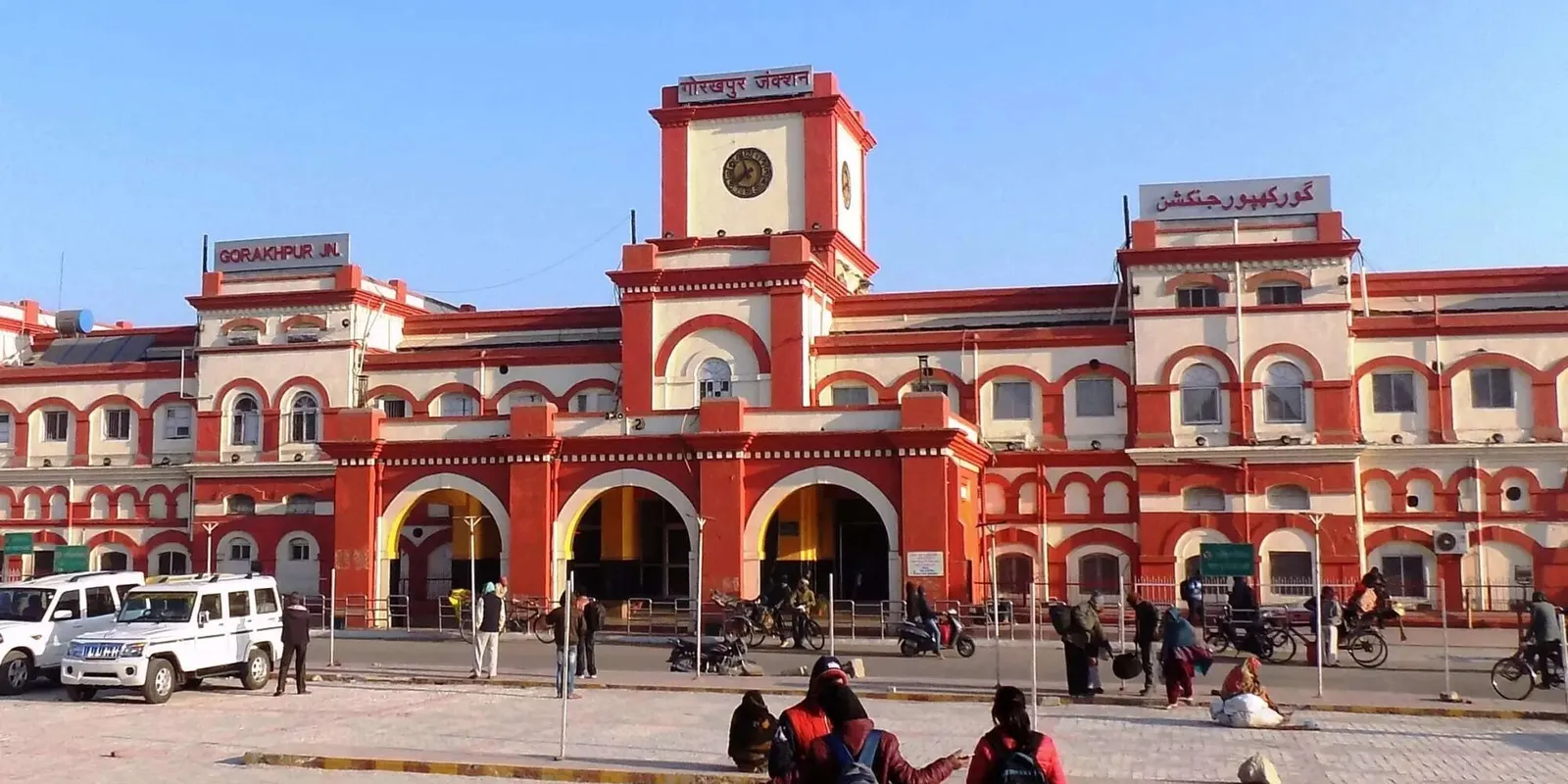
Gorakhpur: the gateway to the Buddha's death at Kushinagar
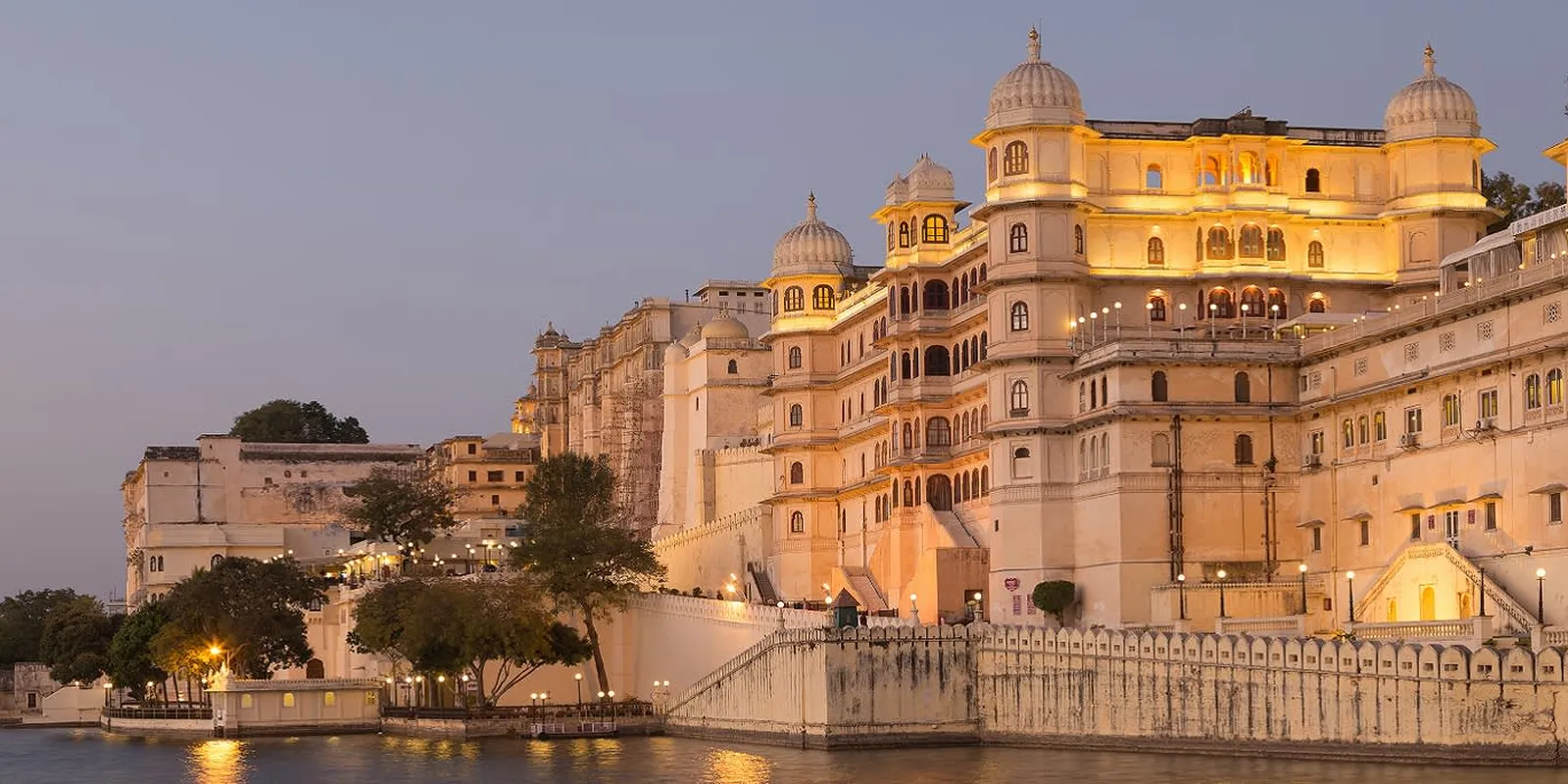
Udaipur: Rajasthan's city of lakes
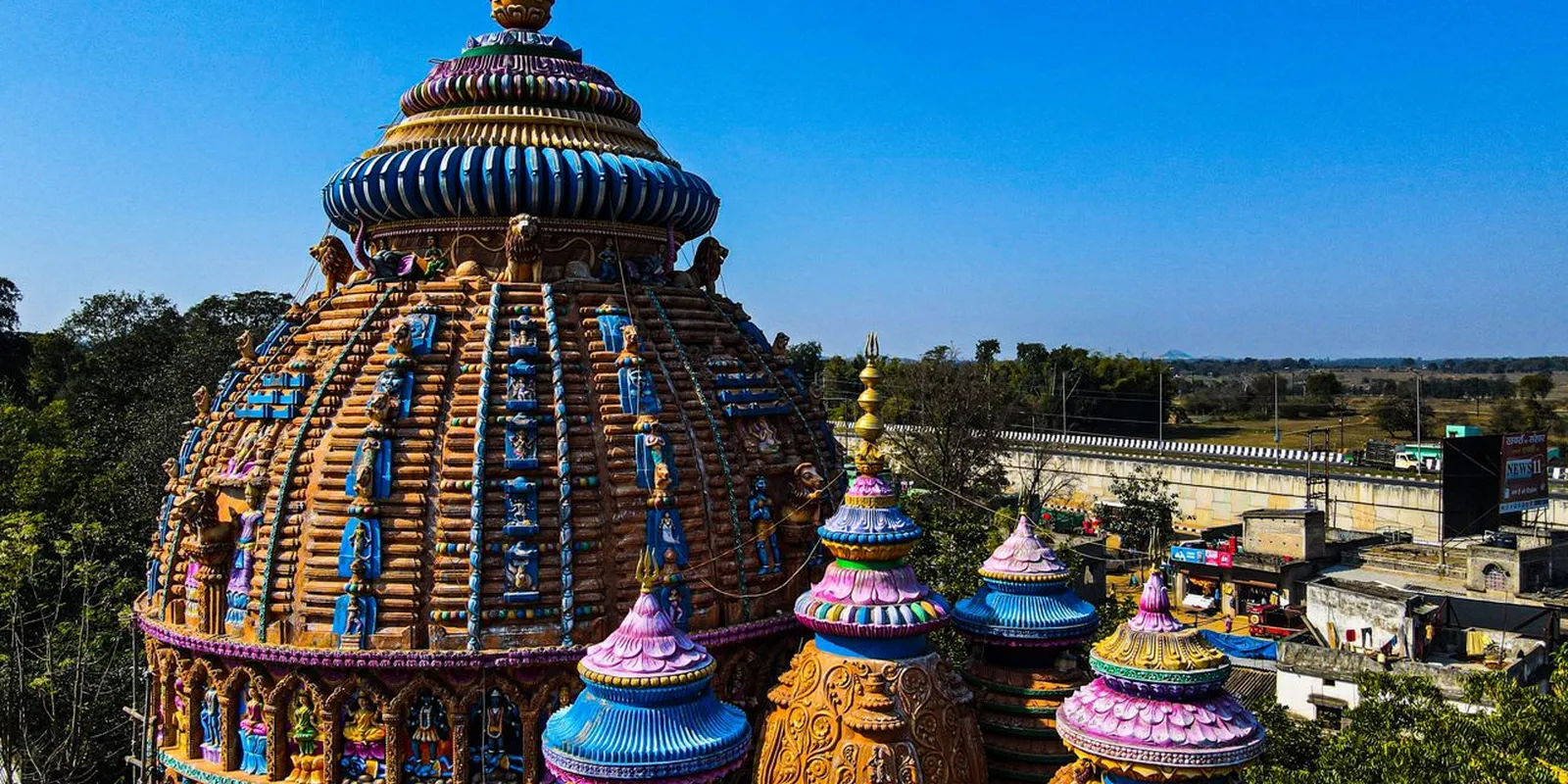
Ranchi: the waterfalls of India's tribal capital
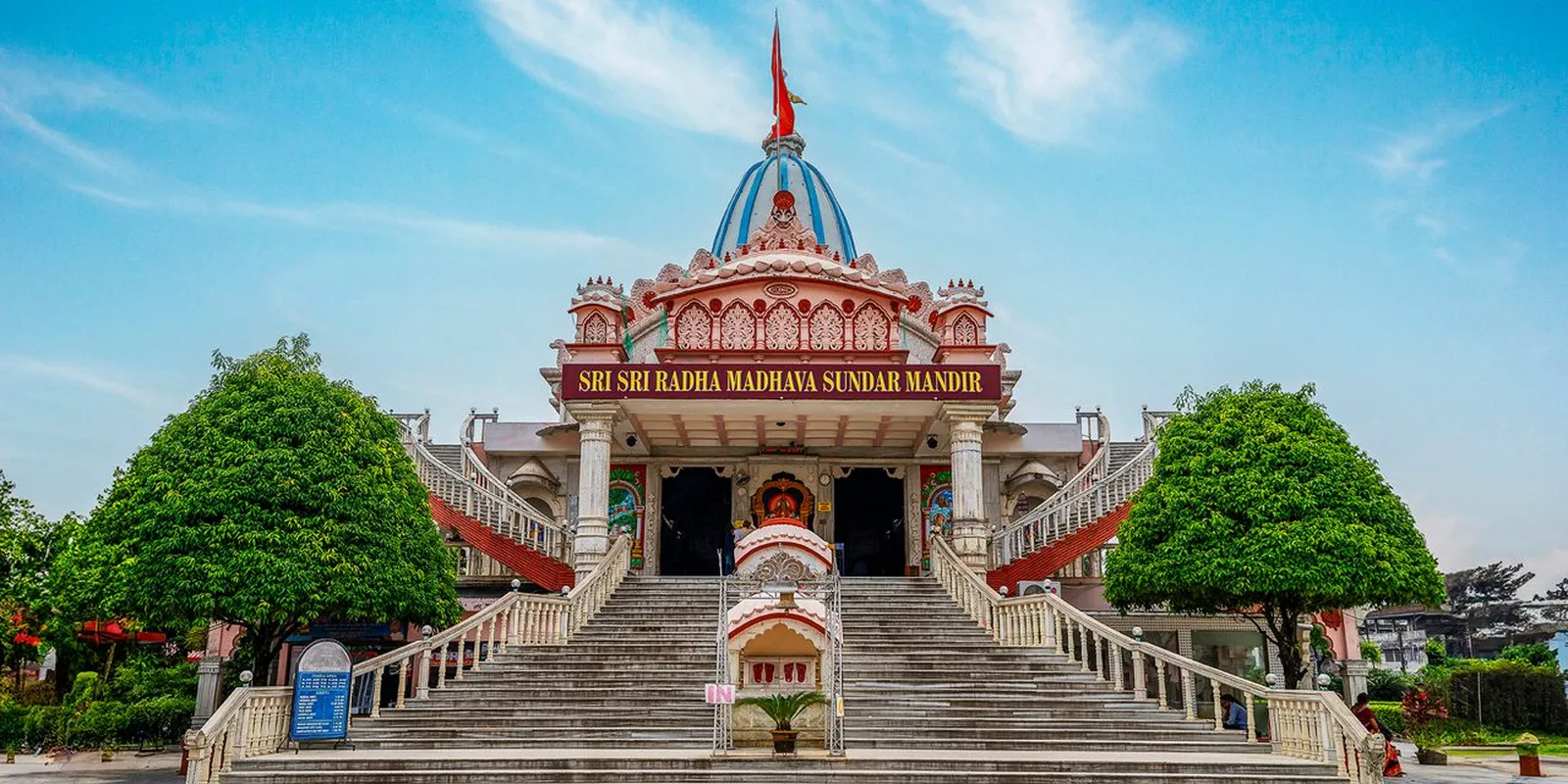
Siliguri: the gateway to the eastern Himalayas
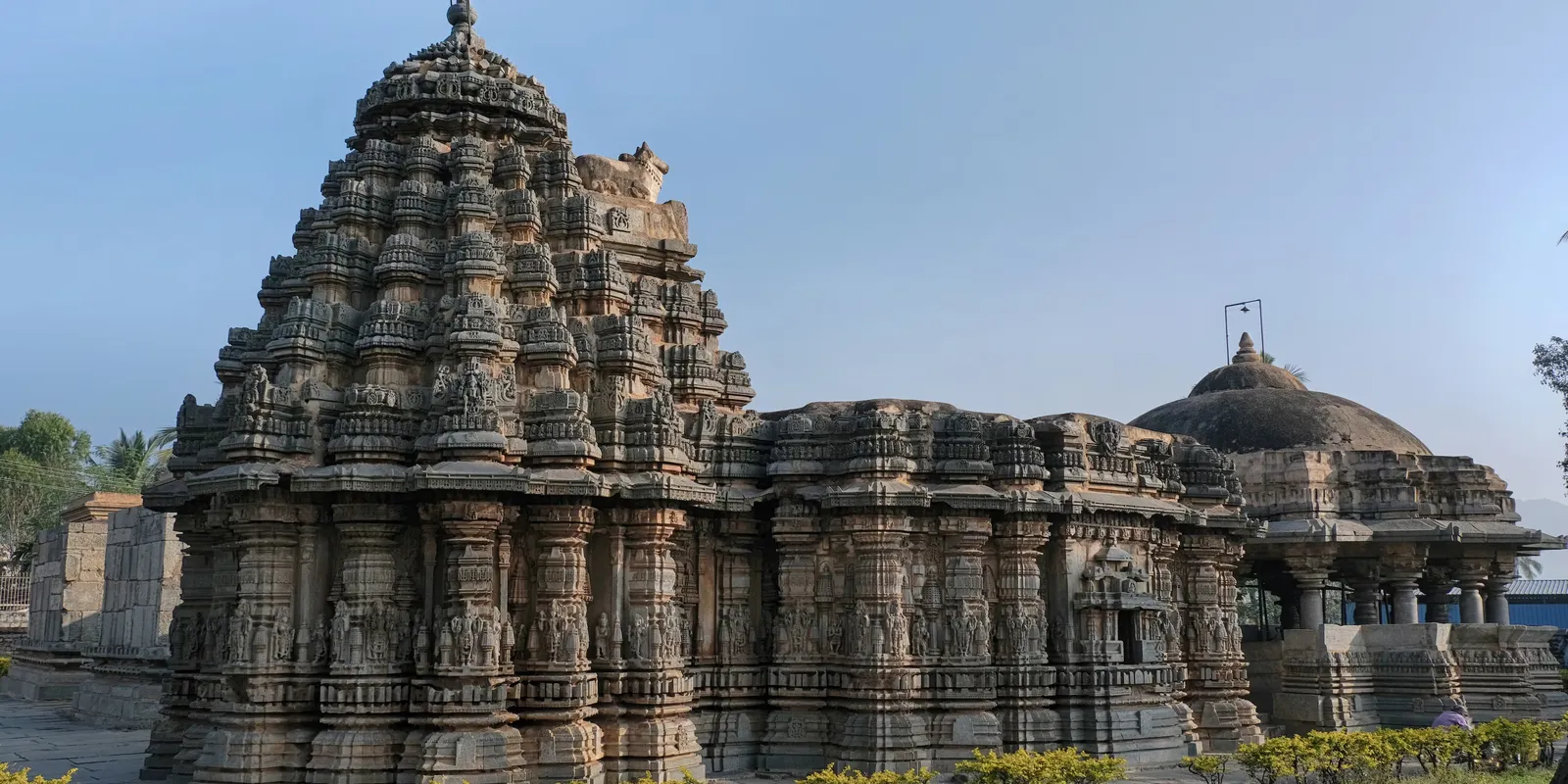
Hubli-Dharwad: the twin cities of Indian classical music
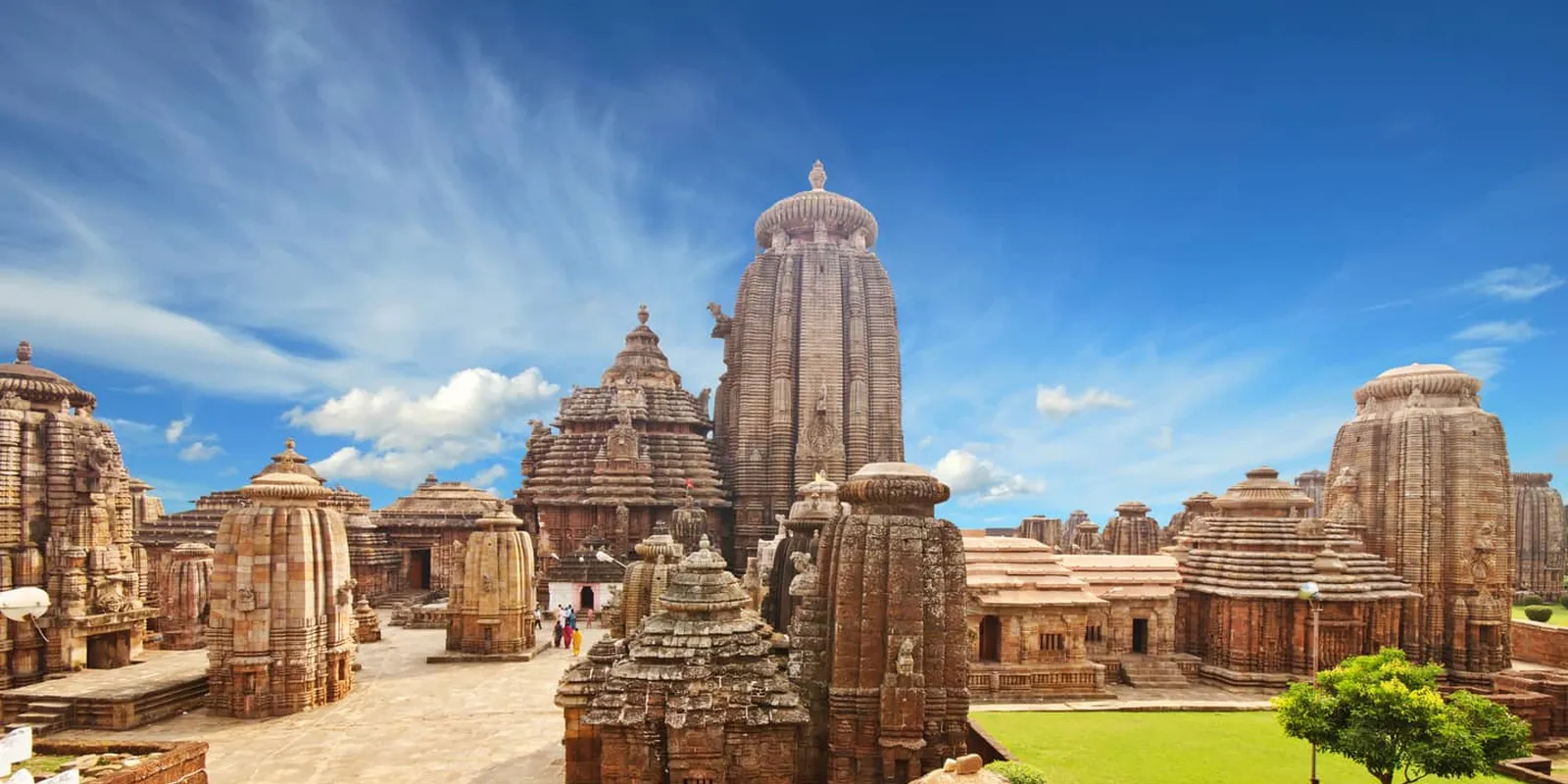
Bhubaneswar: the city of a thousand temples
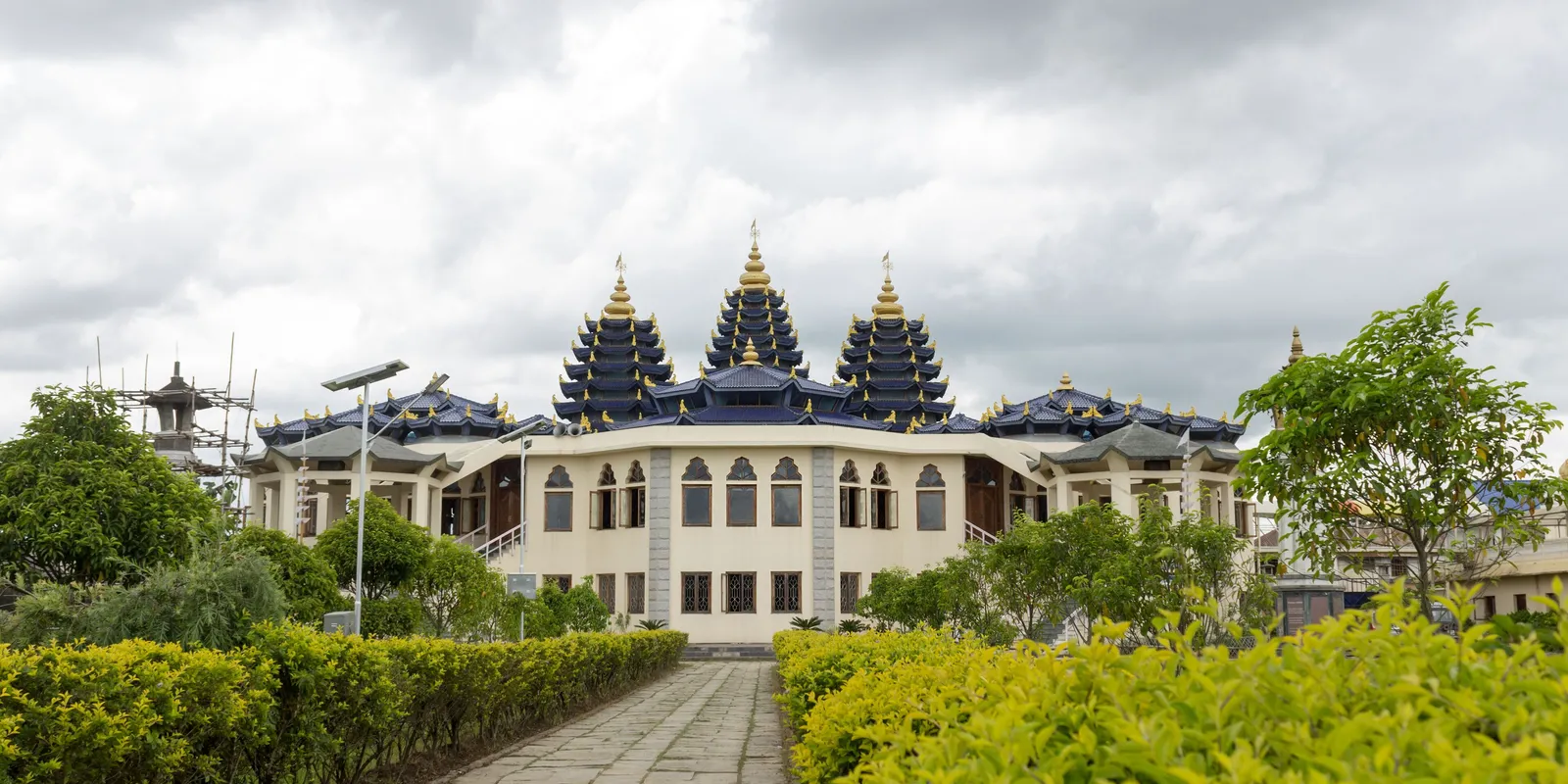
Imphal: floating lakes in India's northeast