Spain: main airports
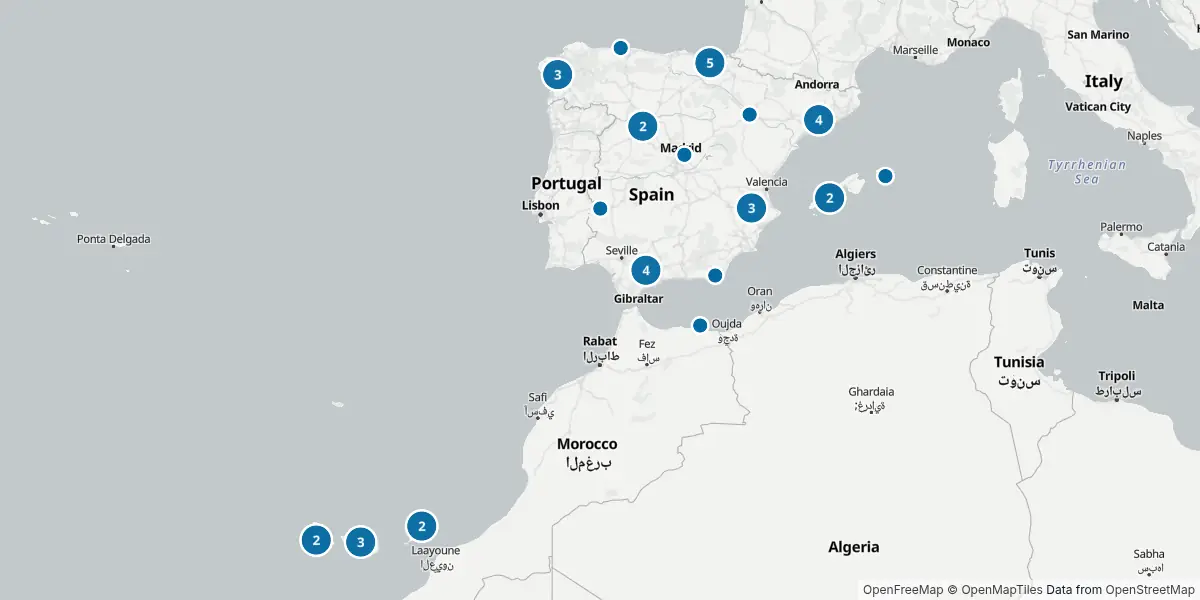
Spain has a very high number of airports: 38 airports covering the Iberian Peninsula, the Balearic Islands and the Canary Islands. For anyone planning a trip, the choice of airport largely depends on the area to be visited.
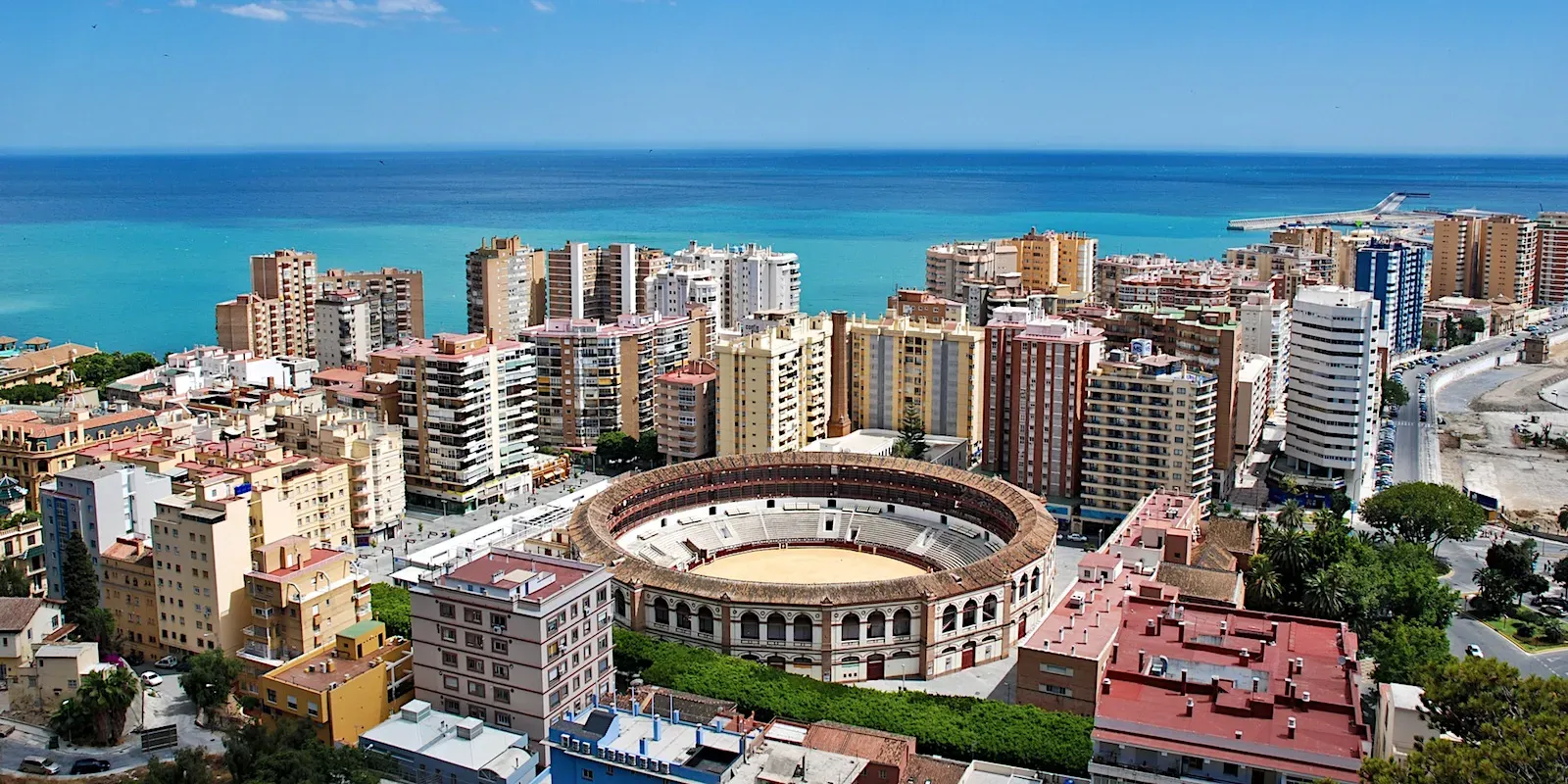
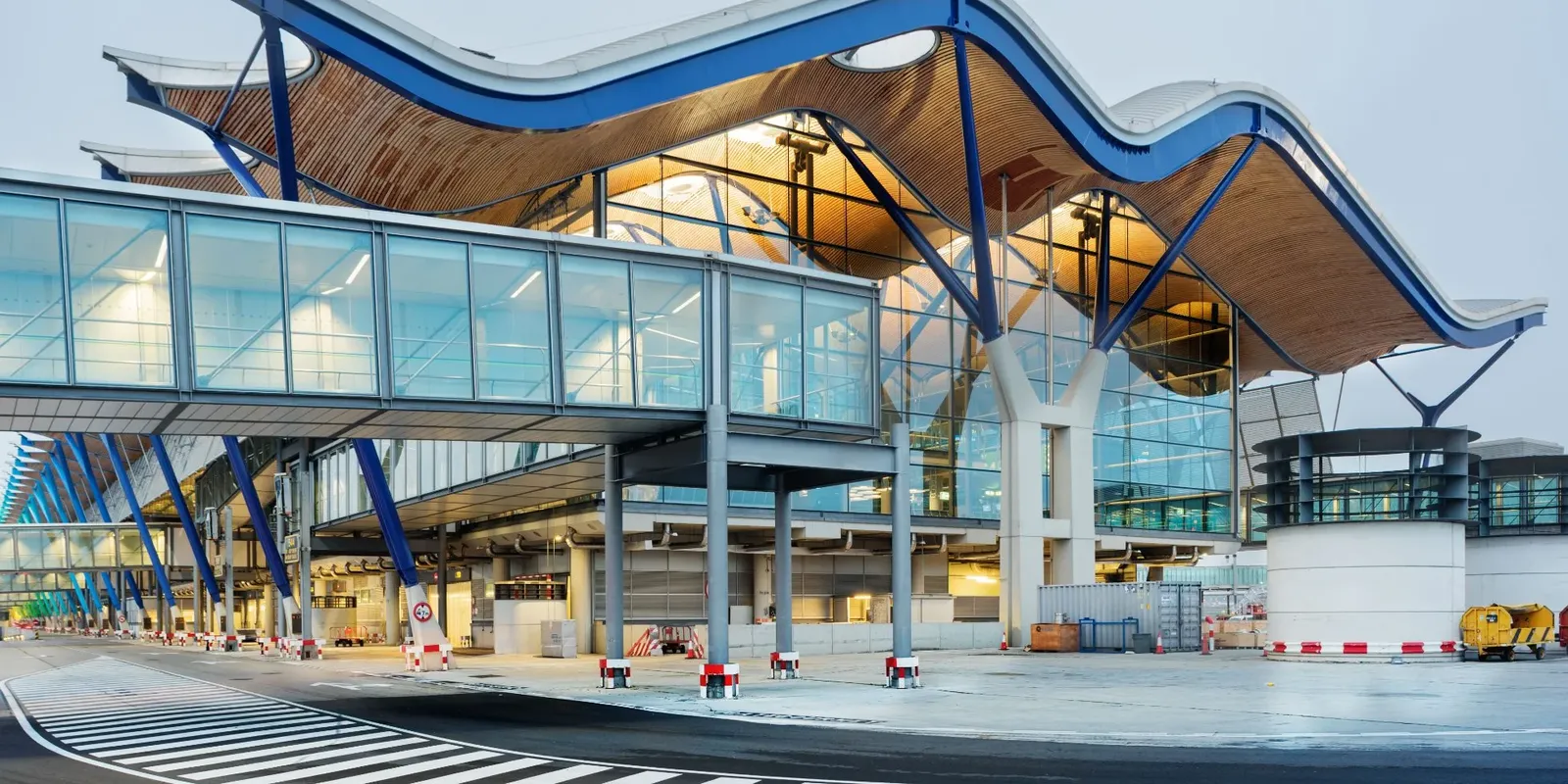
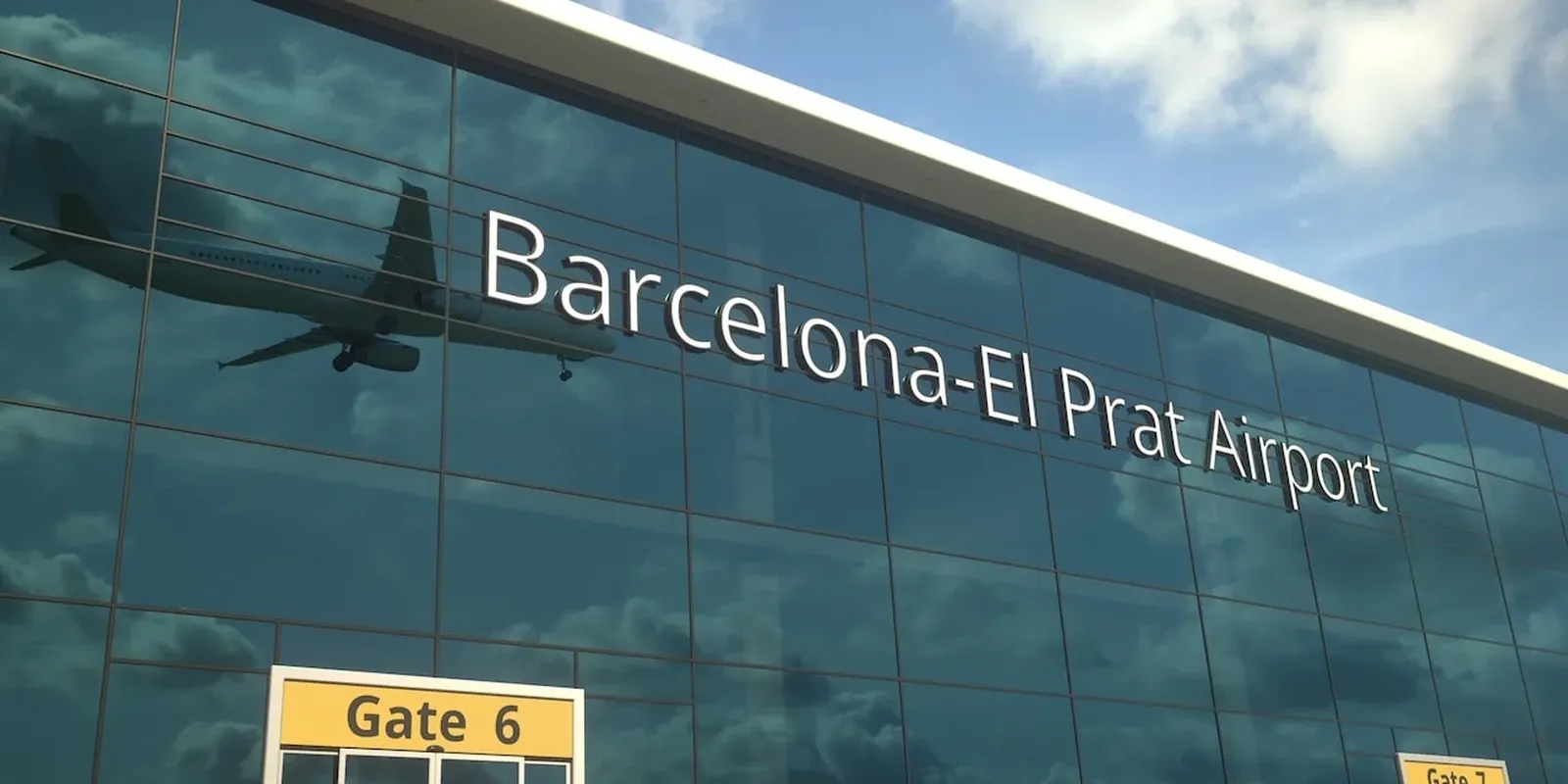
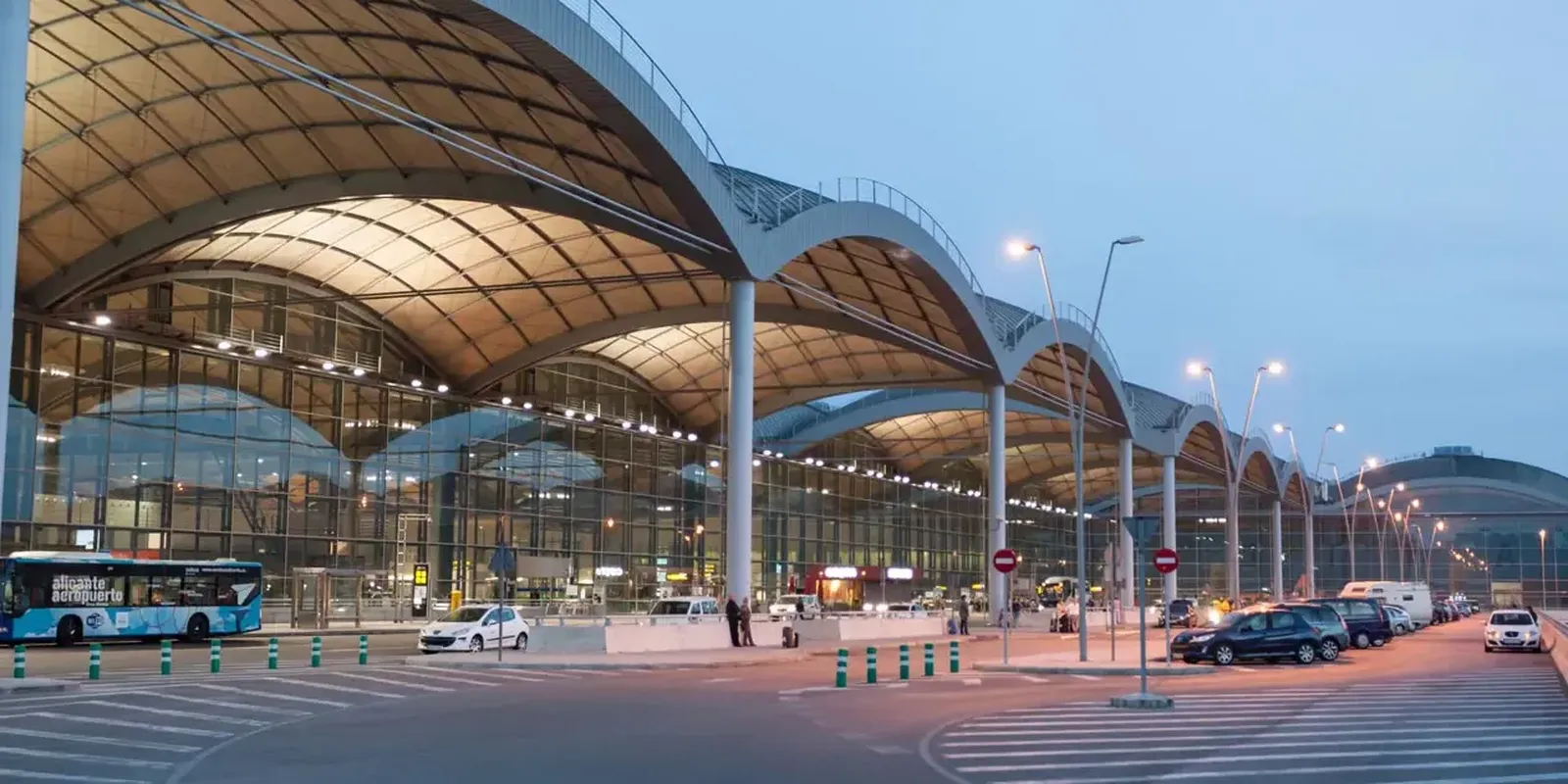
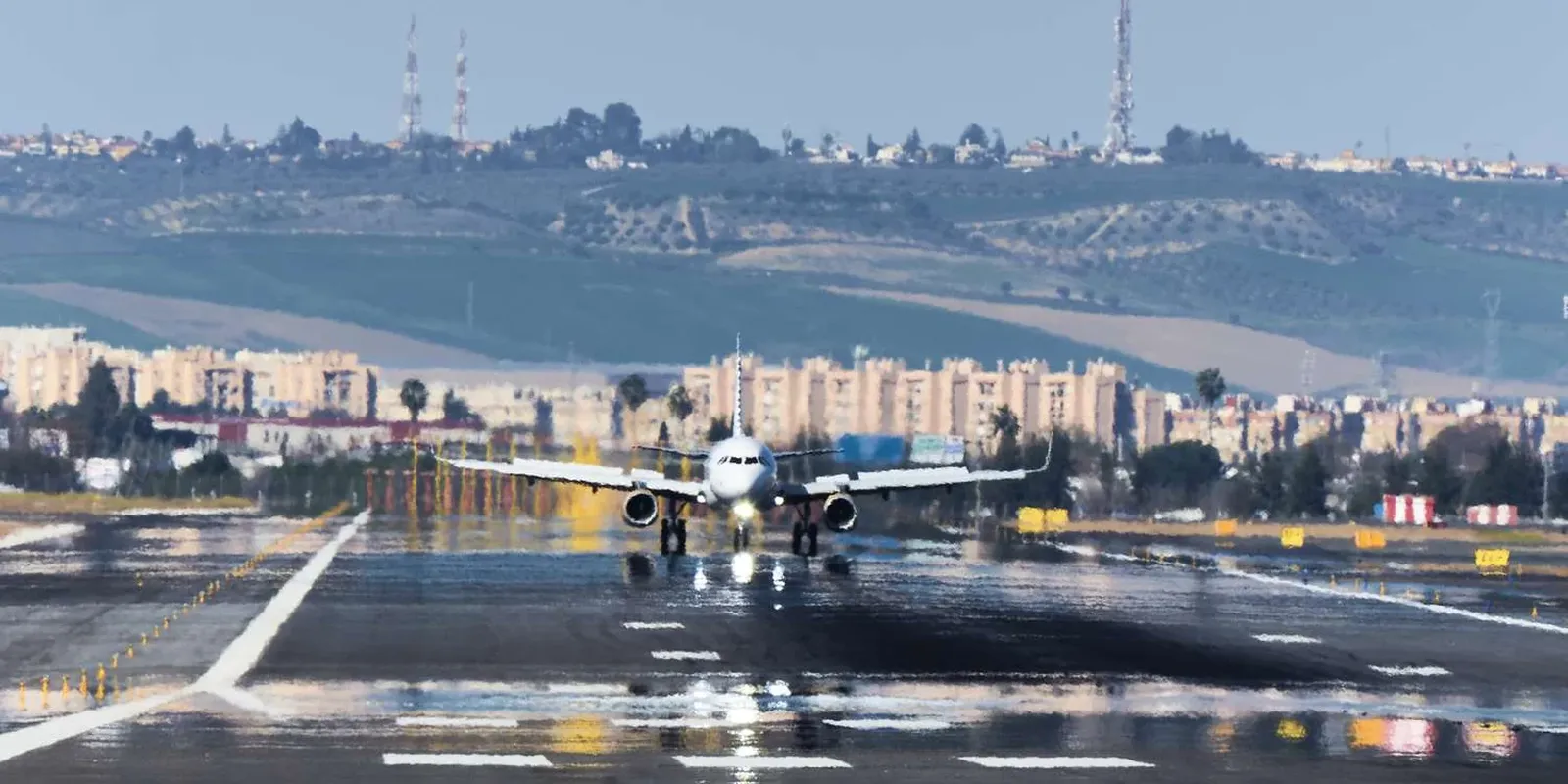
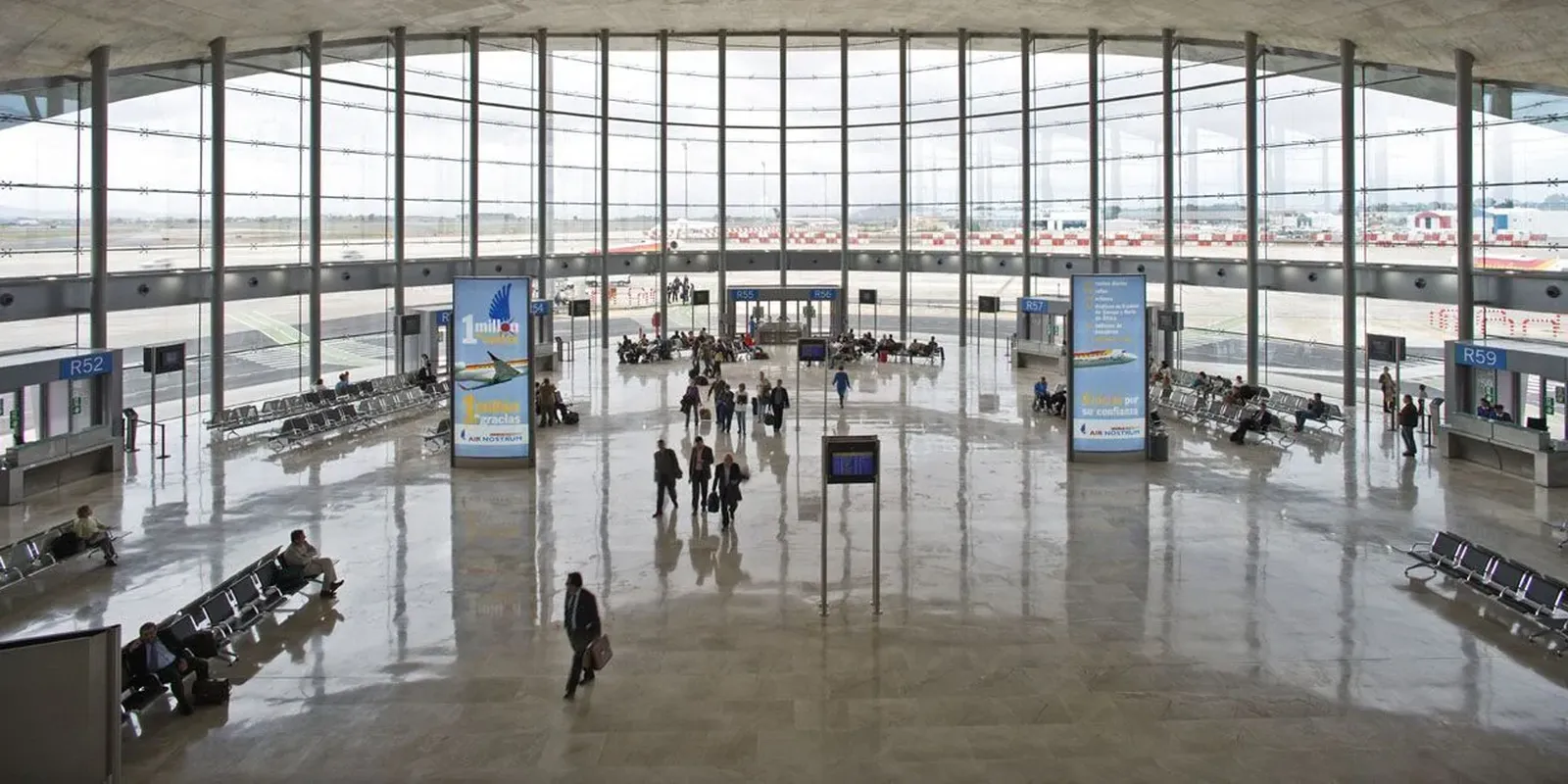
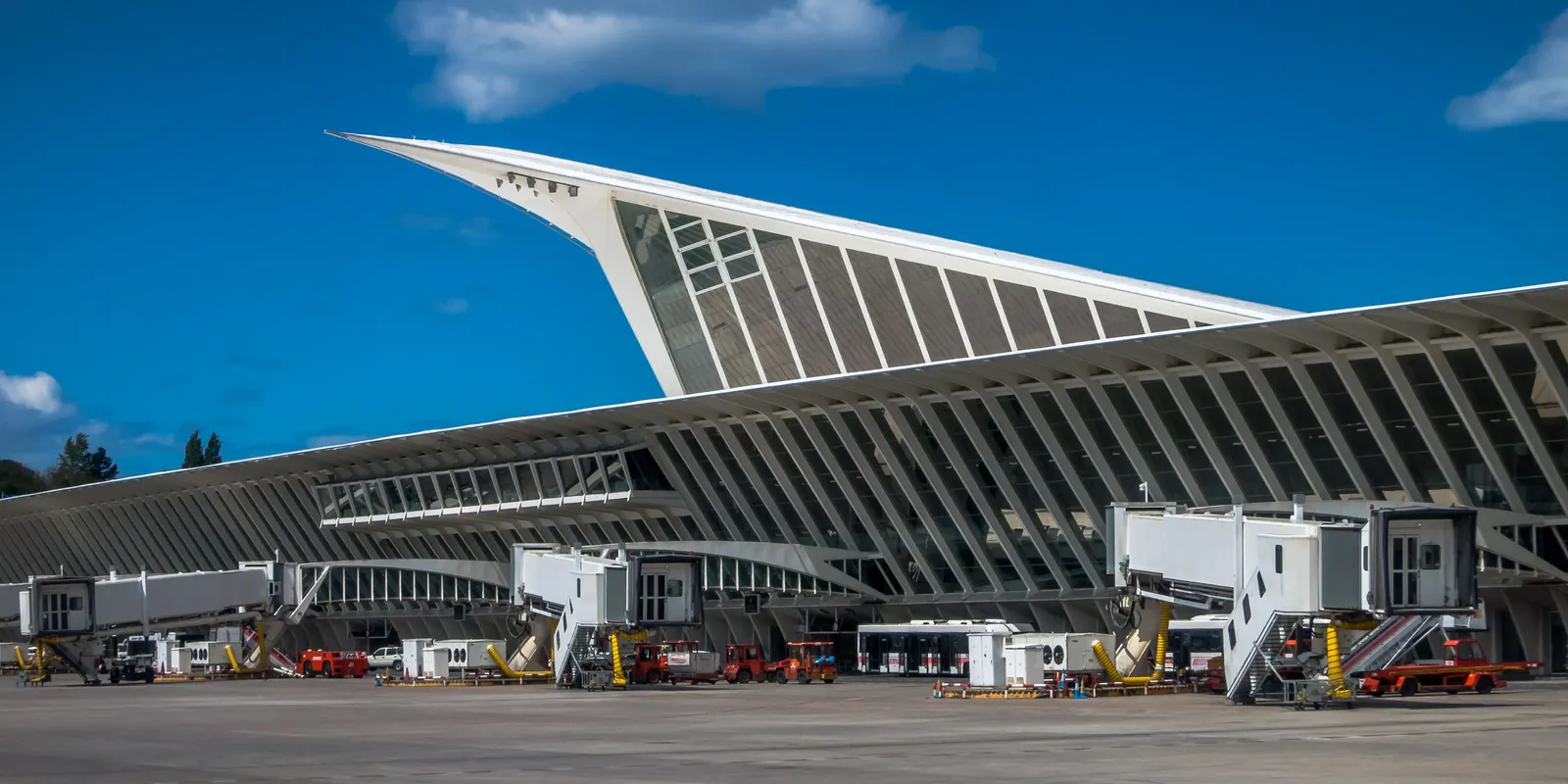
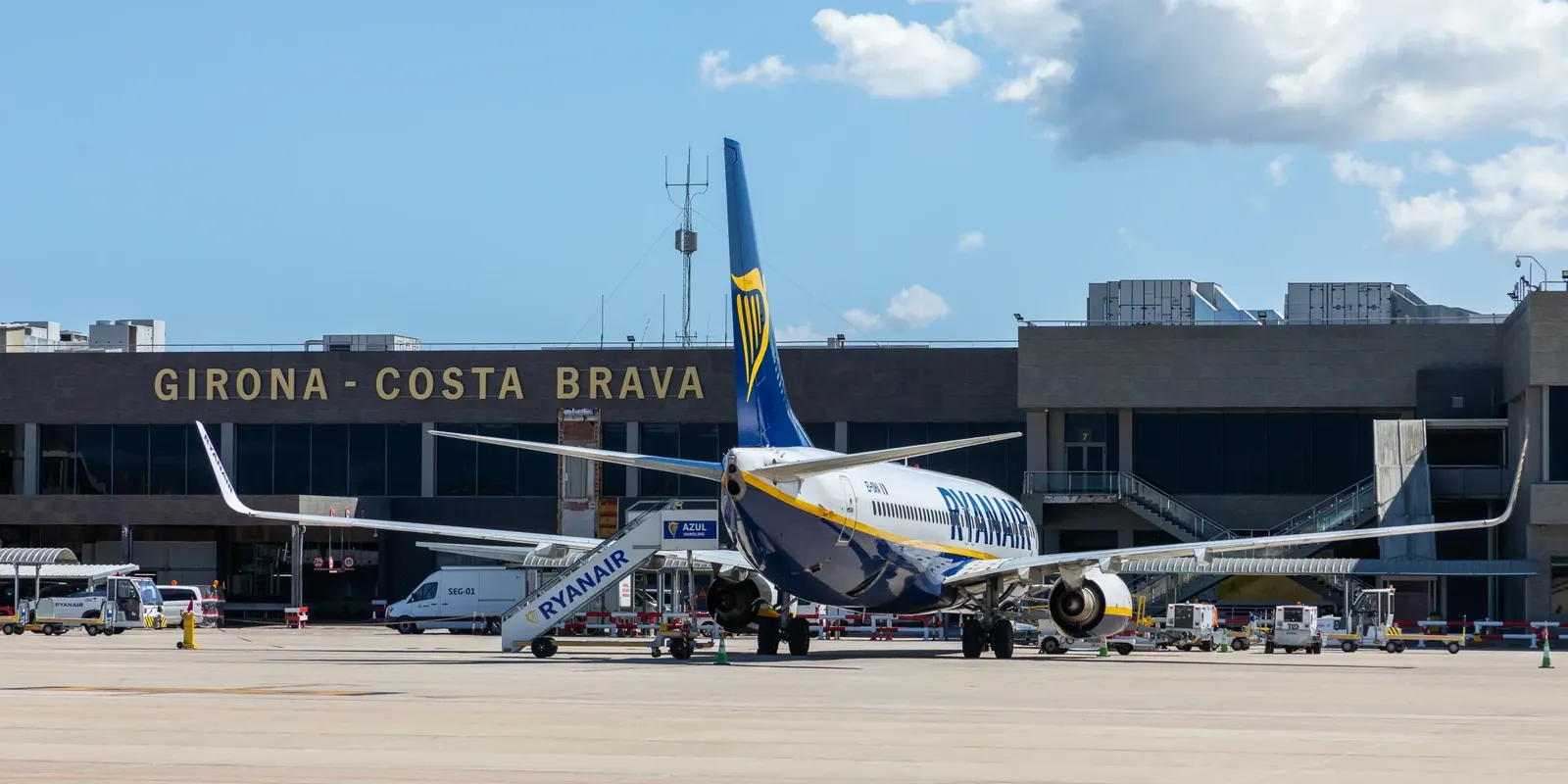
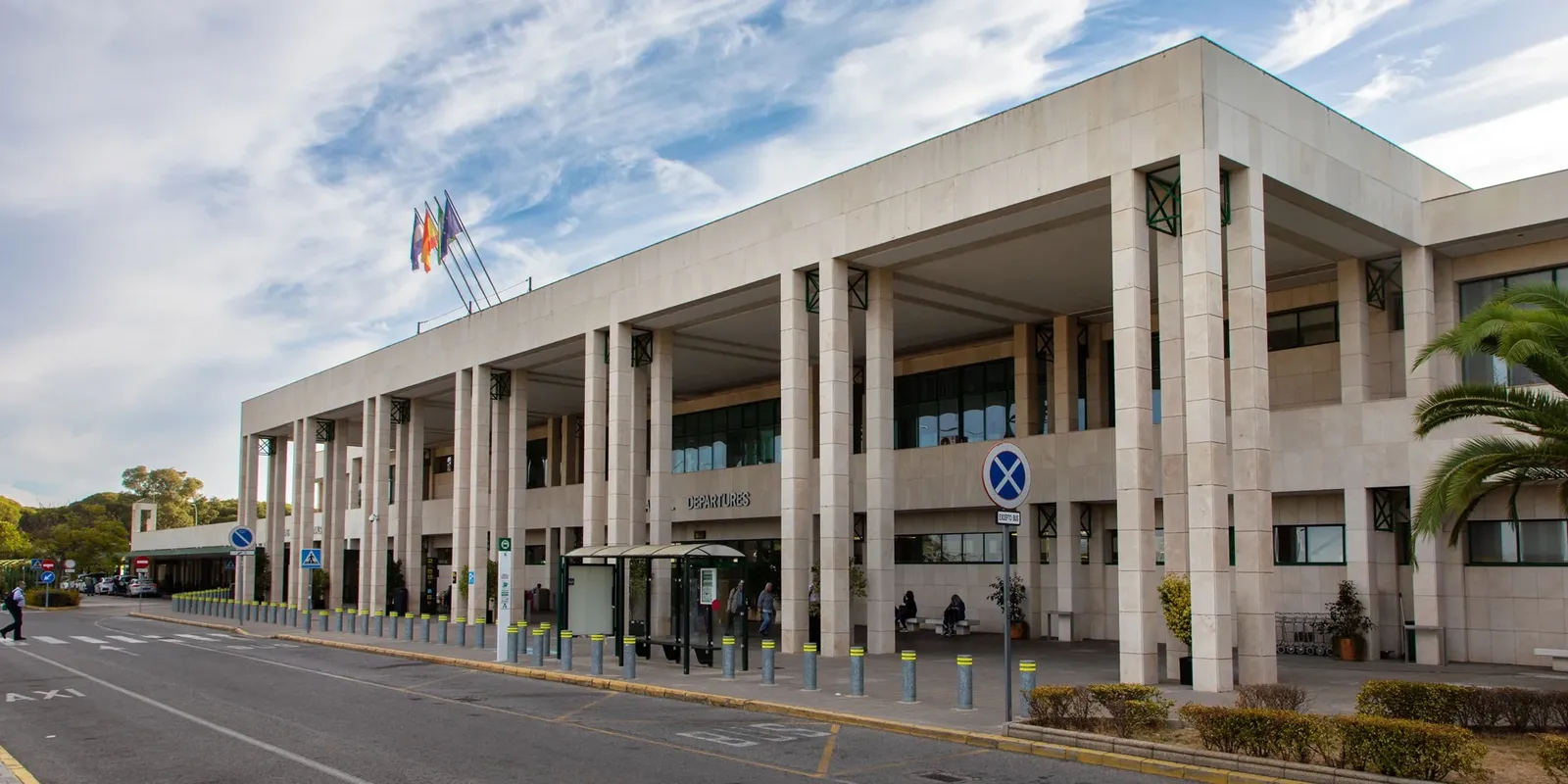
On the mainland, the two major hubs are Madrid-Barajas, the country's main airport and a crossroads for intercontinental flights to Latin America, and Barcelona-El Prat, the second national airport and gateway to Catalonia. On the Mediterranean coast there are also Malaga for the Costa del Sol, Alicante for the Costa Blanca, Valencia and Girona, often used as a budget alternative for reaching Barcelona. In the north, Bilbao stands out, with its famous Calatrava terminal, and Seville for western Andalusia.
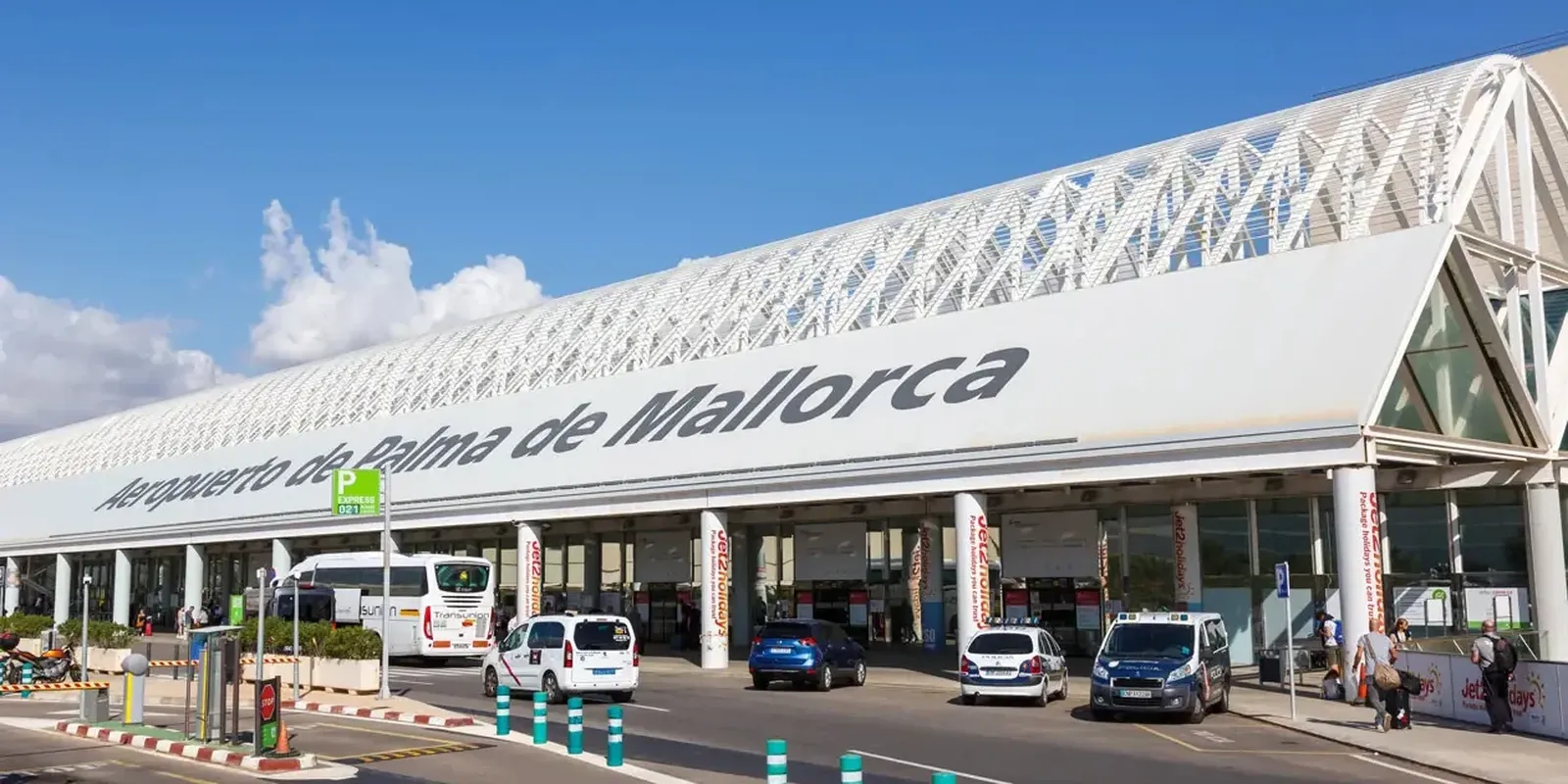
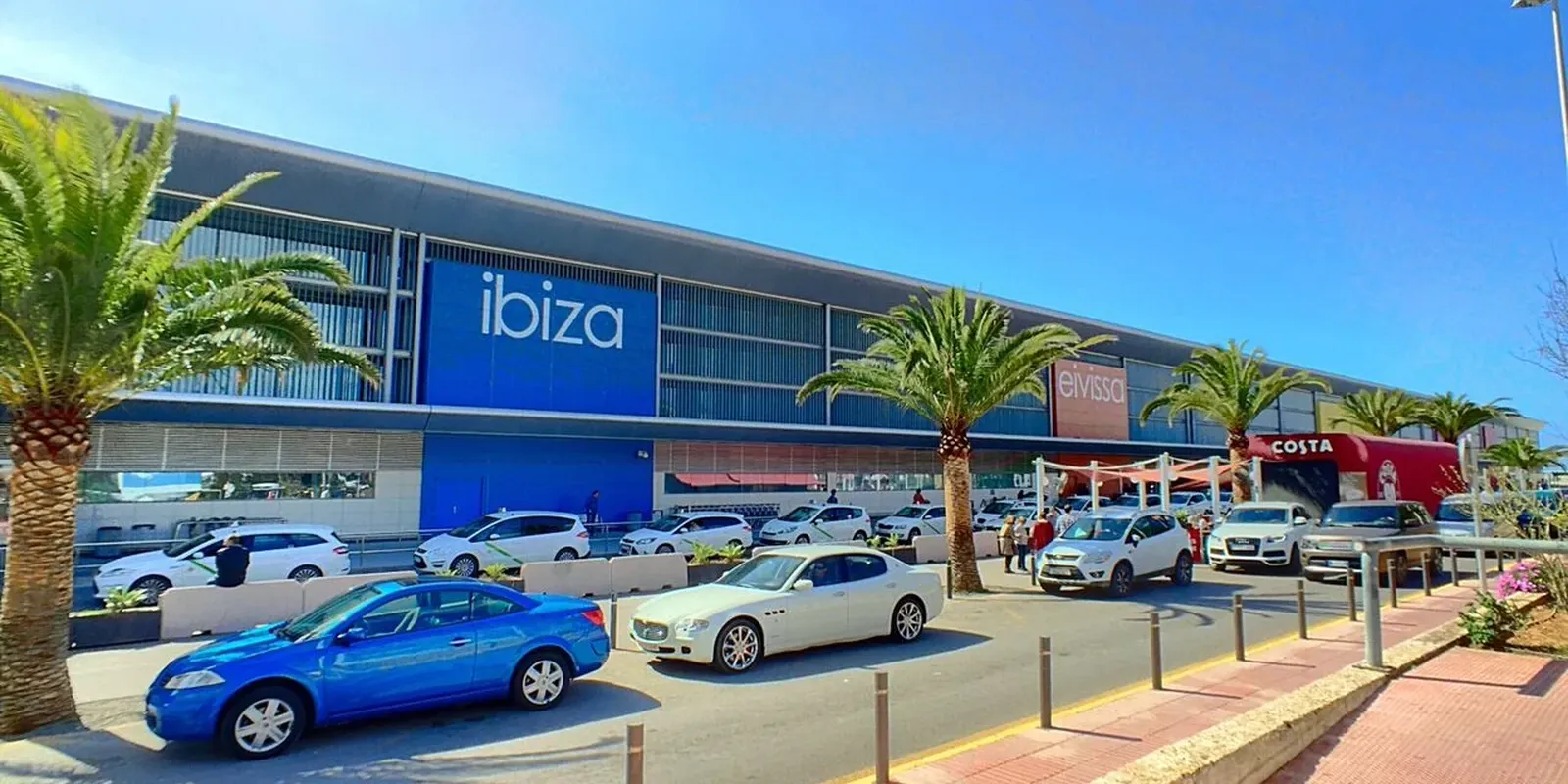
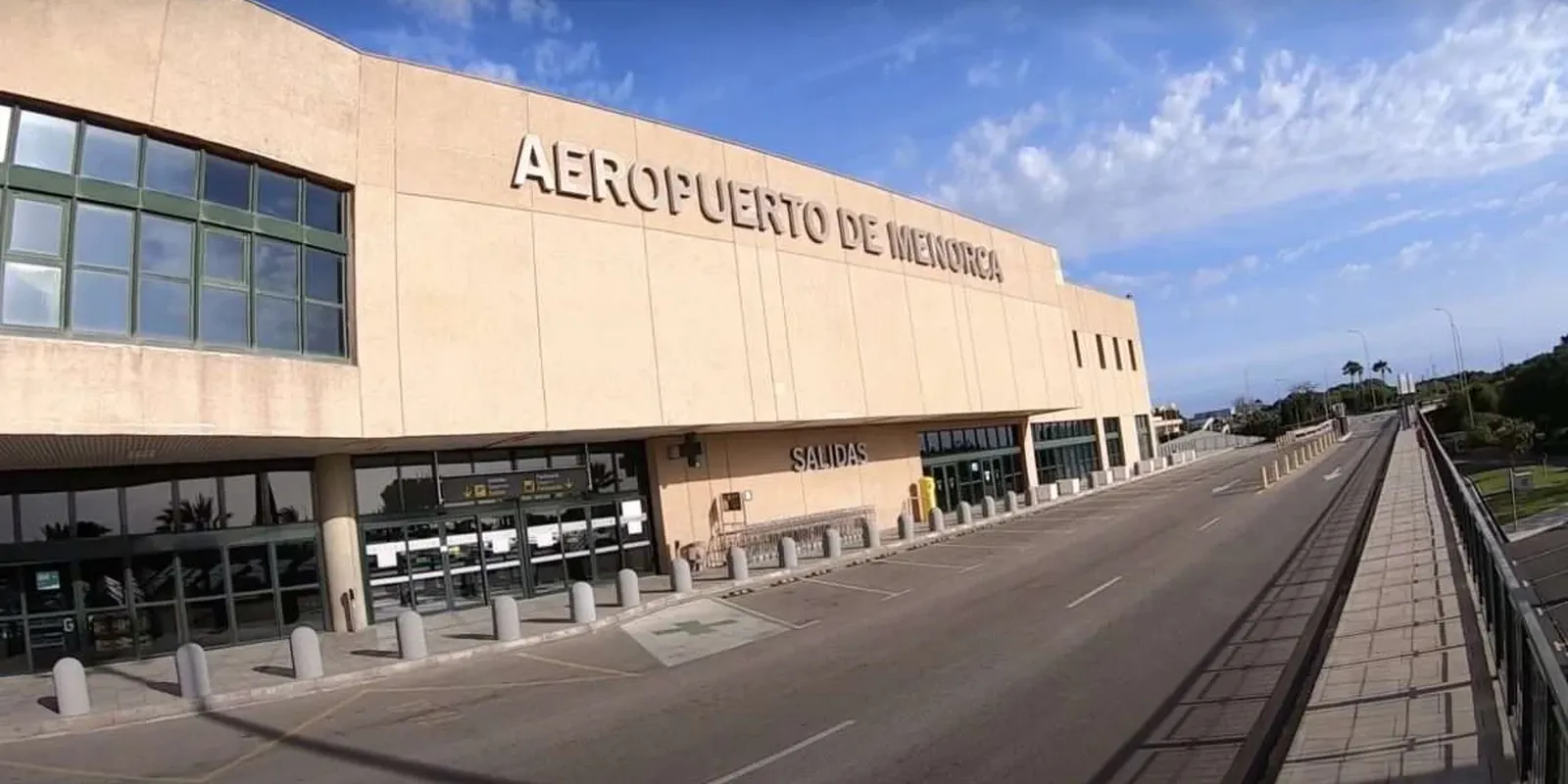
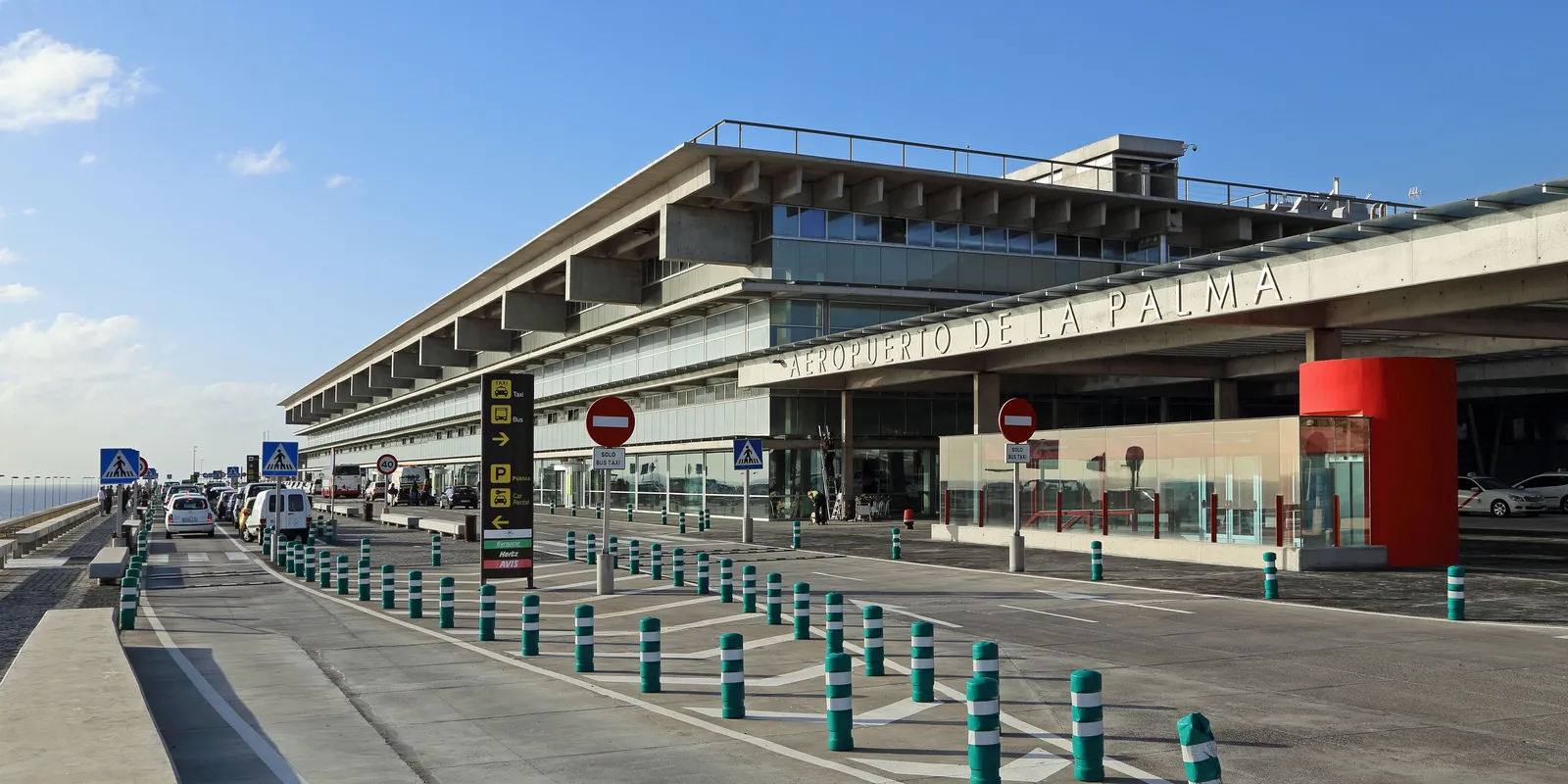
The Balearic Islands are served by Palma de Mallorca, the busiest in summer, as well as Ibiza and Menorca, each with a very different tourist character from the others.
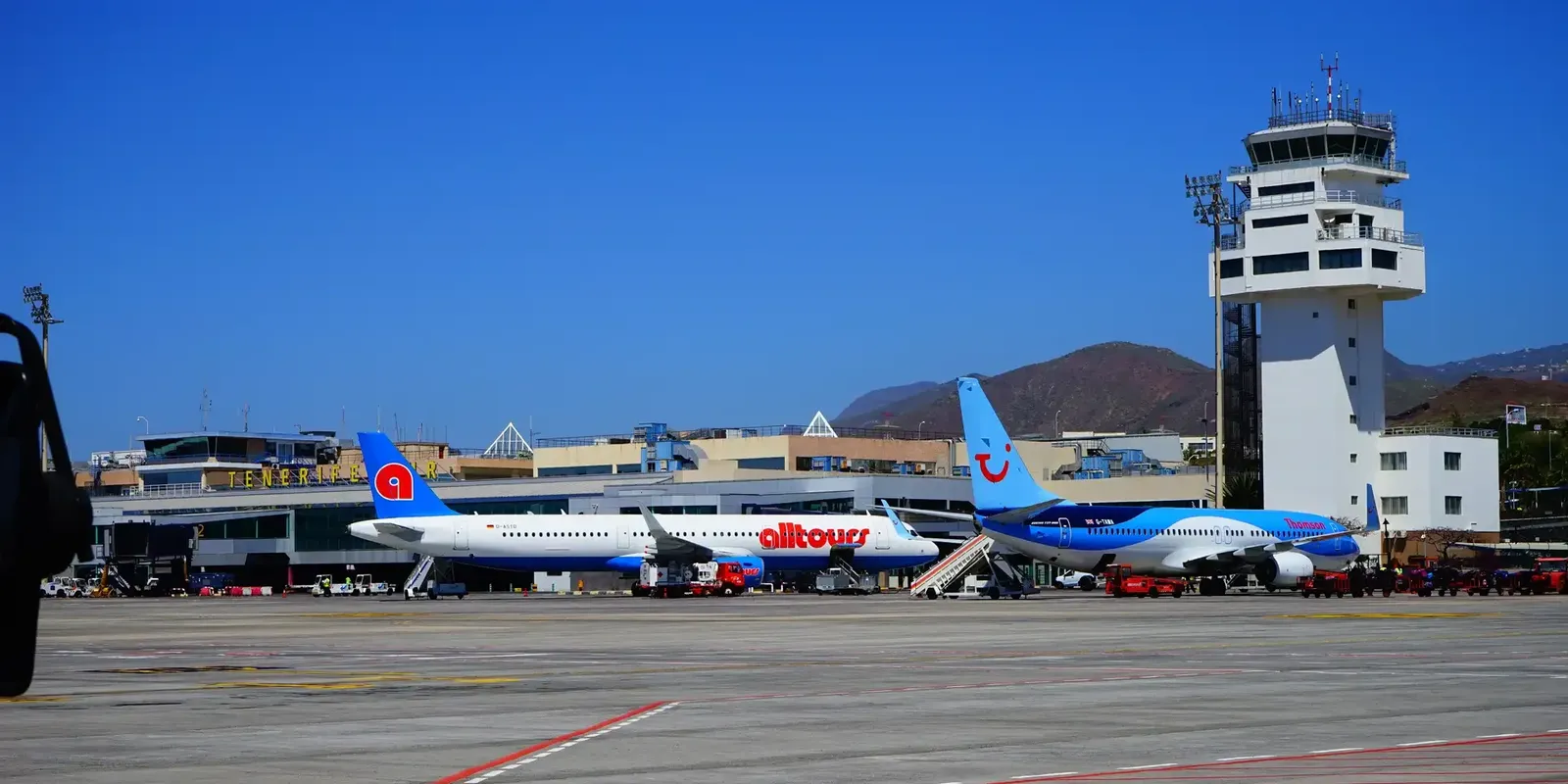
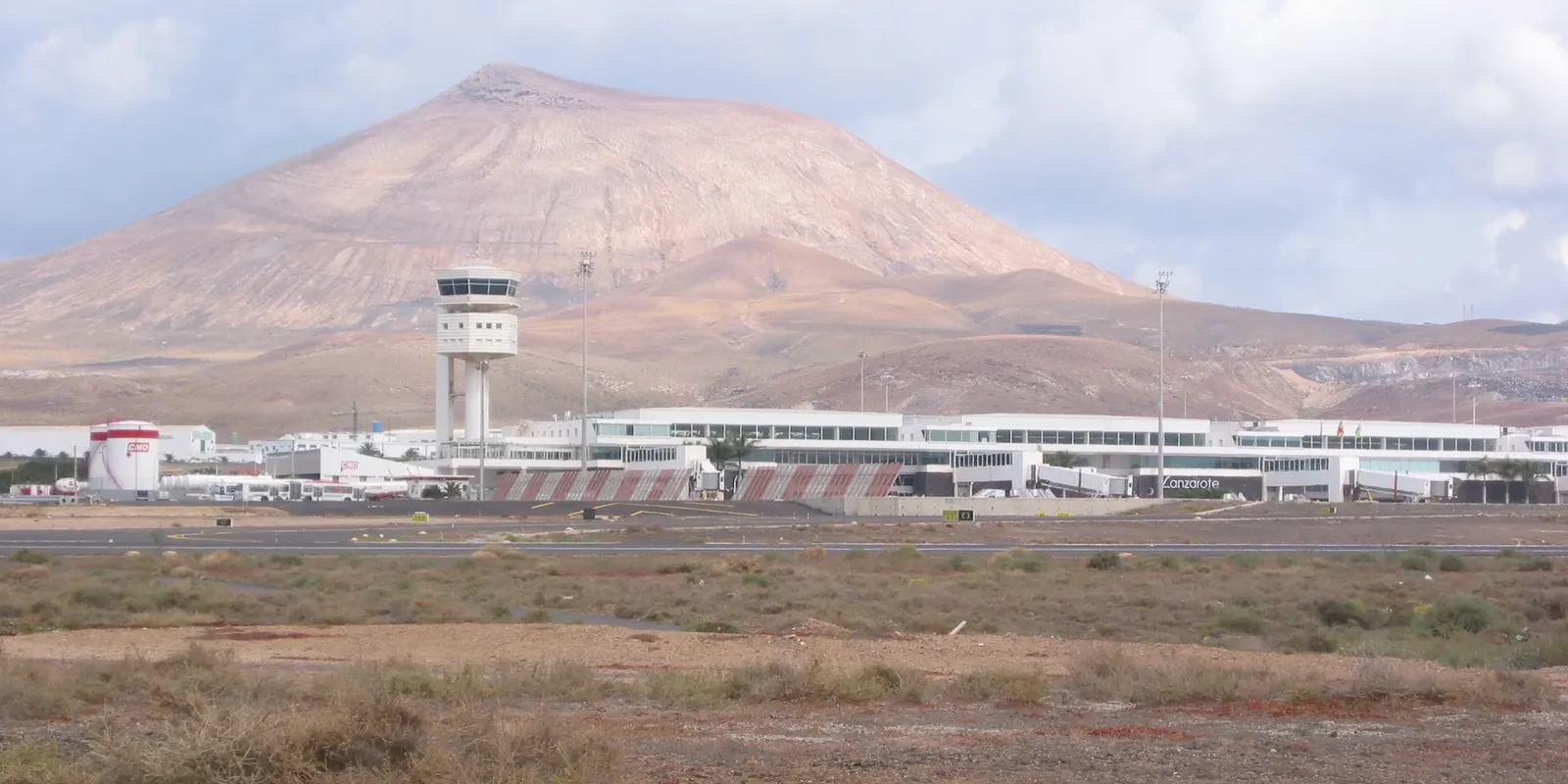
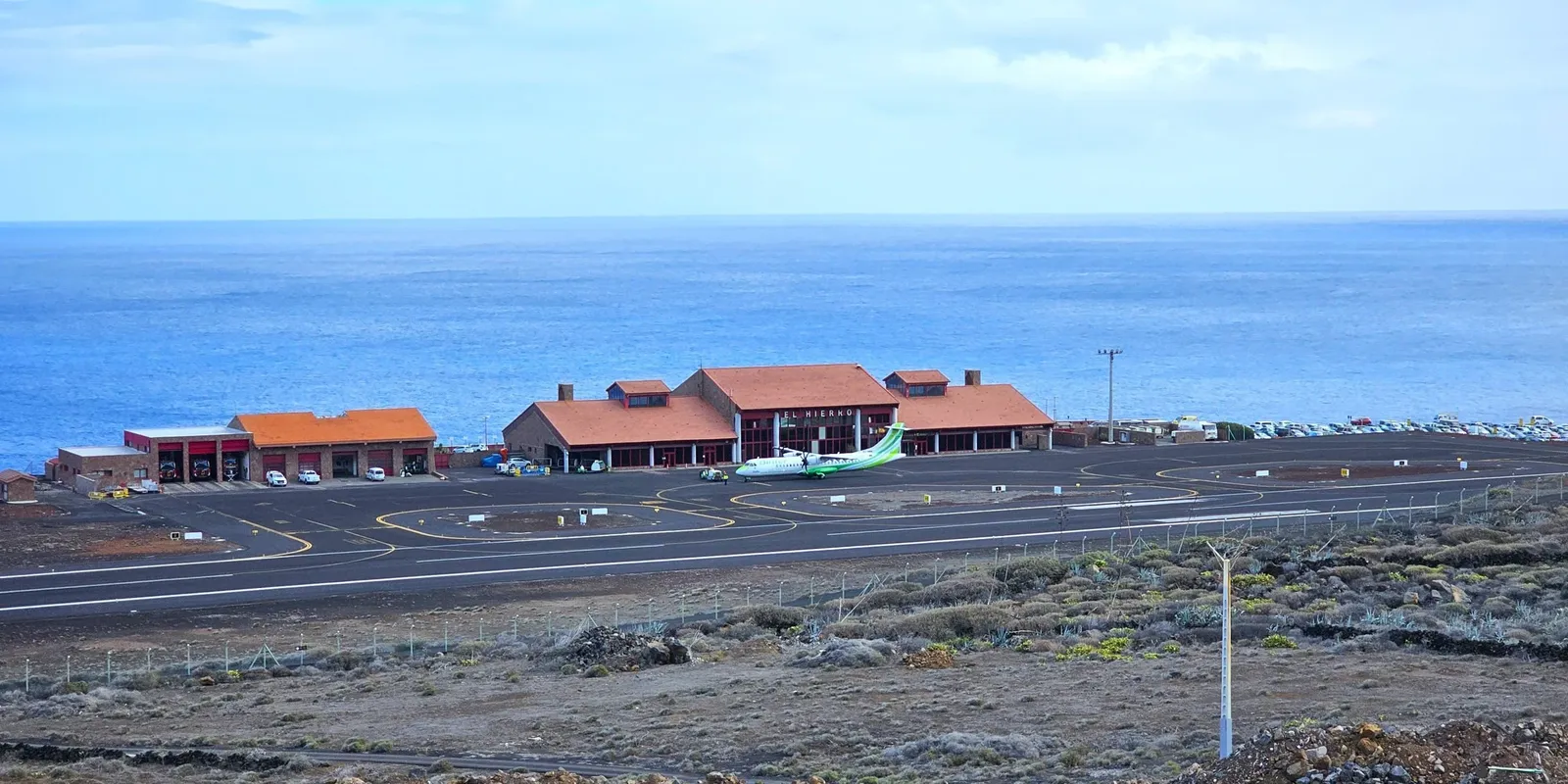
The Canary Islands, with a mild climate all year round, have as many as seven airports: Gran Canaria, Tenerife South (the island's main tourist gateway) and Tenerife North, as well as Fuerteventura, Lanzarote, La Palma and El Hierro for those looking for more nature-oriented and less crowded tourism.
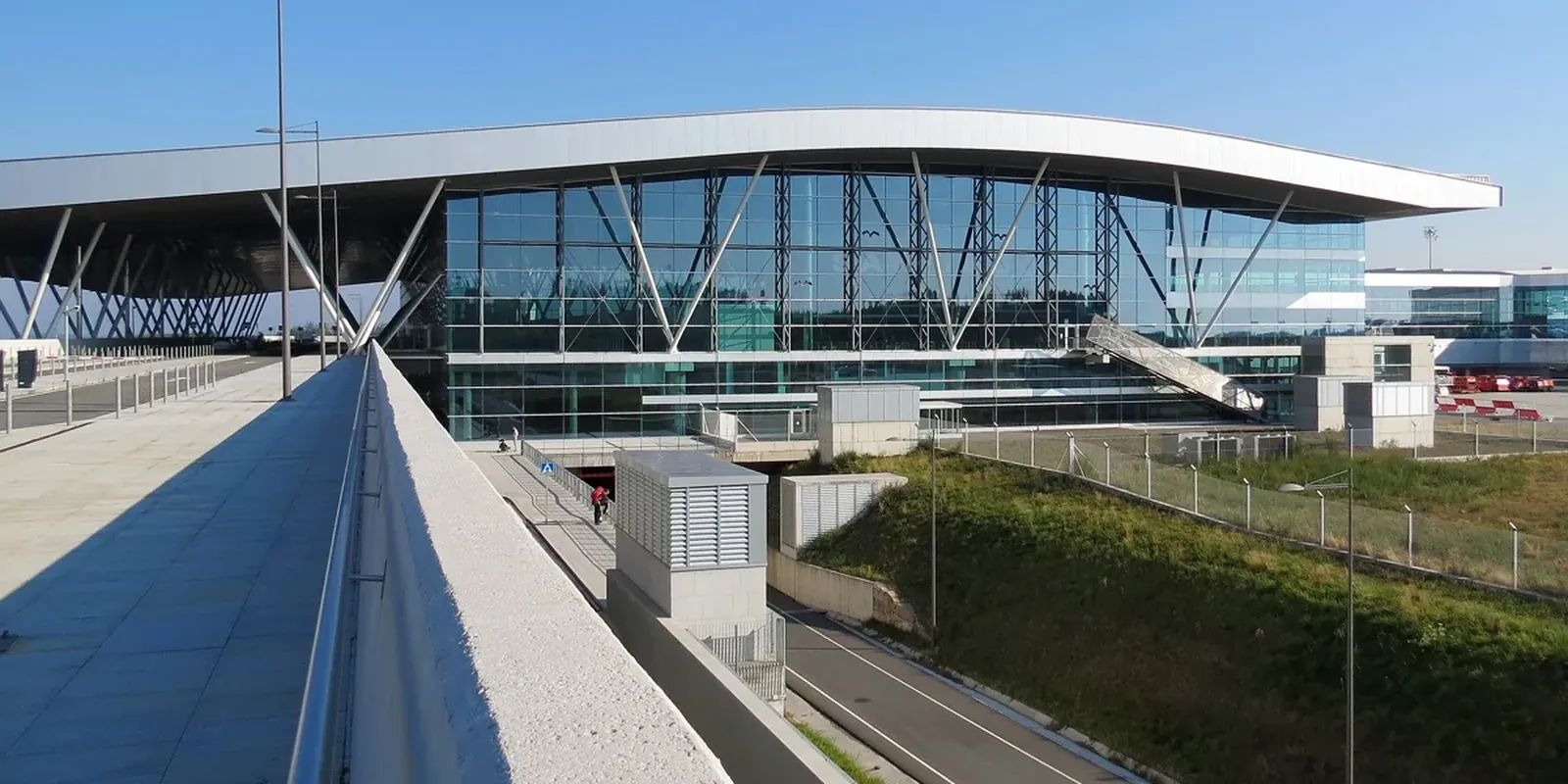
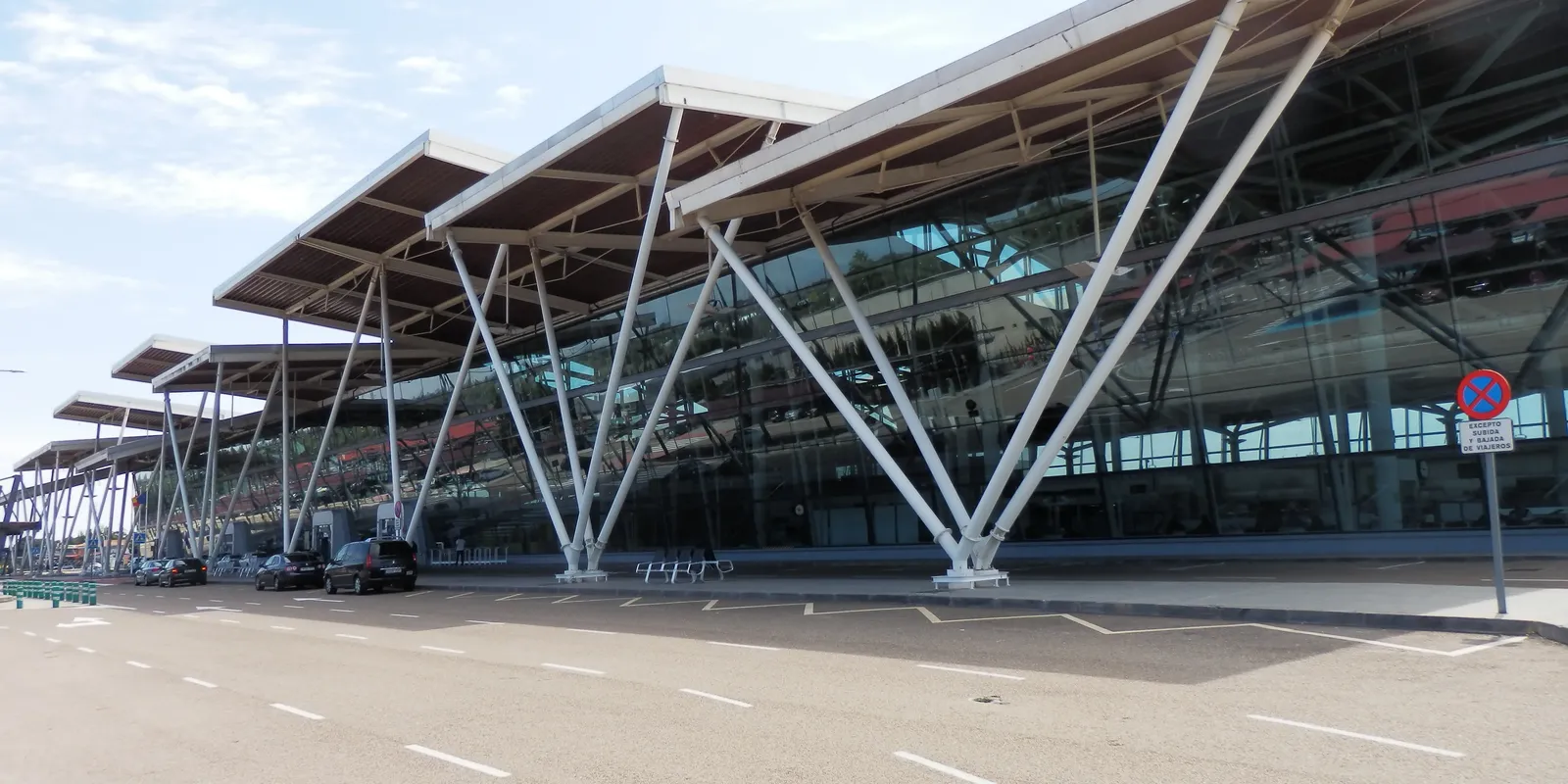
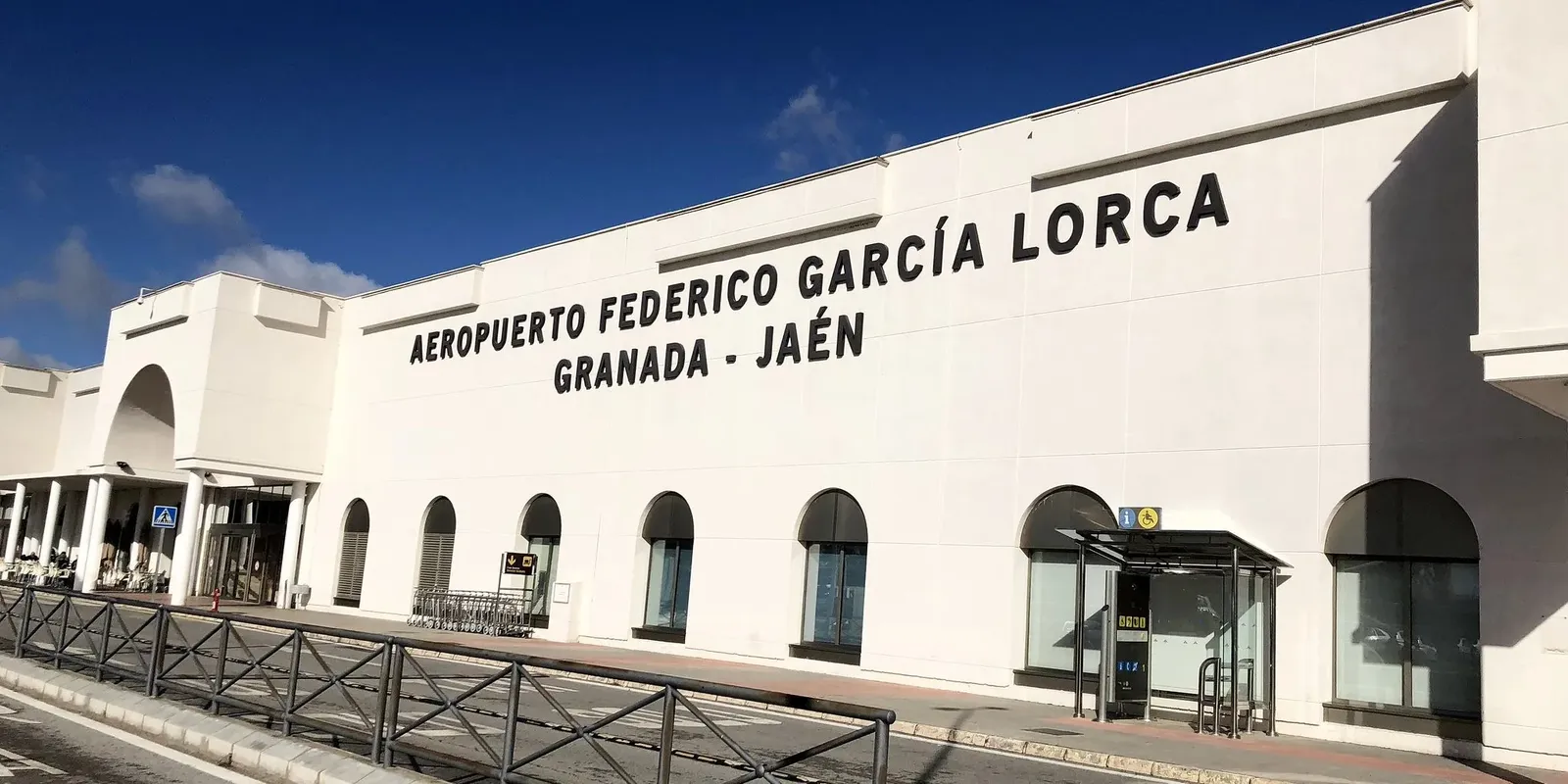
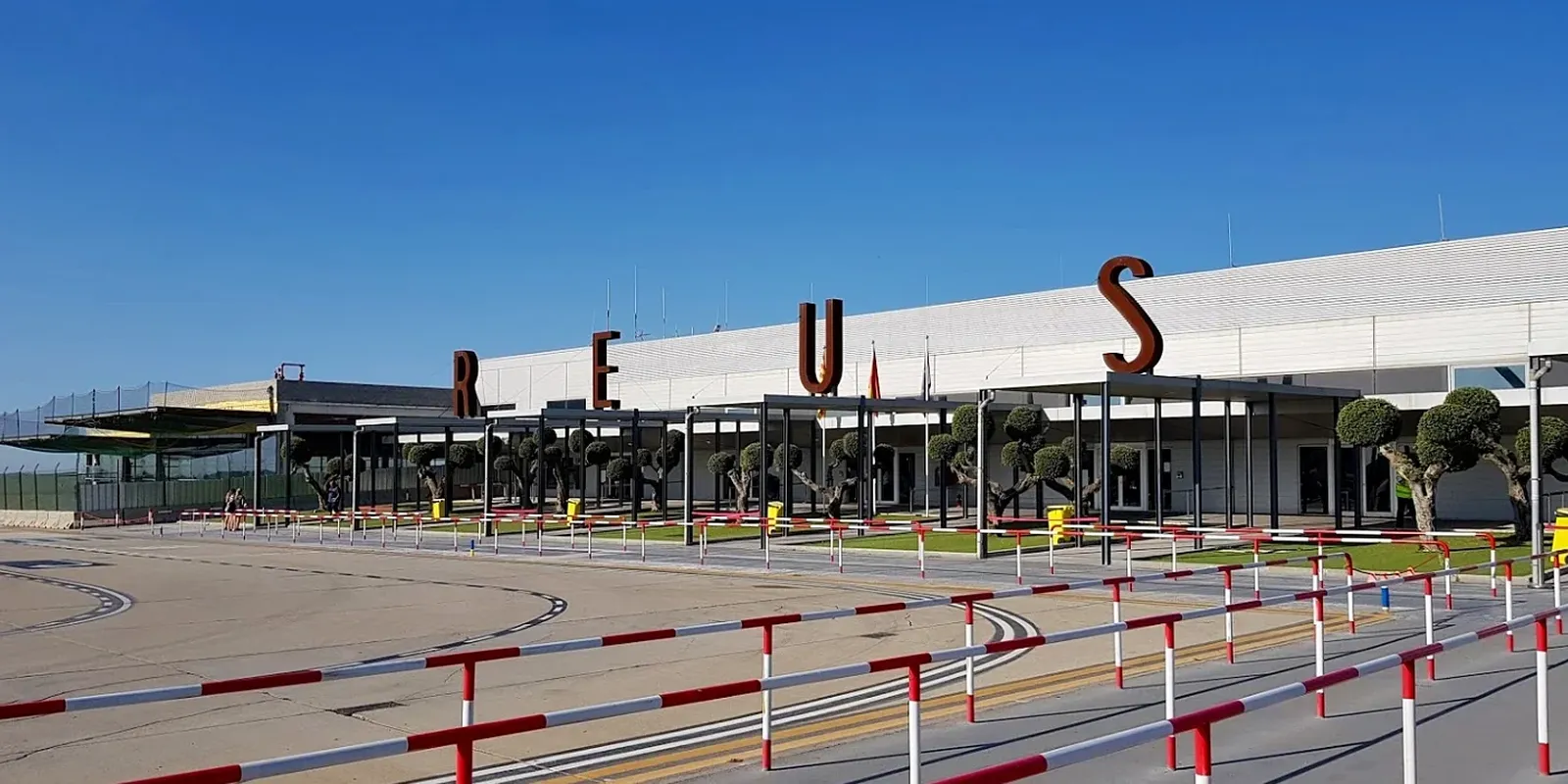
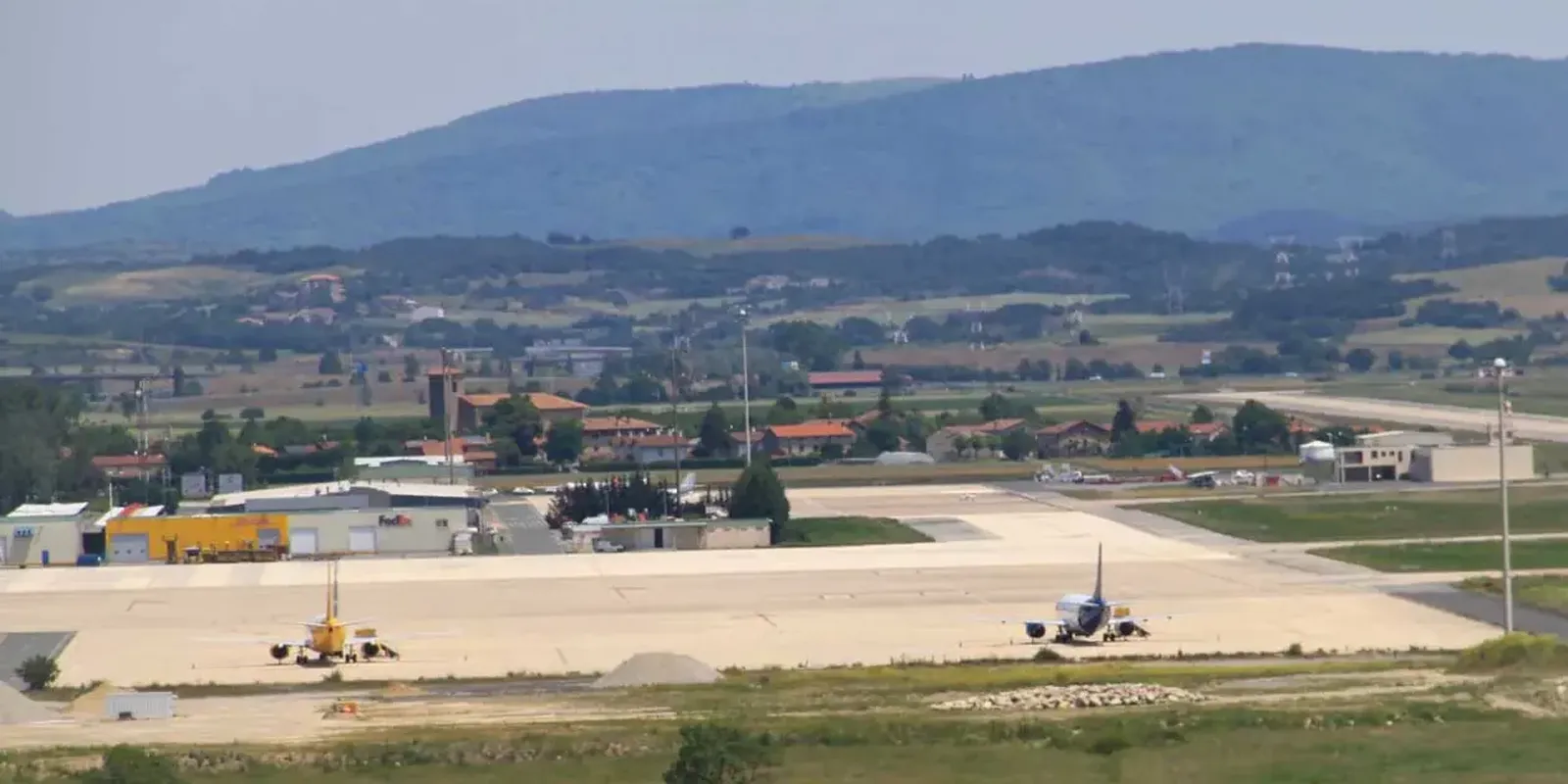
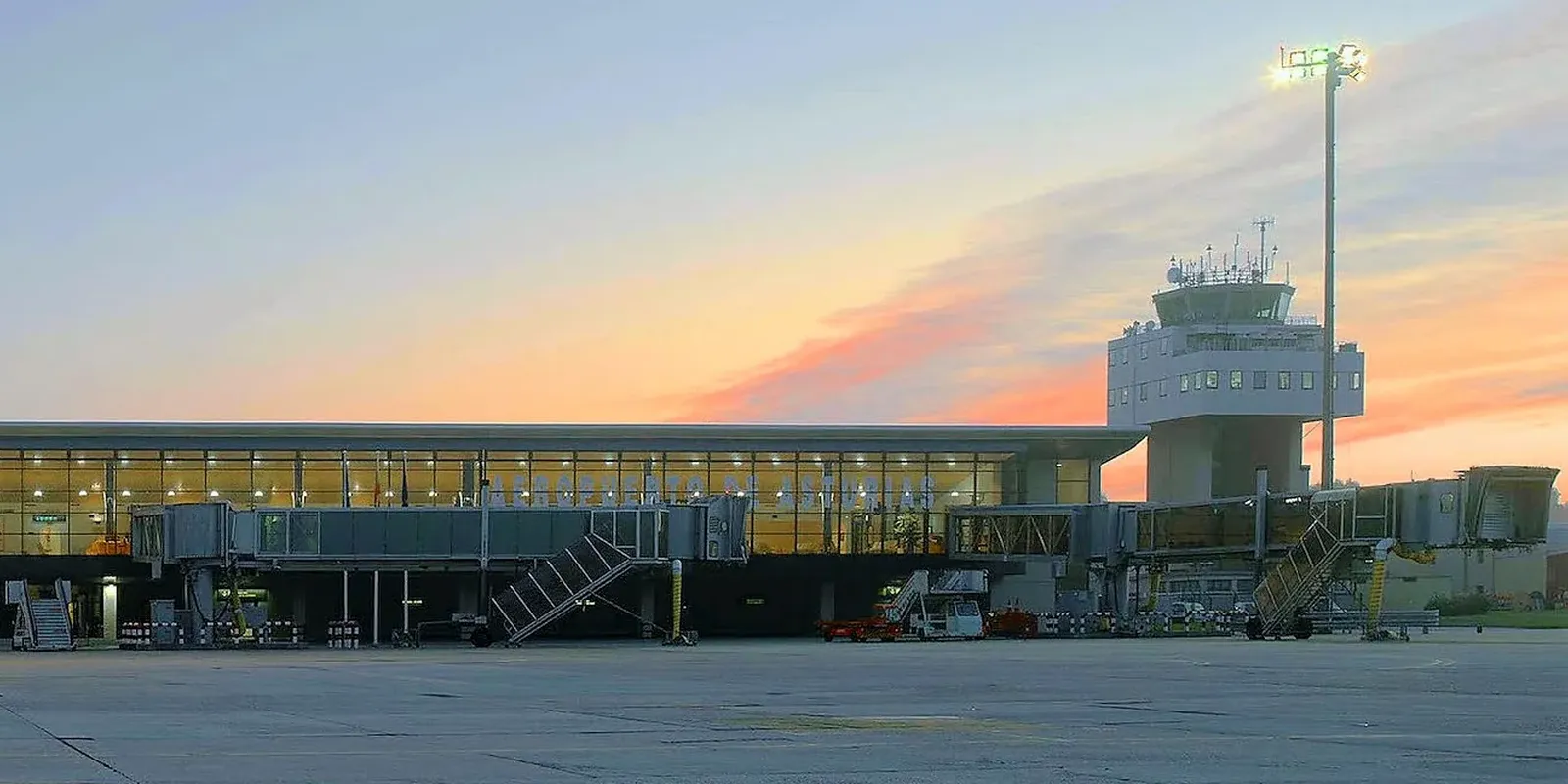
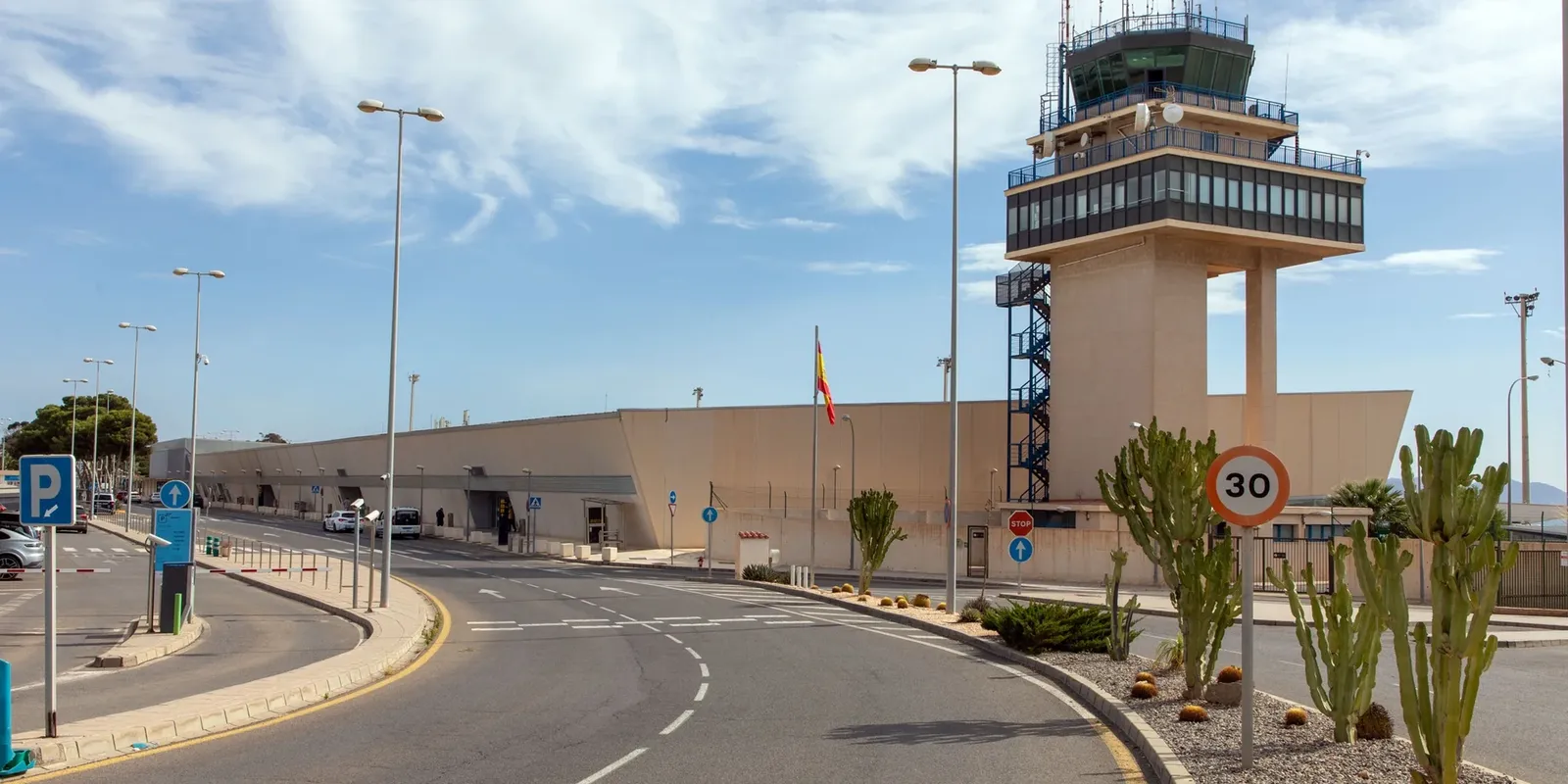
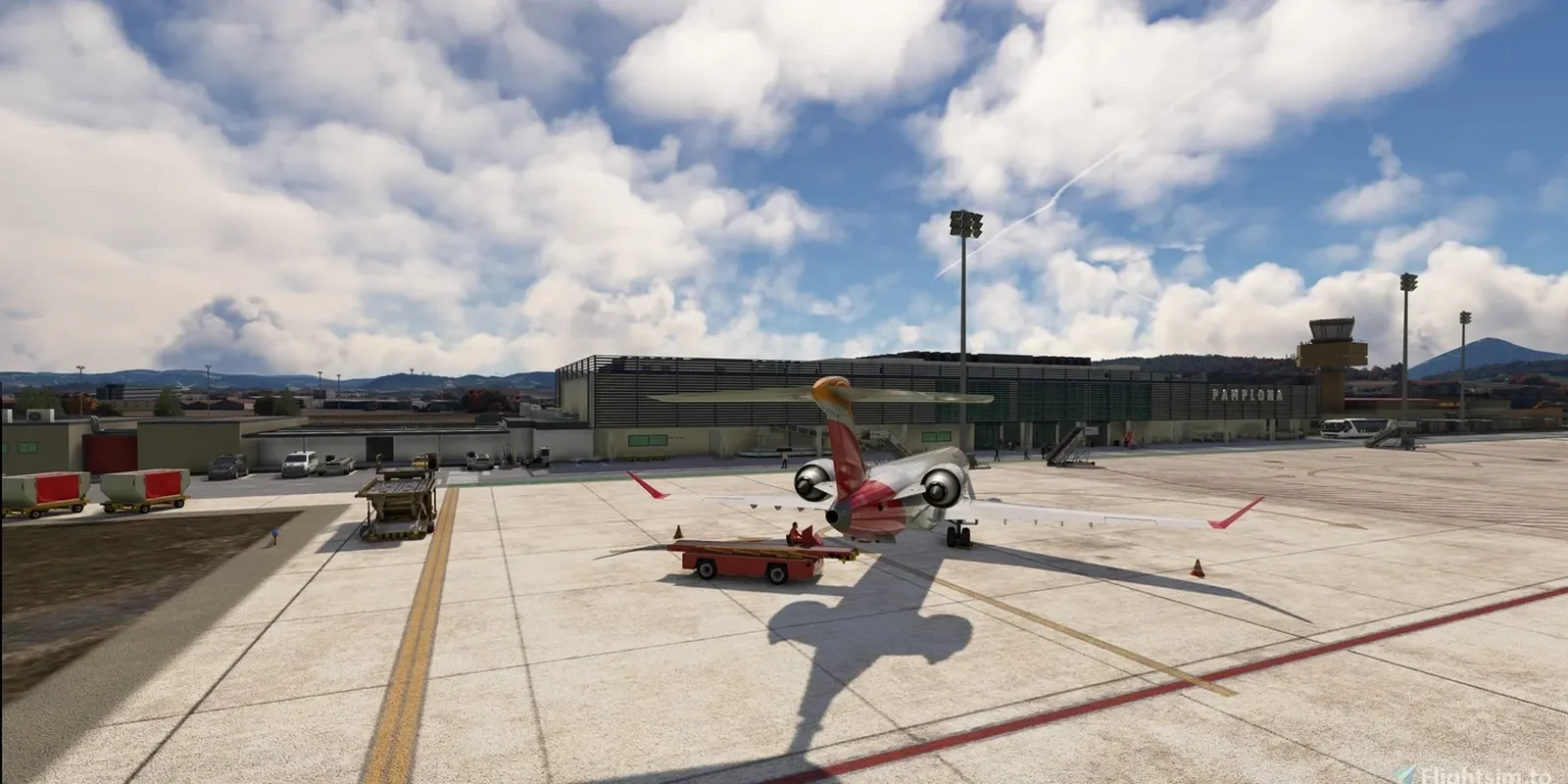
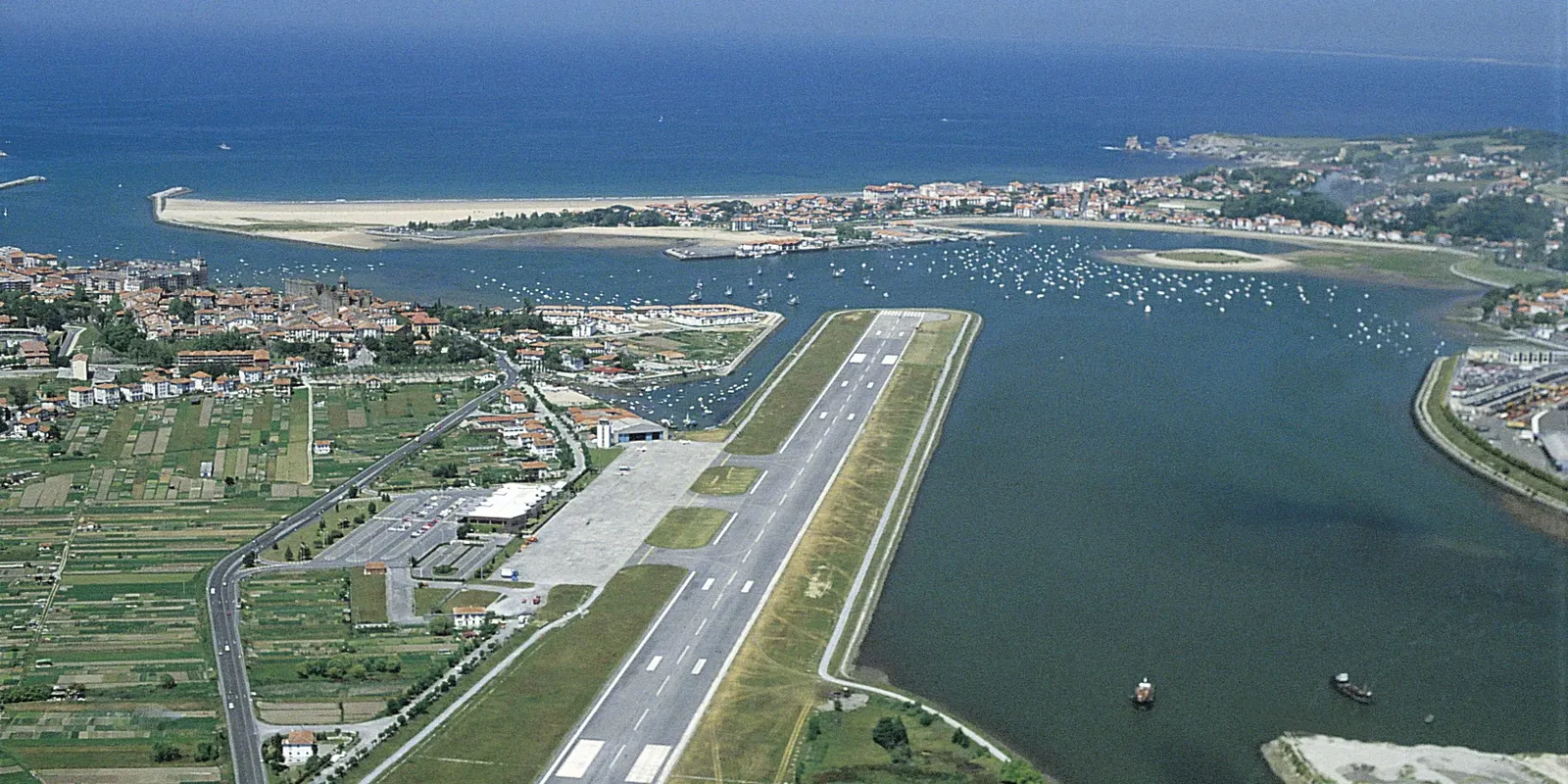
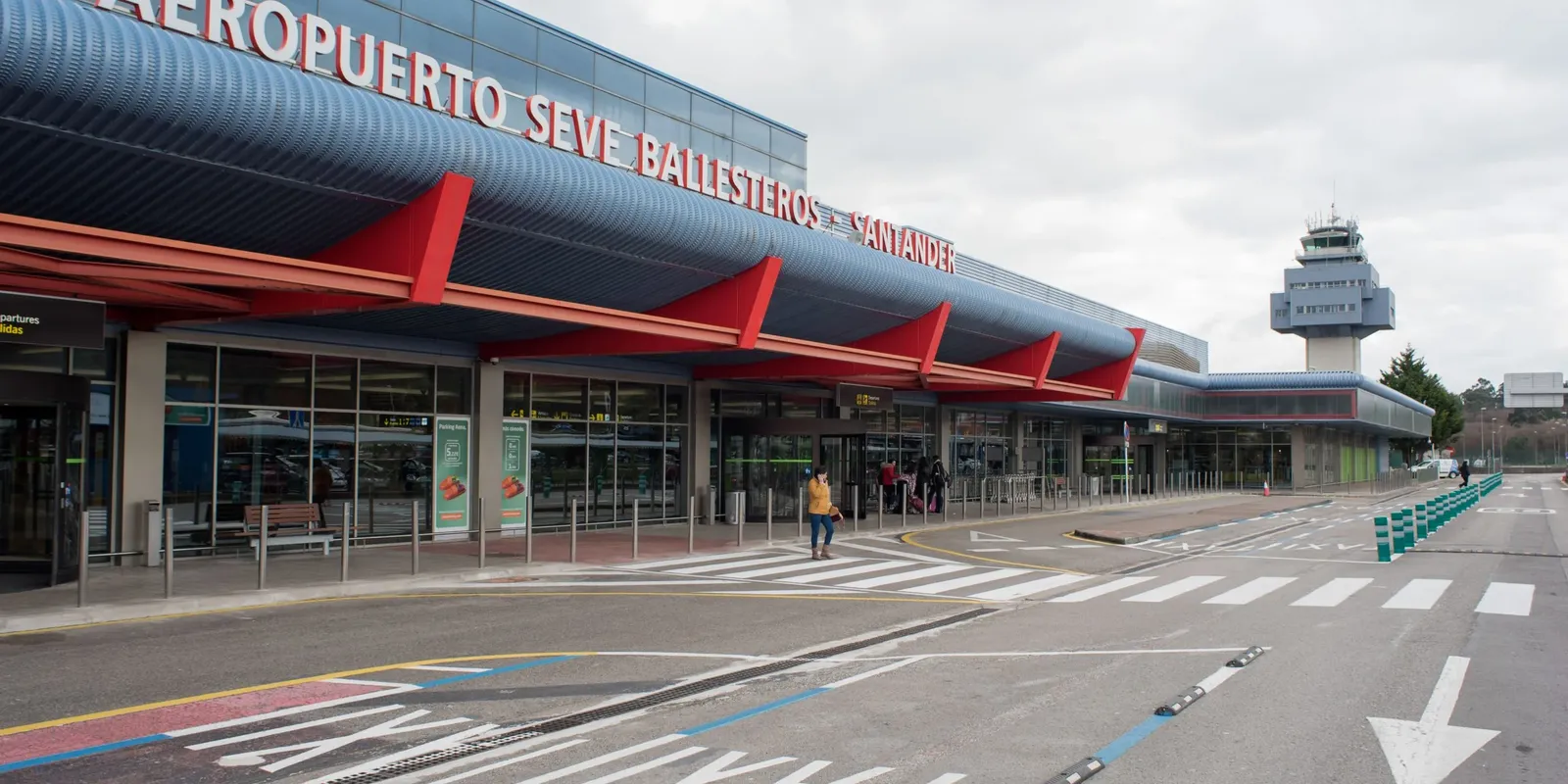
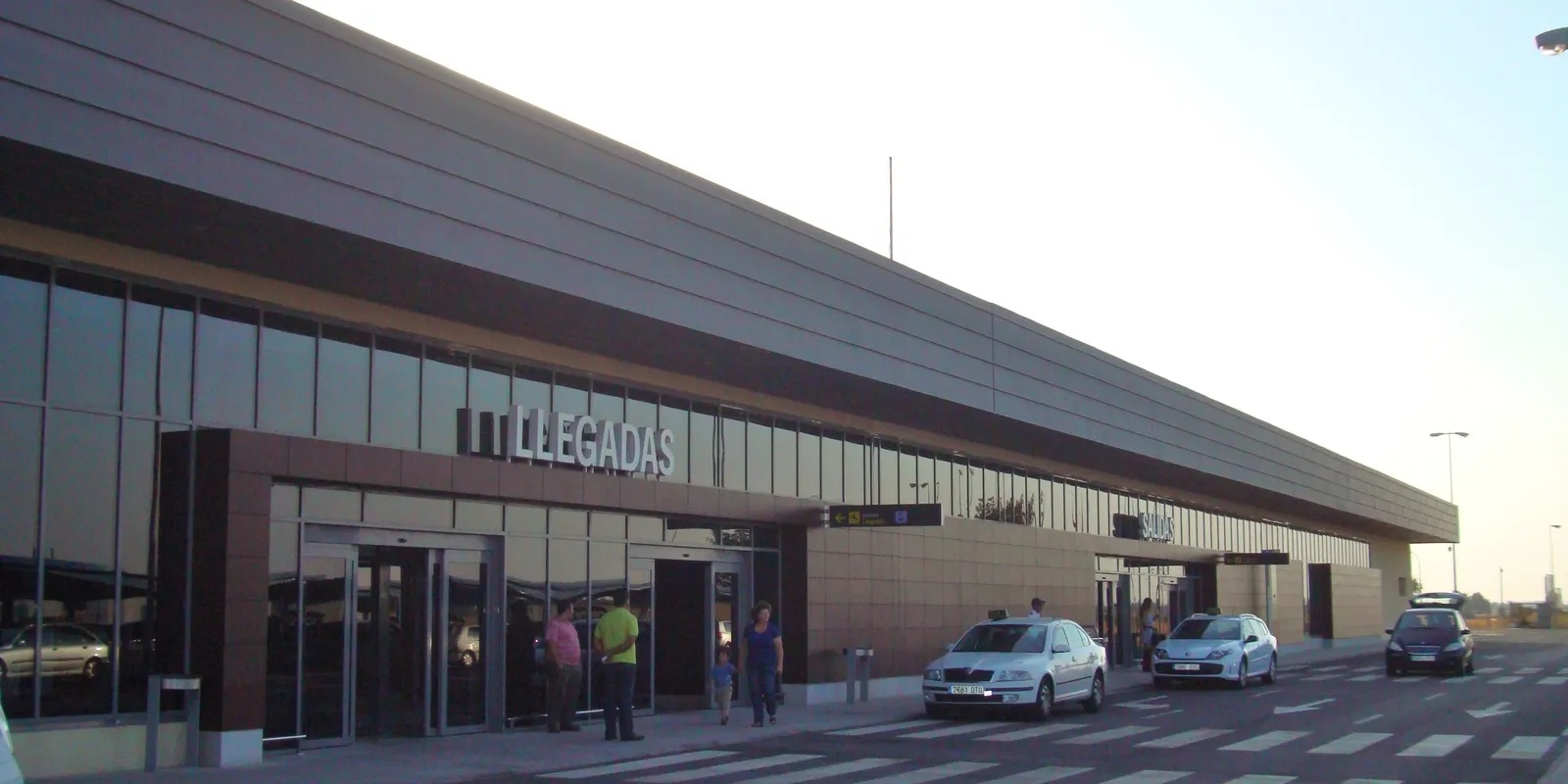
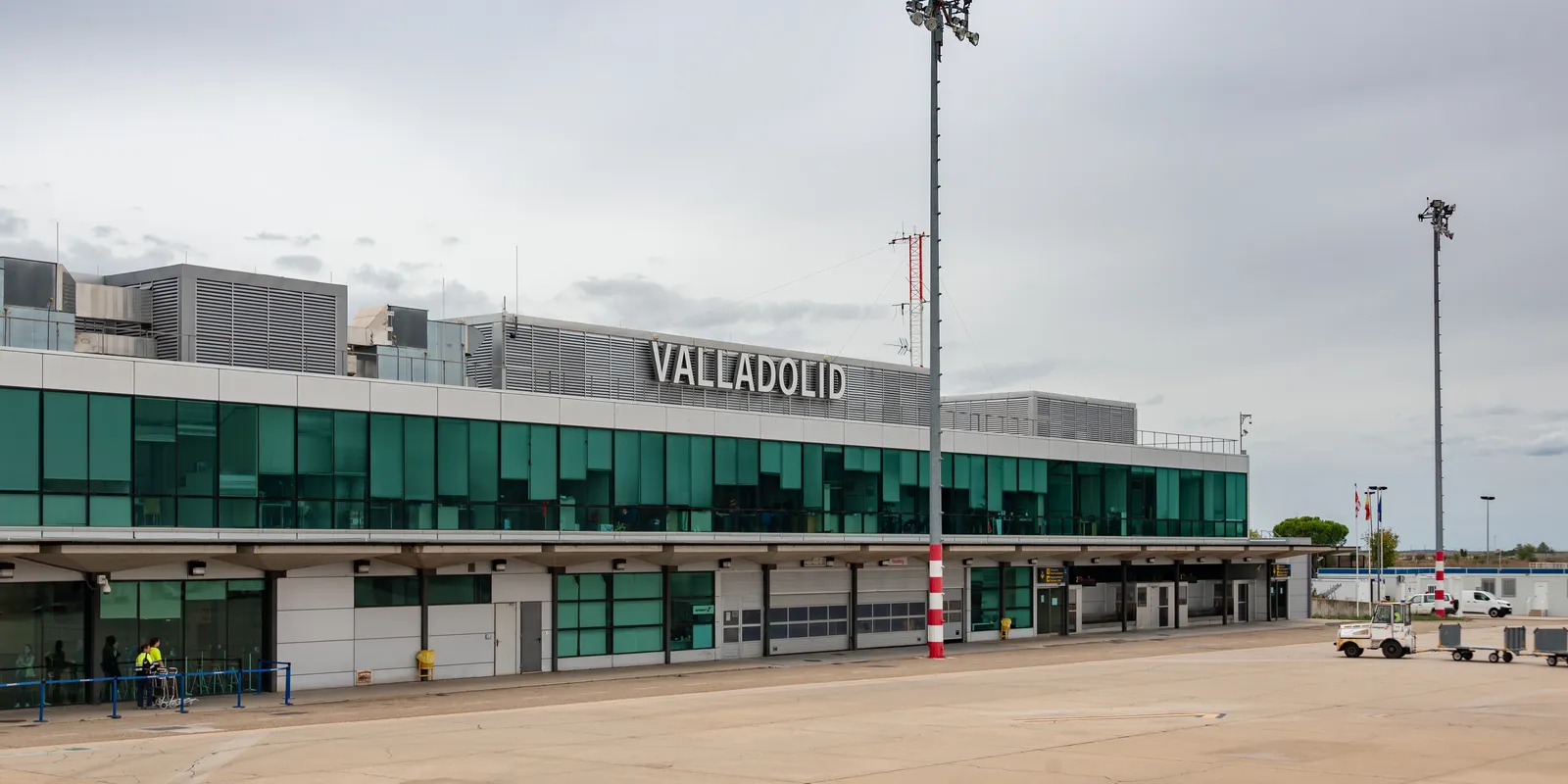
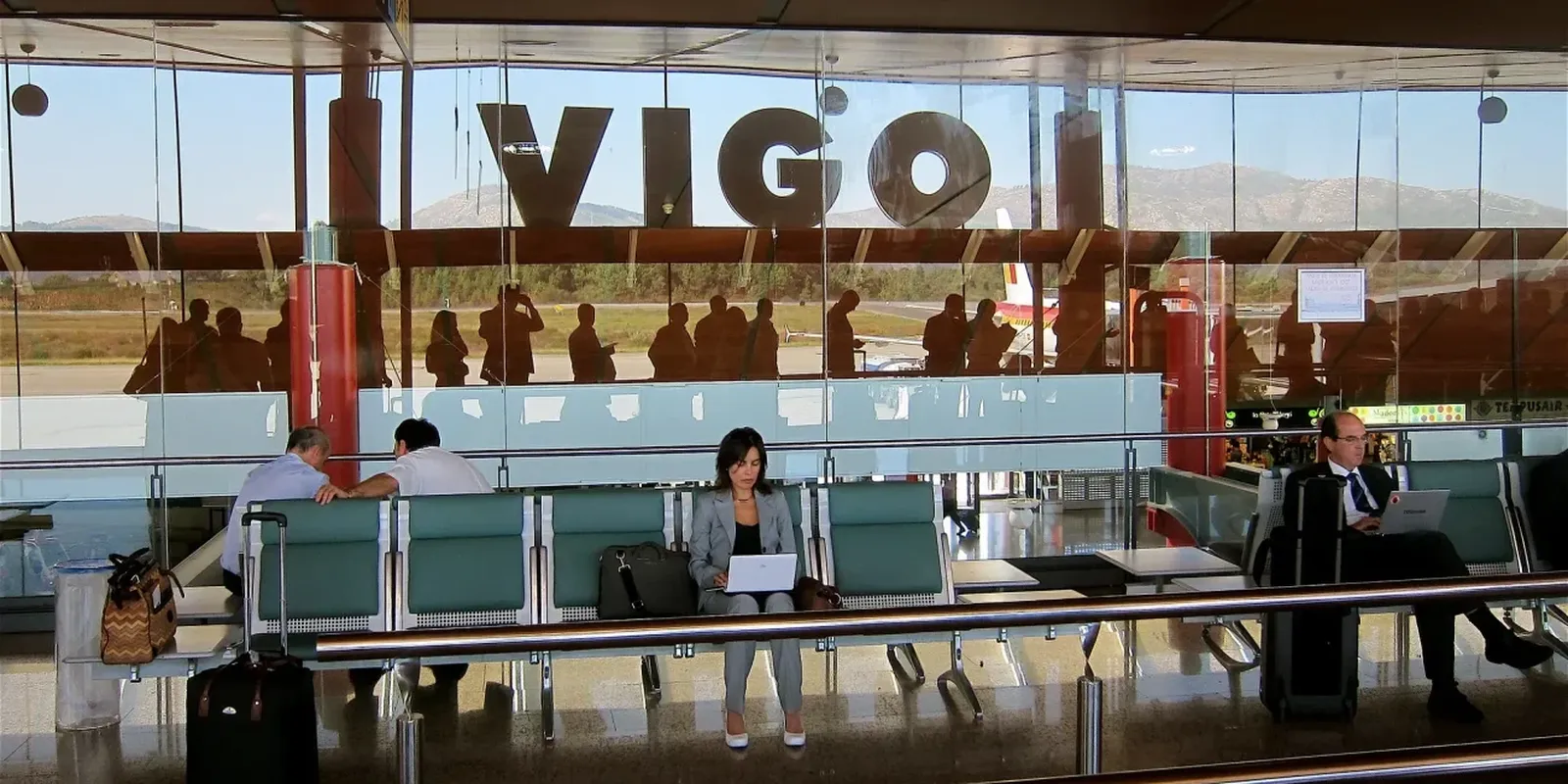
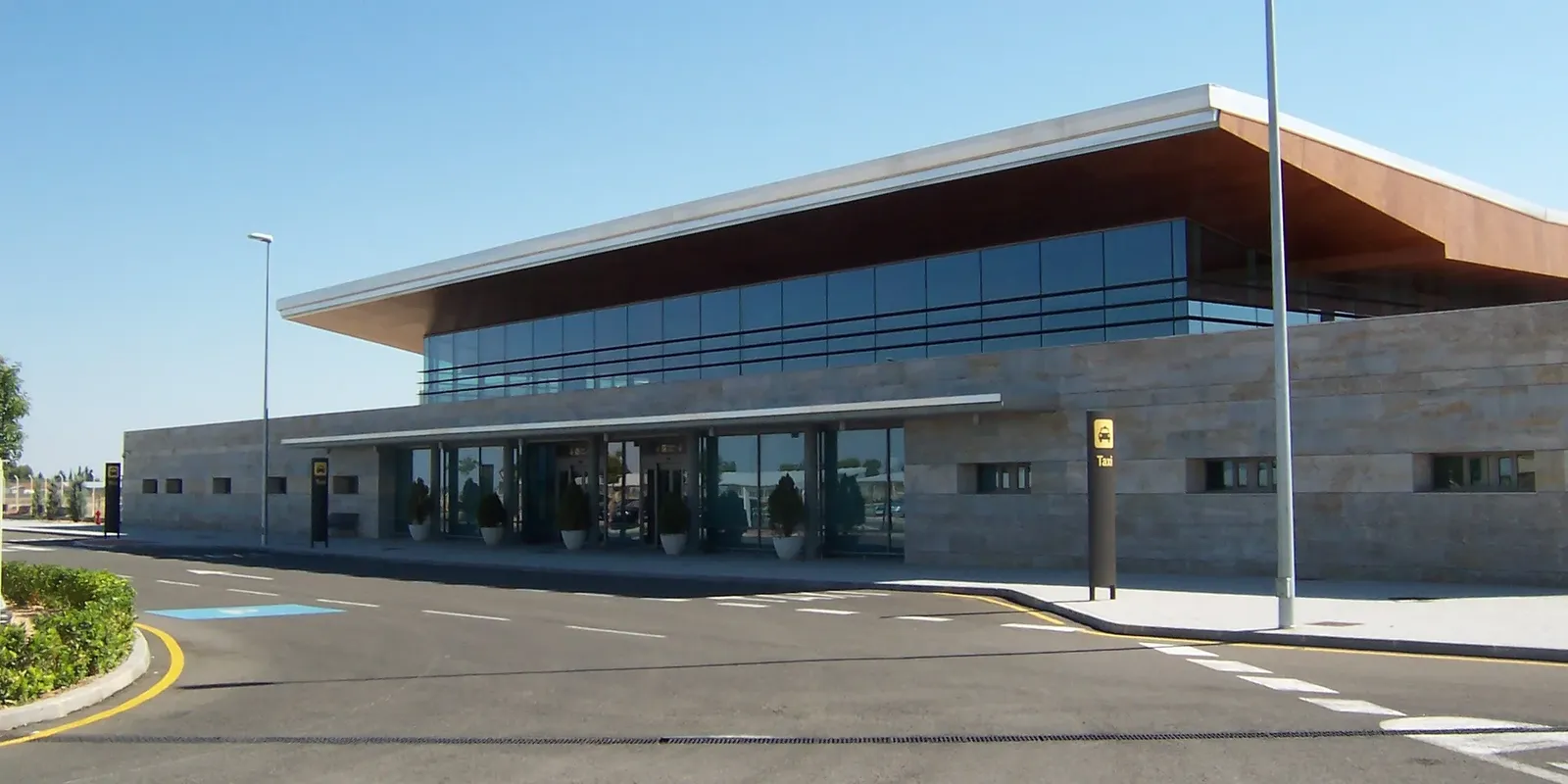
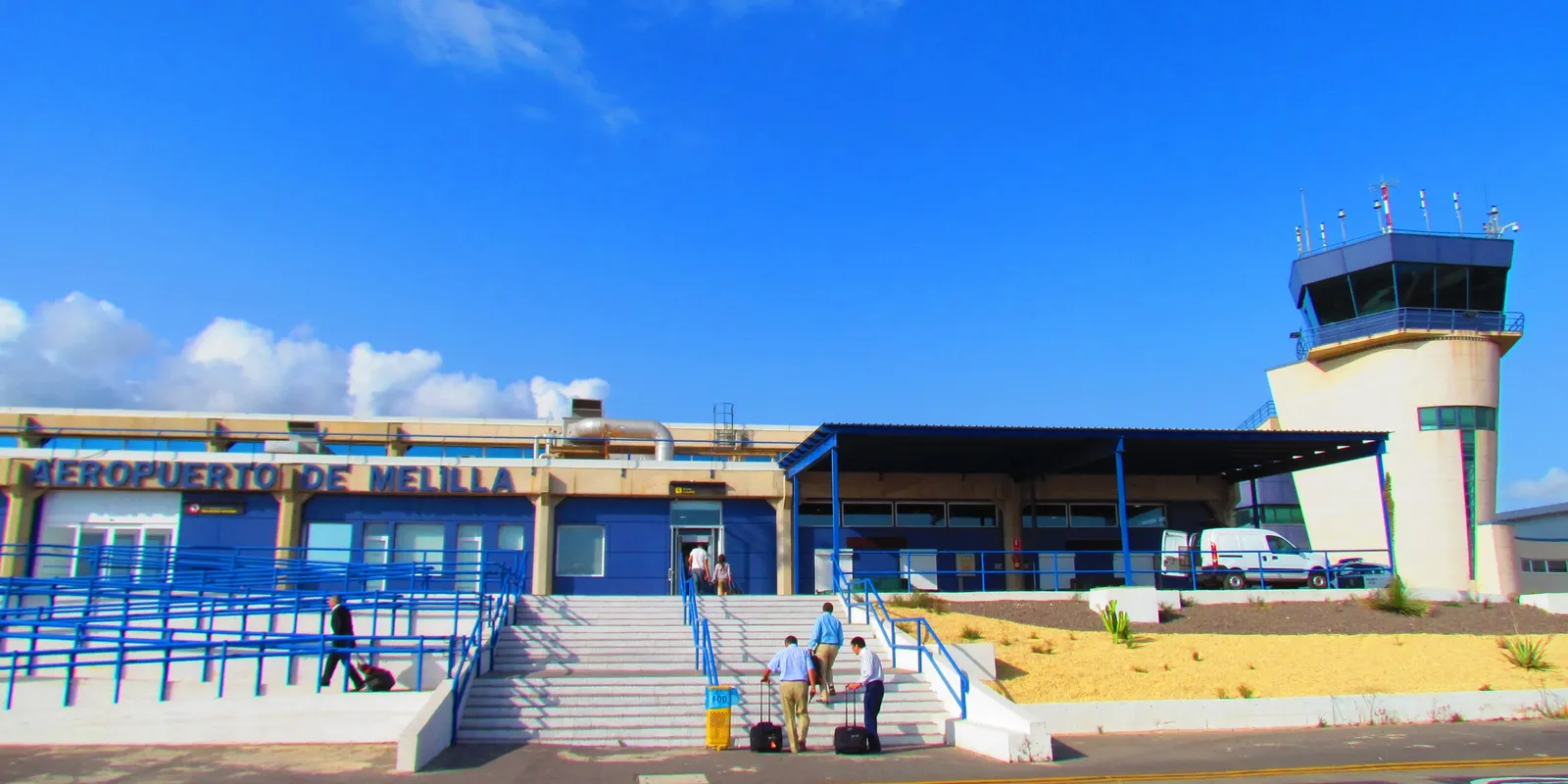
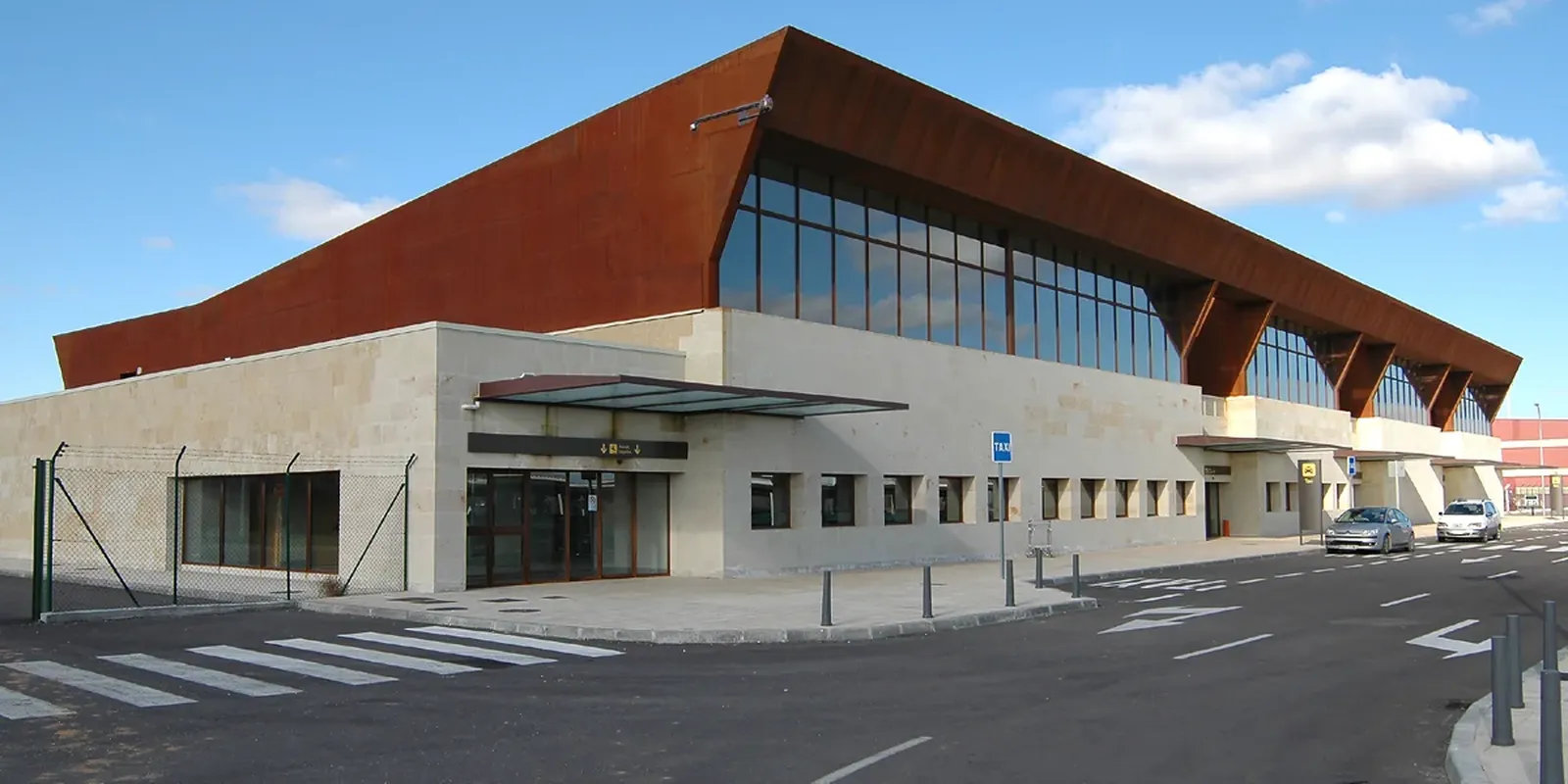
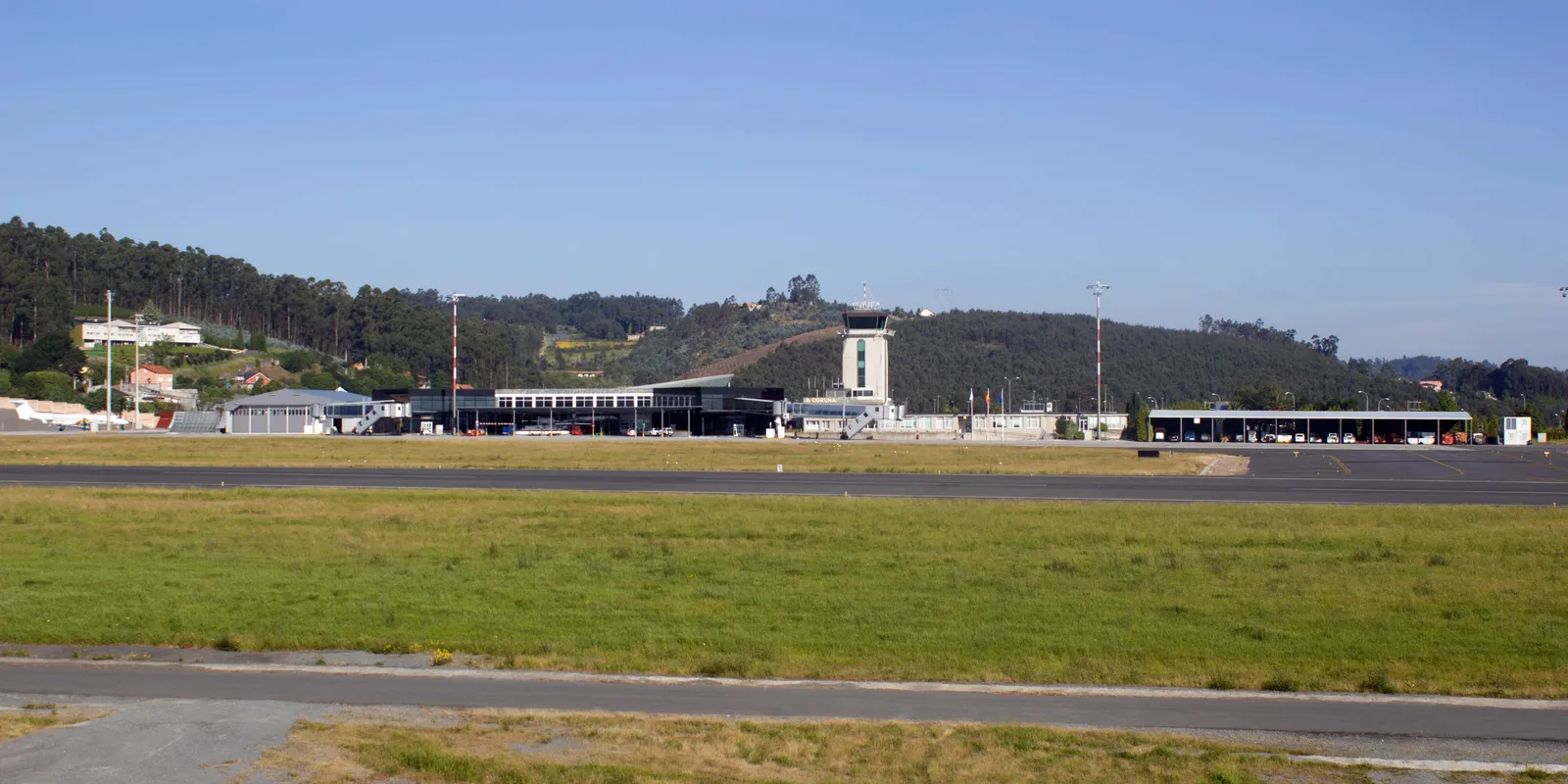
The picture is completed by numerous smaller regional airports, useful above all for domestic connections or for reaching art cities such as Santiago de Compostela, Granada or Salamanca.





Spain: recommended activities
Spain: visa and entry requirements
Spain is part of the Schengen area: European Union citizens can enter with just a valid ID card, without needing a passport or visa, and there are no limits on the length of stay for EU citizens.
For non-EU travelers the rules vary greatly depending on nationality: it is always advisable to check the updated entry requirements on the official website of the Spanish government before departure.
Spain: safety
Spain is generally a safe country for tourists, with a very low level of violent crime. The main risk in big cities and the busiest tourist areas, such as Barcelona and Madrid, is pickpocketing, especially on public transport and near the main attractions.
As throughout Europe, it is good practice not to leave valuables unattended, to pay attention in train stations, and to always keep an eye on bags and backpacks in very crowded places.
Spain: health situation
The health risk in Spain is very low and comparable to the rest of Western Europe. Tap water is safe to drink throughout the country and the healthcare system is of a high standard, with well-equipped hospitals even outside major cities.
No mandatory vaccinations are required for entry. European Union citizens can access necessary public care via their European Health Insurance Card (EHIC); visitors of other nationalities should check their coverage, as public care is generally not free for them.
Spain: currency, payments and connectivity
Currency: euro. Credit and debit cards, including contactless, are accepted almost everywhere, even for small amounts.
Taxis and ride-hailing: besides traditional taxis, the apps Cabify (of Spanish origin) and FREE NOW are very widespread; Uber is present in major cities.
Connectivity: the main operators (Movistar, Vodafone, Orange) sell prepaid SIM cards in their stores; several airports (including Madrid and Barcelona) have automatic tourist SIM vending machines in the arrivals area.
Driving and car rental: EU/EEA citizens can drive with just their national license. Non-EU citizens are generally also required to have an International Driving Permit (IDP) alongside the original one. The minimum rental age is generally 21, with a 'young driver' surcharge under 25.
Spain: travel guides
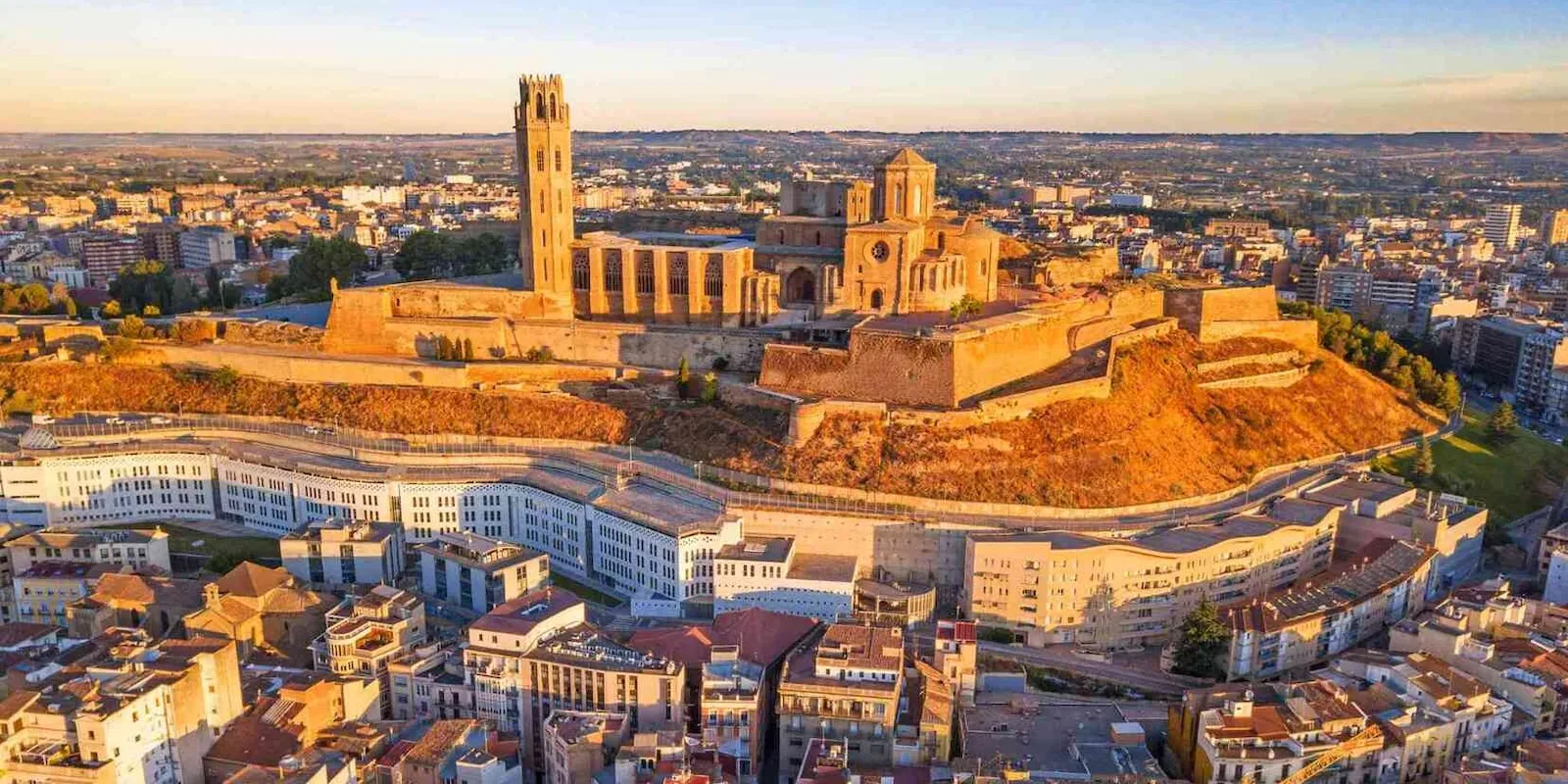
Lleida: the old cathedral suspended over inland Catalonia
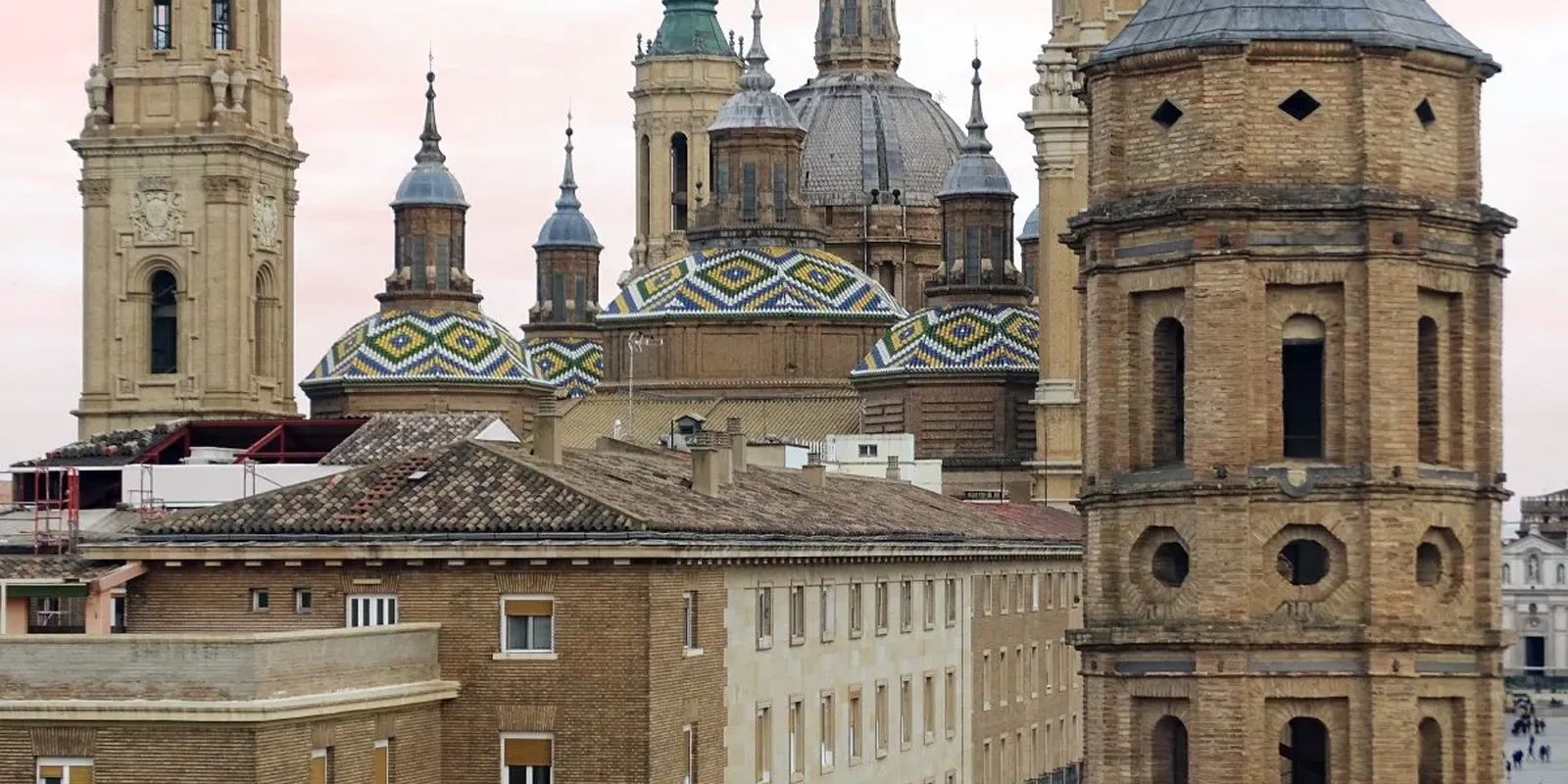
Zaragoza: the Pilar basilica and the Moorish Aljafería
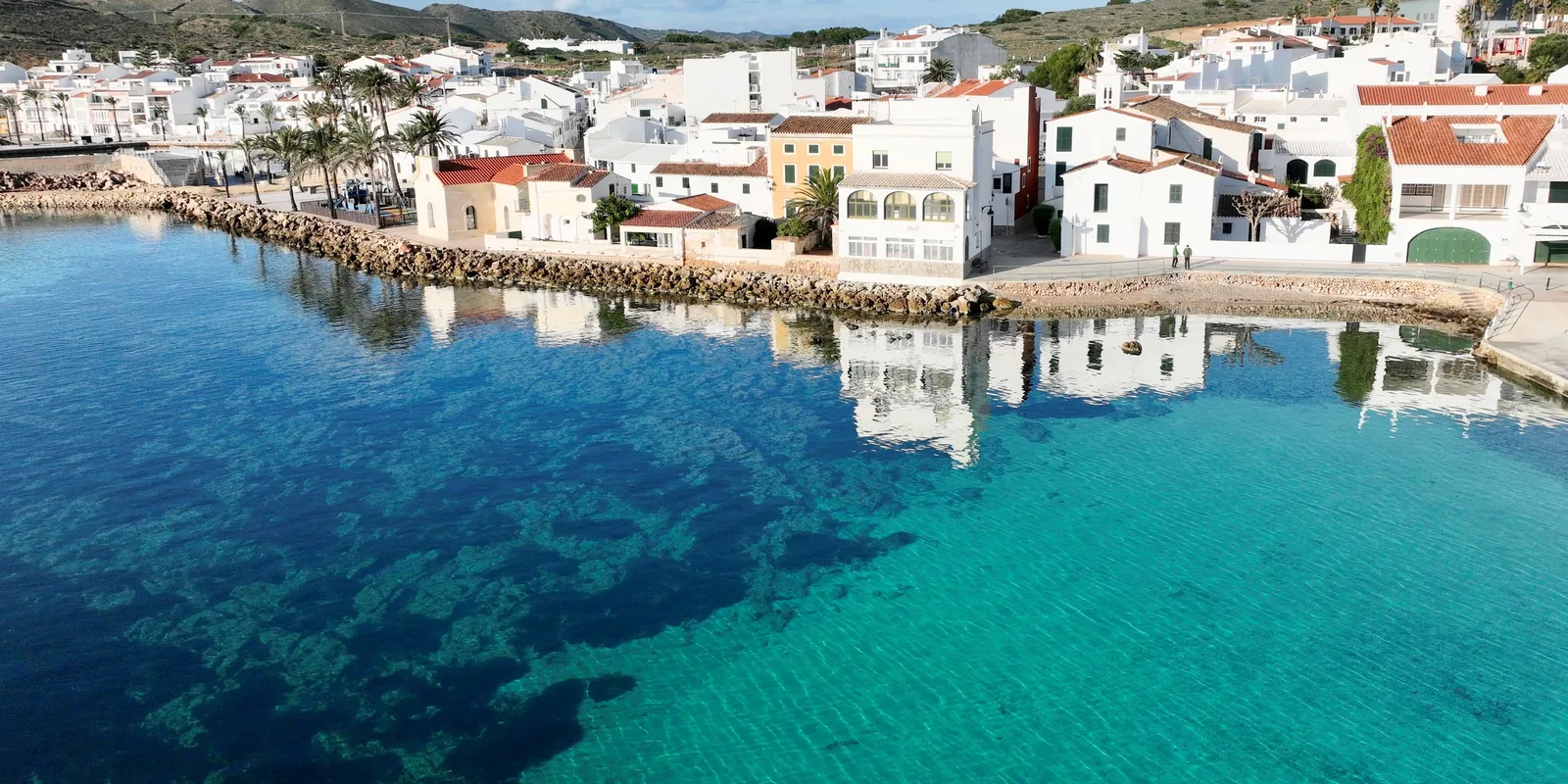
Menorca: from talayotic tombs to turquoise coves
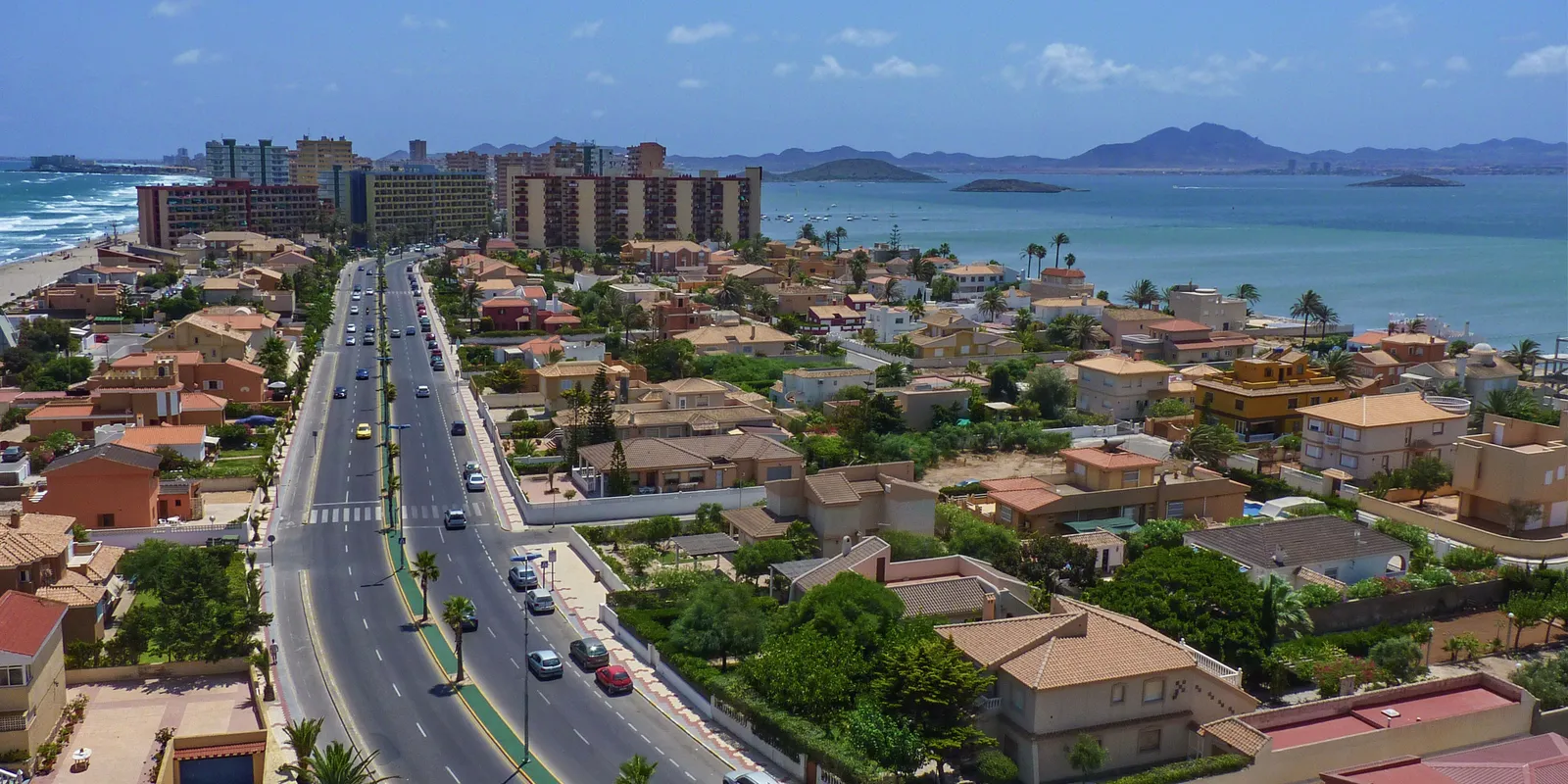
San Javier: the Mar Menor amid dunes and flamingos
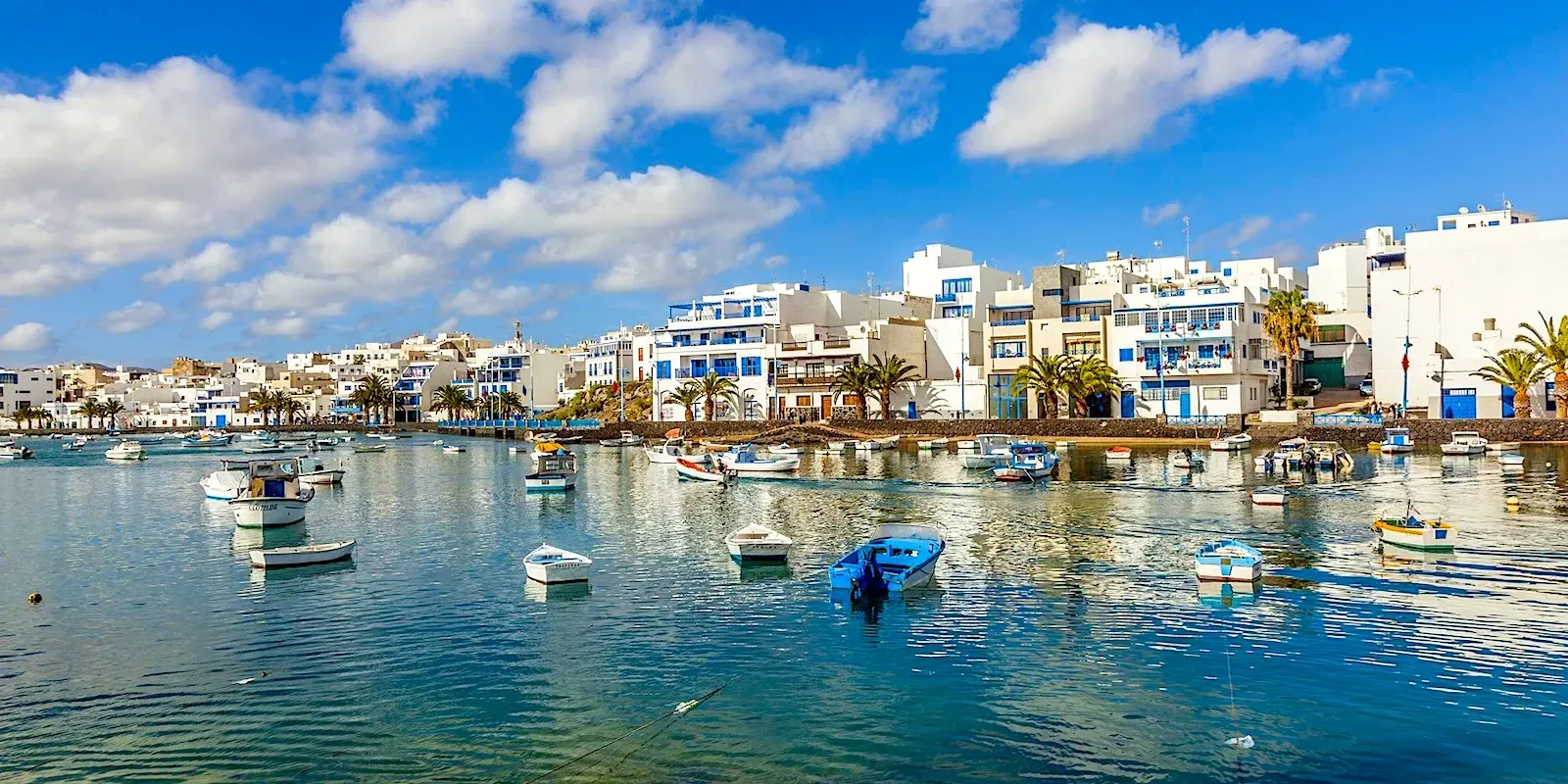
Lanzarote: César Manrique's volcanoes
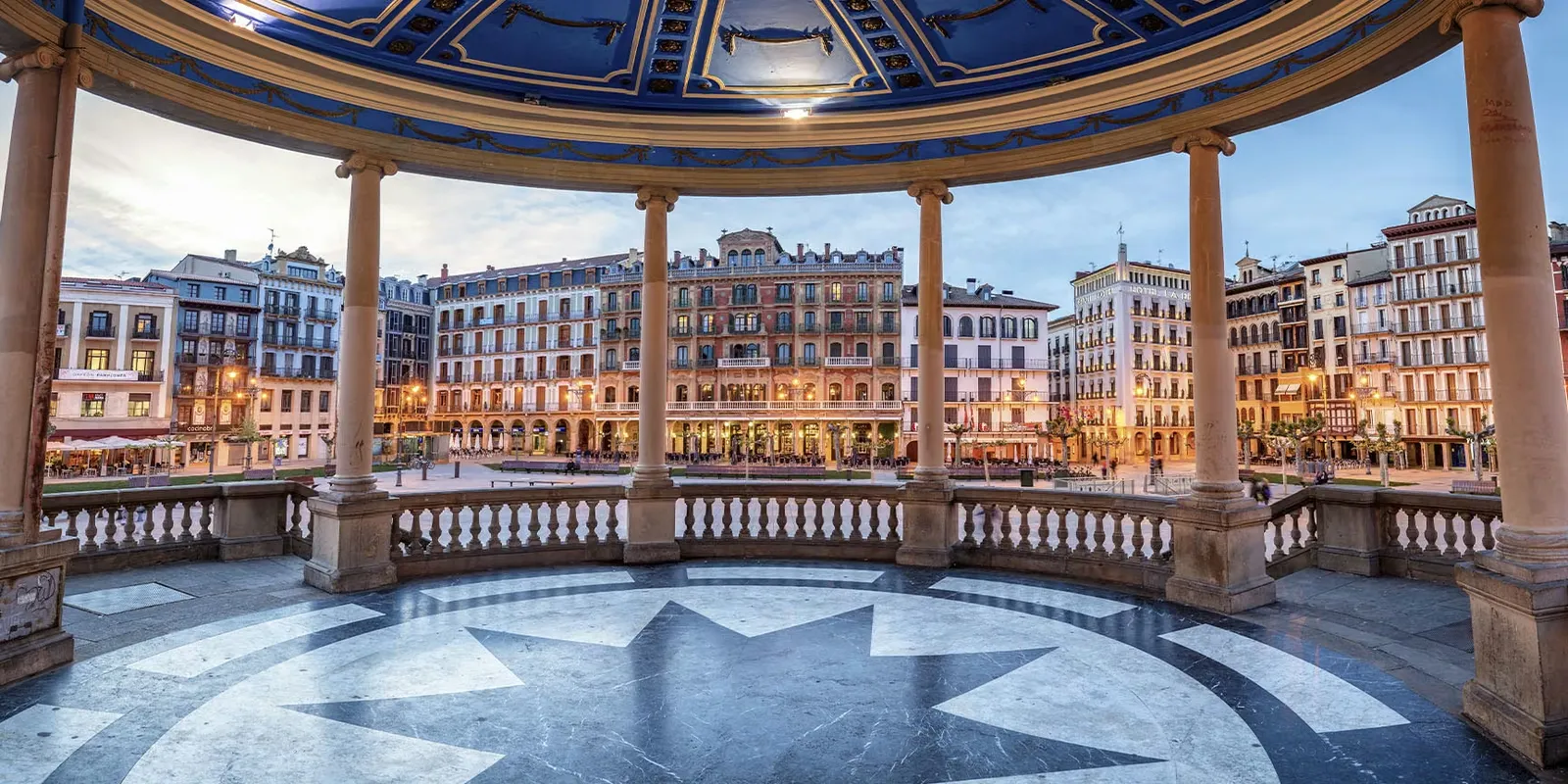
Pamplona: the running of the bulls and the walls
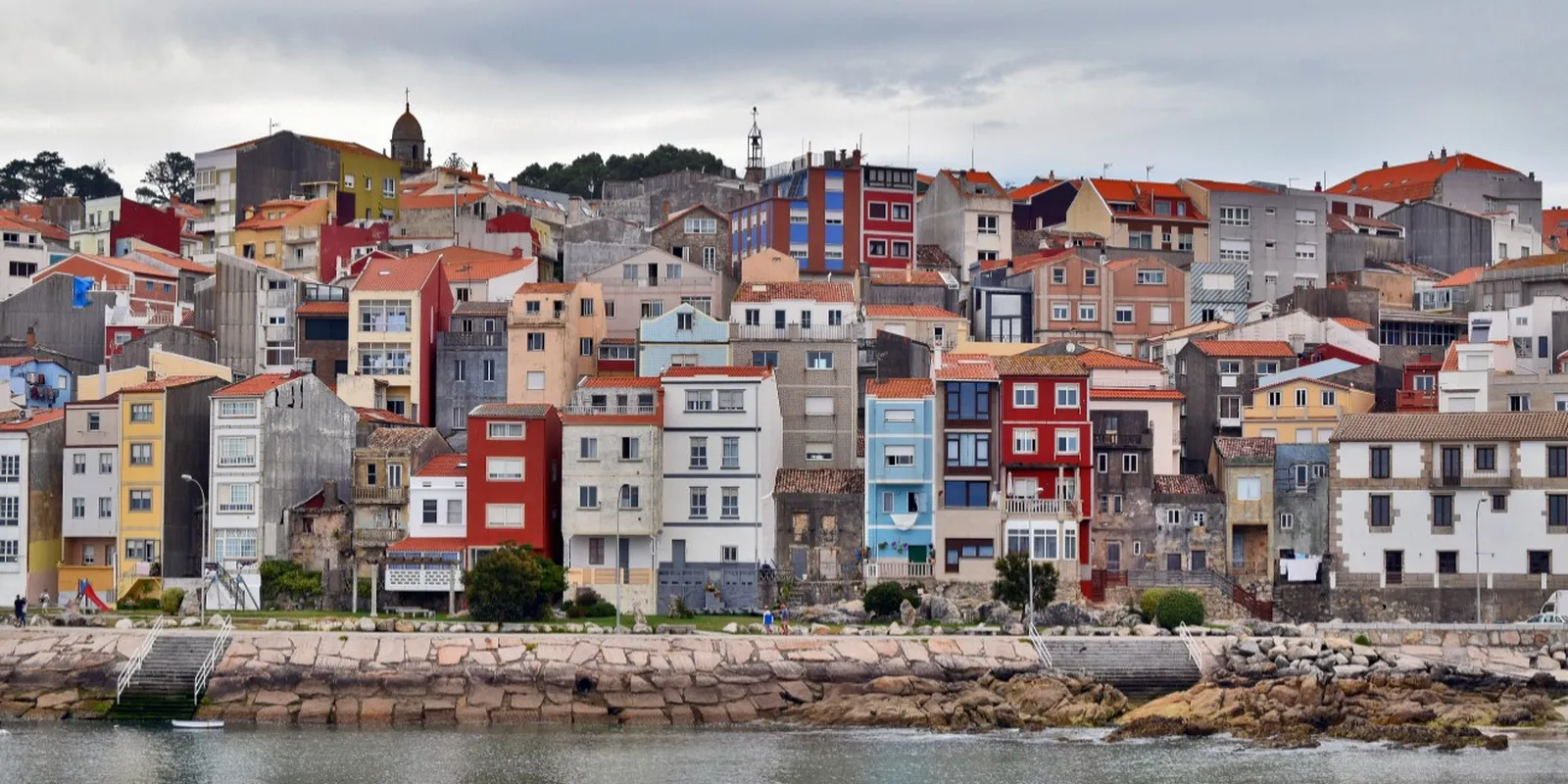
Vigo: street oysters and the Cíes Islands
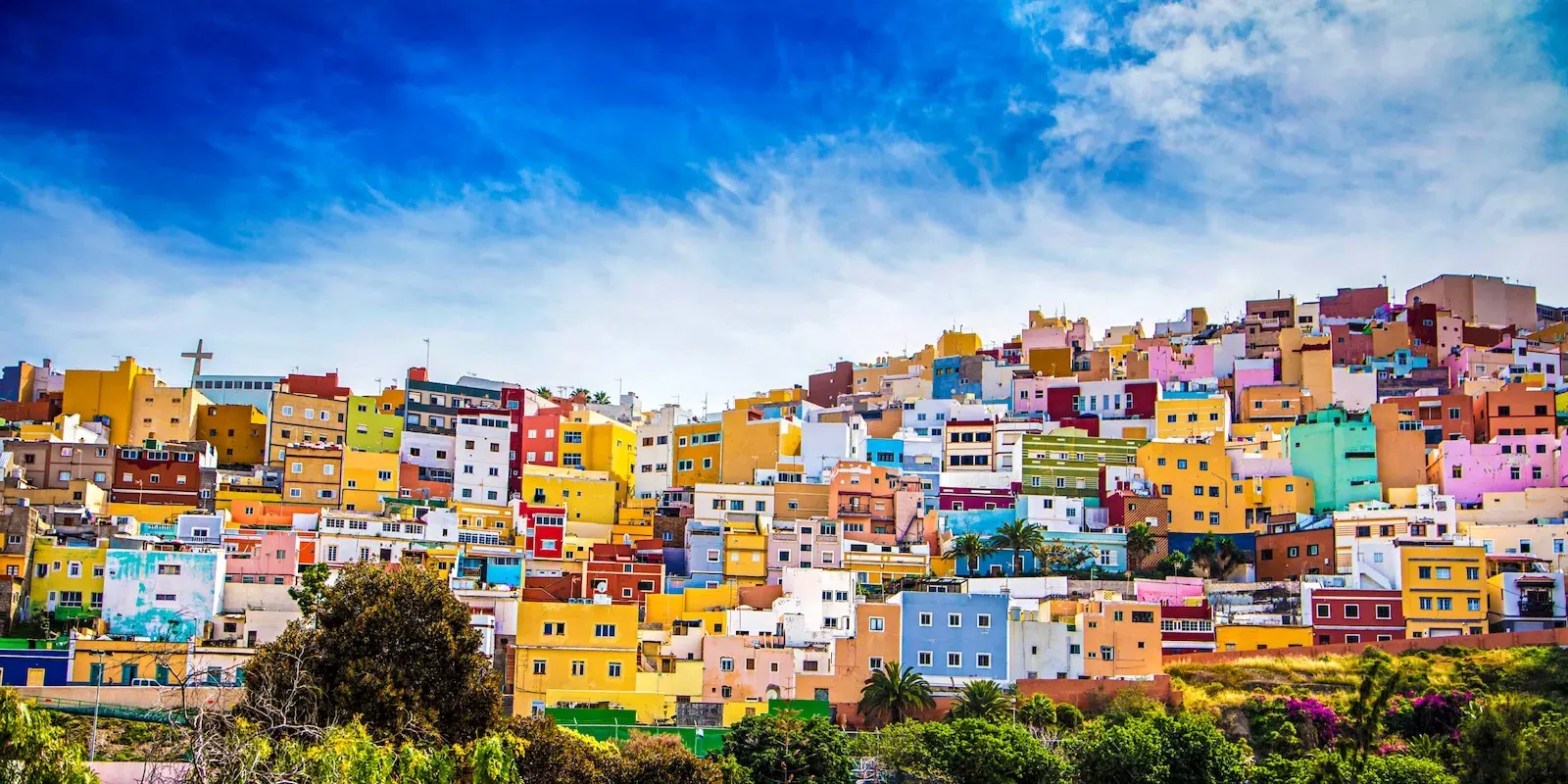
Gran Canaria: Las Palmas between beach and history
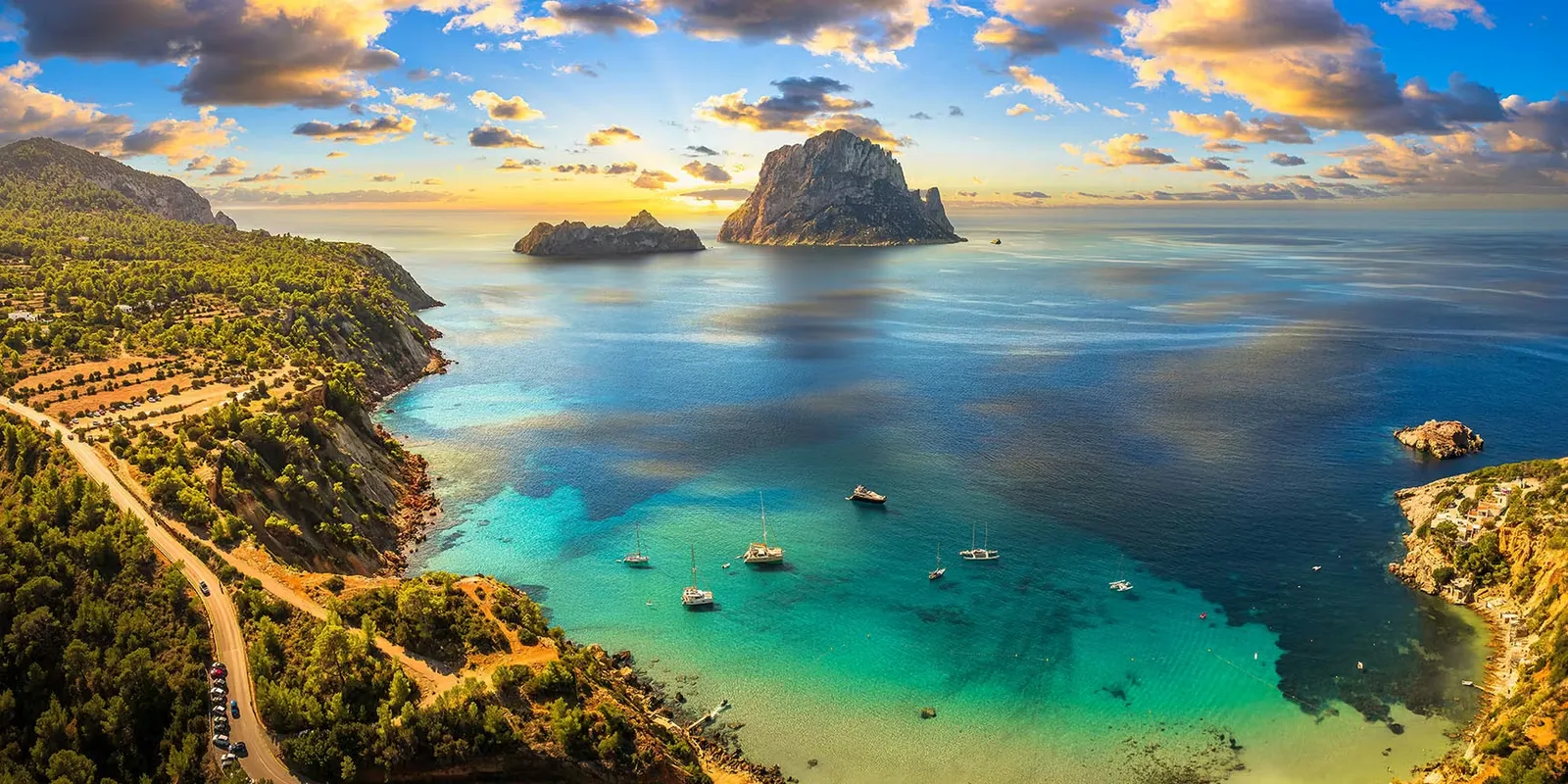
Ibiza: Dalt Vila beyond the nightlife
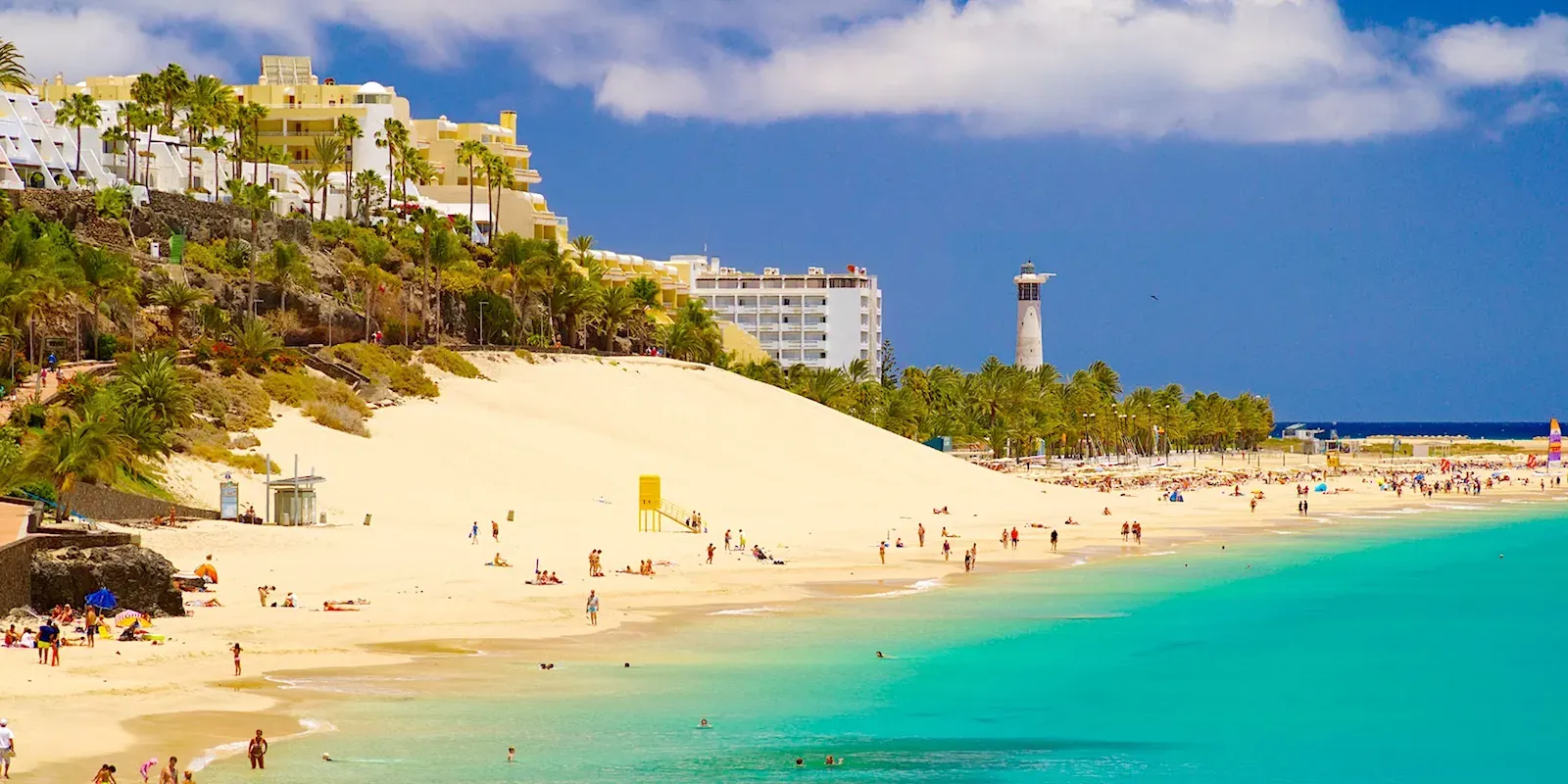
Fuerteventura: dunes and inland villages
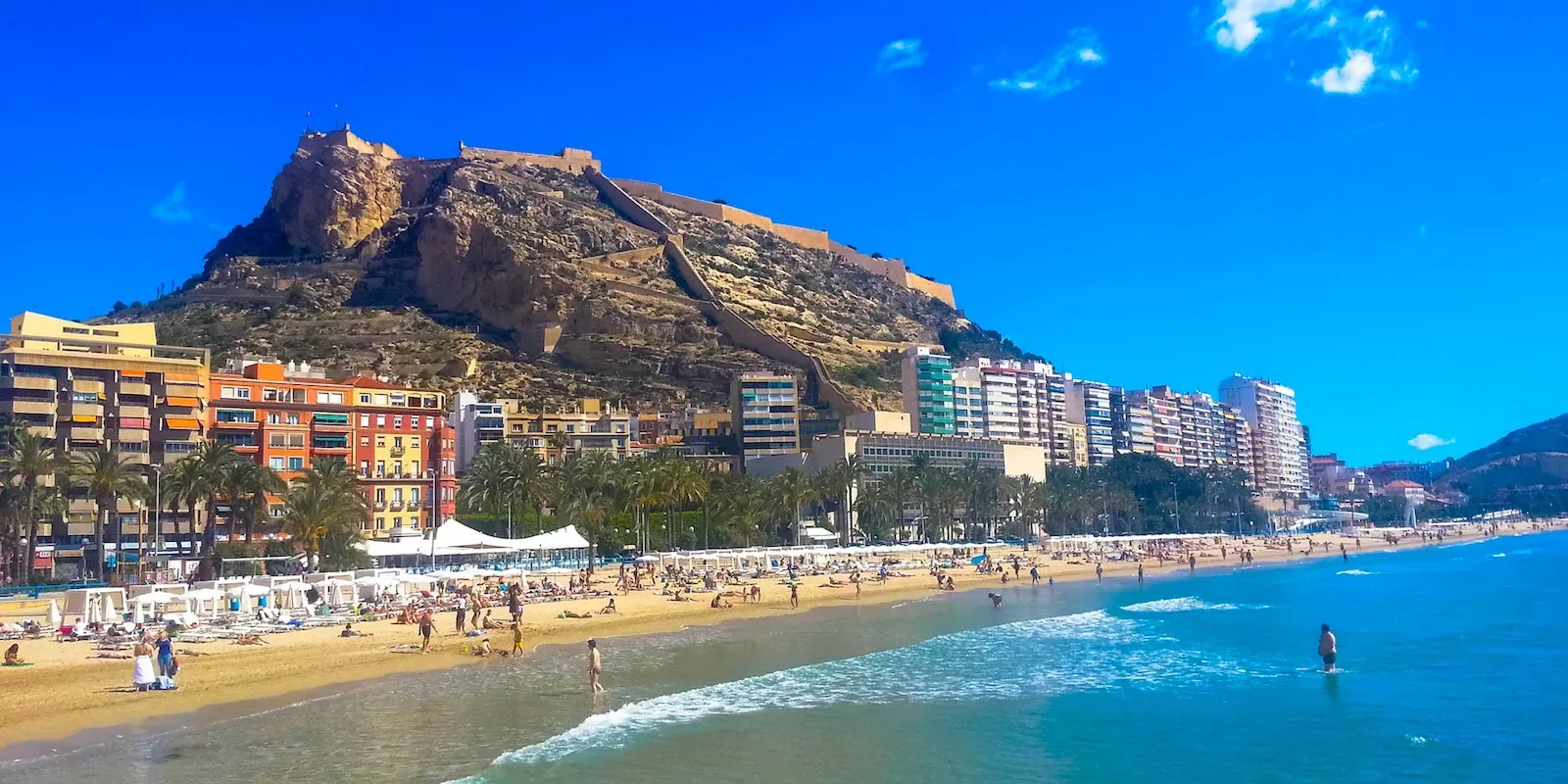
Alicante: what to see in 1 day
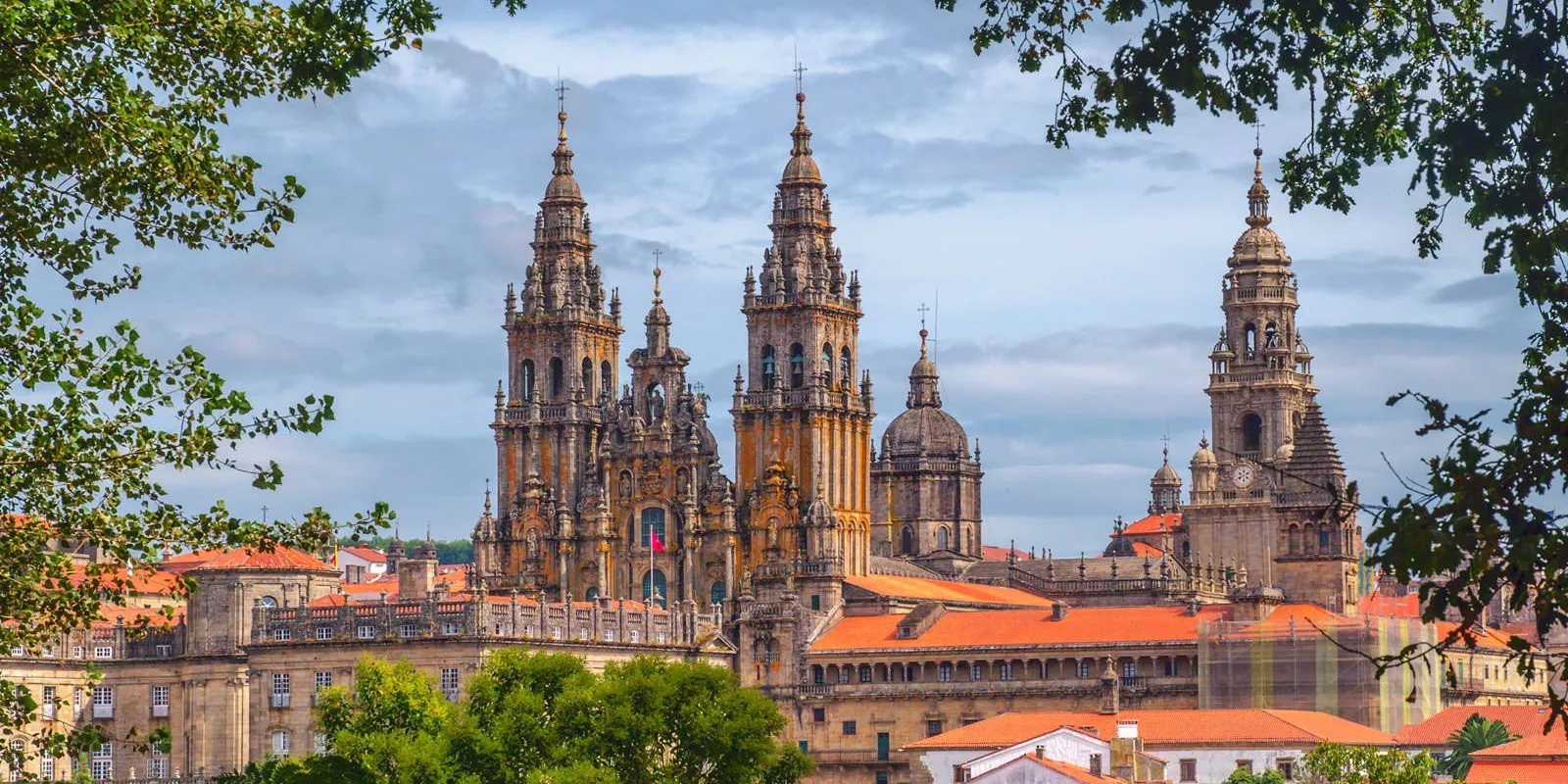
Santiago de Compostela: the pilgrimage's final destination
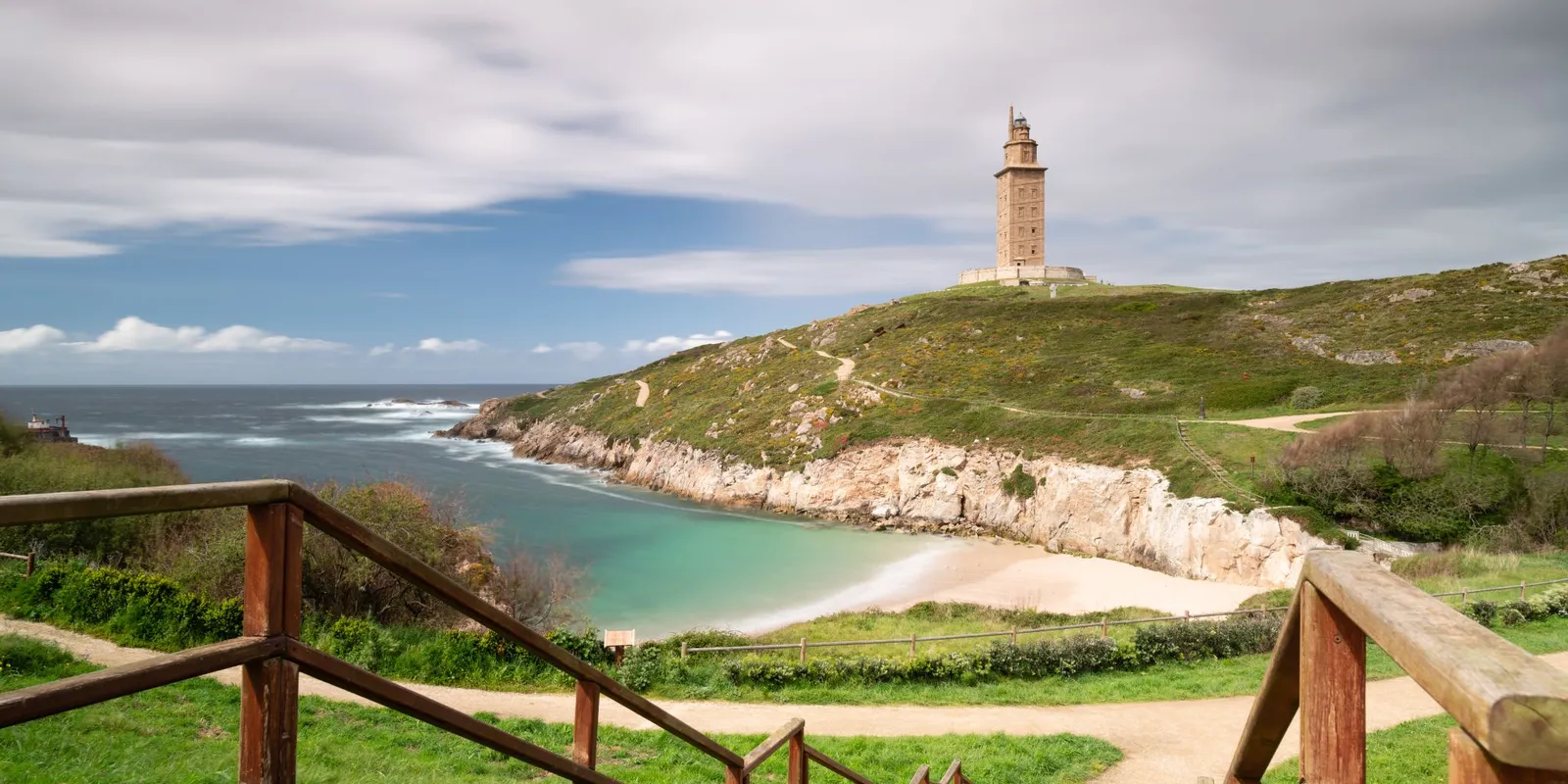
A Coruña: the Roman lighthouse still shining
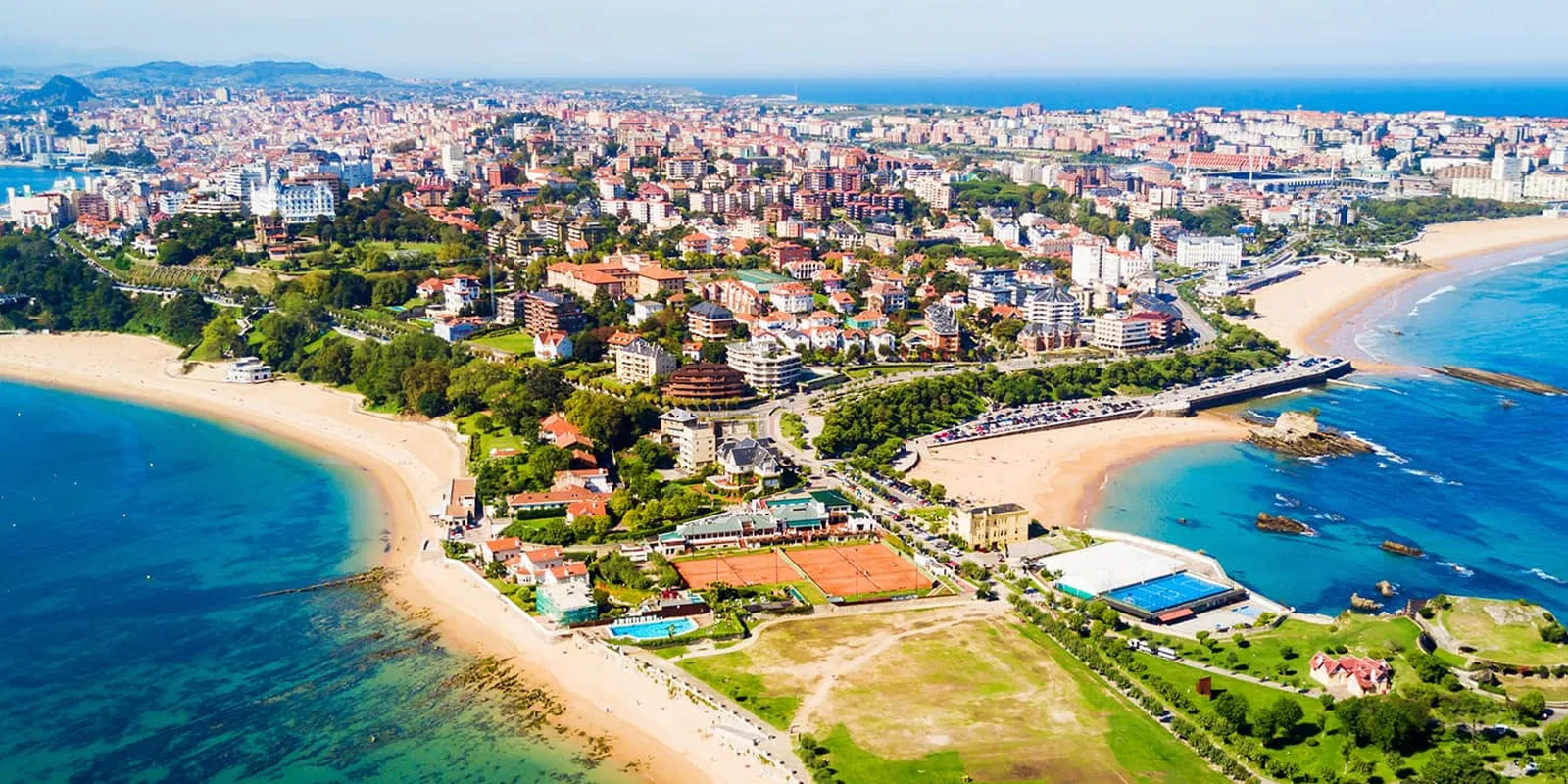
Santander: the royal peninsula and El Sardinero
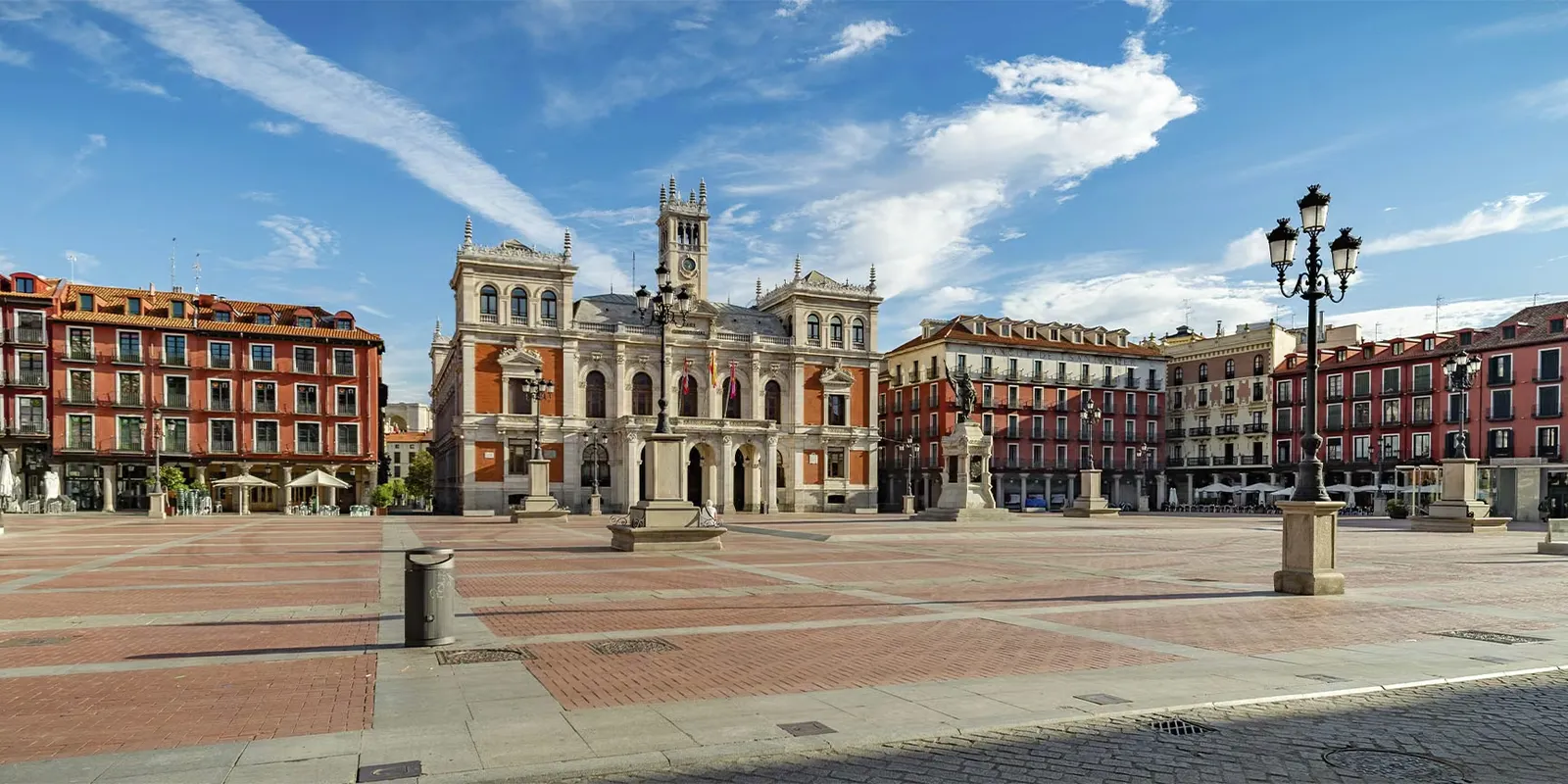
Valladolid: Spain's model square
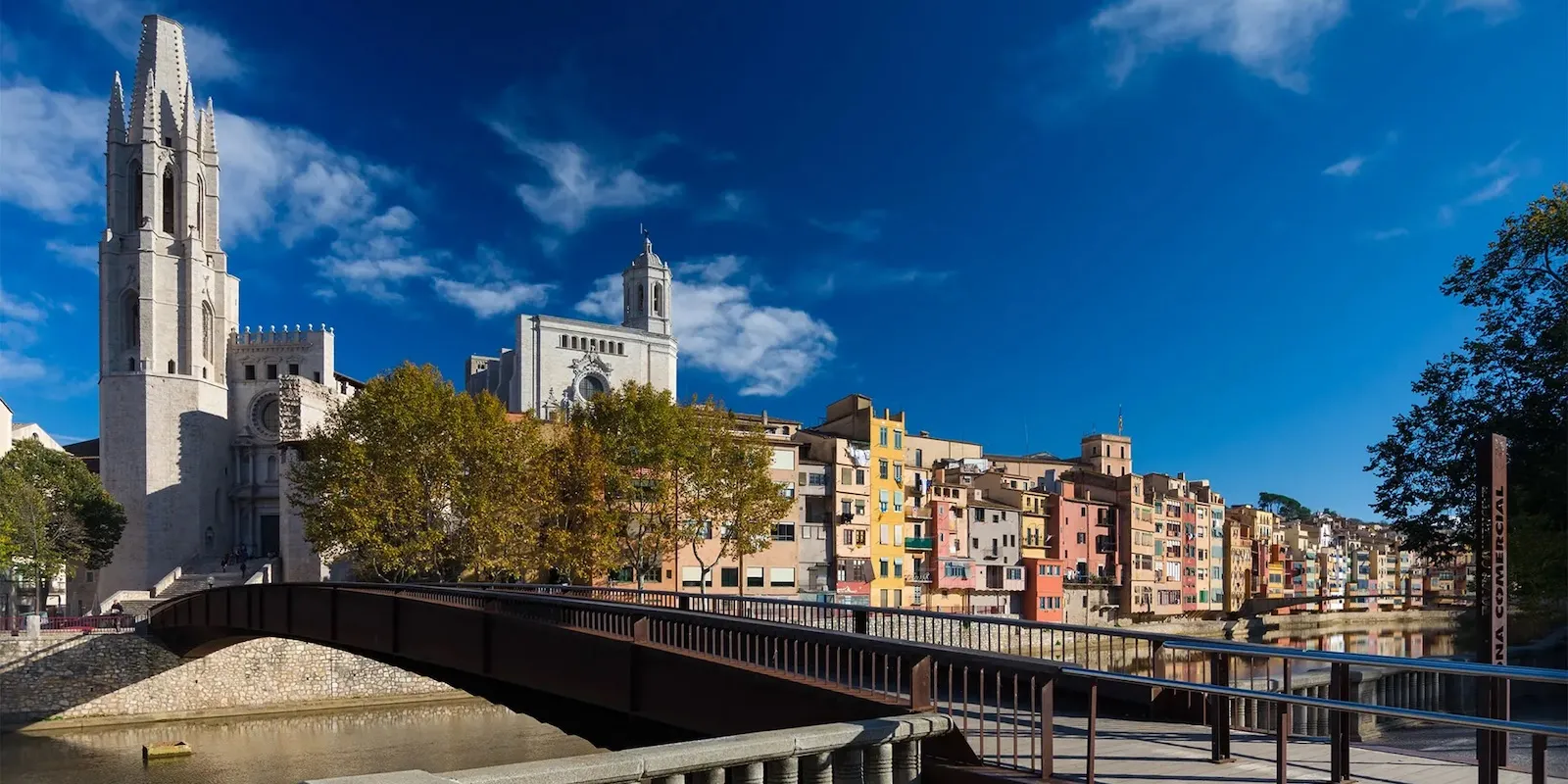
Girona: the cathedral and the Jewish quarter
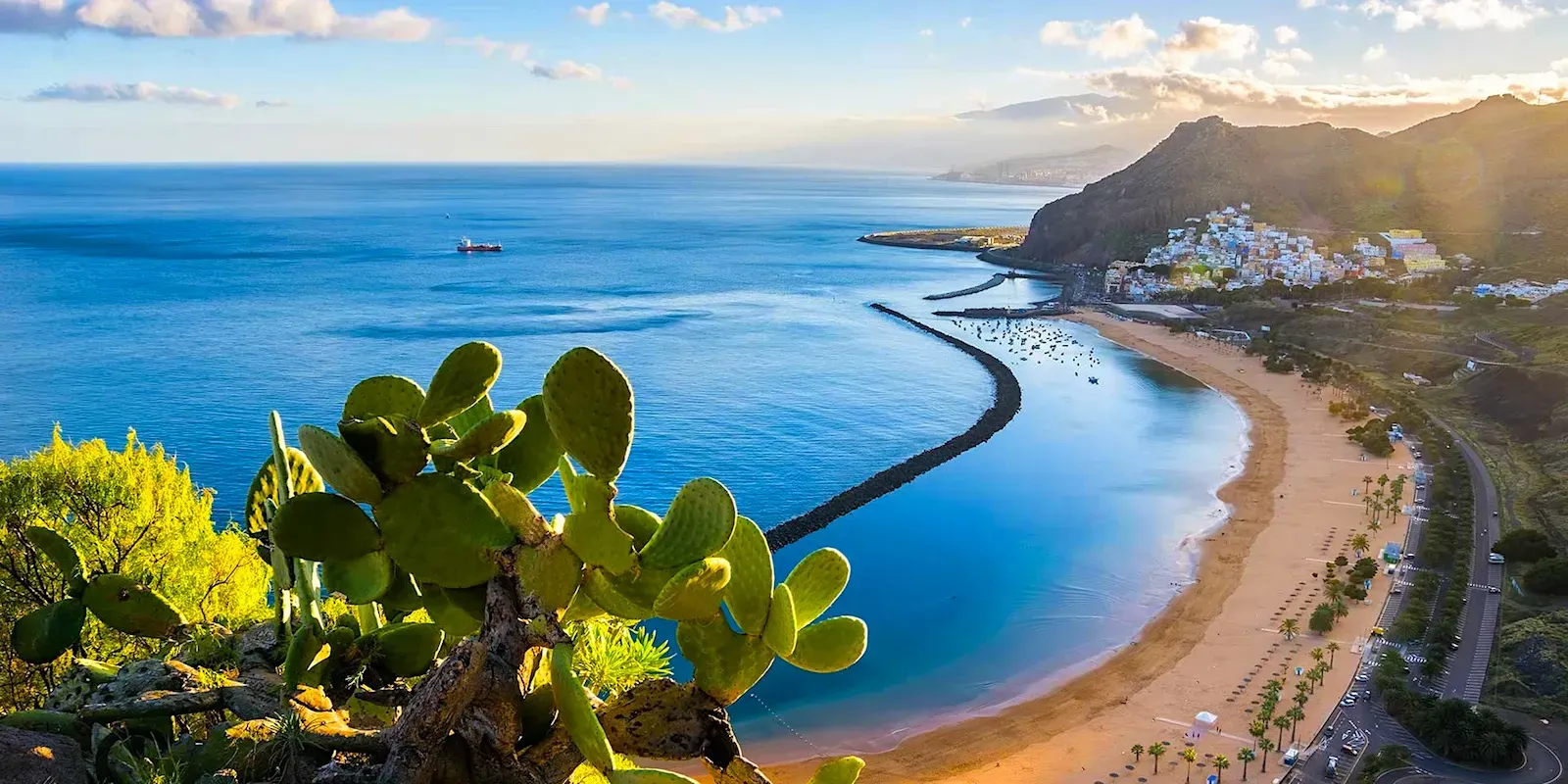
Tenerife: from Teide to the old town of La Laguna
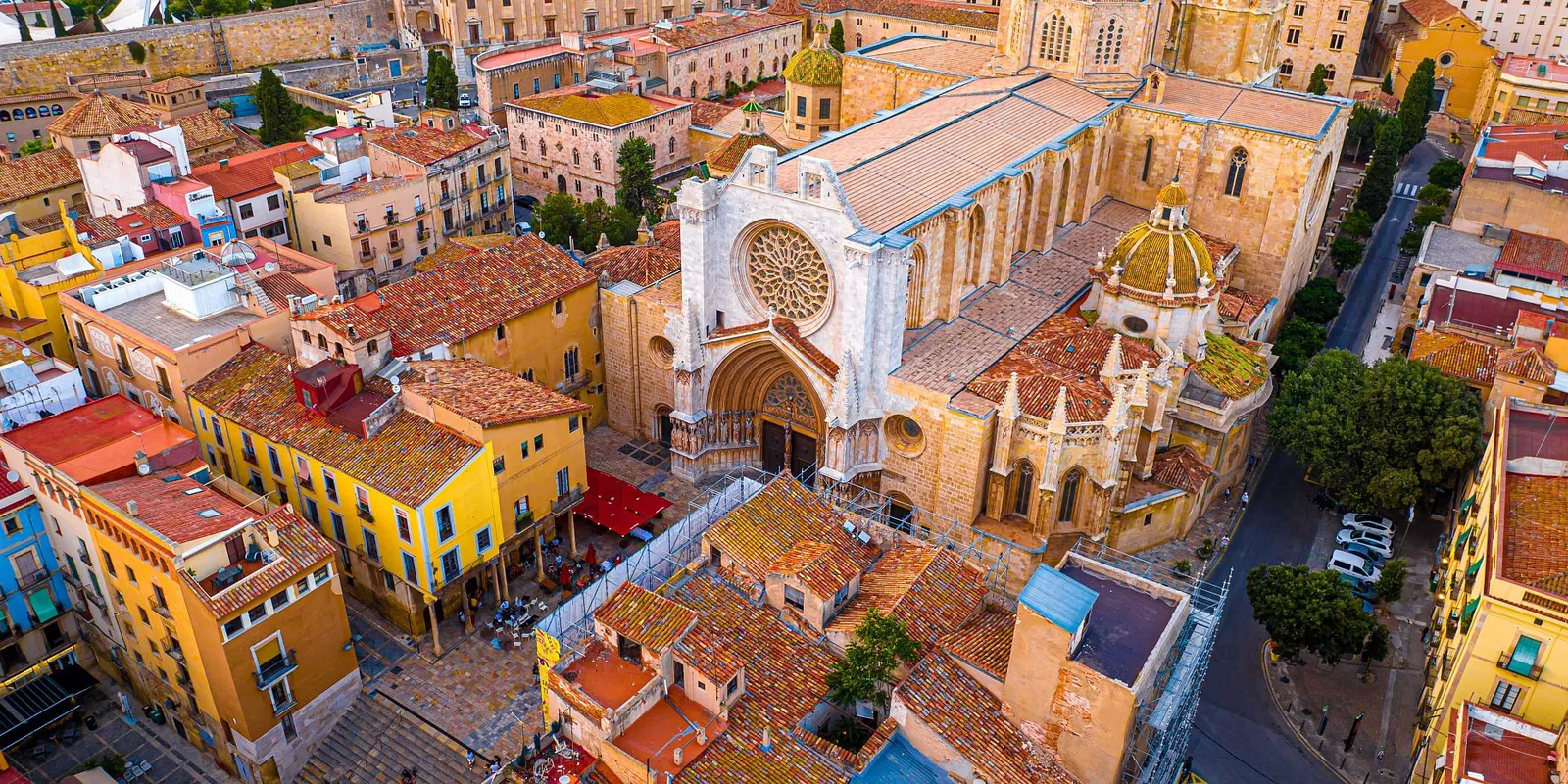
Tarragona: Rome on the Iberian coast
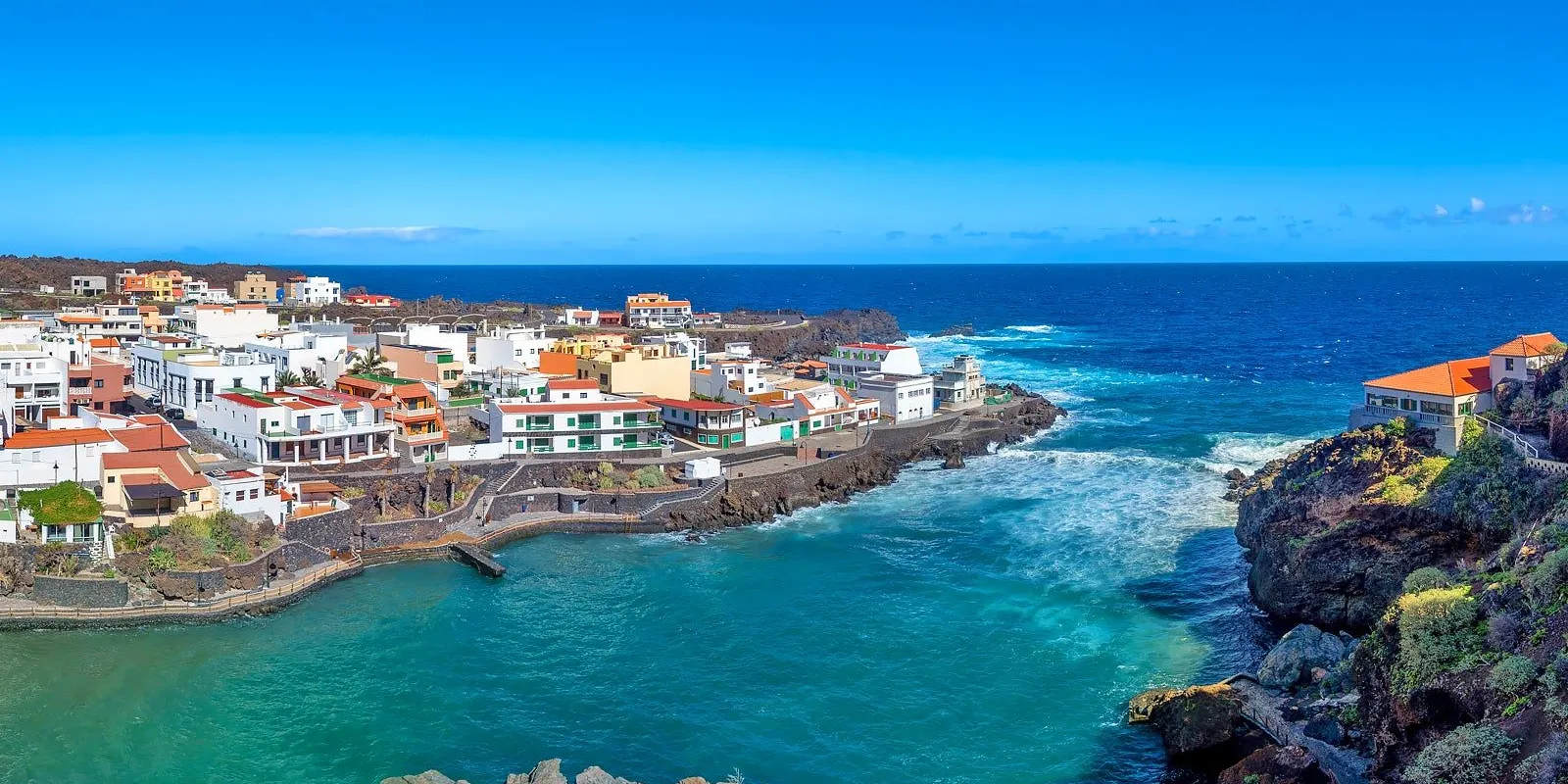
El Hierro: the island of the old zero meridian
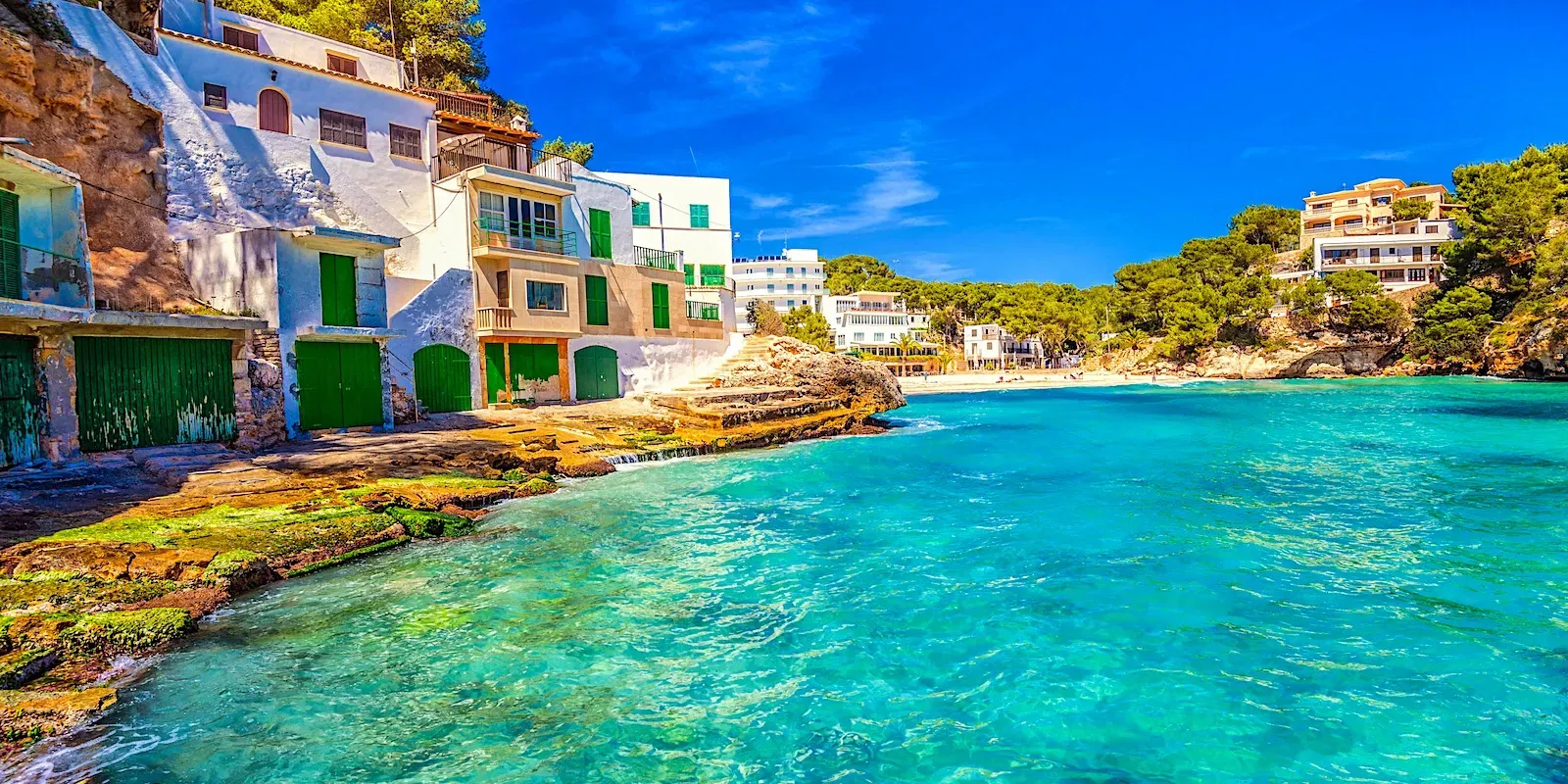
Palma de Mallorca: cathedral and old town
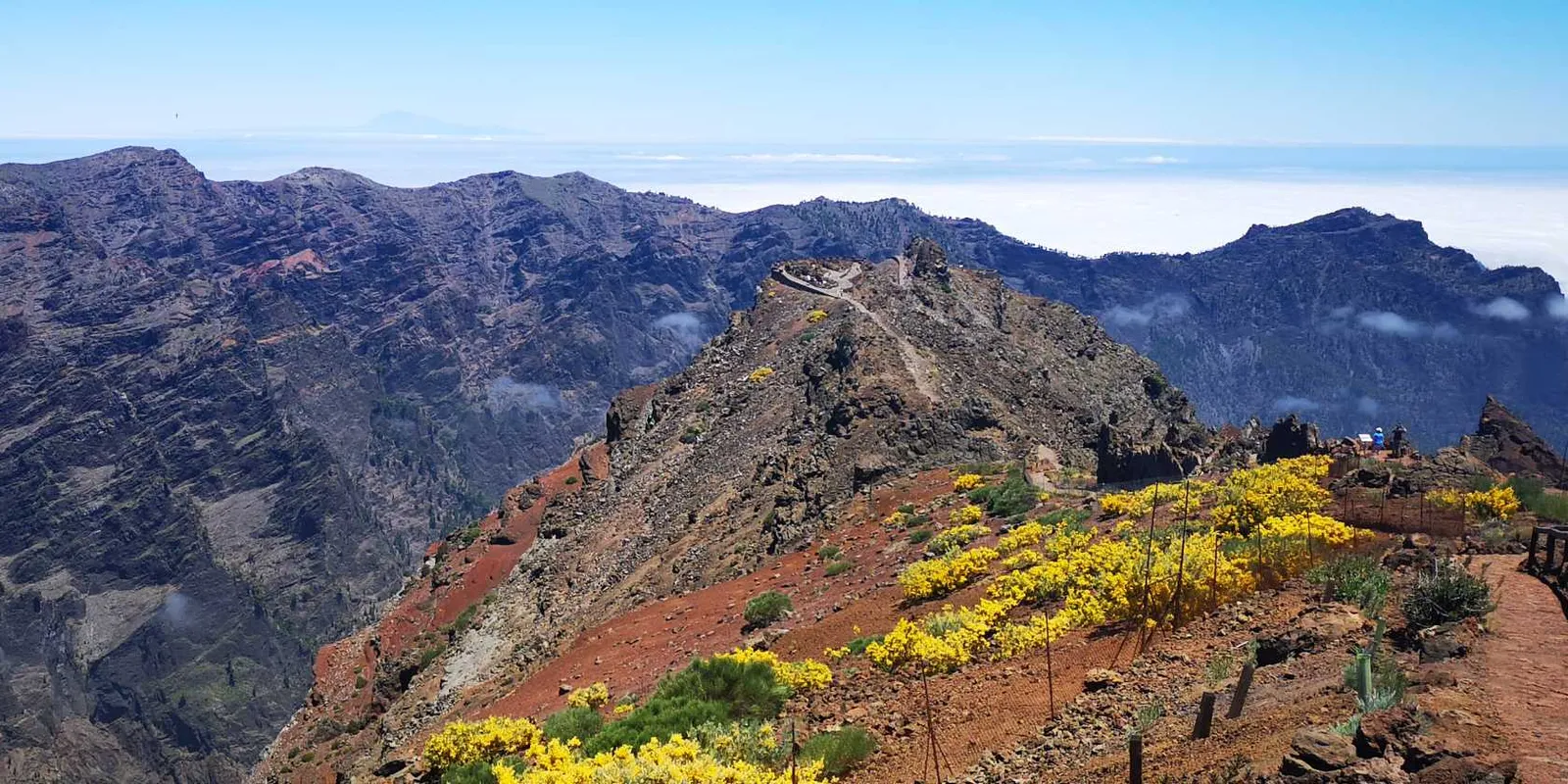
La Palma: the beautiful island of the Canaries
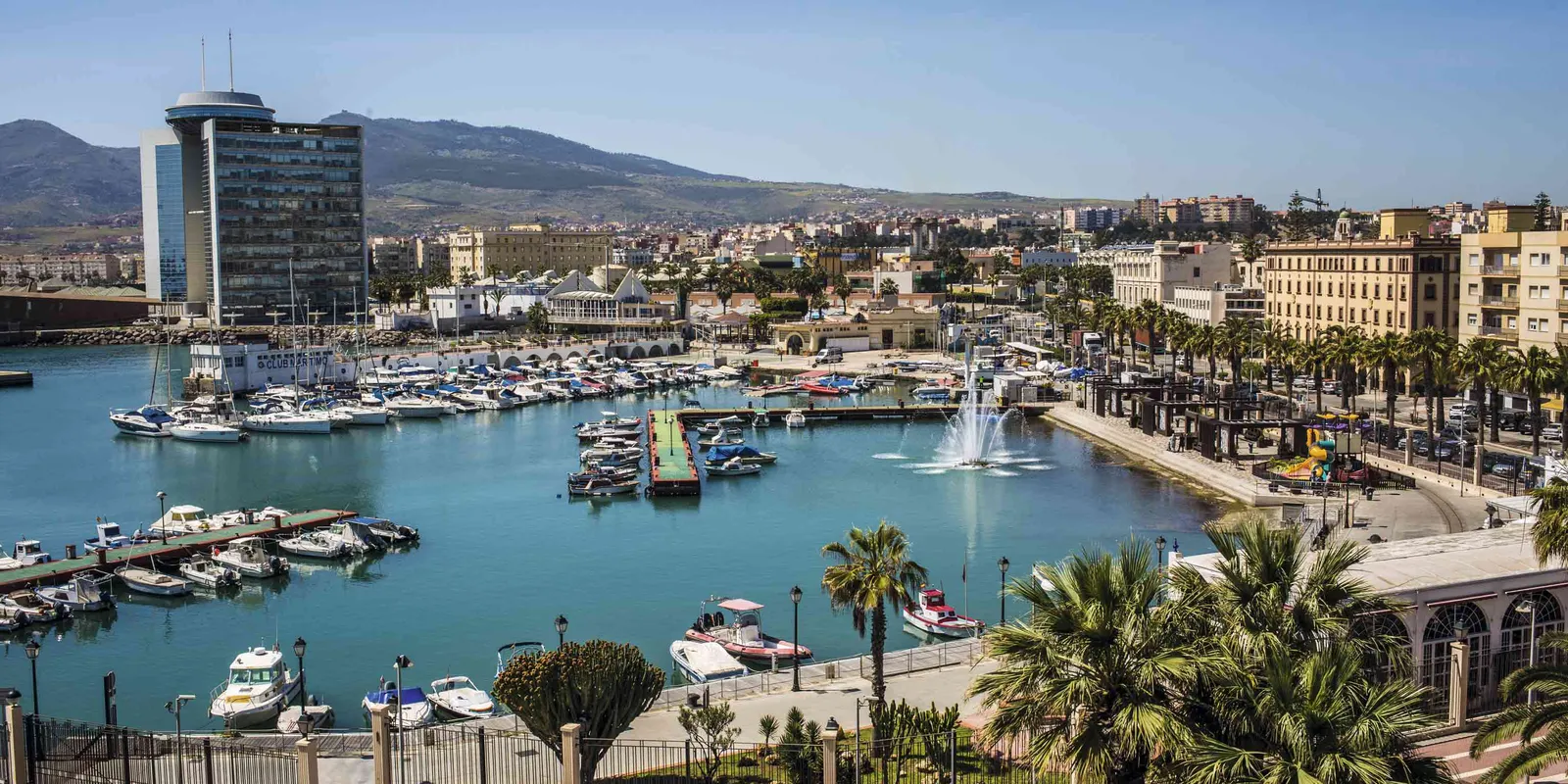
Melilla: Spanish modernism on the African coast
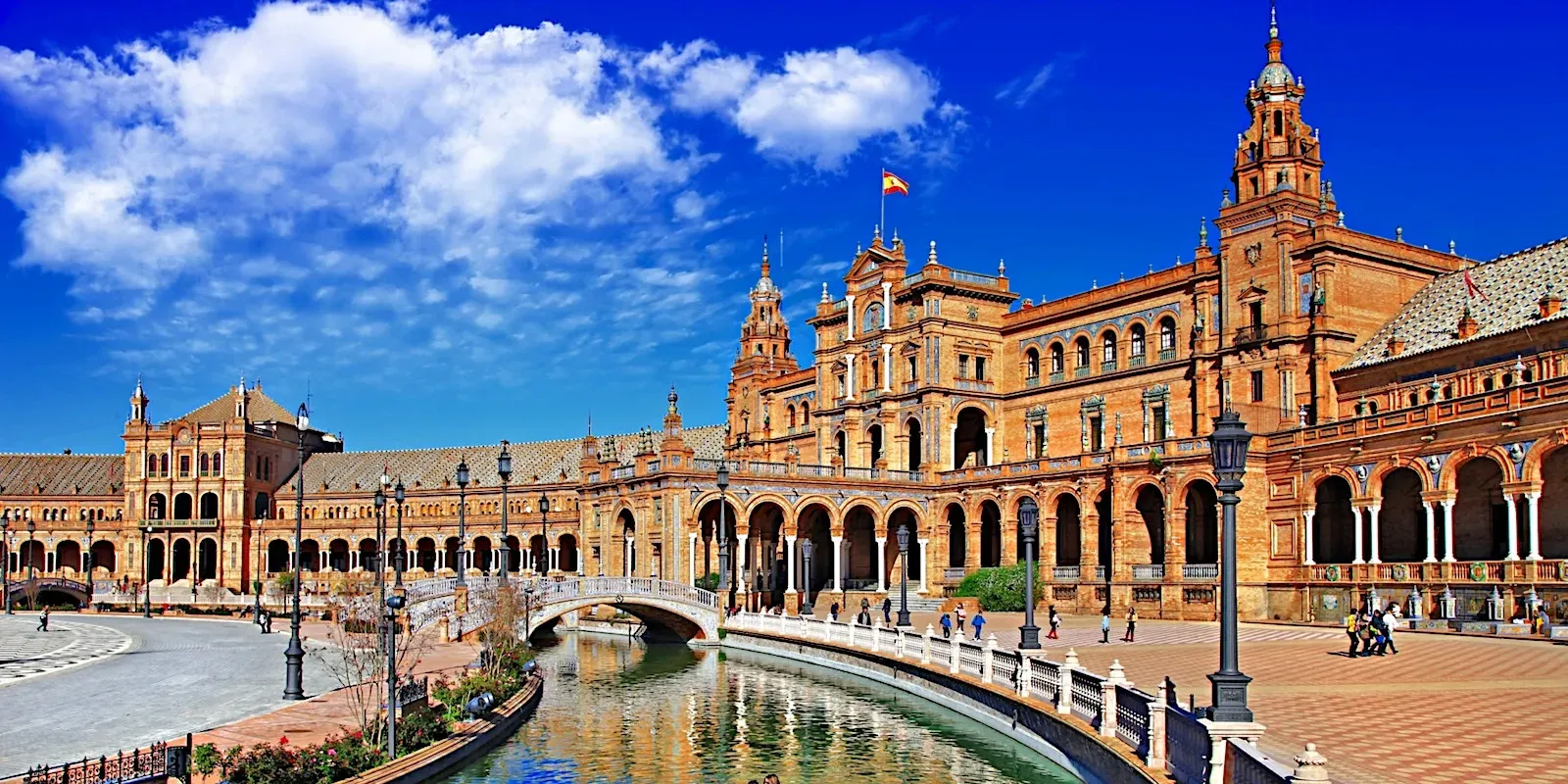
What to see in Seville in 1 day
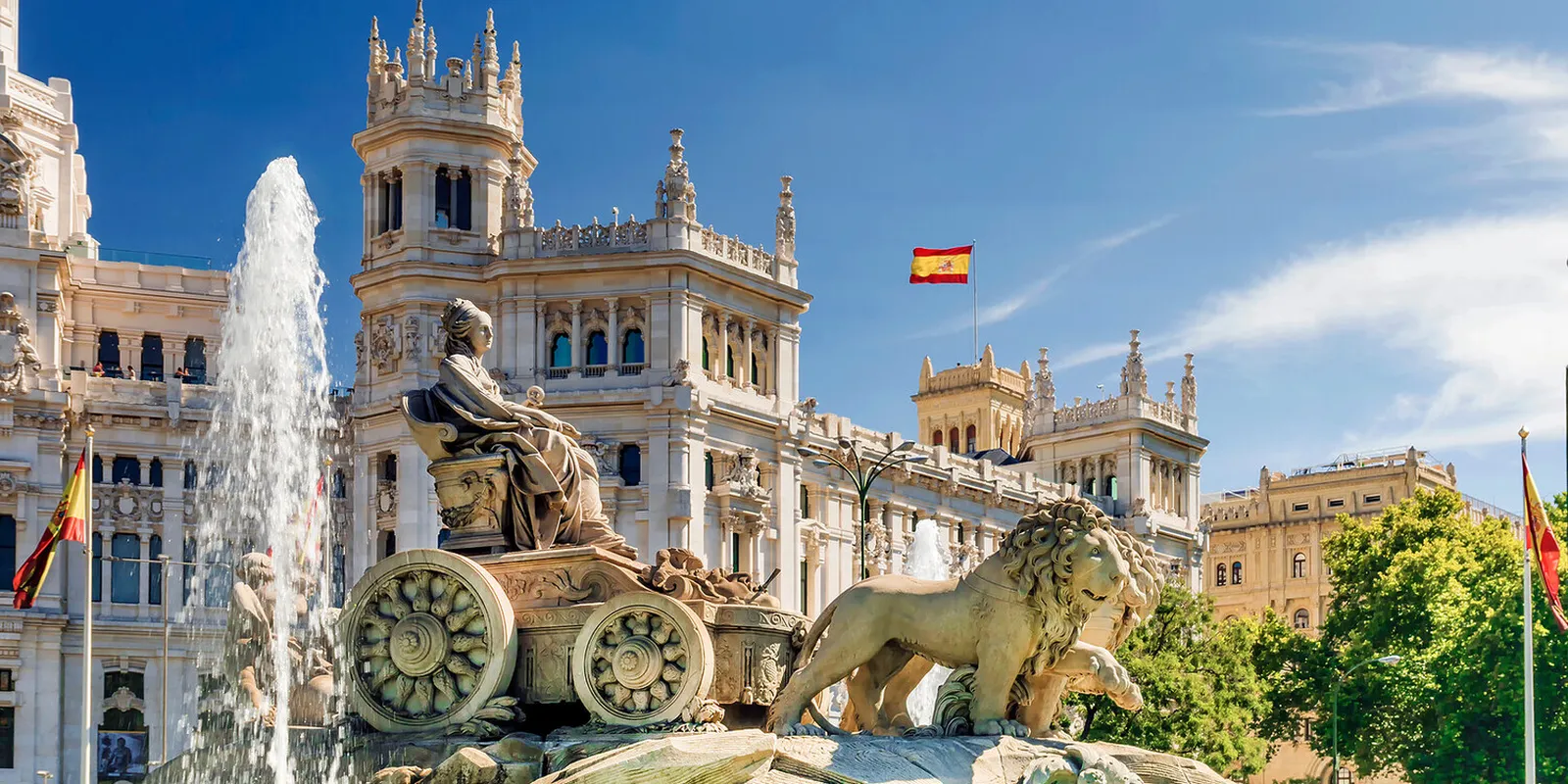
Madrid: what to see in 1 day
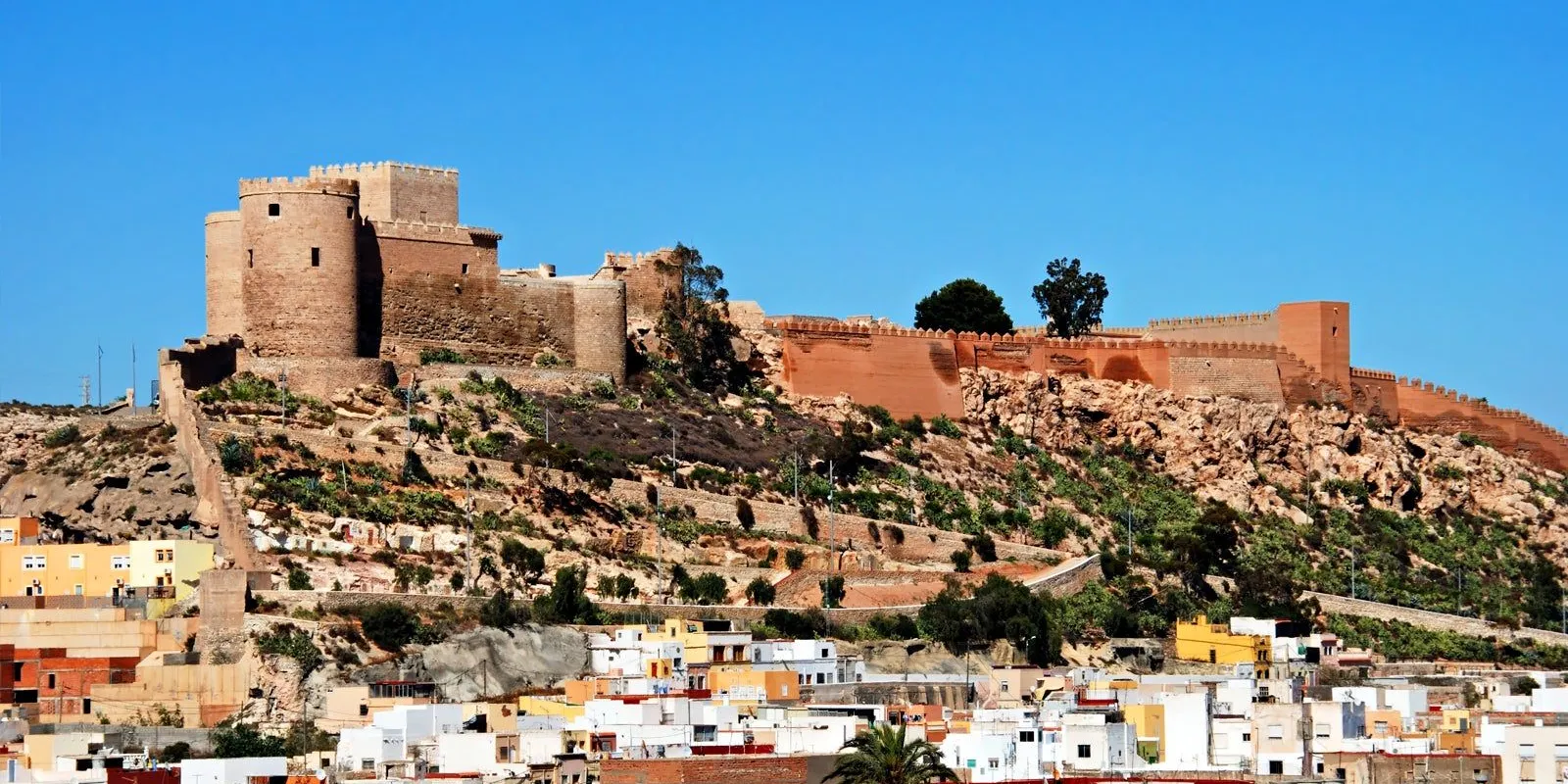
Almería: the desert that imitated the Wild West
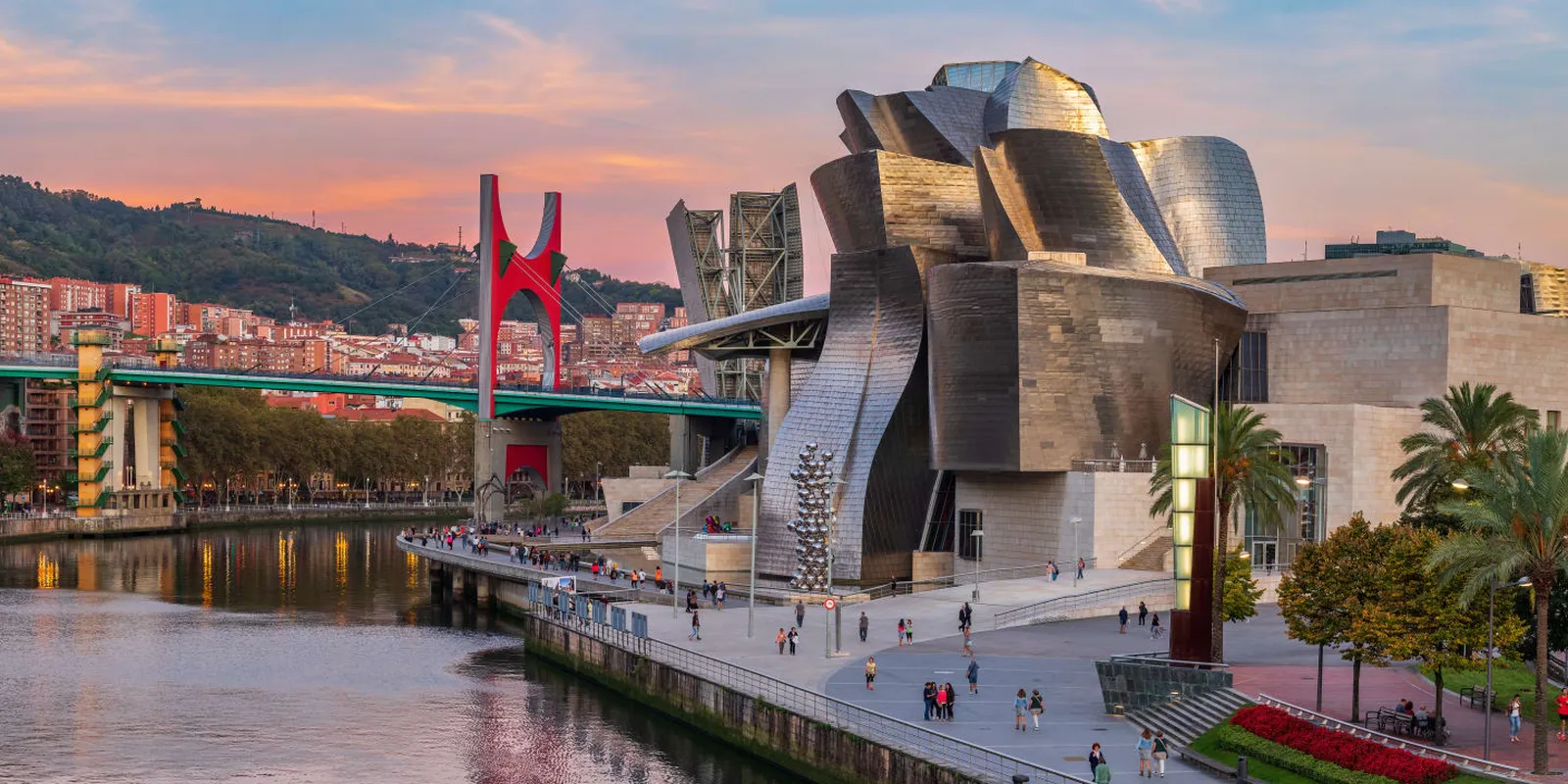
Bilbao: from steel to the Guggenheim
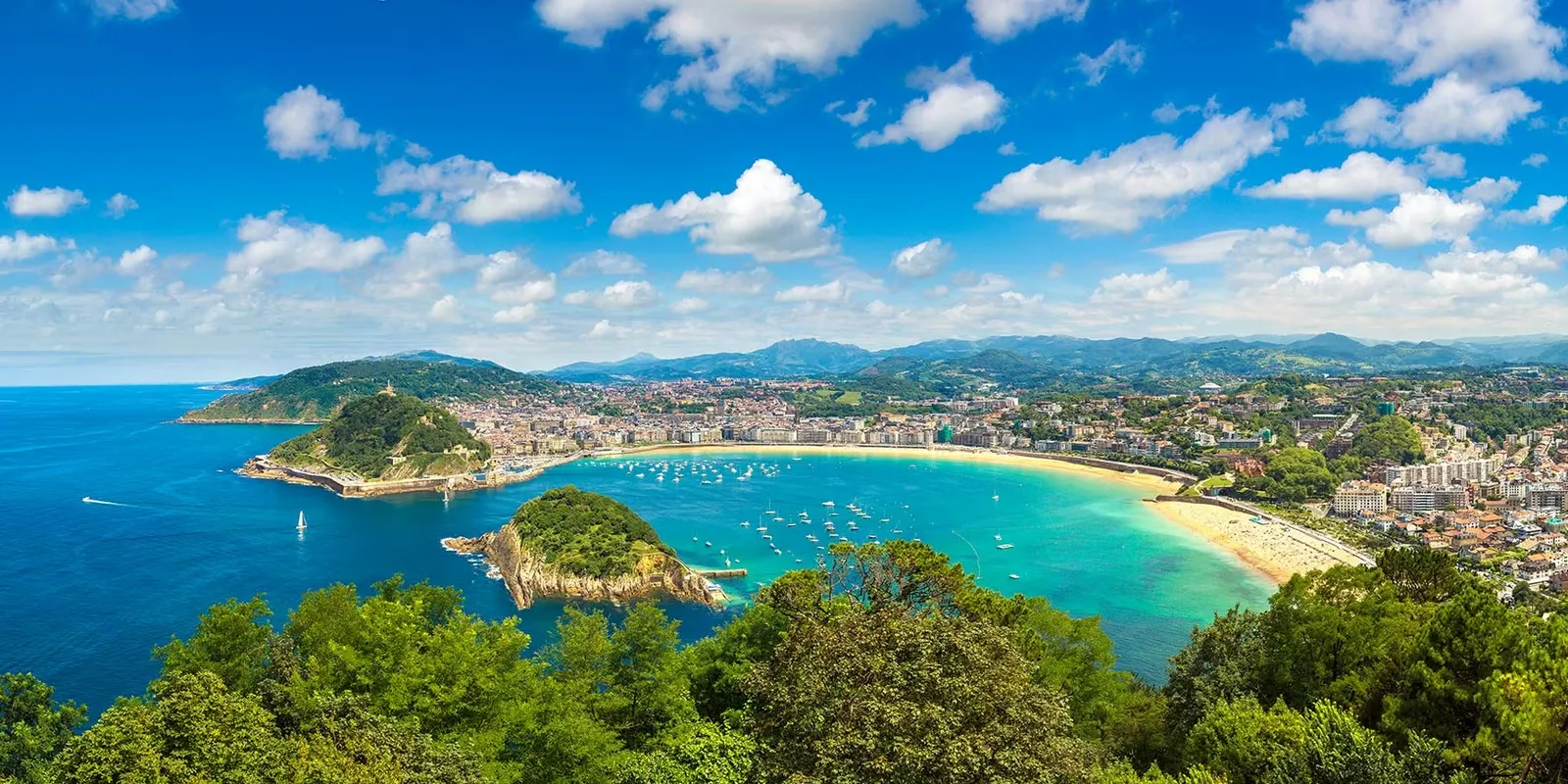
San Sebastián: pintxos on La Concha bay
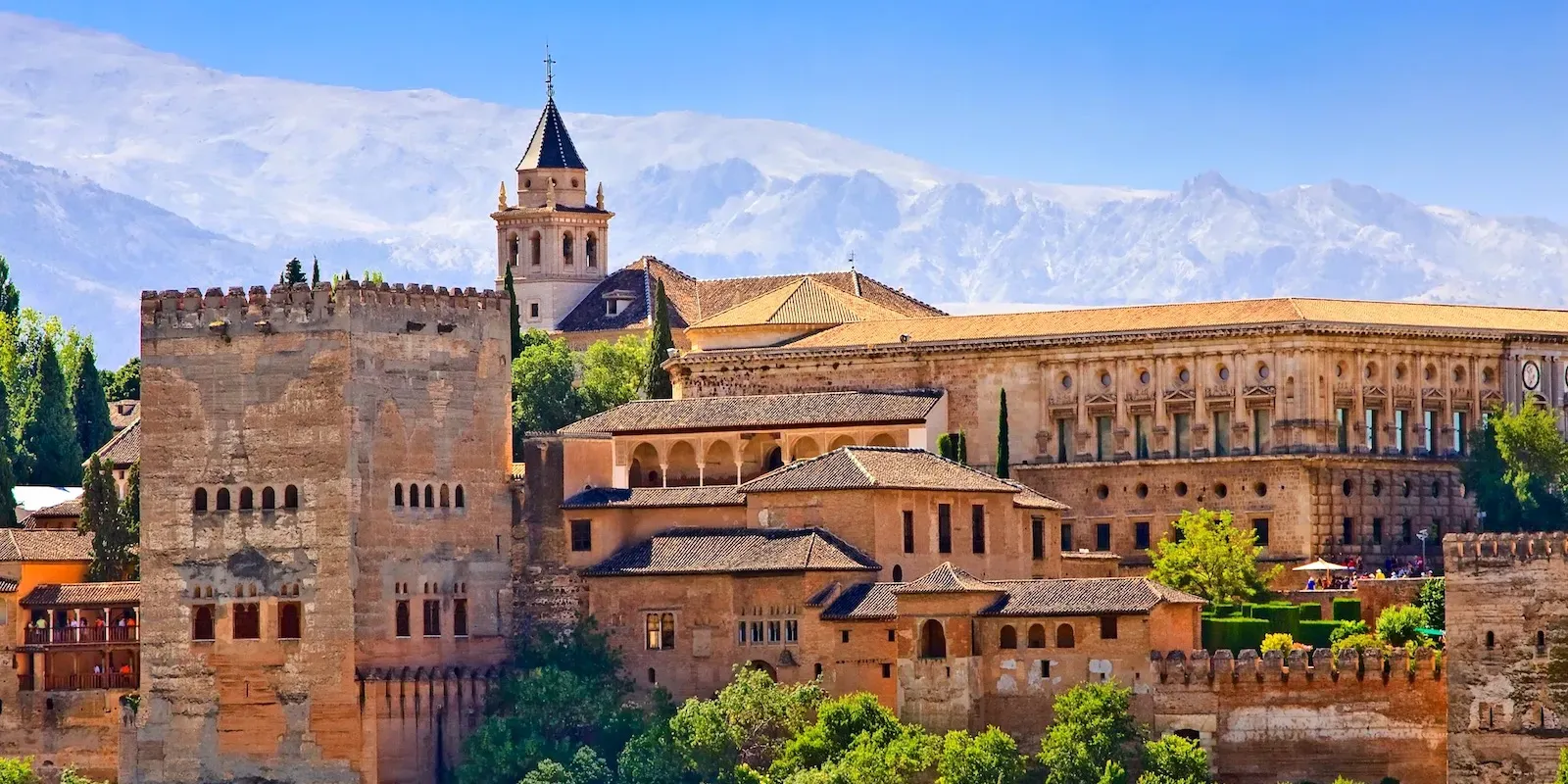
Granada: the Alhambra and the hills of the Albaicín
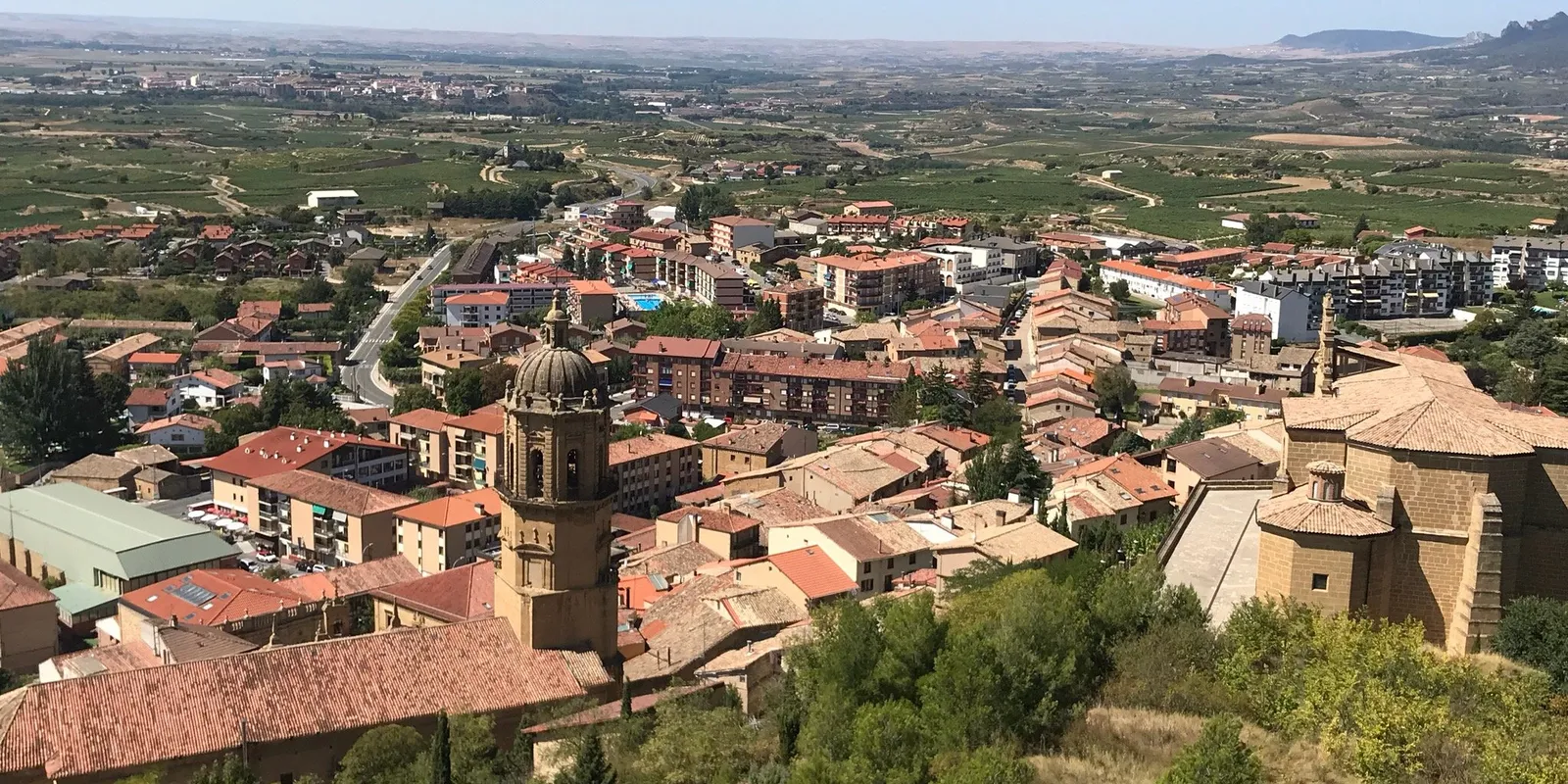
Vitoria-Gasteiz: the green capital of the Basque Country
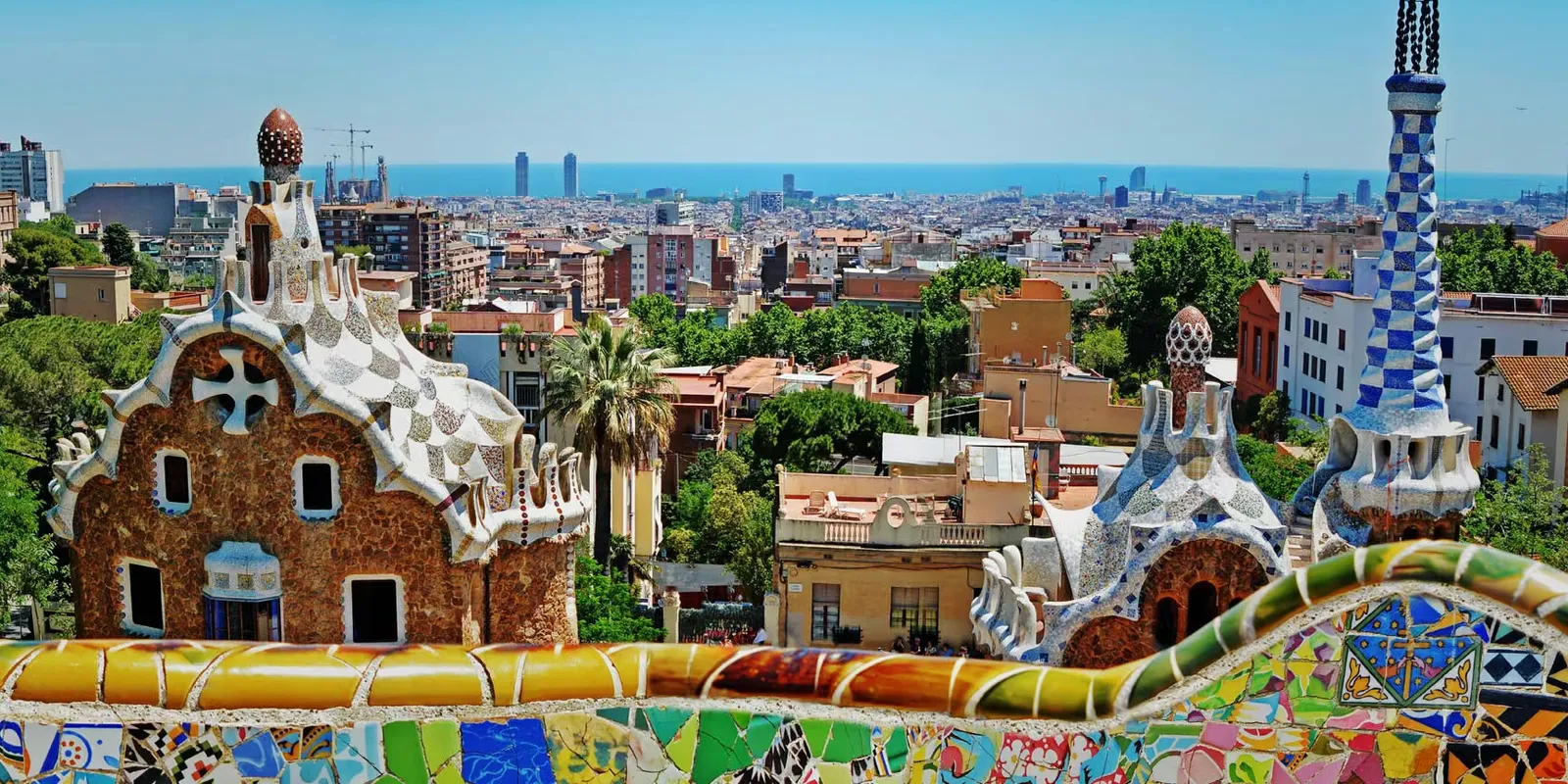
24 hours in Barcelona: what to see
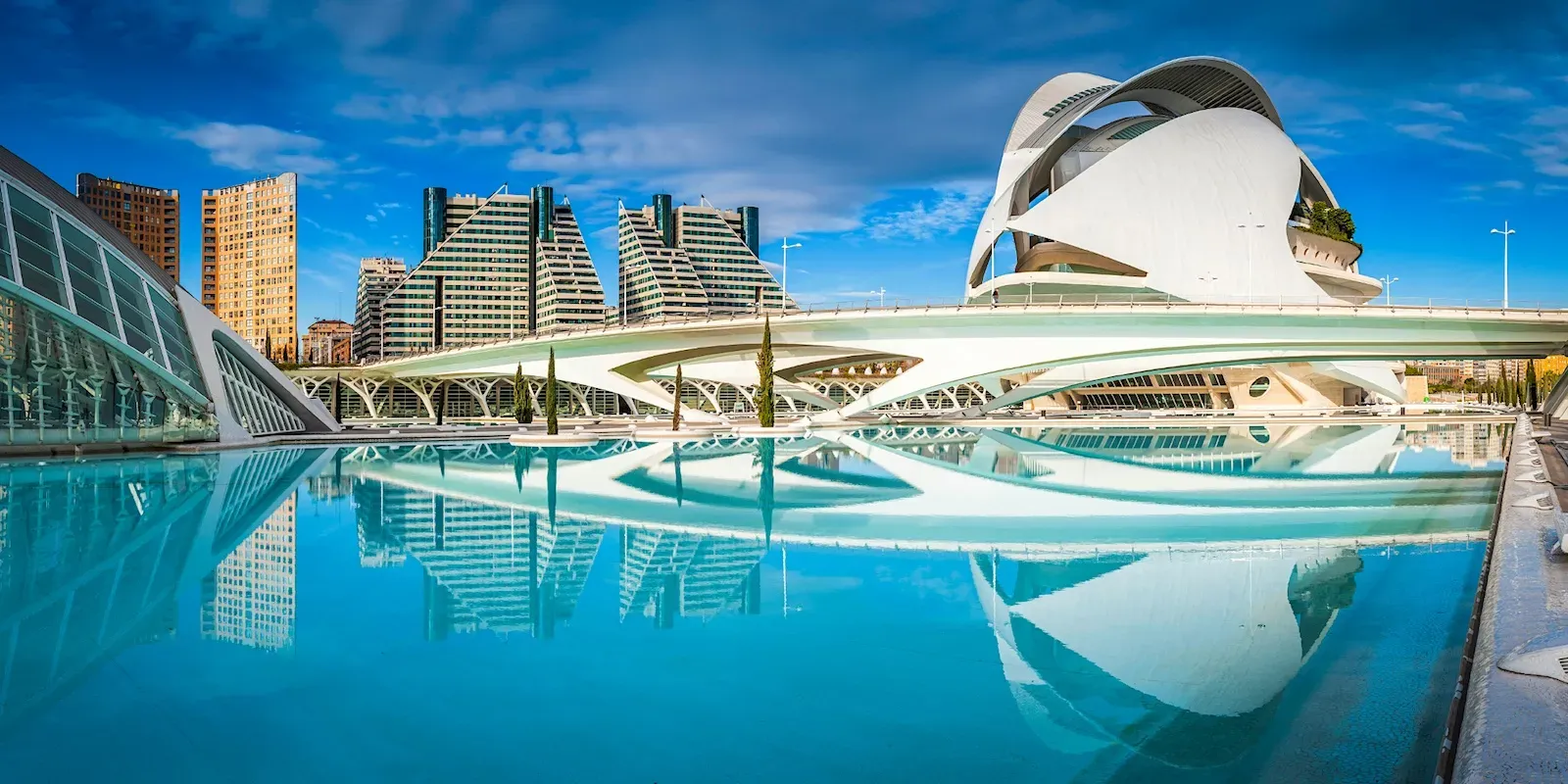
One day in Valencia: itinerary and highlights
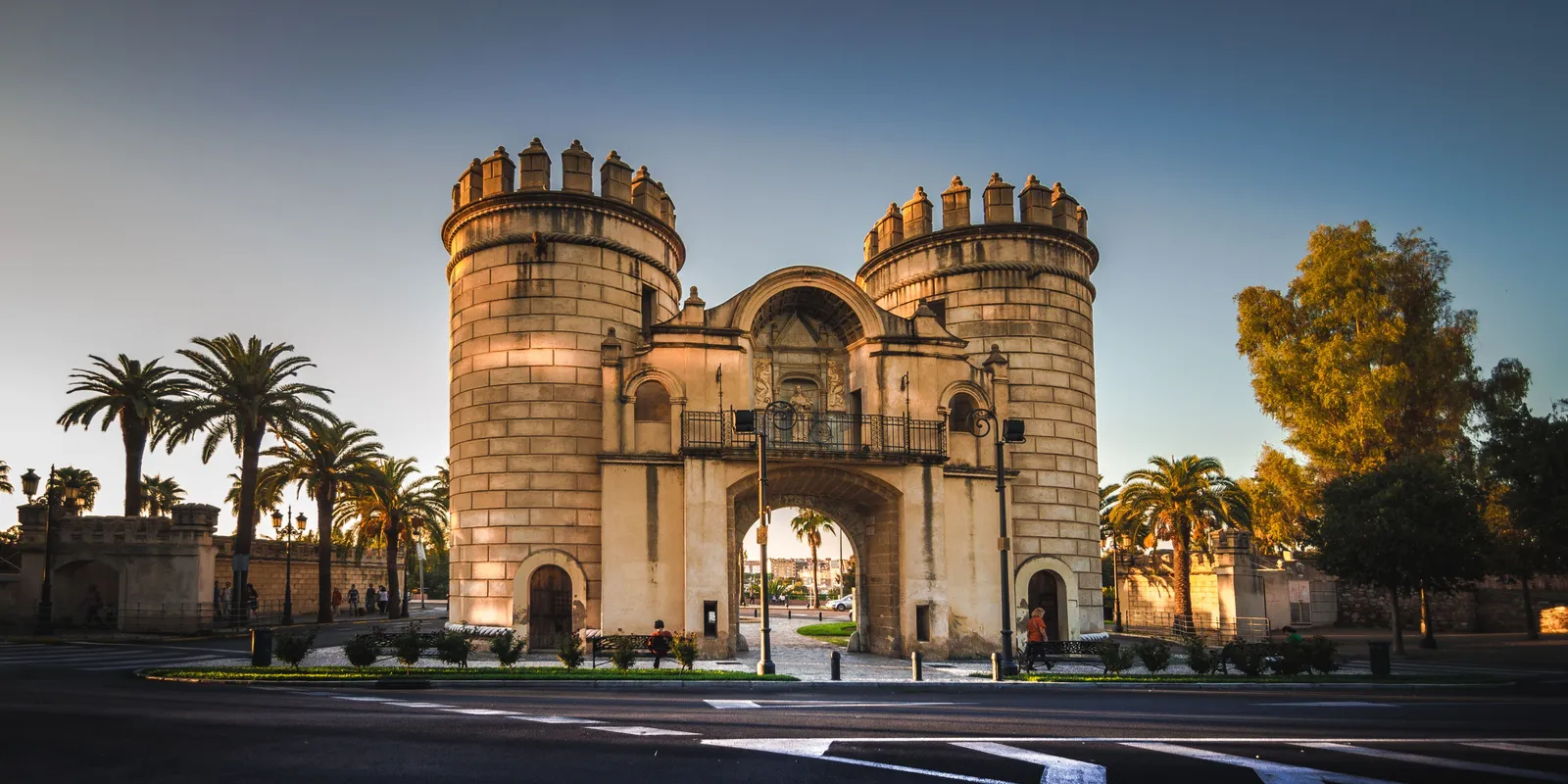
Badajoz: Iberia's most contested border town
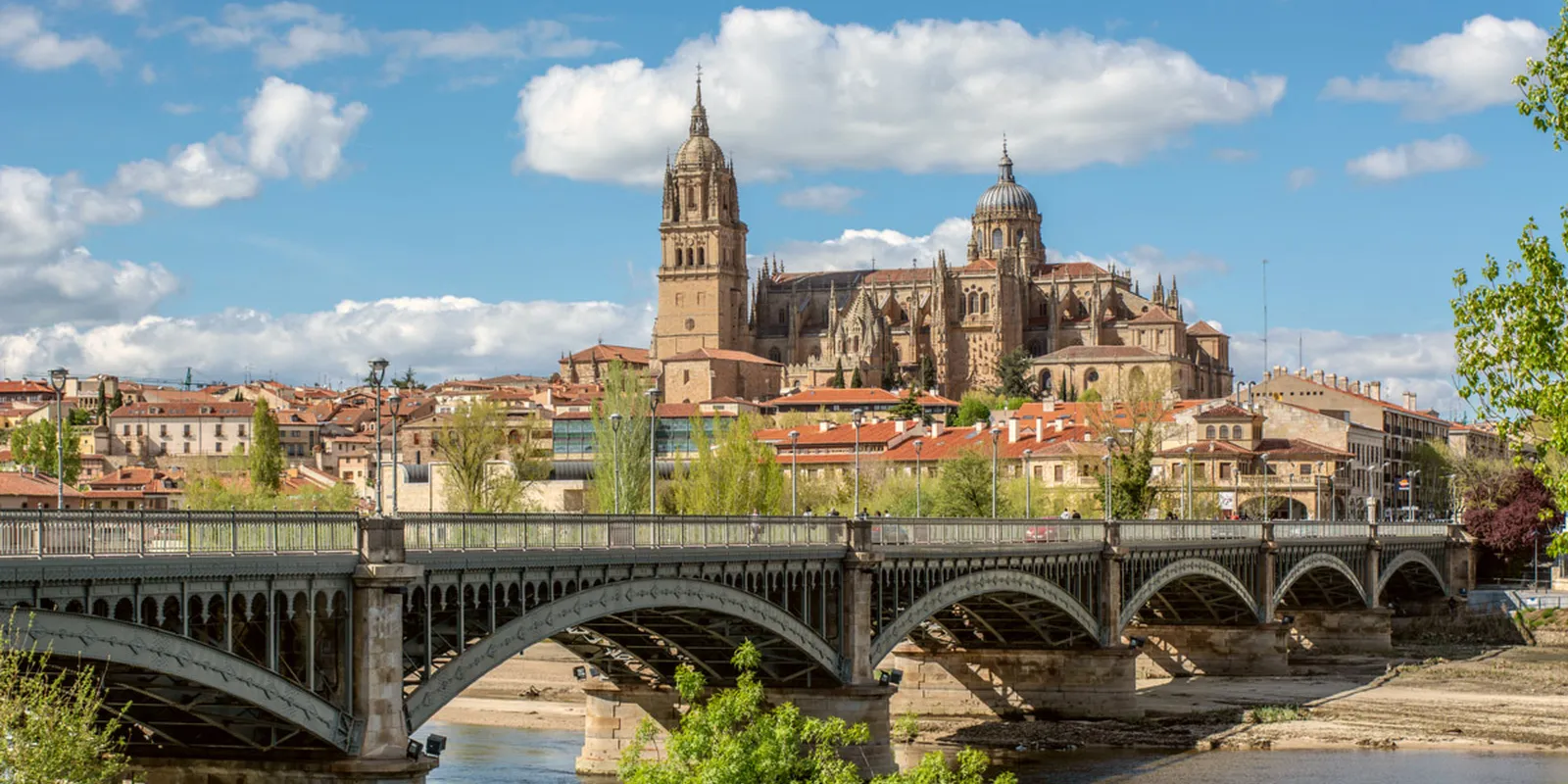
Salamanca: the frog hidden at Spain's oldest university
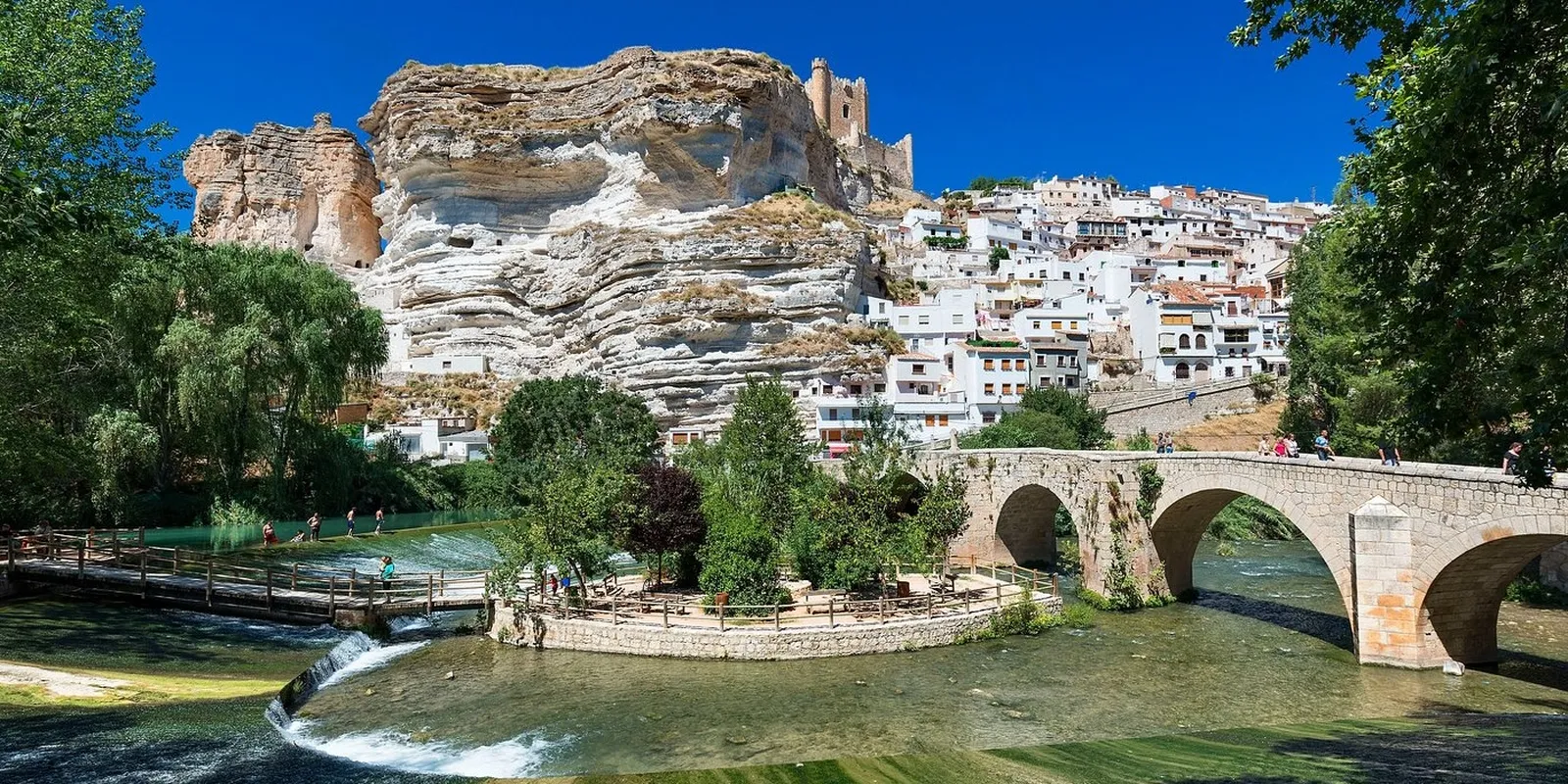
Albacete: the land of Don Quixote in Castile
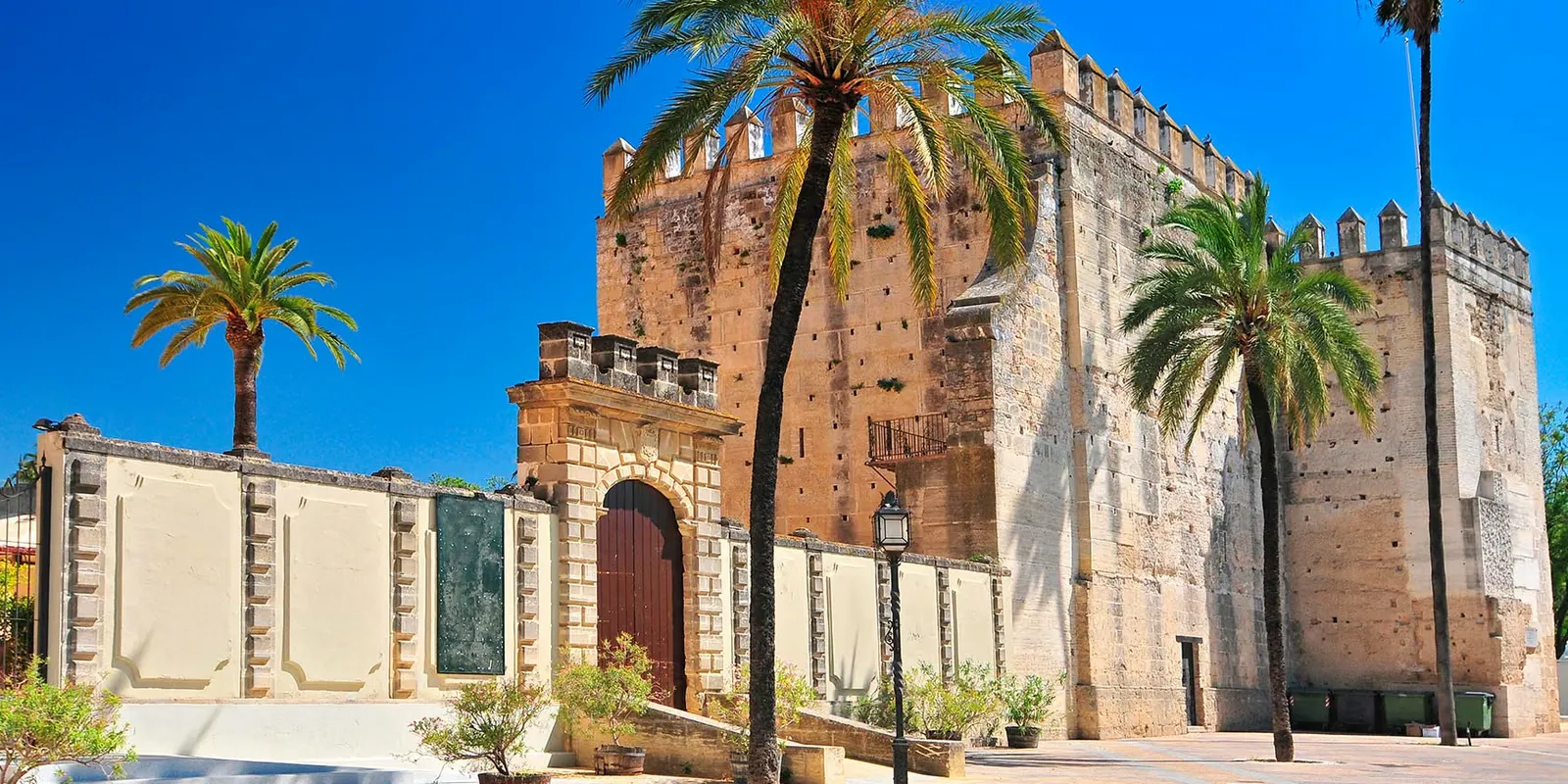
Jerez de la Frontera: sherry, horses and flamenco
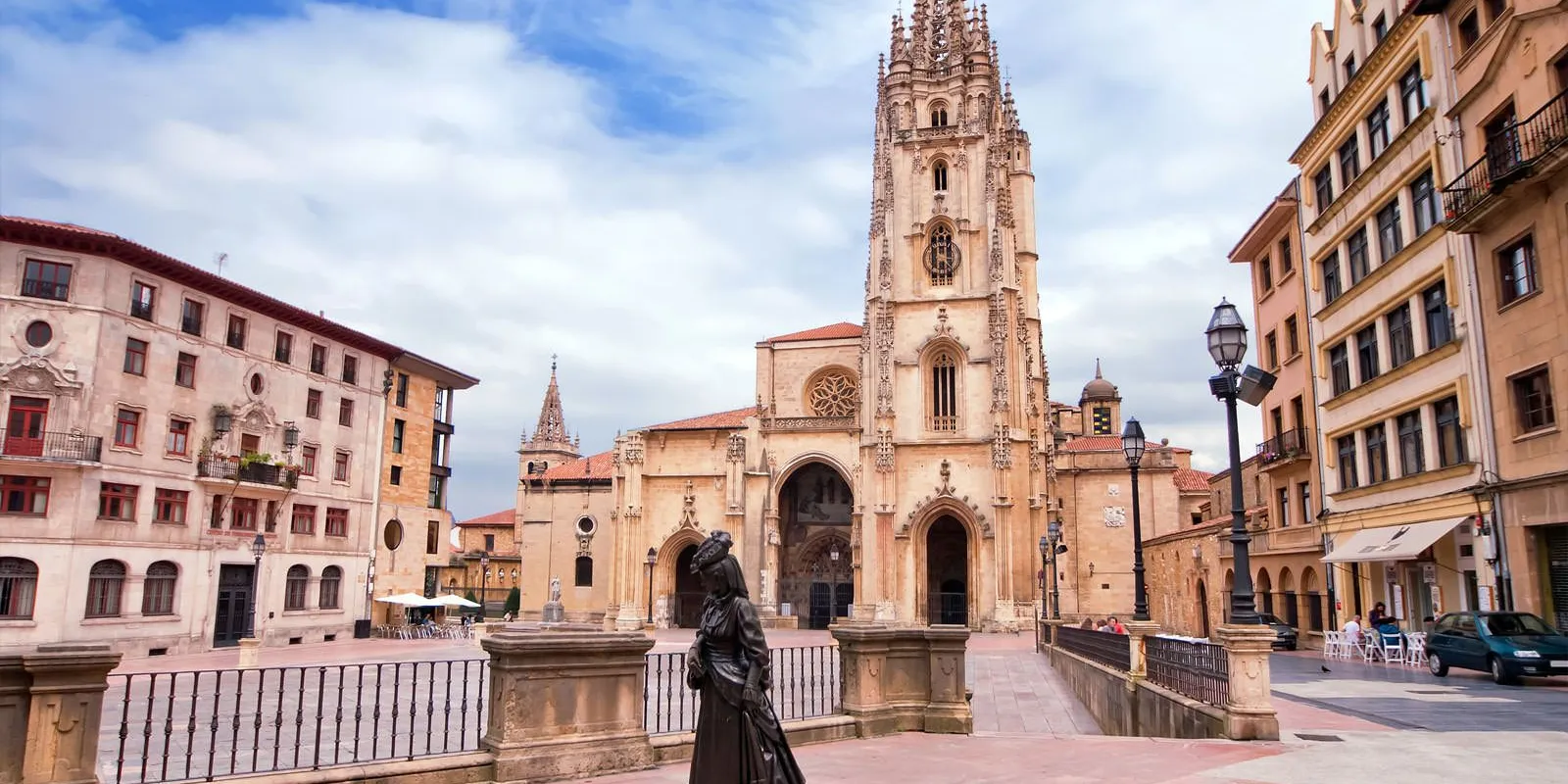
Oviedo: capital of the kingdom before the Reconquista