Italy: main airports
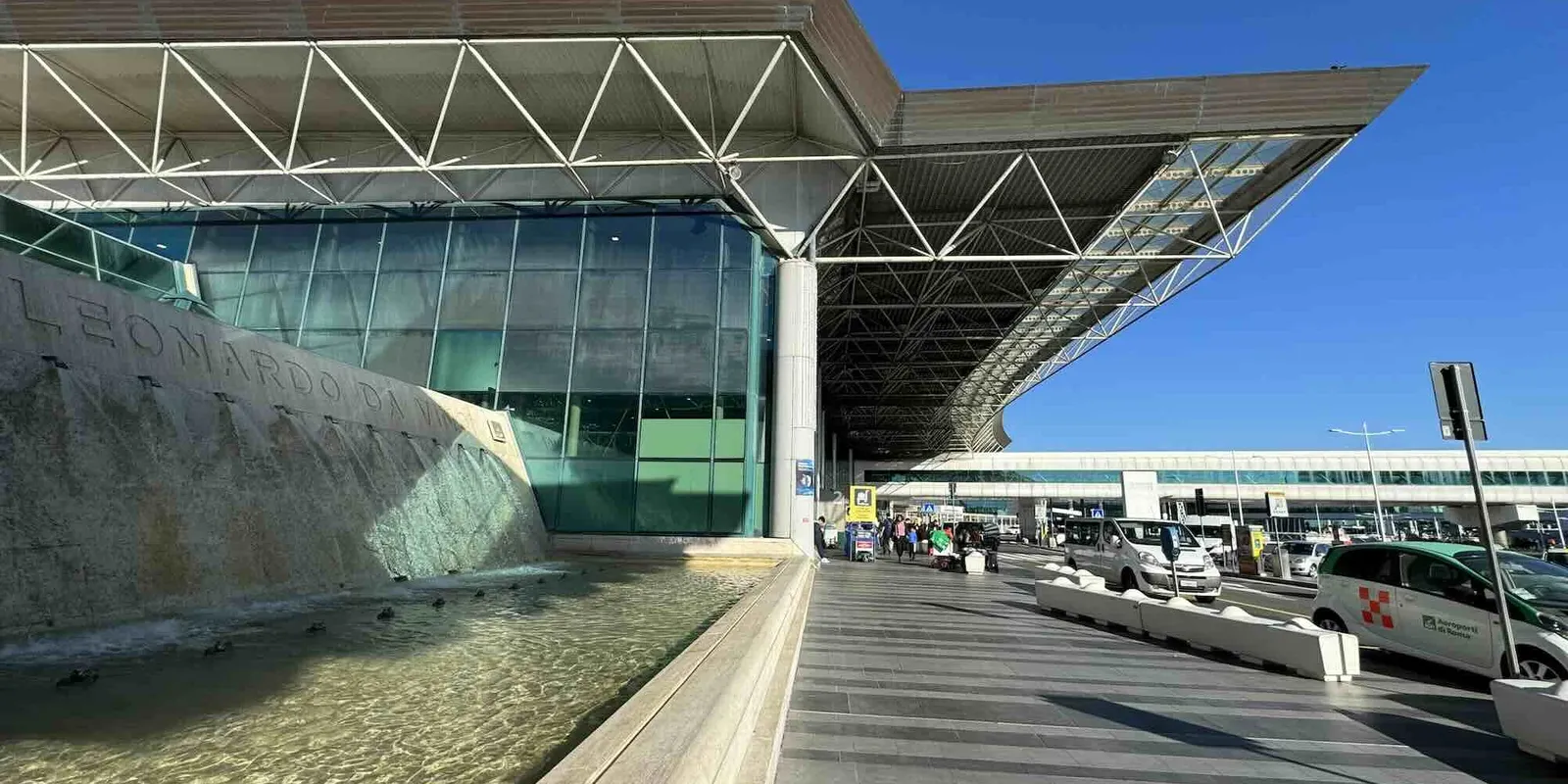
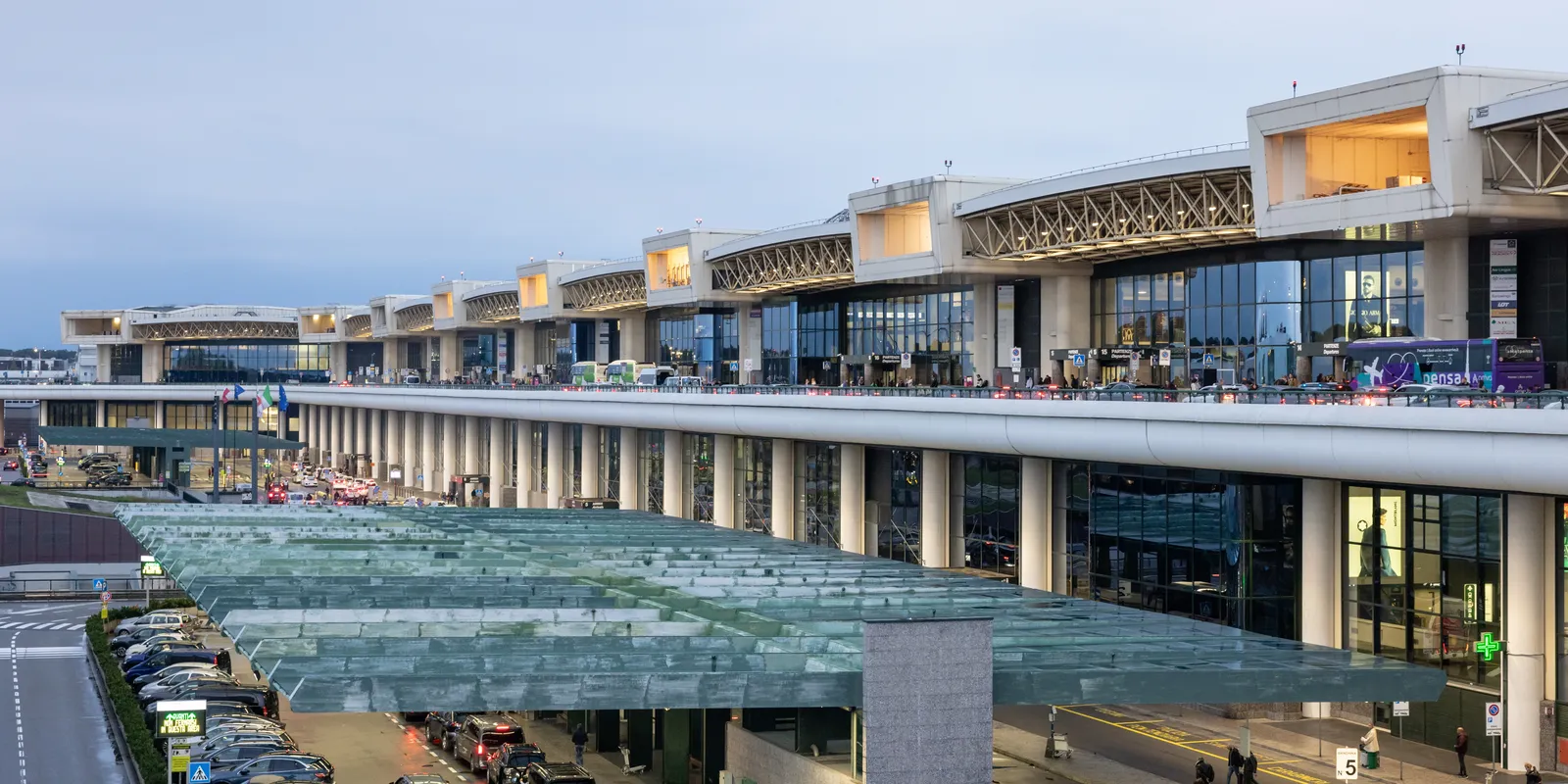
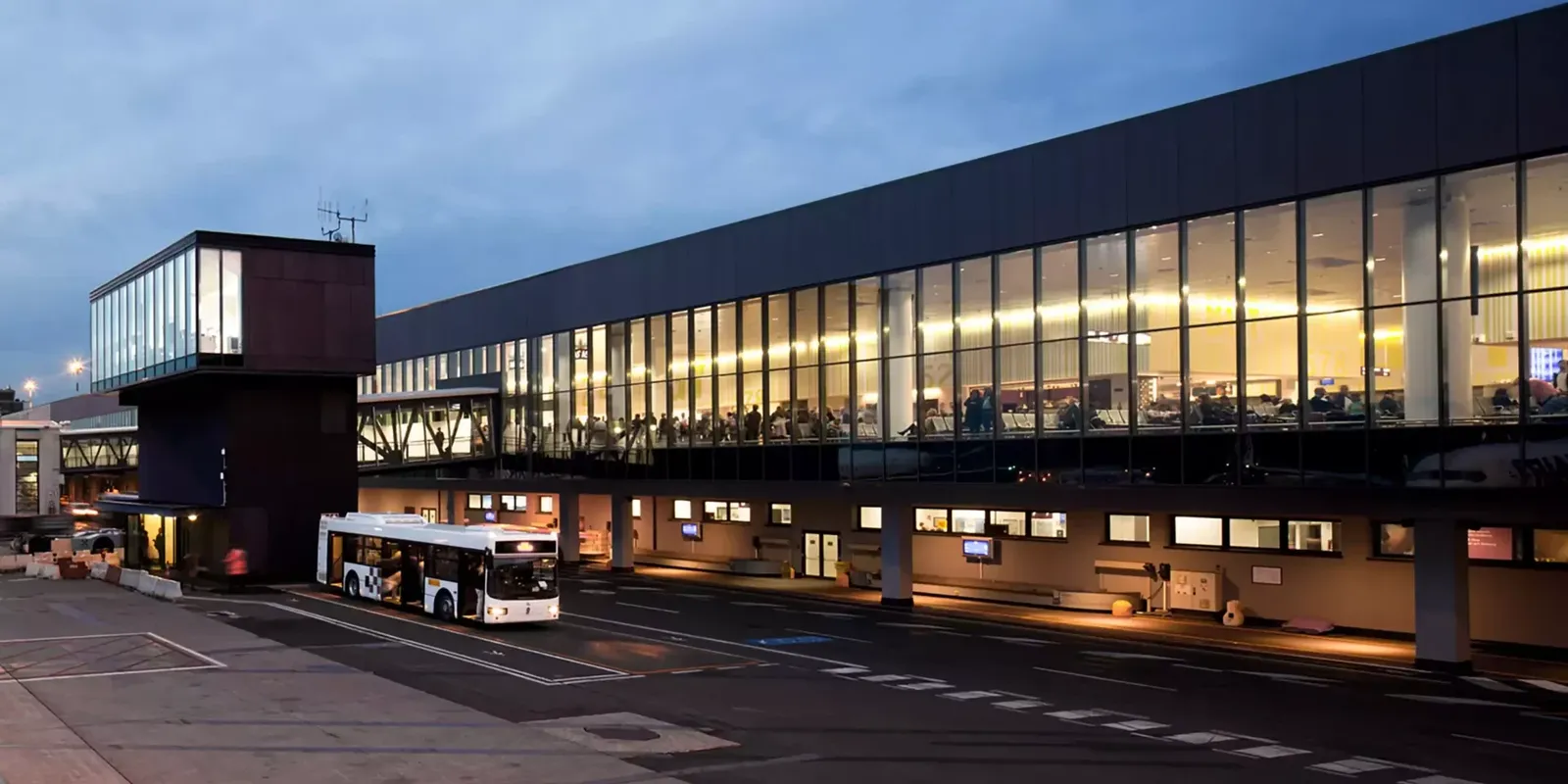
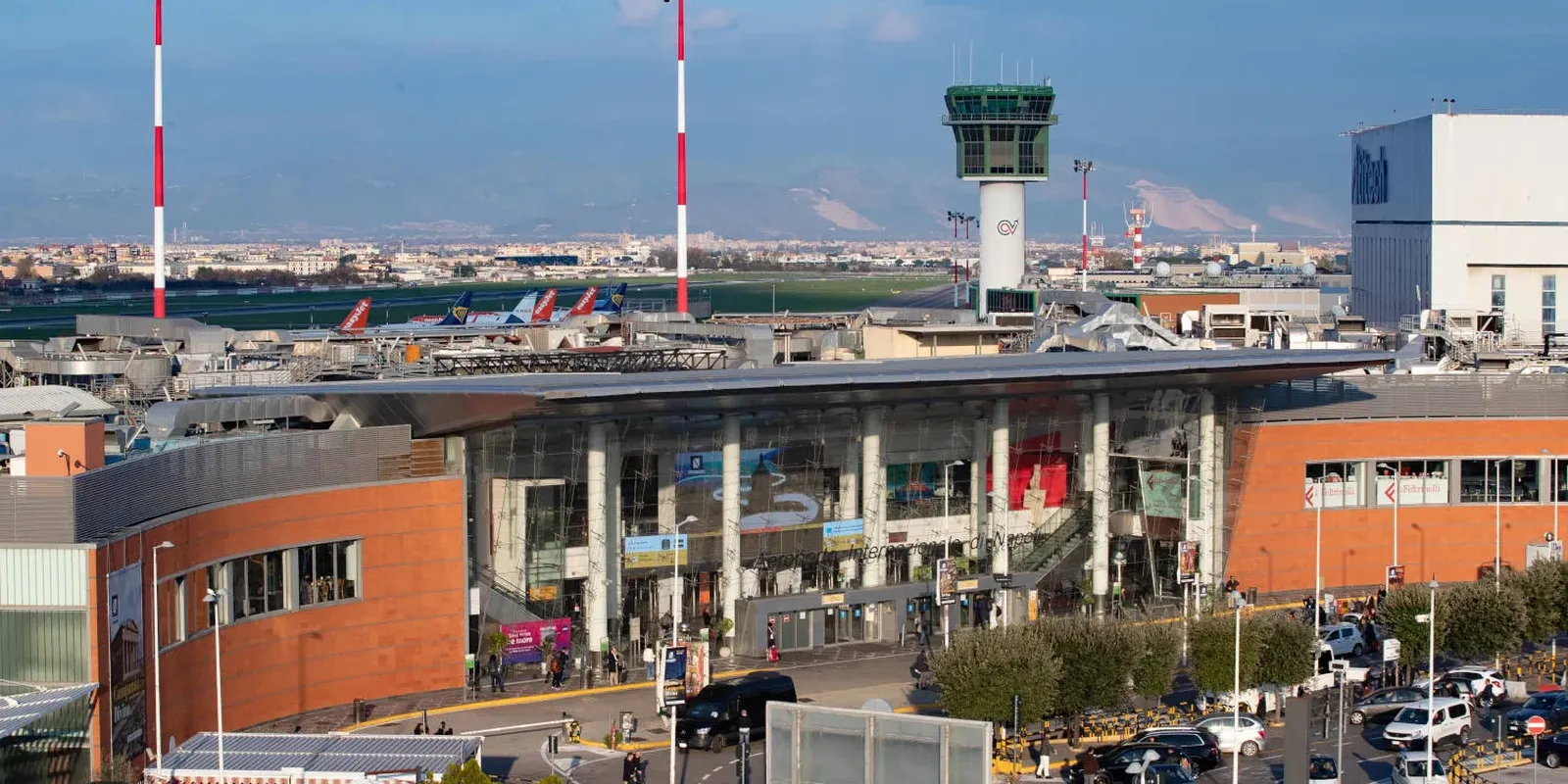
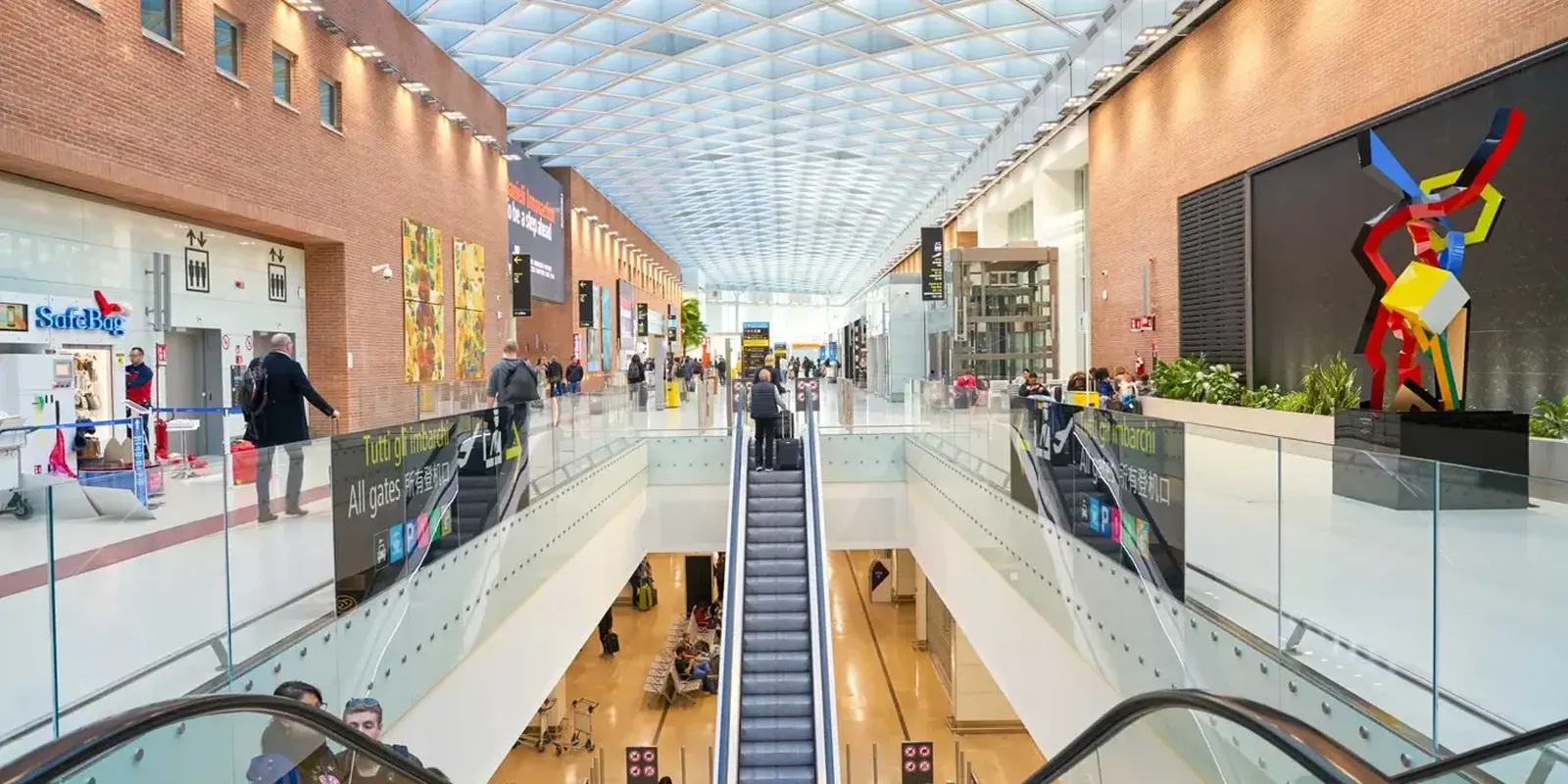
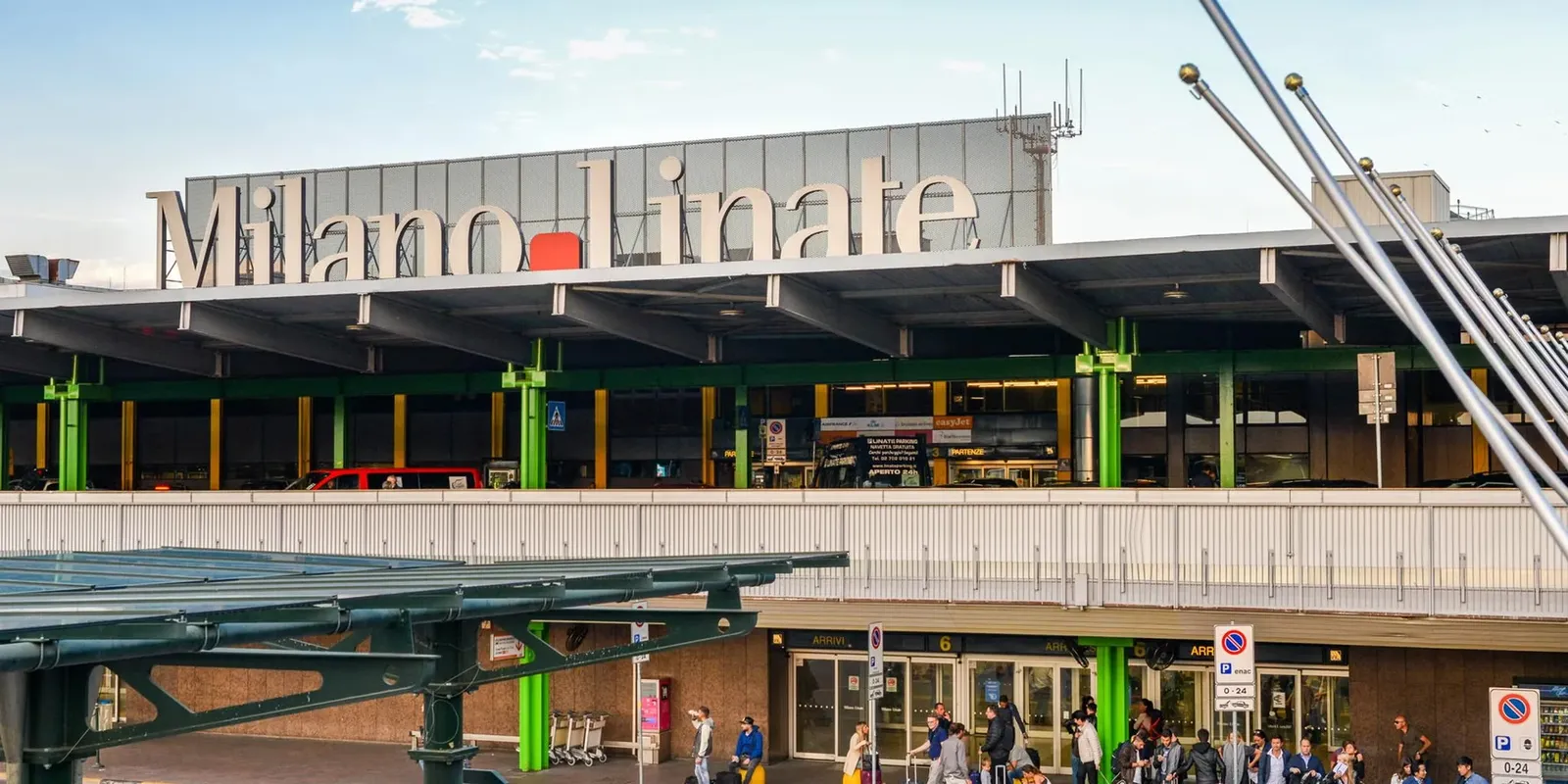
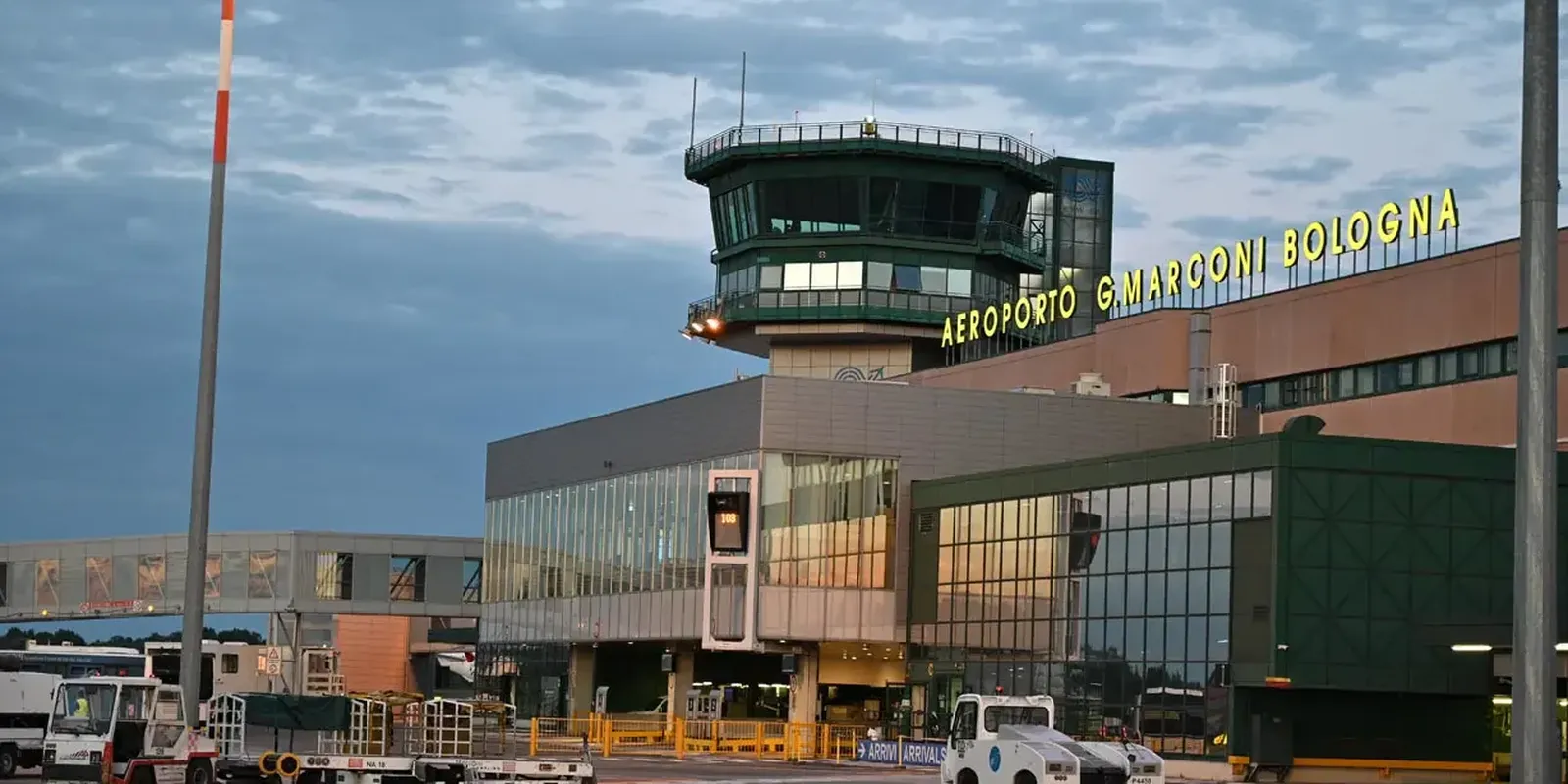
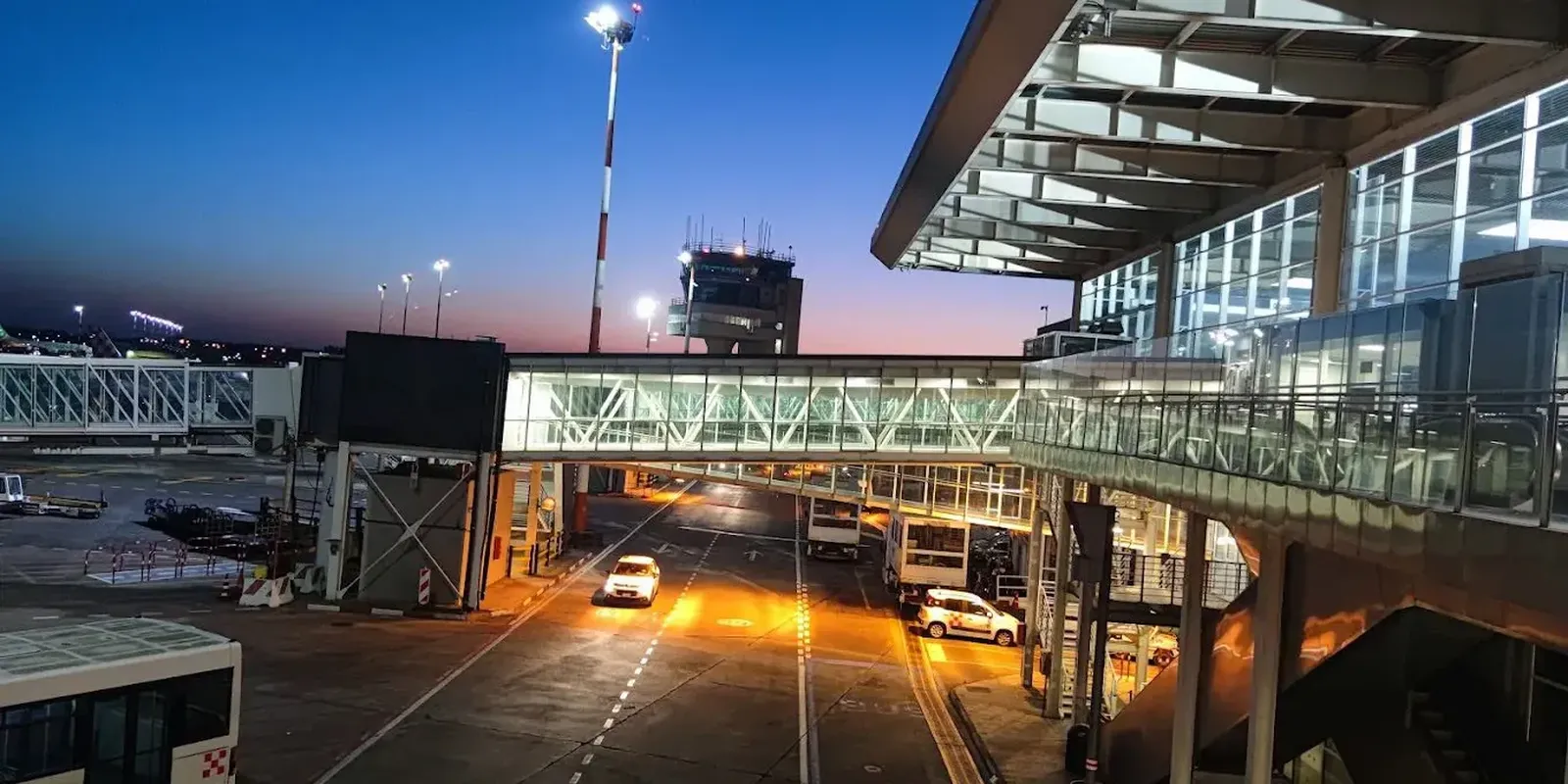
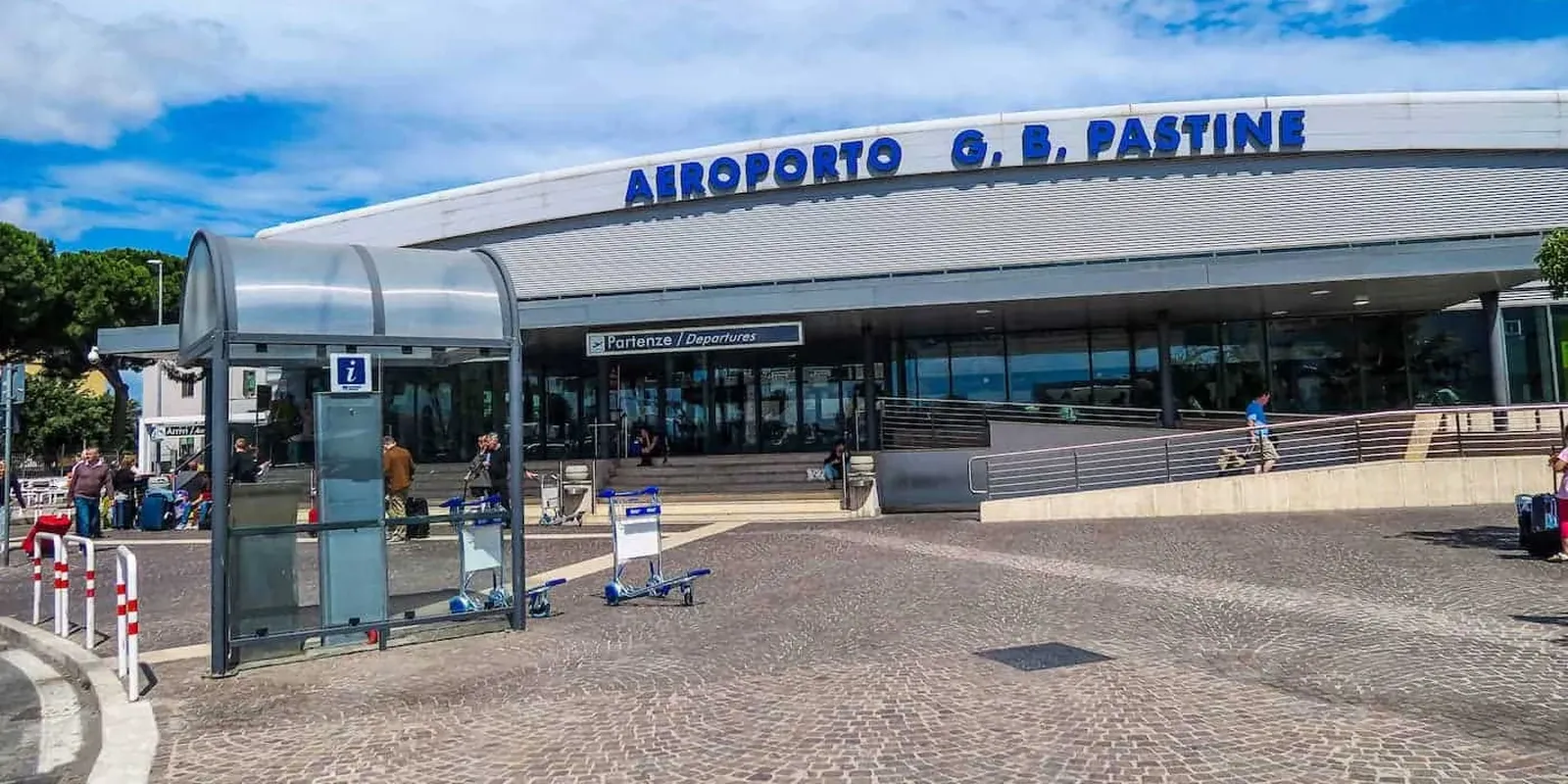
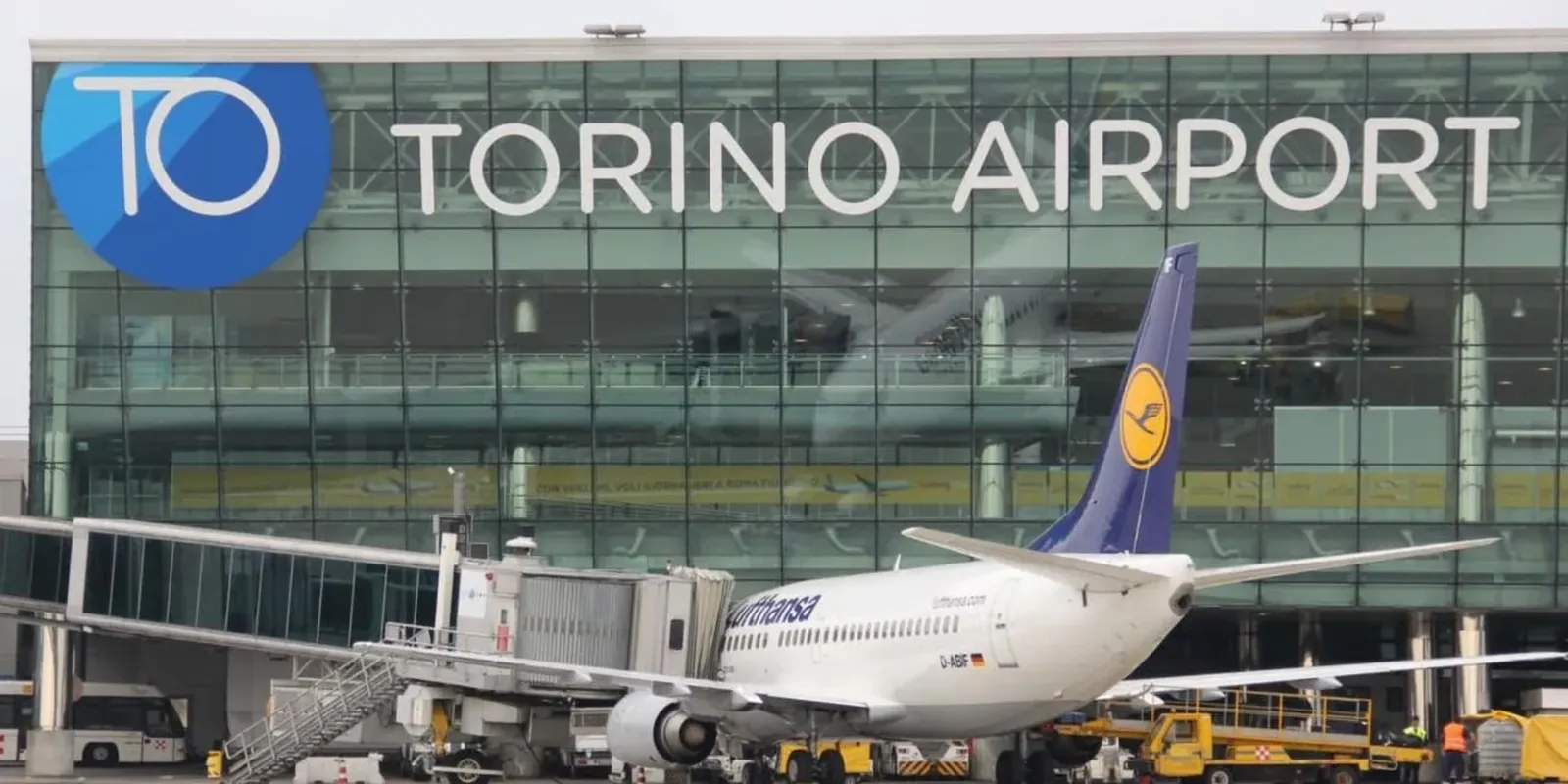
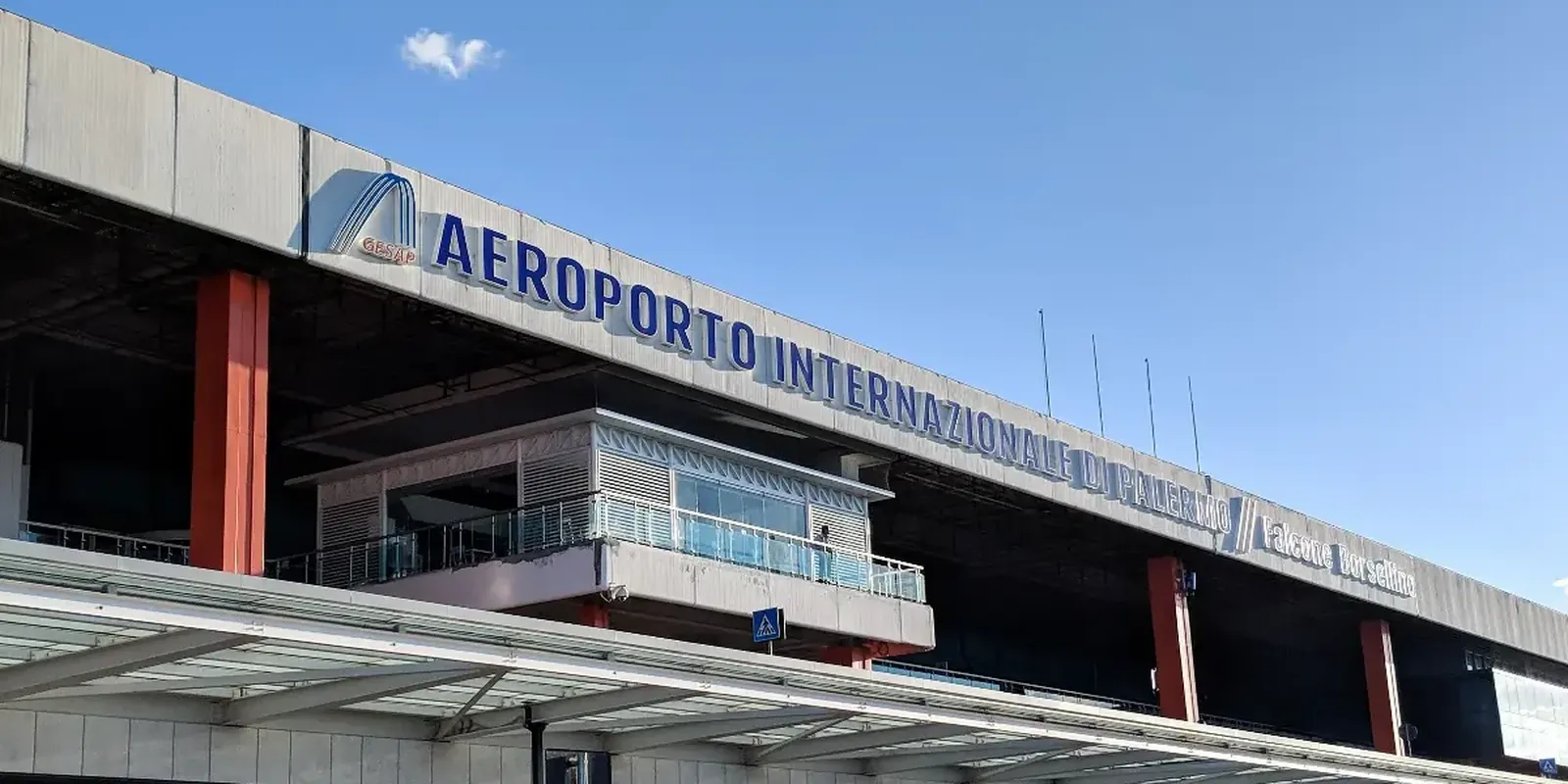
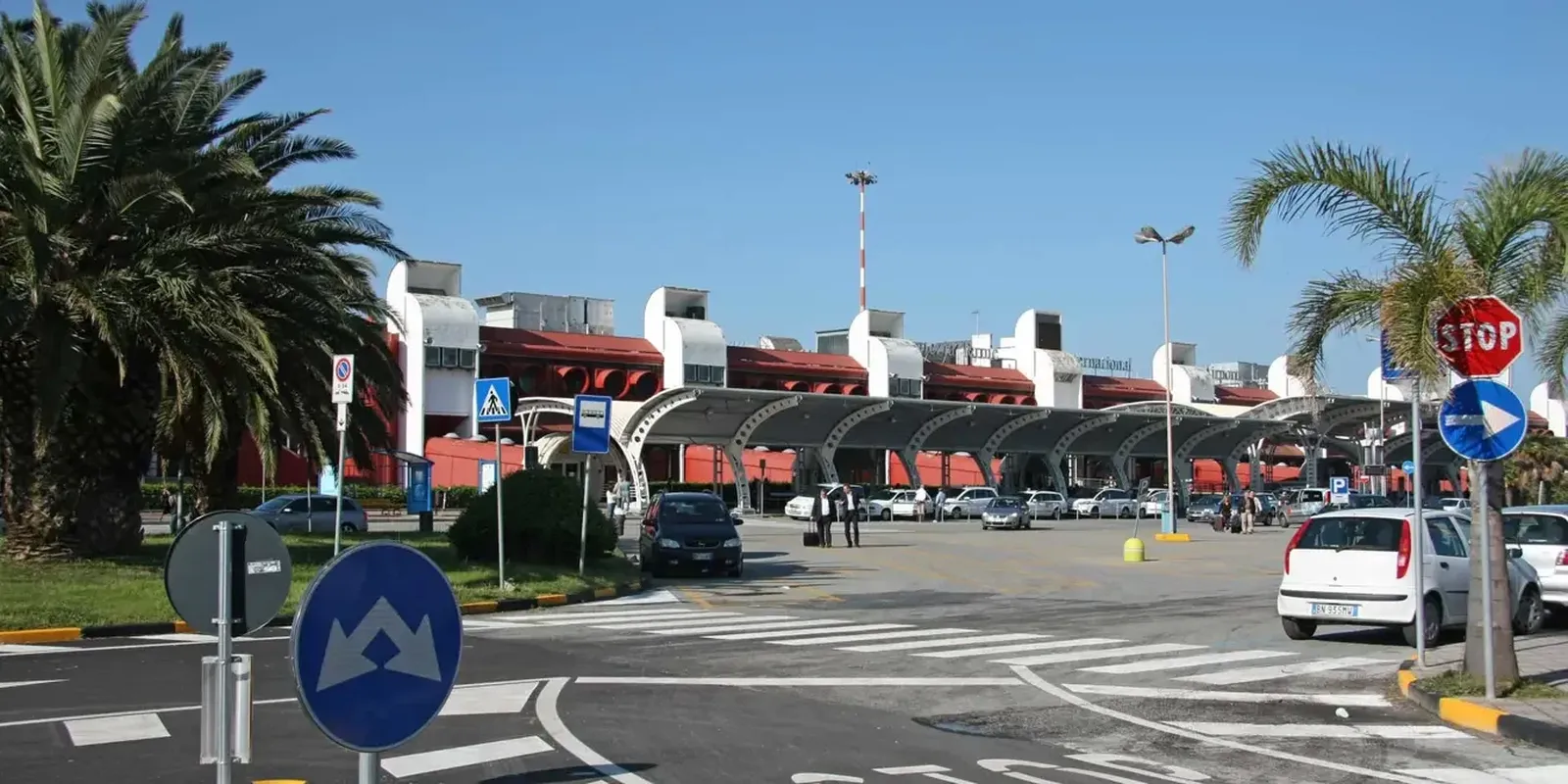
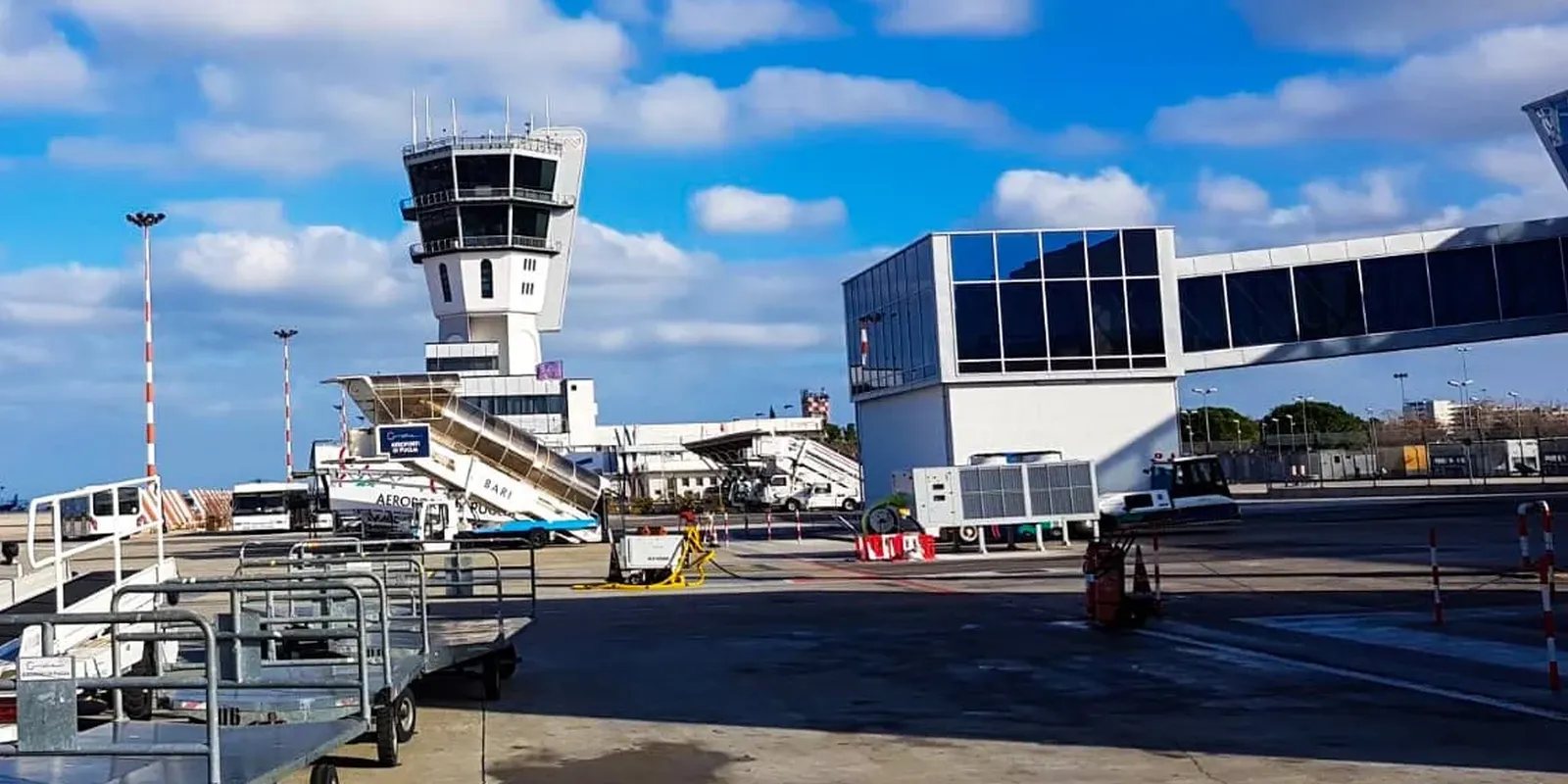
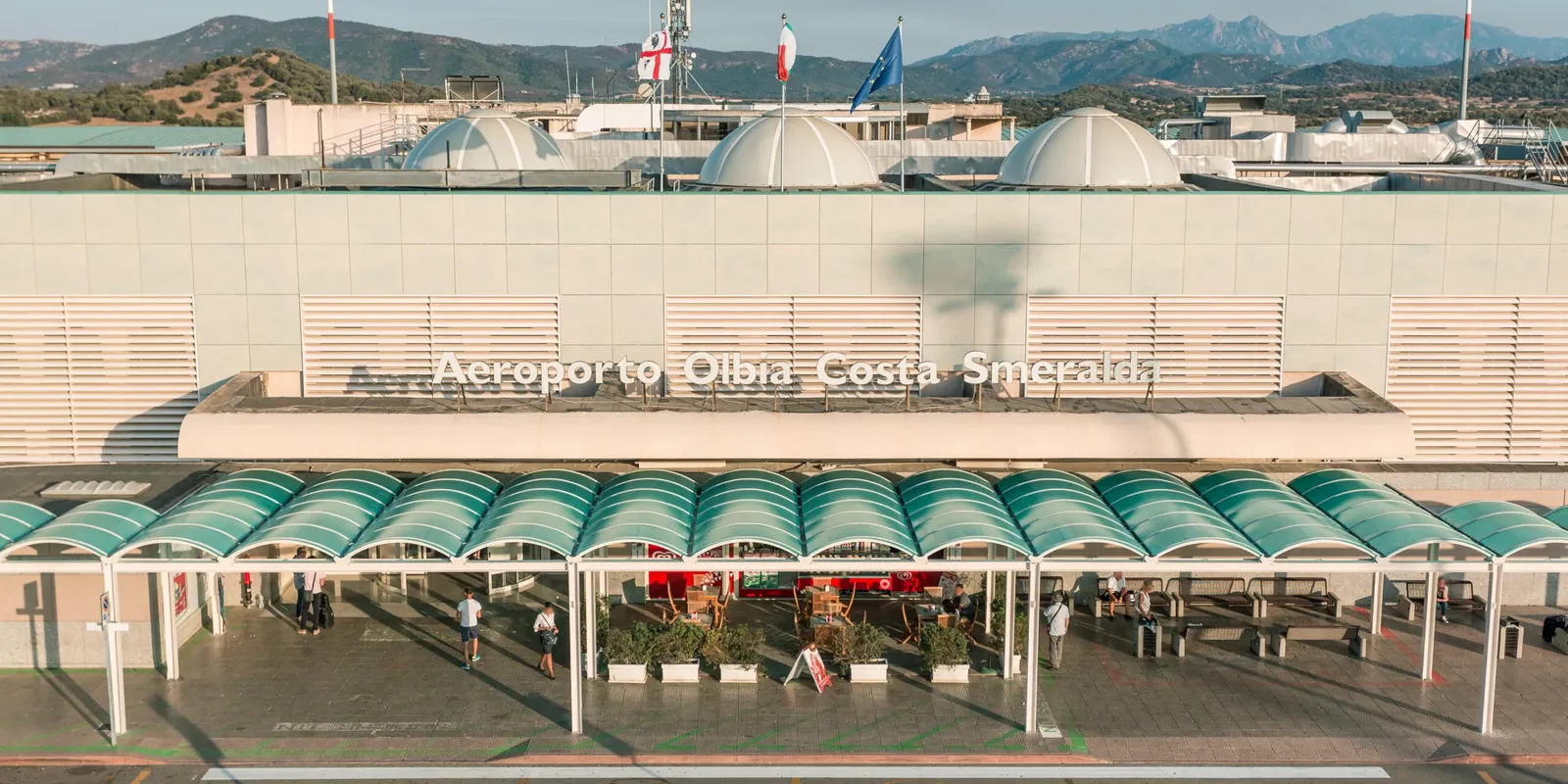
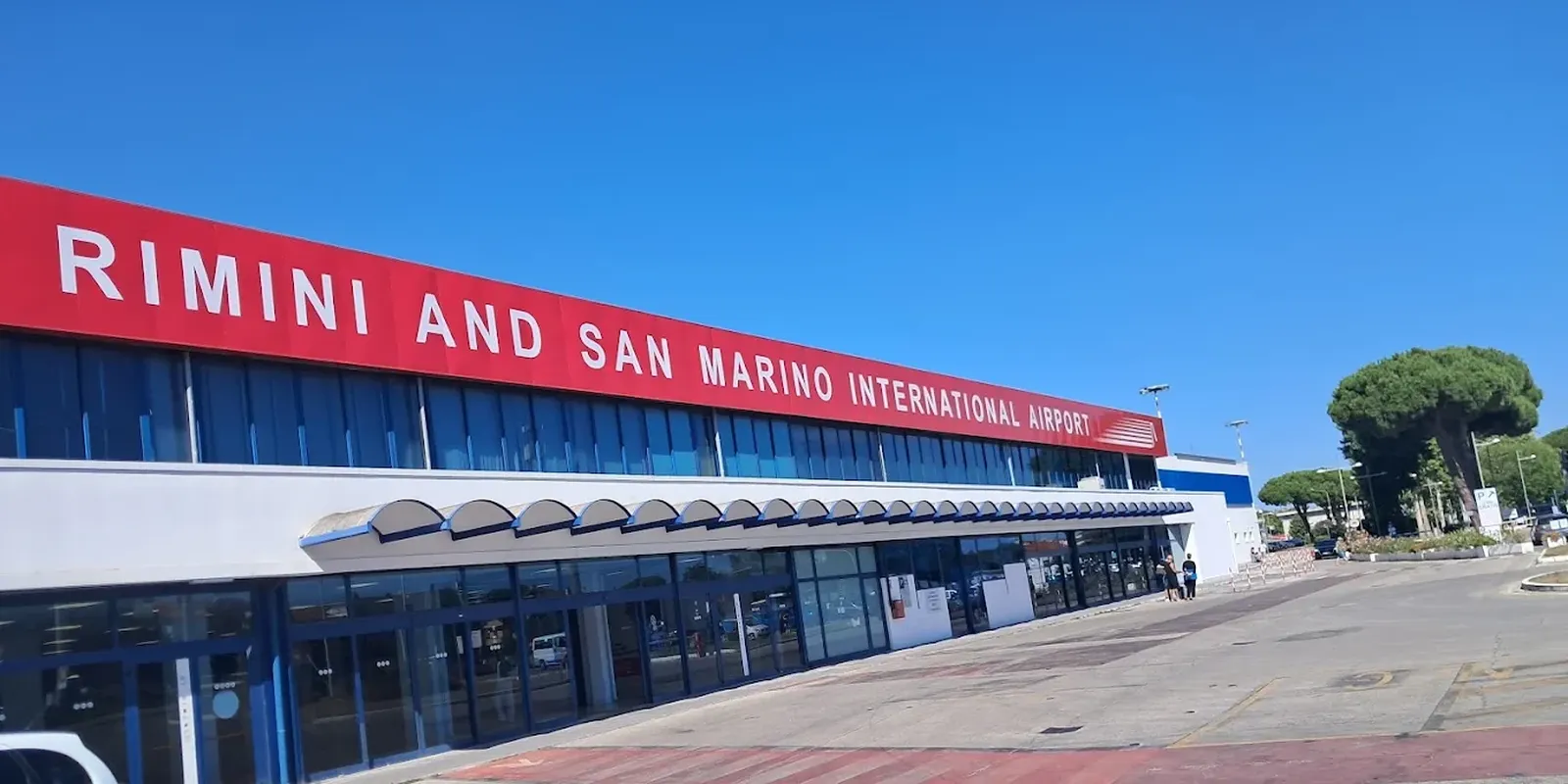
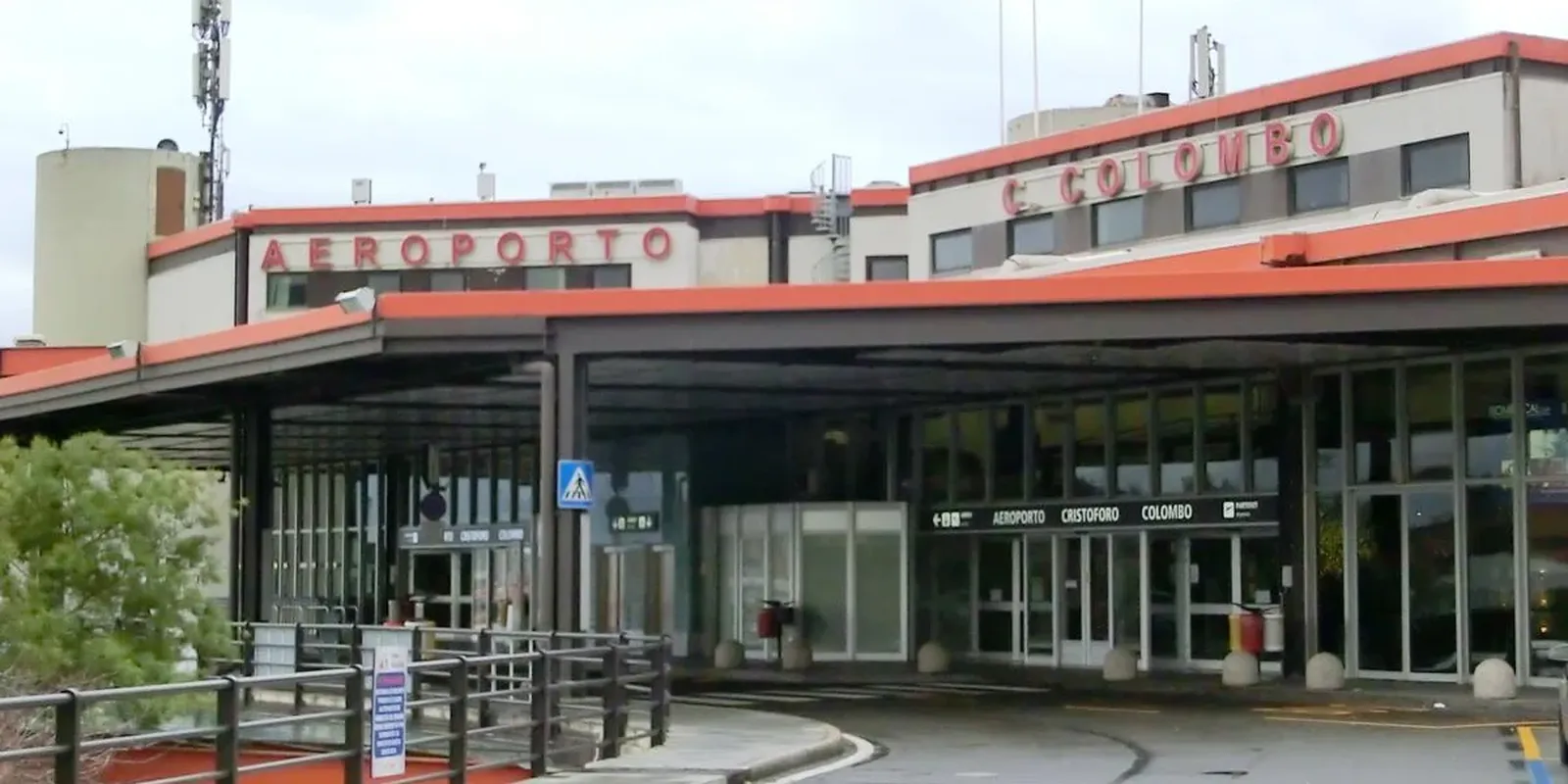
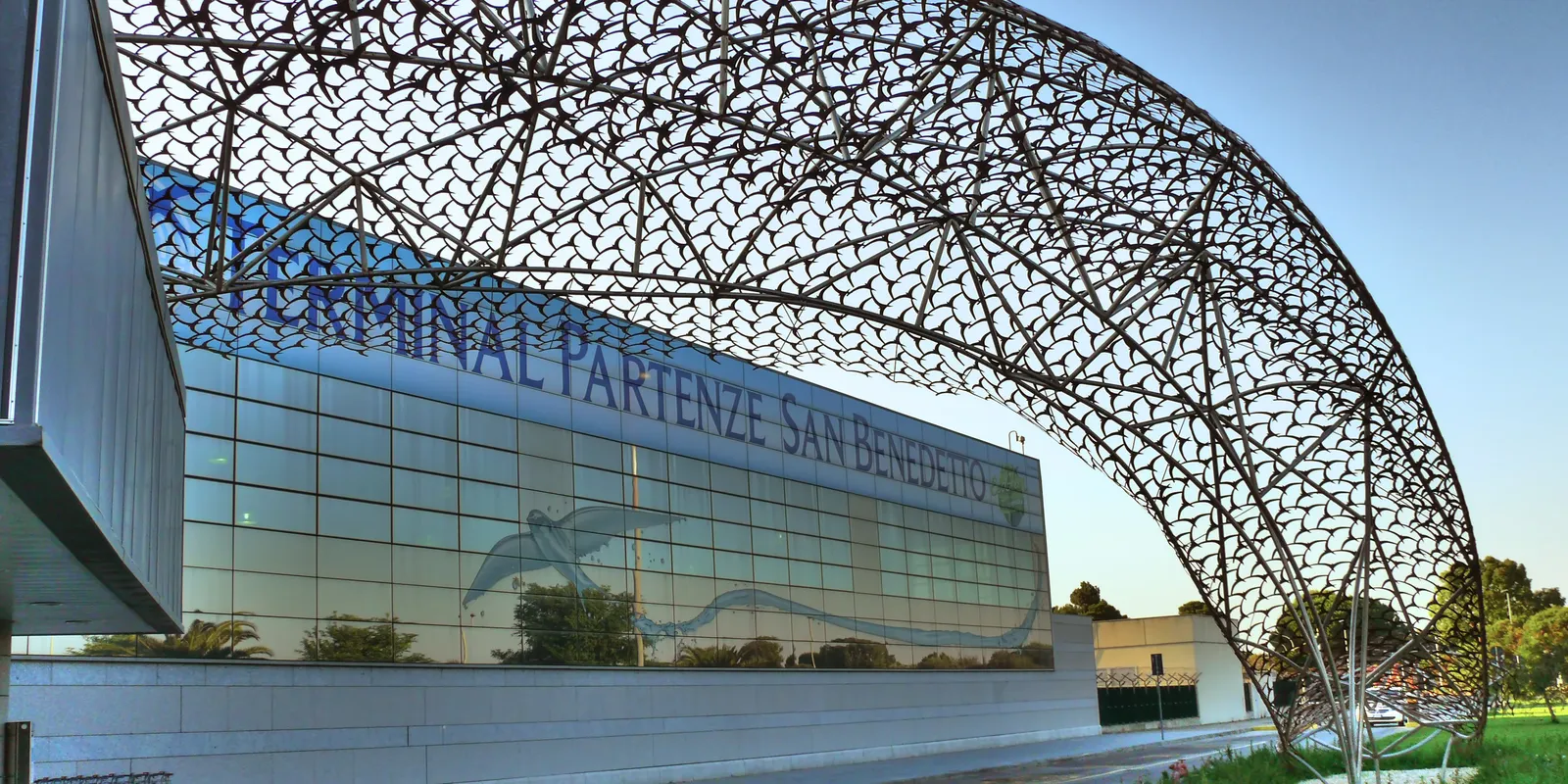
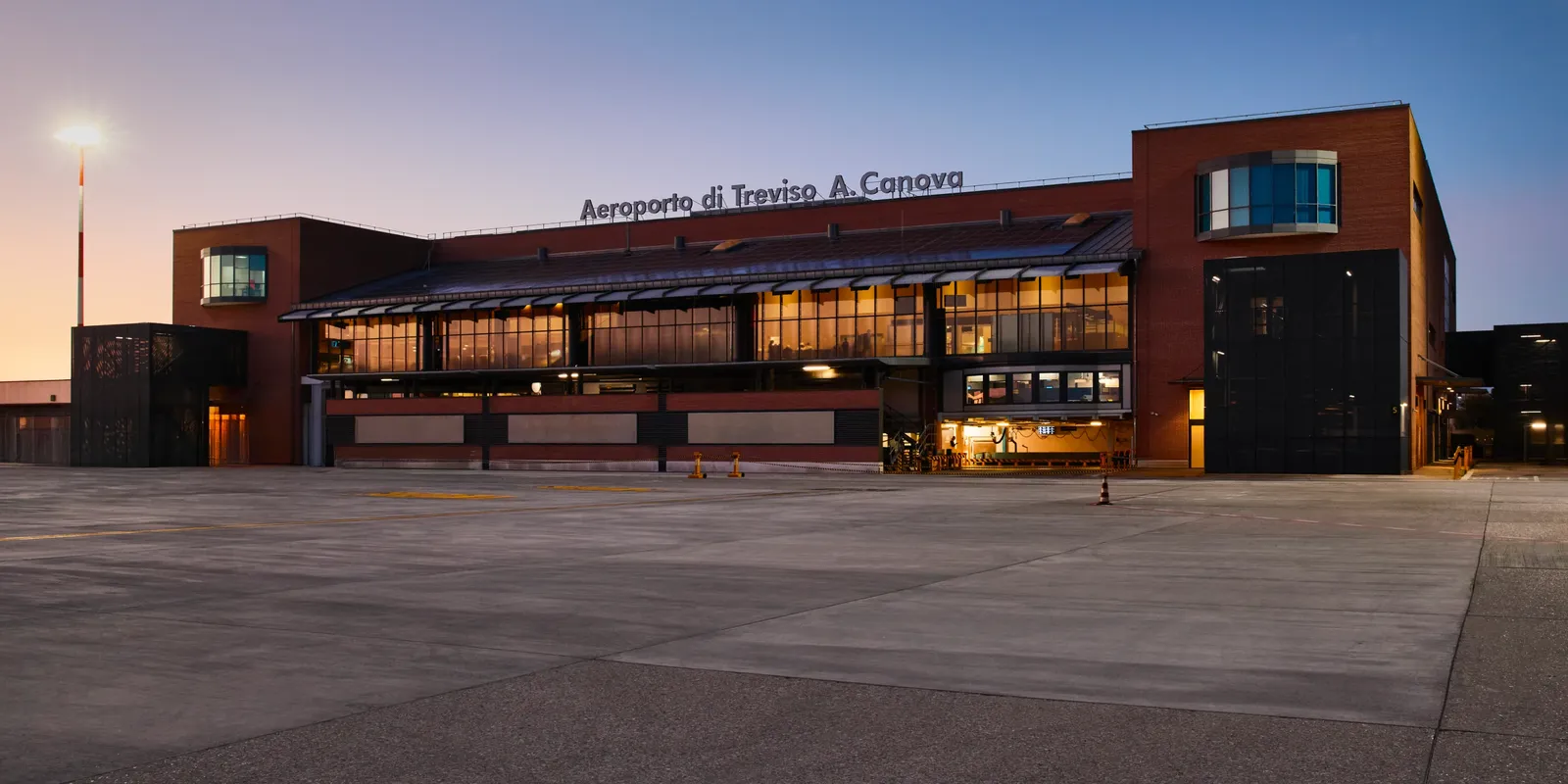
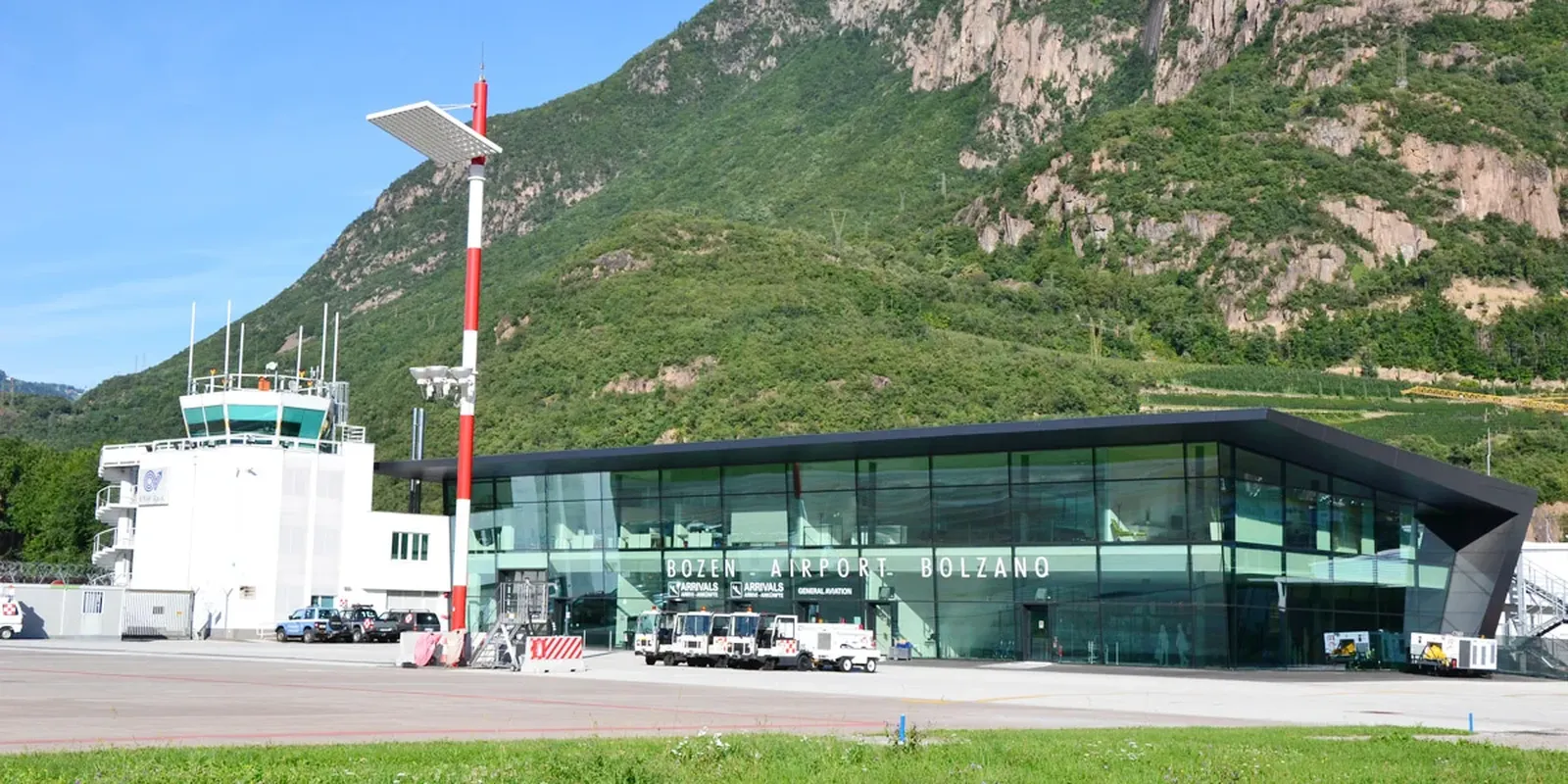
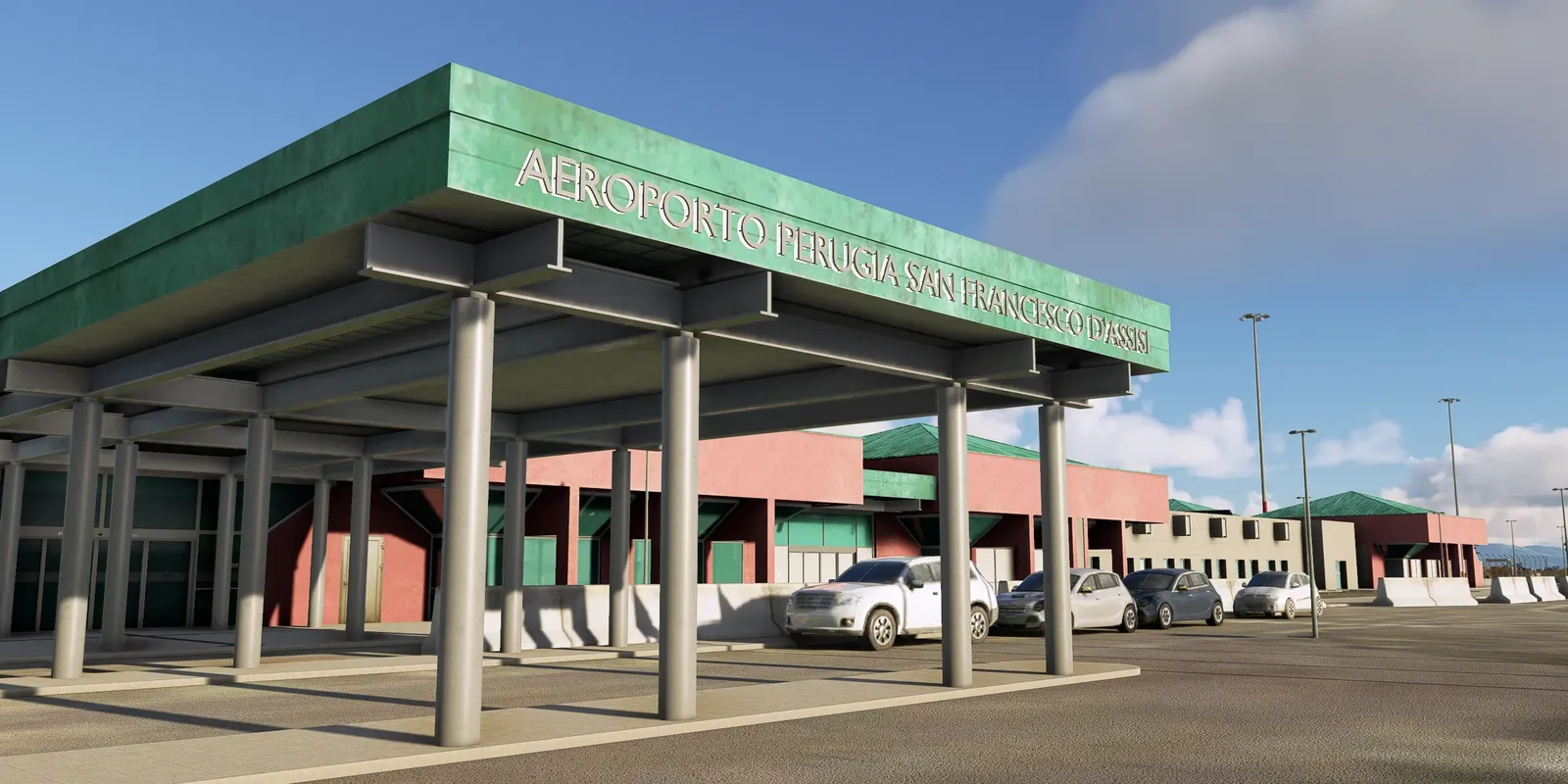
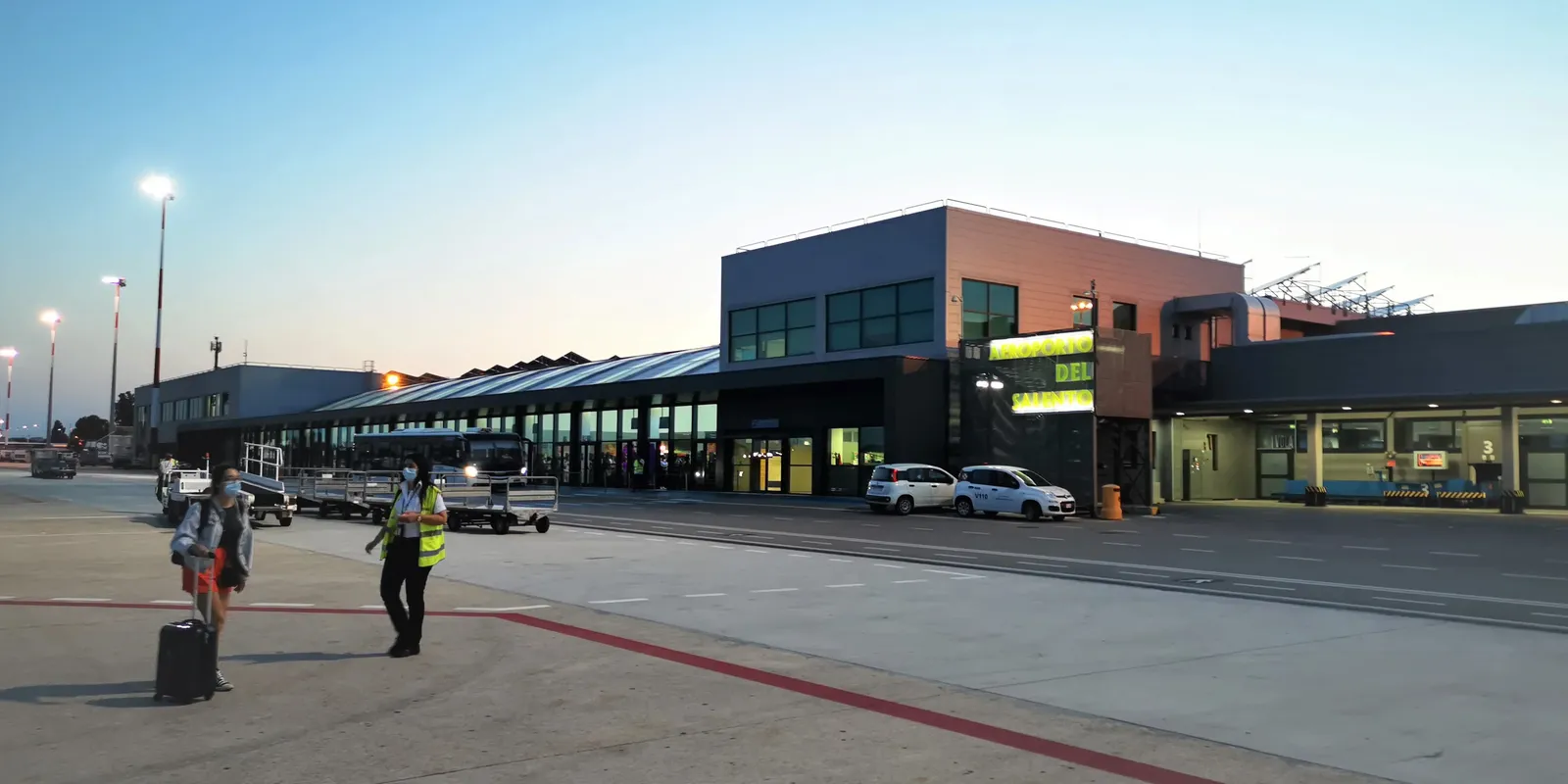
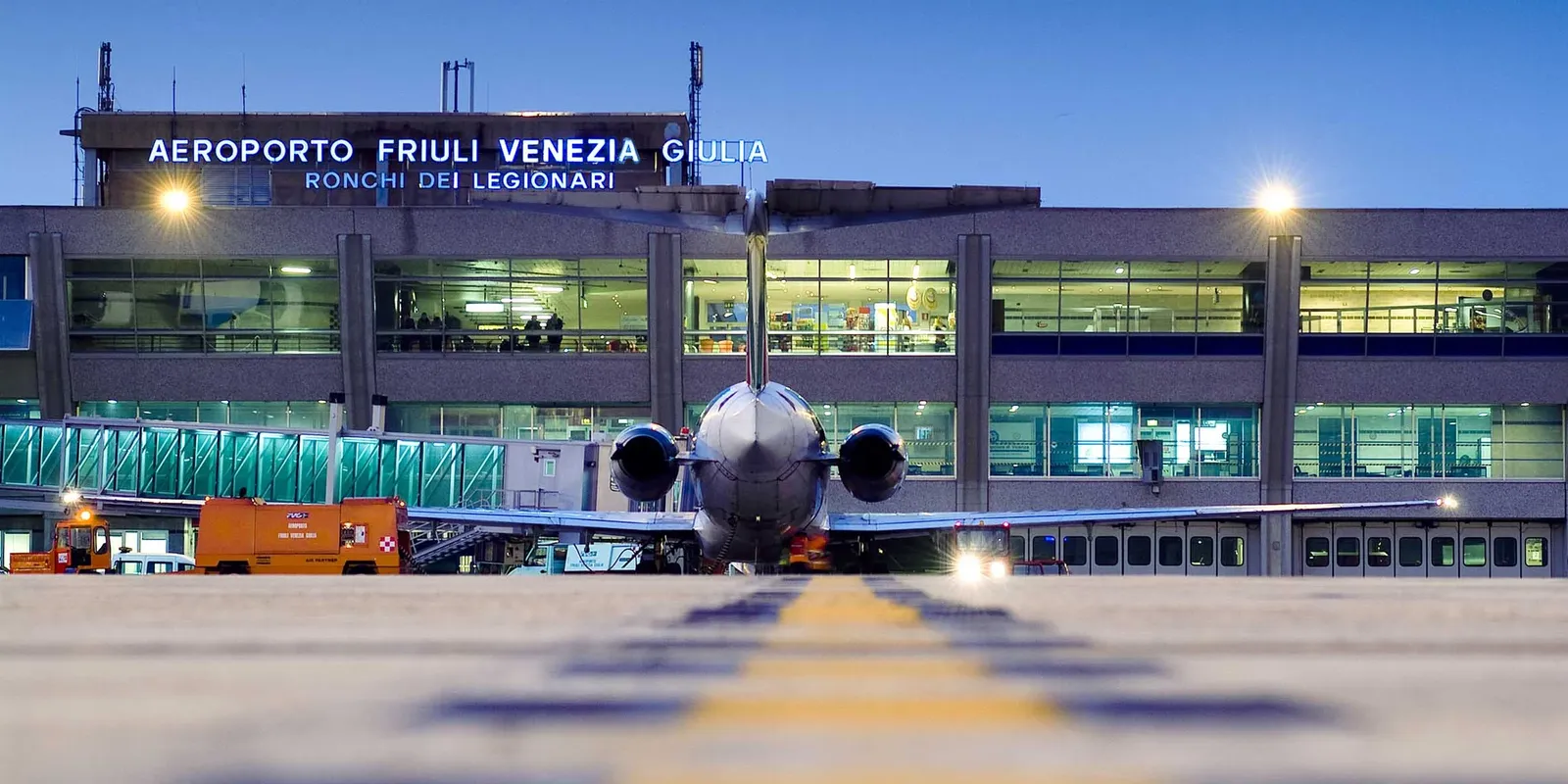
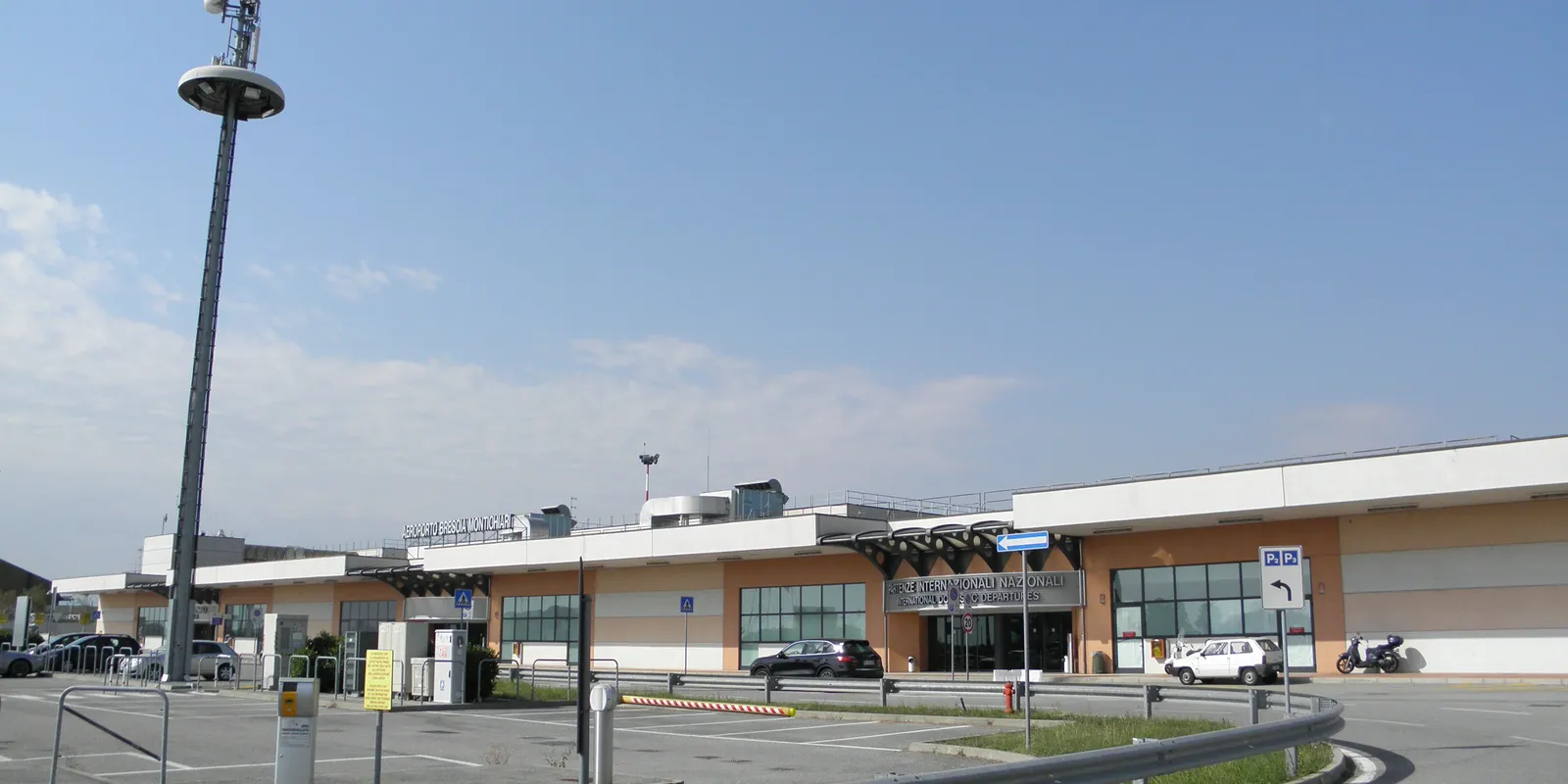
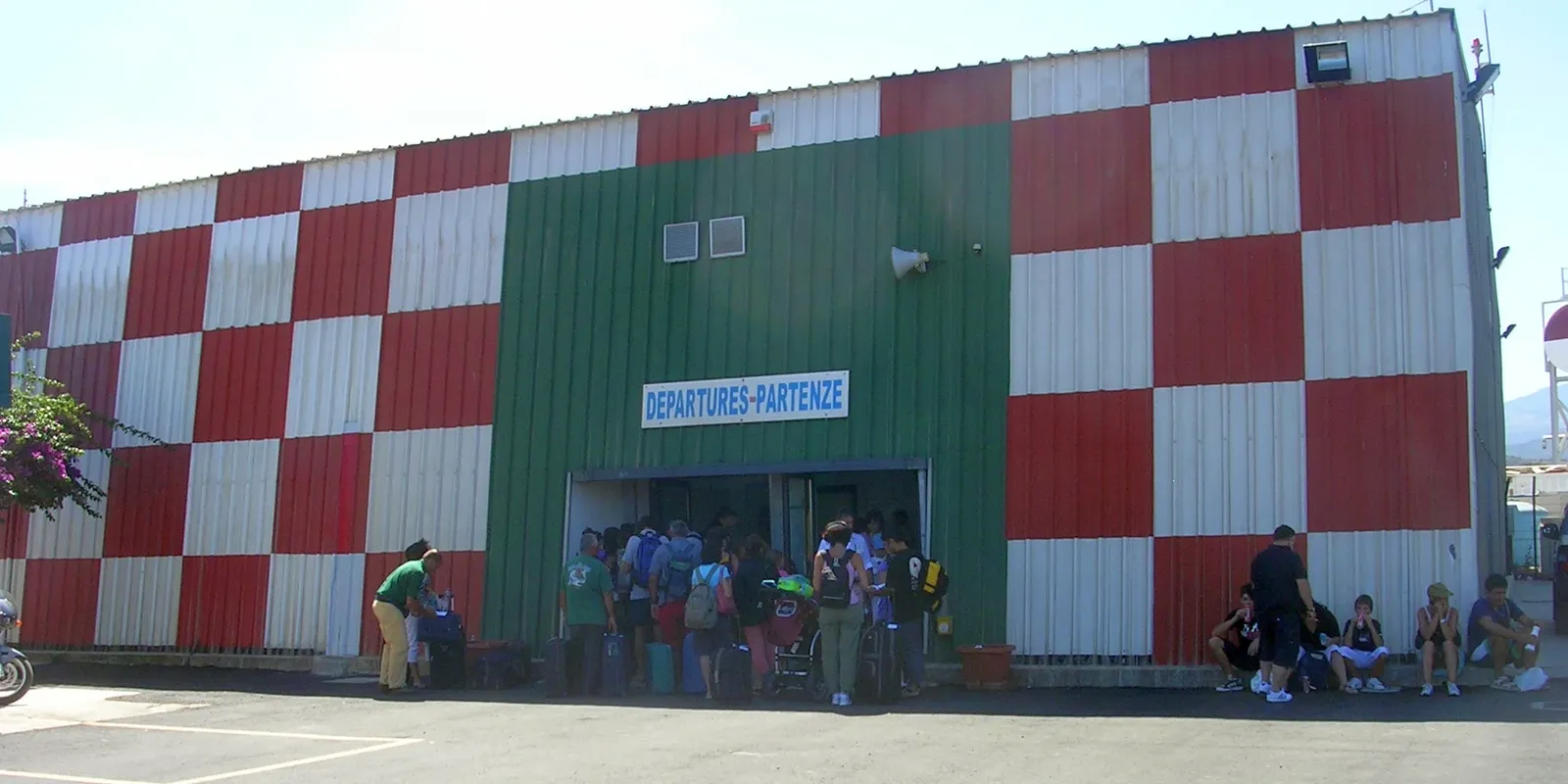
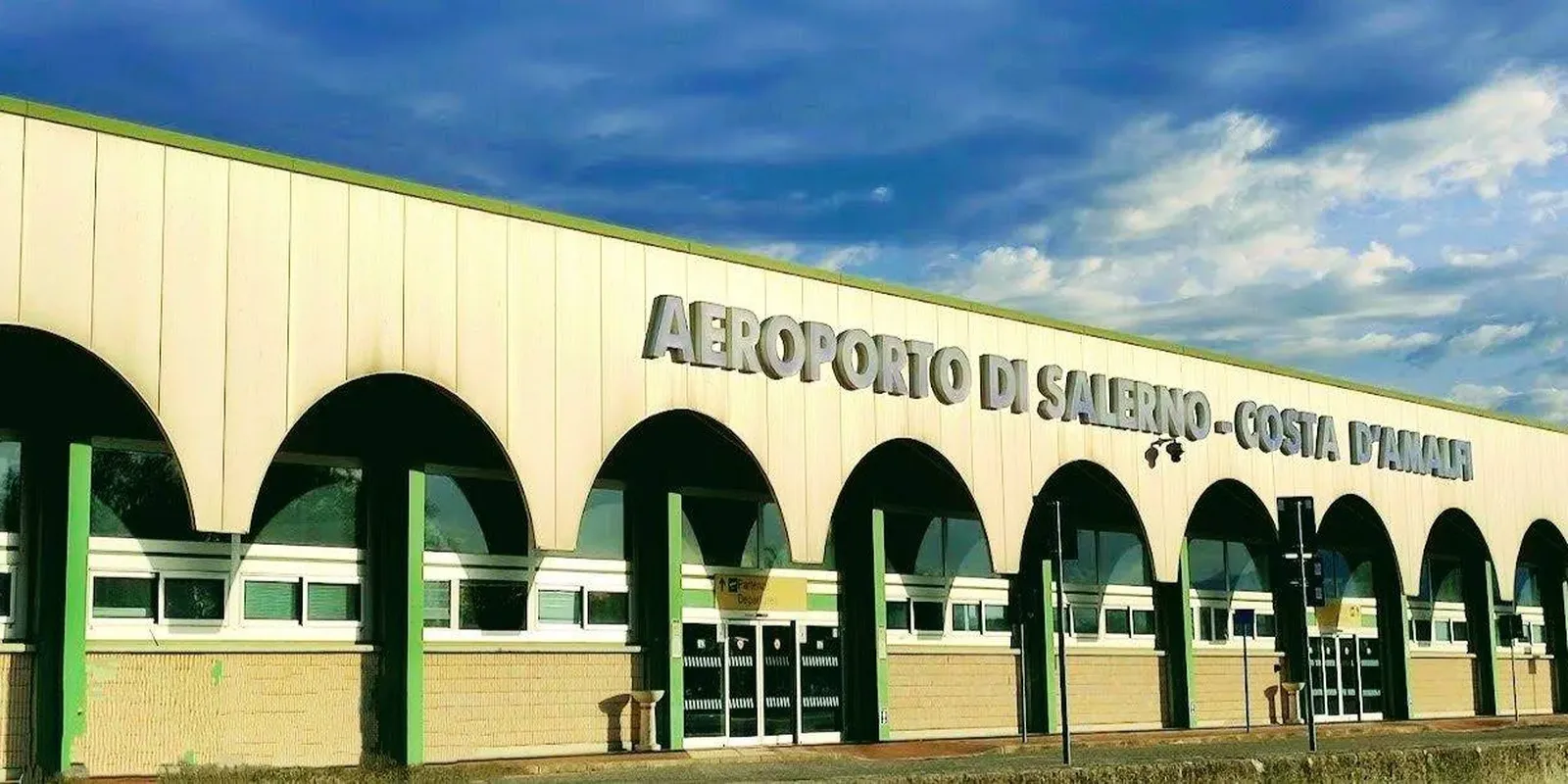
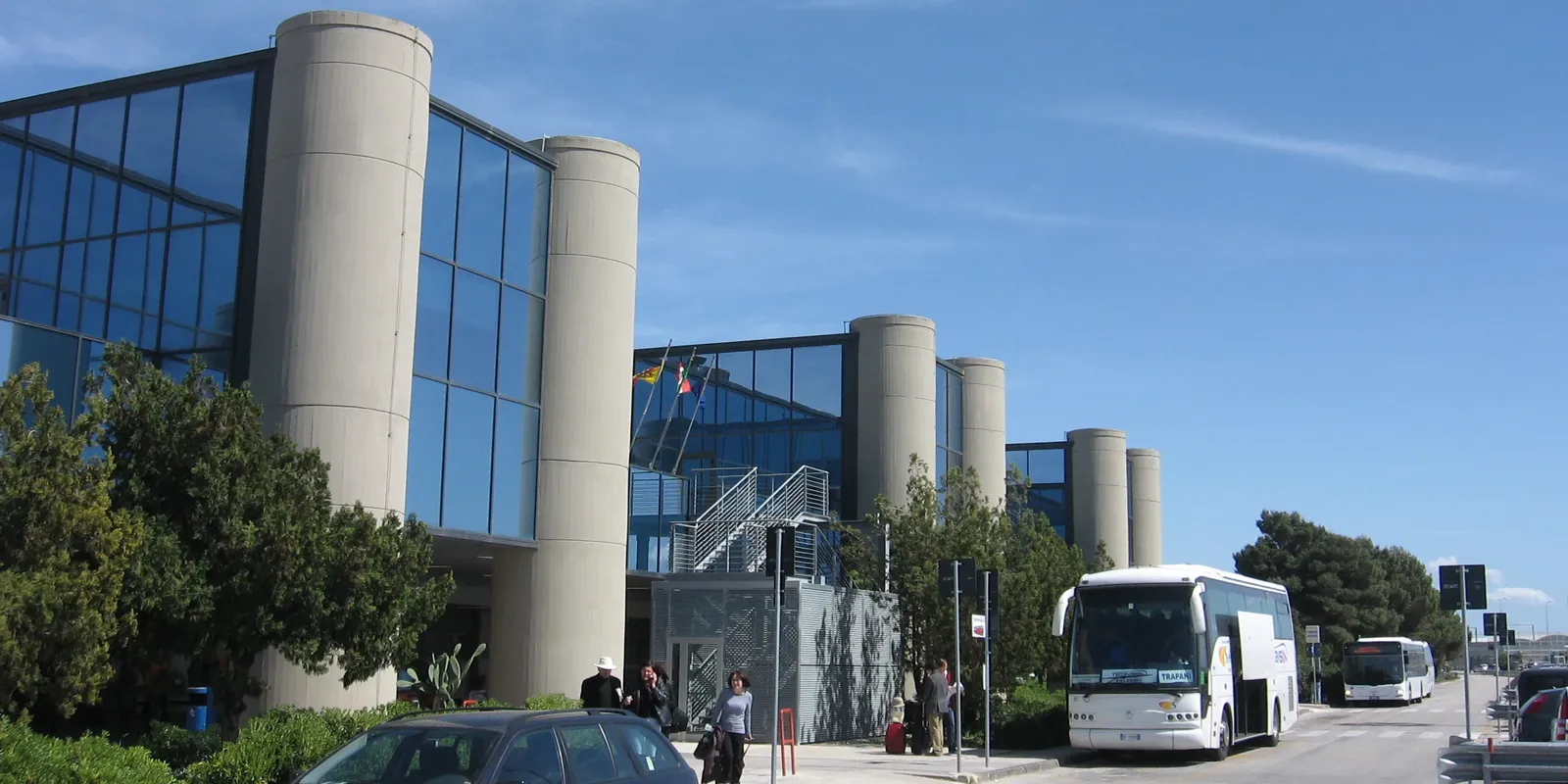
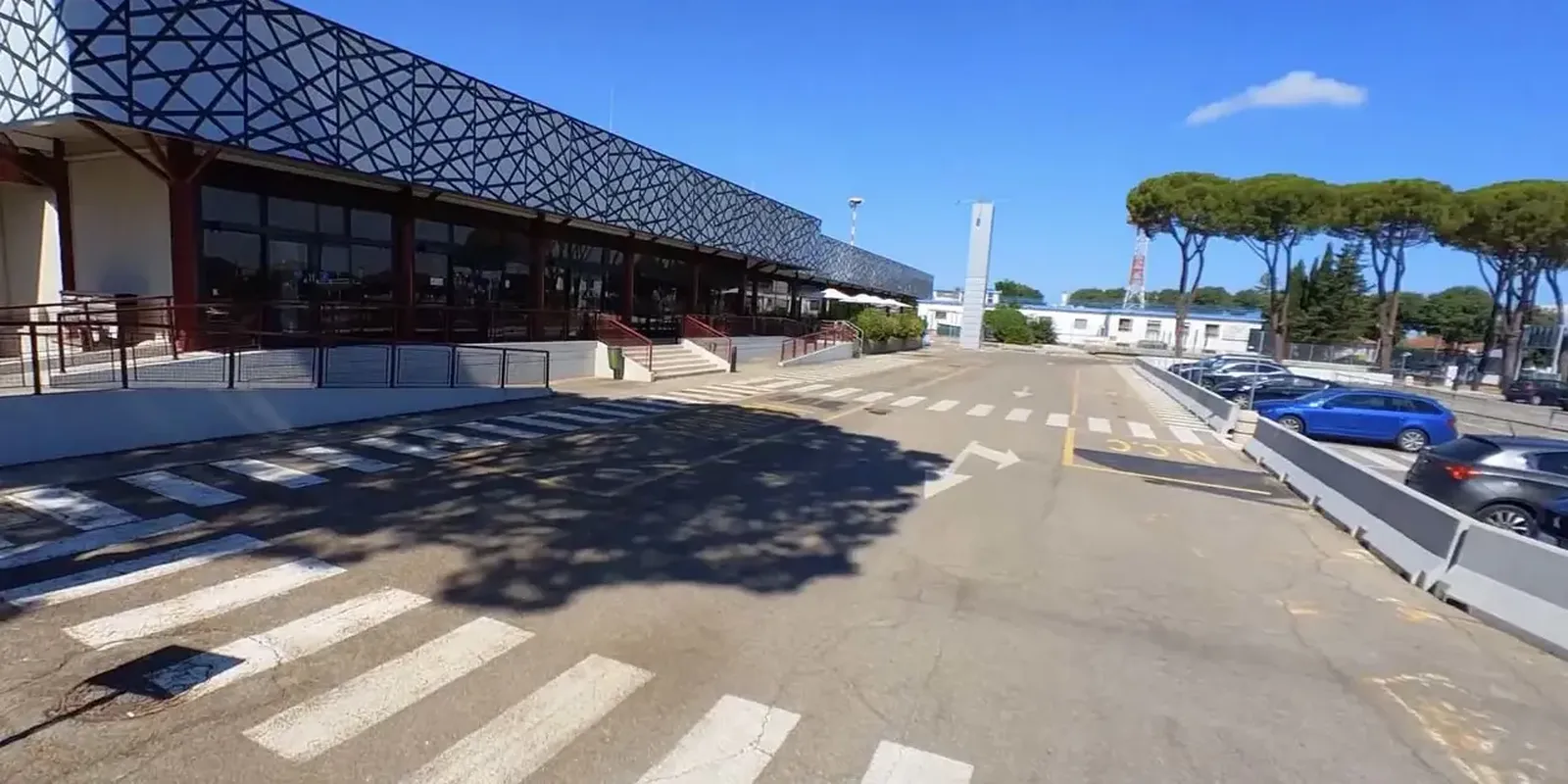
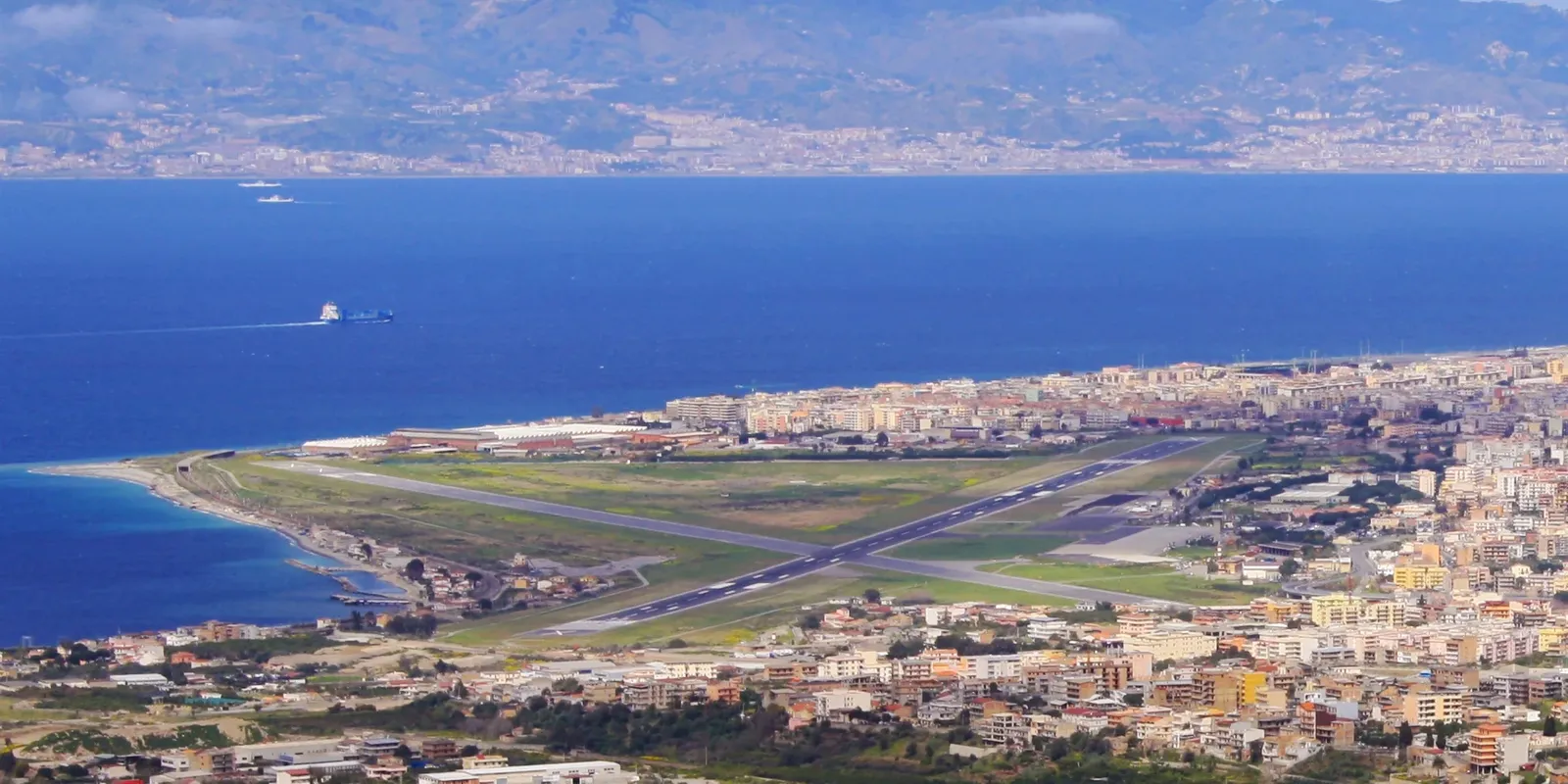
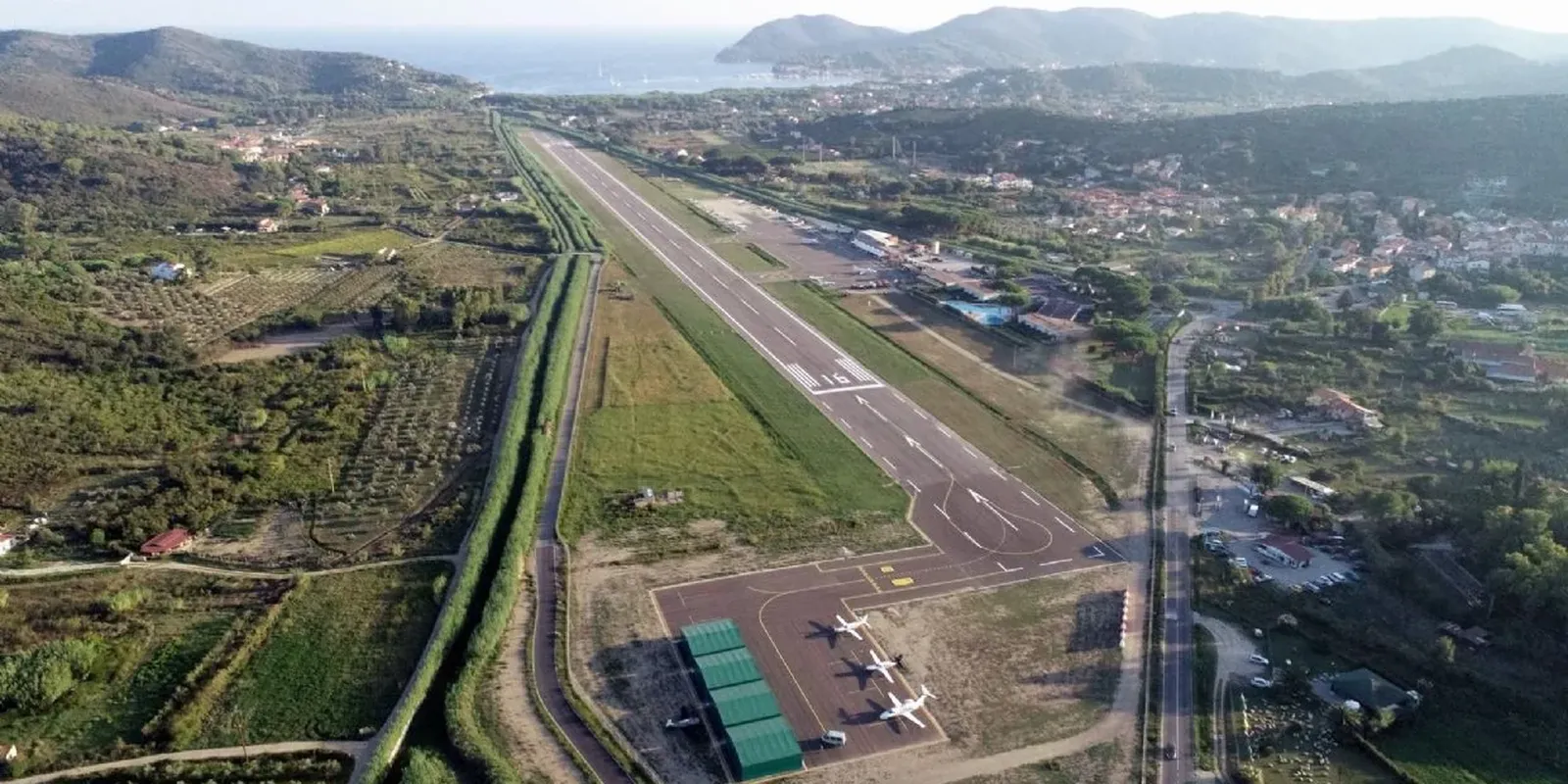
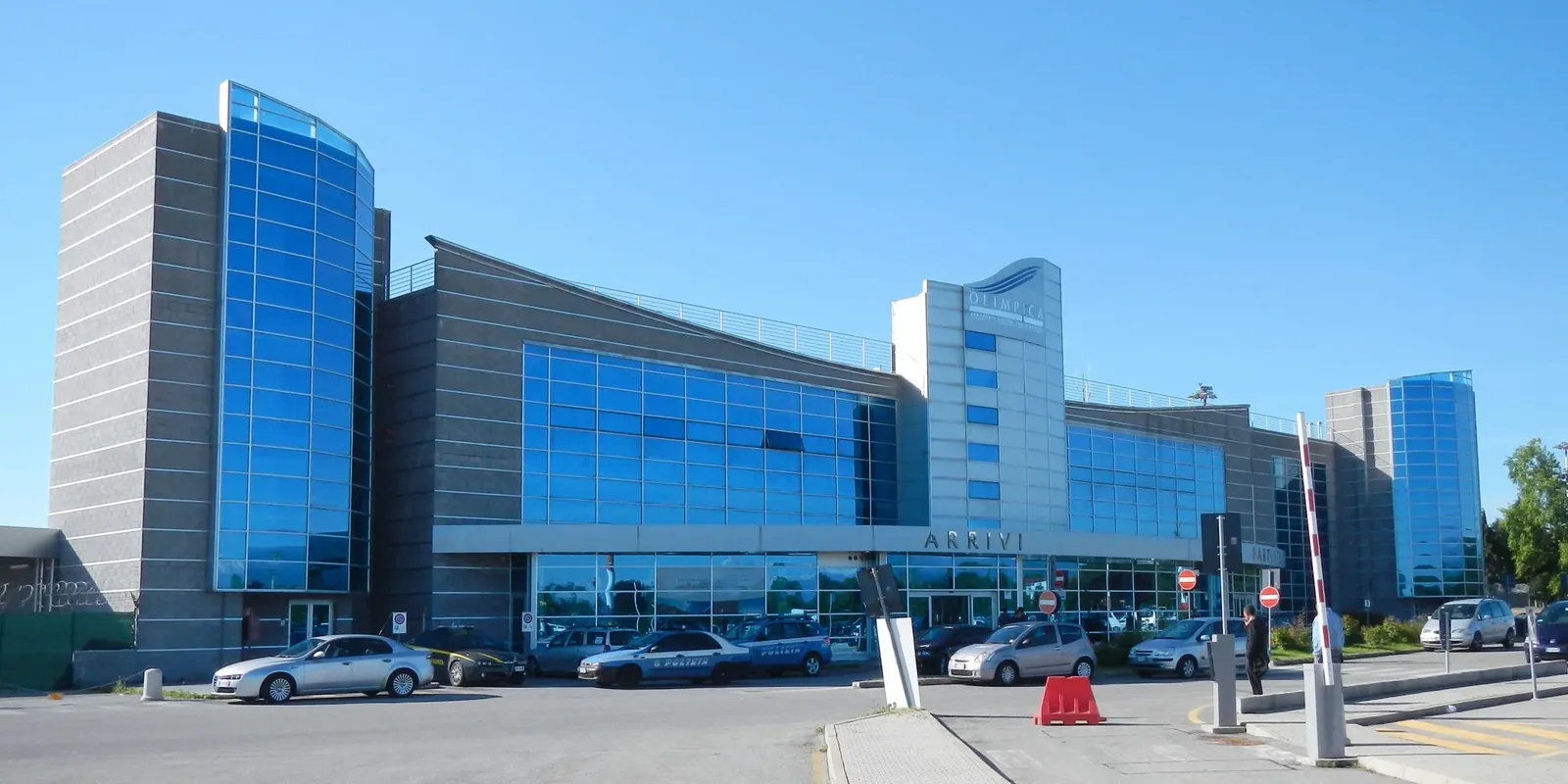
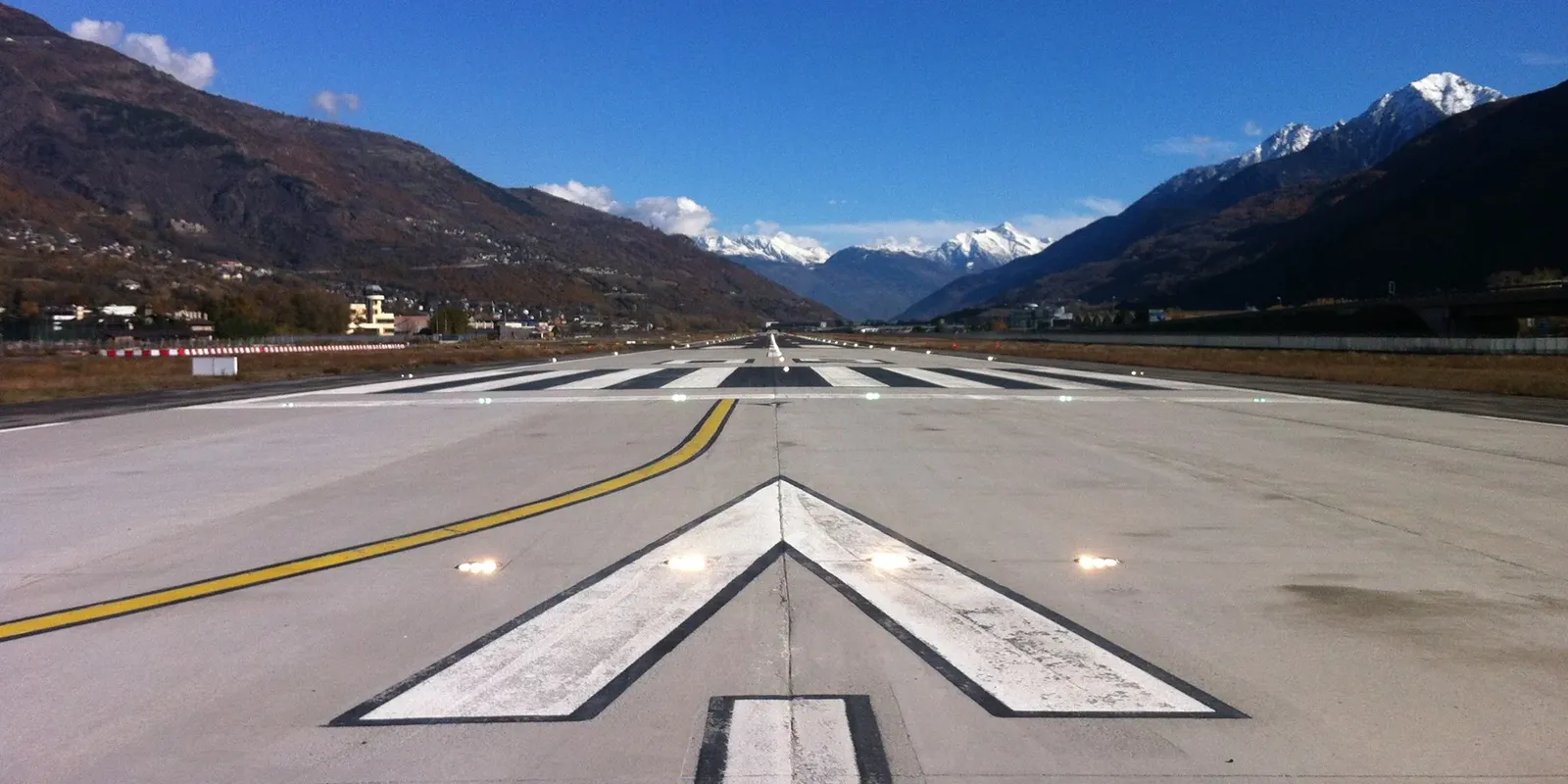
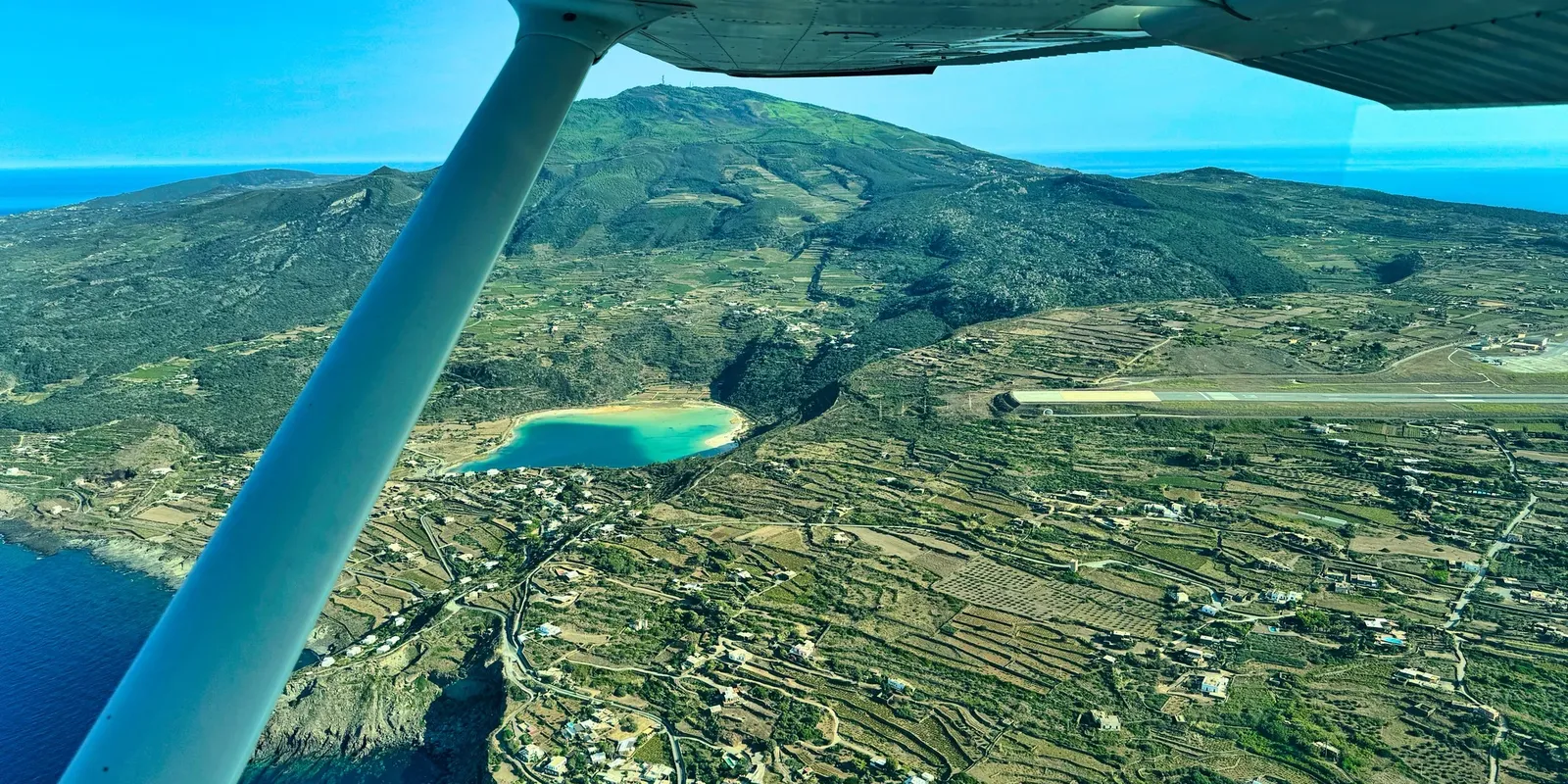
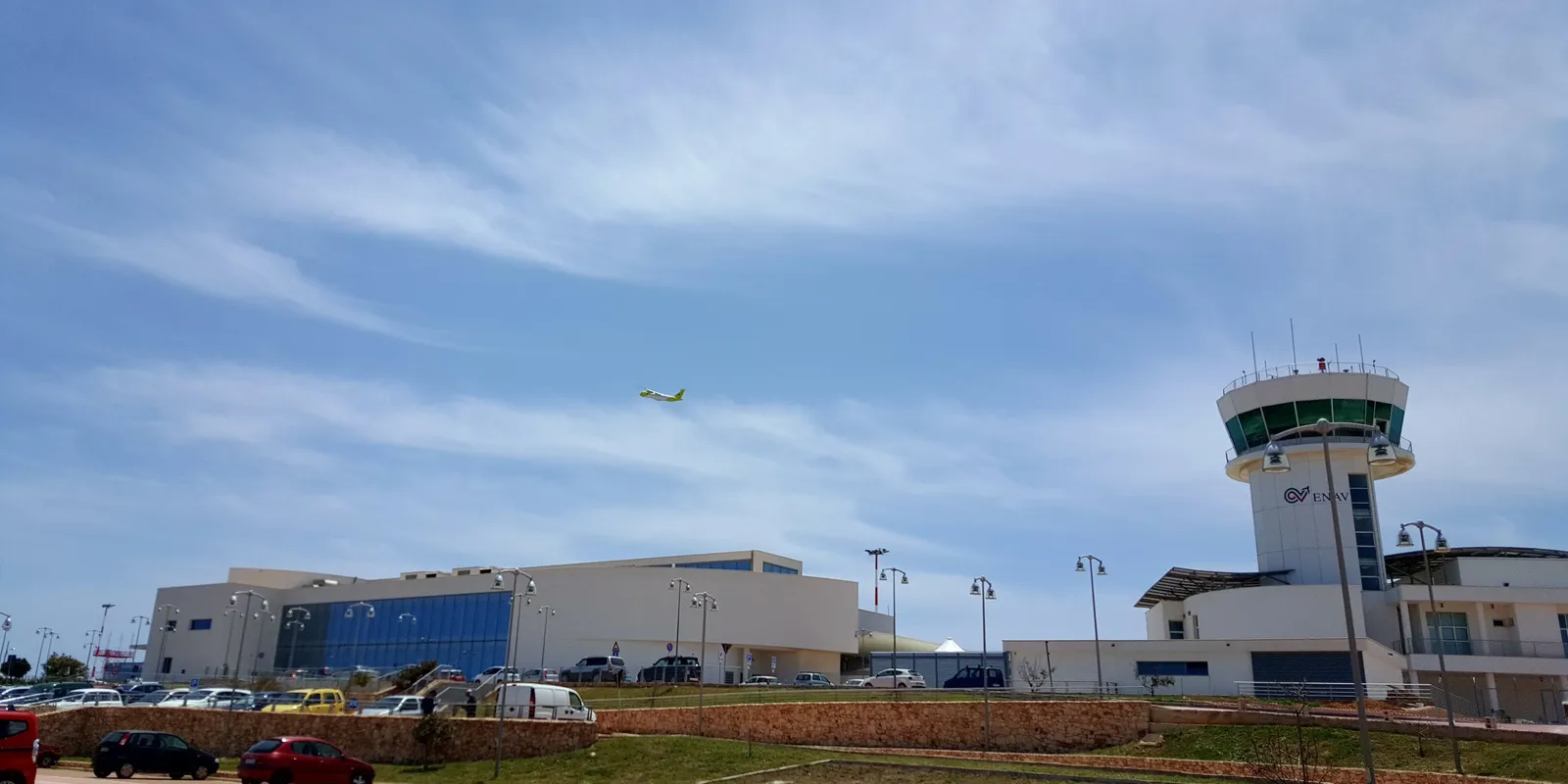
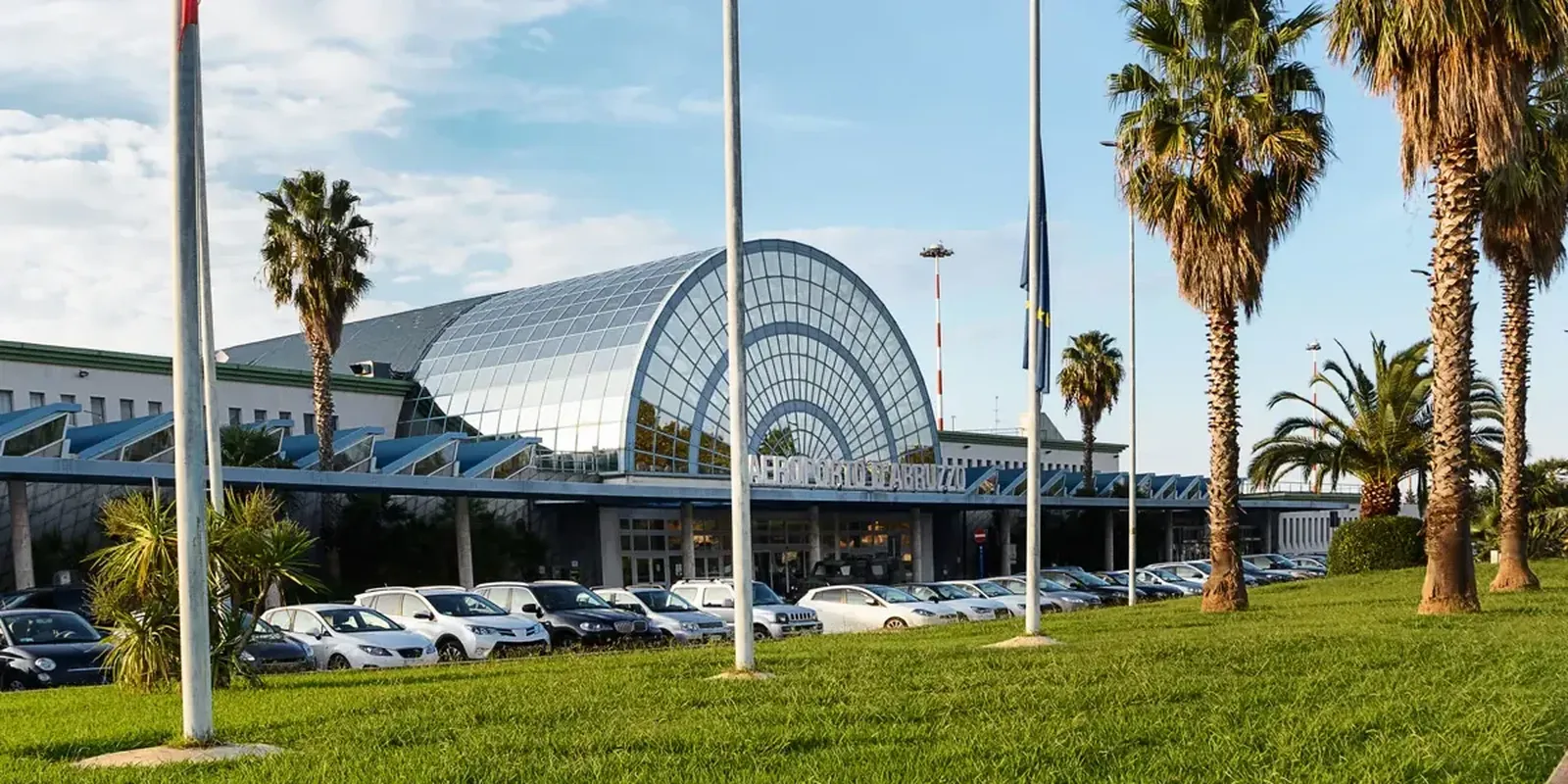
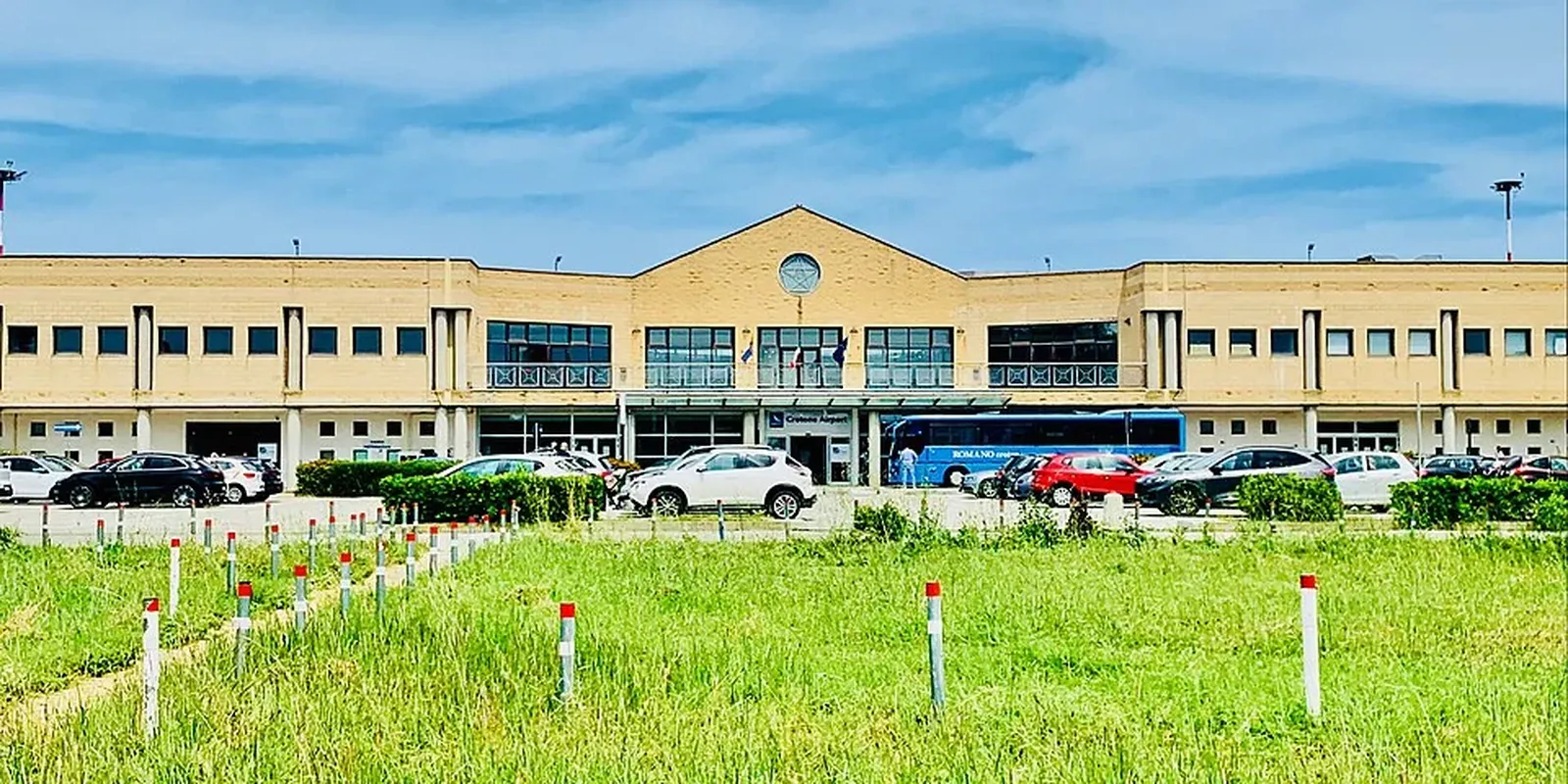
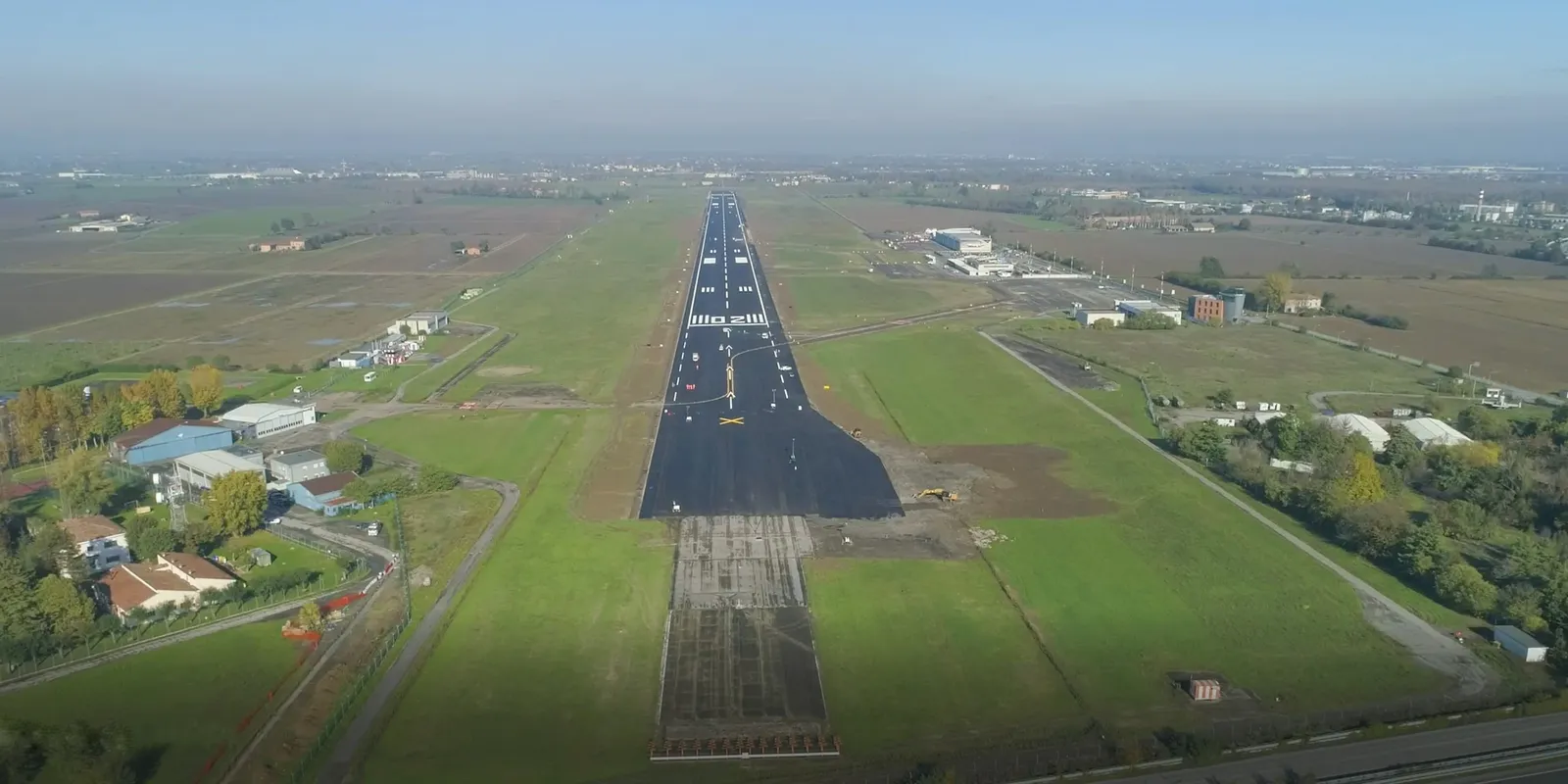
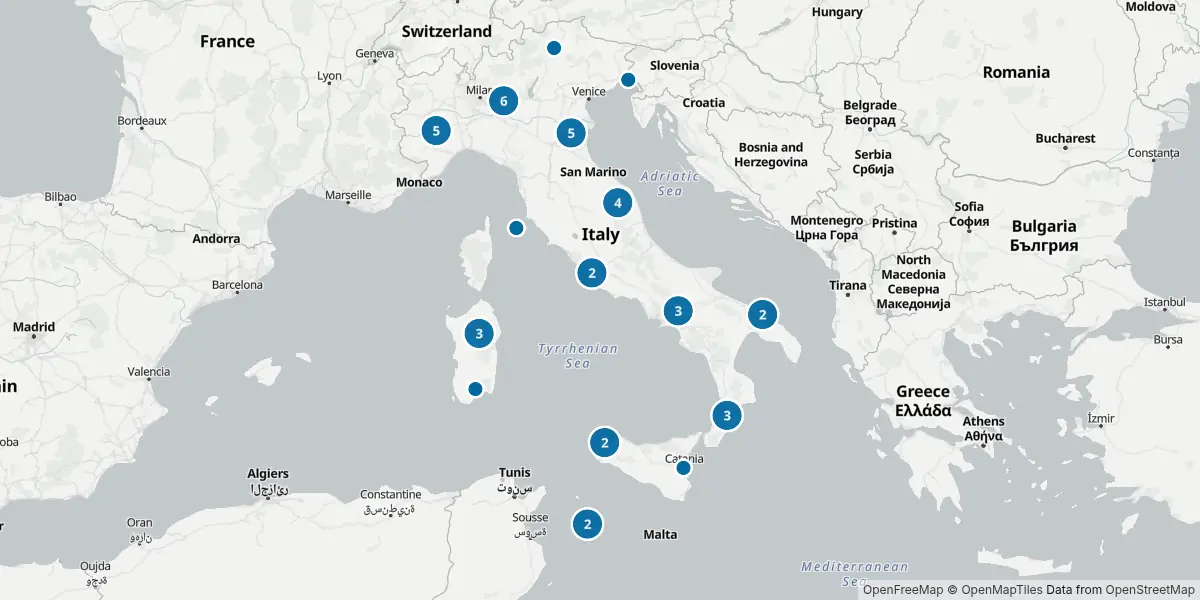
Italy has more than forty airports with active connections: Rome Fiumicino, the country's main hub, Milan Malpensa and Milan Linate, Milan Bergamo, Venice, Naples, Bologna, Turin, Catania and Palermo among the main ones, plus a dense network of regional airports covering practically every region, from the Alps to Sicily, from Sardinia to Puglia.
Italy: recommended activities
Italy: visa and entry requirements
Italy is part of the Schengen area: citizens of other Schengen or EU countries can enter with just a valid ID card, with no limit on length of stay. For non-EU visitors, tourist entry for up to 90 days is generally possible without a visa for a wide range of nationalities (including the USA, Canada, Australia, the United Kingdom, Japan), but the rules vary a lot depending on citizenship.
It's always advisable to check the up-to-date entry requirements (passport with sufficient remaining validity, the upcoming ETIAS pre-registration for visa-exempt countries) before departure, on the website of the Italian Ministry of Foreign Affairs or the relevant embassy/consulate.
Italy: safety
Italy is generally a safe country for visitors, with a very low level of violent crime. The main risk in large cities and the busiest tourist areas (Rome, Florence, Venice, Milan) is pickpocketing, especially on public transport, at train stations and near the main attractions.
As in much of Europe, it's good practice not to leave valuables unattended, to stay alert in crowded train stations and to be wary of overly insistent street vendors in tourist areas. The general emergency number is 112 throughout the country.
Italy: health situation
The health risk in Italy is very low and comparable to the rest of Western Europe. Tap water is safe to drink in practically the whole country, and the healthcare system is of a good standard, with well-equipped hospitals even outside major cities.
No mandatory vaccinations are required for entry. European Union citizens can access necessary public healthcare with their European Health Insurance Card (EHIC); visitors of other nationalities should check their own health coverage, since public treatment is generally not free for them.
Italy: currency, payments and connectivity
The currency is the euro. Credit and debit cards, including contactless, are accepted almost everywhere, even in small shops; in smaller towns or local markets it can still be useful to have some cash.
For taxis and private hire, besides the traditional taxi rank, the FREE NOW app is the most widely used in large cities; Uber is present but in a limited form (mainly chauffeur-driven cars) in some cities such as Rome and Milan.
For local connectivity, the main operators (TIM, Vodafone, WindTre, Iliad) sell prepaid SIM cards in their city shops; some major airports have kiosks or vending machines for tourist SIM cards in the arrivals area.
For driving and car rental: EU/EEA citizens can drive with just their national licence. Non-EU citizens are generally also required to have an International Driving Permit (IDP) alongside their original licence; some licences in Latin script may be accepted without an IDP by rental companies, but it's always best to check in advance. The minimum age for rental is generally 21, with a 'young driver' surcharge under 25.
Italy: travel guides
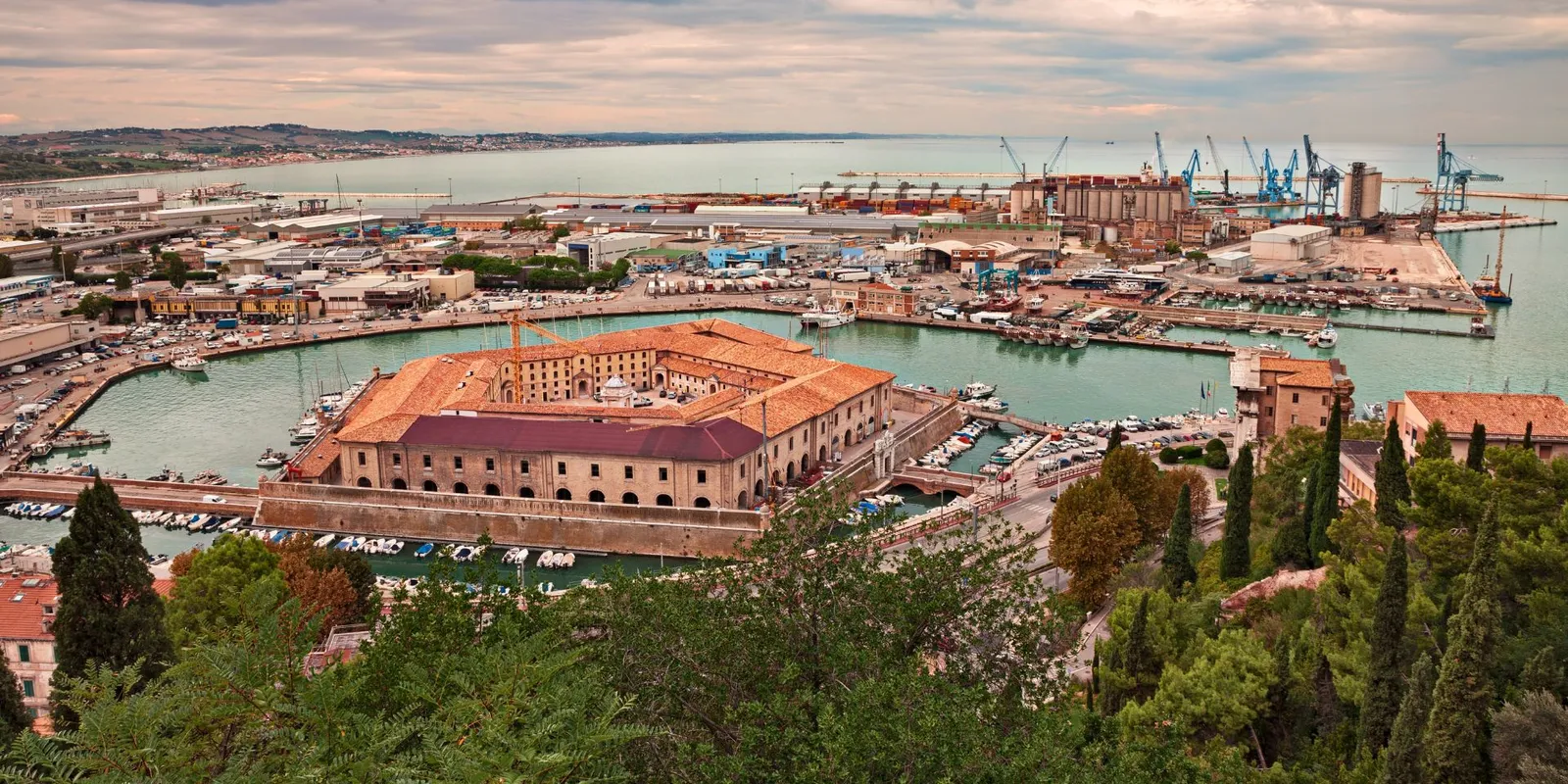
Ancona: the gateway to Monte Conero
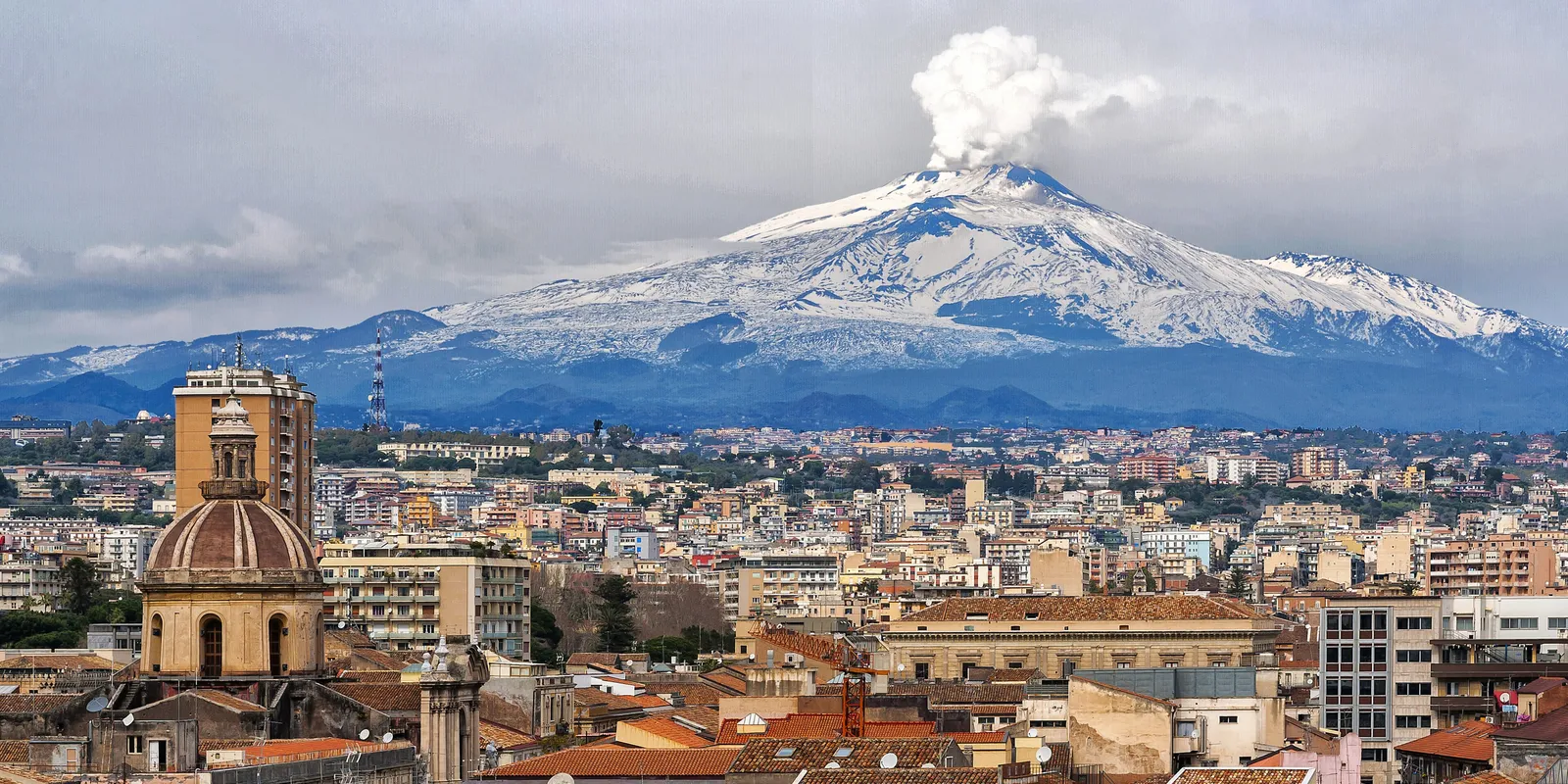
Catania: baroque at the foot of Etna
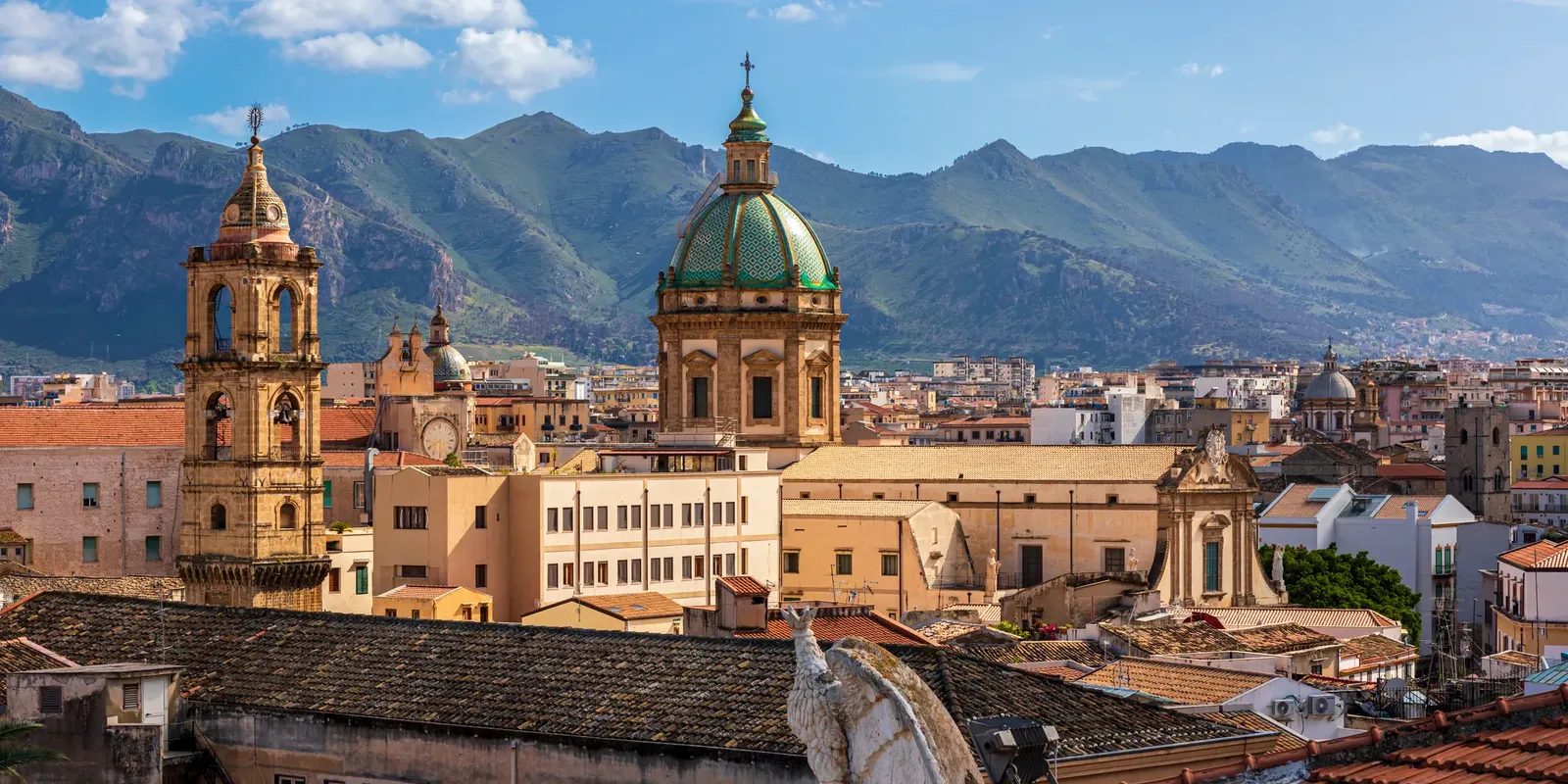
24 hours in Palermo: what to see
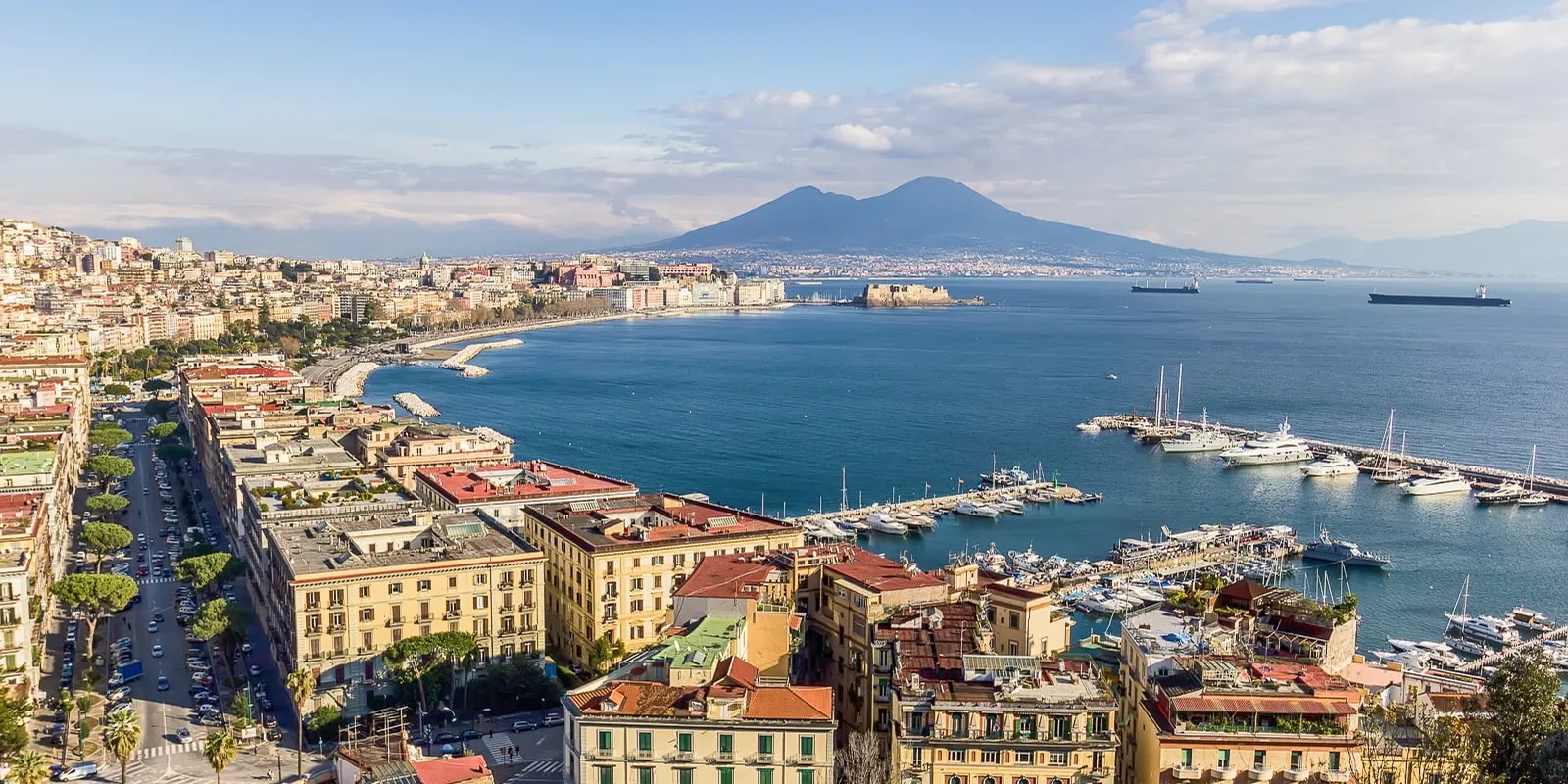
24 hours in Naples: what to see
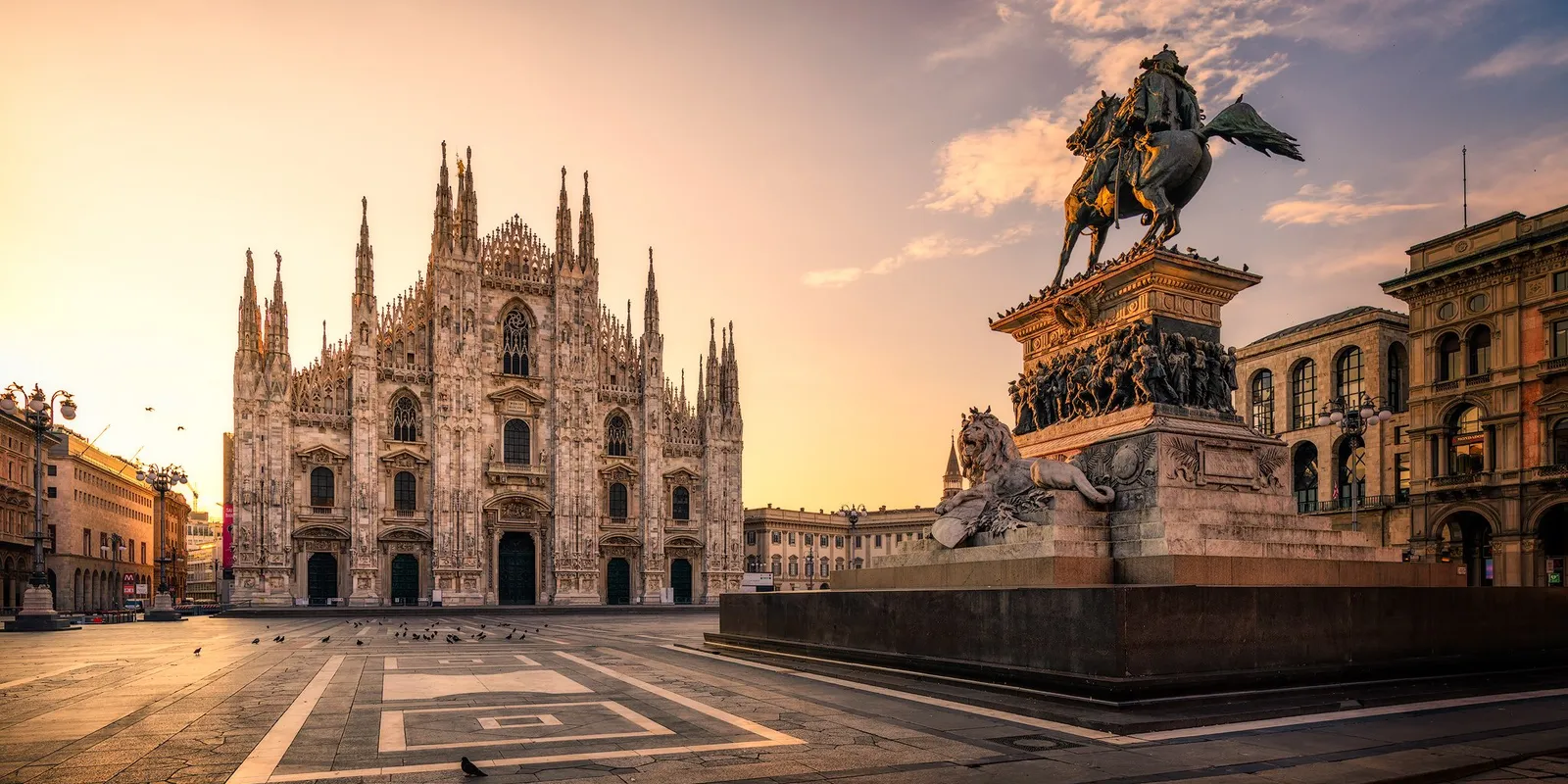
Milan: what to see in 1 day
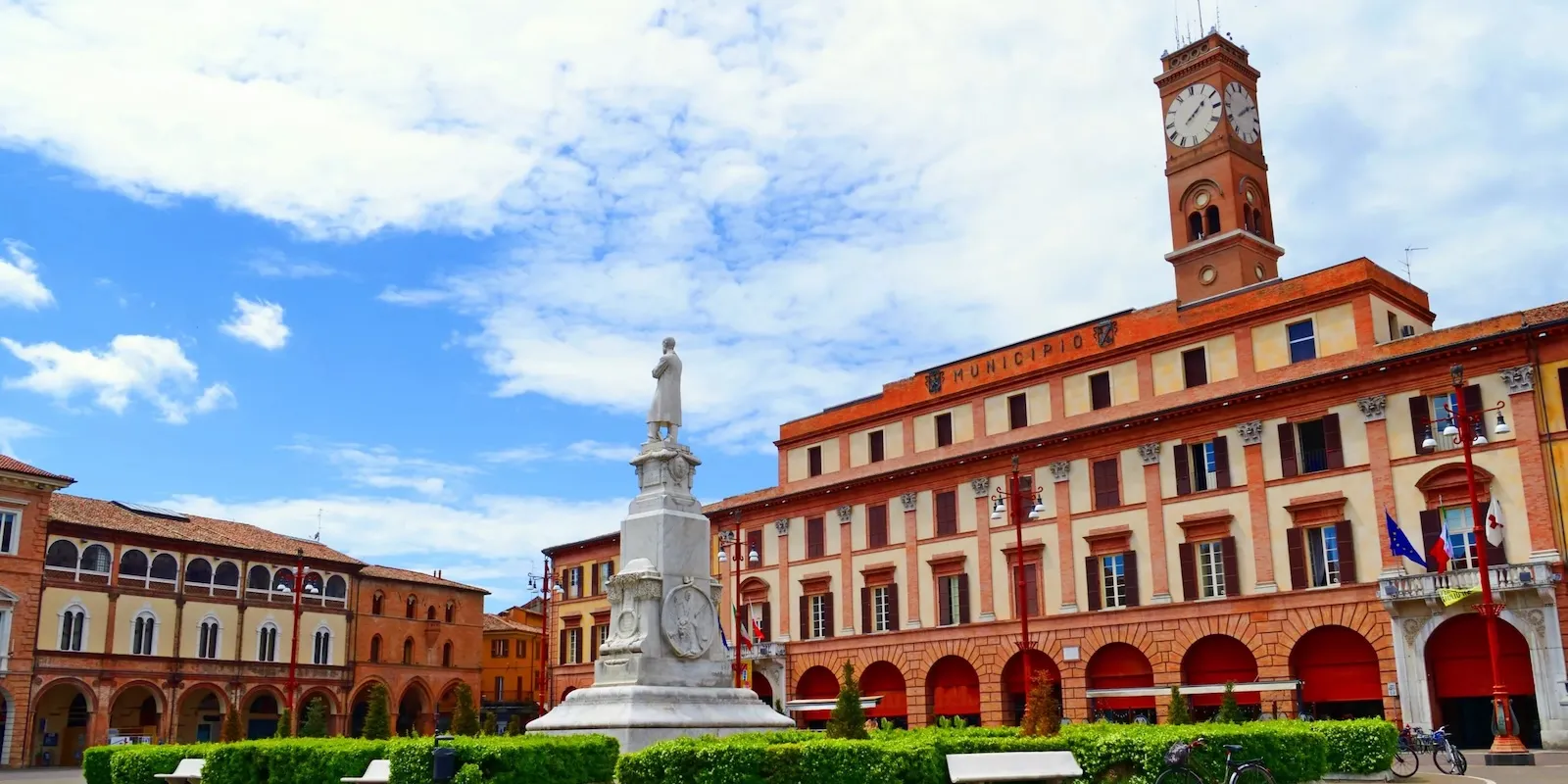
Forlì: rationalist mosaics in the heart of Romagna
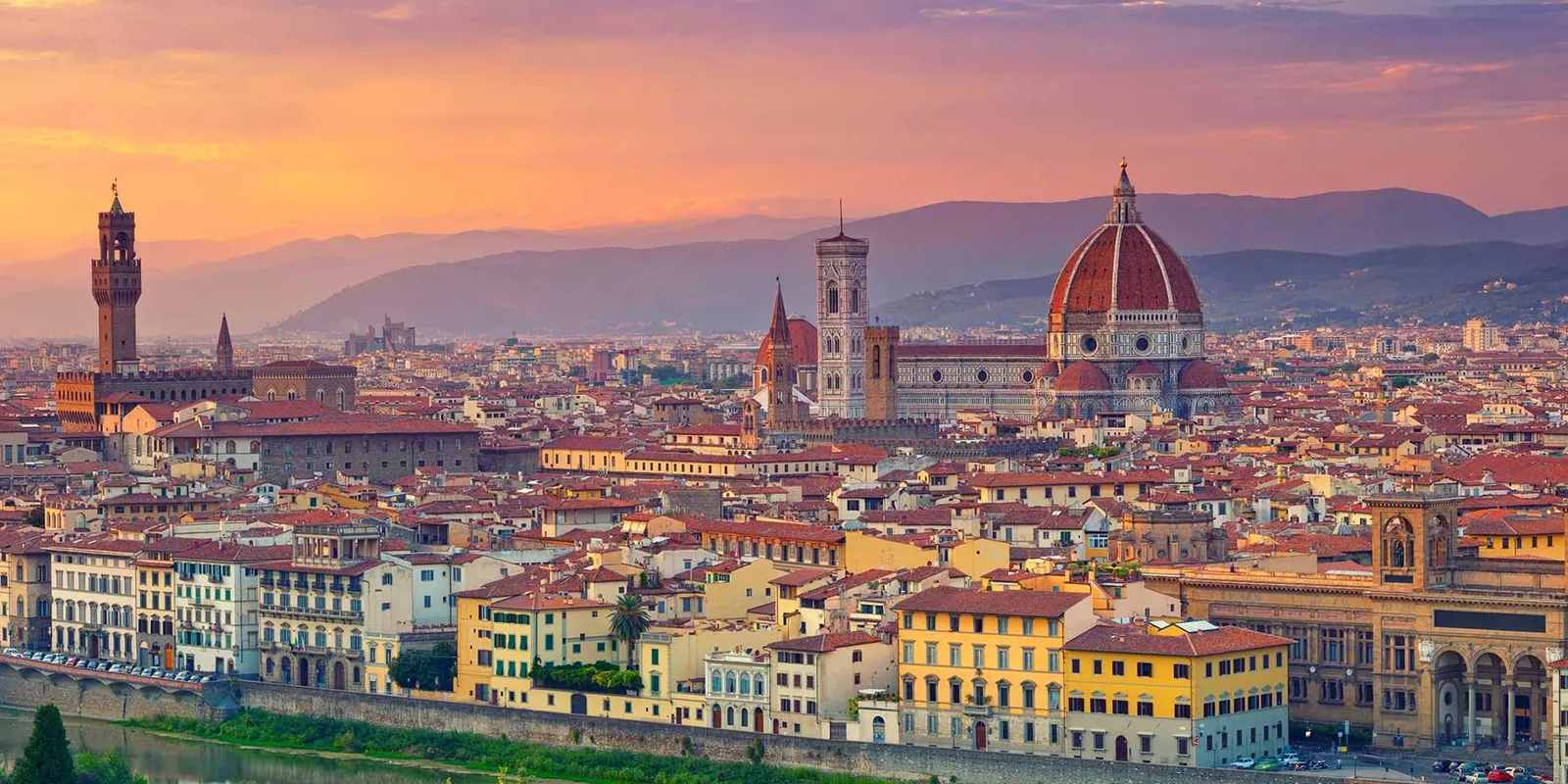
24 hours in Florence: what to see
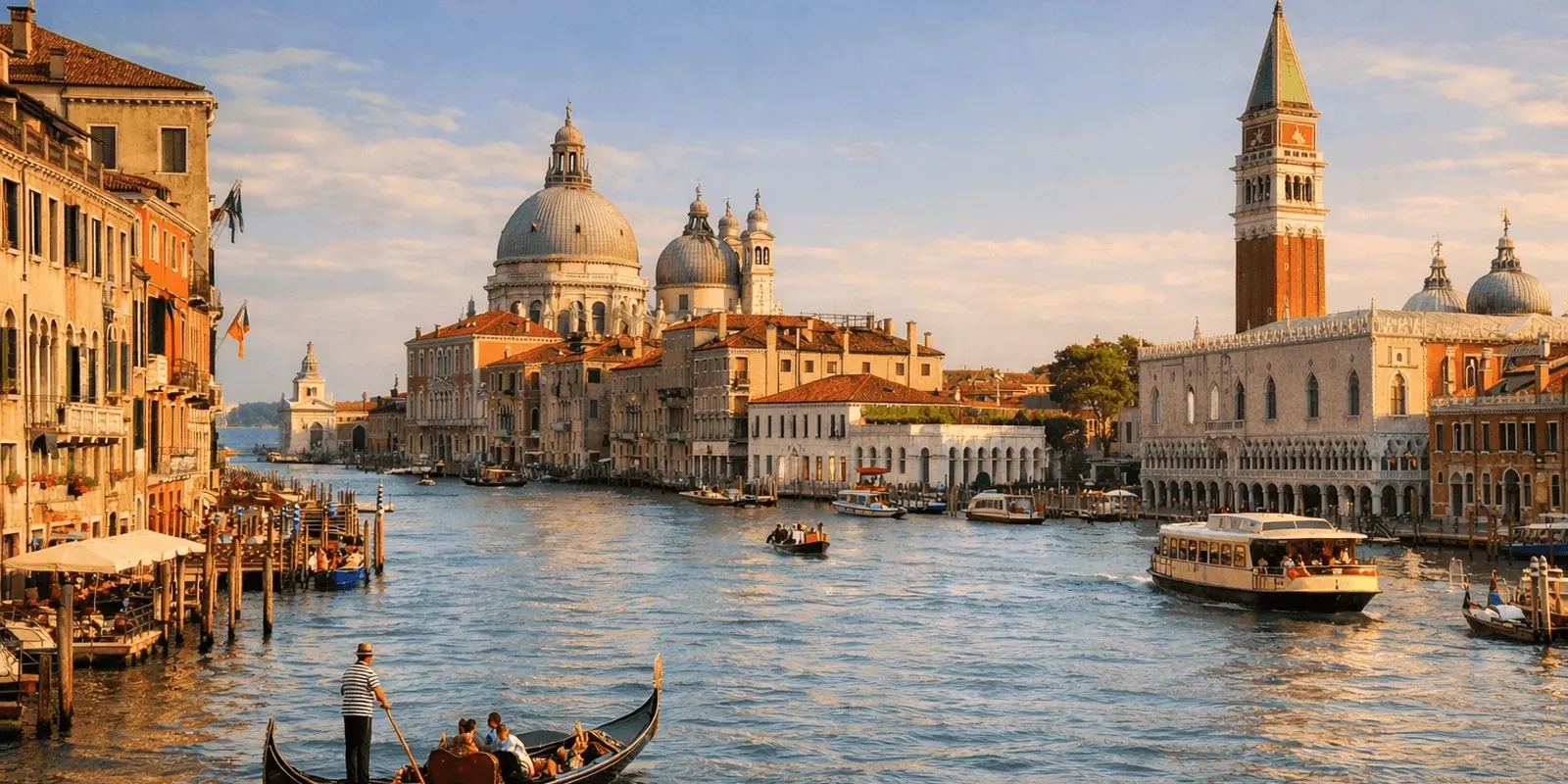
Venice: what to see in 1 day
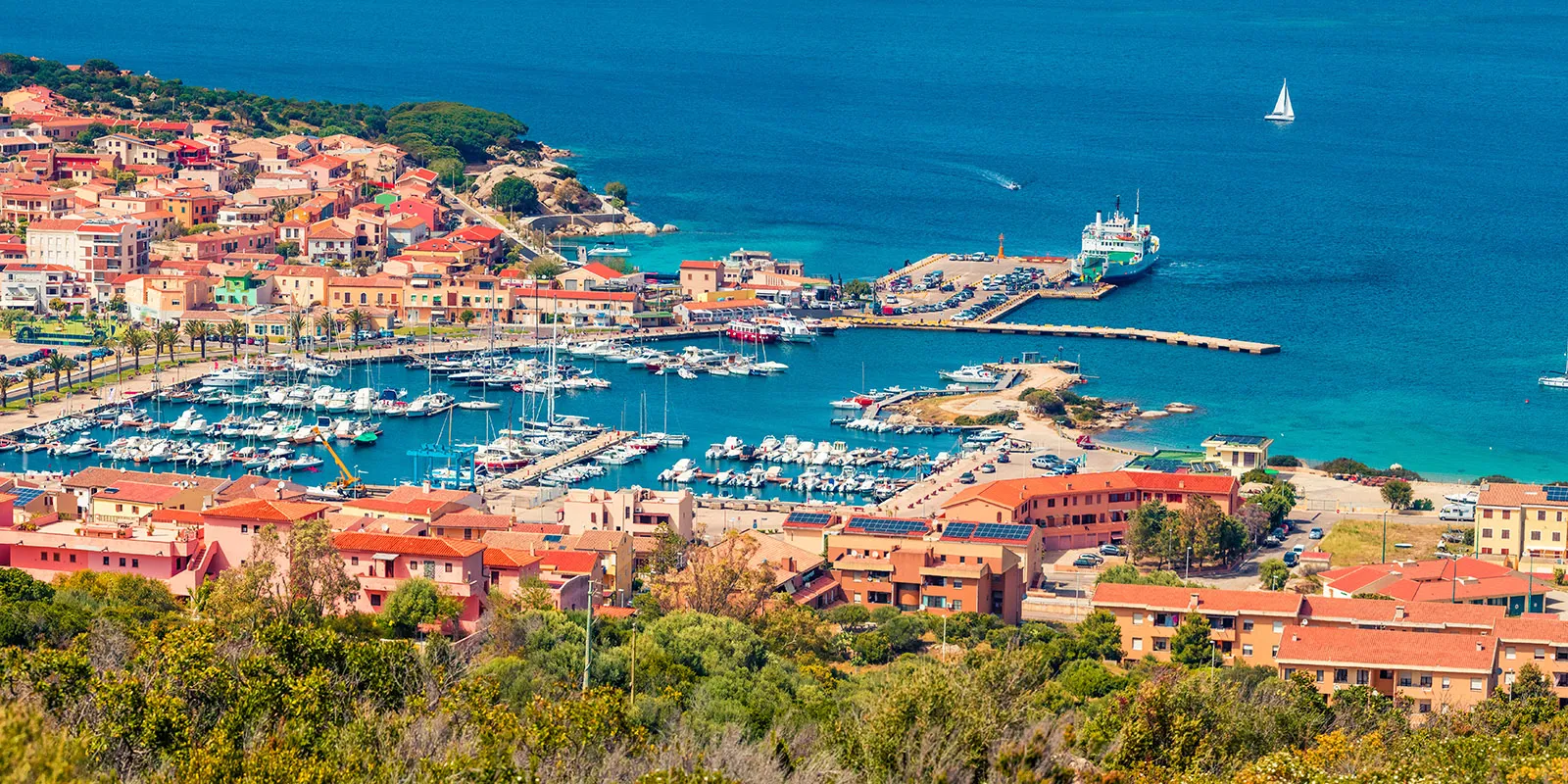
Olbia: gateway to the Costa Smeralda
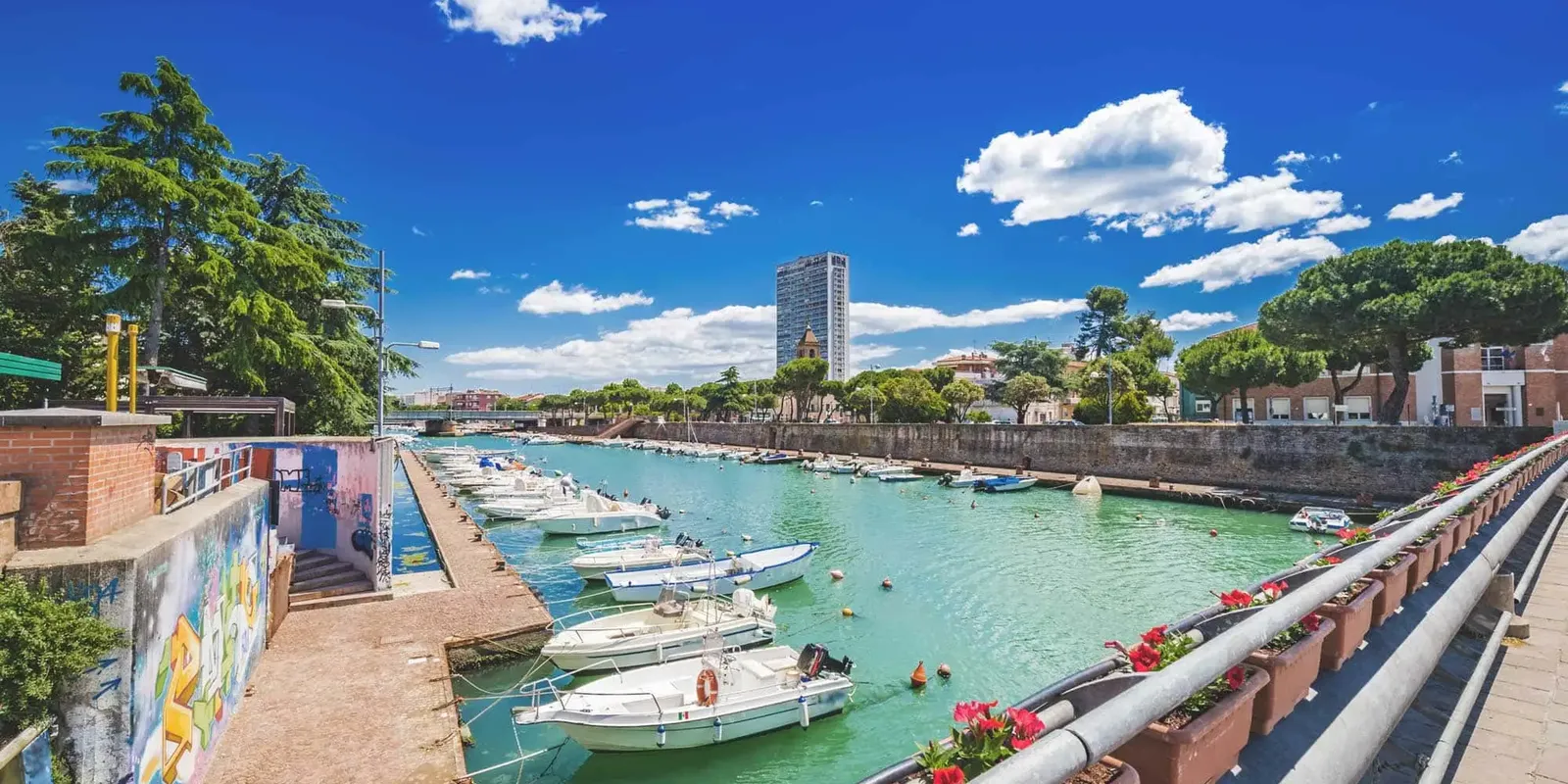
Rimini: ancient Rome and the Adriatic riviera
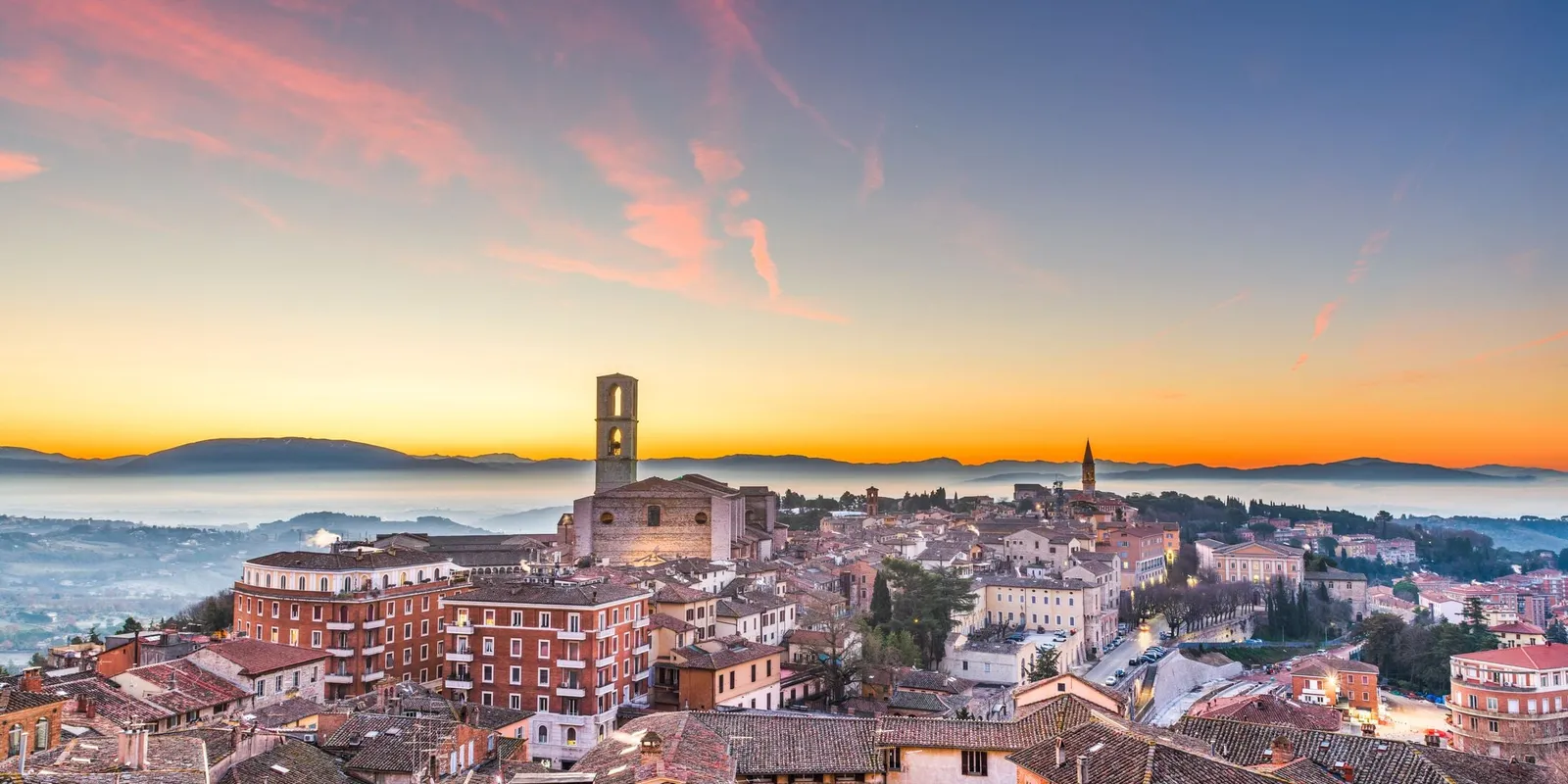
Perugia: the city buried beneath the Rocca Paolina
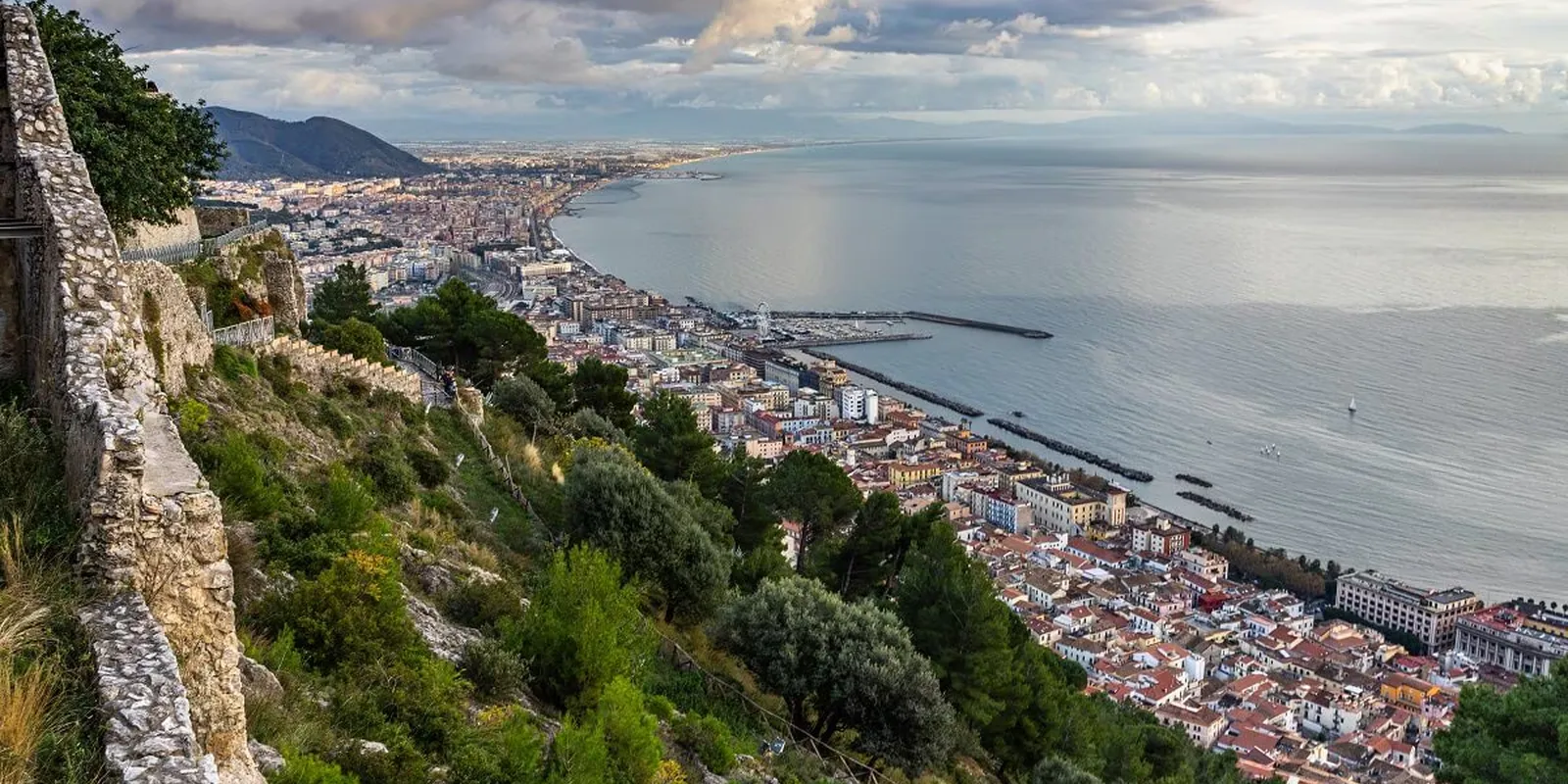
Salerno: the medical school and Arechi Castle
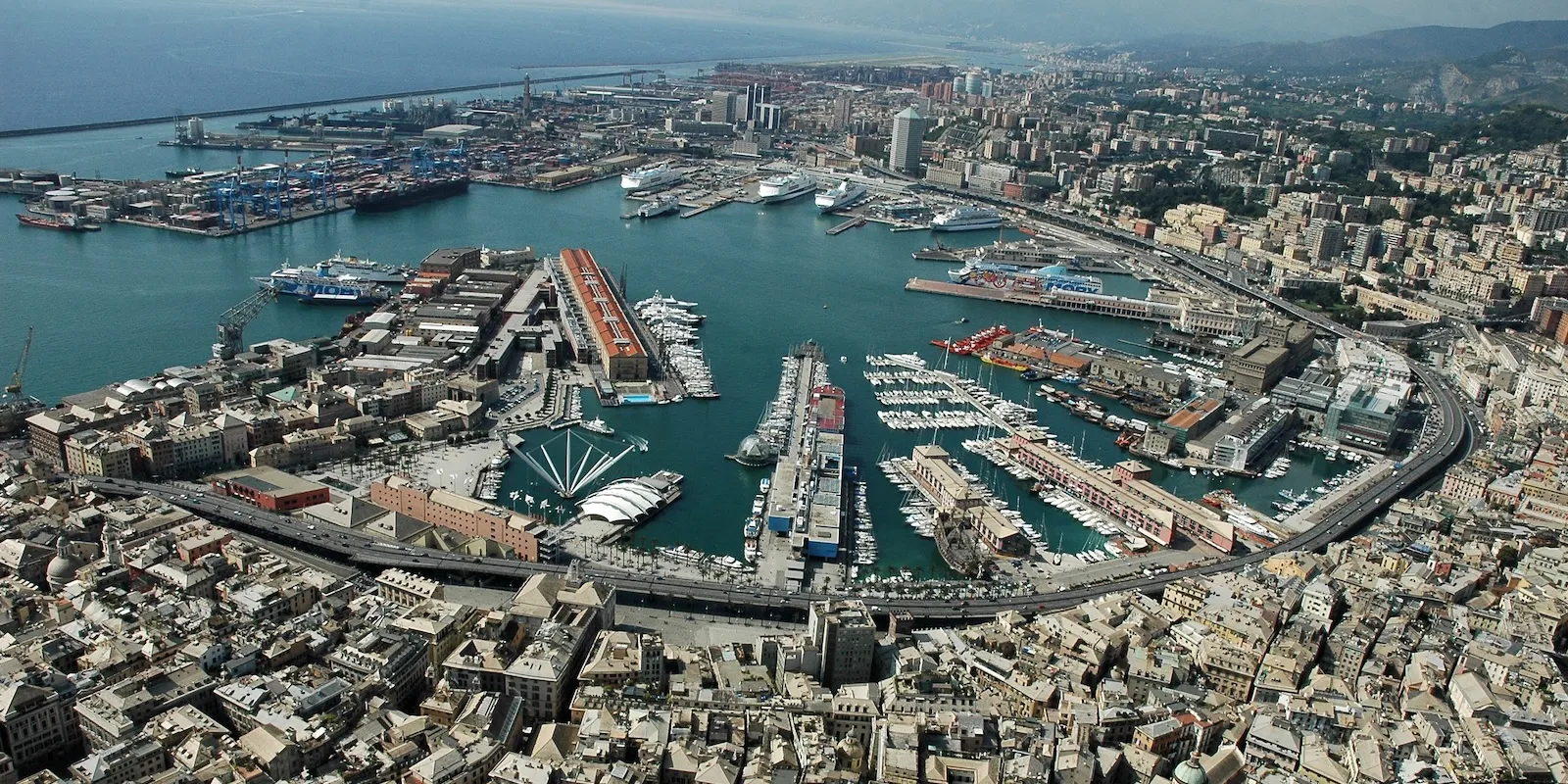
Genoa in a day: what to see
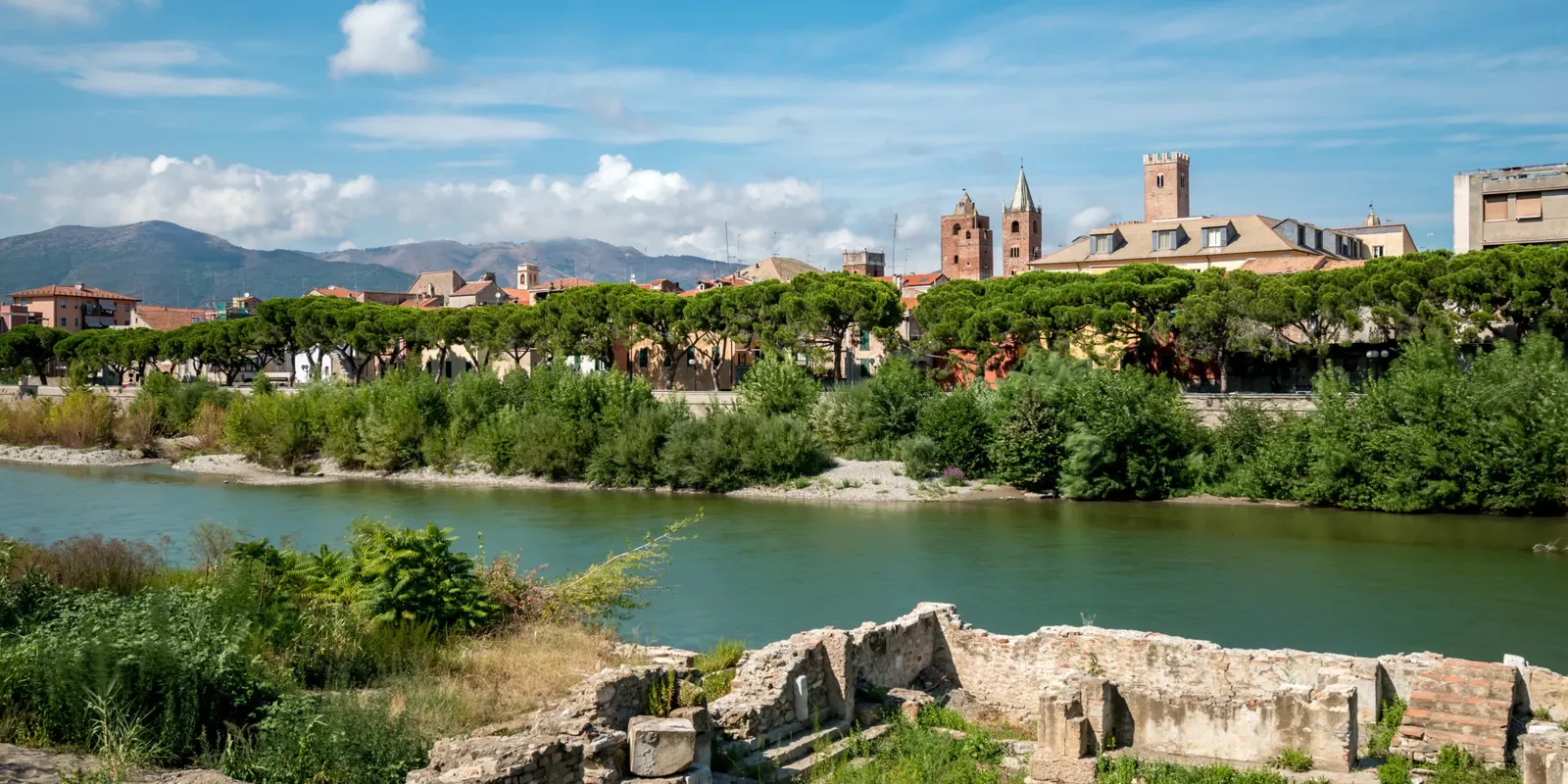
Albenga: the Roman city of the ten Ligurian towers
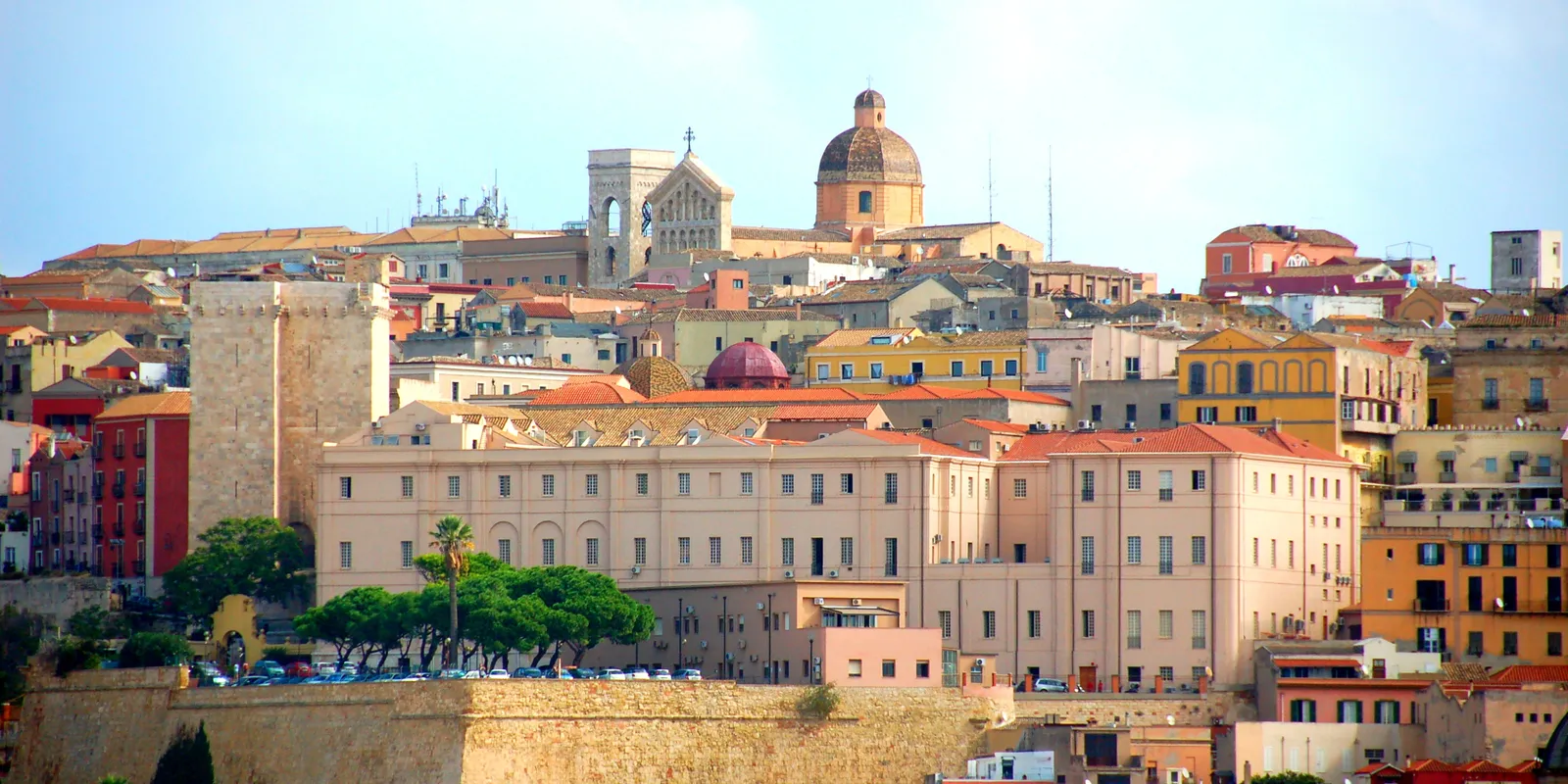
Cagliari: bastions on the Mediterranean
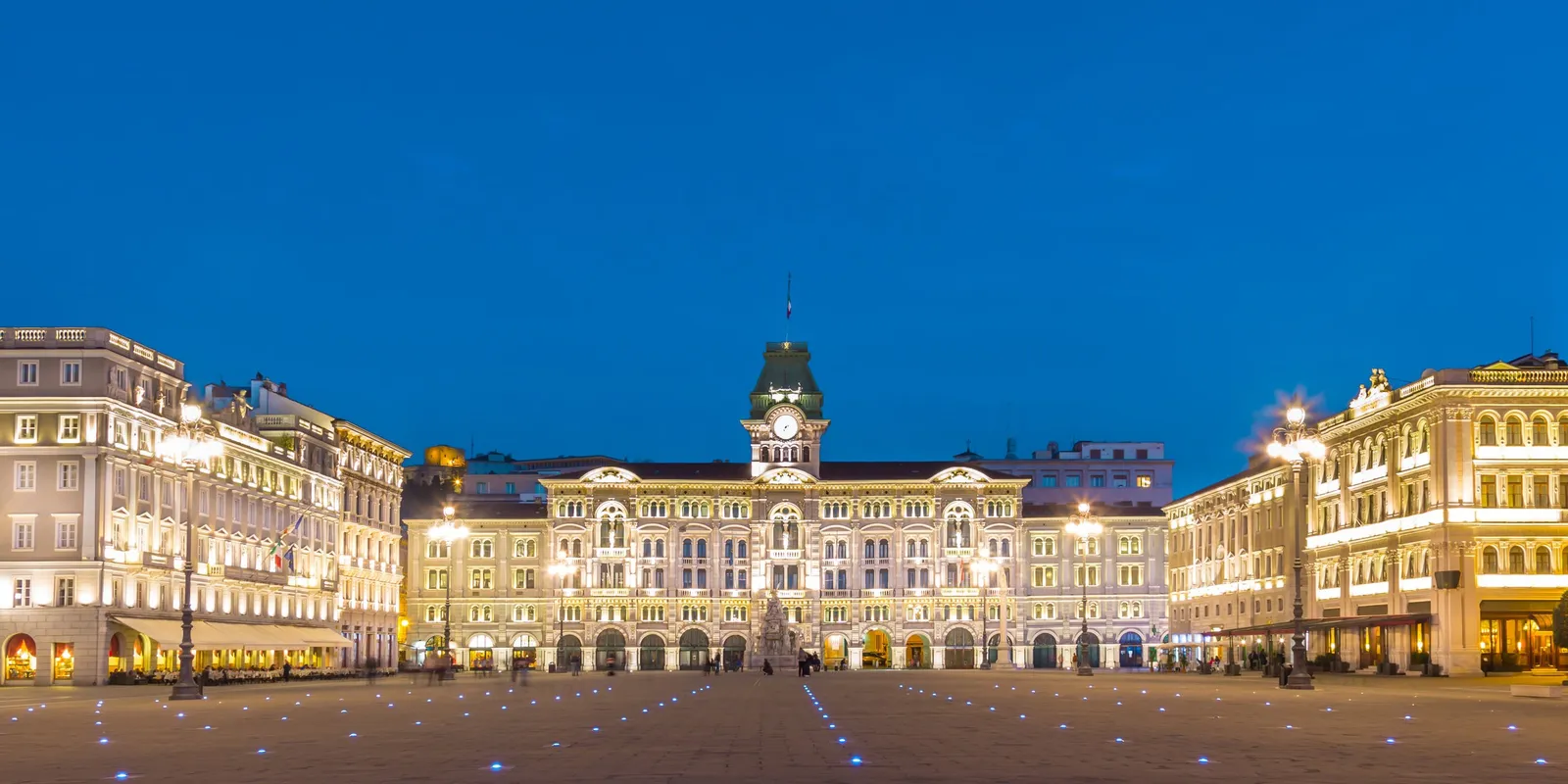
Trieste: coffee houses and Habsburg heritage by the gulf
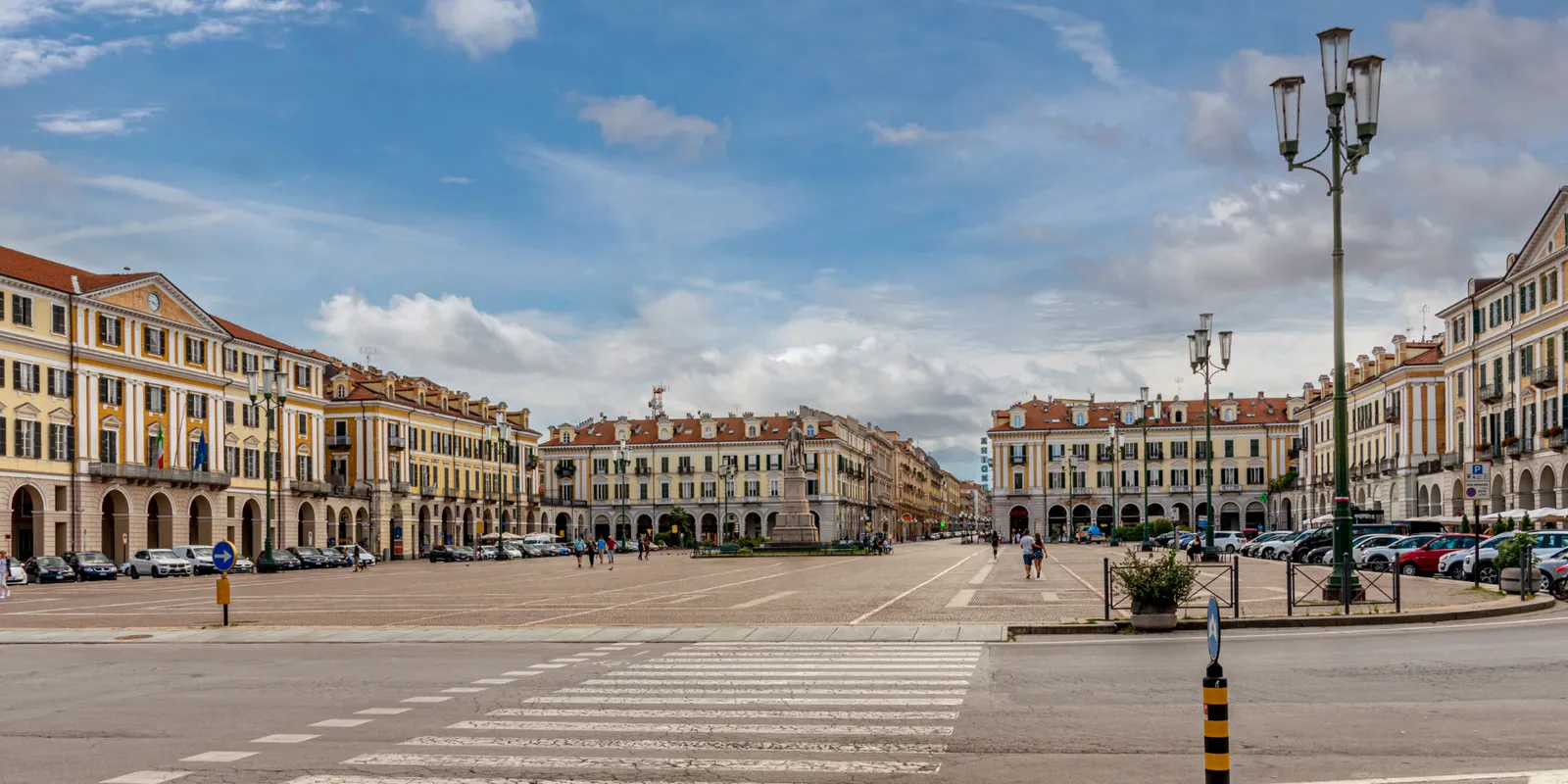
Cuneo: the city wedged between two rivers
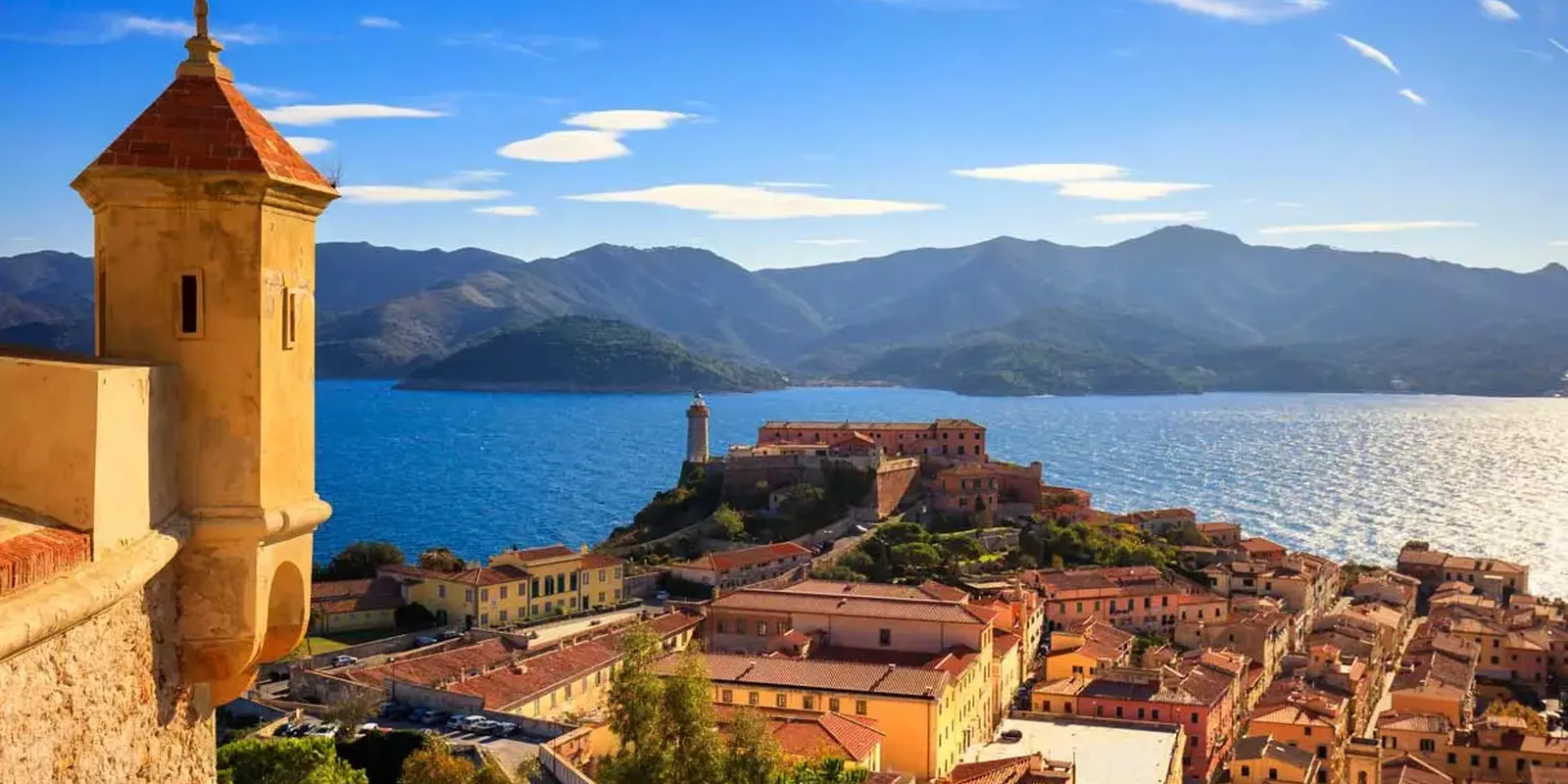
Elba Island: Napoleon's exile
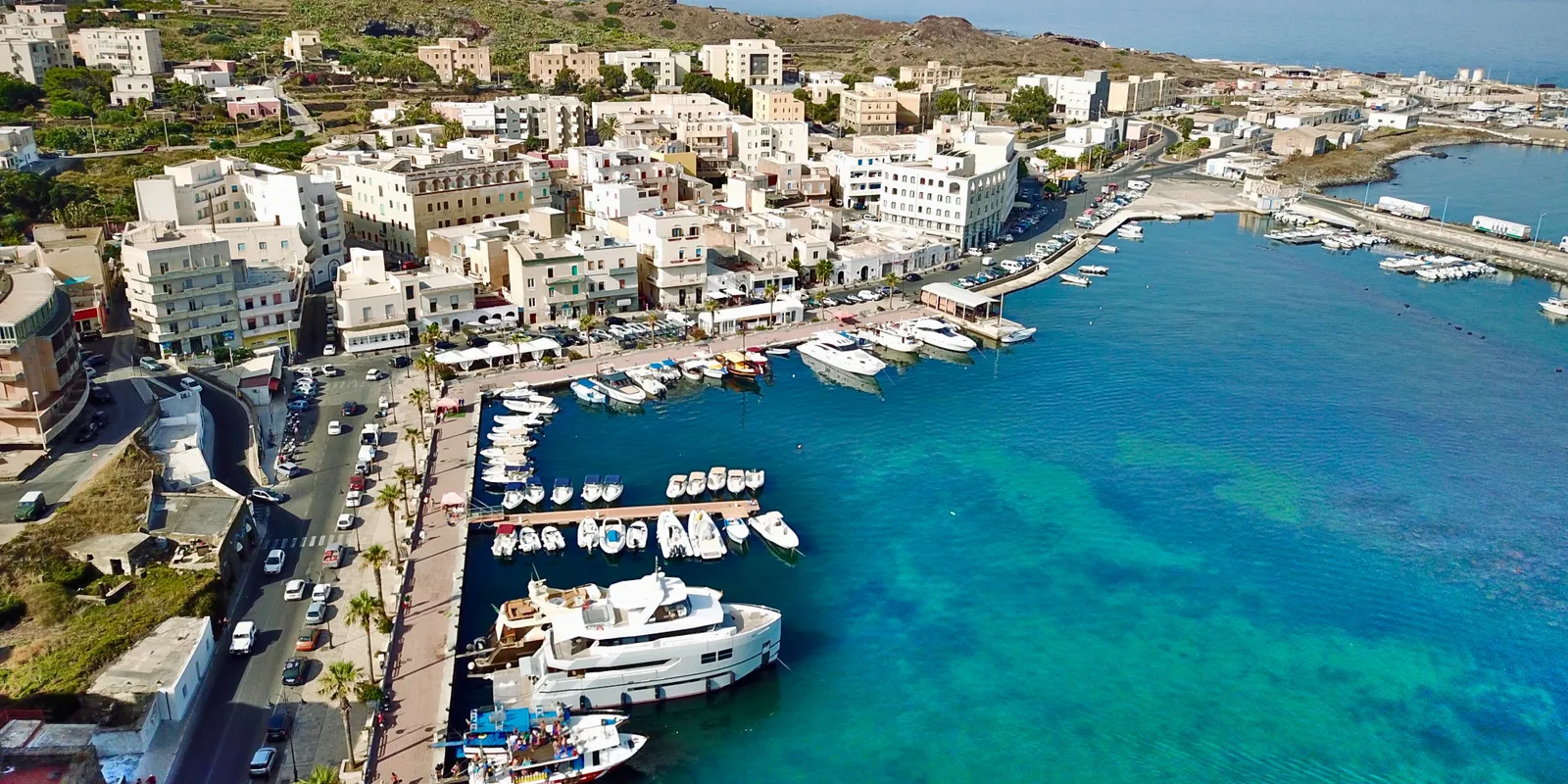
Pantelleria: dammusi and dormant volcanoes
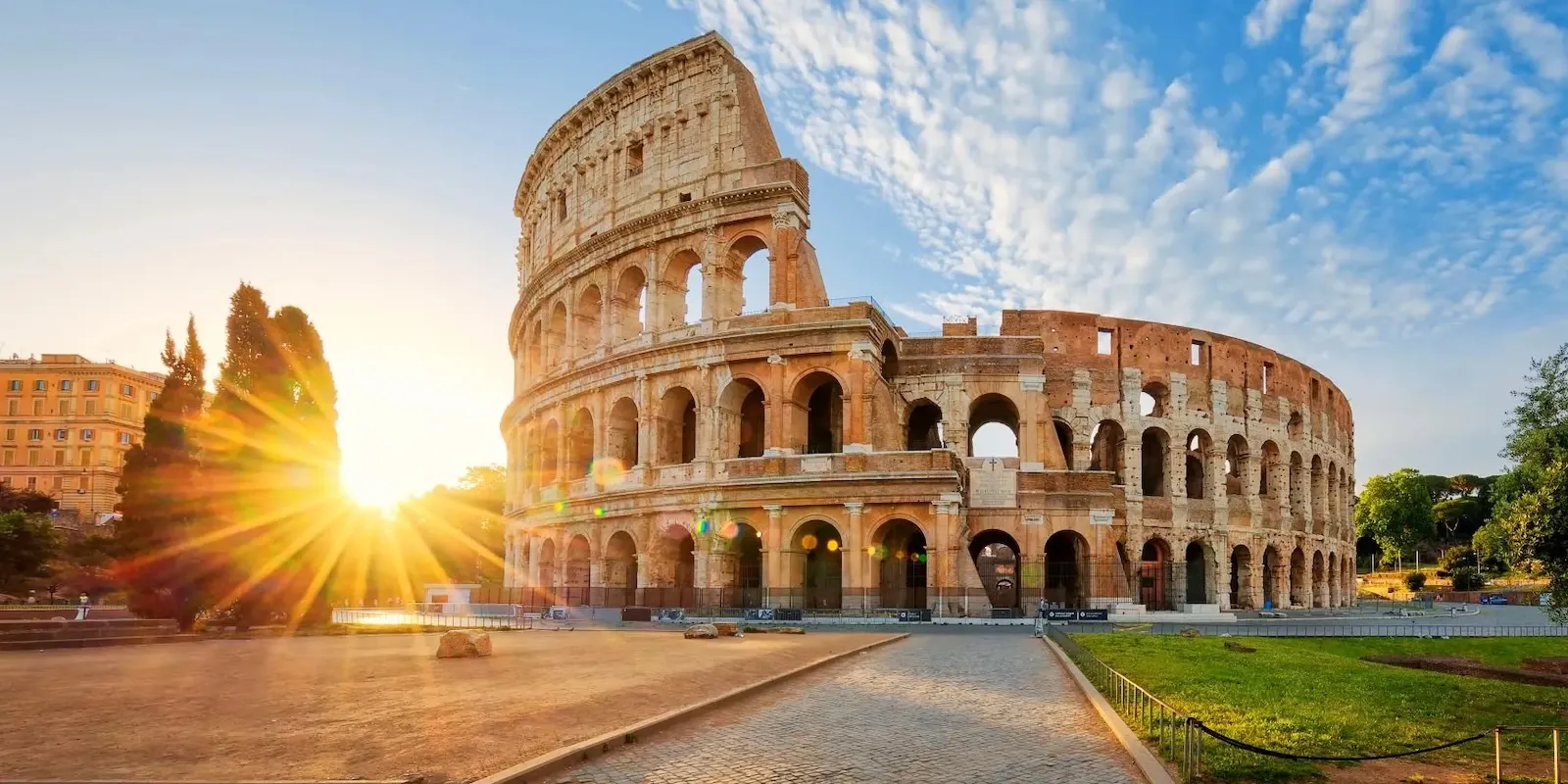
Rome: what to see in 1 day
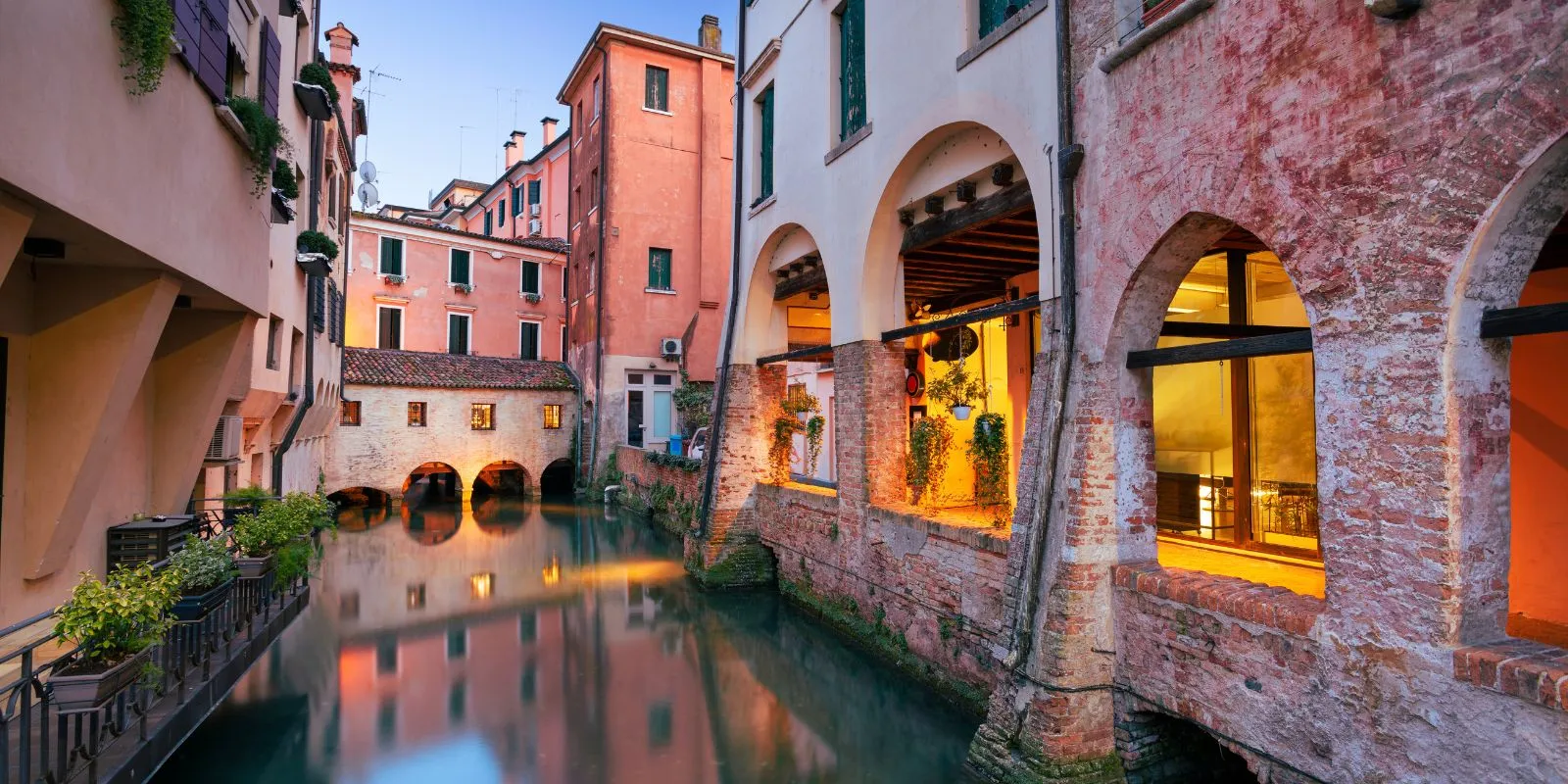
Treviso: canals, prosecco and the disputed dessert
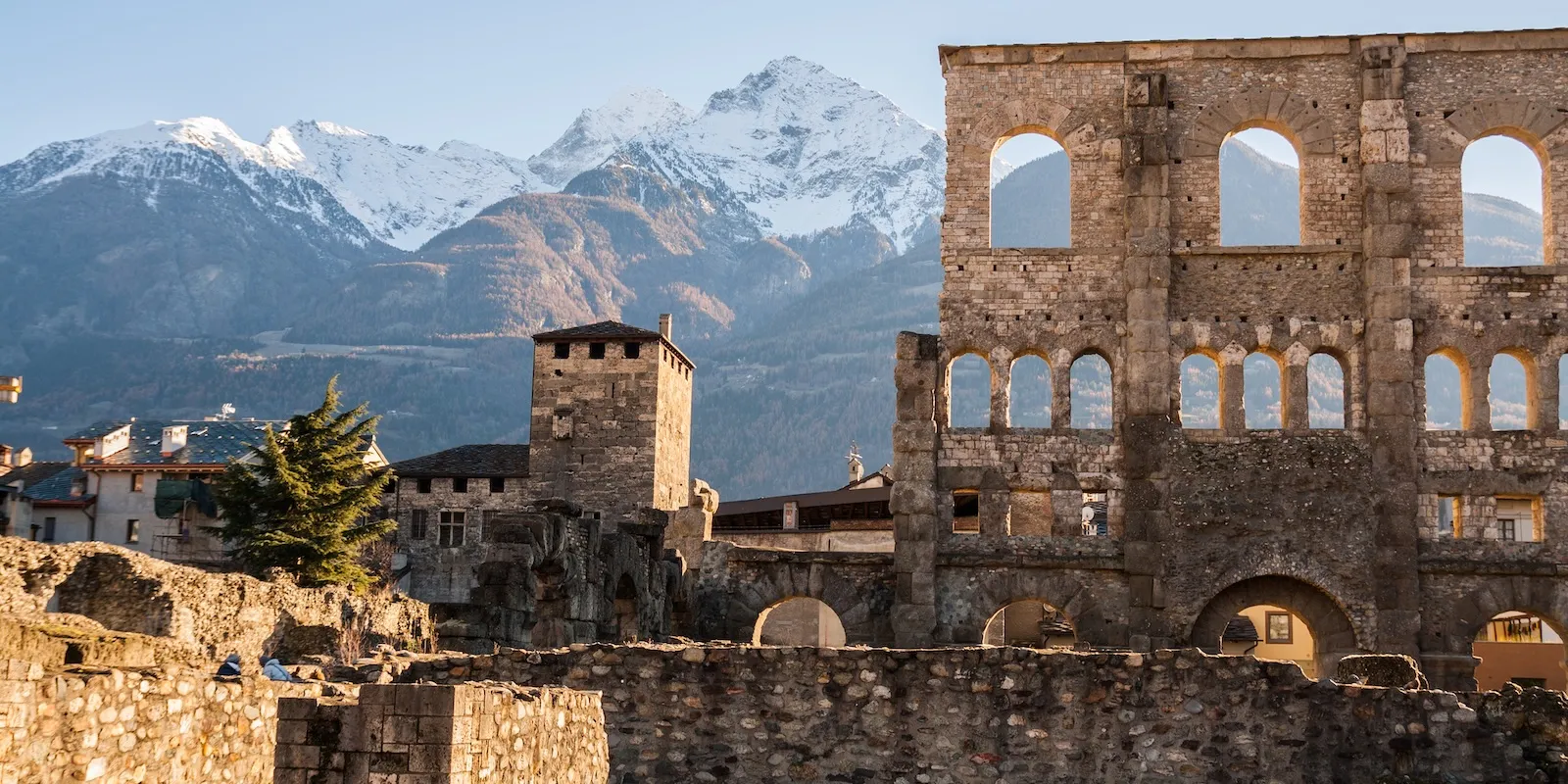
Aosta: the Rome of the Alps
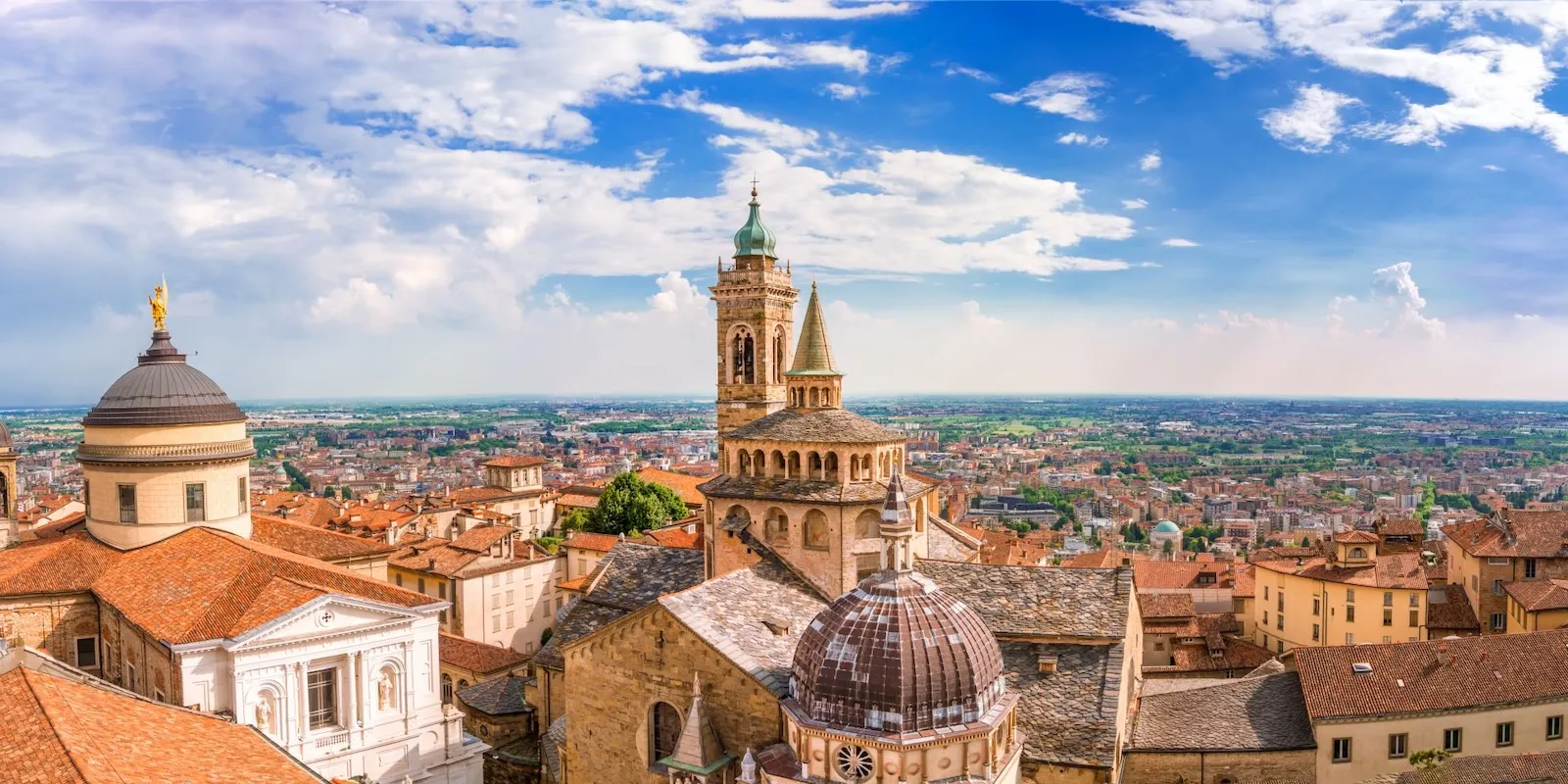
Bergamo: the Upper Town and Venetian walls
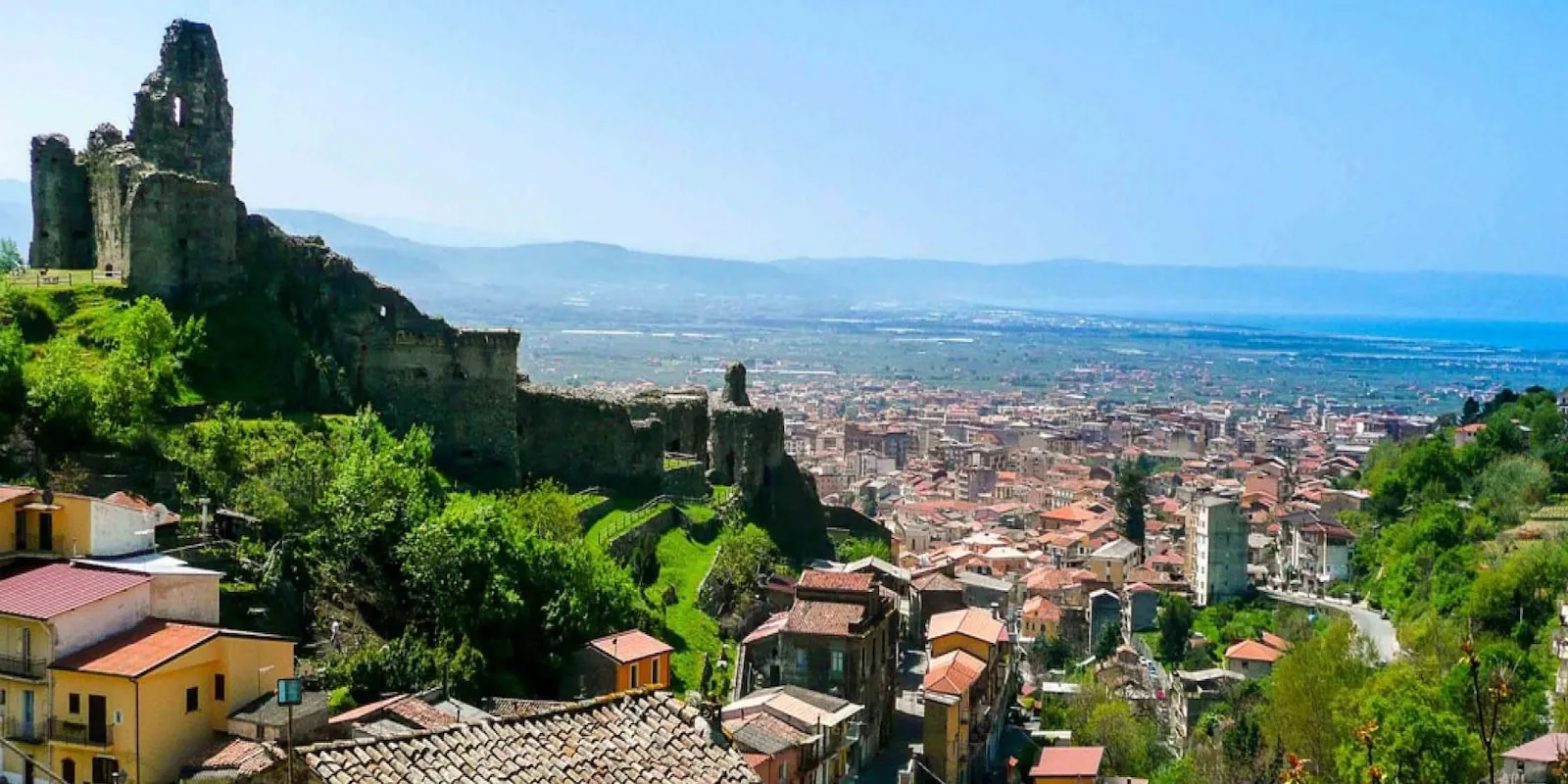
Lamezia Terme: what to see in 1 day
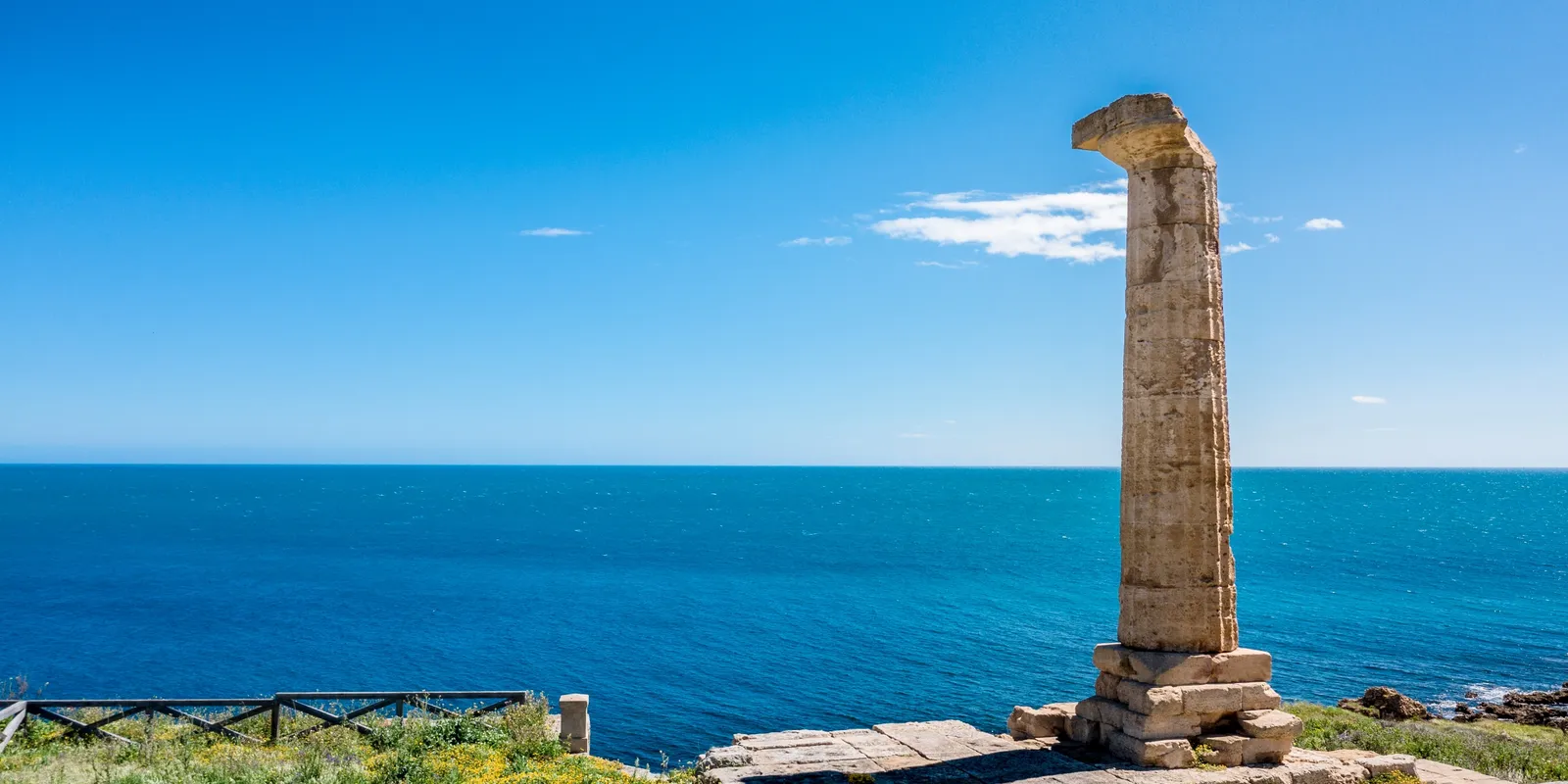
Crotone: the last column of the temple of Hera
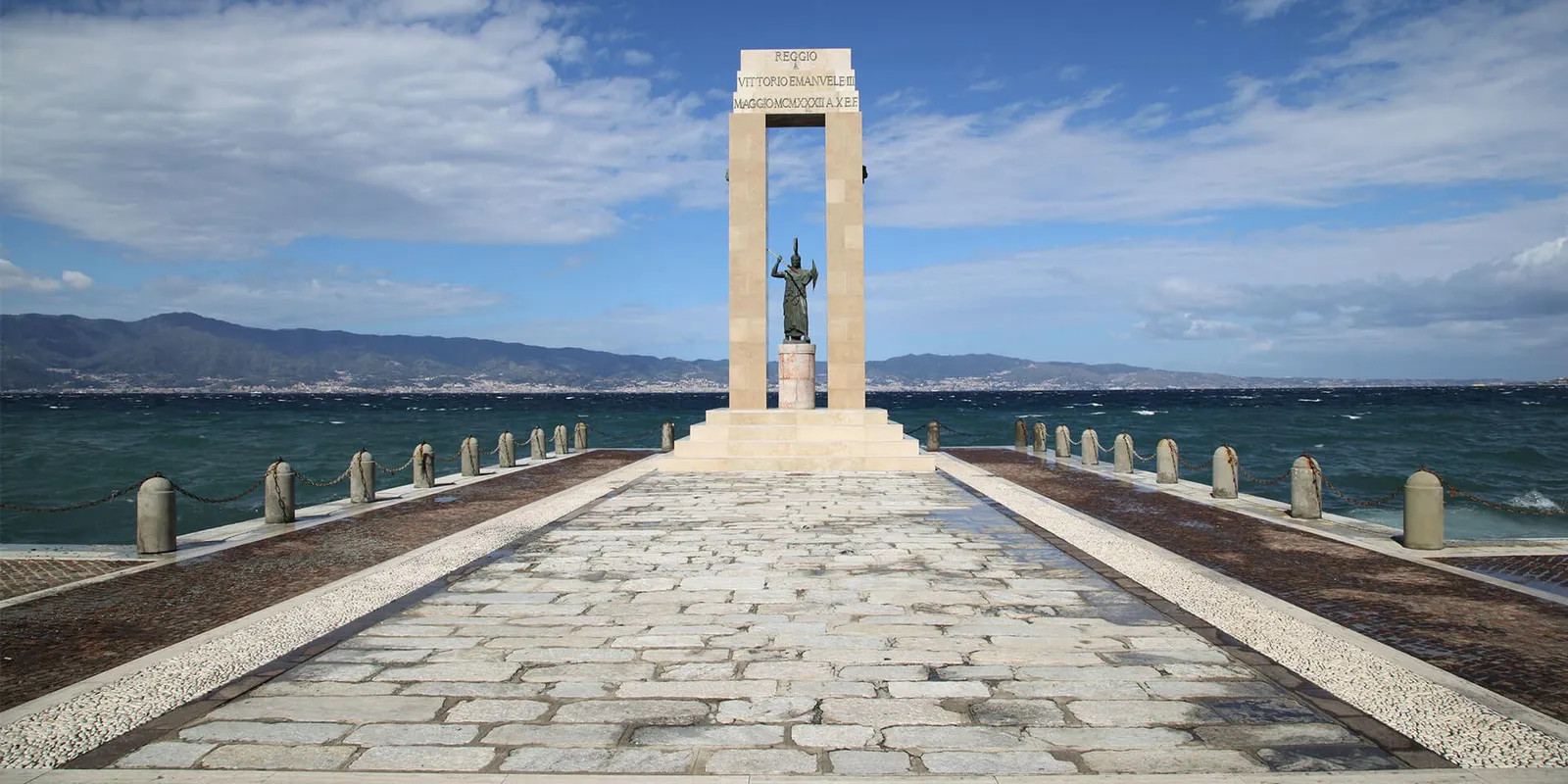
Reggio Calabria: the Riace Bronzes
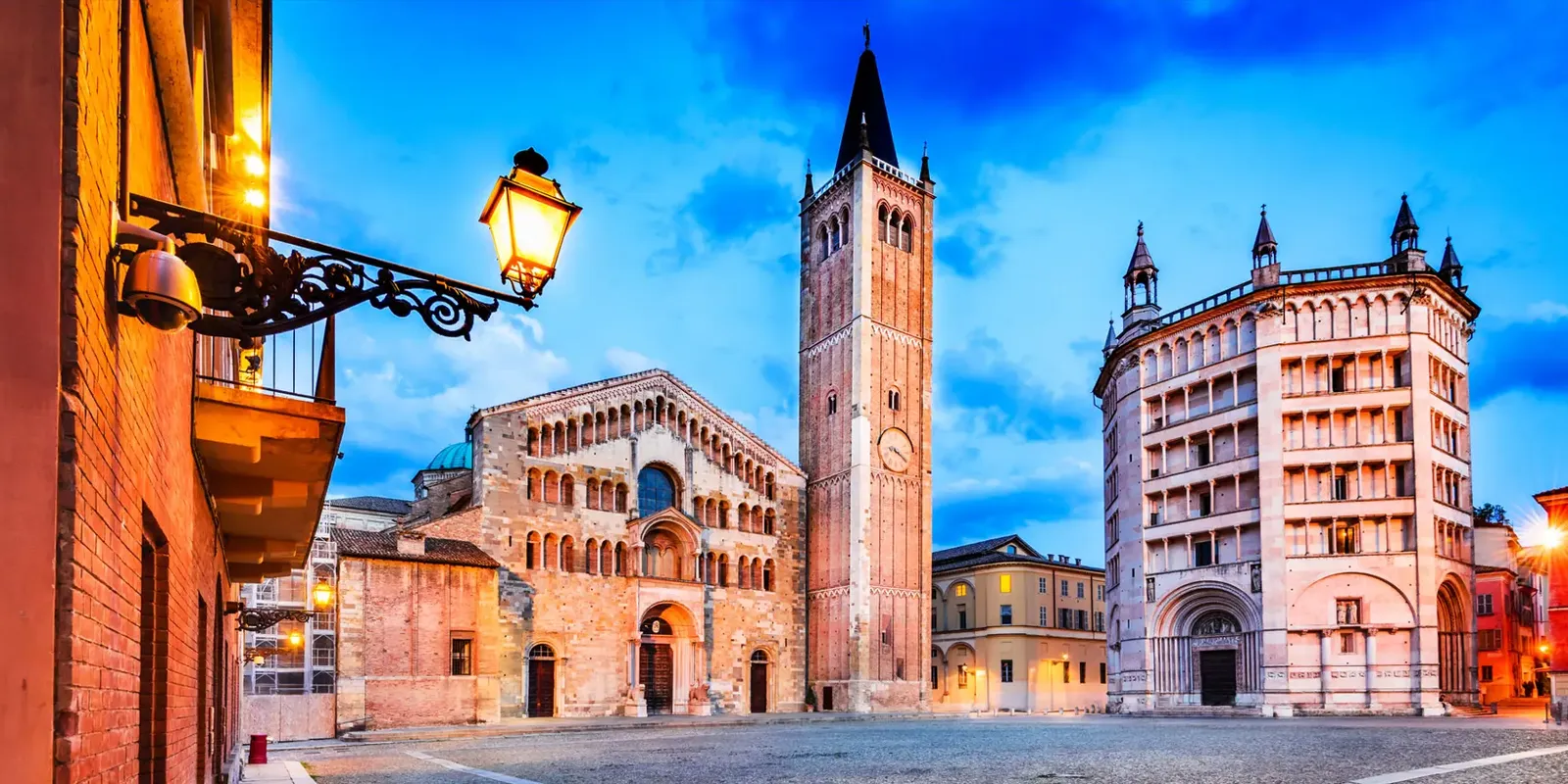
Parma: frescoes, opera and parmesan
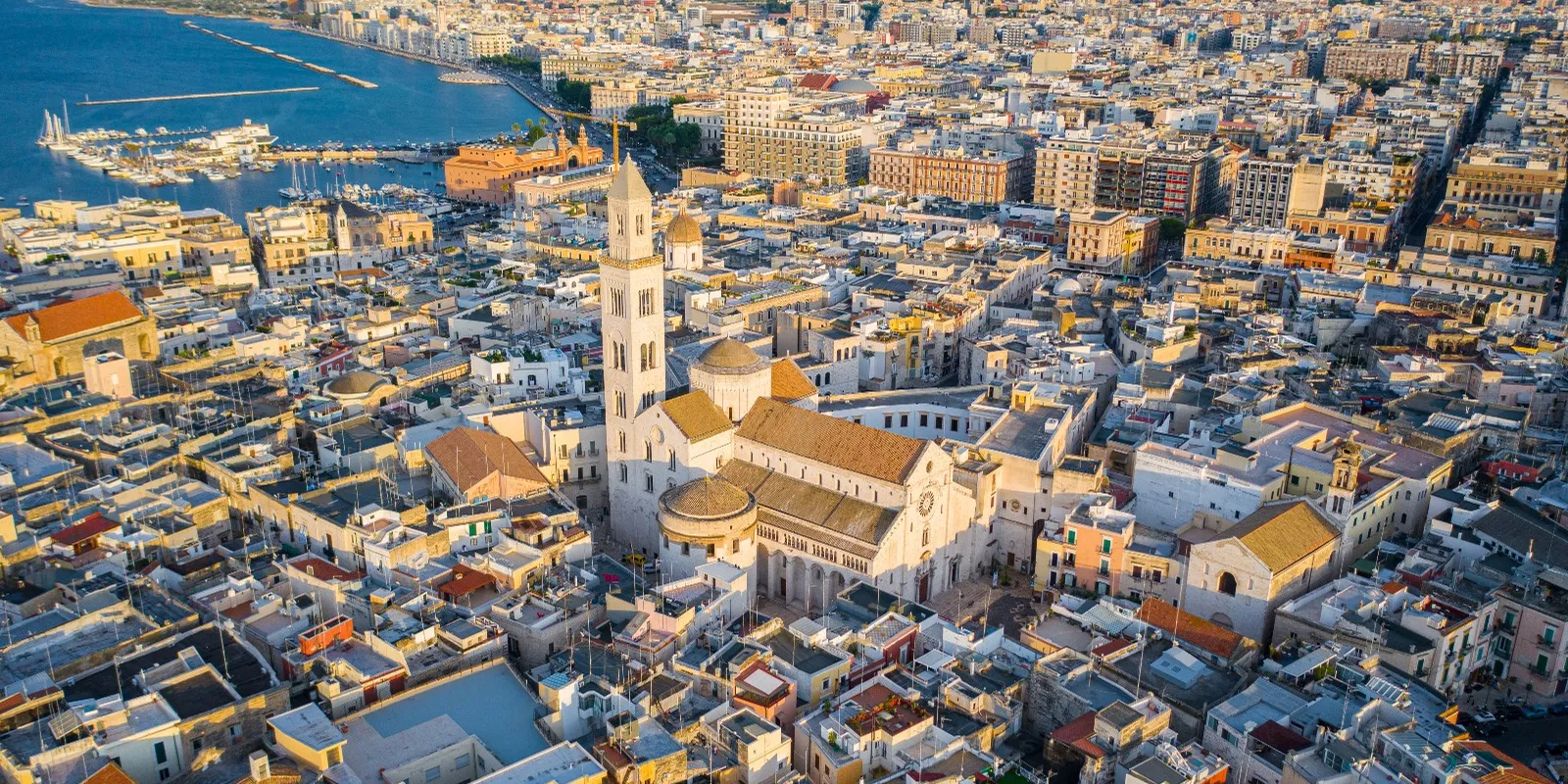
Bari: Saint Nicholas and the old town
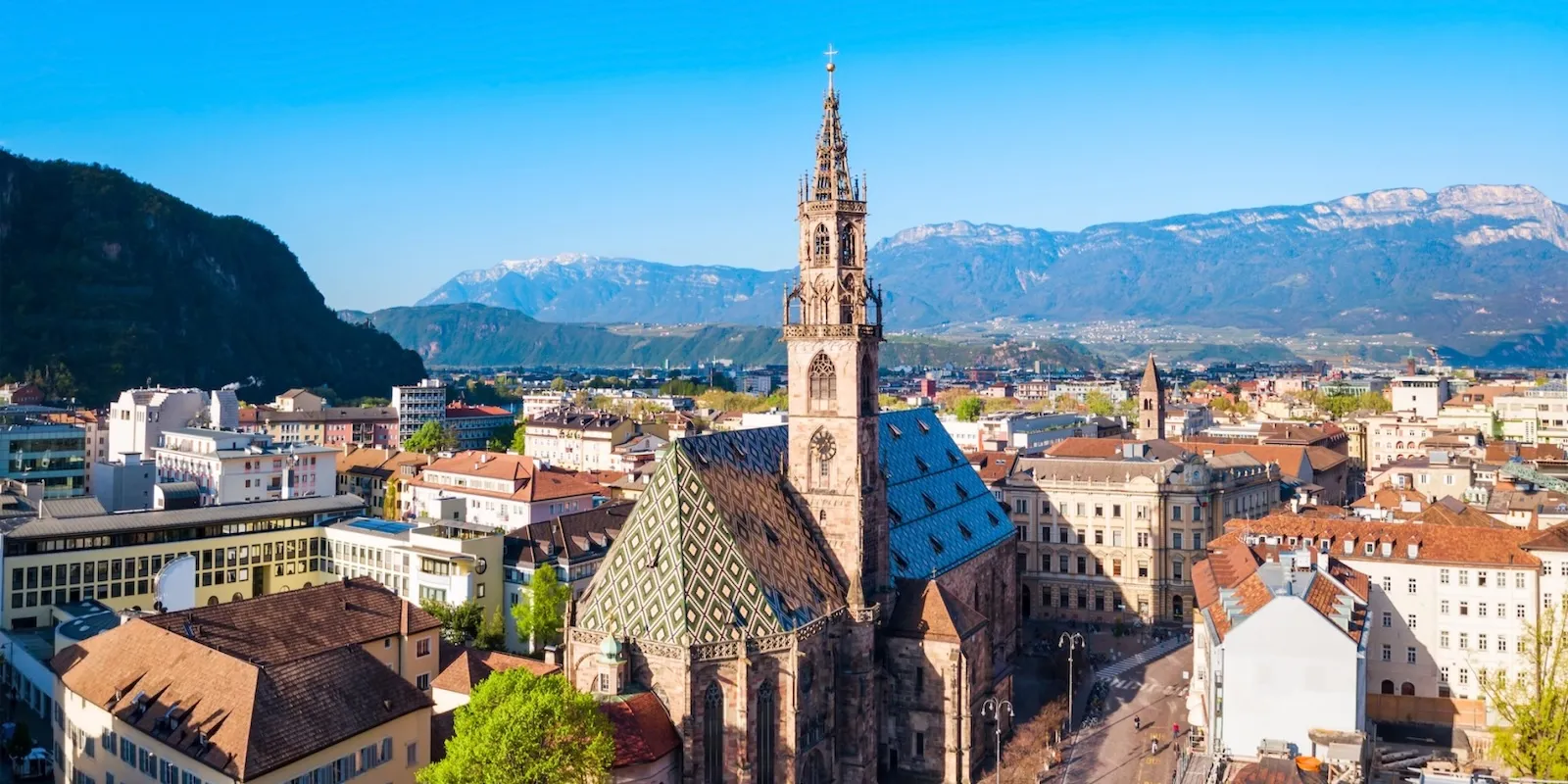
Bolzano: Ötzi and the earth pyramids of Renon
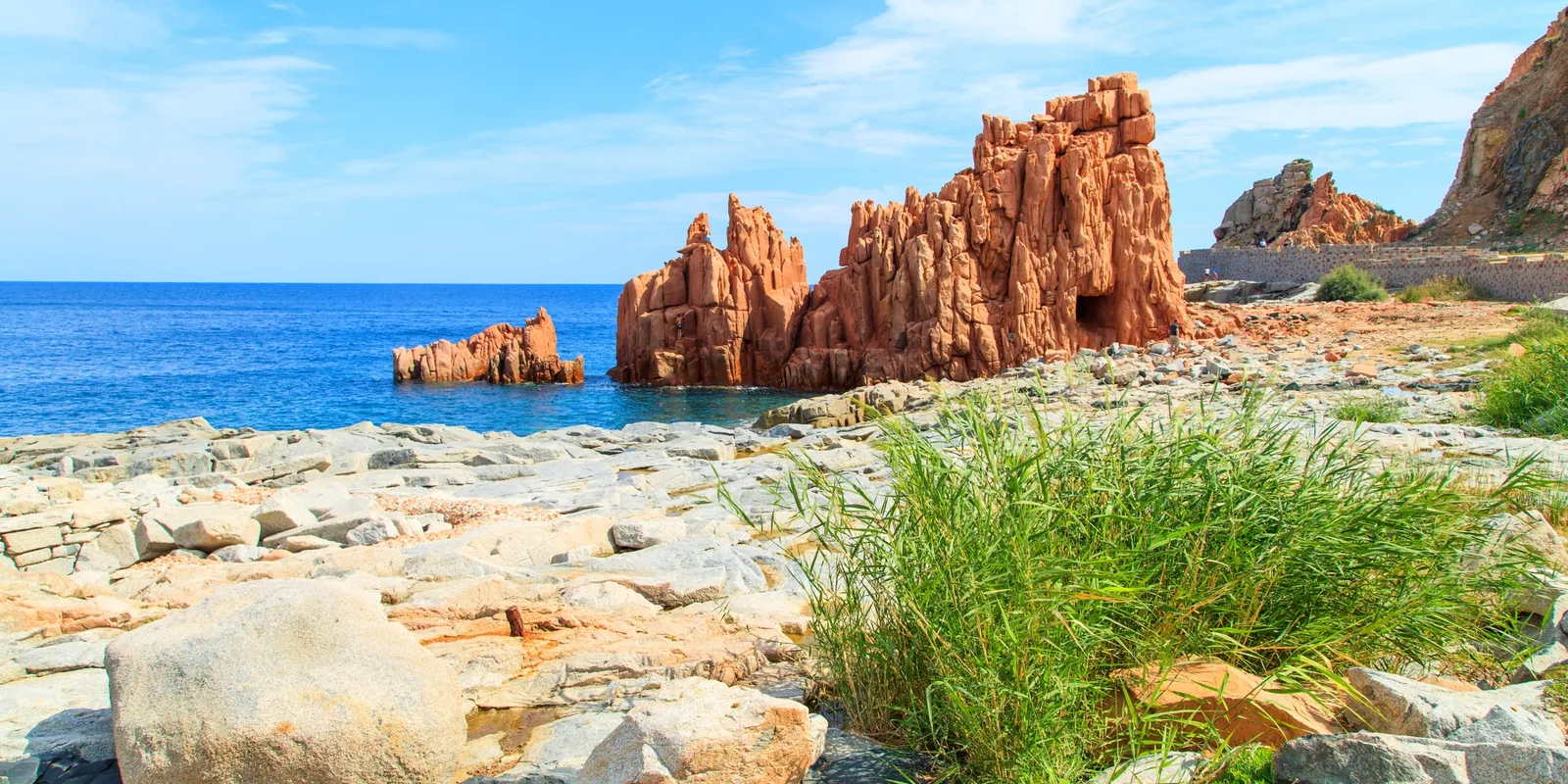
Arbatax: the red rocks of eastern Sardinia
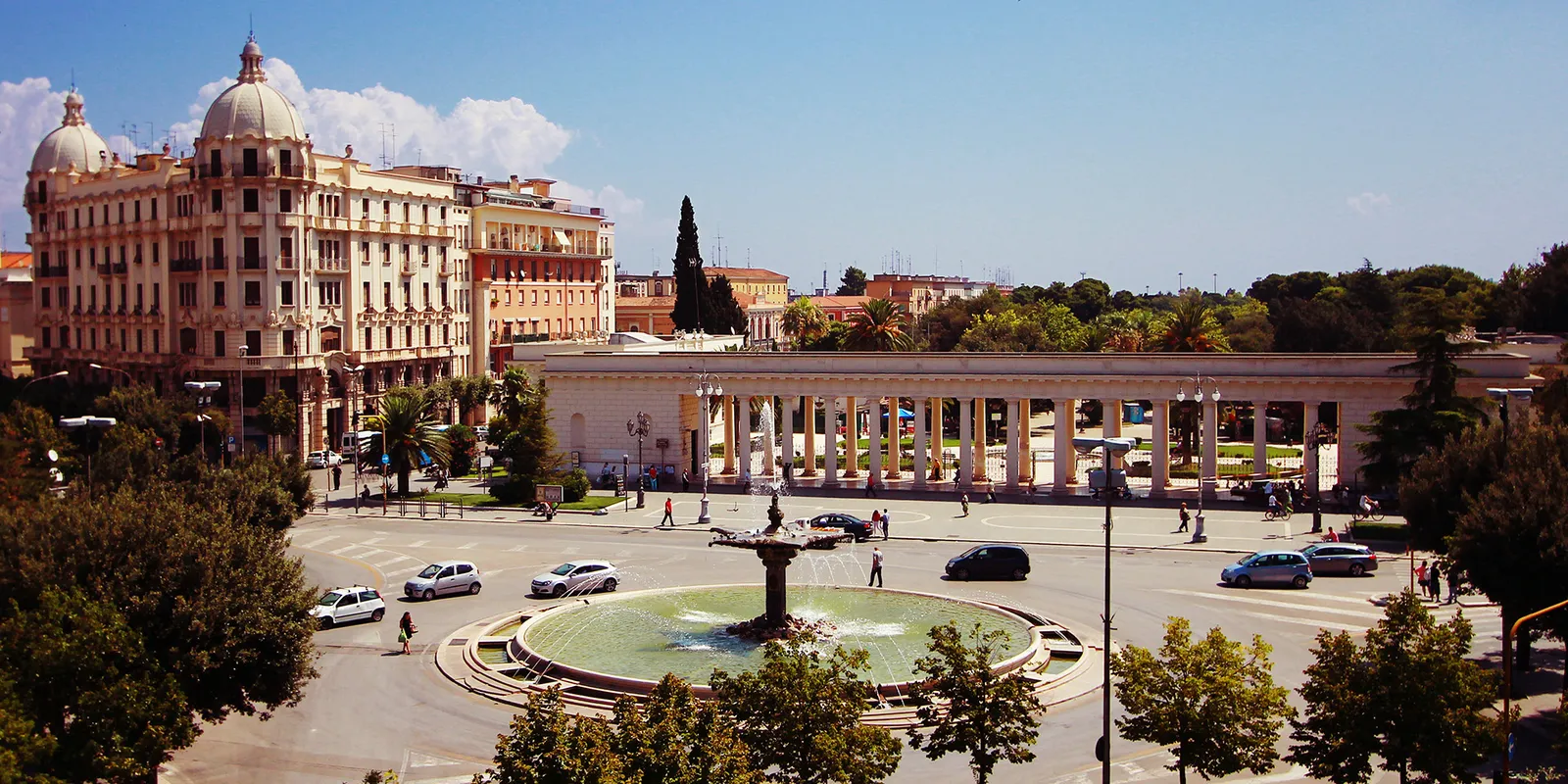
Foggia: the cathedral that survived the earthquakes
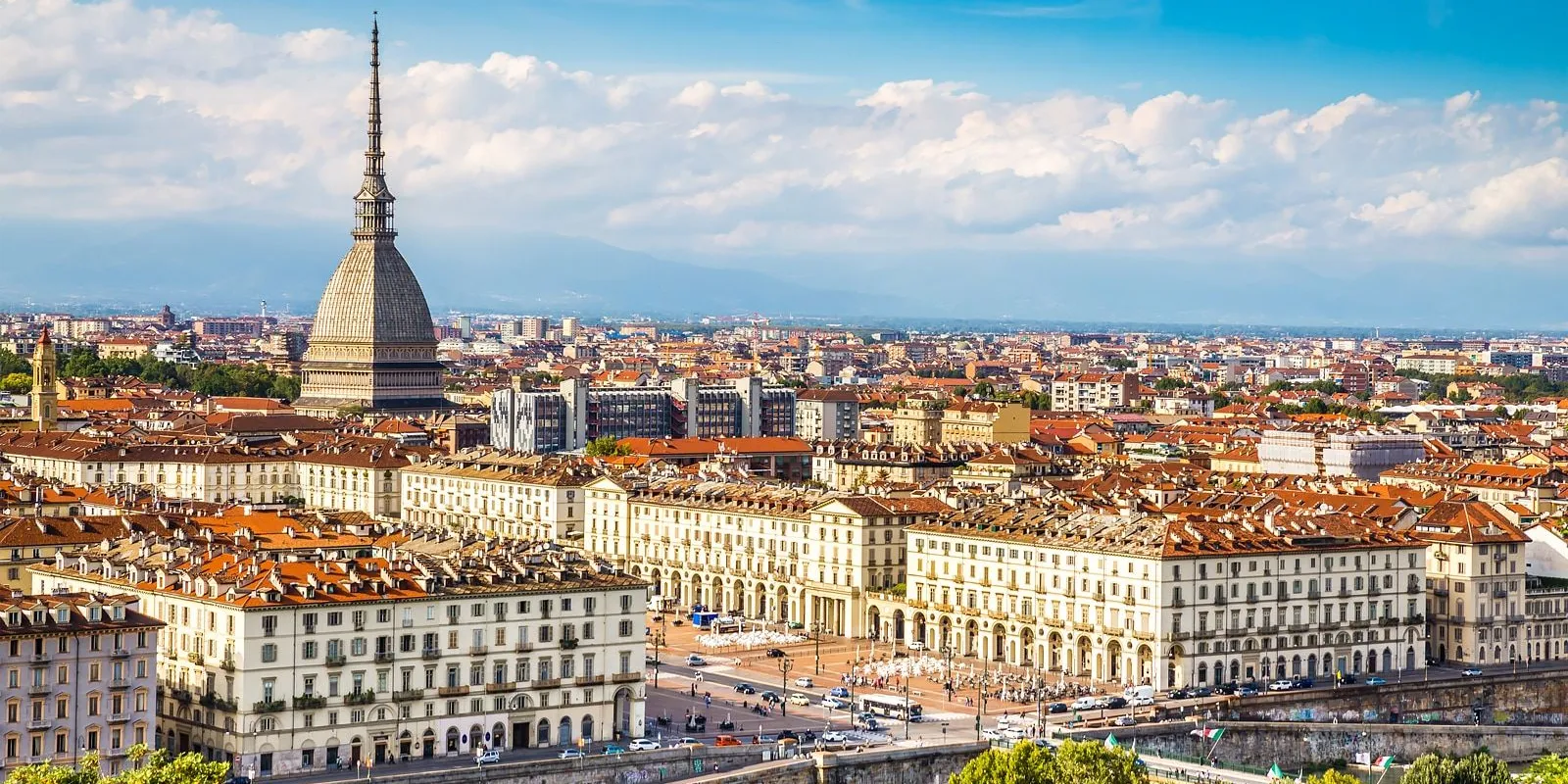
What to see in Turin in 1 day
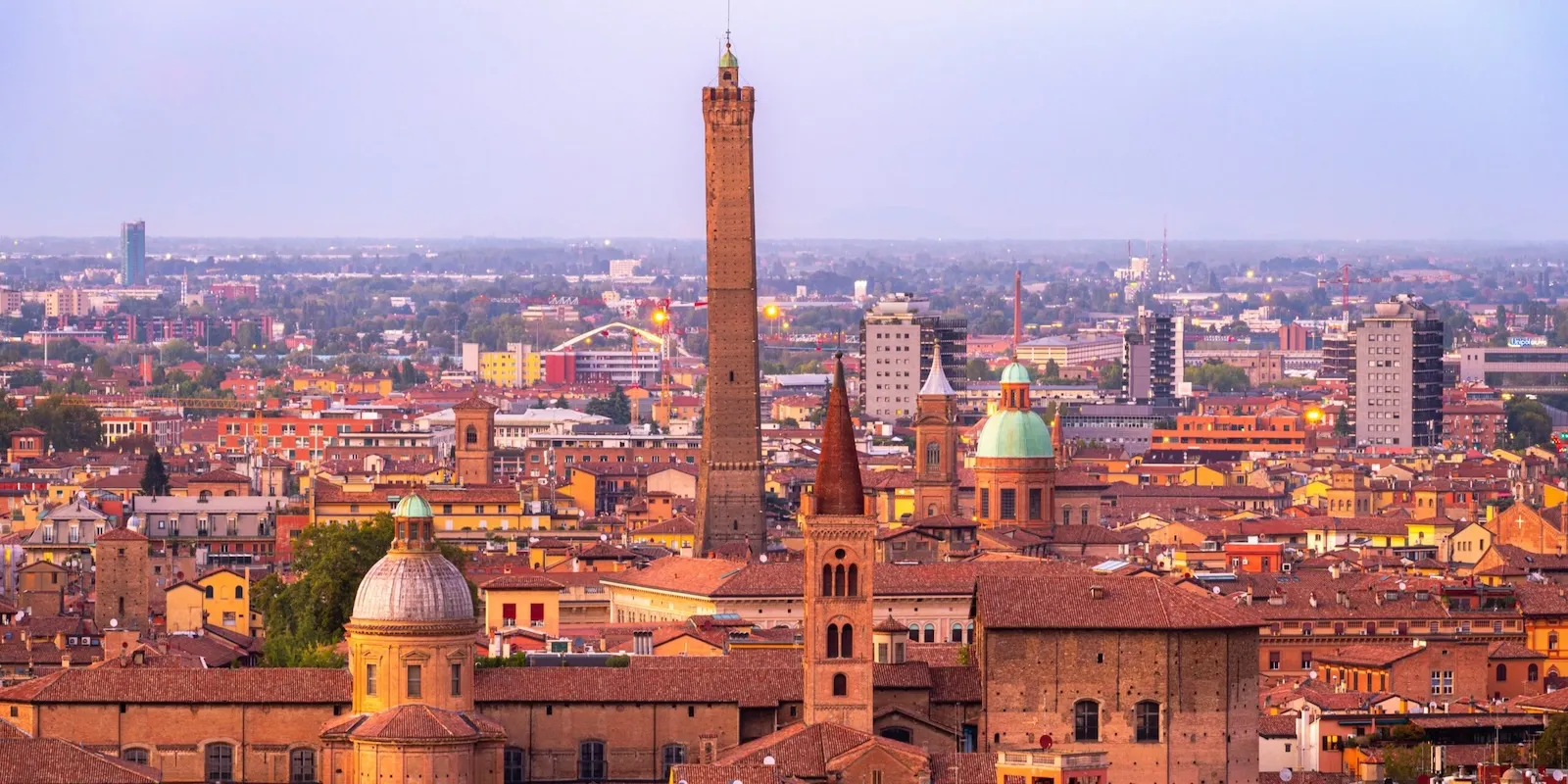
Bologna: what to see in 1 day
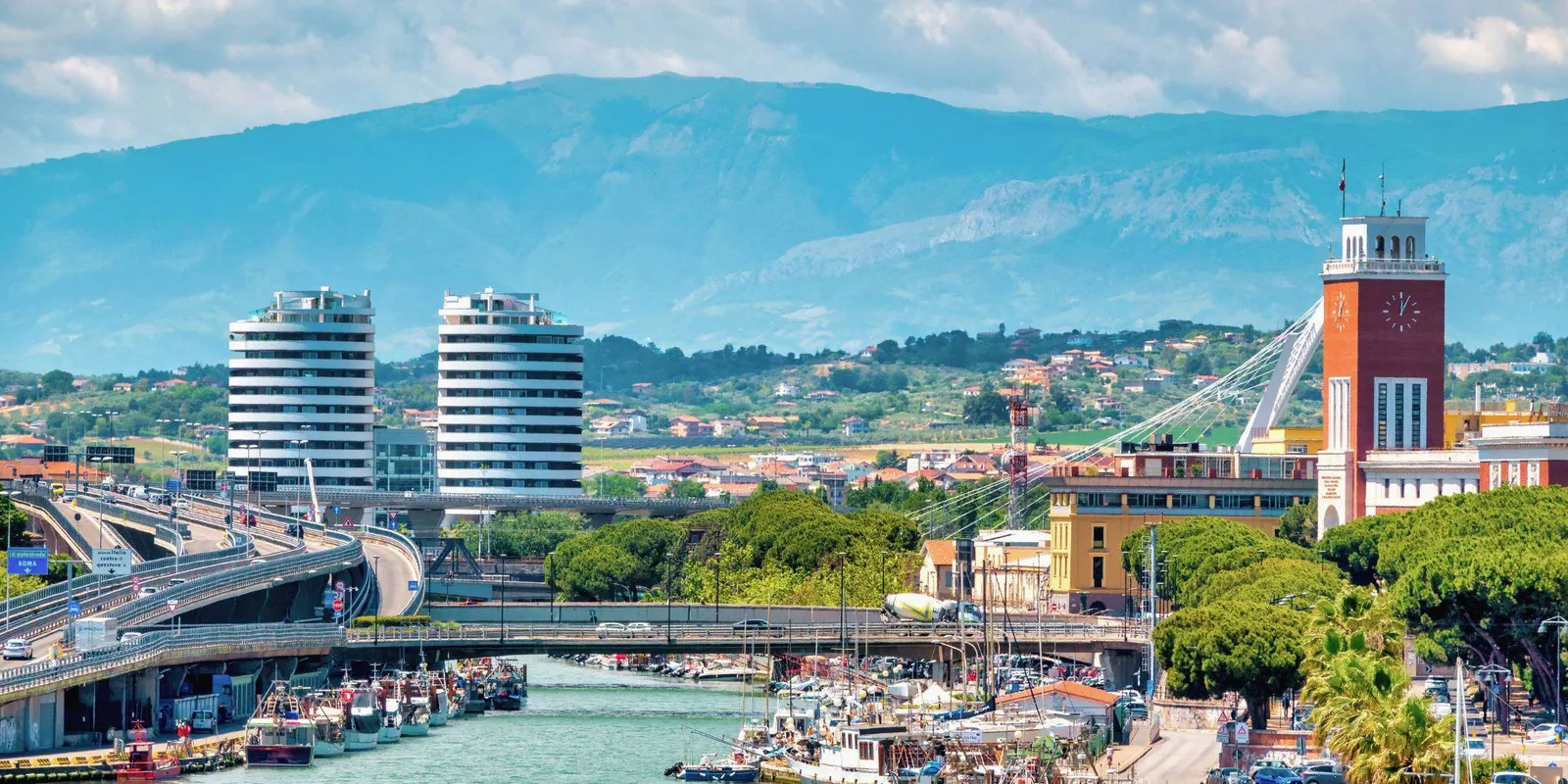
Pescara: the beach that inspired D'Annunzio
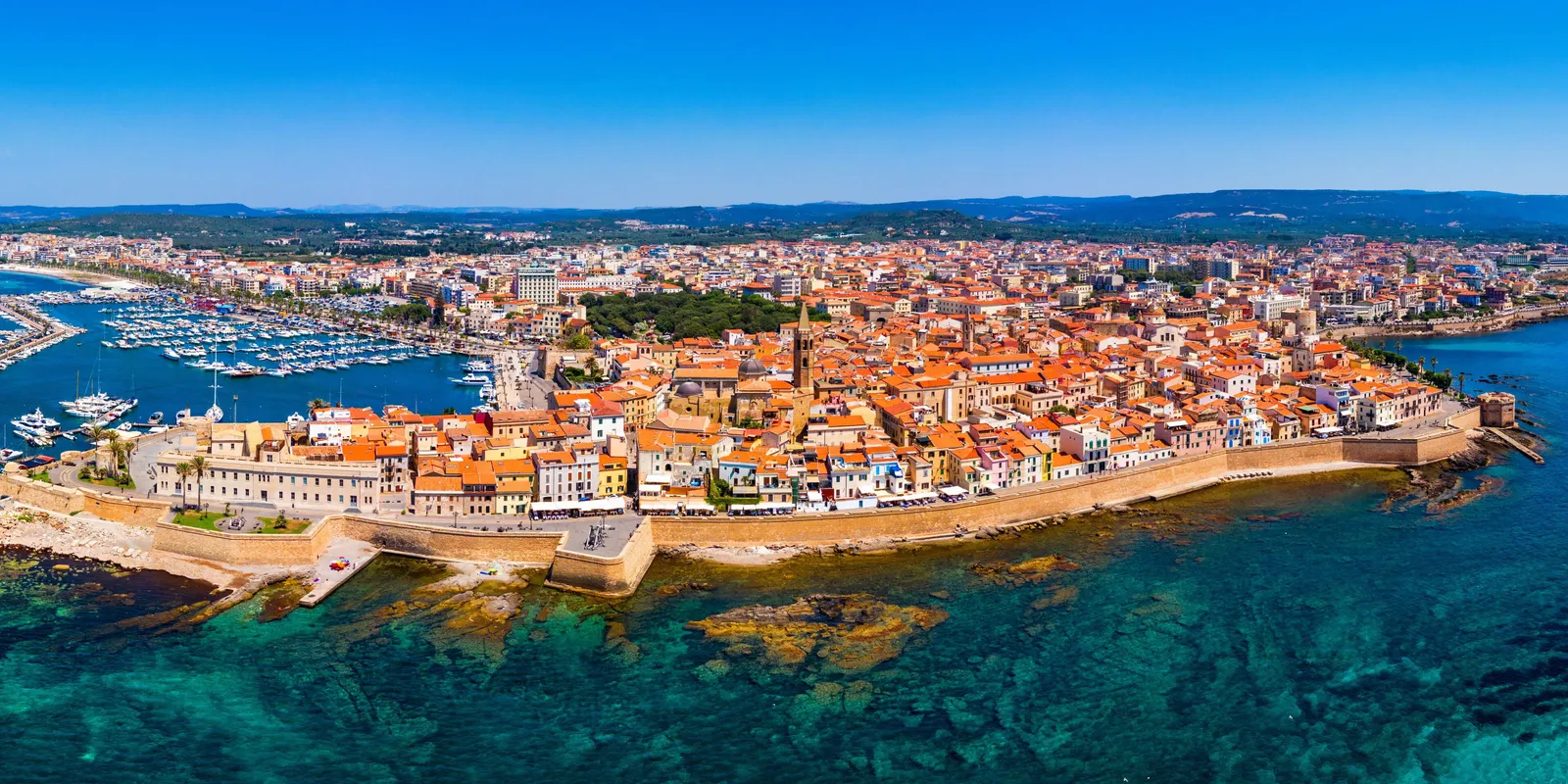
Alghero: Sardinia's Catalan soul
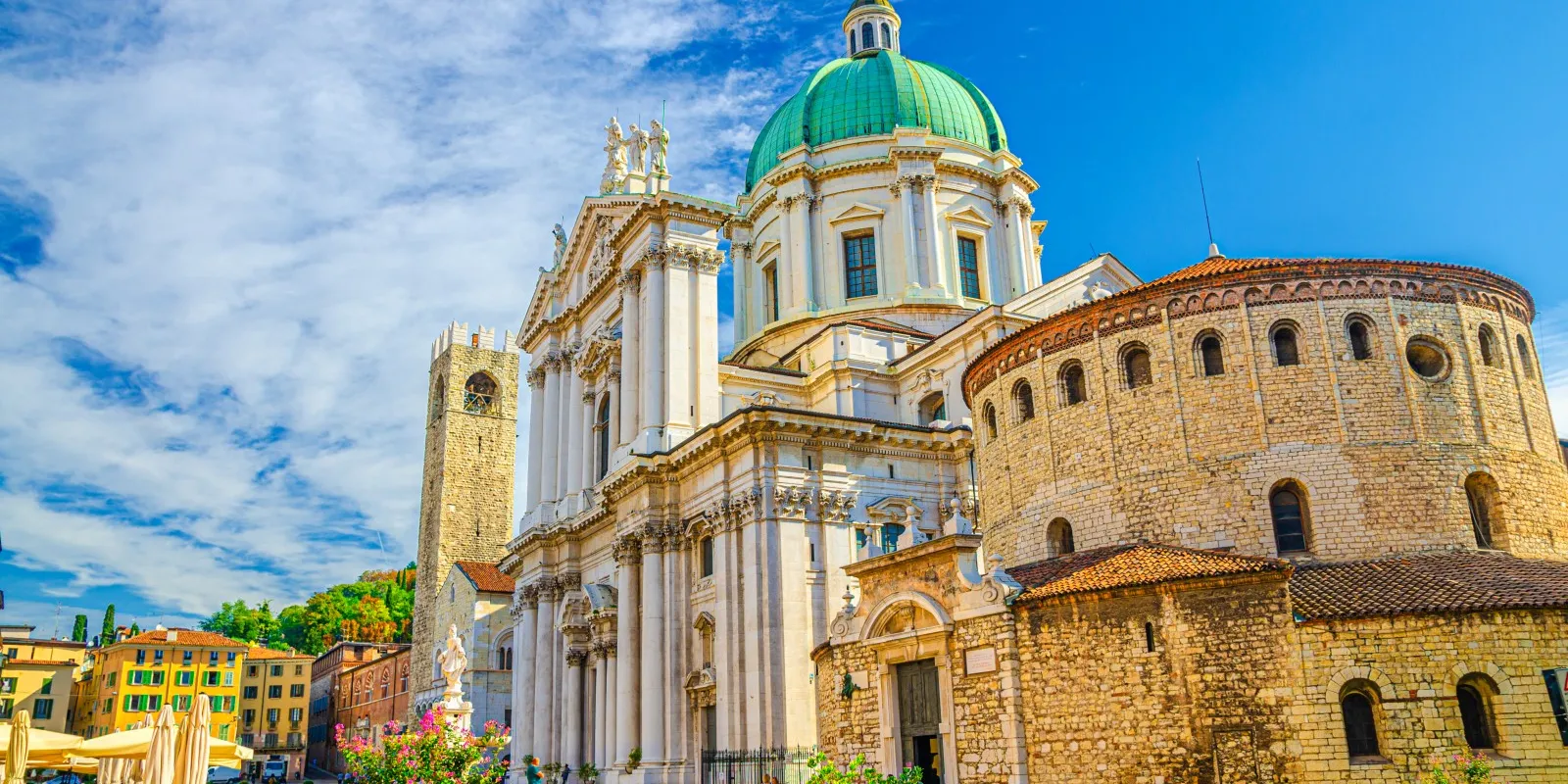
Brescia: the Rome of northern Italy
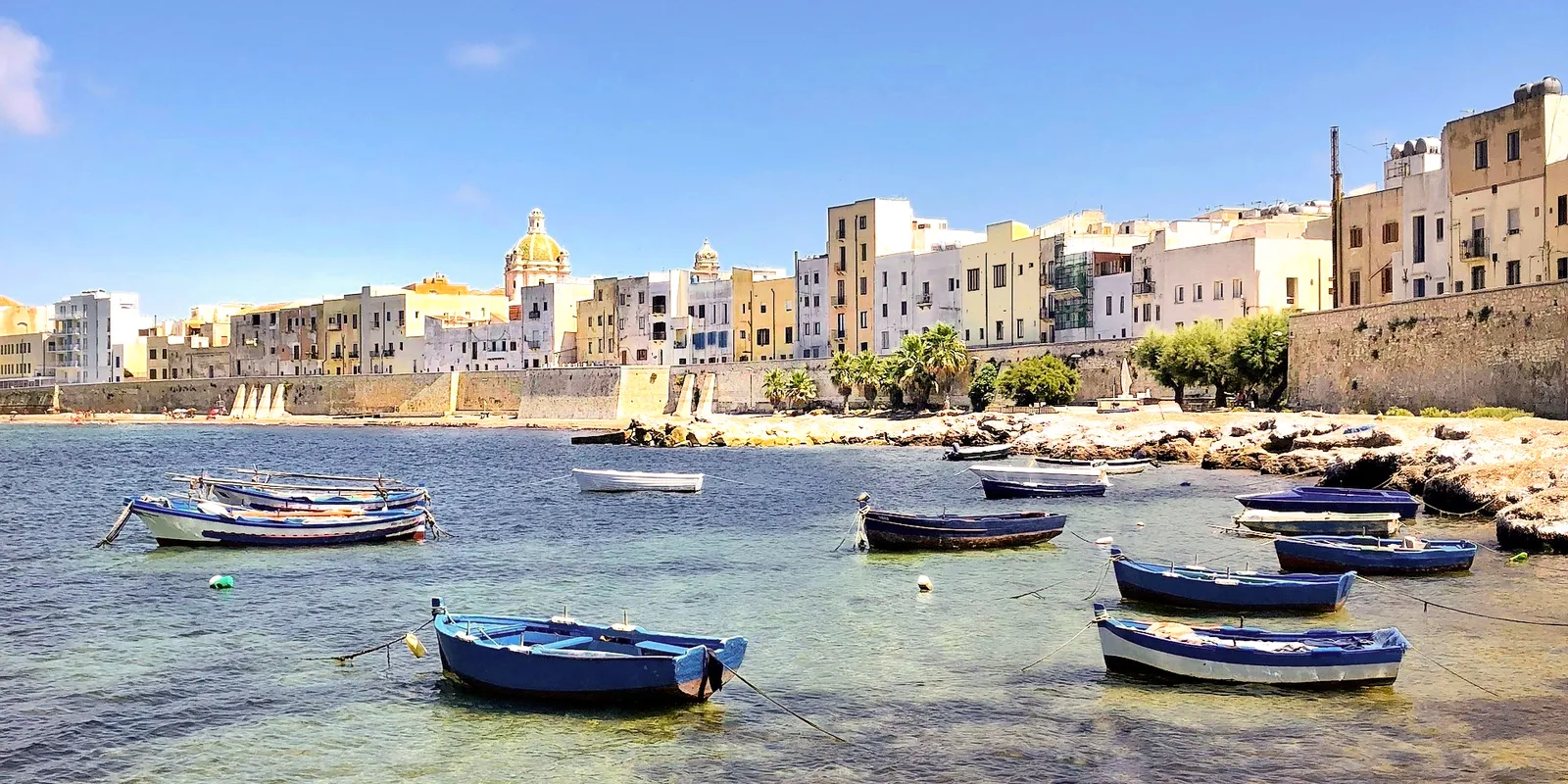
Trapani: salt pans, windmills and the climb to Erice
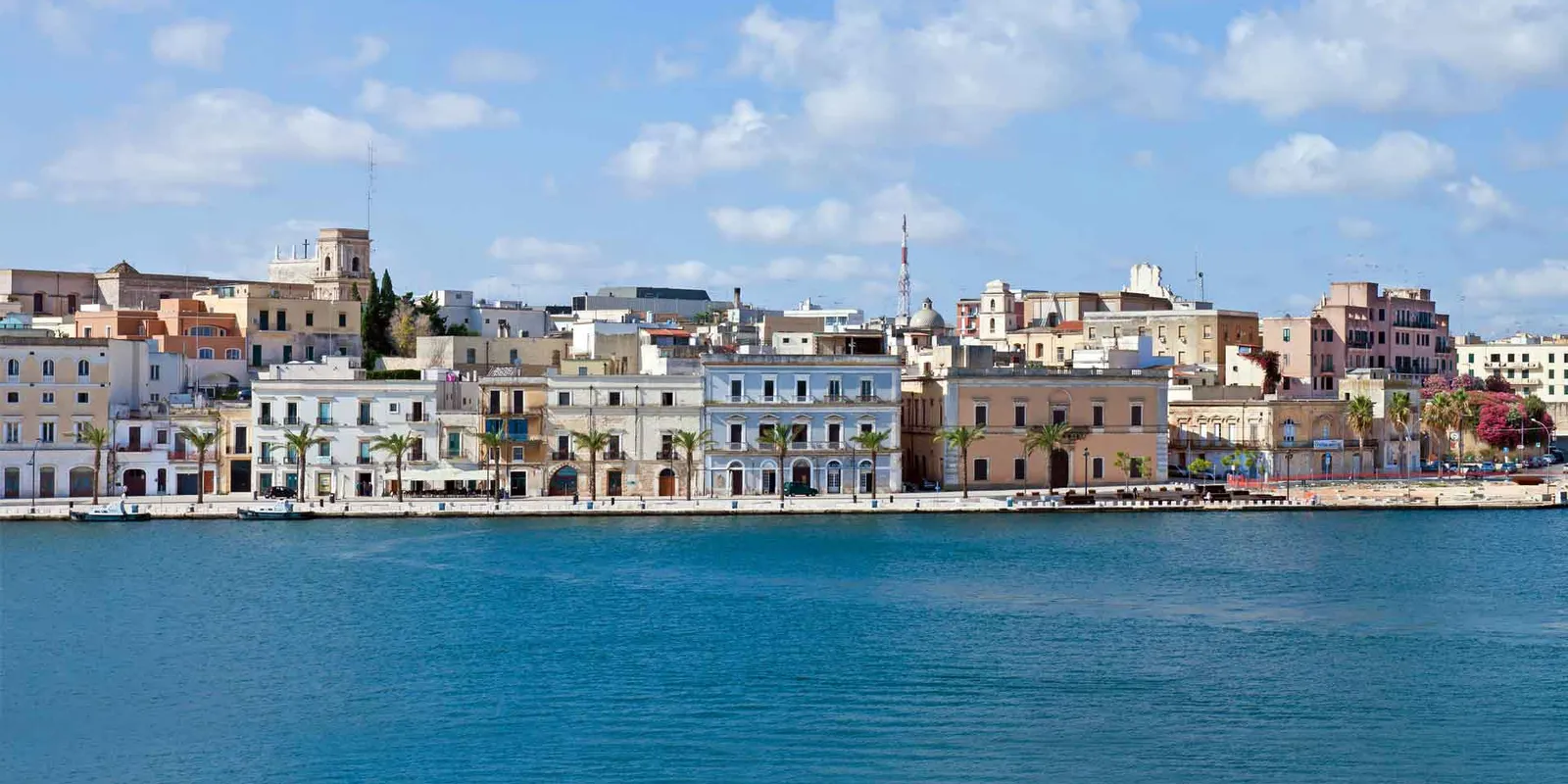
Brindisi: the end of the Appian Way
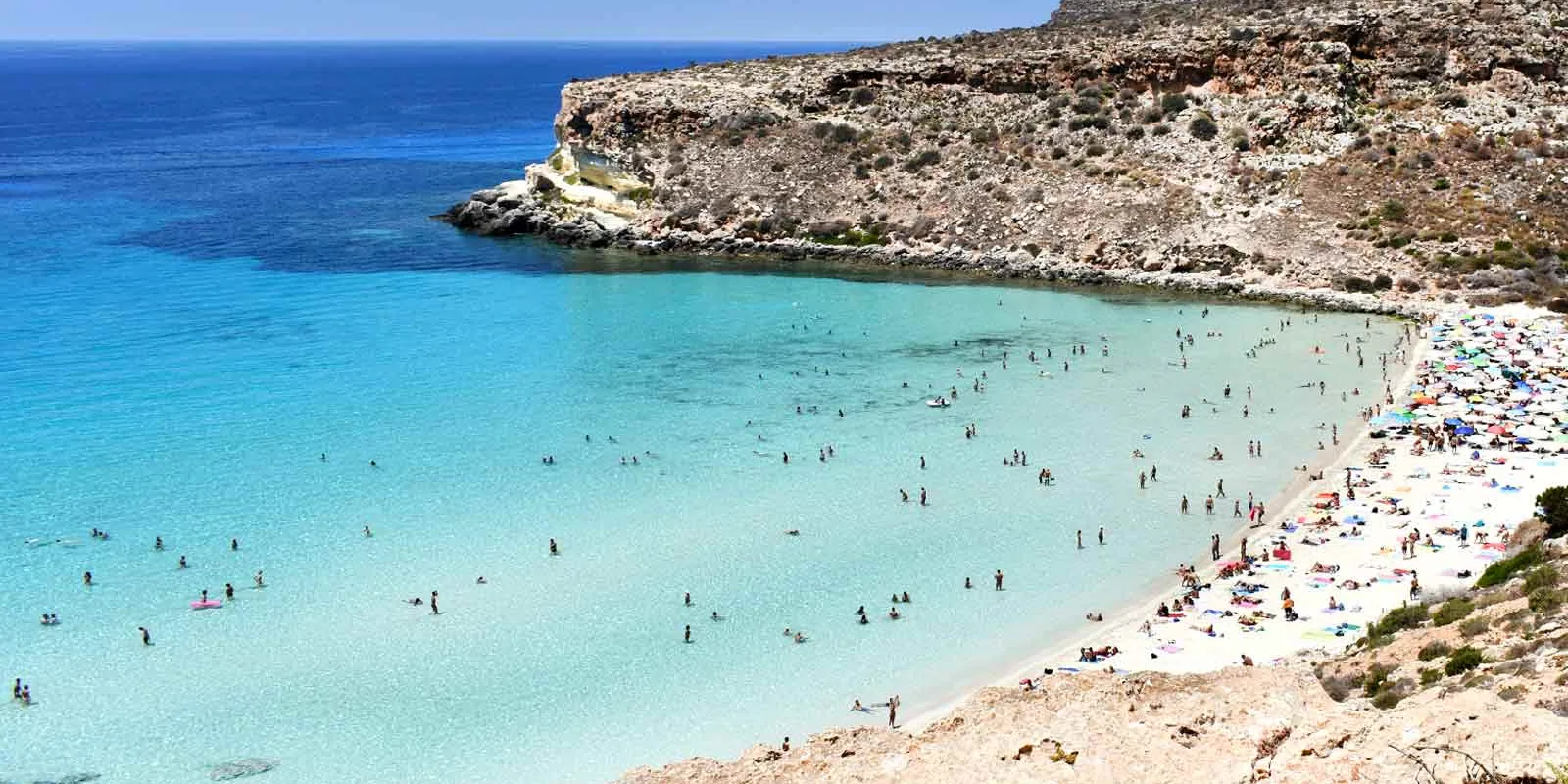
Lampedusa: Rabbit Beach